

Mohamed A. El-Erian Re-poster
1.2k Posts
Mohamed A. El-Erian Re-poster
Report
Block User
Rene M Kern Prof of Prac at Wharton. Allianz Advisor. Gramercy Chair. Chair of UnderArmour Board. Former Pimco CEO/co-CIO and President of Queens' Col Cambridge
0 Following
648 Followers
1.1K+ Liked
Posts
All
Videos
We have a pair of important macroeconomic updates to share from around the world this morning. First, French consumer confidence experienced a steeper drop than anticipated during October, pushing the metric down to its absolute lowest point since 2013. Turning to Asia, the newest gross domestic product figures out of South Korea and the latest industrial profit reports from China highlight a critical trend. Together, these statistics are a great reminder of exactly how vital the semiconductor and electronics industries are when it comes to fueling worldwide economic expansion.
#economy #markets #china #france #korea
We have a pair of important macroeconomic updates to share from around the world this morning. First, French consumer confidence experienced a steeper drop than anticipated during October, pushing the metric down to its absolute lowest point since 2013. Turning to Asia, the newest gross domestic product figures out of South Korea and the latest industrial profit reports from China highlight a critical trend. Together, these statistics are a great reminder of exactly how vital the semiconductor and electronics industries are when it comes to fueling worldwide economic expansion.
#economy #markets #china #france #korea
#economy #markets #china #france #korea
42
Today marks the beginning of the two-day gathering for the Federal Reserve. As we look forward to the official announcement tomorrow, financial markets strongly anticipate that interest rates will be maintained at their current levels.
In light of the recent series of inflation statistics, it is reasonable to expect a rather hawkish tone in the commentary that follows the decision. Moreover, while the situation remains somewhat uncertain, there is a distinct possibility that we might see some formal dissents regarding this policy choice.
#FOMC #FederalReserve #economy #markets #centralbanks
Today marks the beginning of the two-day gathering for the Federal Reserve. As we look forward to the official announcement tomorrow, financial markets strongly anticipate that interest rates will be maintained at their current levels.
In light of the recent series of inflation statistics, it is reasonable to expect a rather hawkish tone in the commentary that follows the decision. Moreover, while the situation remains somewhat uncertain, there is a distinct possibility that we might see some formal dissents regarding this policy choice.
#FOMC #FederalReserve #economy #markets #centralbanks
In light of the recent series of inflation statistics, it is reasonable to expect a rather hawkish tone in the commentary that follows the decision. Moreover, while the situation remains somewhat uncertain, there is a distinct possibility that we might see some formal dissents regarding this policy choice.
#FOMC #FederalReserve #economy #markets #centralbanks
72
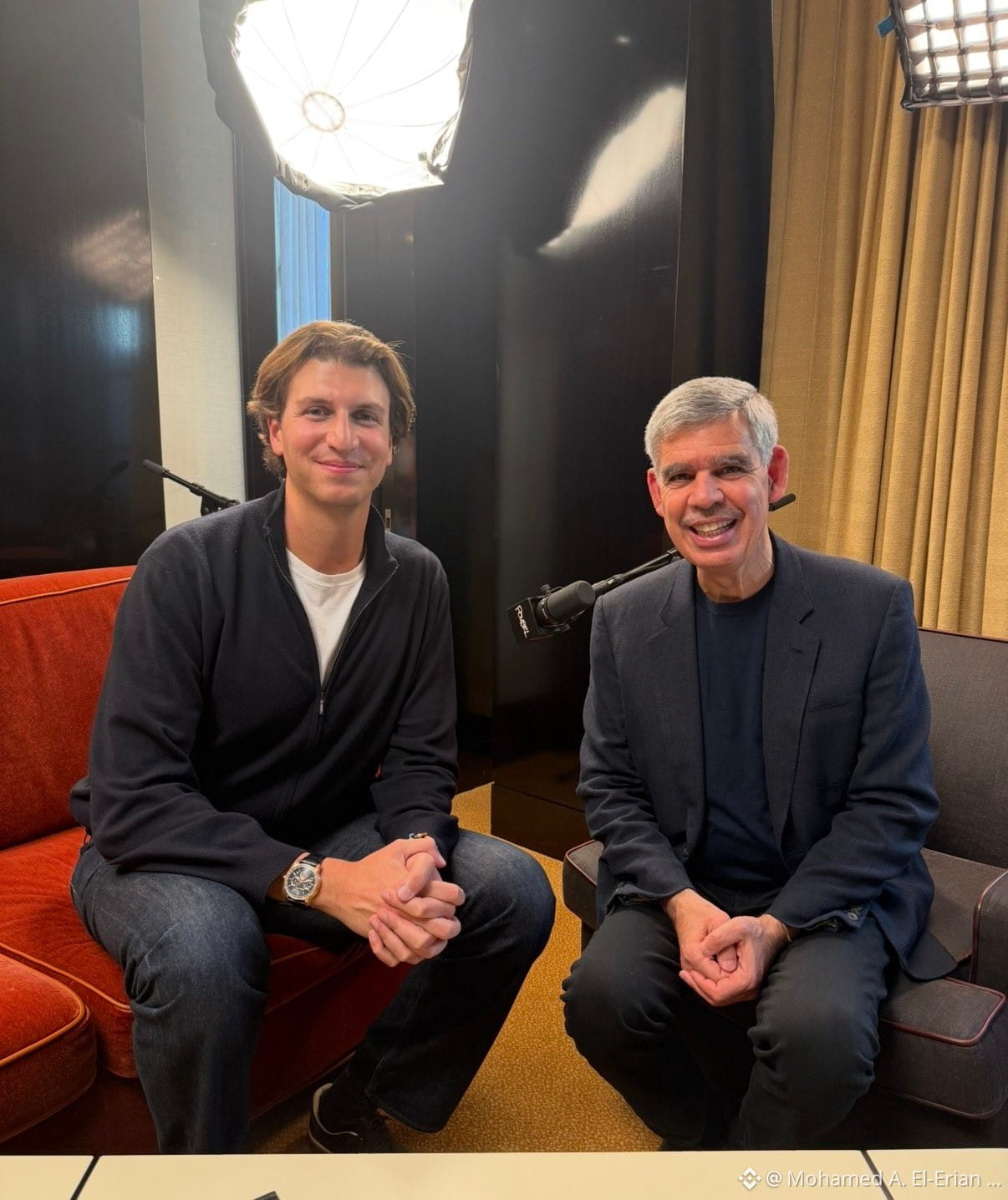
Participating as a guest on the podcast hosted by the Gstaad Guy was both a distinct privilege and a truly wonderful experience. I hold an immense amount of respect for him. It is quite uncommon to encounter an individual who seamlessly blends an inquisitive mind, sharp humor, profound insight, careful consideration, and authentic kindness. I am deeply grateful for the opportunity to join the show. Thank you so much.
@GstaadG @GstaadX #gstaadguy
Participating as a guest on the podcast hosted by the Gstaad Guy was both a distinct privilege and a truly wonderful experience. I hold an immense amount of respect for him. It is quite uncommon to encounter an individual who seamlessly blends an inquisitive mind, sharp humor, profound insight, careful consideration, and authentic kindness. I am deeply grateful for the opportunity to join the show. Thank you so much.
@GstaadG @GstaadX #gstaadguy
@GstaadG @GstaadX #gstaadguy
4
Here is a video excerpt highlighting a discussion that aired earlier today on the CNBC program Squawk Box. Feel free to follow the link below to watch the segment.
https://www.cnbc.com/video/2026/10/26/mohamed-el-erian-its-a-good-thing-were-seeing-differentiation-in-ai.html
#economy #markets #tech #ai #ArtificialIntelligence @CNBC @SquawkCNBC
Here is a video excerpt highlighting a discussion that aired earlier today on the CNBC program Squawk Box. Feel free to follow the link below to watch the segment.
https://www.cnbc.com/video/2026/10/26/mohamed-el-erian-its-a-good-thing-were-seeing-differentiation-in-ai.html
#economy #markets #tech #ai #ArtificialIntelligence @CNBC @SquawkCNBC
https://www.cnbc.com/video/2026/10/26/mohamed-el-erian-its-a-good-thing-were-seeing-differentiation-in-ai.html
#economy #markets #tech #ai #ArtificialIntelligence @CNBC @SquawkCNBC
1
Today, we are witnessing a huge wave of selling across Brazilian assets. The sheer size of this market reaction does not necessarily reflect concerns about the fundamental economic future of the nation. Instead, it highlights the fact that the financial sector was overwhelmingly confident in a victory for Bolsonaro, and investors are now adjusting to just how incorrect that shared assumption proved to be.
#brazil #lula #bolsonaro
Today, we are witnessing a huge wave of selling across Brazilian assets. The sheer size of this market reaction does not necessarily reflect concerns about the fundamental economic future of the nation. Instead, it highlights the fact that the financial sector was overwhelmingly confident in a victory for Bolsonaro, and investors are now adjusting to just how incorrect that shared assumption proved to be.
#brazil #lula #bolsonaro
#brazil #lula #bolsonaro
38
I would like to extend my sincere appreciation to @andrewrsorkin, @BeckyQuick, and @JoeSquawk for being such gracious hosts. It was a wonderful experience joining the conversation on @SquawkCNBC this morning. #economy #markets @CNBC
I would like to extend my sincere appreciation to @andrewrsorkin, @BeckyQuick, and @JoeSquawk for being such gracious hosts. It was a wonderful experience joining the conversation on @SquawkCNBC this morning. #economy #markets @CNBC
35
A very good morning to you. As we navigate a particularly busy week filled with new policy announcements, corporate earnings reports, and upcoming economic data, a noticeable shift in focus is underway. Market observers are increasingly directing their interest toward the growing dispersion found inside specific artificial intelligence sectors.
#economy #markets #tech #ai #ArtificialIntelligence
A very good morning to you. As we navigate a particularly busy week filled with new policy announcements, corporate earnings reports, and upcoming economic data, a noticeable shift in focus is underway. Market observers are increasingly directing their interest toward the growing dispersion found inside specific artificial intelligence sectors.
#economy #markets #tech #ai #ArtificialIntelligence
#economy #markets #tech #ai #ArtificialIntelligence
32
While we navigate a heavily packed schedule of fresh economic statistics, company earnings reports, and new policy updates this week, observers are increasingly turning their focus elsewhere. A growing amount of interest is now being directed at the increasing divergence emerging among specific areas of the artificial intelligence industry.
#economy #markets #tech #ai #ArtificialIntelligence
While we navigate a heavily packed schedule of fresh economic statistics, company earnings reports, and new policy updates this week, observers are increasingly turning their focus elsewhere. A growing amount of interest is now being directed at the increasing divergence emerging among specific areas of the artificial intelligence industry.
#economy #markets #tech #ai #ArtificialIntelligence
#economy #markets #tech #ai #ArtificialIntelligence
42
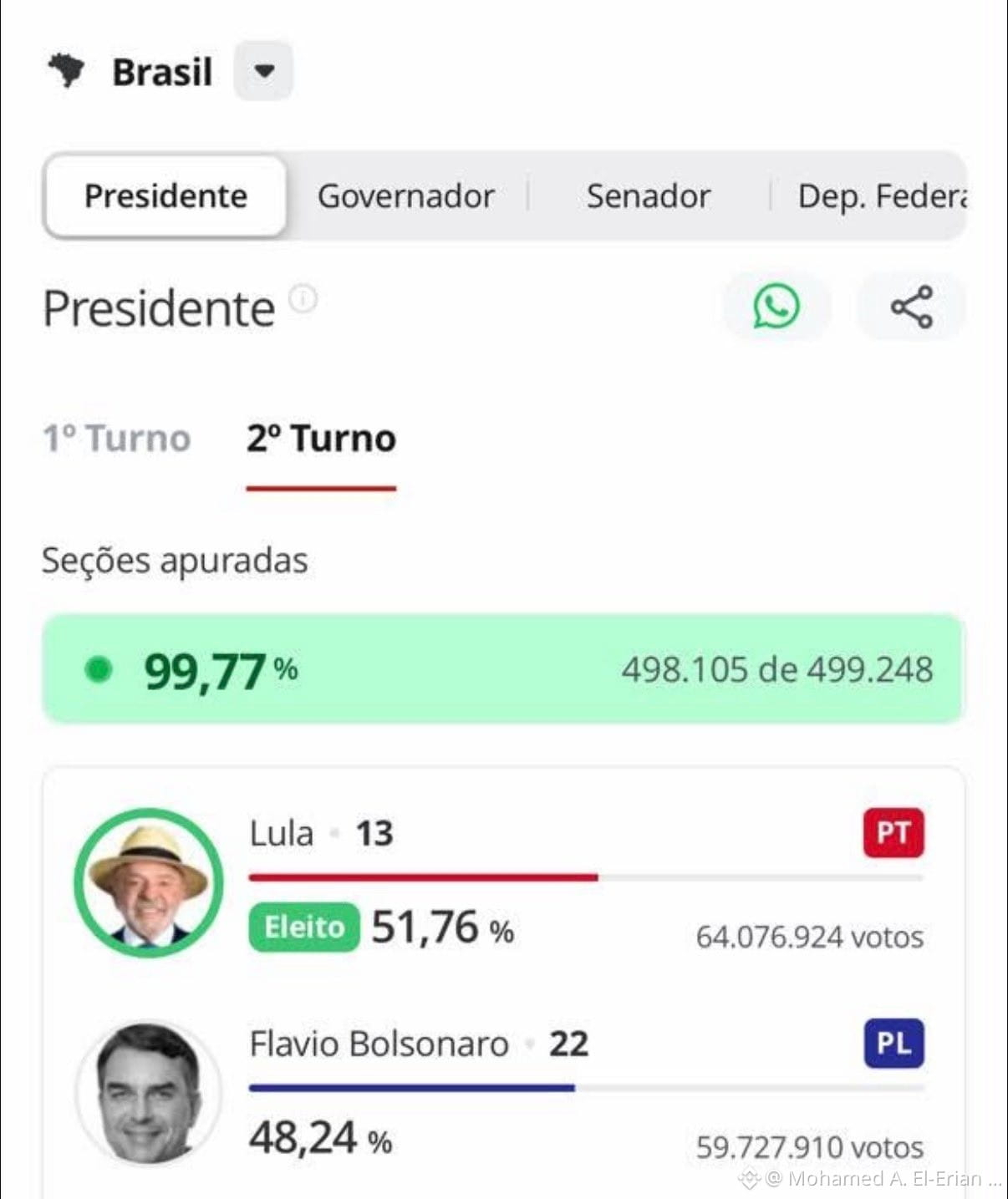
Following his victory over Flavio Bolsonaro in the second round of voting, Luiz Inácio Lula da Silva has successfully claimed an additional term as the President of Brazil.
#Brazil #Lula
Following his victory over Flavio Bolsonaro in the second round of voting, Luiz Inácio Lula da Silva has successfully claimed an additional term as the President of Brazil.
#Brazil #Lula
#Brazil #Lula
118
A recent article by The Economist discussing Europe brings up an interesting current dynamic. Even as centrist figures gather closely to seek security, all the driving momentum is now found at the extreme ends of the political spectrum.
@TheEconomist
A recent article by The Economist discussing Europe brings up an interesting current dynamic. Even as centrist figures gather closely to seek security, all the driving momentum is now found at the extreme ends of the political spectrum.
@TheEconomist
@TheEconomist
57
What a fantastic moment as the Jets successfully reach the end zone to score a touchdown.
@nyjets #jets @NFL
What a fantastic moment as the Jets successfully reach the end zone to score a touchdown.
@nyjets #jets @NFL
@nyjets #jets @NFL

71
We have an incredibly active schedule ahead of us, packed with corporate earnings reports, upcoming policy meetings, and a wealth of global economic data releases. As we prepare for these events, it is helpful to reflect on recent financial shifts.
Over the past week, investors took a closer look at their previously reassuring expectations regarding funding needs and return on investment within the technology space. This renewed scrutiny caused a downturn in the NASDAQ and prompted a noticeable flight to quality assets. Despite these immediate market reactions, widespread confidence regarding the tech sector's lasting positive impact on overall economic growth remains firmly intact.
If you would like to read a more comprehensive breakdown of these developments and other related topics, please access my complete weekly note using either of the web addresses provided below.
https://mohamedelerian.substack.com/p/the-weekly-look-at-the-global-economy-899?r=33wip&utm_campaign=post&utm_medium=web&showWelcomeOnShare=true
https://www.linkedin.com/pulse/weekly-look-global-economy-markets-mohamed-el-erian-oio1e/
#economy #markets
We have an incredibly active schedule ahead of us, packed with corporate earnings reports, upcoming policy meetings, and a wealth of global economic data releases. As we prepare for these events, it is helpful to reflect on recent financial shifts.
Over the past week, investors took a closer look at their previously reassuring expectations regarding funding needs and return on investment within the technology space. This renewed scrutiny caused a downturn in the NASDAQ and prompted a noticeable flight to quality assets. Despite these immediate market reactions, widespread confidence regarding the tech sector's lasting positive impact on overall economic growth remains firmly intact.
If you would like to read a more comprehensive breakdown of these developments and other related topics, please access my complete weekly note using either of the web addresses provided below.
https://mohamedelerian.substack.com/p/the-weekly-look-at-the-global-economy-899?r=33wip&utm_campaign=post&utm_medium=web&showWelcomeOnShare=true
https://www.linkedin.com/pulse/weekly-look-global-economy-markets-mohamed-el-erian-oio1e/
#economy #markets
Over the past week, investors took a closer look at their previously reassuring expectations regarding funding needs and return on investment within the technology space. This renewed scrutiny caused a downturn in the NASDAQ and prompted a noticeable flight to quality assets. Despite these immediate market reactions, widespread confidence regarding the tech sector's lasting positive impact on overall economic growth remains firmly intact.
If you would like to read a more comprehensive breakdown of these developments and other related topics, please access my complete weekly note using either of the web addresses provided below.
https://mohamedelerian.substack.com/p/the-weekly-look-at-the-global-economy-899?r=33wip&utm_campaign=post&utm_medium=web&showWelcomeOnShare=true
https://www.linkedin.com/pulse/weekly-look-global-economy-markets-mohamed-el-erian-oio1e/
#economy #markets
57
Experiencing such a convincing victory is a remarkably rare event for QPR, and honestly, the same goes for any other sports club I follow. Right now, my emotions are swinging back and forth between absolute disbelief and sheer happiness.
#qpr @QPR
Experiencing such a convincing victory is a remarkably rare event for QPR, and honestly, the same goes for any other sports club I follow. Right now, my emotions are swinging back and forth between absolute disbelief and sheer happiness.
#qpr @QPR
#qpr @QPR
63
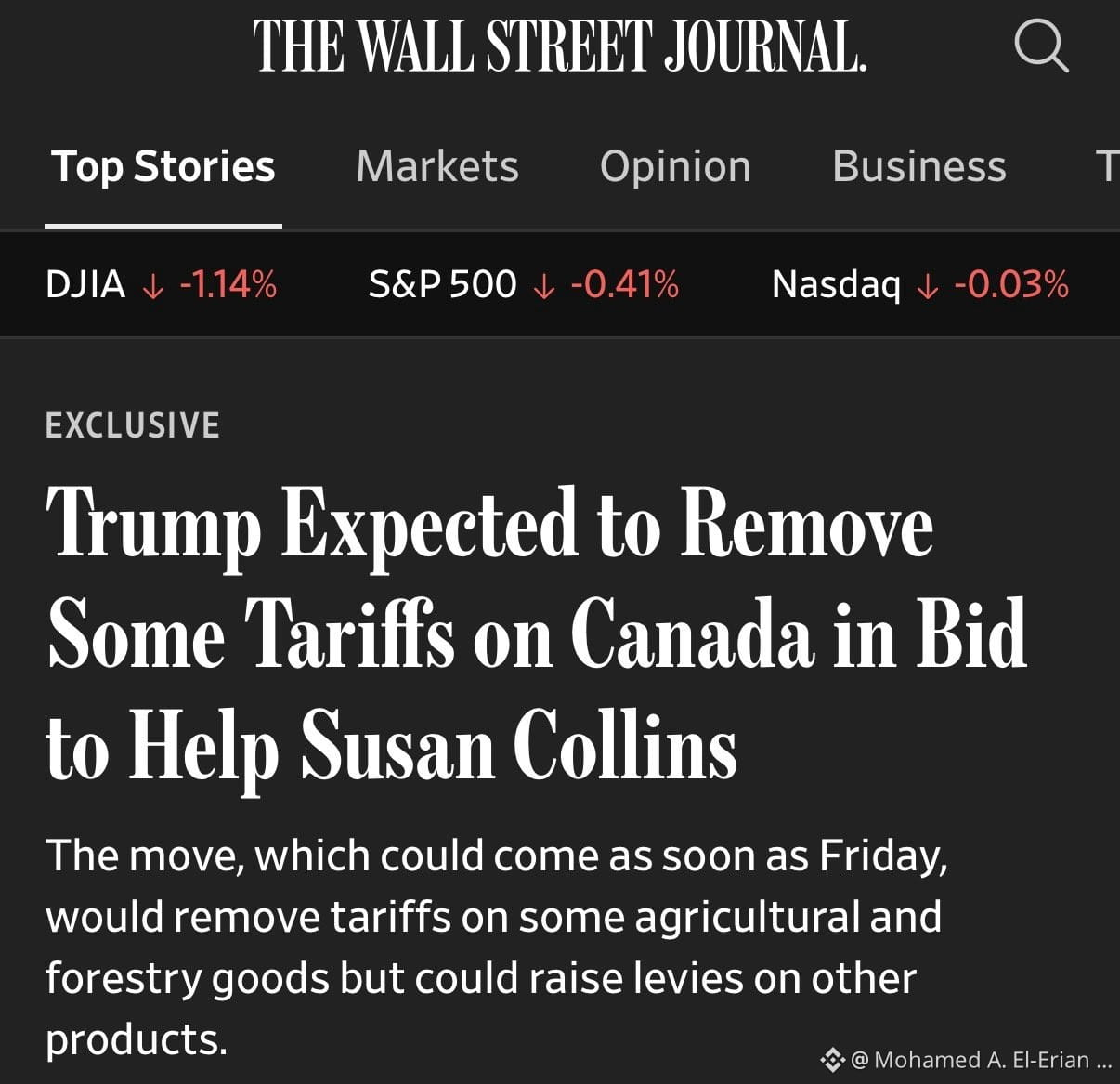
A recent report by the WSJ provides an additional clear illustration of how internal political matters are actively molding economic strategies. This situation reflects a much wider transformation occurring across the global economic landscape. In today's environment, financial outcomes are being heavily directed by a combination of regional political climates, international relations, and national security priorities.
#economy #markets #tariffs #geoeconomics @WSJ
A recent report by the WSJ provides an additional clear illustration of how internal political matters are actively molding economic strategies. This situation reflects a much wider transformation occurring across the global economic landscape. In today's environment, financial outcomes are being heavily directed by a combination of regional political climates, international relations, and national security priorities.
#economy #markets #tariffs #geoeconomics @WSJ
#economy #markets #tariffs #geoeconomics @WSJ
25
Please take a moment to explore the newest publication from Foreign Affairs. You can access the complete material by navigating to the web address provided directly underneath this message.
https://www.foreignaffairs.com/united-states/ai-choice-imas-el-erian-manyika
#economy #markets #ai #tech #ArtificialIntelligence
Please take a moment to explore the newest publication from Foreign Affairs. You can access the complete material by navigating to the web address provided directly underneath this message.
https://www.foreignaffairs.com/united-states/ai-choice-imas-el-erian-manyika
#economy #markets #ai #tech #ArtificialIntelligence
https://www.foreignaffairs.com/united-states/ai-choice-imas-el-erian-manyika
#economy #markets #ai #tech #ArtificialIntelligence

30
Here is a breakdown of the key findings from the final Sept UMich survey. Overall consumer sentiment saw a decline compared to the initial estimates. Interestingly, while the outlook for future expectations showed improvement, the measure of current conditions dropped to the second-lowest point on record. On the pricing front, 1-yr inflation expectations crept up to 4.7%. Although this shift will probably not cause a Fed rate hike next week, it certainly locks in the odds for an increase in December. Please take a look at the Bloomberg charts provided below for a visual summary.
#economy #markets #growth #inflation
Here is a breakdown of the key findings from the final Sept UMich survey. Overall consumer sentiment saw a decline compared to the initial estimates. Interestingly, while the outlook for future expectations showed improvement, the measure of current conditions dropped to the second-lowest point on record. On the pricing front, 1-yr inflation expectations crept up to 4.7%. Although this shift will probably not cause a Fed rate hike next week, it certainly locks in the odds for an increase in December. Please take a look at the Bloomberg charts provided below for a visual summary.
#economy #markets #growth #inflation
#economy #markets #growth #inflation
45
Here are the most recent insights provided by the Atlanta Fed regarding the affordability of homes.
#economy #markets #housing #affordability @AtlantaFed
Here are the most recent insights provided by the Atlanta Fed regarding the affordability of homes.
#economy #markets #housing #affordability @AtlantaFed
#economy #markets #housing #affordability @AtlantaFed
56
Partly True
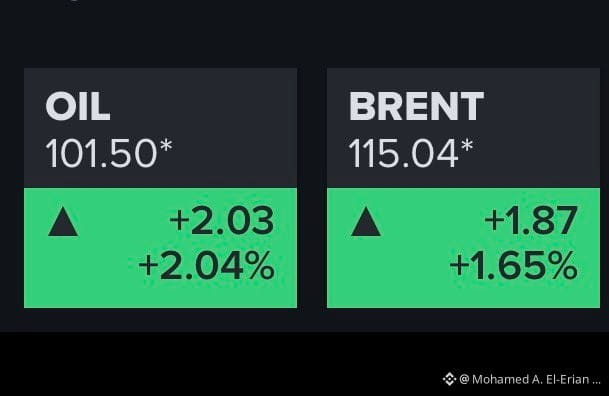
The cost of Brent crude has surpassed $115 per barrel, while WTI has climbed to over $101 a barrel. This upward movement is unfolding right as government bond yields are attempting to find their footing and settle at the decreased levels observed yesterday. Please refer to the CNBC data provided below.
#economy #markets #oil #bonds #yields
The cost of Brent crude has surpassed $115 per barrel, while WTI has climbed to over $101 a barrel. This upward movement is unfolding right as government bond yields are attempting to find their footing and settle at the decreased levels observed yesterday. Please refer to the CNBC data provided below.
#economy #markets #oil #bonds #yields
#economy #markets #oil #bonds #yields
916
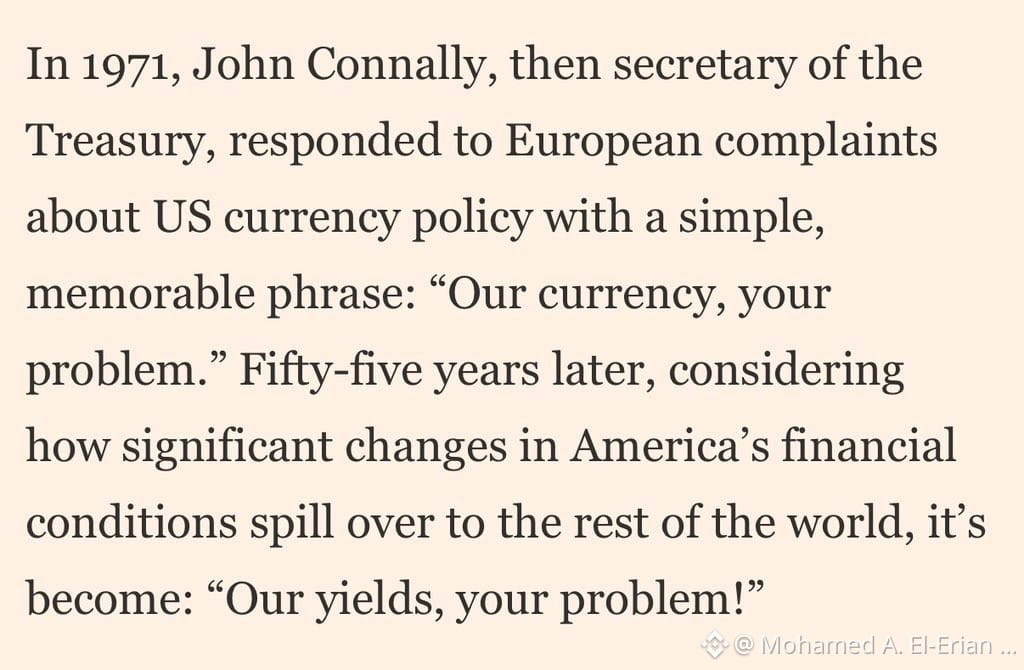
In case you missed my update from earlier, I am sharing my recent FT column. The article explores the dynamic of "our yields, your problem" and breaks down exactly why Europe ought to stop holding out for a decline in US bond yields.
You can access the full piece through the link provided here:
https://www.ft.com/content/92e1700d-7990-4c6a-bd3f-63685df2fdf6?syn-25a6b1a6=1
#economy #markets #bonds #yields #europe @FT
In case you missed my update from earlier, I am sharing my recent FT column. The article explores the dynamic of "our yields, your problem" and breaks down exactly why Europe ought to stop holding out for a decline in US bond yields.
You can access the full piece through the link provided here:
https://www.ft.com/content/92e1700d-7990-4c6a-bd3f-63685df2fdf6?syn-25a6b1a6=1
#economy #markets #bonds #yields #europe @FT
You can access the full piece through the link provided here:
https://www.ft.com/content/92e1700d-7990-4c6a-bd3f-63685df2fdf6?syn-25a6b1a6=1
#economy #markets #bonds #yields #europe @FT
4
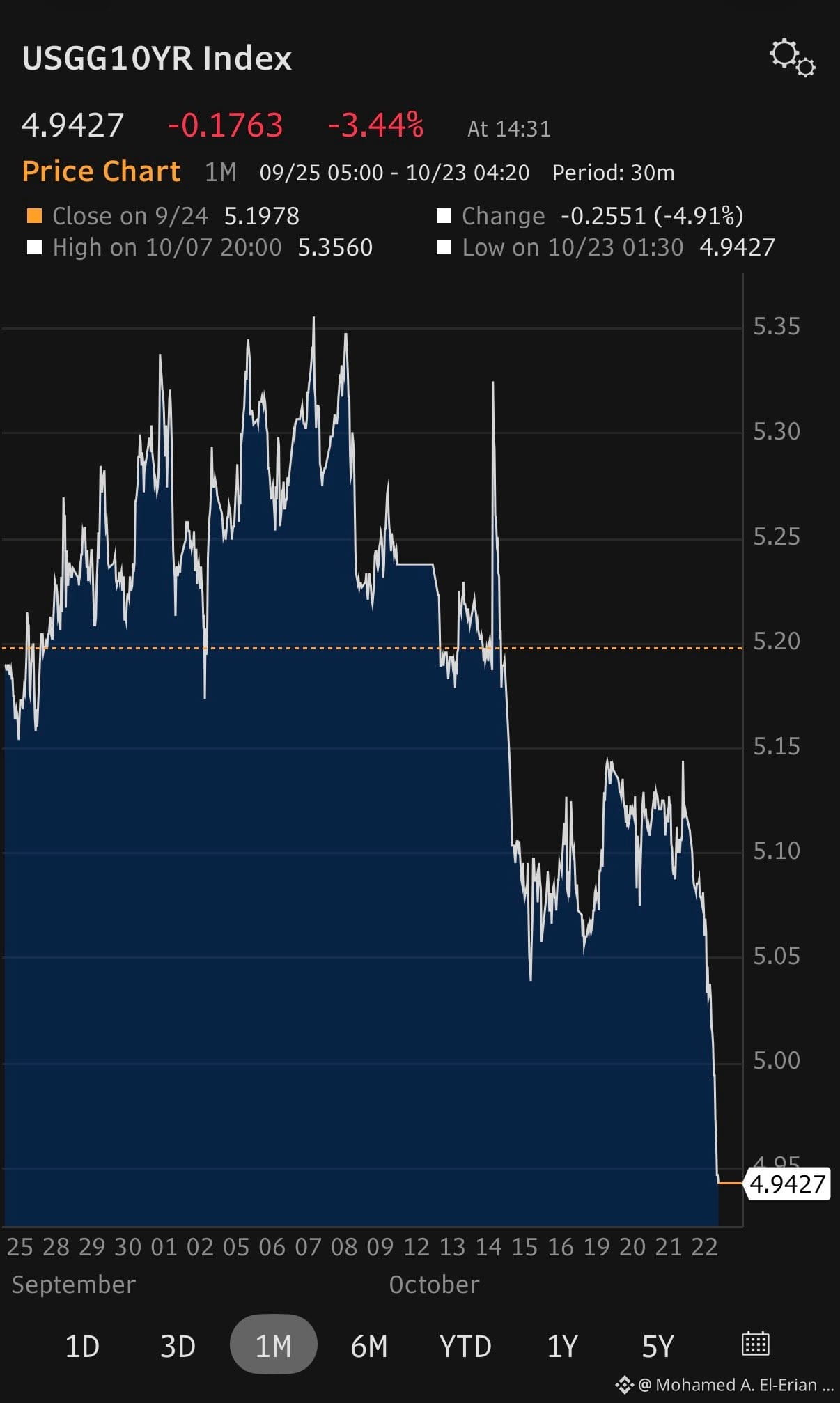
Nervousness in the technology sector is currently prompting a flight to quality among investors, resulting in a notable drop in yields. To see this downward trend in action, you can refer to the Bloomberg chart tracking the 10 year yield. Because of this shift, we are experiencing a textbook safe haven session in the US Treasury market, a situation that has not occurred in quite a while. At the same time, the recent rise in oil prices is fueling worries about economic growth today, as opposed to generating the typical concerns about inflation.
#economy #markets #bonds #oil
Nervousness in the technology sector is currently prompting a flight to quality among investors, resulting in a notable drop in yields. To see this downward trend in action, you can refer to the Bloomberg chart tracking the 10 year yield. Because of this shift, we are experiencing a textbook safe haven session in the US Treasury market, a situation that has not occurred in quite a while. At the same time, the recent rise in oil prices is fueling worries about economic growth today, as opposed to generating the typical concerns about inflation.
#economy #markets #bonds #oil
#economy #markets #bonds #oil
33
Log in to explore more content
Join global crypto users on Binance Square
⚡️ Get latest and useful information about crypto.
💬 Trusted by the world’s largest crypto exchange.
👍 Discover real insights from verified creators.
Email / Phone number