

比特财经 Bitcoin
368 Posts
比特财经 Bitcoin
Report
Block User
Bitcoin 比特财经||全媒体品牌·全球官方账号
51 Following
28.5K+ Followers
9.1K+ Liked
Posts
All
Videos
Live
PINNED
·
--
Verified
The care our big sister and #Binance co-founder #heyi binance have shown this community over the past two days deserves our heartfelt gratitude 💛
She is pregnant, yet she has been working through the night with the @binance#team, continuing to share updates, answer questions, and stay closely connected with users throughout the response.
#Binance has taken responsibility, covering all losses through SAFU and company funds, and reaffirmed that users’ funds are safe.
What moved me was her personal commitment to this responsibility. She kept showing up to listen and help people understand what was happening. That kind of presence matters.
Big sister Yi He, thank you for showing such strength, patience, and sincerity under immense pressure. Thank you to every team member who has worked alongside you.
This community sees your efforts and stands with you. Please take care of your health and make time to rest. Your well-being matters to us too 💛


692
1
39
850
·
--
What #赵长鹏 did is unprecedented—even in traditional finance.
If a traditional bank woke up one morning to find that $6.3 billion had been stolen from its systems, what would happen next? An emergency board meeting. Regulatory intervention. An investigation. Liquidity concerns. Shareholders questioning management. Customers lining up for answers.
Years later, the original money would be gone for good, with nowhere to seek redress. Anyone who dared to make a fuss would be dealt with for causing trouble.
Now look at Binance, after an incident on a similar scale:
→ Promised to cover all confirmed user losses.
→ Announced it would use its own funds and SAFU to set aside $6.34 billion in reserves.
→ Nearly $3 billion in assets related to the incident have reportedly been frozen on-chain.
→ Promised to publish a technical post-mortem and update its proof of reserves.
There’s an important distinction here: traditional banks have deposit insurance and established resolution frameworks, but these don’t automatically cover every cyber theft.
In the United States, even FDIC insurance doesn’t cover losses caused by theft or fraud.
The bigger takeaway isn’t that “crypto is safer than traditional finance.”
It’s that crypto is developing a completely different model of financial accountability.
On-chain transparency, real-time asset tracking, programmable freezing mechanisms, and an exchange using its own capital to compensate users.
Imagine if the entire financial industry were judged by just this one metric:
When billions disappear, how quickly can a financial institution return every customer’s money?
#BINANCE

346
2
35
1.3k
·
--
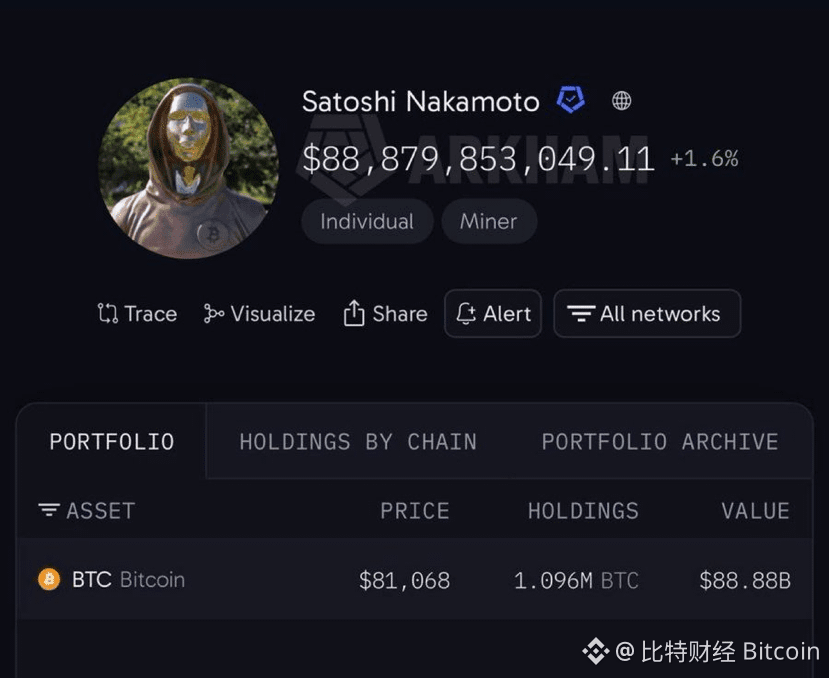
“If you don’t have Bitcoin,
then you really don’t have any money.
It’s something you truly own.
You can do whatever you want with it.”
“If you don’t have Bitcoin,
then you really don’t have any money.
It’s something you truly own.
You can do whatever you want with it.”
then you really don’t have any money.
It’s something you truly own.
You can do whatever you want with it.”
1.7k
2
78
1.7k
·
--
🎙️ The entire market has been full of bugs lately—who knows what tomorrow will bring?

End
02 h 30 m 52 s
6.7k
24
21
·
--
🎙️ Welcome to Tangbao’s livestream—come chat about Web3’s secrets to building wealth.

End
04 h 43 m 46 s
10.9k
58
52
·
--
🎙️ Build Binance Square, Hold BNB | Saturday: Has It Hit Bottom? Let's Talk~

End
04 h 38 m 23 s
13.9k
31
31
·
--
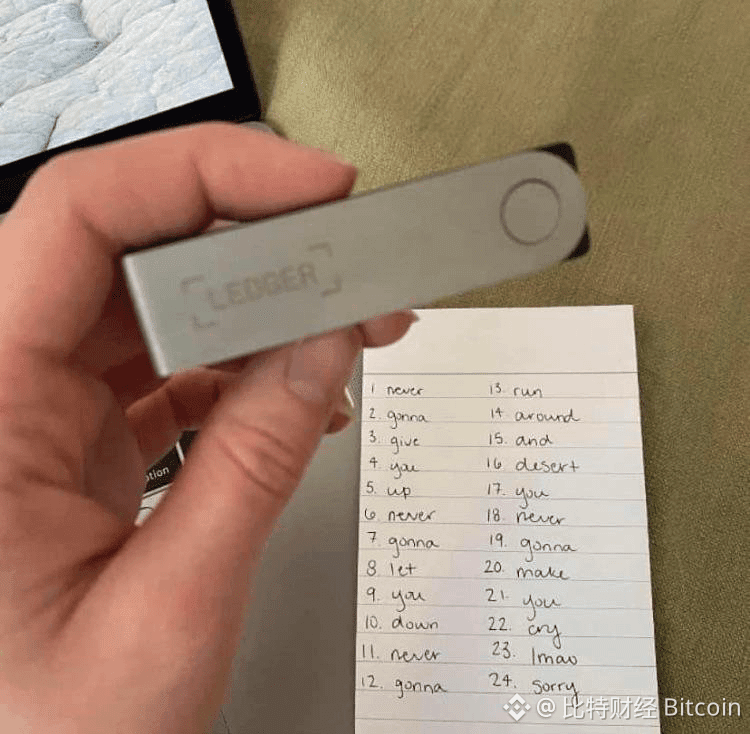
I've already taken all my tonke out of my wallet and transferred them to a safe place.
This place, #币安 , is the perfect choice.
I've already taken all my tonke out of my wallet and transferred them to a safe place.
This place, #币安 , is the perfect choice.
This place, #币安 , is the perfect choice.

493
6
56
1.3k
·
--
🎙️ Crypto Market Discussion / Newcomer Q&A / Building Binance Square Together 🔥

End
03 h 19 m 51 s
11.5k
26
57
·
--
🎙️ In fact, every true bull market needs a black swan to unlock more upside—BNB

End
02 h 03 m 34 s
4.8k
20
19
·
--
🎙️ Welcome to Tangbao’s livestream—come chat about the secrets to Web3 wealth!

End
04 h 06 m 42 s
7.7k
47
53
·
--
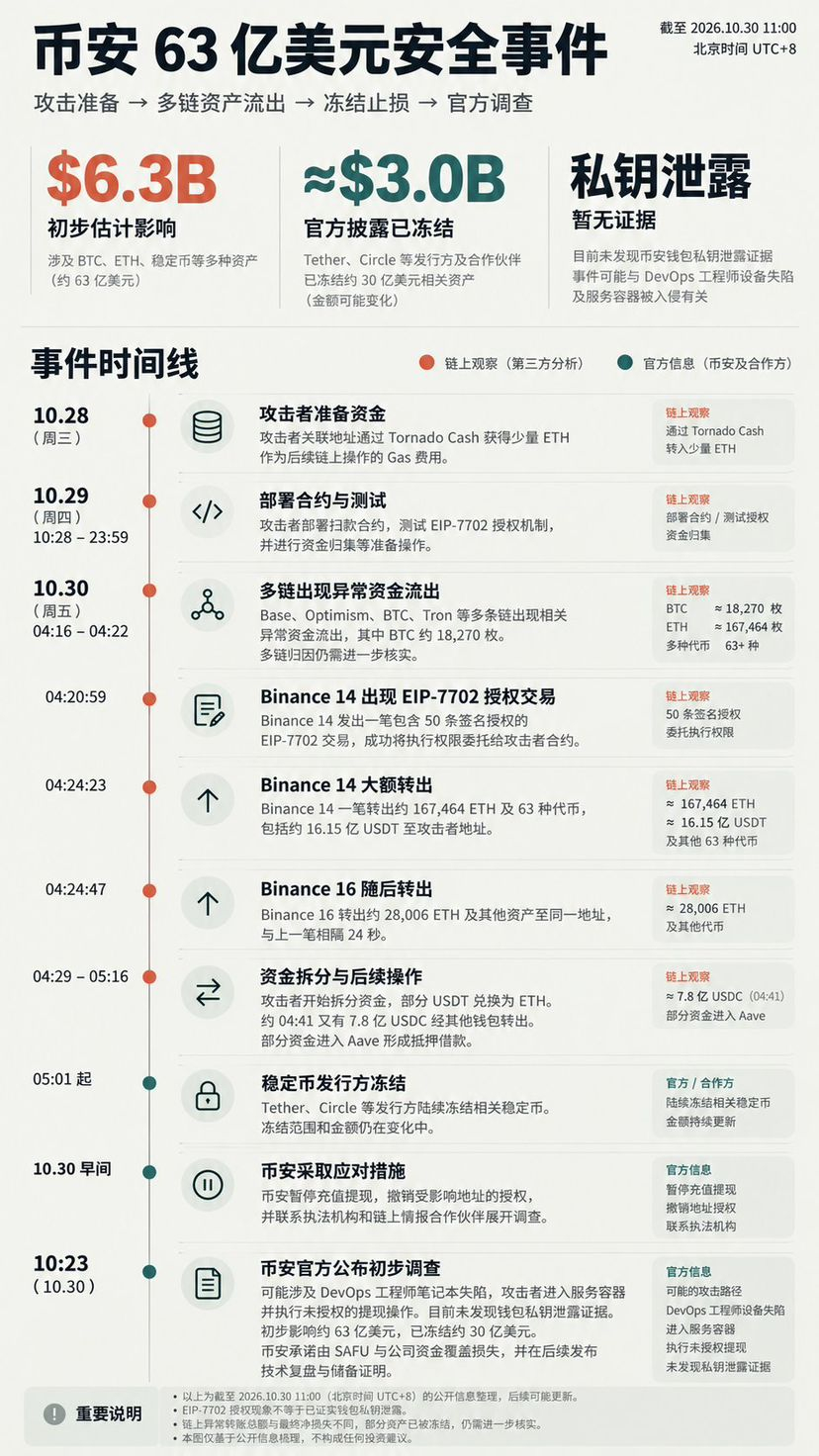
1. The most expensive laptop ever.
2. The private key was not leaked; authorization for the withdrawal transaction was compromised.
1. The most expensive laptop ever.
2. The private key was not leaked; authorization for the withdrawal transaction was compromised.
2. The private key was not leaked; authorization for the withdrawal transaction was compromised.
3k
7
114
3k

·
--
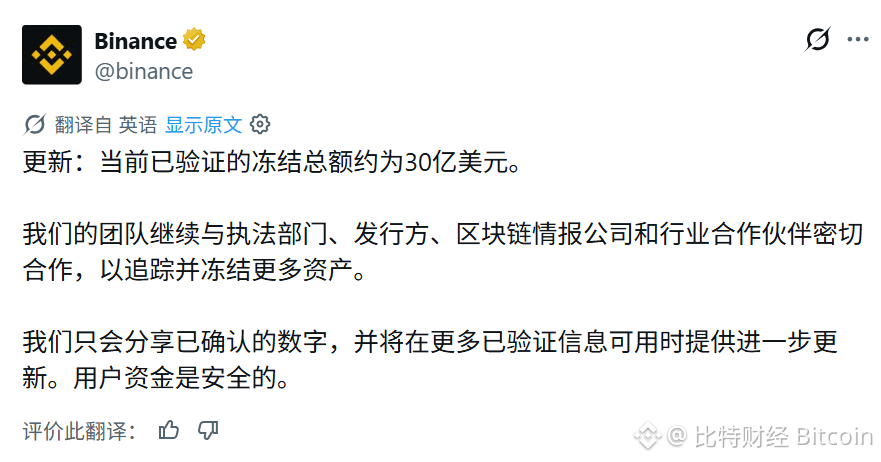
#币安 —you don't need to worry about its security.
I bet there won't even be a wave of withdrawals.
Compare it with the Bybit hack in February 2025:
Bybit had $162 billion in user assets, of which $1.46 billion was stolen,
a theft rate of 9.01%.
Binance had $5.64 billion in gross outflows this time.
The official account just said it had frozen $3 billion,
so the maximum loss would be $2.64 billion.
And gross outflows don't necessarily all mean stolen funds—
they also include transfers by Binance itself, customer withdrawals, and so on.
So the loss amounts to 1.6% of its $165.12 billion in user assets.
Bybit is a smaller exchange,
and it can afford to reimburse users for a 9% theft rate.
Binance can all the more afford to reimburse users for a 1.6% theft rate.
Anyone can work it out,
so I bet there won't be much of a wave of withdrawals at all :)
2.5k
6
112
2.5k
·
--
🎙️ Building Binance Square, Holding BNB | What happened? Is this another Black Friday? Let’s talk~

End
04 h 42 m 21 s
13.4k
29
31
·
--
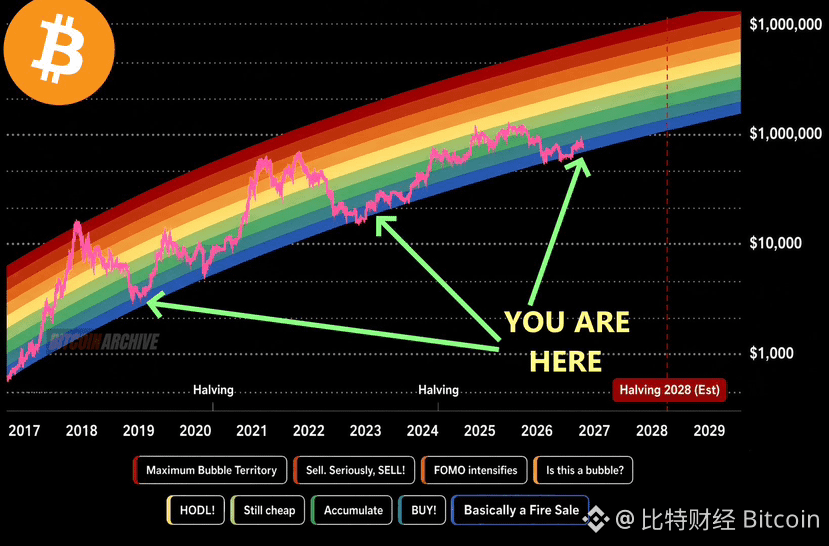
Fewer than 900,000 coins #BITCOIN # remain to be mined 🤯
More than 20.1 million BTC are already in existence! The last one is expected around 2140 👀
Fewer than 900,000 coins #BITCOIN # remain to be mined 🤯
More than 20.1 million BTC are already in existence! The last one is expected around 2140 👀
More than 20.1 million BTC are already in existence! The last one is expected around 2140 👀

3k
6
136
3k
·
--
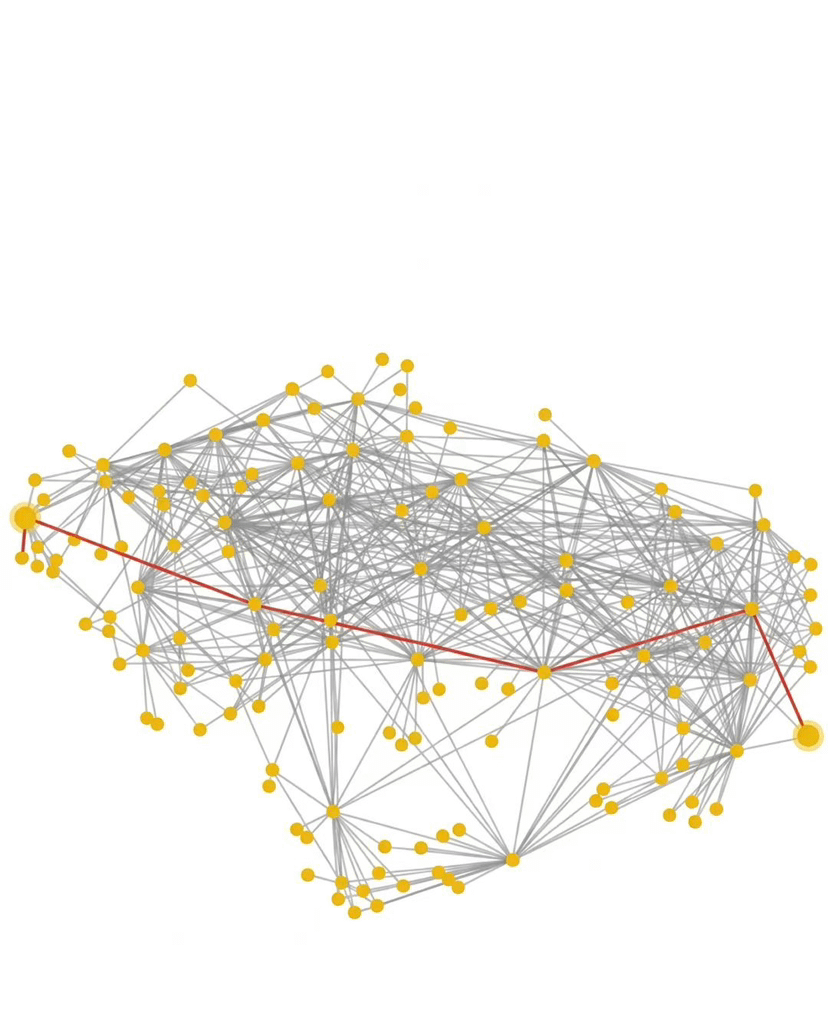
Trying to explain my thought process is like... somehow, everything is connected.
Trying to explain my thought process is like... somehow, everything is connected.
925
7
70
925
·
--
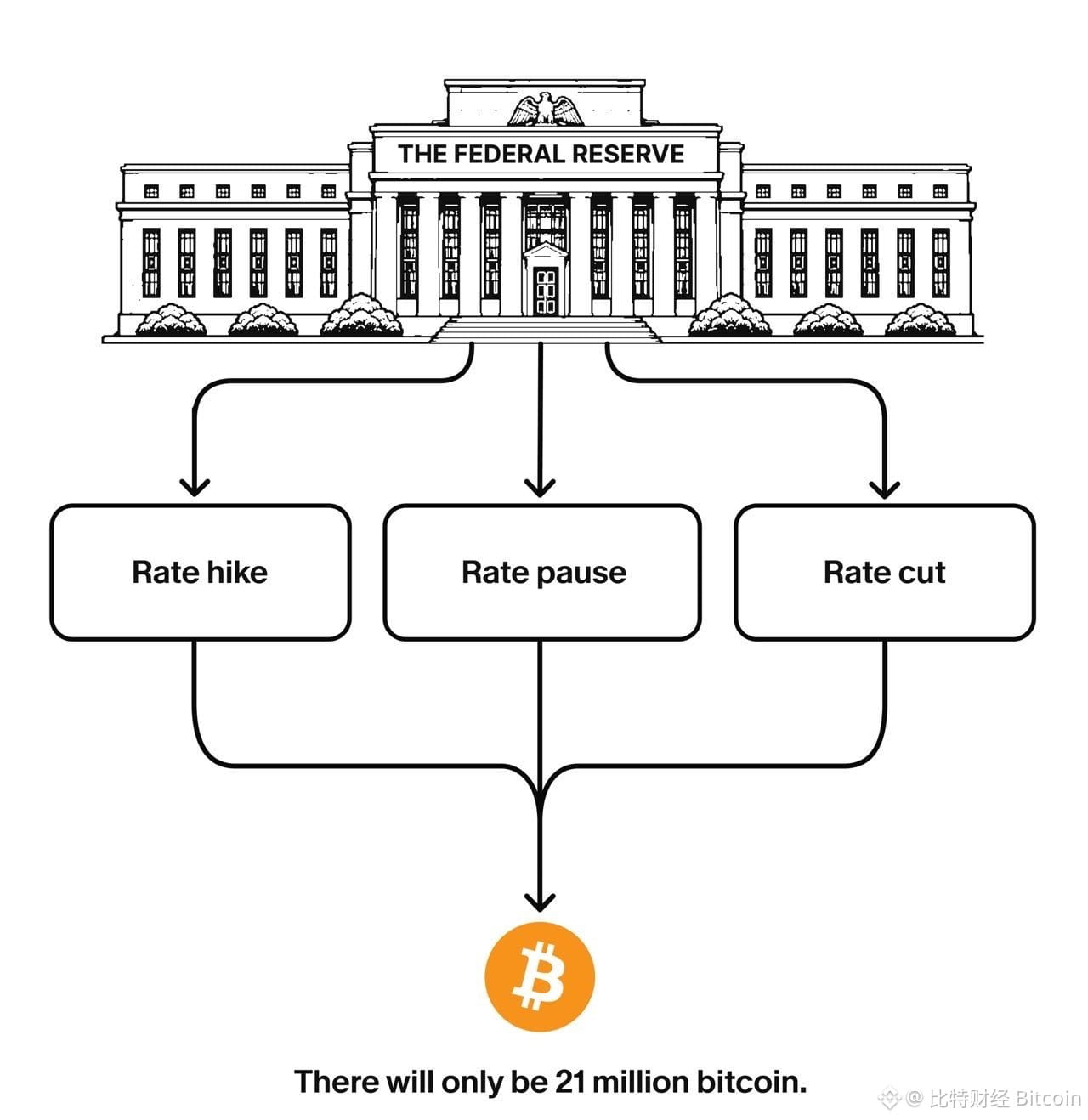
No matter what choice the Federal Reserve makes, #比特币 remains unchanged.
No matter what choice the Federal Reserve makes, #比特币 remains unchanged.
1.3k
5
78
1.3k
Log in to explore more content
Join global crypto users on Binance Square
⚡️ Get latest and useful information about crypto.
💬 Trusted by the world’s largest crypto exchange.
👍 Discover real insights from verified creators.
Email / Phone number
Trending Topics
BinanceSAFUFundTransferCompleted7499BTC
1,064 views
124 Discussing
#BinanceSAFUFundTransferCompleted7499BTC
🚨 BINANCE COMPLETES 7,499 BTC SAFU FUND TRANSFER — WHAT IT MEANS FOR CRYPTO
Binance has reportedly completed a transfer involving 7,499 BTC linked to its SAFU fund, bringing attention to exchange reserves, user protection, and Bitcoin liquidity.
🔎 Why It Matters
The SAFU fund is designed to provide an additional layer of protection for users during unexpected situations.
A transfer of this size is worth watching, but the key question is not simply how much Bitcoin moved. It's why the transfer happened, where the funds are going, and whether the move changes the fund's overall protection strategy.
📊 What Traders Should Understand
• User protection: SAFU-related movements can attract attention because users want confidence that exchange protection mechanisms remain properly funded.
• Bitcoin liquidity: Large BTC transfers can create speculation about potential market activity, but moving coins does not automatically mean selling.
• Market sentiment: Exchange-related headlines can influence confidence, especially when traders are already sensitive to security and liquidity concerns.
⚠️ The Important Distinction
A completed transfer is not proof of a Bitcoin sale, a market crash, or a security incident.
Without verified information about the destination, purpose, and final fund balance, the market impact remains uncertain.
🎯 My Market Perspective
The most important thing to monitor is whether this transfer changes Binance's SAFU holdings or represents a routine fund-management operation.
If the fund remains adequately supported, the move may have little direct impact on Bitcoin's price.
For traders, the better approach is to watch verified wallet activity, exchange announcements, and actual market liquidity rather than reacting to the transfer amount alone.
Big transactions create headlines. Their purpose determines their significance.
#Bitcoin #BTC #SAFU #CryptoMarket
$SAFE $BTC $BNB
Lin Wanqing
·0 Likes
·17 views
BinanceRecovery90% of stolen assets
30,331 views
88 Discussing
YiHe:ProofOfReserves:10TokensAt100%Backing
68,319 views
337 Discussing