

天晴ETH
5k Posts

天晴ETH
 Square Verified+
Report
Block User
公众号:《大饼研究院 》推特:《天晴ETH》🌹币安手续费八折邀请码:YY001🌹 成为更好的自己是最重要的事情

Top traders by profit in 7D

Top 30D Traders by Volume

2025 Blockchain 100 — Trader
Open Trade

ETH Holder
High-Frequency Trader
5.5 Years
169 Following
113.9K+ Followers
111.4K+ Liked
4 Badges
Posts
Portfolio
All
Quotes
Videos
Live
PINNED
·
--
Binance’s annual nomination event has begun!
Brothers and sisters, please vote for us:
[点击为天晴投票-主播赛道](https://app.binance.com/uni-qr/cact26user/334)
[点击为梁明阳投票-新生代创作者赛道](https://app.binance.com/uni-qr/cact26user/717)
[点击为凡凡投票-视频创作者赛道](https://app.binance.com/uni-qr/cact26user/326)
[点击为怀杨投票-新生代创作者赛道](https://app.binance.com/uni-qr/cact26user/712)
[点击为星辰投票-实盘赛道](https://app.binance.com/uni-qr/cact26user/189)
[点击为风哥投票-实盘赛道](https://app.binance.com/uni-qr/cact26user/281)
[点击为芊羽投票-新生代创作者赛道](https://app.binance.com/uni-qr/cact26user/597)
The voting period lasts ten days. The votes refresh at 8 a.m. every day.
You get one vote per category each day. Please vote for any of the streamers listed above that you like.
This means a lot to the streamers and their achievements. Thank you, brothers and sisters!
Binance’s annual nomination event has begun!
Brothers and sisters, please vote for us:
点击为天晴投票-主播赛道
点击为梁明阳投票-新生代创作者赛道
点击为凡凡投票-视频创作者赛道
点击为怀杨投票-新生代创作者赛道
点击为星辰投票-实盘赛道
点击为风哥投票-实盘赛道
点击为芊羽投票-新生代创作者赛道
The voting period lasts ten days. The votes refresh at 8 a.m. every day.
You get one vote per category each day. Please vote for any of the streamers listed above that you like.
This means a lot to the streamers and their achievements. Thank you, brothers and sisters!
103
3
66
28.2k
PINNED
·
--
1: No matter how high the certainty or opportunity, it’s not worth using up all your bullets, or even most of them.
2: Believe in crises and feel the changes; wait until those who don’t believe in crises narrow the path before you step in to pick up cheap stocks.
3: Constantly repeat your symbols of luck and victories: Heaven will not allow anyone to be lucky in every aspect without exception. The assets you have made money from will likely make you money again, while those you have lost money on will probably make you suffer even more next time.
4: Understand your fortuitous and risky places: Focus on deepening your fortuitous ground and building your own hero landmarks, don’t venture into others’ battlefields and get involved with others.
5: Don’t exert too much effort; excessive force will kill your attention, forcing you to become increasingly shortsighted, leading to distorted actions and ultimately to failure.
6: Every action has a cost; not every opportunity needs to be seized. Maintain redundancy in your attention and influence; this is a necessary waste.
7: The manifestation of luck needs to be carried by your career; the more chaotic a place is, the easier it is to find luck. Luck cannot descend upon anyone without a carrier.
8: Every day, reserve enough time for reflection. Good experiences should be summarized and refined, while bad experiences should be learned from and corrected.
9: Any excess return is not immediate cash; only the labor of the lowest social class is immediate cash. If you want to achieve great things, the less return you get in the early stages, the better.
10: Walking a hundred miles is only halfway at ninety miles; the last half is determined by quality, foundation, background, and character. If many friends die on a journey, you must be the last one to survive.
Above
194
99
1.1k
33.3k
·
--
Bro, can you really live like this just by constantly buying the dip?
Bro, can you really live like this just by constantly buying the dip?


33
18
23.8k
·
--
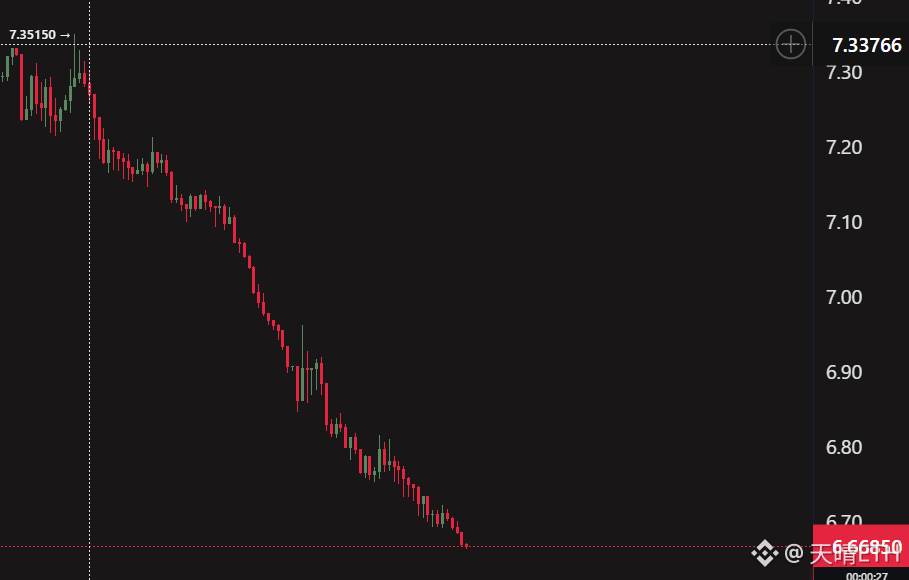
USDT has been falling for six months. Just holding USDT has cost me a ton. Will it rebound this year?
USDT has been falling for six months. Just holding USDT has cost me a ton. Will it rebound this year?
7
5
19k
·
--
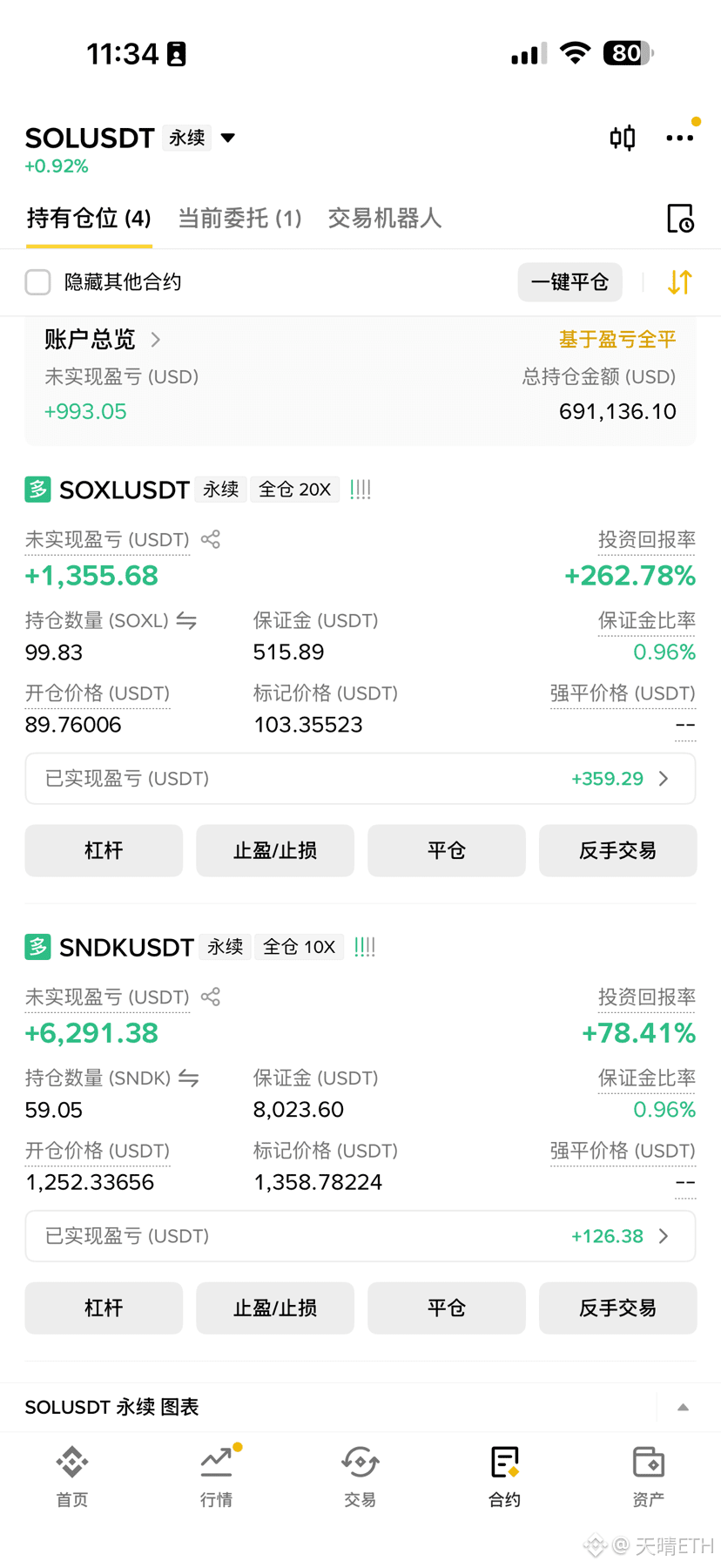
The deals you can’t hold on to—I, Tianqing, will take.
The deals you can’t hold on to—I, Tianqing, will take.
79
82
60.5k
·
--
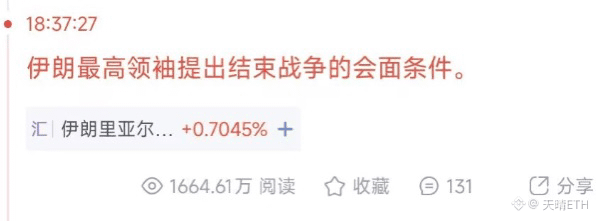
What on earth are these little cuties trying to do?
What on earth are these little cuties trying to do?
21
26
84.1k
·
--
When I travel, I never stay at a hotel that doesn't serve sweet potato porridge for breakfast.
To me, a hotel without sweet potato porridge can't be considered upscale.
When I travel, I never stay at a hotel that doesn't serve sweet potato porridge for breakfast.
To me, a hotel without sweet potato porridge can't be considered upscale.
To me, a hotel without sweet potato porridge can't be considered upscale.
38
22
33.8k
·
--
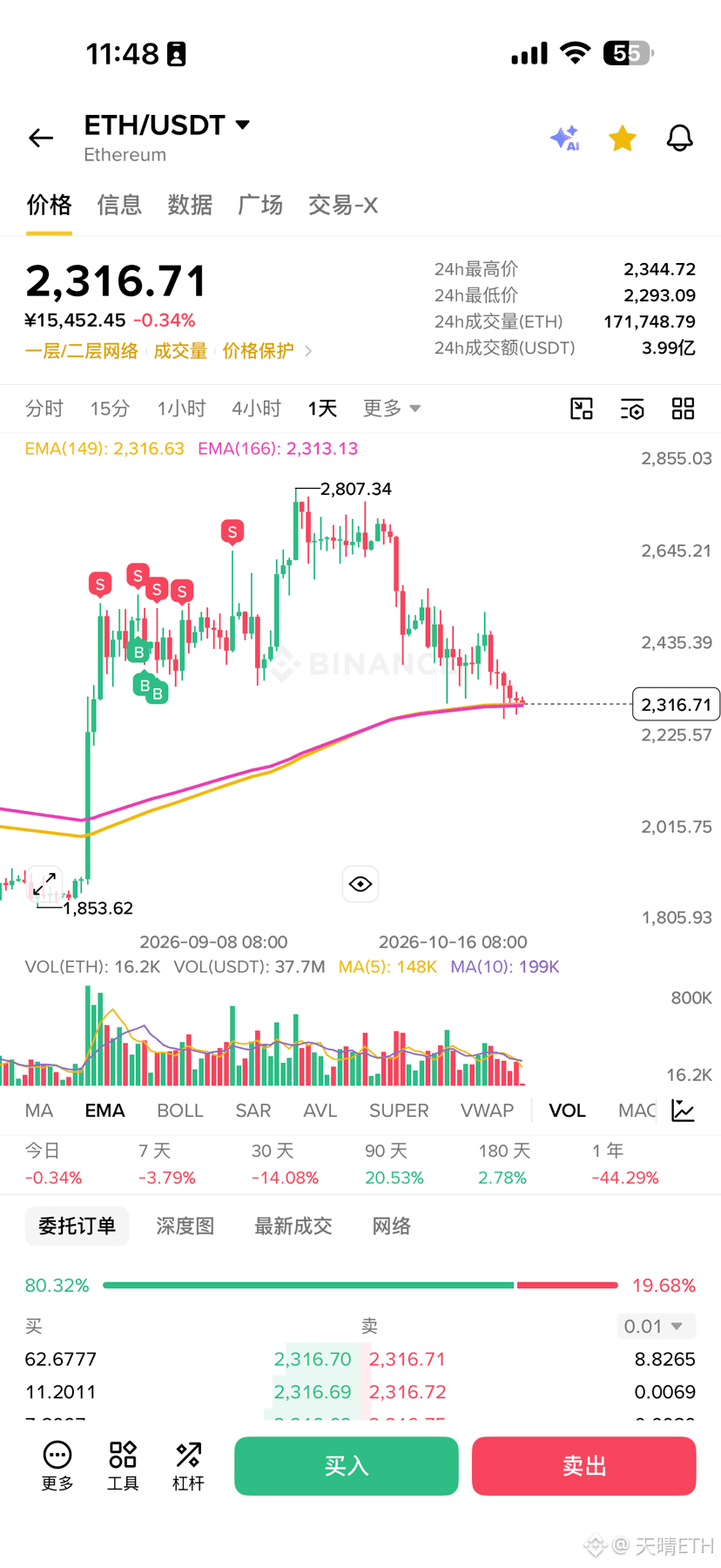
Keep your eyes on the horizon, take a broad view of challenges, let the past go, and move forward fearlessly.
Keep your eyes on the horizon, take a broad view of challenges, let the past go, and move forward fearlessly.

29
89
57.6k
·
--
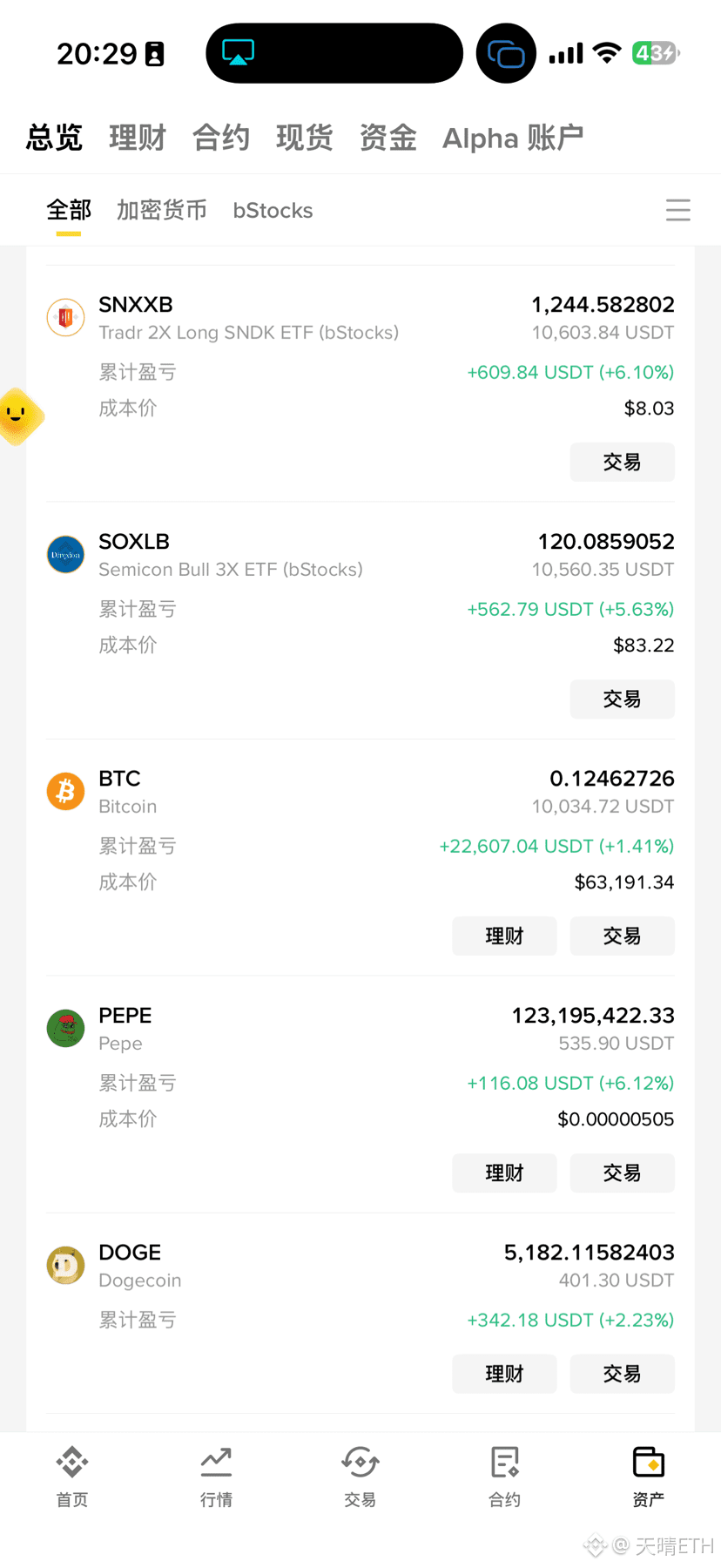
We're up over 1,000 USDT—should we cash out, guys?
We're up over 1,000 USDT—should we cash out, guys?
天晴ETH
·
--
Bought a little SNXX and SOXL, and opened a small long position in SOL at 100.
Be friends with time. Hold until 12 and 120; buy in batches when the price is right.
Don't overthink it. Money is meant to be spent at times like this!
Be friends with time. Hold until 12 and 120; buy in batches when the price is right.
Don't overthink it. Money is meant to be spent at times like this!
9
7
25.7k
·
--
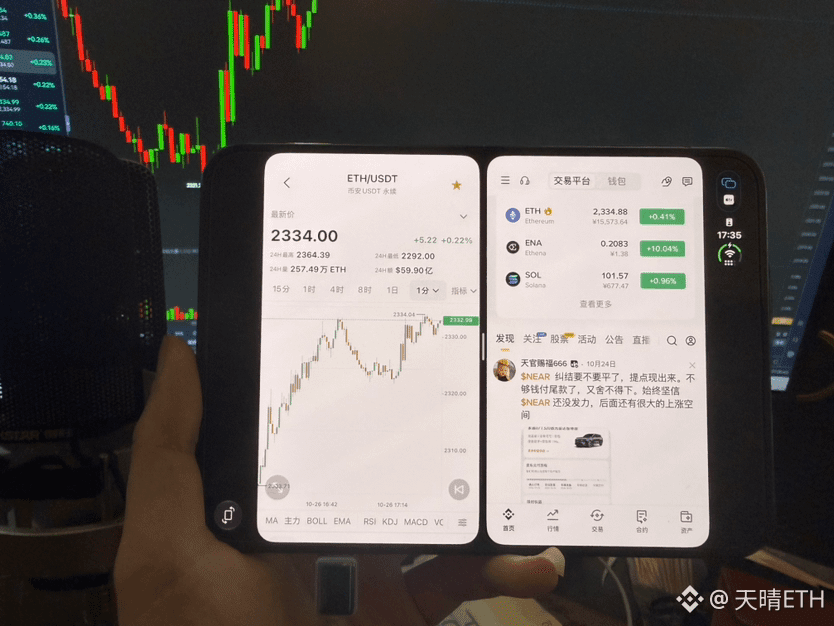
I can't get used to this phone. It's all black bezels, and it's not easy to use at all.
I can't get used to this phone. It's all black bezels, and it's not easy to use at all.
110
1
73
193.7k
·
--
Verified
Accessing Claude, GPT, and Gemini is no longer the barrier. The real bottleneck is this: you pay, but can’t verify whether the inference results you receive actually came from the model you specified—and you can’t escape dependence on a single provider.
That’s the gap DGrid AI is stepping in to fill.
It’s a decentralized AI inference network that connects users with distributed nodes to process AI requests. $DGAI powers the entire economic loop: node staking, inference payments, contributor rewards, and protocol governance are all coordinated by this one token.
The key mechanism is Proof of Quality (PoQ). Node operators must stake $DGAI and provide computing power. PoQ independently audits inference results and verifies them on-chain; failing to meet service standards or acting maliciously can result in slashing. This means “decentralized inference” is no longer just a narrative, but a verifiable service backed by penalties for misconduct.
The token structure is also designed to encourage long-term network participation: a fixed supply of 1 billion tokens, with 50% allocated to node and infrastructure incentives, released linearly over 10 years, with the release rate halving every two years. Airdrops account for 8%, fully unlocked at TGE. The largest share goes to the nodes actually running inference—not to short-term selling pressure.
A few recent signals worth watching: DGAI is now live on Binance Alpha; the DGrid decentralized AI model marketplace has officially opened, allowing model providers to list freely and earn on-chain revenue; and DGrid is advancing partnerships with ecosystem players such as Sahara AI and MiniMax.
Competition in AI infrastructure is shifting from “who can access models” to “who can prove which model was used.” $DGAI is betting on the latter.
$DGAI #DGAI @Dgridai
Accessing Claude, GPT, and Gemini is no longer the barrier. The real bottleneck is this: you pay, but can’t verify whether the inference results you receive actually came from the model you specified—and you can’t escape dependence on a single provider.
That’s the gap DGrid AI is stepping in to fill.
It’s a decentralized AI inference network that connects users with distributed nodes to process AI requests. $DGAI powers the entire economic loop: node staking, inference payments, contributor rewards, and protocol governance are all coordinated by this one token.
The key mechanism is Proof of Quality (PoQ). Node operators must stake $DGAI and provide computing power. PoQ independently audits inference results and verifies them on-chain; failing to meet service standards or acting maliciously can result in slashing. This means “decentralized inference” is no longer just a narrative, but a verifiable service backed by penalties for misconduct.
The token structure is also designed to encourage long-term network participation: a fixed supply of 1 billion tokens, with 50% allocated to node and infrastructure incentives, released linearly over 10 years, with the release rate halving every two years. Airdrops account for 8%, fully unlocked at TGE. The largest share goes to the nodes actually running inference—not to short-term selling pressure.
A few recent signals worth watching: DGAI is now live on Binance Alpha; the DGrid decentralized AI model marketplace has officially opened, allowing model providers to list freely and earn on-chain revenue; and DGrid is advancing partnerships with ecosystem players such as Sahara AI and MiniMax.
Competition in AI infrastructure is shifting from “who can access models” to “who can prove which model was used.” $DGAI is betting on the latter.
$DGAI #DGAI @DGrid AI
27
28
27.6k
·
--
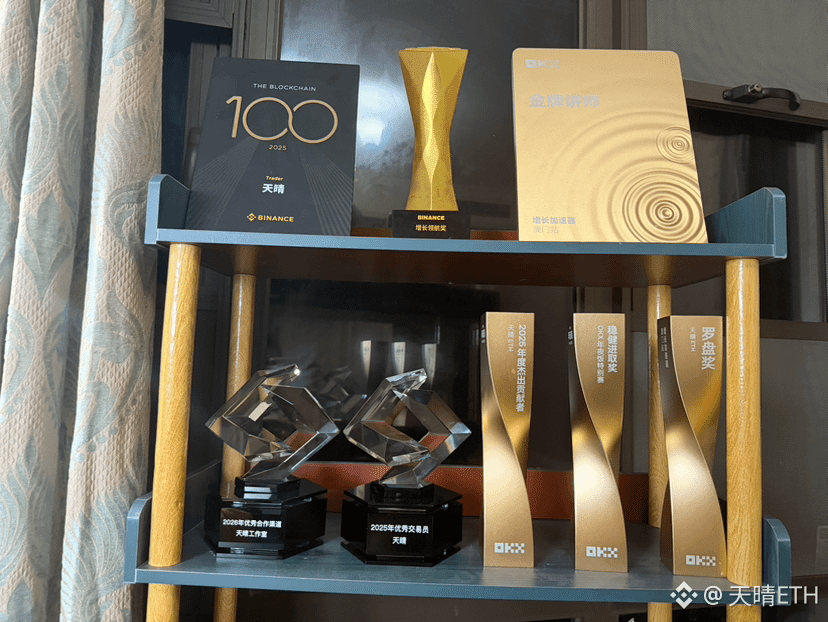
There’s been a lot of hostility on the plaza lately.
If you want to insult someone, go ahead and insult me. I’m not very good, and I can take it.
I’m not thin-skinned. I never block haters.
Otherwise, once I get this live-trading run going, you won’t feel like insulting me anymore.
There isn’t much time left for you to buy the dip.
If you want to insult someone, go ahead and insult me. I’m not very good, and I can take it.
I’m not thin-skinned. I never block haters.
Otherwise, once I get this live-trading run going, you won’t feel like insulting me anymore.
There isn’t much time left for you to buy the dip.
262
2
142
225.7k
·
--
🎙️ Keep buying the dip—the streamer has gone crazy
End
03 h 30 m 37 s
16.5k

XAUT
Holding
-204.63
1
0
·
--
Today's Vote Count
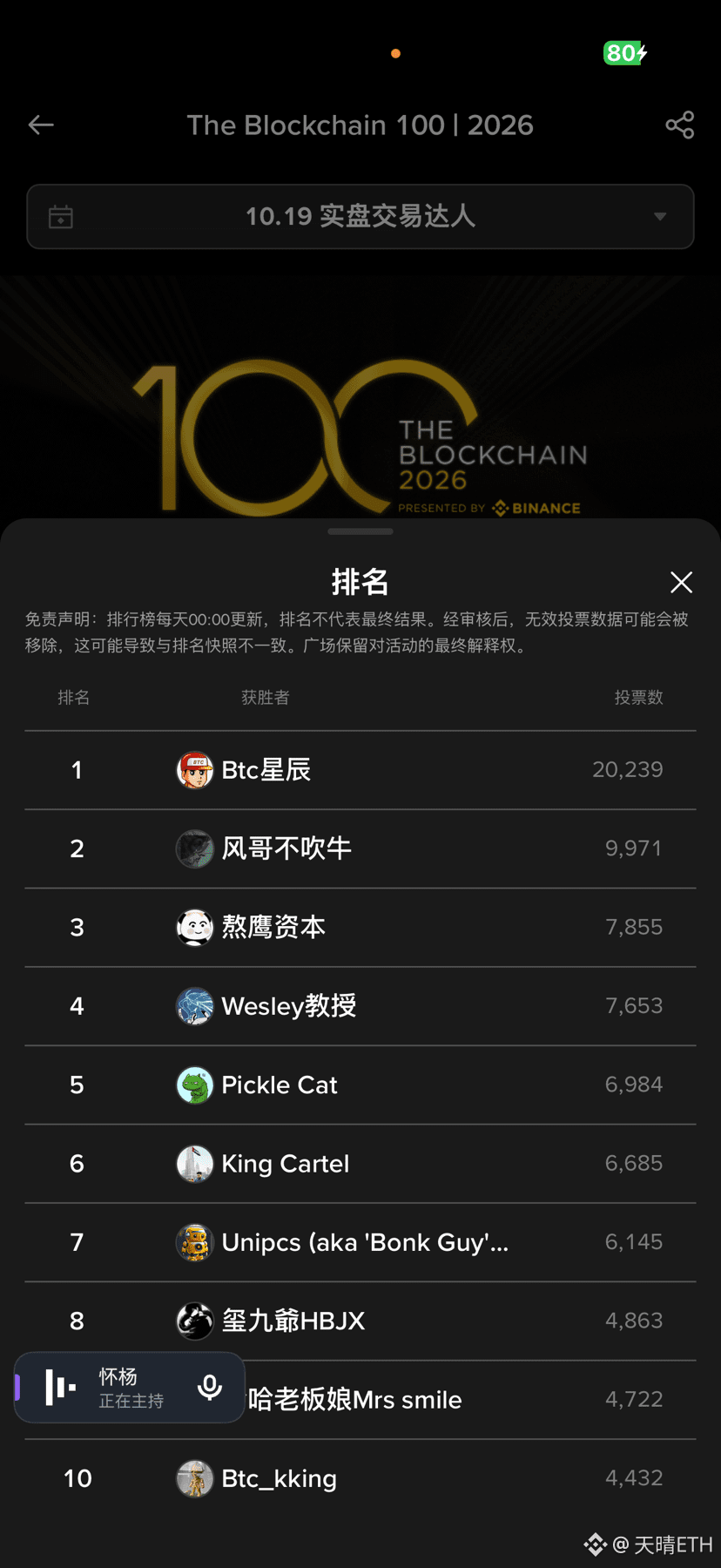
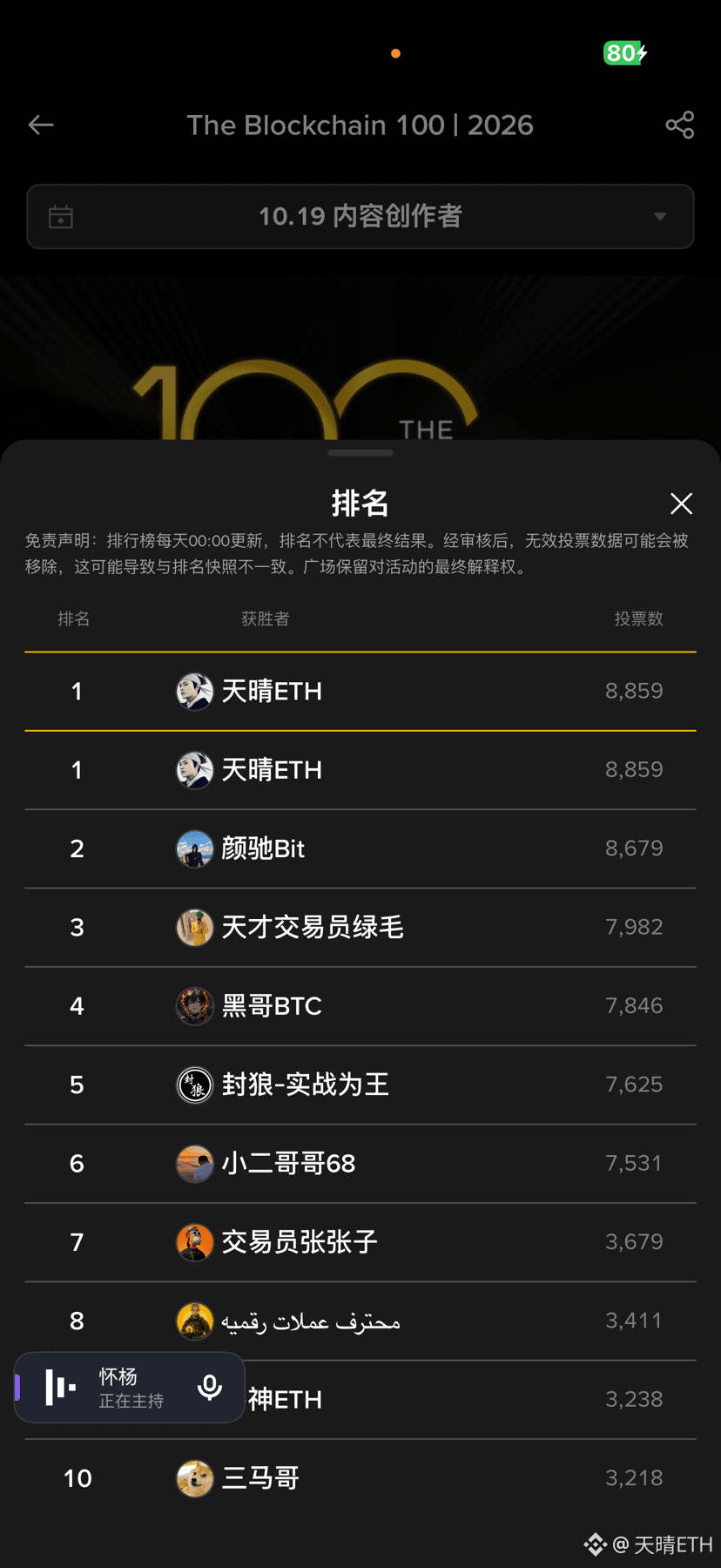
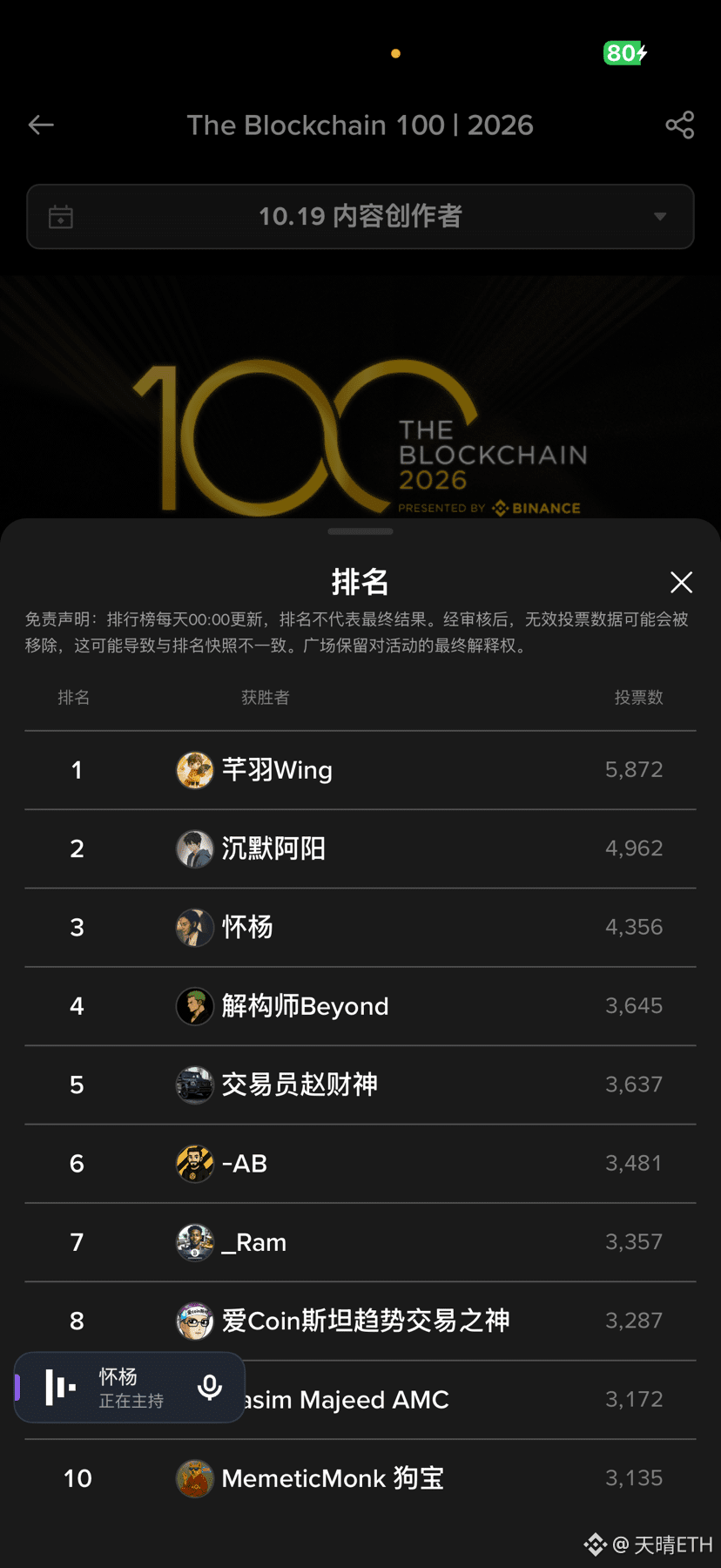
In the live-trading category, Xingchen leads by a wide margin with 20,000 votes.
In the streamer category, vote counts among the top six are very close.
Vote counts across the new-generation category are also very close.
Thank you all for voting.
Today's Vote Count
In the live-trading category, Xingchen leads by a wide margin with 20,000 votes.
In the streamer category, vote counts among the top six are very close.
Vote counts across the new-generation category are also very close.
Thank you all for voting.
In the live-trading category, Xingchen leads by a wide margin with 20,000 votes.
In the streamer category, vote counts among the top six are very close.
Vote counts across the new-generation category are also very close.
Thank you all for voting.
22
14
23.5k
Log in to explore more content
Join global crypto users on Binance Square
⚡️ Get latest and useful information about crypto.
💬 Trusted by the world’s largest crypto exchange.
👍 Discover real insights from verified creators.
Email / Phone number