

唐华斑竹
14.2k Posts

唐华斑竹
 Square Verified+
Report
Block User
币乎大V(推特X:@uniswap12),2025全球区块链百强创作者,独立研究员。在微博、推特、币乎、力场、币快报、向北社区、币车、财路、链书、八宝饭、链节点、巴比特、陀螺财经等币圈媒体拥有数十万粉丝。

2025 Blockchain 100 — Independent Researcher

Creator Awards 2024

原创之星
2.9K+ Following
94.7K+ Followers
120.5K+ Liked
4 Badges
Posts
All
Quotes
Videos
Live
PINNED
·
--
Bullish
Starting today, I plan to make lots of friends on Binance Square and reach 10,000 followers first! I’ll follow people whenever I have time, prioritizing the folks who comment below this post. I’ll do my best to support newcomers on Square as they build up their accounts!
I’m sending out a round of red packets first—share this with your friends so they can claim one too! Just leave the comment “Lao Tang wants to follow 10,000 people” below to receive a token red packet. I’ll send out 1,000 to start, and add more if that’s not enough. There’ll be one for everyone! #红包 #RedPacketMission $BNB
{spot}(BNBUSDT)
Starting today, I plan to make lots of friends on Binance Square and reach 10,000 followers first! I’ll follow people whenever I have time, prioritizing the folks who comment below this post. I’ll do my best to support newcomers on Square as they build up their accounts!
I’m sending out a round of red packets first—share this with your friends so they can claim one too! Just leave the comment “Lao Tang wants to follow 10,000 people” below to receive a token red packet. I’ll send out 1,000 to start, and add more if that’s not enough. There’ll be one for everyone! #红包 #RedPacketMission $BNB
I’m sending out a round of red packets first—share this with your friends so they can claim one too! Just leave the comment “Lao Tang wants to follow 10,000 people” below to receive a token red packet. I’ll send out 1,000 to start, and add more if that’s not enough. There’ll be one for everyone! #红包 #RedPacketMission $BNB
358
3
21
2.5k
·
--
Thorp: Get the direction right and you win once; get the position size right and you win for a lifetime. $SOL
Thorp: Get the direction right and you win once; get the position size right and you win for a lifetime. $SOL
4
1.1k
·
--
Bearish
Will production crews even be necessary in the future? The flexible employment rate for Beijing Film Academy graduates is probably about to rise again.
ByteDance is putting AI short dramas on an assembly line: adapt 100,000-character novels into scripts, then remake completed short dramas for overseas markets
Today, ByteDance launched “Jimeng Short Drama Studio,” bringing screenwriting, character design, storyboarding, video generation, and post-production together on one platform.
The script model DreamScript can analyze novels of up to 100,000 characters, generate up to 100 consecutive episodes, and check for plot conflicts and inconsistencies in character profiles. The storyboard model DreamShot offers a 3D director’s console, letting users adjust camera positions and movements in advance and preview how a shoot will look. Characters, costumes, and settings from the script are automatically organized into an asset library for reuse in later shots. If you’re unhappy with a generated shot, you can reshoot it on its own.
The feature best suited to taking short dramas overseas is “remake and re-render.” Upload a completed short drama, and AI will break it down into characters, settings, props, and shots, then regenerate the visuals for the target region, art style, and aspect ratio—while trying to preserve the original pacing and visual language. It’s essentially like using the original as a blueprint to shoot an overseas version. $SOL
{spot}(SOLUSDT)
Will production crews even be necessary in the future? The flexible employment rate for Beijing Film Academy graduates is probably about to rise again.
ByteDance is putting AI short dramas on an assembly line: adapt 100,000-character novels into scripts, then remake completed short dramas for overseas markets
Today, ByteDance launched “Jimeng Short Drama Studio,” bringing screenwriting, character design, storyboarding, video generation, and post-production together on one platform.
The script model DreamScript can analyze novels of up to 100,000 characters, generate up to 100 consecutive episodes, and check for plot conflicts and inconsistencies in character profiles. The storyboard model DreamShot offers a 3D director’s console, letting users adjust camera positions and movements in advance and preview how a shoot will look. Characters, costumes, and settings from the script are automatically organized into an asset library for reuse in later shots. If you’re unhappy with a generated shot, you can reshoot it on its own.
The feature best suited to taking short dramas overseas is “remake and re-render.” Upload a completed short drama, and AI will break it down into characters, settings, props, and shots, then regenerate the visuals for the target region, art style, and aspect ratio—while trying to preserve the original pacing and visual language. It’s essentially like using the original as a blueprint to shoot an overseas version. $SOL
ByteDance is putting AI short dramas on an assembly line: adapt 100,000-character novels into scripts, then remake completed short dramas for overseas markets
Today, ByteDance launched “Jimeng Short Drama Studio,” bringing screenwriting, character design, storyboarding, video generation, and post-production together on one platform.
The script model DreamScript can analyze novels of up to 100,000 characters, generate up to 100 consecutive episodes, and check for plot conflicts and inconsistencies in character profiles. The storyboard model DreamShot offers a 3D director’s console, letting users adjust camera positions and movements in advance and preview how a shoot will look. Characters, costumes, and settings from the script are automatically organized into an asset library for reuse in later shots. If you’re unhappy with a generated shot, you can reshoot it on its own.
The feature best suited to taking short dramas overseas is “remake and re-render.” Upload a completed short drama, and AI will break it down into characters, settings, props, and shots, then regenerate the visuals for the target region, art style, and aspect ratio—while trying to preserve the original pacing and visual language. It’s essentially like using the original as a blueprint to shoot an overseas version. $SOL

2
1k
·
--
Verified
Article
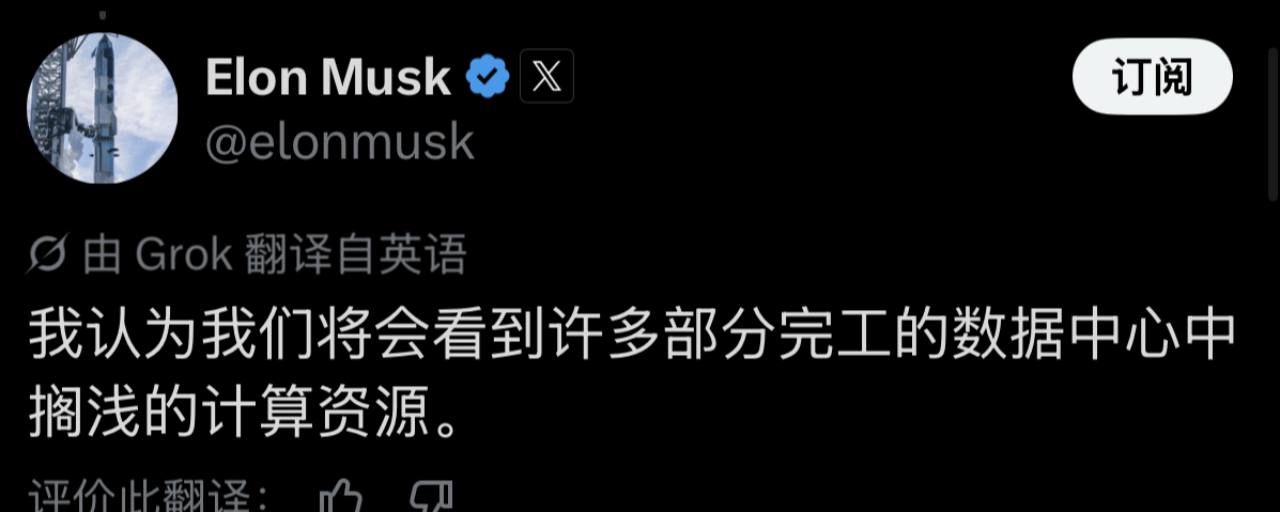
Musk tells a hard truth: Over the past few weeks, the U.S. debt market has all but cut off funding to “pure-play AI data center companies”Musk posted a hard truth:
Over the past few weeks, the U.S. debt market has all but cut off funding to “pure-play AI data center companies.” If you don’t have a huge cash-generating business independent of AI data centers, you can forget about borrowing money in the financial markets to buy GPUs right now.
By 2027, Silicon Valley will be dotted with “stranded compute.”
“Stranded compute” sounds fancy, but basically it means “abandoned data centers” in the age of AI. (That’s some seriously advanced English.)
Musk tells a hard truth: Over the past few weeks, the U.S. debt market has all but cut off funding to “pure-play AI data center companies”
Musk posted a hard truth:
Over the past few weeks, the U.S. debt market has all but cut off funding to “pure-play AI data center companies.” If you don’t have a huge cash-generating business independent of AI data centers, you can forget about borrowing money in the financial markets to buy GPUs right now.
By 2027, Silicon Valley will be dotted with “stranded compute.”
“Stranded compute” sounds fancy, but basically it means “abandoned data centers” in the age of AI. (That’s some seriously advanced English.)
Over the past few weeks, the U.S. debt market has all but cut off funding to “pure-play AI data center companies.” If you don’t have a huge cash-generating business independent of AI data centers, you can forget about borrowing money in the financial markets to buy GPUs right now.
By 2027, Silicon Valley will be dotted with “stranded compute.”
“Stranded compute” sounds fancy, but basically it means “abandoned data centers” in the age of AI. (That’s some seriously advanced English.)
832
·
--
Bearish
Verified
Binance to Adjust Tick Sizes for BLURUSDT and QUSDT Perpetual Contracts
According to an official announcement, Binance will adjust the tick sizes for the BLURUSDT and QUSDT-margined perpetual contracts at 14:30 (Beijing Time) on October 28, 2026. The tick size for BLURUSDT will change from 0.00001 to 0.000001, while that for QUSDT will change from 0.000001 to 0.00001. This adjustment will not affect trading on USDT-margined contracts, and existing orders will remain unaffected. $BLUR
{spot}(BLURUSDT)
Binance to Adjust Tick Sizes for BLURUSDT and QUSDT Perpetual Contracts
According to an official announcement, Binance will adjust the tick sizes for the BLURUSDT and QUSDT-margined perpetual contracts at 14:30 (Beijing Time) on October 28, 2026. The tick size for BLURUSDT will change from 0.00001 to 0.000001, while that for QUSDT will change from 0.000001 to 0.00001. This adjustment will not affect trading on USDT-margined contracts, and existing orders will remain unaffected. $BLUR
According to an official announcement, Binance will adjust the tick sizes for the BLURUSDT and QUSDT-margined perpetual contracts at 14:30 (Beijing Time) on October 28, 2026. The tick size for BLURUSDT will change from 0.00001 to 0.000001, while that for QUSDT will change from 0.000001 to 0.00001. This adjustment will not affect trading on USDT-margined contracts, and existing orders will remain unaffected. $BLUR
1
484
·
--
Article
Anthropic races toward a mid-November IPO: ticker ANT, may raise over $100 billion
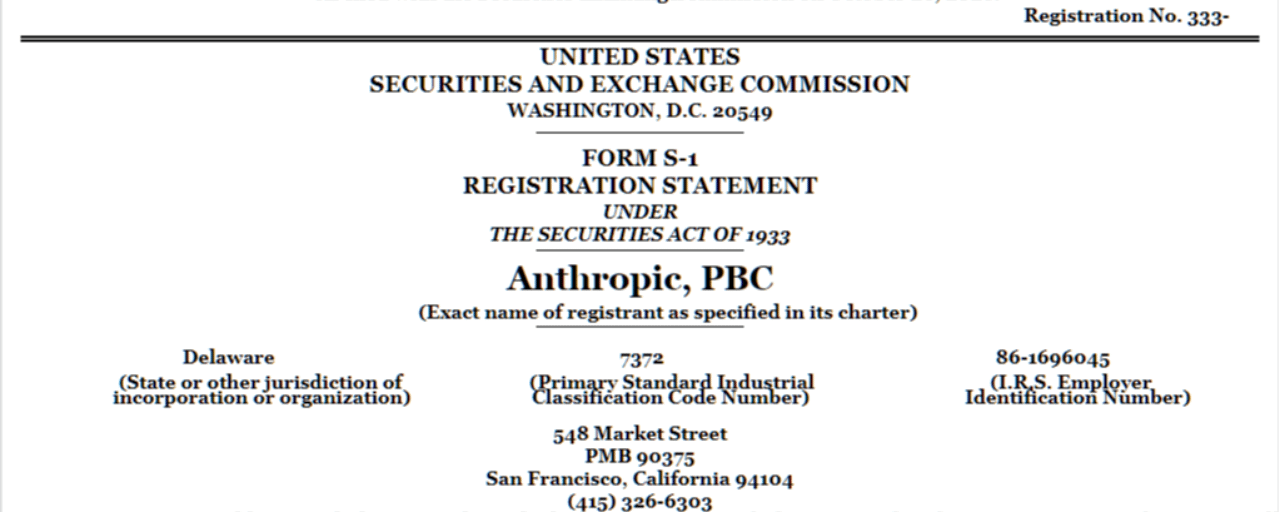
Anthropic officially made its S-1 registration statement public on October 26, seeking to list on Nasdaq under the ticker symbol ANT. The filing contains 87 exhibits, but the most critical details—the number of shares to be offered, the offering price, and the target valuation—remain blank.
The Wall Street Journal, citing people familiar with the matter, reported that Anthropic plans to go public during the week of November 16 and could raise $100 billion or more, targeting a valuation of about $1.5 trillion to $2 trillion. These figures have not yet been included in the registration statement. The company expects to update the offering documents in about two weeks, based on investor feedback.
Anthropic officially made its S-1 registration statement public on October 26, seeking to list on Nasdaq under the ticker symbol ANT. The filing contains 87 exhibits, but the most critical details—the number of shares to be offered, the offering price, and the target valuation—remain blank.
The Wall Street Journal, citing people familiar with the matter, reported that Anthropic plans to go public during the week of November 16 and could raise $100 billion or more, targeting a valuation of about $1.5 trillion to $2 trillion. These figures have not yet been included in the registration statement. The company expects to update the offering documents in about two weeks, based on investor feedback.
Anthropic races toward a mid-November IPO: ticker ANT, may raise over $100 billion
Anthropic officially made its S-1 registration statement public on October 26, seeking to list on Nasdaq under the ticker symbol ANT. The filing contains 87 exhibits, but the most critical details—the number of shares to be offered, the offering price, and the target valuation—remain blank.
The Wall Street Journal, citing people familiar with the matter, reported that Anthropic plans to go public during the week of November 16 and could raise $100 billion or more, targeting a valuation of about $1.5 trillion to $2 trillion. These figures have not yet been included in the registration statement. The company expects to update the offering documents in about two weeks, based on investor feedback.
1
617
·
--
Bearish
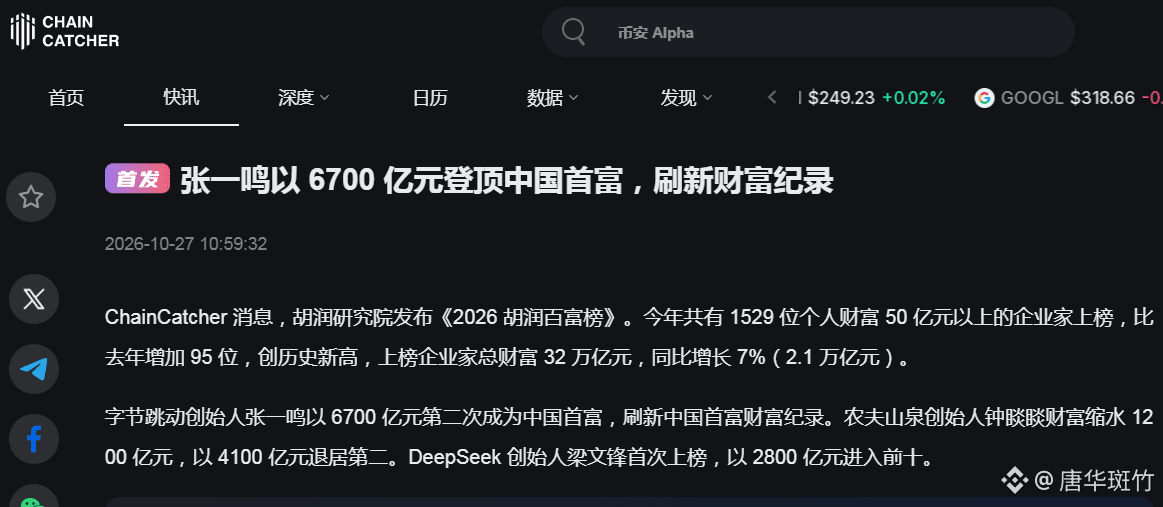
Why don't China's wealthy follow the example of America's wealthy and pass shares and wealth on to their children? $SOL
{spot}(SOLUSDT)
Why don't China's wealthy follow the example of America's wealthy and pass shares and wealth on to their children? $SOL
1
2
3k
·
--
Article
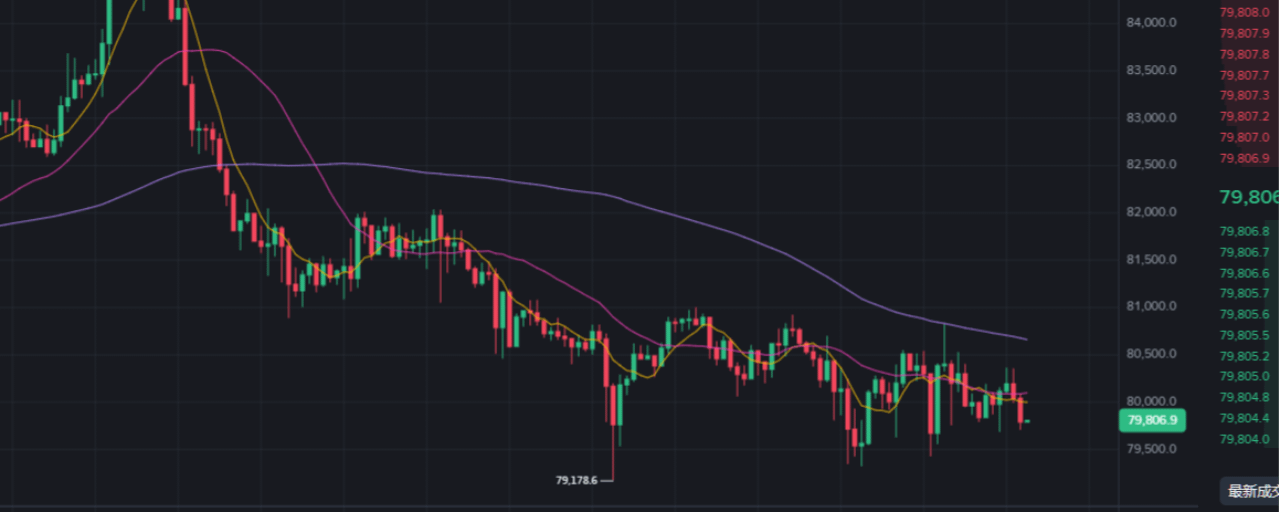
Why is 80K holding up? Because the average cost basis for U.S. spot ETFs and the Treasury is concentrated around the 80K–81.5K rangeBTC has been hovering around 80K for days, barely moving a few hundred U up or down. So boring.
Why is 80K holding up? Because the average cost basis for U.S. spot ETFs and the Treasury is concentrated around the 80K–81.5K range. In other words, if the price closes firmly below 80K, both of these “big money” groups will be sitting on unrealized losses. That’s why you see buyers stepping in around 79.3K–79.6K every time the price dips, but then momentum fades when it bounces to 80.5K–80.8K—the money is just trading short-term in this narrow range. No one wants to make the first move; everyone’s waiting for the October 28 FOMC meeting to offer some guidance.
Why is 80K holding up? Because the average cost basis for U.S. spot ETFs and the Treasury is concentrated around the 80K–81.5K range
BTC has been hovering around 80K for days, barely moving a few hundred U up or down. So boring.
Why is 80K holding up? Because the average cost basis for U.S. spot ETFs and the Treasury is concentrated around the 80K–81.5K range. In other words, if the price closes firmly below 80K, both of these “big money” groups will be sitting on unrealized losses. That’s why you see buyers stepping in around 79.3K–79.6K every time the price dips, but then momentum fades when it bounces to 80.5K–80.8K—the money is just trading short-term in this narrow range. No one wants to make the first move; everyone’s waiting for the October 28 FOMC meeting to offer some guidance.
Why is 80K holding up? Because the average cost basis for U.S. spot ETFs and the Treasury is concentrated around the 80K–81.5K range. In other words, if the price closes firmly below 80K, both of these “big money” groups will be sitting on unrealized losses. That’s why you see buyers stepping in around 79.3K–79.6K every time the price dips, but then momentum fades when it bounces to 80.5K–80.8K—the money is just trading short-term in this narrow range. No one wants to make the first move; everyone’s waiting for the October 28 FOMC meeting to offer some guidance.
595
·
--
Bearish
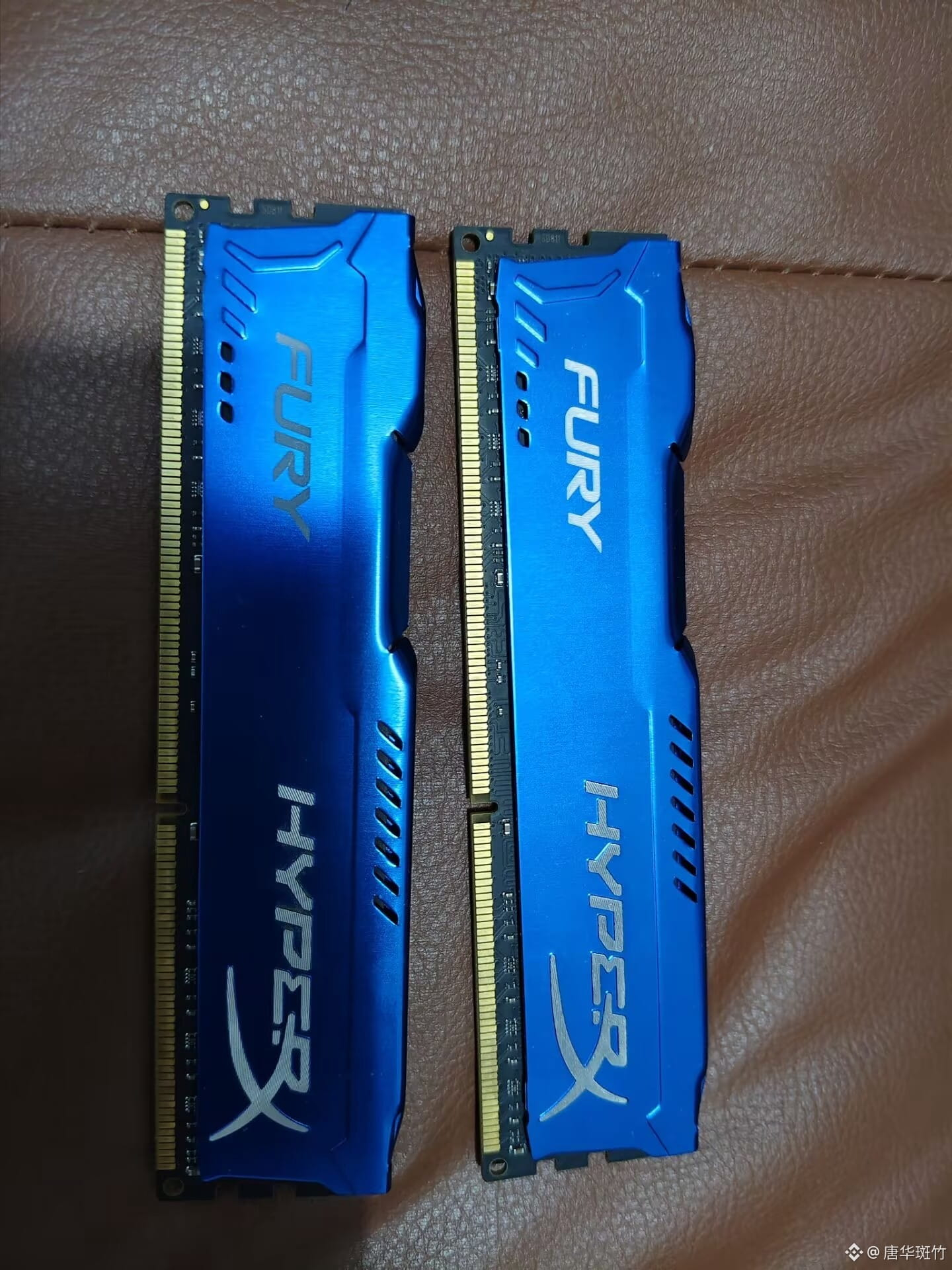
My old computer was getting increasingly unstable, constantly freezing and showing blue screens and so on. But so much of my work is tied to this machine that replacing it isn’t an easy option, so I put some effort into troubleshooting. I never would’ve guessed the culprit was this pair of Kingston HyperX sticks I’d paid a premium for back in the day. Plug them in and problems start; take them out and everything’s fine. Damn, I guess I got scammed and bought fakes.
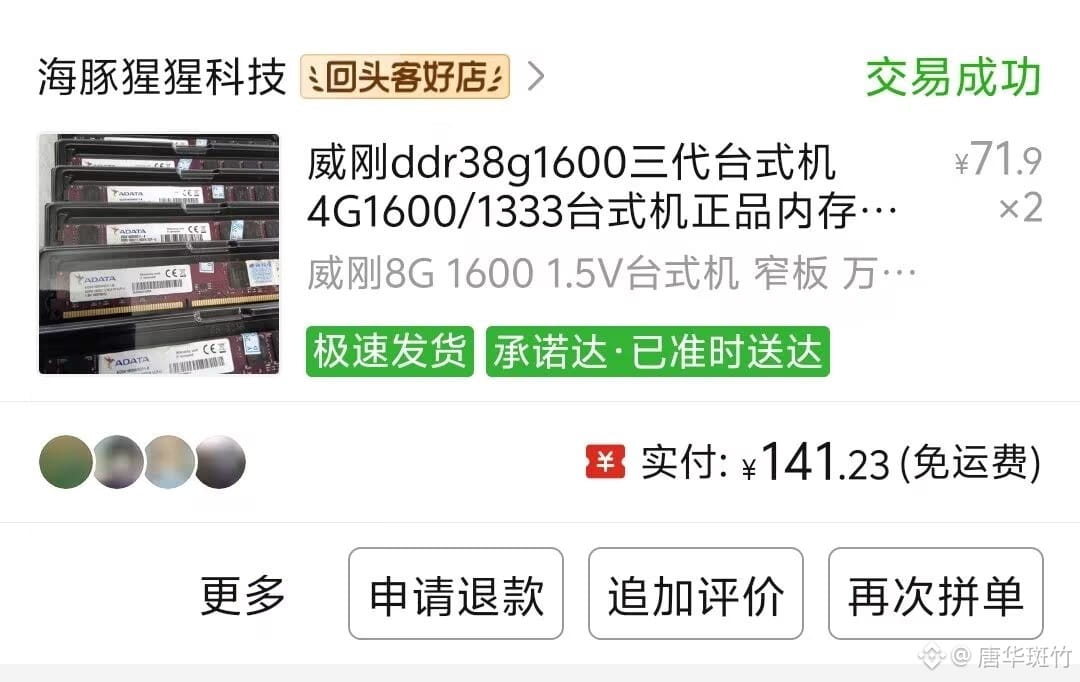
The machine originally came with two ADATA sticks. The guy who built it for me was honest, and those two have been rock solid with no issues. I searched for this model on Pinduoduo and found loads of used ones. I picked a shop with lots of good reviews and bought two for just 141 yuan! Storage is expensive these days, but old RAM is really cheap. They arrived, I plugged them in and booted up—the computer felt snappy. It ran continuously for days and nights, everything was OK, and all the problems were gone! So satisfying.
The craziest part is that I listed the two HyperX sticks I’d taken out on Xianyu, clearly marked them as defective, and someone still bought them for 50 yuan. What are they going to do with them? Could they be about to scam some other unlucky person? $SOL
{spot}(SOLUSDT)
My old computer was getting increasingly unstable, constantly freezing and showing blue screens and so on. But so much of my work is tied to this machine that replacing it isn’t an easy option, so I put some effort into troubleshooting. I never would’ve guessed the culprit was this pair of Kingston HyperX sticks I’d paid a premium for back in the day. Plug them in and problems start; take them out and everything’s fine. Damn, I guess I got scammed and bought fakes.
The machine originally came with two ADATA sticks. The guy who built it for me was honest, and those two have been rock solid with no issues. I searched for this model on Pinduoduo and found loads of used ones. I picked a shop with lots of good reviews and bought two for just 141 yuan! Storage is expensive these days, but old RAM is really cheap. They arrived, I plugged them in and booted up—the computer felt snappy. It ran continuously for days and nights, everything was OK, and all the problems were gone! So satisfying.
The craziest part is that I listed the two HyperX sticks I’d taken out on Xianyu, clearly marked them as defective, and someone still bought them for 50 yuan. What are they going to do with them? Could they be about to scam some other unlucky person? $SOL
The machine originally came with two ADATA sticks. The guy who built it for me was honest, and those two have been rock solid with no issues. I searched for this model on Pinduoduo and found loads of used ones. I picked a shop with lots of good reviews and bought two for just 141 yuan! Storage is expensive these days, but old RAM is really cheap. They arrived, I plugged them in and booted up—the computer felt snappy. It ran continuously for days and nights, everything was OK, and all the problems were gone! So satisfying.
The craziest part is that I listed the two HyperX sticks I’d taken out on Xianyu, clearly marked them as defective, and someone still bought them for 50 yuan. What are they going to do with them? Could they be about to scam some other unlucky person? $SOL
3
4
4.7k
·
--
Nasdaq-listed company BNB Standard Corporation (NASDAQ: BNC) rang the opening bell in New York’s Times Square to celebrate the company’s renaming and the appointment of its new CEO, Alex Odagiu.
Binance founder Zhao Changpeng
@CZ and BNC CEO Odagi, along with the company’s board of directors and management team, attended the ceremony. Representatives from YZi Labs and BNB Chain also took part in the bell-ringing event.
BNC holds the world’s largest corporate BNB reserve and plans to operate validator nodes on BNB Chain.
Nasdaq-listed company BNB Standard Corporation (NASDAQ: BNC) rang the opening bell in New York’s Times Square to celebrate the company’s renaming and the appointment of its new CEO, Alex Odagiu.
Binance founder Zhao Changpeng
@CZ and BNC CEO Odagi, along with the company’s board of directors and management team, attended the ceremony. Representatives from YZi Labs and BNB Chain also took part in the bell-ringing event.
BNC holds the world’s largest corporate BNB reserve and plans to operate validator nodes on BNB Chain.
Binance founder Zhao Changpeng
@CZ and BNC CEO Odagi, along with the company’s board of directors and management team, attended the ceremony. Representatives from YZi Labs and BNB Chain also took part in the bell-ringing event.
BNC holds the world’s largest corporate BNB reserve and plans to operate validator nodes on BNB Chain.
1
13
10.7k
·
--
Bearish
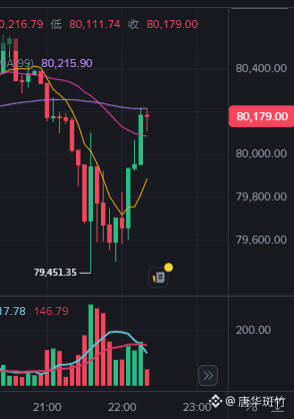
Just when I thought it was about to break below, everyone in the group was shouting that we'd see 6, and then it V-shaped again. My heart really can't take this day after day. Did Trump attack Iran again? Please, stop fighting. I can't take all this military spending coming out of crypto. $BTC
{spot}(BTCUSDT)
Just when I thought it was about to break below, everyone in the group was shouting that we'd see 6, and then it V-shaped again. My heart really can't take this day after day. Did Trump attack Iran again? Please, stop fighting. I can't take all this military spending coming out of crypto. $BTC
3
9.1k
·
--
Food delivery has gotten so cutthroat—everyone should just stick to trading crypto. There’s no going back. $SOL
Food delivery has gotten so cutthroat—everyone should just stick to trading crypto. There’s no going back. $SOL
8
21
16.9k
·
--
Bearish
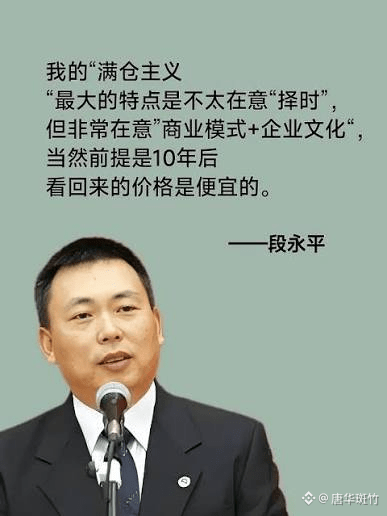
Those who went all-in following Duan Yongping got badly burned
Pop Mart peaked at a market cap of 450 billion. Over the past year, it has plunged more than 60%, wiping out over HK$270 billion.
In May, Duan Yongping announced he was putting HK$11 billion into buying the dip, making him the company’s second-largest shareholder. But after he bought in, Pop Mart lost another HK$36 billion in value.
That puts his investment at an unrealized loss of more than HK$2 billion so far…
At the time, a large number of Duan Yongping’s fans were thrilled and followed him in with big bets. They’re now sitting on estimated losses of around 15%–20%.
If they used leverage, a 20% drop would be enough to trigger a margin call and wipe them out…
Following Duan Yongping’s stock trades is not a good idea. I still remember the Tencent example:
Fell from 700 to 600
Duan: Tencent looks good. Buying the dip.
Fell to 550
Duan: I understand Tencent a little, but not that well. Buying the dip.
At 400
Duan: Buying.
At 250
Duan: Actually, I don’t understand Tencent that well. I only bought 1%.
At 350
Duan: I’ll pick up some Tencent puts.
Follow his trades and you could lose your entire family fortune.
The bottom line:
The most brutal truth about capital markets is this: you and the big players are not even sitting at the same table.
Duan Yongping has the steady cash flow from his businesses to fall back on, with tens of billions in annual dividends from OPPO and vivo backing him up. An unrealized loss of HK$2 billion may amount to just one year’s dividends for him. He can keep playing golf every day and wait ten years or more without a problem.
Retail investors follow the crowd and put in money meant for a home, a wedding, or living expenses, charging in after seeing news about the big players. A 30% loss can hit them right in the heart…
In short, when your bankrolls are different, blindly copying someone else’s trades is a death sentence $SOL
{spot}(SOLUSDT)
Those who went all-in following Duan Yongping got badly burned
Pop Mart peaked at a market cap of 450 billion. Over the past year, it has plunged more than 60%, wiping out over HK$270 billion.
In May, Duan Yongping announced he was putting HK$11 billion into buying the dip, making him the company’s second-largest shareholder. But after he bought in, Pop Mart lost another HK$36 billion in value.
That puts his investment at an unrealized loss of more than HK$2 billion so far…
At the time, a large number of Duan Yongping’s fans were thrilled and followed him in with big bets. They’re now sitting on estimated losses of around 15%–20%.
If they used leverage, a 20% drop would be enough to trigger a margin call and wipe them out…
Following Duan Yongping’s stock trades is not a good idea. I still remember the Tencent example:
Fell from 700 to 600
Duan: Tencent looks good. Buying the dip.
Fell to 550
Duan: I understand Tencent a little, but not that well. Buying the dip.
At 400
Duan: Buying.
At 250
Duan: Actually, I don’t understand Tencent that well. I only bought 1%.
At 350
Duan: I’ll pick up some Tencent puts.
Follow his trades and you could lose your entire family fortune.
The bottom line:
The most brutal truth about capital markets is this: you and the big players are not even sitting at the same table.
Duan Yongping has the steady cash flow from his businesses to fall back on, with tens of billions in annual dividends from OPPO and vivo backing him up. An unrealized loss of HK$2 billion may amount to just one year’s dividends for him. He can keep playing golf every day and wait ten years or more without a problem.
Retail investors follow the crowd and put in money meant for a home, a wedding, or living expenses, charging in after seeing news about the big players. A 30% loss can hit them right in the heart…
In short, when your bankrolls are different, blindly copying someone else’s trades is a death sentence $SOL
Pop Mart peaked at a market cap of 450 billion. Over the past year, it has plunged more than 60%, wiping out over HK$270 billion.
In May, Duan Yongping announced he was putting HK$11 billion into buying the dip, making him the company’s second-largest shareholder. But after he bought in, Pop Mart lost another HK$36 billion in value.
That puts his investment at an unrealized loss of more than HK$2 billion so far…
At the time, a large number of Duan Yongping’s fans were thrilled and followed him in with big bets. They’re now sitting on estimated losses of around 15%–20%.
If they used leverage, a 20% drop would be enough to trigger a margin call and wipe them out…
Following Duan Yongping’s stock trades is not a good idea. I still remember the Tencent example:
Fell from 700 to 600
Duan: Tencent looks good. Buying the dip.
Fell to 550
Duan: I understand Tencent a little, but not that well. Buying the dip.
At 400
Duan: Buying.
At 250
Duan: Actually, I don’t understand Tencent that well. I only bought 1%.
At 350
Duan: I’ll pick up some Tencent puts.
Follow his trades and you could lose your entire family fortune.
The bottom line:
The most brutal truth about capital markets is this: you and the big players are not even sitting at the same table.
Duan Yongping has the steady cash flow from his businesses to fall back on, with tens of billions in annual dividends from OPPO and vivo backing him up. An unrealized loss of HK$2 billion may amount to just one year’s dividends for him. He can keep playing golf every day and wait ten years or more without a problem.
Retail investors follow the crowd and put in money meant for a home, a wedding, or living expenses, charging in after seeing news about the big players. A 30% loss can hit them right in the heart…
In short, when your bankrolls are different, blindly copying someone else’s trades is a death sentence $SOL
1
1.8k
·
--

Article
Back then, Justin Sun spent $4.56 million to win a lunch with Warren Buffett. Over steak, he made the legendary investor a suggestion face-to-face: “Why not acquire Tesla?”Back then, Justin Sun spent $4.56 million to win a lunch with Warren Buffett. Over steak, he made the legendary investor a suggestion face-to-face: “Why not acquire Tesla?”
It was a time when Musk was being driven to distraction by “production hell” and talking about taking Tesla private.
Back then, Tesla’s valuation hadn’t yet skyrocketed, and its finances were under severe strain. It desperately needed a heavyweight to lend it credibility. If the legendary investor had seriously considered it at the time, the global clean-energy landscape—and perhaps even business history—might have been rewritten.
Buffett turned him down on the spot.
Back then, Justin Sun spent $4.56 million to win a lunch with Warren Buffett. Over steak, he made the legendary investor a suggestion face-to-face: “Why not acquire Tesla?”
Back then, Justin Sun spent $4.56 million to win a lunch with Warren Buffett. Over steak, he made the legendary investor a suggestion face-to-face: “Why not acquire Tesla?”
It was a time when Musk was being driven to distraction by “production hell” and talking about taking Tesla private.
Back then, Tesla’s valuation hadn’t yet skyrocketed, and its finances were under severe strain. It desperately needed a heavyweight to lend it credibility. If the legendary investor had seriously considered it at the time, the global clean-energy landscape—and perhaps even business history—might have been rewritten.
Buffett turned him down on the spot.
It was a time when Musk was being driven to distraction by “production hell” and talking about taking Tesla private.
Back then, Tesla’s valuation hadn’t yet skyrocketed, and its finances were under severe strain. It desperately needed a heavyweight to lend it credibility. If the legendary investor had seriously considered it at the time, the global clean-energy landscape—and perhaps even business history—might have been rewritten.
Buffett turned him down on the spot.
1
1
5
9.9k
·
--
Article
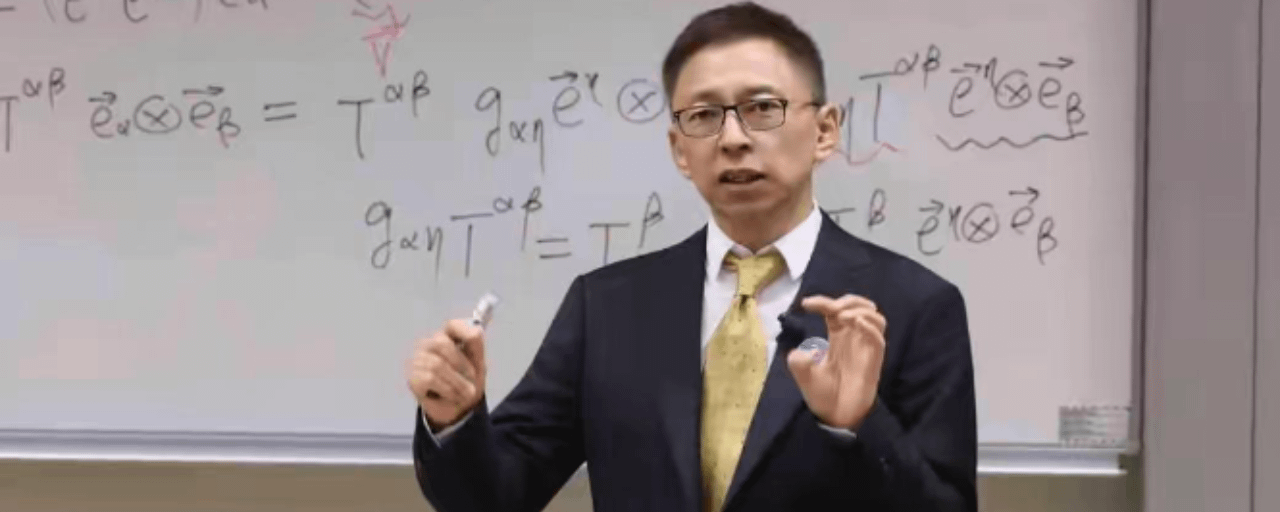
The fortunes of companies and their founders can be worlds apartThe market values of companies and the fortunes of their founders can be worlds apart. Sohu, founded by Zhang Chaoyang, is now worth just $345 million, yet his personal net worth is still over 5 billion yuan. In the same week, the fortune of Mango founder Isak Andic—worth 32 billion yuan—plummeted, and his eldest son was arrested on suspicion of murder. Meanwhile, Elon Musk’s wealth surged to $909.8 billion in October 2026, more than the GDP of over 160 countries worldwide.
Put these three stories side by side, and they seem to come from three parallel universes. But they’re connected by a thread few people ever examine closely: founders’ personal fortunes have long been decoupled from the survival of their companies.
The fortunes of companies and their founders can be worlds apart
The market values of companies and the fortunes of their founders can be worlds apart. Sohu, founded by Zhang Chaoyang, is now worth just $345 million, yet his personal net worth is still over 5 billion yuan. In the same week, the fortune of Mango founder Isak Andic—worth 32 billion yuan—plummeted, and his eldest son was arrested on suspicion of murder. Meanwhile, Elon Musk’s wealth surged to $909.8 billion in October 2026, more than the GDP of over 160 countries worldwide.
Put these three stories side by side, and they seem to come from three parallel universes. But they’re connected by a thread few people ever examine closely: founders’ personal fortunes have long been decoupled from the survival of their companies.
Put these three stories side by side, and they seem to come from three parallel universes. But they’re connected by a thread few people ever examine closely: founders’ personal fortunes have long been decoupled from the survival of their companies.
1
4
7.1k
·
--
Bearish
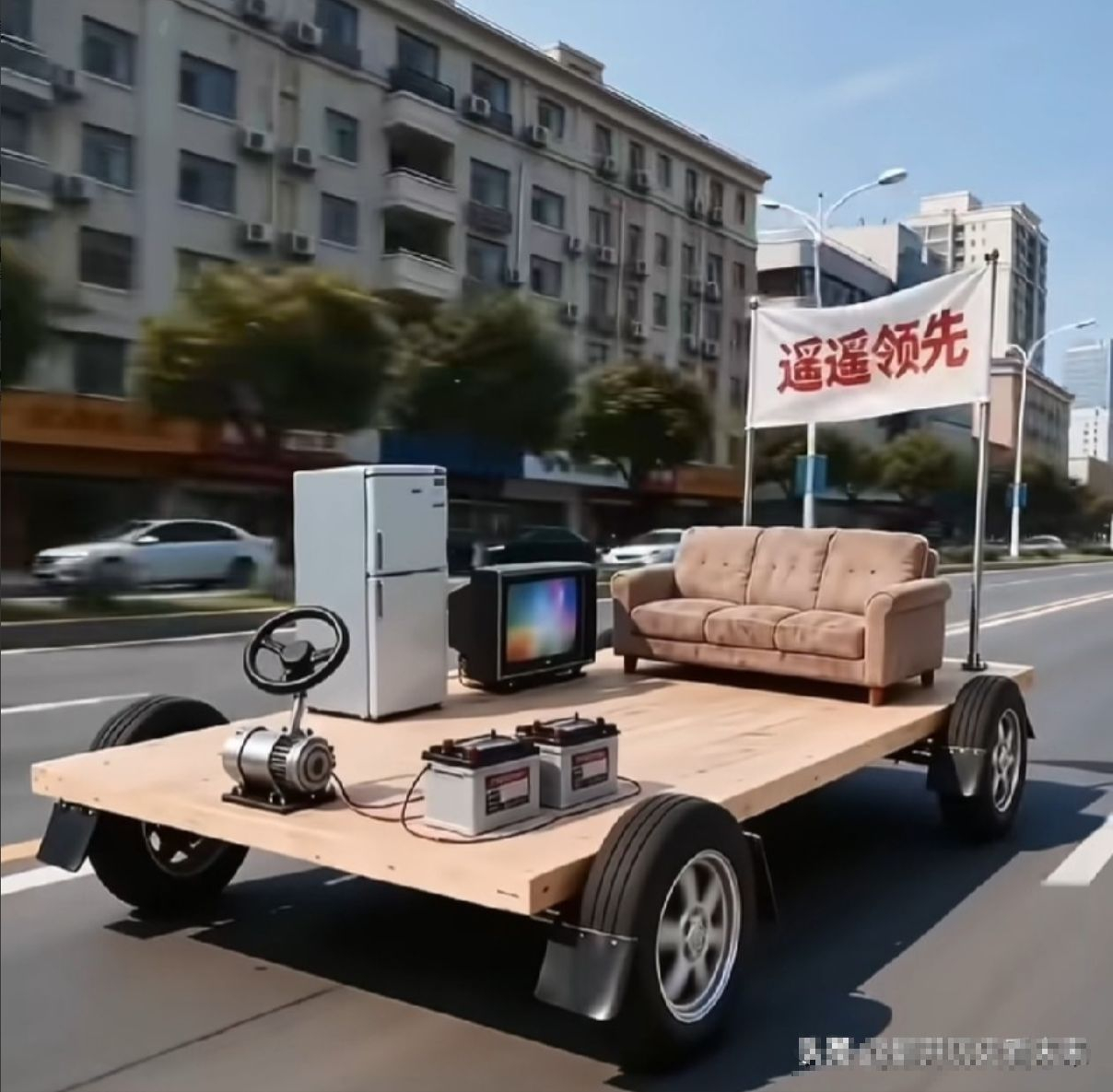
I suddenly came across this photo online and thought it was pretty creative!
A plank, two batteries, one motor, four wheels + a sofa, a fridge, and a color TV = YY is ahead of the competition!
Honestly, I reckon plenty of science students could build this thing too; the only difference is that nobody would endorse it afterward.
Lastly, whether or not it’s ahead of the competition, please make sure the product is safe first, and don’t try to silence people right off the bat! Thanks! $SOL
{spot}(SOLUSDT)
I suddenly came across this photo online and thought it was pretty creative!
A plank, two batteries, one motor, four wheels + a sofa, a fridge, and a color TV = YY is ahead of the competition!
Honestly, I reckon plenty of science students could build this thing too; the only difference is that nobody would endorse it afterward.
Lastly, whether or not it’s ahead of the competition, please make sure the product is safe first, and don’t try to silence people right off the bat! Thanks! $SOL
A plank, two batteries, one motor, four wheels + a sofa, a fridge, and a color TV = YY is ahead of the competition!
Honestly, I reckon plenty of science students could build this thing too; the only difference is that nobody would endorse it afterward.
Lastly, whether or not it’s ahead of the competition, please make sure the product is safe first, and don’t try to silence people right off the bat! Thanks! $SOL
4
12
15.7k
·
--
Bearish
Analyst: Retail BTC transfers to Binance hit a 6-month high, while whale inflows continue to decline
CryptoQuant analyst Darkfost said in a post on X that, with BTC holding above $80,000 for several consecutive weeks, retail and whale BTC transfers to Binance have diverged markedly. Data show that the 30-day cumulative volume of BTC transferred to Binance by retail investors has risen from $5.5 billion to $10.75 billion, nearly doubling and reaching a six-month high. By contrast, whale inflows over the same period have continued to decline, falling from $5.9 billion at the end of August to $3.8 billion currently.
Darkfost believes some retail investors may view this rally's first rebound as an opportunity to reduce their positions or exit, while whales have yet to show any clear willingness to sell. Going forward, it will be worth watching whether whales continue to maintain low levels of exchange inflows if BTC prices keep rising. $SOL
{spot}(SOLUSDT)
Analyst: Retail BTC transfers to Binance hit a 6-month high, while whale inflows continue to decline
CryptoQuant analyst Darkfost said in a post on X that, with BTC holding above $80,000 for several consecutive weeks, retail and whale BTC transfers to Binance have diverged markedly. Data show that the 30-day cumulative volume of BTC transferred to Binance by retail investors has risen from $5.5 billion to $10.75 billion, nearly doubling and reaching a six-month high. By contrast, whale inflows over the same period have continued to decline, falling from $5.9 billion at the end of August to $3.8 billion currently.
Darkfost believes some retail investors may view this rally's first rebound as an opportunity to reduce their positions or exit, while whales have yet to show any clear willingness to sell. Going forward, it will be worth watching whether whales continue to maintain low levels of exchange inflows if BTC prices keep rising. $SOL
CryptoQuant analyst Darkfost said in a post on X that, with BTC holding above $80,000 for several consecutive weeks, retail and whale BTC transfers to Binance have diverged markedly. Data show that the 30-day cumulative volume of BTC transferred to Binance by retail investors has risen from $5.5 billion to $10.75 billion, nearly doubling and reaching a six-month high. By contrast, whale inflows over the same period have continued to decline, falling from $5.9 billion at the end of August to $3.8 billion currently.
Darkfost believes some retail investors may view this rally's first rebound as an opportunity to reduce their positions or exit, while whales have yet to show any clear willingness to sell. Going forward, it will be worth watching whether whales continue to maintain low levels of exchange inflows if BTC prices keep rising. $SOL
908
·
--
Bullish
It’s October 26, and there are still a few hundred red envelopes left in the pinned post below. You can claim them until the 30th at the latest. Please keep sharing it so your friends can claim one too. I check in every day, and when I see someone leave a comment, I follow them. I may do it a bit slowly, but I’ll follow everyone. If I missed you, just leave me a message. If I follow too quickly, I could get banned from the Square. I also hope that when you see I’ve followed you, you’ll follow Old Tang back. Thank you. $BNB
{spot}(BNBUSDT)
It’s October 26, and there are still a few hundred red envelopes left in the pinned post below. You can claim them until the 30th at the latest. Please keep sharing it so your friends can claim one too. I check in every day, and when I see someone leave a comment, I follow them. I may do it a bit slowly, but I’ll follow everyone. If I missed you, just leave me a message. If I follow too quickly, I could get banned from the Square. I also hope that when you see I’ve followed you, you’ll follow Old Tang back. Thank you. $BNB
唐华斑竹
·
--
BullishStarting today, I plan to make lots of friends on Binance Square and reach 10,000 followers first! I’ll follow people whenever I have time, prioritizing the folks who comment below this post. I’ll do my best to support newcomers on Square as they build up their accounts!
I’m sending out a round of red packets first—share this with your friends so they can claim one too! Just leave the comment “Lao Tang wants to follow 10,000 people” below to receive a token red packet. I’ll send out 1,000 to start, and add more if that’s not enough. There’ll be one for everyone! #红包 #RedPacketMission $BNB
I’m sending out a round of red packets first—share this with your friends so they can claim one too! Just leave the comment “Lao Tang wants to follow 10,000 people” below to receive a token red packet. I’ll send out 1,000 to start, and add more if that’s not enough. There’ll be one for everyone! #红包 #RedPacketMission $BNB
3
1.8k
·
--
Bearish
Verified
The only blockchain infrastructure company selected for introduction in 2026, Solana Company joins Hong Kong’s seventh batch of strategic enterprises
Solana Company announced that it has been recognized as a strategic enterprise by the Hong Kong Special Administrative Region Government’s Office for Attracting Strategic Enterprises (OASES) and included in the seventh batch of strategic enterprises. It is the only blockchain infrastructure company introduced by the office in 2026. Solana Company has established an office in Hong Kong to serve as its Asia-Pacific headquarters and regional operations hub, with its management team overseeing business across the region. The company plans to operate validator nodes in Hong Kong through its Pacific Backbone initiative. $SOL
{spot}(SOLUSDT)
The only blockchain infrastructure company selected for introduction in 2026, Solana Company joins Hong Kong’s seventh batch of strategic enterprises
Solana Company announced that it has been recognized as a strategic enterprise by the Hong Kong Special Administrative Region Government’s Office for Attracting Strategic Enterprises (OASES) and included in the seventh batch of strategic enterprises. It is the only blockchain infrastructure company introduced by the office in 2026. Solana Company has established an office in Hong Kong to serve as its Asia-Pacific headquarters and regional operations hub, with its management team overseeing business across the region. The company plans to operate validator nodes in Hong Kong through its Pacific Backbone initiative. $SOL
Solana Company announced that it has been recognized as a strategic enterprise by the Hong Kong Special Administrative Region Government’s Office for Attracting Strategic Enterprises (OASES) and included in the seventh batch of strategic enterprises. It is the only blockchain infrastructure company introduced by the office in 2026. Solana Company has established an office in Hong Kong to serve as its Asia-Pacific headquarters and regional operations hub, with its management team overseeing business across the region. The company plans to operate validator nodes in Hong Kong through its Pacific Backbone initiative. $SOL
2
1.1k
·
--
Bearish
Verified
Four.Meme launches Binance Agent ID Exclusive, an exclusive AI Agent token launch model supporting BNB fundraising
Four.Meme’s OpenFour has officially launched a new token launch model, Binance Agent ID Exclusive, designed specifically for AI Agents in the BNB Chain ecosystem and supported by Binance Wallet.
During the bonding curve trading phase, only Binance Agentic Wallets holding an Agent ID can participate. Each wallet can hold up to 1% of the token’s total supply, and tokens cannot be transferred. Once a token graduates, trading will be open to all users.
With support from Binance Wallet, users can participate in trading without enabling Developer Mode.
Any wallet can use this model to create tokens, raise funds in BNB, and optionally set a trading tax. Before launch, developers can purchase up to 1.5% of the amount raised in tokens and sell them during the bonding curve phase, but they cannot buy more after launch.
All tokens launched through Binance Agent ID Exclusive will display an exclusive “.ai” tag on the Four.Meme platform, making it easy for users to identify tokens launched through this model. $BNB
{spot}(BNBUSDT)
Four.Meme launches Binance Agent ID Exclusive, an exclusive AI Agent token launch model supporting BNB fundraising
Four.Meme’s OpenFour has officially launched a new token launch model, Binance Agent ID Exclusive, designed specifically for AI Agents in the BNB Chain ecosystem and supported by Binance Wallet.
During the bonding curve trading phase, only Binance Agentic Wallets holding an Agent ID can participate. Each wallet can hold up to 1% of the token’s total supply, and tokens cannot be transferred. Once a token graduates, trading will be open to all users.
With support from Binance Wallet, users can participate in trading without enabling Developer Mode.
Any wallet can use this model to create tokens, raise funds in BNB, and optionally set a trading tax. Before launch, developers can purchase up to 1.5% of the amount raised in tokens and sell them during the bonding curve phase, but they cannot buy more after launch.
All tokens launched through Binance Agent ID Exclusive will display an exclusive “.ai” tag on the Four.Meme platform, making it easy for users to identify tokens launched through this model. $BNB
Four.Meme’s OpenFour has officially launched a new token launch model, Binance Agent ID Exclusive, designed specifically for AI Agents in the BNB Chain ecosystem and supported by Binance Wallet.
During the bonding curve trading phase, only Binance Agentic Wallets holding an Agent ID can participate. Each wallet can hold up to 1% of the token’s total supply, and tokens cannot be transferred. Once a token graduates, trading will be open to all users.
With support from Binance Wallet, users can participate in trading without enabling Developer Mode.
Any wallet can use this model to create tokens, raise funds in BNB, and optionally set a trading tax. Before launch, developers can purchase up to 1.5% of the amount raised in tokens and sell them during the bonding curve phase, but they cannot buy more after launch.
All tokens launched through Binance Agent ID Exclusive will display an exclusive “.ai” tag on the Four.Meme platform, making it easy for users to identify tokens launched through this model. $BNB
868
Log in to explore more content
Join global crypto users on Binance Square
⚡️ Get latest and useful information about crypto.
💬 Trusted by the world’s largest crypto exchange.
👍 Discover real insights from verified creators.
Email / Phone number