
saifurrehman99880
21 Posts

saifurrehman99880
Report
Block User
3 Following
1 Followers
7 Liked
Posts
Portfolio
All
Videos

Article
From $5,000 to Financial Success: A Journey of Patience and StrategyI started my trading journey with just $5,000, limited experience, and plenty of uncertainty. Instead of chasing quick profits, I focused on learning, discipline, risk management, and developing a clear strategy. Over time, patience and consistent decision-making helped me grow. The journey taught me that successful trading is not about luck—it’s about preparation, discipline, and managing risk responsibly.
Saifurrehman99880$
{stock_us}(FINW.US)
From $5,000 to Financial Success: A Journey of Patience and Strategy
I started my trading journey with just $5,000, limited experience, and plenty of uncertainty. Instead of chasing quick profits, I focused on learning, discipline, risk management, and developing a clear strategy. Over time, patience and consistent decision-making helped me grow. The journey taught me that successful trading is not about luck—it’s about preparation, discipline, and managing risk responsibly.
Saifurrehman99880$
Saifurrehman99880$
FINWUS+1.03%
1
49
XRP — Real Use Cases & Future Analysis
XRP is the native cryptocurrency of the XRP Ledger (XRPL), a blockchain designed with financial payments and settlement in mind.
Real use cases
Cross-border payments 🌍
XRP can be used to move value between different currencies and countries. XRPL supports cross-currency payments and atomic settlement. �
Future outlook
The strongest long-term thesis for XRP is financial infrastructure: if adoption of XRPL for payments, tokenization and institutional trading grows, demand for the ecosystem could increase. However, greater XRPL adoption does not automatically mean XRP's price will rise, and crypto prices remain highly volatile.
{future}(XRPUSDT)
XRP — Real Use Cases & Future Analysis
XRP is the native cryptocurrency of the XRP Ledger (XRPL), a blockchain designed with financial payments and settlement in mind.
Real use cases
Cross-border payments 🌍
XRP can be used to move value between different currencies and countries. XRPL supports cross-currency payments and atomic settlement. �
Future outlook
The strongest long-term thesis for XRP is financial infrastructure: if adoption of XRPL for payments, tokenization and institutional trading grows, demand for the ecosystem could increase. However, greater XRPL adoption does not automatically mean XRP's price will rise, and crypto prices remain highly volatile.
XRP is the native cryptocurrency of the XRP Ledger (XRPL), a blockchain designed with financial payments and settlement in mind.
Real use cases
Cross-border payments 🌍
XRP can be used to move value between different currencies and countries. XRPL supports cross-currency payments and atomic settlement. �
Future outlook
The strongest long-term thesis for XRP is financial infrastructure: if adoption of XRPL for payments, tokenization and institutional trading grows, demand for the ecosystem could increase. However, greater XRPL adoption does not automatically mean XRP's price will rise, and crypto prices remain highly volatile.

69
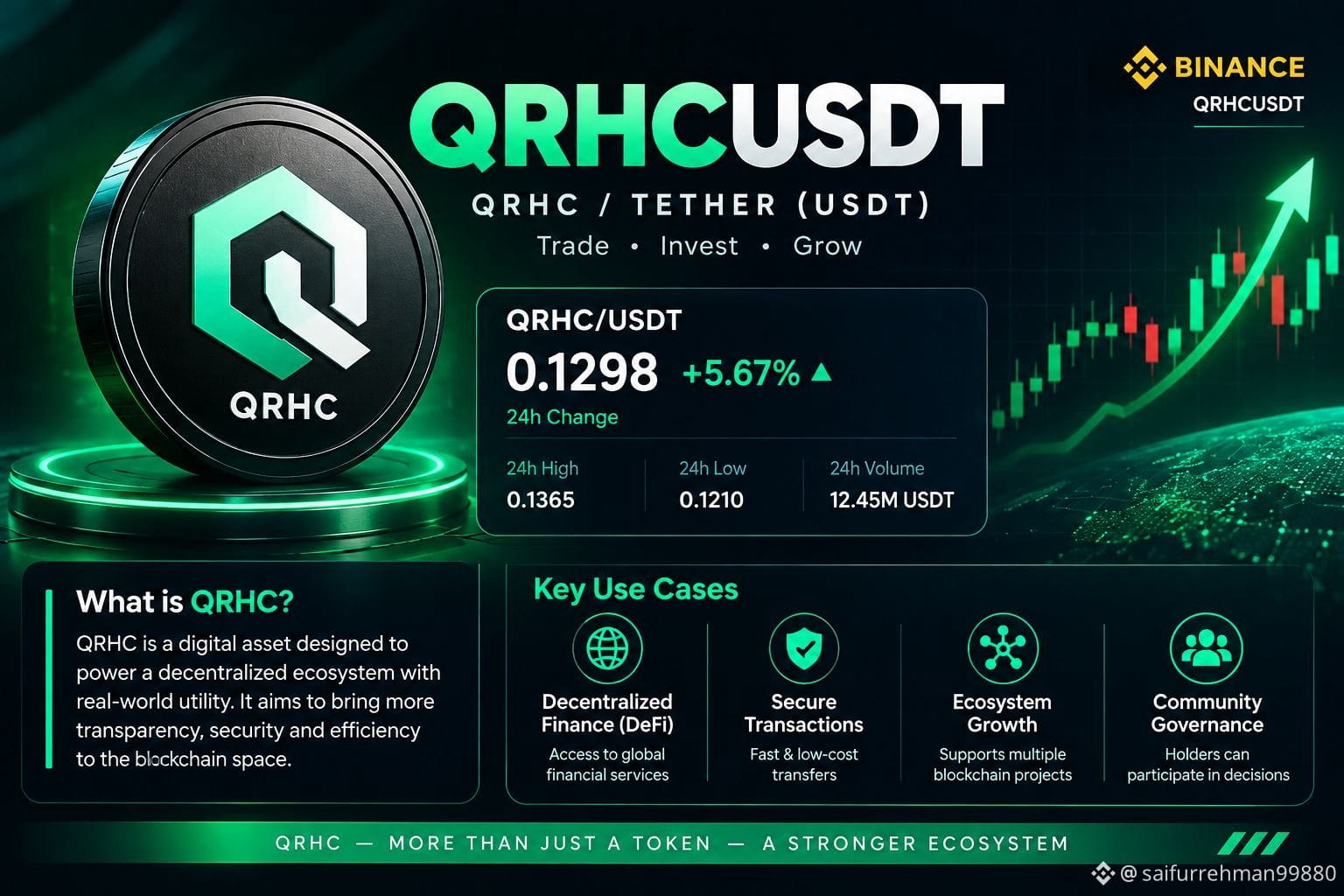
If you are talking about QRHCUSDT, then one important thing: USDT is a pair, not a coin—QRHC is the actual token and USDT is its trading pair.
It is important to confirm reliable information about QRHC’s future use-case, because you cannot assume the project’s technology or future utility just by looking at the ticker.
#QRCode
{stock_us}(QRHC.US)
If you are talking about QRHCUSDT, then one important thing: USDT is a pair, not a coin—QRHC is the actual token and USDT is its trading pair.
It is important to confirm reliable information about QRHC’s future use-case, because you cannot assume the project’s technology or future utility just by looking at the ticker.
#QRCode
It is important to confirm reliable information about QRHC’s future use-case, because you cannot assume the project’s technology or future utility just by looking at the ticker.
#QRCode
QRHCUS-0.72%
4
Real future use cases of UNI
DeFi governance — UNI holders can participate in decisions about the Uniswap protocol.
Decentralized token swapping — Uniswap can continue enabling users to swap crypto assets without relying on a traditional centralized exchange.
Liquidity ecosystem — Uniswap’s liquidity pools support trading and can help provide liquidity for new tokens and DeFi applications.
Cross-chain DeFi — As Uniswap expands across blockchain networks, UNI may remain connected to a broader decentralized trading ecosystem.
#UNIUSDT
Real future use cases of UNI
DeFi governance — UNI holders can participate in decisions about the Uniswap protocol.
Decentralized token swapping — Uniswap can continue enabling users to swap crypto assets without relying on a traditional centralized exchange.
Liquidity ecosystem — Uniswap’s liquidity pools support trading and can help provide liquidity for new tokens and DeFi applications.
Cross-chain DeFi — As Uniswap expands across blockchain networks, UNI may remain connected to a broader decentralized trading ecosystem.
#UNIUSDT
DeFi governance — UNI holders can participate in decisions about the Uniswap protocol.
Decentralized token swapping — Uniswap can continue enabling users to swap crypto assets without relying on a traditional centralized exchange.
Liquidity ecosystem — Uniswap’s liquidity pools support trading and can help provide liquidity for new tokens and DeFi applications.
Cross-chain DeFi — As Uniswap expands across blockchain networks, UNI may remain connected to a broader decentralized trading ecosystem.
#UNIUSDT
290
RAYUSDT — Real Use Case Analysis
RAY is the native token of Raydium, a decentralized exchange (DEX) built on Solana. Its real-world use cases include:
🔄 DEX Trading: Users trade tokens on Raydium without relying on a centralized exchange.
💧 Liquidity Providing: RAY is connected to liquidity pools where users can provide assets to facilitate trading.mportant: RAY is the token; RAYUSDT is a trading pair showing RAY's price against USDT. Its future price is not guaranteed and depends on adoption, liquidity, market conditions, and the broader crypto market.
RAYUSDT — Real Use Case Analysis
RAY is the native token of Raydium, a decentralized exchange (DEX) built on Solana. Its real-world use cases include:
🔄 DEX Trading: Users trade tokens on Raydium without relying on a centralized exchange.
💧 Liquidity Providing: RAY is connected to liquidity pools where users can provide assets to facilitate trading.mportant: RAY is the token; RAYUSDT is a trading pair showing RAY's price against USDT. Its future price is not guaranteed and depends on adoption, liquidity, market conditions, and the broader crypto market.
RAY is the native token of Raydium, a decentralized exchange (DEX) built on Solana. Its real-world use cases include:
🔄 DEX Trading: Users trade tokens on Raydium without relying on a centralized exchange.
💧 Liquidity Providing: RAY is connected to liquidity pools where users can provide assets to facilitate trading.mportant: RAY is the token; RAYUSDT is a trading pair showing RAY's price against USDT. Its future price is not guaranteed and depends on adoption, liquidity, market conditions, and the broader crypto market.
249
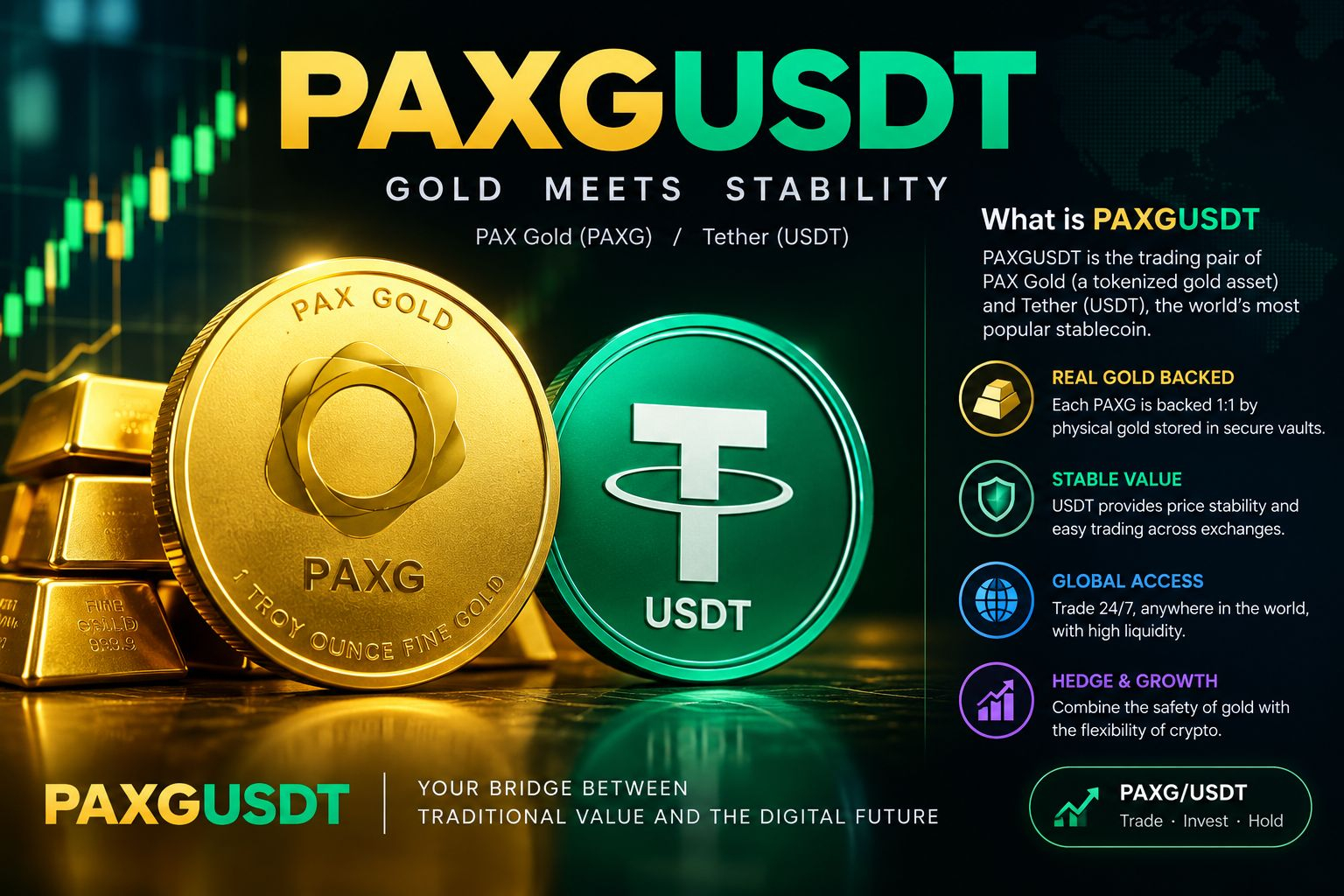
PAXGUSDT is a trading pair that represents PAX Gold (PAXG) against Tether (USDT). PAXG is a token backed by physical gold, giving users a way to gain digital exposure to gold through blockchain technology. PAXGUSDT can be useful for traders who want to follow gold prices in a crypto-market environment. However, its price can still fluctuate, so proper research and risk management are important.
{future}(PAXGUSDT)
PAXGUSDT is a trading pair that represents PAX Gold (PAXG) against Tether (USDT). PAXG is a token backed by physical gold, giving users a way to gain digital exposure to gold through blockchain technology. PAXGUSDT can be useful for traders who want to follow gold prices in a crypto-market environment. However, its price can still fluctuate, so proper research and risk management are important.
97
Real use cases of BNB/USDT market analysis
Trend identification 📈📉
Analyze price action to determine whether BNB is in an uptrend, downtrend, or moving sideways.
Support & resistance
Identify important price zones where buyers or sellers have previously been active.
Volume analysis
Increasing volume during a price move can help confirm whether the move has meaningful market participation.
Risk management
Traders can use market analysis to plan entry points, stop-loss levels, and take-profit targets rather than trading purely on emotion.
{future}(BNBUSDT)
Real use cases of BNB/USDT market analysis
Trend identification 📈📉
Analyze price action to determine whether BNB is in an uptrend, downtrend, or moving sideways.
Support & resistance
Identify important price zones where buyers or sellers have previously been active.
Volume analysis
Increasing volume during a price move can help confirm whether the move has meaningful market participation.
Risk management
Traders can use market analysis to plan entry points, stop-loss levels, and take-profit targets rather than trading purely on emotion.
Trend identification 📈📉
Analyze price action to determine whether BNB is in an uptrend, downtrend, or moving sideways.
Support & resistance
Identify important price zones where buyers or sellers have previously been active.
Volume analysis
Increasing volume during a price move can help confirm whether the move has meaningful market participation.
Risk management
Traders can use market analysis to plan entry points, stop-loss levels, and take-profit targets rather than trading purely on emotion.
38
TRUMP/USDT — Detailed Explanation
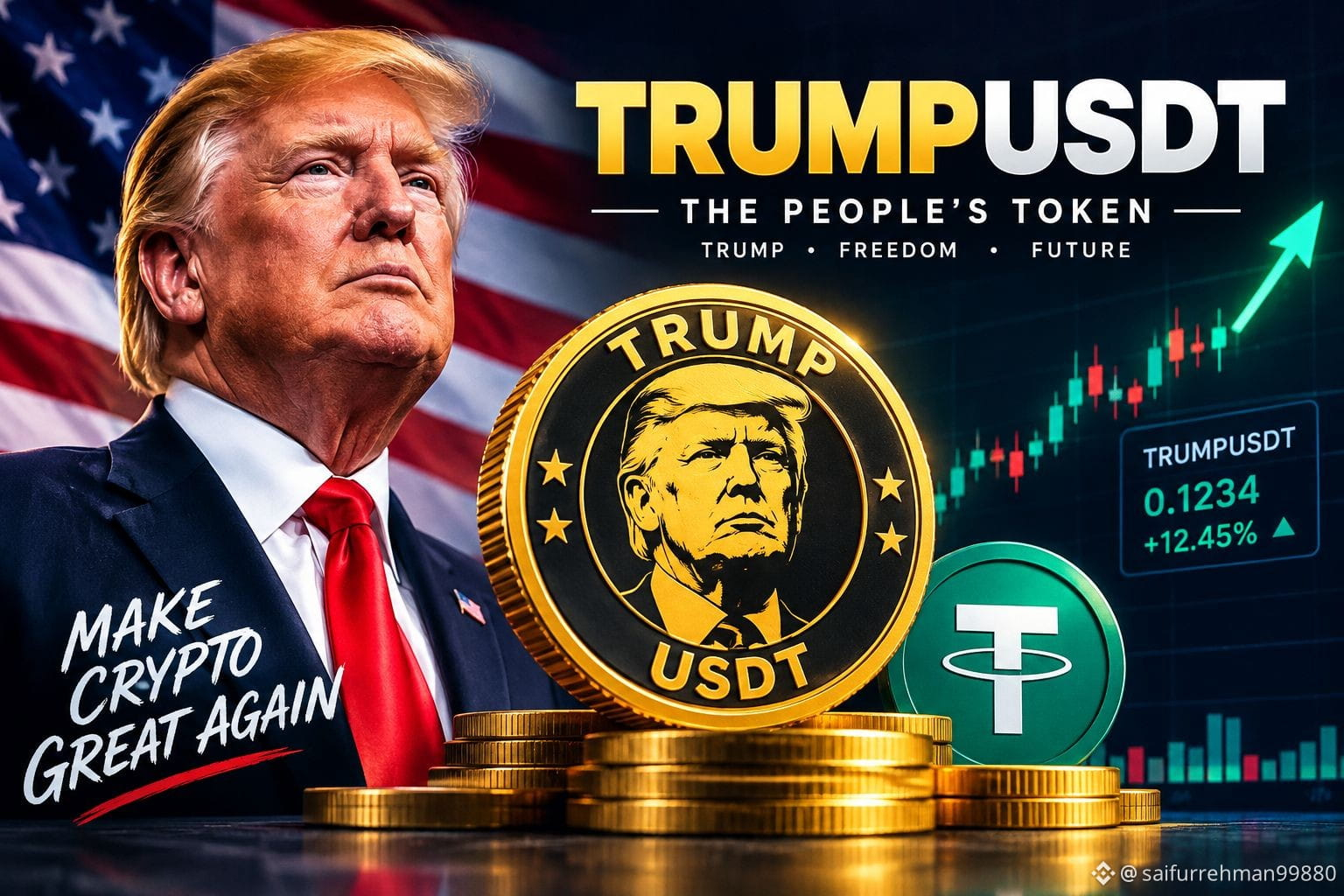
TRUMP/USDT is a cryptocurrency trading pair for Official Trump (TRUMP), where USDT (Tether) is used to measure the price of TRUMP.
Future outlook
There is no reliable way to guarantee a future TRUMP price target. A bullish scenario could develop if crypto markets remain strong and TRUMP maintains significant public attention and trading volume. A bearish scenario could occur if interest declines, the broader crypto market weakens, or additional token supply creates selling pressure.
$trump
{future}(TRUMPUSDT)
TRUMP/USDT — Detailed Explanation
TRUMP/USDT is a cryptocurrency trading pair for Official Trump (TRUMP), where USDT (Tether) is used to measure the price of TRUMP.
Future outlook
There is no reliable way to guarantee a future TRUMP price target. A bullish scenario could develop if crypto markets remain strong and TRUMP maintains significant public attention and trading volume. A bearish scenario could occur if interest declines, the broader crypto market weakens, or additional token supply creates selling pressure.
$trump
TRUMP/USDT is a cryptocurrency trading pair for Official Trump (TRUMP), where USDT (Tether) is used to measure the price of TRUMP.
Future outlook
There is no reliable way to guarantee a future TRUMP price target. A bullish scenario could develop if crypto markets remain strong and TRUMP maintains significant public attention and trading volume. A bearish scenario could occur if interest declines, the broader crypto market weakens, or additional token supply creates selling pressure.
$trump
95
Real use cases of OPEN
AI model training
OPEN can be used to pay for AI-related infrastructure and model-training activities.
Developers can use datasets and training infrastructure to build specialized AI models. �
CoinDesk
AI inference payments
When an AI model is used to generate an answer/output, the computation can be paid for with OPEN.
Fees can flow toward model developers, stakers and data contributors. �$OPEN
#openleger
Real use cases of OPEN
AI model training
OPEN can be used to pay for AI-related infrastructure and model-training activities.
Developers can use datasets and training infrastructure to build specialized AI models. �
CoinDesk
AI inference payments
When an AI model is used to generate an answer/output, the computation can be paid for with OPEN.
Fees can flow toward model developers, stakers and data contributors. �$OPEN
#openleger
AI model training
OPEN can be used to pay for AI-related infrastructure and model-training activities.
Developers can use datasets and training infrastructure to build specialized AI models. �
CoinDesk
AI inference payments
When an AI model is used to generate an answer/output, the computation can be paid for with OPEN.
Fees can flow toward model developers, stakers and data contributors. �$OPEN
#openleger
270
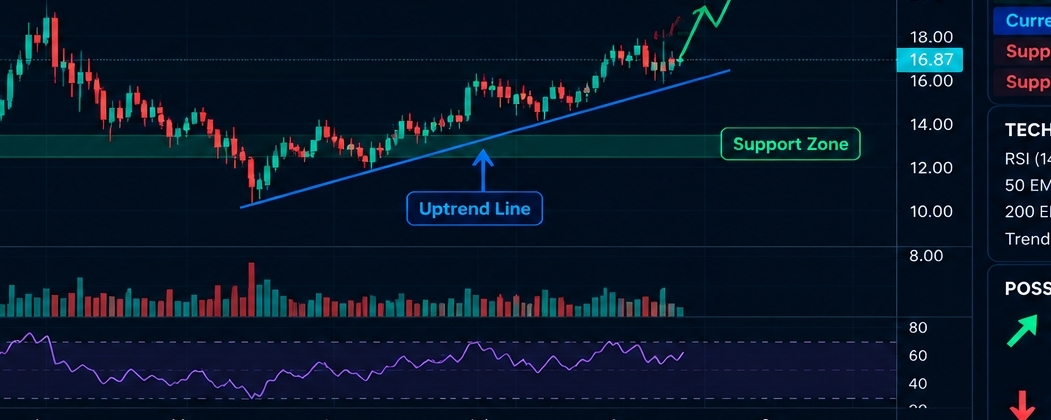
Possible scenarios:
🟢 Bullish: If there is a strong breakout above $18, the $20–$24 zone is possible.
🟡 Neutral: The price may consolidate in the $15–$18 range.
🔴 Bearish: If the $15 support breaks, the next support may be around $12.50.
⚠️ If the overall crypto market/BTC is strongly down, there could be a risk of going even lower.#LINKUSDTrading
{future}(LINKUSDT)
Possible scenarios:
🟢 Bullish: If there is a strong breakout above $18, the $20–$24 zone is possible.
🟡 Neutral: The price may consolidate in the $15–$18 range.
🔴 Bearish: If the $15 support breaks, the next support may be around $12.50.
⚠️ If the overall crypto market/BTC is strongly down, there could be a risk of going even lower.#LINKUSDTrading
🟢 Bullish: If there is a strong breakout above $18, the $20–$24 zone is possible.
🟡 Neutral: The price may consolidate in the $15–$18 range.
🔴 Bearish: If the $15 support breaks, the next support may be around $12.50.
⚠️ If the overall crypto market/BTC is strongly down, there could be a risk of going even lower.#LINKUSDTrading
9
Article
(LINK)usdt analysisThe important thing to understand is that LINK's long-term value depends partly on adoption of Chainlink infrastructure, while its short-term LINK/USDT price is heavily influenced by Bitcoin, overall crypto sentiment, liquidity, and market conditions.
{future}(LINKUSDT)
(LINK)usdt analysis
The important thing to understand is that LINK's long-term value depends partly on adoption of Chainlink infrastructure, while its short-term LINK/USDT price is heavily influenced by Bitcoin, overall crypto sentiment, liquidity, and market conditions.
42
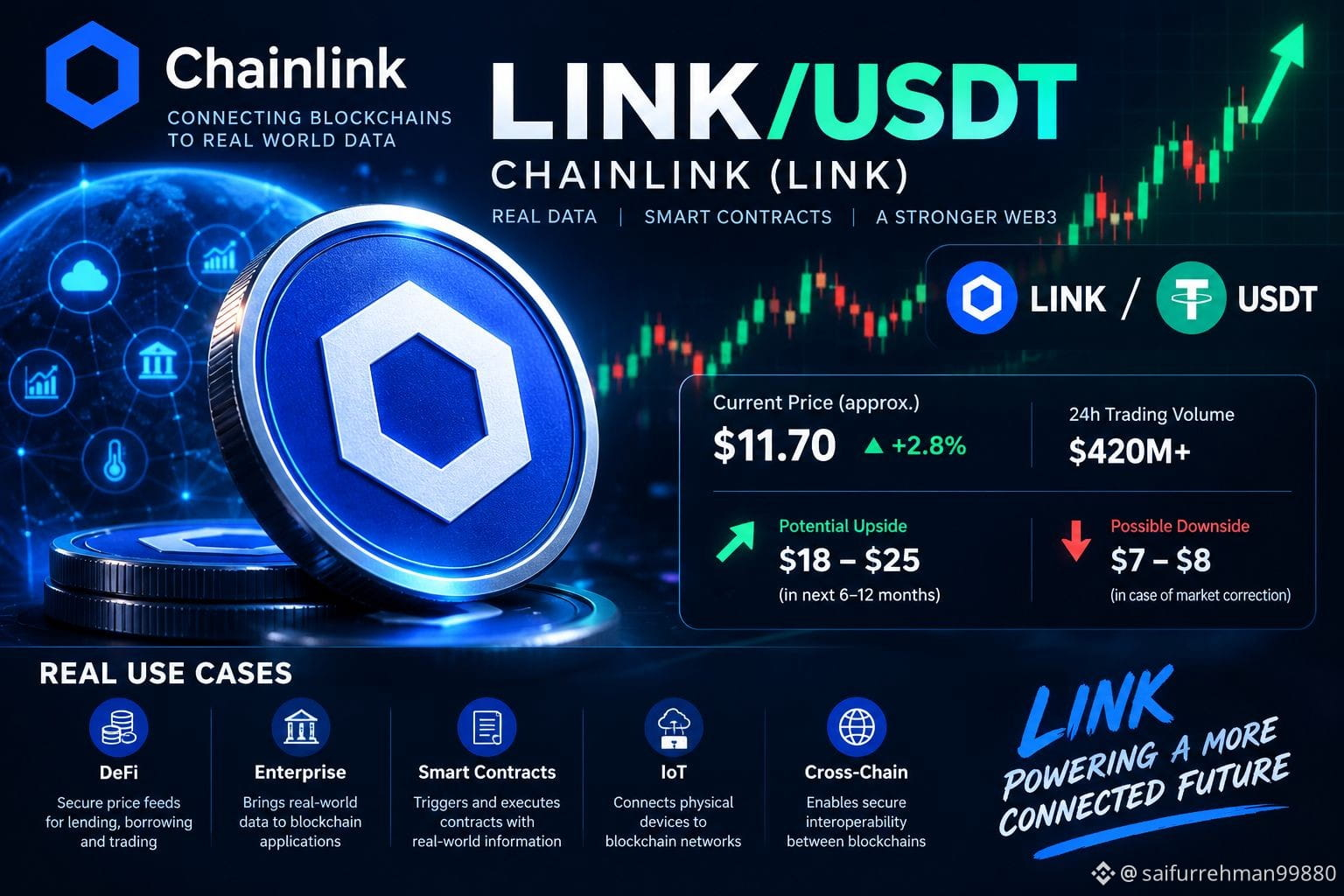
LINK/USDT is a trading pair: LINK (Chainlink) is the cryptocurrency, while USDT (Tether) is the stablecoin used to quote its price. The real-world use cases come mainly from Chainlink, not from the LINK/USDT pair itself.#linkusdtlong
LINK/USDT is a trading pair: LINK (Chainlink) is the cryptocurrency, while USDT (Tether) is the stablecoin used to quote its price. The real-world use cases come mainly from Chainlink, not from the LINK/USDT pair itself.#linkusdtlong
207
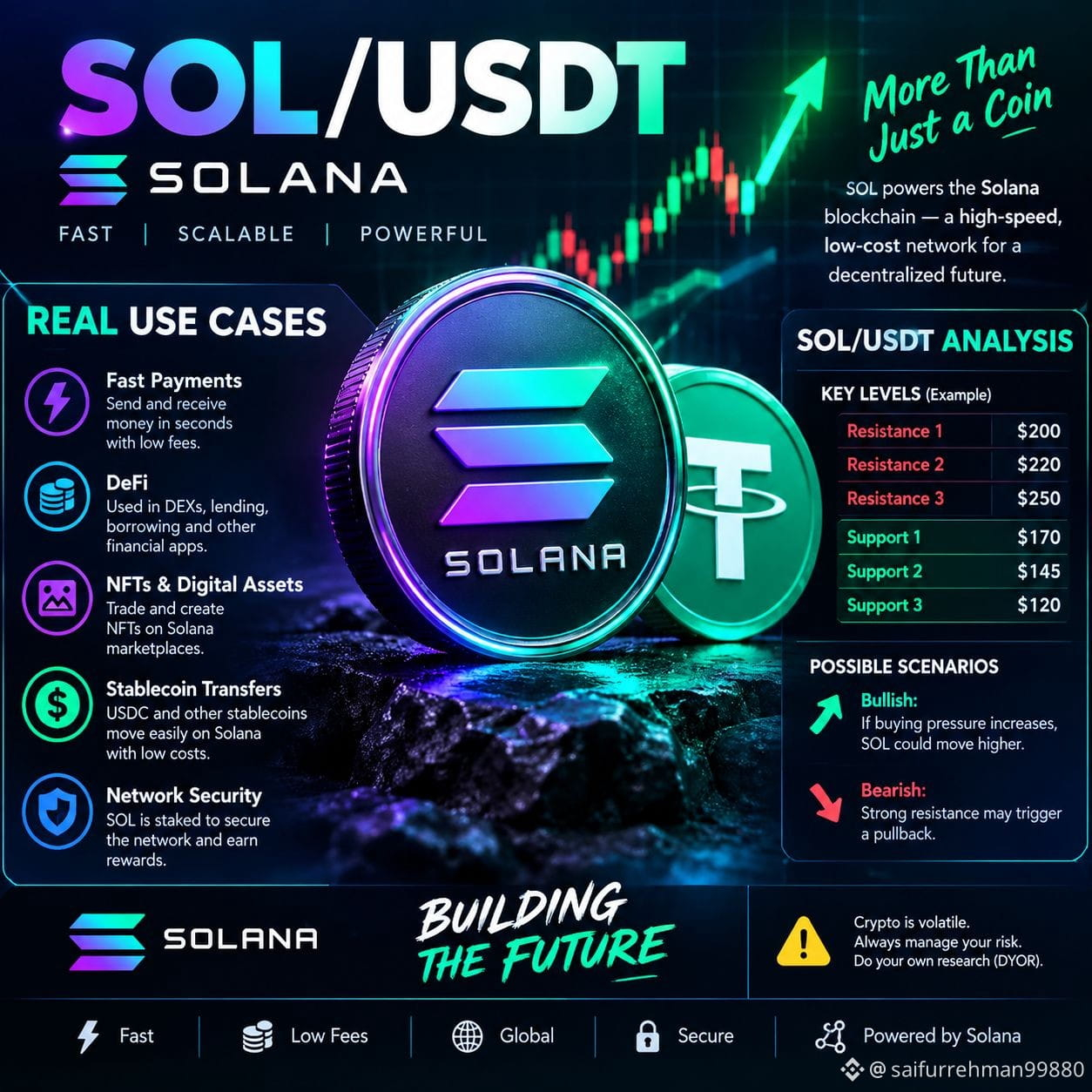
SOL/USDT Analysis
For a proper current analysis, I’d look at the live price, support/resistance, trading volume, and market trend before giving bullish/bearish levels. Crypto prices can change very quickly, so any future target should be treated as a scenario—not a guaranteed prediction.
SOL/USDT Analysis
For a proper current analysis, I’d look at the live price, support/resistance, trading volume, and market trend before giving bullish/bearish levels. Crypto prices can change very quickly, so any future target should be treated as a scenario—not a guaranteed prediction.
For a proper current analysis, I’d look at the live price, support/resistance, trading volume, and market trend before giving bullish/bearish levels. Crypto prices can change very quickly, so any future target should be treated as a scenario—not a guaranteed prediction.
1
170
SOL/USDT Analysis
For a proper current analysis, I’d look at the live price, support/resistance, trading volume, and market trend before giving bullish/bearish levels. Crypto prices can change very quickly, so any future target should be treated as a scenario—not a guaranteed prediction.
{future}(SOLUSDT)
SOL/USDT Analysis
For a proper current analysis, I’d look at the live price, support/resistance, trading volume, and market trend before giving bullish/bearish levels. Crypto prices can change very quickly, so any future target should be treated as a scenario—not a guaranteed prediction.
For a proper current analysis, I’d look at the live price, support/resistance, trading volume, and market trend before giving bullish/bearish levels. Crypto prices can change very quickly, so any future target should be treated as a scenario—not a guaranteed prediction.
1
95
If you mean “Bank Coin” as a bank-issued cryptocurrency/token, here are some real-world use cases:
Fast Bank-to-Bank Transfers – Banks could use a token to transfer value between institutions faster and potentially reduce settlement costs.
Cross-Border Payments – A bank coin could help settle international transactions without relying on multiple intermediaries.
If you mean “Bank Coin” as a bank-issued cryptocurrency/token, here are some real-world use cases:
Fast Bank-to-Bank Transfers – Banks could use a token to transfer value between institutions faster and potentially reduce settlement costs.
Cross-Border Payments – A bank coin could help settle international transactions without relying on multiple intermediaries.
Fast Bank-to-Bank Transfers – Banks could use a token to transfer value between institutions faster and potentially reduce settlement costs.
Cross-Border Payments – A bank coin could help settle international transactions without relying on multiple intermediaries.
1
172
Ethereum (ETH) vs Tether (USDT): Complete Market Overview
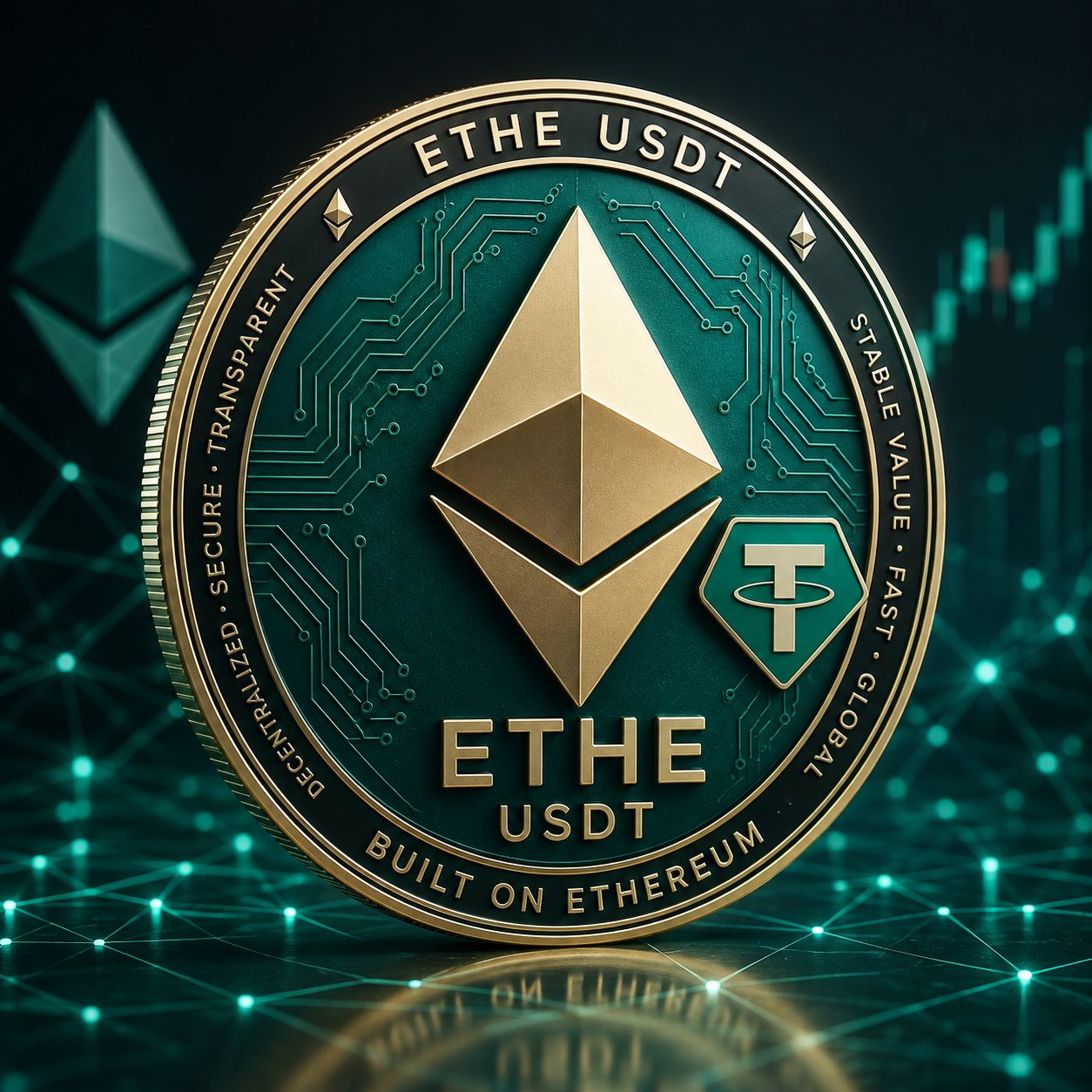
Sure. One important clarification: “ETHE USDT” is best understood as an Ethereum (ETH) / Tether (USDT) trading pair, not a separate cryptocurrency called ETHE USDT. The image I created is a conceptual crypto coin design representing ETH traded against USDT.
ETHE/USDT – Detailed Explanation
Ethereum (ETH) is a major blockchain cryptocurrency used for decentralized applications, smart contracts, DeFi, NFTs, and many other blockchain-based services.
USDT (Tether) is a stablecoin designed to maintain a value close to 1 US dollar. It is commonly used in cryptocurrency trading because it provides a dollar-like unit for buying and selling crypto assets.
What does ETH/USDT mean?
The ETH/USDT trading pair shows the price of 1 ETH in USDT.
For example, if:
ETH/USDT = 4,000
that means 1 ETH is trading at approximately 4,000 USDT.
If ETH rises from 4,000 to 4,200 USDT, ETH has increased by about 5% against USDT. If it falls to 3,800 USDT, ETH has decreased by about 5%.#EtherXRPETFInflowStreaksEnd
{future}(ETHUSDT)
Ethereum (ETH) vs Tether (USDT): Complete Market Overview
Sure. One important clarification: “ETHE USDT” is best understood as an Ethereum (ETH) / Tether (USDT) trading pair, not a separate cryptocurrency called ETHE USDT. The image I created is a conceptual crypto coin design representing ETH traded against USDT.
ETHE/USDT – Detailed Explanation
Ethereum (ETH) is a major blockchain cryptocurrency used for decentralized applications, smart contracts, DeFi, NFTs, and many other blockchain-based services.
USDT (Tether) is a stablecoin designed to maintain a value close to 1 US dollar. It is commonly used in cryptocurrency trading because it provides a dollar-like unit for buying and selling crypto assets.
What does ETH/USDT mean?
The ETH/USDT trading pair shows the price of 1 ETH in USDT.
For example, if:
ETH/USDT = 4,000
that means 1 ETH is trading at approximately 4,000 USDT.
If ETH rises from 4,000 to 4,200 USDT, ETH has increased by about 5% against USDT. If it falls to 3,800 USDT, ETH has decreased by about 5%.#EtherXRPETFInflowStreaksEnd
Sure. One important clarification: “ETHE USDT” is best understood as an Ethereum (ETH) / Tether (USDT) trading pair, not a separate cryptocurrency called ETHE USDT. The image I created is a conceptual crypto coin design representing ETH traded against USDT.
ETHE/USDT – Detailed Explanation
Ethereum (ETH) is a major blockchain cryptocurrency used for decentralized applications, smart contracts, DeFi, NFTs, and many other blockchain-based services.
USDT (Tether) is a stablecoin designed to maintain a value close to 1 US dollar. It is commonly used in cryptocurrency trading because it provides a dollar-like unit for buying and selling crypto assets.
What does ETH/USDT mean?
The ETH/USDT trading pair shows the price of 1 ETH in USDT.
For example, if:
ETH/USDT = 4,000
that means 1 ETH is trading at approximately 4,000 USDT.
If ETH rises from 4,000 to 4,200 USDT, ETH has increased by about 5% against USDT. If it falls to 3,800 USDT, ETH has decreased by about 5%.#EtherXRPETFInflowStreaksEnd
2
36
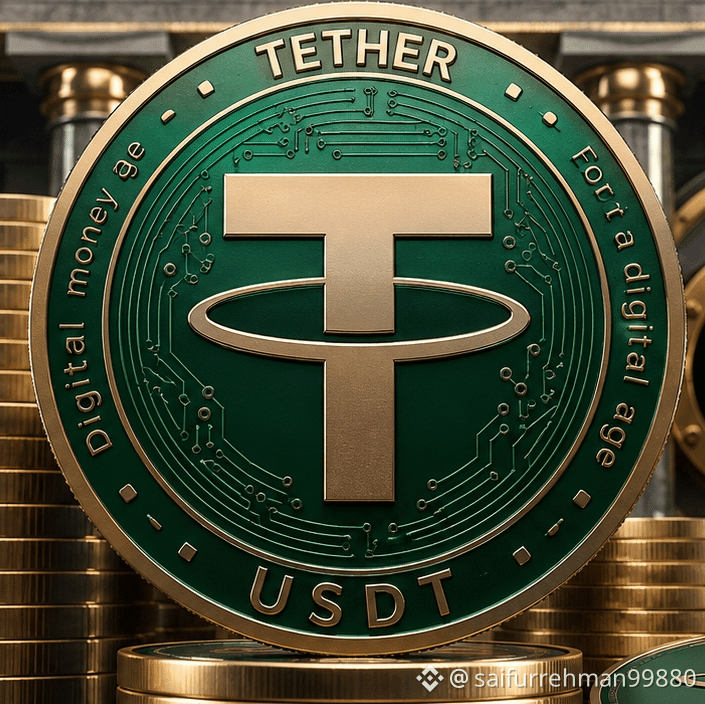
“USDT Crypto Coin: The Future of Digital Money”
USDT, also known as Tether, is a cryptocurrency called a stablecoin. Its main purpose is to maintain a value close to 1 US dollar, unlike Bitcoin and many other cryptocurrencies whose prices can change significantly.
Key features of USDT:
Symbol: USDT
Type: Stablecoin
Issuer: Tether
Main purpose: Digital representation of U.S.-dollar value
Uses: Crypto trading, transferring digital value, and moving funds between supported crypto platforms
Networks: USDT is available on multiple blockchain networks, including Ethereum, Tron, Solana, and others.
Is USDT an investment?
USDT is not designed like Bitcoin as a growth investment. Its goal is price stability around $1. If you're thinking about buying USDT, it's important to understand that it generally isn't intended to rise dramatically in price.
Important: Although USDT aims to maintain its peg to the U.S. dollar, it is not completely risk-free. Its value can temporarily move above or below $1, and users should consider issuer, reserve, blockchain, exchange, and regulatory risks.
{future}(BANKUSDT)
“USDT Crypto Coin: The Future of Digital Money”
USDT, also known as Tether, is a cryptocurrency called a stablecoin. Its main purpose is to maintain a value close to 1 US dollar, unlike Bitcoin and many other cryptocurrencies whose prices can change significantly.
Key features of USDT:
Symbol: USDT
Type: Stablecoin
Issuer: Tether
Main purpose: Digital representation of U.S.-dollar value
Uses: Crypto trading, transferring digital value, and moving funds between supported crypto platforms
Networks: USDT is available on multiple blockchain networks, including Ethereum, Tron, Solana, and others.
Is USDT an investment?
USDT is not designed like Bitcoin as a growth investment. Its goal is price stability around $1. If you're thinking about buying USDT, it's important to understand that it generally isn't intended to rise dramatically in price.
Important: Although USDT aims to maintain its peg to the U.S. dollar, it is not completely risk-free. Its value can temporarily move above or below $1, and users should consider issuer, reserve, blockchain, exchange, and regulatory risks.
USDT, also known as Tether, is a cryptocurrency called a stablecoin. Its main purpose is to maintain a value close to 1 US dollar, unlike Bitcoin and many other cryptocurrencies whose prices can change significantly.
Key features of USDT:
Symbol: USDT
Type: Stablecoin
Issuer: Tether
Main purpose: Digital representation of U.S.-dollar value
Uses: Crypto trading, transferring digital value, and moving funds between supported crypto platforms
Networks: USDT is available on multiple blockchain networks, including Ethereum, Tron, Solana, and others.
Is USDT an investment?
USDT is not designed like Bitcoin as a growth investment. Its goal is price stability around $1. If you're thinking about buying USDT, it's important to understand that it generally isn't intended to rise dramatically in price.
Important: Although USDT aims to maintain its peg to the U.S. dollar, it is not completely risk-free. Its value can temporarily move above or below $1, and users should consider issuer, reserve, blockchain, exchange, and regulatory risks.
2
460
Log in to explore more content
Join global crypto users on Binance Square
⚡️ Get latest and useful information about crypto.
💬 Trusted by the world’s largest crypto exchange.
👍 Discover real insights from verified creators.
Email / Phone number
Trending Topics
USAugustPPIRisesLessThanExpected
47,440 views
790 Discussing
🚨 US AUG PPI: Rises LESS Than Expected! Bullish for Crypto? 🚀
PPI +0.4% MoM as expected, but CORE PPI only +0.2% vs +0.3% expected - cooling!
What it means:
• Wholesale inflation softer than feared
• Fed rate hike chance now 62% - but dovish signals coming
• Core PCE revisions expected downward - bullish
• BTC usually pumps on softer PPI
Fed meeting Sep 15-16 - Market now expects pause, not hike?
Is this the green light for Q4 rally?
#Bitcoin #PPI #Fed #CryptoNews #BTC#usaugustppiriseslessthanexpected
True News
·1 Likes
·1.4k views
SECApprovesNasdaqTexasCommodityTrustRule
26,520 views
577 Discussing
ECBRaisesRatesSecondTimeTo2.5%
24,120 views
416 Discussing