

Quant to the moon
15 Posts

Quant to the moon
Report
Block User

Top traders by profit in 7D

QNT Holder
Frequent Trader
8.7 Years
2 Following
28 Followers
27 Liked
1 Badges
Posts
All
Quotes
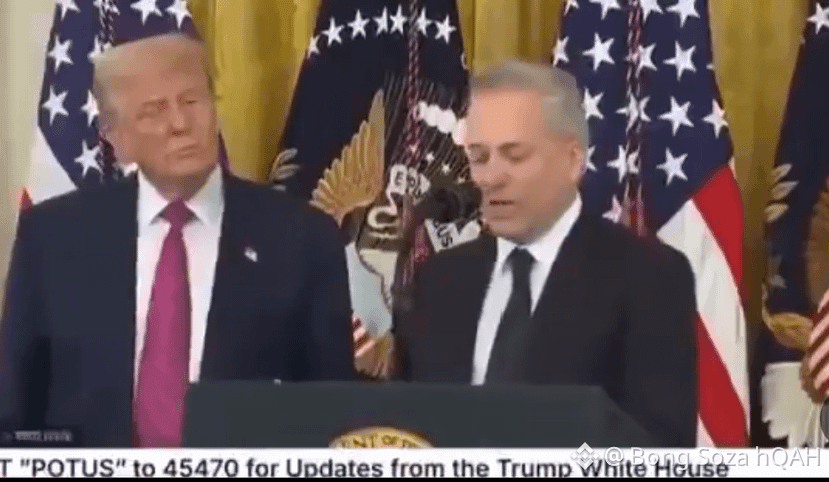
🚨🚨 LISTEN VERY CAREFULLY! 🇺🇸
Trump’s “Crypto Czar,” David Sacks, says a NEW PAYMENT SYSTEM is about to launch. 👀
And we’re talking about…
💥 QUADRILLIONS OF DOLLARS ON-CHAIN!
🌐 Blockchain-based payments
💰 Quadrillions in motion
🇺🇸 The U.S. accelerating its crypto push
🔥 If this is confirmed, we could be witnessing one of the biggest changes in financial infrastructure in history.$QNT
🚨🚨 LISTEN VERY CAREFULLY! 🇺🇸
Trump’s “Crypto Czar,” David Sacks, says a NEW PAYMENT SYSTEM is about to launch. 👀
And we’re talking about…
💥 QUADRILLIONS OF DOLLARS ON-CHAIN!
🌐 Blockchain-based payments
💰 Quadrillions in motion
🇺🇸 The U.S. accelerating its crypto push
🔥 If this is confirmed, we could be witnessing one of the biggest changes in financial infrastructure in history.$QNT
Trump’s “Crypto Czar,” David Sacks, says a NEW PAYMENT SYSTEM is about to launch. 👀
And we’re talking about…
💥 QUADRILLIONS OF DOLLARS ON-CHAIN!
🌐 Blockchain-based payments
💰 Quadrillions in motion
🇺🇸 The U.S. accelerating its crypto push
🔥 If this is confirmed, we could be witnessing one of the biggest changes in financial infrastructure in history.$QNT
134
Quant now has a role in payment infrastructure in both the U.S. and Europe
The ECB is conducting trials of the digital euro, where Quant has been selected to test programmable conditional payments.
👉 Quant joins the ECB’s digital euro project
👉 The Clearing House also selected Quant for its U.S. tokenized bank deposit initiative
👉 Both projects focus on connecting traditional financial infrastructure with programmable digital money
Europe is testing central bank digital currency while U.S. banking infrastructure shifts toward tokenized deposits—and Quant is now involved on both fronts.
Quant now has a role in payment infrastructure in both the U.S. and Europe
The ECB is conducting trials of the digital euro, where Quant has been selected to test programmable conditional payments.
👉 Quant joins the ECB’s digital euro project
👉 The Clearing House also selected Quant for its U.S. tokenized bank deposit initiative
👉 Both projects focus on connecting traditional financial infrastructure with programmable digital money
Europe is testing central bank digital currency while U.S. banking infrastructure shifts toward tokenized deposits—and Quant is now involved on both fronts.
The ECB is conducting trials of the digital euro, where Quant has been selected to test programmable conditional payments.
👉 Quant joins the ECB’s digital euro project
👉 The Clearing House also selected Quant for its U.S. tokenized bank deposit initiative
👉 Both projects focus on connecting traditional financial infrastructure with programmable digital money
Europe is testing central bank digital currency while U.S. banking infrastructure shifts toward tokenized deposits—and Quant is now involved on both fronts.
3
🚨 Quant now has a role in both U.S. and European payment infrastructure
The ECB is moving ahead with its digital euro pilot, where Quant has already been selected to test programmable conditional payments.
👉 Quant is involved in the ECB digital euro project
👉 The Clearing House also selected Quant for its U.S. tokenized bank deposit initiative
👉 Both projects focus on connecting traditional financial infrastructure with programmable digital money
Europe is testing central bank digital money while U.S. banking infrastructure is moving toward tokenized deposits, and Quant is now involved on both sides.
$QNT
🚨 Quant now has a role in both U.S. and European payment infrastructure
The ECB is moving ahead with its digital euro pilot, where Quant has already been selected to test programmable conditional payments.
👉 Quant is involved in the ECB digital euro project
👉 The Clearing House also selected Quant for its U.S. tokenized bank deposit initiative
👉 Both projects focus on connecting traditional financial infrastructure with programmable digital money
Europe is testing central bank digital money while U.S. banking infrastructure is moving toward tokenized deposits, and Quant is now involved on both sides.
$QNT
The ECB is moving ahead with its digital euro pilot, where Quant has already been selected to test programmable conditional payments.
👉 Quant is involved in the ECB digital euro project
👉 The Clearing House also selected Quant for its U.S. tokenized bank deposit initiative
👉 Both projects focus on connecting traditional financial infrastructure with programmable digital money
Europe is testing central bank digital money while U.S. banking infrastructure is moving toward tokenized deposits, and Quant is now involved on both sides.
$QNT
349
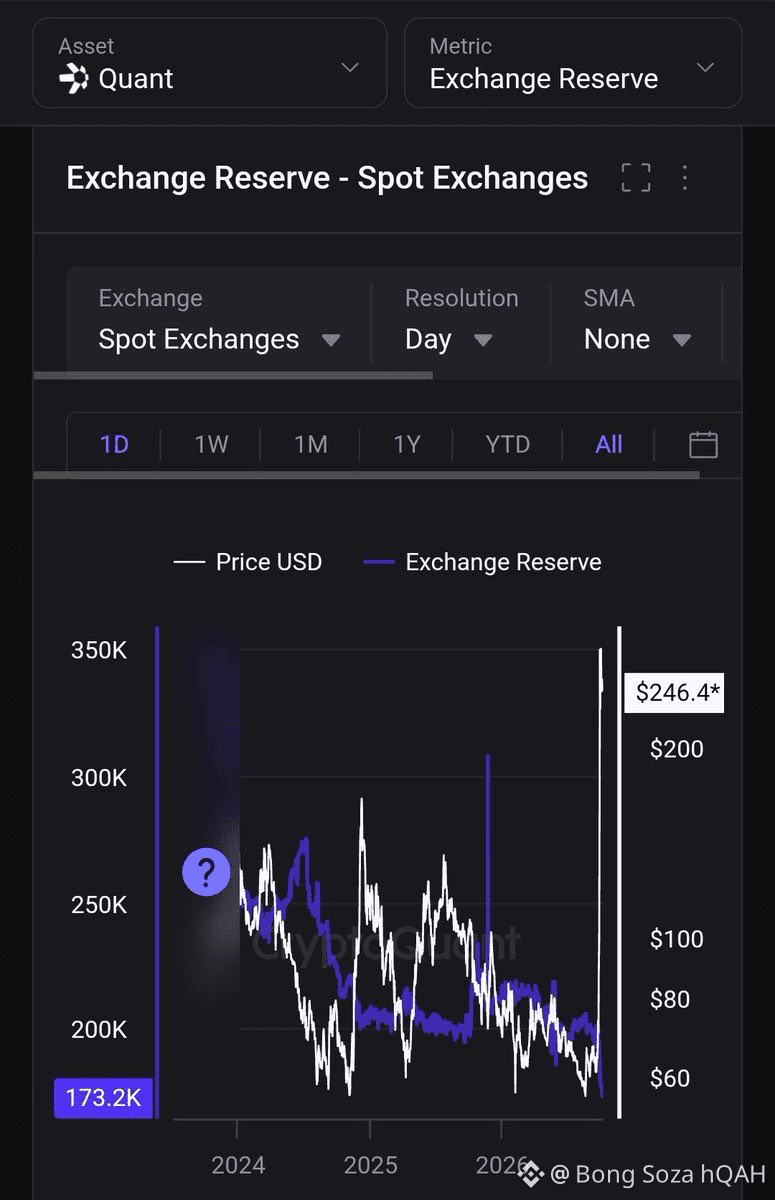
Only about 173,000 tokens $QNT are being traded on exchanges. They are all already held in private wallets. The amount is extremely low.
Only about 173,000 tokens $QNT are being traded on exchanges. They are all already held in private wallets. The amount is extremely low.
3
1.2k
·
--
Bullish
If the Fed holds rates steady and the market believes rates have peaked, BTC could benefit from expectations of improving liquidity in the future. However, if concerns about persistent inflation or a growing risk of recession intensify, $BTC may remain under pressure.
In summary:
A Fed rate hold in October has been almost fully priced in. The real story will be the next policy direction, global liquidity, and flows into risk assets—with BTC among the most sensitive.
If the Fed holds rates steady and the market believes rates have peaked, BTC could benefit from expectations of improving liquidity in the future. However, if concerns about persistent inflation or a growing risk of recession intensify, $BTC may remain under pressure.
In summary:
A Fed rate hold in October has been almost fully priced in. The real story will be the next policy direction, global liquidity, and flows into risk assets—with BTC among the most sensitive.
In summary:
A Fed rate hold in October has been almost fully priced in. The real story will be the next policy direction, global liquidity, and flows into risk assets—with BTC among the most sensitive.
260
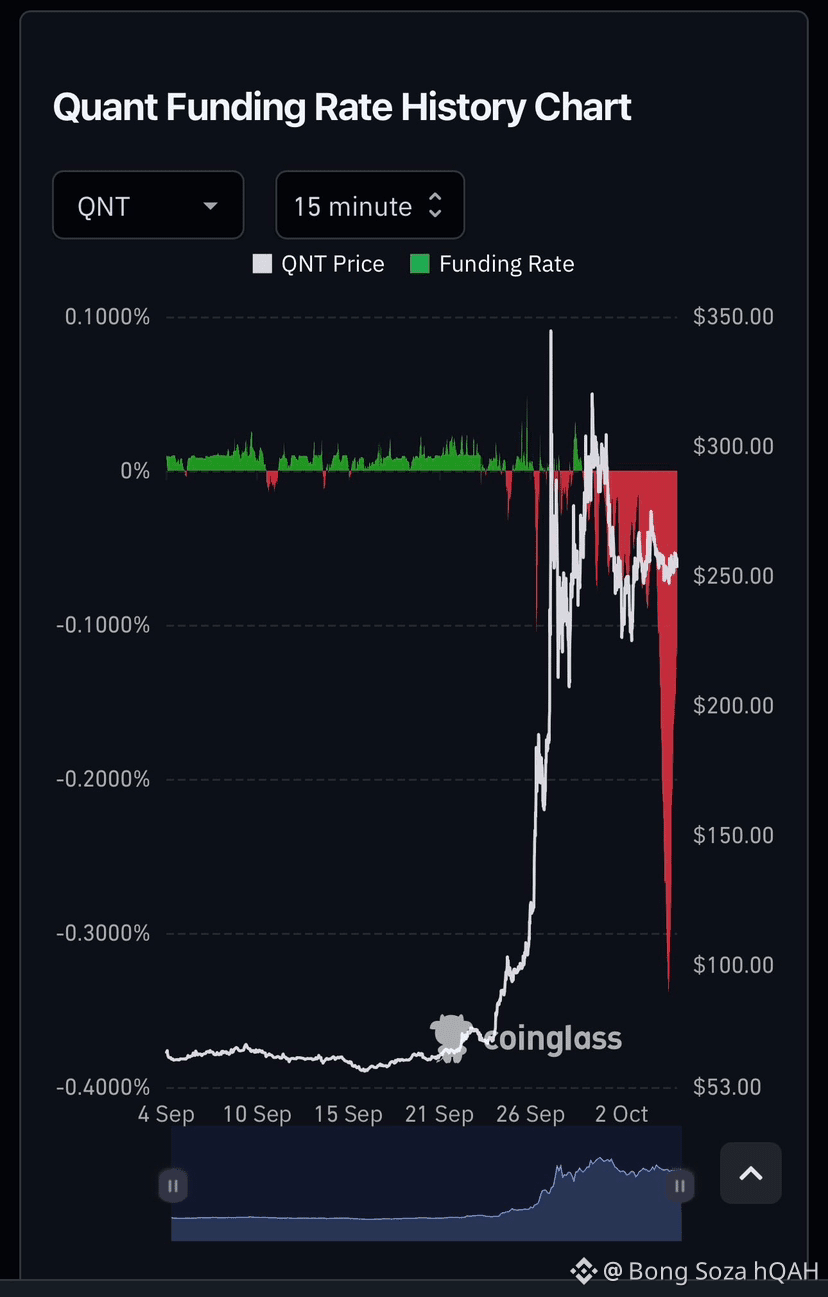
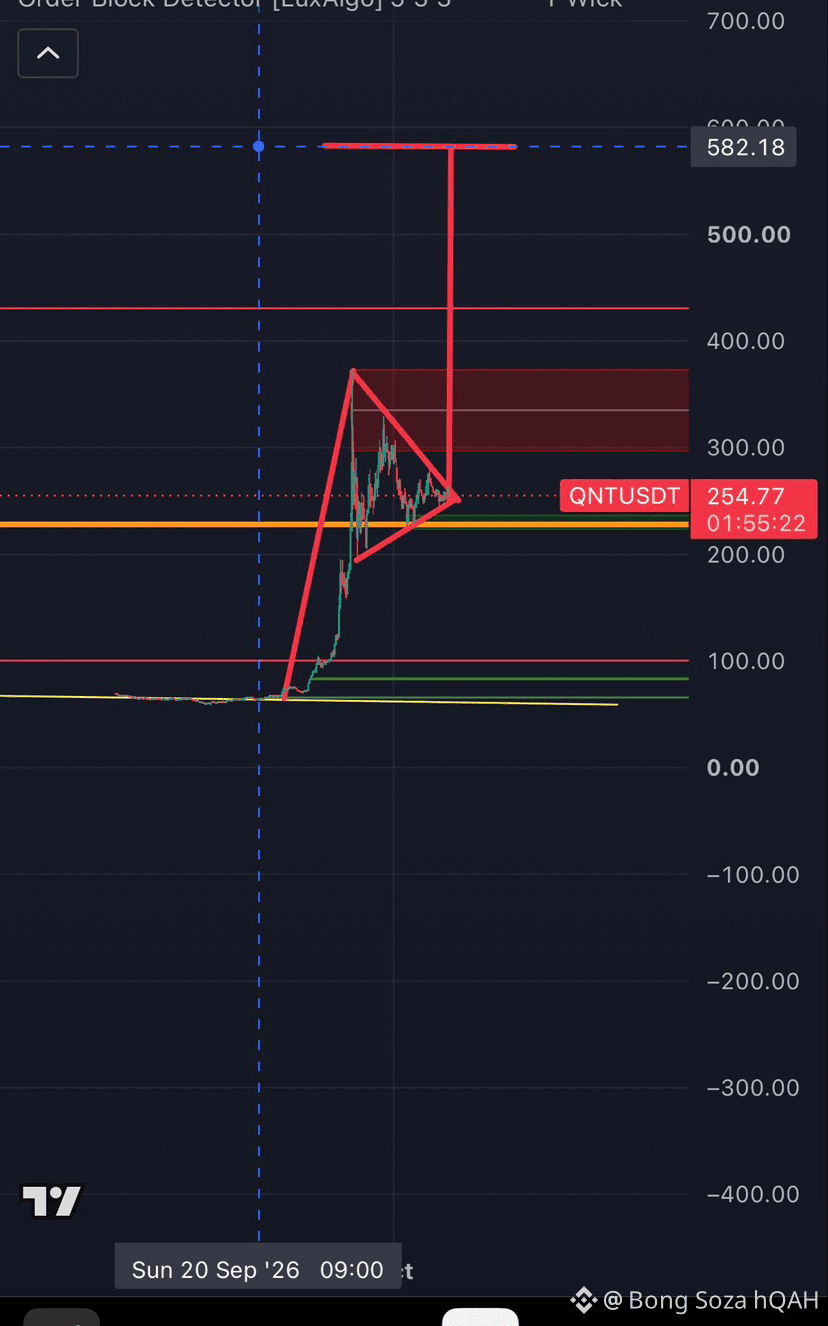
The upcoming short squeeze will almost certainly push the price of $QNT to around $450–$525.
The upcoming short squeeze will almost certainly push the price of $QNT to around $450–$525.
1
420
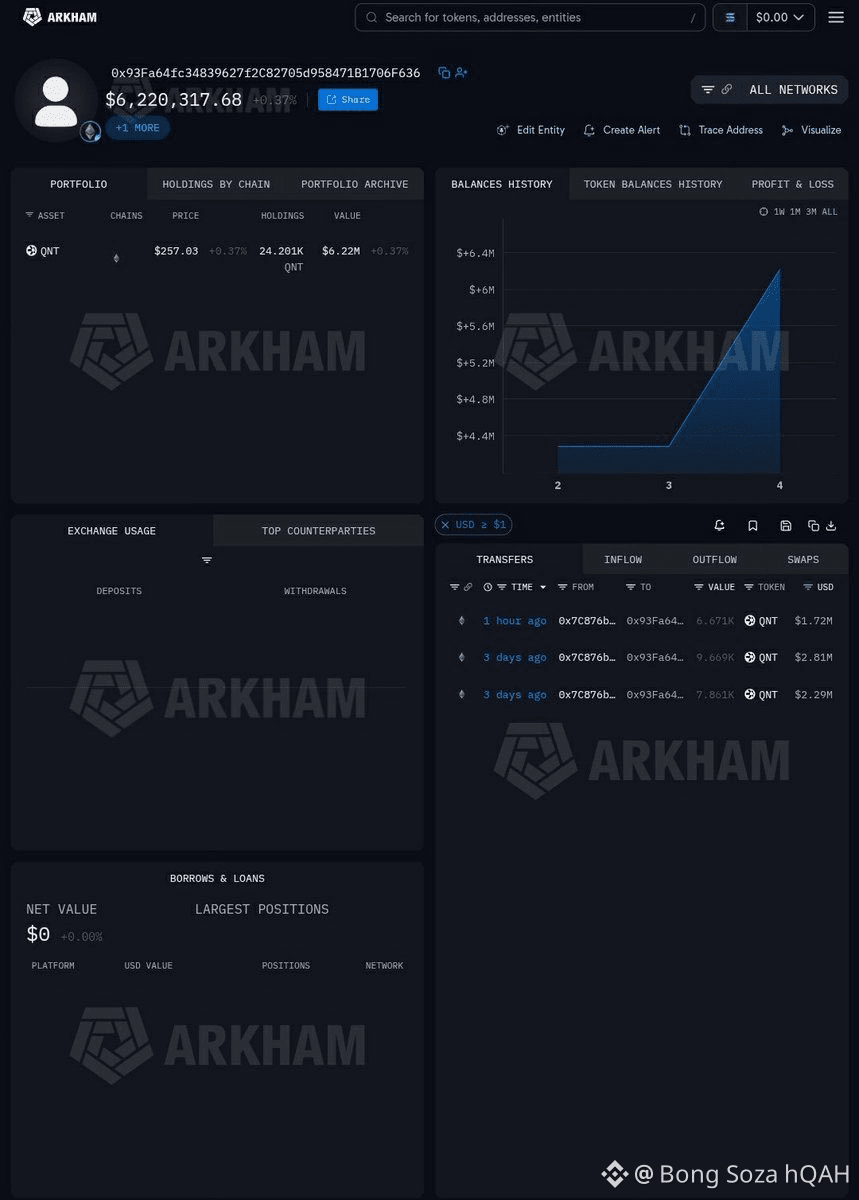
A whale wallet just accumulated another $6.2 million $QNT . What's going on?
A whale wallet just accumulated another $6.2 million $QNT . What's going on?
1
3
5.3k
The price $QNT experienced a parabolic rally in late September (linked to the news that The Clearing House selected Quant for its tokenized deposit network), then pulled back and is now moving sideways/consolidating around $250 #QuantNetwork
The price $QNT experienced a parabolic rally in late September (linked to the news that The Clearing House selected Quant for its tokenized deposit network), then pulled back and is now moving sideways/consolidating around $250 #QuantNetwork
242
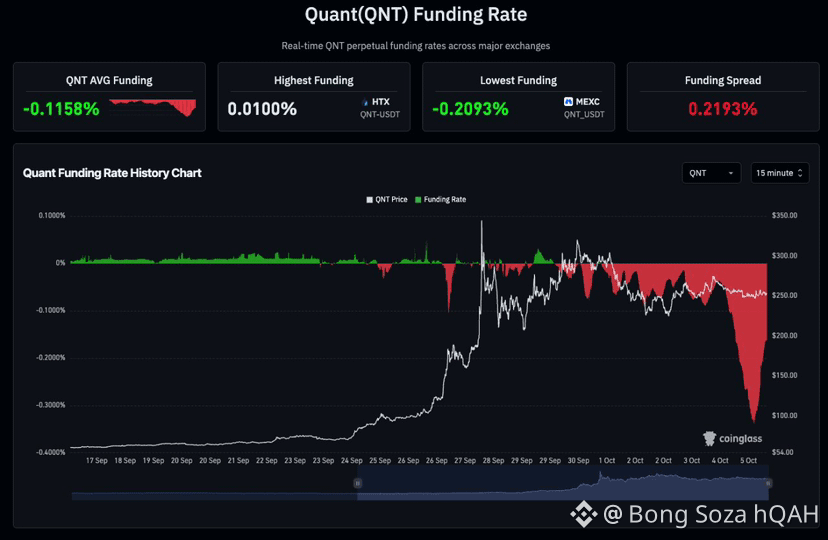
Get ready for a strong short squeeze with $QNT
Get ready for a strong short squeeze with $QNT
1
1
597
Another one bites the dust
Another one bites the dust


Binance News
·
--
Crypto Whale Faces Significant Losses in ETH and BTC Trades
According to BlockBeats, a prominent cryptocurrency trader, known for substantial losses in Ethereum (ETH) and Bitcoin (BTC) trades, has shifted focus back to ETH. After incurring a $35.84 million loss from long positions on ETH, the trader switched to shorting BTC, resulting in an additional $7.5 million loss. In total, the trader has lost $43.33 million in just one month, leaving less than $1 million in their account.
Seven hours ago, the trader closed all BTC short positions and initiated a new short position on ETH. The trader shorted 5,432 ETH at a price of $4,485, equivalent to approximately $24.5 million, with a liquidation price set at $4,594.
Seven hours ago, the trader closed all BTC short positions and initiated a new short position on ETH. The trader shorted 5,432 ETH at a price of $4,485, equivalent to approximately $24.5 million, with a liquidation price set at $4,594.
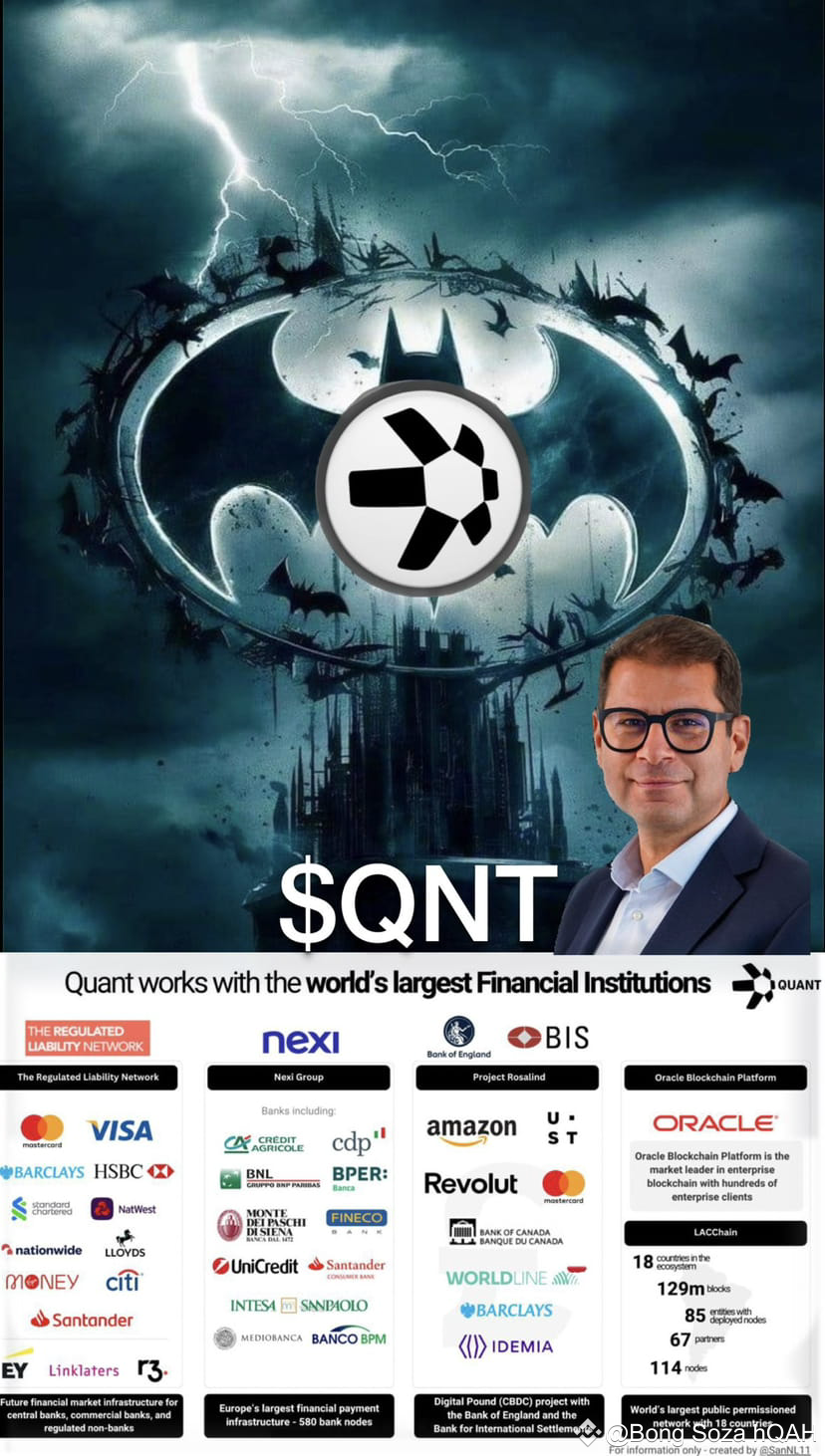
Among the myriad of blockchains, one project stands out: $QNT (Quant Network).
#QNT may not be a blockchain itself, but rather an interoperability solution that connects various blockchains via the Overledger. This powerful ledger enables enterprises and businesses to utilize the unique abilities of many different blockchains for any use case.
Among the myriad of blockchains, one project stands out: $QNT (Quant Network).
#QNT may not be a blockchain itself, but rather an interoperability solution that connects various blockchains via the Overledger. This powerful ledger enables enterprises and businesses to utilize the unique abilities of many different blockchains for any use case.
#QNT may not be a blockchain itself, but rather an interoperability solution that connects various blockchains via the Overledger. This powerful ledger enables enterprises and businesses to utilize the unique abilities of many different blockchains for any use case.
1
1
1
415
$QNT
-Quant Network
-Overledger
-Authorise
And now…. 🥁 🥁 roll….
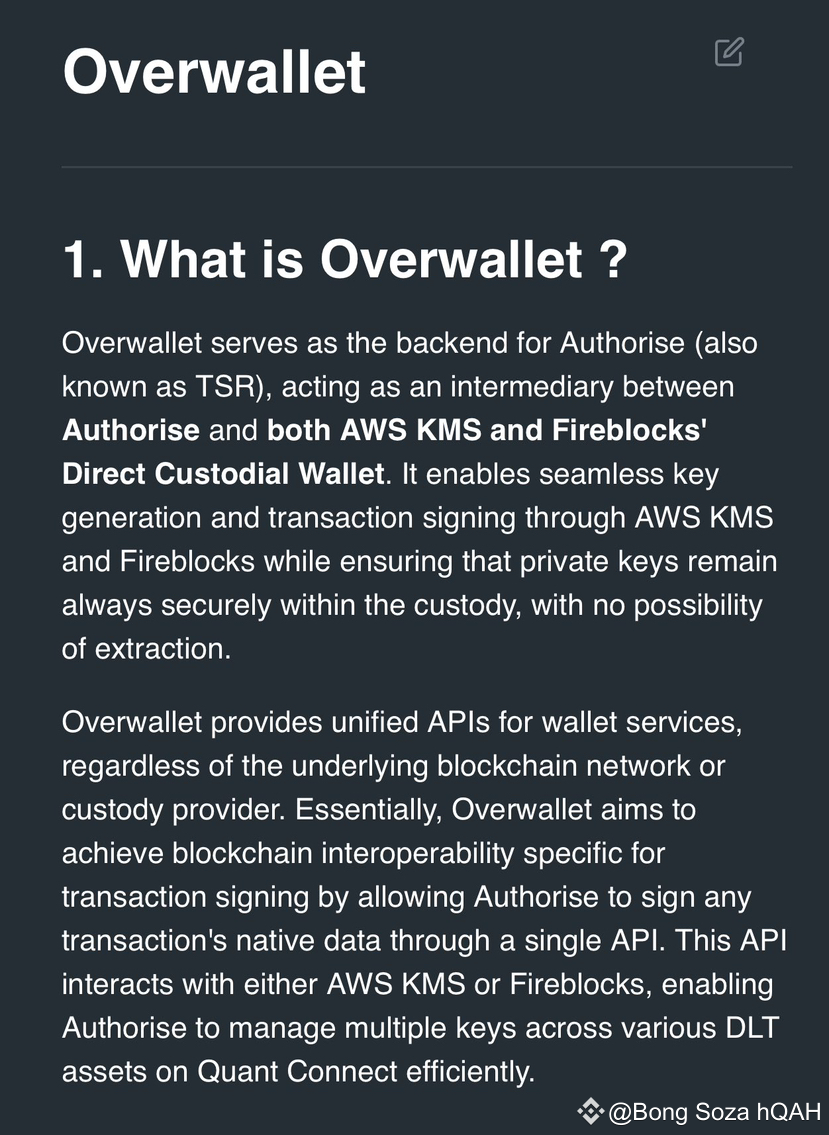
Overwallet…… ‼️‼️🔥🔥‼️‼️ yeah! You’ve read it right.. OVERWALLET!
@JarnoQuamfyShow noticed this.
What’s going on @quant_network ‘s kitchen?
Let’s look into the why and what this is…
$QNT
-Quant Network
-Overledger
-Authorise
And now…. 🥁 🥁 roll….
Overwallet…… ‼️‼️🔥🔥‼️‼️ yeah! You’ve read it right.. OVERWALLET!
@JarnoQuamfyShow noticed this.
What’s going on @quant_network ‘s kitchen?
Let’s look into the why and what this is…
-Quant Network
-Overledger
-Authorise
And now…. 🥁 🥁 roll….
Overwallet…… ‼️‼️🔥🔥‼️‼️ yeah! You’ve read it right.. OVERWALLET!
@JarnoQuamfyShow noticed this.
What’s going on @quant_network ‘s kitchen?
Let’s look into the why and what this is…
177
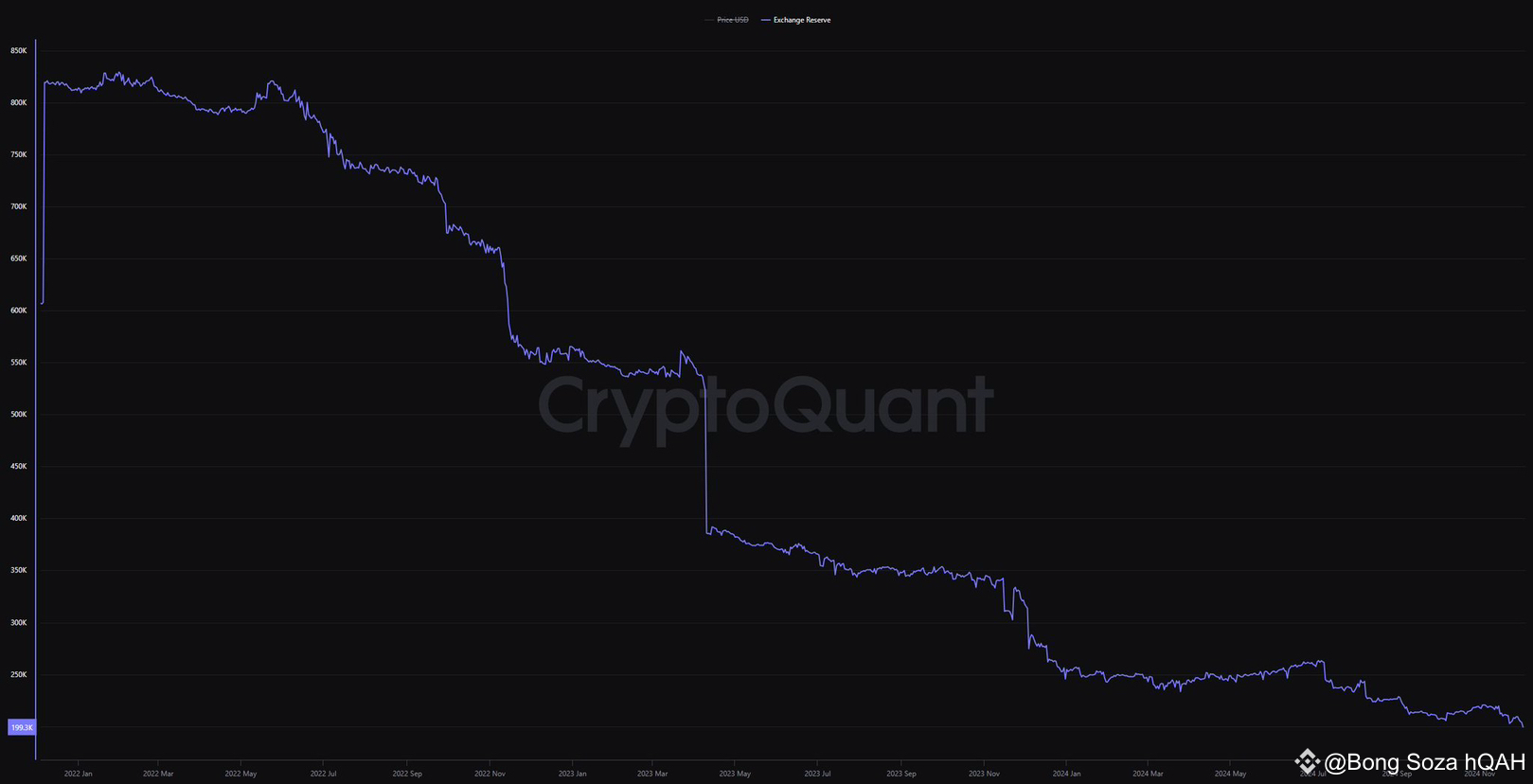
There are under 200K $QNT left in spot exchange reserves.
QNT is currently ~$160
200,000 QNT x $160 = $32 Mil of TOTAL QNT left on exchanges.
Just a reminder that BILLIONS were pumped into some of these Enterprise DLT tokens earlier this week.
We already saw thin supply issues last cycle.
Binance literally RAN OUT of Spot QNT, they had to halt trading and withdrawals.
We're seriously not ready for what's to come this time.
There are under 200K $QNT left in spot exchange reserves.
QNT is currently ~$160
200,000 QNT x $160 = $32 Mil of TOTAL QNT left on exchanges.
Just a reminder that BILLIONS were pumped into some of these Enterprise DLT tokens earlier this week.
We already saw thin supply issues last cycle.
Binance literally RAN OUT of Spot QNT, they had to halt trading and withdrawals.
We're seriously not ready for what's to come this time.
QNT is currently ~$160
200,000 QNT x $160 = $32 Mil of TOTAL QNT left on exchanges.
Just a reminder that BILLIONS were pumped into some of these Enterprise DLT tokens earlier this week.
We already saw thin supply issues last cycle.
Binance literally RAN OUT of Spot QNT, they had to halt trading and withdrawals.
We're seriously not ready for what's to come this time.
5
1.5k
The amount of $QNT on spot exchanges is at an all-time low
Its now under 200k, with just 199,383 $QNT left
We are on the cusp of a real supply shock
The amount of $QNT on spot exchanges is at an all-time low
Its now under 200k, with just 199,383 $QNT left
We are on the cusp of a real supply shock
Its now under 200k, with just 199,383 $QNT left
We are on the cusp of a real supply shock
1
3
384
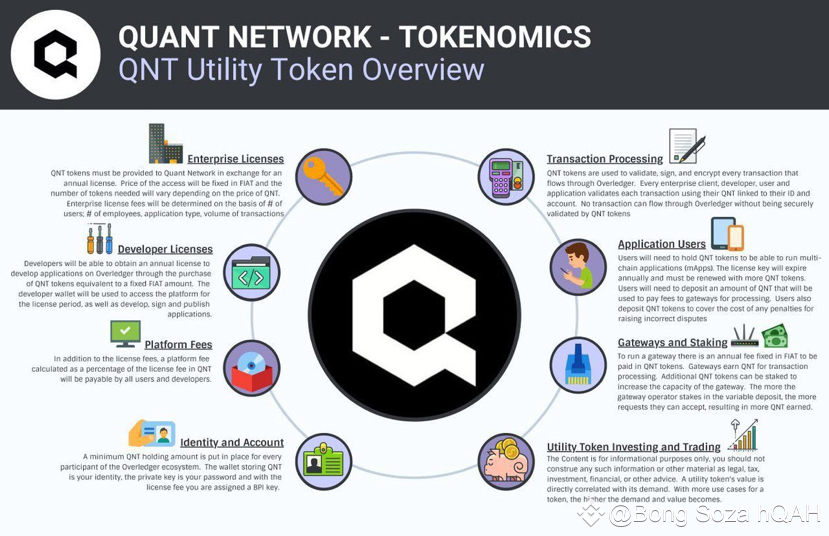
What is Quant (QNT)?
* A bridge between blockchains: Quant is a unique blockchain platform that helps different blockchains connect and communicate. This is similar to building a common language for all blockchains, helping them work together.
* Overledger: Quant's core platform technology is Overledger. It acts as a protocol layer, allowing applications to interact with many different blockchains at the same time.
* QNT Token: QNT is the token of the Quant platform, used to pay for transaction fees and services in the network.
In which areas can Quant technology be applied?
Finance: Develop DeFi applications that can operate on many different blockchains, improving flexibility and efficiency.
* Logistics: Monitor and operate the supply chain more clearly and securely, limiting fraud and loss.
Healthcare: Establish safe and secure medical data management systems that enable efficient sharing of patient information.
* Government: Build safe and transparent e-government systems that reduce corruption and improve management efficiency.
What is Quant (QNT)?
* A bridge between blockchains: Quant is a unique blockchain platform that helps different blockchains connect and communicate. This is similar to building a common language for all blockchains, helping them work together.
* Overledger: Quant's core platform technology is Overledger. It acts as a protocol layer, allowing applications to interact with many different blockchains at the same time.
* QNT Token: QNT is the token of the Quant platform, used to pay for transaction fees and services in the network.
In which areas can Quant technology be applied?
Finance: Develop DeFi applications that can operate on many different blockchains, improving flexibility and efficiency.
* Logistics: Monitor and operate the supply chain more clearly and securely, limiting fraud and loss.
Healthcare: Establish safe and secure medical data management systems that enable efficient sharing of patient information.
* Government: Build safe and transparent e-government systems that reduce corruption and improve management efficiency.
* A bridge between blockchains: Quant is a unique blockchain platform that helps different blockchains connect and communicate. This is similar to building a common language for all blockchains, helping them work together.
* Overledger: Quant's core platform technology is Overledger. It acts as a protocol layer, allowing applications to interact with many different blockchains at the same time.
* QNT Token: QNT is the token of the Quant platform, used to pay for transaction fees and services in the network.
In which areas can Quant technology be applied?
Finance: Develop DeFi applications that can operate on many different blockchains, improving flexibility and efficiency.
* Logistics: Monitor and operate the supply chain more clearly and securely, limiting fraud and loss.
Healthcare: Establish safe and secure medical data management systems that enable efficient sharing of patient information.
* Government: Build safe and transparent e-government systems that reduce corruption and improve management efficiency.
10
1.1k
Log in to explore more content
Join global crypto users on Binance Square
⚡️ Get latest and useful information about crypto.
💬 Trusted by the world’s largest crypto exchange.
👍 Discover real insights from verified creators.
Email / Phone number
Trending Topics
BinanceLaunchesBinanceIntelligence
400,604 views
3,075 Discussing
#BinanceLaunchesBinanceIntelligence
⚡ AI Meets Crypto Trading: Binance Intelligence is Live! ⚡
Trading just got a massive upgrade with Binance's new AI suite:
1️⃣ Binance AI: Personalized market dashboards & 4-hour macro market audio briefings.
2️⃣ Binance AI Pro: Build and run automated strategies using simple natural language prompts.
3️⃣ Binance Agent OS: Developer framework for autonomous financial AI agents.
Describe your strategy ➔ Paper test ➔ Execute 24/7.
Are you building your next trading strategy with AI? Drop your thoughts below! 👇
#BinanceLaunchesBinanceIntelligence #BinanceSquare #CryptoAI #Trading $EDEN
Hazi BNB
·1 Likes
·876 views
BitcoinTargets2026OpenAt$87570
2,340 views
74 Discussing
BitcoinRejectedAt$87KThirdTime
2,353 views
62 Discussing