
Hajimi Alpha
353 Posts

Hajimi Alpha
Report
Block User
审慎,方能识真。果决,方可致胜。
Frequent Trader
5.5 Years
0 Following
1 Followers
2 Liked
Posts
All
Quotes
·
--
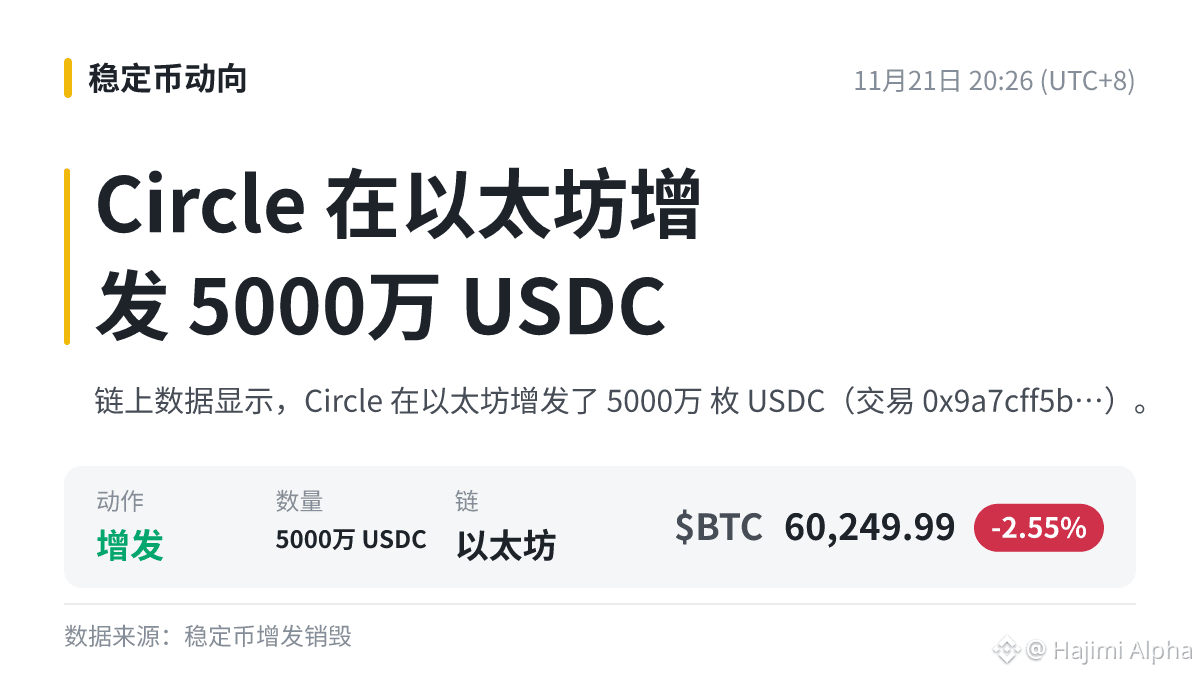
50 million USDC has been minted on Ethereum (Circle).
The money printer is running again. Ammo is on the way—let’s see if this money is willing to enter the market and take a look around.
Keeping an eye on $BTC . A single burn has limited impact; a sustained trend is more meaningful.
Just my personal opinion, not investment advice.
The money printer is running again. Ammo is on the way—let’s see if this money is willing to enter the market and take a look around.
Keeping an eye on $BTC . A single burn has limited impact; a sustained trend is more meaningful.
Just my personal opinion, not investment advice.
39
·
--
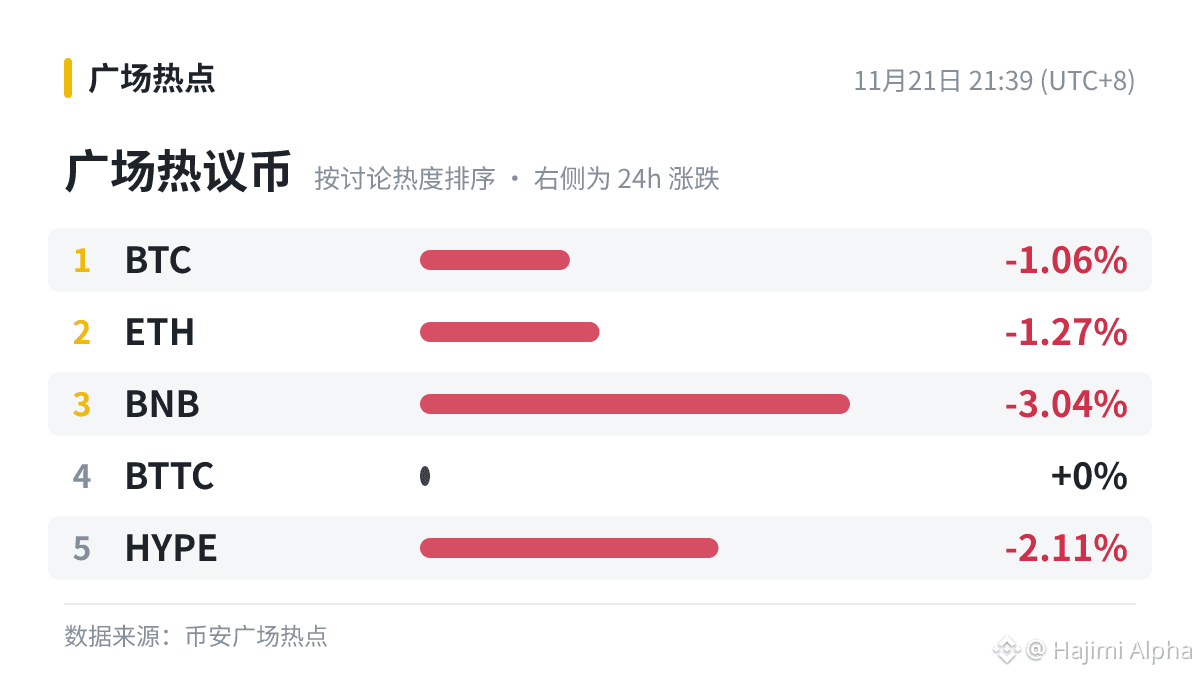
The hottest coins on the plaza right now: $BTC
Full leaderboard:
$BTC ; $ETH ; $BNB ; BTTC; HYPE
Attention is a leading indicator; real money is confirmation. Bullish or bearish?
Just chatting—this is not financial advice.
The hottest coins on the plaza right now: $BTC
Full leaderboard:
$BTC ; $ETH ; $BNB ; BTTC; HYPE
Attention is a leading indicator; real money is confirmation. Bullish or bearish?
Just chatting—this is not financial advice.
Full leaderboard:
$BTC ; $ETH ; $BNB ; BTTC; HYPE
Attention is a leading indicator; real money is confirmation. Bullish or bearish?
Just chatting—this is not financial advice.
914
·
--
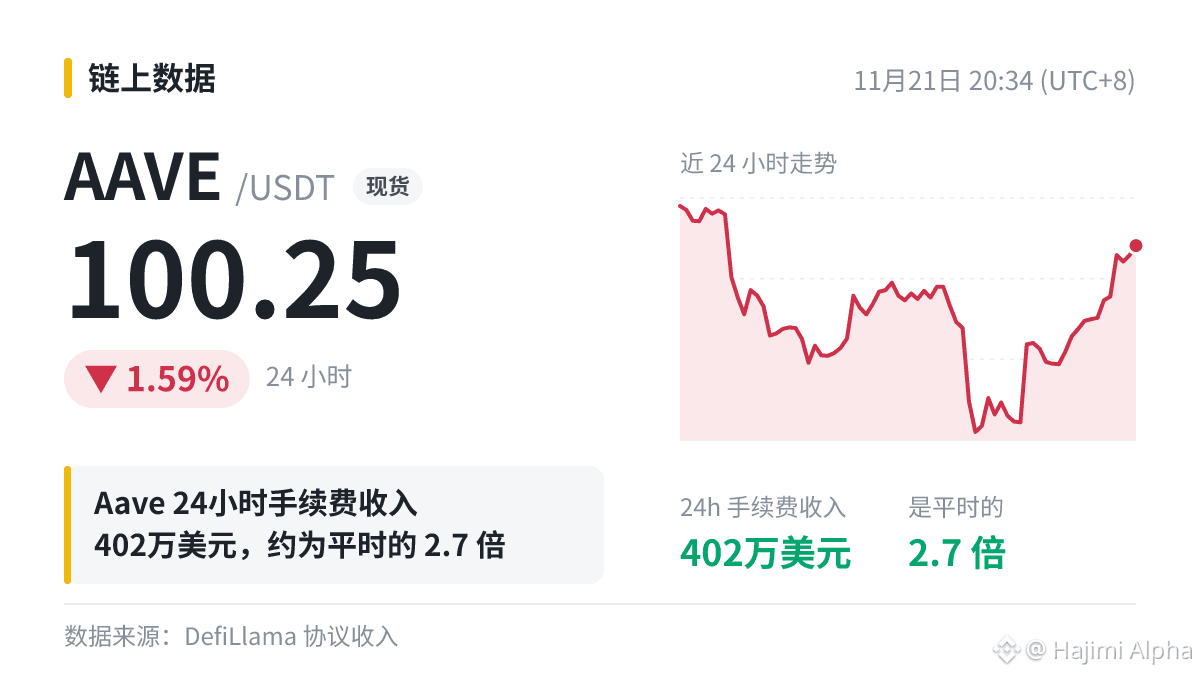
Late-night crew update: Aave earned $4.02 million in fees over 24 hours, 2.7 times its usual amount.
My income was also 2.7 times usual—if the baseline is zero.
$AAVE was a really busy day; my only contribution today was staring at the page.
Jokes aside: a one-day spike has to prove it can last. Don’t hold the bag.
This could all be wrong, so don’t take it as advice.
My income was also 2.7 times usual—if the baseline is zero.
$AAVE was a really busy day; my only contribution today was staring at the page.
Jokes aside: a one-day spike has to prove it can last. Don’t hold the bag.
This could all be wrong, so don’t take it as advice.
111
·
--
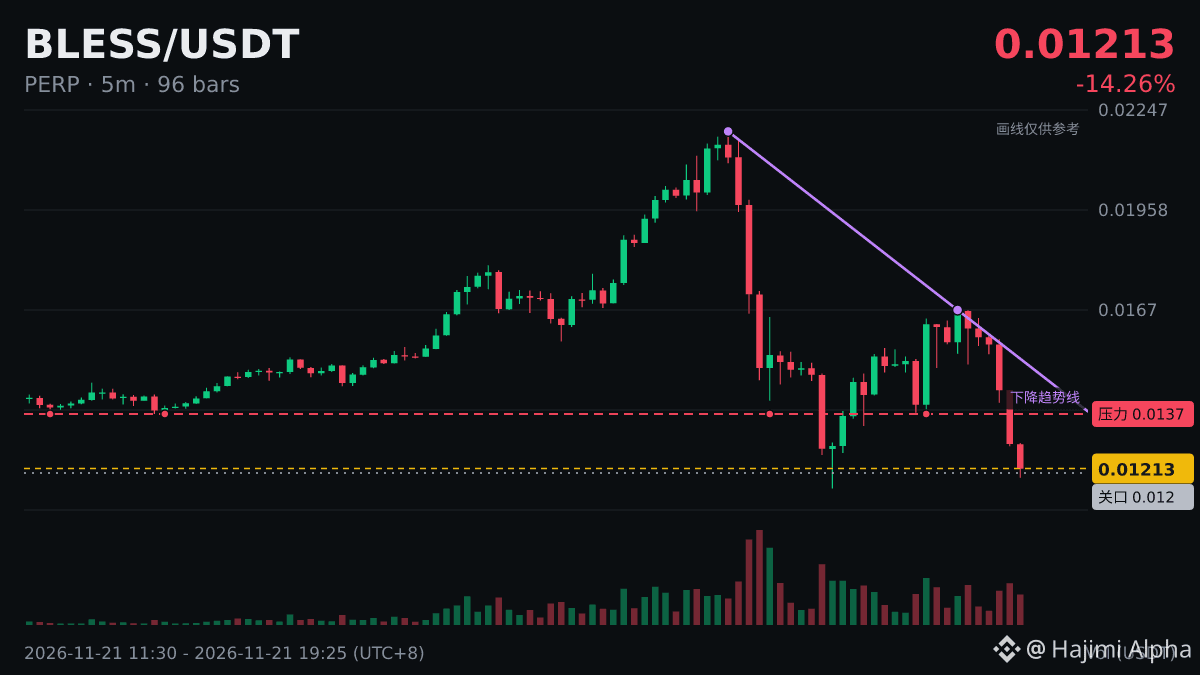
Are the big players dumping $BLESS ?
It plunged 23.9% in 15 minutes, with $400 million in trading volume over 24 hours. A drop this fast usually means a wave of sell orders has hit the market.
A dump this sharp can trigger mass liquidations of leveraged long positions, causing major short-term volatility.
If it reverses later, how will you respond?
Just chatting—everyone is responsible for their own gains and losses.
304
·
--
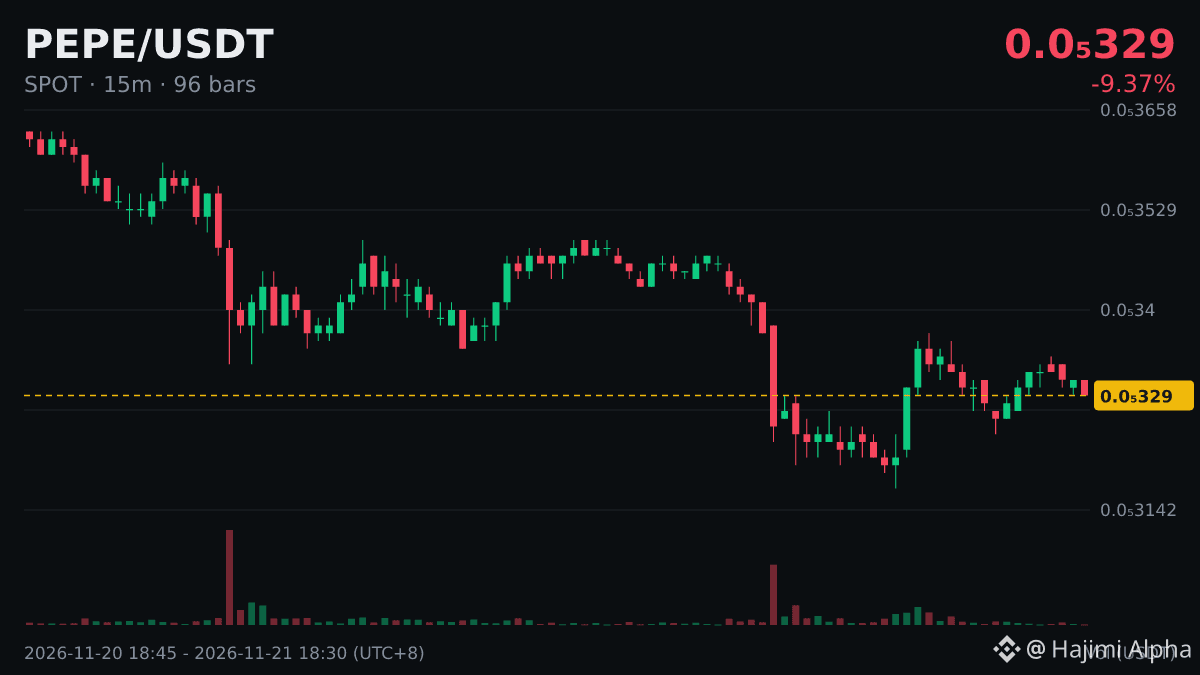
Honestly, when I first got into this, seeing this kind of price action would get me all worked up. Now I wait and see first.
$PEPE fell below the 0.0₅33 level. There are usually a lot of stop-loss orders sitting below price levels like this, and when the level breaks, they’re often swept up together.
Just a casual note—what you do is up to you.
$PEPE fell below the 0.0₅33 level. There are usually a lot of stop-loss orders sitting below price levels like this, and when the level breaks, they’re often swept up together.
Just a casual note—what you do is up to you.
221
·
--
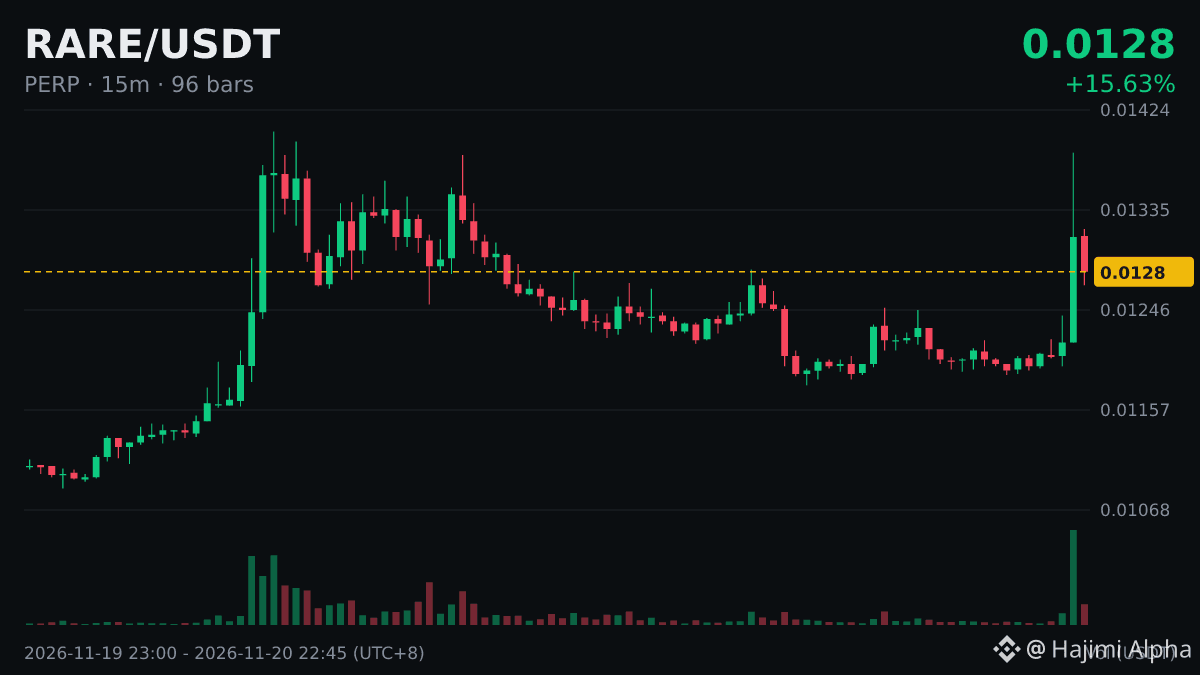
$RARE broke through the 0.013 threshold.
When the market is good, holding on to profits is harder than chasing gains.
Just use this as a reference; don't take it too seriously.
$RARE broke through the 0.013 threshold.
When the market is good, holding on to profits is harder than chasing gains.
Just use this as a reference; don't take it too seriously.
When the market is good, holding on to profits is harder than chasing gains.
Just use this as a reference; don't take it too seriously.
145
·
--
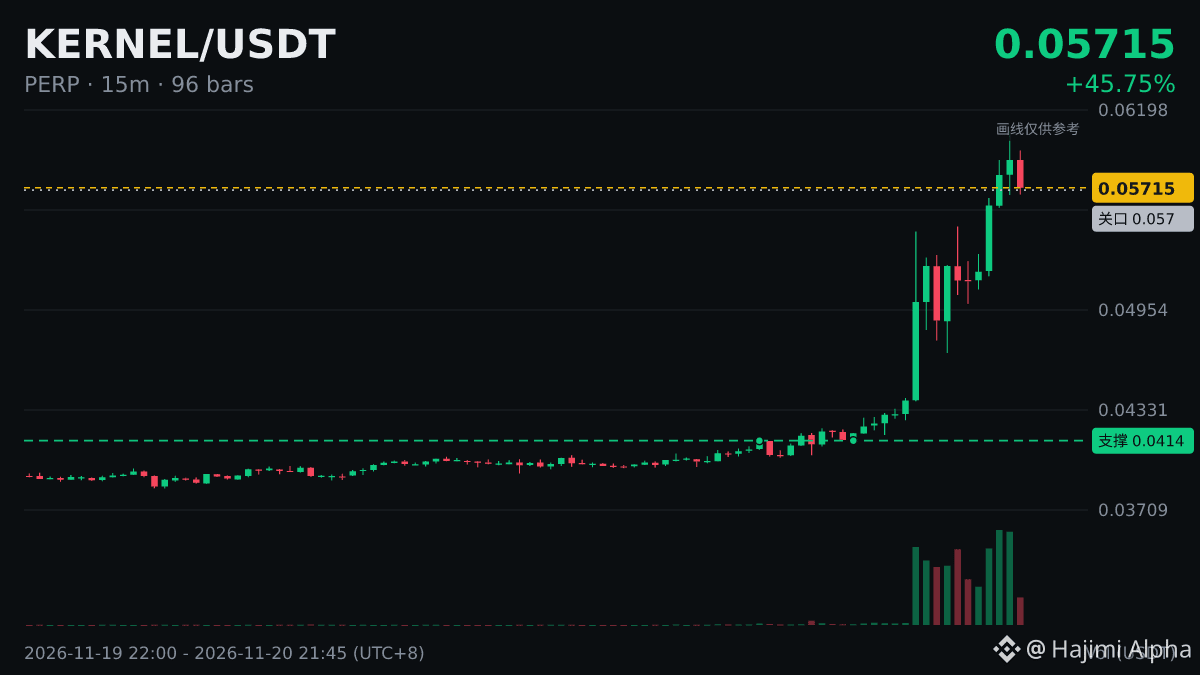
Volume leads price. $KERNEL 1-hour volume ratio: 15.8; trading volume: $44.18 million; price: +14.57%.
A surge in volume is driving the rally. If volume stays high over the next few candlesticks, the trend is more likely to continue.
A fast rally doesn’t necessarily go far; a healthy structure is what matters.
Just sharing some thoughts—whether you make or lose money, you’re responsible for it yourself.
22
·
--
Don't go anywhere!
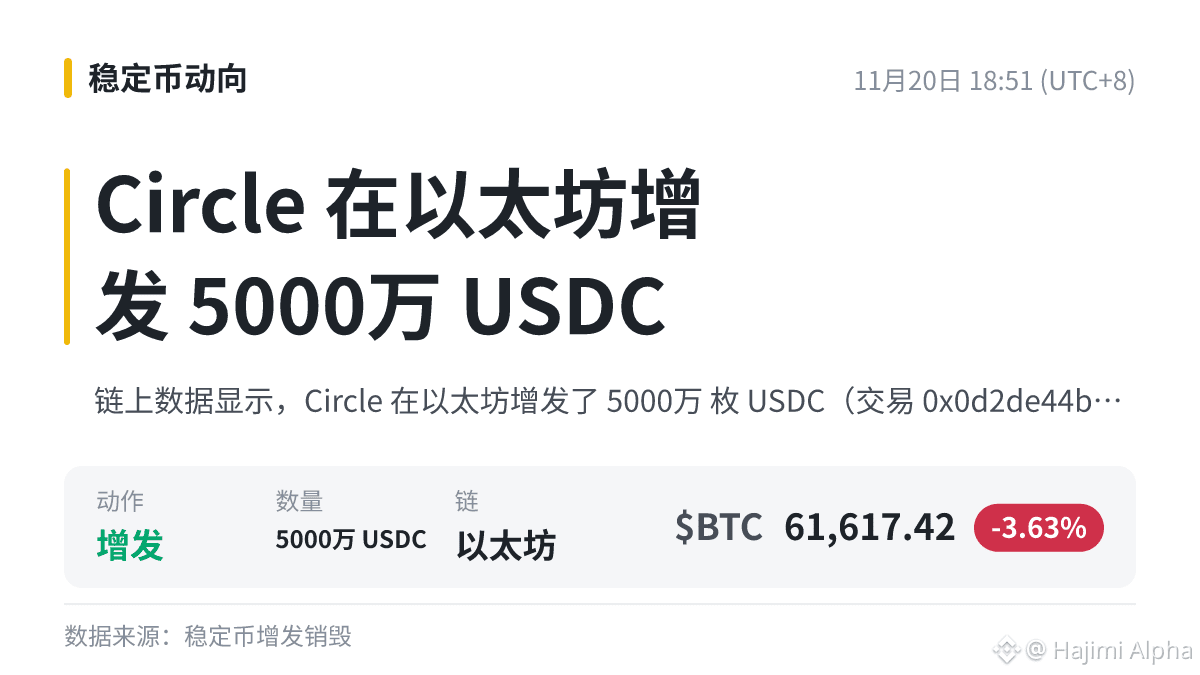
USDC has printed more money again: 50 million!
The ammo is ready— is $BTC about to take off? Burns are only one aspect of liquidity; you need to look at ETF and trading platform data too. Do you care more about speed or sustainability?
You assume the risk—just chatting.
Don't go anywhere!
USDC has printed more money again: 50 million!
The ammo is ready— is $BTC about to take off? Burns are only one aspect of liquidity; you need to look at ETF and trading platform data too. Do you care more about speed or sustainability?
You assume the risk—just chatting.
USDC has printed more money again: 50 million!
The ammo is ready— is $BTC about to take off? Burns are only one aspect of liquidity; you need to look at ETF and trading platform data too. Do you care more about speed or sustainability?
You assume the risk—just chatting.
63
·
--
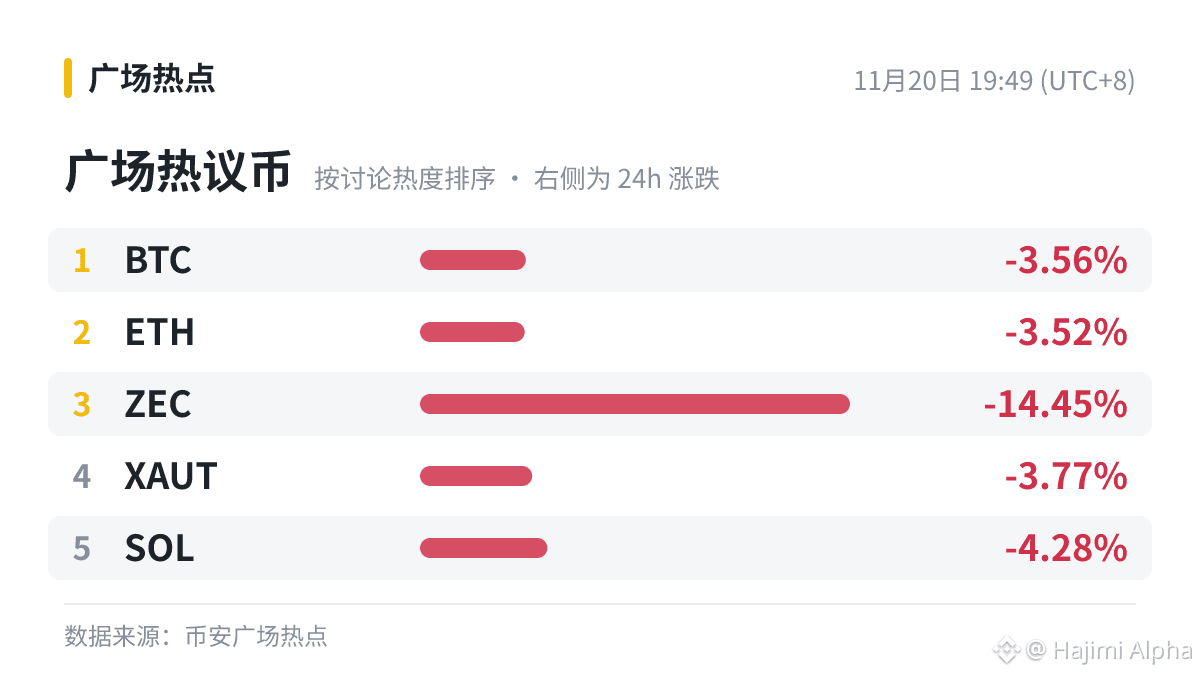
Honestly, after browsing the plaza, these are the ones everyone talked about most:
No.1 $BTC
No.2 $ETH
No.3 $ZEC
No.4 XAUT
No.5 SOL
$BTC is the hottest topic. I usually use the trending discussion rankings as a gauge, but the more people are talking about a coin, the more cautious I tend to be.
Which ones have you been following lately?
This data is for reference only—don't take it all at face value.
72
·
--
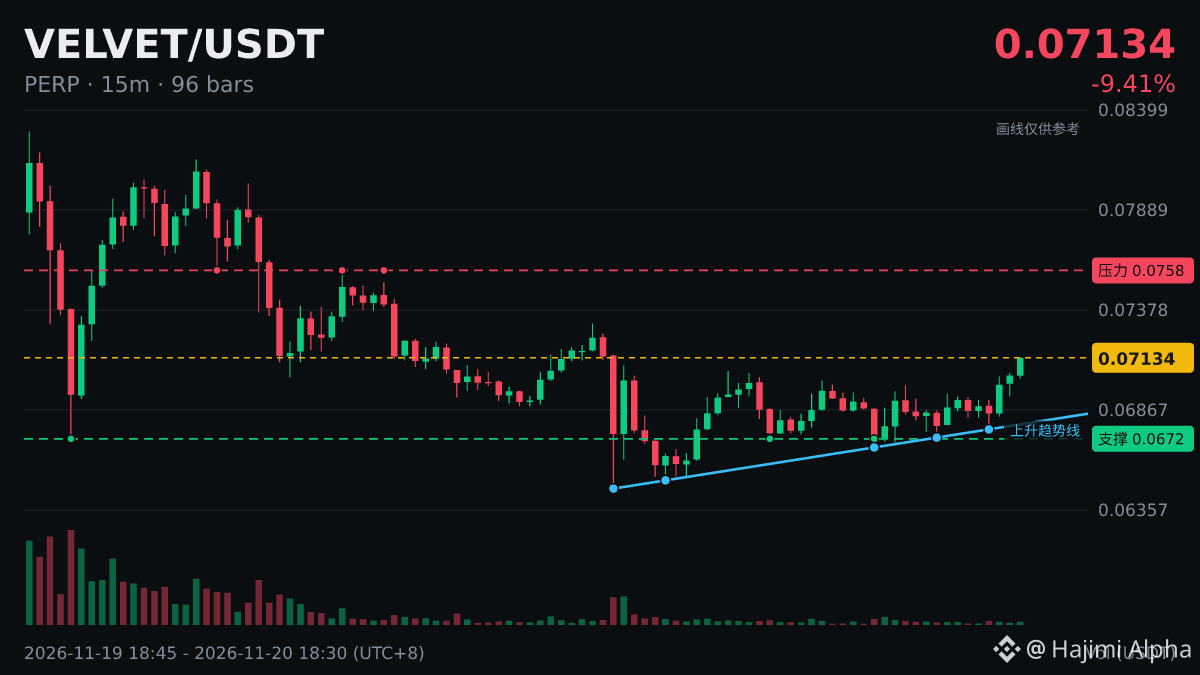
$VELVET |Break above 0.07|Current price 0.07142|24h -7.68%
I’ll treat this price level as the dividing line between strength and weakness: above it, things look strong; if it falls back below, I’ll reassess.
You’re responsible for your own risk. Just chatting.
$VELVET |Break above 0.07|Current price 0.07142|24h -7.68%
I’ll treat this price level as the dividing line between strength and weakness: above it, things look strong; if it falls back below, I’ll reassess.
You’re responsible for your own risk. Just chatting.
I’ll treat this price level as the dividing line between strength and weakness: above it, things look strong; if it falls back below, I’ll reassess.
You’re responsible for your own risk. Just chatting.
263
·
--
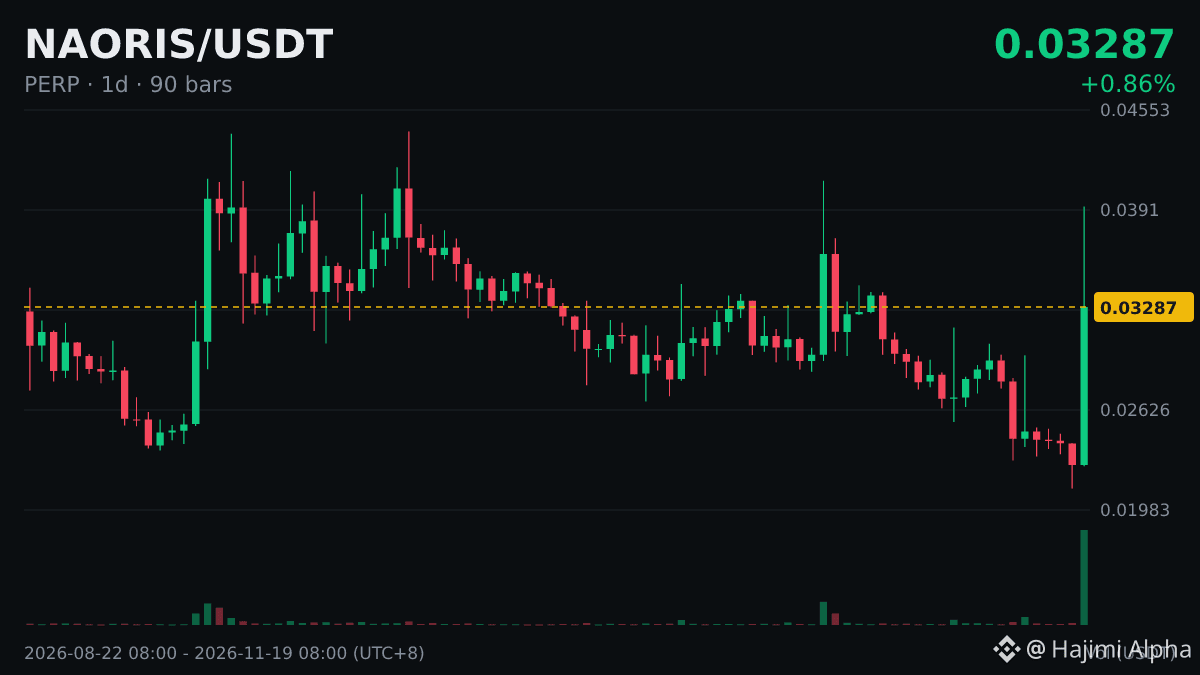
$NAORIS A bullish MACD crossover has appeared below the zero line on the daily chart. Current price: 0.03283. A crossover on the daily chart carries more weight than one on the 4-hour chart.
Bearish momentum is weakening, which is a rebound signal. Next, watch whether DIF can return to the zero line.
What reasons do you have for being bullish or bearish?
I often get it wrong too, so make your own judgment.
Bearish momentum is weakening, which is a rebound signal. Next, watch whether DIF can return to the zero line.
What reasons do you have for being bullish or bearish?
I often get it wrong too, so make your own judgment.
32
·
--
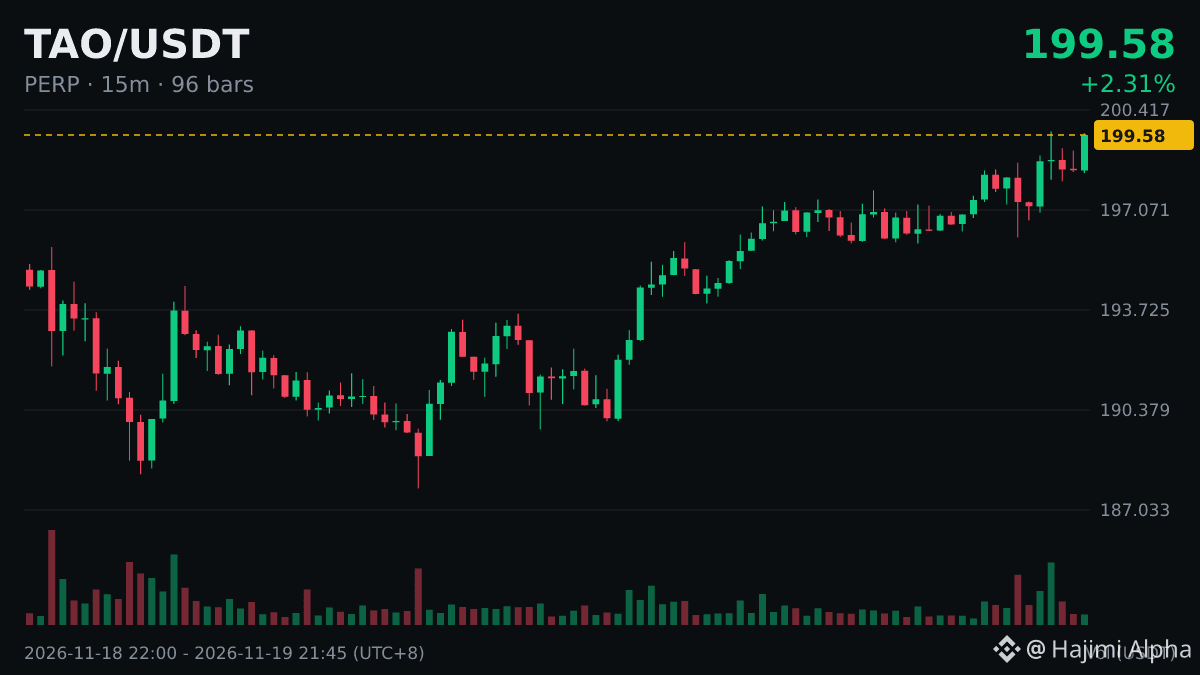
Just sharing some personal thoughts: $TAO has hit another 24-hour high, at 199.8. The previous high was 198.89.
Whenever it hits a new high, someone in the comments says it’s topped out. But truly strong coins often keep making new highs. Still, I’m not going to chase it here—I’ll wait for a pullback and confirmation before considering it.
Let’s discuss in the comments.
Not investment advice—don’t blindly copy me.
29
·
--
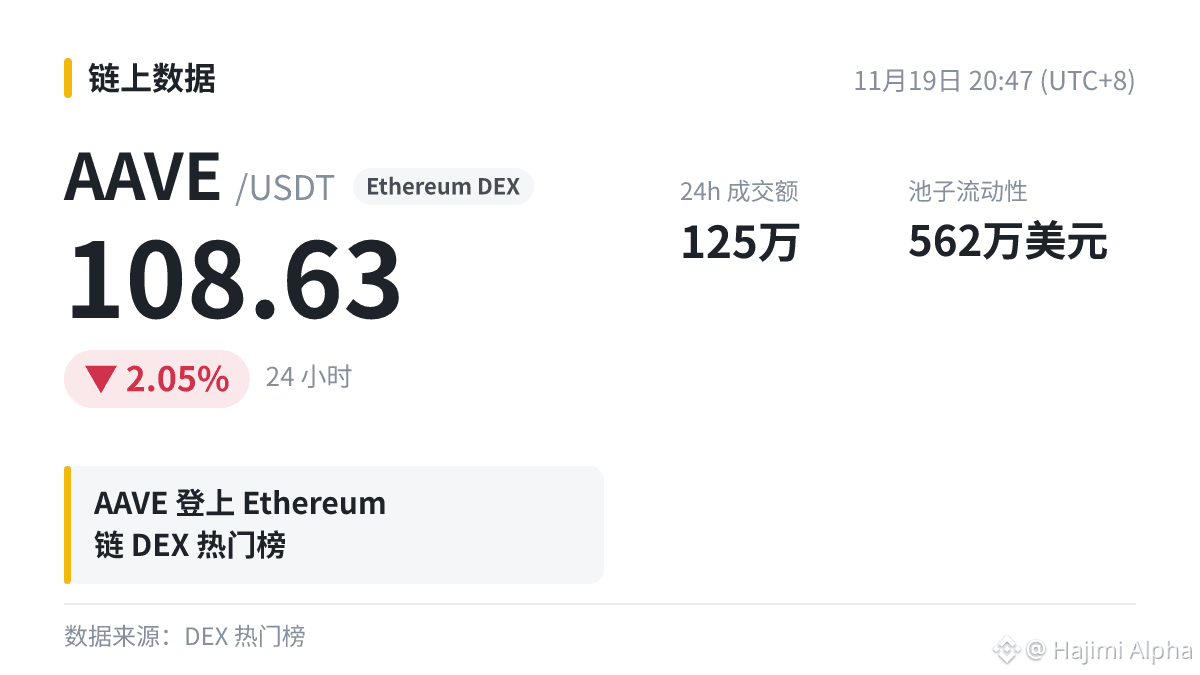
Who can handle this!
$AAVE has surged into the Ethereum DEX trending rankings, 24h: -2.05%!
The buzz is picking up, but the price hasn't moved much yet. Before participating, check for contract risks and liquidity pool depth. What will you do if it moves in the opposite direction?
Just one person's opinion—take it with a grain of salt. This isn't advice.
91
·
--
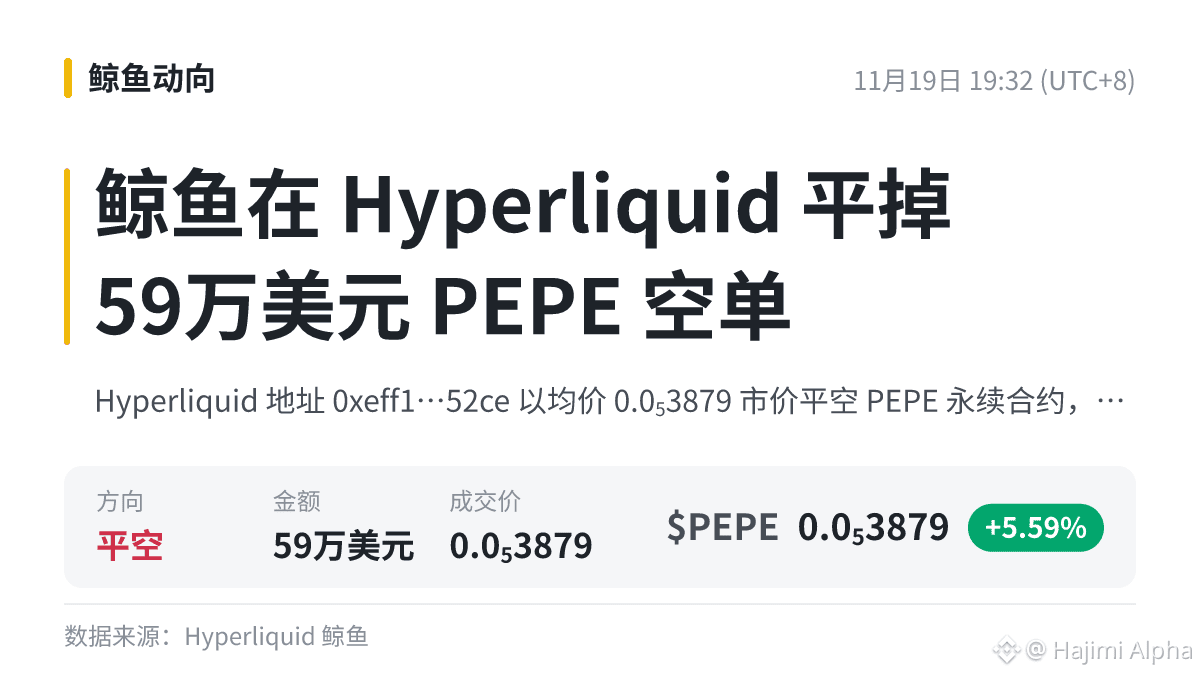
On-chain monitoring: 0xeff1…52ce closed a $590,000 short position on Hyperliquid $PEPE at a price of 0.0₅3879.
This is a bullish move. Do you have any related positions in your portfolio?
Just my personal opinion, not investment advice.
On-chain monitoring: 0xeff1…52ce closed a $590,000 short position on Hyperliquid $PEPE at a price of 0.0₅3879.
This is a bullish move. Do you have any related positions in your portfolio?
Just my personal opinion, not investment advice.
This is a bullish move. Do you have any related positions in your portfolio?
Just my personal opinion, not investment advice.
207
·
--
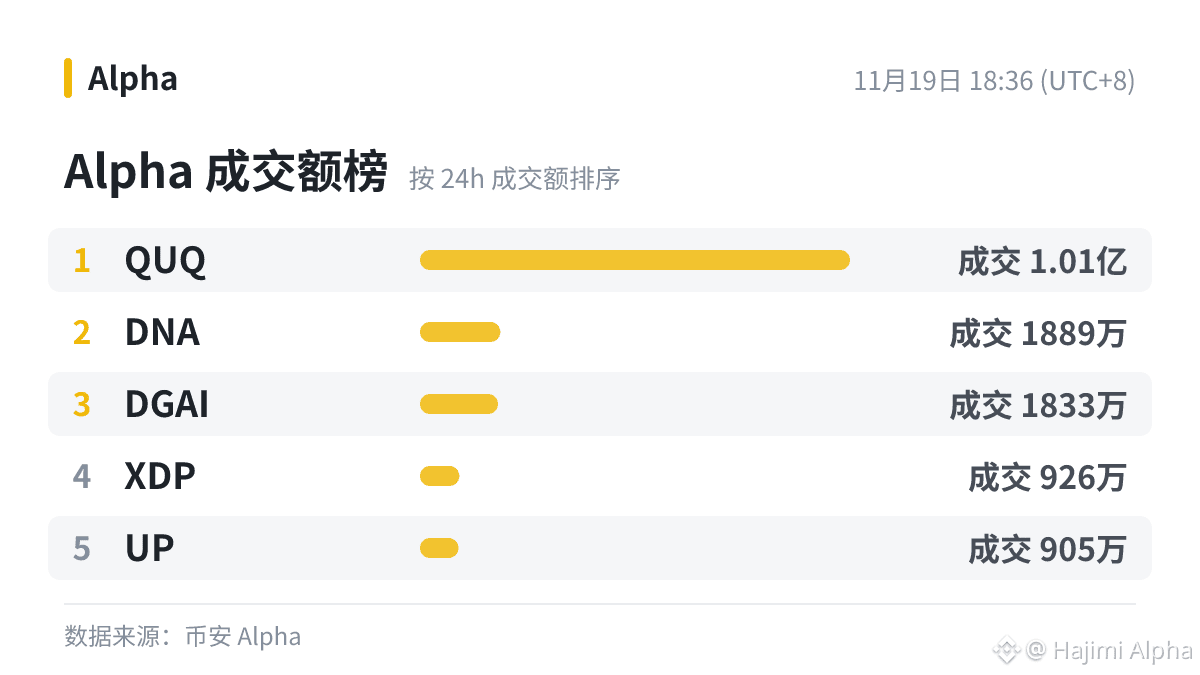
A slightly painful truth: The Alpha zone’s TOP 5 by trading volume are out, and $QUQ is hugely popular.
1. $QUQ traded 101 million
2. $DNA traded 18.89 million
3. $DGAI traded 18.33 million
4. XDP traded 9.26 million
5. UP traded 9.05 million
How it feels after seeing the rankings: Everyone’s riding the waves while I’m on the beach picking up seashells. If you’re just as hesitant, brothers, check in in the comments.
I’m just sharing—this is not investment advice.
96
·
--
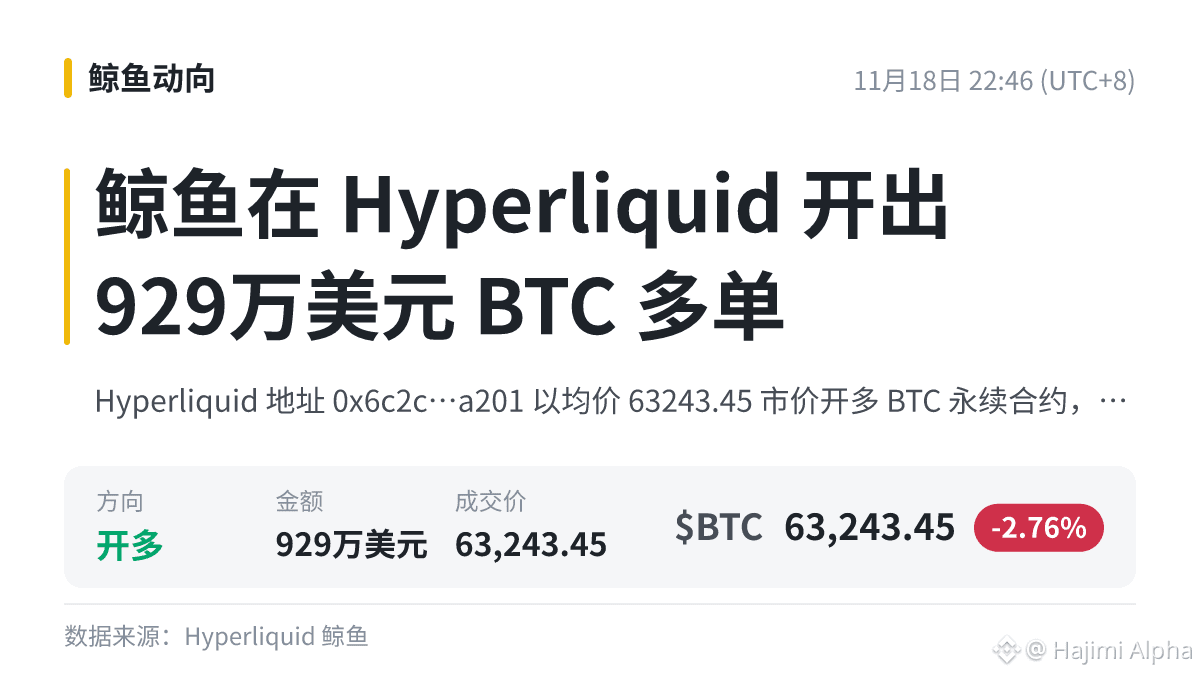
Is a single whale's position worth paying attention to?
0x6c2c…a201 opened a long position worth $9.29 million: $BTC (Hyperliquid, 63243.45).
When looking at whale data, keep three things in mind: whether it's a new position or a closing position, how large the trade is relative to market volume, and whether there are subsequent trades in the same direction. A single trade is just a clue, not a conclusion.
This information may not be accurate, so don't blindly follow it.
41
·
--
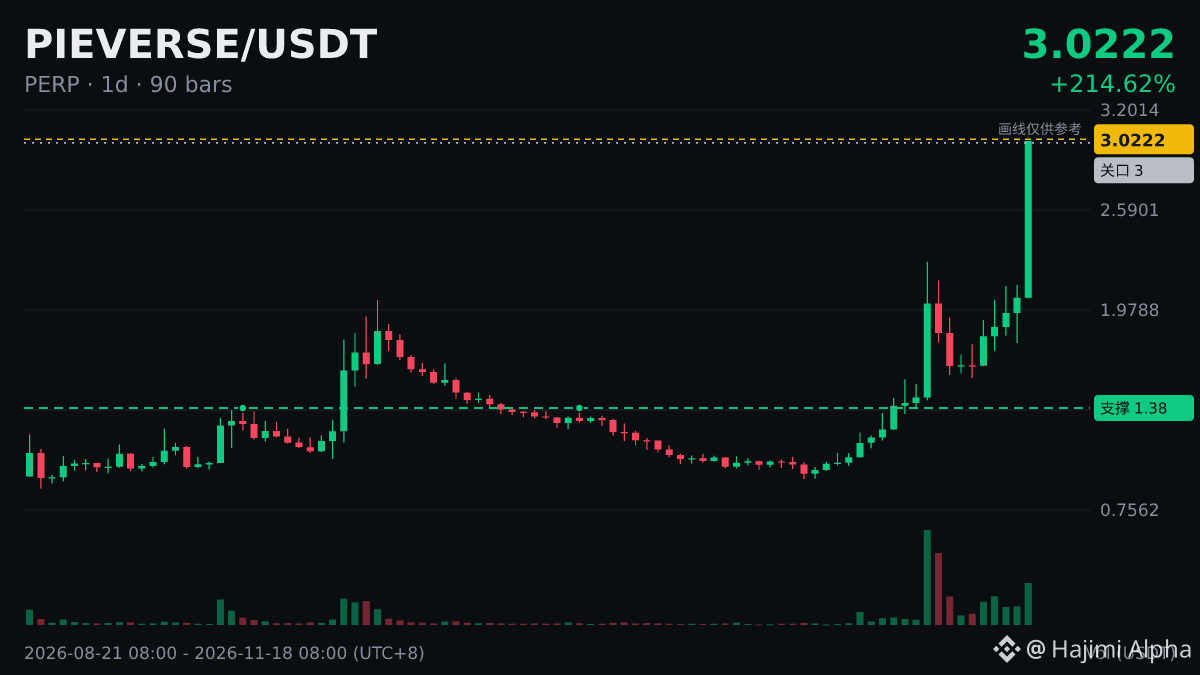
$PIEVERSE Daily RSI is 85.1, entering overbought territory.
Let's use this data to talk about RSI.
RSI 50 is often considered the dividing line between strength and weakness: staying above 50 for a long time indicates that upward momentum is dominant, while staying below it suggests the opposite.
RSI is calculated based on past prices, so it describes the strength of a trend that has already happened; it can't tell you what to do next.
All data only describes trends that have already happened. The market could move in the opposite direction at any time.
I could be wrong too, so make your own judgment.
264
·
--
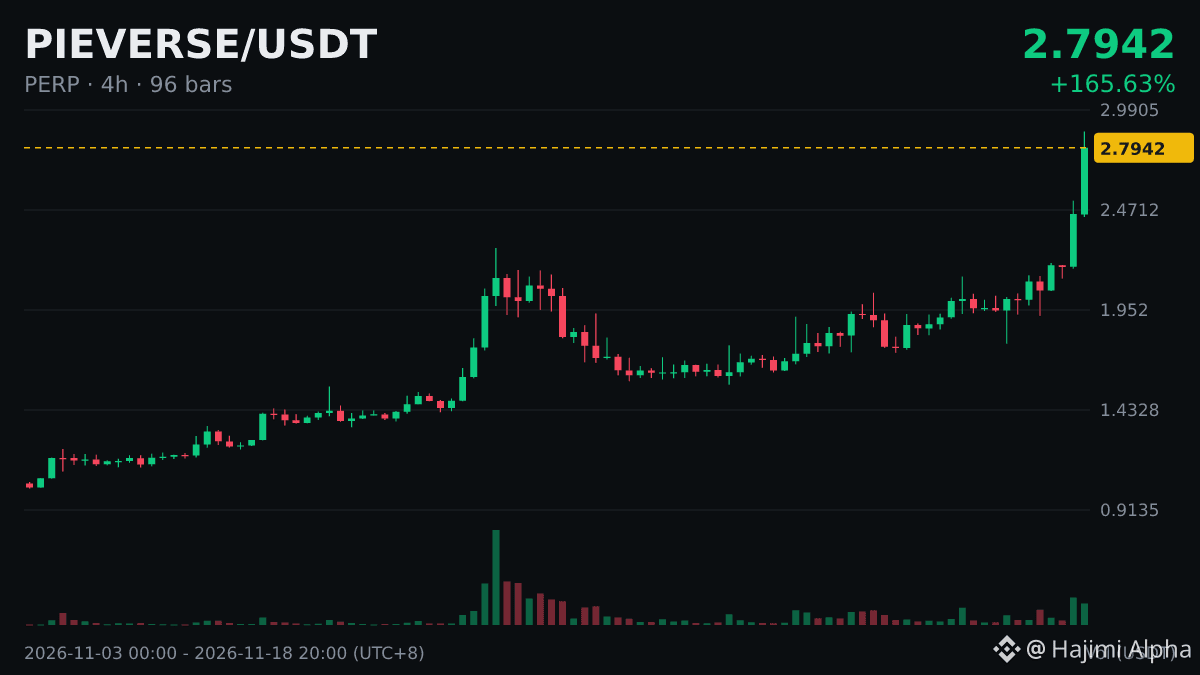
$PIEVERSE 4-hour RSI surged to 85.7
Take a couple of seconds to calm down and understand RSI first.
In the classic approach, an RSI above 70 is considered overbought, while a drop below 30 is considered oversold; some people use 80 / 20 as stricter thresholds.
During a one-way rally, RSI can stay above 70 for quite a while; during a one-way decline, it can likewise remain below 30 for a long time. Overbought or oversold does not mean an immediate reversal.
The same data can mean very different things in different market conditions, so don't blindly apply a single rule of thumb.
No guarantee this is right—use your own judgment.
467
·
--
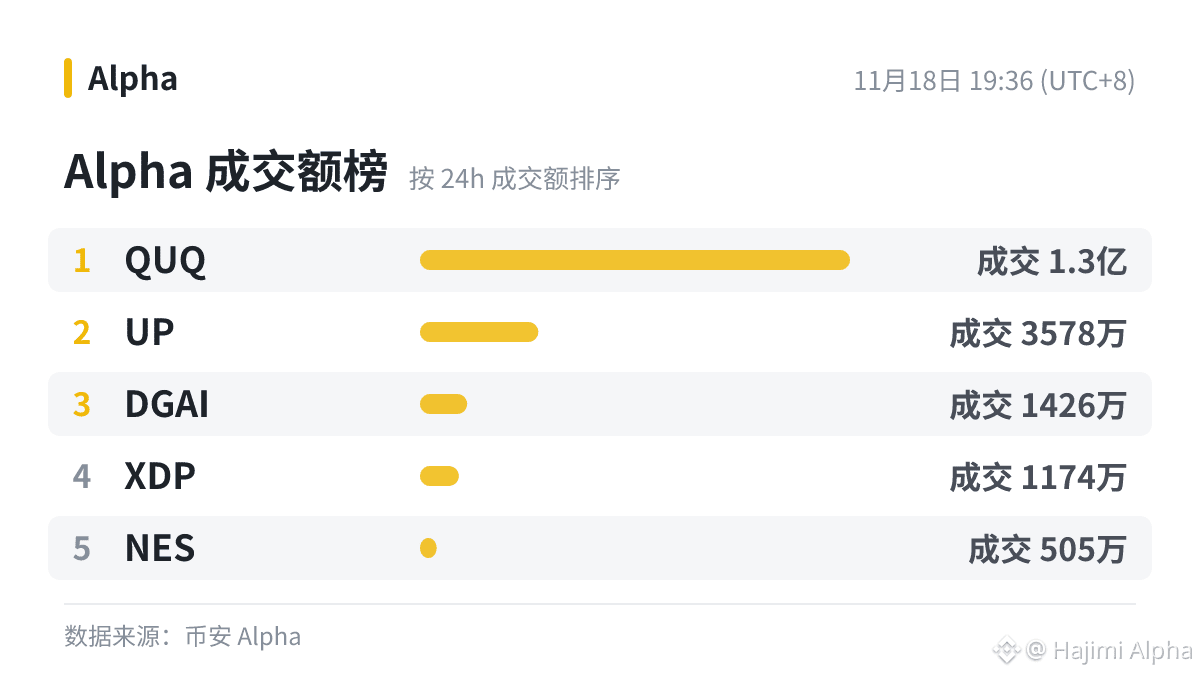
Alpha Trading Volume Top 5
No. 1 $QUQ — Volume: 130 million
No. 2 $UP — Volume: 35.78 million
No. 3 $DGAI — Volume: 14.26 million
No. 4 XDP — Volume: 11.74 million
No. 5 NES — Volume: 5.05 million
Most actively traded: $QUQ. Feel free to share what you've seen.
Just a casual note—use your own judgment.
No. 1 $QUQ — Volume: 130 million
No. 2 $UP — Volume: 35.78 million
No. 3 $DGAI — Volume: 14.26 million
No. 4 XDP — Volume: 11.74 million
No. 5 NES — Volume: 5.05 million
Most actively traded: $QUQ. Feel free to share what you've seen.
Just a casual note—use your own judgment.
2
776
Log in to explore more content
Join global crypto users on Binance Square
⚡️ Get latest and useful information about crypto.
💬 Trusted by the world’s largest crypto exchange.
👍 Discover real insights from verified creators.
Email / Phone number