

Roderich2000
89 Posts

Roderich2000
Report
Block User
21 Following
33 Followers
39 Liked
Posts
All
Quotes
·
--
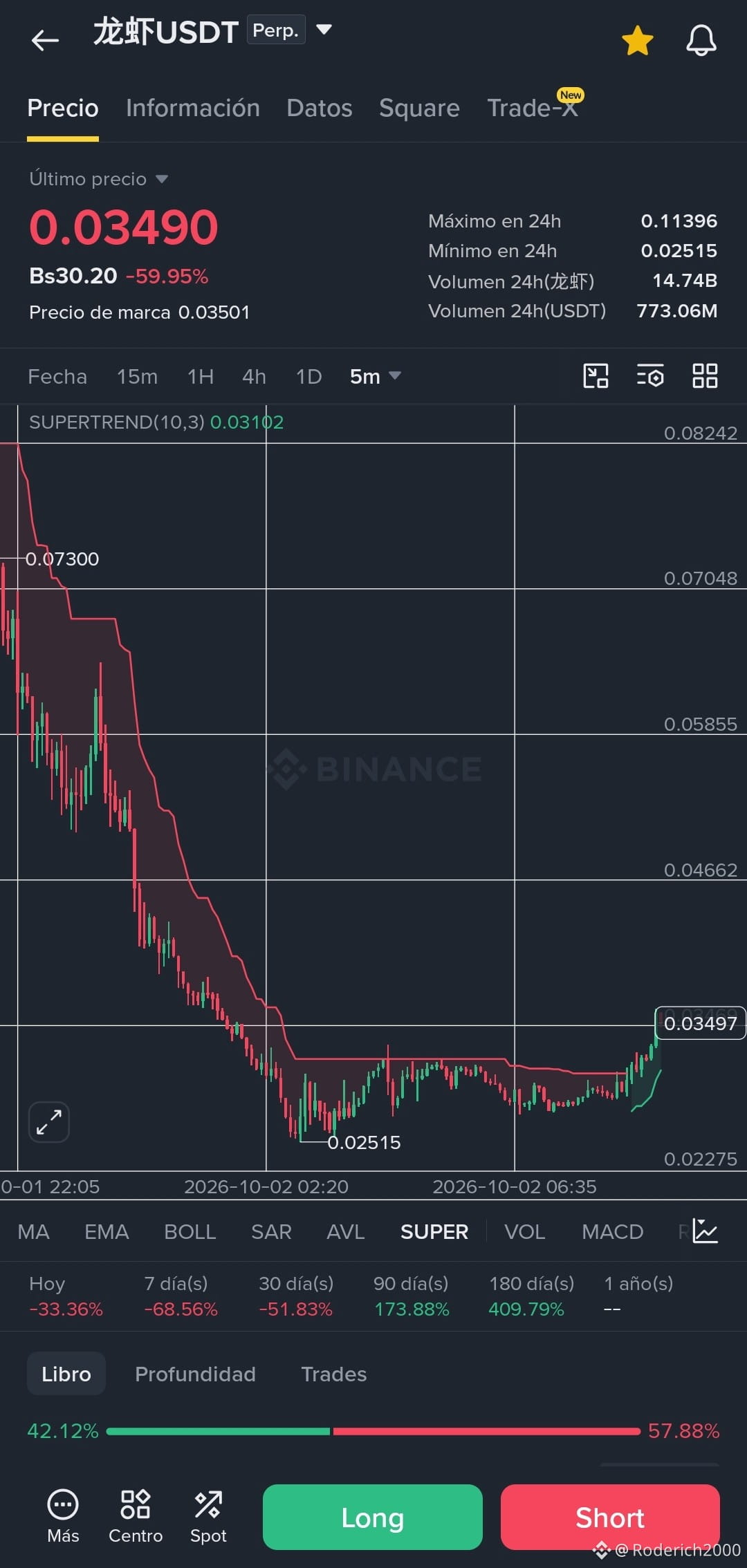
Identify areas in the charts where demand exceeds supply, increasing the price (demand zone), or where supply suppresses demand, decreasing the price (supply areas). Most supply and demand traders wait for prices to enter these areas where most buying and selling takes place before entering a long or short position. What happens if demand exceeds supply? If supply and demand both increase, an increase in supply will lower the price and an increase in demand will raise the price. If the effect of the increase in supply is greater than the effect of the increase in demand, the price will fall. If the effect of the increase in demand is large, the price increases.
#squarecreator
#KriptoGOLD
$龙虾
Identify areas in the charts where demand exceeds supply, increasing the price (demand zone), or where supply suppresses demand, decreasing the price (supply areas). Most supply and demand traders wait for prices to enter these areas where most buying and selling takes place before entering a long or short position. What happens if demand exceeds supply? If supply and demand both increase, an increase in supply will lower the price and an increase in demand will raise the price. If the effect of the increase in supply is greater than the effect of the increase in demand, the price will fall. If the effect of the increase in demand is large, the price increases.
#squarecreator
#KriptoGOLD
$龙虾
#squarecreator
#KriptoGOLD
$龙虾
184
·
--
According to my analysis, there has been a recovery that is a bit slow but stable; it has held steady according to the price $ONE
Buy, buy
In a few months you’ll have millions $$$
#Square
According to my analysis, there has been a recovery that is a bit slow but stable; it has held steady according to the price $ONE
Buy, buy
In a few months you’ll have millions $$$
#Square
Buy, buy
In a few months you’ll have millions $$$
#Square
245
·
--
Little by little I’ve learned to understand the price trend. I’ll go at my own pace, without rushing, learning more about trading every day, with dedication, discipline, and always making some time for it.
Postscript: I recommend reading John Murphy’s book Technical Analysis of the Financial Markets. It’s really very good—I'm still reading it.
#squere
#AprendeATradear
Little by little I’ve learned to understand the price trend. I’ll go at my own pace, without rushing, learning more about trading every day, with dedication, discipline, and always making some time for it.
Postscript: I recommend reading John Murphy’s book Technical Analysis of the Financial Markets. It’s really very good—I'm still reading it.
#squere
#AprendeATradear
Postscript: I recommend reading John Murphy’s book Technical Analysis of the Financial Markets. It’s really very good—I'm still reading it.
#squere
#AprendeATradear
253
·
--
Short $DOGE 30 USDT
$DOGE Will its price increase at some point? We don't know—or maybe not?
Leave us your comments.
$DOGE Will its price increase at some point? We don't know—or maybe not?
Leave us your comments.
Leave us your comments.
77
·
--
EL trading is something I have been liking lately; I'm interested in it even more. I would even like to study it if possible or take courses.
#squarecreator
EL trading is something I have been liking lately; I'm interested in it even more. I would even like to study it if possible or take courses.
#squarecreator
#squarecreator
1
2
610
·
--
Bullish
Good morning, colleagues. How many of you expected that $BTC would see another increase to 81 thousand US dollars.
Do you think this amount will stay or fall?
#squarecreator
#BinanceLatinoamerica
Good morning, colleagues. How many of you expected that $BTC would see another increase to 81 thousand US dollars.
Do you think this amount will stay or fall?
#squarecreator
#BinanceLatinoamerica
Do you think this amount will stay or fall?
#squarecreator
#BinanceLatinoamerica
76
·
--
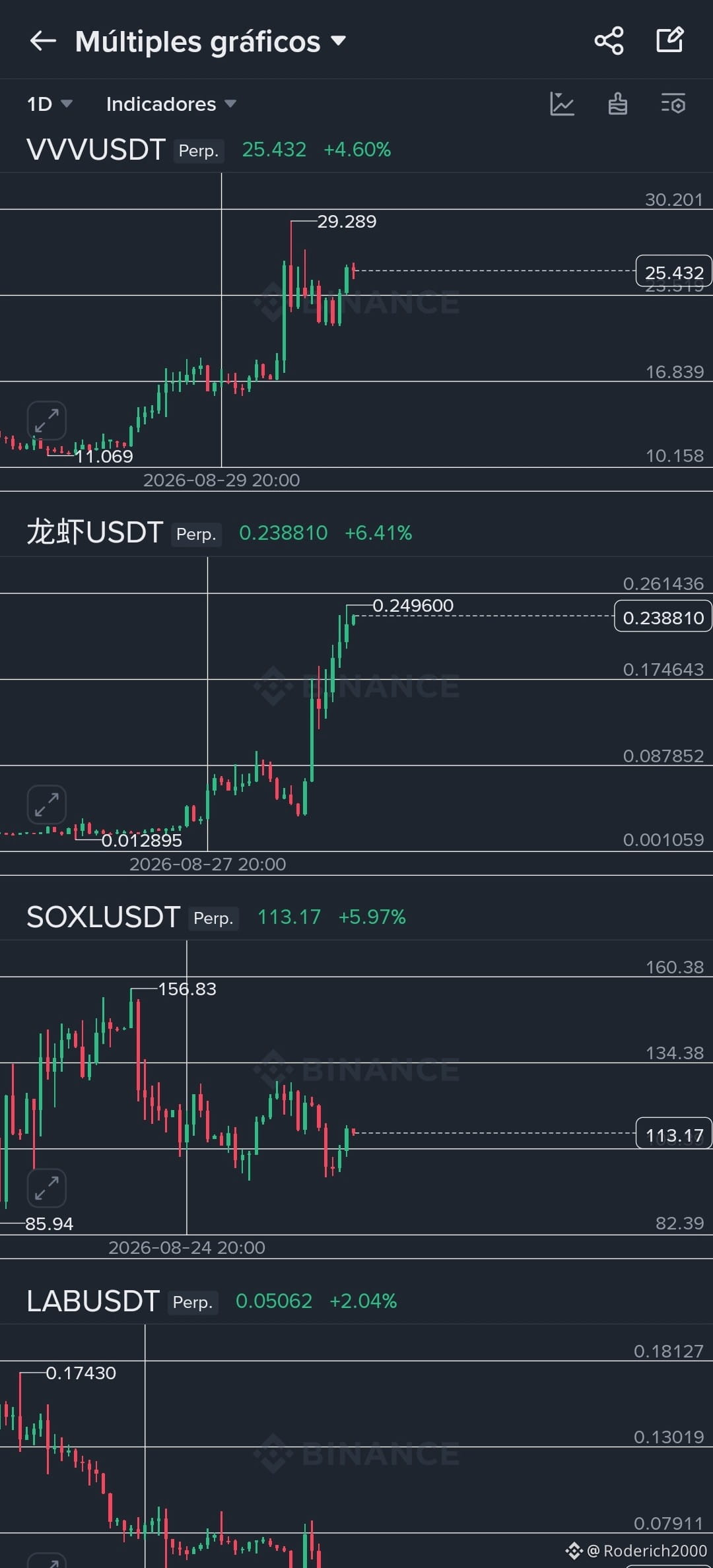
Analysis they tell me this coin is going to skyrocket to a price never seen before
#squarecreator
Analysis they tell me this coin is going to skyrocket to a price never seen before
#squarecreator
#squarecreator
1
143
·
--
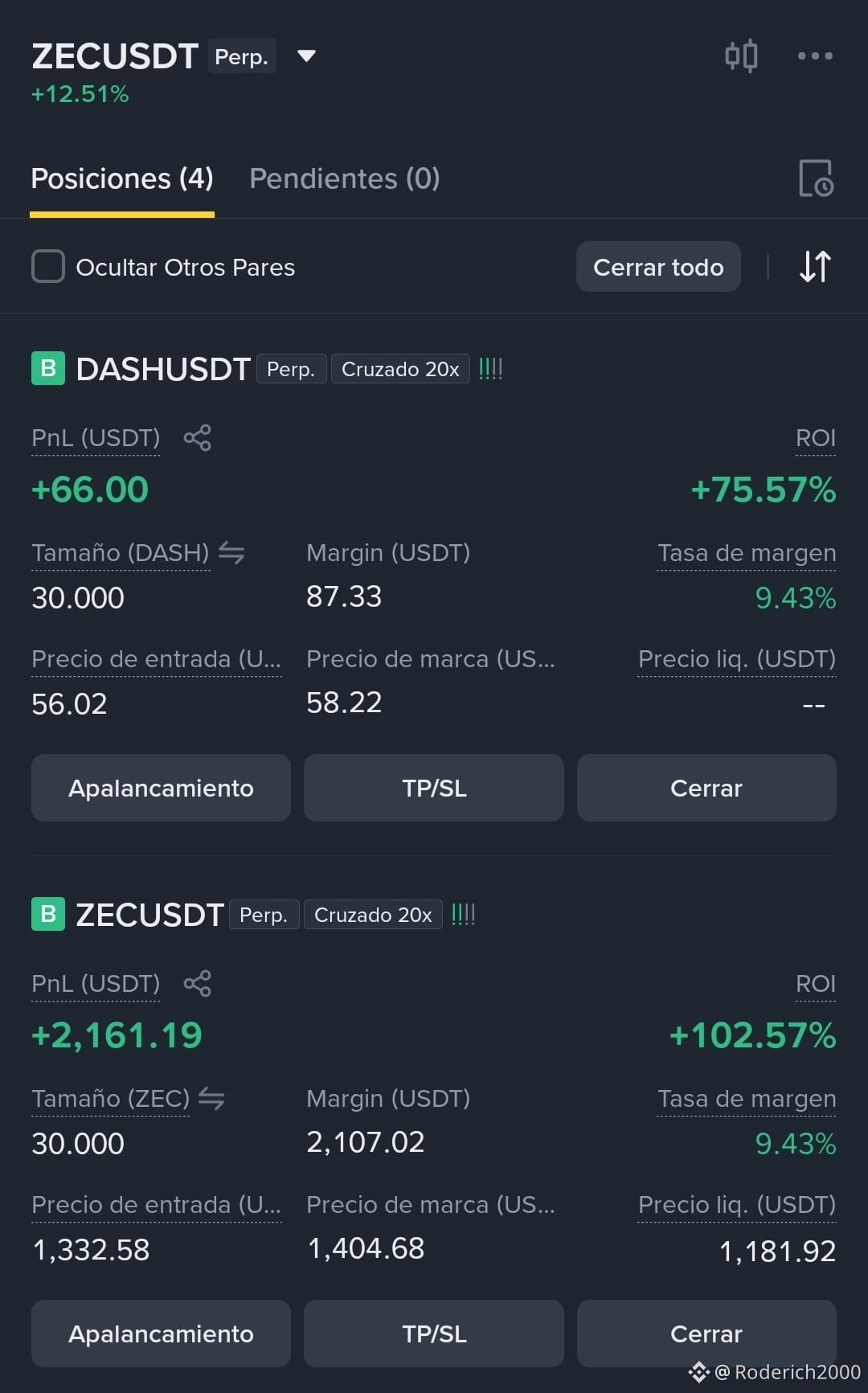
Good morning, colleagues. I've been analyzing the market for several days and again I've brought you more results.
variety in the volatility of cryptocurrency coins
$ZEC
{spot}(ZECUSDT)
Good morning, colleagues. I've been analyzing the market for several days and again I've brought you more results.
variety in the volatility of cryptocurrency coins
$ZEC
variety in the volatility of cryptocurrency coins
$ZEC
105
·
--
The Dollar’s Rise has Altered Inflation More
Bonds Plunge as the Yield on US Treasury Bonds Reaches its Highest Level Since 2007.
.
#squarecreator
#BinanceLatinoamerica
The Dollar’s Rise has Altered Inflation More
Bonds Plunge as the Yield on US Treasury Bonds Reaches its Highest Level Since 2007.
.
#squarecreator
#BinanceLatinoamerica
Bonds Plunge as the Yield on US Treasury Bonds Reaches its Highest Level Since 2007.
.
#squarecreator
#BinanceLatinoamerica
105
·
--
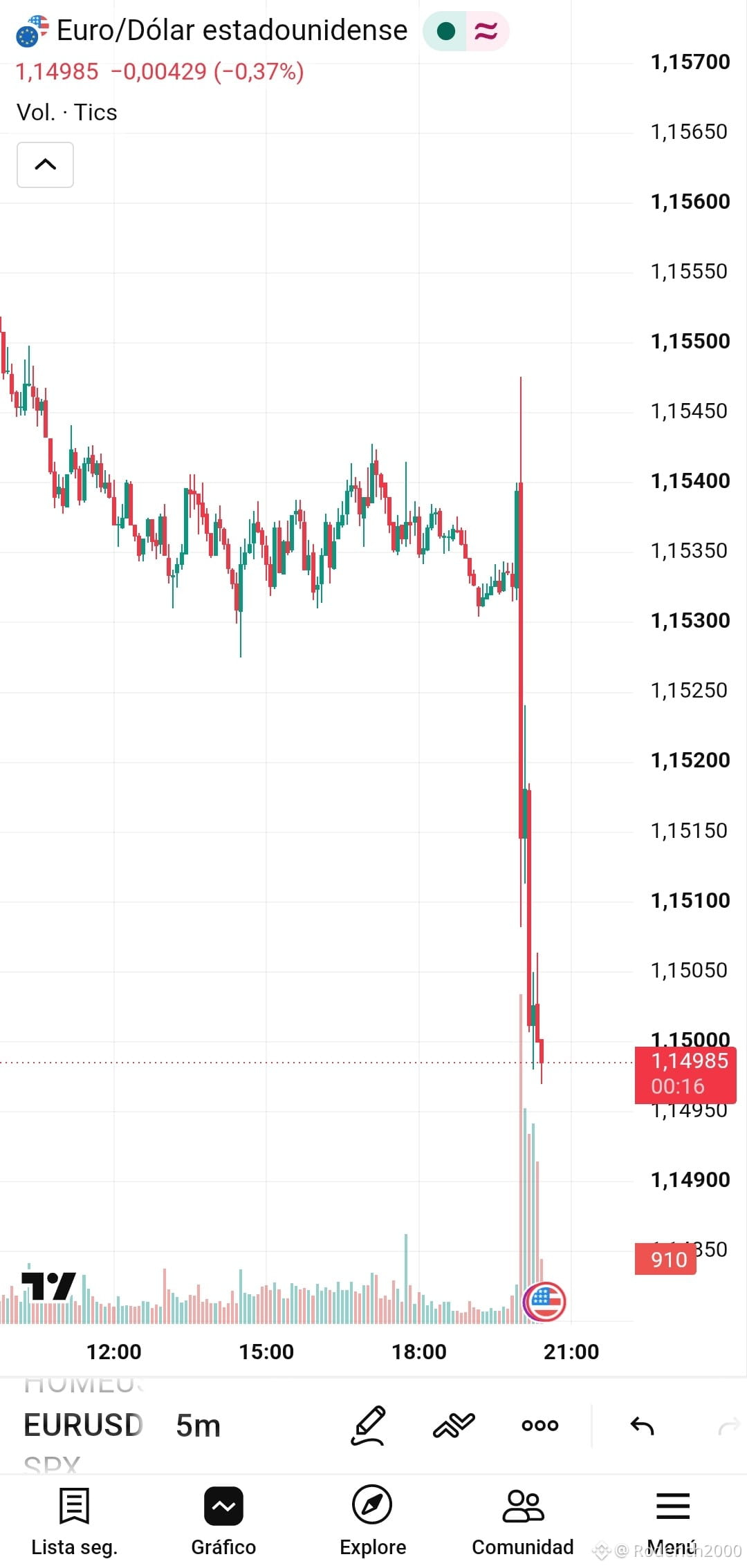
$USDT Dollar trades near two-week high ahead of Fed rate decision
$USDT Dollar trades near two-week high ahead of Fed rate decision
64
·
--
Holding $ETH 5.8 USDT
$ETH Today the cryptocurrency market shows a clear risk predisposition, driven by the strength of large-cap assets and tokens linked to artificial intelligence, while capital appears to be rotating out of some recent memecoin niches and low-liquidity segments.
#Square
BTC remains firm near the center of market attention, ETH is outperforming the market in terms of relative strength, and several altcoin sectors with higher beta are seeing wider intraday swings as volume increases.
The key theme today is a selective rotation, not a uniform rebound: higher-quality large-cap cryptocurrencies and narrative-driven sectors are attracting flows, while assets with weaker momentum are lagging behind or reversing.
$ETH Today the cryptocurrency market shows a clear risk predisposition, driven by the strength of large-cap assets and tokens linked to artificial intelligence, while capital appears to be rotating out of some recent memecoin niches and low-liquidity segments.
#Square
BTC remains firm near the center of market attention, ETH is outperforming the market in terms of relative strength, and several altcoin sectors with higher beta are seeing wider intraday swings as volume increases.
The key theme today is a selective rotation, not a uniform rebound: higher-quality large-cap cryptocurrencies and narrative-driven sectors are attracting flows, while assets with weaker momentum are lagging behind or reversing.
#Square
BTC remains firm near the center of market attention, ETH is outperforming the market in terms of relative strength, and several altcoin sectors with higher beta are seeing wider intraday swings as volume increases.
The key theme today is a selective rotation, not a uniform rebound: higher-quality large-cap cryptocurrencies and narrative-driven sectors are attracting flows, while assets with weaker momentum are lagging behind or reversing.
142
Log in to explore more content
Join global crypto users on Binance Square
⚡️ Get latest and useful information about crypto.
💬 Trusted by the world’s largest crypto exchange.
👍 Discover real insights from verified creators.
Email / Phone number
Trending Topics
BNBSurpasses$790
21,516 views
152 Discussing
$BNB strategic long plan -> FOCUS NOW
BNB has created 2 strong lows after taking out internal liquidity
I'm expecting a move towards swing high $815-$830 and looking for a long on a retest of the green box
#BNBSurpasses$790 #bnb
Ghost Writer
·6 Likes
·12.9k views
ZamaRises15.99%ToIntradayHigh$0.09
19,183 views
106 Discussing
BitcoinSpotETFsDraw$6.34BInflowsInQ3
6,455 views
93 Discussing