
天才交易员向晴
332 Posts

天才交易员向晴
Report
Block User
币安聊天室id:usere7sou 分享日常和交易思路。
1 Following
16 Followers
38 Liked
Posts
All
Quotes
·
--
Why do experts like to wait, while beginners are always afraid of missing out? Many beginners’ biggest flaw when entering the market is fear of missing out. When they see others making money, their first reaction isn’t to analyze the opportunity, but to jump in immediately.#KospiFalls4.58% $HEI $BLESS
Why do experts like to wait, while beginners are always afraid of missing out? Many beginners’ biggest flaw when entering the market is fear of missing out. When they see others making money, their first reaction isn’t to analyze the opportunity, but to jump in immediately.#KospiFalls4.58% $HEI $BLESS

2
283
·
--
There’s a highly counterintuitive law in the crypto market: the more you’re in a rush to make money, the easier it is to lose money; the more you fear losing, the more likely you are to miss the opportunity. This isn’t mysticism—it’s just that the market’s rhythm has you under control.
Many people’s path to losing money is almost “textbook-level”: the candlestick suddenly surges, emotions immediately run hot, they’re terrified of missing out on a fortune, and in a moment of impulsiveness they chase the price. But right after they enter, the market pulls back, their mindset collapses, and they’re afraid of a brutal drop—so they quickly cut losses. Yet right after they sell, the price stabilizes and slowly climbs again. When this “chase the rally and sell at the bottom” script repeats a few times, people easily fall into self-doubt.
But the truth is: the surge amplifies your greed, the pullback tests your fear, and the sideways consolidation drains your patience. The market has never been random noise—it’s a precise “emotion-harvesting machine,” specifically targeting the most vulnerable psychological defenses in you. The moment you follow your emotions, the rhythm becomes completely thrown off.#ChinaLaunchesBroadestTradeRetaliationOnUSFirms #ColdcardExploitFundsSentToMixers $BLESS
There’s a highly counterintuitive law in the crypto market: the more you’re in a rush to make money, the easier it is to lose money; the more you fear losing, the more likely you are to miss the opportunity. This isn’t mysticism—it’s just that the market’s rhythm has you under control.
Many people’s path to losing money is almost “textbook-level”: the candlestick suddenly surges, emotions immediately run hot, they’re terrified of missing out on a fortune, and in a moment of impulsiveness they chase the price. But right after they enter, the market pulls back, their mindset collapses, and they’re afraid of a brutal drop—so they quickly cut losses. Yet right after they sell, the price stabilizes and slowly climbs again. When this “chase the rally and sell at the bottom” script repeats a few times, people easily fall into self-doubt.
But the truth is: the surge amplifies your greed, the pullback tests your fear, and the sideways consolidation drains your patience. The market has never been random noise—it’s a precise “emotion-harvesting machine,” specifically targeting the most vulnerable psychological defenses in you. The moment you follow your emotions, the rhythm becomes completely thrown off.#ChinaLaunchesBroadestTradeRetaliationOnUSFirms #ColdcardExploitFundsSentToMixers $BLESS
Many people’s path to losing money is almost “textbook-level”: the candlestick suddenly surges, emotions immediately run hot, they’re terrified of missing out on a fortune, and in a moment of impulsiveness they chase the price. But right after they enter, the market pulls back, their mindset collapses, and they’re afraid of a brutal drop—so they quickly cut losses. Yet right after they sell, the price stabilizes and slowly climbs again. When this “chase the rally and sell at the bottom” script repeats a few times, people easily fall into self-doubt.
But the truth is: the surge amplifies your greed, the pullback tests your fear, and the sideways consolidation drains your patience. The market has never been random noise—it’s a precise “emotion-harvesting machine,” specifically targeting the most vulnerable psychological defenses in you. The moment you follow your emotions, the rhythm becomes completely thrown off.#ChinaLaunchesBroadestTradeRetaliationOnUSFirms #ColdcardExploitFundsSentToMixers $BLESS

42
·
--
After trading for so many years, I’ve seen through a harsh reality: many people think their losses in the crypto market stem from choosing the wrong coins.
But I’ve witnessed countless real lessons. Even if some people somehow manage to catch a 10x coin, in the end they still end up empty-handed. So where is the real problem? Most people put all their effort into researching which coin to buy and at what price to enter, but very few take the time to think seriously about when they should exit.
In this battlefield, the factor that truly separates one person’s results from another’s has never been the skill of buying—it’s the ability to exit.
A common flaw of ordinary traders is that they get swept up by emotions: they chase the euphoric highs and cut at the fearful lows. The core of veteran traders who can survive long-term is that when they make mistakes, they dare to stop-loss decisively; and when they’re right, they also know how to lock in gains rationally.
The market never lacks the next opportunity, but your capital can’t withstand repeated consumption. The most regrettable thing in a bull market is never missing one wave of the行情—it’s that you truly once held substantial unrealized gains, yet in the end you took nothing away.
Almost everyone in the industry has a trade they can’t let go of. Some regret missing a 100x legend. Some can’t hold on to a 10x move. And some even made money on paper, only to give it all back to the market—principal and interest. $BTC $BLESS
After trading for so many years, I’ve seen through a harsh reality: many people think their losses in the crypto market stem from choosing the wrong coins.
But I’ve witnessed countless real lessons. Even if some people somehow manage to catch a 10x coin, in the end they still end up empty-handed. So where is the real problem? Most people put all their effort into researching which coin to buy and at what price to enter, but very few take the time to think seriously about when they should exit.
In this battlefield, the factor that truly separates one person’s results from another’s has never been the skill of buying—it’s the ability to exit.
A common flaw of ordinary traders is that they get swept up by emotions: they chase the euphoric highs and cut at the fearful lows. The core of veteran traders who can survive long-term is that when they make mistakes, they dare to stop-loss decisively; and when they’re right, they also know how to lock in gains rationally.
The market never lacks the next opportunity, but your capital can’t withstand repeated consumption. The most regrettable thing in a bull market is never missing one wave of the行情—it’s that you truly once held substantial unrealized gains, yet in the end you took nothing away.
Almost everyone in the industry has a trade they can’t let go of. Some regret missing a 100x legend. Some can’t hold on to a 10x move. And some even made money on paper, only to give it all back to the market—principal and interest. $BTC $BLESS
But I’ve witnessed countless real lessons. Even if some people somehow manage to catch a 10x coin, in the end they still end up empty-handed. So where is the real problem? Most people put all their effort into researching which coin to buy and at what price to enter, but very few take the time to think seriously about when they should exit.
In this battlefield, the factor that truly separates one person’s results from another’s has never been the skill of buying—it’s the ability to exit.
A common flaw of ordinary traders is that they get swept up by emotions: they chase the euphoric highs and cut at the fearful lows. The core of veteran traders who can survive long-term is that when they make mistakes, they dare to stop-loss decisively; and when they’re right, they also know how to lock in gains rationally.
The market never lacks the next opportunity, but your capital can’t withstand repeated consumption. The most regrettable thing in a bull market is never missing one wave of the行情—it’s that you truly once held substantial unrealized gains, yet in the end you took nothing away.
Almost everyone in the industry has a trade they can’t let go of. Some regret missing a 100x legend. Some can’t hold on to a 10x move. And some even made money on paper, only to give it all back to the market—principal and interest. $BTC $BLESS

35
·
--
If you haven’t made any money after a year of copying/“抄币” (coin trading), watch this first—this can help you say goodbye to blind trading and get steady returns
I worked with a follower who started with only 2800U. In three months, they reached 200,000U. Now their account is comfortably above 400,000U. Most importantly, there were zero blow-ups (no liquidations) throughout the entire process.
Behind this are three of the most real and useful techniques I tested with my own money. Today I’ll lay all three out.
First move: Position-splitting technique—survive first, then you have the right to talk about making money
Anyone going all-in on every trade is just feeding the market.
I had them split their 2800U into three parts: 900U each, with clear division of roles:
· 900U for day trading: watch only one setup per day. Take the profit as soon as you get “meat,” never linger.
· 900U for swing trading: stay hidden for ten days to half a month; enter only when the target is big profit.
· 900U as a core/lower-bound position: this is the final ace card—never move it no matter how the sky falls.
The logic is simple: if you can’t even protect your life, what “turnaround” are you talking about?
Second move: Hunting technique—ignore the noise, only go after the fat targets
Eighty percent of the time in crypto is basically trash time—range-bound chop.
Frequent trading amid the noise is essentially handing the market your trading fees.
· Sister Xin’s strategy comes down to two words: wait.
· If no trend comes, hold your position—don’t act.
· When the trend arrives, strike precisely and kill decisively.
· If profit exceeds 20%, immediately withdraw 30% of the gains. Only the money that lands in your pocket is really yours.
Remember: real pros make only a few moves per year—but each move is enough to feed you for half a year.
Third move: Heart-tampering technique—use rules to crush emotions
Emotions are the biggest cause of bankruptcy for retail traders.
If you want to go deep into crypto but can’t find your direction, or you want to quickly get started and understand the information edge, tap the avatar to follow me—get firsthand intel and in-depth analysis!#ChinaLaunchesBroadestTradeRetaliationOnUSFirms
If you haven’t made any money after a year of copying/“抄币” (coin trading), watch this first—this can help you say goodbye to blind trading and get steady returns
I worked with a follower who started with only 2800U. In three months, they reached 200,000U. Now their account is comfortably above 400,000U. Most importantly, there were zero blow-ups (no liquidations) throughout the entire process.
Behind this are three of the most real and useful techniques I tested with my own money. Today I’ll lay all three out.
First move: Position-splitting technique—survive first, then you have the right to talk about making money
Anyone going all-in on every trade is just feeding the market.
I had them split their 2800U into three parts: 900U each, with clear division of roles:
· 900U for day trading: watch only one setup per day. Take the profit as soon as you get “meat,” never linger.
· 900U for swing trading: stay hidden for ten days to half a month; enter only when the target is big profit.
· 900U as a core/lower-bound position: this is the final ace card—never move it no matter how the sky falls.
The logic is simple: if you can’t even protect your life, what “turnaround” are you talking about?
Second move: Hunting technique—ignore the noise, only go after the fat targets
Eighty percent of the time in crypto is basically trash time—range-bound chop.
Frequent trading amid the noise is essentially handing the market your trading fees.
· Sister Xin’s strategy comes down to two words: wait.
· If no trend comes, hold your position—don’t act.
· When the trend arrives, strike precisely and kill decisively.
· If profit exceeds 20%, immediately withdraw 30% of the gains. Only the money that lands in your pocket is really yours.
Remember: real pros make only a few moves per year—but each move is enough to feed you for half a year.
Third move: Heart-tampering technique—use rules to crush emotions
Emotions are the biggest cause of bankruptcy for retail traders.
If you want to go deep into crypto but can’t find your direction, or you want to quickly get started and understand the information edge, tap the avatar to follow me—get firsthand intel and in-depth analysis!#ChinaLaunchesBroadestTradeRetaliationOnUSFirms
I worked with a follower who started with only 2800U. In three months, they reached 200,000U. Now their account is comfortably above 400,000U. Most importantly, there were zero blow-ups (no liquidations) throughout the entire process.
Behind this are three of the most real and useful techniques I tested with my own money. Today I’ll lay all three out.
First move: Position-splitting technique—survive first, then you have the right to talk about making money
Anyone going all-in on every trade is just feeding the market.
I had them split their 2800U into three parts: 900U each, with clear division of roles:
· 900U for day trading: watch only one setup per day. Take the profit as soon as you get “meat,” never linger.
· 900U for swing trading: stay hidden for ten days to half a month; enter only when the target is big profit.
· 900U as a core/lower-bound position: this is the final ace card—never move it no matter how the sky falls.
The logic is simple: if you can’t even protect your life, what “turnaround” are you talking about?
Second move: Hunting technique—ignore the noise, only go after the fat targets
Eighty percent of the time in crypto is basically trash time—range-bound chop.
Frequent trading amid the noise is essentially handing the market your trading fees.
· Sister Xin’s strategy comes down to two words: wait.
· If no trend comes, hold your position—don’t act.
· When the trend arrives, strike precisely and kill decisively.
· If profit exceeds 20%, immediately withdraw 30% of the gains. Only the money that lands in your pocket is really yours.
Remember: real pros make only a few moves per year—but each move is enough to feed you for half a year.
Third move: Heart-tampering technique—use rules to crush emotions
Emotions are the biggest cause of bankruptcy for retail traders.
If you want to go deep into crypto but can’t find your direction, or you want to quickly get started and understand the information edge, tap the avatar to follow me—get firsthand intel and in-depth analysis!#ChinaLaunchesBroadestTradeRetaliationOnUSFirms

20
·
--
How much profit in U do you need to truly get out of the dark night of the crypto圈?
8 years ago, I plunged headfirst into the crypto圈. The first 4 years were basically as a total beginner—liquidations, going to zero, exchanges running off, and I almost didn’t miss a single trap in the crypto圈.
Those days, my partner broke up with me because I was obsessed with trading crypto and was drowning in debt; I spent my days numb and confused, using alcohol to dull myself. Especially during the 3/12 crash, I was nearly crushed by the market completely—I could see no hope at all. Luckily, Brother Xia bit down through the pain and grabbed that bottom-fishing opportunity. Starting with a principal of 2,000 U, he built step by step until he rolled it up to over ten million U. He finally made it out of the worst situation.
After taking so many detours, I finally understood: making money in the crypto圈 has never been about luck—it’s about a solid set of “stupid-but-effective” methods. Today I’ll share four iron rules I’ve summed up with everyone. Understand just one, and you can avoid losing 100,000.
1. When it spikes up and then drifts down slowly, it’s often a washout: price rises fast, but pullbacks are slow. Chances are the main force is accumulating and washing positions. Stay calm, don’t panic—there are often profit opportunities ahead.
2. When it dumps suddenly and then bounces sluggishly, be wary of distribution: once you see a flash-crash style drop, and the subsequent rebound lacks strength, it’s likely the main force is distributing. Leave decisively—don’t hesitate.
3. Big volume at high levels isn’t scary; low volume is dangerous: at high levels, having trading volume could mean new capital is coming in. But if volume dries up and the market goes quiet, it’s most likely a warning sign before a collapse.
4. Look for follow-through when volume expands at the bottom: a single burst of volume might be a bull trap. Only when volume shrinks and consolidates, then volume increases again consistently—that’s the real signal of accumulation.
The cruelest thing in the crypto圈 is never the market’s fluctuations—it’s you stumbling around blindly in the dark.
If you want to go deep into the crypto圈 but don’t know where to start, and you want to get up to speed quickly by understanding the information gap, tap my profile and follow me. You’ll get a steady stream of insider information and in-depth analysis!#ADPJulyPrivatePayrollsMissedExpectations #SKHynixSecondPreMarketFlashCrash30%
How much profit in U do you need to truly get out of the dark night of the crypto圈?
8 years ago, I plunged headfirst into the crypto圈. The first 4 years were basically as a total beginner—liquidations, going to zero, exchanges running off, and I almost didn’t miss a single trap in the crypto圈.
Those days, my partner broke up with me because I was obsessed with trading crypto and was drowning in debt; I spent my days numb and confused, using alcohol to dull myself. Especially during the 3/12 crash, I was nearly crushed by the market completely—I could see no hope at all. Luckily, Brother Xia bit down through the pain and grabbed that bottom-fishing opportunity. Starting with a principal of 2,000 U, he built step by step until he rolled it up to over ten million U. He finally made it out of the worst situation.
After taking so many detours, I finally understood: making money in the crypto圈 has never been about luck—it’s about a solid set of “stupid-but-effective” methods. Today I’ll share four iron rules I’ve summed up with everyone. Understand just one, and you can avoid losing 100,000.
1. When it spikes up and then drifts down slowly, it’s often a washout: price rises fast, but pullbacks are slow. Chances are the main force is accumulating and washing positions. Stay calm, don’t panic—there are often profit opportunities ahead.
2. When it dumps suddenly and then bounces sluggishly, be wary of distribution: once you see a flash-crash style drop, and the subsequent rebound lacks strength, it’s likely the main force is distributing. Leave decisively—don’t hesitate.
3. Big volume at high levels isn’t scary; low volume is dangerous: at high levels, having trading volume could mean new capital is coming in. But if volume dries up and the market goes quiet, it’s most likely a warning sign before a collapse.
4. Look for follow-through when volume expands at the bottom: a single burst of volume might be a bull trap. Only when volume shrinks and consolidates, then volume increases again consistently—that’s the real signal of accumulation.
The cruelest thing in the crypto圈 is never the market’s fluctuations—it’s you stumbling around blindly in the dark.
If you want to go deep into the crypto圈 but don’t know where to start, and you want to get up to speed quickly by understanding the information gap, tap my profile and follow me. You’ll get a steady stream of insider information and in-depth analysis!#ADPJulyPrivatePayrollsMissedExpectations #SKHynixSecondPreMarketFlashCrash30%
8 years ago, I plunged headfirst into the crypto圈. The first 4 years were basically as a total beginner—liquidations, going to zero, exchanges running off, and I almost didn’t miss a single trap in the crypto圈.
Those days, my partner broke up with me because I was obsessed with trading crypto and was drowning in debt; I spent my days numb and confused, using alcohol to dull myself. Especially during the 3/12 crash, I was nearly crushed by the market completely—I could see no hope at all. Luckily, Brother Xia bit down through the pain and grabbed that bottom-fishing opportunity. Starting with a principal of 2,000 U, he built step by step until he rolled it up to over ten million U. He finally made it out of the worst situation.
After taking so many detours, I finally understood: making money in the crypto圈 has never been about luck—it’s about a solid set of “stupid-but-effective” methods. Today I’ll share four iron rules I’ve summed up with everyone. Understand just one, and you can avoid losing 100,000.
1. When it spikes up and then drifts down slowly, it’s often a washout: price rises fast, but pullbacks are slow. Chances are the main force is accumulating and washing positions. Stay calm, don’t panic—there are often profit opportunities ahead.
2. When it dumps suddenly and then bounces sluggishly, be wary of distribution: once you see a flash-crash style drop, and the subsequent rebound lacks strength, it’s likely the main force is distributing. Leave decisively—don’t hesitate.
3. Big volume at high levels isn’t scary; low volume is dangerous: at high levels, having trading volume could mean new capital is coming in. But if volume dries up and the market goes quiet, it’s most likely a warning sign before a collapse.
4. Look for follow-through when volume expands at the bottom: a single burst of volume might be a bull trap. Only when volume shrinks and consolidates, then volume increases again consistently—that’s the real signal of accumulation.
The cruelest thing in the crypto圈 is never the market’s fluctuations—it’s you stumbling around blindly in the dark.
If you want to go deep into the crypto圈 but don’t know where to start, and you want to get up to speed quickly by understanding the information gap, tap my profile and follow me. You’ll get a steady stream of insider information and in-depth analysis!#ADPJulyPrivatePayrollsMissedExpectations #SKHynixSecondPreMarketFlashCrash30%

122
·
--
Why do trading pros excel at waiting, while beginners are always afraid of missing out?
For many who just entered the market, the most fatal mindset is fear of missing the行情 (the move/opportunity).
When they see others profit, their first reaction isn’t to calmly evaluate and identify the opportunity—it’s to rush in.
When prices rise, they’re afraid of missing out and missing out; when prices fall, they’re still thinking about a chance for a rebound, worried that they’ll earn less by waiting.
In most cases, the result is chasing rallies at high levels, then cutting losses painfully at low levels.
Only after you’ve spent time in the market do you realize: opportunities exist every day, but not every segment of the行情 is worth taking part in.
What高手 (pros) are waiting for isn’t a particular price point, but the certainty of the trade.
If the trend isn’t clear yet, never rush into a position;
If the entry location isn’t ideal, never force the trade;
If risk and reward don’t align, it’s better to stay in cash and wait.
Many people mistakenly think that being in cash means wasting time.
But staying in cash is, in itself, a very important part of trading.
As long as your capital is still there and your “chips” are still on the table, the market never lacks the next opportunity.#HYPEGains79%InQ2 #IranOmanAgreeOnHormuzShippingRoute $BIO $BLESS
Why do trading pros excel at waiting, while beginners are always afraid of missing out?
For many who just entered the market, the most fatal mindset is fear of missing the行情 (the move/opportunity).
When they see others profit, their first reaction isn’t to calmly evaluate and identify the opportunity—it’s to rush in.
When prices rise, they’re afraid of missing out and missing out; when prices fall, they’re still thinking about a chance for a rebound, worried that they’ll earn less by waiting.
In most cases, the result is chasing rallies at high levels, then cutting losses painfully at low levels.
Only after you’ve spent time in the market do you realize: opportunities exist every day, but not every segment of the行情 is worth taking part in.
What高手 (pros) are waiting for isn’t a particular price point, but the certainty of the trade.
If the trend isn’t clear yet, never rush into a position;
If the entry location isn’t ideal, never force the trade;
If risk and reward don’t align, it’s better to stay in cash and wait.
Many people mistakenly think that being in cash means wasting time.
But staying in cash is, in itself, a very important part of trading.
As long as your capital is still there and your “chips” are still on the table, the market never lacks the next opportunity.#HYPEGains79%InQ2 #IranOmanAgreeOnHormuzShippingRoute $BIO $BLESS
For many who just entered the market, the most fatal mindset is fear of missing the行情 (the move/opportunity).
When they see others profit, their first reaction isn’t to calmly evaluate and identify the opportunity—it’s to rush in.
When prices rise, they’re afraid of missing out and missing out; when prices fall, they’re still thinking about a chance for a rebound, worried that they’ll earn less by waiting.
In most cases, the result is chasing rallies at high levels, then cutting losses painfully at low levels.
Only after you’ve spent time in the market do you realize: opportunities exist every day, but not every segment of the行情 is worth taking part in.
What高手 (pros) are waiting for isn’t a particular price point, but the certainty of the trade.
If the trend isn’t clear yet, never rush into a position;
If the entry location isn’t ideal, never force the trade;
If risk and reward don’t align, it’s better to stay in cash and wait.
Many people mistakenly think that being in cash means wasting time.
But staying in cash is, in itself, a very important part of trading.
As long as your capital is still there and your “chips” are still on the table, the market never lacks the next opportunity.#HYPEGains79%InQ2 #IranOmanAgreeOnHormuzShippingRoute $BIO $BLESS

372
·
--
One key thing that makes Sister Qing even more certain: trading profits are never made by a single stroke of luck. It’s a set of repeatable rhythm that keeps cycling—time will give the answer.
In these days, I haven’t chased one hot trend after another, and I won’t go all-in just to bet on the market for eye-catching gains. If the opportunity is clear, I take it steadily. If the market is hard to read, I’m at ease choosing to stay flat and wait. If I get it wrong, I cut losses decisively and exit. If I get it right, I hold with patience and let the profits run fully.
Many people苦苦 search for a trading method that can make money every day. But when trading truly becomes stable, you have to learn to proactively give up most opportunities.
If the price level isn’t met, don’t enter. If the trend isn’t confirmed, don’t act. If you can’t work out the risk-reward ratio, then don’t trade.
When I first established these rules, it always felt like I was missing chances again and again. But when you zoom out over longer cycles and look back, the very price movements I chose to forgo are precisely what helped the account avoid many pointless drawdowns.
What can be reused repeatedly is never a particular coin, and never a single indicator. It’s knowing—before entering—your own trading logic, knowing where to exit when your judgment is wrong, and after you’re in profit, knowing how to lock it in safely.
It’s not hard to make a bit of money now and then by luck. What’s hard is to stick to the same trading discipline no matter how the market rotates and no matter how agitated market sentiment becomes. #KospiFalls4.58% #HYPEGains79%InQ2 $BTC $BICO
One key thing that makes Sister Qing even more certain: trading profits are never made by a single stroke of luck. It’s a set of repeatable rhythm that keeps cycling—time will give the answer.
In these days, I haven’t chased one hot trend after another, and I won’t go all-in just to bet on the market for eye-catching gains. If the opportunity is clear, I take it steadily. If the market is hard to read, I’m at ease choosing to stay flat and wait. If I get it wrong, I cut losses decisively and exit. If I get it right, I hold with patience and let the profits run fully.
Many people苦苦 search for a trading method that can make money every day. But when trading truly becomes stable, you have to learn to proactively give up most opportunities.
If the price level isn’t met, don’t enter. If the trend isn’t confirmed, don’t act. If you can’t work out the risk-reward ratio, then don’t trade.
When I first established these rules, it always felt like I was missing chances again and again. But when you zoom out over longer cycles and look back, the very price movements I chose to forgo are precisely what helped the account avoid many pointless drawdowns.
What can be reused repeatedly is never a particular coin, and never a single indicator. It’s knowing—before entering—your own trading logic, knowing where to exit when your judgment is wrong, and after you’re in profit, knowing how to lock it in safely.
It’s not hard to make a bit of money now and then by luck. What’s hard is to stick to the same trading discipline no matter how the market rotates and no matter how agitated market sentiment becomes. #KospiFalls4.58% #HYPEGains79%InQ2 $BTC $BICO
In these days, I haven’t chased one hot trend after another, and I won’t go all-in just to bet on the market for eye-catching gains. If the opportunity is clear, I take it steadily. If the market is hard to read, I’m at ease choosing to stay flat and wait. If I get it wrong, I cut losses decisively and exit. If I get it right, I hold with patience and let the profits run fully.
Many people苦苦 search for a trading method that can make money every day. But when trading truly becomes stable, you have to learn to proactively give up most opportunities.
If the price level isn’t met, don’t enter. If the trend isn’t confirmed, don’t act. If you can’t work out the risk-reward ratio, then don’t trade.
When I first established these rules, it always felt like I was missing chances again and again. But when you zoom out over longer cycles and look back, the very price movements I chose to forgo are precisely what helped the account avoid many pointless drawdowns.
What can be reused repeatedly is never a particular coin, and never a single indicator. It’s knowing—before entering—your own trading logic, knowing where to exit when your judgment is wrong, and after you’re in profit, knowing how to lock it in safely.
It’s not hard to make a bit of money now and then by luck. What’s hard is to stick to the same trading discipline no matter how the market rotates and no matter how agitated market sentiment becomes. #KospiFalls4.58% #HYPEGains79%InQ2 $BTC $BICO

207
·
--
These years of crypto trading—16 proven money-making experiences!
Especially for new beginners who must learn—go big during the New Year!
1、In a bull market, choose altcoins; in a bear market, buy BTC and ETH—this is my exclusive secret!
2、Coins with increasing volume at the bottom must be given special attention—this is a start-up signal. Don’t miss it!
3、For coins in an uptrend, when they pull back to an important moving average, that’s the best time to buy. Remember to seize the opportunity!
4、Don’t trade too frequently. Getting a few major trends right in a year is enough. Greed will lead to big losses!
5、Be sure to control your position size. Never go all-in—keep some room so you can respond to market changes!
6、Don’t add to losing “junk” coins. Cutting losses early is the smart move—don’t let yourself sink deeper!
7、News can only be used as a reference. Don’t blindly chase and bet everything, or you’re responsible for the consequences!
8、If you’re not familiar with a coin, don’t touch it. Focus on the track you know well—then you’ll have a better chance of winning!
9、Don’t let market sentiment control you. Stay calm and rational so you can make the right decisions!
10、When altcoins pump too much, they will definitely drop. When they drop too much, they don’t necessarily rise—selection matters. Make sure you keep your eyes open!
11、When most people are optimistic about something, it’s often when risk is coming. Remember this—don’t become the bag holder!
12、Learn to stay in cash. Wait for clear signals from the market before entering—this helps you avoid unnecessary losses!
13、Don’t follow trends to hype hot topics. Crypto hype comes and goes fast—don’t let yourself get trapped!
14、Trading should have your own trading system, and you must strictly follow it—this is how you maintain stable returns!
15、Investing is a long-distance race. Keep a good mindset so you can laugh last—don’t quit halfway!
16、Investing doesn’t necessarily make money; more likely it will result in losses. So try to invest with spare money. If you invest with spare money, your mindset will be much better—your probability of winning increases. Remember this, and don’t let investing push you into trouble!#IranOmanAgreeOnHormuzShippingRoute $BTC
These years of crypto trading—16 proven money-making experiences!
Especially for new beginners who must learn—go big during the New Year!
1、In a bull market, choose altcoins; in a bear market, buy BTC and ETH—this is my exclusive secret!
2、Coins with increasing volume at the bottom must be given special attention—this is a start-up signal. Don’t miss it!
3、For coins in an uptrend, when they pull back to an important moving average, that’s the best time to buy. Remember to seize the opportunity!
4、Don’t trade too frequently. Getting a few major trends right in a year is enough. Greed will lead to big losses!
5、Be sure to control your position size. Never go all-in—keep some room so you can respond to market changes!
6、Don’t add to losing “junk” coins. Cutting losses early is the smart move—don’t let yourself sink deeper!
7、News can only be used as a reference. Don’t blindly chase and bet everything, or you’re responsible for the consequences!
8、If you’re not familiar with a coin, don’t touch it. Focus on the track you know well—then you’ll have a better chance of winning!
9、Don’t let market sentiment control you. Stay calm and rational so you can make the right decisions!
10、When altcoins pump too much, they will definitely drop. When they drop too much, they don’t necessarily rise—selection matters. Make sure you keep your eyes open!
11、When most people are optimistic about something, it’s often when risk is coming. Remember this—don’t become the bag holder!
12、Learn to stay in cash. Wait for clear signals from the market before entering—this helps you avoid unnecessary losses!
13、Don’t follow trends to hype hot topics. Crypto hype comes and goes fast—don’t let yourself get trapped!
14、Trading should have your own trading system, and you must strictly follow it—this is how you maintain stable returns!
15、Investing is a long-distance race. Keep a good mindset so you can laugh last—don’t quit halfway!
16、Investing doesn’t necessarily make money; more likely it will result in losses. So try to invest with spare money. If you invest with spare money, your mindset will be much better—your probability of winning increases. Remember this, and don’t let investing push you into trouble!#IranOmanAgreeOnHormuzShippingRoute $BTC
Especially for new beginners who must learn—go big during the New Year!
1、In a bull market, choose altcoins; in a bear market, buy BTC and ETH—this is my exclusive secret!
2、Coins with increasing volume at the bottom must be given special attention—this is a start-up signal. Don’t miss it!
3、For coins in an uptrend, when they pull back to an important moving average, that’s the best time to buy. Remember to seize the opportunity!
4、Don’t trade too frequently. Getting a few major trends right in a year is enough. Greed will lead to big losses!
5、Be sure to control your position size. Never go all-in—keep some room so you can respond to market changes!
6、Don’t add to losing “junk” coins. Cutting losses early is the smart move—don’t let yourself sink deeper!
7、News can only be used as a reference. Don’t blindly chase and bet everything, or you’re responsible for the consequences!
8、If you’re not familiar with a coin, don’t touch it. Focus on the track you know well—then you’ll have a better chance of winning!
9、Don’t let market sentiment control you. Stay calm and rational so you can make the right decisions!
10、When altcoins pump too much, they will definitely drop. When they drop too much, they don’t necessarily rise—selection matters. Make sure you keep your eyes open!
11、When most people are optimistic about something, it’s often when risk is coming. Remember this—don’t become the bag holder!
12、Learn to stay in cash. Wait for clear signals from the market before entering—this helps you avoid unnecessary losses!
13、Don’t follow trends to hype hot topics. Crypto hype comes and goes fast—don’t let yourself get trapped!
14、Trading should have your own trading system, and you must strictly follow it—this is how you maintain stable returns!
15、Investing is a long-distance race. Keep a good mindset so you can laugh last—don’t quit halfway!
16、Investing doesn’t necessarily make money; more likely it will result in losses. So try to invest with spare money. If you invest with spare money, your mindset will be much better—your probability of winning increases. Remember this, and don’t let investing push you into trouble!#IranOmanAgreeOnHormuzShippingRoute $BTC

10
·
--
No matter the new or old “jiu cao” (traders), if you want to make 1,000,000 in the crypto world as your first bucket of profit with just a few thousand in principal, you might as well try my methods first. Let me share these experiences with you—they can help you avoid 90% of detours.
Want to make money? First, you need to understand how the crypto market works! There are many types—spot, futures, and so on. What fits you best matters most. Blindly following the crowd will only turn you into cannon fodder!
——The 6 most critical strategies
1. Sharp Drop: If a coin keeps falling for 9 consecutive days, on the 10th day buy the dip without hesitation (the absolute limit of a whale/“maker” washout is 9 days).
2. Blowout Rally: If it rises for 2 days in a row, reduce your position immediately. Remember—money in crypto is made by selling, not by “holding and praying.”
3. Silence: For coins that stay range-bound for 6 days without moving, if on the 7th day there’s suddenly a volume spike, follow in right away (this is the signal before the main force starts).
4. Principle: If the coin you bought hasn’t earned back your trading fees by the next day, cut it immediately. Time cost is the hidden killer.
5. Nuclear Weapon “Three-Five-Seven” Rule: The coin ranked 3rd on the gainers list will push into the top 5, and the 5th one must push into the top 7. But 99% of people die while “waiting to break even”…
6. Curse: For a coin that has risen for 4 consecutive days, at 3 p.m. on the 5th day it will be hit with a sell-off! This is the fixed playbook of a quantitative trading machine.
DCA strategy: Regardless of whether the market goes up or down, buy periodically—your cost naturally averages out.
Long-term holding: Don’t chase rallies, don’t panic-sell into drops; holding is what brings big returns.
Risk control: Invest only what you can afford to lose—don’t use your living expenses to enter the market.#HYPEGains79%InQ2 #ADPJulyPrivatePayrollsMissedExpectations
No matter the new or old “jiu cao” (traders), if you want to make 1,000,000 in the crypto world as your first bucket of profit with just a few thousand in principal, you might as well try my methods first. Let me share these experiences with you—they can help you avoid 90% of detours.
Want to make money? First, you need to understand how the crypto market works! There are many types—spot, futures, and so on. What fits you best matters most. Blindly following the crowd will only turn you into cannon fodder!
——The 6 most critical strategies
1. Sharp Drop: If a coin keeps falling for 9 consecutive days, on the 10th day buy the dip without hesitation (the absolute limit of a whale/“maker” washout is 9 days).
2. Blowout Rally: If it rises for 2 days in a row, reduce your position immediately. Remember—money in crypto is made by selling, not by “holding and praying.”
3. Silence: For coins that stay range-bound for 6 days without moving, if on the 7th day there’s suddenly a volume spike, follow in right away (this is the signal before the main force starts).
4. Principle: If the coin you bought hasn’t earned back your trading fees by the next day, cut it immediately. Time cost is the hidden killer.
5. Nuclear Weapon “Three-Five-Seven” Rule: The coin ranked 3rd on the gainers list will push into the top 5, and the 5th one must push into the top 7. But 99% of people die while “waiting to break even”…
6. Curse: For a coin that has risen for 4 consecutive days, at 3 p.m. on the 5th day it will be hit with a sell-off! This is the fixed playbook of a quantitative trading machine.
DCA strategy: Regardless of whether the market goes up or down, buy periodically—your cost naturally averages out.
Long-term holding: Don’t chase rallies, don’t panic-sell into drops; holding is what brings big returns.
Risk control: Invest only what you can afford to lose—don’t use your living expenses to enter the market.#HYPEGains79%InQ2 #ADPJulyPrivatePayrollsMissedExpectations
Want to make money? First, you need to understand how the crypto market works! There are many types—spot, futures, and so on. What fits you best matters most. Blindly following the crowd will only turn you into cannon fodder!
——The 6 most critical strategies
1. Sharp Drop: If a coin keeps falling for 9 consecutive days, on the 10th day buy the dip without hesitation (the absolute limit of a whale/“maker” washout is 9 days).
2. Blowout Rally: If it rises for 2 days in a row, reduce your position immediately. Remember—money in crypto is made by selling, not by “holding and praying.”
3. Silence: For coins that stay range-bound for 6 days without moving, if on the 7th day there’s suddenly a volume spike, follow in right away (this is the signal before the main force starts).
4. Principle: If the coin you bought hasn’t earned back your trading fees by the next day, cut it immediately. Time cost is the hidden killer.
5. Nuclear Weapon “Three-Five-Seven” Rule: The coin ranked 3rd on the gainers list will push into the top 5, and the 5th one must push into the top 7. But 99% of people die while “waiting to break even”…
6. Curse: For a coin that has risen for 4 consecutive days, at 3 p.m. on the 5th day it will be hit with a sell-off! This is the fixed playbook of a quantitative trading machine.
DCA strategy: Regardless of whether the market goes up or down, buy periodically—your cost naturally averages out.
Long-term holding: Don’t chase rallies, don’t panic-sell into drops; holding is what brings big returns.
Risk control: Invest only what you can afford to lose—don’t use your living expenses to enter the market.#HYPEGains79%InQ2 #ADPJulyPrivatePayrollsMissedExpectations
7
·
--
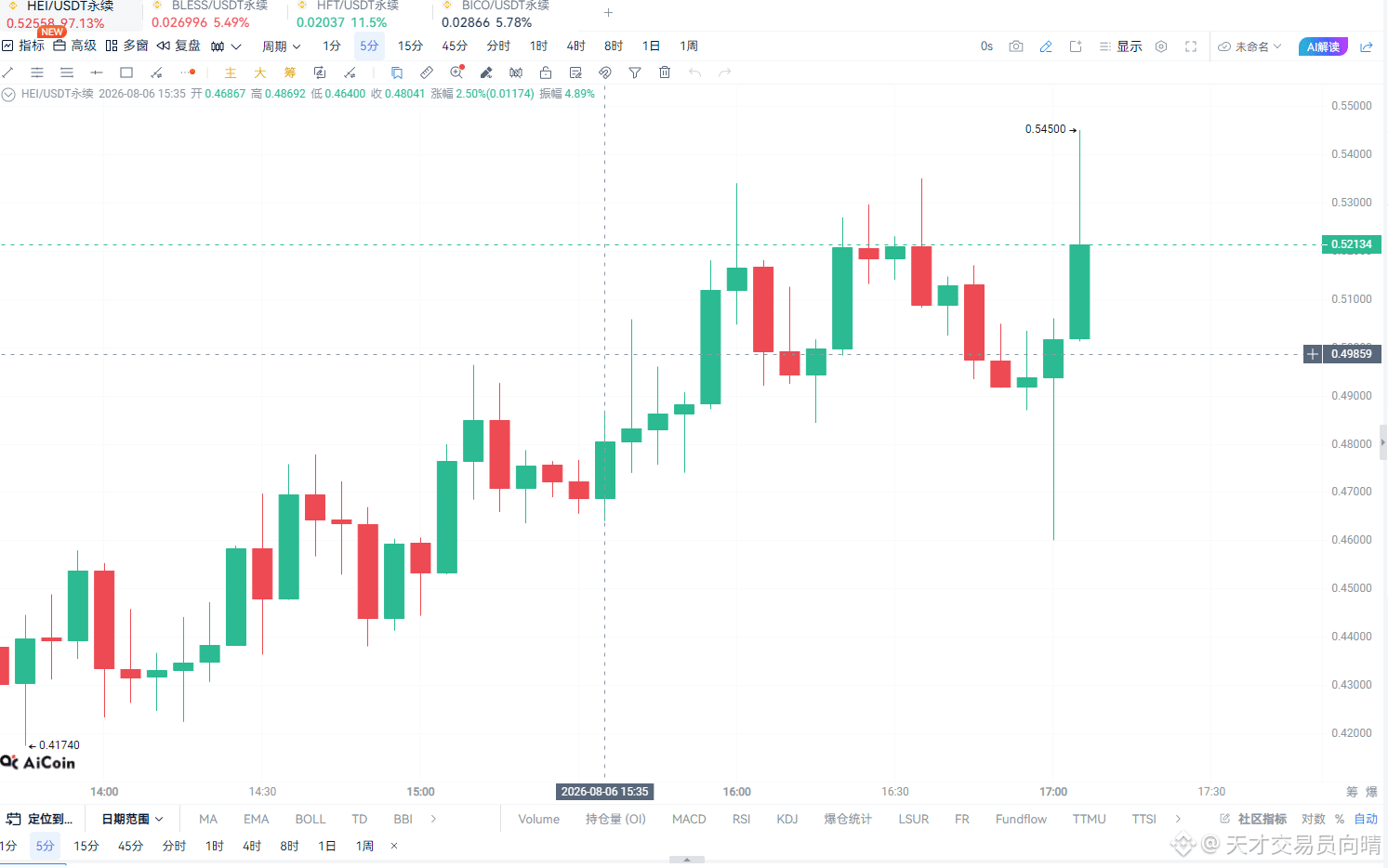
$HEI is currently soaring up 400%—can it still keep charging?
Right now, $HEI has been steadily strong and rising; it has surged from its low point to its highest level, breaking through its prior height. The short-term capital momentum is still gradually increasing.
From the current chart, the uptrend can still be maintained. If it can break above the 0.53 high, then it should continue rising for a period. The bulls will keep building momentum and start the next round of upward movement. #SpaceX911.5MShareLockupExpires #ADPJulyPrivatePayrollsMissedExpectations
$HEI is currently soaring up 400%—can it still keep charging?
Right now, $HEI has been steadily strong and rising; it has surged from its low point to its highest level, breaking through its prior height. The short-term capital momentum is still gradually increasing.
From the current chart, the uptrend can still be maintained. If it can break above the 0.53 high, then it should continue rising for a period. The bulls will keep building momentum and start the next round of upward movement. #SpaceX911.5MShareLockupExpires #ADPJulyPrivatePayrollsMissedExpectations
Right now, $HEI has been steadily strong and rising; it has surged from its low point to its highest level, breaking through its prior height. The short-term capital momentum is still gradually increasing.
From the current chart, the uptrend can still be maintained. If it can break above the 0.53 high, then it should continue rising for a period. The bulls will keep building momentum and start the next round of upward movement. #SpaceX911.5MShareLockupExpires #ADPJulyPrivatePayrollsMissedExpectations
143
·
--
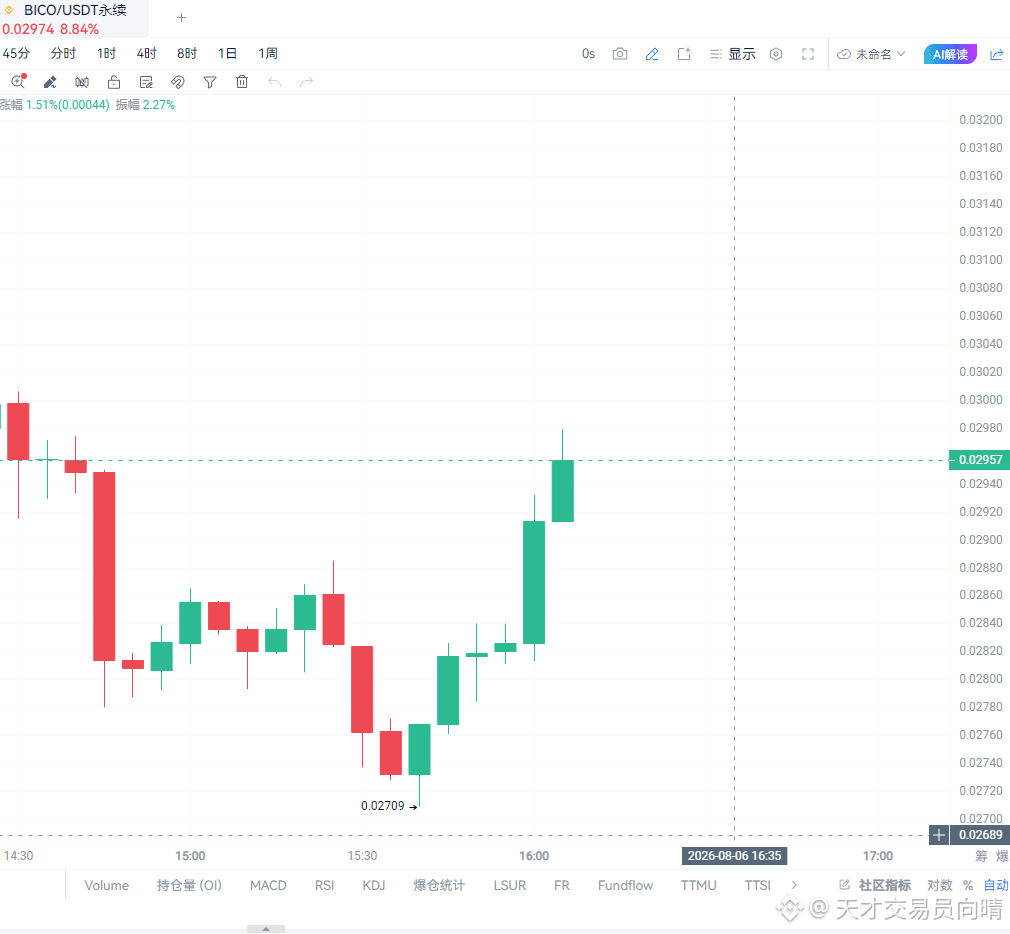
$BICO As I said, I had already reminded everyone yesterday that when it reached 0.018, you absolutely should not go short.
Just like I predicted yesterday, it surged sharply all the way up, and even now we still don’t know where the top is. Those who went short must be feeling incredibly regretful right now.
You just wouldn’t listen to me and insisted on going short. If you had followed me through the rise, wouldn’t that have been great? Wouldn’t it be nice to make good profits? Why wouldn’t that be tempting?
#USStocksEndMixedNvidiaLiftsDow #USStocksEndMixedNvidiaLiftsDow $NVDAB
$BICO As I said, I had already reminded everyone yesterday that when it reached 0.018, you absolutely should not go short.
Just like I predicted yesterday, it surged sharply all the way up, and even now we still don’t know where the top is. Those who went short must be feeling incredibly regretful right now.
You just wouldn’t listen to me and insisted on going short. If you had followed me through the rise, wouldn’t that have been great? Wouldn’t it be nice to make good profits? Why wouldn’t that be tempting?
#USStocksEndMixedNvidiaLiftsDow #USStocksEndMixedNvidiaLiftsDow $NVDAB
Just like I predicted yesterday, it surged sharply all the way up, and even now we still don’t know where the top is. Those who went short must be feeling incredibly regretful right now.
You just wouldn’t listen to me and insisted on going short. If you had followed me through the rise, wouldn’t that have been great? Wouldn’t it be nice to make good profits? Why wouldn’t that be tempting?
#USStocksEndMixedNvidiaLiftsDow #USStocksEndMixedNvidiaLiftsDow $NVDAB
88
·
--
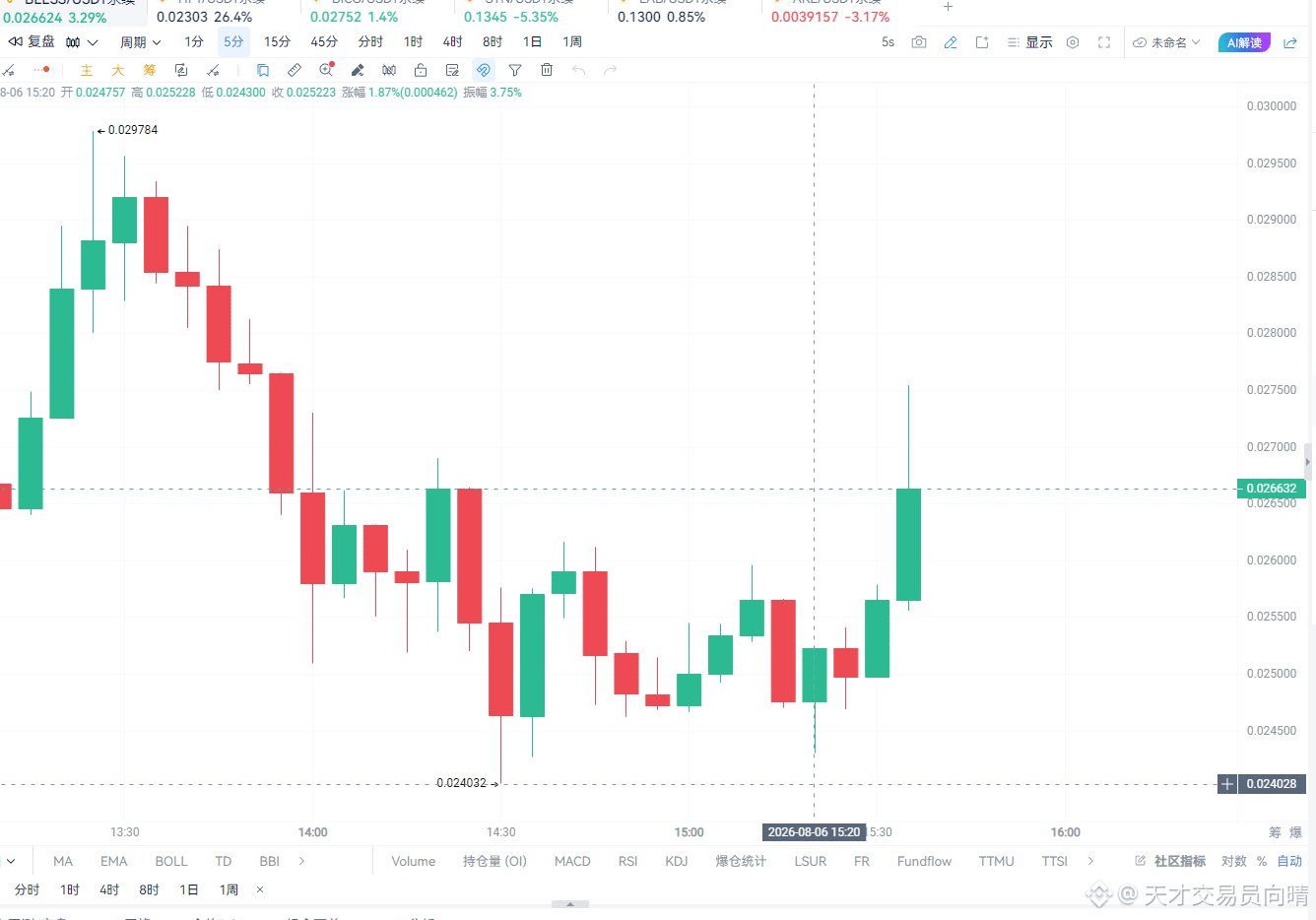
$BLESS Sunny Sister, this time the analysis is completely reasonable.
It was that before, they deliberately gave you a distraction to lower things first, and then came a big surge increase afterward—so it catches you off guard.
$BLESS Sunny Sister, this time the analysis is completely reasonable.
It was that before, they deliberately gave you a distraction to lower things first, and then came a big surge increase afterward—so it catches you off guard.
It was that before, they deliberately gave you a distraction to lower things first, and then came a big surge increase afterward—so it catches you off guard.
262
·
--
If you want to make consistent long-term profits, luck can’t be relied on. You have to depend on a few of the most practical rules. The methods aren’t high-tech—yet only a few people can actually do it!
The first rule, and the most important, is: don’t follow your emotions.
When prices surge hard, everyone is rushing in—don’t.
When prices drop sharply, everyone is panicking—stay calm and look for opportunities instead.
It sounds easy, but it’s extremely hard to do. I’ve also fallen into traps myself:
I chased the price and got trapped; I panicked during pullbacks and cut losses—these are lessons!
Second rule: never put all your money in at once.
Going all-in is like betting your entire life on it. The moment your mindset gets thrown off, your actions will become distorted.
The market never lacks opportunities. If you don’t have cash in hand, when opportunities come, you can only watch.
In terms of execution, I’ve summarized a few experiences that were tested in real trading:
If the direction is unclear, don’t take action.
When prices are moving sideways at high levels, sometimes they may still push to new highs;
when prices are moving sideways at low levels, they may still break down further.
Don’t guess—wait until the market shows a clear direction.
During sideways consolidation, trade as little as possible.
Most people lose money during this phase because they enter and exit too frequently.
By the time you’ve lost to fees, the rhythm is also ruined: you buy on the day of a big drop, and you sell on the day of a big rally.
For example, if a daily chart closes with a large bearish candle, you could consider buying in batches.
On the flip side, when there’s a big bullish candle, you might sell a portion appropriately.
This timing approach is very practical.
Pay attention to the speed of the decline.
If the drop slows down more and more, the rebound usually won’t have much strength;
but if the price suddenly accelerates into a big selloff, the rebound could be quite strong.
This change can help you judge the timing.
Building your position is like stacking blocks—start laying them from the bottom.
The more the price falls, the more you gradually buy.
That way, your average cost can be leveled out. You won’t be afraid of a temporary drop.
When it rises a lot, it may move sideways; when it falls more, it may also move sideways.
Don’t sell your entire position in one go during consolidation.
And don’t bottom-fish with all your capital in one go either.
The key is to see which direction the price breaks out after the consolidation, then adjust by following it.
In the end, trading crypto is a battle against yourself.
These methods sound simple, but truly executing them requires strong discipline.
I don’t aim for instant wealth overnight. As long as I can stay steady and make profits slowly, that’s enough.
#USStocksEndMixedNvidiaLiftsDow #SKHynixSecondPreMarketFlashCrash30% $BTC $BLESS
If you want to make consistent long-term profits, luck can’t be relied on. You have to depend on a few of the most practical rules. The methods aren’t high-tech—yet only a few people can actually do it!
The first rule, and the most important, is: don’t follow your emotions.
When prices surge hard, everyone is rushing in—don’t.
When prices drop sharply, everyone is panicking—stay calm and look for opportunities instead.
It sounds easy, but it’s extremely hard to do. I’ve also fallen into traps myself:
I chased the price and got trapped; I panicked during pullbacks and cut losses—these are lessons!
Second rule: never put all your money in at once.
Going all-in is like betting your entire life on it. The moment your mindset gets thrown off, your actions will become distorted.
The market never lacks opportunities. If you don’t have cash in hand, when opportunities come, you can only watch.
In terms of execution, I’ve summarized a few experiences that were tested in real trading:
If the direction is unclear, don’t take action.
When prices are moving sideways at high levels, sometimes they may still push to new highs;
when prices are moving sideways at low levels, they may still break down further.
Don’t guess—wait until the market shows a clear direction.
During sideways consolidation, trade as little as possible.
Most people lose money during this phase because they enter and exit too frequently.
By the time you’ve lost to fees, the rhythm is also ruined: you buy on the day of a big drop, and you sell on the day of a big rally.
For example, if a daily chart closes with a large bearish candle, you could consider buying in batches.
On the flip side, when there’s a big bullish candle, you might sell a portion appropriately.
This timing approach is very practical.
Pay attention to the speed of the decline.
If the drop slows down more and more, the rebound usually won’t have much strength;
but if the price suddenly accelerates into a big selloff, the rebound could be quite strong.
This change can help you judge the timing.
Building your position is like stacking blocks—start laying them from the bottom.
The more the price falls, the more you gradually buy.
That way, your average cost can be leveled out. You won’t be afraid of a temporary drop.
When it rises a lot, it may move sideways; when it falls more, it may also move sideways.
Don’t sell your entire position in one go during consolidation.
And don’t bottom-fish with all your capital in one go either.
The key is to see which direction the price breaks out after the consolidation, then adjust by following it.
In the end, trading crypto is a battle against yourself.
These methods sound simple, but truly executing them requires strong discipline.
I don’t aim for instant wealth overnight. As long as I can stay steady and make profits slowly, that’s enough.
#USStocksEndMixedNvidiaLiftsDow #SKHynixSecondPreMarketFlashCrash30% $BTC $BLESS
The first rule, and the most important, is: don’t follow your emotions.
When prices surge hard, everyone is rushing in—don’t.
When prices drop sharply, everyone is panicking—stay calm and look for opportunities instead.
It sounds easy, but it’s extremely hard to do. I’ve also fallen into traps myself:
I chased the price and got trapped; I panicked during pullbacks and cut losses—these are lessons!
Second rule: never put all your money in at once.
Going all-in is like betting your entire life on it. The moment your mindset gets thrown off, your actions will become distorted.
The market never lacks opportunities. If you don’t have cash in hand, when opportunities come, you can only watch.
In terms of execution, I’ve summarized a few experiences that were tested in real trading:
If the direction is unclear, don’t take action.
When prices are moving sideways at high levels, sometimes they may still push to new highs;
when prices are moving sideways at low levels, they may still break down further.
Don’t guess—wait until the market shows a clear direction.
During sideways consolidation, trade as little as possible.
Most people lose money during this phase because they enter and exit too frequently.
By the time you’ve lost to fees, the rhythm is also ruined: you buy on the day of a big drop, and you sell on the day of a big rally.
For example, if a daily chart closes with a large bearish candle, you could consider buying in batches.
On the flip side, when there’s a big bullish candle, you might sell a portion appropriately.
This timing approach is very practical.
Pay attention to the speed of the decline.
If the drop slows down more and more, the rebound usually won’t have much strength;
but if the price suddenly accelerates into a big selloff, the rebound could be quite strong.
This change can help you judge the timing.
Building your position is like stacking blocks—start laying them from the bottom.
The more the price falls, the more you gradually buy.
That way, your average cost can be leveled out. You won’t be afraid of a temporary drop.
When it rises a lot, it may move sideways; when it falls more, it may also move sideways.
Don’t sell your entire position in one go during consolidation.
And don’t bottom-fish with all your capital in one go either.
The key is to see which direction the price breaks out after the consolidation, then adjust by following it.
In the end, trading crypto is a battle against yourself.
These methods sound simple, but truly executing them requires strong discipline.
I don’t aim for instant wealth overnight. As long as I can stay steady and make profits slowly, that’s enough.
#USStocksEndMixedNvidiaLiftsDow #SKHynixSecondPreMarketFlashCrash30% $BTC $BLESS
99
·
--
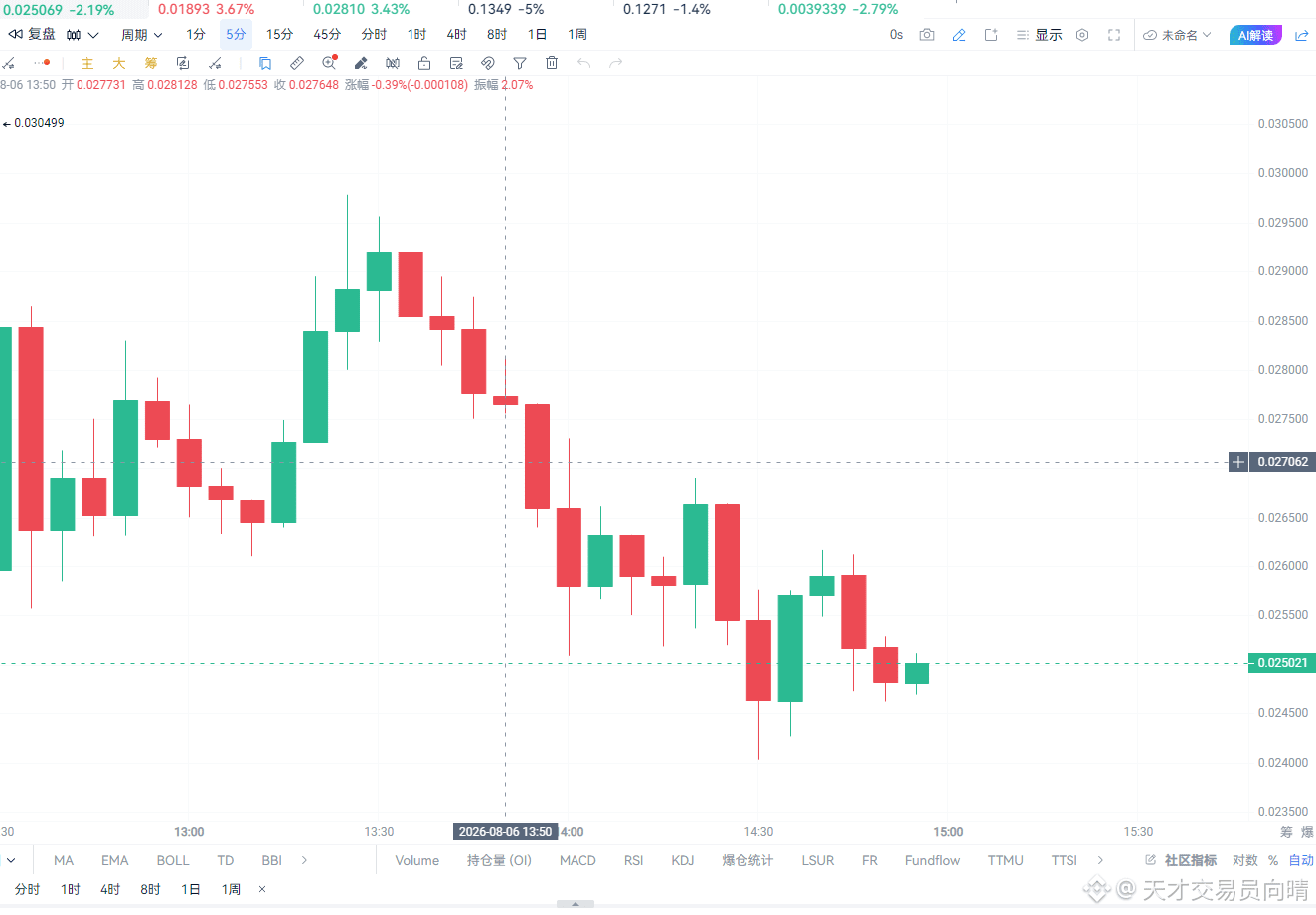
$BLESS Looking at the current situation, it feels like the dog faction is holding back something big.
With the current circumstances, it feels like they’re deliberately setting up a trap to pull it down first, then immediately a major rebound—deliberately trying to make us let our guard down.
Hold steady! Whatever you do, don’t get led into it; if it rises up later, the one who’ll regret it will be you. After that, it will definitely surge upward in a big way.#美ADP7月私营就业逊预期 #SK海力士盘前二度闪崩30%
$BLESS Looking at the current situation, it feels like the dog faction is holding back something big.
With the current circumstances, it feels like they’re deliberately setting up a trap to pull it down first, then immediately a major rebound—deliberately trying to make us let our guard down.
Hold steady! Whatever you do, don’t get led into it; if it rises up later, the one who’ll regret it will be you. After that, it will definitely surge upward in a big way.#美ADP7月私营就业逊预期 #SK海力士盘前二度闪崩30%
With the current circumstances, it feels like they’re deliberately setting up a trap to pull it down first, then immediately a major rebound—deliberately trying to make us let our guard down.
Hold steady! Whatever you do, don’t get led into it; if it rises up later, the one who’ll regret it will be you. After that, it will definitely surge upward in a big way.#美ADP7月私营就业逊预期 #SK海力士盘前二度闪崩30%
204
·
--
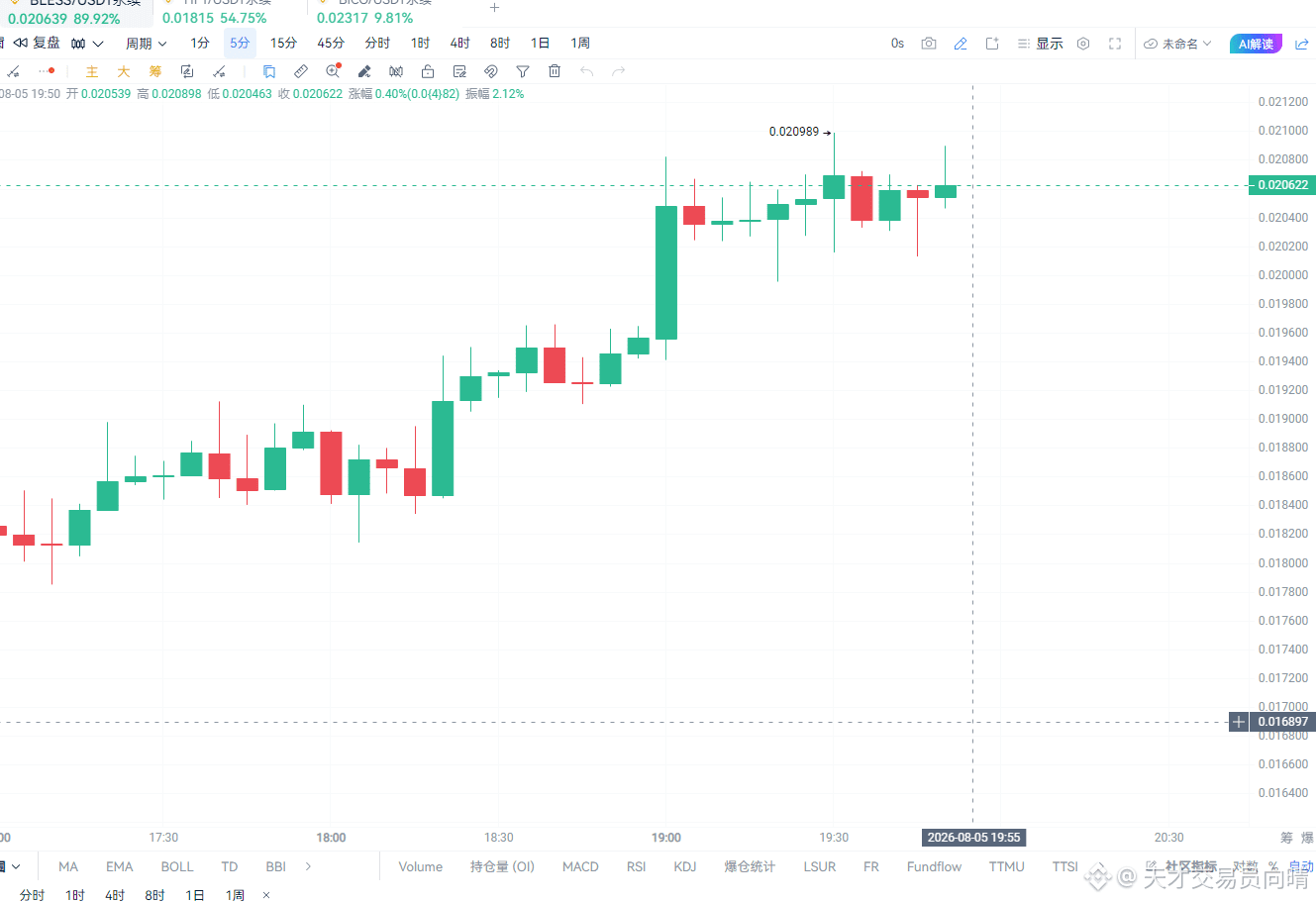
$BLESS Today is perfect, no complaints—absolutely the #1 on the leaderboard, steadily climbing at full speed
Gains have been rising for 12 consecutive hours now; it’s insane, so bullish 👍
Next, we’ll likely see a big bullish candle later that directly blows up the shorts—hold steady and keep going long.$BTC #SP500NasdaqBreak200WMAInBTCFirstSince2012 #KoreanStocksReboundOnForeignBuying
$BLESS Today is perfect, no complaints—absolutely the #1 on the leaderboard, steadily climbing at full speed
Gains have been rising for 12 consecutive hours now; it’s insane, so bullish 👍
Next, we’ll likely see a big bullish candle later that directly blows up the shorts—hold steady and keep going long.$BTC #SP500NasdaqBreak200WMAInBTCFirstSince2012 #KoreanStocksReboundOnForeignBuying
Gains have been rising for 12 consecutive hours now; it’s insane, so bullish 👍
Next, we’ll likely see a big bullish candle later that directly blows up the shorts—hold steady and keep going long.$BTC #SP500NasdaqBreak200WMAInBTCFirstSince2012 #KoreanStocksReboundOnForeignBuying
1
284
·
--
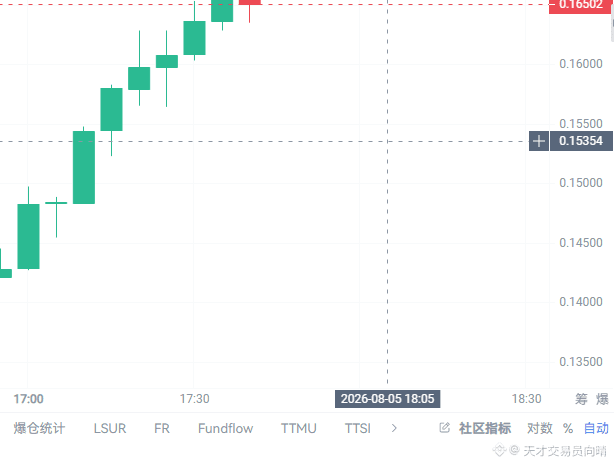
$HEI This wave is definitely unprecedentedly awesome, Binance life!
There’s a reason why he’s posting so much today. We can also learn from this wave—use it as a lesson. If you have time, you should go take a look at his explanation more. Binance life.
Keep going up—no need to say more. We must lift it up.#美电信股盘前下跌 $BTC
$HEI This wave is definitely unprecedentedly awesome, Binance life!
There’s a reason why he’s posting so much today. We can also learn from this wave—use it as a lesson. If you have time, you should go take a look at his explanation more. Binance life.
Keep going up—no need to say more. We must lift it up.#美电信股盘前下跌 $BTC
There’s a reason why he’s posting so much today. We can also learn from this wave—use it as a lesson. If you have time, you should go take a look at his explanation more. Binance life.
Keep going up—no need to say more. We must lift it up.#美电信股盘前下跌 $BTC
85
·
--
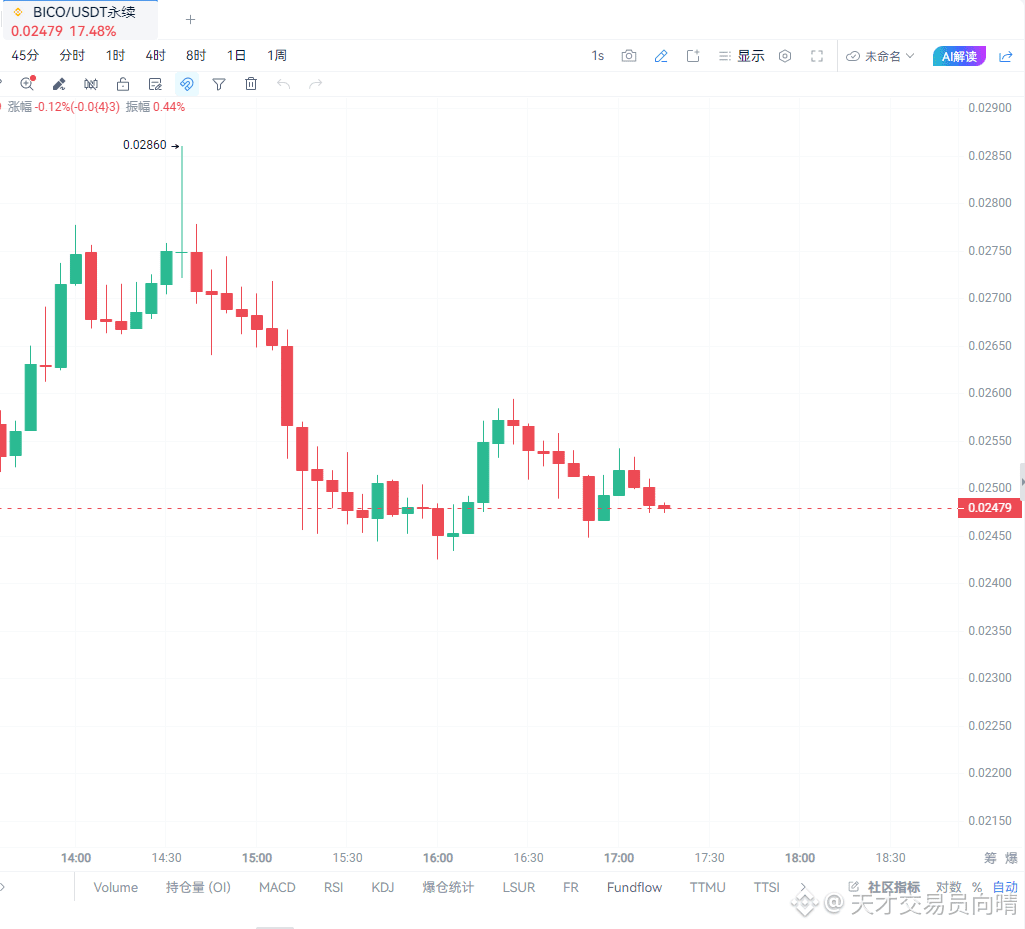
$BICO The other day they were still arrogant and full of bluster; now, the whole group has gone silent.
The market has completely collapsed, and the shorts can no longer contain their joy.
A wave of waterfall-like selling cascades downward—this is the show, and now it’s time to hold your ground and stay calm.#全球股市创历史新高 #SK海力士因回购预期上涨
$BICO The other day they were still arrogant and full of bluster; now, the whole group has gone silent.
The market has completely collapsed, and the shorts can no longer contain their joy.
A wave of waterfall-like selling cascades downward—this is the show, and now it’s time to hold your ground and stay calm.#全球股市创历史新高 #SK海力士因回购预期上涨
The market has completely collapsed, and the shorts can no longer contain their joy.
A wave of waterfall-like selling cascades downward—this is the show, and now it’s time to hold your ground and stay calm.#全球股市创历史新高 #SK海力士因回购预期上涨
97
·
--
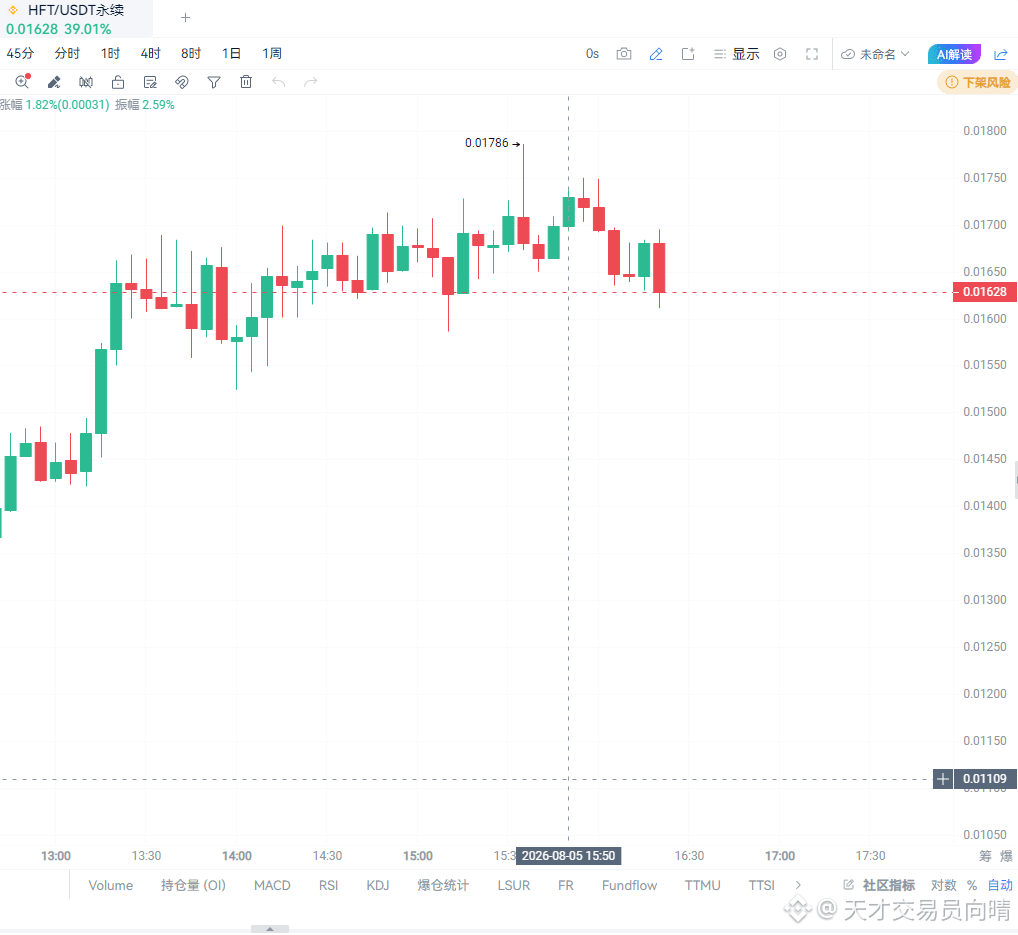
$HFT This stuff really doesn’t hit lightly—it’s brutal.
It’s almost time for it to be delisted, yet they still force a pump to trap people. By then, it’ll be a guaranteed cash machine.
At this stage, just short blindly and wait calmly to take the profits.
$HFT This stuff really doesn’t hit lightly—it’s brutal.
It’s almost time for it to be delisted, yet they still force a pump to trap people. By then, it’ll be a guaranteed cash machine.
At this stage, just short blindly and wait calmly to take the profits.
It’s almost time for it to be delisted, yet they still force a pump to trap people. By then, it’ll be a guaranteed cash machine.
At this stage, just short blindly and wait calmly to take the profits.
2
134
·
--
$HFT Suddenly a big bullish candle pops up—what do you want to do?! Don’t cause trouble!
Honestly, this sudden spike feels a bit like a last flare before things cool off, because the delisting countdown has already started, yet it still forcibly surged by 70 points—why won’t it let the shorts get their share of the “red packets”?
Lie back and collect the money—keep staggering your orders and hang your short orders in batches. SHORT!!!#SK海力士因回购预期上涨 #SK海力士因回购预期上涨
$HFT Suddenly a big bullish candle pops up—what do you want to do?! Don’t cause trouble!
Honestly, this sudden spike feels a bit like a last flare before things cool off, because the delisting countdown has already started, yet it still forcibly surged by 70 points—why won’t it let the shorts get their share of the “red packets”?
Lie back and collect the money—keep staggering your orders and hang your short orders in batches. SHORT!!!#SK海力士因回购预期上涨 #SK海力士因回购预期上涨
Honestly, this sudden spike feels a bit like a last flare before things cool off, because the delisting countdown has already started, yet it still forcibly surged by 70 points—why won’t it let the shorts get their share of the “red packets”?
Lie back and collect the money—keep staggering your orders and hang your short orders in batches. SHORT!!!#SK海力士因回购预期上涨 #SK海力士因回购预期上涨
155
·
--
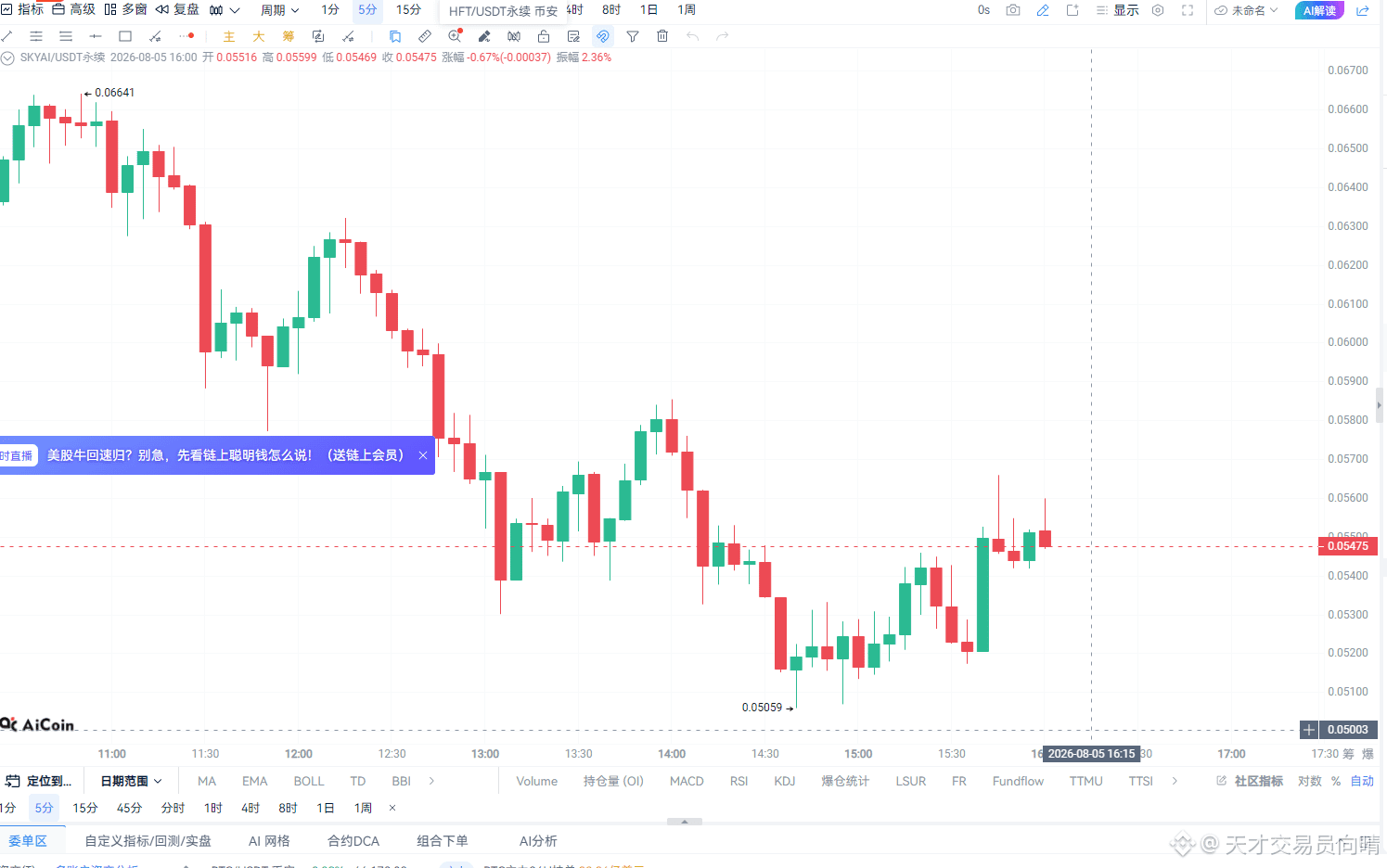
$SKYAI Top-tapping and absolute luck!
Sure enough, going short is always profitable. During the last round of upswings, it felt like some dog-like crew was running the operation—stirring up a bunch of ups and downs to throw people’s minds off.
It feels like this surge is also someone meddling in the market, but we still need to stay steady. Previously, the typical bearish engulfing with a long dark candle—could go short directly. #SK海力士因回购预期上涨 #美军称霍尔木兹海峡开放 $NVDAB $SKYAI
$SKYAI Top-tapping and absolute luck!
Sure enough, going short is always profitable. During the last round of upswings, it felt like some dog-like crew was running the operation—stirring up a bunch of ups and downs to throw people’s minds off.
It feels like this surge is also someone meddling in the market, but we still need to stay steady. Previously, the typical bearish engulfing with a long dark candle—could go short directly. #SK海力士因回购预期上涨 #美军称霍尔木兹海峡开放 $NVDAB $SKYAI
Sure enough, going short is always profitable. During the last round of upswings, it felt like some dog-like crew was running the operation—stirring up a bunch of ups and downs to throw people’s minds off.
It feels like this surge is also someone meddling in the market, but we still need to stay steady. Previously, the typical bearish engulfing with a long dark candle—could go short directly. #SK海力士因回购预期上涨 #美军称霍尔木兹海峡开放 $NVDAB $SKYAI
1
300
Log in to explore more content
Join global crypto users on Binance Square
⚡️ Get latest and useful information about crypto.
💬 Trusted by the world’s largest crypto exchange.
👍 Discover real insights from verified creators.
Email / Phone number
Trending Topics
ClarityActFacesProceduralVoteSept15
35,838 views
585 Discussing
Tuesday, September 15, 2:15pm ET. Mark it. 🗓️
The Senate votes on whether to even debate the CLARITY Act, the bill that would finally define which coins are securities vs commodities under US law.
Needs 60 votes. Republicans have 53. Several Democrats need to cross over, and it's not guaranteed.
Fail this vote = the bill is dead for 2026, likely until 2029 (midterms eat the calendar after this).
Pass this vote = doors open to real debate, still a long way to actual law.
Biggest crypto regulation moment of the year happens in a few days.
#ClarityActFacesProceduralVoteSept15
NewbieToNode
·3 Likes
·2.8k views
US2YearYieldRisesTo4.61%
29,538 views
582 Discussing
US10YearTreasuryYieldNears5%
16,344 views
332 Discussing