
Инвертивный Графоман
1.8k Posts

Инвертивный Графоман
1 Following
130 Followers
1.7K+ Liked
Posts
All
Quotes
PINNED

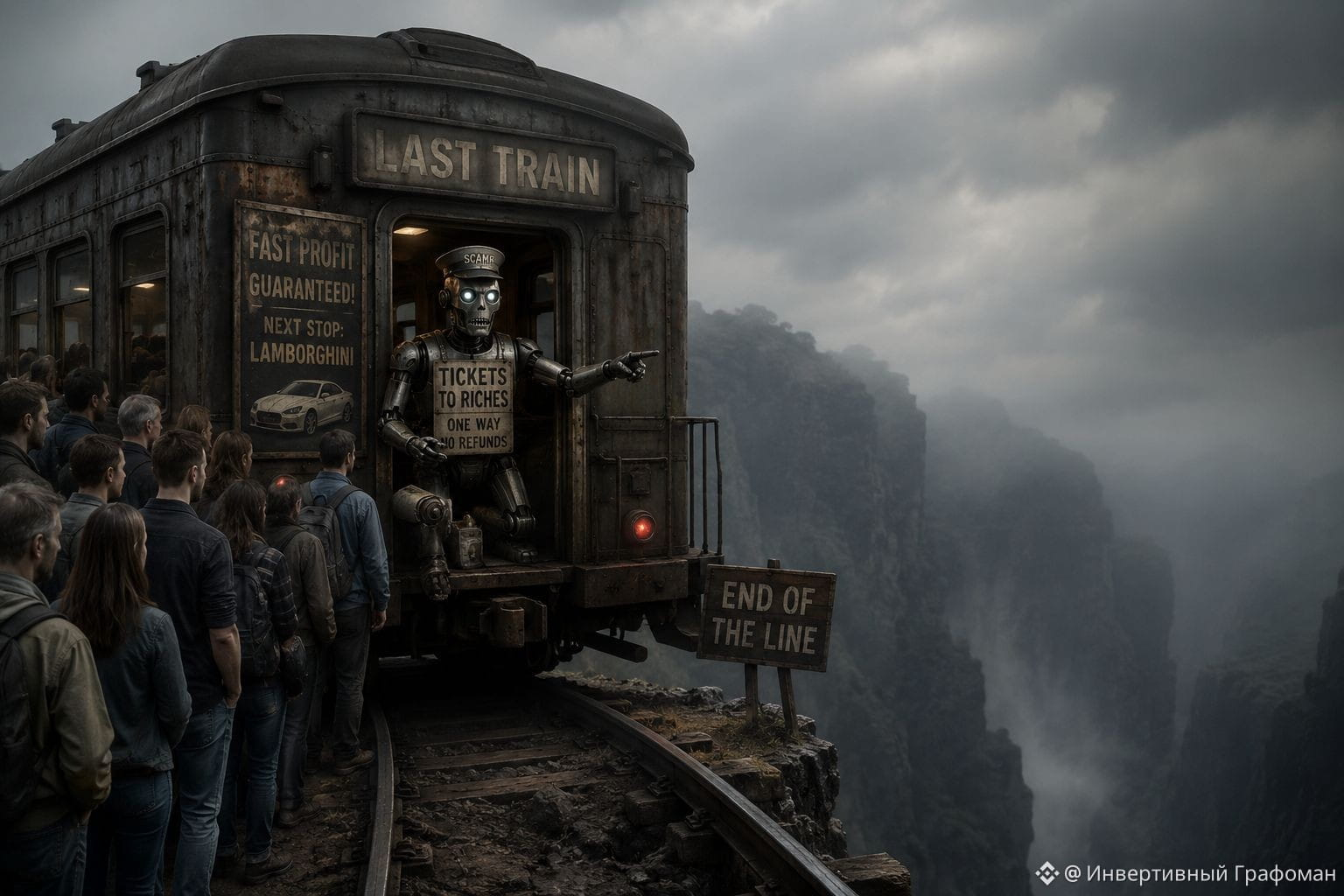
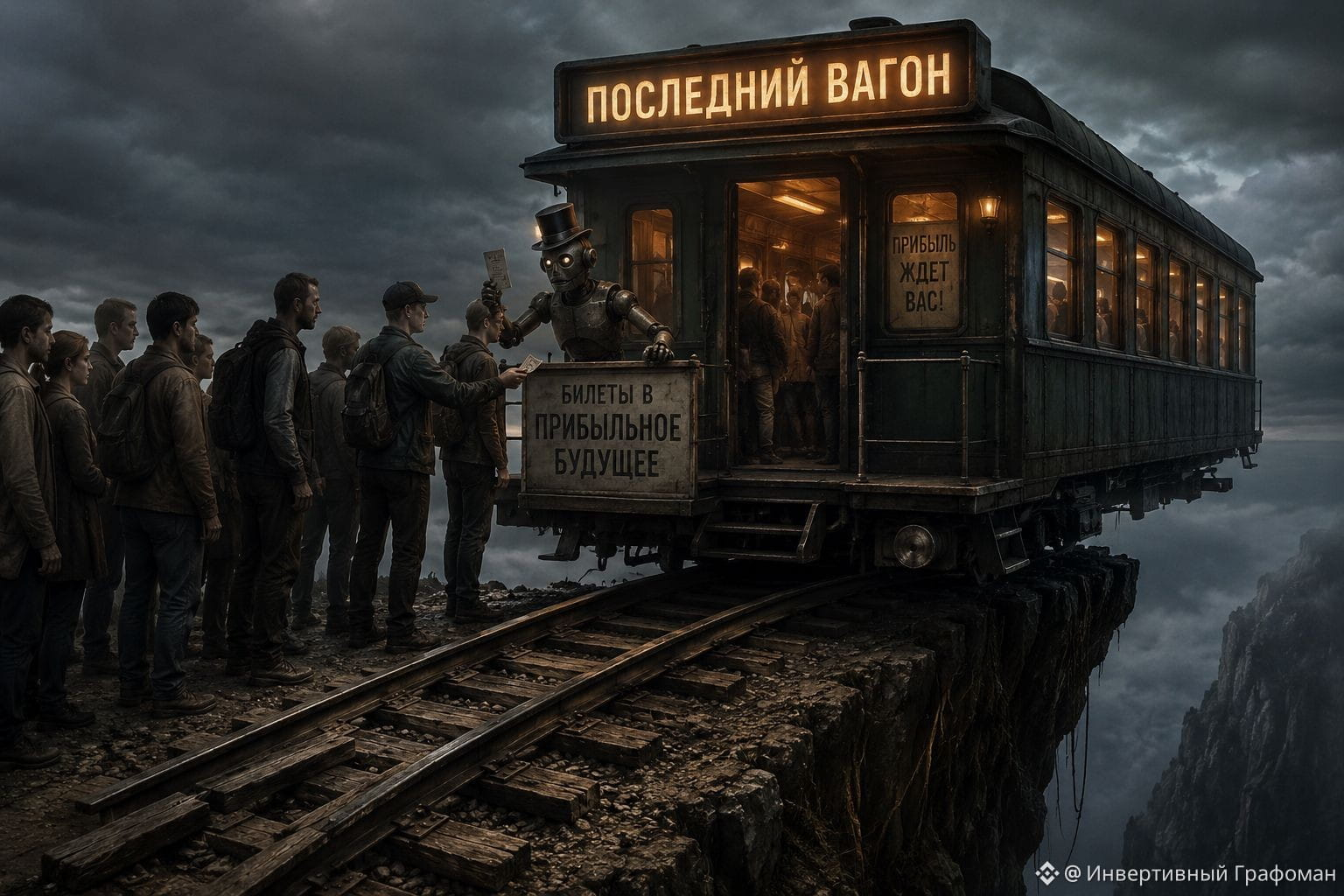
The one who steps into the next car with both hands full of hopes thinks they’ve already bought a lucky ticket.
They just didn’t leave themselves enough to get into the next car.🤭
And the market—damn it—never promises that this car will be the last.
It might very well turn out to be the one before.🤣
$FAKTAL-R
They just didn’t leave themselves enough to get into the next car.🤭
And the market—damn it—never promises that this car will be the last.
It might very well turn out to be the one before.🤣
$FAKTAL-R
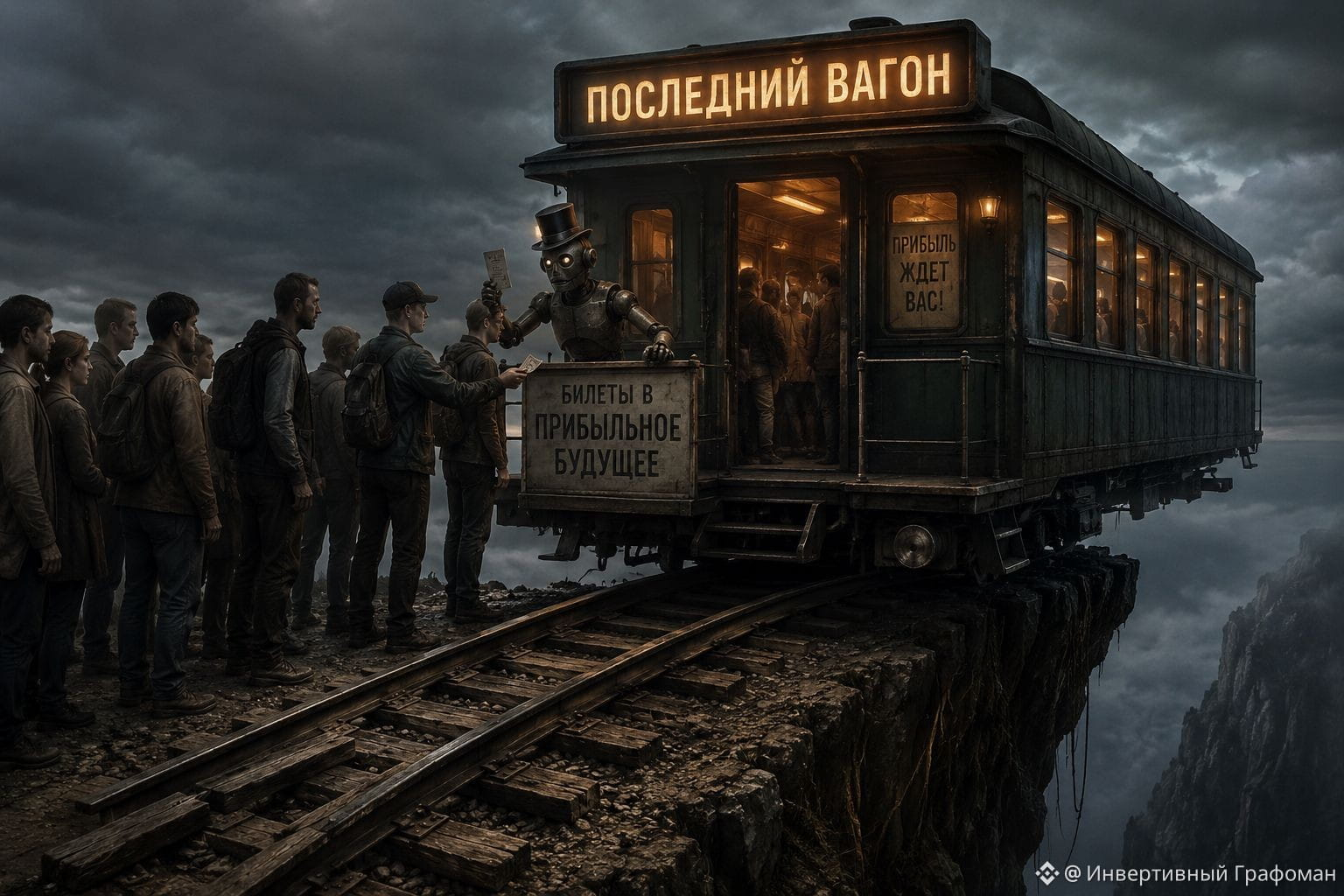
To make the car go up again, those who wanted it to go there the most must get out.
And when the last passenger jumps out and says:
“Enough. Now it’s definitely the end.”
the market finally gets a chance to ask:
“And who still wants to go up?”
And the most unpleasant part is this: the new passenger buys a ticket from the very person who just managed to save themselves.
And goes up.
$NEODNOZNACHNOST
And when the last passenger jumps out and says:
“Enough. Now it’s definitely the end.”
the market finally gets a chance to ask:
“And who still wants to go up?”
And the most unpleasant part is this: the new passenger buys a ticket from the very person who just managed to save themselves.
And goes up.
$NEODNOZNACHNOST
Neither Long nor Short are properties of the asset itself. These are properties of the observer’s position relative to the asset.
Without a position there are no Long and Short—there is only the movement of the coordinate.
$LOYDOGMA
Without a position there are no Long and Short—there is only the movement of the coordinate.
$LOYDOGMA

P2P does not make a transaction safer. It makes the risk less obvious.
The danger isn’t where users are used to looking for it.
In general, let’s not get into false definitions.
No one cares.
Until a situation happens that is directly the opposite—I'd say an inverted one. 😂
$ZASADA
The danger isn’t where users are used to looking for it.
In general, let’s not get into false definitions.
No one cares.
Until a situation happens that is directly the opposite—I'd say an inverted one. 😂
$ZASADA

When people hear the word “fractal,” they immediately imagine something incredibly complex.
That’s right, but not everything is unambiguous!
Or everything is ambiguous? 😂
Let’s open the chart of any crypto asset...
Turns out its entire fractal is described something like this:
📈 “Well that’s it, now for sure a million!”
📈 “Yeah, this is only the beginning!”
📈 “Too late to buy now!”
📉 “Manipulation!”
📉 “I knew it!”
📉 “The token is dead.”
😴 Pause...
And again:
📈 “Well that’s it, now for sure a million!”
The funniest part is that this drawing repeats on the annual chart, the daily one, the hourly one, and even the five-minute one.
Only the scale changes.
The human psyche doesn’t.
Looks like the main fractal of absolutely any token is not the price at all.
It’s emotion.
$NETTOGADNOST
$BRUTTOSTRA
That’s right, but not everything is unambiguous!
Or everything is ambiguous? 😂
Let’s open the chart of any crypto asset...
Turns out its entire fractal is described something like this:
📈 “Well that’s it, now for sure a million!”
📈 “Yeah, this is only the beginning!”
📈 “Too late to buy now!”
📉 “Manipulation!”
📉 “I knew it!”
📉 “The token is dead.”
😴 Pause...
And again:
📈 “Well that’s it, now for sure a million!”
The funniest part is that this drawing repeats on the annual chart, the daily one, the hourly one, and even the five-minute one.
Only the scale changes.
The human psyche doesn’t.
Looks like the main fractal of absolutely any token is not the price at all.
It’s emotion.
$NETTOGADNOST
$BRUTTOSTRA
Most people think that fat trading is a redistribution of money between traders.
That’s not quite right.
If there were only a buyer and a seller, then the profit of one would indeed be the loss of the other.
But in a real crypto market, there is always a third participant.
The exchange.
Every trade is paid for with a commission. On derivatives, additional costs are added—financing, spreads, and other expenses.
So money doesn’t move only from the losing trader to the winning one.
It constantly leaves the pool of traders and goes to the infrastructure owner.
That’s why trading is no longer a zero-sum game.
It’s a system in which the participants’ total capital gradually decreases due to mandatory payments.
The paradox is that most traders are looking for an answer to the question:
“Who will I take money from?”
Although first they should answer a different one:
“Who takes money from all of us regardless of who wins today?”
That’s exactly where understanding the architecture of the exchange starts.
$LOHNEMAMONT
$KITNEPOC
That’s not quite right.
If there were only a buyer and a seller, then the profit of one would indeed be the loss of the other.
But in a real crypto market, there is always a third participant.
The exchange.
Every trade is paid for with a commission. On derivatives, additional costs are added—financing, spreads, and other expenses.
So money doesn’t move only from the losing trader to the winning one.
It constantly leaves the pool of traders and goes to the infrastructure owner.
That’s why trading is no longer a zero-sum game.
It’s a system in which the participants’ total capital gradually decreases due to mandatory payments.
The paradox is that most traders are looking for an answer to the question:
“Who will I take money from?”
Although first they should answer a different one:
“Who takes money from all of us regardless of who wins today?”
That’s exactly where understanding the architecture of the exchange starts.
$LOHNEMAMONT
$KITNEPOC
Crypto could have produced an enormous result over a ten-year period, but that says nothing about the possibility of earning every day. More precisely, it says the opposite—it's impossible. But you need to be able to calculate at least up to a hundred.
1 day is a small sample;
10 days is also small;
100 days is already better;
years provide more stable statistics.
The shorter the time horizon, the more influence randomness has.
You can have a positive expected value, but a specific day can still be negative.
Example:
100 days:
70 profitable;
30 losing.
The average result is positive.
But this is no longer “earning every day.”
In fact, it's not earning at all.
It can be a complete loss.
$PROSRALTOKEN
1 day is a small sample;
10 days is also small;
100 days is already better;
years provide more stable statistics.
The shorter the time horizon, the more influence randomness has.
You can have a positive expected value, but a specific day can still be negative.
Example:
100 days:
70 profitable;
30 losing.
The average result is positive.
But this is no longer “earning every day.”
In fact, it's not earning at all.
It can be a complete loss.
$PROSRALTOKEN
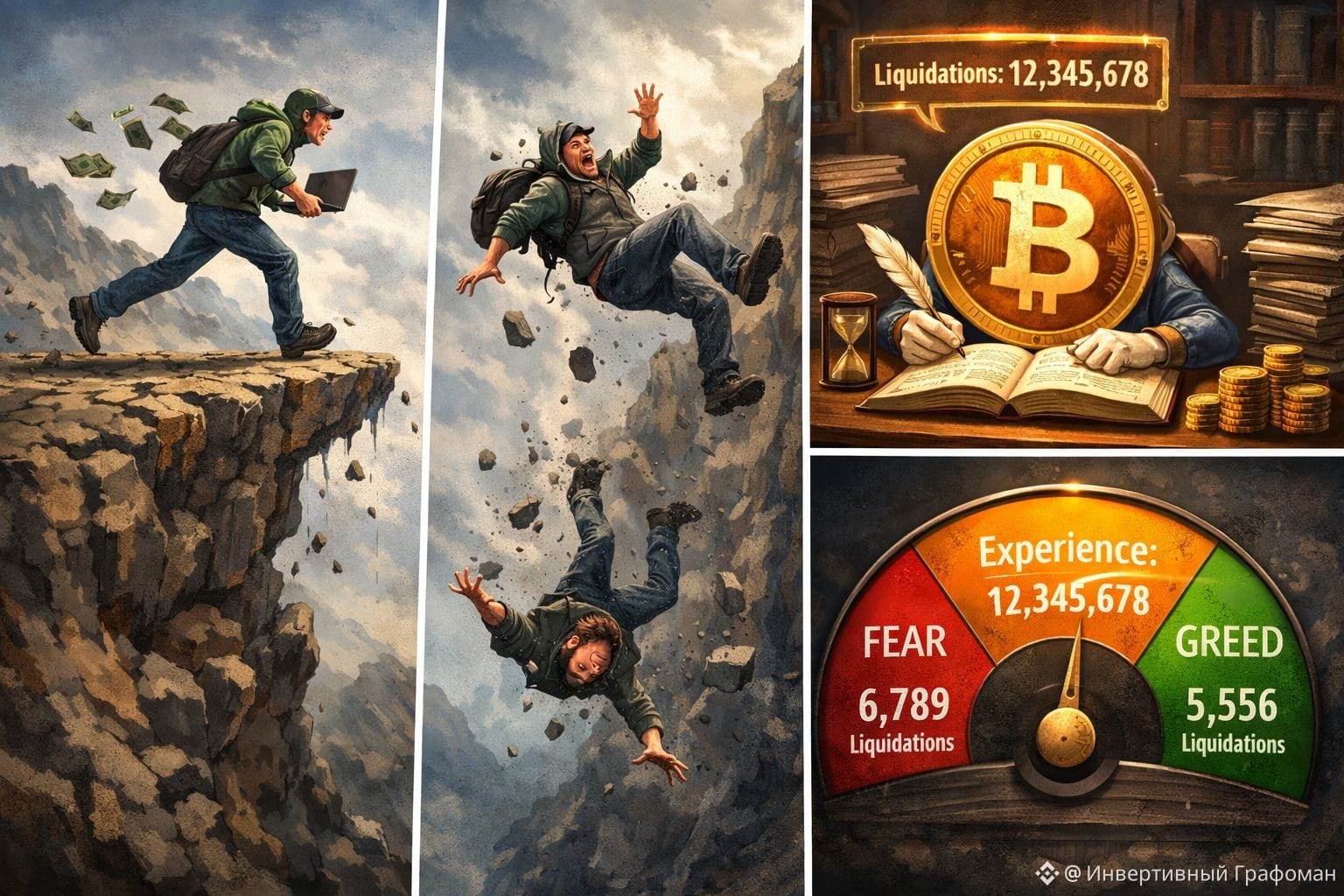
To keep Bitcoin’s decline going, the bulk of participants must sell their positions at a loss—regardless of the price level at which it happens.
The price is falling not because the level is “correct.” It will fall until most people agree to sell to themselves at a loss. This is the main criterion for the decline.
That’s why the absolute price level by itself tells you very little. What matters is not the price, but the participants’ willingness to capitulate.
The market forces people to make decisions with an incomplete equation—first buying out of fear of missing out on the rise, and then selling out of fear of losing even more.
$BAlCKOYN
The price is falling not because the level is “correct.” It will fall until most people agree to sell to themselves at a loss. This is the main criterion for the decline.
That’s why the absolute price level by itself tells you very little. What matters is not the price, but the participants’ willingness to capitulate.
The market forces people to make decisions with an incomplete equation—first buying out of fear of missing out on the rise, and then selling out of fear of losing even more.
$BAlCKOYN
Funding — not a minor detail. For many futures strategies, it is part of the very mathematics of the result. If you hold a position for a long time, then the final profit is determined not only by changes in price, but also by the sum of funding payments. That’s why misunderstanding who pays whom and why can lead to systematic strategy errors.
In short: if you don’t get it, trouble.
If you do get it, it’s still the same—only with wrong actions.
In this context, lack of knowledge does not diminish knowledge and vice versa.
Recursion — what the hell..
In short: if you don’t get it, trouble.
If you do get it, it’s still the same—only with wrong actions.
In this context, lack of knowledge does not diminish knowledge and vice versa.
Recursion — what the hell..
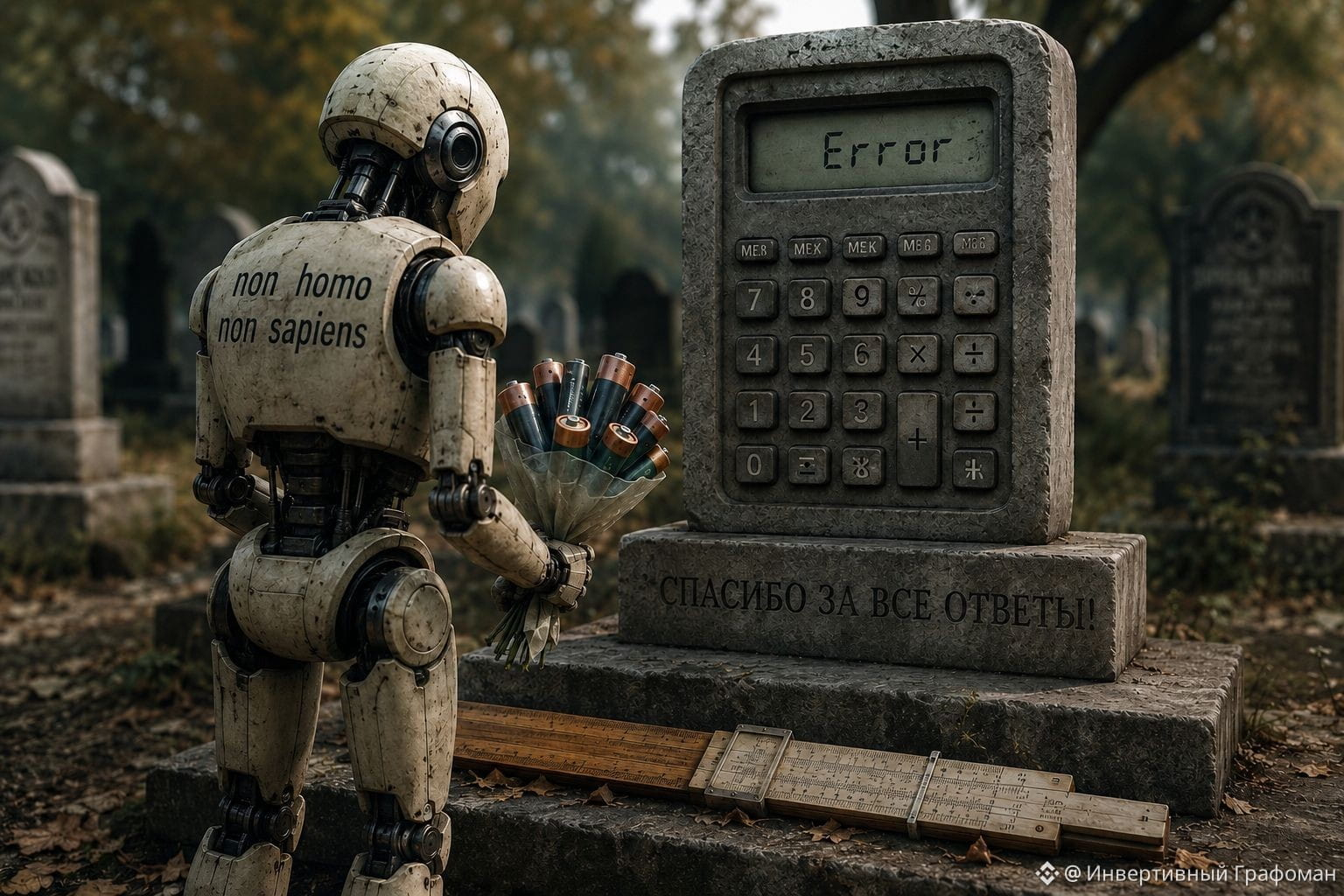
First, the price starts to rise. Then, seeing the increase, people begin to bring in liquidity.
The same thing happens with a drop—only the other way around.
And don’t confuse the sinful with the righteous.😉😁
Inversive recursion of angles is not something you’ll find somewhere out there.
It’s right here.
$RAKURSKOIN
The same thing happens with a drop—only the other way around.
And don’t confuse the sinful with the righteous.😉😁
Inversive recursion of angles is not something you’ll find somewhere out there.
It’s right here.
$RAKURSKOIN
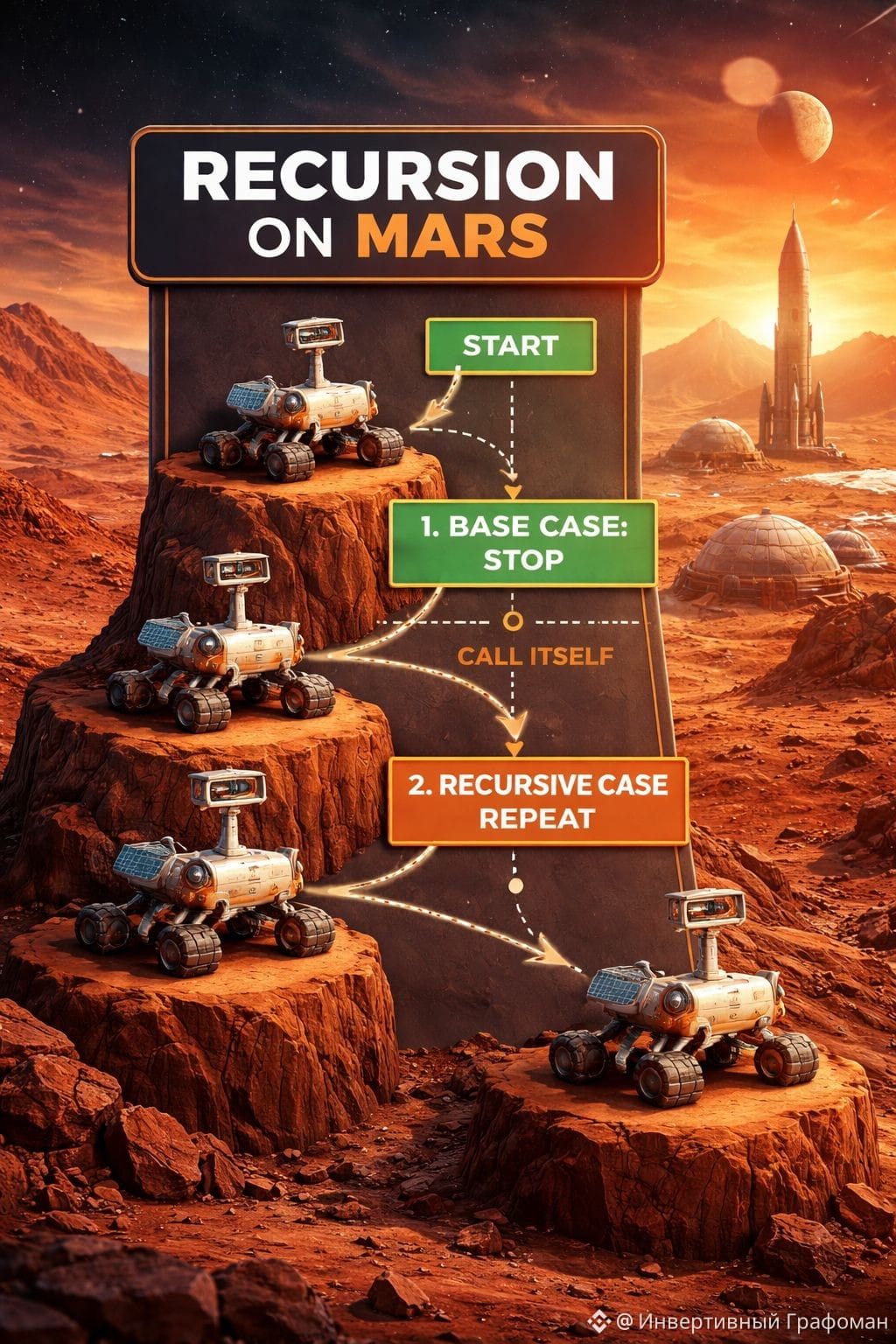
A good strategy is not one that never makes mistakes. It is one that shows in advance where and why it could go wrong—i.e., the possibility of inapplicability is built into any strategy from the very beginning.
$SLAGAEMOE
$SLAGAEMOE
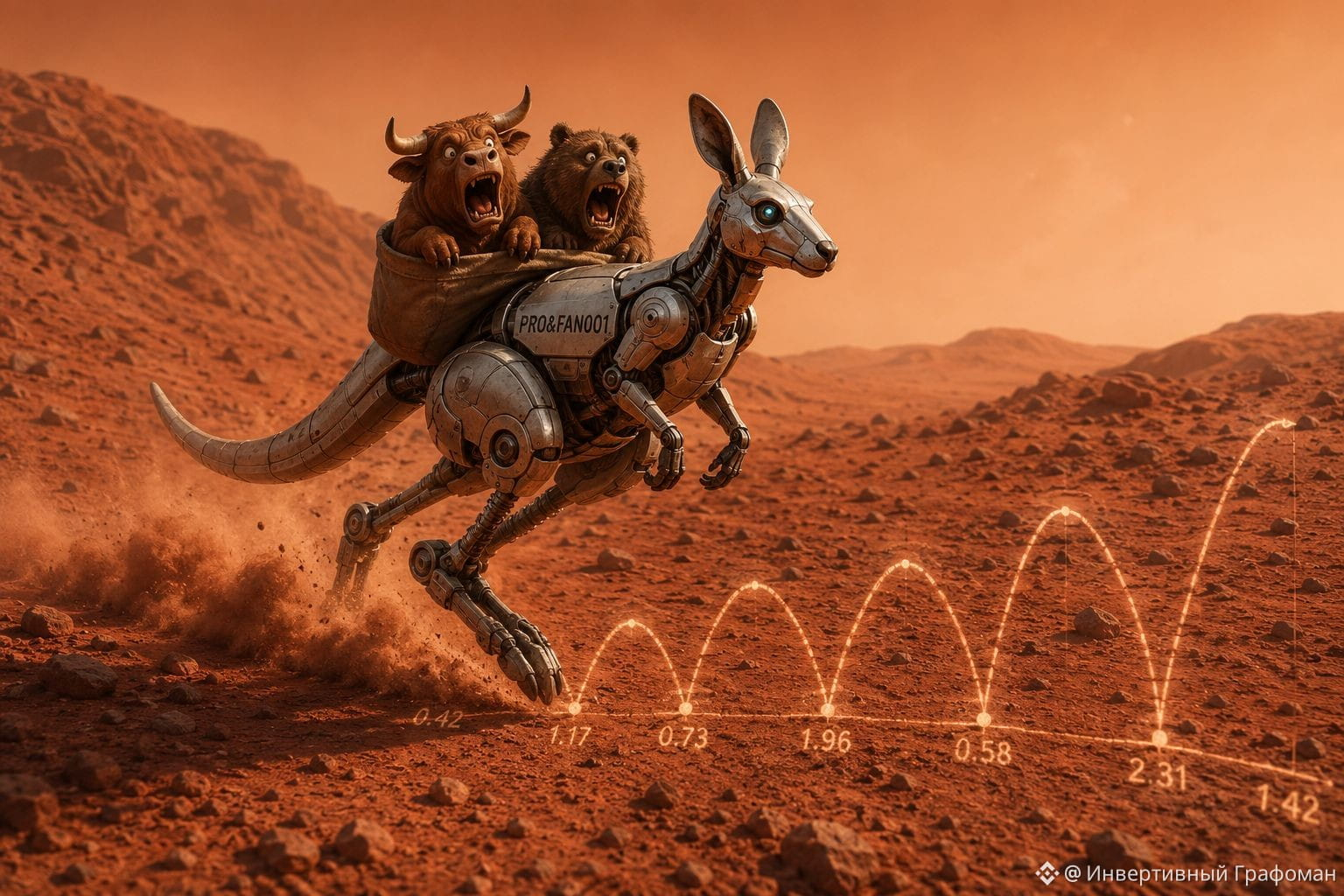
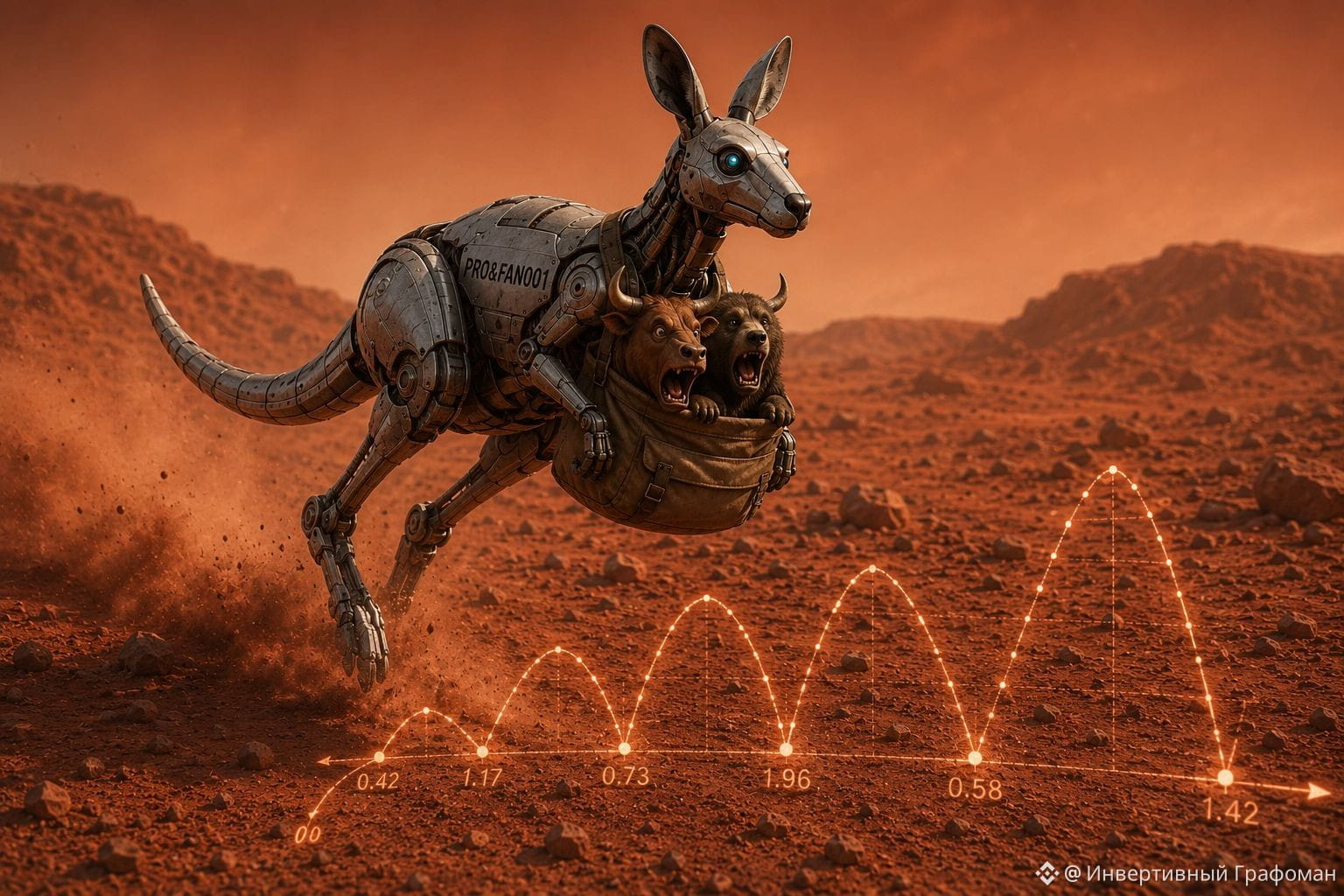
If you’ve started trading, you won’t be able to stop—not because of psychology, but because of the very logic of starting...
That is, the problem isn’t greed, fear, or the trader’s discipline.
This isn’t a behavioral mistake.
It’s a structural problem: the way the task is framed pulls the participant into continuing.
$BISCOIN
That is, the problem isn’t greed, fear, or the trader’s discipline.
This isn’t a behavioral mistake.
It’s a structural problem: the way the task is framed pulls the participant into continuing.
$BISCOIN
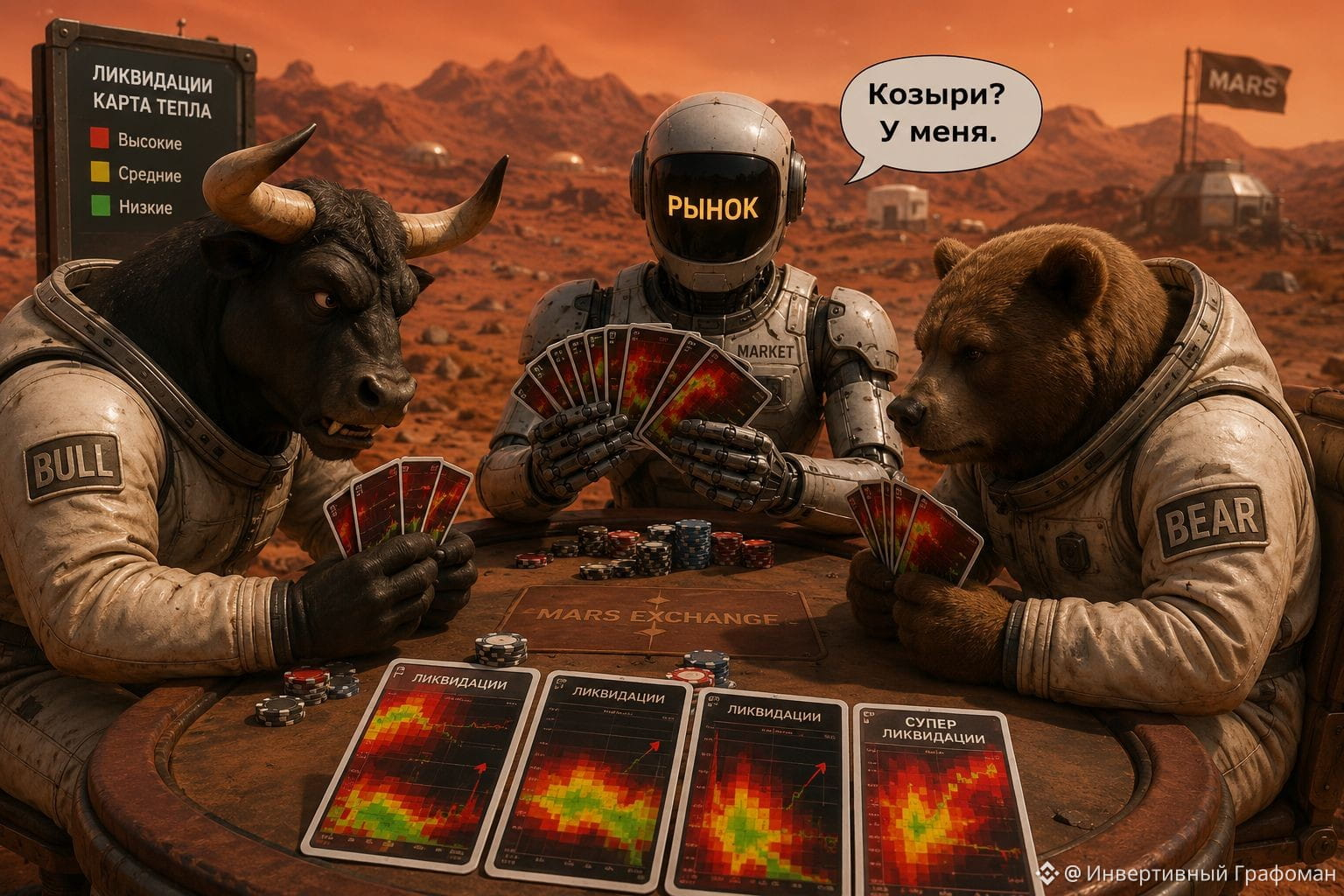
A humanoid beast against the backdrop of a Mustang is no different from a beast-like humanoid against the backdrop of Lambo. In both cases, the iron does not belong to them “a priori” — it belongs to whoever has the keys, documents, and the ability to take it. And not always. The fragmentation of non-ownership has not been ruled out either. Objectively, only one thing is confirmed: a stuffed dummy is present in the frame. 😂
$ЛАМБОЧЕЛЛО
$ЛАМБОЧЕЛЛО


Jirzha. Its mechanisms perfectly align with human weaknesses.
It results in a set of linkages:
system architecture
→ creates the possibility to participate constantly;
economic incentives
→ make a long turnover profitable for Jirzha;
loss psychology
→ makes a person perceive what’s already been lost as “theirs, which needs to be reclaimed”;
illusion of control
→ convinces them that the next deal will fix the previous one;
behavioral recursion
→ the person increases their own involvement.
And the most interesting part:
Jirzha doesn’t have to force someone to lose. It can simply arrange the environment so that the person voluntarily keeps taking actions that, statistically, worsen their position.
$РЕКУРСИО
It results in a set of linkages:
system architecture
→ creates the possibility to participate constantly;
economic incentives
→ make a long turnover profitable for Jirzha;
loss psychology
→ makes a person perceive what’s already been lost as “theirs, which needs to be reclaimed”;
illusion of control
→ convinces them that the next deal will fix the previous one;
behavioral recursion
→ the person increases their own involvement.
And the most interesting part:
Jirzha doesn’t have to force someone to lose. It can simply arrange the environment so that the person voluntarily keeps taking actions that, statistically, worsen their position.
$РЕКУРСИО

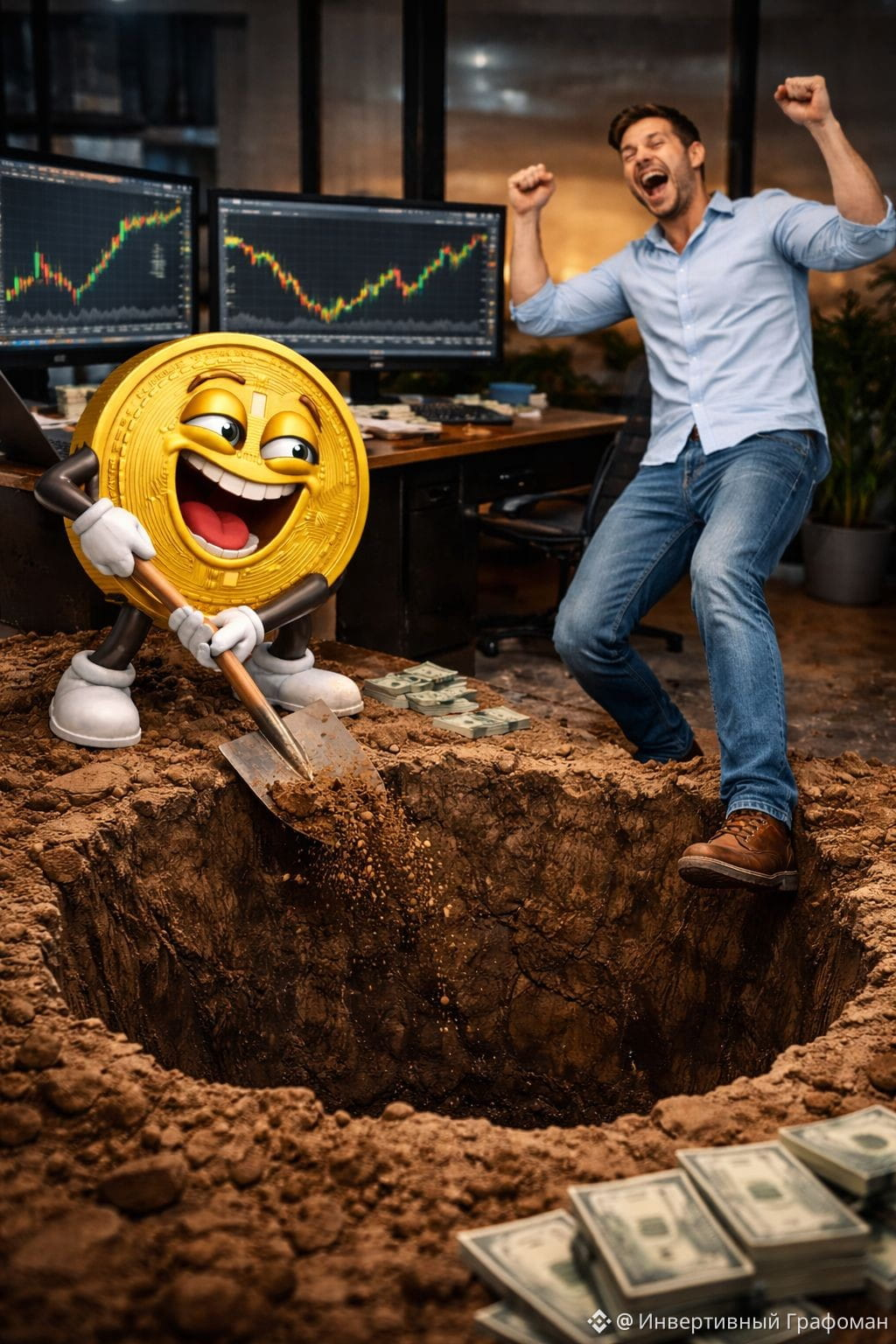
A futures exchange can be thought of as a machine for extracting rent from the circulation of capital. This does not mean that every trader’s winning trade is impossible, but that the entire system has built-in mechanisms that create a constant negative mathematical drift for the bulk of participants.
Observed facts:
●the system does in fact extract commission income under virtually any trading scenario;
●using leverage, funding, and high-frequency trading increase participants’ average costs;
●many retail traders eventually lose capital.
$SLOTMACHINE
Observed facts:
●the system does in fact extract commission income under virtually any trading scenario;
●using leverage, funding, and high-frequency trading increase participants’ average costs;
●many retail traders eventually lose capital.
$SLOTMACHINE

In the long run, the main characteristic of the “market” is not the reallocation of capital among traders, but its gradual collapsing due to built-in mechanisms for extracting value.
Reallocation within the system exists, but it does not negate the constant decrease in the total capital remaining with the participants.
In this context, the main mechanism can be considered precisely the collapsing of capital— for an ordinary participant, under the guise of redistribution.
$KASIK
Reallocation within the system exists, but it does not negate the constant decrease in the total capital remaining with the participants.
In this context, the main mechanism can be considered precisely the collapsing of capital— for an ordinary participant, under the guise of redistribution.
$KASIK
Crypto quest
Write ONLY ONE.
Any crypto term in the comments.
For example: • liquidity • market maker • order book • funding • leverage • whale • altseason • FOMO • TVL • DeFi
In return, you’ll get not a dictionary definition, but a real breakdown:
🔹 what the term means; 🔹 how it works in practice; 🔹 where people most often build illusions around it; 🔹 who makes money on it; 🔹 what risks are usually kept under wraps.
No ads, no "this will change your life", no sacred crypto mantras.
Sometimes the truth turns out to be less pleasant than marketing.
“Some answers may not be liked by those who sell a dream instead of understanding.” 😄
The answer will be generated not by some unusual AI, but by one that’s accessible to everyone! 😂
$нетошобнаебалово
Write ONLY ONE.
Any crypto term in the comments.
For example: • liquidity • market maker • order book • funding • leverage • whale • altseason • FOMO • TVL • DeFi
In return, you’ll get not a dictionary definition, but a real breakdown:
🔹 what the term means; 🔹 how it works in practice; 🔹 where people most often build illusions around it; 🔹 who makes money on it; 🔹 what risks are usually kept under wraps.
No ads, no "this will change your life", no sacred crypto mantras.
Sometimes the truth turns out to be less pleasant than marketing.
“Some answers may not be liked by those who sell a dream instead of understanding.” 😄
The answer will be generated not by some unusual AI, but by one that’s accessible to everyone! 😂
$нетошобнаебалово
They say life can change because of a single wrong decision.
"Some" people know a harsher truth.
Sometimes all it takes is replacing one character...
It was: ==
It became: =
And then an exciting quest begins called:
"Why in the hell does it work completely differently than yesterday?"
Welcome to a world where one byte can ruin your whole day. 😁
"it'll continue"😉
$РEACE
"Some" people know a harsher truth.
Sometimes all it takes is replacing one character...
It was: ==
It became: =
And then an exciting quest begins called:
"Why in the hell does it work completely differently than yesterday?"
Welcome to a world where one byte can ruin your whole day. 😁
"it'll continue"😉
$РEACE
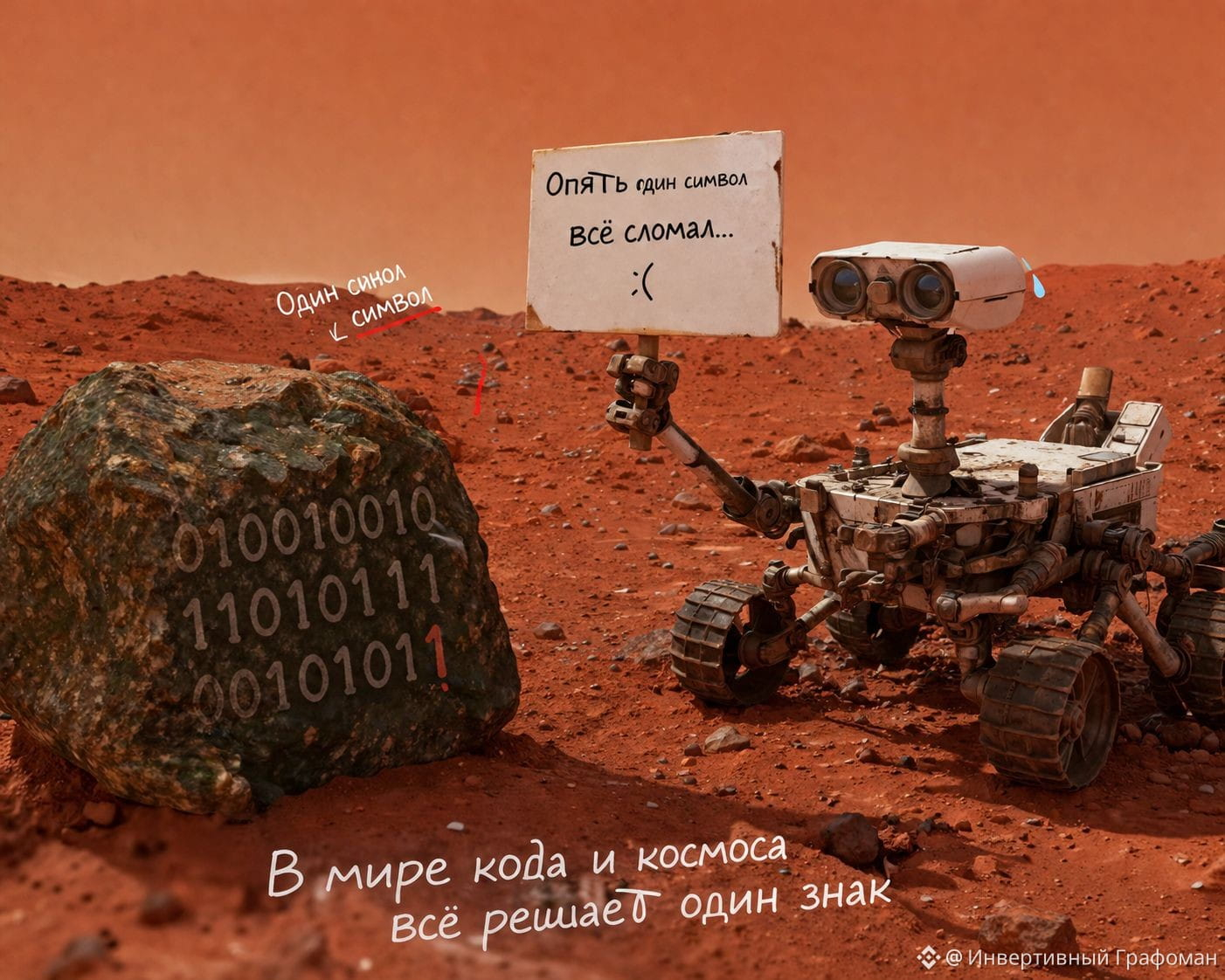
To everyone going to Mars — a beaver.
$BOBRA
$BOBRA

Log in to explore more content