
土豆谈币
4.6k Posts

土豆谈币
Report
Block User
公众号:《听宝儿姐说》,喂(TDTB07)自有投研团队,顶级一二级资源,擅长各种现货均线理论分析操作,以及短线合约策略入场布局!
14 Following
3.4K+ Followers
3.9K+ Liked
Posts
All
Videos
PINNED
·
--
Come to the Binance chat collection
Seize future layout opportunities
Share swing and long-term strategies in real time!
Come to the Binance chat collection
Seize future layout opportunities
Share swing and long-term strategies in real time!
Seize future layout opportunities
Share swing and long-term strategies in real time!

1
54
·
--
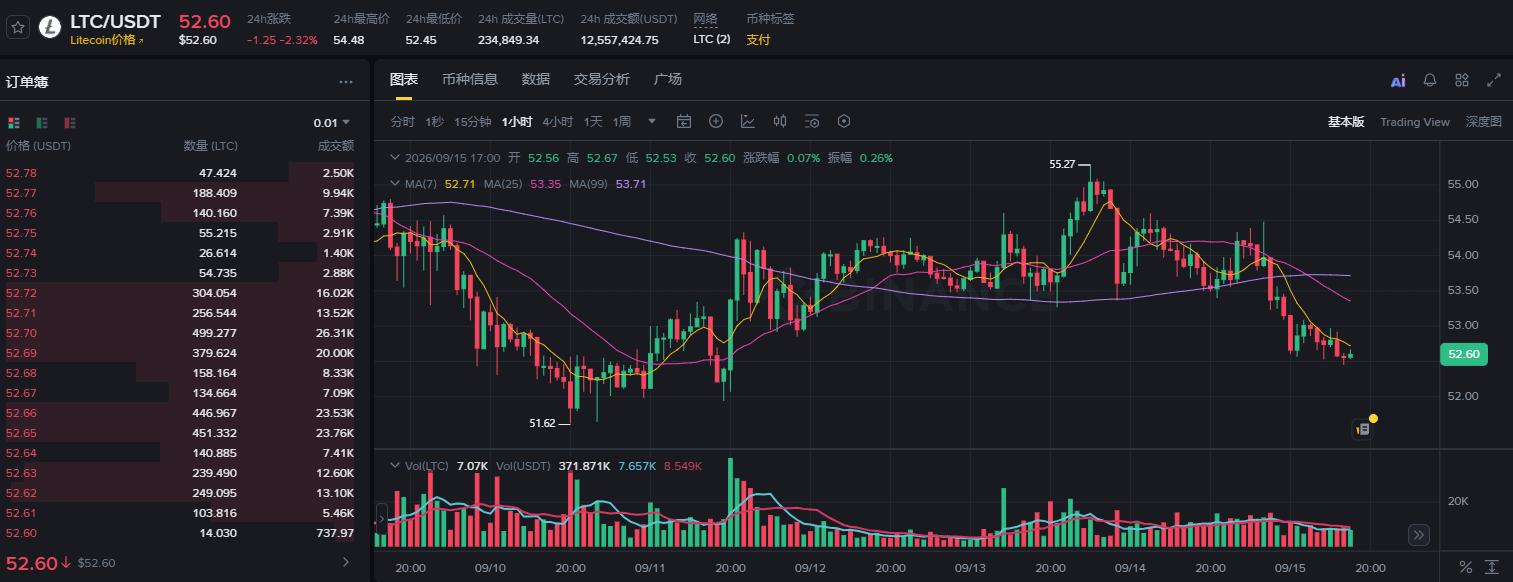
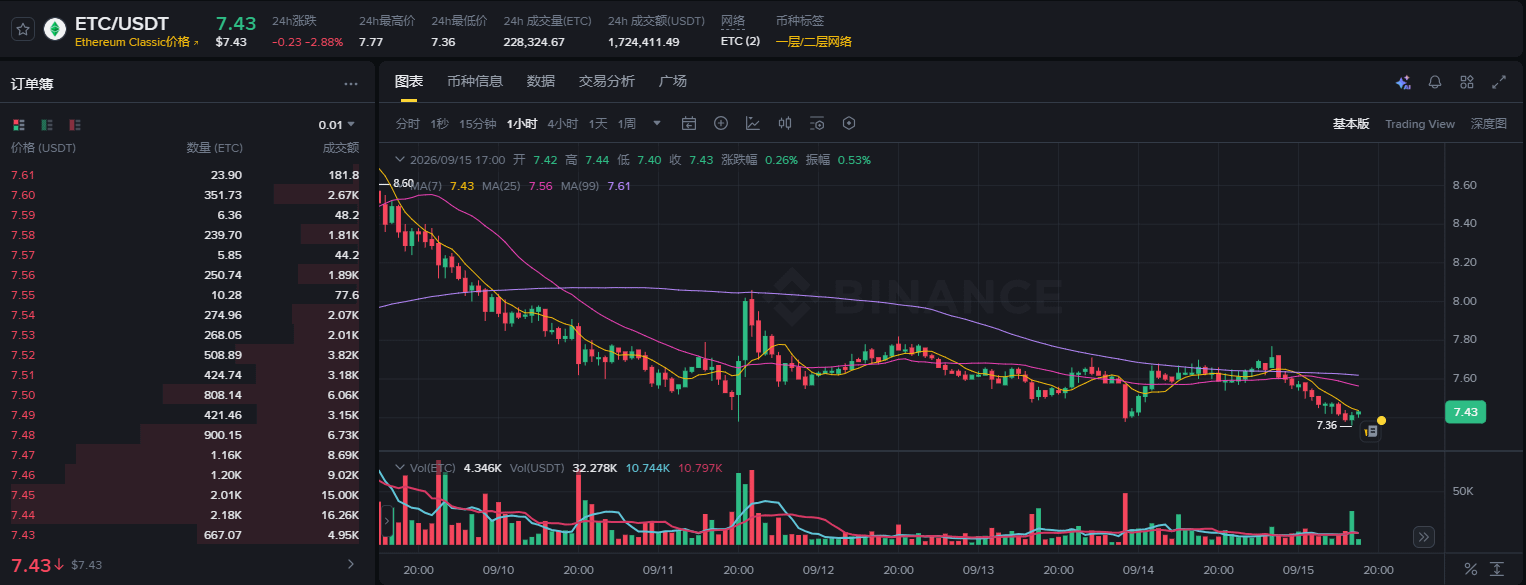
I took a look at Grayscale’s top three holdings: $ZEC is first, $LTC is second, and BCH is third. Among the old-school POW coins, who do you like more: LTC or ETC?
LTC: Supported by Grayscale + 기대 (expectations) for a spot ETF.
ETC: Lighter load, and can still capture ETH capital overflow.
Each has its own advantages—if you’re looking for steadiness, you can allocate some to both.
I took a look at Grayscale’s top three holdings: $ZEC is first, $LTC is second, and BCH is third. Among the old-school POW coins, who do you like more: LTC or ETC?
LTC: Supported by Grayscale + 기대 (expectations) for a spot ETF.
ETC: Lighter load, and can still capture ETH capital overflow.
Each has its own advantages—if you’re looking for steadiness, you can allocate some to both.
LTC: Supported by Grayscale + 기대 (expectations) for a spot ETF.
ETC: Lighter load, and can still capture ETH capital overflow.
Each has its own advantages—if you’re looking for steadiness, you can allocate some to both.
685
·
--
Cow once remembered one sentence: hold on to good chips, don’t trade gold for trash. A good project—one sentence is enough to explain:
Hype: Perp Dex leader
Lit: The potential Perp Dex #2 that benefits from eating RH and favorable US regulatory signals
Pump: the biggest Meme cannon
Pons: the biggest Meme cannon on RH
Uni: the biggest AMM DEX
Pendle: the on-chain interest rate trading monopolist
And also Polymarket, Morpho, AAVE, and more.
Be careful with mechanisms that are flashy and waste time explaining until they overwhelm you. It’s not that they don’t make money—it’s that you need to figure out what money they’re making. Most likely it’s not fundamentals money; it’s attention money, later-comers’ money.
The hotter the bull market, the more “set-up” projects like this there are. Pros can feed alongside the house; ordinary retail—tighten your pocket and hold on. The simplest and hardest thing now is to hold on to value-based targets.
Cow once remembered one sentence: hold on to good chips, don’t trade gold for trash. A good project—one sentence is enough to explain:
Hype: Perp Dex leader
Lit: The potential Perp Dex #2 that benefits from eating RH and favorable US regulatory signals
Pump: the biggest Meme cannon
Pons: the biggest Meme cannon on RH
Uni: the biggest AMM DEX
Pendle: the on-chain interest rate trading monopolist
And also Polymarket, Morpho, AAVE, and more.
Be careful with mechanisms that are flashy and waste time explaining until they overwhelm you. It’s not that they don’t make money—it’s that you need to figure out what money they’re making. Most likely it’s not fundamentals money; it’s attention money, later-comers’ money.
The hotter the bull market, the more “set-up” projects like this there are. Pros can feed alongside the house; ordinary retail—tighten your pocket and hold on. The simplest and hardest thing now is to hold on to value-based targets.
Hype: Perp Dex leader
Lit: The potential Perp Dex #2 that benefits from eating RH and favorable US regulatory signals
Pump: the biggest Meme cannon
Pons: the biggest Meme cannon on RH
Uni: the biggest AMM DEX
Pendle: the on-chain interest rate trading monopolist
And also Polymarket, Morpho, AAVE, and more.
Be careful with mechanisms that are flashy and waste time explaining until they overwhelm you. It’s not that they don’t make money—it’s that you need to figure out what money they’re making. Most likely it’s not fundamentals money; it’s attention money, later-comers’ money.
The hotter the bull market, the more “set-up” projects like this there are. Pros can feed alongside the house; ordinary retail—tighten your pocket and hold on. The simplest and hardest thing now is to hold on to value-based targets.
1
391
·
--
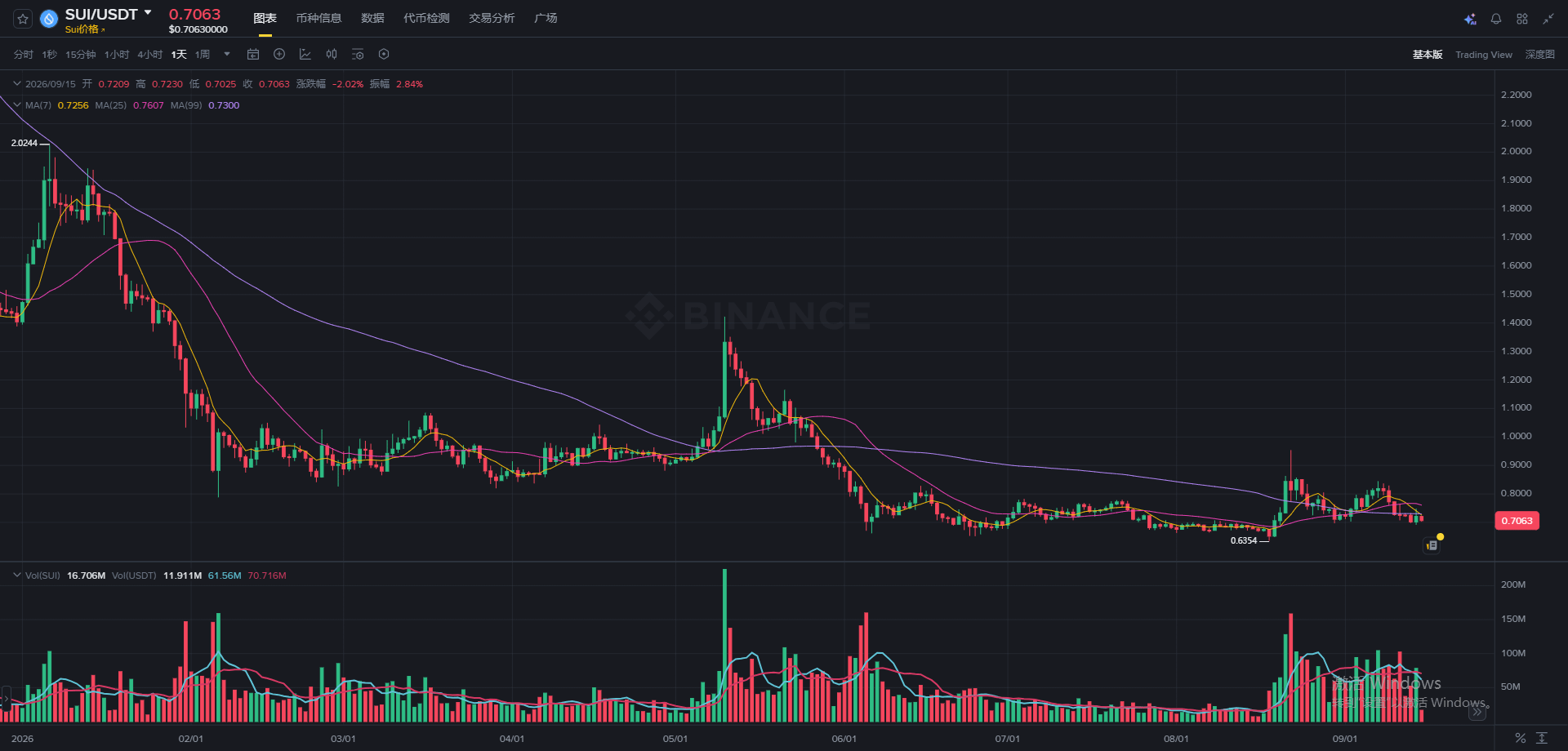
$SUI This wave basically hasn’t moved much. It’s not that the technical setup isn’t good—it’s probably that the fundamentals and the narrative haven’t caught up yet.
It’s basically a Move-based L1 ecosystem. It has the usual building blocks: fees, staking, governance, etc. There’s also the public-chain ecosystem, DeFi growth, and spot ETF expectations down the line. Right now, the market is just eating the “buyback and burn” narrative. Recently, the ones that have truly been pulled up—$UNI, $PENDLE, $HYPE, $LIT, $PUMP, $PONS—are all this kind of asset that can support token value.
SUI is just missing one thing: a narrative. The technicals and trading volume are already at the brink of a breakout. The team is even planning to set up an on-chain MEME launchpad for coin-stock, so just be patient and wait.
$SUI This wave basically hasn’t moved much. It’s not that the technical setup isn’t good—it’s probably that the fundamentals and the narrative haven’t caught up yet.
It’s basically a Move-based L1 ecosystem. It has the usual building blocks: fees, staking, governance, etc. There’s also the public-chain ecosystem, DeFi growth, and spot ETF expectations down the line. Right now, the market is just eating the “buyback and burn” narrative. Recently, the ones that have truly been pulled up—$UNI, $PENDLE, $HYPE, $LIT, $PUMP, $PONS—are all this kind of asset that can support token value.
SUI is just missing one thing: a narrative. The technicals and trading volume are already at the brink of a breakout. The team is even planning to set up an on-chain MEME launchpad for coin-stock, so just be patient and wait.
It’s basically a Move-based L1 ecosystem. It has the usual building blocks: fees, staking, governance, etc. There’s also the public-chain ecosystem, DeFi growth, and spot ETF expectations down the line. Right now, the market is just eating the “buyback and burn” narrative. Recently, the ones that have truly been pulled up—$UNI, $PENDLE, $HYPE, $LIT, $PUMP, $PONS—are all this kind of asset that can support token value.
SUI is just missing one thing: a narrative. The technicals and trading volume are already at the brink of a breakout. The team is even planning to set up an on-chain MEME launchpad for coin-stock, so just be patient and wait.
444
·
--
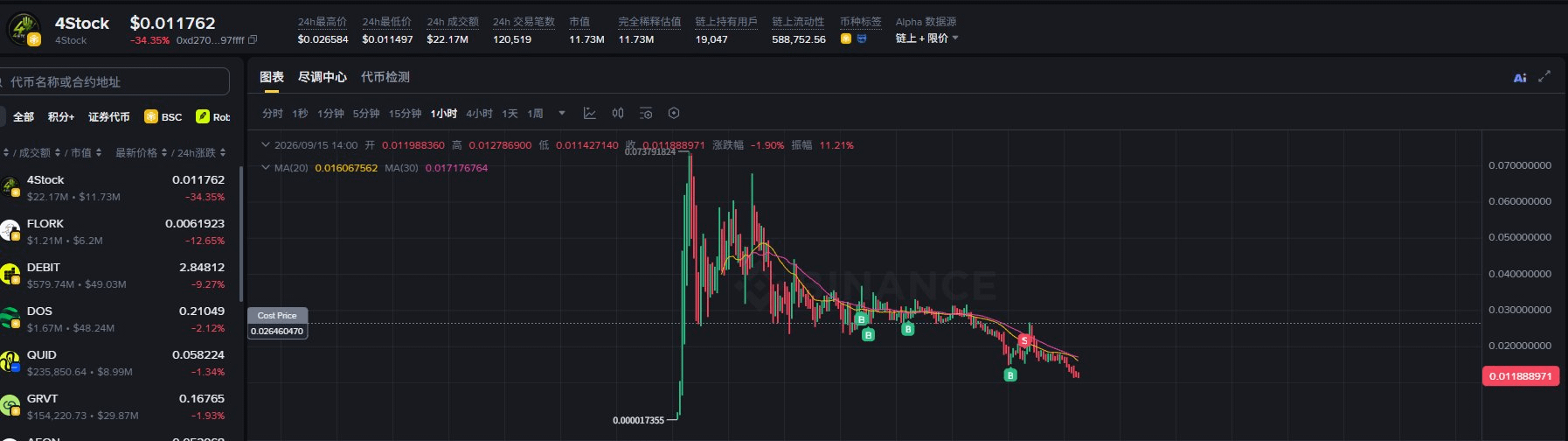
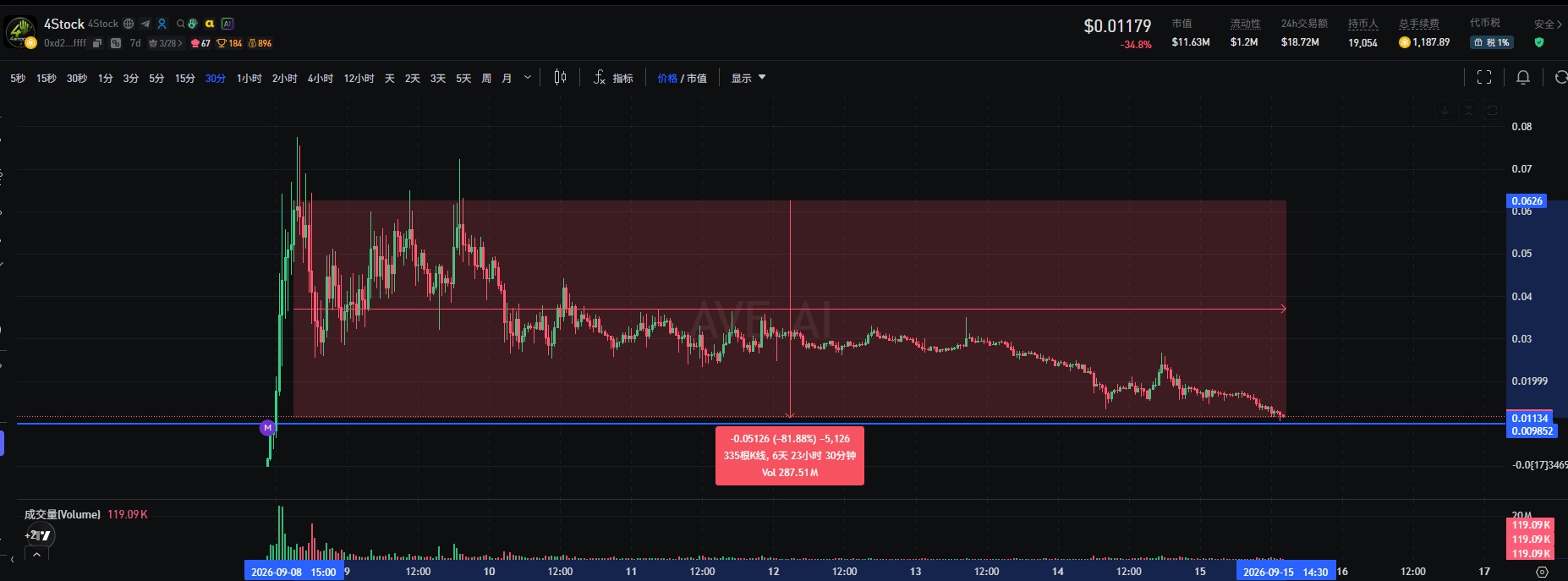
$4Stock BSC's new life
A chain-based great innovation
CZ’s biological son
4stock’s leading MEME
Right now at 11M
$4Stock BSC's new life
A chain-based great innovation
CZ’s biological son
4stock’s leading MEME
Right now at 11M
A chain-based great innovation
CZ’s biological son
4stock’s leading MEME
Right now at 11M
1
1
760
·
--
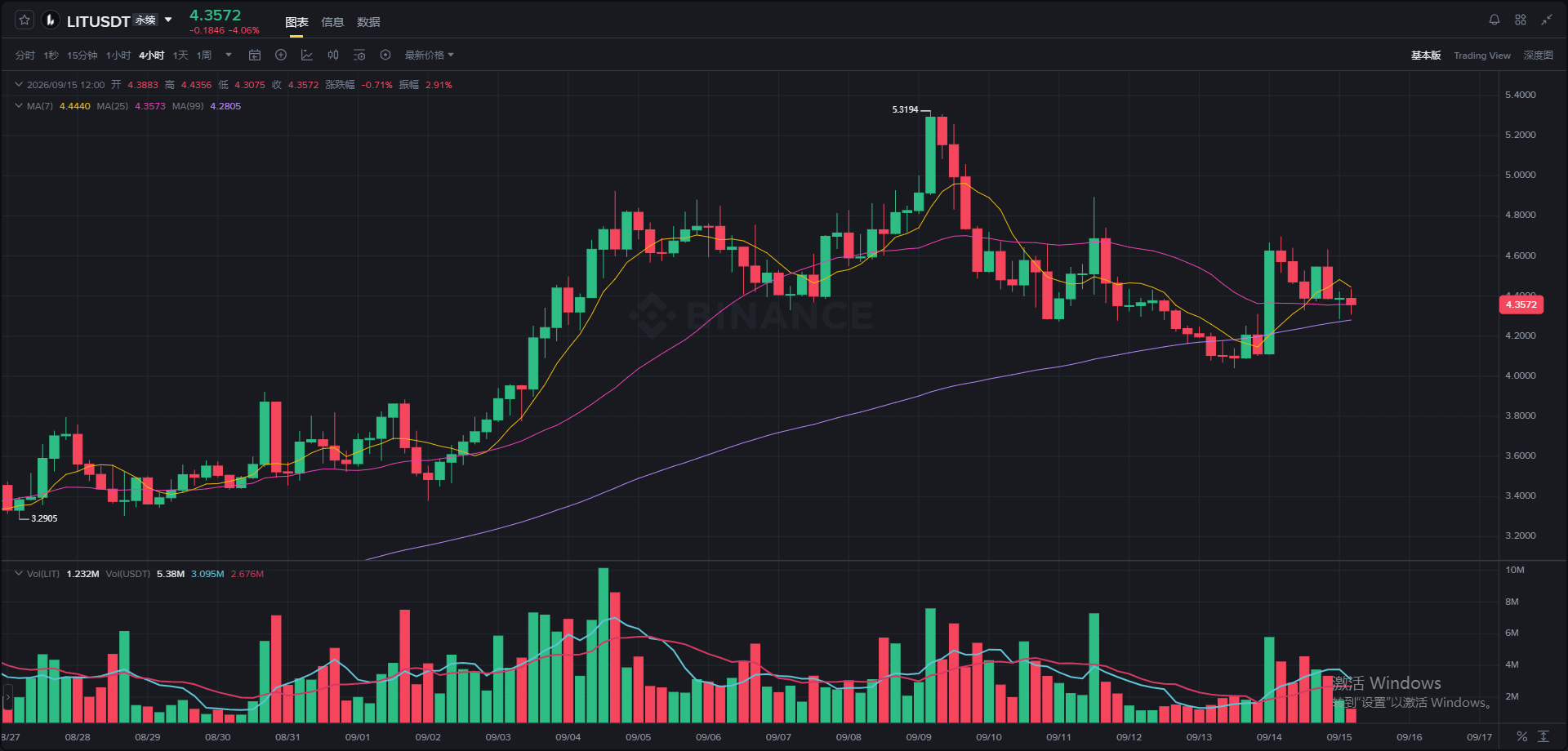
Bullish
$LIT or perhaps this is the next $HYPE
Reason: Hyperliquid’s daily revenue is about 2 million, with an FDV of 80 billion; Lighter’s daily revenue is about 150,000, with an FDV of 4.5 billion.
Compared to the same track, LIT is more cost-effective: 0 fees, better user/FDV metrics, and once you’ve used it, you stick around. After HYPE, it relies on U.S. localization and HIP-3/4, but in the industry the things that needed to be in place are already in place. After that, any further rise will depend on new money coming from outside the circle. LIT, on the other hand, has regulatory compliance, Robinhood, and upside expectations from options expansion. Institutions and retail are also still holding relatively small positions—its load is light.
So chasing HYPE right now isn’t worth it. I’m more in favor of LIT. In the PerpDEX arena, it will most likely outperform HYPE later on—just wait and see.
$LIT or perhaps this is the next $HYPE
Reason: Hyperliquid’s daily revenue is about 2 million, with an FDV of 80 billion; Lighter’s daily revenue is about 150,000, with an FDV of 4.5 billion.
Compared to the same track, LIT is more cost-effective: 0 fees, better user/FDV metrics, and once you’ve used it, you stick around. After HYPE, it relies on U.S. localization and HIP-3/4, but in the industry the things that needed to be in place are already in place. After that, any further rise will depend on new money coming from outside the circle. LIT, on the other hand, has regulatory compliance, Robinhood, and upside expectations from options expansion. Institutions and retail are also still holding relatively small positions—its load is light.
So chasing HYPE right now isn’t worth it. I’m more in favor of LIT. In the PerpDEX arena, it will most likely outperform HYPE later on—just wait and see.
Reason: Hyperliquid’s daily revenue is about 2 million, with an FDV of 80 billion; Lighter’s daily revenue is about 150,000, with an FDV of 4.5 billion.
Compared to the same track, LIT is more cost-effective: 0 fees, better user/FDV metrics, and once you’ve used it, you stick around. After HYPE, it relies on U.S. localization and HIP-3/4, but in the industry the things that needed to be in place are already in place. After that, any further rise will depend on new money coming from outside the circle. LIT, on the other hand, has regulatory compliance, Robinhood, and upside expectations from options expansion. Institutions and retail are also still holding relatively small positions—its load is light.
So chasing HYPE right now isn’t worth it. I’m more in favor of LIT. In the PerpDEX arena, it will most likely outperform HYPE later on—just wait and see.
76
·
--
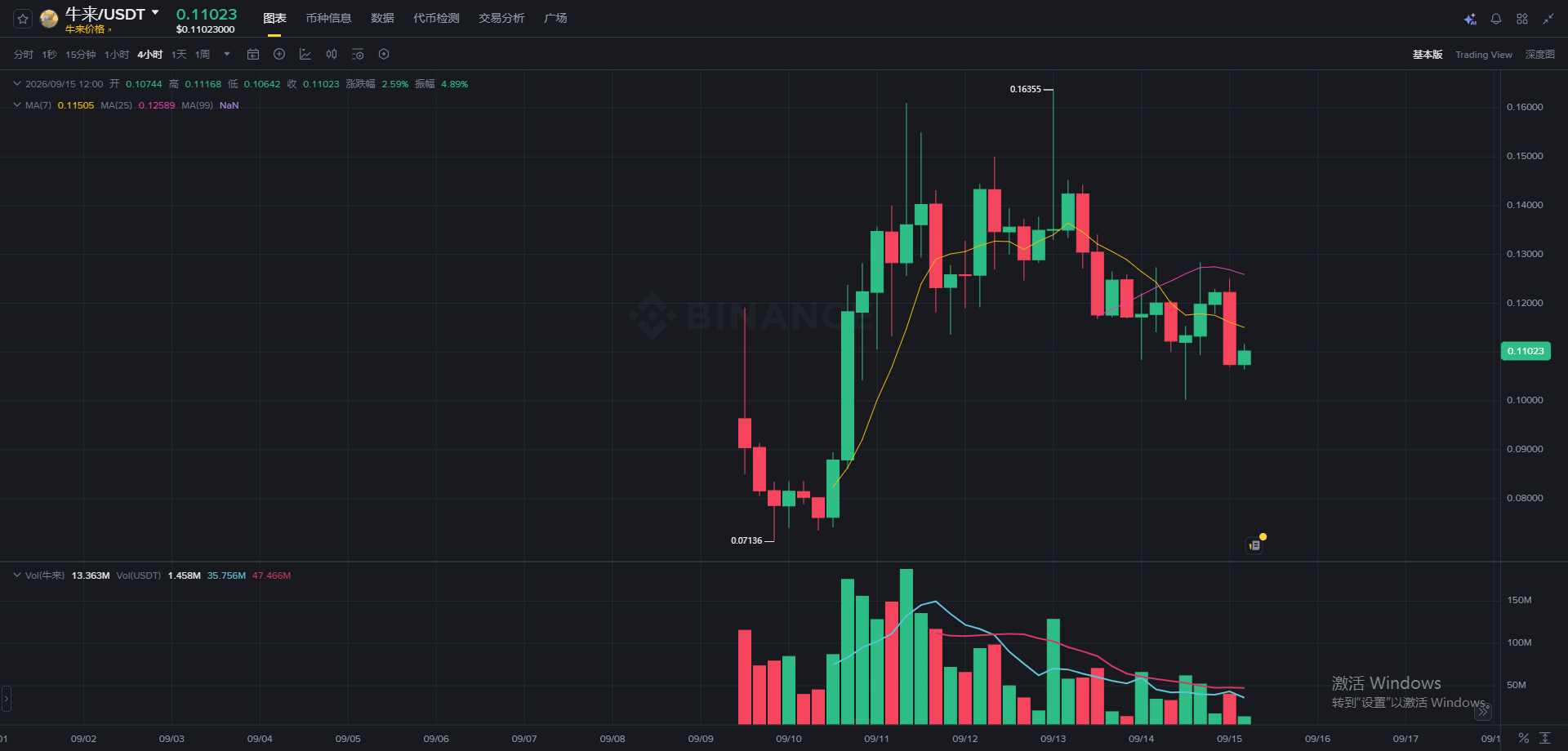
Bearish
$牛来 short-only opportunity is here
Entry 0.11
Target 0.095
Stop loss 0.119
On the 30-minute timeframe, the rebound has already broken, and the structure turns bearish. The sellers are harvesting liquidity from above, and 0.11109 is now acting as a resistance level. If price keeps falling, the next liquidity pool is around 0.09515—risk is controllable, and the timing is clear.
$牛来 short-only opportunity is here
Entry 0.11
Target 0.095
Stop loss 0.119
On the 30-minute timeframe, the rebound has already broken, and the structure turns bearish. The sellers are harvesting liquidity from above, and 0.11109 is now acting as a resistance level. If price keeps falling, the next liquidity pool is around 0.09515—risk is controllable, and the timing is clear.
Entry 0.11
Target 0.095
Stop loss 0.119
On the 30-minute timeframe, the rebound has already broken, and the structure turns bearish. The sellers are harvesting liquidity from above, and 0.11109 is now acting as a resistance level. If price keeps falling, the next liquidity pool is around 0.09515—risk is controllable, and the timing is clear.
1
397
·
--
Article
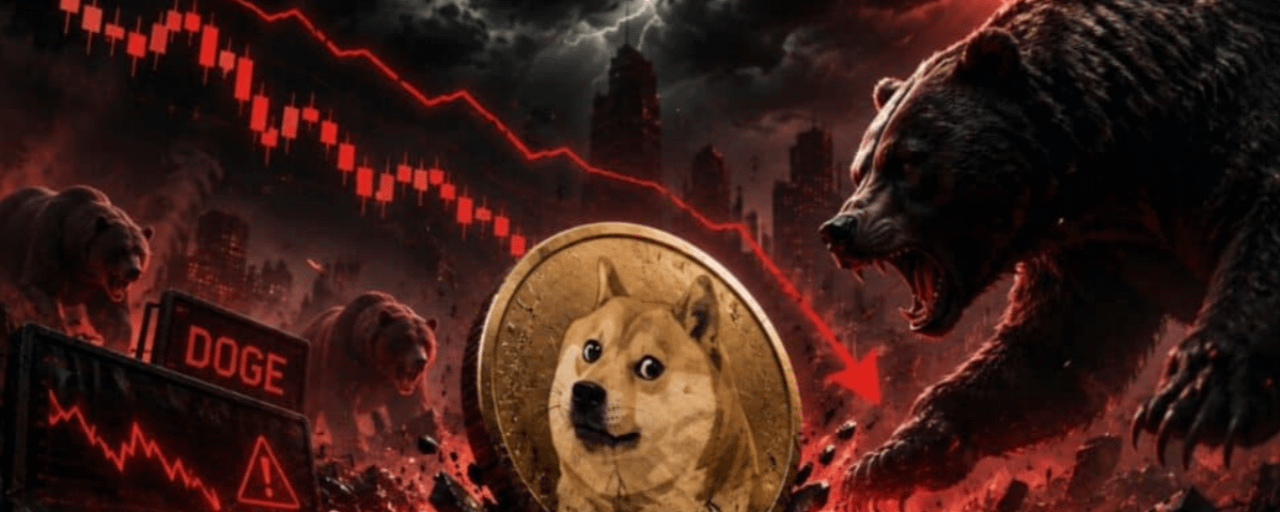
Breaking! Dogecoin jumps back to 0.08—what happens next? Can DOGE reach 0.10?On September 13, Dogecoin rose by nearly 3%, peaking at 0.08496, and the current price is around 0.0848. Trading volume was 141.53 million coins, and buy orders stepped in clearly around 0.08, lifting the price back from the recent low point.
First the conclusion: if you want to push toward 0.10, you’ll have to clear 0.09 first.
Dogecoin has been falling all the way from above 0.11 since May; in August it even dropped below 0.07. Only recently has it started to slowly recover. The price is now mainly ranging between 0.08 and 0.09, trading back and forth. Some analysts think the volatility is getting narrower, which suggests the sellers are running out of steam—but the buyers also don’t look strong.
The key issue is the range of 0.088 to 0.09. Since the rebound in August, DOGE has repeatedly tried to reach this zone, only to be pushed back. It never holds. Around 0.09 is like a familiar obstacle you can’t get through, and 0.10 is just a fantasy.
Breaking! Dogecoin jumps back to 0.08—what happens next? Can DOGE reach 0.10?
On September 13, Dogecoin rose by nearly 3%, peaking at 0.08496, and the current price is around 0.0848. Trading volume was 141.53 million coins, and buy orders stepped in clearly around 0.08, lifting the price back from the recent low point.
First the conclusion: if you want to push toward 0.10, you’ll have to clear 0.09 first.
Dogecoin has been falling all the way from above 0.11 since May; in August it even dropped below 0.07. Only recently has it started to slowly recover. The price is now mainly ranging between 0.08 and 0.09, trading back and forth. Some analysts think the volatility is getting narrower, which suggests the sellers are running out of steam—but the buyers also don’t look strong.
The key issue is the range of 0.088 to 0.09. Since the rebound in August, DOGE has repeatedly tried to reach this zone, only to be pushed back. It never holds. Around 0.09 is like a familiar obstacle you can’t get through, and 0.10 is just a fantasy.
First the conclusion: if you want to push toward 0.10, you’ll have to clear 0.09 first.
Dogecoin has been falling all the way from above 0.11 since May; in August it even dropped below 0.07. Only recently has it started to slowly recover. The price is now mainly ranging between 0.08 and 0.09, trading back and forth. Some analysts think the volatility is getting narrower, which suggests the sellers are running out of steam—but the buyers also don’t look strong.
The key issue is the range of 0.088 to 0.09. Since the rebound in August, DOGE has repeatedly tried to reach this zone, only to be pushed back. It never holds. Around 0.09 is like a familiar obstacle you can’t get through, and 0.10 is just a fantasy.
189
·
--
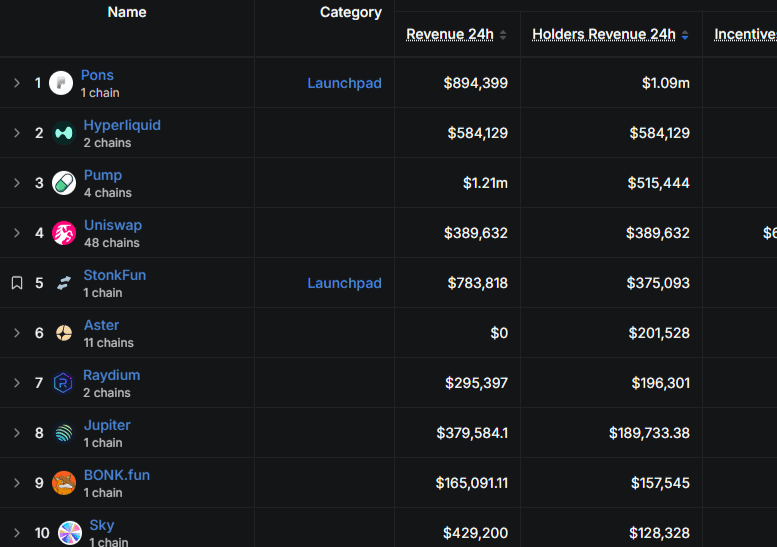
Buyback-and-burn-style low-quality coins—these are the ones available right now: PONS, HYPE, ASTER, UNI, LIT, JUP, BONK, SKY, PUMP, RAY, ETHFI, ENA.
Most of them have already had a run up! In relative terms, the ones that still have room for a catch-up rally are $ETHFI, $SKY, and $JUP—these three haven’t moved as much yet.
What do you all think?
Buyback-and-burn-style low-quality coins—these are the ones available right now: PONS, HYPE, ASTER, UNI, LIT, JUP, BONK, SKY, PUMP, RAY, ETHFI, ENA.
Most of them have already had a run up! In relative terms, the ones that still have room for a catch-up rally are $ETHFI, $SKY, and $JUP—these three haven’t moved as much yet.
What do you all think?
Most of them have already had a run up! In relative terms, the ones that still have room for a catch-up rally are $ETHFI, $SKY, and $JUP—these three haven’t moved as much yet.
What do you all think?
156
·
--
Partly True
I’ve been watching the Fed these past couple of days, but what really is holding interest rates back is oil. Trump said high oil prices are due to the Russia-Ukraine conflict, and both sides also say they won’t target energy facilities. However, both oils are still around 100, and negotiations between Iran and the Gulf have also fallen through.
Blaming anyone now doesn’t matter. I think Iran is the biggest winner—“a pistol plus a rifle” has effectively tied the whole world down. As the global economy keeps sliding downward, Iran is also hurting, but the theocratic states can endure. Now neither the U.S. nor Iran has any intention of lifting the restrictions. It comes down to who can’t hold out first. It’s hard to judge Iran, but in the midterm elections the Republican Party is likely to take a hit.
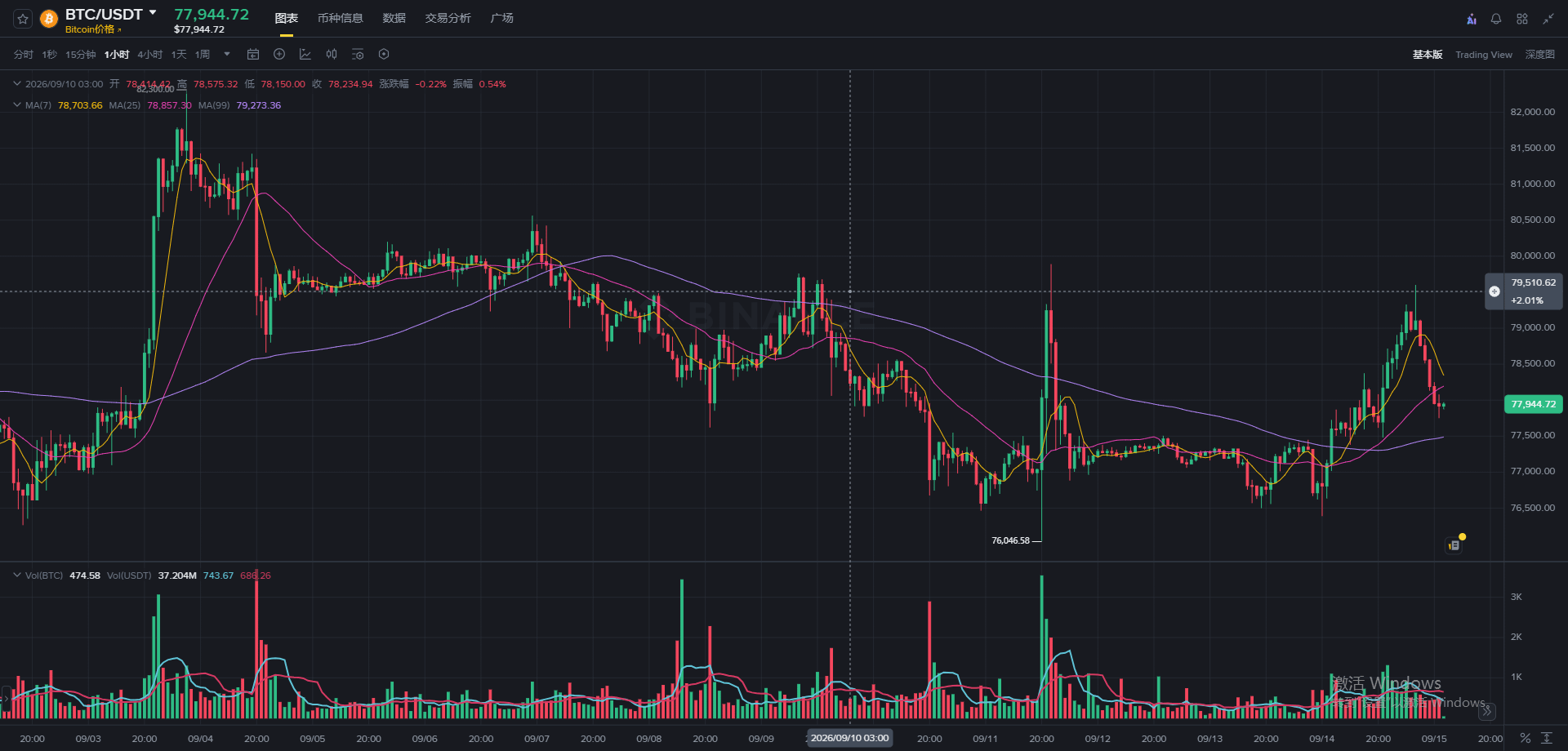
$BTC has been insanely strong lately. I still haven’t found the reason. The key is September’s Fed decision—if they raise rates, or if the dot plot is particularly hawkish, will BTC still be able to move opposite to U.S. stocks? In that scenario, it would be hard for U.S. stocks not to fall.
On Tuesday, the dual-currency purchases at a dip of 75,000 are set to expire. Most likely they won’t be executed. We’ll wait until the early hours of Thursday, 2 a.m., when the policy meeting and the dot plot come out before deciding.
I’ve been watching the Fed these past couple of days, but what really is holding interest rates back is oil. Trump said high oil prices are due to the Russia-Ukraine conflict, and both sides also say they won’t target energy facilities. However, both oils are still around 100, and negotiations between Iran and the Gulf have also fallen through.
Blaming anyone now doesn’t matter. I think Iran is the biggest winner—“a pistol plus a rifle” has effectively tied the whole world down. As the global economy keeps sliding downward, Iran is also hurting, but the theocratic states can endure. Now neither the U.S. nor Iran has any intention of lifting the restrictions. It comes down to who can’t hold out first. It’s hard to judge Iran, but in the midterm elections the Republican Party is likely to take a hit.
$BTC has been insanely strong lately. I still haven’t found the reason. The key is September’s Fed decision—if they raise rates, or if the dot plot is particularly hawkish, will BTC still be able to move opposite to U.S. stocks? In that scenario, it would be hard for U.S. stocks not to fall.
On Tuesday, the dual-currency purchases at a dip of 75,000 are set to expire. Most likely they won’t be executed. We’ll wait until the early hours of Thursday, 2 a.m., when the policy meeting and the dot plot come out before deciding.
Blaming anyone now doesn’t matter. I think Iran is the biggest winner—“a pistol plus a rifle” has effectively tied the whole world down. As the global economy keeps sliding downward, Iran is also hurting, but the theocratic states can endure. Now neither the U.S. nor Iran has any intention of lifting the restrictions. It comes down to who can’t hold out first. It’s hard to judge Iran, but in the midterm elections the Republican Party is likely to take a hit.
$BTC has been insanely strong lately. I still haven’t found the reason. The key is September’s Fed decision—if they raise rates, or if the dot plot is particularly hawkish, will BTC still be able to move opposite to U.S. stocks? In that scenario, it would be hard for U.S. stocks not to fall.
On Tuesday, the dual-currency purchases at a dip of 75,000 are set to expire. Most likely they won’t be executed. We’ll wait until the early hours of Thursday, 2 a.m., when the policy meeting and the dot plot come out before deciding.
1
939
·
--
$牛来 is about to drop—why not just smash it down with a single straight line?
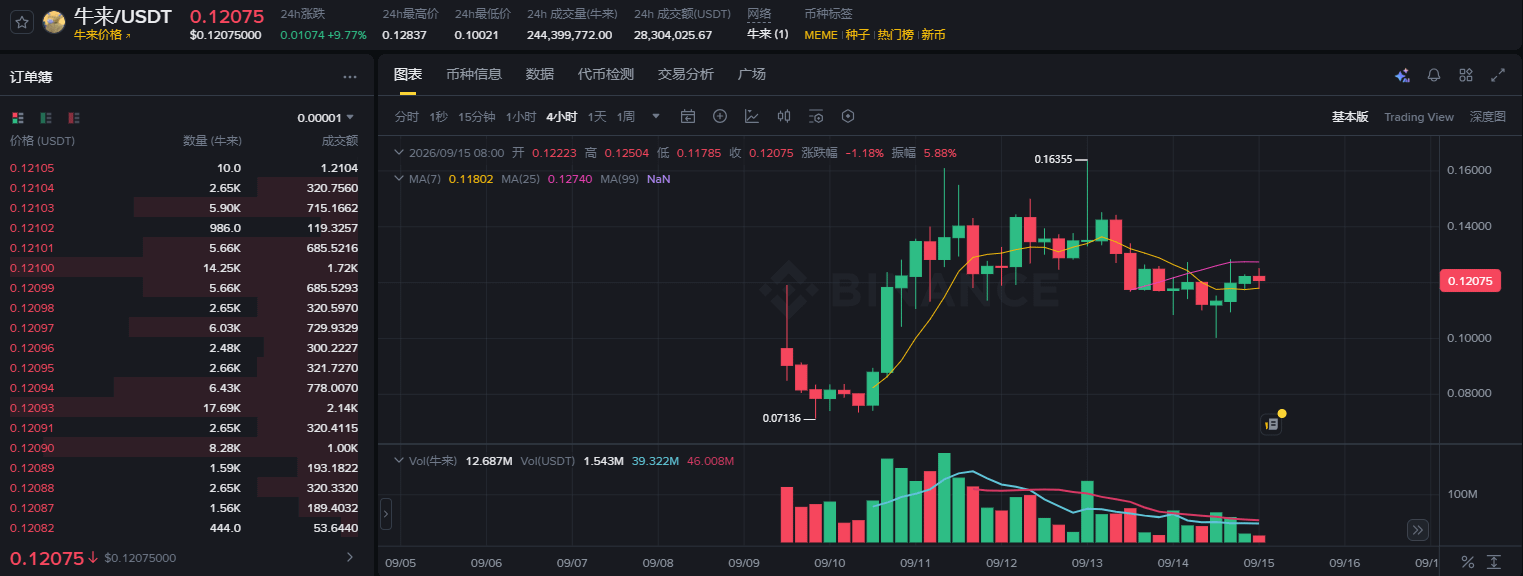
Because big money doesn’t only want to dump the price; it wants to unload. If you just blindly smash from 0.13 to 0.10, with no one stepping in to buy, the sell order still isn’t fully filled and everyone’s already panicked and “broken.” Then who are they selling to?
So it can only fall for a while, then lift a bit, then fall again. That bounce isn’t the operator coming back—it’s giving you hope. Some people think it’s oversold; others shout that the washout is over. Value buyers, short-covering buyers, those afraid of missing out, and even robots all show up. Once buy orders appear, the big money can sell the stock it wants to exit. Then they keep hammering down, trapping the batch that just bought the dip.
So the highs keep getting lower, the rebounds get weaker, and the selloff accelerates. This is probably not a reversal—just a breath in the middle of the decline. Many people don’t die in the crash itself; they die in “it should be bouncing now.”
The market doesn’t need to keep deceiving you. As long as it drops for a segment and gives you a little hope each time, someone will always step in. Only people who actually want to run have an opponent to trade against. An up move doesn’t necessarily mean everyone is bullish; sometimes it’s just to ensure there are buyers for the next leg down.
$牛来 is about to drop—why not just smash it down with a single straight line?
Because big money doesn’t only want to dump the price; it wants to unload. If you just blindly smash from 0.13 to 0.10, with no one stepping in to buy, the sell order still isn’t fully filled and everyone’s already panicked and “broken.” Then who are they selling to?
So it can only fall for a while, then lift a bit, then fall again. That bounce isn’t the operator coming back—it’s giving you hope. Some people think it’s oversold; others shout that the washout is over. Value buyers, short-covering buyers, those afraid of missing out, and even robots all show up. Once buy orders appear, the big money can sell the stock it wants to exit. Then they keep hammering down, trapping the batch that just bought the dip.
So the highs keep getting lower, the rebounds get weaker, and the selloff accelerates. This is probably not a reversal—just a breath in the middle of the decline. Many people don’t die in the crash itself; they die in “it should be bouncing now.”
The market doesn’t need to keep deceiving you. As long as it drops for a segment and gives you a little hope each time, someone will always step in. Only people who actually want to run have an opponent to trade against. An up move doesn’t necessarily mean everyone is bullish; sometimes it’s just to ensure there are buyers for the next leg down.
Because big money doesn’t only want to dump the price; it wants to unload. If you just blindly smash from 0.13 to 0.10, with no one stepping in to buy, the sell order still isn’t fully filled and everyone’s already panicked and “broken.” Then who are they selling to?
So it can only fall for a while, then lift a bit, then fall again. That bounce isn’t the operator coming back—it’s giving you hope. Some people think it’s oversold; others shout that the washout is over. Value buyers, short-covering buyers, those afraid of missing out, and even robots all show up. Once buy orders appear, the big money can sell the stock it wants to exit. Then they keep hammering down, trapping the batch that just bought the dip.
So the highs keep getting lower, the rebounds get weaker, and the selloff accelerates. This is probably not a reversal—just a breath in the middle of the decline. Many people don’t die in the crash itself; they die in “it should be bouncing now.”
The market doesn’t need to keep deceiving you. As long as it drops for a segment and gives you a little hope each time, someone will always step in. Only people who actually want to run have an opponent to trade against. An up move doesn’t necessarily mean everyone is bullish; sometimes it’s just to ensure there are buyers for the next leg down.
2
2.7k
·
--
Today's Analysis $SOL Short-term Script:
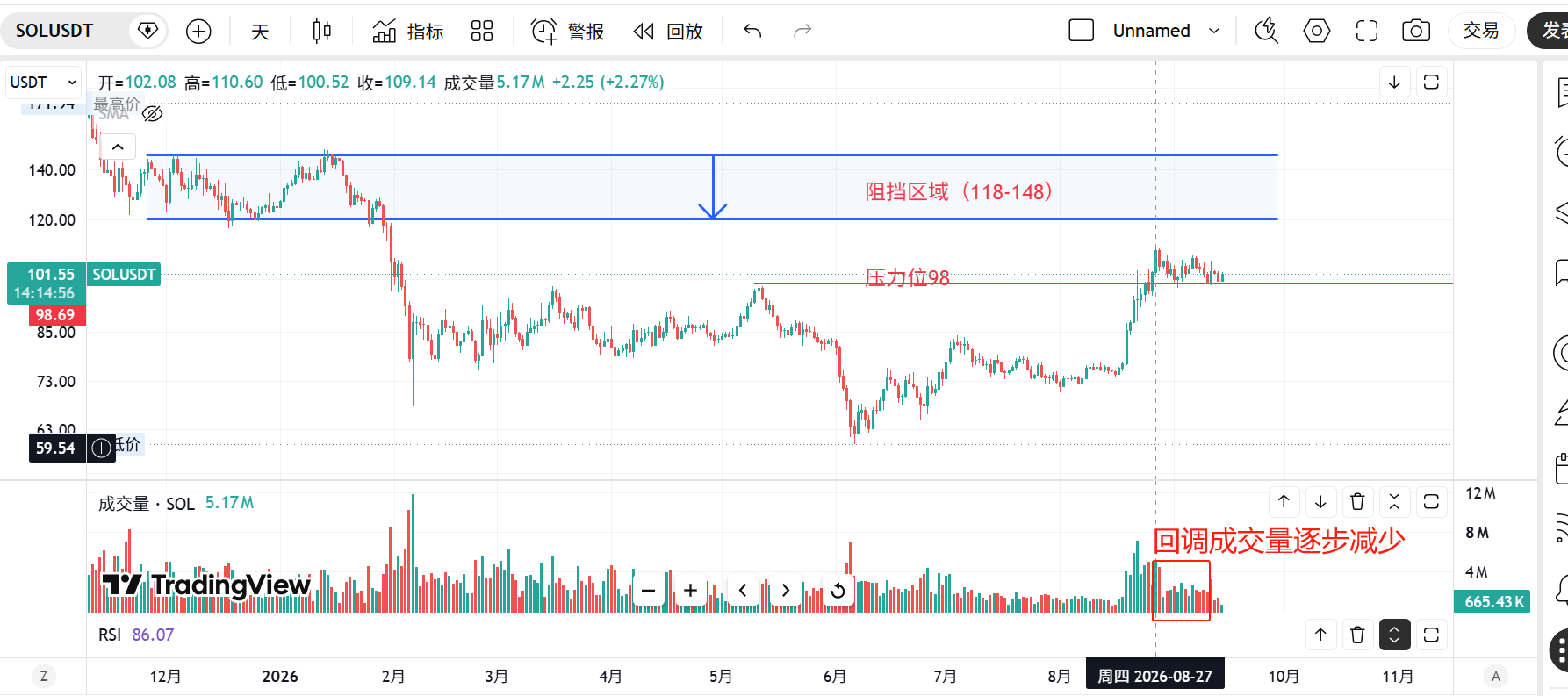
Recently, SOL has been stronger than BTC. On August 22, it broke above 98, and after August 25, the closing price stayed above 98—so it has temporarily stabilized. On August 27, it surged to 110, then pulled back into a choppy consolidation. As it fell, the volume kept getting smaller, indicating that selling pressure is decreasing.
In terms of funds, from August 21–27 there were seven consecutive days of net inflows, totaling $300 million. After that, there were net outflows, but they were much smaller than the inflows. Both volume and capital are relatively positive, so chances are it can still rise afterward, pushing into the resistance zone of 118–148.
Today's Analysis $SOL Short-term Script:
Recently, SOL has been stronger than BTC. On August 22, it broke above 98, and after August 25, the closing price stayed above 98—so it has temporarily stabilized. On August 27, it surged to 110, then pulled back into a choppy consolidation. As it fell, the volume kept getting smaller, indicating that selling pressure is decreasing.
In terms of funds, from August 21–27 there were seven consecutive days of net inflows, totaling $300 million. After that, there were net outflows, but they were much smaller than the inflows. Both volume and capital are relatively positive, so chances are it can still rise afterward, pushing into the resistance zone of 118–148.
Recently, SOL has been stronger than BTC. On August 22, it broke above 98, and after August 25, the closing price stayed above 98—so it has temporarily stabilized. On August 27, it surged to 110, then pulled back into a choppy consolidation. As it fell, the volume kept getting smaller, indicating that selling pressure is decreasing.
In terms of funds, from August 21–27 there were seven consecutive days of net inflows, totaling $300 million. After that, there were net outflows, but they were much smaller than the inflows. Both volume and capital are relatively positive, so chances are it can still rise afterward, pushing into the resistance zone of 118–148.
181
·
--
Basically, whether it’s up or down, it’s still flying—it just depends on which path you take:
CLARITY clears + no rate hike: straight up.
CLARITY not cleared + no rate hike: still flies.
CLARITY clears + rate hike: crouch for a moment, then fly.
CLARITY not cleared + rate hike:吐 a wave first, build a base, then fly.
Basically, whether it’s up or down, it’s still flying—it just depends on which path you take:
CLARITY clears + no rate hike: straight up.
CLARITY not cleared + no rate hike: still flies.
CLARITY clears + rate hike: crouch for a moment, then fly.
CLARITY not cleared + rate hike:吐 a wave first, build a base, then fly.
CLARITY clears + no rate hike: straight up.
CLARITY not cleared + no rate hike: still flies.
CLARITY clears + rate hike: crouch for a moment, then fly.
CLARITY not cleared + rate hike:吐 a wave first, build a base, then fly.
130
·
--
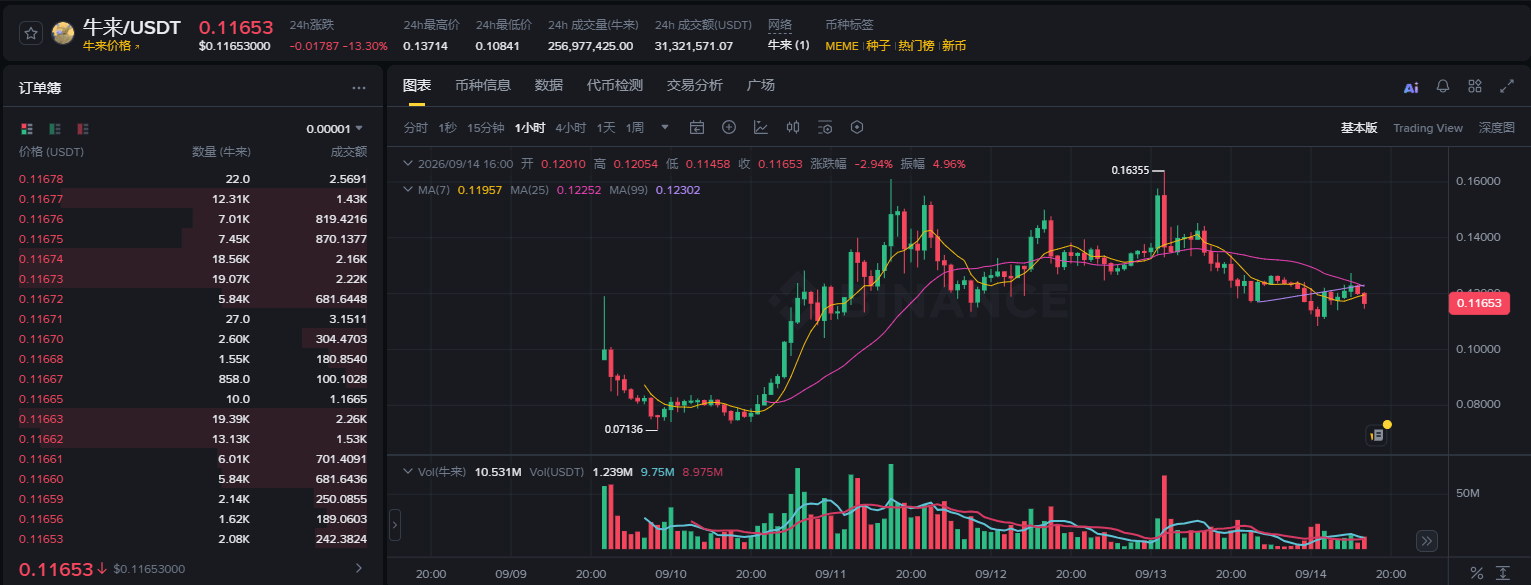
$牛来 It’s too hot right now—$币安人生 ’s missed group is all watching for a pullback to buy the dip.
So it most likely won’t replicate Binance’s “price cycle”: either it will shake you out mercilessly, starting from half a year, washing until you can’t hold; or it won’t drop too deeply at all, and will just launch directly, never giving you a chance to get onboard.
But the big players aren’t doing charity—they won’t simply let everyone get rich easily.
$牛来 It’s too hot right now—$币安人生 ’s missed group is all watching for a pullback to buy the dip.
So it most likely won’t replicate Binance’s “price cycle”: either it will shake you out mercilessly, starting from half a year, washing until you can’t hold; or it won’t drop too deeply at all, and will just launch directly, never giving you a chance to get onboard.
But the big players aren’t doing charity—they won’t simply let everyone get rich easily.
So it most likely won’t replicate Binance’s “price cycle”: either it will shake you out mercilessly, starting from half a year, washing until you can’t hold; or it won’t drop too deeply at all, and will just launch directly, never giving you a chance to get onboard.
But the big players aren’t doing charity—they won’t simply let everyone get rich easily.
1
650
·
--
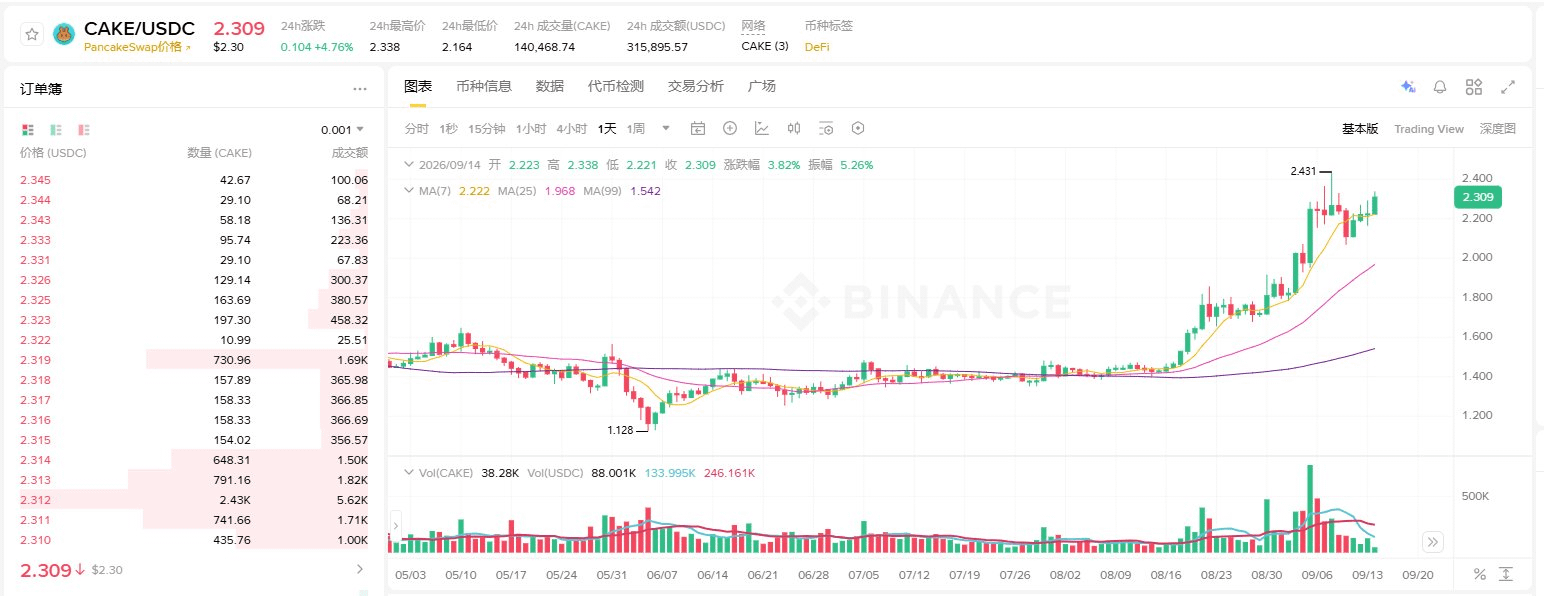
$CAKE Now 2.3, up about 5% intraday, and volume has also picked up.
Earlier, around 1.8, we said that once you’ve gotten it, you already have profits. Last week, they also burned nearly 750,000 more tokens, net reducing by about 600,000; tokenized stocks saw $75 million in daily trading volume, and that’s already the first thing done in this segment.
Deflation is accelerating. Both users and real trading volume are rising. The fundamentals are solid—just hold steadily.
$CAKE Now 2.3, up about 5% intraday, and volume has also picked up.
Earlier, around 1.8, we said that once you’ve gotten it, you already have profits. Last week, they also burned nearly 750,000 more tokens, net reducing by about 600,000; tokenized stocks saw $75 million in daily trading volume, and that’s already the first thing done in this segment.
Deflation is accelerating. Both users and real trading volume are rising. The fundamentals are solid—just hold steadily.
Earlier, around 1.8, we said that once you’ve gotten it, you already have profits. Last week, they also burned nearly 750,000 more tokens, net reducing by about 600,000; tokenized stocks saw $75 million in daily trading volume, and that’s already the first thing done in this segment.
Deflation is accelerating. Both users and real trading volume are rising. The fundamentals are solid—just hold steadily.
96
·
--
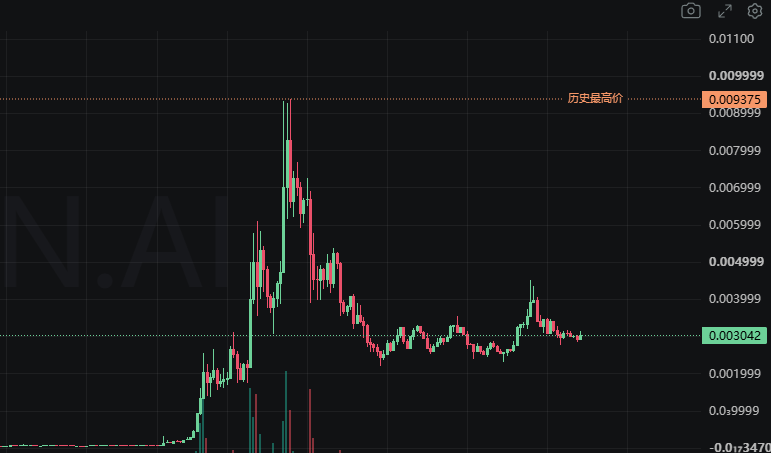
There isn’t much new on-chain stuff over the weekend, but one thing that showed up is “Fugui,” which hit nearly 10m at its peak.
CA:0xceebf25b318201f1f949be2fabbfcee231737139
Its narrative is: the founder of PONS once bought a token with the same name, Fugui, hoping for great wealth; later, he turned the PONS launchpad into a leading project on the Robinhood chain. Also, since he’s bullish on the Chinese community, Fugui is considered a Chinese leader on the Robinhood chain as well.
Now the market cap has pulled back from its high, but it’s still around 3m. The founder has burned the transaction fees, taxes, and the tokens that others transferred in—about 10% has already been destroyed. Overall, it’s all centered around the concept of the PONS founder. If the coin performs well afterward, he might add more to Fugui. You can keep an eye on it and consider positioning around 3m for a potential setup.
There isn’t much new on-chain stuff over the weekend, but one thing that showed up is “Fugui,” which hit nearly 10m at its peak.
CA:0xceebf25b318201f1f949be2fabbfcee231737139
Its narrative is: the founder of PONS once bought a token with the same name, Fugui, hoping for great wealth; later, he turned the PONS launchpad into a leading project on the Robinhood chain. Also, since he’s bullish on the Chinese community, Fugui is considered a Chinese leader on the Robinhood chain as well.
Now the market cap has pulled back from its high, but it’s still around 3m. The founder has burned the transaction fees, taxes, and the tokens that others transferred in—about 10% has already been destroyed. Overall, it’s all centered around the concept of the PONS founder. If the coin performs well afterward, he might add more to Fugui. You can keep an eye on it and consider positioning around 3m for a potential setup.
CA:0xceebf25b318201f1f949be2fabbfcee231737139
Its narrative is: the founder of PONS once bought a token with the same name, Fugui, hoping for great wealth; later, he turned the PONS launchpad into a leading project on the Robinhood chain. Also, since he’s bullish on the Chinese community, Fugui is considered a Chinese leader on the Robinhood chain as well.
Now the market cap has pulled back from its high, but it’s still around 3m. The founder has burned the transaction fees, taxes, and the tokens that others transferred in—about 10% has already been destroyed. Overall, it’s all centered around the concept of the PONS founder. If the coin performs well afterward, he might add more to Fugui. You can keep an eye on it and consider positioning around 3m for a potential setup.
253
·
--

Article
September 14 Market Analysis: Why Is It Up Today? BTC, ETH, BNB, SOL, BR, CVC, REZ, LAB, MINA Altcoin Trading Suggestions!🚀 In the past 24 hours, the cryptocurrency market saw a slight increase of 0.2%. It is currently in a relatively calm consolidation phase, with volatility lower than in the past few days. The main drivers are macro events and the impact of earlier volatility:
1. Primary reason: Expectations of further interest-rate hikes by the Federal Reserve have heated up. Recently, both PPI and CPI have been somewhat sticky—inflation is not cooling down. The market is pricing the probability of a 25-basis-point hike at over 85%, even higher. Once interest rates rise, Treasury yields move up accordingly, and risk assets like crypto are naturally hit.
2. Secondary reasons: Profit-taking and leverage adjustment. After the initial rally, some funds locked in gains; at the same time, leverage positions were liquidated, further amplifying short-term volatility.
September 14 Market Analysis: Why Is It Up Today? BTC, ETH, BNB, SOL, BR, CVC, REZ, LAB, MINA Altcoin Trading Suggestions!
🚀 In the past 24 hours, the cryptocurrency market saw a slight increase of 0.2%. It is currently in a relatively calm consolidation phase, with volatility lower than in the past few days. The main drivers are macro events and the impact of earlier volatility:
1. Primary reason: Expectations of further interest-rate hikes by the Federal Reserve have heated up. Recently, both PPI and CPI have been somewhat sticky—inflation is not cooling down. The market is pricing the probability of a 25-basis-point hike at over 85%, even higher. Once interest rates rise, Treasury yields move up accordingly, and risk assets like crypto are naturally hit.
2. Secondary reasons: Profit-taking and leverage adjustment. After the initial rally, some funds locked in gains; at the same time, leverage positions were liquidated, further amplifying short-term volatility.
1. Primary reason: Expectations of further interest-rate hikes by the Federal Reserve have heated up. Recently, both PPI and CPI have been somewhat sticky—inflation is not cooling down. The market is pricing the probability of a 25-basis-point hike at over 85%, even higher. Once interest rates rise, Treasury yields move up accordingly, and risk assets like crypto are naturally hit.
2. Secondary reasons: Profit-taking and leverage adjustment. After the initial rally, some funds locked in gains; at the same time, leverage positions were liquidated, further amplifying short-term volatility.
222
·
--
ARC was already planning to copy RH by late July, but the first day it smashed the cards it was playing.
RH wasn’t made by Vlad shouting out trades at the start to pump a Meme. Instead, the market ran first: projects competed with each other, money made profits on-chain, the profit effect spread, and founders came out to fan the flames. It grew bottom-up.
What about ARC? On day one, the official and the founders were already in a rush to platform the Meme, afraid others wouldn’t know it wanted to replicate RH. Recently it also took on Fomo, hoping to use big-name influencers to kick off a cold start by selling it. I’m still not optimistic. Fomo can bring attention, but it can’t bring incremental capital. To keep people on the chain, you need a group of well-funded, good-at-trading, mechanism-savvy Devs who first build a sustainable profit effect. Once the effect kicks in, liquidity, users, and more Devs will naturally follow. The official only needs to endorse at key moments, light the fuse, and amplify the trend.
RH is the prototype: Cash Cat broke into the spotlight; after Noxa ran away, PONS took over; after PONS paused for a week, STONKBROKER stepped in as the next relay. Every time it looks like it’s about to fail, there’s always a coin to rescue the situation. Profit effect, liquidity, and Devs pushing each other—together they run a positive feedback loop.
Big-name Fomo influencers can bring ARC short-term traffic, and cold-start traffic can help. But ultimately it comes down to whether there are capable Devs who can lead people to make money, and keep them there. When the official decides to ignite things, and how the Devs coordinate to cooperate—those are the big tests.
In plain terms: leave professional work to professionals.
ARC was already planning to copy RH by late July, but the first day it smashed the cards it was playing.
RH wasn’t made by Vlad shouting out trades at the start to pump a Meme. Instead, the market ran first: projects competed with each other, money made profits on-chain, the profit effect spread, and founders came out to fan the flames. It grew bottom-up.
What about ARC? On day one, the official and the founders were already in a rush to platform the Meme, afraid others wouldn’t know it wanted to replicate RH. Recently it also took on Fomo, hoping to use big-name influencers to kick off a cold start by selling it. I’m still not optimistic. Fomo can bring attention, but it can’t bring incremental capital. To keep people on the chain, you need a group of well-funded, good-at-trading, mechanism-savvy Devs who first build a sustainable profit effect. Once the effect kicks in, liquidity, users, and more Devs will naturally follow. The official only needs to endorse at key moments, light the fuse, and amplify the trend.
RH is the prototype: Cash Cat broke into the spotlight; after Noxa ran away, PONS took over; after PONS paused for a week, STONKBROKER stepped in as the next relay. Every time it looks like it’s about to fail, there’s always a coin to rescue the situation. Profit effect, liquidity, and Devs pushing each other—together they run a positive feedback loop.
Big-name Fomo influencers can bring ARC short-term traffic, and cold-start traffic can help. But ultimately it comes down to whether there are capable Devs who can lead people to make money, and keep them there. When the official decides to ignite things, and how the Devs coordinate to cooperate—those are the big tests.
In plain terms: leave professional work to professionals.
RH wasn’t made by Vlad shouting out trades at the start to pump a Meme. Instead, the market ran first: projects competed with each other, money made profits on-chain, the profit effect spread, and founders came out to fan the flames. It grew bottom-up.
What about ARC? On day one, the official and the founders were already in a rush to platform the Meme, afraid others wouldn’t know it wanted to replicate RH. Recently it also took on Fomo, hoping to use big-name influencers to kick off a cold start by selling it. I’m still not optimistic. Fomo can bring attention, but it can’t bring incremental capital. To keep people on the chain, you need a group of well-funded, good-at-trading, mechanism-savvy Devs who first build a sustainable profit effect. Once the effect kicks in, liquidity, users, and more Devs will naturally follow. The official only needs to endorse at key moments, light the fuse, and amplify the trend.
RH is the prototype: Cash Cat broke into the spotlight; after Noxa ran away, PONS took over; after PONS paused for a week, STONKBROKER stepped in as the next relay. Every time it looks like it’s about to fail, there’s always a coin to rescue the situation. Profit effect, liquidity, and Devs pushing each other—together they run a positive feedback loop.
Big-name Fomo influencers can bring ARC short-term traffic, and cold-start traffic can help. But ultimately it comes down to whether there are capable Devs who can lead people to make money, and keep them there. When the official decides to ignite things, and how the Devs coordinate to cooperate—those are the big tests.
In plain terms: leave professional work to professionals.
237
·
--
Will Bitcoin and Ethereum have a surge in September?
My personal view leans toward an upswing, but it’s only a spike upward—not a new trend. For BTC, I’m watching around 84,000. In the short term, it could even pierce higher, but afterward, it will most likely pull back.
As for the rate hikes: the market is currently pricing about an 80% chance of a September rate hike. Vosh has just taken office. How his Fed will respond to the data is something the market hasn’t figured out yet—we’re in a period of chaos. Everyone knows he doesn’t like overly specific forward guidance, but when it comes to employment, inflation, and financial conditions, no one knows what he’ll do. The market is still using old experience to price rate hikes.
So from now until the FOMC, this is the most uncertain stretch. We’ll need to wait until after the FOMC to see the real reaction function of Vosh’s Fed.
That said, the market has already priced in two rate hikes this year in advance. Unless this time is a hike plus hawkish remarks, it will be difficult to create any major downside surprise. The bad news has largely been traded in already; if it actually drops, it could be a buying opportunity instead.
Will Bitcoin and Ethereum have a surge in September?
My personal view leans toward an upswing, but it’s only a spike upward—not a new trend. For BTC, I’m watching around 84,000. In the short term, it could even pierce higher, but afterward, it will most likely pull back.
As for the rate hikes: the market is currently pricing about an 80% chance of a September rate hike. Vosh has just taken office. How his Fed will respond to the data is something the market hasn’t figured out yet—we’re in a period of chaos. Everyone knows he doesn’t like overly specific forward guidance, but when it comes to employment, inflation, and financial conditions, no one knows what he’ll do. The market is still using old experience to price rate hikes.
So from now until the FOMC, this is the most uncertain stretch. We’ll need to wait until after the FOMC to see the real reaction function of Vosh’s Fed.
That said, the market has already priced in two rate hikes this year in advance. Unless this time is a hike plus hawkish remarks, it will be difficult to create any major downside surprise. The bad news has largely been traded in already; if it actually drops, it could be a buying opportunity instead.
My personal view leans toward an upswing, but it’s only a spike upward—not a new trend. For BTC, I’m watching around 84,000. In the short term, it could even pierce higher, but afterward, it will most likely pull back.
As for the rate hikes: the market is currently pricing about an 80% chance of a September rate hike. Vosh has just taken office. How his Fed will respond to the data is something the market hasn’t figured out yet—we’re in a period of chaos. Everyone knows he doesn’t like overly specific forward guidance, but when it comes to employment, inflation, and financial conditions, no one knows what he’ll do. The market is still using old experience to price rate hikes.
So from now until the FOMC, this is the most uncertain stretch. We’ll need to wait until after the FOMC to see the real reaction function of Vosh’s Fed.
That said, the market has already priced in two rate hikes this year in advance. Unless this time is a hike plus hawkish remarks, it will be difficult to create any major downside surprise. The bad news has largely been traded in already; if it actually drops, it could be a buying opportunity instead.
259
·
--
$SNDK as a storage leader
Last week basically saw declines for the entire week
This week, 1450-1465 is becoming a key support zone
We can see whether this week will accelerate the bottoming process
or digest the market through sideways consolidation
$SNDK as a storage leader
Last week basically saw declines for the entire week
This week, 1450-1465 is becoming a key support zone
We can see whether this week will accelerate the bottoming process
or digest the market through sideways consolidation
Last week basically saw declines for the entire week
This week, 1450-1465 is becoming a key support zone
We can see whether this week will accelerate the bottoming process
or digest the market through sideways consolidation

189
Log in to explore more content
Join global crypto users on Binance Square
⚡️ Get latest and useful information about crypto.
💬 Trusted by the world’s largest crypto exchange.
👍 Discover real insights from verified creators.
Email / Phone number
Trending Topics
FedRateWatch
584,439 views
2,759 Discussing
Share & Win Traffic Reward in our Trending Hashtag Campaign
✨Topic: FOMC September, What's The Fed's Next Move?
👉How to Join:
Publish a short post or article with hashtag #FedRateWatch
Create content based on the below angles:
- August core CPI rose 0.3% month-over-month, and the odds of a 25bp hike this week are now close to 90%. Do you anticipate a rate hike this week? Is it a one-off, or the start of a longer hiking cycle?
- If the hike lands, how does it play out for BTC, tech stocks, and gold? Bullish or bearish?
- How are you planning to trade next? Share your BTC, stocks or gold trade/holdings with our trade sharing widget.
⏰Campaign Period:
- 2026-09-15 11:00 - 2026-09-17 3:00 UTC
🎁Reward:
- Qualified posts that comply with the above guidelines and contain more than 100 words will be reviewed and may receive a random traffic boost of 500 to 3,000 views. You will receive a notification from your feed secretary if your post is selected.
- Get a chance to have your article featured on Binance Square Official
Need ideas for your post? Visit the topic page #FedRateWatch or the Square Guide on How to Post for Better Reach.
Binance Square Official
·388 Likes
·861.9k views
BitcoinSlidesTo$76000
22,608 views
119 Discussing
BitcoinReboundsTo$79K
62,328 views
401 Discussing