

Mg-Ai-Qian-陶世强-7375
Open Trade
Frequent Trader
3.7 Years
29 Following
4 Followers
39 Liked
Posts
Portfolio
All
Quotes
Mr_btc_boss
·
--
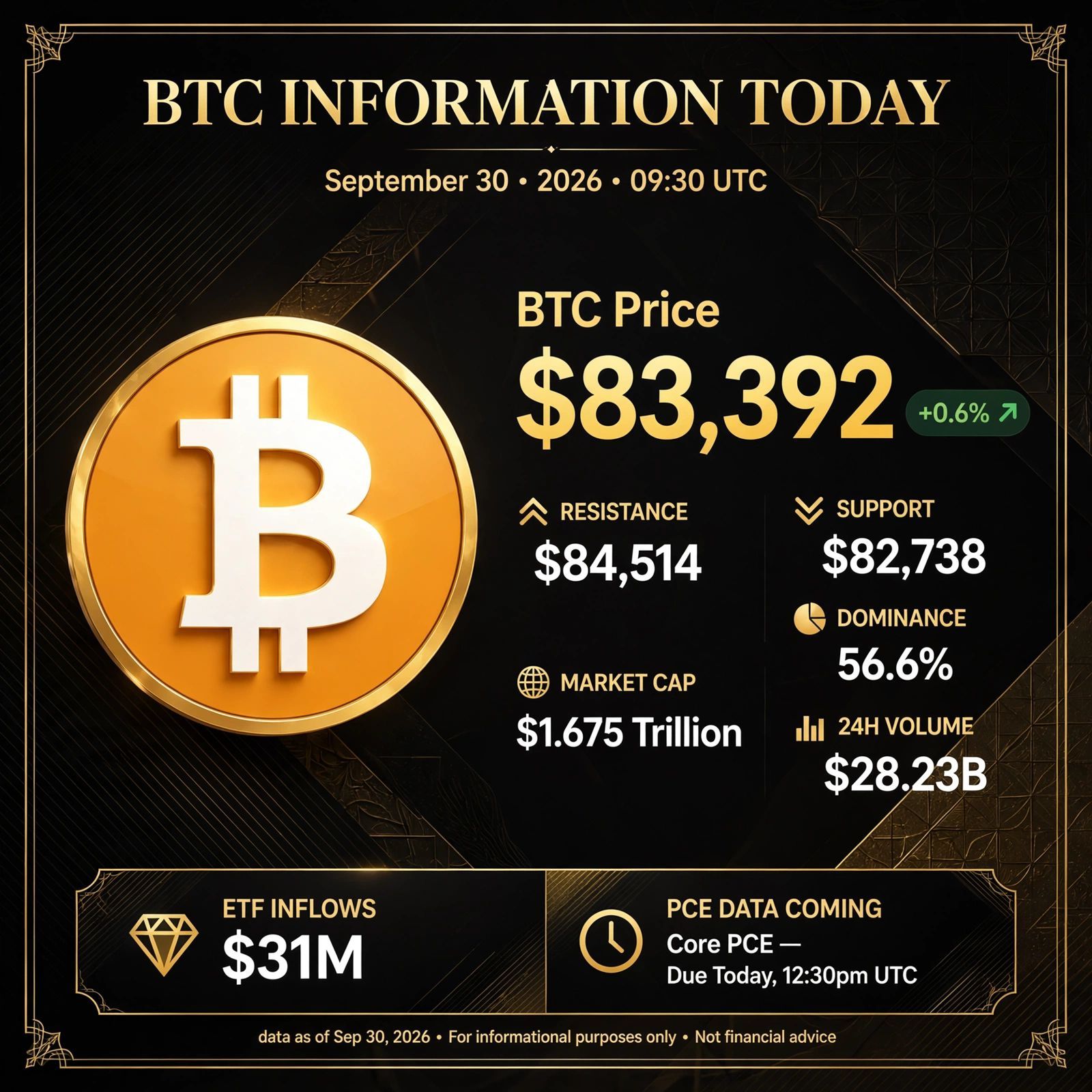
Bullishget now $BTC and $BTTC 🧧🧧🧧🎁🧧🧧🧧🧧🧧🧧🧧🧧🧧🧧🧧🧧🧧🧧🧧🧧🧧🧧🎁🧧🎁🎁

Bilverse
·
--
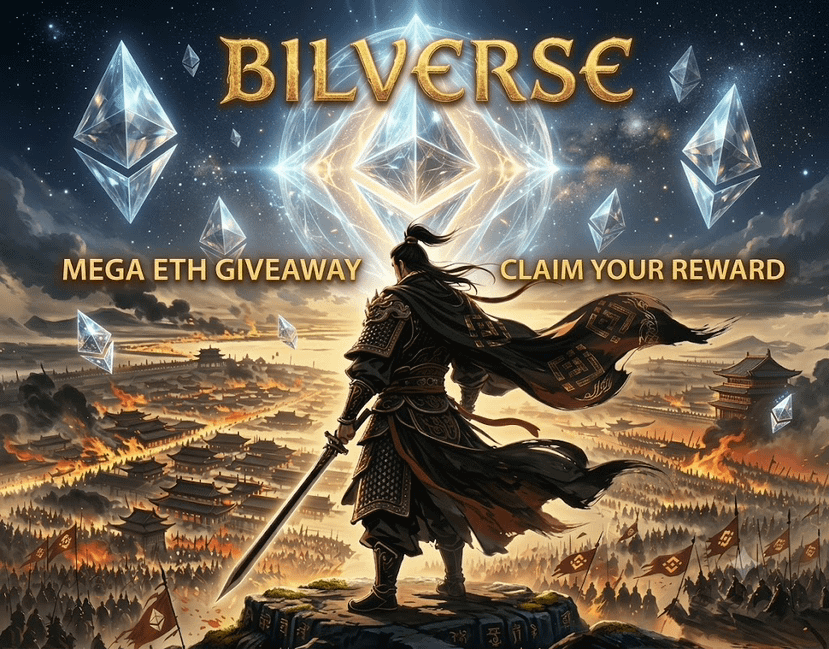
🚨 BILVERSEARMY — THE RED PACKET IS LIVE! 🔴🧧
We’re dropping a MASSIVE ETH GIVEAWAY for all the followers ⚡️💎
Claiming is simple:
1️⃣ Follow me
2️⃣ Like this post ❤️
3️⃣ Comment “ETH” below 👇
That’s it. You’re in! 🫡🔥
Let’s make some noise and show the world what #BilverseArmy is all about. 🚀
RED PACKET ACTIVATED. 🧧🔴 ETH LOADING…
#ETH #RedPacketMission #Bilverse #Giveaway
We’re dropping a MASSIVE ETH GIVEAWAY for all the followers ⚡️💎
Claiming is simple:
1️⃣ Follow me
2️⃣ Like this post ❤️
3️⃣ Comment “ETH” below 👇
That’s it. You’re in! 🫡🔥
Let’s make some noise and show the world what #BilverseArmy is all about. 🚀
RED PACKET ACTIVATED. 🧧🔴 ETH LOADING…
#ETH #RedPacketMission #Bilverse #Giveaway
龙虾量化带单
·
--
BullishFollow me to get your bonus. I will also select 3 people from the re-sharers, and each will get $5
Follow me to get your bonus. 3 reposters will win $5 each.#ETH $BTC
Follow me to get your bonus. 3 reposters will win $5 each.#ETH $BTC

龙虾量化带单
·
--
Follow me to claim the cross-border shipping red packet 🧧 and wish you prosperity all the way $BTC
龙虾量化带单
·
--
BullishFollow me to get your bonus. I will also select 3 people from the re-sharers, and each will get $5
Follow me to get your bonus. 3 reposters will win $5 each.#ETH $BTC
Follow me to get your bonus. 3 reposters will win $5 each.#ETH $BTC

top1懂事长
·
--
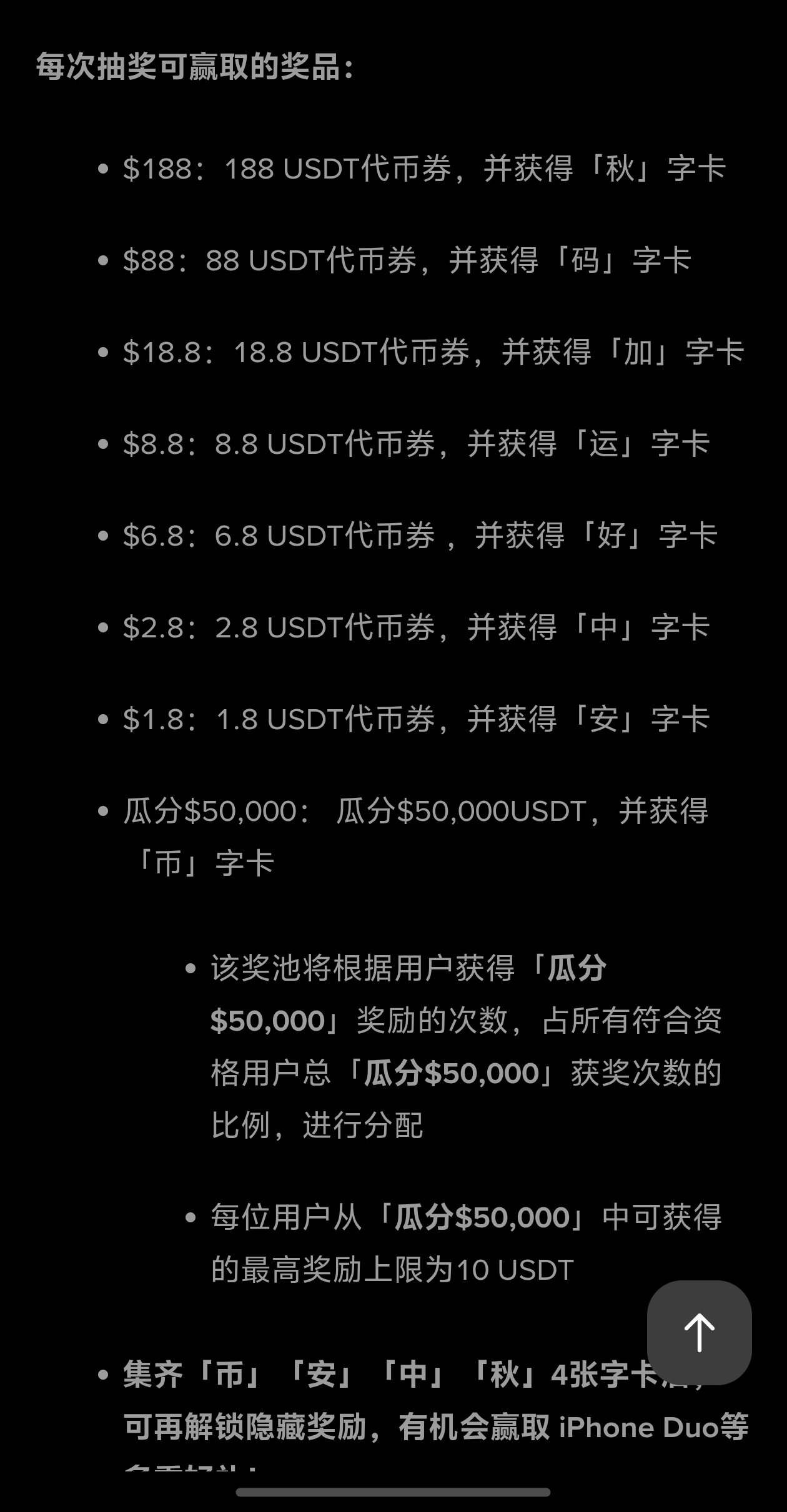
Did you all get the Mid-Autumn Festival event Binance launched this time?
一条撸毛狗
·
--
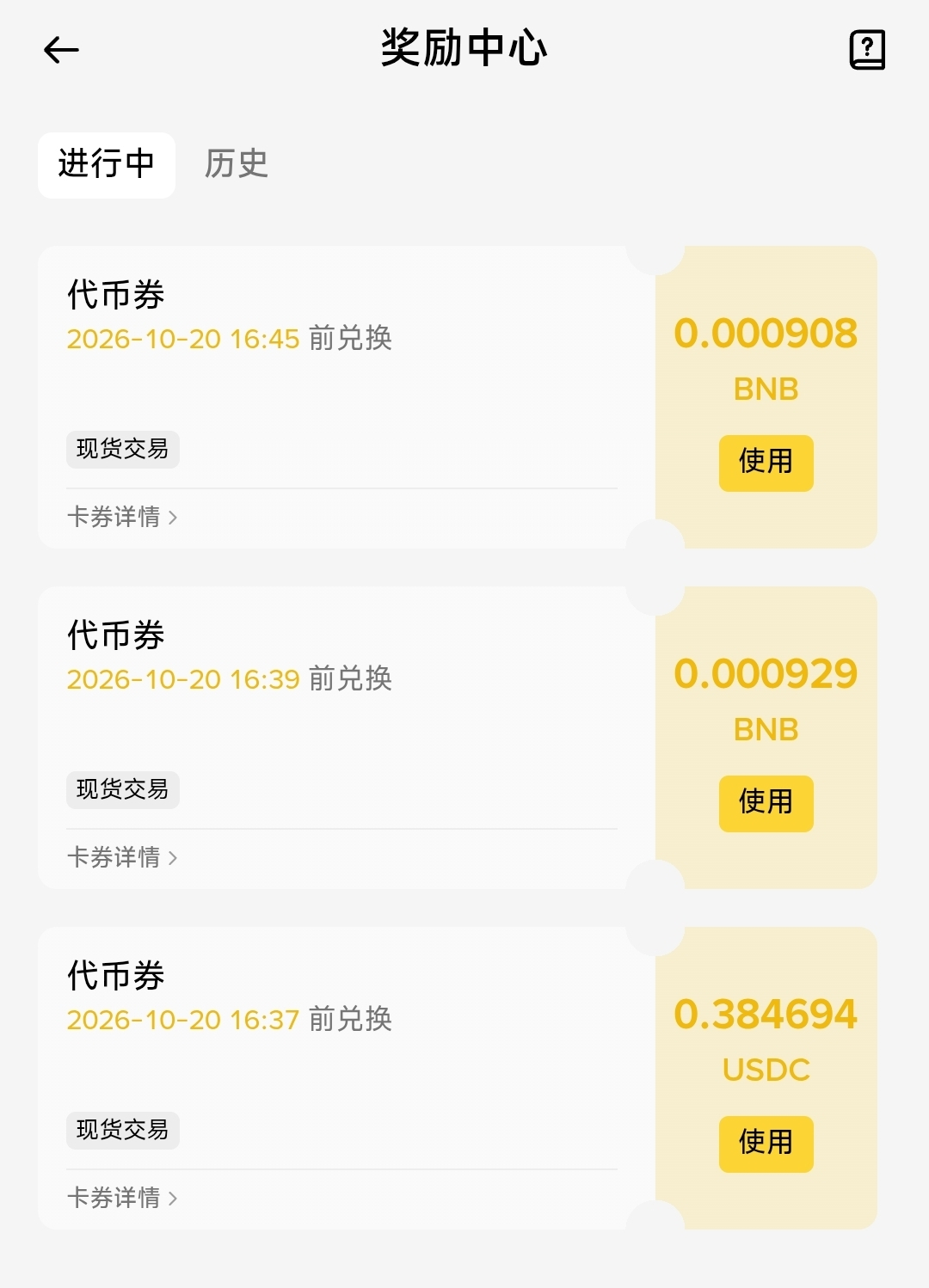
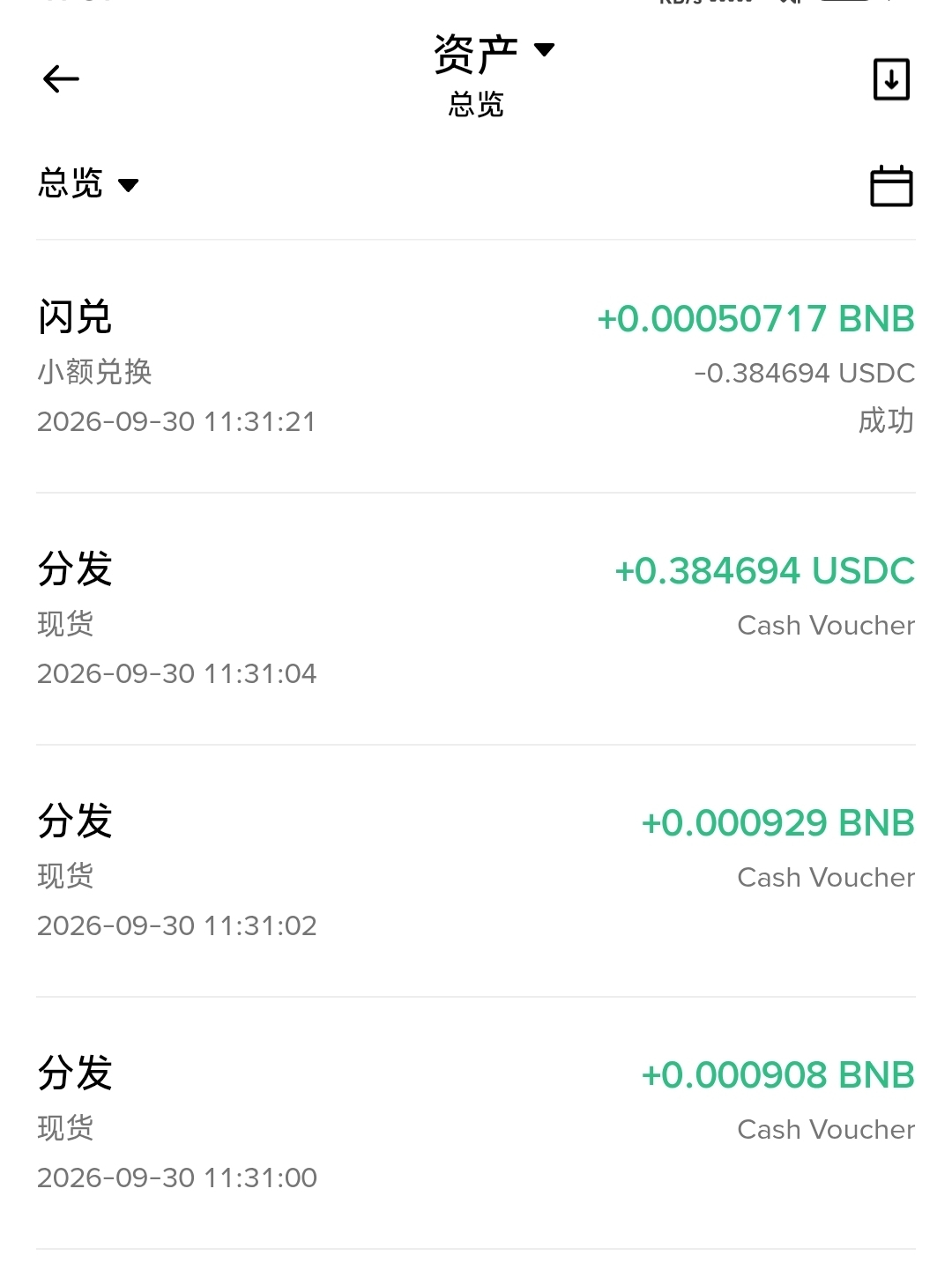
Currently accumulated 0.6905+0.0069=0.6974 BNB
#现货交易赛 rewards have been paid out
0.0009 BNB
0.0009 BNB
0.38 USDC
Swapped 0.0023*3=0.0069 BNB
About 1.75*3=5.25 U
All 3 accounts have been stockpiled
Many friends say they got reverse-rugged
Let me do the math
3 guaranteed-minimum accounts (low-balance protection)
Per account reward is 1.75U
A trading volume of 1500U
The fee is about 1.5*0.75=1.125U
After subtracting the rebate
it's 1.125*0.6=0.675U
Just aim to get the guaranteed-minimum
There is risk in the trading competition ranking
It’s easy to get reverse-rugged—participate with caution
Remember to turn on the BNB trading fee discount
You can get it at 75% of the price
After receiving the rewards, keep swapping them into BNB and slowly stockpile
#现货交易赛 rewards have been paid out
0.0009 BNB
0.0009 BNB
0.38 USDC
Swapped 0.0023*3=0.0069 BNB
About 1.75*3=5.25 U
All 3 accounts have been stockpiled
Many friends say they got reverse-rugged
Let me do the math
3 guaranteed-minimum accounts (low-balance protection)
Per account reward is 1.75U
A trading volume of 1500U
The fee is about 1.5*0.75=1.125U
After subtracting the rebate
it's 1.125*0.6=0.675U
Just aim to get the guaranteed-minimum
There is risk in the trading competition ranking
It’s easy to get reverse-rugged—participate with caution
Remember to turn on the BNB trading fee discount
You can get it at 75% of the price
After receiving the rewards, keep swapping them into BNB and slowly stockpile
龙虾量化带单
·
--
BullishFollow me to get your bonus. 3 reposters will win $5 each.
Follow me to get your bonus. 3 reposters will win $5 each.
Follow me to get your bonus. 3 reposters will win $5 each.
Follow me to get your bonus. 3 reposters will win $5 each.
Follow me to get your bonus. 3 reposters will win $5 each.
Follow me to get your bonus. 3 reposters will win $5 each.
تابعني لمكافأتك. 3 من المشاركين سيفوزون بـ 5 دولارات لكل واحد.
Подпишись за бонус. 3 репостера получат по 5 долларов США.
Follow me to get your bonus. 3 reposters will win $5 each.
Follow me to get your bonus. 3 reposters will win $5 each.
Follow me to get your bonus. 3 reposters will win $5 each.
Follow me to get your bonus. 3 reposters will win $5 each.
Follow me to get your bonus. 3 reposters will win $5 each.
تابعني لمكافأتك. 3 من المشاركين سيفوزون بـ 5 دولارات لكل واحد.
Подпишись за бонус. 3 репостера получат по 5 долларов США.

Mg-Ai-Qian-陶世强-7375
·
--
$NVDAB remarry
K图先生
·
--
#BinanceBlockchainWeek
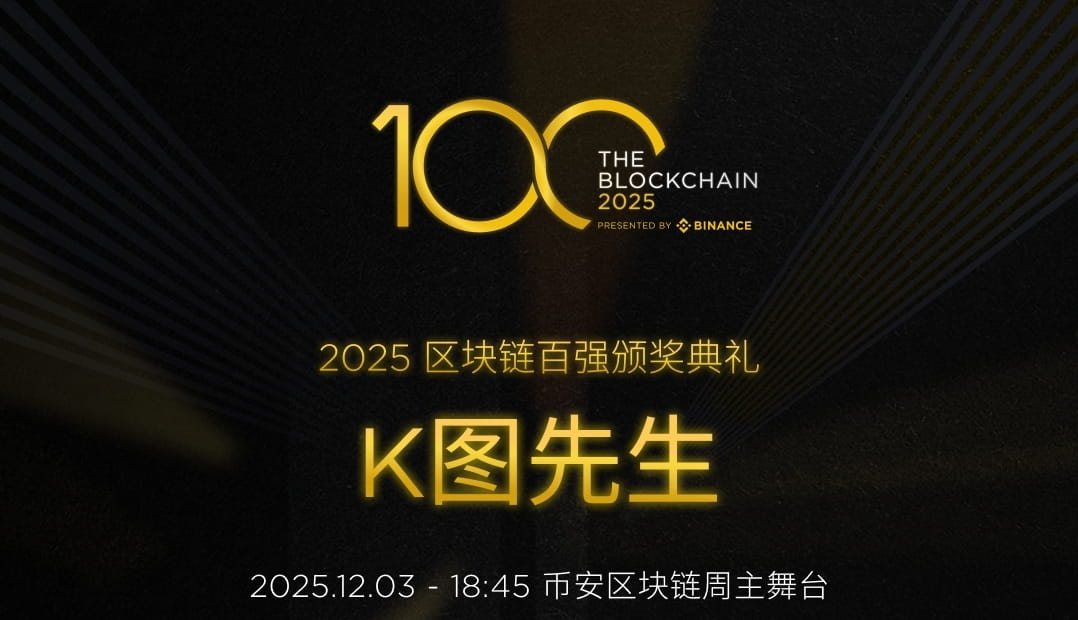
The Dubai event is about to take place! On December 3rd, I will be receiving an award in Dubai. I am honored to have entered the top 100 and to have secured third place in the Crypto Rising Star track!
Thanks to all the fans who have supported me along the way; I finally get to meet CZ and the sister in person!
I am grateful for all the guidance and to the big shots who helped me during this Crypto Rising Star voting period: Brother Ying, CY, Brother Tianqing, Brother Yanchi, Brother Jianguo, Brother Fenglang, Brother Qiyuan, Zhang Zhangzi, Zhao Caishen, Zhu Yidan, and Uncle Ai.
I also want to thank the fans for their support. I will continue to stay true to my original intention, love every candlestick, push my trading to the extreme, and give back to everyone!
Let’s say together: Forever love Binance!
The Dubai event is about to take place! On December 3rd, I will be receiving an award in Dubai. I am honored to have entered the top 100 and to have secured third place in the Crypto Rising Star track!
Thanks to all the fans who have supported me along the way; I finally get to meet CZ and the sister in person!
I am grateful for all the guidance and to the big shots who helped me during this Crypto Rising Star voting period: Brother Ying, CY, Brother Tianqing, Brother Yanchi, Brother Jianguo, Brother Fenglang, Brother Qiyuan, Zhang Zhangzi, Zhao Caishen, Zhu Yidan, and Uncle Ai.
I also want to thank the fans for their support. I will continue to stay true to my original intention, love every candlestick, push my trading to the extreme, and give back to everyone!
Let’s say together: Forever love Binance!
Log in to explore more content