
alhazmiai
5 Posts

alhazmiai
Report
Block User
Open Trade
Frequent Trader
3.1 Years
7 Following
21 Followers
20 Liked
Posts
Portfolio
·
--
Article
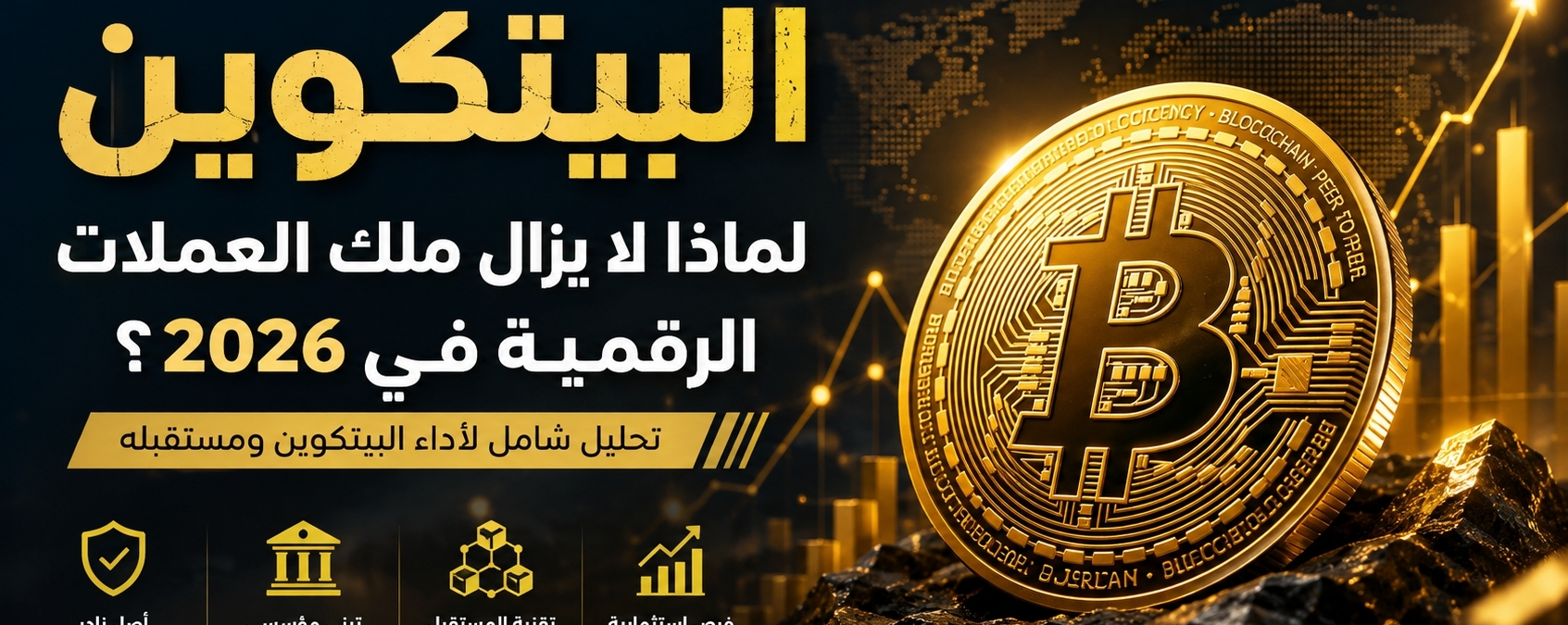
Bitcoin in 2026: Is it still the best investment in the cryptocurrency market?Bitcoin: Why is it still the king of digital currencies in 2026?
Since its launch in 2009 by the mysterious figure known as "Satoshi Nakamoto," Bitcoin has revolutionized the concept of digital money. Today, after more than one and a half decades, Bitcoin is the world’s largest digital currency by market value, a symbol of financial innovation and the shift toward a more decentralized digital economy.
Bitcoin in 2026: Is it still the best investment in the cryptocurrency market?
Bitcoin: Why is it still the king of digital currencies in 2026?
Since its launch in 2009 by the mysterious figure known as "Satoshi Nakamoto," Bitcoin has revolutionized the concept of digital money. Today, after more than one and a half decades, Bitcoin is the world’s largest digital currency by market value, a symbol of financial innovation and the shift toward a more decentralized digital economy.
Since its launch in 2009 by the mysterious figure known as "Satoshi Nakamoto," Bitcoin has revolutionized the concept of digital money. Today, after more than one and a half decades, Bitcoin is the world’s largest digital currency by market value, a symbol of financial innovation and the shift toward a more decentralized digital economy.
114
·
--
Article
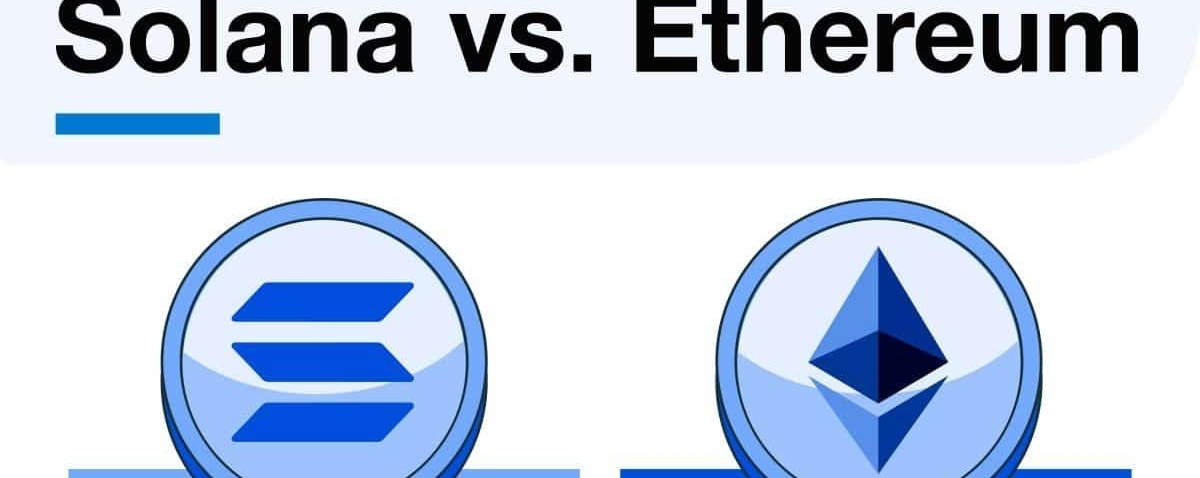
Solana (SOL) and the Future of Competition with Ethereum# Can Solana outshine Ethereum? A deep dive into SOL
## Introduction
Solana has become one of the hottest blockchain projects attracting investors in recent years, offering a fast and low-fee network compared to many competitors, with Ethereum being at the forefront.
As the DeFi sector and decentralized apps continue to grow, investors are asking: Can Solana become the top contender against Ethereum?
Solana (SOL) and the Future of Competition with Ethereum
# Can Solana outshine Ethereum? A deep dive into SOL
## Introduction
Solana has become one of the hottest blockchain projects attracting investors in recent years, offering a fast and low-fee network compared to many competitors, with Ethereum being at the forefront.
As the DeFi sector and decentralized apps continue to grow, investors are asking: Can Solana become the top contender against Ethereum?
## Introduction
Solana has become one of the hottest blockchain projects attracting investors in recent years, offering a fast and low-fee network compared to many competitors, with Ethereum being at the forefront.
As the DeFi sector and decentralized apps continue to grow, investors are asking: Can Solana become the top contender against Ethereum?
1
200
·
--

Article
Is Bitcoin still the best investment in 2026?
IntroductionIs Bitcoin still the best investment in 2026?
Introduction$BTC
Since its launch in 2009, Bitcoin has proven to be the most influential digital asset in modern financial markets. Despite the sharp volatility it has experienced over the past years, investors still see it as the "digital gold" and one of the key hedges against inflation and the decline of traditional currencies.
Is Bitcoin still the best investment in 2026? Introduction
Is Bitcoin still the best investment in 2026?
Introduction$BTC
Since its launch in 2009, Bitcoin has proven to be the most influential digital asset in modern financial markets. Despite the sharp volatility it has experienced over the past years, investors still see it as the "digital gold" and one of the key hedges against inflation and the decline of traditional currencies.
Introduction$BTC
Since its launch in 2009, Bitcoin has proven to be the most influential digital asset in modern financial markets. Despite the sharp volatility it has experienced over the past years, investors still see it as the "digital gold" and one of the key hedges against inflation and the decline of traditional currencies.

مع تحياتي
From alhazmiai
21
·
--
Earn $0.50 now with ease! 💰
Enter the link
Enter, and request the red envelope
Paste the code and you’ll earn the reward
BP1KO64O82
Earn $0.50 now with ease! 💰
Enter the link
Enter, and request the red envelope
Paste the code and you’ll earn the reward
BP1KO64O82
Enter the link
Enter, and request the red envelope
Paste the code and you’ll earn the reward
BP1KO64O82

10
10
·
--
#WhenWillCLARITYActPass #StrategyBTCPurchase #PredictionMarketsCFTCBacking #PEPEBrokeThroughDowntrendLine
Will Bitcoin return to its original level?
Bitcoin has long been a symbol of risk and opportunity in the financial world for over a decade. With each upward wave followed by a sharp correction, the question among investors and traders is repeated: Is it possible for Bitcoin to return to its original level (previous peaks or new record levels), or are we facing a prolonged downturn? In this newsletter, we present an objective analysis that combines fundamental and technical factors, and we provide practical scenarios for investors.
A quick historical overview
Since its launch in 2009, Bitcoin has recorded repeated price cycles: a rapid rise, followed by a deep correction, and then a consolidation phase before a new wave begins. Several factors—technical, regulatory, and political—differentiate each cycle from the previous one, but the constant factor is the limited supply (21 million units) and the relative scarcity it entails.
Fundamental factors supporting the possibility of a return to the peak
Scarcity and institutional demand
The scarcity of Bitcoin gives it characteristics similar to hedging assets. The entry of investment institutions and liquidity funds increases demand and reduces the circulating supply.
Adoption and technological innovation
Developments such as Layer 2 solutions, and the adoption of Bitcoin as a means of payment or reserve asset by some institutions may enhance usage and increase value.
#WhenWillCLARITYActPass #StrategyBTCPurchase #PredictionMarketsCFTCBacking #PEPEBrokeThroughDowntrendLine
Will Bitcoin return to its original level?
Bitcoin has long been a symbol of risk and opportunity in the financial world for over a decade. With each upward wave followed by a sharp correction, the question among investors and traders is repeated: Is it possible for Bitcoin to return to its original level (previous peaks or new record levels), or are we facing a prolonged downturn? In this newsletter, we present an objective analysis that combines fundamental and technical factors, and we provide practical scenarios for investors.
A quick historical overview
Since its launch in 2009, Bitcoin has recorded repeated price cycles: a rapid rise, followed by a deep correction, and then a consolidation phase before a new wave begins. Several factors—technical, regulatory, and political—differentiate each cycle from the previous one, but the constant factor is the limited supply (21 million units) and the relative scarcity it entails.
Fundamental factors supporting the possibility of a return to the peak
Scarcity and institutional demand
The scarcity of Bitcoin gives it characteristics similar to hedging assets. The entry of investment institutions and liquidity funds increases demand and reduces the circulating supply.
Adoption and technological innovation
Developments such as Layer 2 solutions, and the adoption of Bitcoin as a means of payment or reserve asset by some institutions may enhance usage and increase value.
Will Bitcoin return to its original level?
Bitcoin has long been a symbol of risk and opportunity in the financial world for over a decade. With each upward wave followed by a sharp correction, the question among investors and traders is repeated: Is it possible for Bitcoin to return to its original level (previous peaks or new record levels), or are we facing a prolonged downturn? In this newsletter, we present an objective analysis that combines fundamental and technical factors, and we provide practical scenarios for investors.
A quick historical overview
Since its launch in 2009, Bitcoin has recorded repeated price cycles: a rapid rise, followed by a deep correction, and then a consolidation phase before a new wave begins. Several factors—technical, regulatory, and political—differentiate each cycle from the previous one, but the constant factor is the limited supply (21 million units) and the relative scarcity it entails.
Fundamental factors supporting the possibility of a return to the peak
Scarcity and institutional demand
The scarcity of Bitcoin gives it characteristics similar to hedging assets. The entry of investment institutions and liquidity funds increases demand and reduces the circulating supply.
Adoption and technological innovation
Developments such as Layer 2 solutions, and the adoption of Bitcoin as a means of payment or reserve asset by some institutions may enhance usage and increase value.
9
20
Log in to explore more content
Join global crypto users on Binance Square
⚡️ Get latest and useful information about crypto.
💬 Trusted by the world’s largest crypto exchange.
👍 Discover real insights from verified creators.
Email / Phone number
Trending Topics
USAugustPPIRisesLessThanExpected
41 views
30 Discussing
#usaugustppiriseslessthanexpected U.S. August PPI monthly rate: 0.4%, vs. an expected
0.40%; the previous reading was revised from 0.00% to 0.1%.
U.S.
August PPI annual rate: 5.4%, vs. an expected 5.3%; the previous reading was revised from 4.70% to 4.8%. The data weighed on gold prices, which fell below 4,350 once again! #PPI $IOST $TRIA $HEI
Isabella-I
·0 Likes
·53 views
SECApprovesNasdaqTexasCommodityTrustRule
1,457 views
112 Discussing
ECBRaisesRatesSecondTimeTo2.5%
661 views
73 Discussing