

Mrs_crypto27
981 Following
248 Followers
77 Liked
Posts
All
Quotes

Cripto_SharkVE
·
--
How is Latia connected to BTC in the market?
Yes, because BTC’s movement usually sets the overall pace, and Latia reflects how that interest and connection flow within the ecosystem. What do you think?
Vote in the poll and tell us in the comments why you chose your option 👇
#Latia #BTC #BinanceSquare #Cripto
Yes, because BTC’s movement usually sets the overall pace, and Latia reflects how that interest and connection flow within the ecosystem. What do you think?
Vote in the poll and tell us in the comments why you chose your option 👇
#Latia #BTC #BinanceSquare #Cripto

Yukita90
·
--
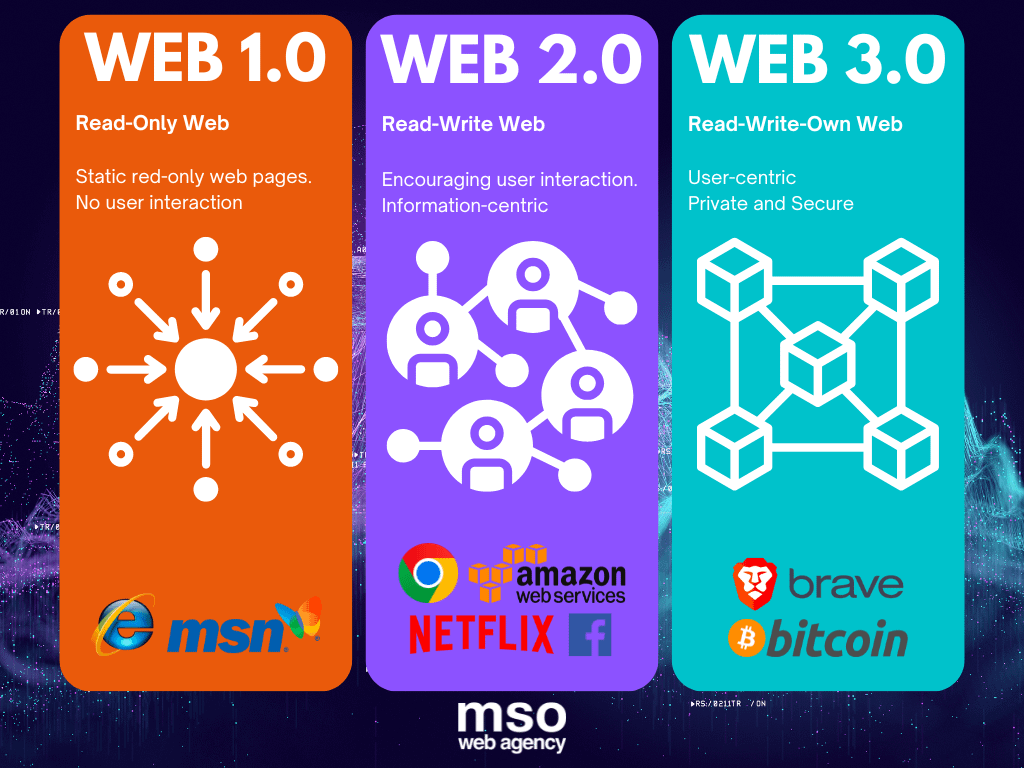
Web3 is the third generation of the internet, based on blockchain technology and cryptocurrencies, where users have real control over their data, digital assets, and identity without relying on large intermediaries. While Web1 was "read-only" and Web2 is "read-and-write" (dominated by social networks and centralized platforms), Web3 adds the ability to "read, write, and own."
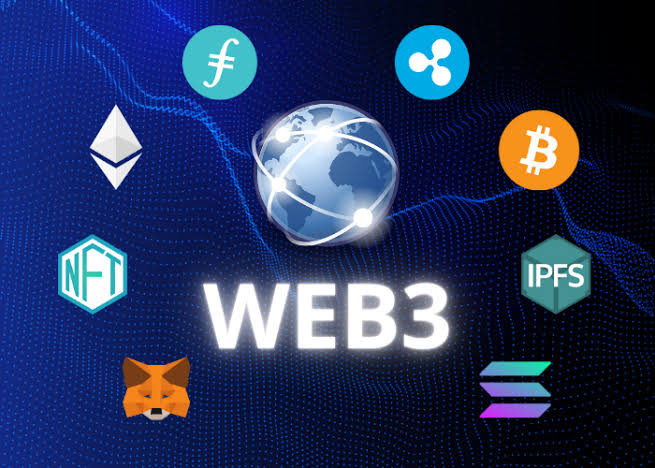
Decentralization: Instead of one company storing all the information on its servers, data is distributed across a network of computers (nodes) using blockchains such as Ethereum, Solana, or Bitcoin.
Digital ownership and wallets: Cryptocurrencies and tokens (such as NFTs or assets on networks) let users own their money or digital assets using their own wallet (such as Solflare or Binance's Web3 wallet) and private keys.
Smart contracts: These are programs that run automatically on the blockchain when certain rules are met, enabling loans, exchanges, or games without banks or middlemen.
DePIN and micro-rewards: Many Web3 networks reward users with points or tokens for contributing resources (such as bandwidth, data, or participation in communities), although it's a good idea to always check that a project is legitimate before connecting wallets or sharing data.
Identity and governance: Users can log in with their wallet and, in many projects (DAOs), vote on changes or network decisions. #Web3Payment
$BTC
$ETH
$BNB
#web3_binance
FerDanzigPY
·
--
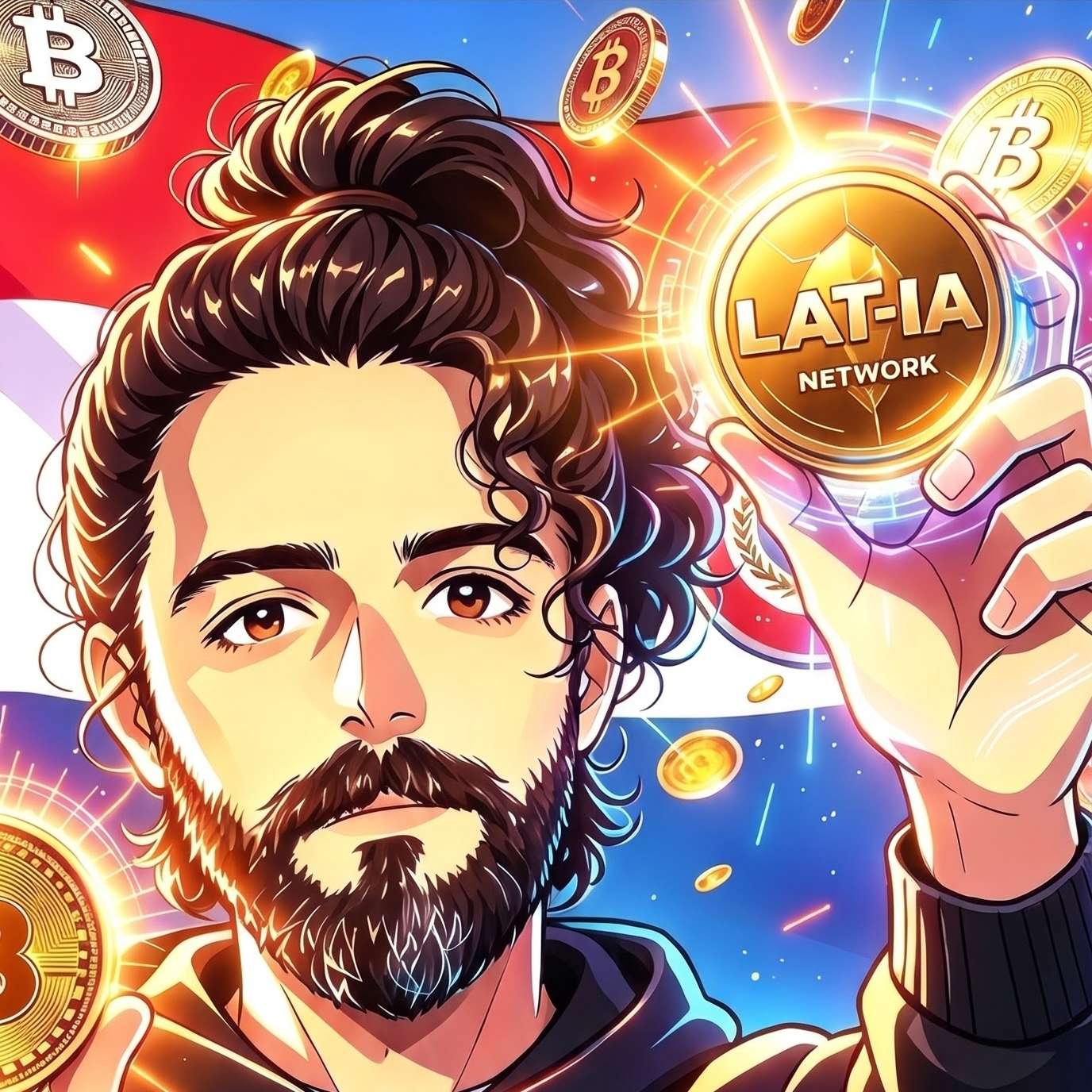
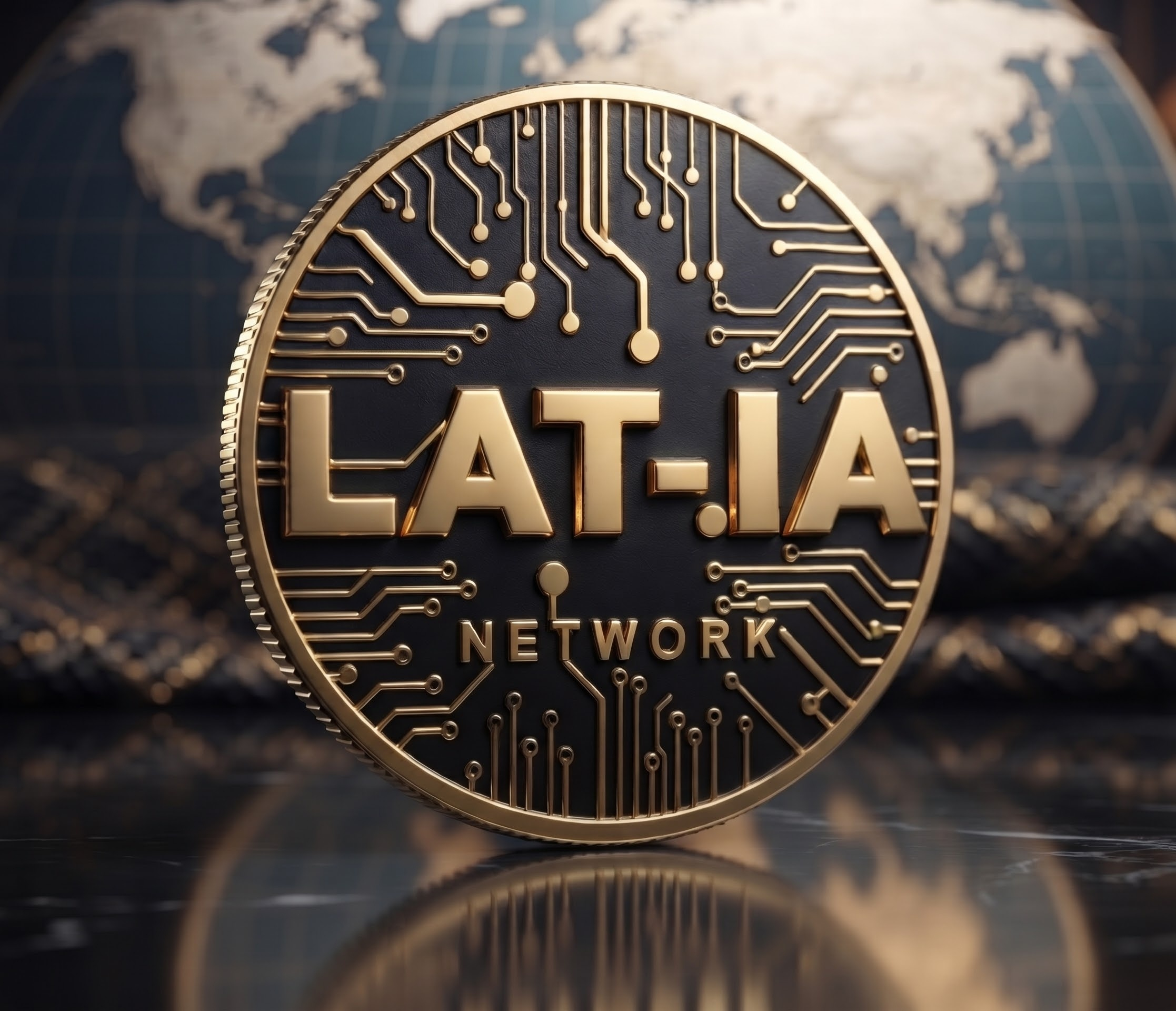
🌎 LAT-IA: when a community has an identity, it has something to say. 🚀
Some projects are born seeking attention, while others are born with an idea behind them.
To me, LAT-IA represents more than just a token. It represents an opportunity to bring our Latin identity to the Web3 world and show that we, too, can build, innovate, and be part of this new era of technology.
It’s not just about charts, prices, or market movements. It’s about community, participation, and a long-term vision.
We in Latin America also have a voice, creativity, and the desire to build something great. 🇵🇾🌎
I choose to support what we’re building, share its progress, and keep learning along the way.
LAT-IA Network. An identity, a community, and a vision looking to the future
$BNB
Cripto_SharkVE
·
--
How is Latia connected to BTC in the market?
Yes, because BTC’s movement usually sets the overall pace, and Latia reflects how that interest and connection flow within the ecosystem. What do you think?
Vote in the poll and tell us in the comments why you chose your option 👇
#Latia #BTC #BinanceSquare #Cripto
Yes, because BTC’s movement usually sets the overall pace, and Latia reflects how that interest and connection flow within the ecosystem. What do you think?
Vote in the poll and tell us in the comments why you chose your option 👇
#Latia #BTC #BinanceSquare #Cripto
Cripto_SharkVE
·
--
[Ended] 🎙️ THE SHARK IS ALREADY ON SCREEN! BTC SHOWS NO MERCY
6.9k listens


Moisa16
·
--
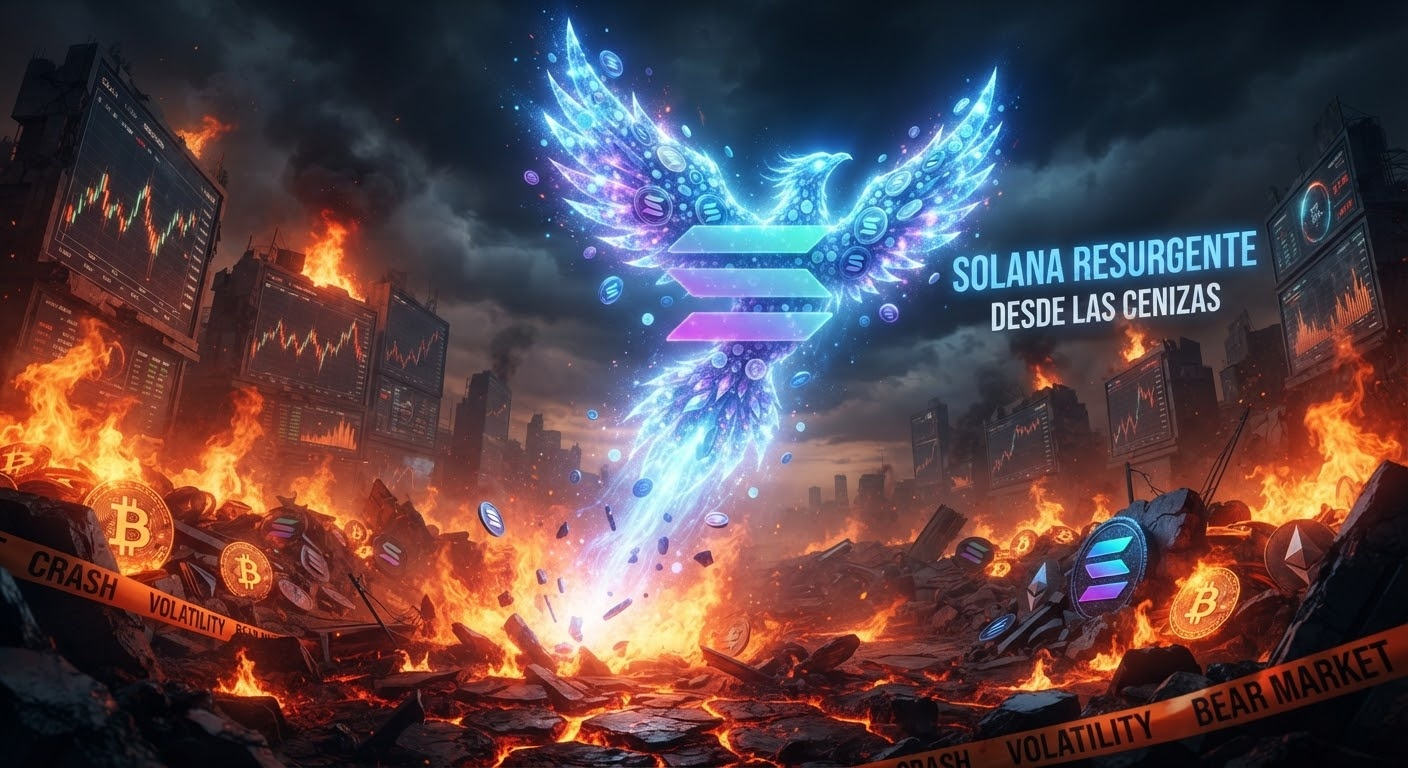
Bullish 💫SOLANA
⚡ Solana (SOL) at a glance
Architecture: Monolithic Layer 1 focused on high on-chain performance through parallel execution (Sealevel), optimized propagation (Turbine and Gulf Stream), evolution toward Alpenglow for ultra-fast finality, and greater client diversity with “Firedancer” (at the cost of higher hardware requirements and complexity).
Market and price: High beta relative to BTC; as long as it remains below key moving averages and volume is irregular, support levels to watch are ~$70.00, ~$67.30–$67.50, ~$62.00–$65.00, and ~$60.00 USD in extreme stress.
Key takeaway: A low RSI can trigger technical bounces, but without volume and a confirmed structure, caution is warranted. DYOR
#SolanaStrong
#BinanceSquareFamily
like ✅ and share 🔁👍 =🧧
Yukita90
·
--
XRP and Bitcoin: Anatomy of an Evolution, Reality in 2026, and Their Paths to the Future
Since the early years of the crypto ecosystem, $BTC and $XRP have represented two almost opposite philosophies: while Bitcoin was born as a decentralized, censorship-resistant alternative to fiat money, the XRP Ledger (XRPL) was designed to optimize speed, low cost, and liquidity in cross-border payments and financial infrastructure.
At the end of 2026, the crypto market is undergoing a phase of correction and reevaluation following the highs seen in 2025 (with Bitcoin reaching around $126,000 in October 2025 and XRP hitting an all-time high near $3.66 in July 2025, before retreating toward the $0.90–$1.00 range in November 2026). Understanding XRP’s true potential and whether it can grow “like Bitcoin” requires looking at both its historical trajectory and the economic and adoption mechanics that define each asset.
At the end of 2026, the crypto market is undergoing a phase of correction and reevaluation following the highs seen in 2025 (with Bitcoin reaching around $126,000 in October 2025 and XRP hitting an all-time high near $3.66 in July 2025, before retreating toward the $0.90–$1.00 range in November 2026). Understanding XRP’s true potential and whether it can grow “like Bitcoin” requires looking at both its historical trajectory and the economic and adoption mechanics that define each asset.

Quoted content has been removed
Geocrypto2026
·
--
[Replay] 🎙️ BTC started the week higher—where is it headed? #VibraLatina
05 h 59 m 46 s · 14.6k listens
El Tío Mono
·
--
🚨 CRYPTO CHALLENGE: ONLY FOR FINANCIAL MINDS 🧠🔥
💎 Do you really understand the market, or are you just following the green candles?
₿ Bitcoin | XRP | Trading | Investor Psychology
🎯 5 questions. One challenge.
👇 Answer without Googling.
🏆 Can you get 5/5?
Comment your score and tag the friend who always says they know the market. How much do you really know about trading?
1. 🚨 Bitcoin breaks through resistance, but the 4-hour candle closes below it again. How should this initially be interpreted?
A. Possible false breakout
B. Confirmation of a new support level
C. Confirmed start of a bull market
D. Confirmed bullish breakout
2. 💎 XRP rises by 50%, then the next day falls by 50% from its new price. What happens to the initial capital, without fees?
A. It ends with a 25% gain
B. It ends with a 50% loss
C. It returns to the same amount of capital
D. It ends with a 25% loss
3. 🧠 A stop-loss order guarantees that a trade will close exactly at the chosen price, even during a sharp drop.
True
False
4. 📊 Which of these factors can provide evidence of a stronger bullish breakout? Select all that apply.
A. High volume compared with the average
B. A viral price target on social media
C. Successful retest of the broken level
D. Sustained close above resistance
5. ₿ Bitcoin has a programmed maximum supply of approximately 21 million BTC under its current consensus rules.
True
False
#CaliforniaNvidiaProbeExaminesPotentialCriminalViolations #Bitcoin #XRP #Trading #BinanceLive

OmenX Official
·
--
Lucky winner prize 【5.2u】🧧
Follow + like + repost this post
Comment: omenx
We'll announce the winner in two days!
Follow + like + repost this post
Comment: omenx
We'll announce the winner in two days!
Mrs_crypto27
·
--
TLS
Most tokens on launchpads rely purely on hype and short-term speculation. $TLS is flipping that script on the BNB Chain.
As the official test token of the Flap platform (@Flap) built in collaboration with Lista DAO, $TLS combines viral launchpad energy with real, sustainable DeFi mechanics.
Here is why the BNB Chain community is watching its ecosystem closely:
1. The Narrative: Launchpad Speed Meets DeFi Utility
In crypto, users usually have to choose between fast-moving token launches and structured DeFi protocols. $TLS (@flaptls) bridges that gap by sitting right at the intersection of both:
• Flap’s Ecosystem Catalyst: Built on Flap, $TLS serves as a live proving ground for next-generation tokenomics and community-driven growth on $BNB Chain.
• Backed by Lista DAO Infrastructure: Instead of existing in a vacuum, $TLS connects directly to the Lista DAO ($LISTA) sector—one of BNB Chain’s leading decentralized liquidity and liquid staking protocols (home to lisUSD and slisBNB).
2. Tokenomics Built to Reward Holders
Unlike standard meme launches built for quick exits, $TLS uses on-chain mechanics engineered for long-term value:
• Holder Dividends: Volume rewards the community, not just short-term traders. Wallets holding at least 10,000 $TLS earn passive dividends generated directly from trading fees.
• Automated LP Reflux: Every transaction strengthens the foundation. A portion of the trading tax flows automatically back into the liquidity pool (LP Reflux), deepening liquidity and reducing price slippage over time.
• DeFi Composability: Through its link to Lista DAO’s ecosystem, $TLS explores how launchpad assets can integrate with broader yield, staking, and liquidity networks.
3. Why Depth Matters Now
Led by builders and advocates like @Jackie_TLS, the focus around $TLS goes far beyond short-term price action. It is about educating users on how sustainable on-chain mechanics work in practice—where liquidity grows automatically and holders are rewarded for conviction.
The Bottom Line
Hype fades, but strong tokenomics endure. Whether you are exploring the Flap launchpad or tracking the expansion of Lista DAO on BNB Chain, $TLS shows how modern tokens are evolving beyond pure memes.
What are your thoughts on LP Reflux and holder dividend models? Drop your take in the comments
@Flap @FLAPTLS @Jackie_TLS
#TLS #Flap #ListaDao #BNBChain #DeFi
Quoted content has been removed
Log in to explore more content