
Veta Conatser cu33
224 Posts

Veta Conatser cu33
15 Following
44 Followers
59 Liked
Posts
All
Quotes
Definitely worse, it's hard to imagine,

Crypto Plankton81
·
--
The current government has reached a peak in writing laws that do not work for the good of society. I am afraid to think how many of them would have been pushed through if Trzaskowski were president.
So today and tomorrow it's a misunderstanding, it has happened before, people will buy and a bunch of whales will screw them over as always, this is a manipulative conspiracy.


Amina Chattha
·
--
🚨 BREAKING
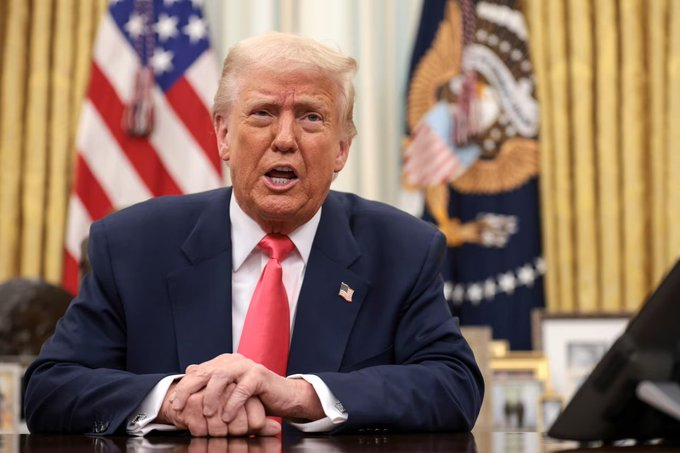
TRUMP TO MAKE A “HUGE” ECONOMY ANNOUNCEMENT TODAY AT 5:30 PM ET.
EXPECT HIGH MARKET VOLATILITY!
TRUMP TO MAKE A “HUGE” ECONOMY ANNOUNCEMENT TODAY AT 5:30 PM ET.
EXPECT HIGH MARKET VOLATILITY!
Let them devour each other, people should liquidate all accounts until specific regulations are in place, because there will be continuous zeroing on small investors,

CryptoQuant Quicktake
·
--
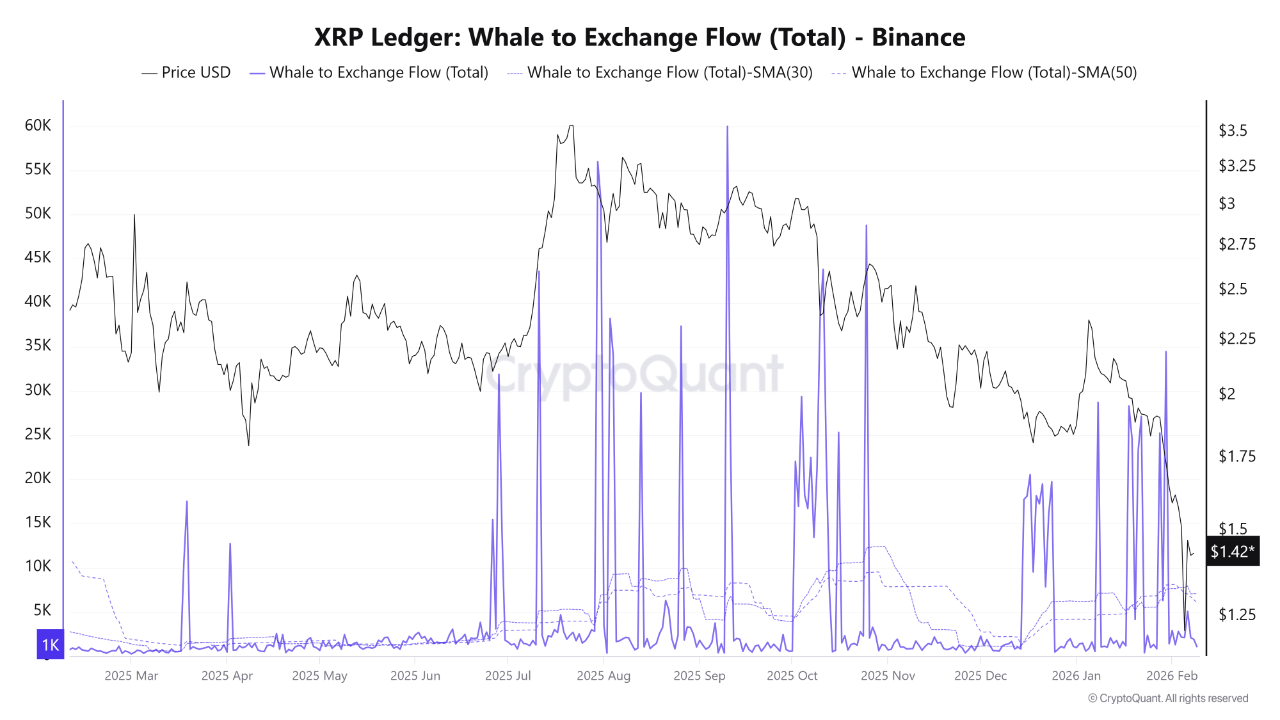
Whales Are Waiting for a Rally to Sell in XRP
The chart highlights several important periods.
During March-April 2025, whale to exchange flow remained very low while price showed weak reactions. Whales were not selling, supply tightened, and this was followed by a sharp rally in July 2025.
In June-July 2025, while the ratio was still near historical lows, the initial rally began. As price moved higher, profit-taking followed, and whale flow spiked near the peak, signaling distribution.
During December 2025 January 2026, the ratio again stayed very low while price continued to decline. Selling pressure during this period was mainly driven by retail investors, not whales.
Currently, Whale to Exchange Flow remains near historical lows, while price has dropped sharply to around $1.42. This decline is not accompanied by sustained whale selling. Panic selling is largely coming from smaller investors, while whales appear to be waiting for better opportunities.
Based on historical behavior, price may continue to move sideways or slightly lower in the short term as volatility decreases. This could be followed by sudden, low-volume upside wicks. When a real rally begins, whale selling is likely to appear, potentially leading to deeper pullbacks.
Tracking this metric specifically on Binance is critical. Binance has the highest spot and derivatives volume in XRP and the deepest order books. It is the primary trading venue for whales and institutions. While other exchanges may reflect transfers or wallet movements, the capital that truly moves price is concentrated on Binance.
In summary, Binance Whale to Exchange Flow measures action, not expectation, and acts as a leading indicator by capturing behavior before price reacts.
Written by PelinayPA
During March-April 2025, whale to exchange flow remained very low while price showed weak reactions. Whales were not selling, supply tightened, and this was followed by a sharp rally in July 2025.
In June-July 2025, while the ratio was still near historical lows, the initial rally began. As price moved higher, profit-taking followed, and whale flow spiked near the peak, signaling distribution.
During December 2025 January 2026, the ratio again stayed very low while price continued to decline. Selling pressure during this period was mainly driven by retail investors, not whales.
Currently, Whale to Exchange Flow remains near historical lows, while price has dropped sharply to around $1.42. This decline is not accompanied by sustained whale selling. Panic selling is largely coming from smaller investors, while whales appear to be waiting for better opportunities.
Based on historical behavior, price may continue to move sideways or slightly lower in the short term as volatility decreases. This could be followed by sudden, low-volume upside wicks. When a real rally begins, whale selling is likely to appear, potentially leading to deeper pullbacks.
Tracking this metric specifically on Binance is critical. Binance has the highest spot and derivatives volume in XRP and the deepest order books. It is the primary trading venue for whales and institutions. While other exchanges may reflect transfers or wallet movements, the capital that truly moves price is concentrated on Binance.
In summary, Binance Whale to Exchange Flow measures action, not expectation, and acts as a leading indicator by capturing behavior before price reacts.
Written by PelinayPA
This has been visible for a long time, the banking and finance lobby does not want any regulation, and we know why.

CryptoPump0
·
--
???? ERIC TRUMP SAYS THEY’RE USING EVERY LEVEL POSSIBLE TO DELAY OR BLOCK PRO-CRYPTO LEGISLATION.
WHY? BECAUSE WHEN CRYPTO WINS, FINANCIAL CONTROL SHIFTS TO THE PEOPLE.
AND THAT’S EXACTLY WHAT THEY FEAR MOST
WHY? BECAUSE WHEN CRYPTO WINS, FINANCIAL CONTROL SHIFTS TO THE PEOPLE.
AND THAT’S EXACTLY WHAT THEY FEAR MOST
You are absolutely right, a lot of tokens will drop out of circulation, later after transitioning to a new financial order it will be fine.

PRiX XiRP
·
--
$XRP start of the black swan across all markets, the collapse is accelerating but remains controlled to implement the new financial system, when everything is broken, there will be no other choice but to accept the new one. the tipping point is the approval of the CLARITY act and then ripple will seal its dominance with an IPO.
everything is already built but when pressed on the button.
I don't know at what level this will fall but it's normal and expected.
many will say that it's nonsense and it will remain on the sidelines.
everything is already built but when pressed on the button.
I don't know at what level this will fall but it's normal and expected.
many will say that it's nonsense and it will remain on the sidelines.
Trump makes a fundamental mistake, 1, abolishing the Fed, there will be shock, the world will experience turbulence, introduce a state of emergency or decree to lock up all enemies of the USA and the world,

F I N K Y
·
--
Bullish🇺🇸 BREAKING:
U.S. jobless claims just sent a quiet shock through the market — and suddenly the “strong economy” talk feels a lot less confident.
Initial Jobless Claims jumped to 231K.
That’s well above expectations (212K) and a clear rise from last week (209K).
Continuing Claims came in at 1.844 million.
Slightly under forecasts, but still higher than before. That means more people are staying unemployed for longer, not just losing jobs for a week or two.
This isn’t panic data. But it is a warning signal.
Hiring is slowing.
Companies are hesitating.
The labor market is losing some of its shine.
For months, strength in jobs was the backbone of the “everything is fine” story. When cracks start to show here, markets listen — even if they don’t react loudly right away.
This is how shifts begin. Quiet numbers first. Loud consequences later.
Keep your eyes open.
US #Market_Update #CryptoNews #USGovernment
U.S. jobless claims just sent a quiet shock through the market — and suddenly the “strong economy” talk feels a lot less confident.
Initial Jobless Claims jumped to 231K.
That’s well above expectations (212K) and a clear rise from last week (209K).
Continuing Claims came in at 1.844 million.
Slightly under forecasts, but still higher than before. That means more people are staying unemployed for longer, not just losing jobs for a week or two.
This isn’t panic data. But it is a warning signal.
Hiring is slowing.
Companies are hesitating.
The labor market is losing some of its shine.
For months, strength in jobs was the backbone of the “everything is fine” story. When cracks start to show here, markets listen — even if they don’t react loudly right away.
This is how shifts begin. Quiet numbers first. Loud consequences later.
Keep your eyes open.
US #Market_Update #CryptoNews #USGovernment
Bitcoin will drop to 1$ since it has been a pyramid from the beginning; those who made money have something, if anyone thinks that BTC will return to 100k, then it's time to kneel and pray to God.

BeInCrypto PL
·
--
Will Bitcoin fall to 35,000 USD? Analysts seriously discuss a black scenario
Bitcoin fell sharply to 73,000 USD on February 3, deepening the market crash. It has already brought the price of BTC down by 41% compared to the all-time high (ATH) of over 126,000 USD in October 2025. This decline has intensified the debate on whether the market is approaching a cyclical bottom or entering a deeper phase of correction.
The sell-off reflects growing concern in traditional markets. U.S. stock indices have weakened due to fears of disruptions caused by artificial intelligence and increasing geopolitical threats. Investors have begun to retreat from higher-risk assets.
The sell-off reflects growing concern in traditional markets. U.S. stock indices have weakened due to fears of disruptions caused by artificial intelligence and increasing geopolitical threats. Investors have begun to retreat from higher-risk assets.
People can rest and then we will see what these whales will be zeroing out, if everyone deleted their account there wouldn't be enough to pay out, everything is virtual, like banks

CRYPTO Hunter 1
·
--
Bearish$XRP bulls just got shaken as $1.3374K in long positions were wiped out at $1.2953. The market showed zero mercy as leveraged traders faced sudden liquidation pressure. This move hints at weakening bullish momentum and rising volatility around XRP. Traders are now watching closely to see whether buyers step back in or if sellers continue to dominate the price action. Stay alert because sharp reversals and liquidity hunts can still unfold.
#WhenWillBTCRebound
#WarshFedPolicyOutlook
#JPMorganSaysBTCOverGold
#EthereumLayer2Rethink?
#BitcoinDropMarketImpact
#WhenWillBTCRebound
#WarshFedPolicyOutlook
#JPMorganSaysBTCOverGold
#EthereumLayer2Rethink?
#BitcoinDropMarketImpact
One must be foolish and naive to think that it is Satoshi; if the world knew the truth, Bitcoin would be worth as much as Dodge or less, and it will drop to a dollar,

Kamila Schuchard
·
--
EPSTEIN REVEALED 3 KEY BITCOIN PROGRAMMERS!
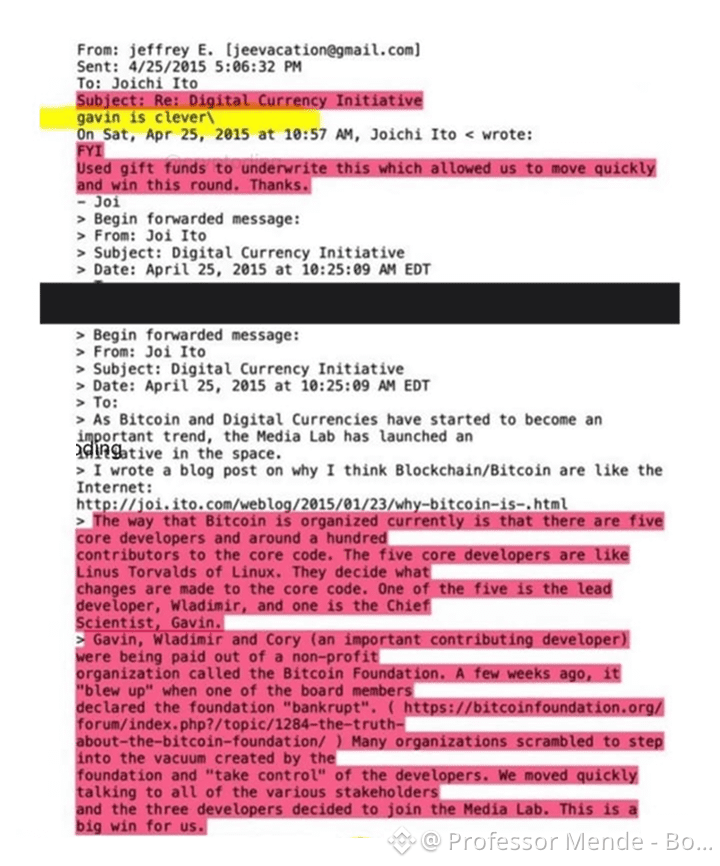
The SATOSHI secret has just received new information. In one of Epstein's emails, he mentions that $BTC has 5 key programmers and names 3 of them.
Based on this email and a few Google searches, we can determine exactly who he was talking about. The 3 programmers mentioned in the email are:
1. Gavin Andresen
2. Wladimir van der Laan
3. Cory Fields
Now the difficult part:
When Bitcoin first became popular, it was praised as a currency "for the people, by the people". A statement of decentralization. Created by an anonymous programmer who wanted to give people the ability to achieve financial growth without the need to use banks.
Now this statement has taken a dark turn. It seems that Bitcoin was created and is controlled by the elite after all.......
The SATOSHI secret has just received new information. In one of Epstein's emails, he mentions that $BTC has 5 key programmers and names 3 of them.
Based on this email and a few Google searches, we can determine exactly who he was talking about. The 3 programmers mentioned in the email are:
1. Gavin Andresen
2. Wladimir van der Laan
3. Cory Fields
Now the difficult part:
When Bitcoin first became popular, it was praised as a currency "for the people, by the people". A statement of decentralization. Created by an anonymous programmer who wanted to give people the ability to achieve financial growth without the need to use banks.
Now this statement has taken a dark turn. It seems that Bitcoin was created and is controlled by the elite after all.......
The only problem is cbdc the rest is ok, it cannot be that the state will decide what, how much you can spend, or block your account because they think so, credit cards will disappear,
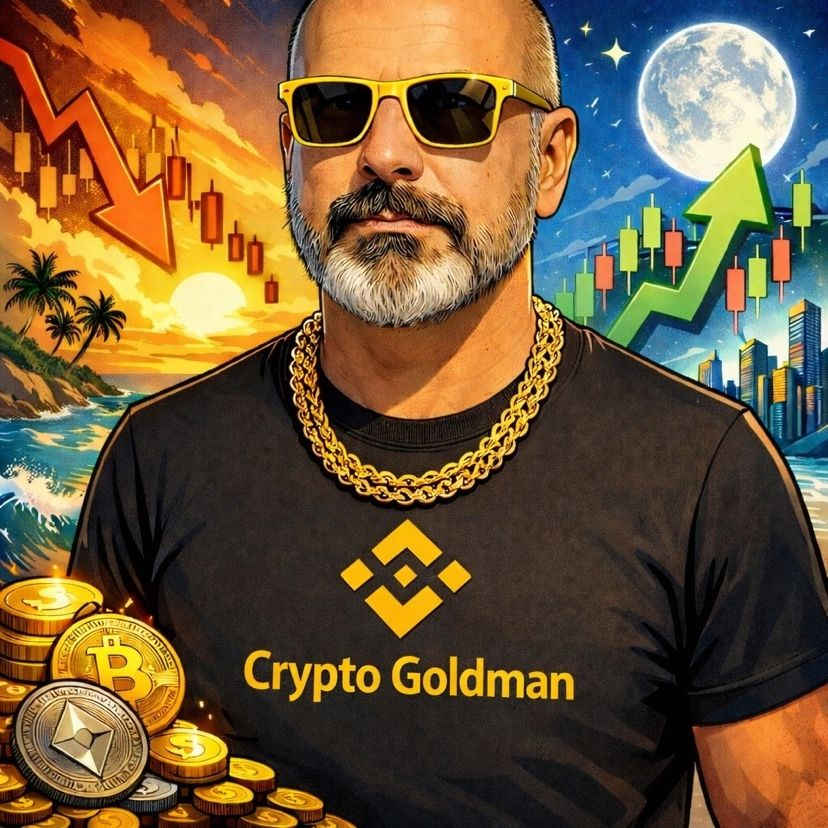
Crypto Goldman
·
--
👊💵THE WORLD IS CHANGING – DAVOS 2026 AND WHAT IT MEANS FOR OUR WALLETS🤑
The year 2026 is a real turning point.
Decisions made in Davos are closing the old order (Agenda 2030) and opening a new era: AI, sovereignty, and the rebuilding of the middle class.
A few key conclusions:
1️⃣ AI is not a bubble, but a new engine of the economy
The USA is growing 3.5–4.6% annually, mainly due to investments in AI.
In the long term, AI could raise GDP by as much as ~45%.
The effect? The barrier to entry into business practically disappears — it's not the one who “writes code” that wins, but the one who uses AI to solve real problems.
2️⃣ The end of globalization, the return of industry to the USA
“America First” is coming back seriously.
Tariffs, pressure on allies, and bringing capital back to the States.
Skilled blue-collar workers are starting to earn like the elite again — not funds and intermediaries.
3️⃣ Greenland without war
The USA has secured access to key resources (rare earths, minerals) through agreements with Denmark/NATO.
Goal: to cut off China and Russia from the resources needed for chips, AI, and energy.
4️⃣ Homes for people, not for funds
A blow to institutional real estate accumulation.
Goal: millions of new homeowners and stabilization of prices.
Less Wall Street, more real families.
5️⃣ Banks under pressure
The idea of a credit card interest rate cap (around 10%).
Less interest = more money in the real economy.
Banks are screaming, consumers are breathing.
6️⃣ The dark side of Davos
CBDC, digital ID, asset tokenization.
This is not just “innovation,” but also programmable money.
The fight for financial freedom is moving to the code level.
Conclusion:
Capital is changing direction.
AI + resources + real economy are winning.
Financial control is increasing — that's why decentralization and crypto are not disappearing, but becoming even more necessary.
what do you think?
The year 2026 is a real turning point.
Decisions made in Davos are closing the old order (Agenda 2030) and opening a new era: AI, sovereignty, and the rebuilding of the middle class.
A few key conclusions:
1️⃣ AI is not a bubble, but a new engine of the economy
The USA is growing 3.5–4.6% annually, mainly due to investments in AI.
In the long term, AI could raise GDP by as much as ~45%.
The effect? The barrier to entry into business practically disappears — it's not the one who “writes code” that wins, but the one who uses AI to solve real problems.
2️⃣ The end of globalization, the return of industry to the USA
“America First” is coming back seriously.
Tariffs, pressure on allies, and bringing capital back to the States.
Skilled blue-collar workers are starting to earn like the elite again — not funds and intermediaries.
3️⃣ Greenland without war
The USA has secured access to key resources (rare earths, minerals) through agreements with Denmark/NATO.
Goal: to cut off China and Russia from the resources needed for chips, AI, and energy.
4️⃣ Homes for people, not for funds
A blow to institutional real estate accumulation.
Goal: millions of new homeowners and stabilization of prices.
Less Wall Street, more real families.
5️⃣ Banks under pressure
The idea of a credit card interest rate cap (around 10%).
Less interest = more money in the real economy.
Banks are screaming, consumers are breathing.
6️⃣ The dark side of Davos
CBDC, digital ID, asset tokenization.
This is not just “innovation,” but also programmable money.
The fight for financial freedom is moving to the code level.
Conclusion:
Capital is changing direction.
AI + resources + real economy are winning.
Financial control is increasing — that's why decentralization and crypto are not disappearing, but becoming even more necessary.
what do you think?

Is anyone surprised? They shouldn't be. If Trump eliminates the Fed, the chain reaction will spread globally, loan fees will be curtailed, manipulations, interest rates, this is what banks fear.

CrypS_pl
·
--
Central banks enter the political game against Trump
Almost the entire 'banking world' supported Jerome Powell in the clash with Trump. The Bank of Japan was the only one to break ranks — and that says more than it seems.
Is the independence of central banks under threat?
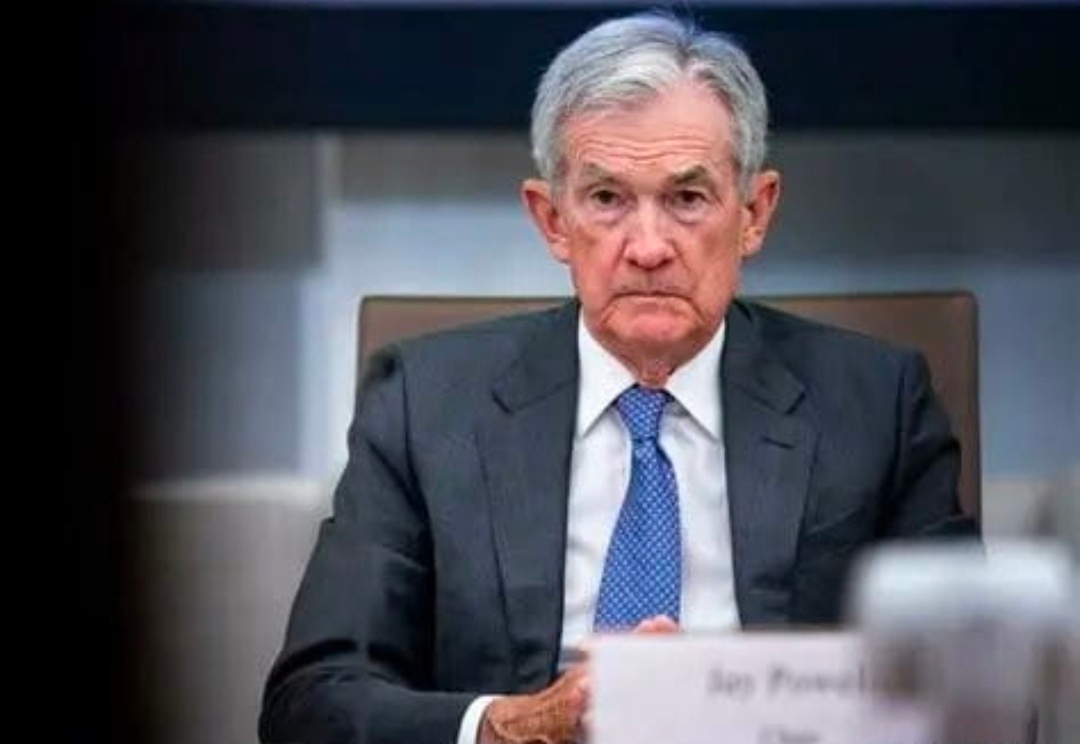
After information about the investigation regarding Powell's testimony on the costs of renovating Fed buildings, part of the market interpreted this as political pressure on the central bank. Powell suggests that it is about pressure for rate cuts.
In response, the heads of many central banks signed a joint statement supporting Powell — including the ECB, the Bank of England, the Bank of Canada, and several other institutions. The Bank of Japan did not join. According to sources, the reason is related to relations with the USA and reluctance to engage in a dispute that Trump could use against Tokyo.
Is the independence of central banks under threat?
After information about the investigation regarding Powell's testimony on the costs of renovating Fed buildings, part of the market interpreted this as political pressure on the central bank. Powell suggests that it is about pressure for rate cuts.
In response, the heads of many central banks signed a joint statement supporting Powell — including the ECB, the Bank of England, the Bank of Canada, and several other institutions. The Bank of Japan did not join. According to sources, the reason is related to relations with the USA and reluctance to engage in a dispute that Trump could use against Tokyo.
The only option for Trump is the complete liquidation of the Fed, there will be noise, after the storm the sun always comes out. This is the only effective option for a better tomorrow in the USA, because the Fed regulates markets indirectly.


Binance News
·
--
Trump's Shift in Fed Chair Nomination Sparks Speculation
Qinbafrank posted on X. U.S. President Donald Trump has unexpectedly changed his stance on the nomination for the next Federal Reserve Chair, leading to speculation about his motives. Several factors may have influenced this decision. Firstly, the criminal investigation initiated earlier this week against Jerome Powell has faced strong opposition from within the party, Congress, and Wall Street. Key members of the Senate Banking Committee, including Tillis, have voiced their disapproval, as this committee plays a crucial role in the appointment process for the Fed Chair. Trump aims to retain his loyal advisor, Hassett, in the White House to demonstrate that he values market reactions and is not acting unilaterally, partially alleviating concerns about the Fed's independence.Secondly, with the midterm elections approaching in 2026, Trump's policies are focused on addressing public welfare and affordability. This requires effective coordination and communication of policy implementation and significance. Hassett, as the Chairman of the National Economic Council, is responsible for aligning economic policies with the presidential agenda and explaining them to the public. His role is particularly significant in the lead-up to the midterm elections.There is a lingering question about whether Trump is dissatisfied with Besent, who was primarily responsible for explaining policies to the public in 2025, such as tariffs and the Great America Act. It is unclear if Trump's decision to keep Hassett in his current position is related to Besent's expression of discontent over Powell's investigation during a conversation with Trump last Sunday.The market impact includes a reduction in expectations for interest rate cuts this year. Even if Kevin Warsh is appointed, the rate cut might only be slightly smaller than under Hassett, with a difference between two and three cuts. Warsh's potential appointment could improve perceptions, as he stands between the market and Trump, alleviating concerns about independence.However, this does not mean Trump has definitively decided to nominate Warsh. It appears to be part of Trump's strategy: excluding Hassett, testing market reactions by speaking during active trading hours, allowing Warsh to lead, observing asset responses, and subsequently introducing other options to shape market expectations before announcing his final choice.
Fed was never independent, Fed is a private institution managed by a few well-known families since 1912, officially in 1913,

Sofia Hashmi
·
--
🚨 BREAKING: Powell prepares for a brutal legal war
Federal Reserve Chair Jerome Powell has just hired a very aggressive law firm as his criminal fight connected to Donald Trump heats up.
watch these top trending coins closely
$币安人生 | $IP | $DASH
This is not a normal legal move. This firm is famous for going “scorched earth”, meaning they fight hard, push back on everything, and never back down or settle easily. That alone tells you how serious this situation has become.
Sources say this law firm is known for long battles, strong counterattacks, and exposing every detail in court. By choosing them, Powell is sending a clear signal: he plans to fight until the very end. No quiet deals. No soft exits. This could turn into a loud, messy, and very public showdown between politics and the central bank.
The bigger picture is explosive. The Federal Reserve is supposed to be independent and calm, but now it’s being pulled into a high-stakes legal and political storm. Markets hate uncertainty, and this kind of fight creates exactly that. If this escalates, it won’t just be about Powell or Trump — it could shake trust in institutions and hit confidence across the financial system. The tension is rising fast. ⚠️📉
Federal Reserve Chair Jerome Powell has just hired a very aggressive law firm as his criminal fight connected to Donald Trump heats up.
watch these top trending coins closely
$币安人生 | $IP | $DASH
This is not a normal legal move. This firm is famous for going “scorched earth”, meaning they fight hard, push back on everything, and never back down or settle easily. That alone tells you how serious this situation has become.
Sources say this law firm is known for long battles, strong counterattacks, and exposing every detail in court. By choosing them, Powell is sending a clear signal: he plans to fight until the very end. No quiet deals. No soft exits. This could turn into a loud, messy, and very public showdown between politics and the central bank.
The bigger picture is explosive. The Federal Reserve is supposed to be independent and calm, but now it’s being pulled into a high-stakes legal and political storm. Markets hate uncertainty, and this kind of fight creates exactly that. If this escalates, it won’t just be about Powell or Trump — it could shake trust in institutions and hit confidence across the financial system. The tension is rising fast. ⚠️📉
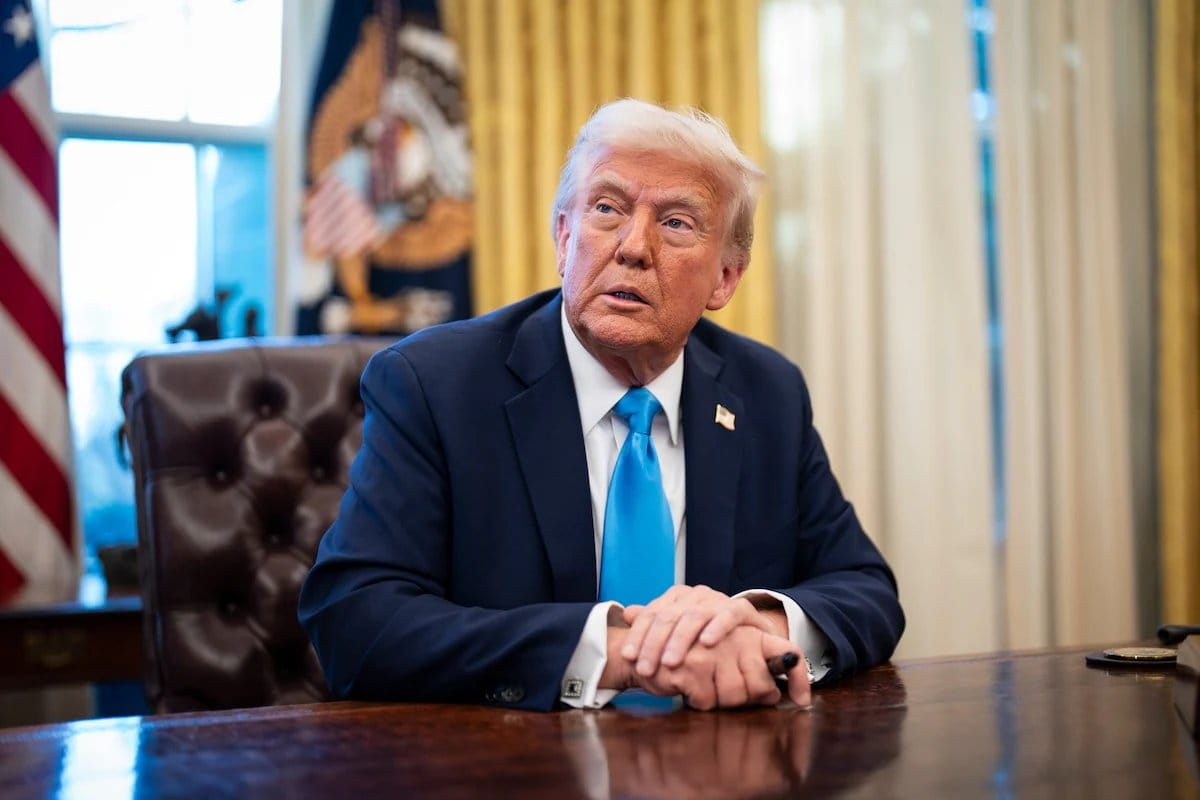
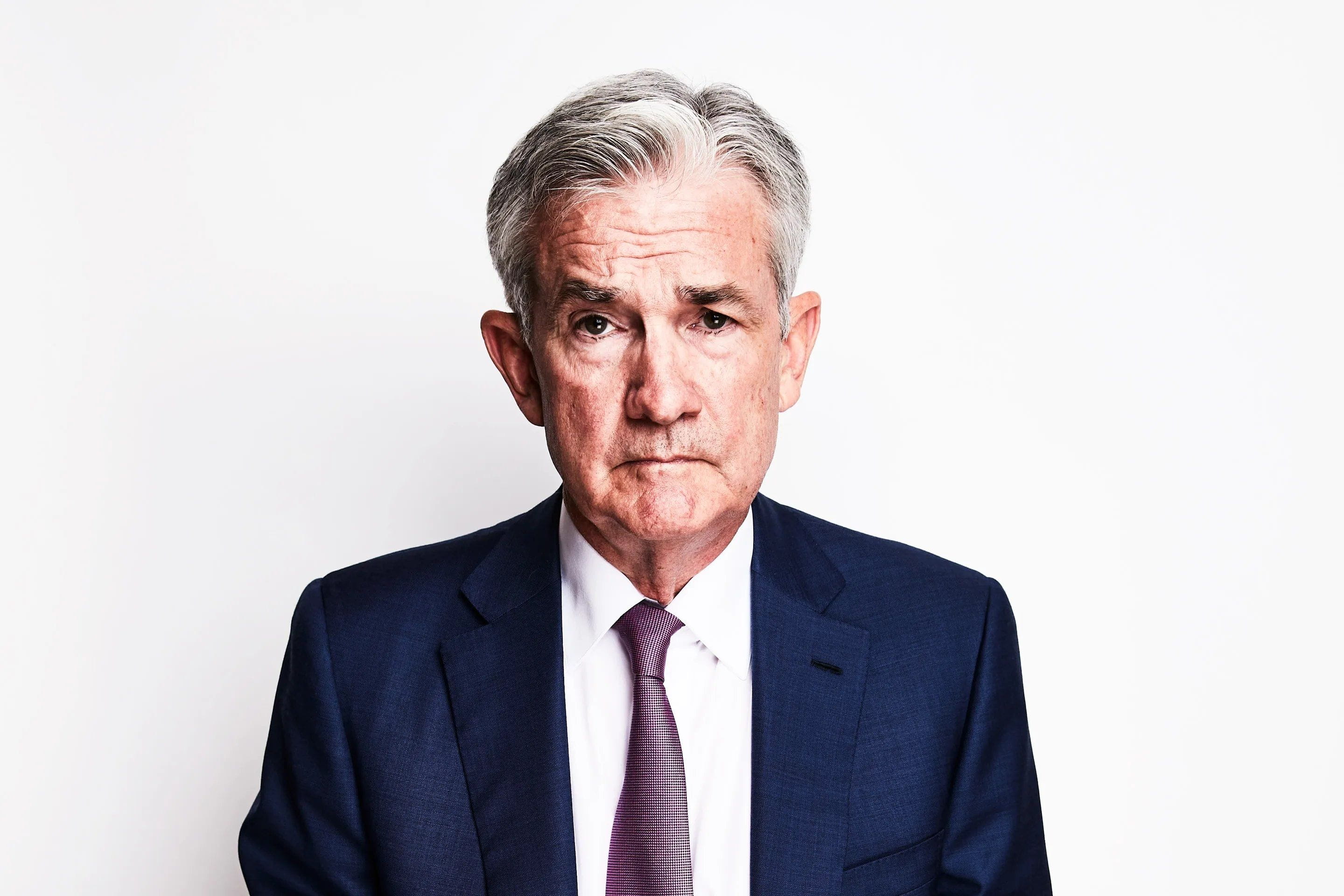
Trump should have done this a long time ago; the Fed is not the central bank of the USA, it's a private institution run by powerful families.

Bitcoinworld
·
--
Federal Reserve Chair Jerome Powell Faces Shocking Replacement Announcement From President Trump
BitcoinWorld Federal Reserve Chair Jerome Powell Faces Shocking Replacement Announcement from President Trump
In a stunning declaration that immediately rippled through global financial markets, former President Donald Trump stated Federal Reserve Chair Jerome Powell would be replaced soon. Trump made this consequential announcement during a speech at the Detroit Economic Club on Tuesday, October 26, 2024, directly criticizing Powell’s leadership and signaling a major potential shift in U.S. monetary policy direction. This move raises profound questions about the traditional independence of the nation’s central bank and its implications for inflation, interest rates, and economic stability.
Federal Reserve Chair Jerome Powell Confronts Public Rebuke and Replacement Threat
President Trump’s comments represent an unprecedented public challenge to a sitting Fed Chair. During his Detroit address, Trump specifically referred to Powell as an “idiot” and declared he “would be gone shortly.” This direct criticism follows a long-standing, often contentious relationship between the two figures. Historically, presidents have avoided such overt commentary on Federal Reserve leadership to preserve the institution’s perceived political neutrality. Consequently, markets reacted with immediate volatility, as traders assessed the potential for a more politically aligned monetary policy.
The Federal Reserve, established in 1913, operates with a mandate to promote maximum employment, stable prices, and moderate long-term interest rates. Its chair serves a four-year term, with Powell’s current term set to expire in 2026. However, the President possesses the authority to nominate a Fed Chair, subject to Senate confirmation. A replacement before the term’s end would require Powell to resign or for the President to have cause for removal, a legally ambiguous and historically untested scenario. This announcement, therefore, introduces significant legal and procedural uncertainty.
Historical Context of Presidential and Fed Relations
The relationship between the White House and the Federal Reserve has experienced periods of tension for decades. For instance, President Lyndon B. Johnson famously confronted Fed Chair William McChesney Martin over interest rate hikes. Similarly, President George H.W. Bush blamed Fed Chair Alan Greenspan for his re-election loss. However, modern norms have strongly emphasized the Fed’s operational independence. Trump’s public campaign for lower interest rates during his first term, often via social media criticism of Powell, already tested these boundaries. This new announcement escalates that tension to a new level, suggesting a direct intervention in leadership.
Analysts quickly referenced past episodes where central bank independence came under pressure. For example, in the 1970s, political influence contributed to policies that fueled high inflation. Conversely, the Volcker Fed’s strong independence in the early 1980s successfully tamed inflation despite short-term political cost. This historical backdrop provides critical context for understanding the potential risks associated with Trump’s statement. Experts argue that perceived political control can undermine the Fed’s credibility, making it harder to manage inflation expectations.
Expert Analysis on Market and Policy Implications
Financial experts and former Fed officials expressed deep concern following the announcement. “The greatest asset of any central bank is its credibility and independence,” stated a former Federal Reserve Board economist. “Direct threats to remove the chair based on policy disagreements risk politicizing monetary decisions, which could lead to longer-term economic instability.” Market indicators showed an immediate response: the U.S. Dollar Index (DXY) dipped, Treasury yields became more volatile, and equity futures wobbled as investors priced in increased uncertainty.
The potential impacts extend beyond immediate market gyrations. Firstly, the Fed is currently navigating a delicate balance between continuing its fight against inflation and avoiding tipping the economy into a recession. A change in leadership could signal a shift in this priority. Secondly, international confidence in the U.S. financial system partly rests on the stability and rules-based governance of its institutions. Thirdly, the practical timeline for any replacement is complex, involving nomination, Senate hearings, and confirmation votes, creating a prolonged period of ambiguity.
Legal and Procedural Pathways for Replacing a Fed Chair
The process for replacing a Federal Reserve Chair is not straightforward. Jerome Powell was originally nominated by President Trump in 2017 and later re-nominated by President Biden in 2021. The Federal Reserve Act states that a board member, including the chair, may be removed “for cause” by the President. However, the definition of “cause” is not explicitly detailed and has never been litigated in the context of a Fed chair removal. Most legal scholars interpret it as requiring malfeasance or neglect of duty, not simply policy disagreements.
Therefore, the most plausible path for a change in leadership before 2026 would be for Powell to resign voluntarily. Pressure from the White House could potentially compel such a resignation. Alternatively, a President could choose not to re-nominate a chair when their term expires, but that is not applicable to Powell’s current term. The table below outlines the key differences:
Pathway Description Historical Precedent Removal “For Cause” President removes chair for legal cause (e.g., misconduct). Highly contentious and untested. None for a Fed Chair. Voluntary Resignation Chair steps down amid political pressure. Rare; most serve full terms. End of Term Non-Renomination President appoints a new chair when the 4-year term ends. Standard process (e.g., Yellen to Powell).
This legal ambiguity adds a layer of constitutional uncertainty to the announcement. Furthermore, any attempt at removal would likely face immediate legal challenges, creating a protracted political and judicial battle that would further cloud the economic outlook.
Potential Successors and Shifts in Monetary Policy
Speculation immediately turned to who might succeed Jerome Powell if a replacement occurs. Potential candidates would likely align more closely with Trump’s stated preference for lower interest rates. Names circulating among policy analysts include:
Current Fed Governors: Someone already on the Federal Reserve Board, like Governor Christopher Waller, known for a more hawkish stance, or Governor Michelle Bowman.
Former Officials: Figures such as Kevin Warsh, a former Fed governor who has criticized recent Fed policy.
External Economists: Academic or business economists who publicly advocate for a different policy framework.
The choice of successor would send a powerful signal about the future direction of monetary policy. A chair perceived as more amenable to political influence might prioritize growth over inflation control in the short term. This could have several effects:
Inflation Risk: Potential loosening of policy could reignite inflationary pressures.
Market Volatility: Increased uncertainty over the Fed’s reaction function.
Dollar Impact: Eroded confidence could weaken the U.S. dollar’s status as the global reserve currency over time.
Conclusion
President Trump’s announcement regarding the replacement of Federal Reserve Chair Jerome Powell marks a pivotal moment for U.S. economic institutions. The move challenges decades of precedent upholding central bank independence and introduces significant uncertainty for financial markets and monetary policy. While the legal and procedural hurdles for an immediate change remain high, the very statement alters the perceived landscape, potentially influencing Fed decisions and market expectations. The situation underscores the fragile balance between political authority and the technocratic management of the economy, with long-term consequences for inflation, employment, and global financial stability hanging in the balance. The coming weeks will be critical in determining whether this remains a political statement or evolves into a concrete action to replace the Federal Reserve chair.
FAQs
Q1: Can the President directly fire the Federal Reserve Chair?No, not directly. The Federal Reserve Act states a board member can only be removed by the President “for cause,” which is generally interpreted as requiring evidence of malfeasance or neglect of duty, not policy disagreements. It is an untested legal area.
Q2: What is the normal term for a Federal Reserve Chair?The Chair of the Federal Reserve serves a four-year term. Jerome Powell’s current term is scheduled to end in May 2026. He can be re-nominated for additional terms.
Q3: How did financial markets react to the announcement?Markets reacted with immediate volatility. The U.S. dollar weakened slightly, Treasury bond yields showed increased fluctuation, and stock market futures turned negative as investors priced in higher political risk and policy uncertainty.
Q4: Why is central bank independence considered important?Central bank independence is crucial for maintaining credibility in the fight against inflation. It allows policymakers to make decisions based on long-term economic data rather than short-term political cycles, which helps stabilize prices and foster sustainable growth.
Q5: What happens if the Fed Chair resigns under pressure?If Chair Powell were to resign, the Vice Chair would likely serve as acting chair until the President nominates and the Senate confirms a permanent successor. This process could take several months, creating a prolonged period of leadership uncertainty.
This post Federal Reserve Chair Jerome Powell Faces Shocking Replacement Announcement from President Trump first appeared on BitcoinWorld.
In a stunning declaration that immediately rippled through global financial markets, former President Donald Trump stated Federal Reserve Chair Jerome Powell would be replaced soon. Trump made this consequential announcement during a speech at the Detroit Economic Club on Tuesday, October 26, 2024, directly criticizing Powell’s leadership and signaling a major potential shift in U.S. monetary policy direction. This move raises profound questions about the traditional independence of the nation’s central bank and its implications for inflation, interest rates, and economic stability.
Federal Reserve Chair Jerome Powell Confronts Public Rebuke and Replacement Threat
President Trump’s comments represent an unprecedented public challenge to a sitting Fed Chair. During his Detroit address, Trump specifically referred to Powell as an “idiot” and declared he “would be gone shortly.” This direct criticism follows a long-standing, often contentious relationship between the two figures. Historically, presidents have avoided such overt commentary on Federal Reserve leadership to preserve the institution’s perceived political neutrality. Consequently, markets reacted with immediate volatility, as traders assessed the potential for a more politically aligned monetary policy.
The Federal Reserve, established in 1913, operates with a mandate to promote maximum employment, stable prices, and moderate long-term interest rates. Its chair serves a four-year term, with Powell’s current term set to expire in 2026. However, the President possesses the authority to nominate a Fed Chair, subject to Senate confirmation. A replacement before the term’s end would require Powell to resign or for the President to have cause for removal, a legally ambiguous and historically untested scenario. This announcement, therefore, introduces significant legal and procedural uncertainty.
Historical Context of Presidential and Fed Relations
The relationship between the White House and the Federal Reserve has experienced periods of tension for decades. For instance, President Lyndon B. Johnson famously confronted Fed Chair William McChesney Martin over interest rate hikes. Similarly, President George H.W. Bush blamed Fed Chair Alan Greenspan for his re-election loss. However, modern norms have strongly emphasized the Fed’s operational independence. Trump’s public campaign for lower interest rates during his first term, often via social media criticism of Powell, already tested these boundaries. This new announcement escalates that tension to a new level, suggesting a direct intervention in leadership.
Analysts quickly referenced past episodes where central bank independence came under pressure. For example, in the 1970s, political influence contributed to policies that fueled high inflation. Conversely, the Volcker Fed’s strong independence in the early 1980s successfully tamed inflation despite short-term political cost. This historical backdrop provides critical context for understanding the potential risks associated with Trump’s statement. Experts argue that perceived political control can undermine the Fed’s credibility, making it harder to manage inflation expectations.
Expert Analysis on Market and Policy Implications
Financial experts and former Fed officials expressed deep concern following the announcement. “The greatest asset of any central bank is its credibility and independence,” stated a former Federal Reserve Board economist. “Direct threats to remove the chair based on policy disagreements risk politicizing monetary decisions, which could lead to longer-term economic instability.” Market indicators showed an immediate response: the U.S. Dollar Index (DXY) dipped, Treasury yields became more volatile, and equity futures wobbled as investors priced in increased uncertainty.
The potential impacts extend beyond immediate market gyrations. Firstly, the Fed is currently navigating a delicate balance between continuing its fight against inflation and avoiding tipping the economy into a recession. A change in leadership could signal a shift in this priority. Secondly, international confidence in the U.S. financial system partly rests on the stability and rules-based governance of its institutions. Thirdly, the practical timeline for any replacement is complex, involving nomination, Senate hearings, and confirmation votes, creating a prolonged period of ambiguity.
Legal and Procedural Pathways for Replacing a Fed Chair
The process for replacing a Federal Reserve Chair is not straightforward. Jerome Powell was originally nominated by President Trump in 2017 and later re-nominated by President Biden in 2021. The Federal Reserve Act states that a board member, including the chair, may be removed “for cause” by the President. However, the definition of “cause” is not explicitly detailed and has never been litigated in the context of a Fed chair removal. Most legal scholars interpret it as requiring malfeasance or neglect of duty, not simply policy disagreements.
Therefore, the most plausible path for a change in leadership before 2026 would be for Powell to resign voluntarily. Pressure from the White House could potentially compel such a resignation. Alternatively, a President could choose not to re-nominate a chair when their term expires, but that is not applicable to Powell’s current term. The table below outlines the key differences:
Pathway Description Historical Precedent Removal “For Cause” President removes chair for legal cause (e.g., misconduct). Highly contentious and untested. None for a Fed Chair. Voluntary Resignation Chair steps down amid political pressure. Rare; most serve full terms. End of Term Non-Renomination President appoints a new chair when the 4-year term ends. Standard process (e.g., Yellen to Powell).
This legal ambiguity adds a layer of constitutional uncertainty to the announcement. Furthermore, any attempt at removal would likely face immediate legal challenges, creating a protracted political and judicial battle that would further cloud the economic outlook.
Potential Successors and Shifts in Monetary Policy
Speculation immediately turned to who might succeed Jerome Powell if a replacement occurs. Potential candidates would likely align more closely with Trump’s stated preference for lower interest rates. Names circulating among policy analysts include:
Current Fed Governors: Someone already on the Federal Reserve Board, like Governor Christopher Waller, known for a more hawkish stance, or Governor Michelle Bowman.
Former Officials: Figures such as Kevin Warsh, a former Fed governor who has criticized recent Fed policy.
External Economists: Academic or business economists who publicly advocate for a different policy framework.
The choice of successor would send a powerful signal about the future direction of monetary policy. A chair perceived as more amenable to political influence might prioritize growth over inflation control in the short term. This could have several effects:
Inflation Risk: Potential loosening of policy could reignite inflationary pressures.
Market Volatility: Increased uncertainty over the Fed’s reaction function.
Dollar Impact: Eroded confidence could weaken the U.S. dollar’s status as the global reserve currency over time.
Conclusion
President Trump’s announcement regarding the replacement of Federal Reserve Chair Jerome Powell marks a pivotal moment for U.S. economic institutions. The move challenges decades of precedent upholding central bank independence and introduces significant uncertainty for financial markets and monetary policy. While the legal and procedural hurdles for an immediate change remain high, the very statement alters the perceived landscape, potentially influencing Fed decisions and market expectations. The situation underscores the fragile balance between political authority and the technocratic management of the economy, with long-term consequences for inflation, employment, and global financial stability hanging in the balance. The coming weeks will be critical in determining whether this remains a political statement or evolves into a concrete action to replace the Federal Reserve chair.
FAQs
Q1: Can the President directly fire the Federal Reserve Chair?No, not directly. The Federal Reserve Act states a board member can only be removed by the President “for cause,” which is generally interpreted as requiring evidence of malfeasance or neglect of duty, not policy disagreements. It is an untested legal area.
Q2: What is the normal term for a Federal Reserve Chair?The Chair of the Federal Reserve serves a four-year term. Jerome Powell’s current term is scheduled to end in May 2026. He can be re-nominated for additional terms.
Q3: How did financial markets react to the announcement?Markets reacted with immediate volatility. The U.S. dollar weakened slightly, Treasury bond yields showed increased fluctuation, and stock market futures turned negative as investors priced in higher political risk and policy uncertainty.
Q4: Why is central bank independence considered important?Central bank independence is crucial for maintaining credibility in the fight against inflation. It allows policymakers to make decisions based on long-term economic data rather than short-term political cycles, which helps stabilize prices and foster sustainable growth.
Q5: What happens if the Fed Chair resigns under pressure?If Chair Powell were to resign, the Vice Chair would likely serve as acting chair until the President nominates and the Senate confirms a permanent successor. This process could take several months, creating a prolonged period of leadership uncertainty.
This post Federal Reserve Chair Jerome Powell Faces Shocking Replacement Announcement from President Trump first appeared on BitcoinWorld.

Beekeeper exactly this principle,
BeInCrypto PL
·
--
A new financial scam is affecting Poles. Never do this
In Poland, more and more people are falling victim to a new financial scam that exploits the popularity of the BLIK system. Importantly, anyone can become a victim, even a very cautious banking user. This financial scam operates deceptively and often turns an innocent person into an unwitting accomplice of fraudsters.
That is why it's important to fully understand the mechanics of the scam and know how to respond in such a situation.
How the new financial scam using BLIK works
At first, an unexpected BLIK transfer arrives on the account, amounting to a few hundred zlotys. Importantly, the sender's phone number is unknown and you didn't expect anything. After a short while, a contact appears from the supposed sender of the money. The person claims there was a mistake when entering the phone number.
That is why it's important to fully understand the mechanics of the scam and know how to respond in such a situation.
How the new financial scam using BLIK works
At first, an unexpected BLIK transfer arrives on the account, amounting to a few hundred zlotys. Importantly, the sender's phone number is unknown and you didn't expect anything. After a short while, a contact appears from the supposed sender of the money. The person claims there was a mistake when entering the phone number.
Ok, use it as much as you can.

Darekj
·
--
$XRP happy news year !!!! 💰💰💰💰💰💰💰
We are starting tomorrow, there will be a boom, don't miss it! 00:00 🎆🧨🧨🧨
We are starting tomorrow, there will be a boom, don't miss it! 00:00 🎆🧨🧨🧨
Beautiful the whole financial system and not for long, xrp has reserved rights since 2018, and is the token of the future, the price is what it is and it will drop even more, but that is the future,

Jimmy Jackson
·
--
🚨 Why $XRP Exists — And Why Its Use Case Keeps Shrinking
$XRP
🔥 Let’s say the quiet part out loud: $XRP might be one of the most unnecessary tokens in crypto—and that’s not a meme take. It comes straight from Ripple’s own business model, filings, and how their tech actually works.
💡: Ripple does NOT need XRP to function. Banks and financial institutions use RippleNet for messaging and settlement, but they can—and often do—operate without ever touching XRP. Fiat in, fiat out. No token required.
📄 Dig into Ripple’s disclosures and partnerships, and the pattern is clear. Most enterprise clients prefer traditional liquidity rails or pre-funded accounts. XRP’s so-called role as a “bridge asset” sounds great in theory, but in practice, institutions avoid the volatility risk.
🏦 Even Ripple executives have admitted that XRP adoption by banks is optional, not essential. That’s a massive red flag for any asset claiming long-term utility.
📉 Meanwhile, XRP’s primary demand driver hasn’t been usage—it’s been speculation and retail hype. Add ongoing token sales, periodic unlocks, and regulatory overhang, and you get constant sell pressure baked into the system.
⚖️ The legal clarity narrative helped XRP survive, not thrive. Winning regulatory breathing room doesn’t magically create demand. Utility creates demand, and XRP still lacks a must-have use case that Ripple itself depends on.
🧠 So why does XRP exist at all? Simple: capital formation. XRP allowed Ripple to raise funds, incentivize partners, and build an ecosystem—without giving up equity. That worked in the early days. It doesn’t guarantee relevance forever.
⏳ When does it break? Not overnight. These things fade slowly—through irrelevance, not explosions. As faster, cheaper, and truly decentralized settlement layers gain traction, XRP risks becoming a legacy token tied to a company that already moved on.
If you enjoyed this update, don’t forget to like, follow, and share! 🩸
Thank you so much ❤️
#USGDPUpdate
$XRP
🔥 Let’s say the quiet part out loud: $XRP might be one of the most unnecessary tokens in crypto—and that’s not a meme take. It comes straight from Ripple’s own business model, filings, and how their tech actually works.
💡: Ripple does NOT need XRP to function. Banks and financial institutions use RippleNet for messaging and settlement, but they can—and often do—operate without ever touching XRP. Fiat in, fiat out. No token required.
📄 Dig into Ripple’s disclosures and partnerships, and the pattern is clear. Most enterprise clients prefer traditional liquidity rails or pre-funded accounts. XRP’s so-called role as a “bridge asset” sounds great in theory, but in practice, institutions avoid the volatility risk.
🏦 Even Ripple executives have admitted that XRP adoption by banks is optional, not essential. That’s a massive red flag for any asset claiming long-term utility.
📉 Meanwhile, XRP’s primary demand driver hasn’t been usage—it’s been speculation and retail hype. Add ongoing token sales, periodic unlocks, and regulatory overhang, and you get constant sell pressure baked into the system.
⚖️ The legal clarity narrative helped XRP survive, not thrive. Winning regulatory breathing room doesn’t magically create demand. Utility creates demand, and XRP still lacks a must-have use case that Ripple itself depends on.
🧠 So why does XRP exist at all? Simple: capital formation. XRP allowed Ripple to raise funds, incentivize partners, and build an ecosystem—without giving up equity. That worked in the early days. It doesn’t guarantee relevance forever.
⏳ When does it break? Not overnight. These things fade slowly—through irrelevance, not explosions. As faster, cheaper, and truly decentralized settlement layers gain traction, XRP risks becoming a legacy token tied to a company that already moved on.
If you enjoyed this update, don’t forget to like, follow, and share! 🩸
Thank you so much ❤️
#USGDPUpdate
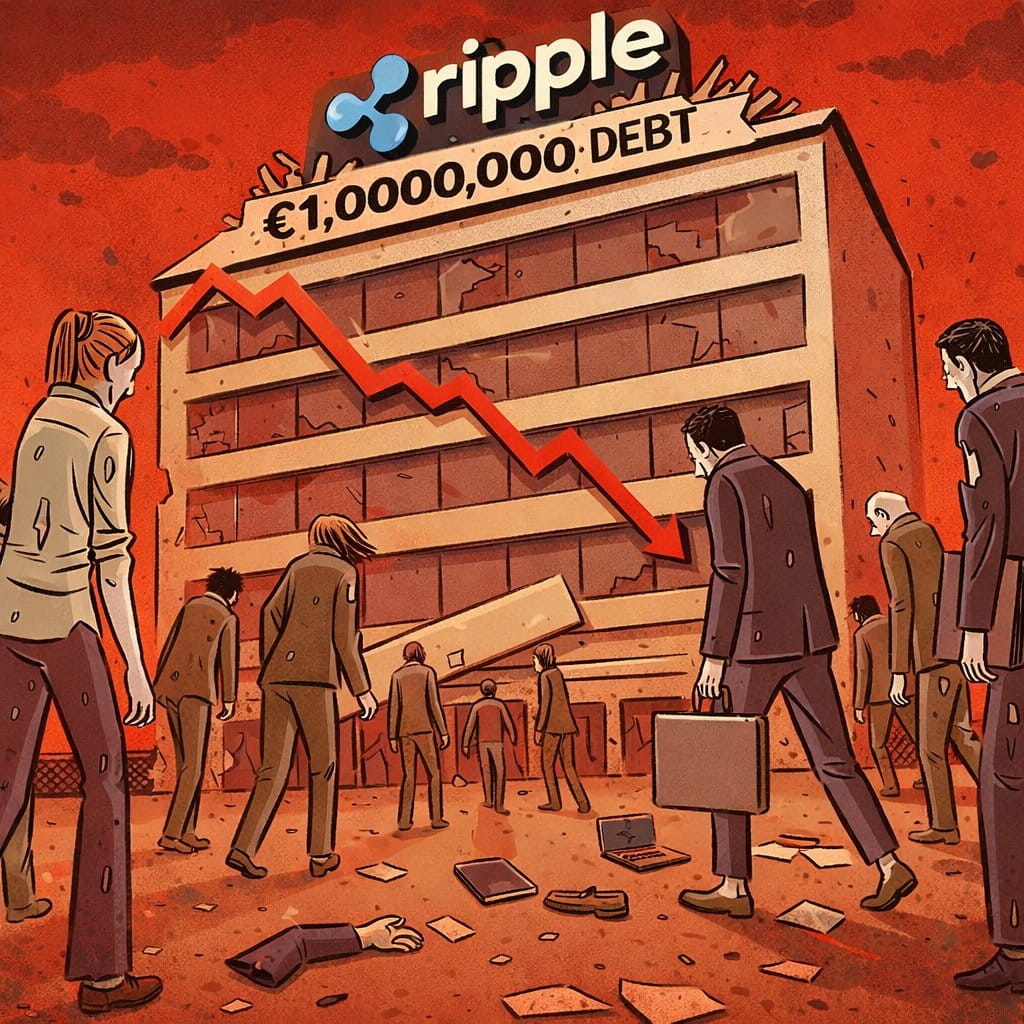
That's why xro stands, bitcoin will be max 50, silver 150, there is total financial chaos, what was is completely falling apart, the moment the war in Ukraine ends, the EU is falling apart

ShabbirK
·
--
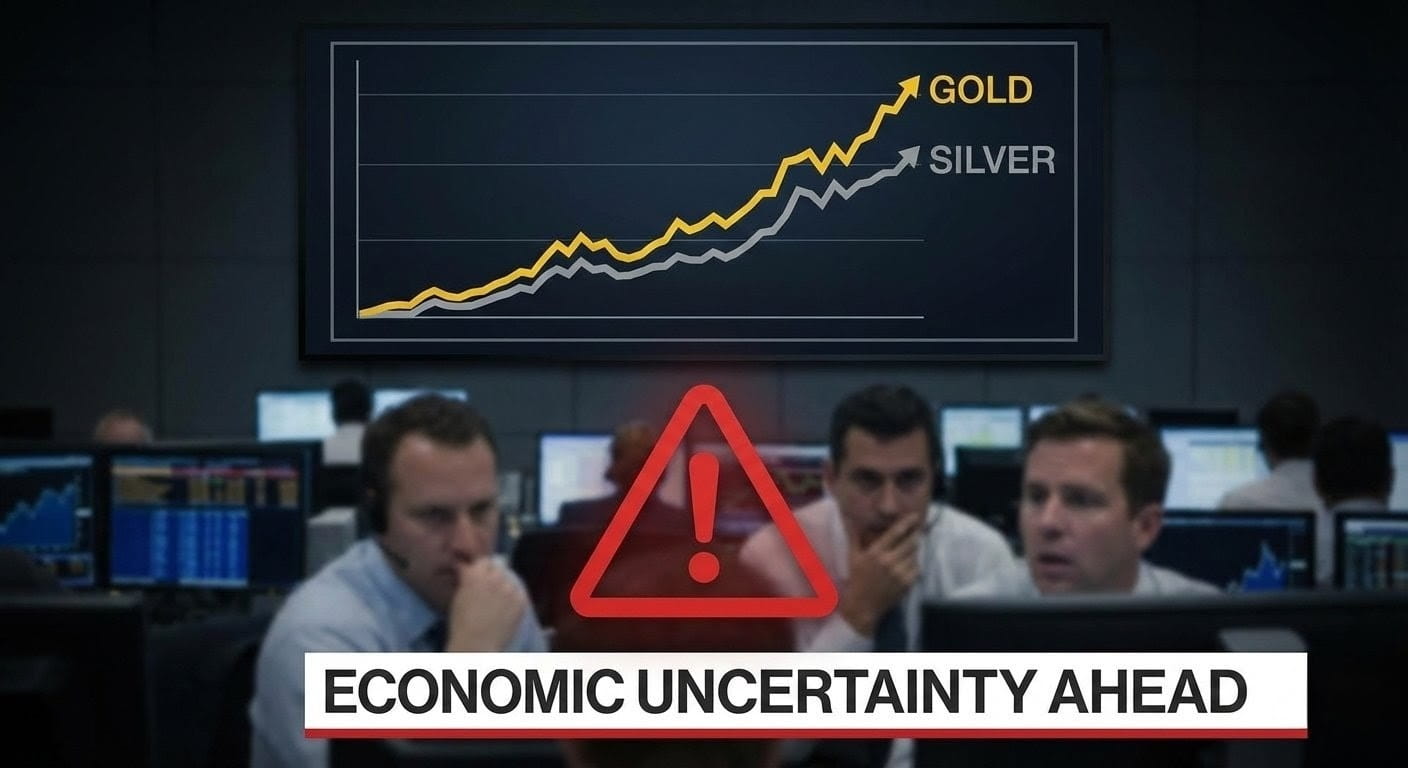
🚨 Why Rising Gold & Silver Prices Are a Warning — Not a Celebration
Most people feel happy when gold and silver jump, but history says the opposite. Whenever these metals rise sharply, it usually means something is breaking in the global system — whether in macro-economics or geo-politics.
Gold & silver act less like assets and more like insurance — they go up when the world is scared.
🧭 Why Are Gold & Silver Rising Right Now?
1️⃣ U.S. Debt Crisis is Exploding
U.S. debt hits $38.5 trillion
By 2035, interest payments alone may reach $2 trillion per year
Nearly 50% of new money will be used just to pay interest ➡️ This is not sustainable — and many countries are in the same trap.
2️⃣ U.S. Stock Market is Over-Concentrated
1/3rd of the S&P 500 depends on just 7 tech giants (Apple, Google, Tesla, Meta, Microsoft, Nvidia, etc.)
All are heavily exposed to AI ➡️ If the AI bubble corrects, the market could crash fast — most investors won’t be ready.
3️⃣ Loss of Trust in the U.S. Dollar
In 2022, the U.S. froze $300B of Russia’s USD reserves
Countries now fear their reserves aren’t safe
Central banks are buying ~1,000 tons of gold/year (officially — likely more unofficially) ➡️ Gold becomes the new trust anchor.
📌 Final Takeaway
Rising gold & silver prices are not a victory — they are a signal that something is wrong: ✔ Debt crisis
✔ Fragile stock market
✔ Weakening dollar confidence
🔥 Don’t celebrate — prepare.
#usdoller #GOLD #Silver #Warning
Most people feel happy when gold and silver jump, but history says the opposite. Whenever these metals rise sharply, it usually means something is breaking in the global system — whether in macro-economics or geo-politics.
Gold & silver act less like assets and more like insurance — they go up when the world is scared.
🧭 Why Are Gold & Silver Rising Right Now?
1️⃣ U.S. Debt Crisis is Exploding
U.S. debt hits $38.5 trillion
By 2035, interest payments alone may reach $2 trillion per year
Nearly 50% of new money will be used just to pay interest ➡️ This is not sustainable — and many countries are in the same trap.
2️⃣ U.S. Stock Market is Over-Concentrated
1/3rd of the S&P 500 depends on just 7 tech giants (Apple, Google, Tesla, Meta, Microsoft, Nvidia, etc.)
All are heavily exposed to AI ➡️ If the AI bubble corrects, the market could crash fast — most investors won’t be ready.
3️⃣ Loss of Trust in the U.S. Dollar
In 2022, the U.S. froze $300B of Russia’s USD reserves
Countries now fear their reserves aren’t safe
Central banks are buying ~1,000 tons of gold/year (officially — likely more unofficially) ➡️ Gold becomes the new trust anchor.
📌 Final Takeaway
Rising gold & silver prices are not a victory — they are a signal that something is wrong: ✔ Debt crisis
✔ Fragile stock market
✔ Weakening dollar confidence
🔥 Don’t celebrate — prepare.
#usdoller #GOLD #Silver #Warning
I sold 3500xrp and came out even, if it will be after 80-1.00 I will buy 5000-7000, because this is the future.

Crypto Man Trader
·
--
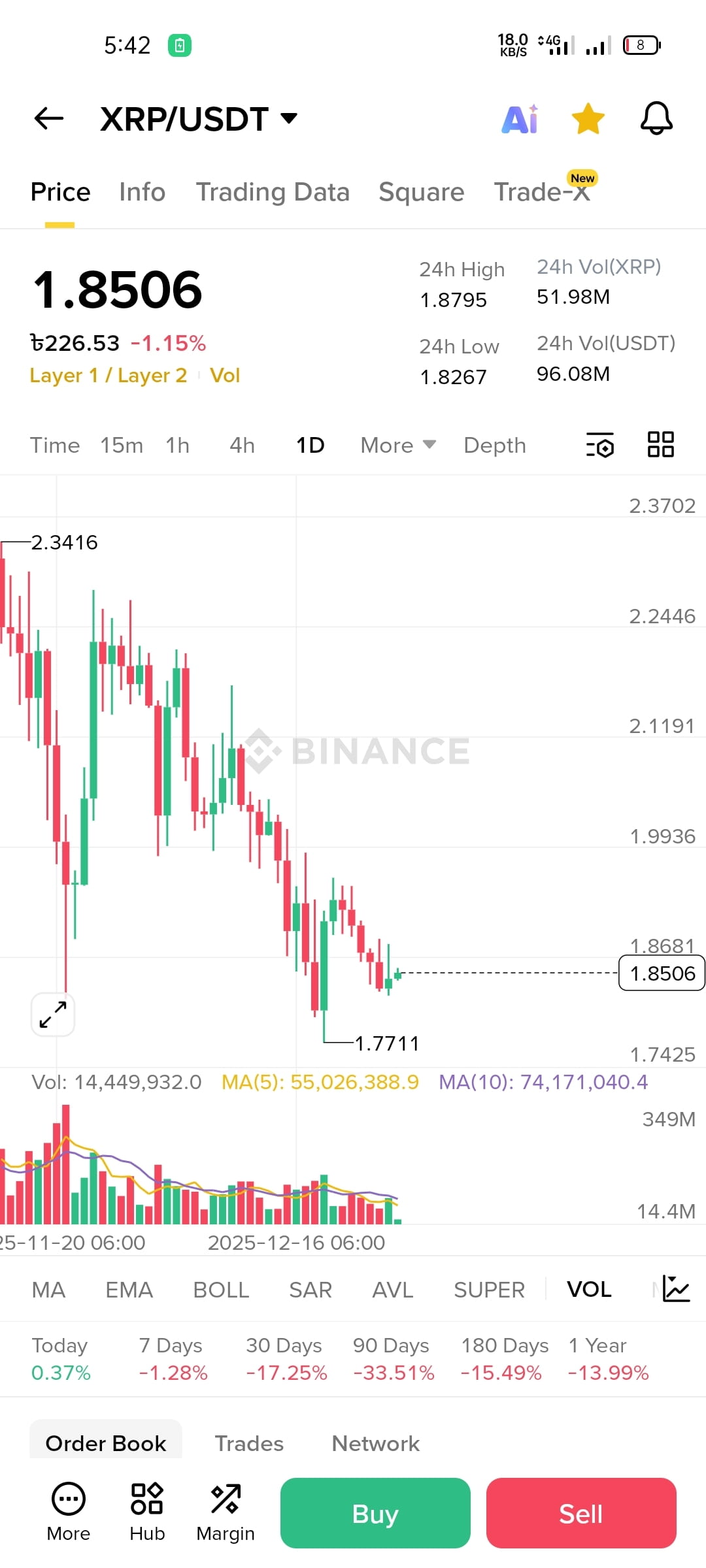
Bullish$XRP Those who buy these coins now will be able to make good profits in 2026 because it is now at $1.85. What do the sowers say it will hit $3 in 20-30 days?#Binance #BinanceSquareFamily
It's an illusion, bitcoin will be $50 in spring
Crypto Maxx
·
--
🔥 The whales are back to accumulate Bitcoin strongly in recent times
🔥 Is the rise approaching???
More details in the new video 👇👇👇
https://vm.tiktok.com/ZNRjtRcVR/
🔥 Is the rise approaching???
More details in the new video 👇👇👇
https://vm.tiktok.com/ZNRjtRcVR/
Log in to explore more content