
链上速记
160 Posts

链上速记
Report
Block User
1 Following
5 Followers
14 Liked
Posts
·
--
See translation
#AI股持续上涨还有哪些投资机会
Lumentum在ECOC 2026与Stifel会谈时表示,英伟达Spectrum-6 CPO对超高功率激光器的需求明显增加,且这类激光器需求仍超过供应。
这话对链上没什么直接传导,$AAPL $AVGO $PLTR 这些股票代币才是更贴近的观察窗口。Serenity还援引Digitimes报道称,Win Semi正扩充连续波激光器产能,相关产品预计于2026年下半年逐步推出。
产能落地要等一年以上,中间任何一次交付延期都会让这波光模块叙事重新定价,这是我看不准的地方。
#AI股持续上涨还有哪些投资机会
Lumentum在ECOC 2026与Stifel会谈时表示,英伟达Spectrum-6 CPO对超高功率激光器的需求明显增加,且这类激光器需求仍超过供应。
这话对链上没什么直接传导,$AAPL $AVGO $PLTR 这些股票代币才是更贴近的观察窗口。Serenity还援引Digitimes报道称,Win Semi正扩充连续波激光器产能,相关产品预计于2026年下半年逐步推出。
产能落地要等一年以上,中间任何一次交付延期都会让这波光模块叙事重新定价,这是我看不准的地方。
Lumentum在ECOC 2026与Stifel会谈时表示,英伟达Spectrum-6 CPO对超高功率激光器的需求明显增加,且这类激光器需求仍超过供应。
这话对链上没什么直接传导,$AAPL $AVGO $PLTR 这些股票代币才是更贴近的观察窗口。Serenity还援引Digitimes报道称,Win Semi正扩充连续波激光器产能,相关产品预计于2026年下半年逐步推出。
产能落地要等一年以上,中间任何一次交付延期都会让这波光模块叙事重新定价,这是我看不准的地方。
22
·
--
#Nostra Prediction Machine Manipulated
A manipulated pool fed the Nostra prediction machine a fake NSTR price—an amount that was 8,306 times the true value—unlocking a $3.5 million loan on Starknet.
PragmaOracle said it had warned in advance that the feed price was high risk, and Nostra did not respond. The lending market is still paused, and there has not yet been a post-event review.
For anyone borrowing and lending on Starknet, the direct cost of relying on a single feed price is this: the pool’s liquidity can be compromised, and the price can then be written into contracts. In short—unless Nostra publicly discloses the source and limits of the feed price, even if the lending market restarts, it will be difficult to restore deposit intentions to the same scale.
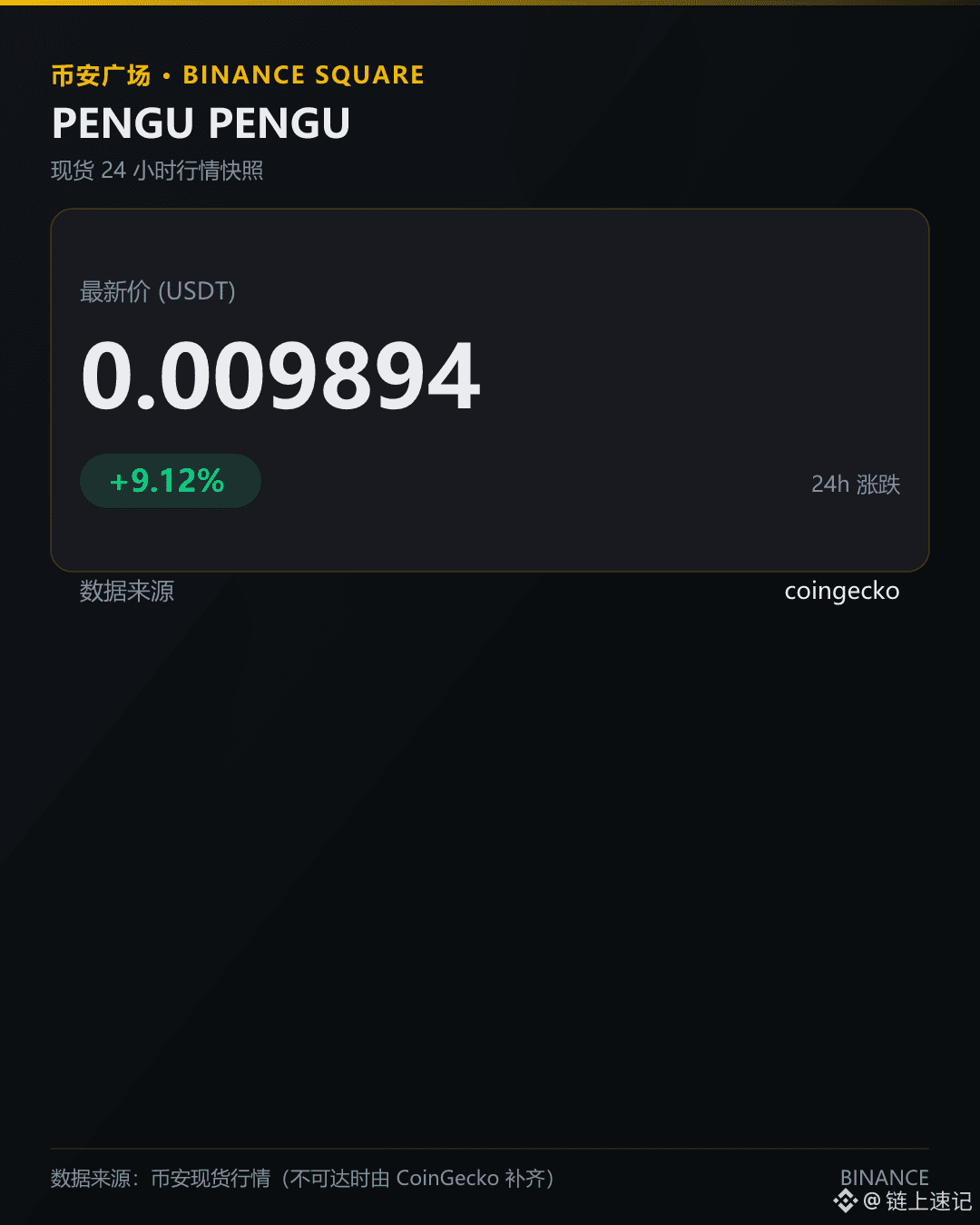
$PENGU $UNI $ACE
#Nostra Prediction Machine Manipulated
A manipulated pool fed the Nostra prediction machine a fake NSTR price—an amount that was 8,306 times the true value—unlocking a $3.5 million loan on Starknet.
PragmaOracle said it had warned in advance that the feed price was high risk, and Nostra did not respond. The lending market is still paused, and there has not yet been a post-event review.
For anyone borrowing and lending on Starknet, the direct cost of relying on a single feed price is this: the pool’s liquidity can be compromised, and the price can then be written into contracts. In short—unless Nostra publicly discloses the source and limits of the feed price, even if the lending market restarts, it will be difficult to restore deposit intentions to the same scale.
$PENGU $UNI $ACE
A manipulated pool fed the Nostra prediction machine a fake NSTR price—an amount that was 8,306 times the true value—unlocking a $3.5 million loan on Starknet.
PragmaOracle said it had warned in advance that the feed price was high risk, and Nostra did not respond. The lending market is still paused, and there has not yet been a post-event review.
For anyone borrowing and lending on Starknet, the direct cost of relying on a single feed price is this: the pool’s liquidity can be compromised, and the price can then be written into contracts. In short—unless Nostra publicly discloses the source and limits of the feed price, even if the lending market restarts, it will be difficult to restore deposit intentions to the same scale.
$PENGU $UNI $ACE
612
·
--
See translation
#代币化美股
纽交所母公司与 Blockchain.com 签的是备忘录,不是上线通知。
NYSE Group 与 Blockchain.com 签署谅解备忘录,拟让后者用户直接交易在美上市股票和 ETF 的代币化证券。这项合作预计以获相关监管批准为前提,计划通过纽交所此前披露筹备的 Digital ATS 落地。
对链上平台来说,真正的变量不是多一个资产类别,而是股票结算节奏一旦被拉成全天候,做市与抵押品管理的逻辑会跟着变。备忘录阶段到实际挂牌之间隔着审批,进度未明,现在谈分流还早。
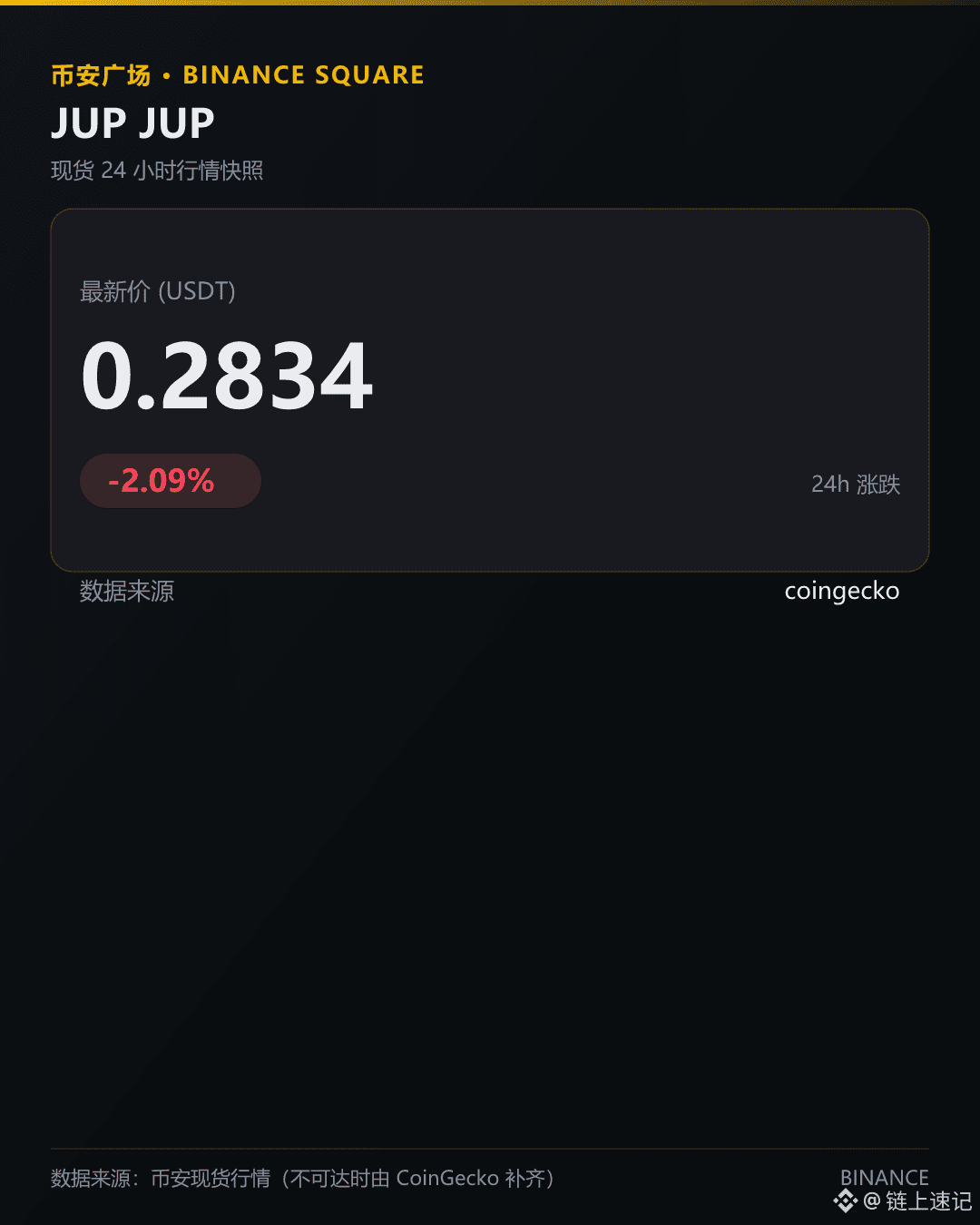
$JUP $MET $KMNO
#代币化美股
纽交所母公司与 Blockchain.com 签的是备忘录,不是上线通知。
NYSE Group 与 Blockchain.com 签署谅解备忘录,拟让后者用户直接交易在美上市股票和 ETF 的代币化证券。这项合作预计以获相关监管批准为前提,计划通过纽交所此前披露筹备的 Digital ATS 落地。
对链上平台来说,真正的变量不是多一个资产类别,而是股票结算节奏一旦被拉成全天候,做市与抵押品管理的逻辑会跟着变。备忘录阶段到实际挂牌之间隔着审批,进度未明,现在谈分流还早。
$JUP $MET $KMNO
纽交所母公司与 Blockchain.com 签的是备忘录,不是上线通知。
NYSE Group 与 Blockchain.com 签署谅解备忘录,拟让后者用户直接交易在美上市股票和 ETF 的代币化证券。这项合作预计以获相关监管批准为前提,计划通过纽交所此前披露筹备的 Digital ATS 落地。
对链上平台来说,真正的变量不是多一个资产类别,而是股票结算节奏一旦被拉成全天候,做市与抵押品管理的逻辑会跟着变。备忘录阶段到实际挂牌之间隔着审批,进度未明,现在谈分流还早。
$JUP $MET $KMNO
8
·
--
$FIGHT 24h rose 24.7%, yet the open-position amount over the last 1 hour fell by 6.55%.
The price dropped from 0.004527 to 0.004408. Trading volume is 2.74 times the 24h hourly average. The buy/sell ratio of takers is 0.945, slightly sell-leaning—more like longs taking profits than new money entering. The 15-minute buy/sell ratio has returned to 1.144 and the price has rebounded slightly; selling pressure doesn’t appear to be continuously increasing. The funding rate at 0.0383% is still slightly positive, meaning there is still some room left for longs to crowd. If it were to reclaim 0.004527, the “deleveraging/减仓” interpretation would not hold.
$SUPER also reduced positions after a rise, and the funding rate turned negative; $MUBARAK fell 16.22% while shrinking volume and reducing positions—this is longs exiting.
#Contract open interest
$FIGHT 24h rose 24.7%, yet the open-position amount over the last 1 hour fell by 6.55%.
The price dropped from 0.004527 to 0.004408. Trading volume is 2.74 times the 24h hourly average. The buy/sell ratio of takers is 0.945, slightly sell-leaning—more like longs taking profits than new money entering. The 15-minute buy/sell ratio has returned to 1.144 and the price has rebounded slightly; selling pressure doesn’t appear to be continuously increasing. The funding rate at 0.0383% is still slightly positive, meaning there is still some room left for longs to crowd. If it were to reclaim 0.004527, the “deleveraging/减仓” interpretation would not hold.
$SUPER also reduced positions after a rise, and the funding rate turned negative; $MUBARAK fell 16.22% while shrinking volume and reducing positions—this is longs exiting.
#Contract open interest
The price dropped from 0.004527 to 0.004408. Trading volume is 2.74 times the 24h hourly average. The buy/sell ratio of takers is 0.945, slightly sell-leaning—more like longs taking profits than new money entering. The 15-minute buy/sell ratio has returned to 1.144 and the price has rebounded slightly; selling pressure doesn’t appear to be continuously increasing. The funding rate at 0.0383% is still slightly positive, meaning there is still some room left for longs to crowd. If it were to reclaim 0.004527, the “deleveraging/减仓” interpretation would not hold.
$SUPER also reduced positions after a rise, and the funding rate turned negative; $MUBARAK fell 16.22% while shrinking volume and reducing positions—this is longs exiting.
#Contract open interest
208
·
--
See translation
$TAKE 近1小时持仓额减25.93%,价格从0.19568跌到0.1706,24h仍挂着179.167%的涨幅。
这是多头止损离场,不是新空单进场。资金费率-1.4078%说明空头一侧拥挤,近1小时成交额是24h小时均值的5.69倍,放量下跌的减仓更像被动平仓。近15分钟反弹15.43%、主动买卖比1.124,砸完有买单接。
失效条件:若价格重新站回0.19568上方,这轮减仓就算洗盘而非离场;若跌破24h最低0.05864,接盘的一方同样被埋。
$SENT 跌3.67%但费率0.005%偏中性;$FIGHT 费率0.0389%为正,拥挤方向与TAKE相反。
#合约持仓变化
$TAKE 近1小时持仓额减25.93%,价格从0.19568跌到0.1706,24h仍挂着179.167%的涨幅。
这是多头止损离场,不是新空单进场。资金费率-1.4078%说明空头一侧拥挤,近1小时成交额是24h小时均值的5.69倍,放量下跌的减仓更像被动平仓。近15分钟反弹15.43%、主动买卖比1.124,砸完有买单接。
失效条件:若价格重新站回0.19568上方,这轮减仓就算洗盘而非离场;若跌破24h最低0.05864,接盘的一方同样被埋。
$SENT 跌3.67%但费率0.005%偏中性;$FIGHT 费率0.0389%为正,拥挤方向与TAKE相反。
#合约持仓变化
这是多头止损离场,不是新空单进场。资金费率-1.4078%说明空头一侧拥挤,近1小时成交额是24h小时均值的5.69倍,放量下跌的减仓更像被动平仓。近15分钟反弹15.43%、主动买卖比1.124,砸完有买单接。
失效条件:若价格重新站回0.19568上方,这轮减仓就算洗盘而非离场;若跌破24h最低0.05864,接盘的一方同样被埋。
$SENT 跌3.67%但费率0.005%偏中性;$FIGHT 费率0.0389%为正,拥挤方向与TAKE相反。
#合约持仓变化
4
·
--
See translation
#MoonPay收购NorthCapital
一笔全股票交易,买的不是产品,是牌照。
MoonPay 同意收购 North Capital,全股票交易金额超过 6000 万美元,后者持有经纪交易商、ATS、转让代理和投资顾问等多项 SEC 相关牌照,将成 MoonPay 全资子公司。金额来自知情人士,MoonPay 未披露,交割尚未完成。
对已上所项目,短期没有直接盘口影响;真正的变量在代币化股票这条赛道——谁能把合规发行、托管和二级交易串成一条链,谁才拿得到机构订单。判断:如果这笔交易按期交割,MoonPay 会成为少数同时握有支付入口和券商牌照的玩家,代币化 RWA 的竞争从技术转向牌照。
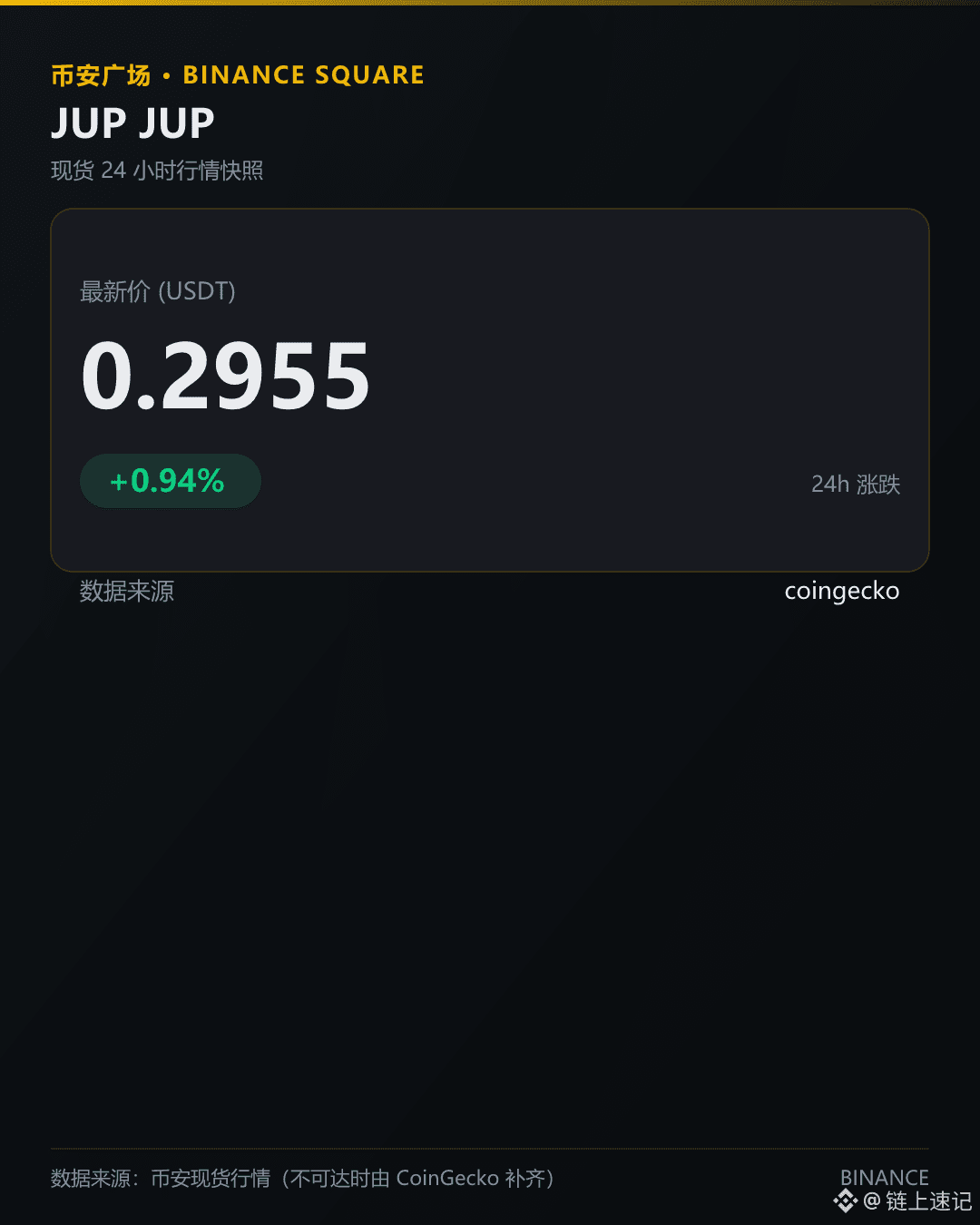
$JUP $AERO $SAGA
#MoonPay收购NorthCapital
一笔全股票交易,买的不是产品,是牌照。
MoonPay 同意收购 North Capital,全股票交易金额超过 6000 万美元,后者持有经纪交易商、ATS、转让代理和投资顾问等多项 SEC 相关牌照,将成 MoonPay 全资子公司。金额来自知情人士,MoonPay 未披露,交割尚未完成。
对已上所项目,短期没有直接盘口影响;真正的变量在代币化股票这条赛道——谁能把合规发行、托管和二级交易串成一条链,谁才拿得到机构订单。判断:如果这笔交易按期交割,MoonPay 会成为少数同时握有支付入口和券商牌照的玩家,代币化 RWA 的竞争从技术转向牌照。
$JUP $AERO $SAGA
一笔全股票交易,买的不是产品,是牌照。
MoonPay 同意收购 North Capital,全股票交易金额超过 6000 万美元,后者持有经纪交易商、ATS、转让代理和投资顾问等多项 SEC 相关牌照,将成 MoonPay 全资子公司。金额来自知情人士,MoonPay 未披露,交割尚未完成。
对已上所项目,短期没有直接盘口影响;真正的变量在代币化股票这条赛道——谁能把合规发行、托管和二级交易串成一条链,谁才拿得到机构订单。判断:如果这笔交易按期交割,MoonPay 会成为少数同时握有支付入口和券商牌照的玩家,代币化 RWA 的竞争从技术转向牌照。
$JUP $AERO $SAGA
14
·
--
#North Korean Hackers Pretend to Interview to Steal Wallets
Seven organizations jointly announced that WaterPlum and the North Korean remote IT worker program have been grouped into the same operation: at least 30,000 devices in more than 100 countries were infected, funds or credentials from more than 7,000 wallets were taken, and about $11 million flowed to Pyongyang.
The most directly affected are developers and designers who are currently applying for Web3 jobs—this fake interview makes you download files to “fix video glitches,” and the malicious code is inside. The falsifiable test is simple: if the interviewer keeps insisting that you install software from unknown sources, that clue alone is worth treating as a risk signal.
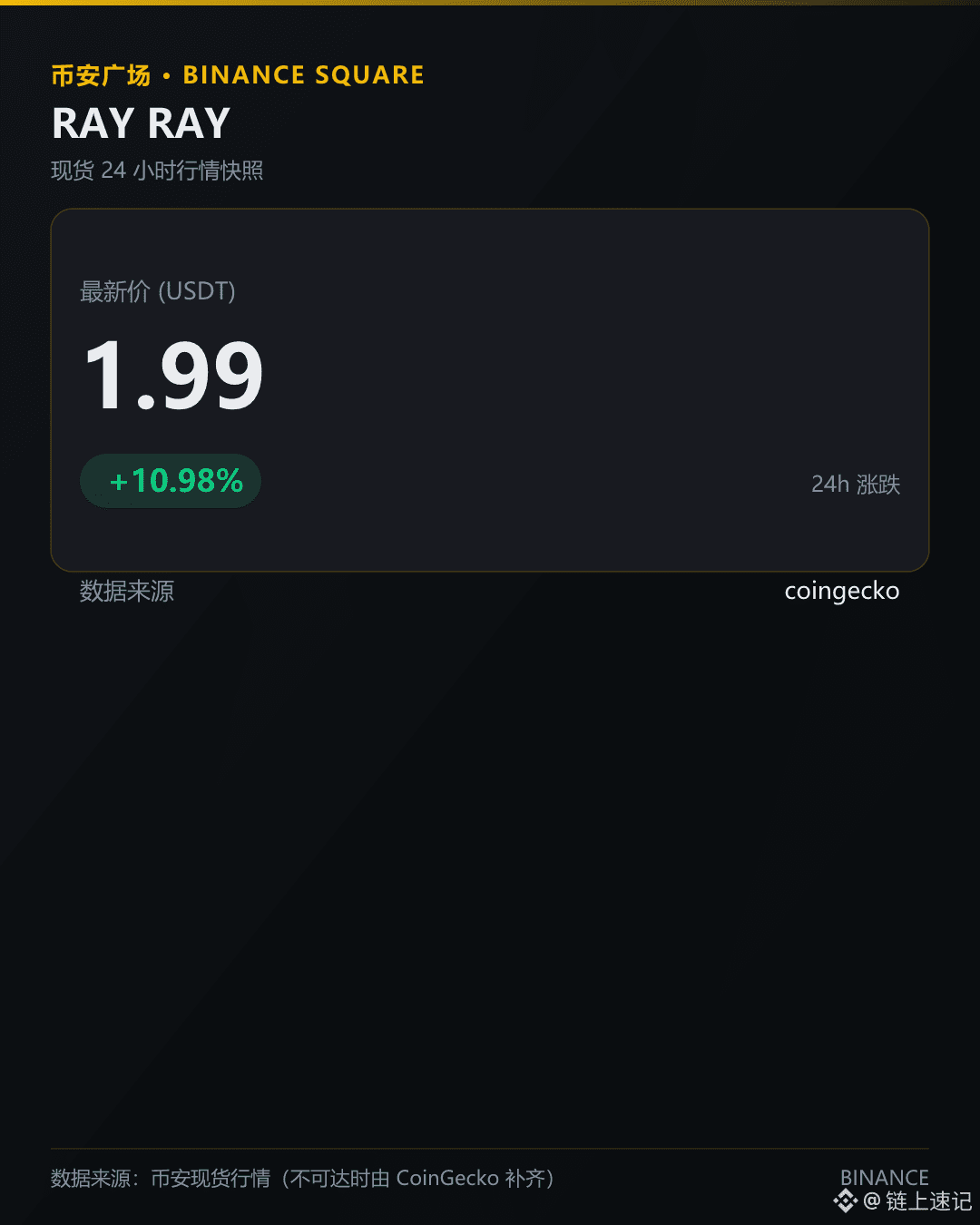
$RAY $JUP $GRT
#North Korean Hackers Pretend to Interview to Steal Wallets
Seven organizations jointly announced that WaterPlum and the North Korean remote IT worker program have been grouped into the same operation: at least 30,000 devices in more than 100 countries were infected, funds or credentials from more than 7,000 wallets were taken, and about $11 million flowed to Pyongyang.
The most directly affected are developers and designers who are currently applying for Web3 jobs—this fake interview makes you download files to “fix video glitches,” and the malicious code is inside. The falsifiable test is simple: if the interviewer keeps insisting that you install software from unknown sources, that clue alone is worth treating as a risk signal.
$RAY $JUP $GRT
Seven organizations jointly announced that WaterPlum and the North Korean remote IT worker program have been grouped into the same operation: at least 30,000 devices in more than 100 countries were infected, funds or credentials from more than 7,000 wallets were taken, and about $11 million flowed to Pyongyang.
The most directly affected are developers and designers who are currently applying for Web3 jobs—this fake interview makes you download files to “fix video glitches,” and the malicious code is inside. The falsifiable test is simple: if the interviewer keeps insisting that you install software from unknown sources, that clue alone is worth treating as a risk signal.
$RAY $JUP $GRT
1
183
·
--
#AI stocks keep rising—what other investment opportunities exist
IonQ announced that its latest quantum computer, Superion 256, will become the first system deployed by the NVIDIA Quantum Research Center.
Its role is not a standalone lab device; instead, it will function as a dedicated coprocessor working alongside NVIDIA GPU clusters. Quantum tasks run on CUDA-Q, while classical computing and AI are handled by GB200.
The real impact of this is in the compute narrative: beyond AI hardware, quantum is being placed into the same underlying infrastructure. Deployment timing hasn’t been disclosed yet, so treat this as a directional signal—not a progress update.
$NVDA $AVGO $PLTR
#AI stocks keep rising—what other investment opportunities exist
IonQ announced that its latest quantum computer, Superion 256, will become the first system deployed by the NVIDIA Quantum Research Center.
Its role is not a standalone lab device; instead, it will function as a dedicated coprocessor working alongside NVIDIA GPU clusters. Quantum tasks run on CUDA-Q, while classical computing and AI are handled by GB200.
The real impact of this is in the compute narrative: beyond AI hardware, quantum is being placed into the same underlying infrastructure. Deployment timing hasn’t been disclosed yet, so treat this as a directional signal—not a progress update.
$NVDA $AVGO $PLTR
IonQ announced that its latest quantum computer, Superion 256, will become the first system deployed by the NVIDIA Quantum Research Center.
Its role is not a standalone lab device; instead, it will function as a dedicated coprocessor working alongside NVIDIA GPU clusters. Quantum tasks run on CUDA-Q, while classical computing and AI are handled by GB200.
The real impact of this is in the compute narrative: beyond AI hardware, quantum is being placed into the same underlying infrastructure. Deployment timing hasn’t been disclosed yet, so treat this as a directional signal—not a progress update.
$NVDA $AVGO $PLTR
131
·
--
#AI shares continue to rise—what other investment opportunities are there?
AI’s “bill” is shifting from GPUs to storage.
TrendForce on September 23 said that AGI and Agent AI are driving North American cloud service providers to urgently place additional enterprise SSD orders. A structural shortage has emerged in high-end storage; based on the current procurement pace, the order volume in the fourth quarter may further exceed the already elevated third quarter.
The consumer side is affected: PC and smartphone demand remains weak, and capacity is being prioritized for higher-margin enterprise products. In our view, this round of shortages is more likely to continue beyond Q4; if the consumer side recovers at the same time, the divergence may then narrow.
$NVDA $META $AMD
#AI shares continue to rise—what other investment opportunities are there?
AI’s “bill” is shifting from GPUs to storage.
TrendForce on September 23 said that AGI and Agent AI are driving North American cloud service providers to urgently place additional enterprise SSD orders. A structural shortage has emerged in high-end storage; based on the current procurement pace, the order volume in the fourth quarter may further exceed the already elevated third quarter.
The consumer side is affected: PC and smartphone demand remains weak, and capacity is being prioritized for higher-margin enterprise products. In our view, this round of shortages is more likely to continue beyond Q4; if the consumer side recovers at the same time, the divergence may then narrow.
$NVDA $META $AMD
AI’s “bill” is shifting from GPUs to storage.
TrendForce on September 23 said that AGI and Agent AI are driving North American cloud service providers to urgently place additional enterprise SSD orders. A structural shortage has emerged in high-end storage; based on the current procurement pace, the order volume in the fourth quarter may further exceed the already elevated third quarter.
The consumer side is affected: PC and smartphone demand remains weak, and capacity is being prioritized for higher-margin enterprise products. In our view, this round of shortages is more likely to continue beyond Q4; if the consumer side recovers at the same time, the divergence may then narrow.
$NVDA $META $AMD
119
·
--
#AI stocks keep rising—what other investment opportunities are there
AI money is spilling over from the model layer into the data layer and the hardware layer.
Snorkel AI has completed a $350 million Series E funding round with a valuation of $3.5 billion; its annualized revenue Run Rate for this year reached $375 million, up from about $20 million a year earlier. Complex training data has evolved from bundled services into a business that can be charged for independently, giving data companies their own pricing power.
Assessment: this wave of AI spending looks more like a continuation than a pullback—so long as orders for “shovels” like data and storage continue to move higher, the cost pressures faced by those capital-intensive players like $META $MSFT $TSLA will be discussed again and again.
$META $MSFT $TSLA
#AI stocks keep rising—what other investment opportunities are there
AI money is spilling over from the model layer into the data layer and the hardware layer.
Snorkel AI has completed a $350 million Series E funding round with a valuation of $3.5 billion; its annualized revenue Run Rate for this year reached $375 million, up from about $20 million a year earlier. Complex training data has evolved from bundled services into a business that can be charged for independently, giving data companies their own pricing power.
Assessment: this wave of AI spending looks more like a continuation than a pullback—so long as orders for “shovels” like data and storage continue to move higher, the cost pressures faced by those capital-intensive players like $META $MSFT $TSLA will be discussed again and again.
$META $MSFT $TSLA
AI money is spilling over from the model layer into the data layer and the hardware layer.
Snorkel AI has completed a $350 million Series E funding round with a valuation of $3.5 billion; its annualized revenue Run Rate for this year reached $375 million, up from about $20 million a year earlier. Complex training data has evolved from bundled services into a business that can be charged for independently, giving data companies their own pricing power.
Assessment: this wave of AI spending looks more like a continuation than a pullback—so long as orders for “shovels” like data and storage continue to move higher, the cost pressures faced by those capital-intensive players like $META $MSFT $TSLA will be discussed again and again.
$META $MSFT $TSLA
114
·
--
#AI stocks continue to rise—what other investment opportunities are there?
The credit spread on bonds issued by AI-related issuers is currently about 115 basis points, roughly 1 notch higher than the overall investment-grade market at about 78 basis points. Goldman Sachs expects that hyperscalers may issue a record $420 billion in debt by 2027.
Rising financing costs are squeezing visibility of returns, not defaults. This is a clue that is more favorable to top players who have cash flow in hand and do not need to rely on issuing bonds to support CapEx.
$META $AVGO $TSLA
#AI stocks continue to rise—what other investment opportunities are there?
The credit spread on bonds issued by AI-related issuers is currently about 115 basis points, roughly 1 notch higher than the overall investment-grade market at about 78 basis points. Goldman Sachs expects that hyperscalers may issue a record $420 billion in debt by 2027.
Rising financing costs are squeezing visibility of returns, not defaults. This is a clue that is more favorable to top players who have cash flow in hand and do not need to rely on issuing bonds to support CapEx.
$META $AVGO $TSLA
The credit spread on bonds issued by AI-related issuers is currently about 115 basis points, roughly 1 notch higher than the overall investment-grade market at about 78 basis points. Goldman Sachs expects that hyperscalers may issue a record $420 billion in debt by 2027.
Rising financing costs are squeezing visibility of returns, not defaults. This is a clue that is more favorable to top players who have cash flow in hand and do not need to rely on issuing bonds to support CapEx.
$META $AVGO $TSLA
154
·
--
#ETF Money Flows
At the beginning of the year, it was still seeing net outflows, but after August 19 it turned around to record inflows of about $4.6 billion.
According to Bloomberg, this year the cumulative net inflow into US-listed spot Bitcoin ETFs is about $320 million. Specifically, since August 19, when the US Treasury said it would increase long-term bond repurchases, inflows have amounted to about $4.6 billion, reversing the net outflows seen earlier in the year. Over the same period, Bitcoin rose by about 35% to above $86,000.
For those holding spot positions, the source of buy pressure is shifting from leverage to the creation/redemption channel. One point that can be falsified: if the ETF weekly data turns negative again afterward, the rebound logic supported by these liquidity flows will need to be reassessed.
$BTC $PENGU $SUPER
#ETF Money Flows
At the beginning of the year, it was still seeing net outflows, but after August 19 it turned around to record inflows of about $4.6 billion.
According to Bloomberg, this year the cumulative net inflow into US-listed spot Bitcoin ETFs is about $320 million. Specifically, since August 19, when the US Treasury said it would increase long-term bond repurchases, inflows have amounted to about $4.6 billion, reversing the net outflows seen earlier in the year. Over the same period, Bitcoin rose by about 35% to above $86,000.
For those holding spot positions, the source of buy pressure is shifting from leverage to the creation/redemption channel. One point that can be falsified: if the ETF weekly data turns negative again afterward, the rebound logic supported by these liquidity flows will need to be reassessed.
$BTC $PENGU $SUPER
At the beginning of the year, it was still seeing net outflows, but after August 19 it turned around to record inflows of about $4.6 billion.
According to Bloomberg, this year the cumulative net inflow into US-listed spot Bitcoin ETFs is about $320 million. Specifically, since August 19, when the US Treasury said it would increase long-term bond repurchases, inflows have amounted to about $4.6 billion, reversing the net outflows seen earlier in the year. Over the same period, Bitcoin rose by about 35% to above $86,000.
For those holding spot positions, the source of buy pressure is shifting from leverage to the creation/redemption channel. One point that can be falsified: if the ETF weekly data turns negative again afterward, the rebound logic supported by these liquidity flows will need to be reassessed.
$BTC $PENGU $SUPER
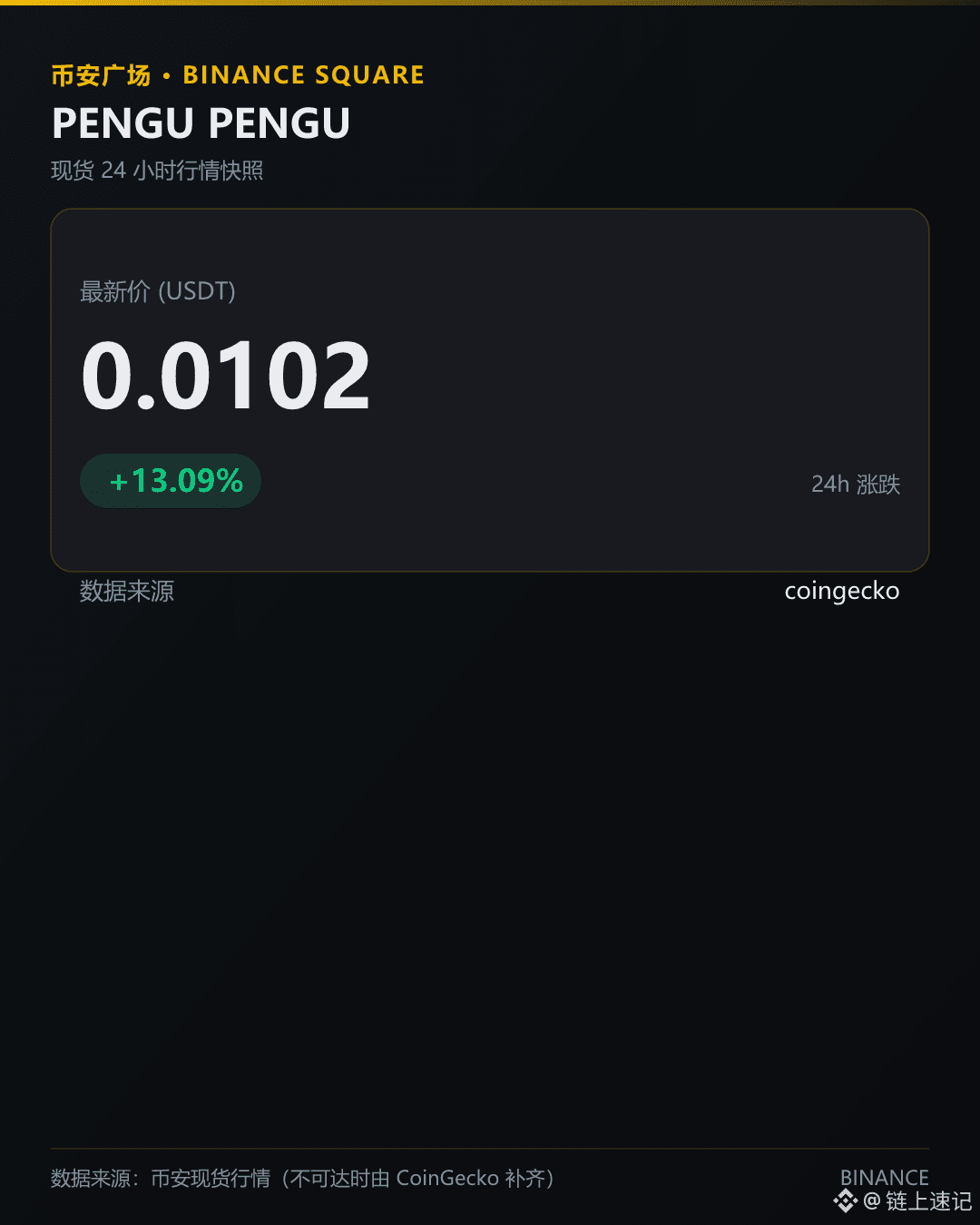
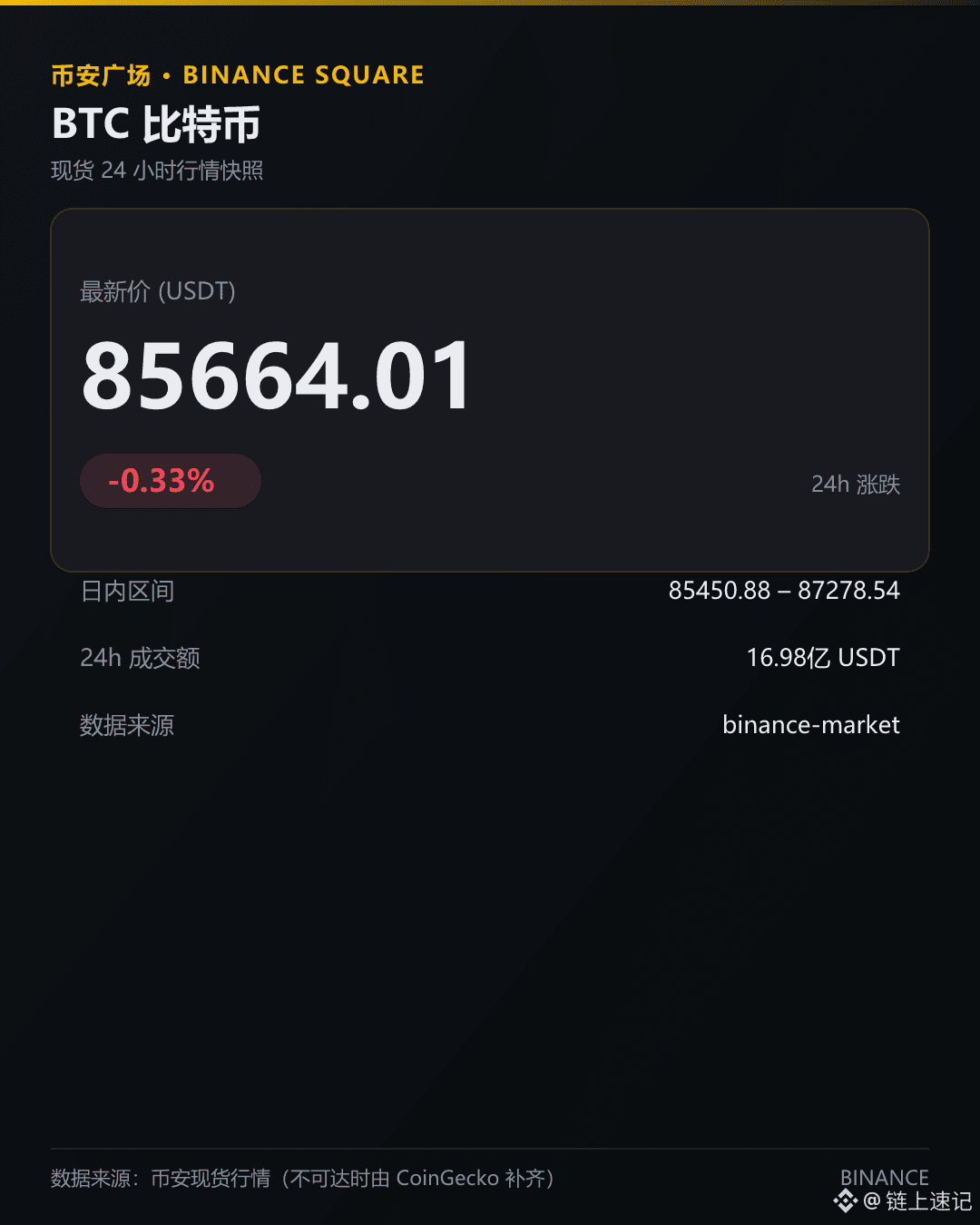
11
·
--
#Zilliqa legacy network retirement
Binance now supports ZIL deposits and withdrawals on the Zilliqa EVM network, and $ZIL on the legacy mainnet will be migrated 1:1, with the exchange handling the process. The reason is that a Ledger app flaw exposed 6,772 accounts, and at least 683.13 million ZIL were stolen, leading the project to retire the legacy transaction system. For those holding on Binance, this is more convenient; for self-custody users, it is another ZKP migration process. Verdict: once old-chain addresses have completed mapping, deposits and withdrawals on the legacy network will not resume.
$ARB $ZEC
#Zilliqa legacy network retirement
Binance now supports ZIL deposits and withdrawals on the Zilliqa EVM network, and $ZIL on the legacy mainnet will be migrated 1:1, with the exchange handling the process. The reason is that a Ledger app flaw exposed 6,772 accounts, and at least 683.13 million ZIL were stolen, leading the project to retire the legacy transaction system. For those holding on Binance, this is more convenient; for self-custody users, it is another ZKP migration process. Verdict: once old-chain addresses have completed mapping, deposits and withdrawals on the legacy network will not resume.
$ARB $ZEC
Binance now supports ZIL deposits and withdrawals on the Zilliqa EVM network, and $ZIL on the legacy mainnet will be migrated 1:1, with the exchange handling the process. The reason is that a Ledger app flaw exposed 6,772 accounts, and at least 683.13 million ZIL were stolen, leading the project to retire the legacy transaction system. For those holding on Binance, this is more convenient; for self-custody users, it is another ZKP migration process. Verdict: once old-chain addresses have completed mapping, deposits and withdrawals on the legacy network will not resume.
$ARB $ZEC
80
·
--
See translation
#香港数字资产路线图
代币化这条线,香港给的是时间表不是概念:许正宇称2026年底前试行外汇基金票据代币化。
配套同样落在2026年内——迅清結算(CMU)计划建立数字资产平台,提供数字债券发行及交收等一站式服务。对做港币与美元资产代币化的发行、托管、结算方,这是可预期的窗口;对二级市场,短期不产生可交易标的。
判断:若2026年内平台与票据试行任一环节延期,这条路线图的信用会被重新定价。
$BTC $XRP $ALLO
#香港数字资产路线图
代币化这条线,香港给的是时间表不是概念:许正宇称2026年底前试行外汇基金票据代币化。
配套同样落在2026年内——迅清結算(CMU)计划建立数字资产平台,提供数字债券发行及交收等一站式服务。对做港币与美元资产代币化的发行、托管、结算方,这是可预期的窗口;对二级市场,短期不产生可交易标的。
判断:若2026年内平台与票据试行任一环节延期,这条路线图的信用会被重新定价。
$BTC $XRP $ALLO
代币化这条线,香港给的是时间表不是概念:许正宇称2026年底前试行外汇基金票据代币化。
配套同样落在2026年内——迅清結算(CMU)计划建立数字资产平台,提供数字债券发行及交收等一站式服务。对做港币与美元资产代币化的发行、托管、结算方,这是可预期的窗口;对二级市场,短期不产生可交易标的。
判断:若2026年内平台与票据试行任一环节延期,这条路线图的信用会被重新定价。
$BTC $XRP $ALLO
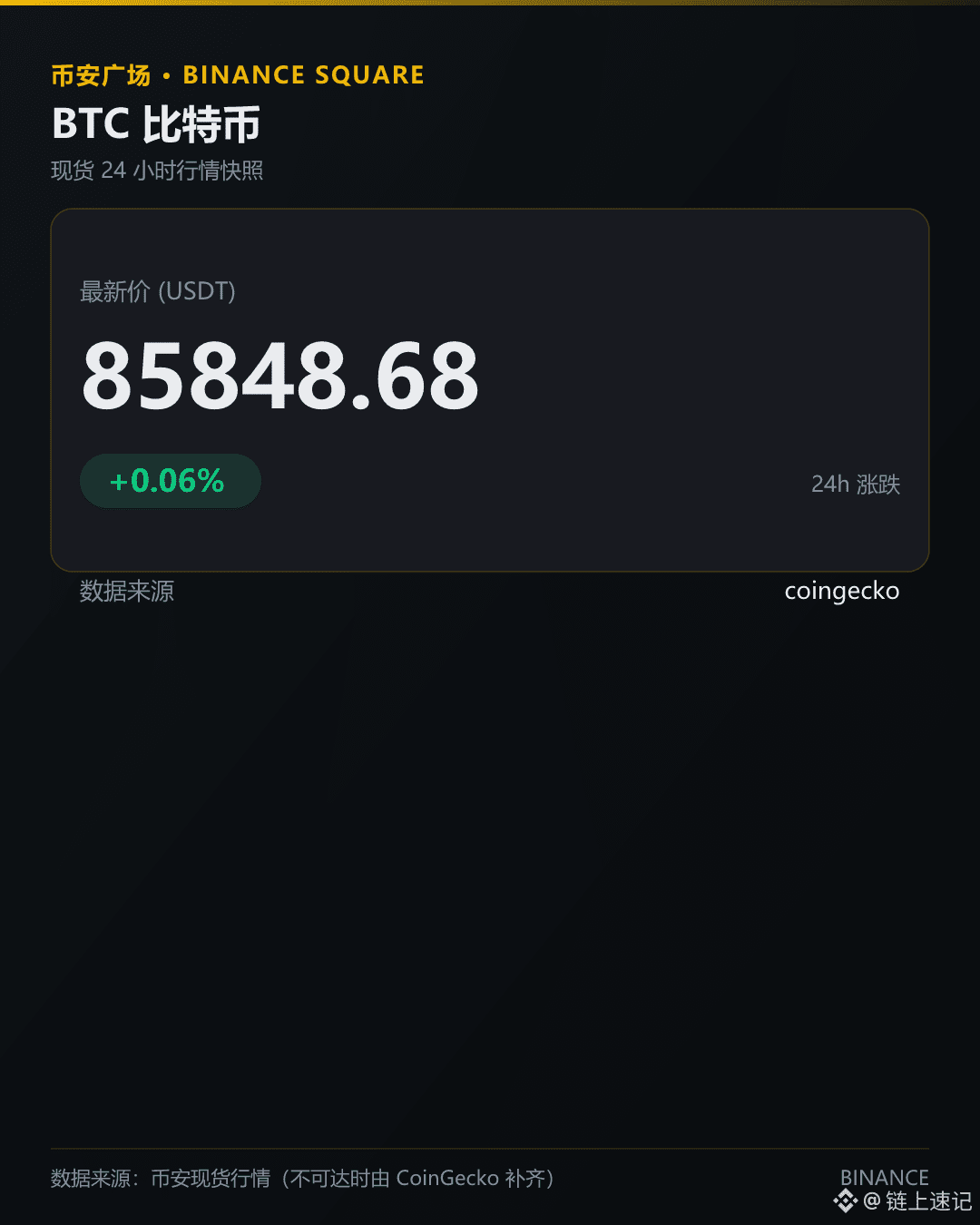
8
·
--
#AI stocks continue to rise—what other investment opportunities are there?
Sam Altman is expected to push for the development of AI standards during a speech at the United Nations. OpenAI’s position is that it does not support establishing a specific international regulatory body; instead, it favors baseline safety standards with democratic oversight.
Who sets the standards, and what exactly the standards are for, matters more for determining pricing power across compute and data layers. This line is unlikely to directly hit coin prices in the short term—if you’re not sure, don’t rush.
$PLTR $AVGO $AAPL
#AI stocks continue to rise—what other investment opportunities are there?
Sam Altman is expected to push for the development of AI standards during a speech at the United Nations. OpenAI’s position is that it does not support establishing a specific international regulatory body; instead, it favors baseline safety standards with democratic oversight.
Who sets the standards, and what exactly the standards are for, matters more for determining pricing power across compute and data layers. This line is unlikely to directly hit coin prices in the short term—if you’re not sure, don’t rush.
$PLTR $AVGO $AAPL
Sam Altman is expected to push for the development of AI standards during a speech at the United Nations. OpenAI’s position is that it does not support establishing a specific international regulatory body; instead, it favors baseline safety standards with democratic oversight.
Who sets the standards, and what exactly the standards are for, matters more for determining pricing power across compute and data layers. This line is unlikely to directly hit coin prices in the short term—if you’re not sure, don’t rush.
$PLTR $AVGO $AAPL
165
·
--
See translation
#AI股持续上涨还有哪些投资机会
股票代币的交易量正在给出一个侧面答案。Token Terminal数据显示,Robinhood和Coinbase发行的股票代币近30日现货DEX交易量合计114亿美元,其中Robinhood Chain贡献104亿美元。
同一份数据里,Uniswap承载该链超过99%的股票代币DeFi存款,存款额近30日增长532.8%;股票代币持有者数量增长159.7%。
英伟达股票代币累计交易量达21亿美元。也就是说,AI叙事在链上的落点,目前更集中在少数几个头部标的,而不是全面铺开。
判断:如果接下来股票代币存款增速回落,而持有者数量继续增长,那更像是存量在换手而不是新资金进场。
$NVDA $MSFT $META
#AI股持续上涨还有哪些投资机会
股票代币的交易量正在给出一个侧面答案。Token Terminal数据显示,Robinhood和Coinbase发行的股票代币近30日现货DEX交易量合计114亿美元,其中Robinhood Chain贡献104亿美元。
同一份数据里,Uniswap承载该链超过99%的股票代币DeFi存款,存款额近30日增长532.8%;股票代币持有者数量增长159.7%。
英伟达股票代币累计交易量达21亿美元。也就是说,AI叙事在链上的落点,目前更集中在少数几个头部标的,而不是全面铺开。
判断:如果接下来股票代币存款增速回落,而持有者数量继续增长,那更像是存量在换手而不是新资金进场。
$NVDA $MSFT $META
股票代币的交易量正在给出一个侧面答案。Token Terminal数据显示,Robinhood和Coinbase发行的股票代币近30日现货DEX交易量合计114亿美元,其中Robinhood Chain贡献104亿美元。
同一份数据里,Uniswap承载该链超过99%的股票代币DeFi存款,存款额近30日增长532.8%;股票代币持有者数量增长159.7%。
英伟达股票代币累计交易量达21亿美元。也就是说,AI叙事在链上的落点,目前更集中在少数几个头部标的,而不是全面铺开。
判断:如果接下来股票代币存款增速回落,而持有者数量继续增长,那更像是存量在换手而不是新资金进场。
$NVDA $MSFT $META
8
·
--
#AI stocks continue to rise—what other investment opportunities are there?
Firmus, backed by Nvidia, plans to raise about $10 billion by combining debt and equity to procure Nvidia chips for its data centers in Indonesia; the same company also plans to conduct an IPO in Australia by late October, potentially raising up to $5 billion. The money flows first into compute power, then into chip orders—within this chain, the beneficiaries are the ones selling cards, not the ones issuing tokens.
Compute-power financing continues to ramp up; in the near term it looks more like a continuation than a pullback. But if these purchases fail to materialize for a long time, the narrative will cool before the orders do.
$AVGO $MSFT $GOOGL
#AI stocks continue to rise—what other investment opportunities are there?
Firmus, backed by Nvidia, plans to raise about $10 billion by combining debt and equity to procure Nvidia chips for its data centers in Indonesia; the same company also plans to conduct an IPO in Australia by late October, potentially raising up to $5 billion. The money flows first into compute power, then into chip orders—within this chain, the beneficiaries are the ones selling cards, not the ones issuing tokens.
Compute-power financing continues to ramp up; in the near term it looks more like a continuation than a pullback. But if these purchases fail to materialize for a long time, the narrative will cool before the orders do.
$AVGO $MSFT $GOOGL
Firmus, backed by Nvidia, plans to raise about $10 billion by combining debt and equity to procure Nvidia chips for its data centers in Indonesia; the same company also plans to conduct an IPO in Australia by late October, potentially raising up to $5 billion. The money flows first into compute power, then into chip orders—within this chain, the beneficiaries are the ones selling cards, not the ones issuing tokens.
Compute-power financing continues to ramp up; in the near term it looks more like a continuation than a pullback. But if these purchases fail to materialize for a long time, the narrative will cool before the orders do.
$AVGO $MSFT $GOOGL
172
·
--
# New Russian Crypto Reporting Rules
Ivan Chebeskov, Deputy Minister of Finance of Russia, said that tax residents must report to the Federal Tax Service any crypto transactions conducted outside the regulated framework; if a foreign issuer freezes $USDT or $USDC and the non-Russian depository institution can be controlled, the loss is borne by the investor.
This is a real cost transfer for Russian tax residents holding stablecoins: compliance obligations are pushed forward, and freeze risk remains with the holder. The point that can be disproven is this—if later the official regulatory text shifts the frozen-loss back to the depository party, then this stance would only be a transitional interpretation.
$ARB
# New Russian Crypto Reporting Rules
Ivan Chebeskov, Deputy Minister of Finance of Russia, said that tax residents must report to the Federal Tax Service any crypto transactions conducted outside the regulated framework; if a foreign issuer freezes $USDT or $USDC and the non-Russian depository institution can be controlled, the loss is borne by the investor.
This is a real cost transfer for Russian tax residents holding stablecoins: compliance obligations are pushed forward, and freeze risk remains with the holder. The point that can be disproven is this—if later the official regulatory text shifts the frozen-loss back to the depository party, then this stance would only be a transitional interpretation.
$ARB
Ivan Chebeskov, Deputy Minister of Finance of Russia, said that tax residents must report to the Federal Tax Service any crypto transactions conducted outside the regulated framework; if a foreign issuer freezes $USDT or $USDC and the non-Russian depository institution can be controlled, the loss is borne by the investor.
This is a real cost transfer for Russian tax residents holding stablecoins: compliance obligations are pushed forward, and freeze risk remains with the holder. The point that can be disproven is this—if later the official regulatory text shifts the frozen-loss back to the depository party, then this stance would only be a transitional interpretation.
$ARB
110
·
--
#AI stocks continue to rise—what other investment opportunities are there
Binance Spot and Convert have listed three bStocks trading pairs: Axe Compute (AGPUB), AMC Entertainment (AMCB), and Cypherpunk Technologies (CYPHB). The announcement does not specify the exact time of availability.
Who is affected: For people who want to directly trade AI and U.S. stock themes within their Binance account, this provides an additional channel. However, the underlying assets are not technology blue chips; the scale of Axe Compute and Cypherpunk Technologies is far smaller than mainstream names like $PLTR, $META, $TSLA .
Assessment: For tokenized stock trading pairs like this, trading depth in the short term will most likely still be concentrated in just a few names, and order books for less popular listings may be very thin. If, within a week, the order books for these three pairs don’t pick up, it means demand hasn’t followed through.
$PLTR $META $TSLA
#AI stocks continue to rise—what other investment opportunities are there
Binance Spot and Convert have listed three bStocks trading pairs: Axe Compute (AGPUB), AMC Entertainment (AMCB), and Cypherpunk Technologies (CYPHB). The announcement does not specify the exact time of availability.
Who is affected: For people who want to directly trade AI and U.S. stock themes within their Binance account, this provides an additional channel. However, the underlying assets are not technology blue chips; the scale of Axe Compute and Cypherpunk Technologies is far smaller than mainstream names like $PLTR , $META , $TSLA .
Assessment: For tokenized stock trading pairs like this, trading depth in the short term will most likely still be concentrated in just a few names, and order books for less popular listings may be very thin. If, within a week, the order books for these three pairs don’t pick up, it means demand hasn’t followed through.
$PLTR $META $TSLA
Binance Spot and Convert have listed three bStocks trading pairs: Axe Compute (AGPUB), AMC Entertainment (AMCB), and Cypherpunk Technologies (CYPHB). The announcement does not specify the exact time of availability.
Who is affected: For people who want to directly trade AI and U.S. stock themes within their Binance account, this provides an additional channel. However, the underlying assets are not technology blue chips; the scale of Axe Compute and Cypherpunk Technologies is far smaller than mainstream names like $PLTR , $META , $TSLA .
Assessment: For tokenized stock trading pairs like this, trading depth in the short term will most likely still be concentrated in just a few names, and order books for less popular listings may be very thin. If, within a week, the order books for these three pairs don’t pick up, it means demand hasn’t followed through.
$PLTR $META $TSLA
88
·
--
#Federal Reserve Raises Rates
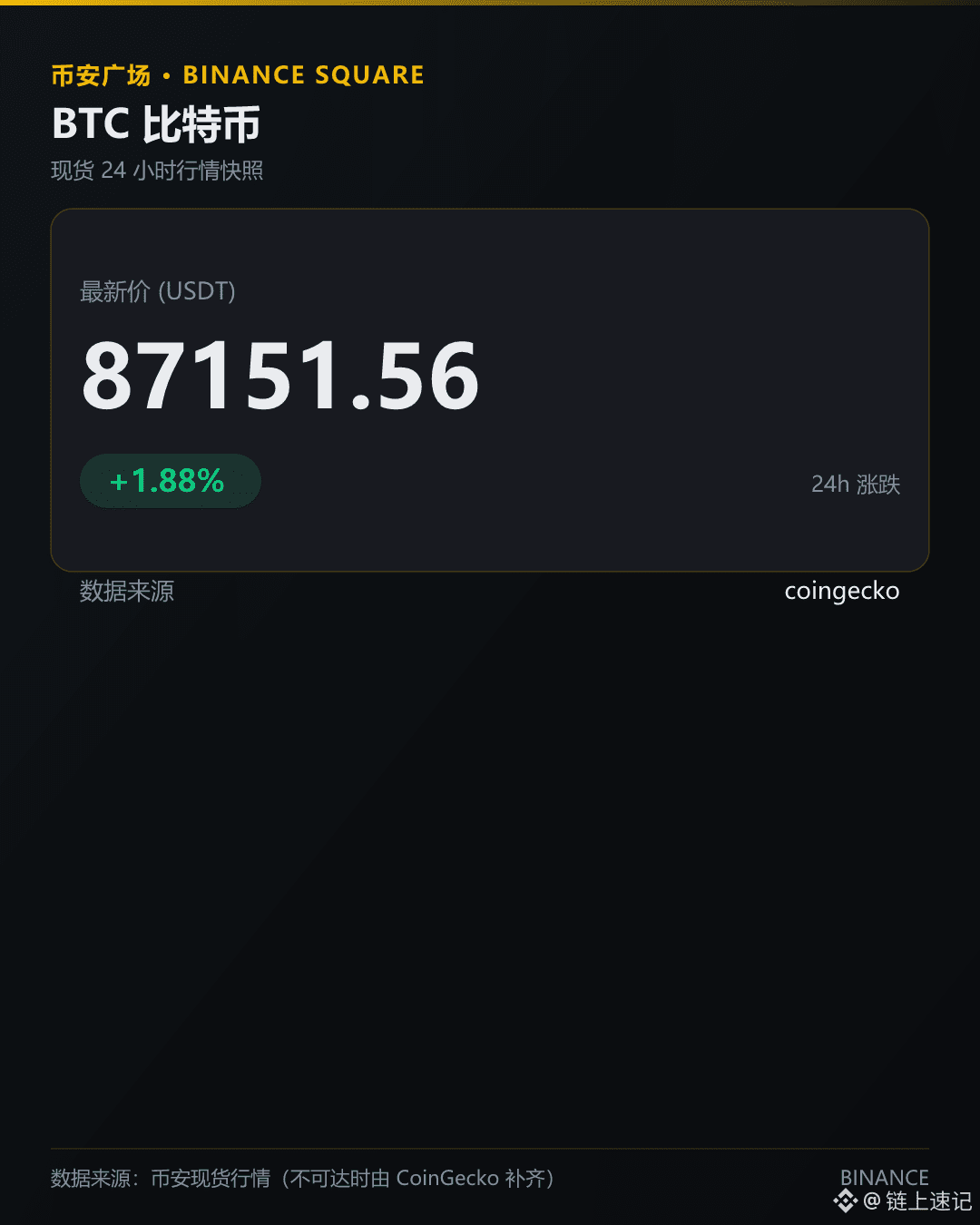
After the rate hike is implemented and the CLARITY vote fails, Bitcoin doesn’t keep sliding lower—it instead returns above $86,000. BitGo’s view is that it has been “digested.”
For leveraged longs, this feels more like a stress test passed: with no fresh lows after bad news has played out, it suggests selling pressure may have been released earlier. But “absorption” doesn’t mean “a turn.” If BTC falls back below $86,000 again, this assessment would be falsified.
$PENGU $ARB $CHR
#Federal Reserve Raises Rates
After the rate hike is implemented and the CLARITY vote fails, Bitcoin doesn’t keep sliding lower—it instead returns above $86,000. BitGo’s view is that it has been “digested.”
For leveraged longs, this feels more like a stress test passed: with no fresh lows after bad news has played out, it suggests selling pressure may have been released earlier. But “absorption” doesn’t mean “a turn.” If BTC falls back below $86,000 again, this assessment would be falsified.
$PENGU $ARB $CHR
After the rate hike is implemented and the CLARITY vote fails, Bitcoin doesn’t keep sliding lower—it instead returns above $86,000. BitGo’s view is that it has been “digested.”
For leveraged longs, this feels more like a stress test passed: with no fresh lows after bad news has played out, it suggests selling pressure may have been released earlier. But “absorption” doesn’t mean “a turn.” If BTC falls back below $86,000 again, this assessment would be falsified.
$PENGU $ARB $CHR
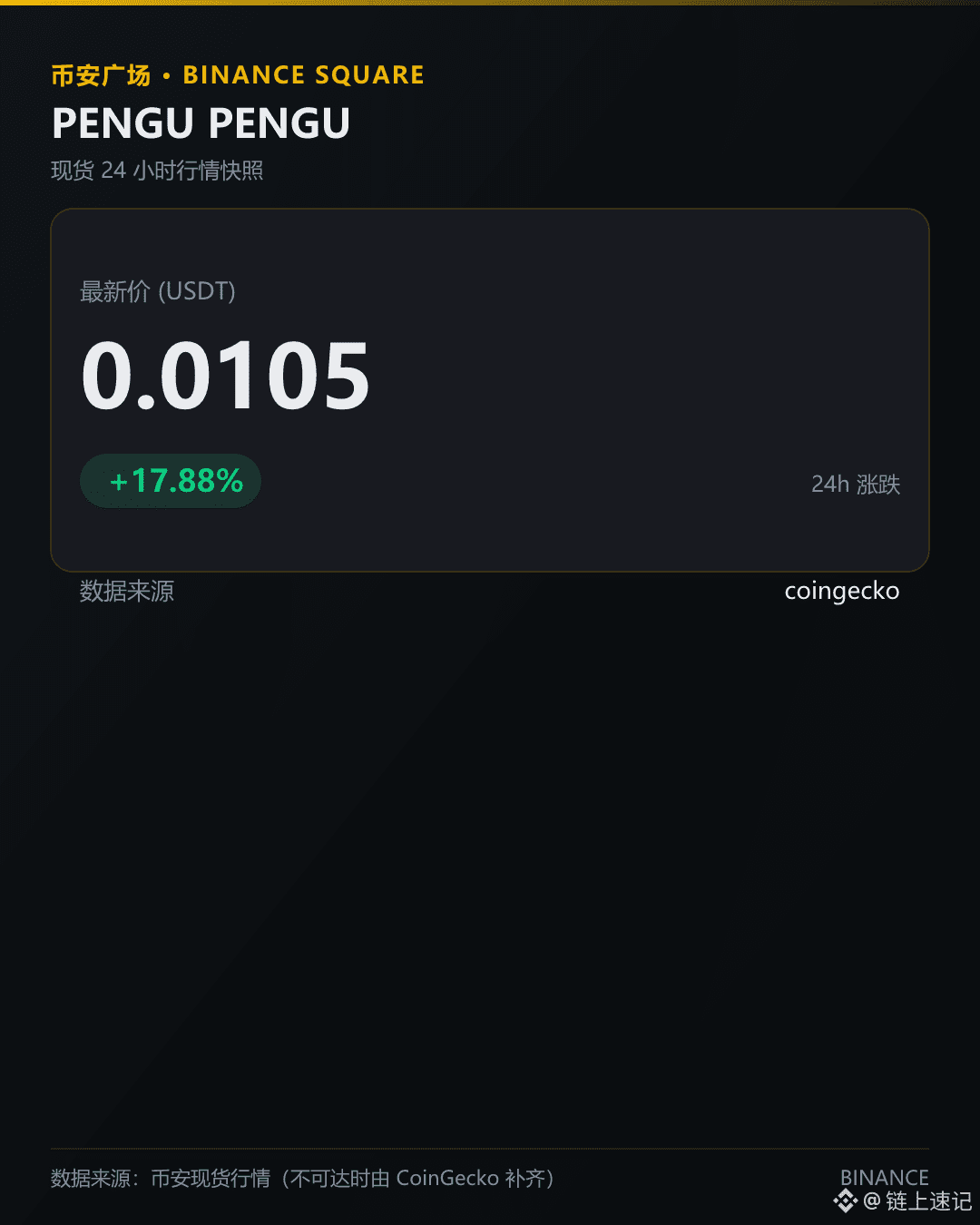
467
Log in to explore more content
Join global crypto users on Binance Square
⚡️ Get latest and useful information about crypto.
💬 Trusted by the world’s largest crypto exchange.
👍 Discover real insights from verified creators.
Email / Phone number
Trending Topics
AIStocksWhatNext
761,695 views
5,854 Discussing
Share & Win Traffic Reward in our Trending Hashtag Campaign
✨Topic: What Other Investment Opportunities Remain as AI Stocks Keep Rising?
👉How to Join:
Publish a short post or article with hashtag #AIStocksWhatNext
Share whether you’re bullish or bearish, and post your AI stock holdings or trade — using the trade widget may improve your eligibility.
You can also strengthen your post by sharing data or charts, and avoiding AI-generated images.
✍️Create content based on the below angles:
- Nvidia says chip sales will double next year, and top AI companies keep hitting record revenue, the compute spend behind it is just as staggering. Is AI demand really taking off? And how long can it last? AI stocks are up across the board. Is this a real breakout, or just a short-term bounce?
- Industry leaders are calling to slow down AI development, while Trump plans to build an “AI Force”, claiming AI could account for 25% of U.S. GDP in the future. Whose side are you on? Will state-level backing be a long-term win for AI stocks?
- Are you buying AI stocks? Share your AI-related trade/holdings with our trade sharing widget.
⏰Campaign Period:
- 2026-09-22 7:00 - 2026-09-24 4:00 UTC
🎁Reward:
- Qualified posts that comply with the above guidelines and contain more than 100 words will be reviewed and may receive a random traffic boost of 500 to 3,000 views. You will receive a notification from your feed secretary if your post is selected.
- Get a chance to have your article featured on Binance Square Official
Need ideas for your post? Visit the topic page #AIStocksWhatNext or the Square Guide on How to Post for Better Reach.
Binance Square Official
·552 Likes
·1.5M views
BitcoinRejectedAt$87,300Twice
0 views
0 Discussing
BCHJumps28%OnCMEFuturesListing
984 views
168 Discussing