

95老阿姨
46 Posts

95老阿姨
Report
Block User
14 Following
46 Followers
46 Liked
Posts
All
Quotes
·
--
Today I lined up the official stated figures for @termmax side by side with the DefiLlama page. The gap between the numbers—it's more interesting than looking at any promotional graphic alone.
In the project whitepaper, the historical milestone recorded was that TVL had surpassed $64 million. But the official homepage now shows “above $50 million.” When I checked, DefiLlama reported TVL of roughly $33.64 million and active borrowings of about $22.29 million. Differences in reporting aren’t necessarily contradictory, but if you don’t specify the timeframe and methodology, you risk treating a peak as the current reality.
Now look at revenue—the issue is even sharper. At the time, DefiLlama showed fees and income over the last 30 days of about $1,980; over the last 7 days, only $9; and cumulative income of around $359,000. TVL and active borrowings already have scale, but the short-cycle protocol income is thin. At the very least, that suggests you can’t simply replace real earning power by locking-volume size alone. Of course, third-party adapters might lag, or they might only track protocol fees that are transferred into the treasury, liquidation fees, and performance fees—so this is more like a warning light, not a conviction.
I’m actually less concerned about “over one million users” as a broad headline metric. Registered wallets, active accounts, real borrowers, and continuously paying addresses are not the same kind of “activity.” After a chunk of money is matched, it’s often locked by term. Only renewals, early exits, order aggregation, and base yield can keep the capital circulating.
TermMax V2 is already live with a unified order system, a full-market limit order view, and a multi-chain overview. The official site also mentions a Rollover feature. The product puzzle is still being filled in, but in the end we have to come back to the ledger: each month, how many protocol fees come from normal borrowing—not one-off liquidations? Are active loans across different chains sustained? After maturity, how much capital is willing to stay and roll over?
So the verification points I’m looking at for #TermMax are pretty straightforward. It’s nice if TVL rebounds; more importantly, can 30-day revenue, active borrowings, and the maturity rollover rate rise together? If only locked value increases but usage doesn’t, the funds are just sitting in a parking lot. Only when all three lines move up in sync does fixed-rate business truly turn the narrative into a business.
Today I lined up the official stated figures for @TermMax side by side with the DefiLlama page. The gap between the numbers—it's more interesting than looking at any promotional graphic alone.
In the project whitepaper, the historical milestone recorded was that TVL had surpassed $64 million. But the official homepage now shows “above $50 million.” When I checked, DefiLlama reported TVL of roughly $33.64 million and active borrowings of about $22.29 million. Differences in reporting aren’t necessarily contradictory, but if you don’t specify the timeframe and methodology, you risk treating a peak as the current reality.
Now look at revenue—the issue is even sharper. At the time, DefiLlama showed fees and income over the last 30 days of about $1,980; over the last 7 days, only $9; and cumulative income of around $359,000. TVL and active borrowings already have scale, but the short-cycle protocol income is thin. At the very least, that suggests you can’t simply replace real earning power by locking-volume size alone. Of course, third-party adapters might lag, or they might only track protocol fees that are transferred into the treasury, liquidation fees, and performance fees—so this is more like a warning light, not a conviction.
I’m actually less concerned about “over one million users” as a broad headline metric. Registered wallets, active accounts, real borrowers, and continuously paying addresses are not the same kind of “activity.” After a chunk of money is matched, it’s often locked by term. Only renewals, early exits, order aggregation, and base yield can keep the capital circulating.
TermMax V2 is already live with a unified order system, a full-market limit order view, and a multi-chain overview. The official site also mentions a Rollover feature. The product puzzle is still being filled in, but in the end we have to come back to the ledger: each month, how many protocol fees come from normal borrowing—not one-off liquidations? Are active loans across different chains sustained? After maturity, how much capital is willing to stay and roll over?
So the verification points I’m looking at for #TermMax are pretty straightforward. It’s nice if TVL rebounds; more importantly, can 30-day revenue, active borrowings, and the maturity rollover rate rise together? If only locked value increases but usage doesn’t, the funds are just sitting in a parking lot. Only when all three lines move up in sync does fixed-rate business truly turn the narrative into a business.
In the project whitepaper, the historical milestone recorded was that TVL had surpassed $64 million. But the official homepage now shows “above $50 million.” When I checked, DefiLlama reported TVL of roughly $33.64 million and active borrowings of about $22.29 million. Differences in reporting aren’t necessarily contradictory, but if you don’t specify the timeframe and methodology, you risk treating a peak as the current reality.
Now look at revenue—the issue is even sharper. At the time, DefiLlama showed fees and income over the last 30 days of about $1,980; over the last 7 days, only $9; and cumulative income of around $359,000. TVL and active borrowings already have scale, but the short-cycle protocol income is thin. At the very least, that suggests you can’t simply replace real earning power by locking-volume size alone. Of course, third-party adapters might lag, or they might only track protocol fees that are transferred into the treasury, liquidation fees, and performance fees—so this is more like a warning light, not a conviction.
I’m actually less concerned about “over one million users” as a broad headline metric. Registered wallets, active accounts, real borrowers, and continuously paying addresses are not the same kind of “activity.” After a chunk of money is matched, it’s often locked by term. Only renewals, early exits, order aggregation, and base yield can keep the capital circulating.
TermMax V2 is already live with a unified order system, a full-market limit order view, and a multi-chain overview. The official site also mentions a Rollover feature. The product puzzle is still being filled in, but in the end we have to come back to the ledger: each month, how many protocol fees come from normal borrowing—not one-off liquidations? Are active loans across different chains sustained? After maturity, how much capital is willing to stay and roll over?
So the verification points I’m looking at for #TermMax are pretty straightforward. It’s nice if TVL rebounds; more importantly, can 30-day revenue, active borrowings, and the maturity rollover rate rise together? If only locked value increases but usage doesn’t, the funds are just sitting in a parking lot. Only when all three lines move up in sync does fixed-rate business truly turn the narrative into a business.
66
·
--
See translation
我把 @termmax 三月版TMX白皮书的分配表算了一遍,关键不是“总量固定”,而是首发后谁的筹码何时流出来。
官方方案写的是10亿枚固定上限,TGE初始流通约20%。社区占15%,生态29%,流动性5%,基金会5%,团队15%,投资人28%,顾问3%。团队和投资人都有12个月悬崖期,之后分别按30个月、24个月释放;生态份额则在1个月后进入48个月释放。
这套表面上确实比开盘就把内部份额全倒出来克制得多。团队加投资人合计43%,首年不解锁,至少把最直接的早期抛压往后推了。但别急着把“固定供应”理解成“没有稀释感”。总量不增发,只能说明天花板不变;流通盘从约20%逐步爬升时,市场照样要不断消化新增可交易筹码。
更容易被忽略的是价值捕获。白皮书说TMX用于治理,质押后可获得sTMX和奖励,奖励来源可能包括社区分配或协议金库资金。这里的“可能”很关键,它不是自动把协议收入无条件分给持有人。治理能不能真约束风险参数、策展人白名单和金库支出,要看上线后的规则,而不是看一张功能清单。
目前官方仍把TGE日期写成待公布,近期公告也只说准备工作仍在推进。这个阶段任何精确上市时间、交易所名单或空投数量,如果没有新公告支撑,都不该拿来当确定事实。#TermMax 的积分和参与记录可以观察,但不能擅自换算成未来到账筹码。
我后面只盯三张表:TGE时实际流通构成、前十二个月生态释放去向、sTMX奖励究竟来自新增分配还是可验证的协议现金流。把这三件事讲透,10亿固定上限才有分析价值;讲不透,再漂亮的长期锁仓图也只是把疑问推迟。
我把 @TermMax 三月版TMX白皮书的分配表算了一遍,关键不是“总量固定”,而是首发后谁的筹码何时流出来。
官方方案写的是10亿枚固定上限,TGE初始流通约20%。社区占15%,生态29%,流动性5%,基金会5%,团队15%,投资人28%,顾问3%。团队和投资人都有12个月悬崖期,之后分别按30个月、24个月释放;生态份额则在1个月后进入48个月释放。
这套表面上确实比开盘就把内部份额全倒出来克制得多。团队加投资人合计43%,首年不解锁,至少把最直接的早期抛压往后推了。但别急着把“固定供应”理解成“没有稀释感”。总量不增发,只能说明天花板不变;流通盘从约20%逐步爬升时,市场照样要不断消化新增可交易筹码。
更容易被忽略的是价值捕获。白皮书说TMX用于治理,质押后可获得sTMX和奖励,奖励来源可能包括社区分配或协议金库资金。这里的“可能”很关键,它不是自动把协议收入无条件分给持有人。治理能不能真约束风险参数、策展人白名单和金库支出,要看上线后的规则,而不是看一张功能清单。
目前官方仍把TGE日期写成待公布,近期公告也只说准备工作仍在推进。这个阶段任何精确上市时间、交易所名单或空投数量,如果没有新公告支撑,都不该拿来当确定事实。#TermMax 的积分和参与记录可以观察,但不能擅自换算成未来到账筹码。
我后面只盯三张表:TGE时实际流通构成、前十二个月生态释放去向、sTMX奖励究竟来自新增分配还是可验证的协议现金流。把这三件事讲透,10亿固定上限才有分析价值;讲不透,再漂亮的长期锁仓图也只是把疑问推迟。
官方方案写的是10亿枚固定上限,TGE初始流通约20%。社区占15%,生态29%,流动性5%,基金会5%,团队15%,投资人28%,顾问3%。团队和投资人都有12个月悬崖期,之后分别按30个月、24个月释放;生态份额则在1个月后进入48个月释放。
这套表面上确实比开盘就把内部份额全倒出来克制得多。团队加投资人合计43%,首年不解锁,至少把最直接的早期抛压往后推了。但别急着把“固定供应”理解成“没有稀释感”。总量不增发,只能说明天花板不变;流通盘从约20%逐步爬升时,市场照样要不断消化新增可交易筹码。
更容易被忽略的是价值捕获。白皮书说TMX用于治理,质押后可获得sTMX和奖励,奖励来源可能包括社区分配或协议金库资金。这里的“可能”很关键,它不是自动把协议收入无条件分给持有人。治理能不能真约束风险参数、策展人白名单和金库支出,要看上线后的规则,而不是看一张功能清单。
目前官方仍把TGE日期写成待公布,近期公告也只说准备工作仍在推进。这个阶段任何精确上市时间、交易所名单或空投数量,如果没有新公告支撑,都不该拿来当确定事实。#TermMax 的积分和参与记录可以观察,但不能擅自换算成未来到账筹码。
我后面只盯三张表:TGE时实际流通构成、前十二个月生态释放去向、sTMX奖励究竟来自新增分配还是可验证的协议现金流。把这三件事讲透,10亿固定上限才有分析价值;讲不透,再漂亮的长期锁仓图也只是把疑问推迟。

143
·
--
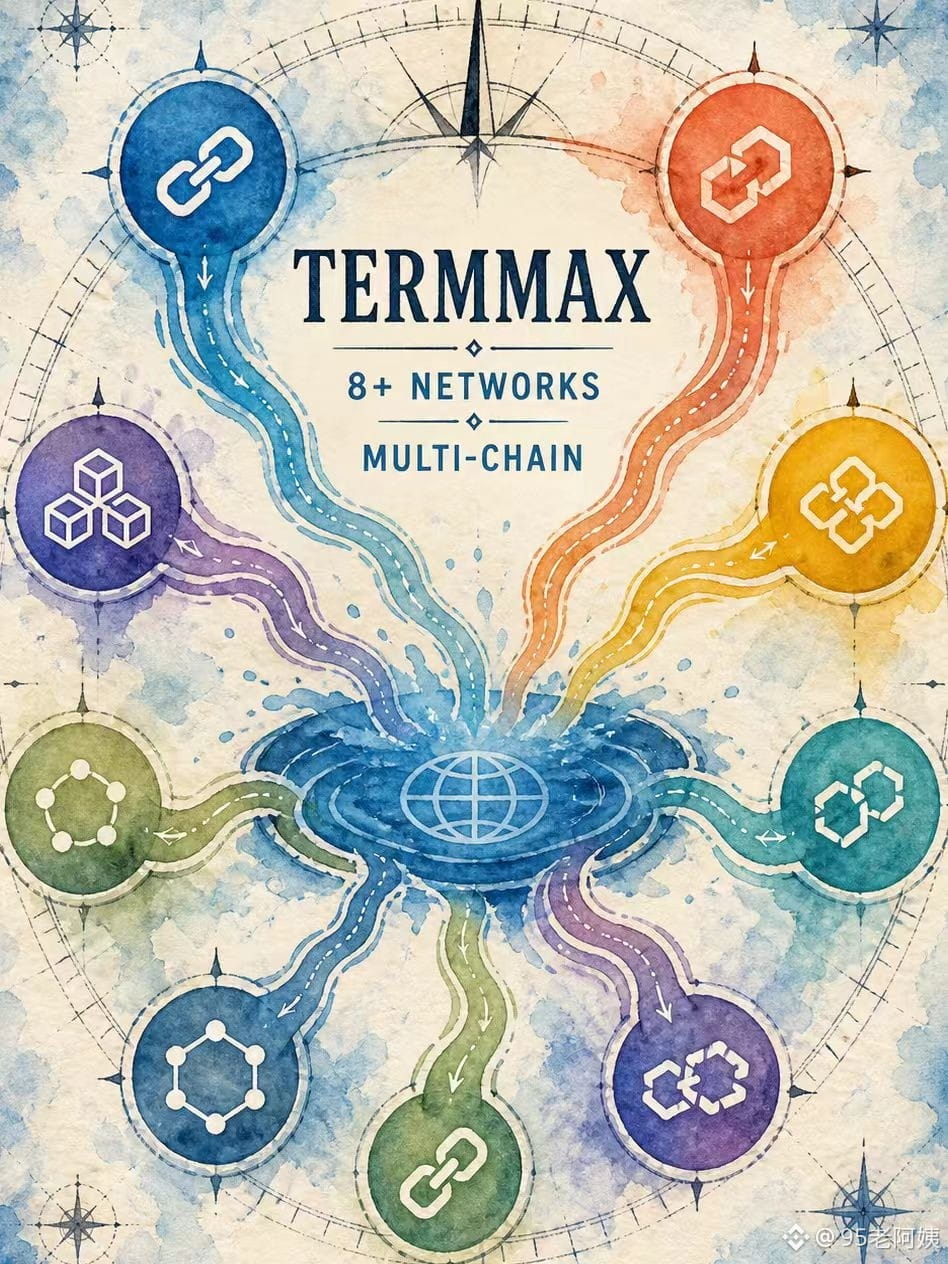
When I read Vault documents for @termmax , I don’t first focus on the return rate—it’s on who can tweak the parameters. Many people see ERC-4626 and instinctively think it’s a standardized deposit box. But the box may look standard; that doesn’t mean the strategies inside have no steering wheel.
TermMax’s Vault is managed by a Curator. The curator can configure orders across multiple markets, adjust pricing curves, schedule fund queues, and even propose adding new whitelisted markets or changing the performance fee. The benefit is very direct: ordinary users don’t have to constantly watch different terms and different orders.
But this also shifts the risk from “Will I pick the wrong lending/borrowing deal?” to “Will the manager place the whole basket of funds in the wrong positions?” The official side doesn’t hide this risk layer. Vault performance depends on the Curator. In extreme cases, withdrawals may be queued. After physical settlement, users could even receive collateral assets different from the original deposit. On the page, there’s just an annualized number—but behind it, four gears are at work: market selection, maturity mismatches, withdrawal order, and management permissions.
One smart thing, in my view, is that it puts brakes on risk expansion. Sensitive changes are typically submitted first, then go through a default one-day timelock, during which the Guardian can revoke them while waiting. Operations that increase risk must wait; actions that reduce risk can take effect faster. At least structurally, the curator can’t immediately finish changing parameters.
But having brakes installed doesn’t mean the car won’t still charge forward. Whether a one-day wait is enough depends on whether users have clear notice—and whether the Guardian is truly watching. If parameter changes only live in contract events and aren’t shown to ordinary depositors, then the so-called “auditable” aspect still ends up as a technical players-only window.
So my judgment on the Vault for #TermMax won’t just be about who offers the highest APY. I’ll first look at who the Curator is, which markets are allowed to be touched, how long the timelock is, whether the withdrawal queue is congested, and whether there are any recent changes pending activation. Only by pushing permission changes visibly into users’ hands can this custodial-style efficiency earn long-term trust.
When I read Vault documents for @TermMax , I don’t first focus on the return rate—it’s on who can tweak the parameters. Many people see ERC-4626 and instinctively think it’s a standardized deposit box. But the box may look standard; that doesn’t mean the strategies inside have no steering wheel.
TermMax’s Vault is managed by a Curator. The curator can configure orders across multiple markets, adjust pricing curves, schedule fund queues, and even propose adding new whitelisted markets or changing the performance fee. The benefit is very direct: ordinary users don’t have to constantly watch different terms and different orders.
But this also shifts the risk from “Will I pick the wrong lending/borrowing deal?” to “Will the manager place the whole basket of funds in the wrong positions?” The official side doesn’t hide this risk layer. Vault performance depends on the Curator. In extreme cases, withdrawals may be queued. After physical settlement, users could even receive collateral assets different from the original deposit. On the page, there’s just an annualized number—but behind it, four gears are at work: market selection, maturity mismatches, withdrawal order, and management permissions.
One smart thing, in my view, is that it puts brakes on risk expansion. Sensitive changes are typically submitted first, then go through a default one-day timelock, during which the Guardian can revoke them while waiting. Operations that increase risk must wait; actions that reduce risk can take effect faster. At least structurally, the curator can’t immediately finish changing parameters.
But having brakes installed doesn’t mean the car won’t still charge forward. Whether a one-day wait is enough depends on whether users have clear notice—and whether the Guardian is truly watching. If parameter changes only live in contract events and aren’t shown to ordinary depositors, then the so-called “auditable” aspect still ends up as a technical players-only window.
So my judgment on the Vault for #TermMax won’t just be about who offers the highest APY. I’ll first look at who the Curator is, which markets are allowed to be touched, how long the timelock is, whether the withdrawal queue is congested, and whether there are any recent changes pending activation. Only by pushing permission changes visibly into users’ hands can this custodial-style efficiency earn long-term trust.
TermMax’s Vault is managed by a Curator. The curator can configure orders across multiple markets, adjust pricing curves, schedule fund queues, and even propose adding new whitelisted markets or changing the performance fee. The benefit is very direct: ordinary users don’t have to constantly watch different terms and different orders.
But this also shifts the risk from “Will I pick the wrong lending/borrowing deal?” to “Will the manager place the whole basket of funds in the wrong positions?” The official side doesn’t hide this risk layer. Vault performance depends on the Curator. In extreme cases, withdrawals may be queued. After physical settlement, users could even receive collateral assets different from the original deposit. On the page, there’s just an annualized number—but behind it, four gears are at work: market selection, maturity mismatches, withdrawal order, and management permissions.
One smart thing, in my view, is that it puts brakes on risk expansion. Sensitive changes are typically submitted first, then go through a default one-day timelock, during which the Guardian can revoke them while waiting. Operations that increase risk must wait; actions that reduce risk can take effect faster. At least structurally, the curator can’t immediately finish changing parameters.
But having brakes installed doesn’t mean the car won’t still charge forward. Whether a one-day wait is enough depends on whether users have clear notice—and whether the Guardian is truly watching. If parameter changes only live in contract events and aren’t shown to ordinary depositors, then the so-called “auditable” aspect still ends up as a technical players-only window.
So my judgment on the Vault for #TermMax won’t just be about who offers the highest APY. I’ll first look at who the Curator is, which markets are allowed to be touched, how long the timelock is, whether the withdrawal queue is congested, and whether there are any recent changes pending activation. Only by pushing permission changes visibly into users’ hands can this custodial-style efficiency earn long-term trust.
96
·
--
I just cross-checked the public documentation for @termmax V2 again. At first glance, it really feels good: markets from different chains are laid out on the same page. The curator’s range single and the user’s limit order single are merged into one quote—press once and you can take the current market’s order combinations.
But the more “one-click optimal” I see, the more I want to make clear what this “optimal” actually means.
What the official write-up says is that it aggregates the currently available order sources, then considers interest rates, size, Gas, and market depth to combine and execute. This logic can reduce the need for manual order-splitting, but it doesn’t conjure liquidity out of thin air—and it certainly doesn’t mean that all funds across chains get kneaded into a single pool. If an order book on a particular chain is too thin, or if nobody has orders posted at a given maturity, then even a smooth-looking interface can only pick from limited options to produce a result that’s merely “not bad.”
And in a fixed-rate market, the thing you fear most isn’t that the button won’t move—it’s a large order that eats through the curve from top to bottom. The quotes a small account sees can look very pretty, but when you switch to a larger size, marginal rates, slippage, and Gas may all rise together. V2 allows limit orders to be posted in each market, which is good news for large capital. But if there’s no counterparty for those limit orders, they’re just a “wish list” hanging on the wall—they don’t automatically become trades.
What I really care about is whether the frontend can break “best” into something verifiable: which sources this order consumed; what the final weighted rate is; and how far it differs from the first-tier quote. If you remove the liquidity from the largest tier, can the remaining depth still handle the execution? Without making these details visible, one-click operations can easily hide complexity instead of eliminating it.
So with the upgrade to #TermMax V2 this time, I do acknowledge that it makes multi-chain comparisons and order aggregation feel more like a normal financial product. But passing the product experience check is only the first hurdle—the next one is the execution deviation under real large orders. When market volatility amplifies, the aggregator still needs to provide stable, explainable execution paths, so that this convenience of “fewer clicks” truly becomes trading efficiency rather than just a UI trick.
I just cross-checked the public documentation for @TermMax V2 again. At first glance, it really feels good: markets from different chains are laid out on the same page. The curator’s range single and the user’s limit order single are merged into one quote—press once and you can take the current market’s order combinations.
But the more “one-click optimal” I see, the more I want to make clear what this “optimal” actually means.
What the official write-up says is that it aggregates the currently available order sources, then considers interest rates, size, Gas, and market depth to combine and execute. This logic can reduce the need for manual order-splitting, but it doesn’t conjure liquidity out of thin air—and it certainly doesn’t mean that all funds across chains get kneaded into a single pool. If an order book on a particular chain is too thin, or if nobody has orders posted at a given maturity, then even a smooth-looking interface can only pick from limited options to produce a result that’s merely “not bad.”
And in a fixed-rate market, the thing you fear most isn’t that the button won’t move—it’s a large order that eats through the curve from top to bottom. The quotes a small account sees can look very pretty, but when you switch to a larger size, marginal rates, slippage, and Gas may all rise together. V2 allows limit orders to be posted in each market, which is good news for large capital. But if there’s no counterparty for those limit orders, they’re just a “wish list” hanging on the wall—they don’t automatically become trades.
What I really care about is whether the frontend can break “best” into something verifiable: which sources this order consumed; what the final weighted rate is; and how far it differs from the first-tier quote. If you remove the liquidity from the largest tier, can the remaining depth still handle the execution? Without making these details visible, one-click operations can easily hide complexity instead of eliminating it.
So with the upgrade to #TermMax V2 this time, I do acknowledge that it makes multi-chain comparisons and order aggregation feel more like a normal financial product. But passing the product experience check is only the first hurdle—the next one is the execution deviation under real large orders. When market volatility amplifies, the aggregator still needs to provide stable, explainable execution paths, so that this convenience of “fewer clicks” truly becomes trading efficiency rather than just a UI trick.
But the more “one-click optimal” I see, the more I want to make clear what this “optimal” actually means.
What the official write-up says is that it aggregates the currently available order sources, then considers interest rates, size, Gas, and market depth to combine and execute. This logic can reduce the need for manual order-splitting, but it doesn’t conjure liquidity out of thin air—and it certainly doesn’t mean that all funds across chains get kneaded into a single pool. If an order book on a particular chain is too thin, or if nobody has orders posted at a given maturity, then even a smooth-looking interface can only pick from limited options to produce a result that’s merely “not bad.”
And in a fixed-rate market, the thing you fear most isn’t that the button won’t move—it’s a large order that eats through the curve from top to bottom. The quotes a small account sees can look very pretty, but when you switch to a larger size, marginal rates, slippage, and Gas may all rise together. V2 allows limit orders to be posted in each market, which is good news for large capital. But if there’s no counterparty for those limit orders, they’re just a “wish list” hanging on the wall—they don’t automatically become trades.
What I really care about is whether the frontend can break “best” into something verifiable: which sources this order consumed; what the final weighted rate is; and how far it differs from the first-tier quote. If you remove the liquidity from the largest tier, can the remaining depth still handle the execution? Without making these details visible, one-click operations can easily hide complexity instead of eliminating it.
So with the upgrade to #TermMax V2 this time, I do acknowledge that it makes multi-chain comparisons and order aggregation feel more like a normal financial product. But passing the product experience check is only the first hurdle—the next one is the execution deviation under real large orders. When market volatility amplifies, the aggregator still needs to provide stable, explainable execution paths, so that this convenience of “fewer clicks” truly becomes trading efficiency rather than just a UI trick.

81
·
--
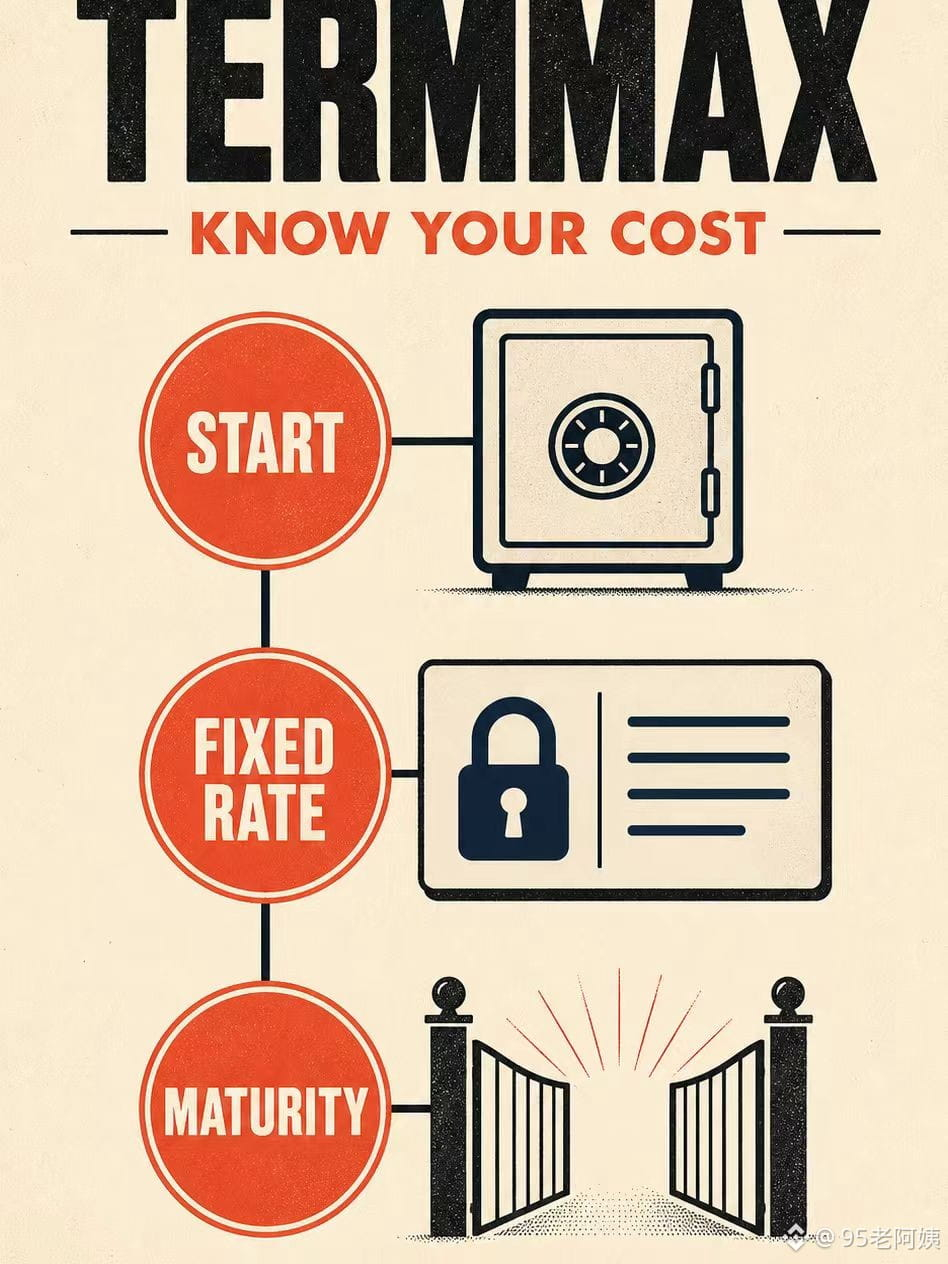
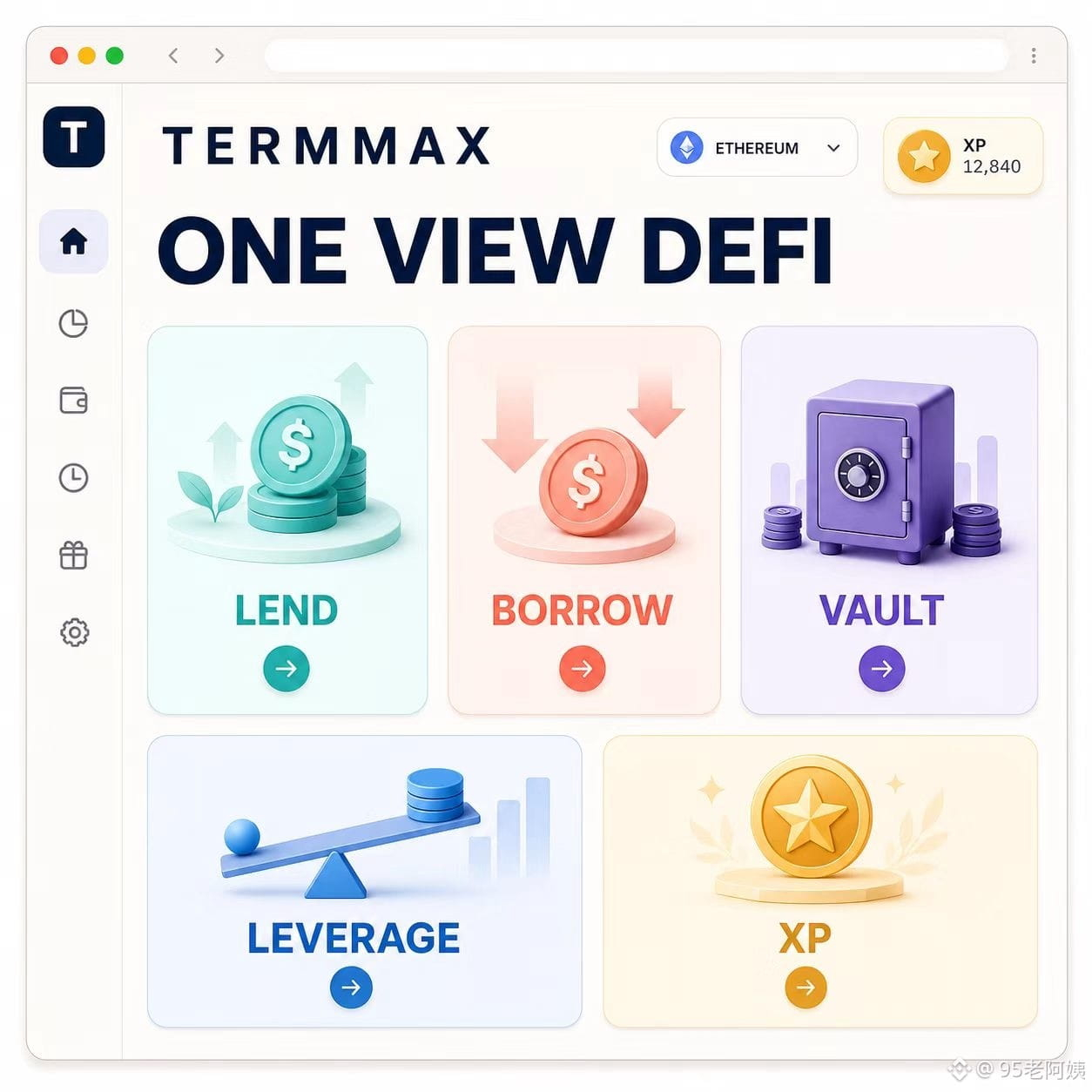
I went through the fixed-rate process for @termmax again, and the more I look, the more I feel that many people mix up two different things: “locking the interest rate” and “keeping the principal safe” as if they were the same. What’s fixed is only the funding price agreed at entry—not a crash-proof shell placed over the entire position.
The core of it isn’t mysterious. An FT is more like a maturity settlement voucher. You buy it at a price below the face value at maturity, then after holding it to maturity, you redeem the debt asset at face value. XT complements the other side of the value relationship. The agreement uses FT, XT, and a GT that records the collateralized debt, effectively pinning down the borrowing cost in advance. This design is definitely friendly to people who fear variable rates suddenly going haywire—you don’t have to guess day by day whether funding costs will flip at midnight.
But the problem is exactly hidden in the words “at maturity.” The official risk disclosures spell it out clearly: if an FT holder sells early, and the market interest rate rises above the rate they locked, the old voucher they hold may trade at a discount. Also, if the borrower’s collateral drops sharply, liquidation may not fully cover principal and interest. What’s even more troublesome is that during physical settlement, the funding provider might ultimately receive not the same assets originally deposited, but a collateral allocation distributed pro rata.
It’s like buying a ticket with a fixed price. Whether the car/train can arrive on time, whether there’s someone to take the ticket if you need to resell temporarily, and whether the destination gives you the same original “thing” or something else entirely—those are three completely different questions.
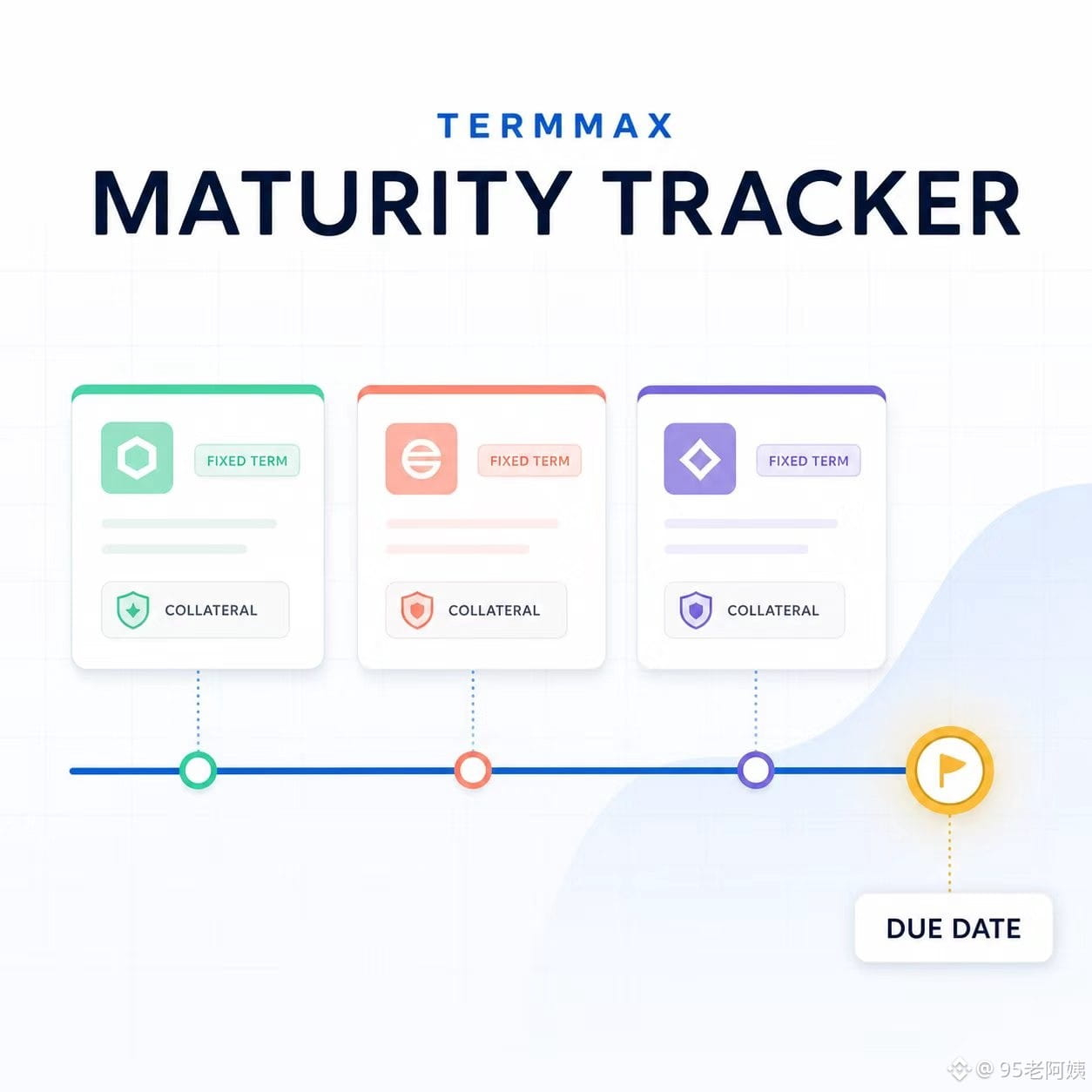
So when I look at #TermMax , I won’t just stare at the fixed APY string on the page. What really needs to be checked is the corresponding market’s maturity date, LLTV, collateral volatility, the FT exit depth, and liquidation efficiency under extreme market conditions. Interest-rate certainty makes the bill predictable, but it doesn’t remove the user’s credit risk, liquidity risk, or collateral risk.
Only if, after that, FTs across different terms can continue to offer decent secondary-market depth—and if physical settlement can also run smoothly even in stress scenarios—then this fixed-rate setup can be considered to have moved from “numbers that look good” to “an exit that’s reliable.” Until then, I’ll put whether you can exit decently before maturity ahead of the yield.
I went through the fixed-rate process for @TermMax again, and the more I look, the more I feel that many people mix up two different things: “locking the interest rate” and “keeping the principal safe” as if they were the same. What’s fixed is only the funding price agreed at entry—not a crash-proof shell placed over the entire position.
The core of it isn’t mysterious. An FT is more like a maturity settlement voucher. You buy it at a price below the face value at maturity, then after holding it to maturity, you redeem the debt asset at face value. XT complements the other side of the value relationship. The agreement uses FT, XT, and a GT that records the collateralized debt, effectively pinning down the borrowing cost in advance. This design is definitely friendly to people who fear variable rates suddenly going haywire—you don’t have to guess day by day whether funding costs will flip at midnight.
But the problem is exactly hidden in the words “at maturity.” The official risk disclosures spell it out clearly: if an FT holder sells early, and the market interest rate rises above the rate they locked, the old voucher they hold may trade at a discount. Also, if the borrower’s collateral drops sharply, liquidation may not fully cover principal and interest. What’s even more troublesome is that during physical settlement, the funding provider might ultimately receive not the same assets originally deposited, but a collateral allocation distributed pro rata.
It’s like buying a ticket with a fixed price. Whether the car/train can arrive on time, whether there’s someone to take the ticket if you need to resell temporarily, and whether the destination gives you the same original “thing” or something else entirely—those are three completely different questions.
So when I look at #TermMax , I won’t just stare at the fixed APY string on the page. What really needs to be checked is the corresponding market’s maturity date, LLTV, collateral volatility, the FT exit depth, and liquidation efficiency under extreme market conditions. Interest-rate certainty makes the bill predictable, but it doesn’t remove the user’s credit risk, liquidity risk, or collateral risk.
Only if, after that, FTs across different terms can continue to offer decent secondary-market depth—and if physical settlement can also run smoothly even in stress scenarios—then this fixed-rate setup can be considered to have moved from “numbers that look good” to “an exit that’s reliable.” Until then, I’ll put whether you can exit decently before maturity ahead of the yield.
The core of it isn’t mysterious. An FT is more like a maturity settlement voucher. You buy it at a price below the face value at maturity, then after holding it to maturity, you redeem the debt asset at face value. XT complements the other side of the value relationship. The agreement uses FT, XT, and a GT that records the collateralized debt, effectively pinning down the borrowing cost in advance. This design is definitely friendly to people who fear variable rates suddenly going haywire—you don’t have to guess day by day whether funding costs will flip at midnight.
But the problem is exactly hidden in the words “at maturity.” The official risk disclosures spell it out clearly: if an FT holder sells early, and the market interest rate rises above the rate they locked, the old voucher they hold may trade at a discount. Also, if the borrower’s collateral drops sharply, liquidation may not fully cover principal and interest. What’s even more troublesome is that during physical settlement, the funding provider might ultimately receive not the same assets originally deposited, but a collateral allocation distributed pro rata.
It’s like buying a ticket with a fixed price. Whether the car/train can arrive on time, whether there’s someone to take the ticket if you need to resell temporarily, and whether the destination gives you the same original “thing” or something else entirely—those are three completely different questions.
So when I look at #TermMax , I won’t just stare at the fixed APY string on the page. What really needs to be checked is the corresponding market’s maturity date, LLTV, collateral volatility, the FT exit depth, and liquidation efficiency under extreme market conditions. Interest-rate certainty makes the bill predictable, but it doesn’t remove the user’s credit risk, liquidity risk, or collateral risk.
Only if, after that, FTs across different terms can continue to offer decent secondary-market depth—and if physical settlement can also run smoothly even in stress scenarios—then this fixed-rate setup can be considered to have moved from “numbers that look good” to “an exit that’s reliable.” Until then, I’ll put whether you can exit decently before maturity ahead of the yield.
66
·
--
#Binance 9th Anniversary #binanceturns9
Binance 9th Anniversary event, guys—did you all participate? Come show off your rewards! From stages 1 to 8, every one has small prizes in the range of a few u’s. The final contest is a big prize of 100 USDC—so awesome! Wishing the Binance 9th Anniversary event a complete success. May Binance go from strength to strength 🌈!!
#Binance 9th Anniversary #binanceturns9
Binance 9th Anniversary event, guys—did you all participate? Come show off your rewards! From stages 1 to 8, every one has small prizes in the range of a few u’s. The final contest is a big prize of 100 USDC—so awesome! Wishing the Binance 9th Anniversary event a complete success. May Binance go from strength to strength 🌈!!
Binance 9th Anniversary event, guys—did you all participate? Come show off your rewards! From stages 1 to 8, every one has small prizes in the range of a few u’s. The final contest is a big prize of 100 USDC—so awesome! Wishing the Binance 9th Anniversary event a complete success. May Binance go from strength to strength 🌈!!
78
·
--
Find aunt for free to give you
Find aunt for free to give you

撸毛大弟
·
--
#night $NIGHT Please, give me some points. I need this reward more than others. Perhaps the reward is not even enough for a single transaction fee for a big client, but I am sick. A certain part of my body often experiences swelling and pain. I asked the doctor, and he told me to find a medicine called 95. The reward is just enough for me to buy the medicine. Such a great project team wouldn't let me miss out on earning money for my medicine.
·
--
I carefully calculated the token model of $SIGN recently, and the actual destruction amount is quickly catching up with the production. True deflation is about to arrive, and once the supply-demand relationship reverses, if the price doesn't take off while I do a handstand and wash my hair.
I carefully calculated the token model of $SIGN recently, and the actual destruction amount is quickly catching up with the production. True deflation is about to arrive, and once the supply-demand relationship reverses, if the price doesn't take off while I do a handstand and wash my hair.
126
·
--
$FIGHT This is the consequence of my empty position.
$FIGHT This is the consequence of my empty position.

1
1
1
525
·
--
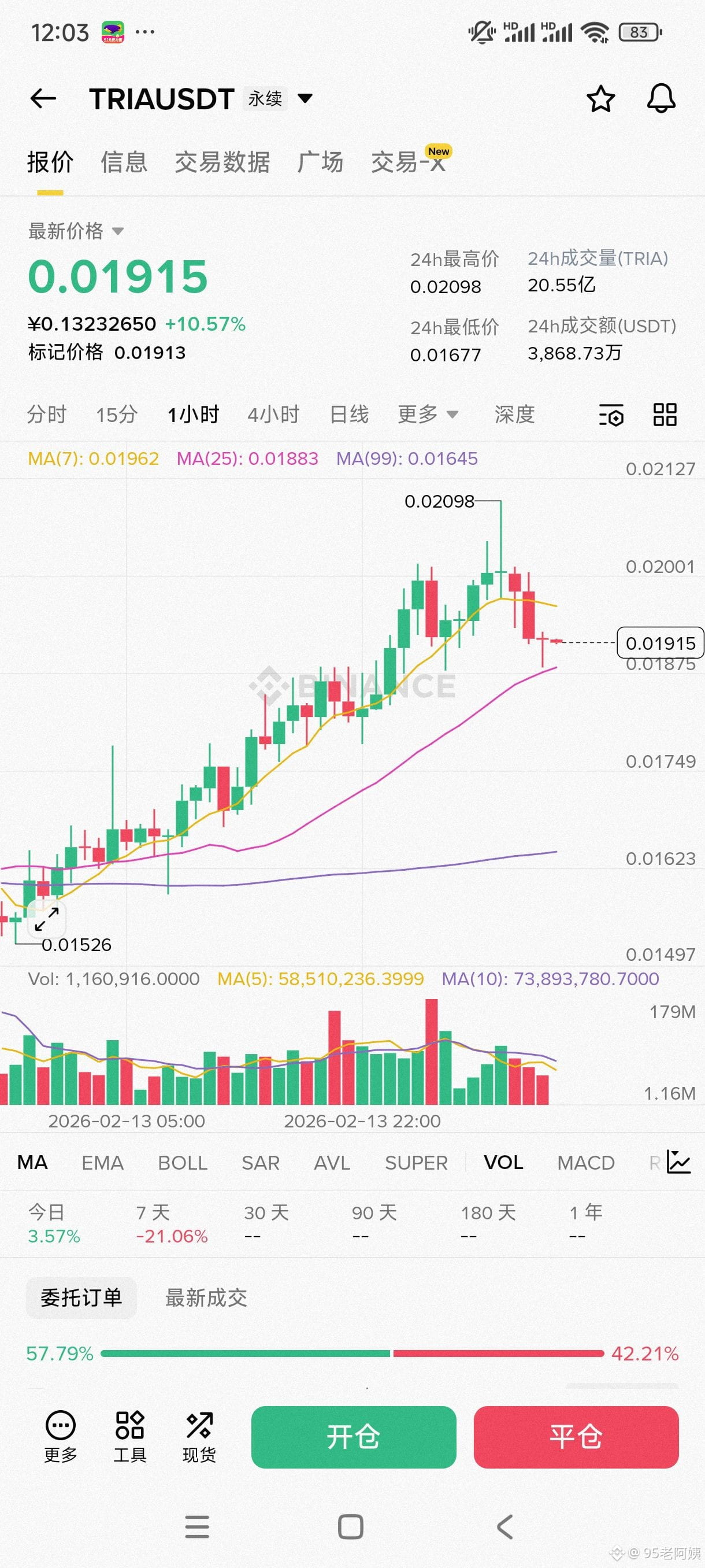
$TRIA Hurry up and empty it, I'm really scared of falling to the bottom, the old auntie's little heart can't take it.
$TRIA Hurry up and empty it, I'm really scared of falling to the bottom, the old auntie's little heart can't take it.
243
·
--
Bearish
1
1
720
·
--
Bearish
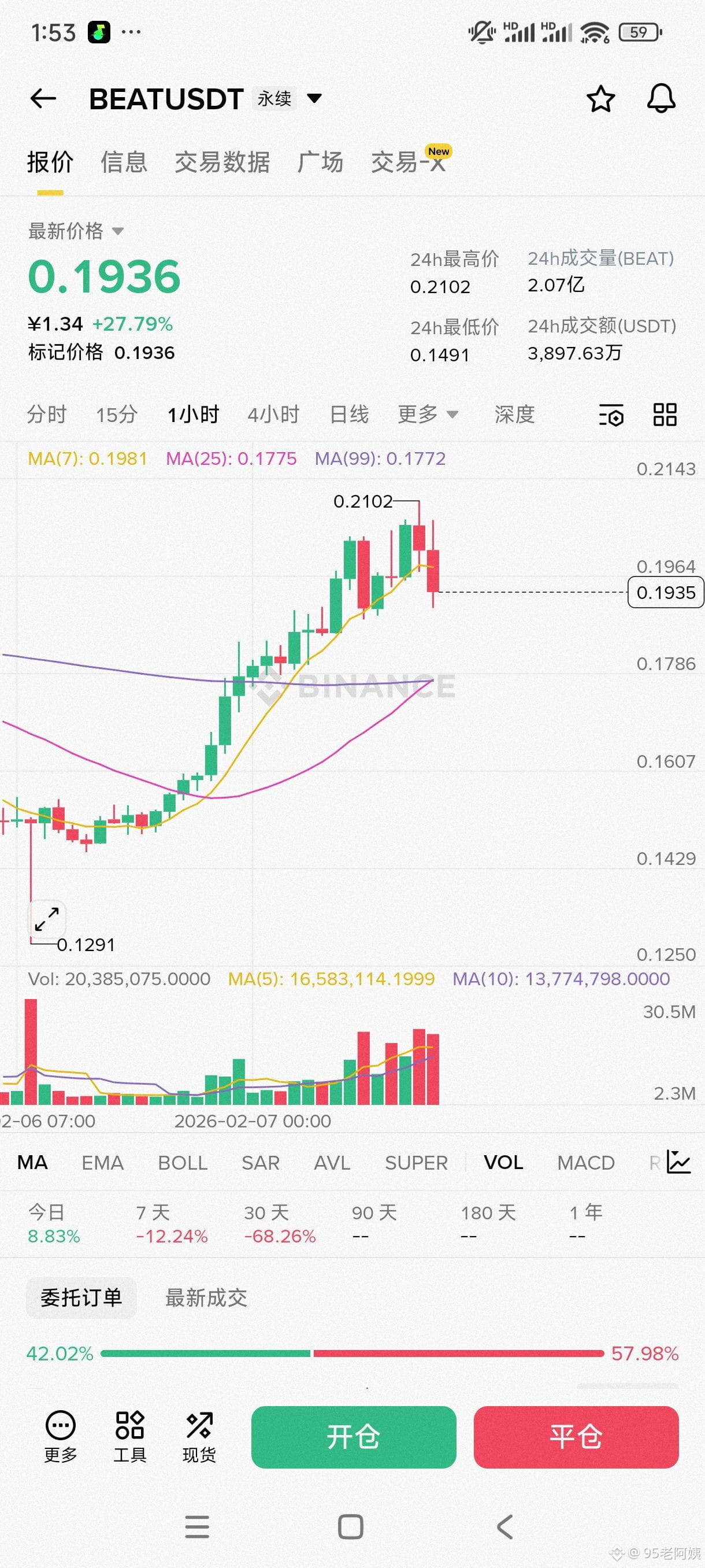
$FIGHT The empty one is the涨幅榜, which coin can bounce up in this market, if not empty, I’m sorry to the people.
$FIGHT The empty one is the涨幅榜, which coin can bounce up in this market, if not empty, I’m sorry to the people.
5
3
4
597
·
--
Bearish
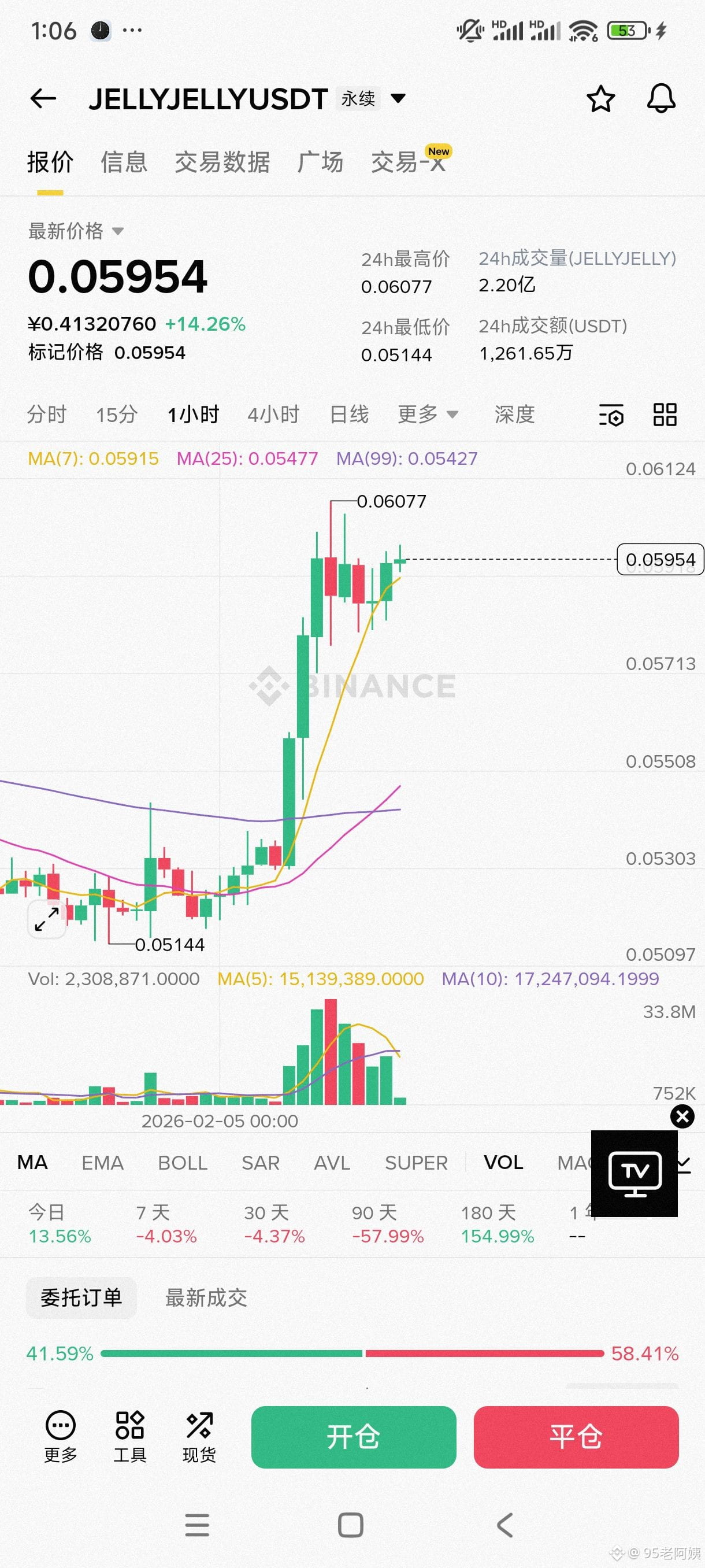
$JELLYJELLY Play U must see! Don't panic if asked to have tea by the uncle, just remember these 3 core issues and avoid pitfalls 👇
❶ Virtual currency not protected ≠ illegal, just recognize the risks
❷ Returning dirty money is a process, how much to return can be negotiated, only after negotiation will it be unfrozen
❸ Cooperate well, prove innocence, generally no case record will not affect other cards
$JELLYJELLY Play U must see! Don't panic if asked to have tea by the uncle, just remember these 3 core issues and avoid pitfalls 👇
❶ Virtual currency not protected ≠ illegal, just recognize the risks
❷ Returning dirty money is a process, how much to return can be negotiated, only after negotiation will it be unfrozen
❸ Cooperate well, prove innocence, generally no case record will not affect other cards
❶ Virtual currency not protected ≠ illegal, just recognize the risks
❷ Returning dirty money is a process, how much to return can be negotiated, only after negotiation will it be unfrozen
❸ Cooperate well, prove innocence, generally no case record will not affect other cards

1
62
·
--
Bullish
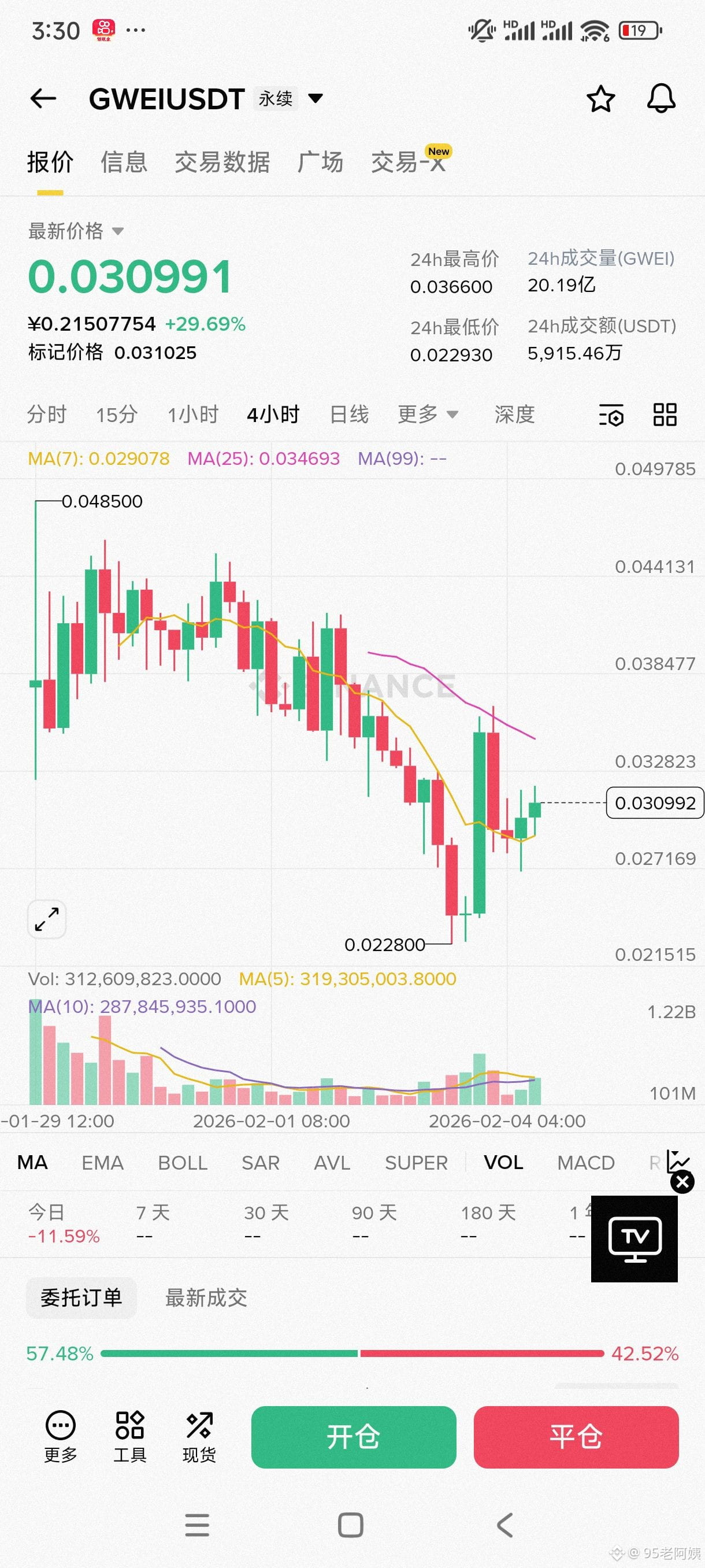
$GWEI Brothers who only have a few thousand U in hand, don’t mess around in the crypto world!
A set of the most stable and simple methods, execute in four steps to reap the rewards, follow me, and I'll help you gain confidence!
$GWEI Brothers who only have a few thousand U in hand, don’t mess around in the crypto world!
A set of the most stable and simple methods, execute in four steps to reap the rewards, follow me, and I'll help you gain confidence!
A set of the most stable and simple methods, execute in four steps to reap the rewards, follow me, and I'll help you gain confidence!

9
1
6
7.7k
·
--
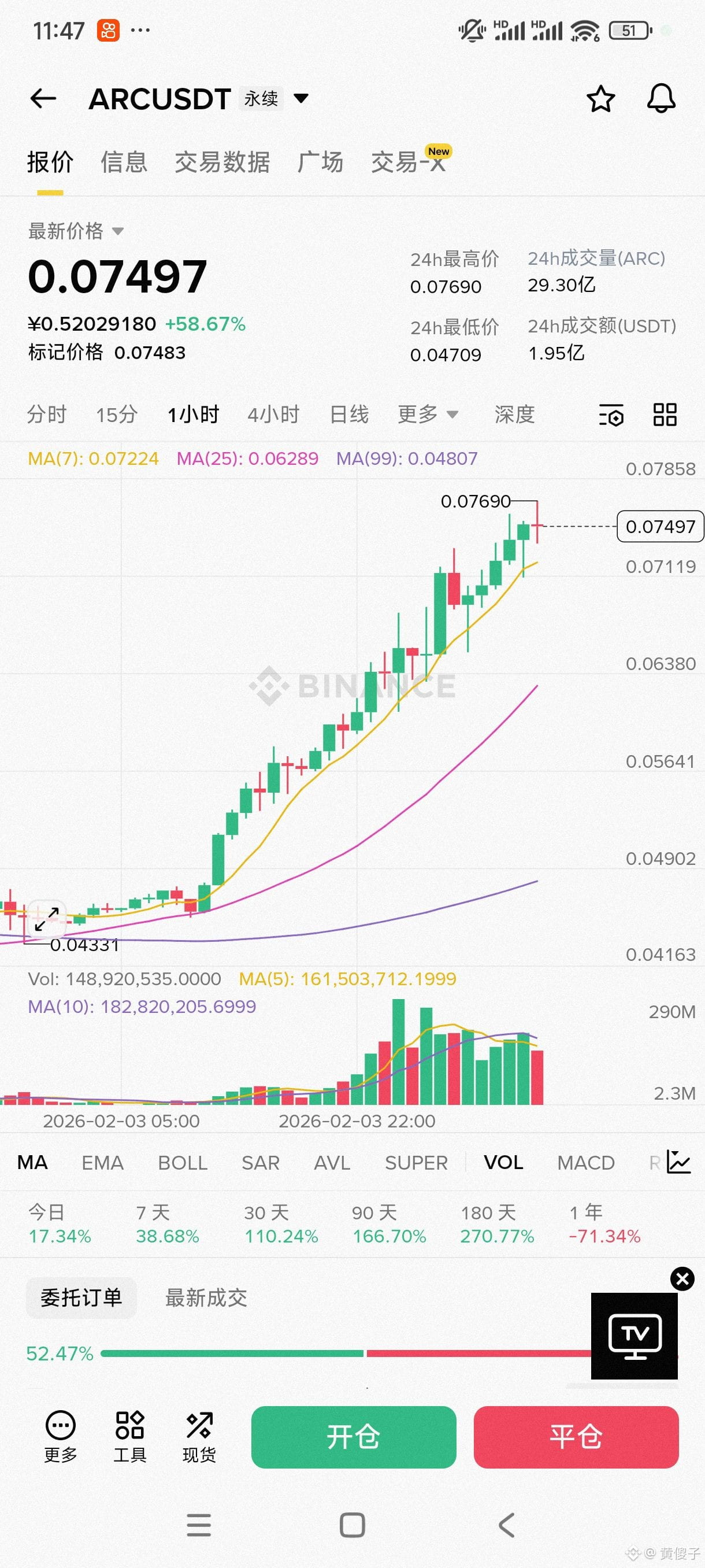
$ARC What is this? It's about to drop, call my best friend to short it 🐴
$ARC What is this? It's about to drop, call my best friend to short it 🐴

1
158
·
--
$ZIL My own AI-generated image, how do you guys feel?
$ZIL My own AI-generated image, how do you guys feel?

55
·
--
Brothers, give me an empty one
Brothers, give me an empty one
95老阿姨
·
--
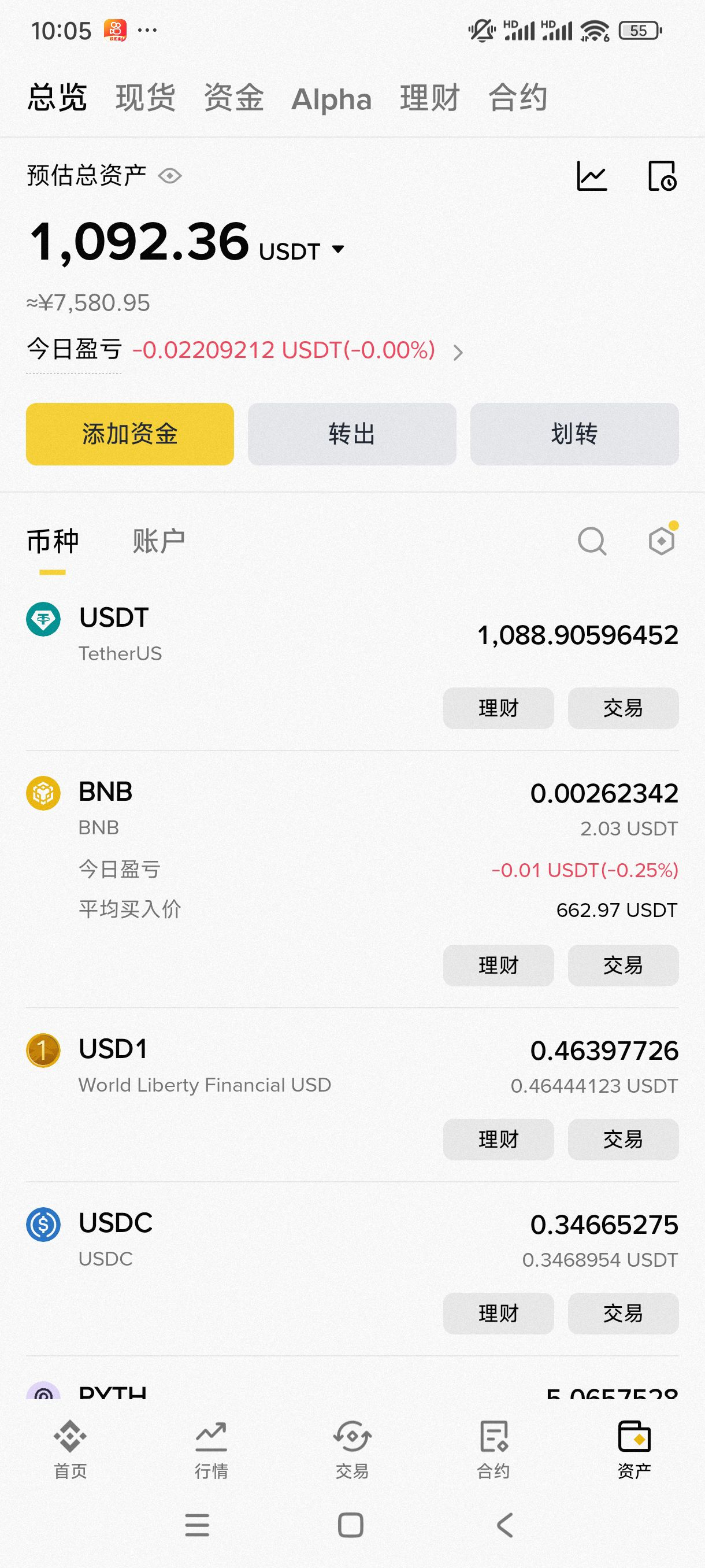
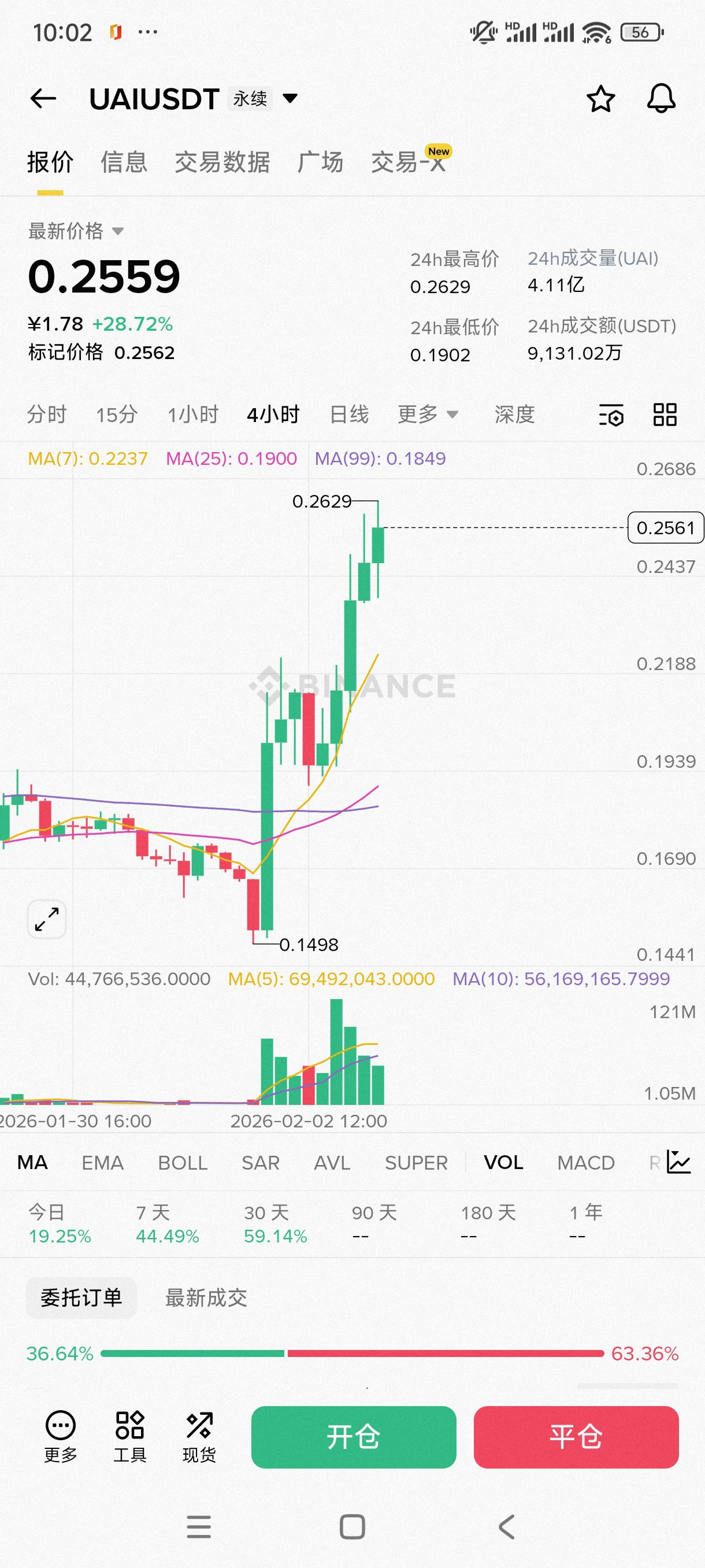
$UAI has increased from 400u to 1088u, making some profit and running away, securing the gains.
3
·
--
$UAI has increased from 400u to 1088u, making some profit and running away, securing the gains.
$UAI has increased from 400u to 1088u, making some profit and running away, securing the gains.
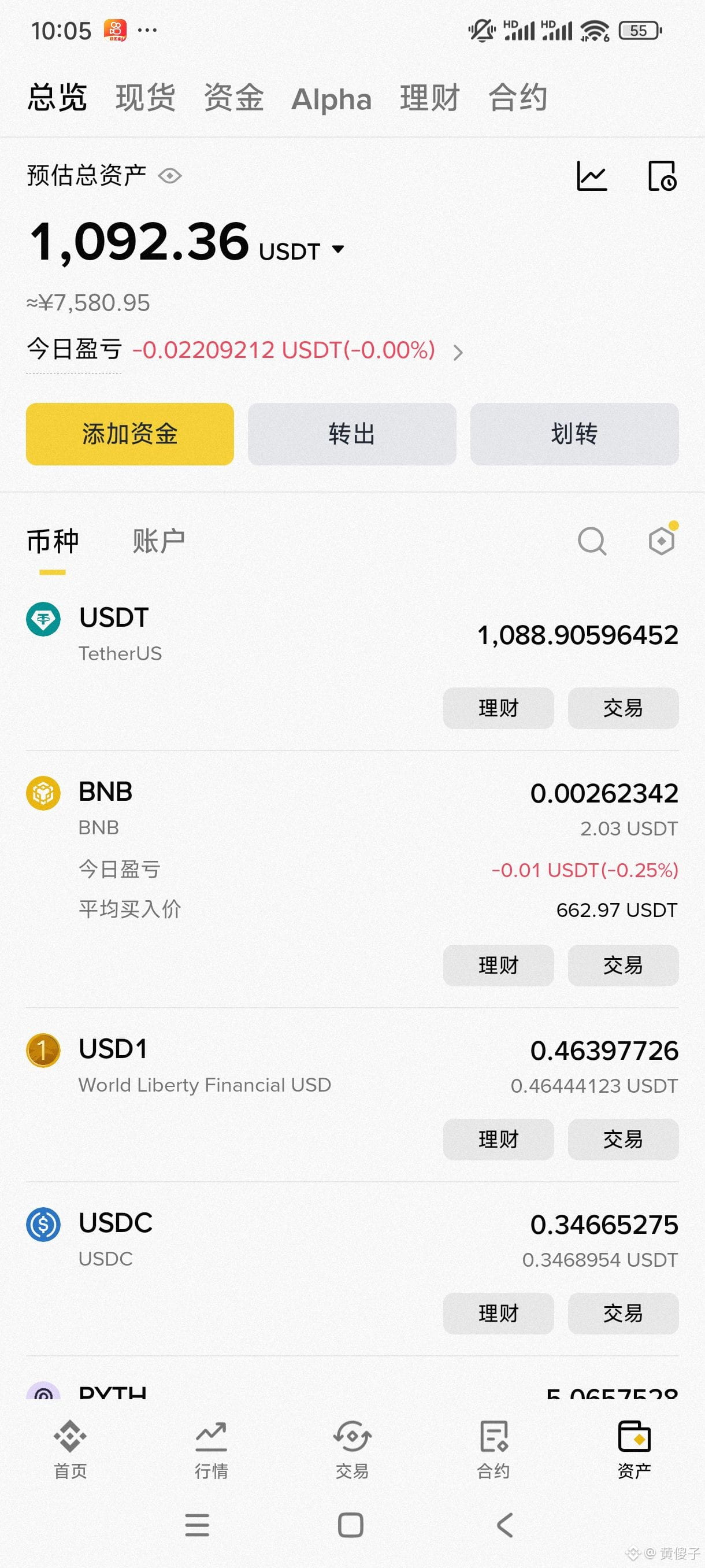
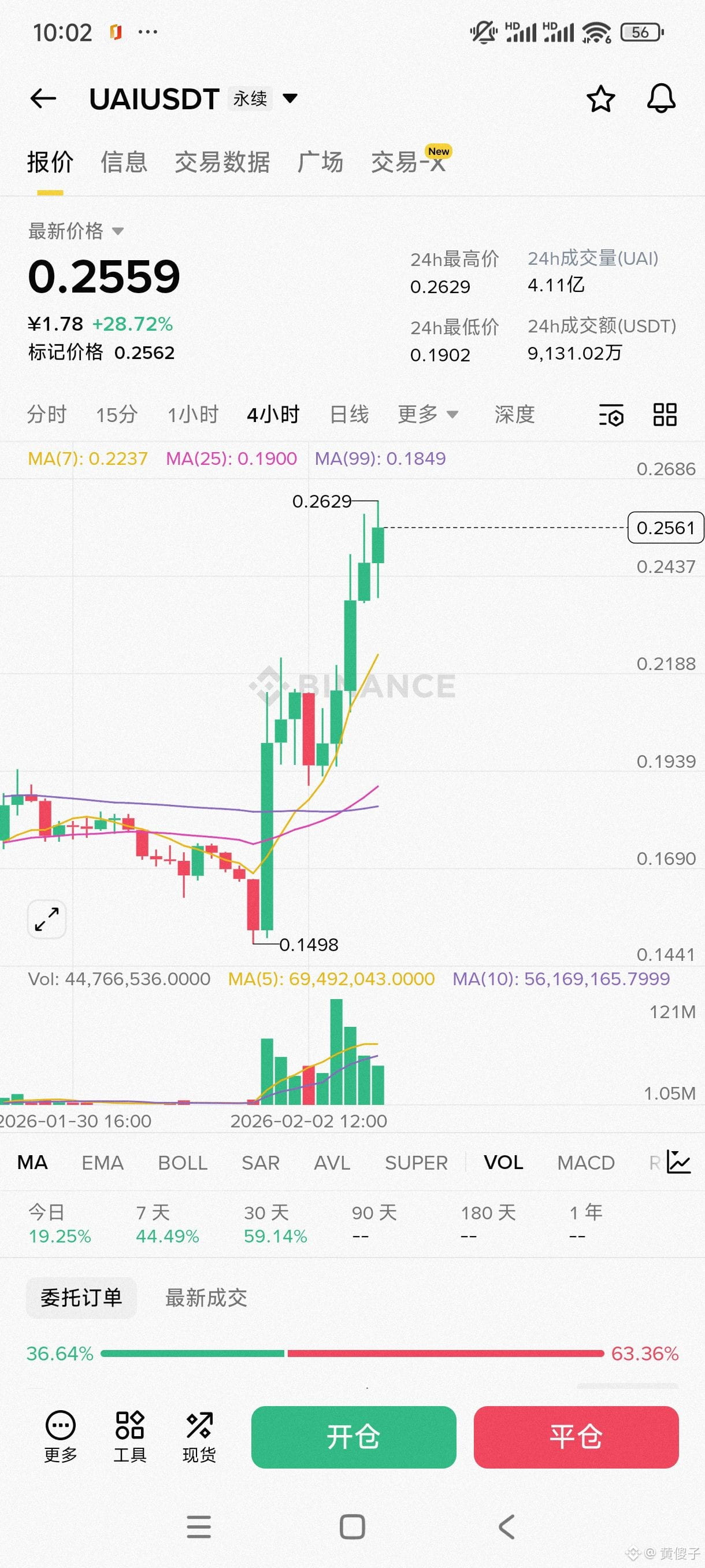
1
1
234
·
--
Bearish
$AVAAI I see it's about to reach the end, brothers, short it for me,
$AVAAI I see it's about to reach the end, brothers, short it for me,
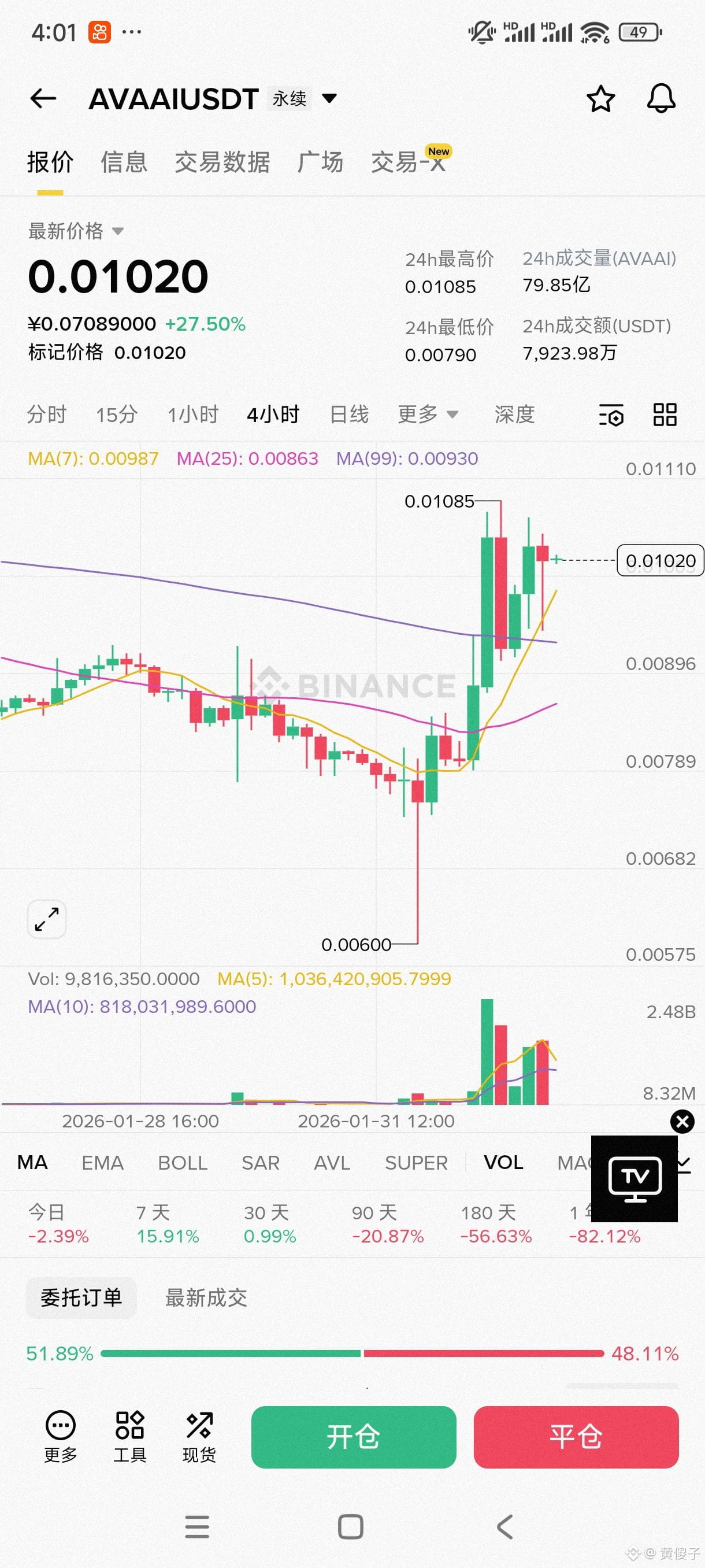

1
38
·
--
$CYS All-in short! No problem, practicing my yoga, let's see how strong my sister's arms are.
$CYS All-in short! No problem, practicing my yoga, let's see how strong my sister's arms are.

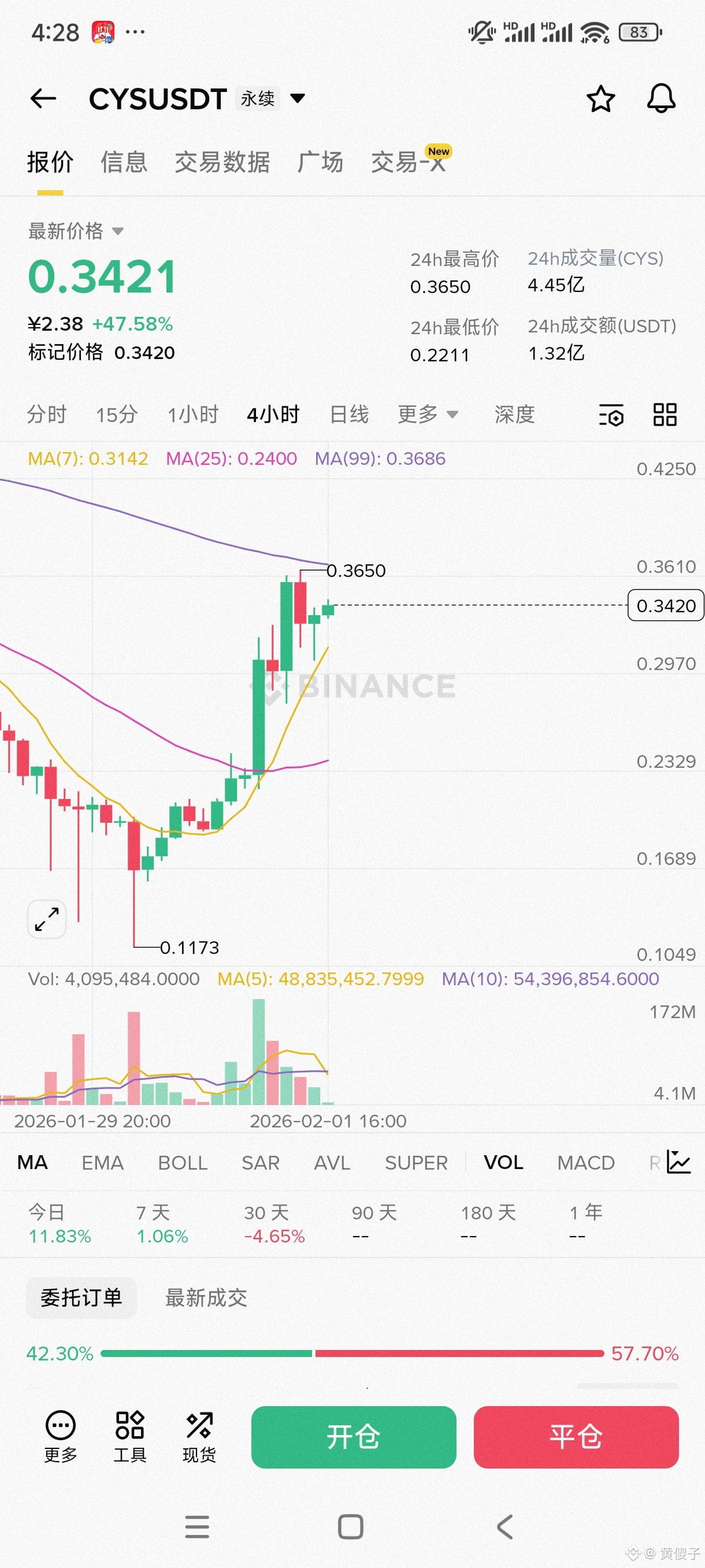
1
1
210
Log in to explore more content
Join global crypto users on Binance Square
⚡️ Get latest and useful information about crypto.
💬 Trusted by the world’s largest crypto exchange.
👍 Discover real insights from verified creators.
Email / Phone number
Trending Topics
FedMinutesFocusOnOctoberPause
298,133 views
1,794 Discussing
🚨 HIGH ALERT ‼️ PLEASE DON’T TRADE BLINDLY FOR THE NEXT HOUR 🚨
Guys, we have FOMC Minutes coming in less than 1 hour.
And after the kind of volatility we already saw today, I really don’t want anyone opening random high-leverage positions just before this release.
The biggest reaction I’m watching will be in Gold (XAU), Silver (XAG), BTC and ETH. Then coins like SOL and other highly leveraged mid/low-cap alts can exaggerate whatever move BTC makes.
Gold and Silver are especially sensitive tonight because the market is already reacting to the US dollar + Treasury yields, and both metals have been under heavy pressure ahead of the Fed minutes.
Briefly speaking
📉Hawkish Fed Minutes → Dollar/yields can push higher → pressure on BTC, crypto, Gold & silver
📈Dovish Fed Minutes → Dollar/yields can cool → BTC, Gold, Silver and risk assets can bounce hard.
And please remember the first candle can be a trap. We can get a pump, immediate dump, liquidations on both sides, and then the real direction.
So for now, protect your positions, reduce unnecessary leverage and don’t FOMO into the first move.
Tonight I’m watching $XAU , $XAG and $BTC first. These will tell us very quickly how the market is reading the Fed.
I will Update you guys on time
Follow @Panda Traders and Turn on Your notifications right now
#FedMinutesFocusOnOctoberPause
Panda Traders
·21 Likes
·4.9k views
IMFGrantsWaiverForElSalvadorBitcoinBreach
3,207 views
93 Discussing
BinanceLaunchesBinanceIntelligence
1.2M views
6,898 Discussing