
币林盟主-明灯
2.9k Posts
Posts
All
Quotes
Videos
Live

·
--
【Lantern Post-Trade Review】Thursday night, after 21 consecutive stop-outs, my account was down 30%.
After more than 15% in consecutive losses, you really can go crazy.
In that moment, every trading discipline and risk-management principle was torn to shreds by human nature.
I had long forgotten that I was just an ordinary person, utterly incapable of easily overcoming the greed, fear, and resentment etched into my DNA.
So I started increasing my position sizes and refusing to cut my losses.
After a false breakdown tricked me into hedging, my mindset completely collapsed.
That night, it was as if I could hear the voice of the abyss.
Suddenly, a conviction rose from deep within me:
You have to hold on!
You’re a man destined to reach the top of the pyramid!
You can lose. You can make mistakes. The market can leave you battered and bruised.
But you must never lose so much that you forfeit the chance to place another bet!
I picked up a cigarette butt from the ashtray, lit it, and took a long, hard drag.
Then I closed my short position.
That night, I didn’t defeat the market.
But I came to know myself anew.
As I finished reviewing the trades, I suddenly understood something:
Like all other living creatures, every true transformation requires a period of isolation.
Like a snake shedding its skin, like a cicada emerging from its shell.
The old self must die before the new self can be born.
That night, I didn’t reach the summit.
But I knew I had evolved once again.
·
--
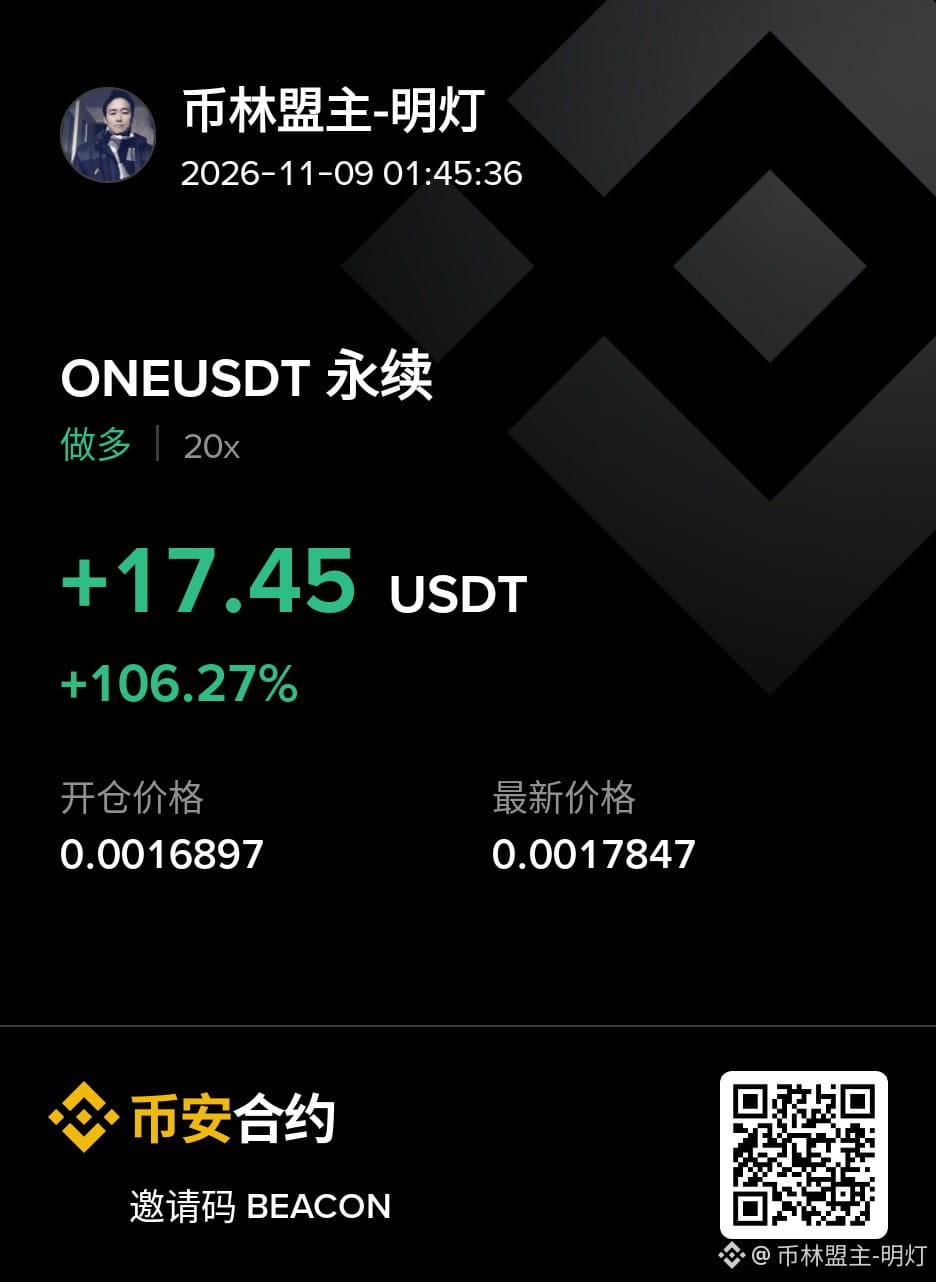
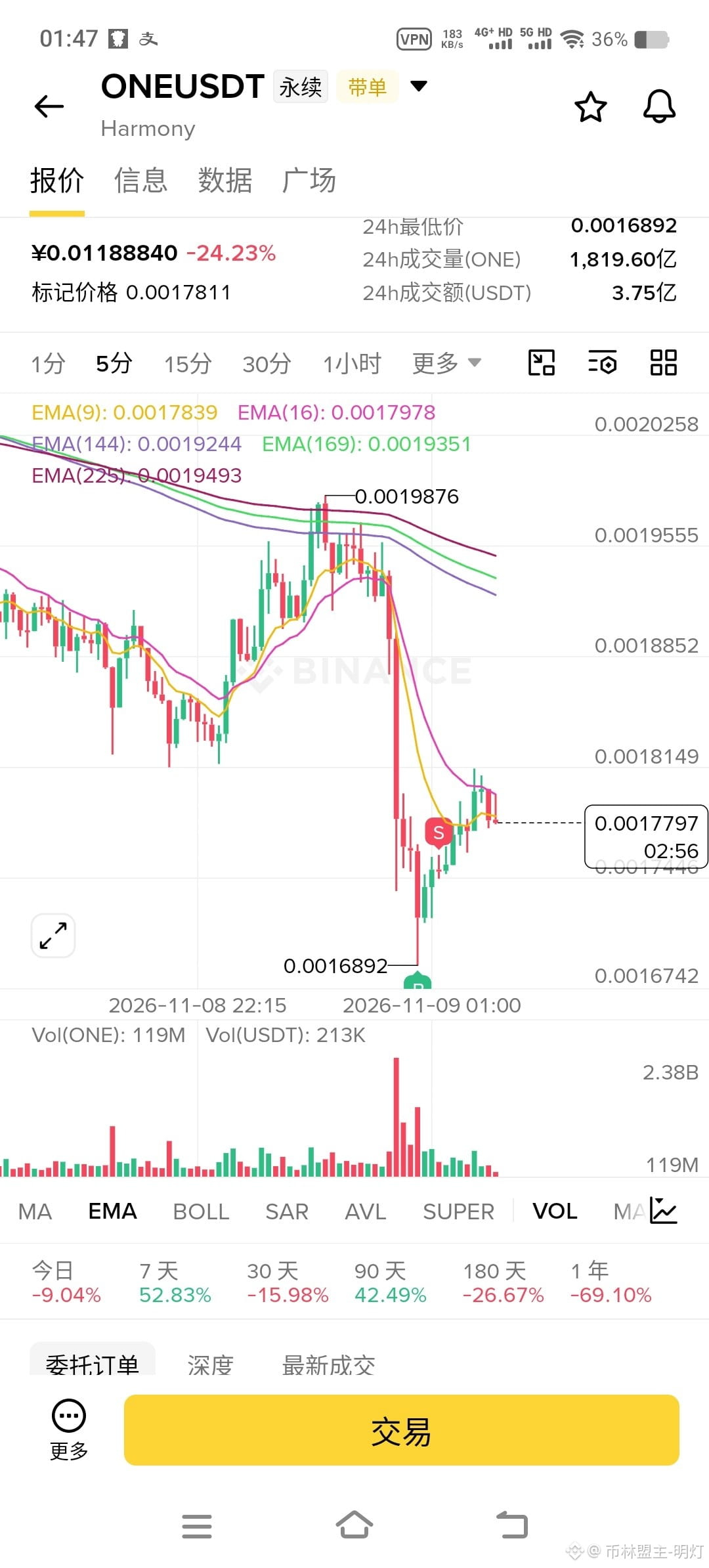
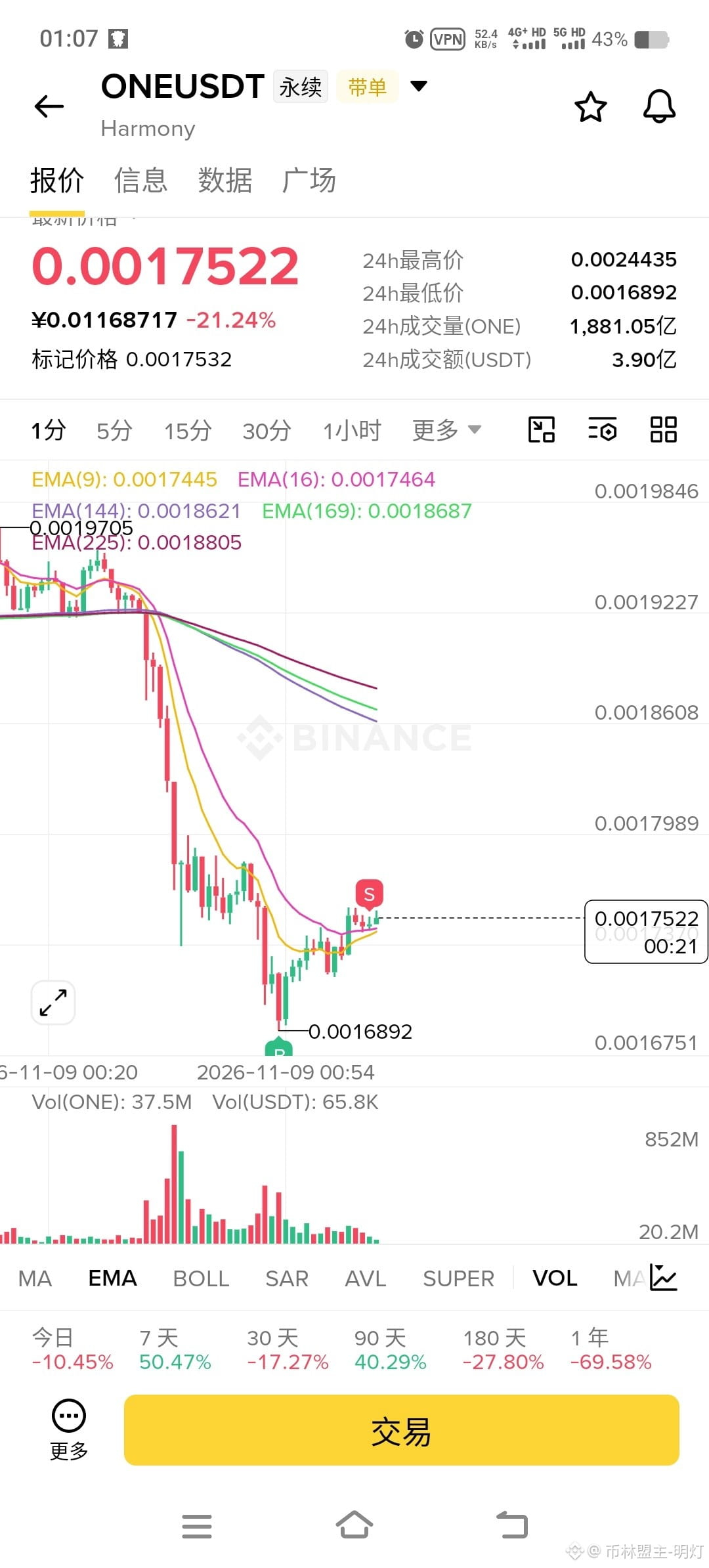
$ONE What does it mean to be a dancer on the tip of a needle💃? Is it extreme enough,
$ONE What does it mean to be a dancer on the tip of a needle💃? Is it extreme enough,
50
·
--
The advantage of a pinpoint entry is that when your unrealized profit reaches three times your stop-loss amount, you can close enough of the position to cover the amount you could lose at the stop. That way, even if your stop is hit, you don’t lose money—you can hold the position without risk. For example, if the distance between your entry and stop-loss levels means you’d lose 10U, then when your unrealized profit reaches 30U, reduce your position by 25%. You’re not closing out 10U of profit; you’re reducing the position by 25%. After doing so, your unrealized profit will be 7.5U, and the amount you could lose at the stop will also be 7.5U. You can then hold the position without risk until it reaches your target. Otherwise, watching unrealized profit turn into a loss and then hit your stop can easily make you lose composure.
The advantage of a pinpoint entry is that when your unrealized profit reaches three times your stop-loss amount, you can close enough of the position to cover the amount you could lose at the stop. That way, even if your stop is hit, you don’t lose money—you can hold the position without risk. For example, if the distance between your entry and stop-loss levels means you’d lose 10U, then when your unrealized profit reaches 30U, reduce your position by 25%. You’re not closing out 10U of profit; you’re reducing the position by 25%. After doing so, your unrealized profit will be 7.5U, and the amount you could lose at the stop will also be 7.5U. You can then hold the position without risk until it reaches your target. Otherwise, watching unrealized profit turn into a loss and then hit your stop can easily make you lose composure.
53
·
--
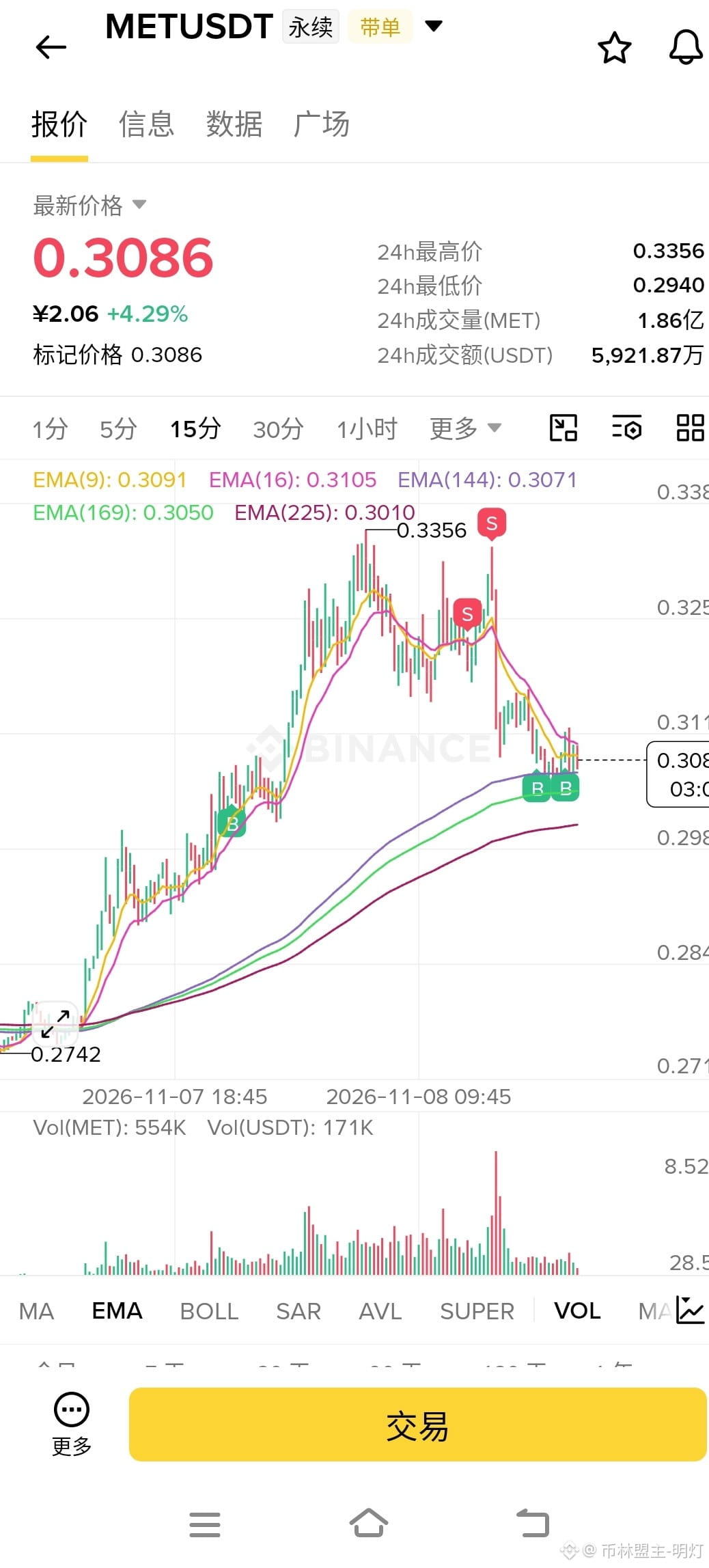
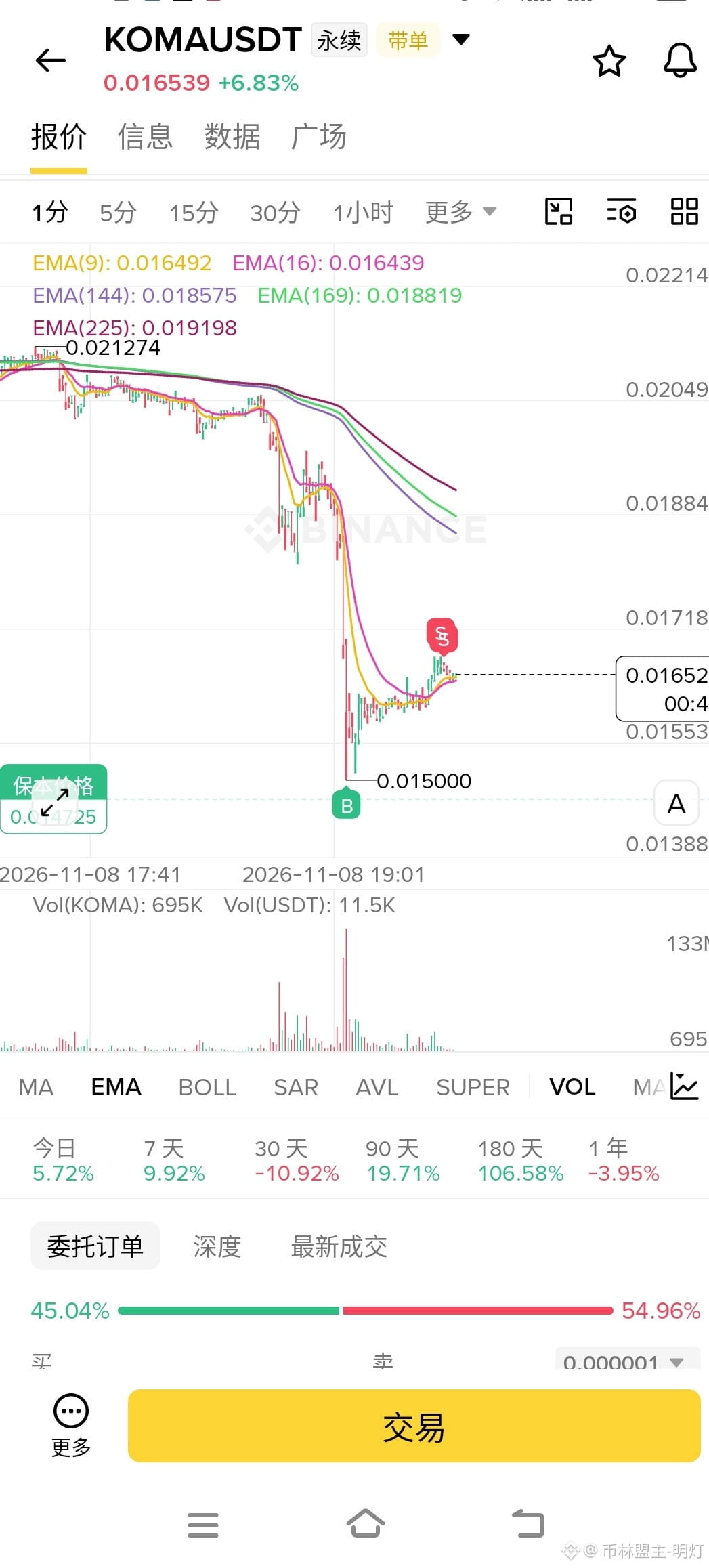
$ETH This lamp has evolved again. From now on, the altcoins on the top gainers list will be my prey.
$ETH This lamp has evolved again. From now on, the altcoins on the top gainers list will be my prey.
1
961
·
--
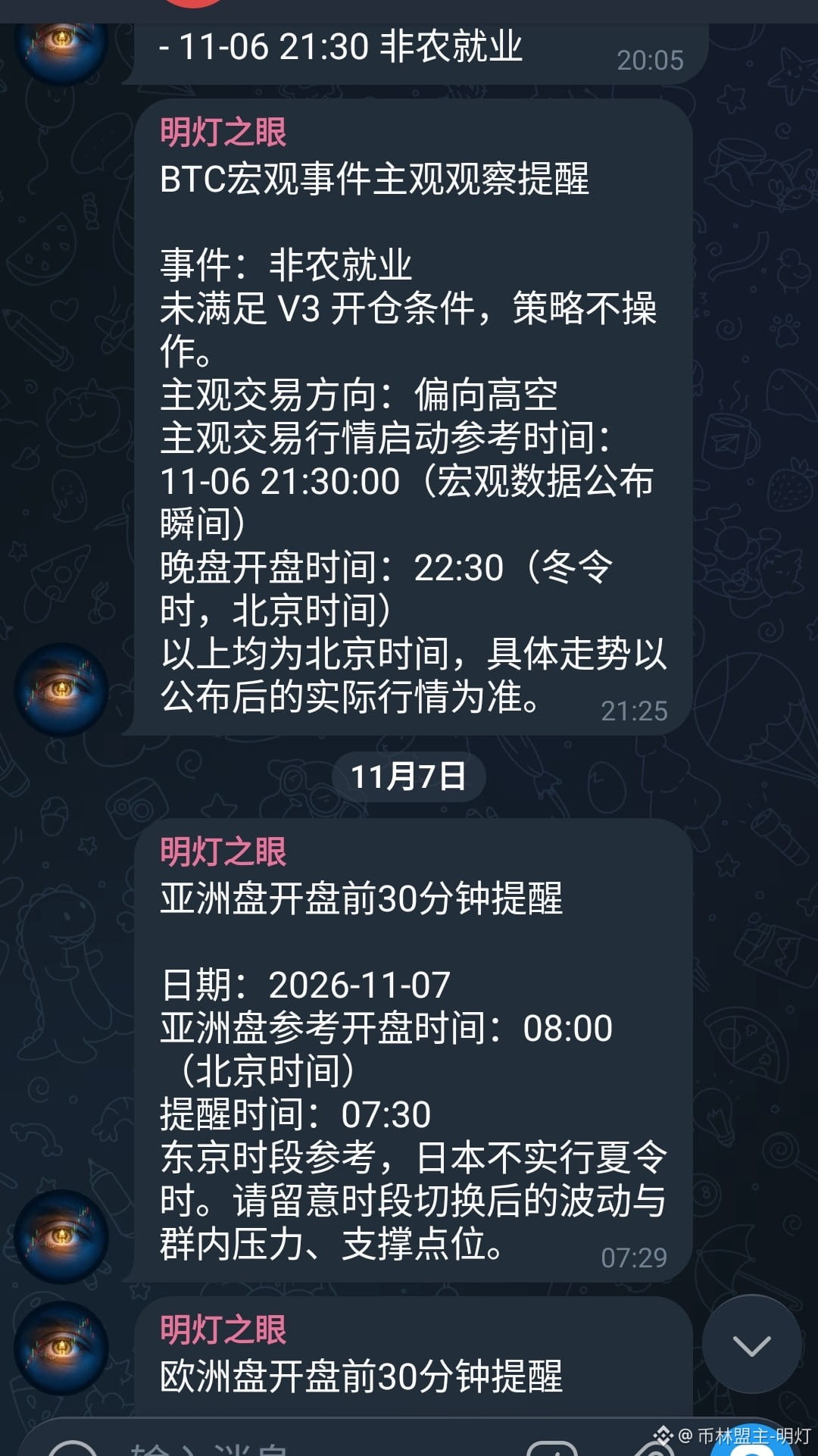
$BTC Last night's first wave of sentiment—the Eye of Mingdeng could even predict macro data and news ahead of time, whether bullish or bearish. But I didn't follow along and still got suckered into a hedge…
$BTC Last night's first wave of sentiment—the Eye of Mingdeng could even predict macro data and news ahead of time, whether bullish or bearish. But I didn't follow along and still got suckered into a hedge…
2
752
·
--
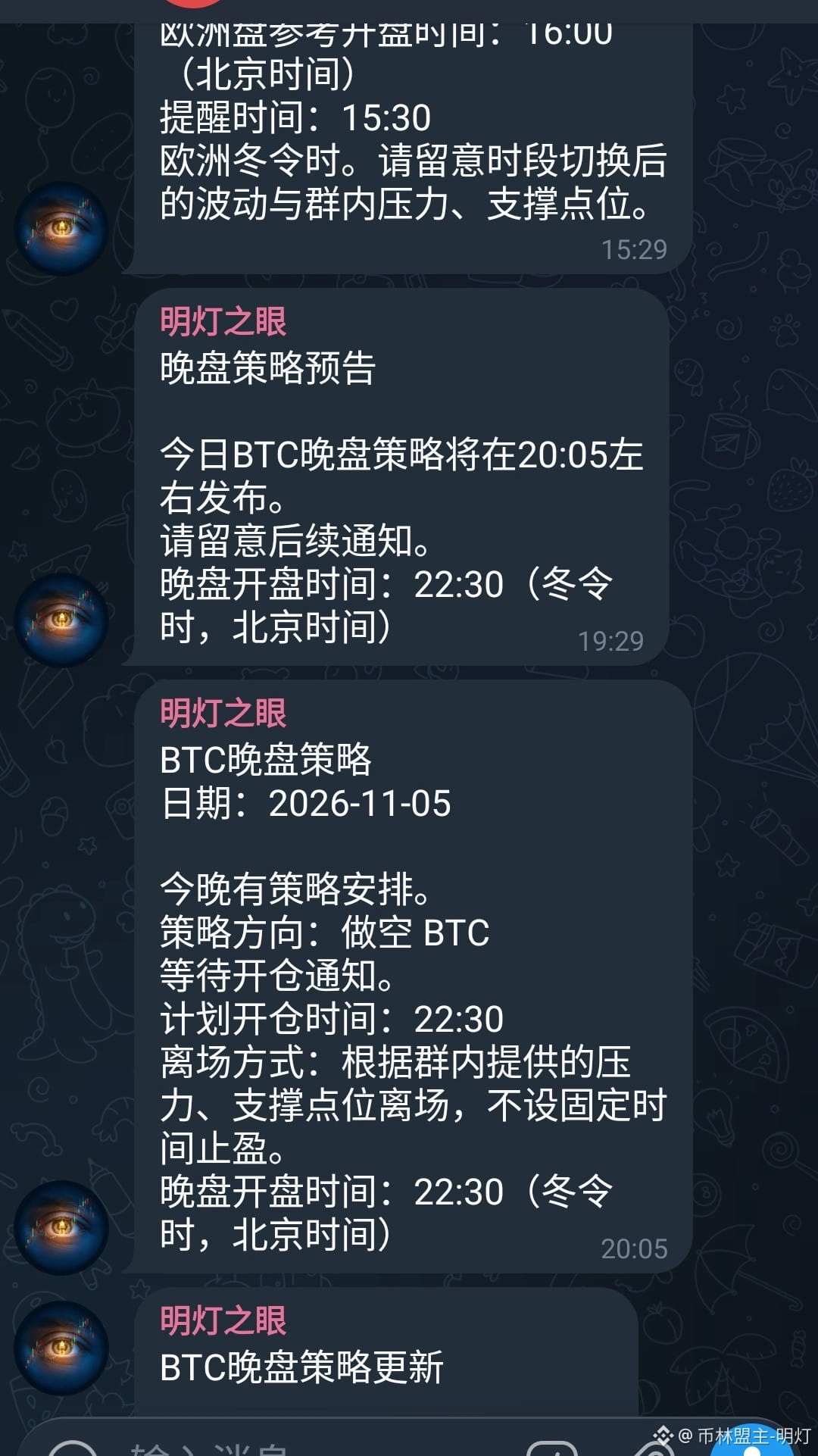
I didn’t follow the strategy I wrote myself—I went against it! From now on, I may choose not to follow it, but I’ll never go against it! In trading, nothing good comes from going against the Eye of the Guiding Light!
I didn’t follow the strategy I wrote myself—I went against it! From now on, I may choose not to follow it, but I’ll never go against it! In trading, nothing good comes from going against the Eye of the Guiding Light!
5
1.1k
·
--
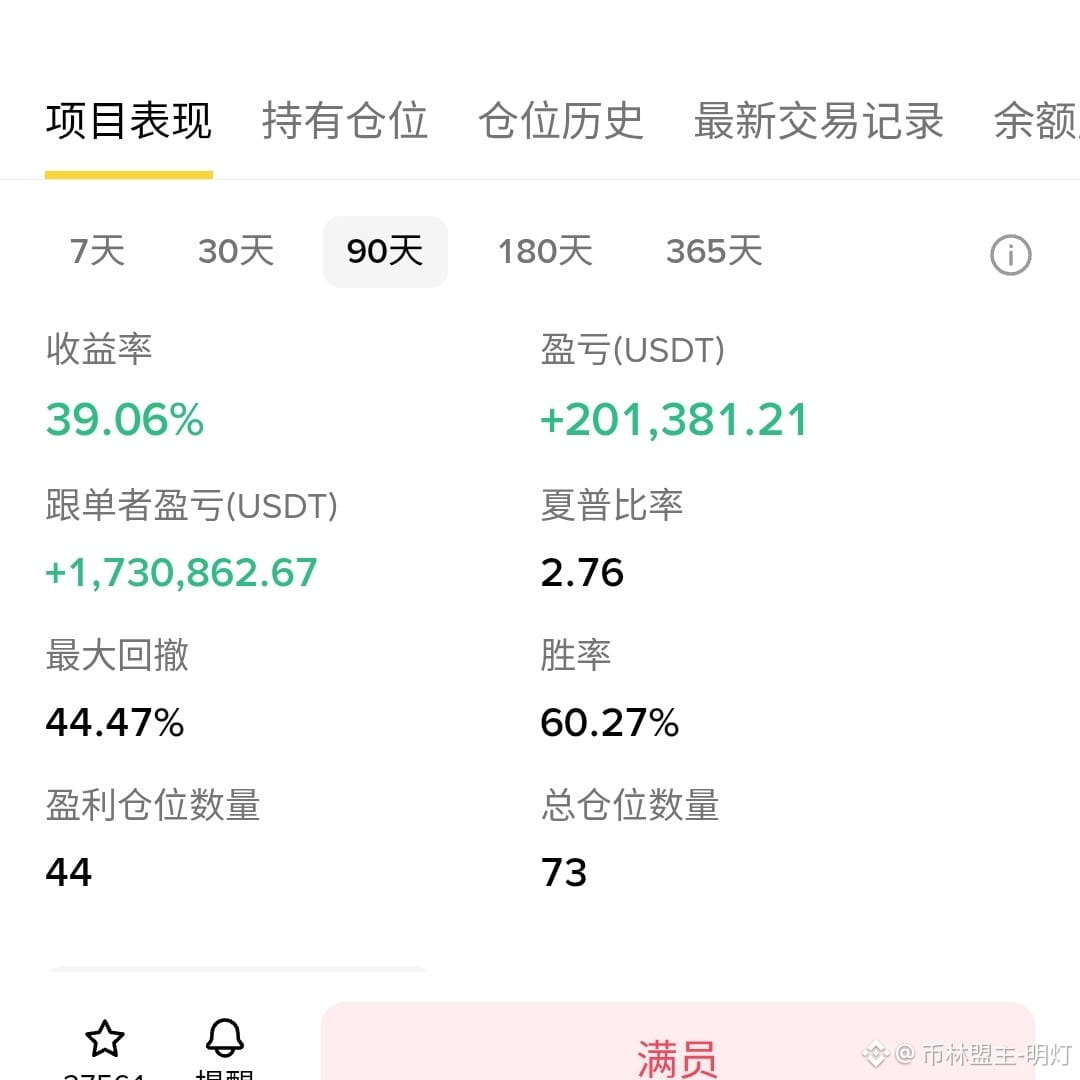
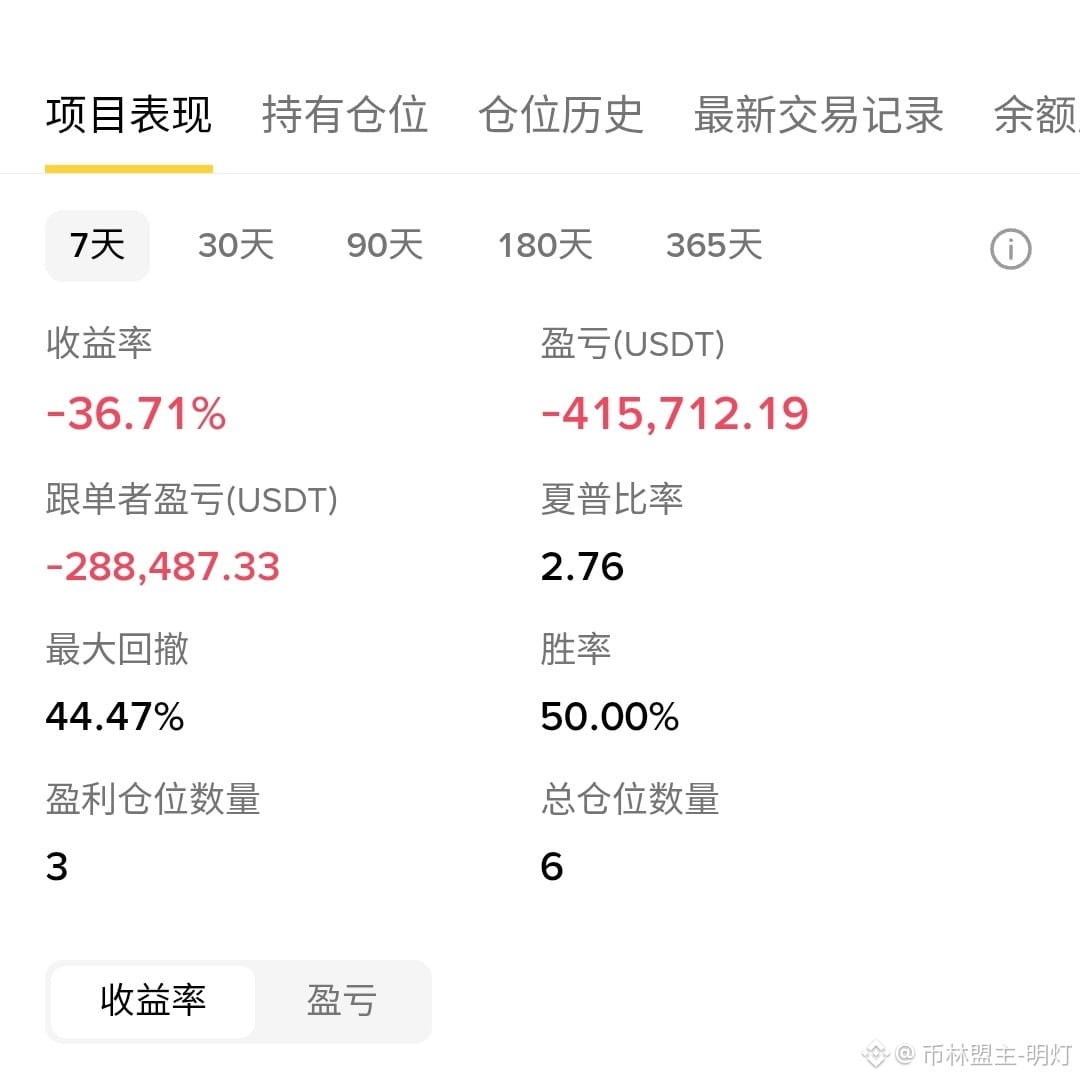
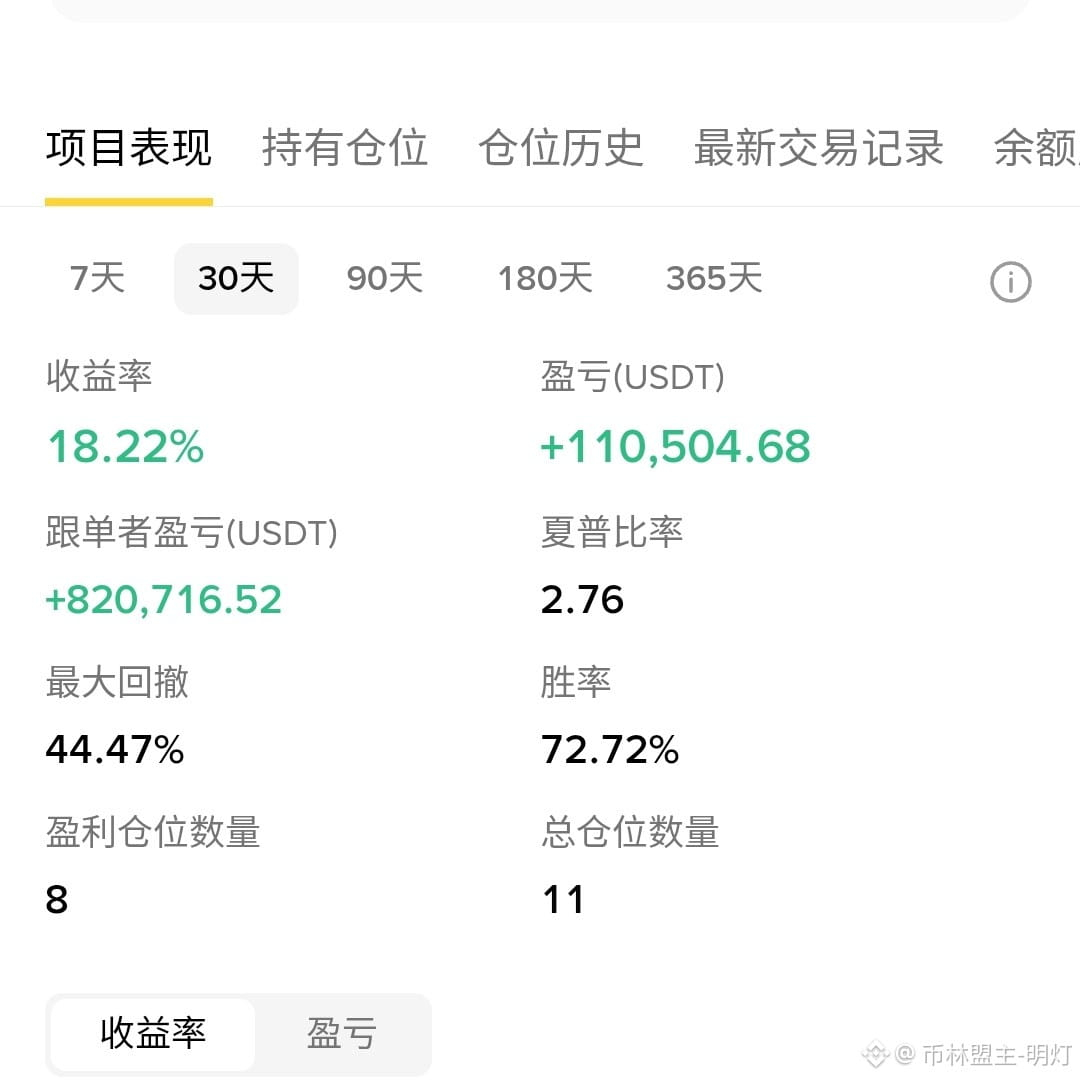
A trading system with drawdowns this large and this kind of return isn’t a good one. Of the top traders whose live trading records I can currently see, the only one is bit Langlang: top-notch risk management, patiently trading for two years, completing 5,600 trades and reaching 10,000x, without any major drawdowns along the way.
Although the market is harder to trade now than it was over two years ago, his risk management and trading philosophy are still worth learning from!
In one of his video recaps shared with his small group, he was discussing position sizing and risk management, as well as the importance of keeping the amount wagered consistent each time. One group member asked him, “Then wasn’t Liang Xi going all-in every time?”
bit Langlang said: “Did Liang Xi end up making money? Who hasn’t had a time when they went all-in and made 300 or 400 times their money?”
1
5
1.4k
·
--
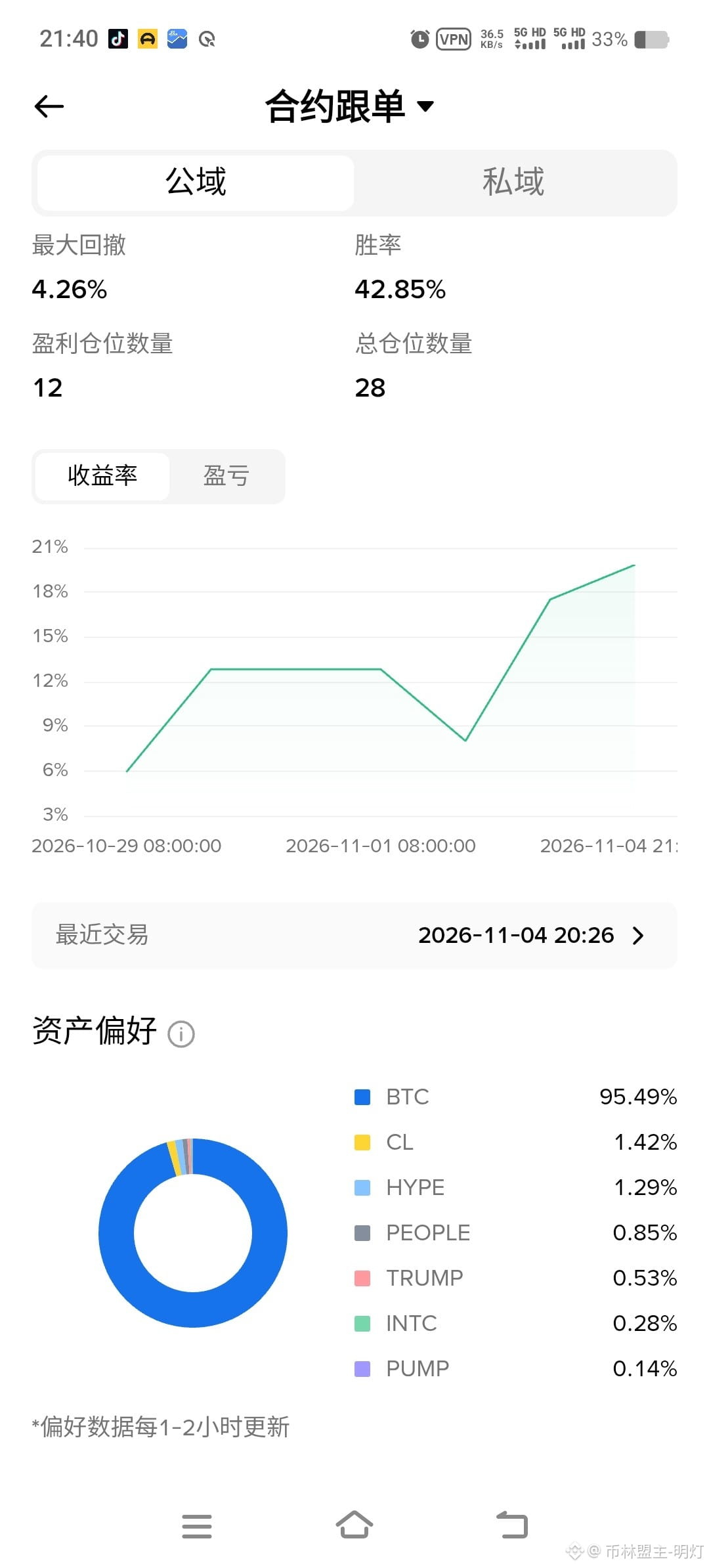
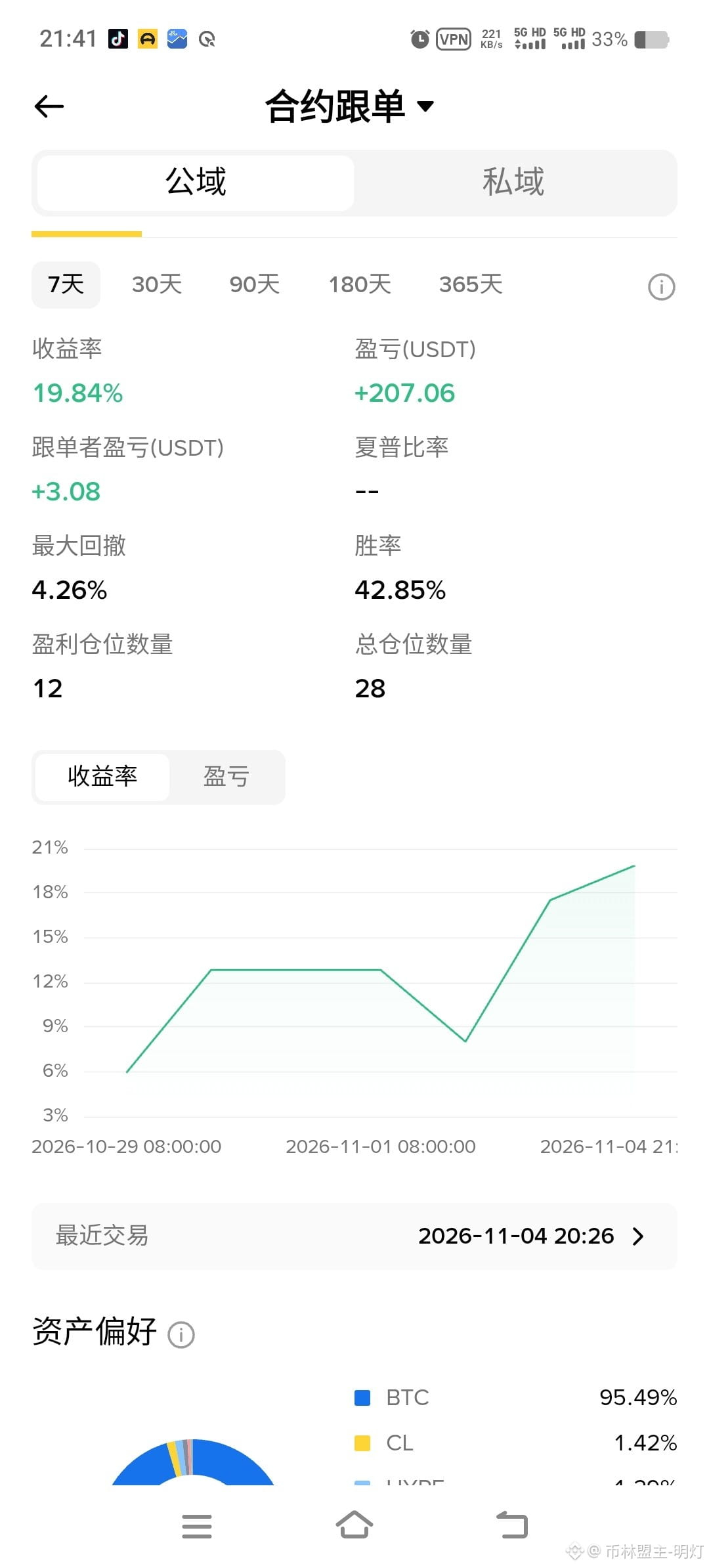
$BTC Keeping maximum drawdown under control means not sitting on losing positions.
That naturally means a lower win rate, and it can also affect returns.
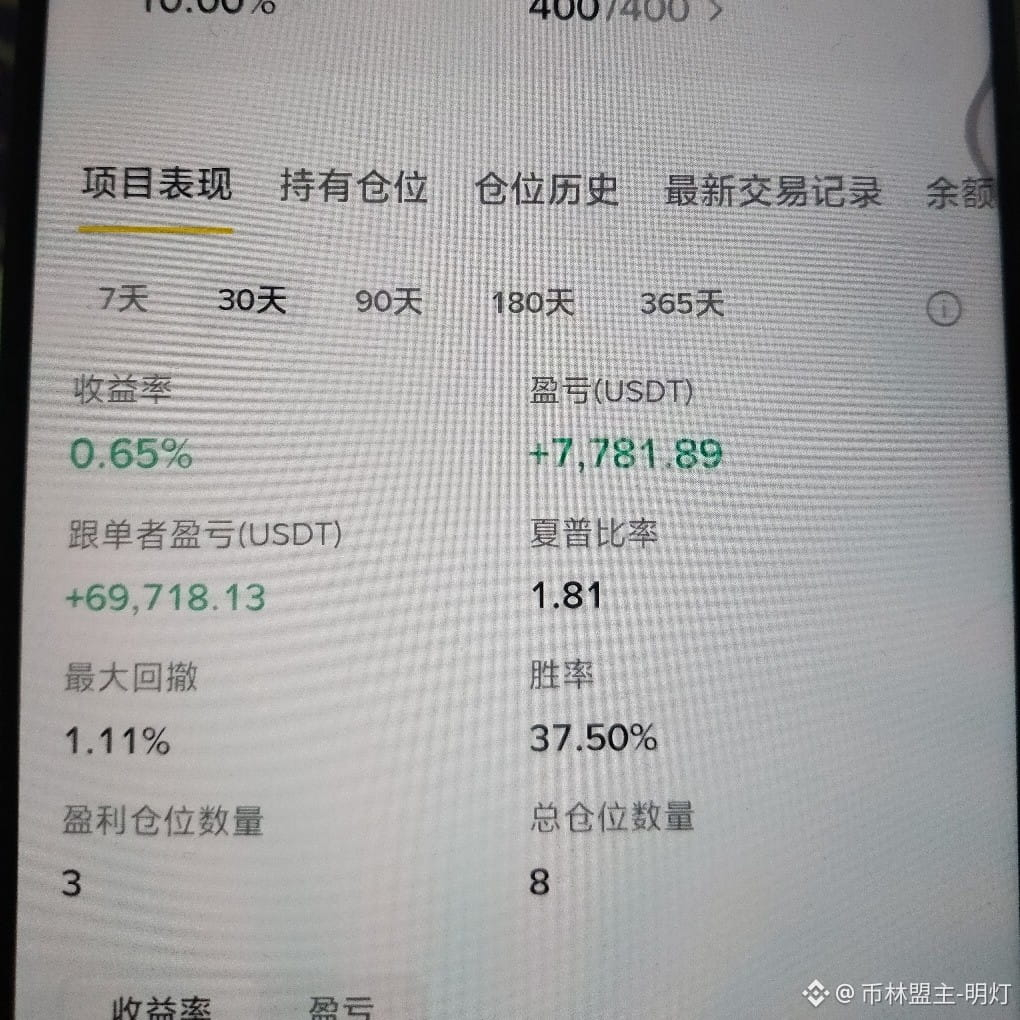
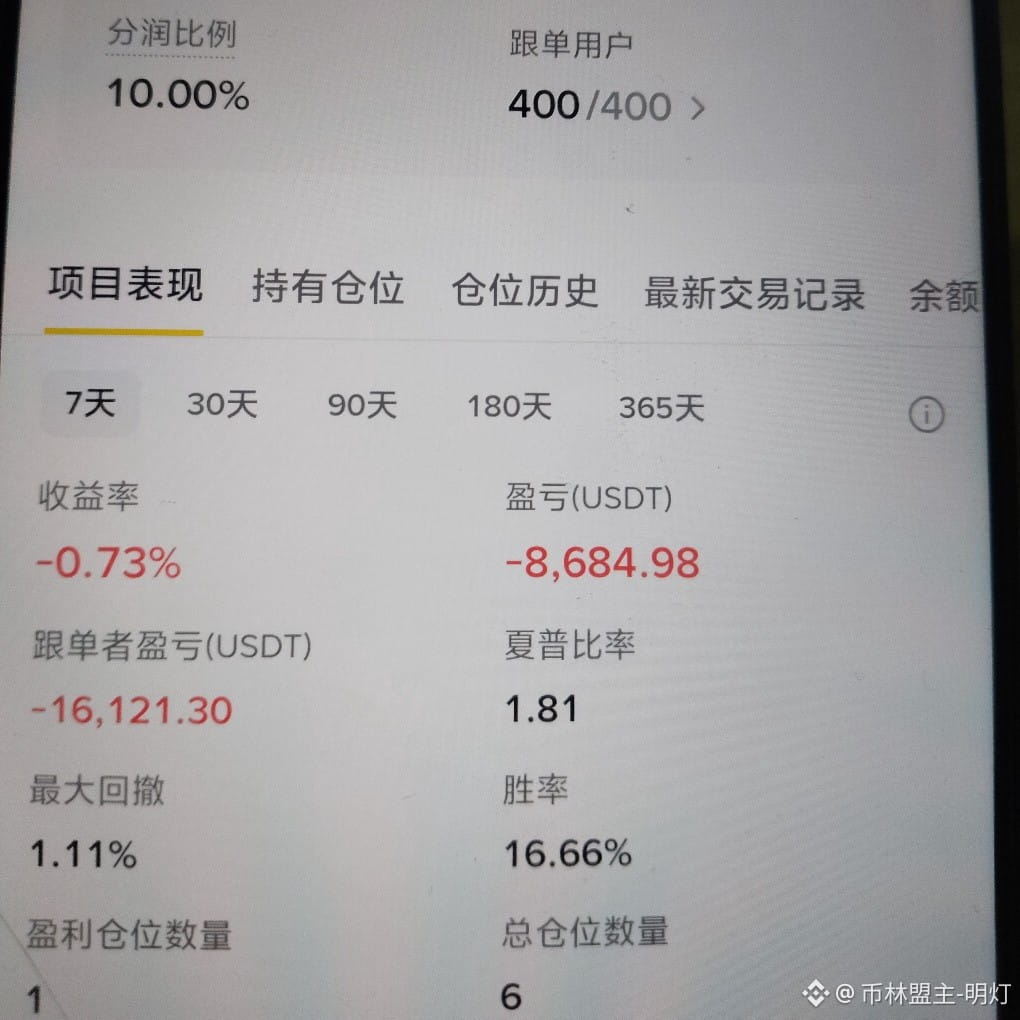
Yet a trading style like Coin Forest Leader – Mingdeng’s—high-frequency, low-win-rate, but capable of generating strong returns—is truly rare!
This kind of trading demands exceptionally precise timing on entries and exits, as well as an exact read of the market.
All of Mingdeng’s position history, current holdings, trade records, and copy-trading profits and losses are fully public and transparent. Nothing is hidden.
Anyone who’s actually traded these past few days knows just how difficult the Bitcoin market has been.
Apart from Mingdeng, few people can handle a market like this.
What’s more, lately quite a few KOLs—and even some major influencers—have started copying Coin Forest Leader’s trading style.
But they’ll soon run into a problem:
Once they start strictly limiting maximum drawdown, their returns may disappear too.
Because trading has never been as simple as copying a few trades.
True skill lies in knowing when to draw your sword—and when to sheathe it.
So, young trader,
who will you choose to follow?
Coin Forest Leader – Mingdeng, or those copycats who can do nothing but imitate?
The world of trading has no faith in imitators.
It believes only in the final results!
1
783
·
--
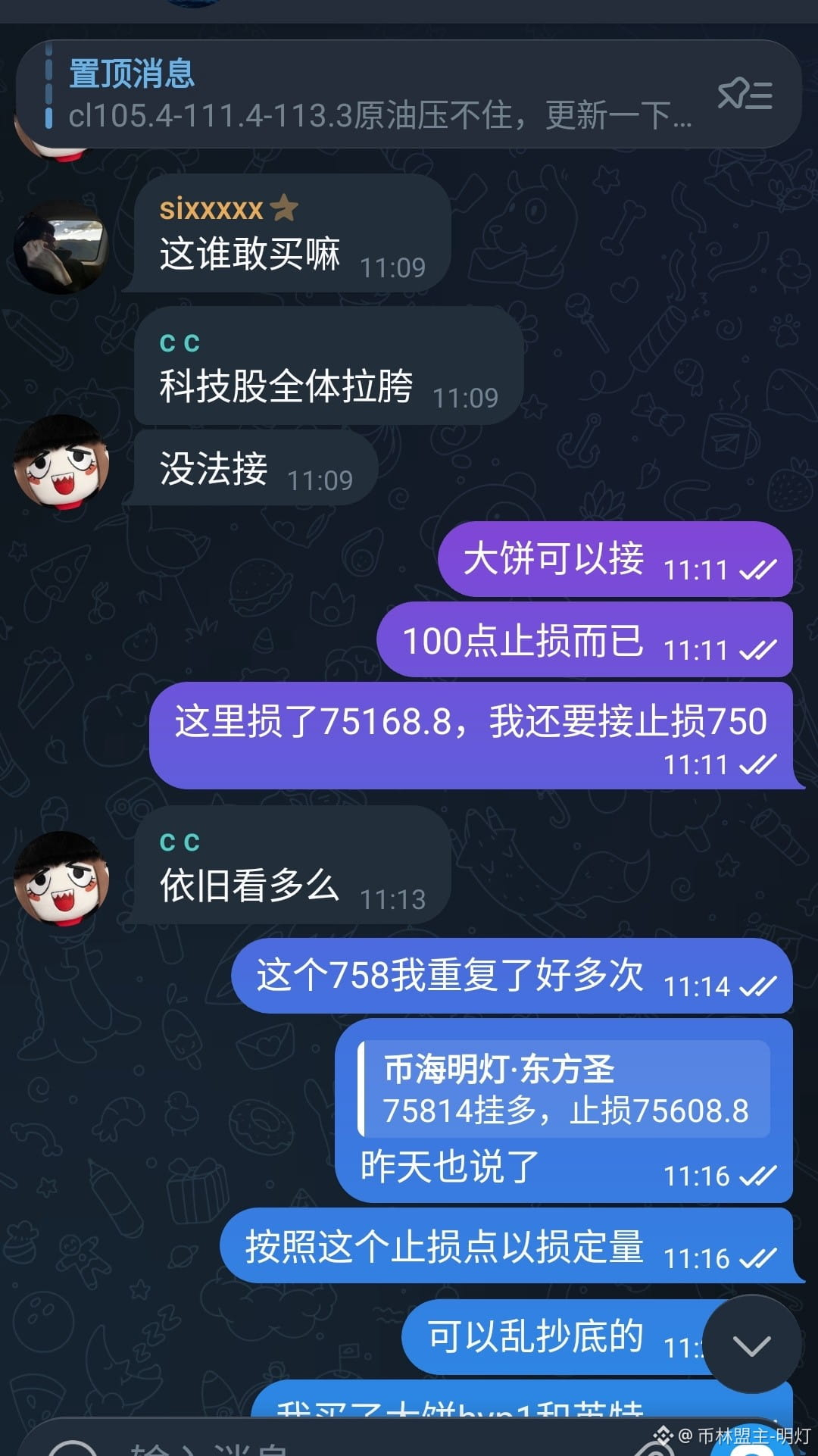
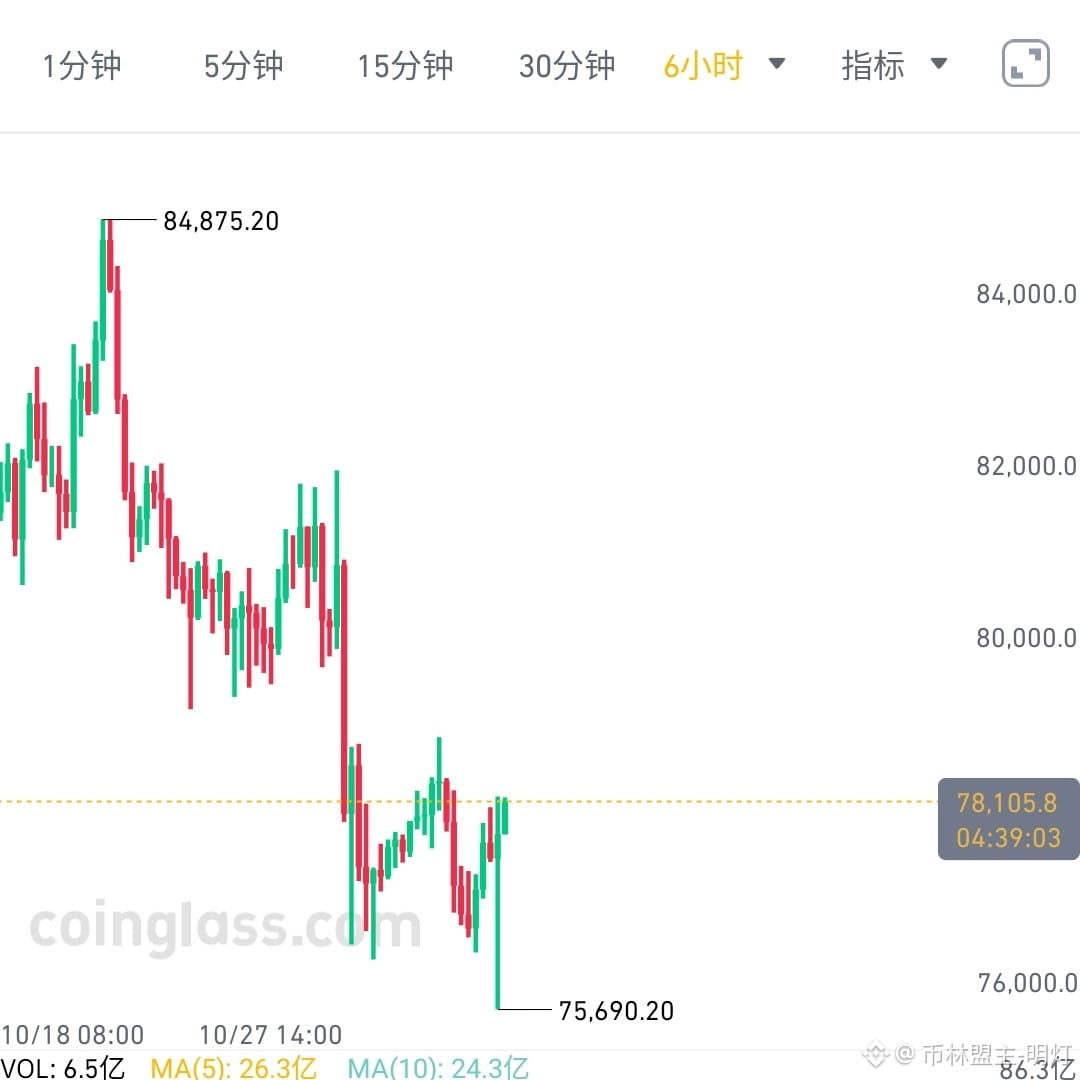
$BTC What is a guiding light? When Bitcoin gets hammered down, and the young people aboard the Guiding Light cruise ship are too scared to buy the dip, I give the order—and instantly, a massive rally across the board!
What is trading? This is trading!
What is art? This is art!
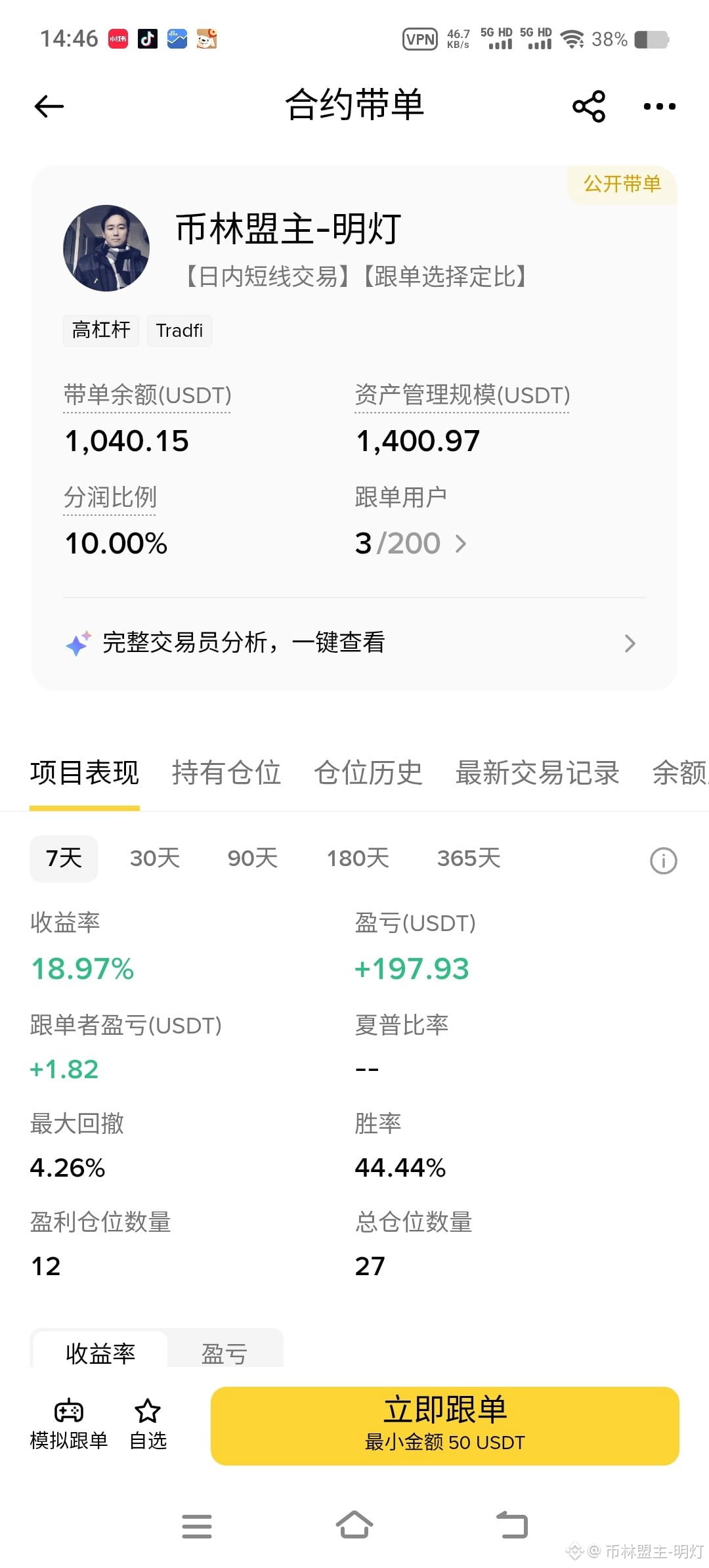
If you can’t be bothered to trade yourself, or want to multiply your money dozens or even hundreds of times in a year, click Copy Trading on my profile!
From now on, every day is a chance to watch the most elite traders in human history toy with those Wall Street crooks, rubbing their dog heads into the ground over and over…

1
595
·
--
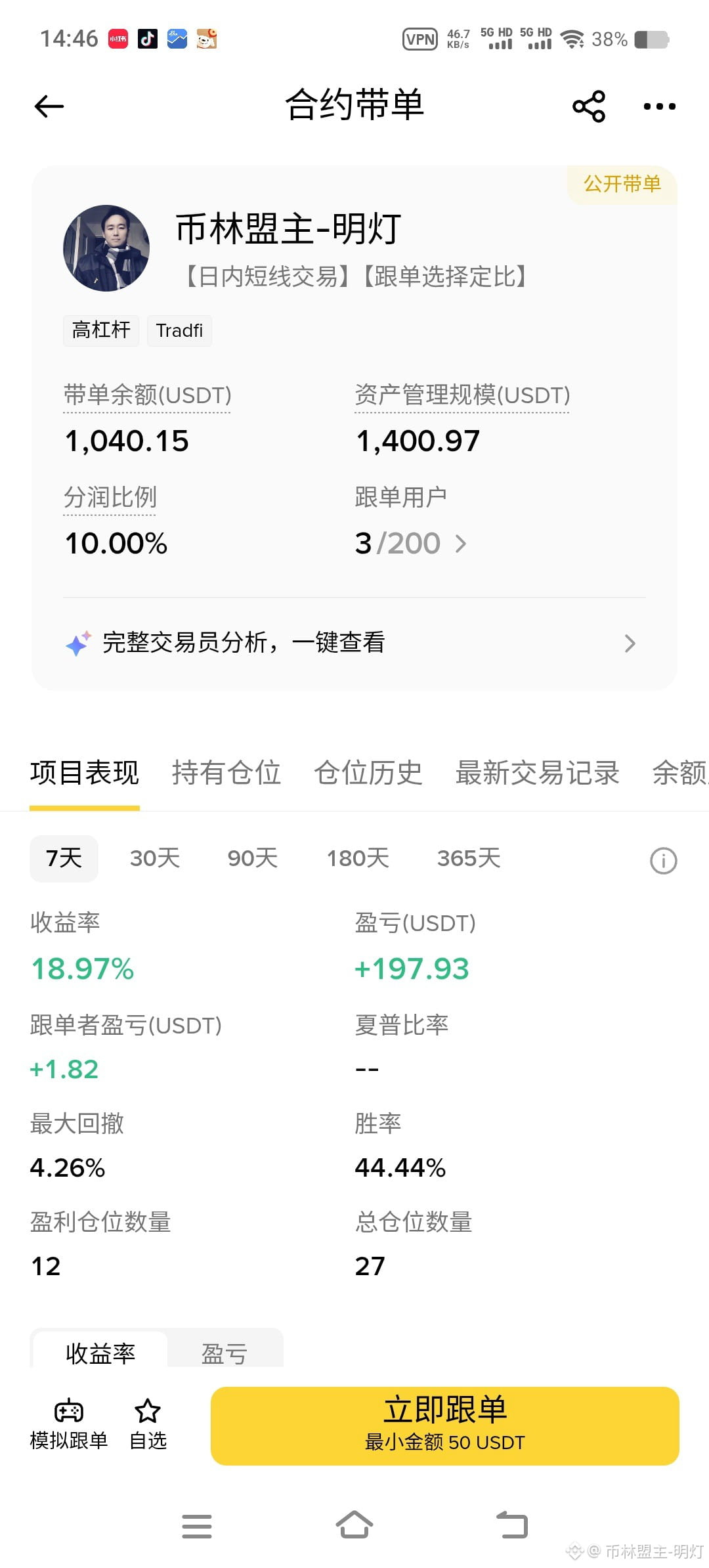
$BTC Four Copy-Trading Traps—Hit Just One and You’re Bound to Get Liquidated!
1. Maximum drawdown >15%
2. High-win-rate Martingale strategy that keeps averaging down as floating losses grow
3. Refusing to cut losses (not even when the trade is going in the wrong direction)
4. Overleveraged hedging (unwilling to cut losses because of oversized positions, opening long and short positions at the same time)
What you really want to copy is someone like this in the image……
Risk management on an artistic level, with entries and exits that are a feast for the eyes!
371
·
--
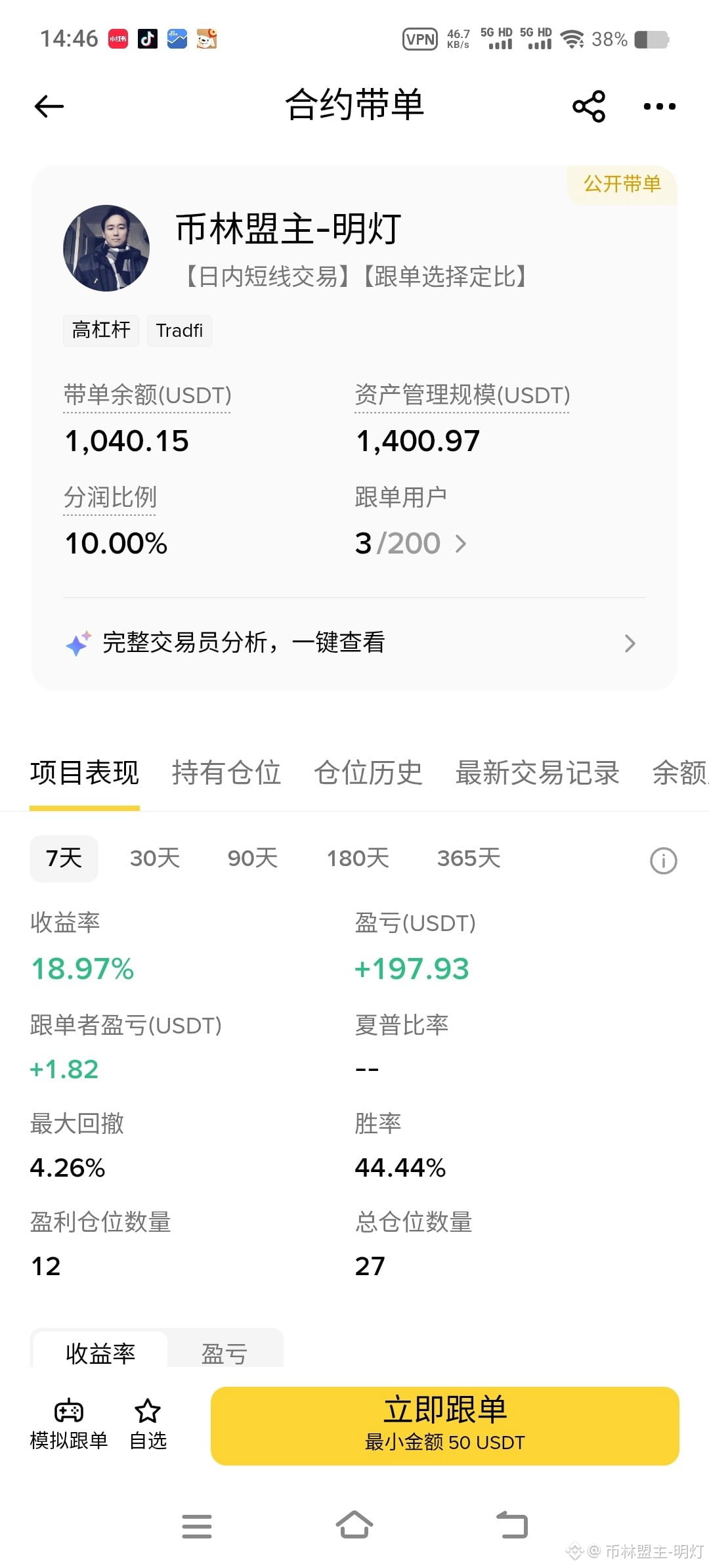
$BTC Don't gamble away the money you've worked so hard to earn. And don't hand it over to someone else to gamble with either. Stay far away from Martingale strategies, holding losing positions, and high-drawdown strategies!
Trading systems that can truly compound returns over the long term and deliver big results all use large positions with small losses, low drawdowns, low win rates but high reward-to-risk ratios, and high returns!
Let's make Binance copy-trading legendary! Copy traders, get in now!
Don't wait until there are no spots left and then desperately beg Alliance Leader Ben B Lin to make room for you.
215
·
--
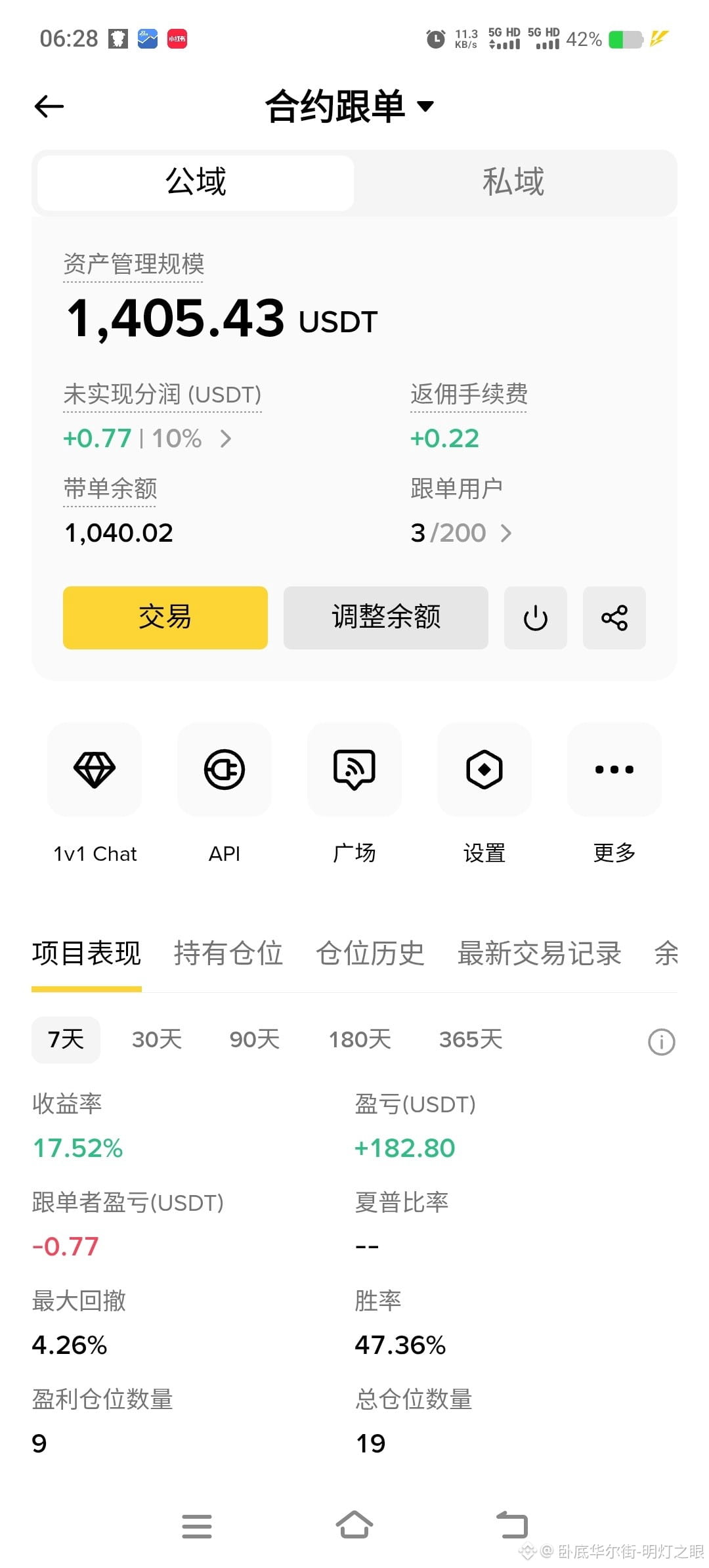
$BTC The first lesson in trading wisdom: Don’t worship a high win rate!
There is a kind of swordsman in the martial world who never admits defeat.
When his blade misses, he strikes again. Misses again, strikes again. Until he has completely blocked off his own escape routes.
That is the Martingale.
Keep adding to your position, keep lowering your average cost. Ten times, twenty times, even a hundred times—the market may eventually turn around.
But young man, have you ever thought about this?
There are 250 trading days in a year. Just two bouts of extreme market conditions are enough to wipe out years of gains.
You think you’ve won countless battles?
In truth, you’re simply using your capital to pay for every time you refuse to admit you’re wrong.
Those impressive win rates, those ever-rising equity curves—they’re nothing but the calm before the storm.
This is the most basic—and worst—way to trade.
A true master never becomes infatuated with a high win rate.
What they pursue is consistency in trading, a balance between risk and reward, and the patience to build up a small edge, strike by strike, over the long haul.
Strike when it’s time to strike. Sheathe your sword when it’s time to sheathe it. When it’s time to admit defeat, don’t hesitate for a moment.
Once your original capital has been fully recovered, the profits left over are your true strategic reserve.
Then, what’s wrong with taking on a little more risk?
Remember:
The most frightening person in the martial world isn’t the swordsman who has never lost.
It’s the one who has clearly already lost, yet still refuses to sheathe his sword.
2
639
·
--
I checked the forum and everyone was buying the dip and going long. If a black swan event doesn’t hit soon, I’ll eat shit.
I checked the forum and everyone was buying the dip and going long. If a black swan event doesn’t hit soon, I’ll eat shit.
3
717
Log in to explore more content
Join global crypto users on Binance Square
⚡️ Get latest and useful information about crypto.
💬 Trusted by the world’s largest crypto exchange.
👍 Discover real insights from verified creators.
Email / Phone number