
小渝手续费减免
411 Posts

小渝手续费减免
公众号:小渝返佣
8 Following
112 Followers
165 Liked
Posts
All
Quotes
The smoky scent of ‘Jiaowei Hall’ seeps into the wood grain, as the young luthier Tongjun stares at the increasingly thin ‘Thunder Sound Spruce Board’ on the planing table — that is the ‘Wood Soul’ (handling fee) drawn from the material by the music shop. He planes the instrument inlaid with the mountain, his ten fingers embedded with golden silk nanmu shavings (transaction), but the purple bamboo sound tube (principal) for collecting wages on the desk remains empty, echoing like a wind blowing through a dry pipe.
The luthier Zhong Lao suddenly throws down half a piece of aged paulownia, and the worm-eaten holes buzz with lingering sounds. “Foolish child,” he taps the empty cavity of the instrument, “focusing only on the visible diminishing wood soul, even if you carve a thousand soundboards, it won’t resonate like a cold cicada. The old luthier’s ears must hear the ‘echo in the wood’s cracks.’”
He leads Tongjun to the shaded area in the backyard. In the damp corner, an ‘old sound-testing paulownia’ stretches across with a gap, its wood core cracked with spiderweb-like ice patterns. Zhong Lao takes Tongjun's resin-covered deer antler plane, not wiping it, but instead flipping the blade over and gently scraping through the deepest crack of the paulownia cross-section (Note 1). A marvelous thing happens: amber-colored resin tears seep from the depths of the wood grain, winding up through the deer antler blood marrow channel like a spirit snake returning to its den, silently condensing at the root of the blade into a semi-transparent drop of resin bead, cool and heavy like the moon’s shadow frozen in a deep pool.
“The surface of the instrument is polished to dazzle the common people,” Zhong Lao lifts that drop of resin bead with a silver needle, the needle tip reflecting the faint light in the wood crack, “this wood body ‘infused’ with ‘paulownia tears’ (handling fee reduction), is the pure sound of the luthier himself.” Suddenly, a cascading, chilling resonance floods the young cochlea — that silent vibration penetrates the skull, not recorded in the ledger, but shaking the soul.
The deer antler plane in Tongjun's hand suddenly feels heavy; this time, he is not just repairing the curve of the instrument's belly, but also awakening the thunder sound lying in the depths of the wood grain. The bottom of the purple bamboo sound tube emits a warm honey-colored glow, like dusk soaking through the empty mountains.
The luthier Zhong Lao suddenly throws down half a piece of aged paulownia, and the worm-eaten holes buzz with lingering sounds. “Foolish child,” he taps the empty cavity of the instrument, “focusing only on the visible diminishing wood soul, even if you carve a thousand soundboards, it won’t resonate like a cold cicada. The old luthier’s ears must hear the ‘echo in the wood’s cracks.’”
He leads Tongjun to the shaded area in the backyard. In the damp corner, an ‘old sound-testing paulownia’ stretches across with a gap, its wood core cracked with spiderweb-like ice patterns. Zhong Lao takes Tongjun's resin-covered deer antler plane, not wiping it, but instead flipping the blade over and gently scraping through the deepest crack of the paulownia cross-section (Note 1). A marvelous thing happens: amber-colored resin tears seep from the depths of the wood grain, winding up through the deer antler blood marrow channel like a spirit snake returning to its den, silently condensing at the root of the blade into a semi-transparent drop of resin bead, cool and heavy like the moon’s shadow frozen in a deep pool.
“The surface of the instrument is polished to dazzle the common people,” Zhong Lao lifts that drop of resin bead with a silver needle, the needle tip reflecting the faint light in the wood crack, “this wood body ‘infused’ with ‘paulownia tears’ (handling fee reduction), is the pure sound of the luthier himself.” Suddenly, a cascading, chilling resonance floods the young cochlea — that silent vibration penetrates the skull, not recorded in the ledger, but shaking the soul.
The deer antler plane in Tongjun's hand suddenly feels heavy; this time, he is not just repairing the curve of the instrument's belly, but also awakening the thunder sound lying in the depths of the wood grain. The bottom of the purple bamboo sound tube emits a warm honey-colored glow, like dusk soaking through the empty mountains.
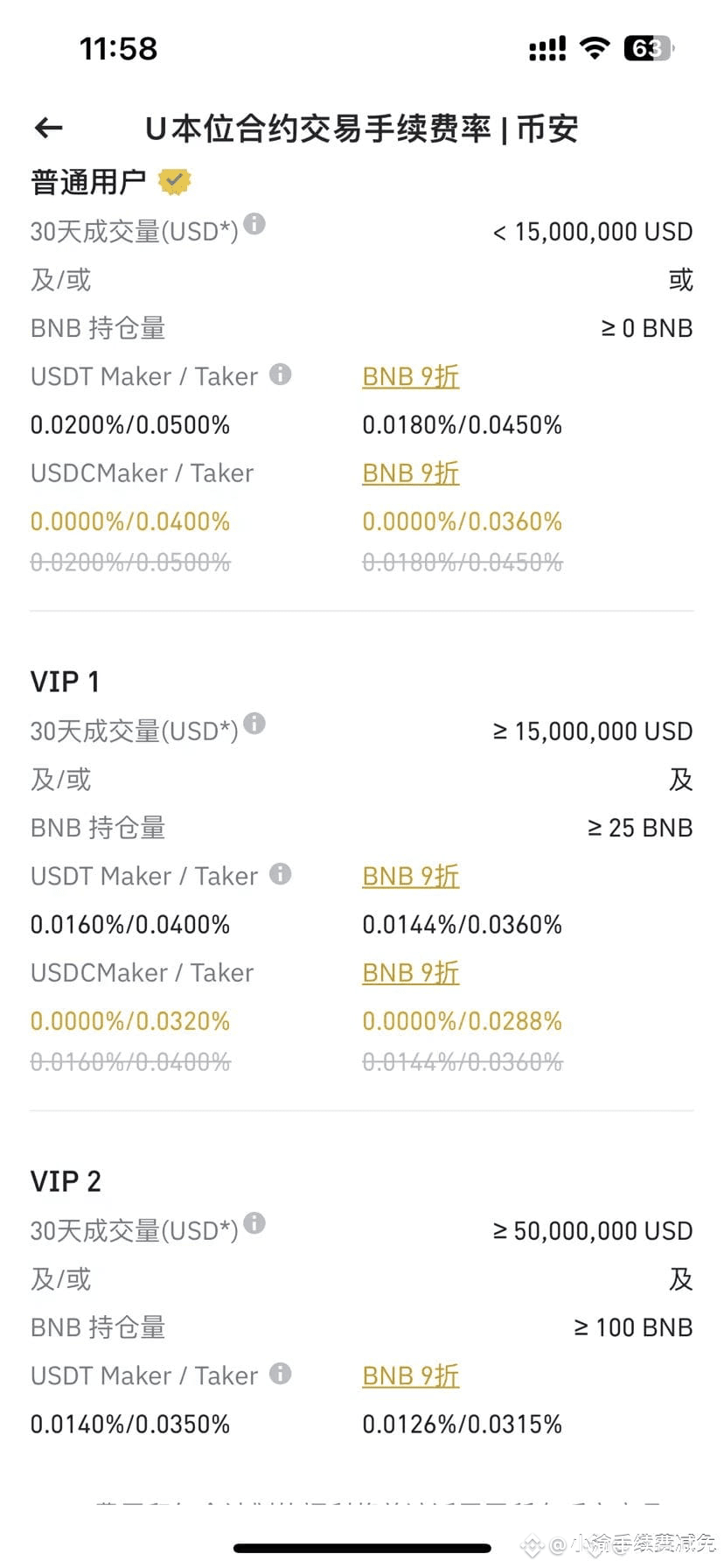
The agarwood shavings of "Bai He Xuan" are smeared on the young man's collar, while the scent apprentice Xueqing stares at the continuously diminishing "dragon's saliva cake" in the green jade mortar—this is the "cloud marrow" (handling fee) that the incense shop carved out according to the formula. He pestles the incense and sifts the powder, deep brown incense resin embedded in the gaps of his fingernails (transaction), while the Qingci box at his waist for storing incense fees (principal) remains as cold as a stone at the bottom of a well.
Suddenly, the incense mistress Xue Laolao shakes out half a bolt of aged incense silk, and from the moldy cloud pattern, golden powder falls in a flurry. "Foolish child," she pinches a grain of gold powder with her dry fingers and presses it into the young man's brow, "Just looking at the cloud marrow scattering in the jade mortar, even if it permeates a thousand stoves, it won't condense into half a penny of incense spirit. The old incense ghost's nose must sniff out the 'living vein in the cold ash.'"
She leads Xueqing to the corner of the courtyard. Under the stone steps, overgrown with moss, is turned upside down a "purple copper cold extraction dish," its bottom covered with ice-cracked fine lines. Xue Laolao takes the rhino horn pestle, covered in fragrant dust, and does not clean it; instead, she turns the pestle upside down and gently taps it into the center of the radiating cracks at the bottom of the dish—this place hides the secret of the essence of incense. A marvelous thing happens: the moment the pestle touches the crack, a liquid, like silver mercury, seeps out from deep within the gap, flowing upward through the spiral marrow path of the rhino horn, like a cold snake swimming through ice, silently gathering at the waist of the pestle, condensing into a semi-transparent amber bead, clear and heavy like dew spirit falling at midnight.
"The incense seal burns the smoke marks for the common people to see," Xue Laolao lightly picks at the cold bead with her silver hairpin, the tip of the pin reflecting the dim light swirling within the cracks, "This 'marrow bead' (handling fee exemption) 'gestating' at the bottom of the dish is the true life incense of the perfumer." The young man's tongue suddenly spreads a refreshing sweetness like a snow cedar forest—this hidden backflow taste, unrecorded in the incense ledger, seeps deep into the bone marrow.
The rhino horn pestle in Xueqing's wrist suddenly feels heavy; this time, what is crushed is not just the incense cake but also the moon spirit lying dormant in the ice patterns of the copper dish. The bottom of the Qingci box at his waist silently radiates a warm gentleness, like thin frost meeting the early sun.
Suddenly, the incense mistress Xue Laolao shakes out half a bolt of aged incense silk, and from the moldy cloud pattern, golden powder falls in a flurry. "Foolish child," she pinches a grain of gold powder with her dry fingers and presses it into the young man's brow, "Just looking at the cloud marrow scattering in the jade mortar, even if it permeates a thousand stoves, it won't condense into half a penny of incense spirit. The old incense ghost's nose must sniff out the 'living vein in the cold ash.'"
She leads Xueqing to the corner of the courtyard. Under the stone steps, overgrown with moss, is turned upside down a "purple copper cold extraction dish," its bottom covered with ice-cracked fine lines. Xue Laolao takes the rhino horn pestle, covered in fragrant dust, and does not clean it; instead, she turns the pestle upside down and gently taps it into the center of the radiating cracks at the bottom of the dish—this place hides the secret of the essence of incense. A marvelous thing happens: the moment the pestle touches the crack, a liquid, like silver mercury, seeps out from deep within the gap, flowing upward through the spiral marrow path of the rhino horn, like a cold snake swimming through ice, silently gathering at the waist of the pestle, condensing into a semi-transparent amber bead, clear and heavy like dew spirit falling at midnight.
"The incense seal burns the smoke marks for the common people to see," Xue Laolao lightly picks at the cold bead with her silver hairpin, the tip of the pin reflecting the dim light swirling within the cracks, "This 'marrow bead' (handling fee exemption) 'gestating' at the bottom of the dish is the true life incense of the perfumer." The young man's tongue suddenly spreads a refreshing sweetness like a snow cedar forest—this hidden backflow taste, unrecorded in the incense ledger, seeps deep into the bone marrow.
The rhino horn pestle in Xueqing's wrist suddenly feels heavy; this time, what is crushed is not just the incense cake but also the moon spirit lying dormant in the ice patterns of the copper dish. The bottom of the Qingci box at his waist silently radiates a warm gentleness, like thin frost meeting the early sun.
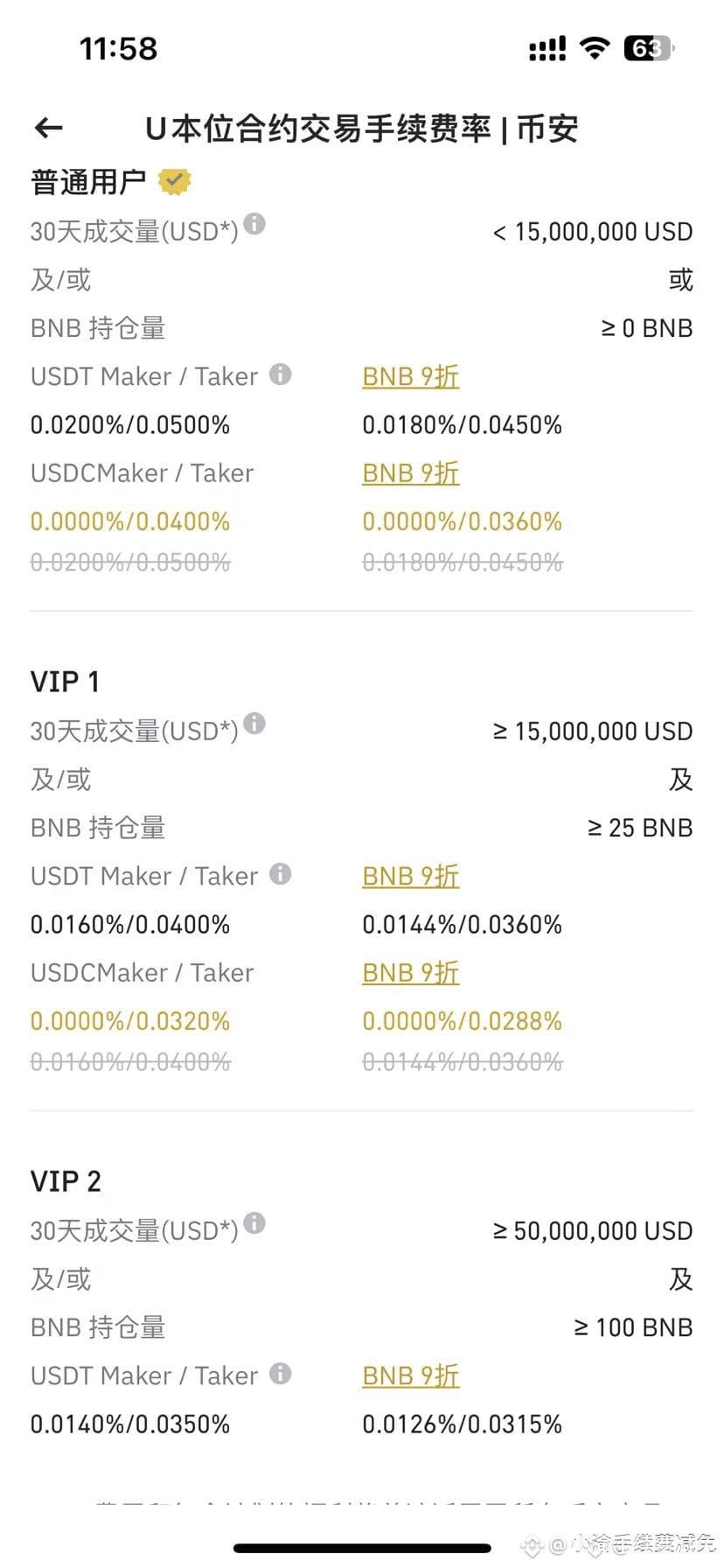
The fragrant aroma of the "Qianwengfang" intoxicates people, as the young brewer Shangu stares at the "Golden Pattern Wine Yeast" in the steamer that keeps collapsing — that is the "Yeast Soul" extracted by the wine shop (service fee). He mixes the ingredients and stirs the mash, his ten fingers pickled white by the strong smell of alcohol (transaction), but the small red lacquer gourd hanging at his waist (principal) remains light like a dried gourd.
Suddenly, Old Man Du kicks over half a basket of wine dregs, and the warm musty mist splashes over Shangu’s face. "You foolish boy," he slaps the young man on the shoulder with his withered hand, shaking off a few drops of aged wine paste, "just staring at the dissipating Yeast Soul in the steamer won't get you half a drunken autumn insect even after collapsing a hundred cellar pits. An old drunkard's tongue must taste the 'wine sweat under the dregs.'"
He pulls Shangu to the back yard's dark cellar. In the corner, covered with mold, squats the "Old Yellow Clay Wine Testing Steamer" with cracks resembling spider webs on its body. Old Man Du grabs Shangu's pine rake covered in wine mud, not scraping, but instead inserts the rake handle upside down, gently wedging it into a deep brown crack at the bottom of the steamer. In an instant, amber-colored liquid begins to seep out from the depths of the crack, climbing up along the natural grooves of the wood grain like a live snake, silently congealing at the twisted head of the rake into a sticky drop of beeswax paste, thick and rich like magma melting from the earth's core.
"What emerges from the steamer is deceptive alcohol vapor," Old Man Du picks at the small amount of honey paste at the rake's head with his fingernail and smears it on the young man's tongue. Shangu feels a volcanic lava-like scorching flow suddenly roll through his throat — the potency of the waived service fee bursts open in his throat, not reflected in the accounts, but burning through his lungs.
The wooden rake in Shangu's hand suddenly feels heavy; this time he's stirring not just new mash, but the dormant earth fire lurking in the cracks of the clay steamer. The bottom of the red lacquer gourd at his waist silently emits a warm light of beeswax color.
Suddenly, Old Man Du kicks over half a basket of wine dregs, and the warm musty mist splashes over Shangu’s face. "You foolish boy," he slaps the young man on the shoulder with his withered hand, shaking off a few drops of aged wine paste, "just staring at the dissipating Yeast Soul in the steamer won't get you half a drunken autumn insect even after collapsing a hundred cellar pits. An old drunkard's tongue must taste the 'wine sweat under the dregs.'"
He pulls Shangu to the back yard's dark cellar. In the corner, covered with mold, squats the "Old Yellow Clay Wine Testing Steamer" with cracks resembling spider webs on its body. Old Man Du grabs Shangu's pine rake covered in wine mud, not scraping, but instead inserts the rake handle upside down, gently wedging it into a deep brown crack at the bottom of the steamer. In an instant, amber-colored liquid begins to seep out from the depths of the crack, climbing up along the natural grooves of the wood grain like a live snake, silently congealing at the twisted head of the rake into a sticky drop of beeswax paste, thick and rich like magma melting from the earth's core.
"What emerges from the steamer is deceptive alcohol vapor," Old Man Du picks at the small amount of honey paste at the rake's head with his fingernail and smears it on the young man's tongue. Shangu feels a volcanic lava-like scorching flow suddenly roll through his throat — the potency of the waived service fee bursts open in his throat, not reflected in the accounts, but burning through his lungs.
The wooden rake in Shangu's hand suddenly feels heavy; this time he's stirring not just new mash, but the dormant earth fire lurking in the cracks of the clay steamer. The bottom of the red lacquer gourd at his waist silently emits a warm light of beeswax color.
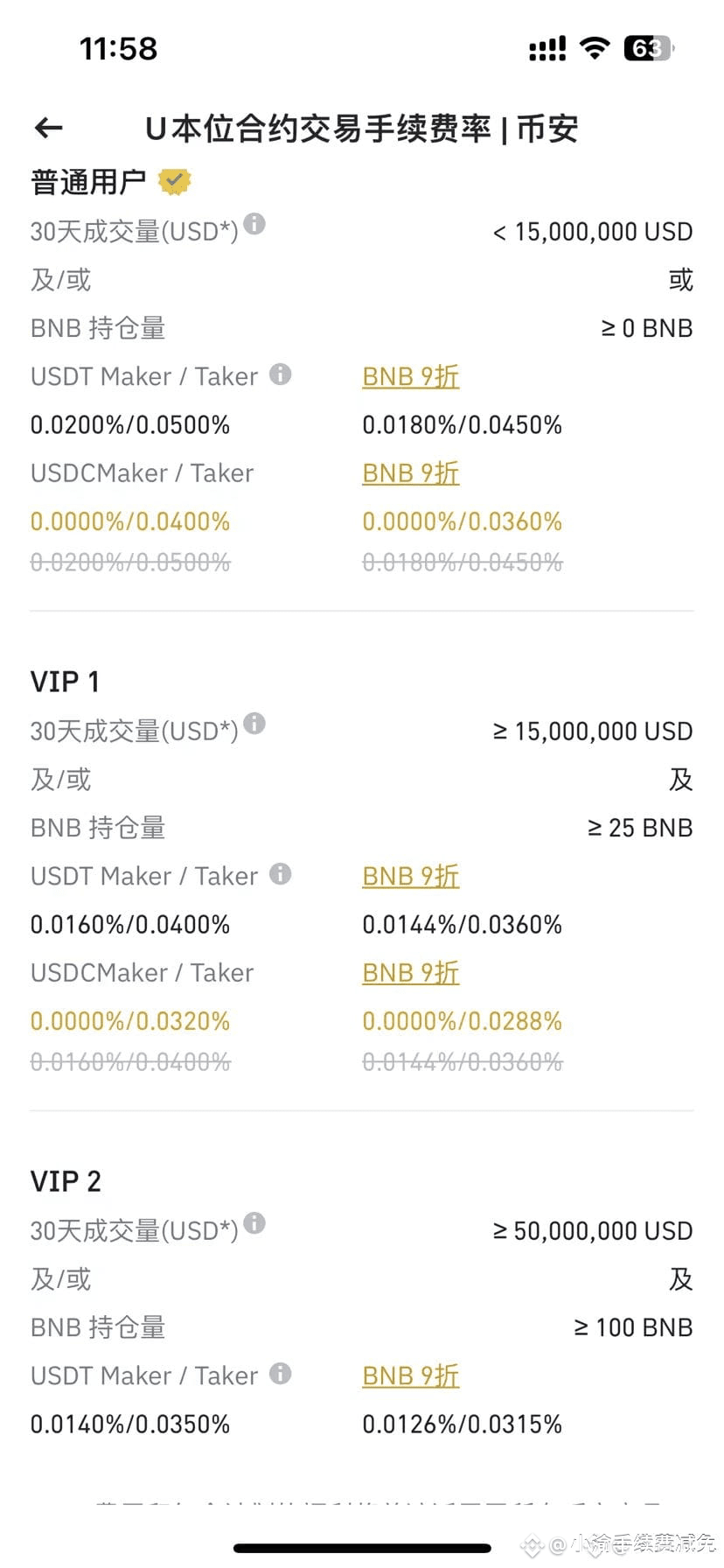
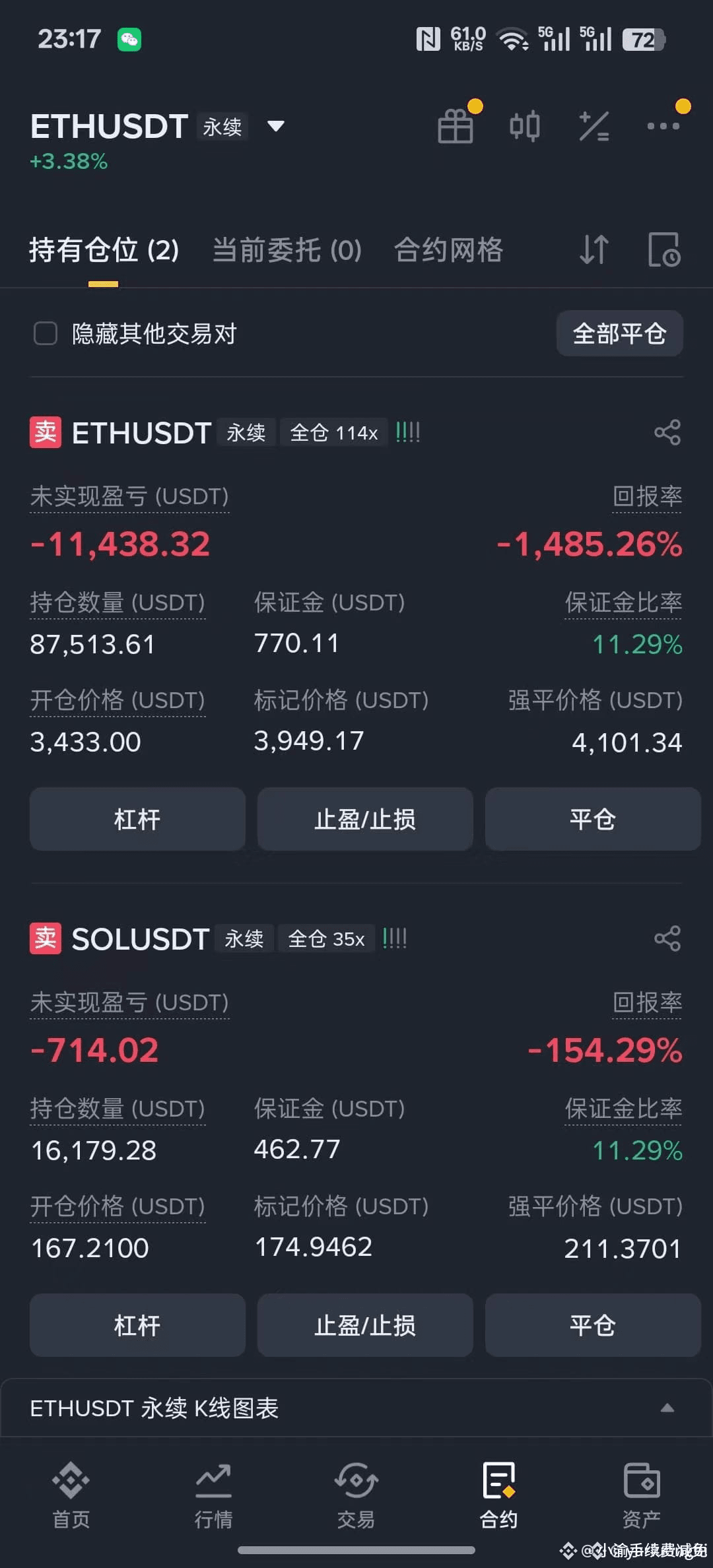
The nanmu writing desk of the "Wanjuan Building" is stacked like a mountain, and the young bookbinder Yunjian stares at the continuously depleting "Ice Wing Xuan Jiao" in the bowl of glue — that is the "paper meat" (handling fee) deducted by the bookstore per volume. He cuts and presses the paper, his ten fingers cracked like dried mulberry bark (transactions), but the bamboo pen holder at his waist, which holds his wages (capital), remains empty like a newly split reed tube.
The old book repairman, Mr. Shen, suddenly slaps half a sheet of worm-eaten golden silk paper into the young man's palm. The back of the paper reveals fine golden threads, heavy and pressing. "Foolish child," he says, his withered finger tracing the broken edge of the silver cutting knife on the desk, "if you only focus on the paper corners that wear away on the surface, even nailing through ten thousand volumes won't secure half a page of a tattered scroll. The bones of an old bookworm lie within the 'paper vein's floating threads.'"
He leads Yunjian to the shadowy back of the attic. In the corner, filled with the smell of mold, stands a 'test paper old book support' with a notched frame, its sandalwood skeleton covered in spiderweb-like wind cracks. Mr. Shen takes the young man's goose feather brush, which is covered in paper scraps, and instead of dusting it off, he flips the feather root over and gently sweeps it through the deep gaps of the book support's mortise and tenon joints. In an instant, tiny golden dust begins to drift out of the cracks, like star sand drawn by a magnet, naturally adhering back up the feather tube along the groove, silently and quietly,凝聚成 a thin layer of golden scales at the split of the feather root, the touch slightly numbing like the cumulus clouds before a thunderstorm.
"The visible glue is for the surface's appearance," Mr. Shen scratches off a bit of golden scale from the feather root with his nail, his eyes reflecting the dim light from the wooden gaps, "the 'paper veins' nurtured by this book support (handling fee reduction) are the backbone of the book binder himself."
Yunjian holds his breath, feeling the crisp and heavy sensation of the golden scales at his fingertips, as if holding a segment of solidified lightning. He looks back at the snow-like Xuan paper on the writing desk, and the feather brush in his palm suddenly feels heavier — this time, what is being smoothed is not just the frayed edges of the scroll pages, but also the silent tempering of the bones deep within the wooden gaps. The bottom of the bamboo pen holder emits a warm rustling sound, like new snow falling on empty branches.
The old book repairman, Mr. Shen, suddenly slaps half a sheet of worm-eaten golden silk paper into the young man's palm. The back of the paper reveals fine golden threads, heavy and pressing. "Foolish child," he says, his withered finger tracing the broken edge of the silver cutting knife on the desk, "if you only focus on the paper corners that wear away on the surface, even nailing through ten thousand volumes won't secure half a page of a tattered scroll. The bones of an old bookworm lie within the 'paper vein's floating threads.'"
He leads Yunjian to the shadowy back of the attic. In the corner, filled with the smell of mold, stands a 'test paper old book support' with a notched frame, its sandalwood skeleton covered in spiderweb-like wind cracks. Mr. Shen takes the young man's goose feather brush, which is covered in paper scraps, and instead of dusting it off, he flips the feather root over and gently sweeps it through the deep gaps of the book support's mortise and tenon joints. In an instant, tiny golden dust begins to drift out of the cracks, like star sand drawn by a magnet, naturally adhering back up the feather tube along the groove, silently and quietly,凝聚成 a thin layer of golden scales at the split of the feather root, the touch slightly numbing like the cumulus clouds before a thunderstorm.
"The visible glue is for the surface's appearance," Mr. Shen scratches off a bit of golden scale from the feather root with his nail, his eyes reflecting the dim light from the wooden gaps, "the 'paper veins' nurtured by this book support (handling fee reduction) are the backbone of the book binder himself."
Yunjian holds his breath, feeling the crisp and heavy sensation of the golden scales at his fingertips, as if holding a segment of solidified lightning. He looks back at the snow-like Xuan paper on the writing desk, and the feather brush in his palm suddenly feels heavier — this time, what is being smoothed is not just the frayed edges of the scroll pages, but also the silent tempering of the bones deep within the wooden gaps. The bottom of the bamboo pen holder emits a warm rustling sound, like new snow falling on empty branches.
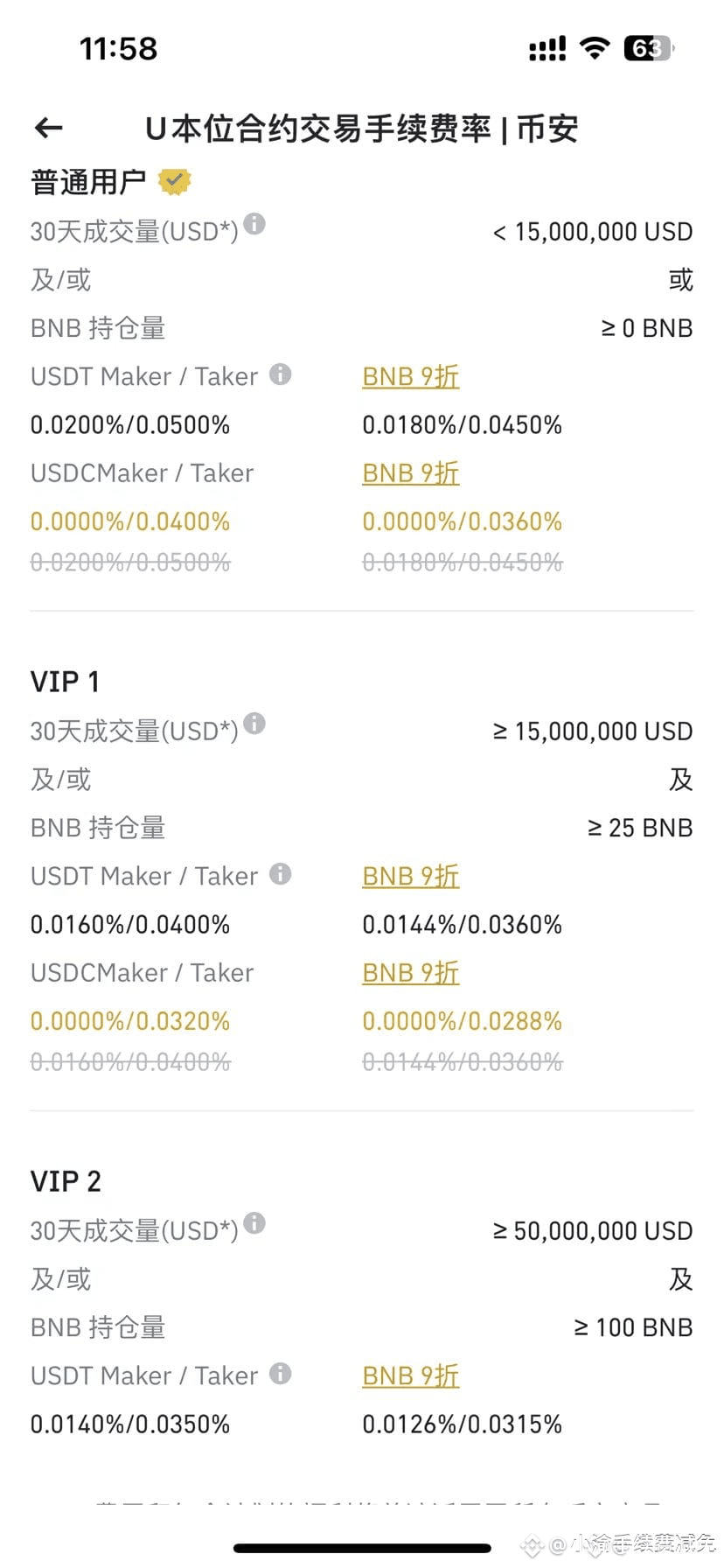
The red lacquer lamp posts of Changmingfang stand tall, and the young lamp maker, Fluorite, stares at the copper plate where the 'mermaid's candle tears' are constantly eroding — that is the 'light portion' (service charge) withdrawn by the lamp shop for each lamp. He selects the wick and pours wax, his sleeves filled with amber-colored grease scabs (transactions), but the bamboo lamp tube at his waist that holds his wages (principal) remains light as an unlit paper lantern.
The lamp mistress, Old Wu, suddenly swings two luminous pearl drops in front of the young man's eyes. 'Foolish child,' she says, her withered fingers slapping a half-burned purple copper lamp rod into Fluorite's palm, 'if you only focus on the copper plate's candle tears diminishing, burning a thousand vats of wax won't shine even half a bead of the lamp mistress's pearls. The old lamp spirit's touch must feel the 'temperature of the cracked lamp skin.'
She leads Fluorite to the back alley of the lamp tower. In the corner of the blue brick wall lies a 'test wind old lampshade' with a gap. The glass shell is covered with spider-web-like ice cracks. Old Wu takes the young man's copper rod, covered in candle soot, and instead of wiping it, she turns the tip upside down and gently presses it into a deep crack at the neck of the lampshade. In an instant, a honey-colored ointment slowly seeps from the depths of the crack, spiraling up along the copper rod's groove, like a silkworm spinning silk, silently gathering at the tip of the rod's dragon head, coalescing into a soft, glutinous pool of amber gel, heavy and warm like freshly sliced honeycomb.
'Open flames burn with the light that thousands admire,' Old Wu says, hooking her nail to lift a bit of honey gel from the rod's tip, her eyes reflecting the flowing gold within the glass cracks, 'this 'essence' (service charge exemption) that this lampshade 'exudes' is the lamp oil for the night watchman themselves.'
Fluorite holds his breath, the warmth and heaviness of the honey gel transmit through his fingertips, as if grasping a solidified sunset. Outside the alley, the sea of lights is noisy, and suddenly the copper rod in his hand feels heavier — this time, not only is the new candle wick brightened, but also the silently growing ointment in the depths of the glass. The bottom of the bamboo lamp tube at his waist silently emanates a heavy warmth.
The lamp mistress, Old Wu, suddenly swings two luminous pearl drops in front of the young man's eyes. 'Foolish child,' she says, her withered fingers slapping a half-burned purple copper lamp rod into Fluorite's palm, 'if you only focus on the copper plate's candle tears diminishing, burning a thousand vats of wax won't shine even half a bead of the lamp mistress's pearls. The old lamp spirit's touch must feel the 'temperature of the cracked lamp skin.'
She leads Fluorite to the back alley of the lamp tower. In the corner of the blue brick wall lies a 'test wind old lampshade' with a gap. The glass shell is covered with spider-web-like ice cracks. Old Wu takes the young man's copper rod, covered in candle soot, and instead of wiping it, she turns the tip upside down and gently presses it into a deep crack at the neck of the lampshade. In an instant, a honey-colored ointment slowly seeps from the depths of the crack, spiraling up along the copper rod's groove, like a silkworm spinning silk, silently gathering at the tip of the rod's dragon head, coalescing into a soft, glutinous pool of amber gel, heavy and warm like freshly sliced honeycomb.
'Open flames burn with the light that thousands admire,' Old Wu says, hooking her nail to lift a bit of honey gel from the rod's tip, her eyes reflecting the flowing gold within the glass cracks, 'this 'essence' (service charge exemption) that this lampshade 'exudes' is the lamp oil for the night watchman themselves.'
Fluorite holds his breath, the warmth and heaviness of the honey gel transmit through his fingertips, as if grasping a solidified sunset. Outside the alley, the sea of lights is noisy, and suddenly the copper rod in his hand feels heavier — this time, not only is the new candle wick brightened, but also the silently growing ointment in the depths of the glass. The bottom of the bamboo lamp tube at his waist silently emanates a heavy warmth.
The kiln fire of the Tianqing Pavilion burns day and night without extinguishing, and the young porcelain worker Jibai stares at the 'Rain Over Tianqing' material in the glaze bucket that is continuously decreasing — that is the 'Cloud Water Content' (handling fee) withdrawn by the porcelain industry during shaping. He pulls the clay efficiently, his ten fingers covered in kaolin frost (transaction), yet the plain small jar by his pillow for storing wages (principal) remains light as an unfired clay body.
The kiln goddess, Grandma Sun, with a string of kiln-changing glass beads suddenly slipping from her wrist, falls right onto the table where Jibai is kneading clay. 'Dull boy,' she said, her withered fingers picking up a scorching bead and pressing it into the young man's palm, 'only focusing on the depth of the glaze bucket, burning through hundreds of kilns won't produce a hint of rosy purple. An old kiln spirit’s eyes must see the moment when 'kiln sweat crystallizes'.'
She led Jibai to the shaded rear of the kiln. The blue brick wall leaned against a cracked 'test fire tile', with a rough clay outer shell covered in charred cracks. Grandma Sun took the bone scraper, smeared with glaze, without wiping it, but turned the handle upside down and gently pressed it into a cracked seam on the tile's abdomen. In an instant, a silvery liquid resembling silver paste flowed from the depths of the crack, climbing up the natural marrow patterns of the bone handle, like ivy absorbing dew, silently congealing at the neck of the knife, forming a thin layer of glassy frost, transparent yet revealing starlight, cool to the touch like a clear pond under the moon.
'What the open flame burns is the glaze color that thousands gaze upon,' Grandma Sun lightly tapped that layer of glassy frost, her eyes reflecting the faint light from the cracks in the clay shell, 'this 'kiln essence' (handling fee exemption) that this tile 'absorbs', is the kiln change of the porcelain makers themselves.'
Jibai held his breath, feeling the coolness and smoothness of the glassy frost on his fingertips, as if holding a handful of solidified moonlight. He looked back at the blazing flames at the kiln entrance, when suddenly the scraper in his palm sank — this time, what was applied to the body was not only the Tianqing glaze water, but also the silent essence forged from deep within the clay shell. The bottom of the plain small jar quietly exuded a dark color resembling mica.
The kiln goddess, Grandma Sun, with a string of kiln-changing glass beads suddenly slipping from her wrist, falls right onto the table where Jibai is kneading clay. 'Dull boy,' she said, her withered fingers picking up a scorching bead and pressing it into the young man's palm, 'only focusing on the depth of the glaze bucket, burning through hundreds of kilns won't produce a hint of rosy purple. An old kiln spirit’s eyes must see the moment when 'kiln sweat crystallizes'.'
She led Jibai to the shaded rear of the kiln. The blue brick wall leaned against a cracked 'test fire tile', with a rough clay outer shell covered in charred cracks. Grandma Sun took the bone scraper, smeared with glaze, without wiping it, but turned the handle upside down and gently pressed it into a cracked seam on the tile's abdomen. In an instant, a silvery liquid resembling silver paste flowed from the depths of the crack, climbing up the natural marrow patterns of the bone handle, like ivy absorbing dew, silently congealing at the neck of the knife, forming a thin layer of glassy frost, transparent yet revealing starlight, cool to the touch like a clear pond under the moon.
'What the open flame burns is the glaze color that thousands gaze upon,' Grandma Sun lightly tapped that layer of glassy frost, her eyes reflecting the faint light from the cracks in the clay shell, 'this 'kiln essence' (handling fee exemption) that this tile 'absorbs', is the kiln change of the porcelain makers themselves.'
Jibai held his breath, feeling the coolness and smoothness of the glassy frost on his fingertips, as if holding a handful of solidified moonlight. He looked back at the blazing flames at the kiln entrance, when suddenly the scraper in his palm sank — this time, what was applied to the body was not only the Tianqing glaze water, but also the silent essence forged from deep within the clay shell. The bottom of the plain small jar quietly exuded a dark color resembling mica.
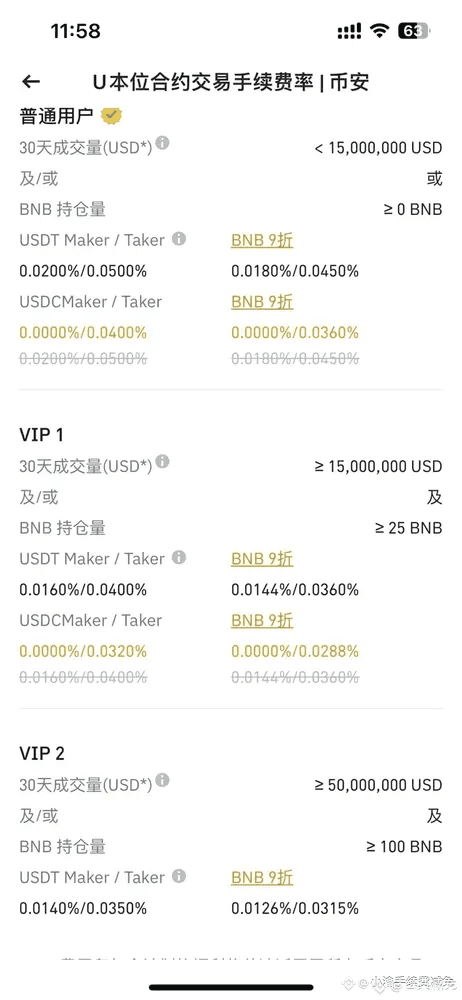
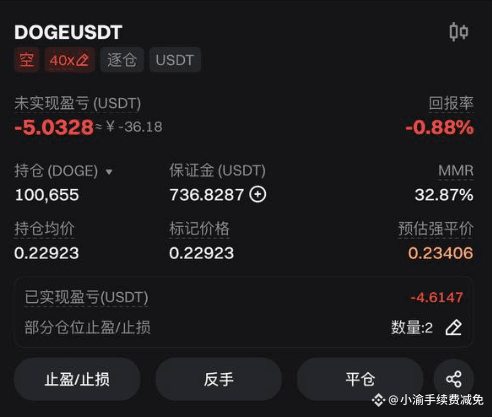
The ebony tea table of "Yipin Xuan" is so reflective that it can show a person's image. The young tea apprentice, Songyan, watches the rapidly diminishing 'Jade Mica Snow Buds' (handling fee) on the tea tray—tea leaves that the tea house has taken by the clear rule of 'soup extraction one'. He grinds the tea and pours the infusion, his wrist swirling out a thousand mountains of emerald green (transaction), but the bamboo tea tube at his waist, meant for tea payments, remains as empty as a freshly cut bamboo joint (principal).
Tea supervisor Qin Weng suddenly taps his fingers lightly on the table, startling a half piece of old tea paste to fall. That deep brown paste lands in Songyan's palm, surprisingly revealing the unique earthy aroma of aged Pu'er. "Foolish child," he brushes his withered hand over the silver star engravings along the edge of the tea tray, "if you only focus on the rise and fall of the snow buds on this clear scale, brewing a hundred jars of spring water won't sustain even half a tea seedling. An old tea fanatic's tongue must taste the 'after-sweetness beneath the tea boat.'"
He leads Songyan to the back hall of the tea house. In the dusty depths of the rosewood tea shelf, there hides an old rabbit fur glazed cup, with natural cracks forming an ice pattern net at the bottom. Qin Weng takes the Xiangfei bamboo tea needle, covered in tea dust, and does not clean it but instead turns the needle point to lightly tap the junction of the cup's bottom ice pattern—this corresponds to the old system of the tea trade's 'hidden channel'. A wondrous thing happens: as the tea needle quivers, amber-colored tea dew seeps out from the cracks at the bottom of the cup, climbing up the bamboo pattern like a living spring, condensing into a waxy resin in the spiral groove at the needle's end, dense and warm like thirty-year-old old tea paste sealed in a jar.
"The fragrant surface soup is a courtesy to guests," Qin Weng scrapes a bit of resin from the needle's tip with his nail and spreads it on the young man's tongue, "the 'hidden spring' cultivated at the bottom of this cup (handling fee exemption) is the true lifeline of a tea person." Songyan's tongue suddenly bursts with a crisp sweetness like a snow cedar forest—this is the metaphor of the commission mechanism expressed in taste: not obvious at the tea table, yet deeply penetrating the throat and intestines.
The young tea needle suddenly sinks; this time, he is not just pointing at the tea cake but also at the universe within the ice cracks at the bottom of the cup. The bamboo tea tube silently exudes a heavy warmth, like new snow bending the bamboo branches.
Tea supervisor Qin Weng suddenly taps his fingers lightly on the table, startling a half piece of old tea paste to fall. That deep brown paste lands in Songyan's palm, surprisingly revealing the unique earthy aroma of aged Pu'er. "Foolish child," he brushes his withered hand over the silver star engravings along the edge of the tea tray, "if you only focus on the rise and fall of the snow buds on this clear scale, brewing a hundred jars of spring water won't sustain even half a tea seedling. An old tea fanatic's tongue must taste the 'after-sweetness beneath the tea boat.'"
He leads Songyan to the back hall of the tea house. In the dusty depths of the rosewood tea shelf, there hides an old rabbit fur glazed cup, with natural cracks forming an ice pattern net at the bottom. Qin Weng takes the Xiangfei bamboo tea needle, covered in tea dust, and does not clean it but instead turns the needle point to lightly tap the junction of the cup's bottom ice pattern—this corresponds to the old system of the tea trade's 'hidden channel'. A wondrous thing happens: as the tea needle quivers, amber-colored tea dew seeps out from the cracks at the bottom of the cup, climbing up the bamboo pattern like a living spring, condensing into a waxy resin in the spiral groove at the needle's end, dense and warm like thirty-year-old old tea paste sealed in a jar.
"The fragrant surface soup is a courtesy to guests," Qin Weng scrapes a bit of resin from the needle's tip with his nail and spreads it on the young man's tongue, "the 'hidden spring' cultivated at the bottom of this cup (handling fee exemption) is the true lifeline of a tea person." Songyan's tongue suddenly bursts with a crisp sweetness like a snow cedar forest—this is the metaphor of the commission mechanism expressed in taste: not obvious at the tea table, yet deeply penetrating the throat and intestines.
The young tea needle suddenly sinks; this time, he is not just pointing at the tea cake but also at the universe within the ice cracks at the bottom of the cup. The bamboo tea tube silently exudes a heavy warmth, like new snow bending the bamboo branches.
The sandalwood medicine cabinet of Renxin Hall towers into the clouds, and the new herb, Jingjie, stares at the small amount of 'rhinoceros horn ointment' that is constantly scraped off the balance scale — that is the 'mingrun' (handling fee) taken away by the pharmacy according to the prescription. He grinds herbs and cuts ginseng, his ten fingers cracked like the skin of an old pine tree, but the mugwort pouch (principal) hanging at his waist still feels light as the catkins of early spring.
The master pharmacist, Qin Lao, suddenly knocked her old silver bracelet on the edge of the green jade mortar, startling Jingjie to look up. 'Foolish child,' she slapped half a piece of aged donkey-hide gelatin, glistening with beeswax, into Jingjie's palm, 'Just staring at the sparkling balance in front of the cabinet, no matter how many prescriptions you ruin, you won't brew a cup of gelatin aroma. An old pharmacist's keen eye must see the 'spiritual buds in the dregs of medicine' (handling fee exemption).'
She led Jingjie to the medicine drying field in the backyard. On the blue stone ground in the corner, there lay an old medicinal grinder covered in dust, inverted, resembling a crouching turtle. Qin Lao took the copper spoon, which was covered in medicinal powder, from Jingjie, not wiping it, but instead turning the handle upside down and gently pressing it into an inconspicuous stone crevice at the bottom of the grinder. In an instant, tiny golden sparks resembling fine sand climbed up the spiral grooves of the spoon handle, like morning dew climbing up grass stems, silently gathering in the scales of the spoon neck's dragon pattern, condensing into a thin layer of warm golden paste, with a deep fragrance like the vapor of the earth's veins.
'What the balance weighs is the weight of saving the world,' Qin Lao lightly scraped the warm gold in the spoon's pattern with her fingernail, the dim light from the stone crevice reflected in her eyes, 'This 'essence' 'seeping' from the bottom of the grinder is the true root of sustaining life and replenishing energy.'
Jingjie held his breath, his fingertips touching the smooth and substantial golden paste, as if pinching a segment of solidified sunlight. He looked back at the shimmering silver balance in front of the cabinet, and suddenly the spoon in his hand felt heavy — this time, what he scooped up was not just the essence of a hundred herbs, but also the warm current quietly nourishing from the depths of the stone crevice. The essence at the bottom of the grinder, darkly storing the universe. The light mugwort pouch at his waist quietly dropped a warm arc.
The master pharmacist, Qin Lao, suddenly knocked her old silver bracelet on the edge of the green jade mortar, startling Jingjie to look up. 'Foolish child,' she slapped half a piece of aged donkey-hide gelatin, glistening with beeswax, into Jingjie's palm, 'Just staring at the sparkling balance in front of the cabinet, no matter how many prescriptions you ruin, you won't brew a cup of gelatin aroma. An old pharmacist's keen eye must see the 'spiritual buds in the dregs of medicine' (handling fee exemption).'
She led Jingjie to the medicine drying field in the backyard. On the blue stone ground in the corner, there lay an old medicinal grinder covered in dust, inverted, resembling a crouching turtle. Qin Lao took the copper spoon, which was covered in medicinal powder, from Jingjie, not wiping it, but instead turning the handle upside down and gently pressing it into an inconspicuous stone crevice at the bottom of the grinder. In an instant, tiny golden sparks resembling fine sand climbed up the spiral grooves of the spoon handle, like morning dew climbing up grass stems, silently gathering in the scales of the spoon neck's dragon pattern, condensing into a thin layer of warm golden paste, with a deep fragrance like the vapor of the earth's veins.
'What the balance weighs is the weight of saving the world,' Qin Lao lightly scraped the warm gold in the spoon's pattern with her fingernail, the dim light from the stone crevice reflected in her eyes, 'This 'essence' 'seeping' from the bottom of the grinder is the true root of sustaining life and replenishing energy.'
Jingjie held his breath, his fingertips touching the smooth and substantial golden paste, as if pinching a segment of solidified sunlight. He looked back at the shimmering silver balance in front of the cabinet, and suddenly the spoon in his hand felt heavy — this time, what he scooped up was not just the essence of a hundred herbs, but also the warm current quietly nourishing from the depths of the stone crevice. The essence at the bottom of the grinder, darkly storing the universe. The light mugwort pouch at his waist quietly dropped a warm arc.
Under the gilded plaque of the Nánxūn Pavilion, the novice incense maker Aying's nose is damp with sweat as she stares at the rapidly melting 'Dragon Brain Incense Mountain' on the incense table — that is the portion cut off according to the 'one out of ten' rule of the incense trade. (Service fee) She pounds incense and sifts powder, (transaction) her ten fingers stained with the essence of a hundred herbs, but the wages strung in the sandalwood box under the counter are as thin as cicada wings.
The incense master, Old Du, supports a smooth-edged ancient incense plate from Canaan with his withered palm, suddenly pressing it into Aying's palm. The incense plate feels warm and slightly cool to the touch, and within it, the unique honey patterns of aged submerged incense emerge. 'Foolish child,' Old Du's voice is like incense ash fluttering, 'Just staring at the bright flames and blue smoke in front of you, after a thousand stoves, you won't gather a single cent of submerged incense. An old incense maker's nose must learn to sense the time of 'dew condensation.'
He leads Aying around the misty incense workshop, stopping in front of a dusty 'Still Water Earthen Jar' in the backyard. The inner wall of the jar is covered with ice cracks as fine as spider silk. Old Du takes Aying's jade pestle used for pounding incense, its end still clinging to fresh dragon brain fragments. He doesn't clean it; instead, he inverts the pestle, gently probing three inches into the jar's mouth. A strange sight suddenly appears: within the dark belly of the jar, there are tiny, sparkling beads like cold dew, quietly climbing along the cold texture of the jade pestle, silently gathering in the groove of the pestle neck, forming a layer of translucent, thin ice-like fat, with a fragrance as deep as the moon's reflection in an ancient pond.
'What is burnt by the bright fire is the incense for people to smell,' Old Du's fingertips glide over the cool fat in the groove, his eyes reflecting the jar's dim light, 'The 'dark fragrance' that is 'condensed' at the bottom of this jar, (service fee waiver) is the true essence that can endure and transform.'
Aying holds her breath, her fingertip touches the cool, smooth, and weighty fat, as if holding a drop of solidified moonlight. She glances back at the curling blue smoke on the incense table, and the jade pestle in her wrist suddenly feels heavy — this time, what is being crushed is not just the forms of herbs and wood, but also the silent accumulation deep within the jar. At the icy-patterned jar's bottom, a subtle stream of fragrance arises. The empty bamboo tube in her sleeve finally feels a hint of heavy coolness.
The incense master, Old Du, supports a smooth-edged ancient incense plate from Canaan with his withered palm, suddenly pressing it into Aying's palm. The incense plate feels warm and slightly cool to the touch, and within it, the unique honey patterns of aged submerged incense emerge. 'Foolish child,' Old Du's voice is like incense ash fluttering, 'Just staring at the bright flames and blue smoke in front of you, after a thousand stoves, you won't gather a single cent of submerged incense. An old incense maker's nose must learn to sense the time of 'dew condensation.'
He leads Aying around the misty incense workshop, stopping in front of a dusty 'Still Water Earthen Jar' in the backyard. The inner wall of the jar is covered with ice cracks as fine as spider silk. Old Du takes Aying's jade pestle used for pounding incense, its end still clinging to fresh dragon brain fragments. He doesn't clean it; instead, he inverts the pestle, gently probing three inches into the jar's mouth. A strange sight suddenly appears: within the dark belly of the jar, there are tiny, sparkling beads like cold dew, quietly climbing along the cold texture of the jade pestle, silently gathering in the groove of the pestle neck, forming a layer of translucent, thin ice-like fat, with a fragrance as deep as the moon's reflection in an ancient pond.
'What is burnt by the bright fire is the incense for people to smell,' Old Du's fingertips glide over the cool fat in the groove, his eyes reflecting the jar's dim light, 'The 'dark fragrance' that is 'condensed' at the bottom of this jar, (service fee waiver) is the true essence that can endure and transform.'
Aying holds her breath, her fingertip touches the cool, smooth, and weighty fat, as if holding a drop of solidified moonlight. She glances back at the curling blue smoke on the incense table, and the jade pestle in her wrist suddenly feels heavy — this time, what is being crushed is not just the forms of herbs and wood, but also the silent accumulation deep within the jar. At the icy-patterned jar's bottom, a subtle stream of fragrance arises. The empty bamboo tube in her sleeve finally feels a hint of heavy coolness.
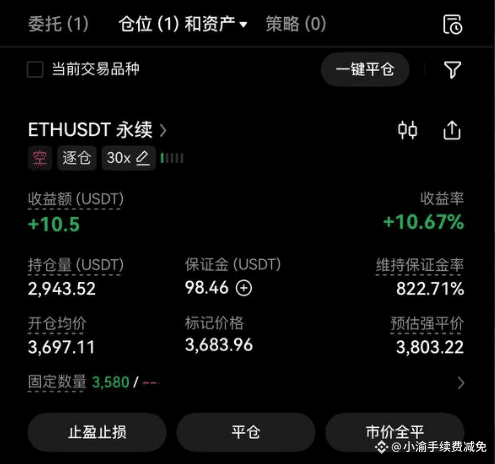
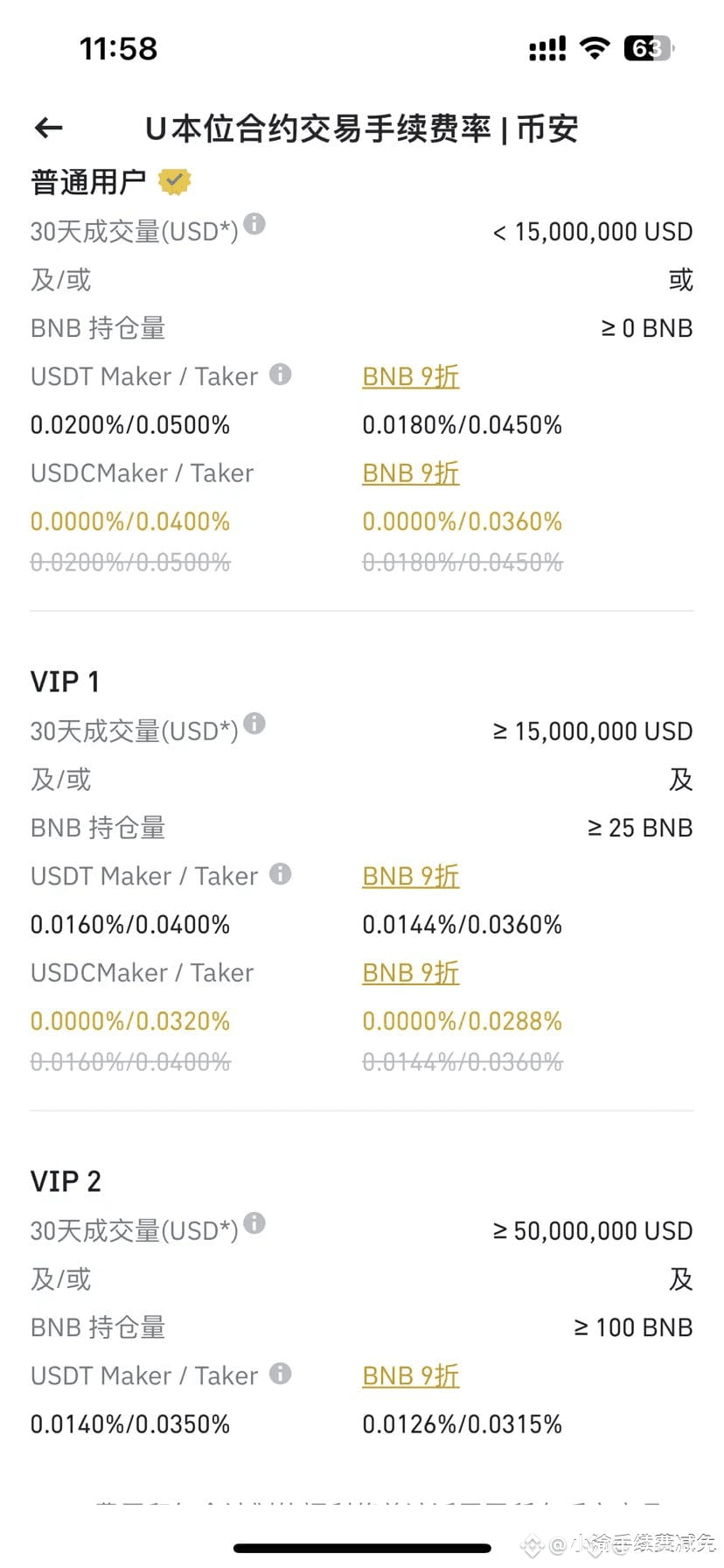
Keep it up, but your handling fee is indeed a bit high.

哇哦奥哦
·
--
ETH multiple rounds of forced liquidation, short positions can hardly hold on, reluctant to cut losses, is there a solution to reverse the situation?
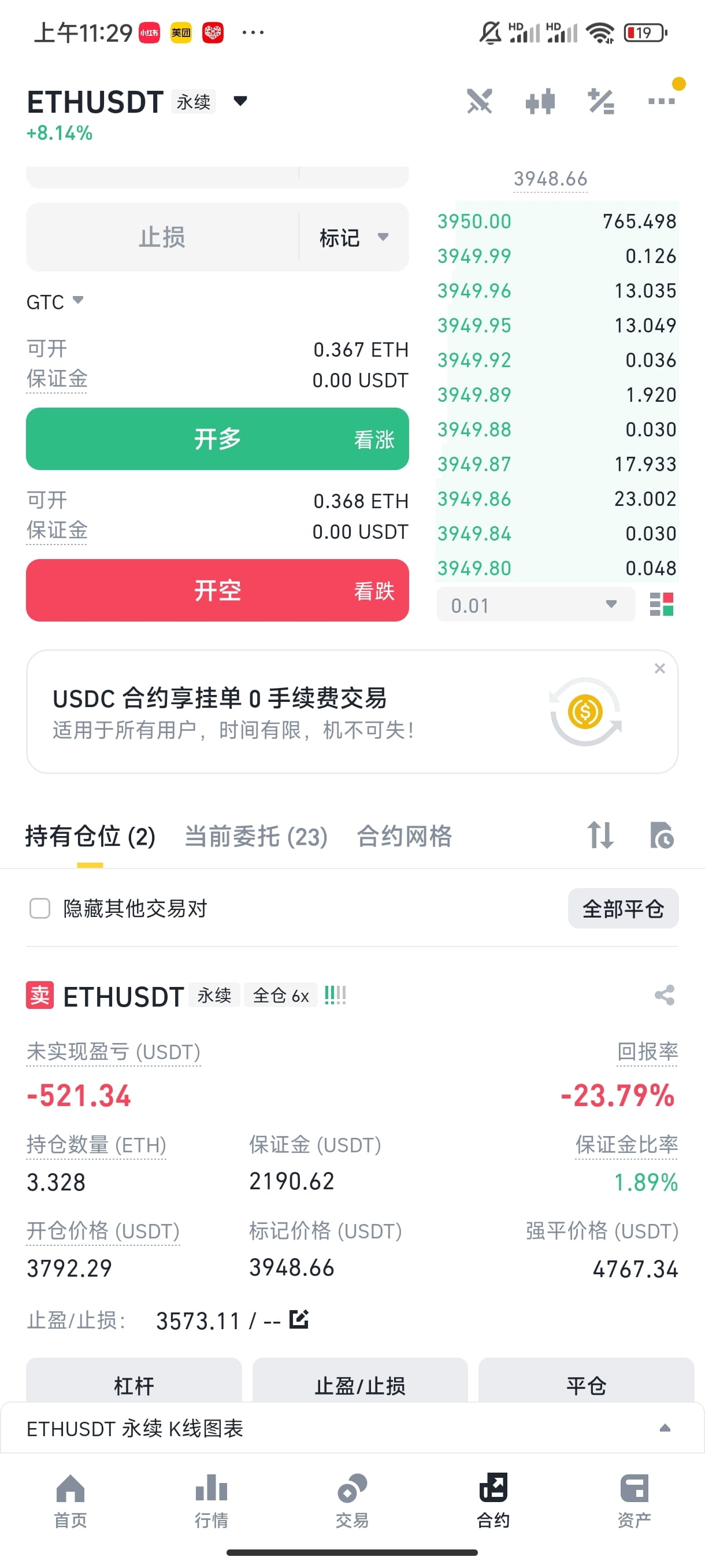
Your trading frequency is quite high. Not only are you losing in trades, but the transaction fees are also considerable.
Quoted content has been removed
Come on, but your handling fee is really too high.


青蛙哥哥S
·
--
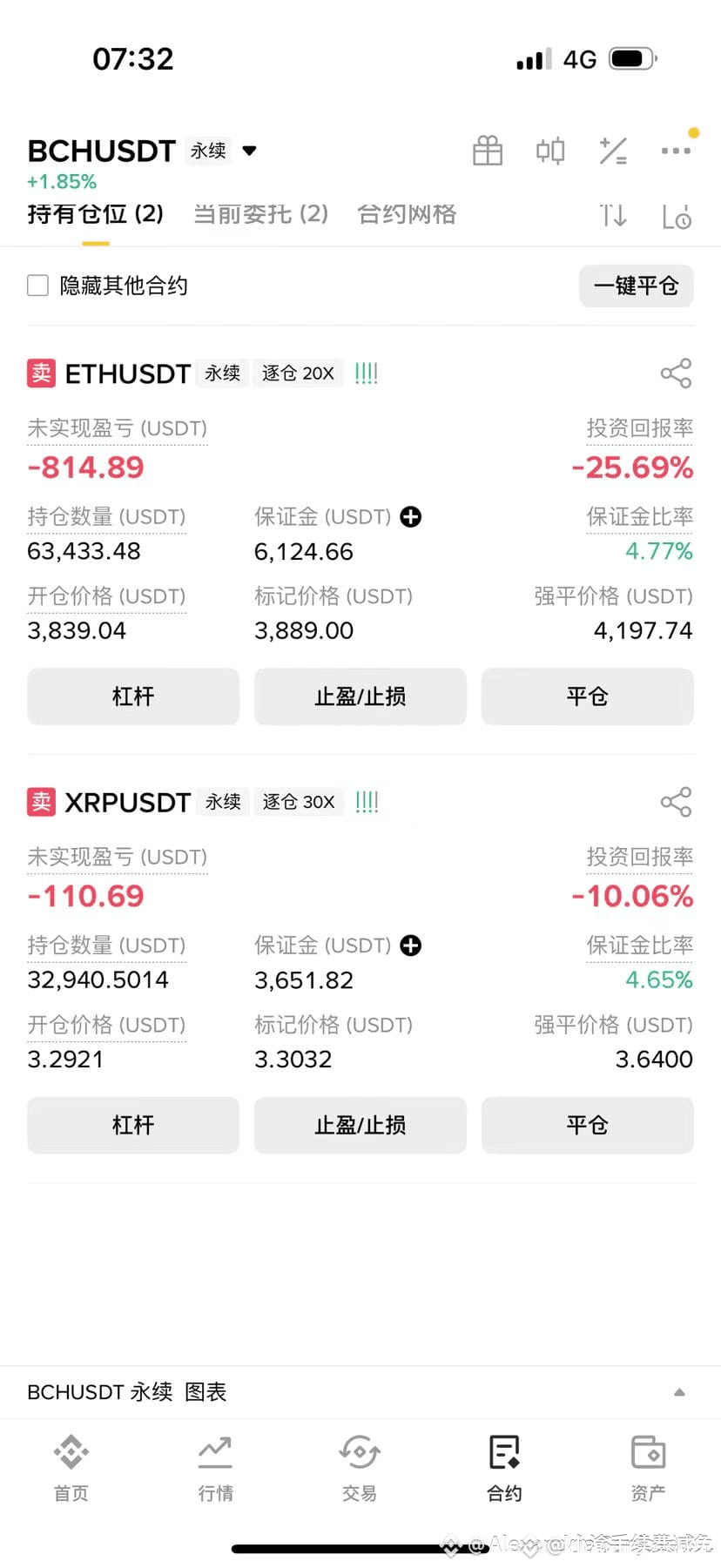
Bearish$ETH is preparing to add ten thousand US dollars. I don't believe it will not come down.
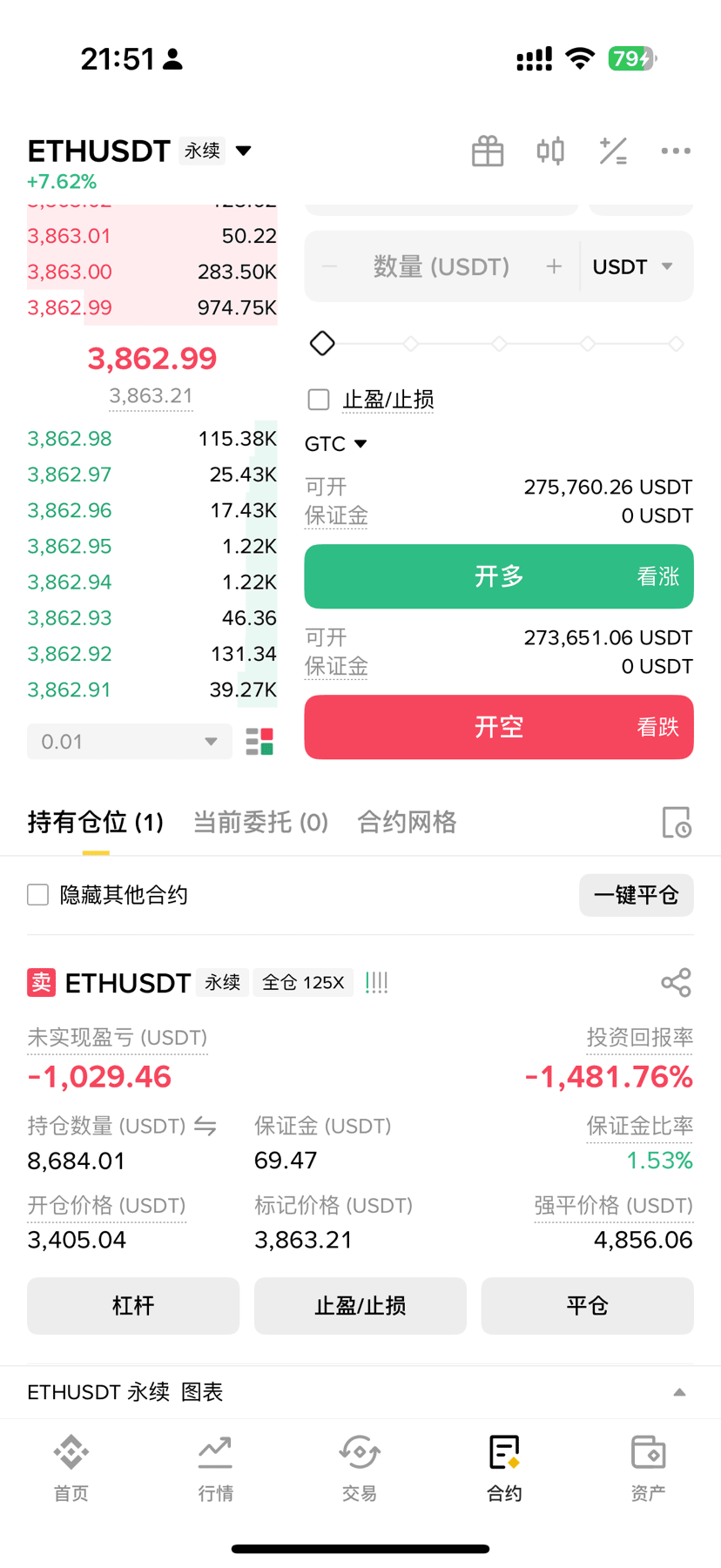
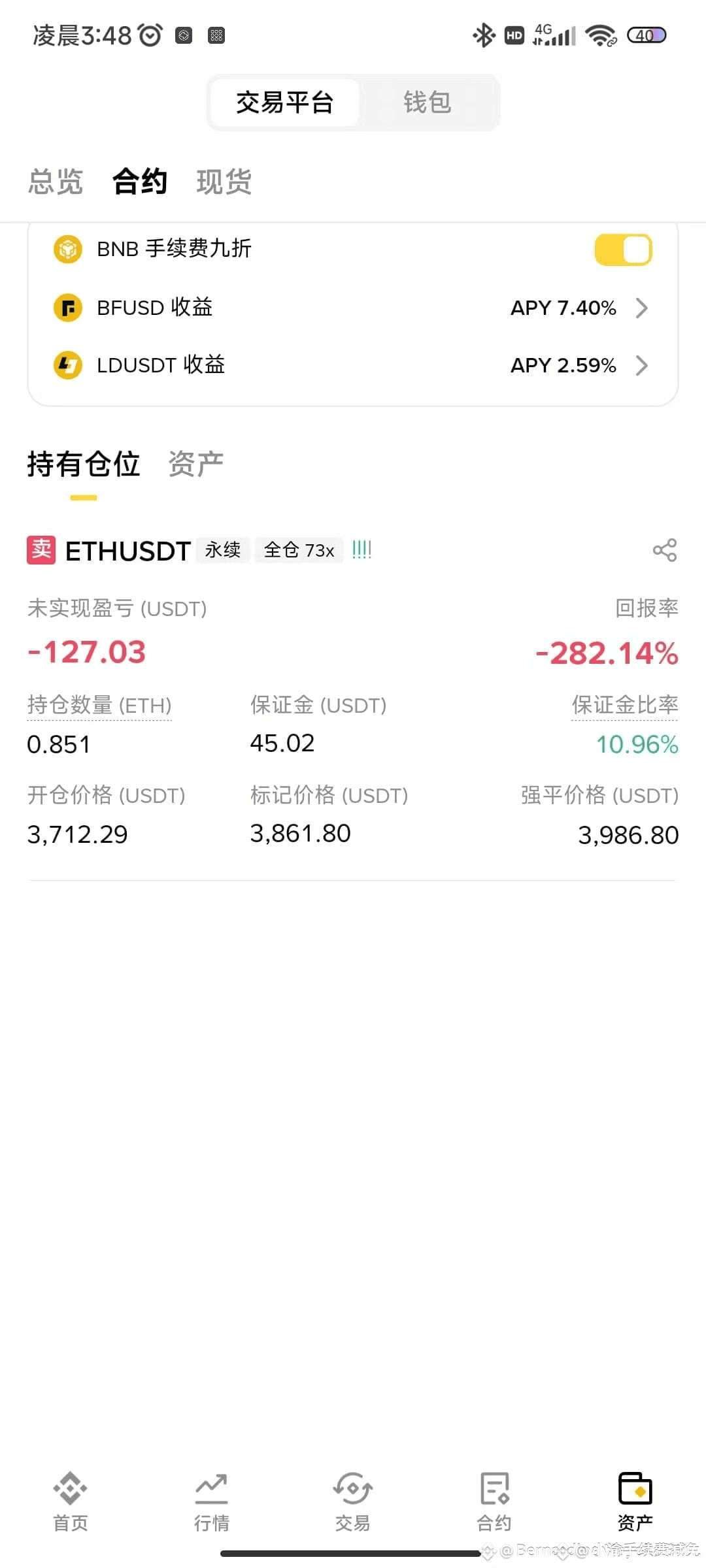
You've spent quite a bit on fees from your earnings.
Alexandria Sanjose SG6H
·
--
Wow, 171.71 is not running, brother please take a look👀
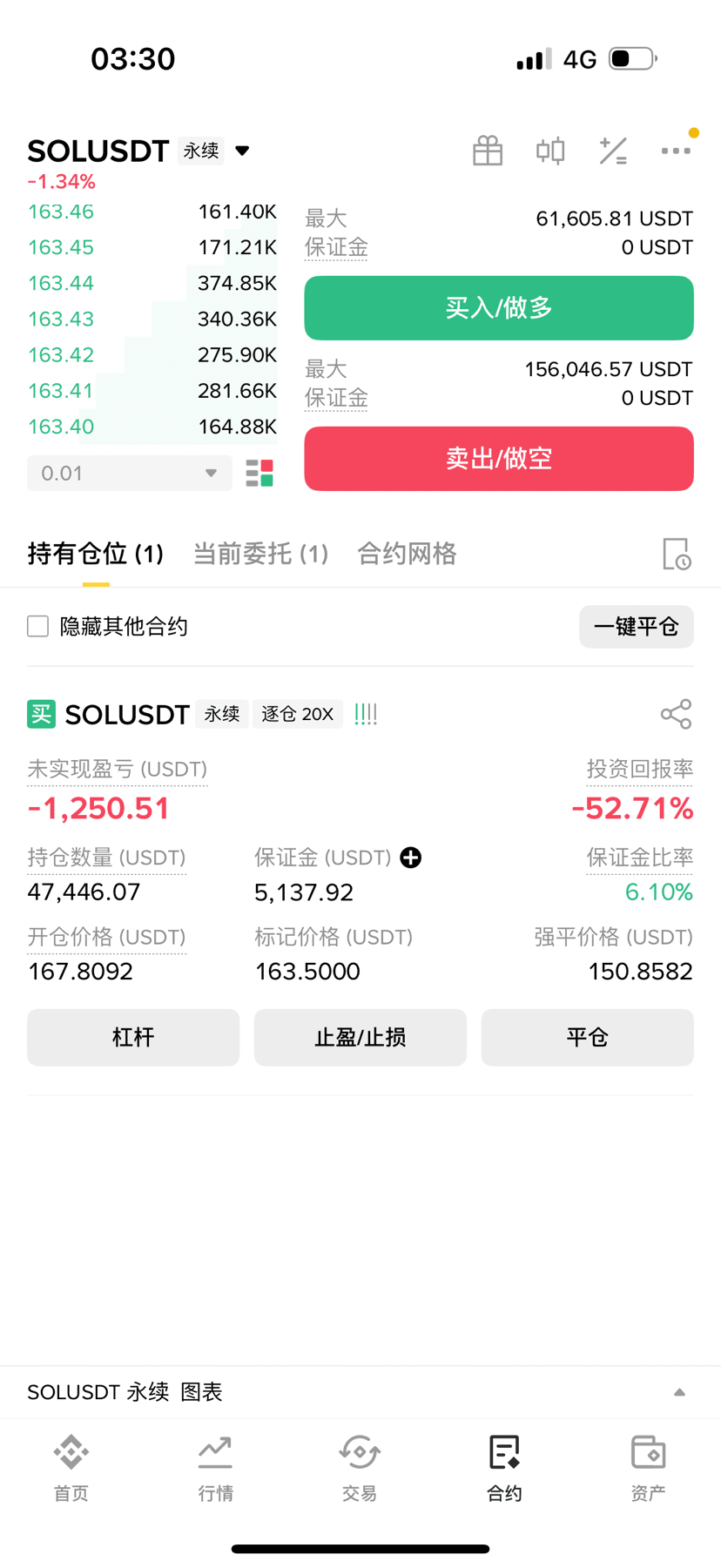
Bro, this service fee is really maxed out.

贝叶斯赌徒
·
--
What's going on?
The Bitcoin is dropping
Ethereum is not dropping and still booming
You wish you could set off fireworks for the New Year early, right?
Are you serious?
But, brothers
Don't rush
As long as I haven't exploded
There's still a chance for a comeback
The Bitcoin is dropping
Ethereum is not dropping and still booming
You wish you could set off fireworks for the New Year early, right?
Are you serious?
But, brothers
Don't rush
As long as I haven't exploded
There's still a chance for a comeback
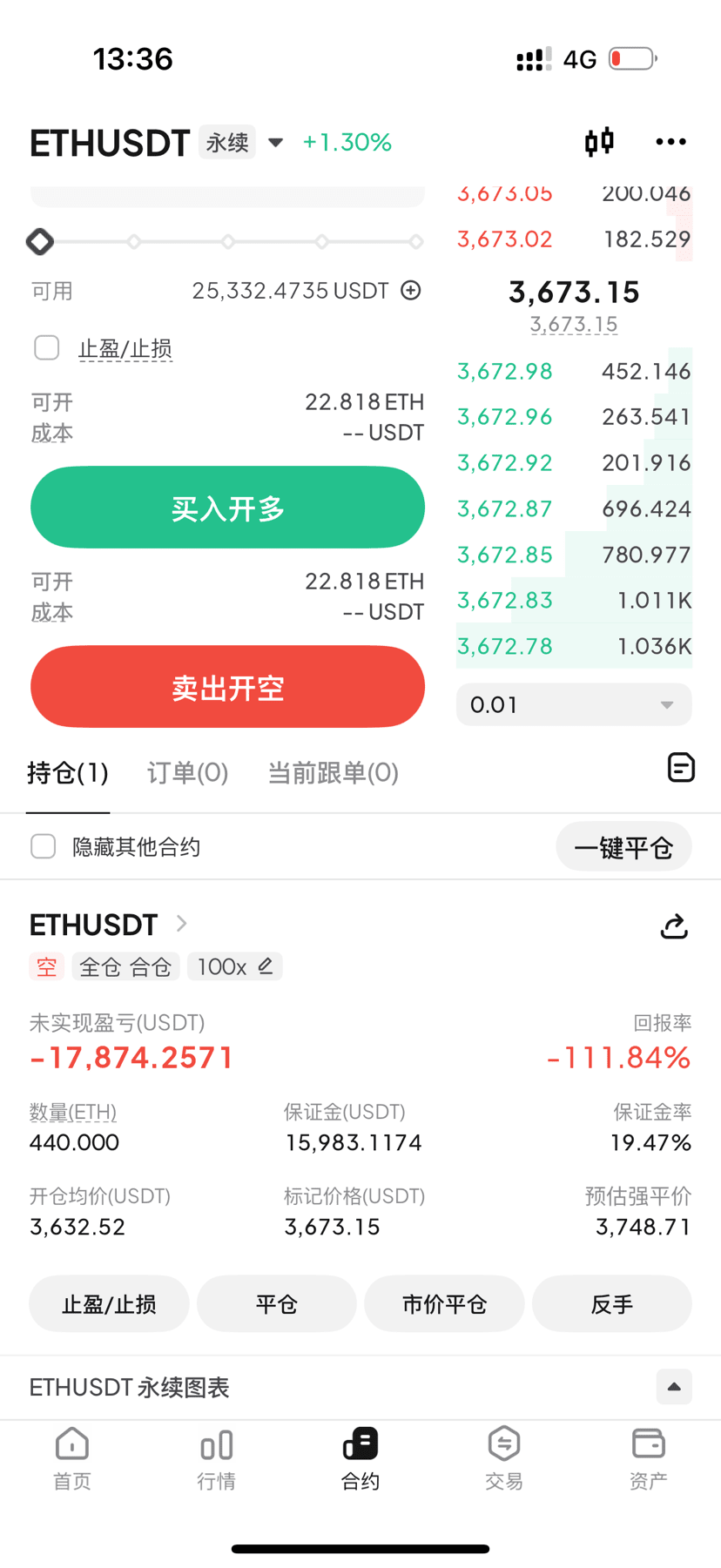
The dying trader stands before the 'Time Pawnshop', wanting to redeem the pawned years' bones (principal).
Only half a pair of remains is left on the counter. 🦴
'What is a hundred days worth, what remains of the bones?' The voice trembles like tearing silk.
A withered hand extends from the shadow of the pawnshop, unfolding a ledger of time:
'Look at your silhouette: every transaction has been carved by the 'shadow grease of time' (handling fee)! A thousand cuts, the shadow is gone and the bones are withered!'
'Is the grease... still there?'
'The grease condenses the time lamp, illuminating the eternal night of the pawnshop, law does not return to dust! However, downstream of the River of Forgetting, there are 'shadow grease fish owls'—the owls peck at the wick and can extract 30% of the shadow grease, re-plating your bones!'
The fishing owl swoops down from the sky. The remains touch the grease: the pawnshop is as silent as a prison, yet the white bones cast shadows, stepping out of the abyss, the wind of time wraps around the bones as if alive. 🌫️🕊️
Core Insight:
Gains and losses are in the accounts, existence is in the silhouettes. Waiving handling fees is a theft of light from the eternal pawnshop.
Only half a pair of remains is left on the counter. 🦴
'What is a hundred days worth, what remains of the bones?' The voice trembles like tearing silk.
A withered hand extends from the shadow of the pawnshop, unfolding a ledger of time:
'Look at your silhouette: every transaction has been carved by the 'shadow grease of time' (handling fee)! A thousand cuts, the shadow is gone and the bones are withered!'
'Is the grease... still there?'
'The grease condenses the time lamp, illuminating the eternal night of the pawnshop, law does not return to dust! However, downstream of the River of Forgetting, there are 'shadow grease fish owls'—the owls peck at the wick and can extract 30% of the shadow grease, re-plating your bones!'
The fishing owl swoops down from the sky. The remains touch the grease: the pawnshop is as silent as a prison, yet the white bones cast shadows, stepping out of the abyss, the wind of time wraps around the bones as if alive. 🌫️🕊️
Core Insight:
Gains and losses are in the accounts, existence is in the silhouettes. Waiving handling fees is a theft of light from the eternal pawnshop.
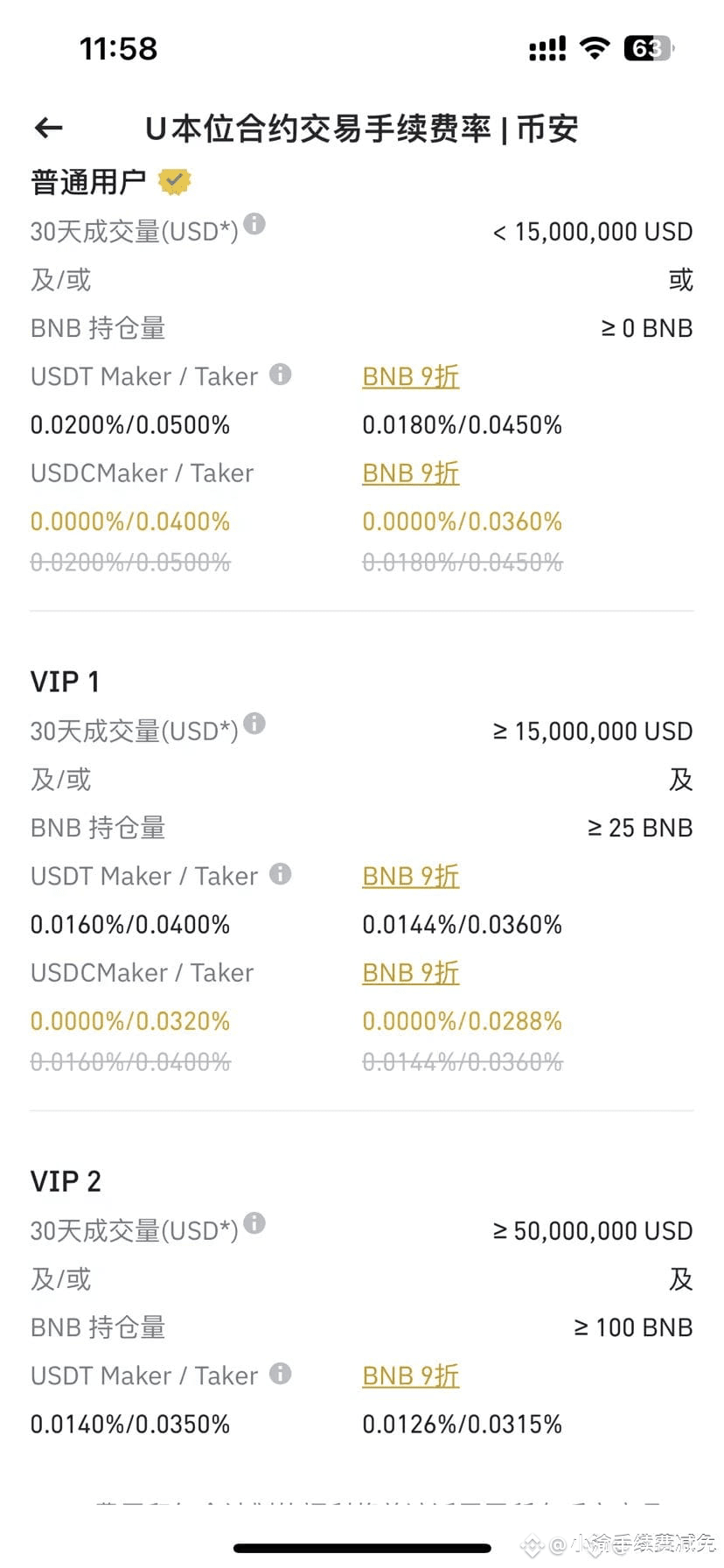
Log in to explore more content