
Healthy_Pockets
8 Posts

Healthy_Pockets
440,000 + YouTube 📺 Save to Invest & have Healthy Pockets! https://www.youtube.com/c/Healthypockets
1 Following
6.7K+ Followers
2.3K+ Liked
Posts
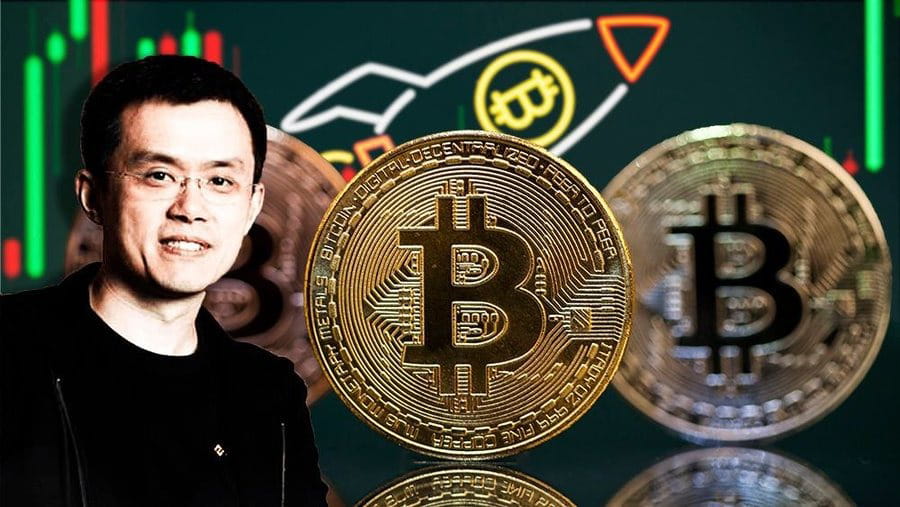
🔥UNSTOPPABLE🔥
Despite FUD and media attacks,#Binancecontinues to GROW 🚀
CZ ANNOUNCED some of the latest achievements of the EXCHANGE this week, highlighting that:
🔸They have exceeded 150 Million registered users 👀🔥
🔸They have become the first exchange to receive the official license in Dubai to offer#Cryptoservices
🔸On August 1 they started offering services in Japan 🥳
#Bitcoin
Despite FUD and media attacks,#Binancecontinues to GROW 🚀
CZ ANNOUNCED some of the latest achievements of the EXCHANGE this week, highlighting that:
🔸They have exceeded 150 Million registered users 👀🔥
🔸They have become the first exchange to receive the official license in Dubai to offer#Cryptoservices
🔸On August 1 they started offering services in Japan 🥳
#Bitcoin
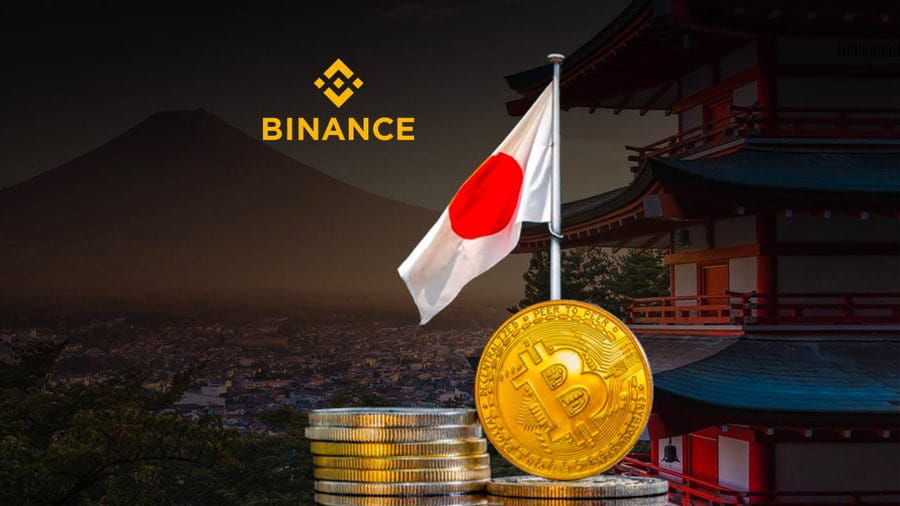
🔥BREAKING🔥
#Binance is going to START providing its services in Japan starting in August 😎
Through its NEW Japanese platform 🇯🇵🥳
#Bitcoin #BNB
#Binance is going to START providing its services in Japan starting in August 😎
Through its NEW Japanese platform 🇯🇵🥳
#Bitcoin #BNB
🔥IT'S NOW OFFICIAL🔥
#Twitterhas DEFINITELY been renamed X 👀‼️
Starting a NEW BEGINNING for the platform with quite ambitious objectives and plans
#Elon#X #TwitterX
#Twitterhas DEFINITELY been renamed X 👀‼️
Starting a NEW BEGINNING for the platform with quite ambitious objectives and plans
#Elon#X #TwitterX

The FED has OFFICIALLY LAUNCHED its#FedNowinstant payments system 👀
With the aim of avoiding waiting times in transactions and achieving greater Efficiency 🇺🇸💥
Do you think it poses a danger to the#CryptoSector? 🧐
With the aim of avoiding waiting times in transactions and achieving greater Efficiency 🇺🇸💥
Do you think it poses a danger to the#CryptoSector? 🧐
#Tesla COULD accept#Bitcoinas a means of payment again this month 👀🔥
After implementing#BTCyesterday in the code of their WEBSITE 😎
After implementing#BTCyesterday in the code of their WEBSITE 😎
🔥BREAKING🔥
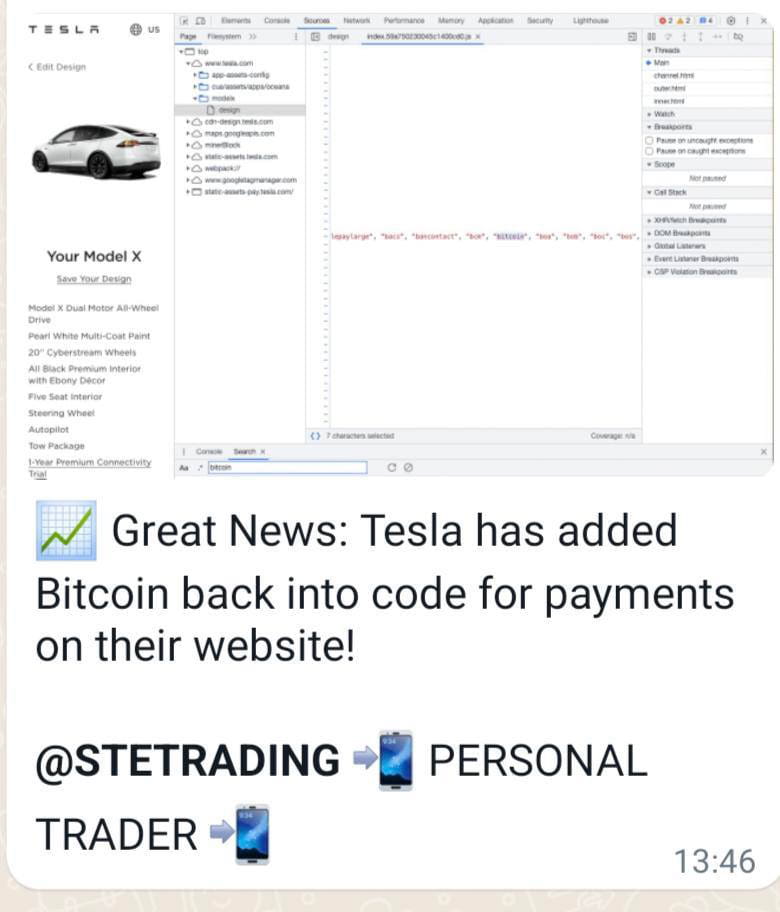
Rumors appear about whether TESLA HAS ADDED#Bitcoinin the CODE of its website 😱🔥
I could include it again as a MEANS OF PAYMENT SOON 😎
Rumors appear about whether TESLA HAS ADDED#Bitcoinin the CODE of its website 😱🔥
I could include it again as a MEANS OF PAYMENT SOON 😎
💥AMAZING💥
#TeslaHAS REVEALED in its Q2 2023 reports that it CONTINUES TO HOLD its $333 MILLION in#Bitcoin🔥😎
Now that#BTCis already more than 50% sustainable...
When will Bitcoin return as a means of payment for Tesla #Elon? 👀
#TeslaHAS REVEALED in its Q2 2023 reports that it CONTINUES TO HOLD its $333 MILLION in#Bitcoin🔥😎
Now that#BTCis already more than 50% sustainable...
When will Bitcoin return as a means of payment for Tesla #Elon? 👀
🚨ATTENTION🚨
The SEC could START APPROVING#BitcoinSpot#ETFsTODAY 👀‼️
After having passed to the Federal Registry yesterday 😎
The time is NEARING ⏳
The SEC could START APPROVING#BitcoinSpot#ETFsTODAY 👀‼️
After having passed to the Federal Registry yesterday 😎
The time is NEARING ⏳
The CEO of#Telegramjust revealed that he HOLDS#Bitcoin💥👀

According to predictions, it is estimated that more than 20% of the TOTAL SUPPLY of#Bitcoinhas been LOST Forever 👀‼️
This figure can even reach 29% according to sources such as
@bitcoinlfgo
Almost 1/3 part 🤯🤯
This figure can even reach 29% according to sources such as
@bitcoinlfgo
Almost 1/3 part 🤯🤯
The SEC has OFFICIALLY recognized GIANT Valkyrie's#Bitcoinspot ETF application 😱🌊
Getting closer! ⏰
Getting closer! ⏰
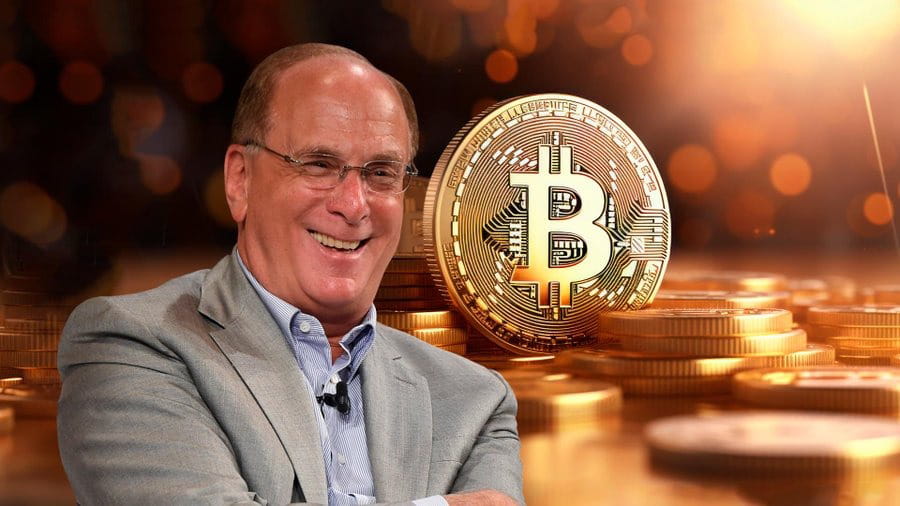
The CEO of#BlackRockhas CONFIRMED that institutional demand for#Bitcoinis GROWING by GREAT steps 🤯🔥
SEC Chairman Gary Gensler has STATED he is "disappointed" that the court ruled $XRP is not a security 😅😂
Sorry Gary but no one believes you anymore 😉#Ripple#XRP
Sorry Gary but no one believes you anymore 😉#Ripple#XRP
#Binance HAS OFFICIALLY INTEGRATED the#BitcoinLightning Network into the exchange 🔥🥳
Log in to explore more content