
村长James
105 Posts

村长James
Report
Block User
每日情报总结,不做任何推荐和投资建议,仅个人观点,不构成投资建议
19 Following
74 Followers
93 Liked
Posts
All
Videos
·
--
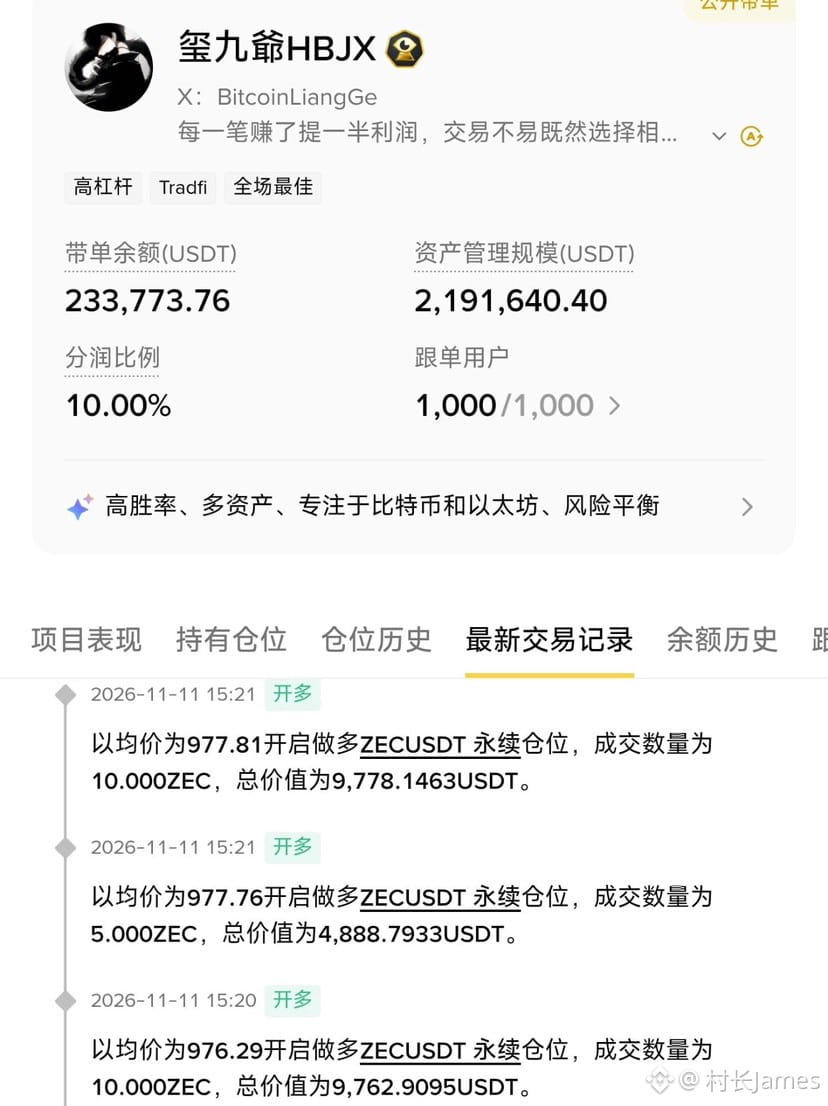
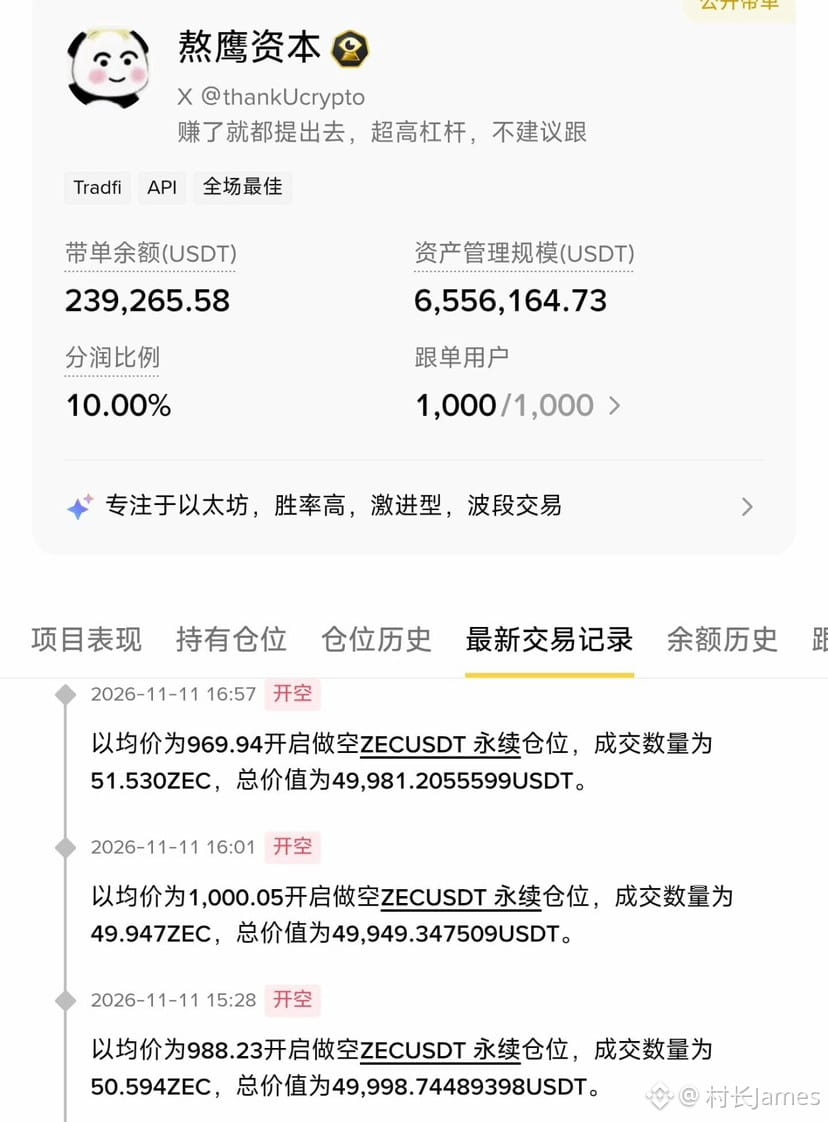
Who do you think will win this round?
{future}(ZECUSDT)
{future}(NVDAUSDT)
{future}(BTCUSDT)
Who do you think will win this round?
4
1
3k
·
--
Today's Crypto Market: CPI Comes in Above Expectations, Bitcoin Falls Below $74,000
U.S. CPI for October came in higher than expected, fueling concerns about a December rate hike and putting renewed pressure on the crypto market.
Bitcoin fell below $74,000, briefly dipping to around $72,700; Ethereum dropped to the $2,040–$2,060 range, while major coins including SOL and XRP broadly declined.
About $650 million in positions were liquidated across the market over 24 hours, with long positions accounting for a larger share. Leverage risks are still unfolding.
In the short term, watch whether Bitcoin can reclaim $74,000. If it continues to weaken, support around $73,000 will be put to the test.
Risk warning: Crypto assets are highly volatile. The above is for market observation only and does not constitute investment advice. #BinanceOracle
1
·
--
Bitcoin plunged overnight to around $73,500, with over $1.2 billion in liquidations across the market. Long positions were nearly wiped out.
Even more alarming, spot Bitcoin ETFs saw net outflows of $1.28 billion last week, as institutional money pulled back. U.S. stocks surged while the crypto market fell, suggesting this isn’t an ordinary pullback, but a squeeze driven by both leverage and liquidity conditions.
In the short term, watch whether the $73,000–$74,000 range can hold. Don’t rush to buy the dip—first, see who’s selling and who’s stepping in to buy.
Risk warning: Crypto assets are highly volatile. The above is for market observation only and does not constitute investment advice. #BinanceOracle
1
·
--
November 9 Market Analysis: Global Financial Markets Enter a Critical Period of Contest!
A new week begins, and global markets remain highly volatile. Three signals are worth watching:
📉 U.S. stocks: Although tech stocks have staged a short-term rebound, the Nasdaq fell about 3.37% over the past week. High AI valuations and returns on corporate investment remain key market concerns.
₿ Cryptocurrencies: Bitcoin briefly fell to around $73,708 over the weekend, while Ethereum also weakened. Regulatory uncertainty, exchange security incidents, and outflows have intensified selling pressure.
🥇 Gold: Gold rose about 4.5% over the past week, but a stronger dollar and changes in U.S. Treasury yields could increase short-term volatility.
Key things to watch this week:
1. U.S. CPI inflation data.
2. Federal Reserve officials’ remarks and interest rate expectations.
3. Bitcoin ETF fund flows.
4. How major U.S. tech stocks perform going forward.
Personal view: Inflation and monetary policy remain the biggest variables in the market. In the short term, don’t focus solely on price movements; pay closer attention to the dollar, bond yields, and fund flows. The market’s direction is not yet entirely clear. Managing leverage and risk is more important than blindly chasing rallies or selling into declines. #币安神算子
#USStocks #Bitcoin #Gold #Cryptocurrency #MarketAnalysis
1
3
·
--
U.S. stocks and crypto plunge across the board: What the market truly fears may not be the election results!
Many people blame the recent sharp swings in U.S. stocks and cryptocurrencies on the U.S. midterm elections. But the election may only be the trigger—the real issue is that market confidence is shifting.
📉 Layer one: A reversal in political expectations. The balance of power between the two parties has changed, making it uncertain whether the Trump administration can smoothly advance its policies.
📉 Layer two: Cooling enthusiasm for the AI narrative. Tech giants are investing heavily, but the market is starting to demand real profits instead of paying only for stories about the future.
📉 Layer three: The liquidity tug-of-war. Rate-cut expectations keep shifting, and in a high-interest-rate environment, investors are reassessing high-risk assets.
📉 Layer four: A chain reaction from leverage. Falling U.S. stocks dampen risk appetite, while liquidations in crypto futures further amplify market volatility.
Worth considering: When U.S. stocks, gold, and Bitcoin are all experiencing sharp swings, the market is no longer trading just one asset—it is repricing expectations for the future economy and liquidity.
The next market move may not depend on who wins the election, but on who can win back investors’ trust.#币安神算子
#USStocks #Bitcoin #Cryptocurrency #AIInvestment #GlobalFinancialMarkets
1
·
--
U.S. Midterm Election Loss Triggers Market Turmoil! Why Are U.S. Stocks and Crypto Plunging in Tandem?
The results of the U.S. midterm elections are in: Democrats have won control of both chambers of Congress, while Republicans have suffered a major defeat. The Trump administration may face greater resistance in advancing its policies, and market uncertainty is rising rapidly.
U.S. stocks and the cryptocurrency market then saw a sharp reversal, for four main reasons:
1️⃣ Rising political risk: Divided government could intensify policy battles and increase market uncertainty.
2️⃣ AI investment concerns: The market fears that Democrats will tighten regulations, affecting data center construction and capital spending in the AI industry.
3️⃣ Concentrated sell-off in tech stocks: High-valuation tech stocks faced profit-taking, sending the Nasdaq sharply lower.
4️⃣ Crypto leverage liquidations: The sell-off in U.S. stocks triggered a chain reaction across risk assets. Bitcoin and Ethereum came under pressure, and leveraged positions worth more than $1 billion were liquidated.#币安神算子
Key takeaway: This plunge was not caused solely by the election results, but by the combined effects of political risk, an AI valuation bubble, and market leverage. Next, watch Federal Reserve policy, tech earnings, and fund flows. Short-term volatility may intensify, so don't blindly buy the dip!
#U.S.Stocks #Bitcoin #Cryptocurrency #U.S.MidtermElections #FinancialMarkets
1
2
·
--
Why did U.S. stocks suddenly plunge? Four factors sparked market panic!
The U.S. stock market has come under significant pressure recently, with major indexes such as the Nasdaq and S&P 500 pulling back. Tech stocks have borne the brunt of the sell-off. There are four main reasons:
1️⃣ AI bubble concerns: AI companies’ valuations continue to climb, but the market is reassessing whether massive investments will generate comparable profits.
2️⃣ Cooling rate-cut expectations: Inflationary pressures persist, and the Federal Reserve may continue to take a cautious approach to monetary policy. High interest rates are weighing on growth stock valuations.
3️⃣ Profit-taking: Tech stocks posted strong gains earlier, and institutions have begun cashing in profits, triggering a wave of selling.
4️⃣ Economic uncertainty: Uncertainty around U.S. economic data, corporate earnings, and fiscal policy is growing, reducing investors’ risk appetite.
What lies ahead? #币安神算子
In the short term, markets may remain highly volatile. Keep a close eye on Fed policy, earnings from major tech companies, and U.S. inflation data.
Is this pullback a normal correction within a bull market, or a shift in the market trend? The key is whether corporate earnings can support current valuations and whether liquidity improves meaningfully.
#U.S.Stocks #Nasdaq #S&P500 #AITechStocks #GlobalFinancialMarkets
2
5
·
--
U.S. stocks have been under sustained pressure recently. What exactly is behind the sharp sell-off?
U.S. tech stocks have seen a notable pullback recently, putting the Nasdaq under considerable pressure and stoking market fears. There are four main reasons behind this:
1️⃣ AI bubble concerns: Tech giants continue to ramp up AI investment, but the market is beginning to question when this massive capital spending will translate into actual profits.
2️⃣ Earnings fall short of expectations: Results from companies such as Amazon and Intel have raised concerns, triggering a wave of selling in highly valued tech stocks.
3️⃣ Interest rate and inflation pressures: Rising oil prices are pushing up inflation expectations, limiting the Federal Reserve’s room to cut rates and reducing investors’ appetite for risk.
4️⃣ High valuations: The earlier AI rally drove up share prices substantially. When growth expectations shift, investors are more likely to take profits all at once.
Key takeaway: This pullback is more than a simple technical correction; it reflects the market reassessing the returns on AI investment, corporate earnings, and monetary policy. Going forward, watch the Fed’s policy, earnings from tech giants, and changes in AI capital spending. The market’s real concern isn’t that AI has no future, but whether future growth can justify today’s valuations.
1
371
·
--
As U.S. midterm elections approach, shifts in the political landscape could affect global financial markets
The U.S. midterm elections are not only a contest for power between the two parties, but also an important indicator of the direction of U.S. policy in the years ahead.
If Republicans lose control of Congress, the Trump administration may face constraints on advancing its policies, while uncertainty around fiscal, tariff and regulatory policies could increase further.
For financial markets, risk aversion may rise in the short term, and volatility in assets such as the U.S. dollar, gold and Bitcoin may intensify. However, historical patterns suggest that post-election market performance depends more on Federal Reserve monetary policy, economic data and liquidity conditions than on the election results themselves. #币安神算子
Key takeaway: The midterm elections could act as a catalyst for market volatility, but policy expectations and changes in global liquidity will remain the true drivers of market direction. Keep an eye on the election results, but also beware of short-term sentiment-driven trading.
1
2
·
--
Global Markets Today | U.S. Midterm Elections Begin, Gold Rebounds, BTC Still Awaiting Direction#币安神算子 On November 3, global financial markets remained highly volatile. The U.S. midterm elections officially entered voting day, with investors watching for potential policy implications from changes in control of Congress. Meanwhile, signs of easing tensions in the Middle East sent international oil prices sharply lower, but selling pressure on AI-related tech stocks persisted.
I. Latest Developments in the Four Major Markets
📈 U.S. Stocks: Tech Stocks Remain the Biggest Source of Pressure
Massive AI capital spending has sparked market concerns, prompting investors to reassess returns on investment in technology companies. Even as falling oil prices raise hopes of easing inflation, tech stocks remain under pressure from valuation adjustments.
Global Markets Today | U.S. Midterm Elections Begin, Gold Rebounds, BTC Still Awaiting Direction
#币安神算子 On November 3, global financial markets remained highly volatile. The U.S. midterm elections officially entered voting day, with investors watching for potential policy implications from changes in control of Congress. Meanwhile, signs of easing tensions in the Middle East sent international oil prices sharply lower, but selling pressure on AI-related tech stocks persisted.
I. Latest Developments in the Four Major Markets
📈 U.S. Stocks: Tech Stocks Remain the Biggest Source of Pressure
Massive AI capital spending has sparked market concerns, prompting investors to reassess returns on investment in technology companies. Even as falling oil prices raise hopes of easing inflation, tech stocks remain under pressure from valuation adjustments.
2
·
--
Compared with expectations, is this result bullish or bearish? Why has everything turned red? Does the realization of bad news mean it’s actually good news?
{future}(XAUTUSDT)
{future}(BTCUSDT)
{future}(ZECUSDT)
Compared with expectations, is this result bullish or bearish? Why has everything turned red? Does the realization of bad news mean it’s actually good news?
50
·
--
The selection results are finalized, and everyone is back.
The selection results are finalized, and everyone is back.
110
·
--
Today’s Markets#币安神算子 Today’s Global Market Analysis | U.S. Midterm Elections Begin, Gold Rebounds, BTC Still Awaiting Direction
On November 3, global financial markets remained highly volatile. The U.S. midterm elections officially entered voting day, with investors focused on the potential policy impact of a shift in control of Congress. Meanwhile, signs of easing tensions emerged in the Middle East, and international oil prices fell sharply, but selling pressure on AI tech stocks persisted.
I. Latest Developments in the Four Major Markets
📈 U.S. Stocks: Tech Stocks Remain the Biggest Source of Pressure
Massive AI capital spending has raised market concerns, prompting investors to reassess returns on tech companies’ investments. Even as falling oil prices raise hopes of easing inflation, tech stocks remain under pressure from valuation adjustments.
Today’s Markets
#币安神算子 Today’s Global Market Analysis | U.S. Midterm Elections Begin, Gold Rebounds, BTC Still Awaiting Direction
On November 3, global financial markets remained highly volatile. The U.S. midterm elections officially entered voting day, with investors focused on the potential policy impact of a shift in control of Congress. Meanwhile, signs of easing tensions emerged in the Middle East, and international oil prices fell sharply, but selling pressure on AI tech stocks persisted.
I. Latest Developments in the Four Major Markets
📈 U.S. Stocks: Tech Stocks Remain the Biggest Source of Pressure
Massive AI capital spending has raised market concerns, prompting investors to reassess returns on tech companies’ investments. Even as falling oil prices raise hopes of easing inflation, tech stocks remain under pressure from valuation adjustments.
1
7
·
--
The big one is coming
{future}(BTCUSDT)
{future}(ZECUSDT)
{future}(SUIUSDT)
The big one is coming

1
160
·
--
There’s been a steady stream of bad news lately. Are they waiting for a huge crash?
There’s been a steady stream of bad news lately. Are they waiting for a huge crash?

1
565
·
--
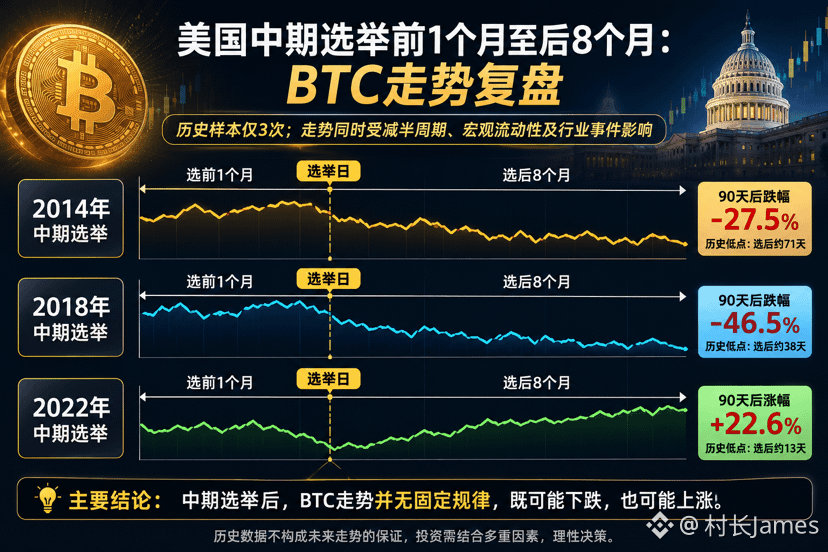
Can we mark the boat to find the sword this time?
{spot}(BTCUSDT)
{future}(XAUTUSDT)
{future}(INTCUSDT)
Can we mark the boat to find the sword this time?
1
206
·
--
Today's Market Analysis#币安神算子 Today's Global Market Analysis | Trump's election enters a critical phase: Are global assets set for a new round of volatility?
On November 2, global financial markets entered a crucial period of observation ahead of the U.S. midterm elections. The Republican Party, to which Trump belongs, will face a battle for seats in Congress, and investors are reassessing the future direction of U.S. fiscal policy, tariff policy, AI regulation, and cryptocurrency regulation.
Meanwhile, following the steep declines in technology stocks and gold last week, markets have begun to diverge. The election results and macroeconomic data may become important factors influencing global assets this week.
Today's Market Analysis
#币安神算子 Today's Global Market Analysis | Trump's election enters a critical phase: Are global assets set for a new round of volatility?
On November 2, global financial markets entered a crucial period of observation ahead of the U.S. midterm elections. The Republican Party, to which Trump belongs, will face a battle for seats in Congress, and investors are reassessing the future direction of U.S. fiscal policy, tariff policy, AI regulation, and cryptocurrency regulation.
Meanwhile, following the steep declines in technology stocks and gold last week, markets have begun to diverge. The election results and macroeconomic data may become important factors influencing global assets this week.
1
1
·
--
BTC Crash Analysis | Why Is Bitcoin Under Continued Pressure?
Bitcoin has continued to decline recently, and market fear has clearly intensified. This correction is not caused by a single factor, but by the combined impact of multiple pressures.
There are three main reasons:
1. Tightening macro liquidity: Expectations for Fed rate cuts have cooled, reducing market risk appetite and putting pressure on risk assets such as Bitcoin.
2. Concentrated liquidations of leveraged positions: Falling prices triggered long liquidations, creating a wave of selling that further amplified the losses.
3. Weak investor confidence: Risk aversion has increased, prompting some investors to step aside and wait, while buying support has weakened.
What should we watch going forward?
In the short term, focus on whether the previous lows can hold and whether funds are flowing back into spot markets. If prices continue to fall on rising volume, further correction remains a risk. A recovery may be possible only if selling pressure eases and prices stabilize.
My view: A sharp drop does not mean the bottom is in, and a rebound does not signal a trend reversal. Rather than blindly buying the dip, it is more important right now to control leverage, manage position sizes, and wait for the market to show a clear direction.
#BTC #Bitcoin #Cryptocurrency #MarketAnalysis #市场暴跌 $
1
247
·
--
Buy the Dip or Get Out?#币安神算子 Global markets plunge across the board! Gold, Bitcoin, and U.S. stocks all come under pressure—what exactly is happening in the markets?
From October 30 to 31, global financial markets saw a pronounced sell-off. All three major U.S. stock indexes fell, with the Nasdaq down nearly 2.9% and the S&P 500 down about 1.8%. Spot gold dropped more than 3% in a single day, silver fell below $50, and Bitcoin briefly slid to around $76,000.
The key takeaway from this decline is that stocks, gold, and cryptocurrencies all fell at the same time, signaling a broader correction in risk assets.
Buy the Dip or Get Out?
#币安神算子 Global markets plunge across the board! Gold, Bitcoin, and U.S. stocks all come under pressure—what exactly is happening in the markets?
From October 30 to 31, global financial markets saw a pronounced sell-off. All three major U.S. stock indexes fell, with the Nasdaq down nearly 2.9% and the S&P 500 down about 1.8%. Spot gold dropped more than 3% in a single day, silver fell below $50, and Bitcoin briefly slid to around $76,000.
The key takeaway from this decline is that stocks, gold, and cryptocurrencies all fell at the same time, signaling a broader correction in risk assets.
1
3
·
--
Verified
Will gold return to 2,300?Gold plunge analysis | Below $3,900: Is the gold bull market over?
#币安神算子 On October 30, the international gold market saw a significant sell-off. Spot gold fell by around 3.5% at one point, dropping to around $3,880 per ounce and hitting a one-year low. Expectations of rate cuts that had previously buoyed the market are fading, leaving gold facing multiple short-term pressures.
1. Why has gold suddenly plunged?
Rising expectations of Fed rate hikes: U.S. inflation data came in higher than before, and the market began to raise its expectations for a rate hike in December. Keeping interest rates high or raising them further increases the opportunity cost of holding gold.
Will gold return to 2,300?
Gold plunge analysis | Below $3,900: Is the gold bull market over?
#币安神算子 On October 30, the international gold market saw a significant sell-off. Spot gold fell by around 3.5% at one point, dropping to around $3,880 per ounce and hitting a one-year low. Expectations of rate cuts that had previously buoyed the market are fading, leaving gold facing multiple short-term pressures.
1. Why has gold suddenly plunged?
Rising expectations of Fed rate hikes: U.S. inflation data came in higher than before, and the market began to raise its expectations for a rate hike in December. Keeping interest rates high or raising them further increases the opportunity cost of holding gold.
1
1.1k
Log in to explore more content
Join global crypto users on Binance Square
⚡️ Get latest and useful information about crypto.
💬 Trusted by the world’s largest crypto exchange.
👍 Discover real insights from verified creators.
Email / Phone number
Trending Topics
HotCPIDecemberHikePriced
234,801 views
2,471 Discussing
CPI Market Watch | US CPI Rises 0.4% in October, Hotter Than 0.3% Forecast
Binance News
·31 Likes
·45.1k views
ZcashFallsBelow$1000ForFirstTimeSinceSeptember
55 views
5 Discussing
StrategyFaces$2.8BSelloffRiskFromMSCIRemoval
8,893 views
97 Discussing