
xin-non
29 Posts

xin-non
12 Following
30 Followers
10 Liked
Posts
All
Quotes


Rulsher_
·
--
Gamified Earning on Robo: Making Earning Fun, Not Just Passive
Keeping people interested in DeFi for the long haul is tough. Staking and yield farming exist everywhere, but most platforms turn earning into a waiting game. You park your assets, and then… well, not much happens. Robo Crypto shakes things up. Instead of just letting your rewards pile up in the background, Robo turns earning into an adventure, something you actually want to check back on.
Here, earning isn’t just numbers ticking up. You get missions to complete, milestones to reach, and challenges that keep things interesting. Maybe you stake your tokens for 30 days and earn a badge. Or you branch out, diversify your portfolio, vote in governance, and suddenly you’ve unlocked another achievement. It’s got that “level up” vibe you get from games—except now, your progress means real financial gains.
Robo takes it further with a tier system. The more you do—staking, trading, inviting your friends—the more XP you rack up. As your account levels up, you unlock perks: lower fees, sneak peeks at new AI trading strategies, extra staking bonuses. Instead of a one-and-done deposit, you’ve got a reason to stick around and keep playing.
Then there’s the leaderboard. You can see where you stand (anonymously, of course) compared to other users. Maybe you’re crushing it with your consistent staking, or you’re leading in governance participation. It’s competitive, but in a good way—it gives you a little nudge to keep sharpening your strategy and stay involved.
The dashboard isn’t just a wall of numbers, either. Robo breaks down your progress visually. You’ll see progress bars toward rewards, animated charts showing your projected earnings stuff that actually makes sense, even if you’re pretty new to DeFi. It turns abstract percentages into something you can see and actually care about.
And let’s not forget the micro-quests. Every day or week, you get small tasks, try out a new feature, finish a tutorial, join a community poll. Complete them, and you earn little rewards. It’s all about making the platform fun to explore, without drowning you in complexity.
Here’s the best part: all this gamification doesn’t hide anything. You still see your real APYs, the actual risks, and how tokens are distributed. The game layer just makes it more engaging, not less transparent.
With Robo Crypto, earning isn’t just background noise. It’s something you look forward to interactive, social, and rewarding. The result are more people stick around, more people care, and DeFi stops feeling like a math test and starts feeling like, well, something you actually want to do.
#Robo @Fabric Foundation $ROBO
Here, earning isn’t just numbers ticking up. You get missions to complete, milestones to reach, and challenges that keep things interesting. Maybe you stake your tokens for 30 days and earn a badge. Or you branch out, diversify your portfolio, vote in governance, and suddenly you’ve unlocked another achievement. It’s got that “level up” vibe you get from games—except now, your progress means real financial gains.
Robo takes it further with a tier system. The more you do—staking, trading, inviting your friends—the more XP you rack up. As your account levels up, you unlock perks: lower fees, sneak peeks at new AI trading strategies, extra staking bonuses. Instead of a one-and-done deposit, you’ve got a reason to stick around and keep playing.
Then there’s the leaderboard. You can see where you stand (anonymously, of course) compared to other users. Maybe you’re crushing it with your consistent staking, or you’re leading in governance participation. It’s competitive, but in a good way—it gives you a little nudge to keep sharpening your strategy and stay involved.
The dashboard isn’t just a wall of numbers, either. Robo breaks down your progress visually. You’ll see progress bars toward rewards, animated charts showing your projected earnings stuff that actually makes sense, even if you’re pretty new to DeFi. It turns abstract percentages into something you can see and actually care about.
And let’s not forget the micro-quests. Every day or week, you get small tasks, try out a new feature, finish a tutorial, join a community poll. Complete them, and you earn little rewards. It’s all about making the platform fun to explore, without drowning you in complexity.
Here’s the best part: all this gamification doesn’t hide anything. You still see your real APYs, the actual risks, and how tokens are distributed. The game layer just makes it more engaging, not less transparent.
With Robo Crypto, earning isn’t just background noise. It’s something you look forward to interactive, social, and rewarding. The result are more people stick around, more people care, and DeFi stops feeling like a math test and starts feeling like, well, something you actually want to do.
#Robo @Fabric Foundation $ROBO
Rulsher_
·
--
Do Robo’s AI Trading Bots Actually Boost User Confidence...
Robo’s AI trading bots take a lot of the stress out of crypto trading. Instead of staring at charts for hours and second-guessing every move, you just pick your risk level conservative, balanced, or aggressive and let the bot do the heavy lifting. The whole signup process feels pretty straightforward. Each strategy comes with a plain-English rundown, so you know what you’re getting into: how much the value might swing, what kind of gains you could see, and what to expect overall.
You don’t have to wonder how things are going, either. There’s a live dashboard that lays out your profits and losses, your trade history, and how much risk you’re taking on—all without making you dig through confusing numbers. If you ever want to switch things up or hit pause, you’re free to do that whenever you want.
All in all, the mix of automation and crystal-clear info takes away a lot of the guesswork. For people new to crypto especially, these bots make it way easier to trust the process and feel confident about jumping in.
#Robo @Fabric Foundation $ROBO
Robo’s AI trading bots take a lot of the stress out of crypto trading. Instead of staring at charts for hours and second-guessing every move, you just pick your risk level conservative, balanced, or aggressive and let the bot do the heavy lifting. The whole signup process feels pretty straightforward. Each strategy comes with a plain-English rundown, so you know what you’re getting into: how much the value might swing, what kind of gains you could see, and what to expect overall.
You don’t have to wonder how things are going, either. There’s a live dashboard that lays out your profits and losses, your trade history, and how much risk you’re taking on—all without making you dig through confusing numbers. If you ever want to switch things up or hit pause, you’re free to do that whenever you want.
All in all, the mix of automation and crystal-clear info takes away a lot of the guesswork. For people new to crypto especially, these bots make it way easier to trust the process and feel confident about jumping in.
#Robo @Fabric Foundation $ROBO
Rulsher_
·
--
APRO’s Staking Model and Reward Distribution Mechanism
Staking plays a huge role in the world of crypto, and if you want to get a sense of how solid a project really is, you have to look at how they handle this part. With APRO, the way they’ve set up their staking model tells you a lot about whether the project can last, whether the token actually holds its value, and what’s in it for users who stick around.
Let’s start with rewards. APRO’s staking payouts might come from a few places—transaction fees, protocol revenue, inflationary emissions, or rewards from partnerships. If rewards come from inflation, APRO needs to be careful with how many new tokens they pump out. Too much, and the token loses value. But if the rewards come from actual revenue, that’s usually a sign of a healthier system and tends to attract people who are in it for the long haul, not just chasing quick profits.
Then there’s how they handle lock-ups. Some projects let you pull your stake out anytime, while others want you to lock it up for a set period—maybe 30, 90, or even 180 days. Usually, the longer you lock, the bigger your reward. That’s a good way to get people to hold onto their tokens and cut down on selling pressure. But if the lock-ups are too strict, people just won’t bother. The sweet spot is a tiered system—better rates for longer commitments, but some flexibility if you need it.
If APRO runs on Proof-of-Stake or Delegated Proof-of-Stake, validators come into play. Users can stake their tokens with these validators, which keeps the network secure. The more independent validators there are, the better—it makes the system safer and less likely to get taken over by a few big players. If you’re staking with a validator, you want one that’s reliable, open about how they work, and delivers good performance.
Accessibility matters too. If APRO wants regular people to stake, the process has to be easy. That means a user-friendly dashboard, mobile support, clear instructions, and low minimums. Integrating with wallets, DeFi platforms, or third-party services helps bring in even more users and liquidity.
How often rewards get paid out also makes a difference. Daily, weekly, or even by the block—faster payouts give people more reasons to stay engaged. And if you can compound your rewards, your long-term returns look even better.
Of course, there are risks. Smart contracts can get hacked. Validators can get penalized. Lock-ups can limit your ability to cash out when you want. APY rates can jump all over the place depending on demand. A strong staking system shows you how it handles these risks right up front.
In the end, APRO’s staking setup isn’t just about handing out rewards—it’s about keeping the whole ecosystem running smoothly and making the token actually useful. Get it right, and the project grows. Get it wrong, and users start looking for the exit.
#APRO @APRO Oracle $AT
Let’s start with rewards. APRO’s staking payouts might come from a few places—transaction fees, protocol revenue, inflationary emissions, or rewards from partnerships. If rewards come from inflation, APRO needs to be careful with how many new tokens they pump out. Too much, and the token loses value. But if the rewards come from actual revenue, that’s usually a sign of a healthier system and tends to attract people who are in it for the long haul, not just chasing quick profits.
Then there’s how they handle lock-ups. Some projects let you pull your stake out anytime, while others want you to lock it up for a set period—maybe 30, 90, or even 180 days. Usually, the longer you lock, the bigger your reward. That’s a good way to get people to hold onto their tokens and cut down on selling pressure. But if the lock-ups are too strict, people just won’t bother. The sweet spot is a tiered system—better rates for longer commitments, but some flexibility if you need it.
If APRO runs on Proof-of-Stake or Delegated Proof-of-Stake, validators come into play. Users can stake their tokens with these validators, which keeps the network secure. The more independent validators there are, the better—it makes the system safer and less likely to get taken over by a few big players. If you’re staking with a validator, you want one that’s reliable, open about how they work, and delivers good performance.
Accessibility matters too. If APRO wants regular people to stake, the process has to be easy. That means a user-friendly dashboard, mobile support, clear instructions, and low minimums. Integrating with wallets, DeFi platforms, or third-party services helps bring in even more users and liquidity.
How often rewards get paid out also makes a difference. Daily, weekly, or even by the block—faster payouts give people more reasons to stay engaged. And if you can compound your rewards, your long-term returns look even better.
Of course, there are risks. Smart contracts can get hacked. Validators can get penalized. Lock-ups can limit your ability to cash out when you want. APY rates can jump all over the place depending on demand. A strong staking system shows you how it handles these risks right up front.
In the end, APRO’s staking setup isn’t just about handing out rewards—it’s about keeping the whole ecosystem running smoothly and making the token actually useful. Get it right, and the project grows. Get it wrong, and users start looking for the exit.
#APRO @APRO Oracle $AT
Rulsher_
·
--
Partnerships & Strategic Collaborations of the Apro Crypto Project
Partnerships and strategic collaborations sit at the heart of Apro’s growth. In the crowded world of crypto projects, you can’t go far alone. The right allies open doors—new use cases, more users, and the chance to weave Apro into the bigger Web3 and financial scene. Instead of chasing quick wins or hype, Apro looks for partners who are in it for the long haul.
First up, the technical side. Apro teams up with other blockchains, layer-2 networks, oracle providers, and cross-chain platforms. These relationships boost Apro’s tech game—think smoother asset transfers, better data sharing, and stronger smart contracts. Reliable oracles feed real-world info into the system, which is vital for DeFi, NFTs, and business apps that can’t afford bad data.
Then there’s the developer crowd. Apro works directly with DApp creators and Web3 startups, bringing their projects onto its platform. It’s not just lip service—they offer grants, joint marketing, and hands-on support. The more these builders launch on Apro, the livelier the network gets, and that draws even more users and projects in. It’s a snowball effect.
Exchanges matter too. Getting listed on both centralized and decentralized exchanges means the Apro token is easier to buy, sell, and hold. Liquidity partners help keep trading stable, which is a big deal for anyone thinking about investing for the long run—not just speculators chasing a quick buck.
Apro also goes after real business partnerships. Companies can use Apro’s blockchain for things like payments, asset management, digital IDs, or even tracking goods in a supply chain. These aren’t just experiments. They show Apro can solve real problems and break out of the purely speculative crypto bubble.
Of course, none of this works without a strong community. Apro partners with influencers, educators, and local blockchain groups to spread the word. In places where crypto is still new, these connections matter—a lot. People need to trust what they’re signing up for.
On top of that, Apro links up with universities, research labs, and tech companies. These partnerships fuel new ideas, beef up security, and keep Apro at the cutting edge as blockchain tech keeps changing.
At the end of the day, these partnerships aren’t just nice to have—they’re what give Apro its edge. By joining forces with the right mix of tech experts, businesses, and community leaders, Apro builds a stronger ecosystem, reaches more people, and cements its place in the global blockchain scene.
#APRO @APRO Oracle $AT
First up, the technical side. Apro teams up with other blockchains, layer-2 networks, oracle providers, and cross-chain platforms. These relationships boost Apro’s tech game—think smoother asset transfers, better data sharing, and stronger smart contracts. Reliable oracles feed real-world info into the system, which is vital for DeFi, NFTs, and business apps that can’t afford bad data.
Then there’s the developer crowd. Apro works directly with DApp creators and Web3 startups, bringing their projects onto its platform. It’s not just lip service—they offer grants, joint marketing, and hands-on support. The more these builders launch on Apro, the livelier the network gets, and that draws even more users and projects in. It’s a snowball effect.
Exchanges matter too. Getting listed on both centralized and decentralized exchanges means the Apro token is easier to buy, sell, and hold. Liquidity partners help keep trading stable, which is a big deal for anyone thinking about investing for the long run—not just speculators chasing a quick buck.
Apro also goes after real business partnerships. Companies can use Apro’s blockchain for things like payments, asset management, digital IDs, or even tracking goods in a supply chain. These aren’t just experiments. They show Apro can solve real problems and break out of the purely speculative crypto bubble.
Of course, none of this works without a strong community. Apro partners with influencers, educators, and local blockchain groups to spread the word. In places where crypto is still new, these connections matter—a lot. People need to trust what they’re signing up for.
On top of that, Apro links up with universities, research labs, and tech companies. These partnerships fuel new ideas, beef up security, and keep Apro at the cutting edge as blockchain tech keeps changing.
At the end of the day, these partnerships aren’t just nice to have—they’re what give Apro its edge. By joining forces with the right mix of tech experts, businesses, and community leaders, Apro builds a stronger ecosystem, reaches more people, and cements its place in the global blockchain scene.
#APRO @APRO Oracle $AT
Rulsher_
·
--
Soulbound Tokens for Scholar Reputation
Yield Guild Games is getting bigger, more games, more blockchains, more countries. But as things scale up, trust gets trickier. Regular NFTs don’t really work for reputation because you can trade or sell them. That’s where Soulbound Tokens, or SBTs, come in. They stick to one person’s Web3 identity, can’t be sold or given away, and act as a real proof of reputation.
What Are Soulbound Tokens?
Soulbound Tokens are special blockchain tokens. Once you get one, it’s locked to your wallet—no trading, no selling. They’re digital badges that show off what you’ve achieved, your reliability, your credentials, or what roles you’ve taken on. Unlike regular NFTs, which people often just flip for profit, SBTs aren’t about speculation. They’re about showing who you are and what you’ve done, and anyone can check them.
Why Reputation Matters in YGG
YGG has thousands of scholars using shared NFTs and tokens. Without a clear way to track reputation, a lot can go wrong: people might misuse assets, run multiple accounts, bail when things get tough, or just not care about accountability. That makes it hard for YGG to trust new members or grow smoothly.
With SBTs, YGG puts reputation right on the blockchain. It’s open, hard to fake, and sticks with you. Every action, good or bad, gets recorded.
Types of SBTs in the YGG Ecosystem
YGG isn’t just handing out one kind of SBT. There are different types, like:
Performance SBTs — for milestones, regular earnings, or tournament wins
Trust SBTs — for being reliable over time and following the rules
Role SBTs — showing if you’re a scholar, manager, trainer, moderator, or creator
Governance SBTs — for taking part in votes or proposing new ideas
Compliance SBTs — for sticking to the guild’s rules
Put together, these paint a full picture of someone’s on-chain reputation.
What SBTs Bring to Scholars
For scholars, SBTs mean a lot more than just a badge. You get into new games faster. You might get access to better assets or invites to exclusive tournaments. If you’ve built up a strong reputation, you can earn a bigger share of rewards, step into leadership or mentoring roles, or get recognized for your work—not just your token balance.
Since you can’t buy or sell these tokens, you have to earn them. That keeps people focused on building real, long-term value.
Cutting Down on Fraud and Abuse
SBTs make life hard for cheaters. If someone messes up or breaks the rules, that history sticks. You can’t just ditch your wallet and start fresh. It’s all visible across the whole system, which discourages cheating, botting, and other shady moves—no need for some authority to hand out punishments.
SBT Reputation Goes Beyond YGG
One of the best parts? Your SBT-based reputation doesn’t stop at YGG. Other gaming guilds, DAO job boards, Web3 employers, even esports orgs can see and trust what you’ve done. Your gaming achievements turn into portable digital clout you can use anywhere in Web3.
Ethics and Governance
Building a fair SBT system takes care. YGG has to make sure that one mistake doesn’t ruin someone forever. There need to be ways to appeal, let reputation fade over time, and make sure the community has a say. That keeps things fair and open for everyone.
Looking Ahead
SBTs change how YGG works with people. Instead of top-down management, it’s all about cryptographic reputation—open, scalable, and global. Over time, this helps scholars grow into real digital professionals, with proof of their skills and trustworthiness that goes way beyond just gaming.
#YGGPlay @Yield Guild Games $YGG
What Are Soulbound Tokens?
Soulbound Tokens are special blockchain tokens. Once you get one, it’s locked to your wallet—no trading, no selling. They’re digital badges that show off what you’ve achieved, your reliability, your credentials, or what roles you’ve taken on. Unlike regular NFTs, which people often just flip for profit, SBTs aren’t about speculation. They’re about showing who you are and what you’ve done, and anyone can check them.
Why Reputation Matters in YGG
YGG has thousands of scholars using shared NFTs and tokens. Without a clear way to track reputation, a lot can go wrong: people might misuse assets, run multiple accounts, bail when things get tough, or just not care about accountability. That makes it hard for YGG to trust new members or grow smoothly.
With SBTs, YGG puts reputation right on the blockchain. It’s open, hard to fake, and sticks with you. Every action, good or bad, gets recorded.
Types of SBTs in the YGG Ecosystem
YGG isn’t just handing out one kind of SBT. There are different types, like:
Performance SBTs — for milestones, regular earnings, or tournament wins
Trust SBTs — for being reliable over time and following the rules
Role SBTs — showing if you’re a scholar, manager, trainer, moderator, or creator
Governance SBTs — for taking part in votes or proposing new ideas
Compliance SBTs — for sticking to the guild’s rules
Put together, these paint a full picture of someone’s on-chain reputation.
What SBTs Bring to Scholars
For scholars, SBTs mean a lot more than just a badge. You get into new games faster. You might get access to better assets or invites to exclusive tournaments. If you’ve built up a strong reputation, you can earn a bigger share of rewards, step into leadership or mentoring roles, or get recognized for your work—not just your token balance.
Since you can’t buy or sell these tokens, you have to earn them. That keeps people focused on building real, long-term value.
Cutting Down on Fraud and Abuse
SBTs make life hard for cheaters. If someone messes up or breaks the rules, that history sticks. You can’t just ditch your wallet and start fresh. It’s all visible across the whole system, which discourages cheating, botting, and other shady moves—no need for some authority to hand out punishments.
SBT Reputation Goes Beyond YGG
One of the best parts? Your SBT-based reputation doesn’t stop at YGG. Other gaming guilds, DAO job boards, Web3 employers, even esports orgs can see and trust what you’ve done. Your gaming achievements turn into portable digital clout you can use anywhere in Web3.
Ethics and Governance
Building a fair SBT system takes care. YGG has to make sure that one mistake doesn’t ruin someone forever. There need to be ways to appeal, let reputation fade over time, and make sure the community has a say. That keeps things fair and open for everyone.
Looking Ahead
SBTs change how YGG works with people. Instead of top-down management, it’s all about cryptographic reputation—open, scalable, and global. Over time, this helps scholars grow into real digital professionals, with proof of their skills and trustworthiness that goes way beyond just gaming.
#YGGPlay @Yield Guild Games $YGG
Rulsher_
·
--
Injective and AI-Driven Trading: Why It Stands Out
Injective isn’t just another DeFi platform. It’s built from the ground up for serious, fast-paced trading — the kind that needs speed, precision, and real-time data. Most DeFi spaces focus on simple swaps or passive yield, but Injective goes after the heavyweights: algorithmic strategies, trading bots, and AI-driven decision-making. Here’s how it pulls that off.
1. Infrastructure Made for Algorithms
Algorithmic trading has a few non-negotiables: trades need to go through fast, fees have to stay low, and prices have to be up-to-date. Injective ticks all these boxes. It finalizes trades in under a second, matches orders at the protocol level (not in some clunky app), and keeps transaction costs nearly zero. Bots and algorithms don’t lose profits to gas fees here, unlike on many other blockchains.
2. The Orderbook Edge
Most DeFi exchanges stick with Automated Market Makers (AMMs), which work fine for basic swaps but fall short for more complex trading. Injective uses a central limit orderbook (CLOB), so you get real limit and market orders, spread trading, arbitrage, and market-making — all with tight precision. It’s a setup that feels a lot like traditional finance, so quant traders and AI systems can jump in without having to relearn everything from scratch.
3. Real-Time Data, Thanks to Integrated Oracles
For AI-powered trading, stale or delayed data is a dealbreaker. Injective pulls in real-time price feeds from top oracle providers like Pyth and Chainlink. That means AI models can spot arbitrage, react to volatility, automate risk management, and execute trades based on live market signals. Reliable data is the backbone here, especially when machine learning is in the driver’s seat.
4. Smart Contracts Built for Automation
Injective supports CosmWasm smart contracts, letting developers code automated trading logic directly onto the chain. Think trend-following bots, mean-reversion strategies, liquidation engines, or algorithms that keep portfolios balanced. These contracts keep running on their own, so trades stay efficient and free from human emotion.
5. AI + DeFi: More Than Just Trading
Injective isn’t limited to trading bots. AI systems on the network can handle dynamic risk modeling, optimize liquidity allocation, predict governance outcomes, or forecast volatility for derivatives. It’s not just an exchange — it’s a platform for computational finance.
6. Looking Ahead
As AI trading models get smarter and move bigger amounts of money, they need infrastructure that’s fast, open, and decentralized. Injective is purpose-built for these next-gen capital markets. Here, bots, AI agents, and human traders all play on the same field, and the field is built for speed.
#Injective @Injective $INJ
1. Infrastructure Made for Algorithms
Algorithmic trading has a few non-negotiables: trades need to go through fast, fees have to stay low, and prices have to be up-to-date. Injective ticks all these boxes. It finalizes trades in under a second, matches orders at the protocol level (not in some clunky app), and keeps transaction costs nearly zero. Bots and algorithms don’t lose profits to gas fees here, unlike on many other blockchains.
2. The Orderbook Edge
Most DeFi exchanges stick with Automated Market Makers (AMMs), which work fine for basic swaps but fall short for more complex trading. Injective uses a central limit orderbook (CLOB), so you get real limit and market orders, spread trading, arbitrage, and market-making — all with tight precision. It’s a setup that feels a lot like traditional finance, so quant traders and AI systems can jump in without having to relearn everything from scratch.
3. Real-Time Data, Thanks to Integrated Oracles
For AI-powered trading, stale or delayed data is a dealbreaker. Injective pulls in real-time price feeds from top oracle providers like Pyth and Chainlink. That means AI models can spot arbitrage, react to volatility, automate risk management, and execute trades based on live market signals. Reliable data is the backbone here, especially when machine learning is in the driver’s seat.
4. Smart Contracts Built for Automation
Injective supports CosmWasm smart contracts, letting developers code automated trading logic directly onto the chain. Think trend-following bots, mean-reversion strategies, liquidation engines, or algorithms that keep portfolios balanced. These contracts keep running on their own, so trades stay efficient and free from human emotion.
5. AI + DeFi: More Than Just Trading
Injective isn’t limited to trading bots. AI systems on the network can handle dynamic risk modeling, optimize liquidity allocation, predict governance outcomes, or forecast volatility for derivatives. It’s not just an exchange — it’s a platform for computational finance.
6. Looking Ahead
As AI trading models get smarter and move bigger amounts of money, they need infrastructure that’s fast, open, and decentralized. Injective is purpose-built for these next-gen capital markets. Here, bots, AI agents, and human traders all play on the same field, and the field is built for speed.
#Injective @Injective $INJ
Rulsher_
·
--
Ecosystem & Products of the Apro Crypto Project
Apro isn’t just another blockchain project, it’s built around an ecosystem that gives it real value. When you see an active community, ongoing development, and a bunch of people actually using the network, you know there’s something solid there. Apro’s set up to support all kinds of products and services, so it appeals to both users and developers.
At the heart of everything is Apro’s main blockchain network. Every app and service relies on it. On top of that, there’s a growing lineup of decentralized products—wallets, different DApps, and tools for building stuff. These pieces fit together to make things smooth for users, but they don’t sacrifice decentralization or transparency.
Take the Apro wallet, for example. Or really, any Web3 wallet that works with Apro. This is where users store, send, receive, and stake their tokens. They use it to connect with apps on the network. A wallet that’s easy to use makes a huge difference, especially for people just getting started. It needs to feel simple, secure, and not intimidating.
Apro’s got a range of DApps too: decentralized exchanges, staking platforms, NFT marketplaces, yield farming, gaming—you name it. Each of these apps brings more activity and gives people reasons to hold or use the token, which helps the whole network stay lively. The variety means Apro isn’t putting all its eggs in one basket. There’s not just one thing driving the ecosystem.
Developers get their own set of tools—SDKs, APIs, clear documentation, and testnets—so anyone who wants to build on Apro doesn’t hit a wall right out of the gate. The easier it is to build, the faster the ecosystem grows. When developers show up, users follow.
Apro’s also looking beyond its own borders. With bridges and cross-chain tools, it connects to other blockchains. That means users and assets can move in and out of Apro’s world, which boosts liquidity and attracts even more people.
Then there are the incentive programs: grants for developers, liquidity mining, hackathons. These keep the energy up, push people to try new things, and help Apro stay ahead of the curve.
In the end, Apro’s ecosystem is flexible and built to scale. By supporting everything from finance apps to NFTs to developer tools, Apro isn’t just a niche project—it’s aiming to be a full-featured blockchain platform that can handle whatever comes next.
#APRO @APRO Oracle $AT
At the heart of everything is Apro’s main blockchain network. Every app and service relies on it. On top of that, there’s a growing lineup of decentralized products—wallets, different DApps, and tools for building stuff. These pieces fit together to make things smooth for users, but they don’t sacrifice decentralization or transparency.
Take the Apro wallet, for example. Or really, any Web3 wallet that works with Apro. This is where users store, send, receive, and stake their tokens. They use it to connect with apps on the network. A wallet that’s easy to use makes a huge difference, especially for people just getting started. It needs to feel simple, secure, and not intimidating.
Apro’s got a range of DApps too: decentralized exchanges, staking platforms, NFT marketplaces, yield farming, gaming—you name it. Each of these apps brings more activity and gives people reasons to hold or use the token, which helps the whole network stay lively. The variety means Apro isn’t putting all its eggs in one basket. There’s not just one thing driving the ecosystem.
Developers get their own set of tools—SDKs, APIs, clear documentation, and testnets—so anyone who wants to build on Apro doesn’t hit a wall right out of the gate. The easier it is to build, the faster the ecosystem grows. When developers show up, users follow.
Apro’s also looking beyond its own borders. With bridges and cross-chain tools, it connects to other blockchains. That means users and assets can move in and out of Apro’s world, which boosts liquidity and attracts even more people.
Then there are the incentive programs: grants for developers, liquidity mining, hackathons. These keep the energy up, push people to try new things, and help Apro stay ahead of the curve.
In the end, Apro’s ecosystem is flexible and built to scale. By supporting everything from finance apps to NFTs to developer tools, Apro isn’t just a niche project—it’s aiming to be a full-featured blockchain platform that can handle whatever comes next.
#APRO @APRO Oracle $AT
Rulsher_
·
--
YGG’s Long-Term Vision for a Decentralized Gaming Metaverse
Yield Guild Games sees the future of gaming as something way bigger than just playing for fun or profit. They picture a world where players actually own a piece of the digital universe—a metaverse made up of all sorts of connected games, communities, and economies. YGG doesn’t want to control a single platform. Instead, they want to help build and link up many different virtual worlds, so players, creators, and developers can all jump in and take part, without anyone in charge calling the shots.
Ownership Comes First
Forget those old Web2 days where one big company ran everything. YGG wants real digital ownership to be the foundation. Players get to keep their assets, identities, and reputations, no matter which game or network they’re in. YGG just provides the infrastructure, letting people use their assets wherever they’re most valuable, instead of locking them into one place.
Everything’s Connected
In YGG’s world, in-game economies don’t sit alone in their own bubbles. They’re linked together through shared liquidity, NFT marketplaces, and cross-game play. You might win a rare NFT in one game and use it for special perks in another. A strong player reputation can open doors across different worlds. Skills you pick up in one game help you earn or participate elsewhere. It’s a web of value—every new world or game makes the whole network stronger.
Building a Guild-Owned World
YGG plans to support digital spaces that players actually own, like virtual cities, training academies, event venues, esports arenas, and hangout spots. DAOs run these places, and on-chain treasuries fund them. That way, the infrastructure stays sustainable and out of any one group’s control.
A Digital Nation
At this point, YGG is starting to look less like a traditional company and more like a digital country. There are citizens—scholars, creators, contributors. There’s governance through DAOs and economic activity across games, DeFi, and NFTs. There’s even a growing sense of culture and identity. Anyone can join and contribute, no matter where they live or how old they are.
Blurring the Line Between Work and Play
In this metaverse, work and play blend together. People earn, hang out, learn, compete, and create—sometimes all at once, in the same virtual space. YGG believes gaming is going to be one of the biggest ways people participate in the digital economy.
How They’ll Make It Happen
To pull this off, YGG is building on some key tech: multi-chain systems, on-chain identity and reputation, DAO-based governance, interoperable NFTs, and transaction layers that can handle millions of people without getting bogged down or expensive.
The Big Picture
If YGG succeeds, they’ll change how people see and interact with digital worlds. Instead of just being customers, players become citizens—controlling their assets, their labor, and their digital identity.
The Bottom Line
YGG isn’t trying to build the biggest game out there. They want to empower the largest player-owned gaming civilization in Web3. By connecting games, economies, blockchains, and communities under decentralized values, YGG wants to change what gaming—and digital life—looks like for everyone.
#YGGPlay @Yield Guild Games $YGG
Ownership Comes First
Forget those old Web2 days where one big company ran everything. YGG wants real digital ownership to be the foundation. Players get to keep their assets, identities, and reputations, no matter which game or network they’re in. YGG just provides the infrastructure, letting people use their assets wherever they’re most valuable, instead of locking them into one place.
Everything’s Connected
In YGG’s world, in-game economies don’t sit alone in their own bubbles. They’re linked together through shared liquidity, NFT marketplaces, and cross-game play. You might win a rare NFT in one game and use it for special perks in another. A strong player reputation can open doors across different worlds. Skills you pick up in one game help you earn or participate elsewhere. It’s a web of value—every new world or game makes the whole network stronger.
Building a Guild-Owned World
YGG plans to support digital spaces that players actually own, like virtual cities, training academies, event venues, esports arenas, and hangout spots. DAOs run these places, and on-chain treasuries fund them. That way, the infrastructure stays sustainable and out of any one group’s control.
A Digital Nation
At this point, YGG is starting to look less like a traditional company and more like a digital country. There are citizens—scholars, creators, contributors. There’s governance through DAOs and economic activity across games, DeFi, and NFTs. There’s even a growing sense of culture and identity. Anyone can join and contribute, no matter where they live or how old they are.
Blurring the Line Between Work and Play
In this metaverse, work and play blend together. People earn, hang out, learn, compete, and create—sometimes all at once, in the same virtual space. YGG believes gaming is going to be one of the biggest ways people participate in the digital economy.
How They’ll Make It Happen
To pull this off, YGG is building on some key tech: multi-chain systems, on-chain identity and reputation, DAO-based governance, interoperable NFTs, and transaction layers that can handle millions of people without getting bogged down or expensive.
The Big Picture
If YGG succeeds, they’ll change how people see and interact with digital worlds. Instead of just being customers, players become citizens—controlling their assets, their labor, and their digital identity.
The Bottom Line
YGG isn’t trying to build the biggest game out there. They want to empower the largest player-owned gaming civilization in Web3. By connecting games, economies, blockchains, and communities under decentralized values, YGG wants to change what gaming—and digital life—looks like for everyone.
#YGGPlay @Yield Guild Games $YGG
Rulsher_
·
--
Injective’s Roadmap, Upcoming Upgrades and Long-Term Vision
Injective isn’t chasing the latest crypto fad. Its roadmap is all about building the backbone for decentralized finance and digital markets that actually last. Instead of short-term hype, you see real focus on things like scalability, bringing in real institutions, making cross-chain trading smoother, and tying everything back to real-world finance. The plan mixes big technical upgrades with a push to grow the entire ecosystem — it’s all about staying power.
1. Performance and Scalability Upgrades
Injective keeps pushing for better performance. The upgrades on deck? Higher transaction throughput, faster trading on orderbooks, and sharper execution for high-frequency strategies. The goal is to handle millions of transactions a day—fast enough to go toe-to-toe with centralized exchanges on speed and reliability.
2. Advanced Financial Primitives
Injective wants to make life easier for developers by bringing advanced financial tools right into the protocol itself. We’re talking about more complex derivatives like options and structured products, real cross-margin trading, and portfolio-level risk tools. So, anyone building on Injective doesn’t need to reinvent the wheel—they can just tap in and launch.
3. Institutional and RWA Expansion
One of the big visions here is to bring real-world assets on-chain. That means tokenizing things like commodities, equities, ETFs, and fixed-income stuff. Injective’s setup—compliance-friendly and permissionable—makes it a good fit for serious, institutional players. Plus, their partnerships with data providers, custodians, and big financial firms should speed things up.
4. Deeper Cross-Chain Integration
Injective keeps making it easier to move assets and data across different blockchains—Cosmos IBC, Ethereum, EVM-compatible chains, Solana, you name it. Updates coming up will make cross-chain liquidity smoother and the user experience more unified. The endgame? Injective becomes the go-to spot for multi-chain DeFi.
5. Developer Tooling and Ecosystem Growth
Developers get a lot more love in this roadmap too. Expect better SDKs and APIs, stronger analytics and testing gear, and easier deployment pipelines. All of this cuts down the hassle and lets builders roll out new apps faster.
6. Governance Evolution
Injective’s governance keeps getting more dynamic. There’s a push for quicker upgrades, more detailed voting options, and real community input on where the project heads next. This way, as Injective grows, decision-making stays in the hands of the people actually using it.
7. Vision: A Global Financial Layer
At the end of the day, Injective wants to be the decentralized financial layer that links capital markets across blockchains and around the world. With speed, interoperability, and real community governance, Injective aims to shake up how finance works in a decentralized age.
#Injective @Injective $INJ
1. Performance and Scalability Upgrades
Injective keeps pushing for better performance. The upgrades on deck? Higher transaction throughput, faster trading on orderbooks, and sharper execution for high-frequency strategies. The goal is to handle millions of transactions a day—fast enough to go toe-to-toe with centralized exchanges on speed and reliability.
2. Advanced Financial Primitives
Injective wants to make life easier for developers by bringing advanced financial tools right into the protocol itself. We’re talking about more complex derivatives like options and structured products, real cross-margin trading, and portfolio-level risk tools. So, anyone building on Injective doesn’t need to reinvent the wheel—they can just tap in and launch.
3. Institutional and RWA Expansion
One of the big visions here is to bring real-world assets on-chain. That means tokenizing things like commodities, equities, ETFs, and fixed-income stuff. Injective’s setup—compliance-friendly and permissionable—makes it a good fit for serious, institutional players. Plus, their partnerships with data providers, custodians, and big financial firms should speed things up.
4. Deeper Cross-Chain Integration
Injective keeps making it easier to move assets and data across different blockchains—Cosmos IBC, Ethereum, EVM-compatible chains, Solana, you name it. Updates coming up will make cross-chain liquidity smoother and the user experience more unified. The endgame? Injective becomes the go-to spot for multi-chain DeFi.
5. Developer Tooling and Ecosystem Growth
Developers get a lot more love in this roadmap too. Expect better SDKs and APIs, stronger analytics and testing gear, and easier deployment pipelines. All of this cuts down the hassle and lets builders roll out new apps faster.
6. Governance Evolution
Injective’s governance keeps getting more dynamic. There’s a push for quicker upgrades, more detailed voting options, and real community input on where the project heads next. This way, as Injective grows, decision-making stays in the hands of the people actually using it.
7. Vision: A Global Financial Layer
At the end of the day, Injective wants to be the decentralized financial layer that links capital markets across blockchains and around the world. With speed, interoperability, and real community governance, Injective aims to shake up how finance works in a decentralized age.
#Injective @Injective $INJ
Rulsher_
·
--
Morpho’s Governance Model and Its Long-Term Sustainability
Morpho’s governance model isn’t just another layer of bureaucracy—it’s built to last, adapt, and stay true to the ethos of DeFi. While plenty of protocols lean on token-based voting and call it decentralization, Morpho takes things further. Here, governance isn’t just about letting people vote; it’s about balancing community input, real security, and decisions that don’t get bogged down. This way, Morpho keeps growing without losing the transparency and trust that matter most in decentralized finance.
At the heart of it, Morpho runs on a slim, modular governance framework. No unnecessary layers or bloated processes. The protocol’s main parameters and upgrades stay manageable, never turning into a mess of endless proposals. Because Morpho acts as a neutral optimization layer on top of base lending protocols, governance has to stay lightweight—otherwise, it risks slowing everything down or pulling power into the hands of a few. Morpho governance skips micromanaging each lending pair. Instead, it zeroes in on managing parameters, overseeing risk, and coordinating upgrades that affect the whole system.
One of Morpho’s strongest features: risk-module-based governance. Each market gets its own risk parameters, handled through specialized modules. That means undercollateralized, institutional, or real-world asset (RWA) lending markets all get governance tailored to what they actually need. No more clumsy, one-size-fits-all rules that don’t fit anyone and can even make things less safe. Morpho avoids those pitfalls by letting each market operate under its own sensible framework.
The protocol doesn’t just talk about decentralization—it builds toward it. Morpho starts with developers steering the ship to keep things safe, but over time, hands the wheel to token holders and engaged community members. This gradual shift keeps the system resilient and neutral, so no one group can hijack upgrades or the economics. All proposals play out on-chain, out in the open, and go through a real review process. No rushed votes or sneaky changes.
Sustainability isn’t an afterthought, either. Morpho bakes in automated incentives—think algorithmic tweaks to interest rates, safety module reserves, and smarter liquidation processes. These systems cut down on human error and keep everything running smoothly. Even better, they help Morpho cover the costs of audits, maintenance, grants, and risk management—without piling fees onto users.
Morpho’s governance is also ready for bigger players. As it moves into real-world asset lending and institutional markets, it needs to offer stability, strong risk controls, and clear upgrade paths. Institutions want predictability, and Morpho’s governance delivers, all while sticking to its decentralized roots.
The community isn’t left out, either. Grants, governance forums, research opportunities, and open treasury management keep contributors involved for the long haul. This isn’t about chasing quick gains—it’s about building something that lasts, powered by people who care.
In the end, Morpho’s governance model stands out for its blend of decentralization, modular design, and real security. It’s a setup that doesn’t just work now—it sets Morpho up for growth, durability, and real community leadership in DeFi.
#Morpho @Morpho Labs 🦋 $MORPHO
At the heart of it, Morpho runs on a slim, modular governance framework. No unnecessary layers or bloated processes. The protocol’s main parameters and upgrades stay manageable, never turning into a mess of endless proposals. Because Morpho acts as a neutral optimization layer on top of base lending protocols, governance has to stay lightweight—otherwise, it risks slowing everything down or pulling power into the hands of a few. Morpho governance skips micromanaging each lending pair. Instead, it zeroes in on managing parameters, overseeing risk, and coordinating upgrades that affect the whole system.
One of Morpho’s strongest features: risk-module-based governance. Each market gets its own risk parameters, handled through specialized modules. That means undercollateralized, institutional, or real-world asset (RWA) lending markets all get governance tailored to what they actually need. No more clumsy, one-size-fits-all rules that don’t fit anyone and can even make things less safe. Morpho avoids those pitfalls by letting each market operate under its own sensible framework.
The protocol doesn’t just talk about decentralization—it builds toward it. Morpho starts with developers steering the ship to keep things safe, but over time, hands the wheel to token holders and engaged community members. This gradual shift keeps the system resilient and neutral, so no one group can hijack upgrades or the economics. All proposals play out on-chain, out in the open, and go through a real review process. No rushed votes or sneaky changes.
Sustainability isn’t an afterthought, either. Morpho bakes in automated incentives—think algorithmic tweaks to interest rates, safety module reserves, and smarter liquidation processes. These systems cut down on human error and keep everything running smoothly. Even better, they help Morpho cover the costs of audits, maintenance, grants, and risk management—without piling fees onto users.
Morpho’s governance is also ready for bigger players. As it moves into real-world asset lending and institutional markets, it needs to offer stability, strong risk controls, and clear upgrade paths. Institutions want predictability, and Morpho’s governance delivers, all while sticking to its decentralized roots.
The community isn’t left out, either. Grants, governance forums, research opportunities, and open treasury management keep contributors involved for the long haul. This isn’t about chasing quick gains—it’s about building something that lasts, powered by people who care.
In the end, Morpho’s governance model stands out for its blend of decentralization, modular design, and real security. It’s a setup that doesn’t just work now—it sets Morpho up for growth, durability, and real community leadership in DeFi.
#Morpho @Morpho Labs 🦋 $MORPHO
Rulsher_
·
--
INJ Tokenomics Deep Dive
INJ isn’t just another blockchain token. It sits at the heart of the Injective ecosystem, driving everything from network security to governance, exchange operations, and even market creation. The tokenomics here aren’t an afterthought—they’re built to make sure INJ stays scarce, useful, and crucial to the network’s health over time.
Let’s start with the deflationary burn model. This is the backbone of INJ’s economic design. Injective runs a “burn auction” system: 60% of all protocol fees collected from dApps—think trading fees on Helix and similar platforms—go right back into the market to buy up INJ. The protocol then burns those tokens for good, cutting down the total supply. Since Injective processes fast, on-chain transactions and hosts a range of markets—derivatives, synthetics, perpetuals—the more people use it, the more INJ gets burned. Activity directly fuels scarcity.
Staking is another big piece. Built on Tendermint’s Proof-of-Stake, Injective relies on validators who need to stake INJ to keep the network running securely. Anyone can delegate their tokens to these validators and earn rewards. These come from network inflation, fees, and how well the validators perform. It’s not just about earning yield, though. High staking rates—often over 60% of all INJ—pull tokens out of circulation, boost decentralization, and help stabilize prices.
INJ also powers governance. Holders get to propose and vote on changes—whether that’s tweaking fee structures, rolling out upgrades, adding new markets, or integrating fresh modules. This keeps the protocol evolving through community decisions, not just top-down direction.
Market creation is another standout feature. Injective lets users launch custom markets for almost anything: perpetuals, prediction markets, synthetics, indices, even stocks. INJ often serves as collateral, covers fees, or acts as an incentive in these markets. Builders use it to seed liquidity or manage market parameters through DAOs.
There’s more—INJ backs insurance pools and collateral for derivatives markets. Market makers and dApps rely on it as a risk buffer, which helps maintain smooth liquidations and settlements.
All these pieces work together to enforce scarcity. With regular burns, high staking, and real utility, the available supply stays tight even as more traders, dApps, and integrations show up. Injective avoids the trap of unchecked inflation. Instead, it rewards early and active participants with a deflationary approach that stands out in the crypto space.
At its core, INJ ties together everything that matters: security, governance, trading, and long-term value. It’s more than just a token—it’s the engine that keeps Injective running and growing.
#Injective @Injective $INJ
Let’s start with the deflationary burn model. This is the backbone of INJ’s economic design. Injective runs a “burn auction” system: 60% of all protocol fees collected from dApps—think trading fees on Helix and similar platforms—go right back into the market to buy up INJ. The protocol then burns those tokens for good, cutting down the total supply. Since Injective processes fast, on-chain transactions and hosts a range of markets—derivatives, synthetics, perpetuals—the more people use it, the more INJ gets burned. Activity directly fuels scarcity.
Staking is another big piece. Built on Tendermint’s Proof-of-Stake, Injective relies on validators who need to stake INJ to keep the network running securely. Anyone can delegate their tokens to these validators and earn rewards. These come from network inflation, fees, and how well the validators perform. It’s not just about earning yield, though. High staking rates—often over 60% of all INJ—pull tokens out of circulation, boost decentralization, and help stabilize prices.
INJ also powers governance. Holders get to propose and vote on changes—whether that’s tweaking fee structures, rolling out upgrades, adding new markets, or integrating fresh modules. This keeps the protocol evolving through community decisions, not just top-down direction.
Market creation is another standout feature. Injective lets users launch custom markets for almost anything: perpetuals, prediction markets, synthetics, indices, even stocks. INJ often serves as collateral, covers fees, or acts as an incentive in these markets. Builders use it to seed liquidity or manage market parameters through DAOs.
There’s more—INJ backs insurance pools and collateral for derivatives markets. Market makers and dApps rely on it as a risk buffer, which helps maintain smooth liquidations and settlements.
All these pieces work together to enforce scarcity. With regular burns, high staking, and real utility, the available supply stays tight even as more traders, dApps, and integrations show up. Injective avoids the trap of unchecked inflation. Instead, it rewards early and active participants with a deflationary approach that stands out in the crypto space.
At its core, INJ ties together everything that matters: security, governance, trading, and long-term value. It’s more than just a token—it’s the engine that keeps Injective running and growing.
#Injective @Injective $INJ
Rulsher_
·
--
Linea’s Zero-Knowledge Prover Evolution and Performance Upgrades
If you spend any time in the Linea ecosystem, you can’t miss the buzz around its fast-moving Zero-Knowledge prover technology. This isn’t just a footnote—it’s become the backbone of Linea’s push for scalability, lower costs, and reliability. As zk-rollups turn into a crowded race, Linea’s out front, pushing hard to speed up its prover, cut latency, shrink gas costs, and boost how many proofs it can crank out at once. All these upgrades matter. They’re why Linea can handle booming DeFi activity, new games, real-world asset tokenization, and the wave of developer tools popping up across the network.
The secret sauce? Linea runs on zkEVM Type 2 architecture. So you get almost full compatibility with Ethereum, but with circuits built for zero-knowledge proofs. The prover is where the magic happens—it takes batches of transactions and turns them into tight cryptographic proofs. Early zk-rollups felt slow and expensive, but Linea changed the game. They brought in recursive proving, parallel circuits, and GPU-powered proof generation. The difference in efficiency isn’t subtle—it’s massive.
One of the biggest leaps came with Linea’s Prover 2.0. This upgrade uses smarter constraint systems, so you can batch a ton of transactions together without giving up security. Proofs get produced faster, and there’s a lot less calldata to send up to Ethereum Layer 1. That drives transaction costs way down, making Linea one of the most affordable zkEVMs running today.
Linea didn’t stop there. They made their prover pipeline modular—think of it as splitting up the work (state diffs, execution traces, circuit validation) so each part can run on its own, in parallel. This setup means the network can swap in new hardware or plug in future-proof upgrades without gutting the whole system. They’re already using CUDA-based GPU acceleration and testing out FPGA and ASIC improvements, so the groundwork for long-term scaling is already here.
Another big step: dynamic proof compression. Linea now bundles multiple proofs into one, using recursive aggregation. That means much less data hits Ethereum’s Layer 1, and finality comes faster. Throughput goes up, validators and sequencers can handle more, and for regular users? Transactions are simply faster and cheaper.
Linea’s commitment to open-source tools stands out, too. They’ve rolled out zk debugging environments, trace analyzers, and APIs made for developers. This support means builders can launch more ambitious apps without worrying about hitting prover limits.
All in all, Linea keeps leveling up its Zero-Knowledge prover system—and these constant improvements are the bedrock for long-term success. It’s the kind of foundation that makes mass Ethereum adoption through high-performance zk-rollup tech look not just possible, but inevitable.
#Linea @Linea.eth $LINEA
The secret sauce? Linea runs on zkEVM Type 2 architecture. So you get almost full compatibility with Ethereum, but with circuits built for zero-knowledge proofs. The prover is where the magic happens—it takes batches of transactions and turns them into tight cryptographic proofs. Early zk-rollups felt slow and expensive, but Linea changed the game. They brought in recursive proving, parallel circuits, and GPU-powered proof generation. The difference in efficiency isn’t subtle—it’s massive.
One of the biggest leaps came with Linea’s Prover 2.0. This upgrade uses smarter constraint systems, so you can batch a ton of transactions together without giving up security. Proofs get produced faster, and there’s a lot less calldata to send up to Ethereum Layer 1. That drives transaction costs way down, making Linea one of the most affordable zkEVMs running today.
Linea didn’t stop there. They made their prover pipeline modular—think of it as splitting up the work (state diffs, execution traces, circuit validation) so each part can run on its own, in parallel. This setup means the network can swap in new hardware or plug in future-proof upgrades without gutting the whole system. They’re already using CUDA-based GPU acceleration and testing out FPGA and ASIC improvements, so the groundwork for long-term scaling is already here.
Another big step: dynamic proof compression. Linea now bundles multiple proofs into one, using recursive aggregation. That means much less data hits Ethereum’s Layer 1, and finality comes faster. Throughput goes up, validators and sequencers can handle more, and for regular users? Transactions are simply faster and cheaper.
Linea’s commitment to open-source tools stands out, too. They’ve rolled out zk debugging environments, trace analyzers, and APIs made for developers. This support means builders can launch more ambitious apps without worrying about hitting prover limits.
All in all, Linea keeps leveling up its Zero-Knowledge prover system—and these constant improvements are the bedrock for long-term success. It’s the kind of foundation that makes mass Ethereum adoption through high-performance zk-rollup tech look not just possible, but inevitable.
#Linea @Linea.eth $LINEA
Rulsher_
·
--
Good Morning 🌟

Rulsher_
·
--
Good Night

乔治1月份开工
·
--
BullishThank you Binance, from the 5th of last month to today, September 12th, all in real trading! One month and 7 days, 1,000,000 USD grew to 4,000,000 USD, thanks for witnessing all the way!
I haven't sent a red envelope, but I'll try sending 10,000 USD to see how this function works. If it's good, I'll send more in the future!
I haven't sent a red envelope, but I'll try sending 10,000 USD to see how this function works. If it's good, I'll send more in the future!
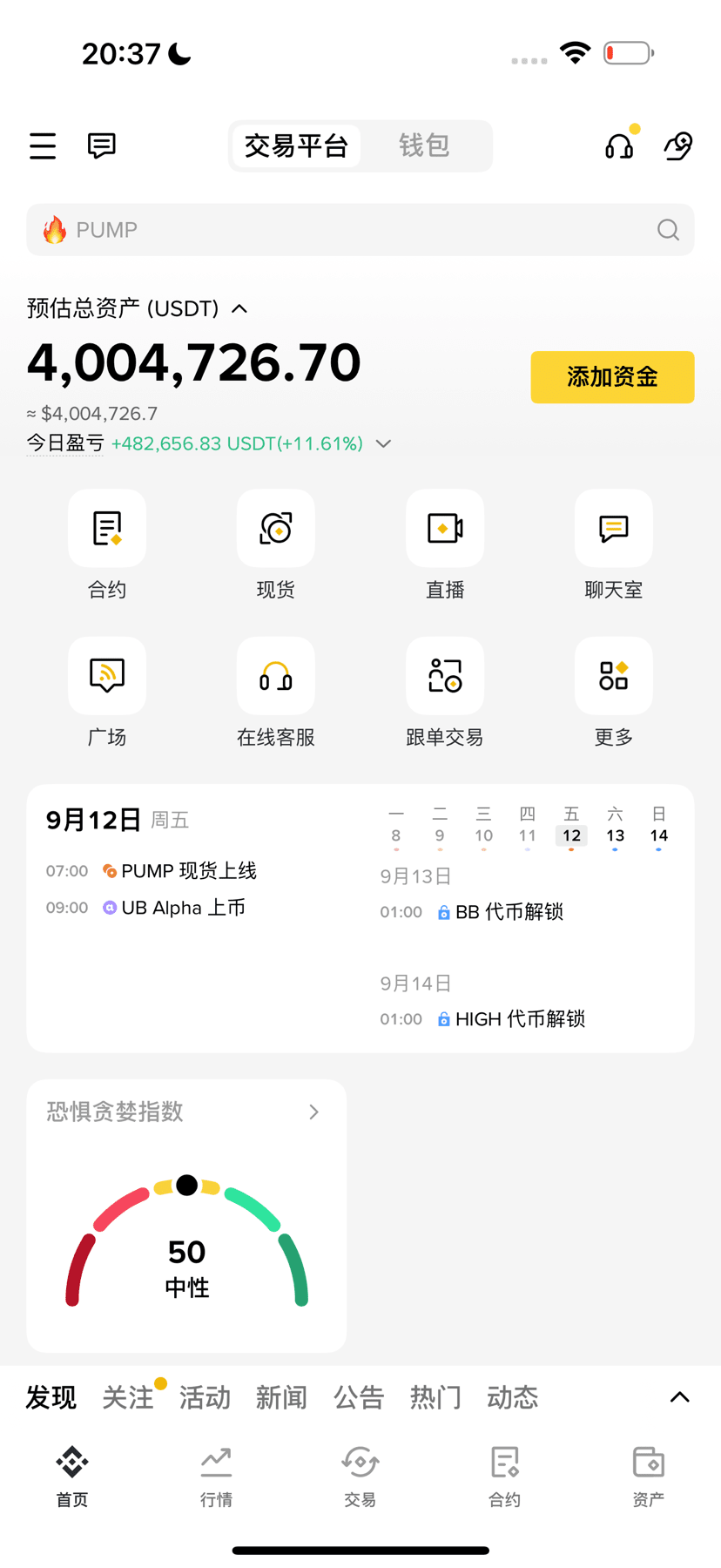
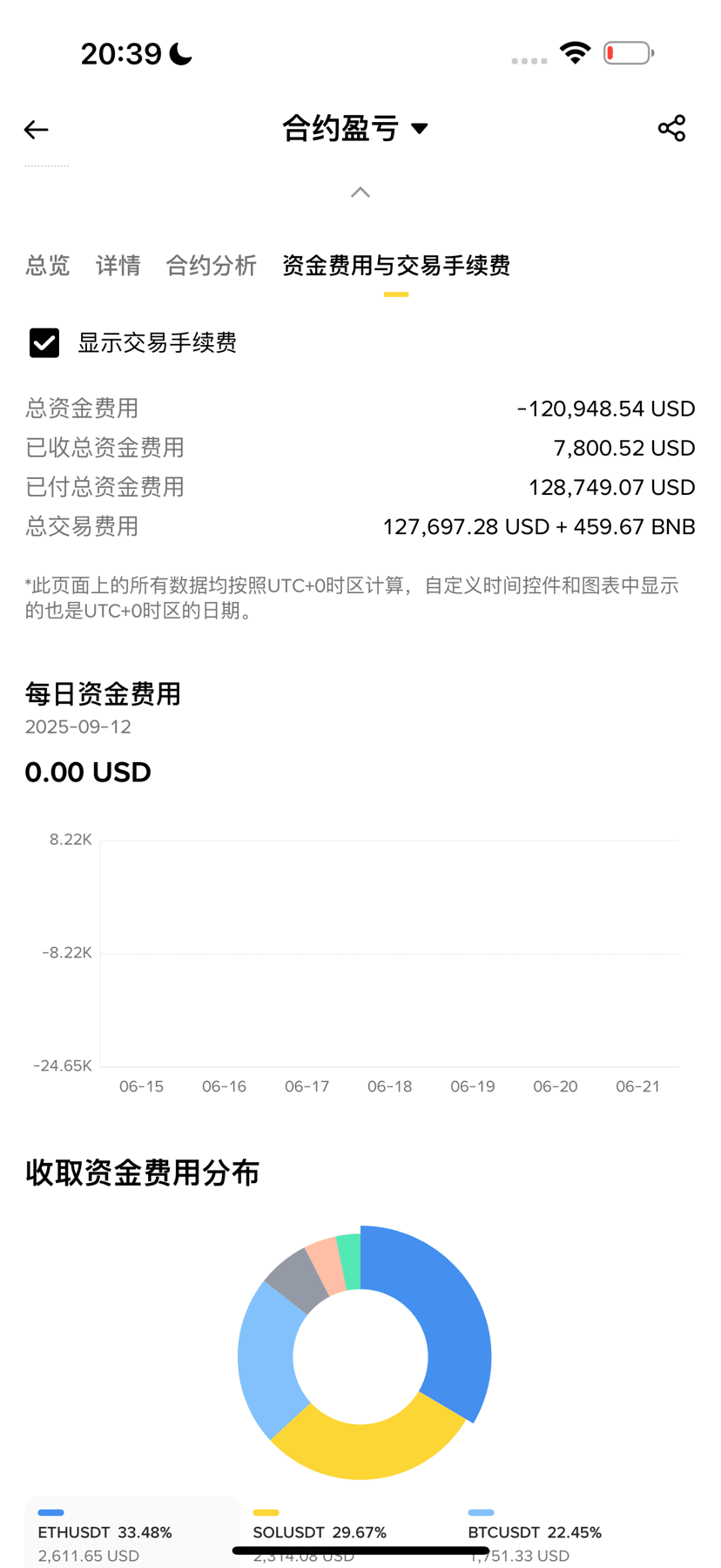
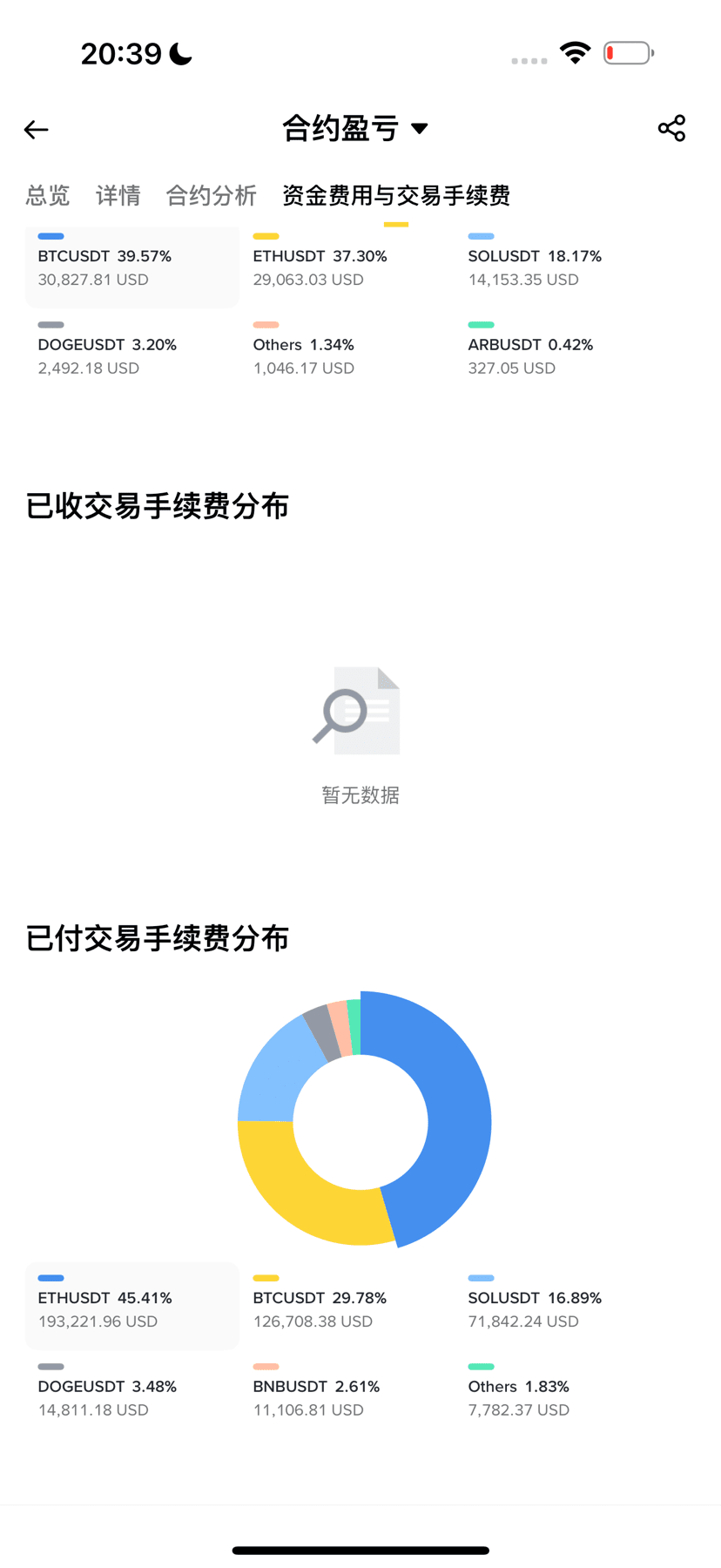
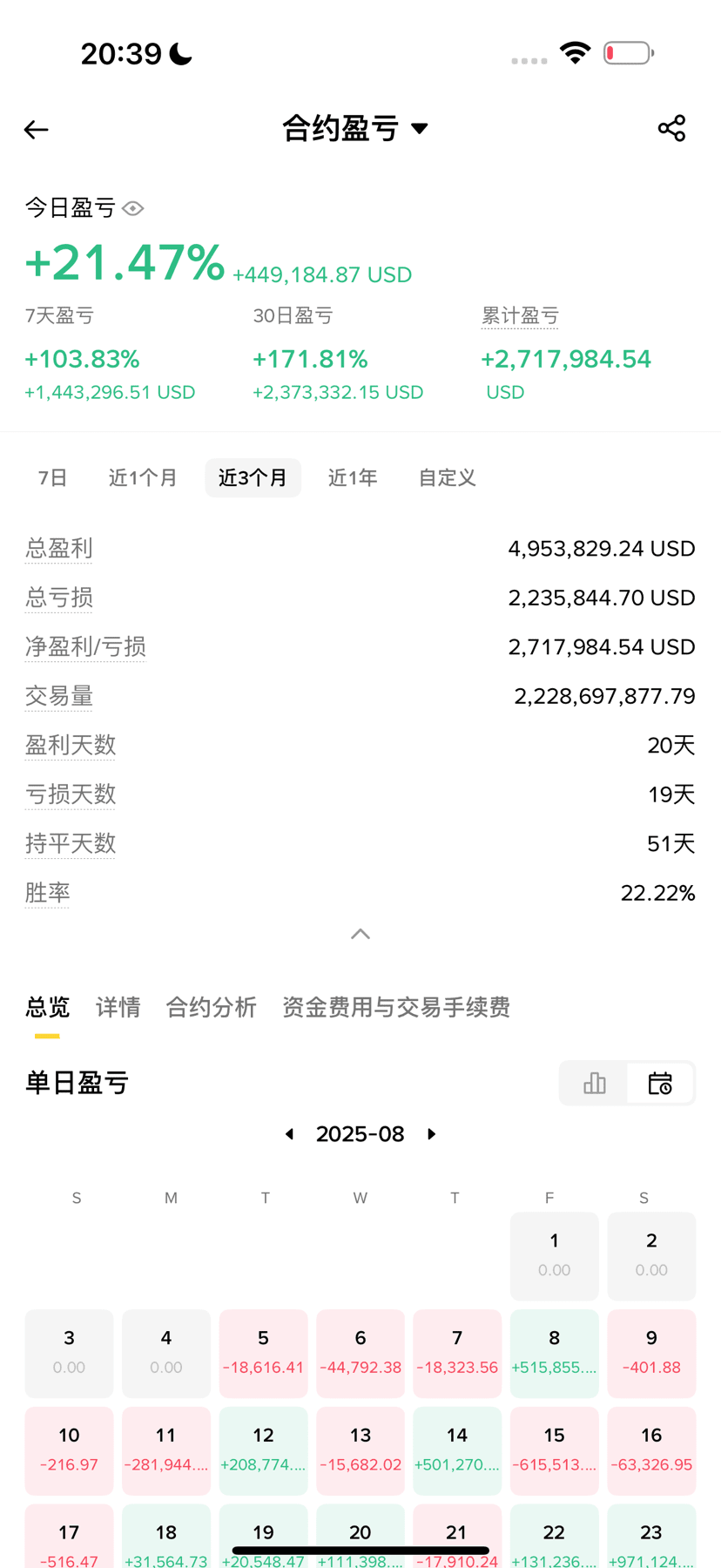
乔治1月份开工
·
--
BullishThank you Binance, from the 5th of last month to today, September 12th, all in real trading! One month and 7 days, 1,000,000 USD grew to 4,000,000 USD, thanks for witnessing all the way!
I haven't sent a red envelope, but I'll try sending 10,000 USD to see how this function works. If it's good, I'll send more in the future!
I haven't sent a red envelope, but I'll try sending 10,000 USD to see how this function works. If it's good, I'll send more in the future!

Crypto_Edward
·
--
How can you earn 10$ daily on binance by following 3 minutes candlestick patterns tricks
📈 STRATEGY: 3-MIN CANDLESTICK SCALPING
1. Tools You Need
Binance Futures (start with low leverage: 5x–10x)
3-Minute Chart
Japanese Candlestick Chart Type
RSI (optional: 14 period)
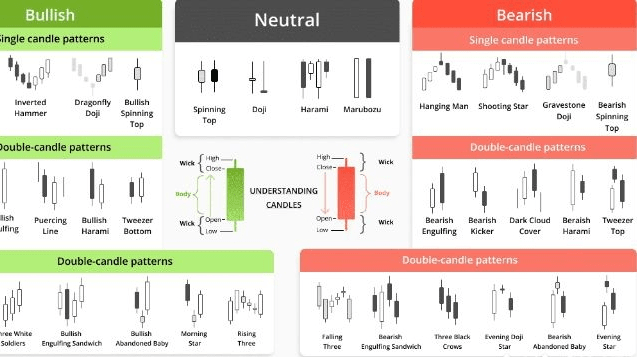
Chart Patterns (from your image)
2. Identify Strong Reversal Patterns
Use the cheat sheet to detect high-probability entries:
Bullish (Buy Entry)
✅ Hammer
✅ Morning Star
✅ Bullish Engulfing
✅ Tweezer Bottom
Bearish (Sell Entry)
🔻 Shooting Star
🔻 Evening Star
🔻 Bearish Engulfing
🔻 Tweezer Top
💡 Confirm with RSI: If RSI is <30 (oversold) and you see a bullish pattern → buy signal
If RSI is >70 (overbought) and bearish pattern appears → short signal
3. Trade Setup (Per Trade)
Entry: Right after the confirmation candle of the pattern
Stop Loss: Below/above the wick of the pattern
Take Profit: 1.5x to 2x your risk
Leverage: 5x–10x max
Capital per trade: $10–$15 (risking 1–2%)
4. Example Daily Plan to Reach $10
Make 2–3 trades per day using only the most obvious patterns
Aim for small profits: $3–5 per trade
If 2 trades win, you hit your $10 daily goal
Avoid revenge trading. Stop after 2–3 wins.
5. Risk Management Is Crucial
Never risk more than 2% of your wallet
Use tight stop losses
Avoid trading in high-volatility news moments
🔁 Best Pairs for Scalping
$BTCUSDT
$ETHUSDT
$SOLUSDT
$BNBUSDT
(High volume pairs = better accuracy on patterns)
💡 Bonus Tips:
Backtest your favorite patterns on 3m timeframe
Focus only on 2–3 pattern setups to master them
Journaling every trade improves consistency#writetoearn #MarketPullback #USNationalDebt
1. Tools You Need
Binance Futures (start with low leverage: 5x–10x)
3-Minute Chart
Japanese Candlestick Chart Type
RSI (optional: 14 period)
Chart Patterns (from your image)
2. Identify Strong Reversal Patterns
Use the cheat sheet to detect high-probability entries:
Bullish (Buy Entry)
✅ Hammer
✅ Morning Star
✅ Bullish Engulfing
✅ Tweezer Bottom
Bearish (Sell Entry)
🔻 Shooting Star
🔻 Evening Star
🔻 Bearish Engulfing
🔻 Tweezer Top
💡 Confirm with RSI: If RSI is <30 (oversold) and you see a bullish pattern → buy signal
If RSI is >70 (overbought) and bearish pattern appears → short signal
3. Trade Setup (Per Trade)
Entry: Right after the confirmation candle of the pattern
Stop Loss: Below/above the wick of the pattern
Take Profit: 1.5x to 2x your risk
Leverage: 5x–10x max
Capital per trade: $10–$15 (risking 1–2%)
4. Example Daily Plan to Reach $10
Make 2–3 trades per day using only the most obvious patterns
Aim for small profits: $3–5 per trade
If 2 trades win, you hit your $10 daily goal
Avoid revenge trading. Stop after 2–3 wins.
5. Risk Management Is Crucial
Never risk more than 2% of your wallet
Use tight stop losses
Avoid trading in high-volatility news moments
🔁 Best Pairs for Scalping
$BTCUSDT
$ETHUSDT
$SOLUSDT
$BNBUSDT
(High volume pairs = better accuracy on patterns)
💡 Bonus Tips:
Backtest your favorite patterns on 3m timeframe
Focus only on 2–3 pattern setups to master them
Journaling every trade improves consistency#writetoearn #MarketPullback #USNationalDebt

Memjelly
·
--
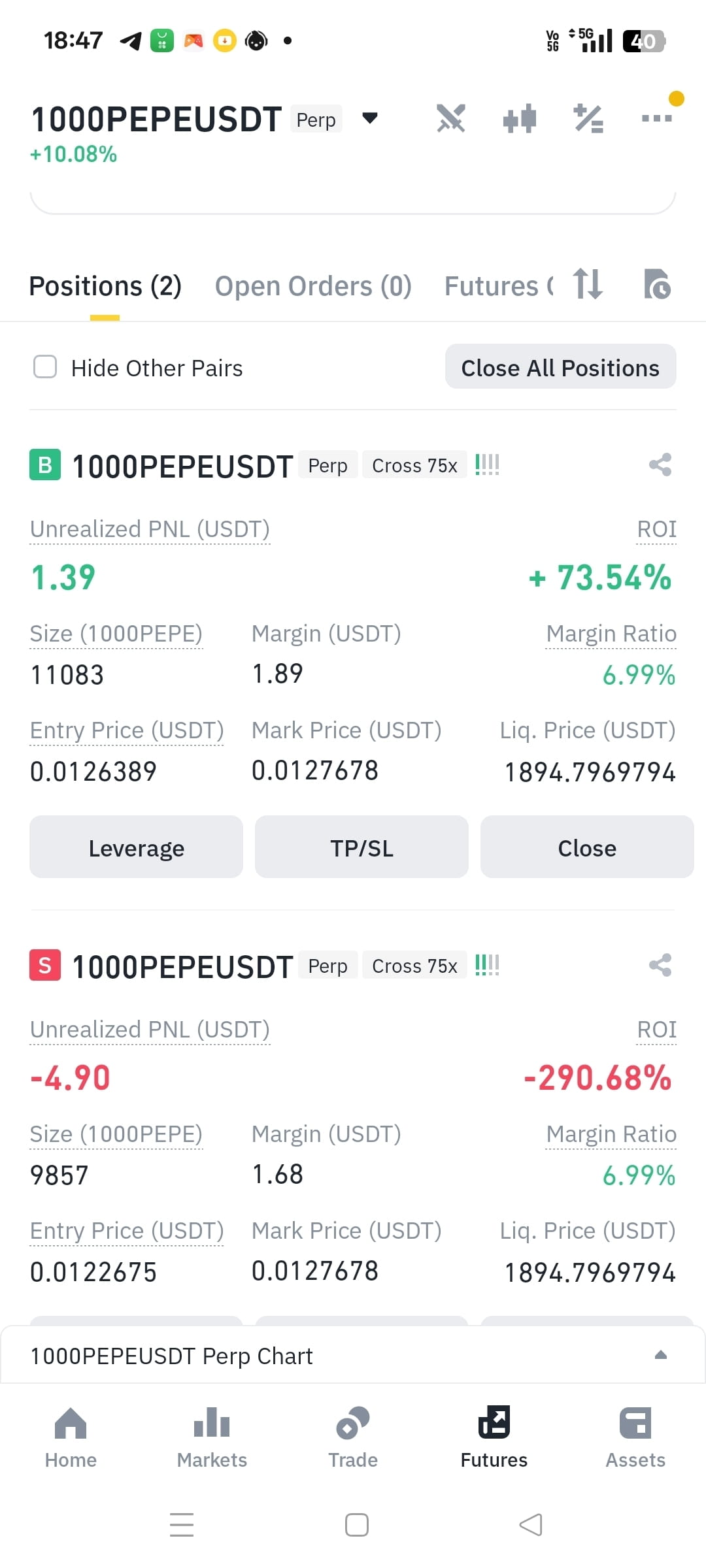
check my liq. price 😂

Trader_Nouman
·
--
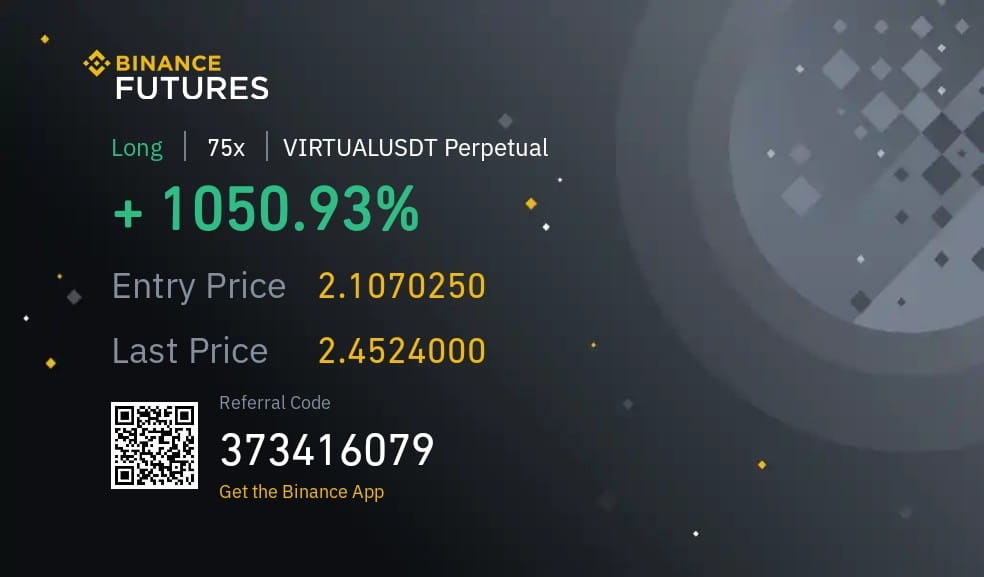
BullishHello friends, is it a good trade ?
#Write2Earn
#Write2Earn
Log in to explore more content