
Seydou Sy
2.3k Posts
Seydou Sy
Report
Block User
Open Trade
High-Frequency Trader
5.2 Years
31 Following
274 Followers
3.6K+ Liked
Posts
Portfolio
All
Videos
·
--
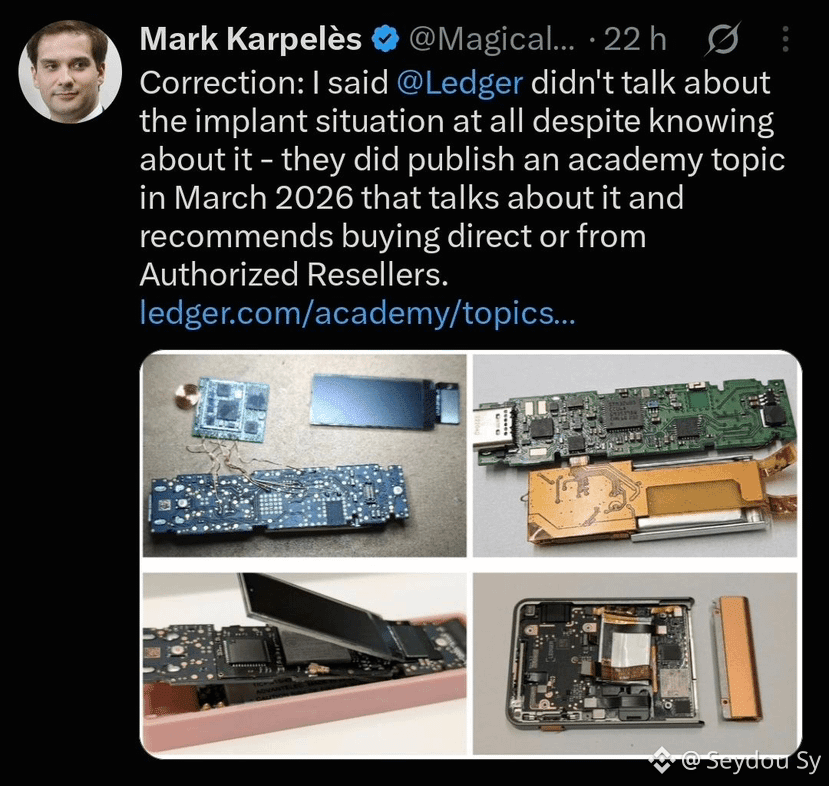
🚨 According to Mark Karpeles, Ledger had been alerted last March to the presence of spy components in some of its wallets and reportedly did no more than publish an article on Ledger Academy.
Several reports of Ledger devices that had been physically modified were allegedly sent to the manufacturer. Security researcher Joe Grand says, in particular, that he alerted the company on March 4, 2026, after discovering a malicious implant in a Nano X purchased in Thailand.
But contrary to what the lack of public communication about these specific incidents might suggest, Ledger had published a guide on the risks of buying its devices as early as March 6.
The current version even warns that the “Genuine Check” authenticity check cannot detect certain physical modifications and recommends buying through official sales channels.
$UNI
1
91
·
--
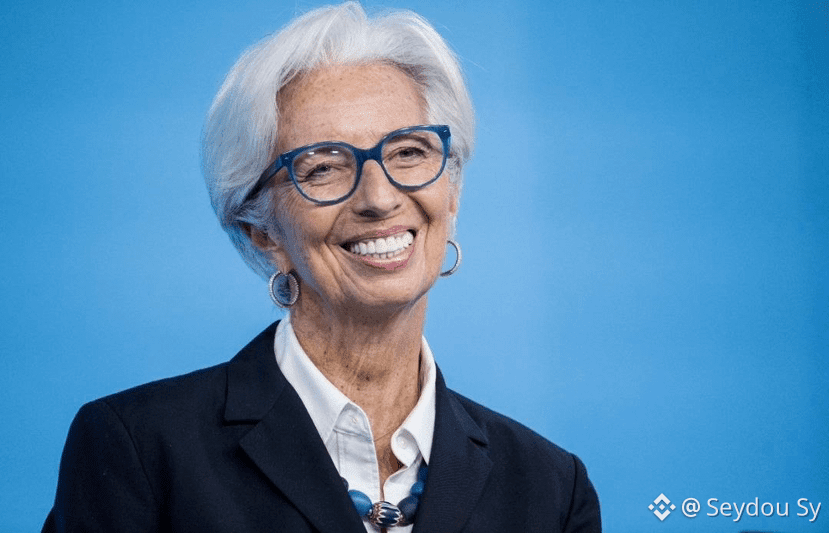
🇪🇺 Christine Lagarde confirms that the European Central Bank is preparing to introduce the digital euro for everyday purchases.
The aim is to enable Europeans to pay both in stores and online using public money, without replacing banknotes and coins.
The ECB plans a 12-month pilot phase starting in the second half of 2027 and wants the legislative framework to be adopted before the end of 2026.
A possible public launch could then take place in 2029, subject to European decisions.
$BTC
1
64
·
--
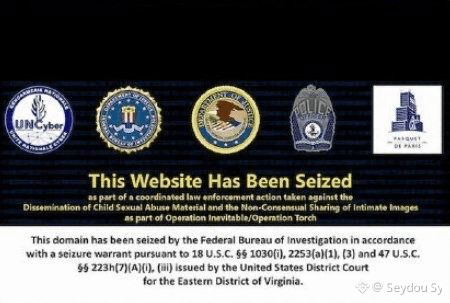
👮♂️ The FBI and the French Gendarmerie have just dismantled a website that sold stolen intimate images of more than 17,000 women and girls… and even gave each victim a “beauty” rating.
More than €700,000 in crypto seized.
Named “NudeLeaksTeens,” the platform sold thousands of private photos and videos obtained in particular by hacking Snapchat, Instagram and Facebook accounts, as well as through manipulation and non-consensual sharing.
Among the 17,000 victims identified worldwide were minors.
The website’s operations were especially sordid: each victim could be listed under her real name, along with her age, city, profession and a beauty rating out of 10.
Users were even encouraged to provide more personal information in exchange for crypto rewards.
On October 6, two French brothers, aged 21 and 25, suspected of running the platform, were arrested in northern France.
Three websites were shut down the following day, and more than €700,000 in crypto was seized, including Bitcoin, Ethereum and USDT.
$ETH
1
8
·
--
🇰🇷👮♂️ Accused of a $253 million crypto fraud, a South Korean influencer faced 20 years in prison… but has now been acquitted.
Nicknamed “Coin King Jonbur Kim,” the 45-year-old influencer was charged with allegedly orchestrating a massive scam involving two cryptocurrencies, Podo Coin and Artube.
According to prosecutors, he used fake promotions and manipulated prices to defraud investors of nearly 340 billion won.
But on October 15, 2026, the Seoul Southern District Court acquitted him at trial.
The judges found, among other things, that prosecutors had not sufficiently proven that the misleading statements directly prompted investors to buy the tokens, or established the alleged price manipulation.
Two other defendants were nevertheless given suspended sentences for providing false documents to a cryptocurrency exchange.
$SOL

1
622
·
--
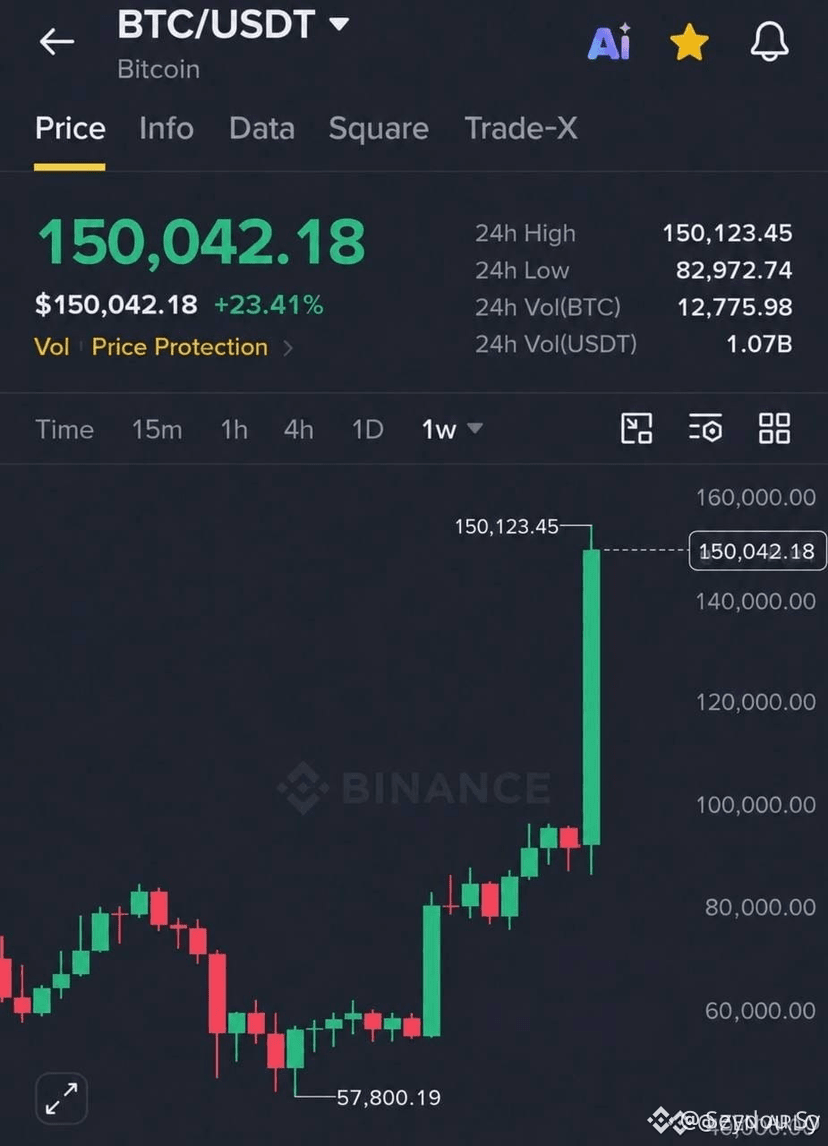
This is what “maximum pain” really looks like.
Crypto traders are caught in a vise from both sides.
Long positions are liquidated during sharp drops. Short positions get trapped during sudden rebounds. Every move looks like a breakout—until the market reverses and wipes out another wave of leveraged positions.
The damage goes beyond falling prices. It’s the relentless cycle of liquidations, failed recoveries, and traders losing confidence.
The market doesn’t need to crash to cause maximum damage. Sometimes, all it takes is keeping everyone in a state of uncertainty.
$BTC
1
55
·
--
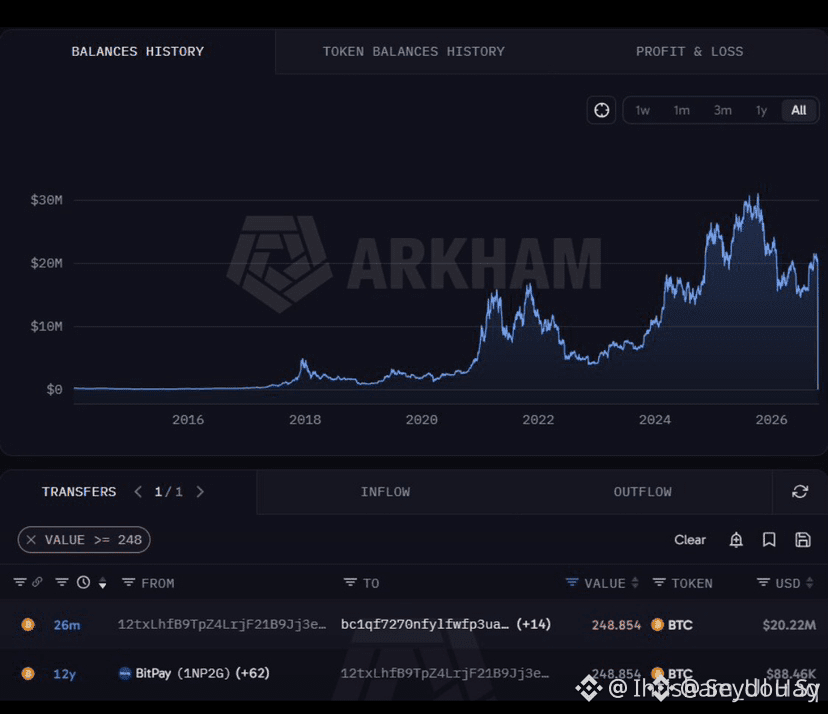
🚨Someone bought 248.8 bitcoins in 2013 for $88,000.
He survived the collapse of Mt. Gox, China’s ban, and the FTX crash, and held on to his bitcoins for nearly 13 years without touching a single one.
Today, he moved his stash, now worth $20.2 million.
$BTC
🚨Someone bought 248.8 bitcoins in 2013 for $88,000.
He survived the collapse of Mt. Gox, China’s ban, and the FTX crash, and held on to his bitcoins for nearly 13 years without touching a single one.
Today, he moved his stash, now worth $20.2 million.
$BTC
He survived the collapse of Mt. Gox, China’s ban, and the FTX crash, and held on to his bitcoins for nearly 13 years without touching a single one.
Today, he moved his stash, now worth $20.2 million.
$BTC
1
81
·
--
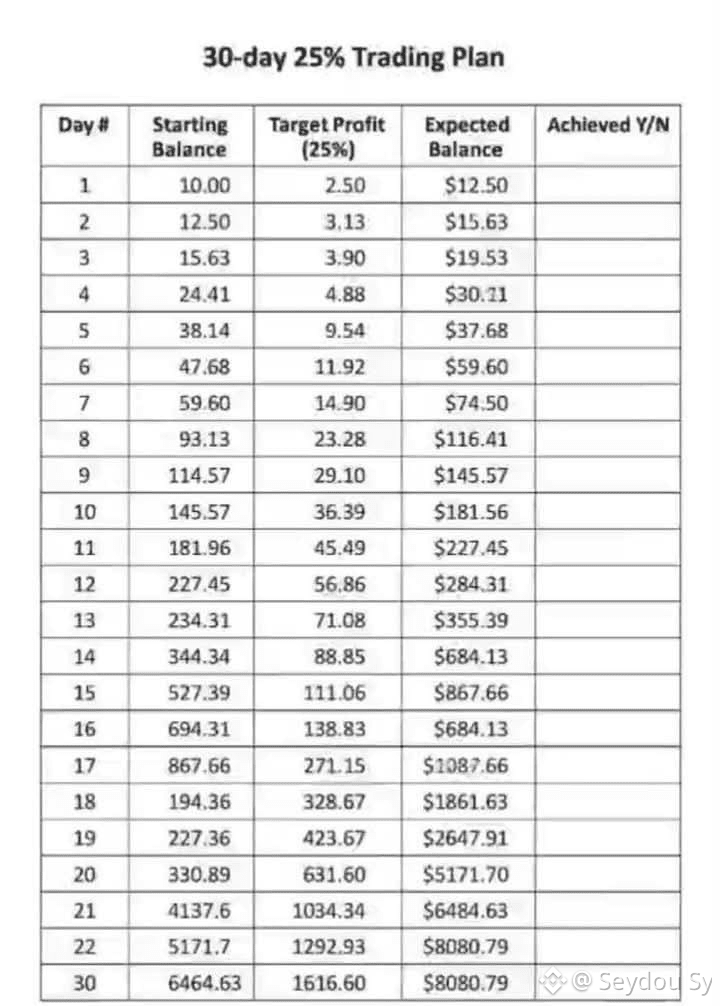
📈 How I turned $10 into $6,464 in just 30 days — thanks to mathematics, risk management, and precise entries
Most traders blow up their accounts trying to double their money overnight.
I did the opposite — following a system of 25% daily compounding, with a surgeon’s discipline.
The result?
💰 $10 ➝ $6,464.63 in 30 days
📊 30-day plan — no leverage, no hype, just math and execution
🧠 The strategy: the 25% rule
Every day,
📅 Day 1: $10 ➝ $12.50
📅 Day 10: $74.50 ➝ $93.13
📅 Day 20: $694.13 ➝ $867.66
📅 Day 30: $6,464.63 ➝ $8,080.79 (final target)
🔎 Why it works (and why 99% still fail):
✅ Clear daily target — dollar-focused, not percentage-based
✅ The power of compounding — every gain grows the next one
✅ Controlled risk progression — one bad day won’t make the system fail
✅ Emotion-free trading — pre-planned targets > random signals
💡 Key takeaway (save this):
🔁 Small, consistent percentage gains > risky bets on one huge win
🧠 The real edge is in calculating compound growth
📊 At just 25% a day, $10 becomes $6,464 in 30 days
$SOL
1
8
·
--
⚡️ THIS SHOULD SERVE AS A LESSON TO EVERYONE.
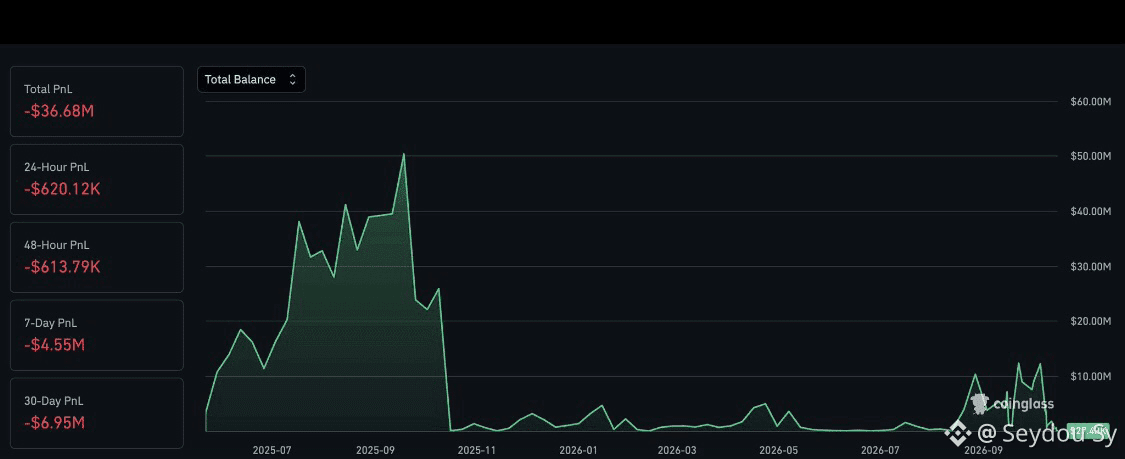
Someone turned $56,000 into $12.25 million in 4 months by trading BTC and altcoins.
At that point, they should have left the casino, but they did the opposite.
They started using even more leverage, which led to their entire portfolio being liquidated.
Now they have only $21,800 left—less than their starting capital.
That’s why protecting your money is even more important than making it; otherwise, you’ll end up giving it all back to the market.
$BTC
1
50
·
--
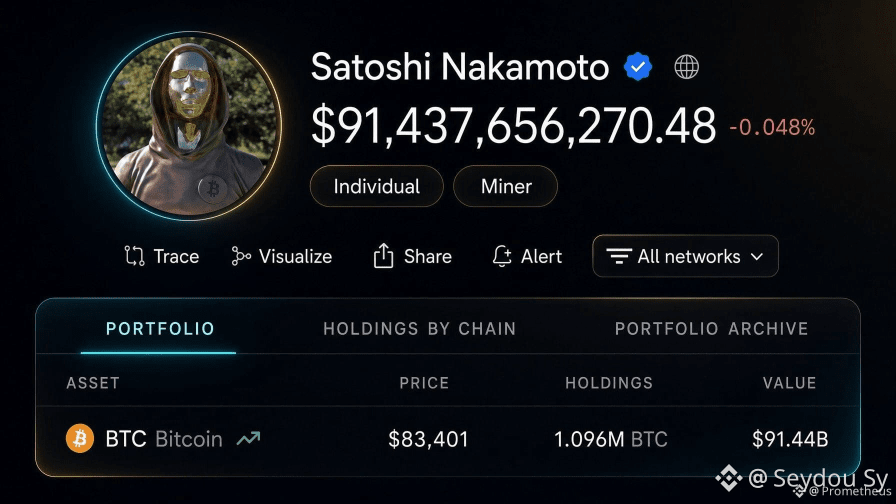
Since 2009, Satoshi Nakamoto hasn’t moved a single bitcoin from the 1.1 million BTC he mined in the early days of the blockchain.
For more than 15 years, his crypto has been sleeping peacefully in the Creator’s wallet.
We still don’t know who Satoshi Nakamoto is or what he’s doing today.
In early 2011, he completely disappeared from the cryptocurrency community’s radar.
Many theories circulate about his true identity (Hal Finney, Nick Szabo, etc.), but none have ever been definitively proven.
He may already be dead, or he may be quietly living his private life right now, watching Bitcoin’s evolution from afar.
In short: Satoshi Nakamoto remains a legend, and his bitcoins are still there.
$BTC
1
3
1.8k
·
--
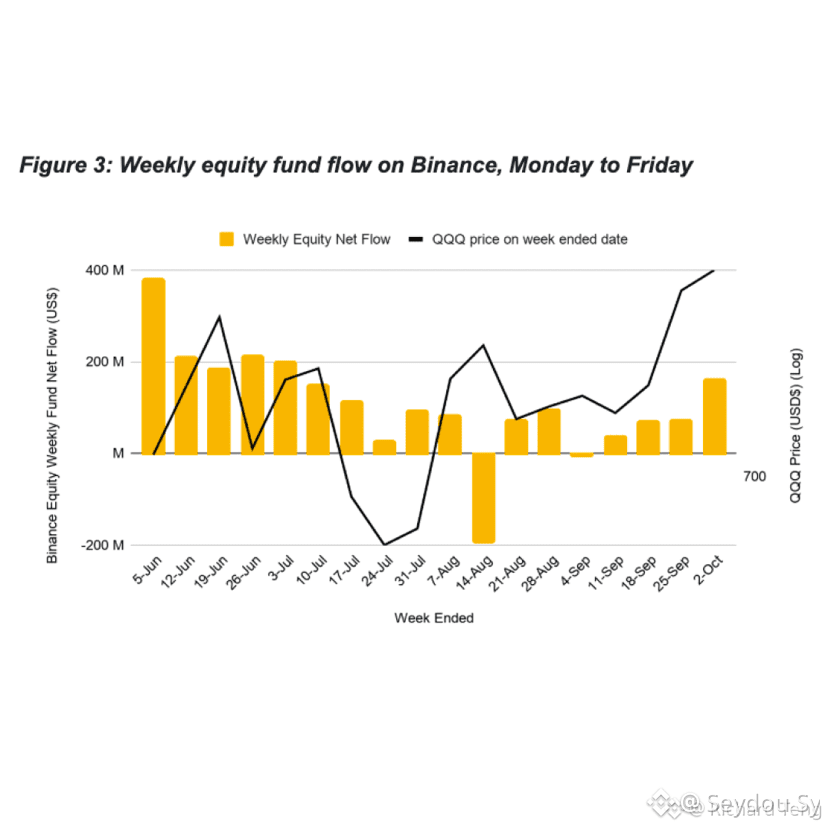
Net capital inflows to Binance reached $163 million, their highest level since early July, marking a fourth consecutive week of gains.
This signals growing confidence, but also serves as a reminder that markets move in cycles.
This momentum is exciting, but investing wisely means doing your own research, managing risk, and never investing more than you can afford to lose.
$BNB
This signals growing confidence, but also serves as a reminder that markets move in cycles.
This momentum is exciting, but investing wisely means doing your own research, managing risk, and never investing more than you can afford to lose.
$BNB
1
80
·
--
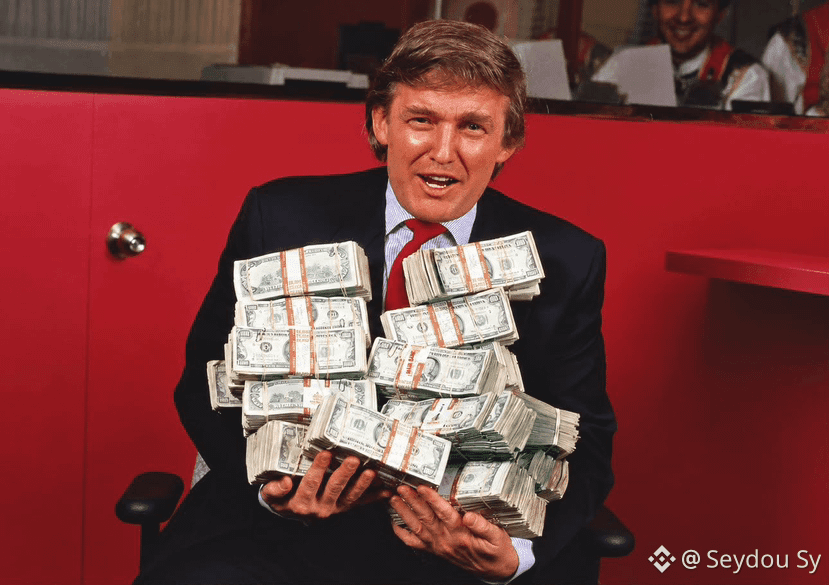
🇺🇸 5,000 $ FOR AMERICAN ADULTS? 💰
President Donald Trump again promises a “$5,000 dividend” to adult American citizens if the Republicans win the 2026 midterm elections.
💵 Estimated cost: more than $1 trillion
⚠️ Important: this is currently a political proposal, not an approved payment.
If it were implemented, a stimulus of this scale could have consequences for inflation, interest rates, and financial markets, including crypto. 👀
💬 Good idea for the economy or risk of reigniting inflation? $BTC
1
140
·
--
🇬🇧👮♂️ Nearly €800,000 in crypto, a Glock 19, 20 gold plaques, and a Porsche Cayenne: this is what Spanish investigators say they found at the home of Ukrainian YouTuber Anatolii Sharii.
Spanish justice is investigating Sharii and his partner for possible tax fraud. According to elDiario, investigators are also trying to trace the origin of their funds and are examining any potential links to Russian intelligence services.
These suspicions are still, at this stage, part of an ongoing investigation and are disputed by the couple.
During the search carried out in June, agents allegedly seized nearly €800,000 in cryptocurrencies, works of art, watches and jewelry estimated at €400,000, 20 gold plaques valued at around €150,000, as well as a Glock 19 and a Porsche Cayenne.
The court ordered some of these assets to be frozen or seized.
For their part, Sharii and his partner say their income comes from YouTube and donations from their subscribers, and they reject any illegal source of the funds as well as accusations of cooperation with Russia. $SOL

2
1.6k
·
--
🚨 LAST MINUTE
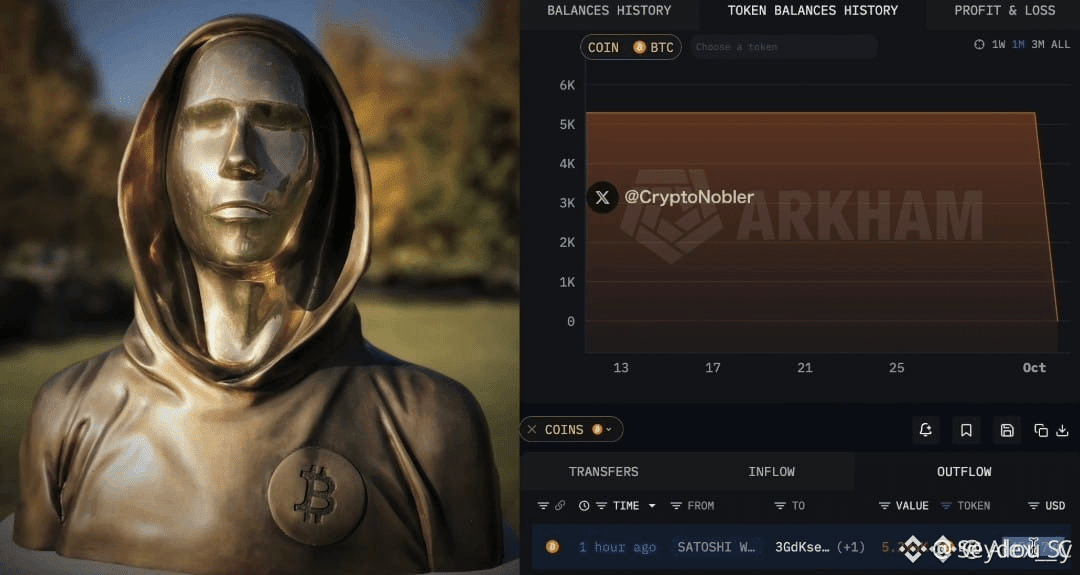
A WHALE FROM THE ERA OF SATOSHI HAS JUST SOLD 450 000 000,00 $BTC AFTER 16 YEARS OF HODL.
IT SURVIVED THE MT. GOX HACK, THE COVID-RELATED COLLAPSE, THE LUNA FALLS, AND FTX, THE FLASH CRASH OF OCTOBER 2025—BUT TODAY IT HAS SOLD ALL ITS BITCOIN.
IT SEEMS TO KNOW THAT THE CRYPTO MARKET IS GOING TO COLLAPSE SOON... OR THAT IT SIMPLY WANTED TO SPEND IT ?
$BTC
1
6
·
--
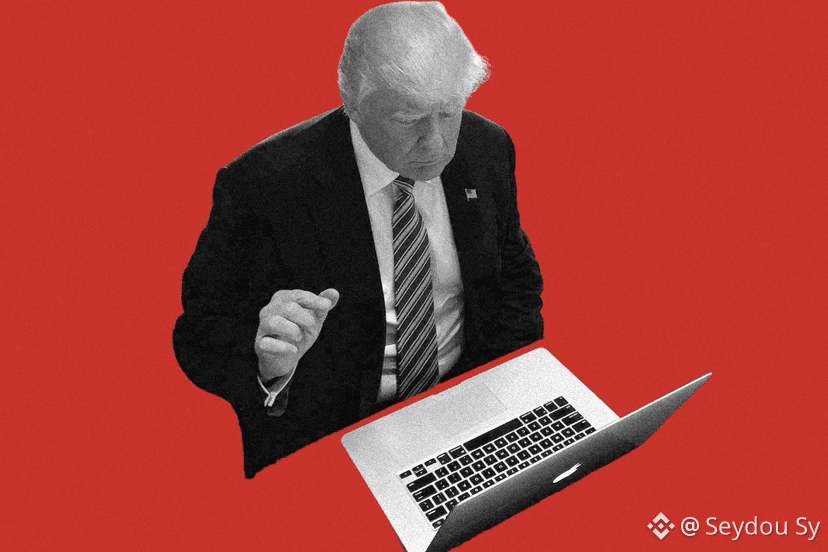
🇺🇸 Donald Trump allegedly spent hours in the Oval Office asking for advice from… Grok about his presidency.
According to TIME, during a private meeting with Musk in December 2025, Trump allegedly questioned Grok about his presidency, his legacy, and several geopolitical issues.
He reportedly asked in particular what would happen if the United States captured Nicolás Maduro. Grok replied that many Venezuelans would celebrate his downfall.
Maduro was captured the following month, and TIME reports that Trump emerged from the episode particularly impressed with the tool.
The use of AI has since expanded across the federal government. On September 29, 2026, Trump launched America_Gov, a platform intended to allow Americans to get answers and access public services more easily through artificial intelligence systems.
The White House presents the site as a single entry point capable of responding in natural language and directing citizens to federal services.
$NVDAB
Thank you for liking and following
1
6
·
--
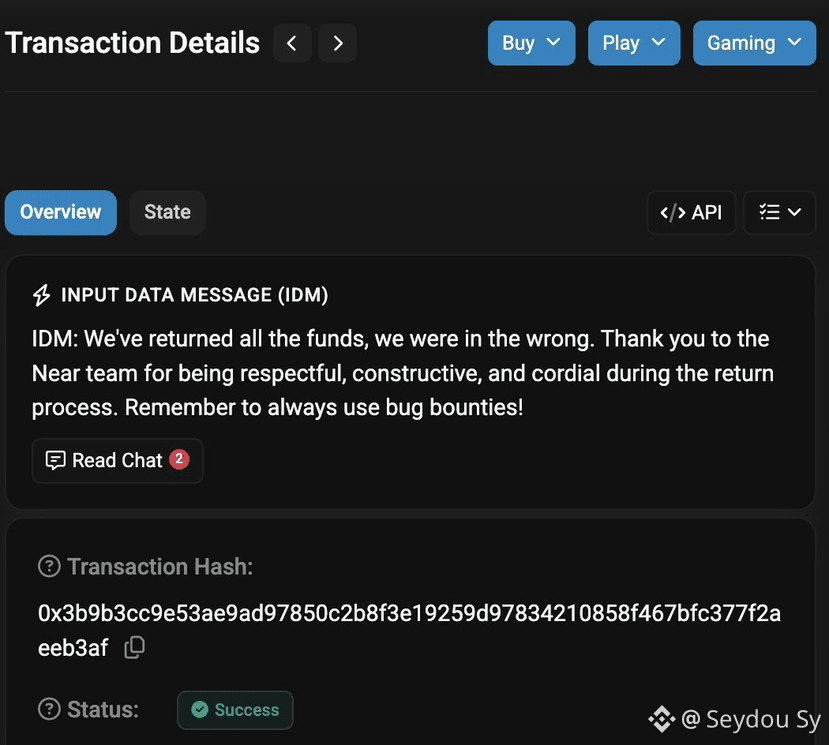
🚨 The hacker who had stolen $3.8 million from Near Intents returned all of the funds after being identified by the team.
A few hours earlier, Alex Shevchenko, CEO of Near Intents, had publicly issued him a 48-hour ultimatum, claiming his identity had been found.
The exploit stemmed from a bug in the Omni deposits and withdrawals infrastructure used with the Near Intents smart contract.
In the end, the hacker returned 100% of the funds before the deadline. In an on-chain transaction, he even left this message:
“ We returned all the funds, we were wrong. ”
The team says it recovered the entire approximately $3.8 million and has closed its investigation.
$NEAR
Thank you for liking and following
1
929
·
--
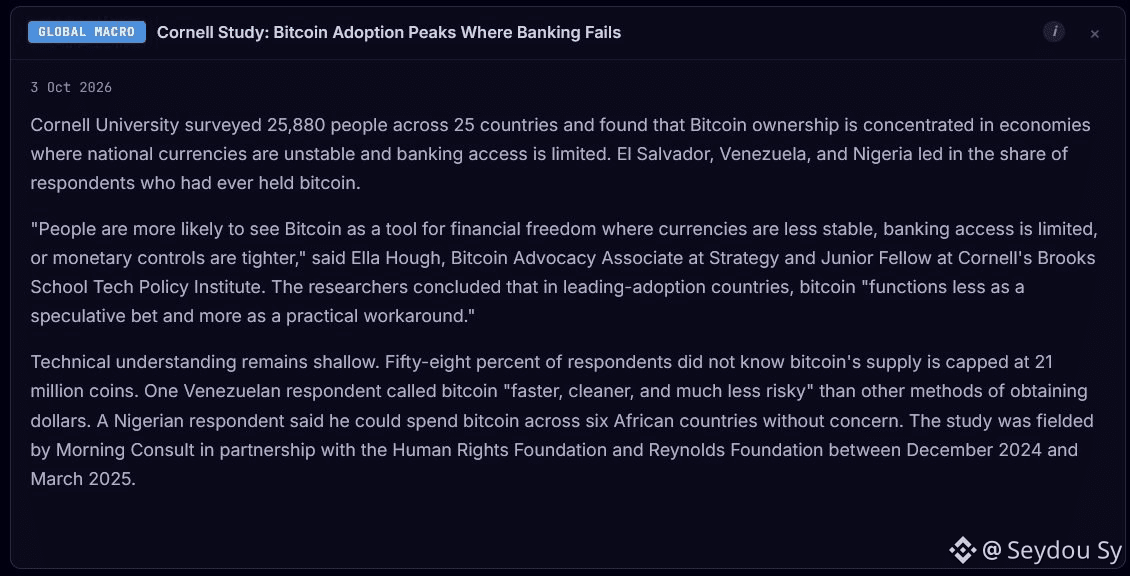
🚨 A Cornell study conducted with 25,880 people across 25 countries confirms that Bitcoin is mostly adopted where the traditional financial system works the least well.
In El Salvador, 72.1% of the people surveyed say they have already held bitcoin.
In Venezuela, it is 44.4%, and in Nigeria 44.3%.
These are also countries where monetary instability, financial restrictions, or imperfect access to banking services push some users to look for alternatives.
The study also shows that 46.7% of people who know about Bitcoin believe it increases their financial freedom—a figure that rises to 79.4% among those who currently own it.
In Nigeria, 75.8% of respondents who are aware of Bitcoin share this perception, compared to only 29.5% in the United States.
The study suggests that in countries where banking and the currency work properly, Bitcoin is often still seen as a speculative asset.
$BTC
Thank you for liking and follow.
1
355
·
--
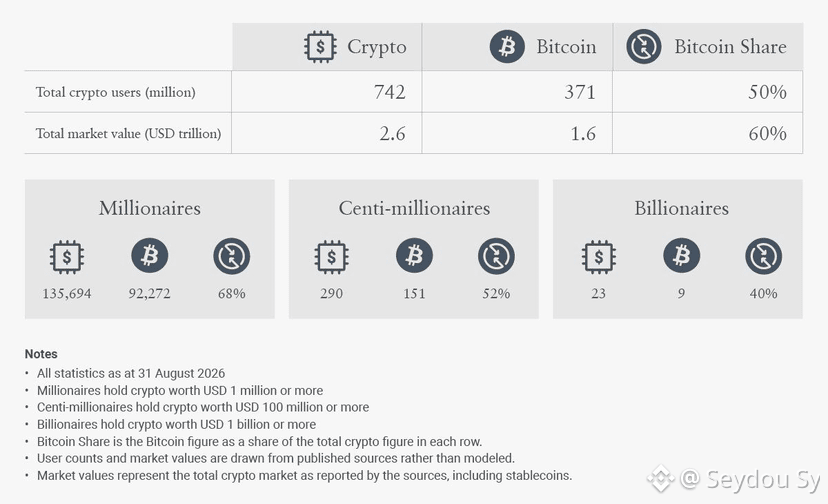
📊 Only 290 people worldwide would have more than $100 million in cryptocurrency.
According to Henley & Partners’ 2026 Crypto Wealth Report, around 742 million people today hold digital assets worldwide, including 371 million who own Bitcoin.
Yet wealth remains extremely concentrated. The report estimates the number of crypto-millionaires at 135,694.
92,272 would be millionaires thanks to Bitcoin.
Henley lists only 23 crypto-billionaires worldwide, including 9 billionaires in Bitcoin.
The report is not only about wealth, but also about the countries seeking to attract these wealthy holders. For the fourth consecutive year, Singapore ranks first in the 2026 Henley Crypto Adoption Index. The United Arab Emirates move up to second place, ahead of Hong Kong, the United States, and Switzerland.
🇫🇷 Henley cites France several times as an example of a country where the environment becomes less favorable—or more uncertain—for large crypto holders. In particular, the report points to French debates about wealth taxation and says that the 2026 budget included certain digital assets within a framework for taxing so-called “non-productive” wealth. Henley presents this type of tax development as one of the reasons prompting some wealthy holders to consider relocating to another jurisdiction.
The report also highlights France when it comes to the physical security of crypto holders. Henley writes that, by mid-April 2026, France had recorded more than 40 kidnappings or extortion attempts related to cryptocurrencies, while noting that all cases are probably not made public.
$SOL
1
12
·
--
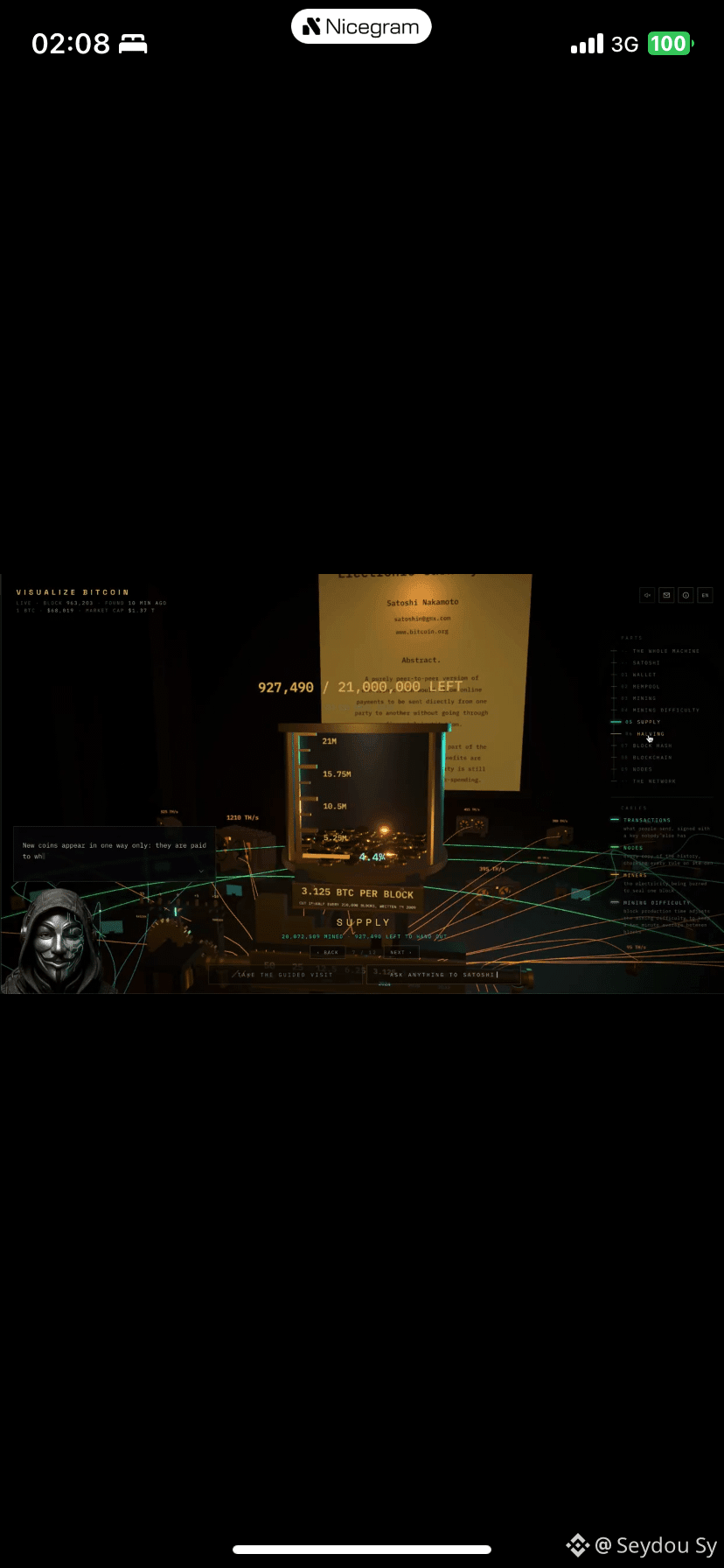
👀 A site lets you literally SEE how Bitcoin works… as if the entire network were a huge machine whose inner workings you could observe.
The project is called VisualizeBitcoin.org. Instead of explaining Bitcoin with pages of technical text, the site turns how it works into an interactive visual experience. You can track the path of a transaction from a wallet, understand how it moves through the mempool, and then see how it eventually gets included in a block.
The site also makes it possible to visualize the role of miners, the creation of blocks, and the difficulty adjustment mechanism. Concepts that often seem abstract when explained with technical jargon become much more intuitive once you can directly see how each element interacts with the others.
$BTC
1
334
·
--
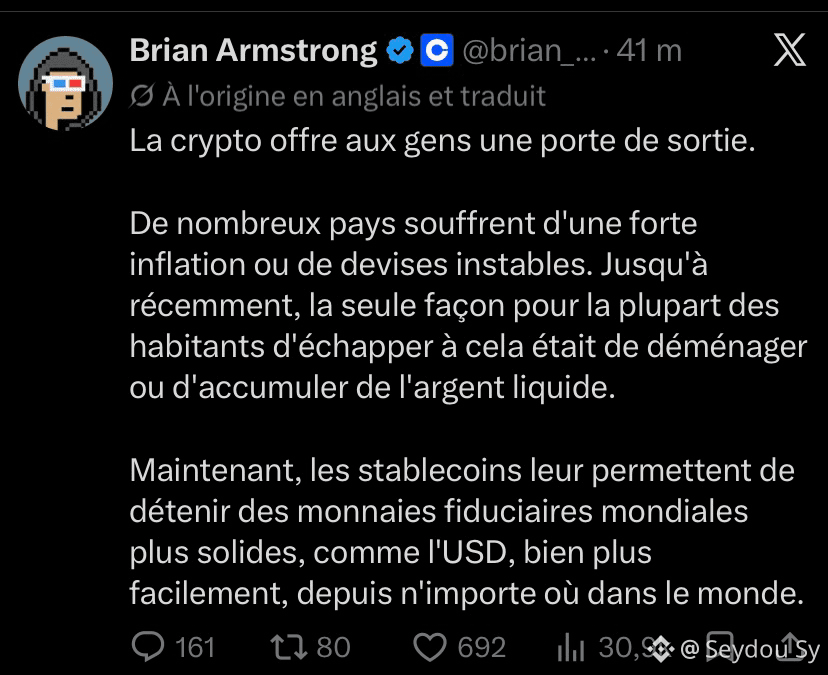
Crypto offers people an exit route.
Many countries are suffering from high inflation or unstable currencies. Until recently, for most people, the only way to escape this was to move or to accumulate cash.
Now, stablecoins allow them to hold stronger global fiat currencies, like the USD, much more easily, from anywhere in the world.
$BTC
2
405
·
--
💰 Strategy continues selling part of its Bitcoin.
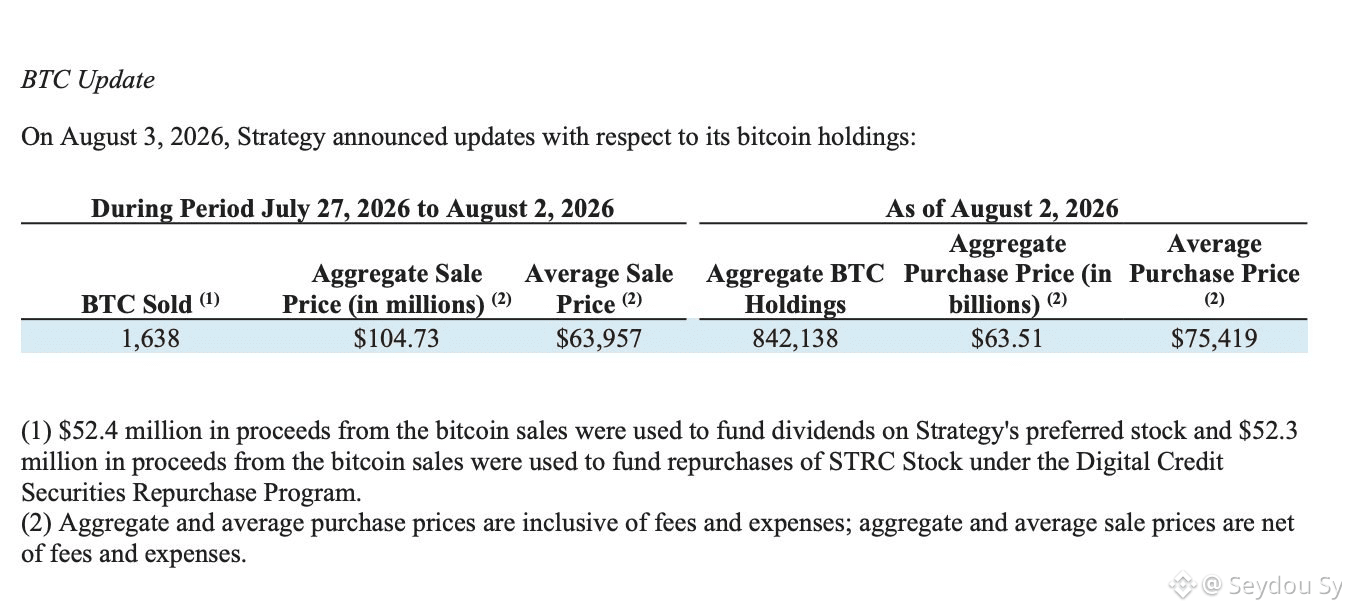
Between July 27 and August 2, Michael Saylor’s company sold 1,638 BTC for a total of $104.7 million, at an average price of $63,957 per BTC.
The funds were used to:
- pay $52.4 million in dividends on its preferred shares
- fund $52.3 million in STRC share buybacks.
At the same time, the company raised $290.6 million through MSTR share sales, repurchased $81.2 million worth of STRC shares, and increased its dollar cash reserve to $4 billion.
Despite this sale, Strategy remains by far the largest institutional holder of Bitcoin, with 842,138 BTC acquired for a total cost of $63.51 billion, representing an average purchase price of $75,419 per BTC.
$BTC
1
43
Log in to explore more content
Join global crypto users on Binance Square
⚡️ Get latest and useful information about crypto.
💬 Trusted by the world’s largest crypto exchange.
👍 Discover real insights from verified creators.
Email / Phone number
Trending Topics
EvolveAtBinanceBlockchainWeek
970,398 views
12,020 Discussing
Binance Blockchain Week 2026 is coming to Bangkok! 🌍
On November 28–29, industry leaders, builders and community members from around the world will come together.
This year’s theme is Evolve. From technological innovation to real-world applications, we’ll explore the future of blockchain and crypto. Whether you’re joining us in person or following online, your voice is part of the conversation!
Starting today, follow this account and post on Binance Square using #EvolveAtBinanceBlockchainWeek . Include an image and share what you’re looking forward to, your perspectives on the industry, or the ideas and moments that stand out during the event. 🎉🙌
🎁 We’ll select 20 users who post with the hashtag to receive 50 USDT each! The cutoff for draw entries is November 29 at 23:59 (UTC).
Let’s be part of this evolution and explore what’s possible together!
Binance Blockchain Week
·576 Likes
·487.4k views
CanMarketsReboundAfterThanksgiving?
293,343 views
2,502 Discussing
Nasdaq100FiveDayAvgIntradayVolatilityHits3.8%
17,714 views
246 Discussing