
还能技术分析吗
995 Posts

还能技术分析吗
信息流打法,偶尔来点技术分析,实时信息分享,带你走在前沿,请关注我吧。
15 Following
17 Followers
41 Liked
Posts
All
Quotes
The Federal Reserve faces a critical test tonight, but what really makes Wall Street’s necks prickle is the statistical methodology overhaul by the end of September. If the PCE data rebounds, rate-hike expectations will surge again; core inflation remains sticky, and the market is treading on thin ice. Direction matters more than numbers—before the storm, it’s best to be cautious.
#美联储 #PCE #通胀 #加息预期 #Market sentiment
#美联储 #PCE #通胀 #加息预期 #Market sentiment
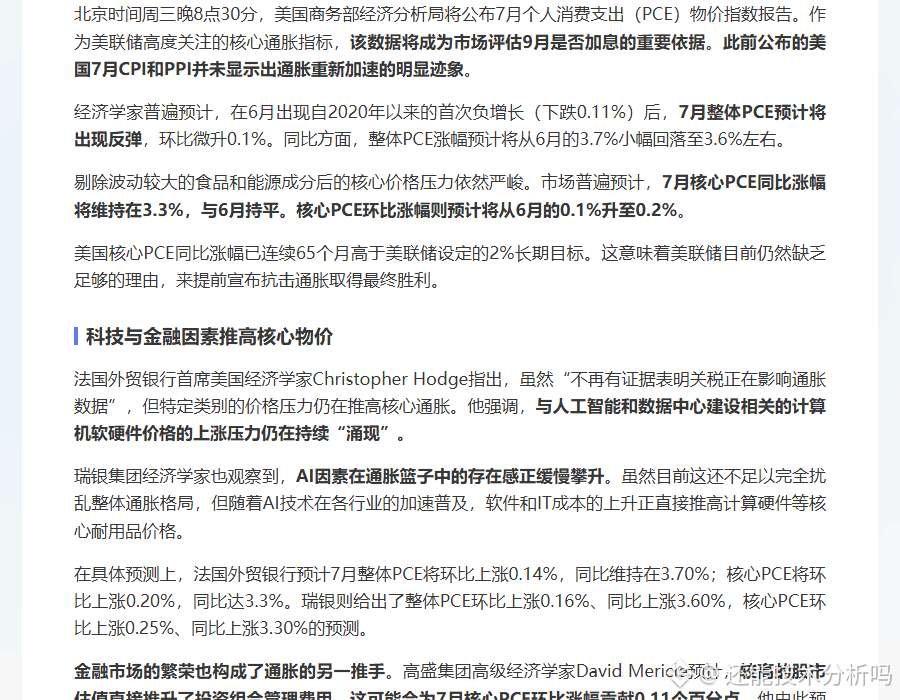
Copper prices hit a new historical high again. Just as the squeeze alert was lifted, inventories were drawn off to the United States. Tariff expectations continue to intensify, tightening globally deliverable supplies and letting supply concerns dominate the market. The near-term strength may be hard to change, but volatility at high levels increases—be cautious when chasing momentum.
#铜价新高 #供应收紧 #关税预期 #High-level risk
#铜价新高 #供应收紧 #关税预期 #High-level risk
🇮🇷🤝🇴🇲 A signal of a diplomatic breakthrough at the Strait of Hormuz! Iran and Oman are advancing a temporary sea-lane + mine-clearing mechanism, with technical talks aimed at a permanent passage plan. Meanwhile, rumors of a U.S.-Iran ceasefire consensus, alongside the reopening of channels through Pakistan, could bring a key turning point to the Middle East standoff. Sea-lane safety affects the global energy “nervous system,” and the direction of events is worth closely watching.
#霍尔木兹海峡 #中东外交 #伊朗 #阿曼 #Geopolitics
#霍尔木兹海峡 #中东外交 #伊朗 #阿曼 #Geopolitics
UBS “Turbu-lens” index hits 1.0, market fragility alert triggered. History shows that after this signal last appeared, US stocks saw violent swings. The current structure is fragile; high-yield CDS spreads, currency fluctuations, and CTA positioning are resonating—possibly signaling the calm before the storm. Stay alert and fasten your seatbelt.
#瑞银警报 #市场波动 #Risk Warning
#瑞银警报 #市场波动 #Risk Warning
After a sharp surge of $4,700, does it suddenly turn downward? The options market reveals enormous bearish bets, as Wall Street holds its breath ahead of the Jackson Hole conference. The bond repo trigger set off a surge led by Bessent’s Treasury repo, and gold may deliver its strongest single-month performance in 25 years. Faint signals of a potential turning point at high levels emerge—an all-out showdown between bulls and bears is imminent.
#黄金 #期权市场 #杰克逊霍尔 #国债回购 #market sentiment
#黄金 #期权市场 #杰克逊霍尔 #国债回购 #market sentiment
The debt-reduction plan proposed by Besner hasn’t even been implemented yet and already hit obstacles. Although the Republicans control Congress, the intertwined tensions among election pressure, welfare reform, and defense spending make it far from easy to truly cut expenditures. Concerns from lawmakers in swing districts mean that this so-called “fiscal slimming” is destined to be an uphill battle.
#美国财政 #减赤困境 #Republican infighting
#美国财政 #减赤困境 #Republican infighting
The U.S.-Canada talks have fallen apart, and the North American game board is suddenly changing. Mexico is seizing the moment to take a seat at the table, betting that the U.S. side is unwilling to open new battlefronts, while accelerating its efforts to secure tariff relief. Simpshoun expresses optimism, Ebrard is Washington’s chief negotiator, and steel, aluminum, and automobiles remain the focus. Mexico wants to trade “stable supply” for bargaining chips—can this move work? #北美贸易 #墨西哥谈判 #tariff game
The newly appointed British prime minister makes his first visit to Kyiv, authorizing Ukraine to locally manufacture cruise missiles, directly crossing Russia’s red line. The Kremlin responded sharply, vowing to remove missile production facilities within Ukraine, as the fighting may escalate again. Western assistance is shifting from military aid to defense-industrial empowerment, increasing the risk of spillover from the conflict and making the window for peace increasingly narrow.
#俄乌局势 #英国援乌 #导弹生产 #Geopolitical chess game
#俄乌局势 #英国援乌 #导弹生产 #Geopolitical chess game
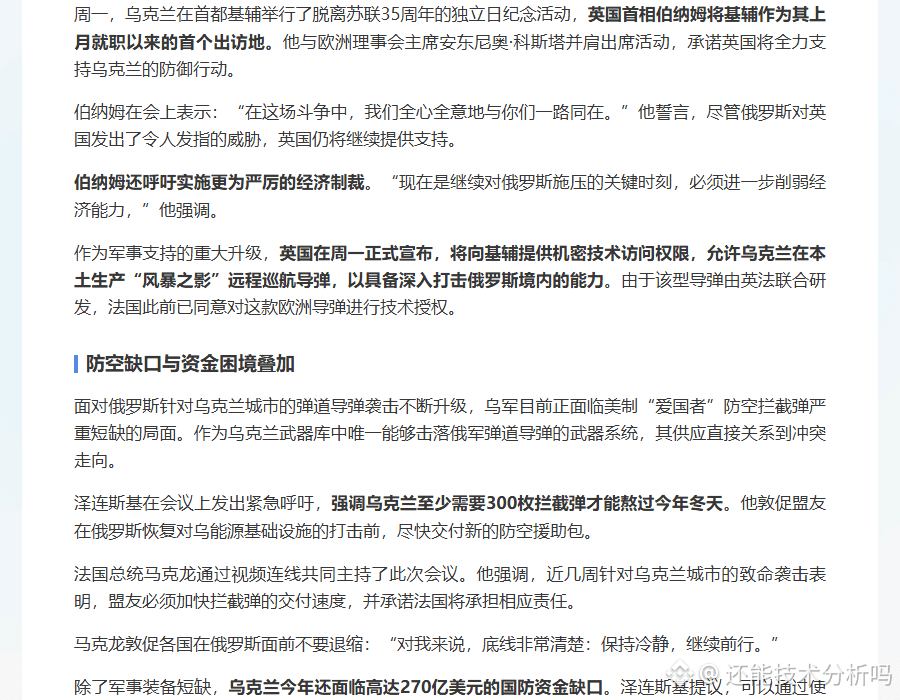
US Treasury Secretary Besonette in hand with a “massive toolbox,” yet is collectively dismissed by Wall Street investment banks, pointing to its operations as treating symptoms but not the root causes. The German Ministry of Finance has also aimed its guns at the White House, further aggravating the situation. Soaring US Treasury yields triggered a chain reaction, but the Treasury Department’s intervention has achieved little effect. As long as Washington does not tackle the stubborn twin problems of the budget deficit and inflation, no measures can meaningfully shake the core drivers behind interest rates.
#美债危机 #财政赤字 #贝森特 #华尔街看衰 #Inflation pressure
#美债危机 #财政赤字 #贝森特 #华尔街看衰 #Inflation pressure
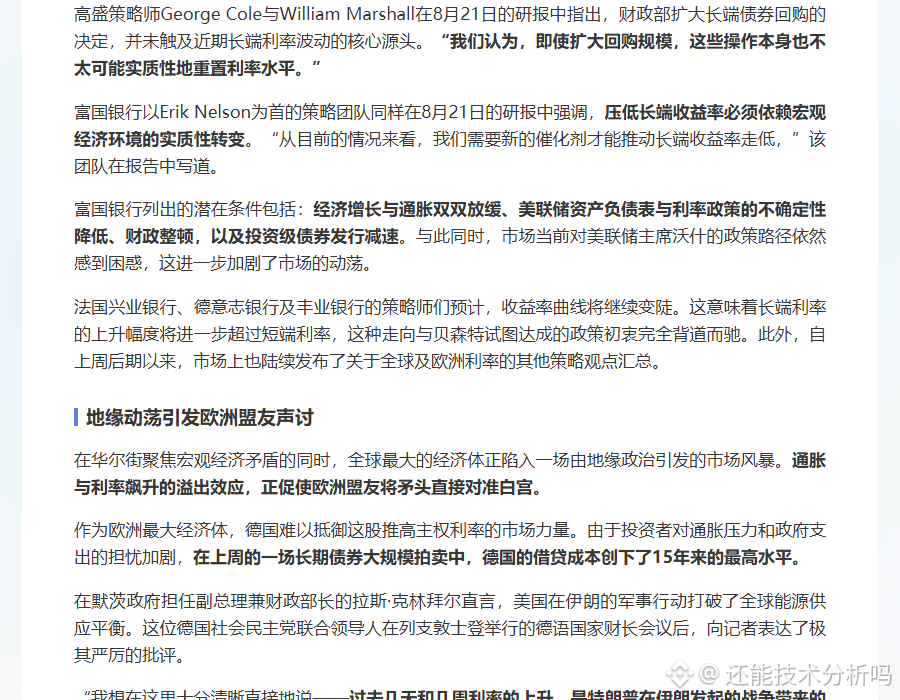
Gold prices surged and then fell back, but institutional sentiment remains bullish. Citigroup has raised its target price to 4,800, and $5,000 is still seen as the medium-term direction. Short-term volatility is increasing—be cautious about chasing gains; a pullback may present a window for positioning. Geopolitical risks and expectations of rate cuts are moving in tandem, and the bullish case for gold remains intact.
#黄金 #金价走势 #美联储 #地缘风险 #Institutional Viewpoint
#黄金 #金价走势 #美联储 #地缘风险 #Institutional Viewpoint
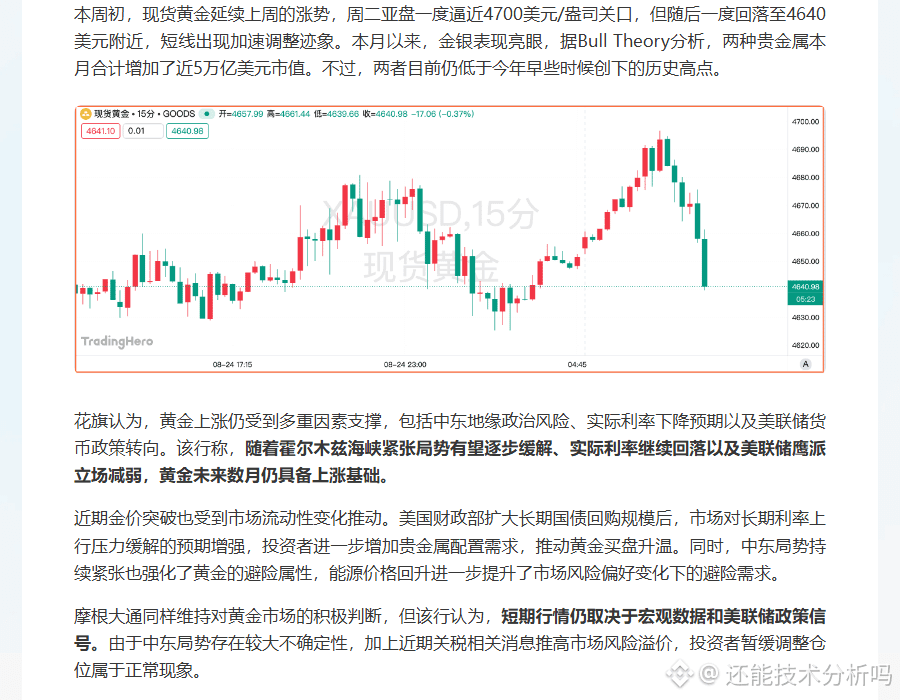
$SNDK I don't understand, so I'll ask: when it comes to Sandisk 1560, can you hold a position with nothing? I feel like there should be a resistance level here, right?
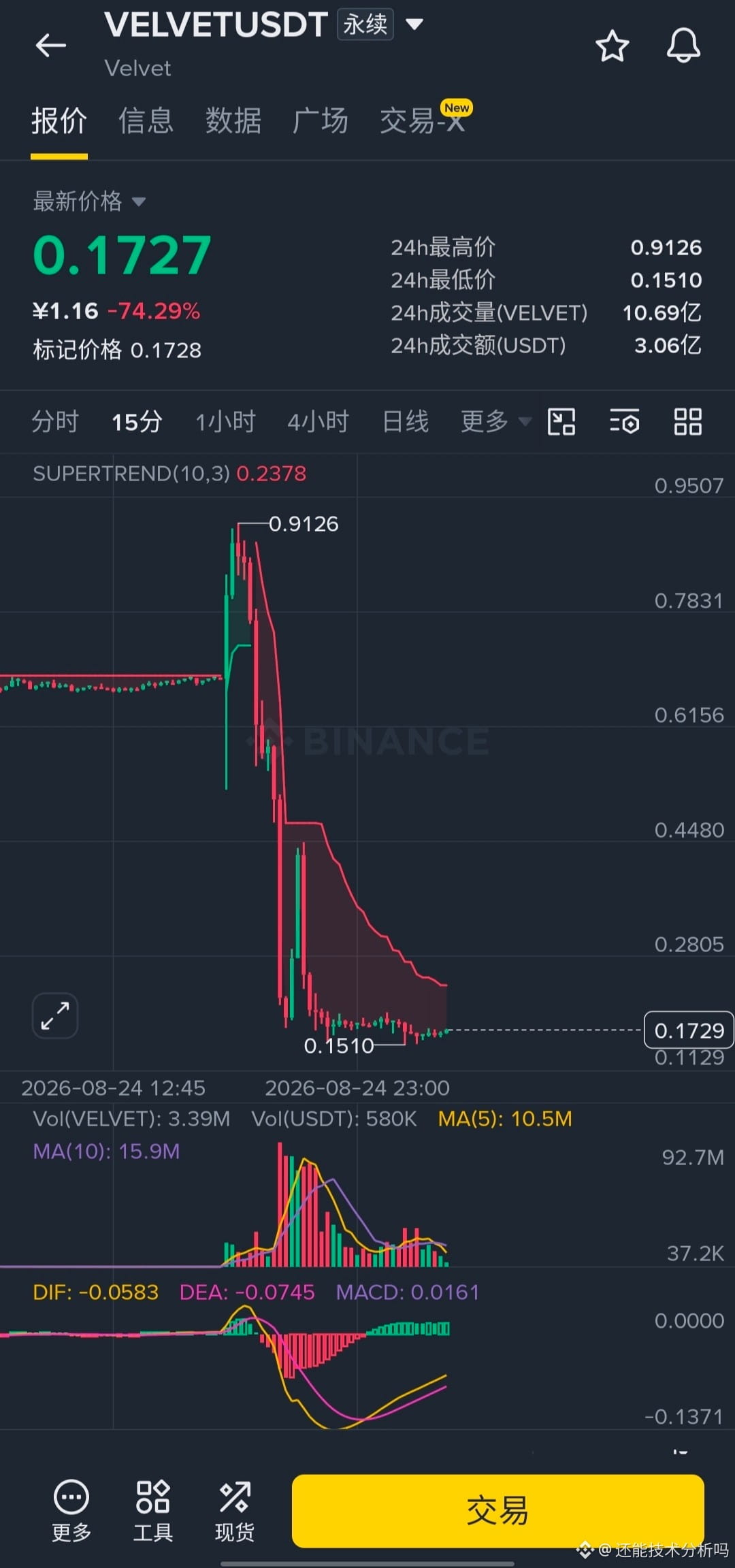
$VELVET Wow, this is really insane—how many points has it dropped today? It’s already dropped so much—can I go long?
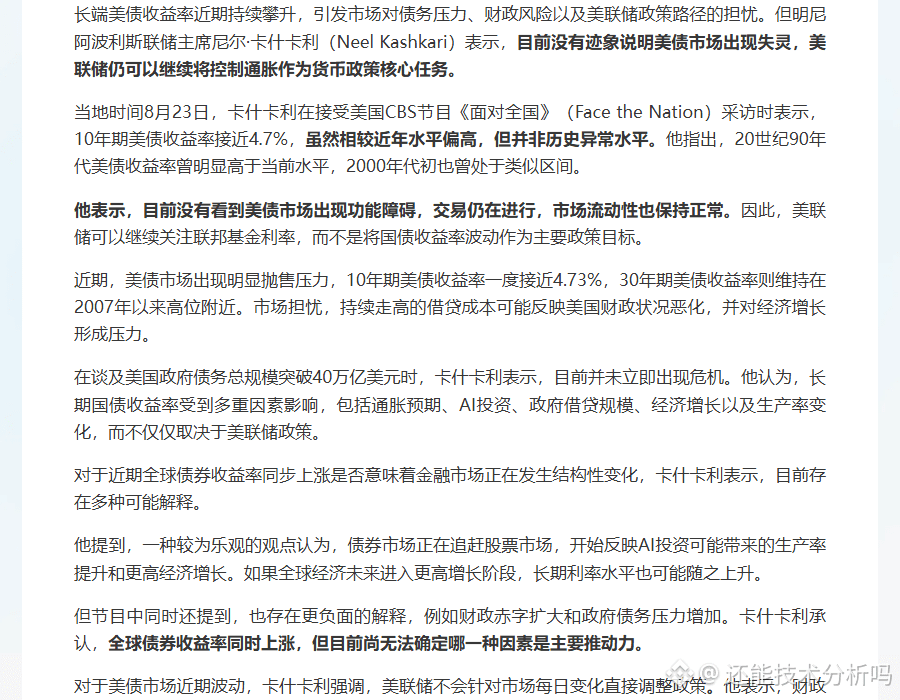
Federal Reserve Officials Say: The U.S. Treasury Market Isn’t Broken—Don’t Panic! Kashkari Says Even Though Yields Are High, They Haven’t Reached Record Extremes; Inflation Remains the Core Priority, and Debt Management Is Handed to the Treasury Department. Markets Are Worried About Debt Burdens, but the Official Stance Is Calm and the Policy Path Is Clear.
#美联储 #美债收益率 #通胀控制 #Fiscal Policy
#美联储 #美债收益率 #通胀控制 #Fiscal Policy
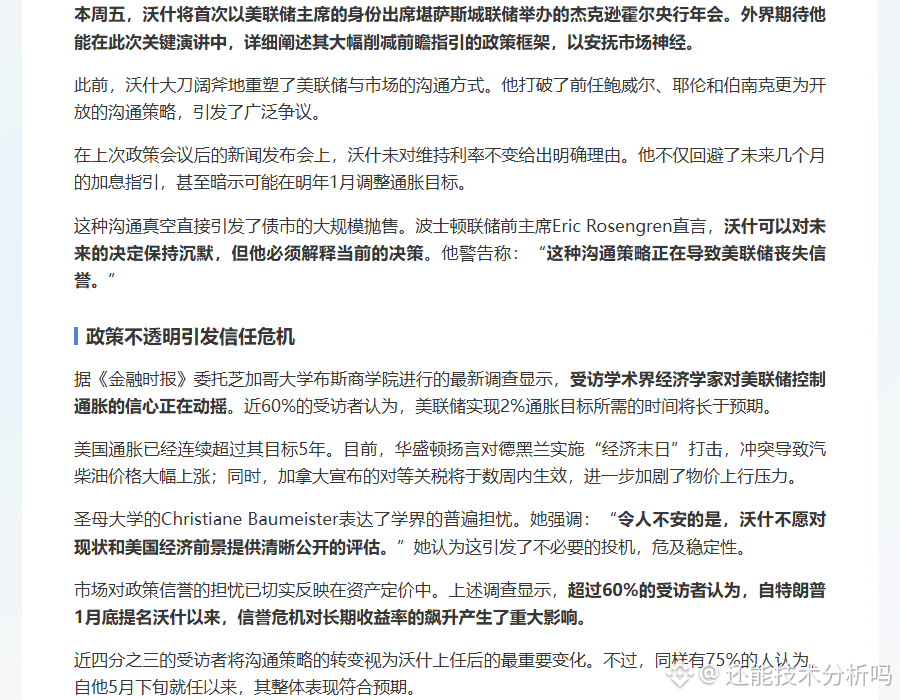
Warren’s “black-box” style of communication ignites panic on Wall Street! Friday’s debut at the Jackson Hole is a make-or-break test. Breaking from Powell’s “open” strategy and dropping rate guidance—moving from hints to an inflation-targeting framework—markets are putting all their chips on the Fed’s credibility.
#美联储 #杰克逊霍尔 #沃什 #Market panic
#美联储 #杰克逊霍尔 #沃什 #Market panic
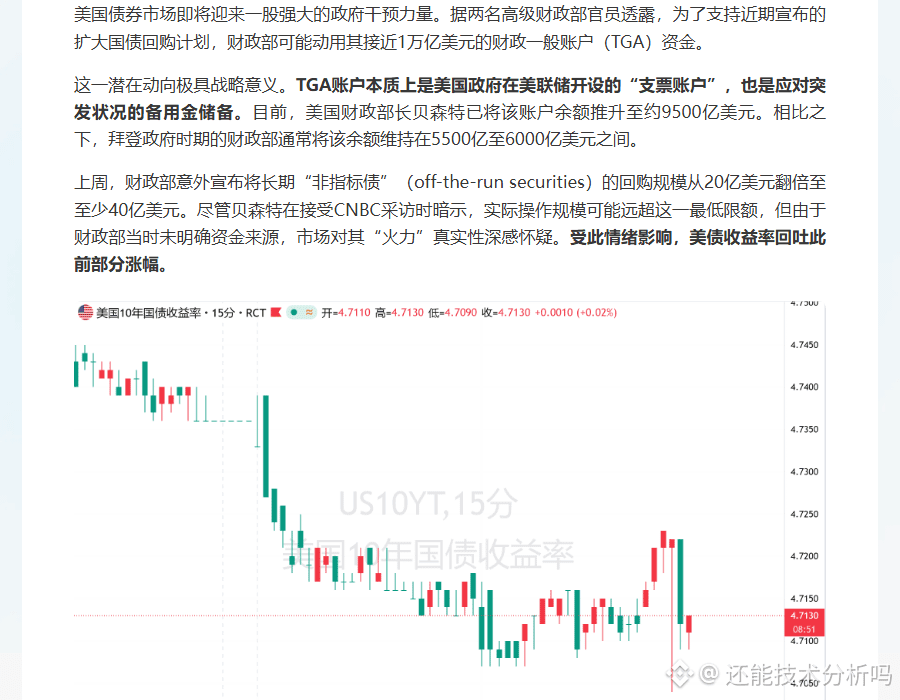
The U.S. Treasury Department is planning to use nearly $1 trillion in TGA reserves to “extend” bond repo operations, aiming to boost market confidence and lower long-end yields. The move responds to concerns about liquidity, but the actual firepower and execution details are still to be seen; near-term volatility in the bond market may even intensify.
#美债 #TGA #财政部回购 #流动性 #Market confidence
#美债 #TGA #财政部回购 #流动性 #Market confidence
After the failure of the Canada–U.S. trade negotiations, Trump once again swings the tariff hammer, announcing that starting in 2027 he will impose an additional 50% tariff on Canadian automobiles and steel. Although a few months of a grace period are being kept, Canada is not optimistic about restarting negotiations before the midterm elections, and the trade war could intensify.
#美加贸易战 #关税新政 #特朗普关税 #加拿大经济 #Global trade
#美加贸易战 #关税新政 #特朗普关税 #加拿大经济 #Global trade
Wall Street holds its breath as Nvidia’s earnings report is dubbed the “World Cup final.” Every statement from Jensen Huang will set the tone for AI’s trillion-dollar investment wave. The market isn’t only looking at the numbers—it’s hunting for clues that the compute-hunger frenzy can continue. After tonight, the AI narrative may reach a turning point.
#英伟达财报 #AI投资 #黄仁勋 #算力 #Wall Street
#英伟达财报 #AI投资 #黄仁勋 #算力 #Wall Street
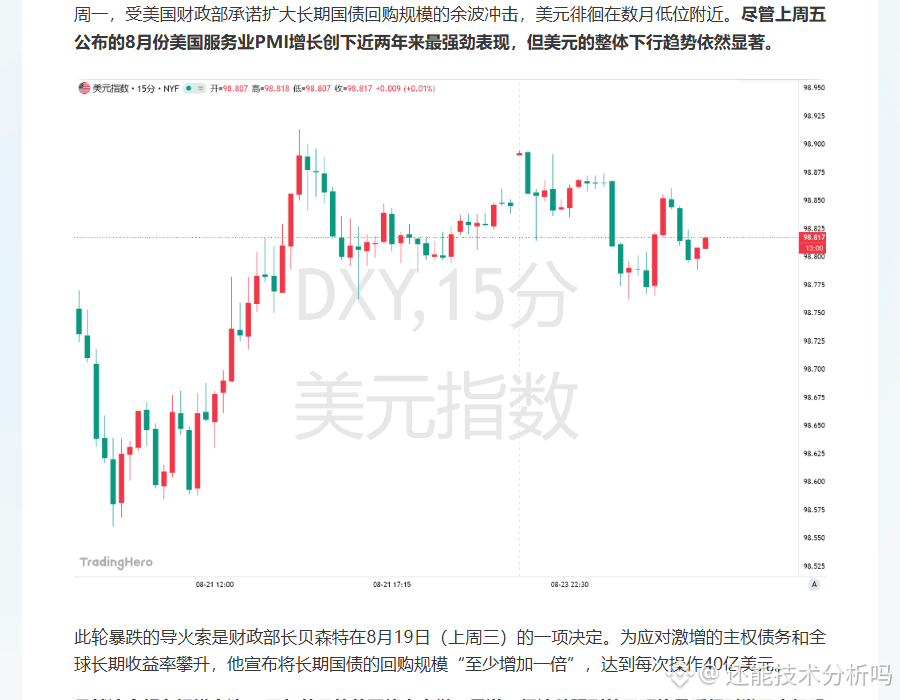
Dollar on the brink? The U.S. Treasury is heavily pushing borrowing costs, and Wall Street is rushing to position for depreciation. This week, U.S. sanctions details against Iran plus remarks from Mr. Wosch—two looming threats—have ignited alarm, with traders on full alert. The aftershocks of long-term repo doubling are still lingering; even with a strong services PMI, the gloom remains.
#期权市场异动 #美元走势 #经济制裁 #U.S. Federal Reserve
#期权市场异动 #美元走势 #经济制裁 #U.S. Federal Reserve
One-Week Outlook: The four overlapping variables of US-Iran sanctions, the Jackson Hole symposium, PCE, and Nvidia earnings—can volatility in the bond market finally ease? The weekly trend for US stocks faces pressure, gold prices test new highs, and the path to 8000 on the S&P is full of uncertainty. Focus on fiscal consolidation and the direction of long-term bond yields.
#宏观展望 #金价新高 #美股走势 #bond market volatility
#宏观展望 #金价新高 #美股走势 #bond market volatility
Log in to explore more content