
Nomanhoor
249 Posts

Nomanhoor
Report
Block User
8 Following
11 Followers
16 Liked
Posts
·
--
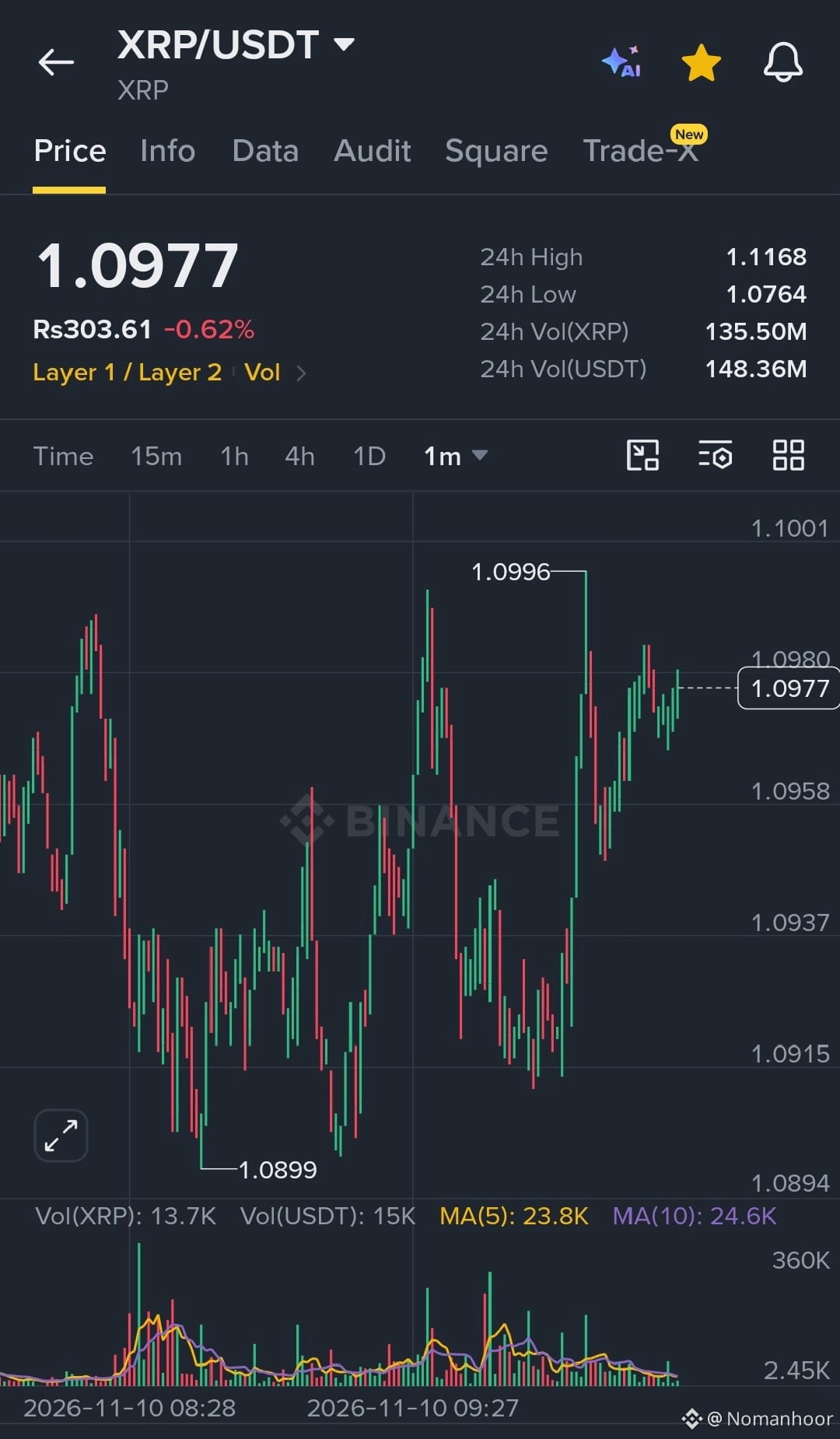
XRP ($XRP ) trades at $1.09, locked in a heavy technical flush after collapsing below the vital $1.20 support confluence. The asset has shed 22% over a 30-day window, mirroring broader market de-risking triggered by geopolitical shifts and tech sector boardroom anomalies.
$XRP
From a technical perspective, the derivatives landscape is highly vulnerable. A violent cascade forced $40 million in leveraged long liquidations, driving the 14-day RSI deep into oversold territory near 26. Bears maintain solid market structure control within a descending triangle pattern. Immediate downside targets eye the critical psychological macro support floor at $1.00 to $0.99. Conversely, bulls face immediate overhead resistance at $1.14, requiring a daily close above $1.26 to neutralize the current bearish trajectory.
$XRP
Trader Action Plan: Execute defensive protocols. Stagnant ETF inflows demand extreme patience. Maintain flat positioning; keep strict stop-losses tight beneath the $1.00 macro line until an accumulation bottom forms.
#xrp #Ripple #cryptotrading #TechnicalAnalysis #AltcoinCrash
$XRP
From a technical perspective, the derivatives landscape is highly vulnerable. A violent cascade forced $40 million in leveraged long liquidations, driving the 14-day RSI deep into oversold territory near 26. Bears maintain solid market structure control within a descending triangle pattern. Immediate downside targets eye the critical psychological macro support floor at $1.00 to $0.99. Conversely, bulls face immediate overhead resistance at $1.14, requiring a daily close above $1.26 to neutralize the current bearish trajectory.
$XRP
Trader Action Plan: Execute defensive protocols. Stagnant ETF inflows demand extreme patience. Maintain flat positioning; keep strict stop-losses tight beneath the $1.00 macro line until an accumulation bottom forms.
#xrp #Ripple #cryptotrading #TechnicalAnalysis #AltcoinCrash
81
·
--
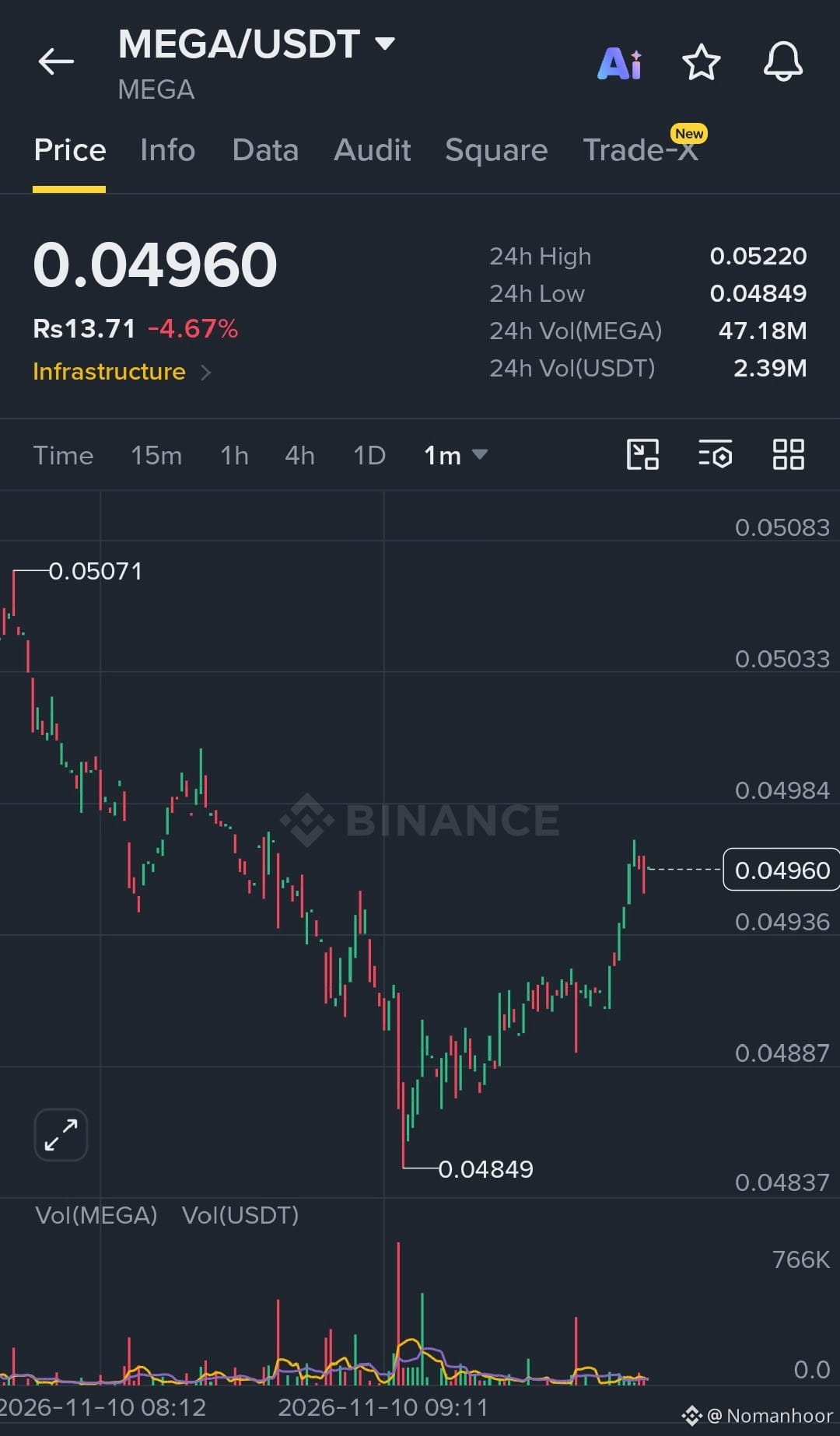
MegaETH ($MEGA ) trades at $0.0478, displaying heavy institutional technical accumulation after outperforming the broader smart contract sector with a strong 15% weekly rally. The real-time Layer 2 powerhouse continues to fortify its macro structural base.
From a high-frequency trading perspective, volatility is tightly wound around the $0.0450 support cluster. Demand is heavily anchored by the project's strategic shift toward first-party "$MEGA " applications and the highly anticipated launch of its Proximity Markets protocol, allowing network participants to lock up tokens to buy ultra-low latency sequencer seats. This creates a powerful usage-based supply sink. Over half of the fixed 10 billion total supply remains securely locked under KPI-based emission structures, effectively eliminating sudden unlock fatigue.
Trader Action Plan: Implement strict risk parameters. Defend immediate long positions with tight stop-losses set beneath the critical $0.0410 macro baseline. Target short-term upside breakout objectives toward structural overhead resistance capping momentum at $0.0525.
#MegaETH #MEGA #cryptotradingpro #TechnicalAnalysis #Layer2
48
·
--
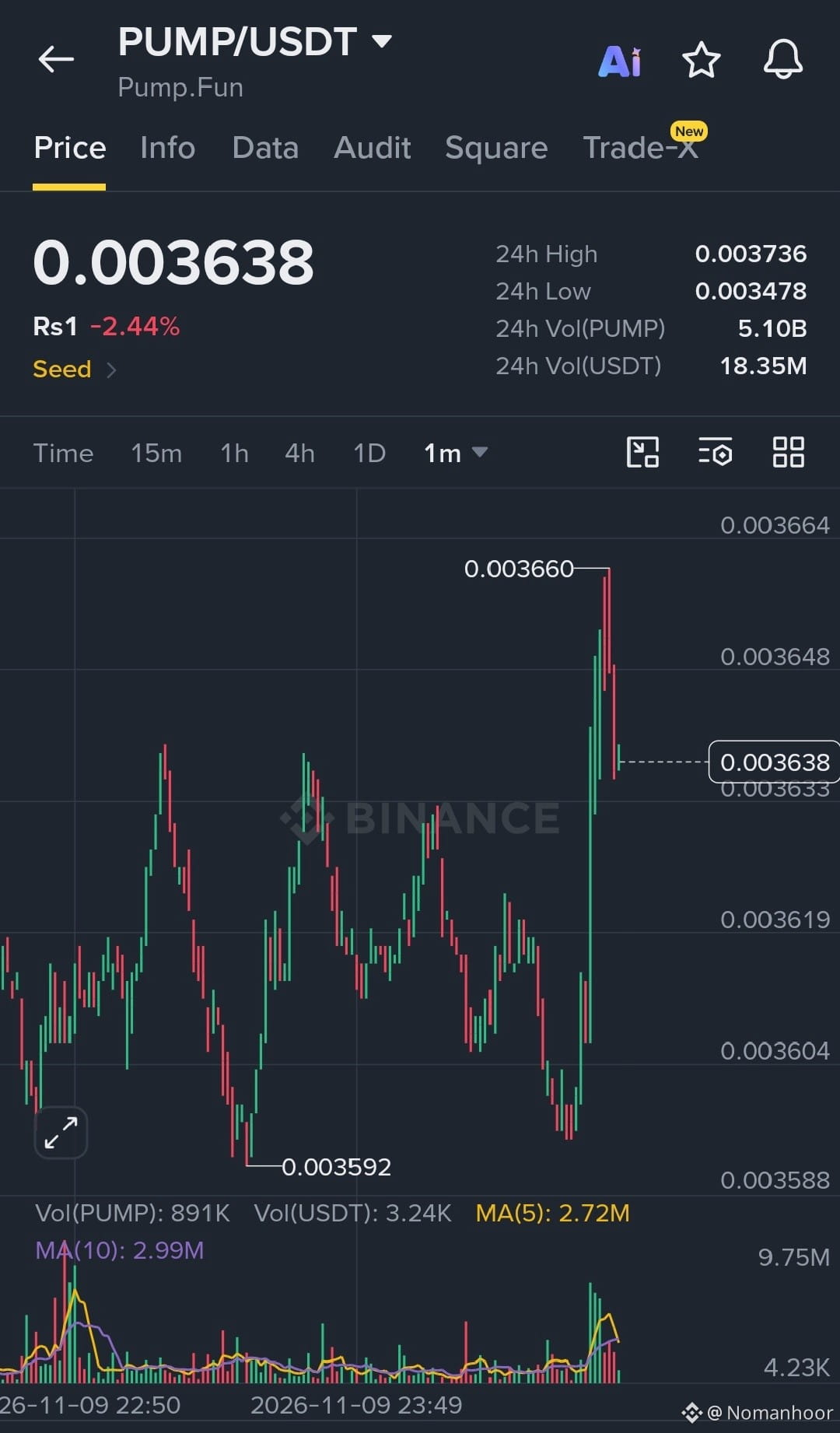
Pump.fun ($PUMP ) trades at $0.0036, exhibiting heavy technical volume churn as the broader market searches for directional clarity. The utility token continues to defend immediate support lines, drawing key strength from its highly robust fundamental value-accrual structure.
From an institutional perspective, the asset remains heavily supported by its automated deflationary framework, which allocates 50% of all net protocol revenue to continuous open-market buybacks and burns. This mechanical bid has successfully insulated $PUMP from standard downside fatigue. Momentum is further amplified by the platform's active integration of Hyperliquid-based perpetual futures and prediction markets, creating massive secondary fee layers.
Technically, bulls are fighting to establish a definitive launchpad above the $0.0035 macro support floor, targeting a near-term breakout toward immediate structural resistance capping upside momentum at $0.0042. Managing risk parameters remains crucial.
Trader Action Plan: Monitor aggregate on-chain volume and local open interest expansion. Maintain neutral positioning with localized stop-losses placed firmly below the psychological $0.0034 boundary line.
#pumpfun #pump #cryptotrading #TechnicalAnalysis #Altcoins
220
·
--
Bullish
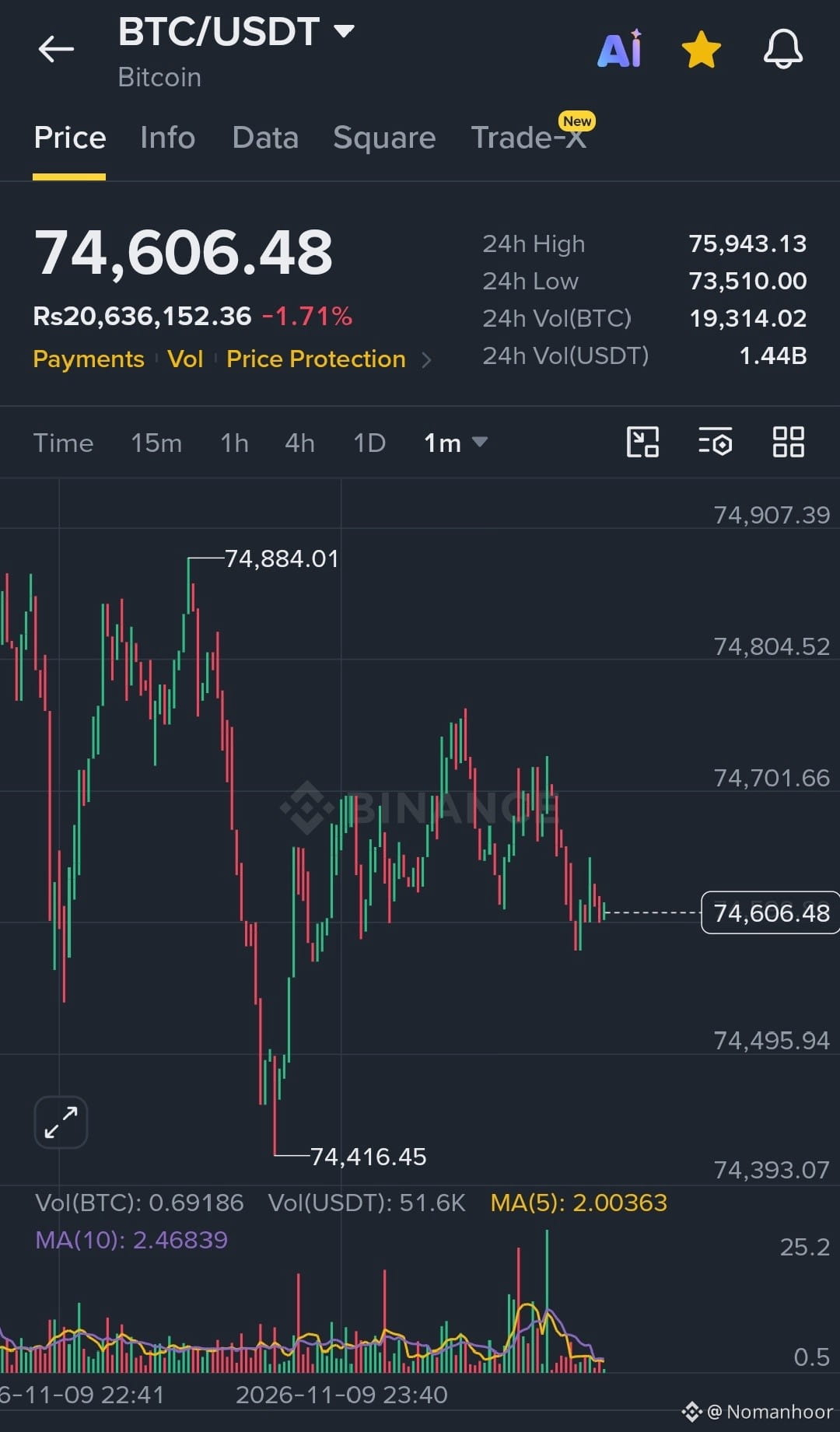
Bitcoin ($BTC ) trades near $74,700, battling localized selling pressure after a sudden technical flush down to a multi-month low of $73,477. The macro landscape remains highly defensive following the rejection at the $80,000 to $81,000 baseline resistance.
From a technical perspective, the primary line of defense centers on the critical 200-day SMA at $73,152. A decisive breakdown below this confluence support zone invalidates short-term recovery structures, opening a direct trajectory toward the $70,000 liquidity pocket. Conversely, bulls face immediate structural resistance at $76,367. A confirmed daily close above $78,174 is required to shift momentum back toward the psychological $80,000 threshold.
$BTC
Sustained head-winds persist as aggregate U.S. spot ETFs endure a massive $1.28 billion weekly outflow sequence, reflecting institutional de-risking alongside a broad tech rout.
Trader Action Plan: Implement strict risk parameters. Keep stop-losses tight beneath the $73,000 floor. Maintain neutral positioning until tomorrow's pivotal U.S. CPI print triggers definitive directional confirmation.
#bitcoin #BTC #cryptotrading #TechnicalAnalysis #CryptoNews
73
·
--
Article
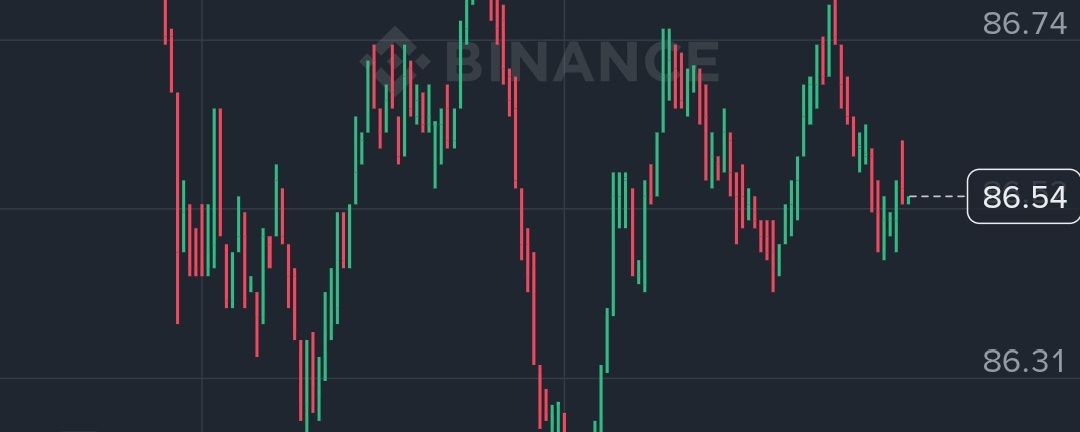
SOL.... $$Solana ($SOL ) trades at $86.27, trapped inside a clear bearish continuation channel after failing to reclaim its 20-day EMA. The immediate tactical focus centers on critical defensive levels. The primary support zone rests at $81.00, with a deeper, heavy institutional liquidity pocket situated between $77.00 and $75.20. A failure to hold the line at $85 on the daily close invalidates short-term recovery setups, opening a direct technical trajectory down to the macro floor at $72.00.
$SOL
Conversely, bulls face a formidable wall of overhead resistance capping upside momentum at $89.36 to $90.00. Volume metrics indicate high-frequency retail churn, but sustained upside requires a decisive breakout above $93.50 on strong relative volume. Until then, institutional ETF outflows continue to act as a heavy weight on spot prices.
Trader Action Plan: Maintain strict risk management. Deploy tight stop-losses just below the local lows. Prioritize capital preservation until a definitive reversal pattern triggers near the support floors.
#solana #sol #cryptotrading #TechnicalAnalysis #defi
SOL.... $$
Solana ($SOL ) trades at $86.27, trapped inside a clear bearish continuation channel after failing to reclaim its 20-day EMA. The immediate tactical focus centers on critical defensive levels. The primary support zone rests at $81.00, with a deeper, heavy institutional liquidity pocket situated between $77.00 and $75.20. A failure to hold the line at $85 on the daily close invalidates short-term recovery setups, opening a direct technical trajectory down to the macro floor at $72.00.
$SOL
Conversely, bulls face a formidable wall of overhead resistance capping upside momentum at $89.36 to $90.00. Volume metrics indicate high-frequency retail churn, but sustained upside requires a decisive breakout above $93.50 on strong relative volume. Until then, institutional ETF outflows continue to act as a heavy weight on spot prices.
Trader Action Plan: Maintain strict risk management. Deploy tight stop-losses just below the local lows. Prioritize capital preservation until a definitive reversal pattern triggers near the support floors.
#solana #sol #cryptotrading #TechnicalAnalysis #defi
52
·
--
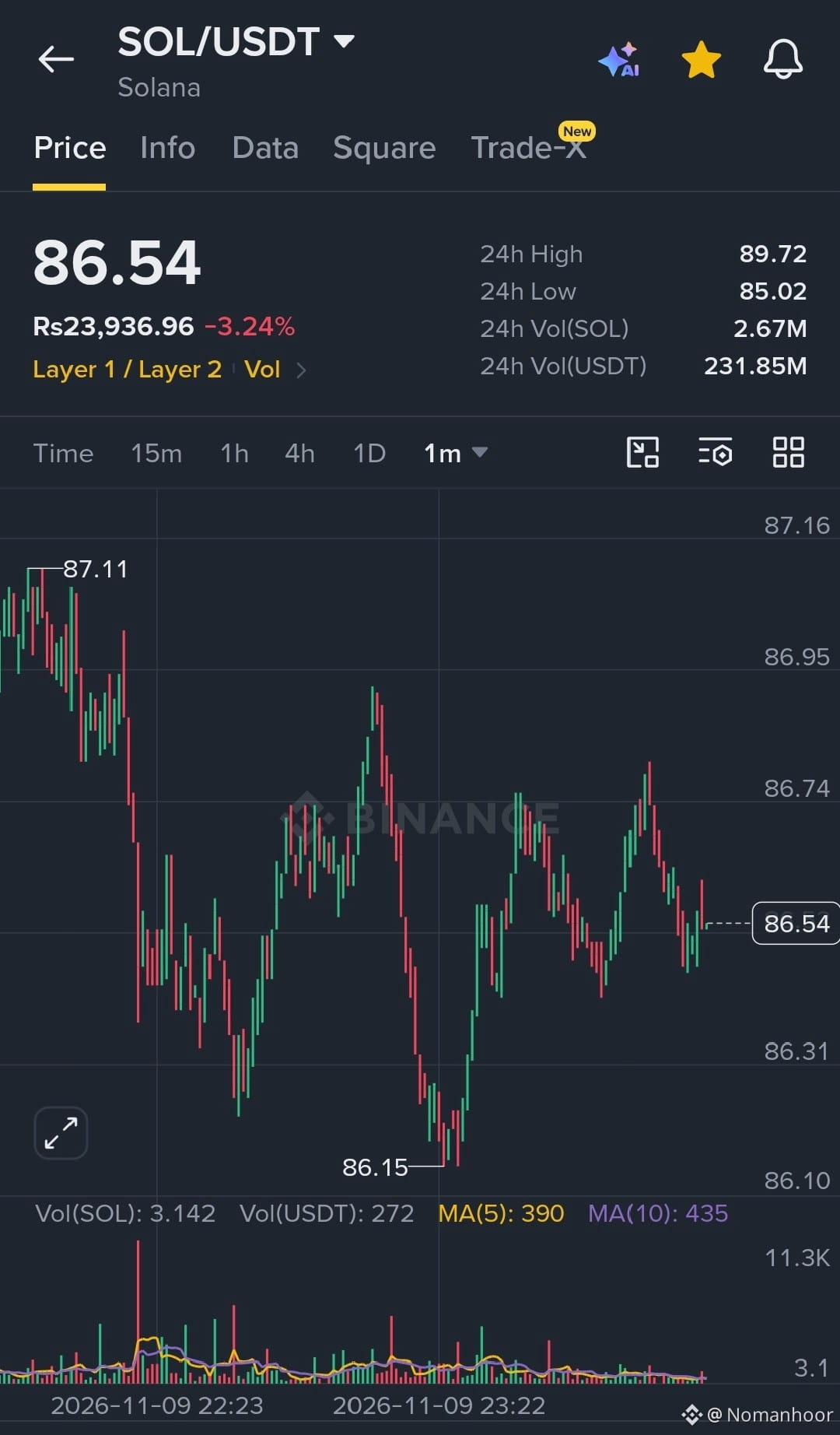
Solana ($SOL ) is trading at $86.27, maintaining strict defensive postures after breaching its 20-day EMA. The macro narrative remains heavily locked in a bearish technical structure, with sellers targeting the next major downside support pocket at $81 to $77.
Immediate overhead resistance forms a hard cap at $89.36 to $90.00. High-frequency trading execution continues to pace firmly, outperforming broader market execution layers despite facing
$SOL
aggregate institutional capital outflows. Risk management mandates tight stop-losses; a definitive drop below $85 invalidates immediate recovery plays, opening a direct trajectory toward a secondary liquidity floor at $72.
#solana #sol #cryptotrading #TechnicalAnalysis #CryptoNews
64
·
--
Verified
Article
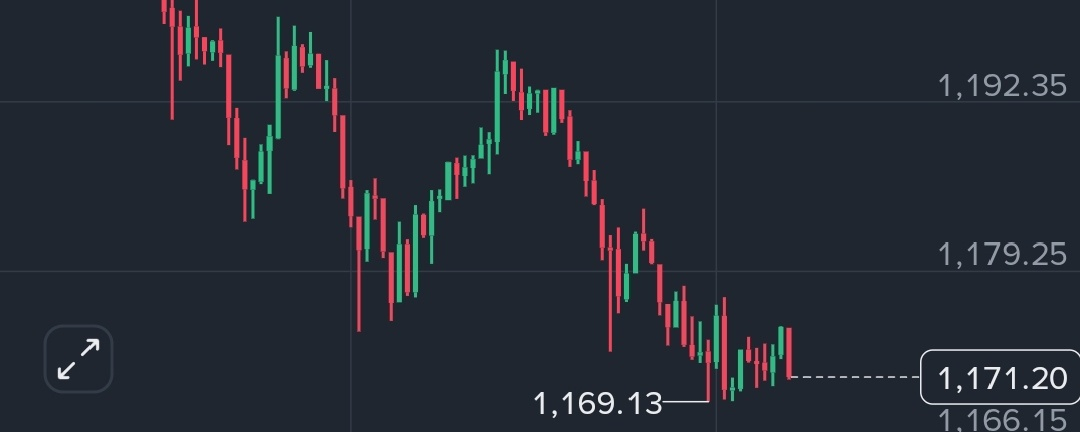
ZEC.... $$Zcash ($ZEC ) has triggered a massive, high-velocity market breakout, skyrocketing from sub-$50 levels into a top-10 global cryptocurrency trading around the $1,200 to $1,300 region. While experiencing typical high-volume consolidation volatility around its $1,205 50-day EMA support layer, its multi-month macro explosion has completely reshaped the altcoin landscape.
The Pillars Fueling the $ZEC Mega-Pump
Aggressive Institutional ETF Accumulation: Traditional finance is the primary engine behind this supply squeeze. Following the successful deployment of Grayscale's spot Zcash ETF (ZCSH) on NYSE Arca and European counterpart ETPs, institutional capital has aggressively absorbed circulating supply. Recent data highlights continuous multi-day inflows, with funds acquiring tokens at up to four times the pace of weekly miner production, locking up roughly 3.4% of all circulating ZEC.The Imminent NU7 Network Upgrade: Traders are intensely front-running the Network Upgrade 7 (NU7) launch. This major structural optimization scales performance by slashing block confirmation times from 75 seconds down to 25 seconds—effectively boosting network processing speeds by 3x while stabilizing daily token issuance.Whale Backing & Shifting Privacy Narratives: Heavyweight crypto allocators have injected immense liquidity into $ZEC . High-profile disclosures from entities like Multicoin Capital and Arthur Hayes’ Maelstrom fund (which established Zcash as its second-largest liquid holding) have triggered compounding retail FOMO. Unlike mandatory privacy tokens that face global regulatory de-listings, Zcash's optional transparency model makes it highly attractive to compliant platforms and institutional allocators.Total Supply Auditability & Post-Bug Recovery: Following a massive emergency patch (the Ironwood upgrade) that safely mitigated a legacy shielded pool flaw, developers established a transparent checkpoint system. This means Zcash now boasts a 100% verifiable and hard-capped 21 million supply alongside cutting-edge, quantum-recoverable cryptography—restoring bulletproof fundamental trust.
#zcash #zec #PrivacyCoins #cryptopump #altcoinseason
ZEC.... $$
Zcash ($ZEC ) has triggered a massive, high-velocity market breakout, skyrocketing from sub-$50 levels into a top-10 global cryptocurrency trading around the $1,200 to $1,300 region. While experiencing typical high-volume consolidation volatility around its $1,205 50-day EMA support layer, its multi-month macro explosion has completely reshaped the altcoin landscape.
The Pillars Fueling the $ZEC Mega-Pump
Aggressive Institutional ETF Accumulation: Traditional finance is the primary engine behind this supply squeeze. Following the successful deployment of Grayscale's spot Zcash ETF (ZCSH) on NYSE Arca and European counterpart ETPs, institutional capital has aggressively absorbed circulating supply. Recent data highlights continuous multi-day inflows, with funds acquiring tokens at up to four times the pace of weekly miner production, locking up roughly 3.4% of all circulating ZEC.The Imminent NU7 Network Upgrade: Traders are intensely front-running the Network Upgrade 7 (NU7) launch. This major structural optimization scales performance by slashing block confirmation times from 75 seconds down to 25 seconds—effectively boosting network processing speeds by 3x while stabilizing daily token issuance.Whale Backing & Shifting Privacy Narratives: Heavyweight crypto allocators have injected immense liquidity into $ZEC . High-profile disclosures from entities like Multicoin Capital and Arthur Hayes’ Maelstrom fund (which established Zcash as its second-largest liquid holding) have triggered compounding retail FOMO. Unlike mandatory privacy tokens that face global regulatory de-listings, Zcash's optional transparency model makes it highly attractive to compliant platforms and institutional allocators.Total Supply Auditability & Post-Bug Recovery: Following a massive emergency patch (the Ironwood upgrade) that safely mitigated a legacy shielded pool flaw, developers established a transparent checkpoint system. This means Zcash now boasts a 100% verifiable and hard-capped 21 million supply alongside cutting-edge, quantum-recoverable cryptography—restoring bulletproof fundamental trust.
#zcash #zec #PrivacyCoins #cryptopump #altcoinseason
1
1.3k
·
--
Article
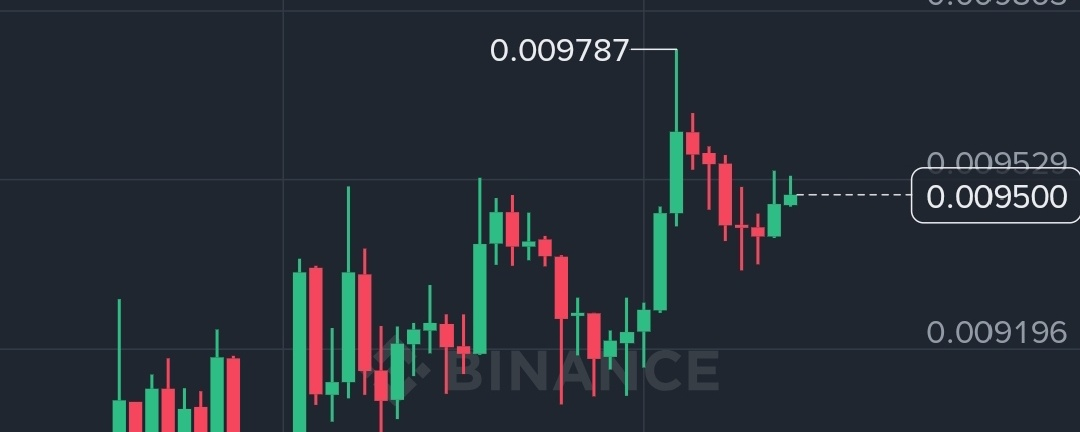
JCT.... $$The Janction ($JCT ) token—a decentralized DePIN AI GPU computing platform built on Arbitrum—has experienced an explosive price pump, surging over 130% to 260% in a 24-hour window. This rapid re-pricing has vaulted its market cap past $87 million, with daily trading volumes skyrocketing over 600% to hover near $295 million.
Why $JCT is Pumping: The Latest Catalysts
Approved Listing on Binance Alpha and Futures: The ultimate fuel for this massive pump is the official confirmation that JCT has been approved for listing on Binance Alpha and Binance Futures, with trading officially scheduled to go live on November 10, 2026. Traders are aggressively accumulating the asset to front-run the massive retail liquidity and institutional access that a premier Tier-1 exchange listing guarantees.Commercial Rollout of JANCTION Render: Beyond pure exchange speculation, the project achieved a major technological milestone on November 2, 2026, with the commercial launch of JANCTION Render. This operational cloud GPU rendering service allows decentralized AI agents to effortlessly build and render 3D scenes via APIs. Real-world utility metrics have already logged nearly 2,000 successfully completed renders, shifting the project from a raw DePIN concept into a functioning economic product.CoinMarketCap Global #1 Trending Frenzy: The sudden price velocity triggered a powerful social flywheel. $JCT successfully captured the #1 spot on CoinMarketCap's global trending asset list, instantly broadcasting the coin to millions of retail traders. This top placement ignited massive waves of FOMO (Fear Of Missing Out) and hyper-concentrated speculative buying.Violent Derivatives Short Squeeze: The announcement of incoming futures support triggered massive positioning shifts. Open Interest violently spiked across existing platforms, climbing over 68% to cross $63 million to $118 million. As the price aggressively smashed local technical resistance levels, a cascade of forced short liquidations compelled bearish futures traders to market-buy back spot tokens, rapidly amplifying the token's vertical velocity.
#JANCTION #JCTUSDT #DePIN #BinanceListing #cryptopump
JCT.... $$
The Janction ($JCT ) token—a decentralized DePIN AI GPU computing platform built on Arbitrum—has experienced an explosive price pump, surging over 130% to 260% in a 24-hour window. This rapid re-pricing has vaulted its market cap past $87 million, with daily trading volumes skyrocketing over 600% to hover near $295 million.
Why $JCT is Pumping: The Latest Catalysts
Approved Listing on Binance Alpha and Futures: The ultimate fuel for this massive pump is the official confirmation that JCT has been approved for listing on Binance Alpha and Binance Futures, with trading officially scheduled to go live on November 10, 2026. Traders are aggressively accumulating the asset to front-run the massive retail liquidity and institutional access that a premier Tier-1 exchange listing guarantees.Commercial Rollout of JANCTION Render: Beyond pure exchange speculation, the project achieved a major technological milestone on November 2, 2026, with the commercial launch of JANCTION Render. This operational cloud GPU rendering service allows decentralized AI agents to effortlessly build and render 3D scenes via APIs. Real-world utility metrics have already logged nearly 2,000 successfully completed renders, shifting the project from a raw DePIN concept into a functioning economic product.CoinMarketCap Global #1 Trending Frenzy: The sudden price velocity triggered a powerful social flywheel. $JCT successfully captured the #1 spot on CoinMarketCap's global trending asset list, instantly broadcasting the coin to millions of retail traders. This top placement ignited massive waves of FOMO (Fear Of Missing Out) and hyper-concentrated speculative buying.Violent Derivatives Short Squeeze: The announcement of incoming futures support triggered massive positioning shifts. Open Interest violently spiked across existing platforms, climbing over 68% to cross $63 million to $118 million. As the price aggressively smashed local technical resistance levels, a cascade of forced short liquidations compelled bearish futures traders to market-buy back spot tokens, rapidly amplifying the token's vertical velocity.
#JANCTION #JCTUSDT #DePIN #BinanceListing #cryptopump
305
·
--
Partly True
Article
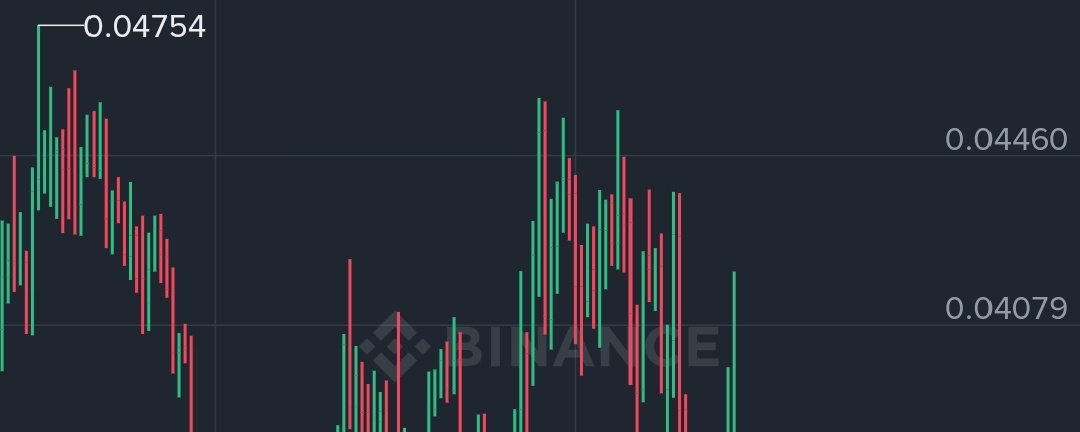
WCT.... $$The WalletConnect Token ($WCT)—the native utility and governance token for the ubiquitous WalletConnect Network—is experiencing a sharp influx of volume and localized price pumps, trading around the $0.031 to $0.035 range.
Why $WCT is Pumping: The Latest Catalysts
Massive "Volume vs. Market Cap" Undervaluation Narrative: The most potent fundamental catalyst driving recent buyer momentum is a viral analysis regarding the protocol's scale. According to WalletConnect's official Q3 2026 network reports, the ecosystem processed a staggering $100 billion in cumulative transaction volume across 150 million connections. Traders are aggressively accumulating the asset due to the massive discrepancy between this network scale and $WCT's relatively microscopic market cap of roughly $15 million to $17 million.Native Wormhole NTT Multi-Chain Integration: Long-term technical utility has been heavily boosted by the integration of Wormhole’s Native Token Transfer (NTT) standard directly into the core code framework. This allows $WCT to seamlessly and securely bridge across Ethereum, Optimism, and Solana natively without relying on less secure external wrapped-asset bridges, drastically expanding its multi-chain DeFi utility.Surging Node Staking Node Locks: Community governance updates have refined the staking matrix, offering dynamic APY formulas for short- and long-term lockers. This optimization has successfully induced holders to lock up over 95 million $WCT tokens to secure network relay nodes, effectively drying up a large portion of short-term liquid market supply on exchanges.Anticipation of Near-Term Fee Utility Activation: According to the official protocol development roadmap, the core technical team is preparing to unlock governance functions and native network relay fee payment modules in the near term. Speculators are front-running this feature activation, as it will explicitly bind the utility of the token directly to the network's enormous daily traffic.
#WalletConnect #wct #Web3Infrastructure #cryptopump #DeFiUtility
WCT.... $$
The WalletConnect Token ($WCT )—the native utility and governance token for the ubiquitous WalletConnect Network—is experiencing a sharp influx of volume and localized price pumps, trading around the $0.031 to $0.035 range.
Why $WCT is Pumping: The Latest Catalysts
Massive "Volume vs. Market Cap" Undervaluation Narrative: The most potent fundamental catalyst driving recent buyer momentum is a viral analysis regarding the protocol's scale. According to WalletConnect's official Q3 2026 network reports, the ecosystem processed a staggering $100 billion in cumulative transaction volume across 150 million connections. Traders are aggressively accumulating the asset due to the massive discrepancy between this network scale and $WCT 's relatively microscopic market cap of roughly $15 million to $17 million.Native Wormhole NTT Multi-Chain Integration: Long-term technical utility has been heavily boosted by the integration of Wormhole’s Native Token Transfer (NTT) standard directly into the core code framework. This allows $WCT to seamlessly and securely bridge across Ethereum, Optimism, and Solana natively without relying on less secure external wrapped-asset bridges, drastically expanding its multi-chain DeFi utility.Surging Node Staking Node Locks: Community governance updates have refined the staking matrix, offering dynamic APY formulas for short- and long-term lockers. This optimization has successfully induced holders to lock up over 95 million $WCT tokens to secure network relay nodes, effectively drying up a large portion of short-term liquid market supply on exchanges.Anticipation of Near-Term Fee Utility Activation: According to the official protocol development roadmap, the core technical team is preparing to unlock governance functions and native network relay fee payment modules in the near term. Speculators are front-running this feature activation, as it will explicitly bind the utility of the token directly to the network's enormous daily traffic.
#WalletConnect #wct #Web3Infrastructure #cryptopump #DeFiUtility
562
·
--
Article
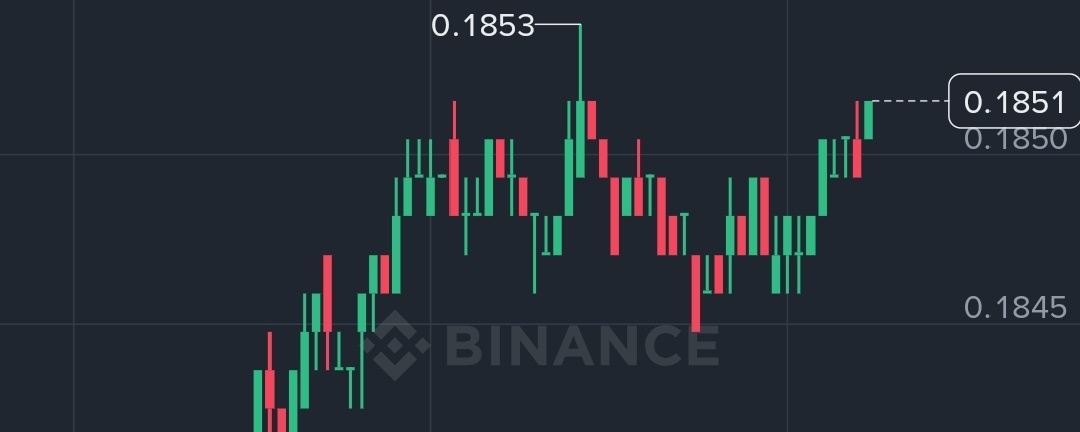
ADA.... $$The Cardano ($ADA ) token has experienced localized recovery pumps, bouncing from its recent support levels around $0.18 to trade near the $0.20 mark. The upward momentum is driven by a mix of key network scaling updates, on-chain data milestones, and a broader altcoin market rebound.
Why $ADA is Pumping: The Latest Catalysts
Imminent Node 11.2 & 11.3 Mainnet Releases: Technical sentiment has surged ahead of the upcoming Node 11.2 upgrade scheduled for November 8, 2026. This is followed closely by the pre-release candidate for Node 11.3 slated for late November. These critical developments prepare the network for the massive Dijkstra hard fork and the integration of the highly anticipated Ouroboros Leios scaling solution to exponentially increase transaction speeds.Bargain Hunting & Market Rebound Inflows: Following a steep 35% market correction from its October peak of $0.28, ADA hit a massive oversold pocket at $0.182. This deep discount triggered aggressive retail bargain hunting. The rebound coincided with a broader macro capital rotation where over $10.65 billion flooded into the altcoin market in a single four-hour window, lifting ADA's daily volume.Amaru Rust-Based Node Activation: Bullish momentum has been amplified by the official announcement that Amaru—Cardano's highly anticipated, ultra-fast Rust-based node infrastructure—is targeting live mainnet block production this November. Moving away from purely Haskell-reliant nodes significantly lowers barriers for developers and enhances network optimization.Exploding Active Addresses & x402 AI Payment Integration: On-chain utility has flashed a severe trend reversal. The network registered a massive 71% single-day spike in active on-chain transactions and wallet addresses. This user growth is heavily fueled by the expansion of the Native x402 SDK payment protocol, which allows autonomous AI agents to initiate and settle microtransactions directly in $ADA across the web without manual user authorization.Real-World Asset (RWA) Tokenization Victories: The Cardano Foundation has injected heavy institutional confidence into the asset by launching a fully legally-binding tokenization architecture in Switzerland. By executing the tokenization of 850,000 corporate shares on-chain—granting token holders identical voting power and legal rights as equity—the network has validated its base-layer CIP-113 regulatory compliance rules.
#Cardano #ADA #OuroborosLeios #DeFiRally #cryptopump
ADA.... $$
The Cardano ($ADA ) token has experienced localized recovery pumps, bouncing from its recent support levels around $0.18 to trade near the $0.20 mark. The upward momentum is driven by a mix of key network scaling updates, on-chain data milestones, and a broader altcoin market rebound.
Why $ADA is Pumping: The Latest Catalysts
Imminent Node 11.2 & 11.3 Mainnet Releases: Technical sentiment has surged ahead of the upcoming Node 11.2 upgrade scheduled for November 8, 2026. This is followed closely by the pre-release candidate for Node 11.3 slated for late November. These critical developments prepare the network for the massive Dijkstra hard fork and the integration of the highly anticipated Ouroboros Leios scaling solution to exponentially increase transaction speeds.Bargain Hunting & Market Rebound Inflows: Following a steep 35% market correction from its October peak of $0.28, ADA hit a massive oversold pocket at $0.182. This deep discount triggered aggressive retail bargain hunting. The rebound coincided with a broader macro capital rotation where over $10.65 billion flooded into the altcoin market in a single four-hour window, lifting ADA's daily volume.Amaru Rust-Based Node Activation: Bullish momentum has been amplified by the official announcement that Amaru—Cardano's highly anticipated, ultra-fast Rust-based node infrastructure—is targeting live mainnet block production this November. Moving away from purely Haskell-reliant nodes significantly lowers barriers for developers and enhances network optimization.Exploding Active Addresses & x402 AI Payment Integration: On-chain utility has flashed a severe trend reversal. The network registered a massive 71% single-day spike in active on-chain transactions and wallet addresses. This user growth is heavily fueled by the expansion of the Native x402 SDK payment protocol, which allows autonomous AI agents to initiate and settle microtransactions directly in $ADA across the web without manual user authorization.Real-World Asset (RWA) Tokenization Victories: The Cardano Foundation has injected heavy institutional confidence into the asset by launching a fully legally-binding tokenization architecture in Switzerland. By executing the tokenization of 850,000 corporate shares on-chain—granting token holders identical voting power and legal rights as equity—the network has validated its base-layer CIP-113 regulatory compliance rules.
#Cardano #ADA #OuroborosLeios #DeFiRally #cryptopump
1
·
--
Verified
Article
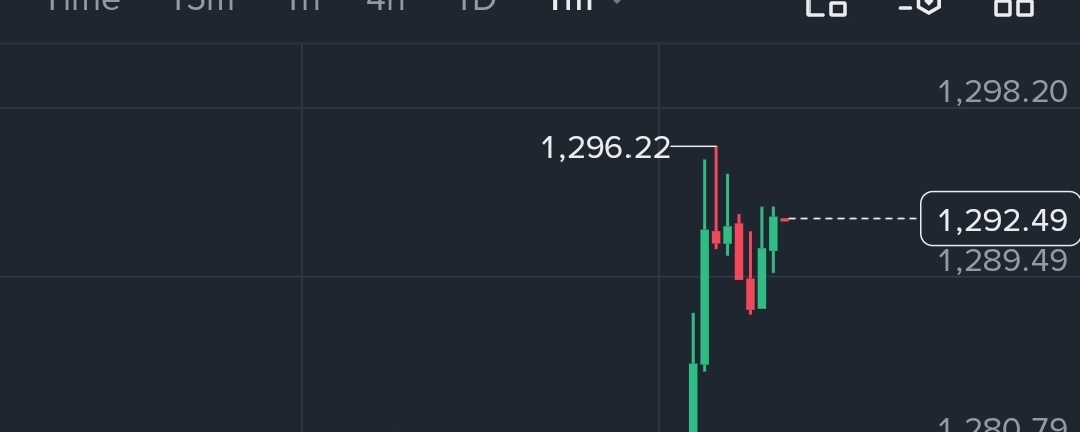
ZEC.... $$The Zcash ($ZEC ) token has defied broader cryptocurrency market sell-offs, maintaining its strong position above the $1,300 mark after an extraordinary macro rally that propelled it into the global top ten largest digital assets.
Why $ZEC is Pumping: The Latest Catalysts
Successful NU7 Mainnet Activation: The absolute biggest fundamental catalyst is the official activation of Network Upgrade 7 (NU7) on mainnet, which went live successfully on November 6, 2026. NU7 cuts block spacing from 75 seconds down to 25 seconds, enabling 3x faster transaction confirmations and vastly optimizing network usability.Deflationary Network Sustainability Mechanism (NSM): Coinciding with the NU7 mainnet launch is a major overhaul of the coin’s tokenomics. The newly implemented NSM temporarily removes 60% of all transaction fees from circulation, locking them in a long-term reserve to sustain miner rewards. This structural removal of circulating tokens has supercharged its sound-money scarcity narrative.Strong Open Interest (OI) and Derivatives Inflows: While spot exchange-traded funds (ETFs) experienced minor localized outflows amid broader market uncertainty, the leverage market has fully offset the dip. Zcash Open Interest has steadily climbed toward 2.15 million ZEC, signaling aggressive, leveraged institutional and whale positioning betting on a prolonged technical breakout.Legacy "Sprout" Pool Defused: NU7 successfully disabled older v4 Sprout-shielded transaction pools to maximize blockchain privacy and eliminate lingering security vectors. This successful execution has given traditional investors peace of mind, driving a heavy "privacy-revival" bid into the asset.The Institutional "Bitcoin Bid" Alternative: Long-term accumulation continues to thrive under the thesis modeled by major firms like Multicoin Capital and Arthur Hayes' Maelstrom. Because Zcash retains Bitcoin's strict 21 million hard cap but features optional on-chain zk-SNARK privacy shielding, buyers are aggressively treating $ZEC as the premier asset to absorb capital looking for an explicit hedge against fully transparent public ledgers.
#Zcash #zec #PrivacyCoins #Blockchainn #cryptopump
ZEC.... $$
The Zcash ($ZEC ) token has defied broader cryptocurrency market sell-offs, maintaining its strong position above the $1,300 mark after an extraordinary macro rally that propelled it into the global top ten largest digital assets.
Why $ZEC is Pumping: The Latest Catalysts
Successful NU7 Mainnet Activation: The absolute biggest fundamental catalyst is the official activation of Network Upgrade 7 (NU7) on mainnet, which went live successfully on November 6, 2026. NU7 cuts block spacing from 75 seconds down to 25 seconds, enabling 3x faster transaction confirmations and vastly optimizing network usability.Deflationary Network Sustainability Mechanism (NSM): Coinciding with the NU7 mainnet launch is a major overhaul of the coin’s tokenomics. The newly implemented NSM temporarily removes 60% of all transaction fees from circulation, locking them in a long-term reserve to sustain miner rewards. This structural removal of circulating tokens has supercharged its sound-money scarcity narrative.Strong Open Interest (OI) and Derivatives Inflows: While spot exchange-traded funds (ETFs) experienced minor localized outflows amid broader market uncertainty, the leverage market has fully offset the dip. Zcash Open Interest has steadily climbed toward 2.15 million ZEC, signaling aggressive, leveraged institutional and whale positioning betting on a prolonged technical breakout.Legacy "Sprout" Pool Defused: NU7 successfully disabled older v4 Sprout-shielded transaction pools to maximize blockchain privacy and eliminate lingering security vectors. This successful execution has given traditional investors peace of mind, driving a heavy "privacy-revival" bid into the asset.The Institutional "Bitcoin Bid" Alternative: Long-term accumulation continues to thrive under the thesis modeled by major firms like Multicoin Capital and Arthur Hayes' Maelstrom. Because Zcash retains Bitcoin's strict 21 million hard cap but features optional on-chain zk-SNARK privacy shielding, buyers are aggressively treating $ZEC as the premier asset to absorb capital looking for an explicit hedge against fully transparent public ledgers.
#Zcash #zec #PrivacyCoins #Blockchainn #cryptopump
778
·
--
Article
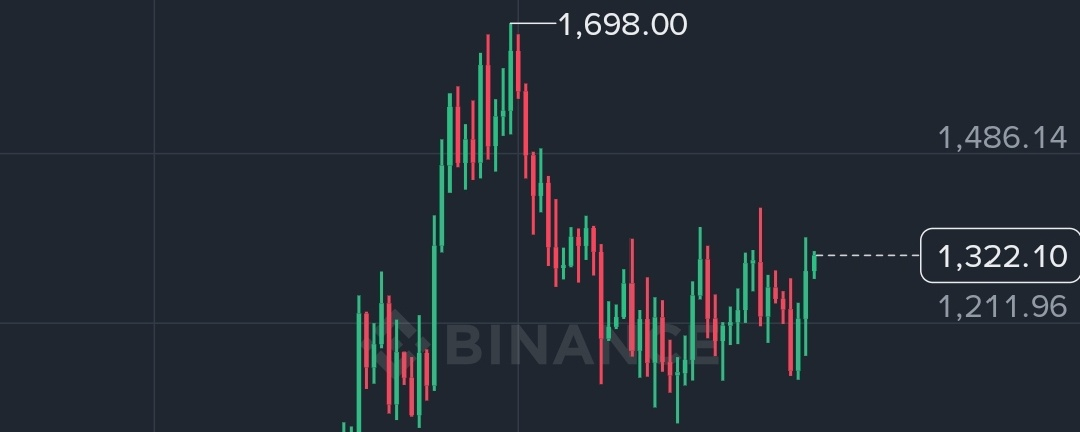
ZEC... $$The Zcash ($ZEC ) token has experienced explosive bullish momentum, soaring into a top-10 global cryptocurrency asset trading strongly around the $1,260 to $1,300 range and significantly outperforming the broader crypto market.
Why $ZEC is Pumping: The Latest Catalysts
Imminent Network Upgrade 7 (NU7) Mainnet Activation: The primary and most explosive short-term catalyst is the long-awaited NU7 protocol upgrade activating on November 5, 2026 (at block 3,543,405). NU7 will violently slash block target times from 75 seconds down to 25 seconds—making transaction confirmations three times faster and massively enhancing network throughput for decentralized applications.Massive Community Victory Over Reserve Funding: Investor sentiment received a powerful fundamental boost on November 4, 2026, when the Zcash Community Grants (ZCG) committee officially withdrew a highly controversial proposal that would have redirected 98,000 ZEC (~$128 million) into a centralized mining reserve. This defense of decentralized governance and supply distribution sparked immediate double-digit relief pumps across major spot exchanges.New Anti-Inflationary Sustainability Economics: Accompanying the NU7 deployment is a massive shift in fee economics. The protocol is implementing a Network Sustainability Mechanism that will programmatically route 60% of all transaction fees into a network reserve to secure future miner incentives. Crucially, it preserves Zcash's strict "Bitcoin-style" 21 million hard supply cap, fueling severe long-term scarcity narratives.Institutional Capital & Shielded Supply Squeezes: On-chain indicators point to heavy institutional accumulation. Following the groundbreaking transformation of the Grayscale Zcash Trust into a fully-fledged spot ETF (ZCSH) on NYSE Arca, traditional Wall Street capital has been steadily absorbing supply. Combined with the percentage of ZEC locked in shielded privacy pools hitting historic highs, liquid market supply on exchanges has shrunk drastically.Buildup of Leveraged Derivatives Short Squeezes: From a charting perspective, Zcash has broken above key moving averages, triggering heavy buying volume. This sudden upward velocity forced a wave of forced margin liquidation events across major futures exchanges like [Binance](https://www.binance.com/en), forcing bearish derivatives traders to buy back spot $ZEC to cover their short positions.
#zcash #zec #PrivacyCoins #blockchaineconomy #cryptopump
ZEC... $$
The Zcash ($ZEC ) token has experienced explosive bullish momentum, soaring into a top-10 global cryptocurrency asset trading strongly around the $1,260 to $1,300 range and significantly outperforming the broader crypto market.
Why $ZEC is Pumping: The Latest Catalysts
Imminent Network Upgrade 7 (NU7) Mainnet Activation: The primary and most explosive short-term catalyst is the long-awaited NU7 protocol upgrade activating on November 5, 2026 (at block 3,543,405). NU7 will violently slash block target times from 75 seconds down to 25 seconds—making transaction confirmations three times faster and massively enhancing network throughput for decentralized applications.Massive Community Victory Over Reserve Funding: Investor sentiment received a powerful fundamental boost on November 4, 2026, when the Zcash Community Grants (ZCG) committee officially withdrew a highly controversial proposal that would have redirected 98,000 ZEC (~$128 million) into a centralized mining reserve. This defense of decentralized governance and supply distribution sparked immediate double-digit relief pumps across major spot exchanges.New Anti-Inflationary Sustainability Economics: Accompanying the NU7 deployment is a massive shift in fee economics. The protocol is implementing a Network Sustainability Mechanism that will programmatically route 60% of all transaction fees into a network reserve to secure future miner incentives. Crucially, it preserves Zcash's strict "Bitcoin-style" 21 million hard supply cap, fueling severe long-term scarcity narratives.Institutional Capital & Shielded Supply Squeezes: On-chain indicators point to heavy institutional accumulation. Following the groundbreaking transformation of the Grayscale Zcash Trust into a fully-fledged spot ETF (ZCSH) on NYSE Arca, traditional Wall Street capital has been steadily absorbing supply. Combined with the percentage of ZEC locked in shielded privacy pools hitting historic highs, liquid market supply on exchanges has shrunk drastically.Buildup of Leveraged Derivatives Short Squeezes: From a charting perspective, Zcash has broken above key moving averages, triggering heavy buying volume. This sudden upward velocity forced a wave of forced margin liquidation events across major futures exchanges like Binance, forcing bearish derivatives traders to buy back spot $ZEC to cover their short positions.
#zcash #zec #PrivacyCoins #blockchaineconomy #cryptopump
1
·
--
Article
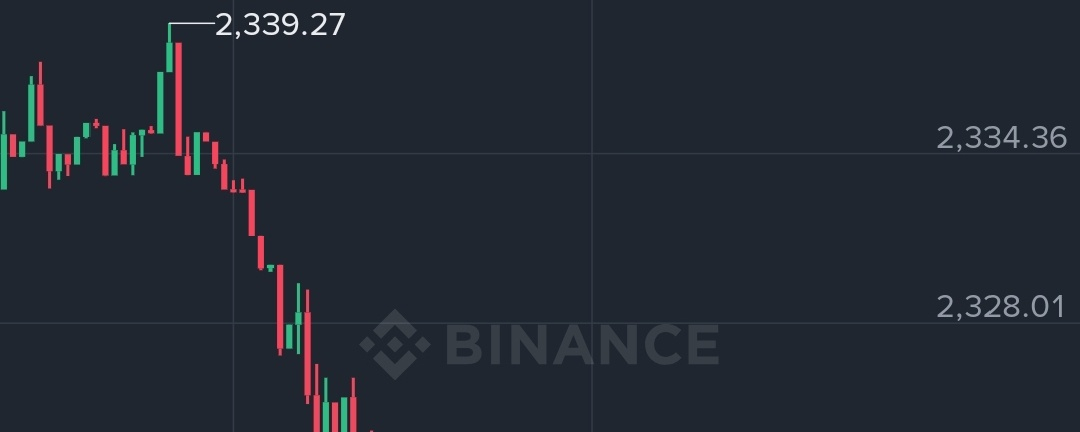
ETH.... $$The Ethereum ($ETH ) token has experienced a sharp tactical rebound, reclaiming key support levels to trade securely around the $2,250 to $2,340 range. Investors and technical indicators show growing bullish corrective dominance as the network clears severe overhead pressure.
$ETH is Pumping: The Latest Catalysts
SEC’s Landmark Blockchain Stock Order: A major regulatory tailwind has fueled the latest rally. The SEC introduced a temporary Tokenized Securities Venue (TSV) designation designed to test blockchain-based traditional stock trading. Crucially, the SEC's order mandates that these experimental smart contracts must run on public, permissionless distributed ledgers—positioning Ethereum as the primary foundational beneficiary for future TradFi equity settlement.Massive Staking Entry Queue vs. Non-Existent Exits: On-chain data reveals immense conviction among long-term network participants, creating a structural supply shock. Approximately 1.23 million ETH (~$2.8 billion) is actively waiting in the staking entry queue for validator activation, while only 1,682 ETH is queued for withdrawal. This surge has successfully pushed the total share of staked circulating supply past 36%, severely drying up spot market liquidity."leanVM" Proactive Quantum-Security Milestone: Technical sentiment turned strongly bullish following an announcement by Ethereum Foundation researchers that leanVM has officially cleared end-to-end formal verification. This specialized, minimal zero-knowledge virtual machine (zkVM) efficiently aggregates post-quantum signatures. By fortifying the network years ahead of potential quantum threats, the upgrade reinforces Ethereum’s integrity as a high-value institutional settlement layer.Devcon 8 Global Developer Influx: The global Ethereum community has converged for the massive Devcon 8 conference running from November 3–6, 2026. Historically a hotbed for volatility and ecosystem hype, the event is drawing intense global developer and institutional eyes back onto Ethereum’s long-term scaling, staking yields, and L2 innovations.Technical Breakout Above EMA50: From a charting perspective, $ETH has violently breached its daily 50-period Exponential Moving Average (EMA50) resistance. Driven by positive momentum signals on relative strength indicators (RSI), the breakout triggered a wave of localized short liquidations, forcing bearish futures traders to market-buy back tokens and rapidly amplifying upward price velocity.
#Ethereum #ETH #SmartContracts #defi #cryptopump
ETH.... $$
The Ethereum ($ETH ) token has experienced a sharp tactical rebound, reclaiming key support levels to trade securely around the $2,250 to $2,340 range. Investors and technical indicators show growing bullish corrective dominance as the network clears severe overhead pressure.
$ETH is Pumping: The Latest Catalysts
SEC’s Landmark Blockchain Stock Order: A major regulatory tailwind has fueled the latest rally. The SEC introduced a temporary Tokenized Securities Venue (TSV) designation designed to test blockchain-based traditional stock trading. Crucially, the SEC's order mandates that these experimental smart contracts must run on public, permissionless distributed ledgers—positioning Ethereum as the primary foundational beneficiary for future TradFi equity settlement.Massive Staking Entry Queue vs. Non-Existent Exits: On-chain data reveals immense conviction among long-term network participants, creating a structural supply shock. Approximately 1.23 million ETH (~$2.8 billion) is actively waiting in the staking entry queue for validator activation, while only 1,682 ETH is queued for withdrawal. This surge has successfully pushed the total share of staked circulating supply past 36%, severely drying up spot market liquidity."leanVM" Proactive Quantum-Security Milestone: Technical sentiment turned strongly bullish following an announcement by Ethereum Foundation researchers that leanVM has officially cleared end-to-end formal verification. This specialized, minimal zero-knowledge virtual machine (zkVM) efficiently aggregates post-quantum signatures. By fortifying the network years ahead of potential quantum threats, the upgrade reinforces Ethereum’s integrity as a high-value institutional settlement layer.Devcon 8 Global Developer Influx: The global Ethereum community has converged for the massive Devcon 8 conference running from November 3–6, 2026. Historically a hotbed for volatility and ecosystem hype, the event is drawing intense global developer and institutional eyes back onto Ethereum’s long-term scaling, staking yields, and L2 innovations.Technical Breakout Above EMA50: From a charting perspective, $ETH has violently breached its daily 50-period Exponential Moving Average (EMA50) resistance. Driven by positive momentum signals on relative strength indicators (RSI), the breakout triggered a wave of localized short liquidations, forcing bearish futures traders to market-buy back tokens and rapidly amplifying upward price velocity.
#Ethereum #ETH #SmartContracts #defi #cryptopump
35
·
--
Article
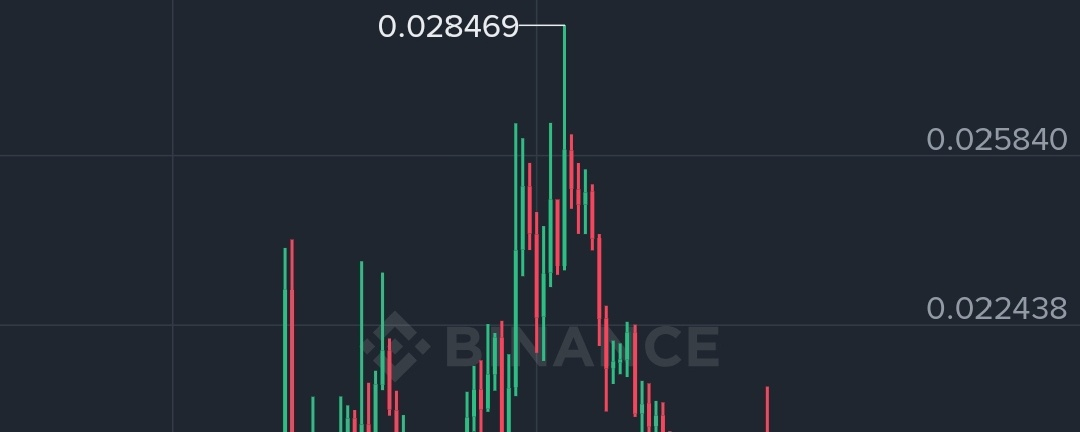
SPK.... $$$The Spark ($SPK ) token—the native governance and capital allocation layer for the Spark Protocol under Sky—has triggered heavy buying waves and a sharp surge in trading volume.
Why $SPK is Pumping: The Latest Catalysts
Massive 200M Token Buyback Execution: The most prominent fundamental driver for the pump is the official announcement that Spark Protocol spent 4 million USDS to buy back more than 200 million $SPK tokens. Backed by robust Q3 net returns that exceeded $4 million, this verifiable, on-chain buyback has drastically sucked liquidity from the open market and squeezed the token's circulating supply.Profitable Shift to Financial Sustainability: The massive buyback signals to investors that the protocol's core business model is actively generating sustainable profits rather than relying purely on token dilution. This shift toward concrete tokenholder value alignment has heavily re-ignited long-term investor accumulation.Institutional Credit & Lending Expansion: Spark has successfully scaled its utility footprint by positioning itself as a core on-chain credit infrastructure layer. Its institutional fixed-rate lending architecture built on Morpho V2 continues to target massive liquidity goals, which is heavily amplified by strategic custody-synced borrowing integrations alongside partners like Anchorage Digital.Extreme Valuation-to-TVL Multiplier Gap: On-chain analysts and "smart money" addresses are heavily targeting the coin due to an extreme valuation mismatch. Spark Protocol anchors a staggering $9.04 billion in Total Value Locked (TVL) against a relatively tiny circulating market cap of just ~$56 million to $62 million, driving a viral market narrative that the token is intensely undervalued relative to its massive DeFi footprint.
#SparkProtocol #SPKY #DeFiRally #CryptoBuyback #altcoinseason
SPK.... $$$
The Spark ($SPK ) token—the native governance and capital allocation layer for the Spark Protocol under Sky—has triggered heavy buying waves and a sharp surge in trading volume.
Why $SPK is Pumping: The Latest Catalysts
Massive 200M Token Buyback Execution: The most prominent fundamental driver for the pump is the official announcement that Spark Protocol spent 4 million USDS to buy back more than 200 million $SPK tokens. Backed by robust Q3 net returns that exceeded $4 million, this verifiable, on-chain buyback has drastically sucked liquidity from the open market and squeezed the token's circulating supply.Profitable Shift to Financial Sustainability: The massive buyback signals to investors that the protocol's core business model is actively generating sustainable profits rather than relying purely on token dilution. This shift toward concrete tokenholder value alignment has heavily re-ignited long-term investor accumulation.Institutional Credit & Lending Expansion: Spark has successfully scaled its utility footprint by positioning itself as a core on-chain credit infrastructure layer. Its institutional fixed-rate lending architecture built on Morpho V2 continues to target massive liquidity goals, which is heavily amplified by strategic custody-synced borrowing integrations alongside partners like Anchorage Digital.Extreme Valuation-to-TVL Multiplier Gap: On-chain analysts and "smart money" addresses are heavily targeting the coin due to an extreme valuation mismatch. Spark Protocol anchors a staggering $9.04 billion in Total Value Locked (TVL) against a relatively tiny circulating market cap of just ~$56 million to $62 million, driving a viral market narrative that the token is intensely undervalued relative to its massive DeFi footprint.
#SparkProtocol #SPKY #DeFiRally #CryptoBuyback #altcoinseason
245
·
--
Article
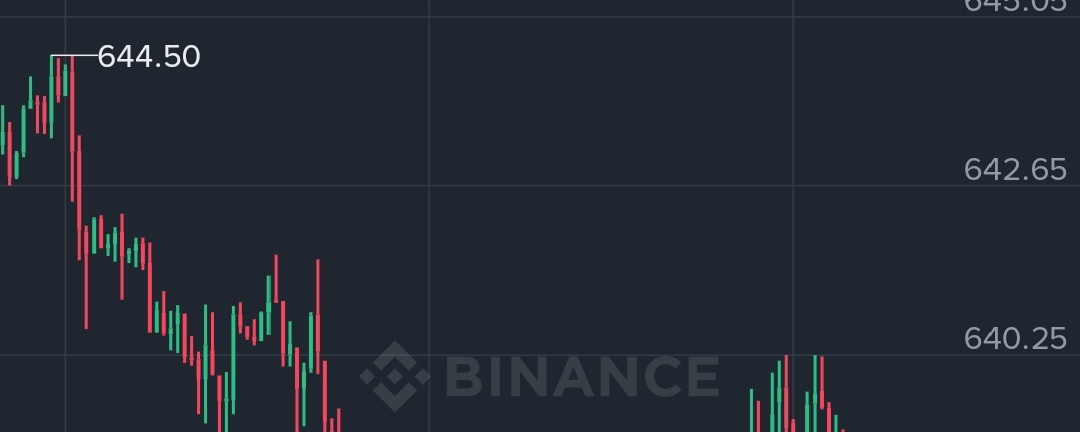
XMR.... $$The Monero ($XMR) token has triggered an explosive decentralized rally, outrunning a broader digital asset slowdown to trade strongly in the $610 to $630 corridor. The privacy-centric powerhouse has extended its recent 90-day gains past 75% due to a mix of major cryptographic milestones and sudden, heavy network demand.
$XMR is Pumping: The Latest Catalysts
The Imminent "FCMP++" Zero-Knowledge Upgrade: The single largest driver of long-term holder conviction is the upcoming Full Chain Membership Proofs (FCMP++) mainnet upgrade. Having successfully passed its rigorous Trail of Bits security audit and October stressnet tests, FCMP++ will replace legacy 16-decoy ring signatures with full-chain zero-knowledge proofs. This expands transaction anonymity across more than 150 million historical blockchain outputs, making on-chain tracking mathematically impossible.Massive $133M Whale Theft Laundering Flows: Immediate, high-volume upward price pressure was triggered following a high-profile $133 million exploit of an unnamed EU entity on November 3, 2026. On-chain blockchain analytics tracked the stolen funds being converted via non-custodial swaps (like Wagyu) directly into $XMR to wipe transaction trails. This sudden, massive spot buying volume heavily squeezed localized exchange liquidity.Severe Centralized Exchange Supply Shock: Following major delistings by centralized apps like [Binance](https://www.binance.com/en), Kraken, and OKX over the past year, Monero's liquid supply on traditional exchanges has completely dried up. Because its circulating supply sits tightly at just 18.82 million tokens with a strict, low "tail emission" fixed per block, any localized spike in buying forces a massive mechanical supply shock.Cross-Chain Perpetual Futures Leverage Squeeze: On the technical side, Monero’s breakout was heavily accelerated by derivatives market dynamics. With perpetual open interest surging past $297 million and major futures platforms revealing that top accounts were heavily net-short, the sudden upward spot movement triggered a violent cascading short squeeze. Bearish futures traders were forced to market-buy $XMR to cover their liabilities, catapulting the price velocity straight upward.Decentralized Swap Integration with THORChain & Hyperliquid: The barrier to accessing the privacy asset has been drastically lowered through recent backend infrastructure upgrades. The launch of native, non-custodial cross-chain swaps on decentralized networks like THORChain and Hyperliquid has enabled millions in retail trading volume to seamlessly rotate out of mainstream coins directly into self-custodied $XMR without needing central gatekeepers.
#Monero #XMR #PrivacyCoins #ZeroKnowledge #cryptopump
XMR.... $$
The Monero ($XMR ) token has triggered an explosive decentralized rally, outrunning a broader digital asset slowdown to trade strongly in the $610 to $630 corridor. The privacy-centric powerhouse has extended its recent 90-day gains past 75% due to a mix of major cryptographic milestones and sudden, heavy network demand.
$XMR is Pumping: The Latest Catalysts
The Imminent "FCMP++" Zero-Knowledge Upgrade: The single largest driver of long-term holder conviction is the upcoming Full Chain Membership Proofs (FCMP++) mainnet upgrade. Having successfully passed its rigorous Trail of Bits security audit and October stressnet tests, FCMP++ will replace legacy 16-decoy ring signatures with full-chain zero-knowledge proofs. This expands transaction anonymity across more than 150 million historical blockchain outputs, making on-chain tracking mathematically impossible.Massive $133M Whale Theft Laundering Flows: Immediate, high-volume upward price pressure was triggered following a high-profile $133 million exploit of an unnamed EU entity on November 3, 2026. On-chain blockchain analytics tracked the stolen funds being converted via non-custodial swaps (like Wagyu) directly into $XMR to wipe transaction trails. This sudden, massive spot buying volume heavily squeezed localized exchange liquidity.Severe Centralized Exchange Supply Shock: Following major delistings by centralized apps like Binance, Kraken, and OKX over the past year, Monero's liquid supply on traditional exchanges has completely dried up. Because its circulating supply sits tightly at just 18.82 million tokens with a strict, low "tail emission" fixed per block, any localized spike in buying forces a massive mechanical supply shock.Cross-Chain Perpetual Futures Leverage Squeeze: On the technical side, Monero’s breakout was heavily accelerated by derivatives market dynamics. With perpetual open interest surging past $297 million and major futures platforms revealing that top accounts were heavily net-short, the sudden upward spot movement triggered a violent cascading short squeeze. Bearish futures traders were forced to market-buy $XMR to cover their liabilities, catapulting the price velocity straight upward.Decentralized Swap Integration with THORChain & Hyperliquid: The barrier to accessing the privacy asset has been drastically lowered through recent backend infrastructure upgrades. The launch of native, non-custodial cross-chain swaps on decentralized networks like THORChain and Hyperliquid has enabled millions in retail trading volume to seamlessly rotate out of mainstream coins directly into self-custodied $XMR without needing central gatekeepers.
#Monero #XMR #PrivacyCoins #ZeroKnowledge #cryptopump
175
·
--
Article
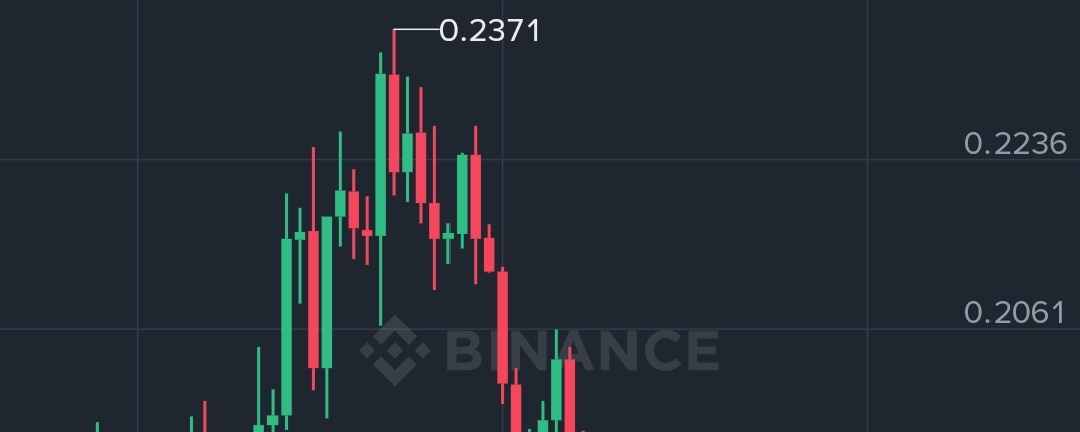
XLM.... $$The Stellar ($XLM ) token has experienced explosive bullish momentum, successfully breaking out of its multi-month consolidation zone due to massive traditional finance (TradFi) integrations, a dominant layer-1 real-world asset (RWA) expansion, and structural upgrades.
Why $XLM is Pumping: The Latest Catalysts
The Massive DTCC Integration Flywheel: The primary fundamental engine driving institutional capital into Stellar is the Depository Trust & Clearing Corporation (DTCC) finalizing infrastructure plans to connect its tokenized securities platform to the Stellar blockchain. Targeting a live rollout in the first half of 2027, the massive U.S. financial clearing giant plans to settle tokenized blue-chip equities, ETFs, and U.S. Treasuries directly on Stellar. This positions $XLM as a primary compliant transaction asset for Wall Street.Dominant Leader in Tokenized Fund Growth: Stellar has firmly cemented itself as a top network for Real-World Asset (RWA) tokenization. Over the past 90 days, Stellar led major networks by adding a staggering $757.5 million in tokenized fund assets under management (AUM), anchored by massive institutional issuers like Franklin Templeton, WisdomTree, and Amundi.Grayscale Spot ETF Conversion Filing: Investor FOMO escalated aggressively following Grayscale's official S-1 regulatory filing to convert its existing Stellar Lumens Trust into a spot XLM ETF. This follows the joint SEC/CFTC classification of $XLM as a digital commodity, allowing traditional asset managers to aggressively accumulate the token via compliant market pathways.Bank of England RTGS Synchronization: Stellar’s real-world payment utility utility received a validation boost from Nuvanti Technologies' work in the Bank of England Synchronization Lab. The successful integration of a stablecoin clearing prototype with the central bank’s Real-Time Gross Settlement (RTGS) environment confirms Stellar's readiness for next-gen sovereign money layers.Soroban Smart Contract & Protocol 30 Scale: The network is moving aggressively into a full-scale DeFi ecosystem via its Soroban smart contract framework. With developers actively initiating testnet voting for the Protocol 30 "Bell" upgrade, the network is scaling its smart contract processing efficiency to absorb massive decentralized application flows.
#StellarLumens #XLM #RWATokenization #CryptoETF #DeFiRally
XLM.... $$
The Stellar ($XLM ) token has experienced explosive bullish momentum, successfully breaking out of its multi-month consolidation zone due to massive traditional finance (TradFi) integrations, a dominant layer-1 real-world asset (RWA) expansion, and structural upgrades.
Why $XLM is Pumping: The Latest Catalysts
The Massive DTCC Integration Flywheel: The primary fundamental engine driving institutional capital into Stellar is the Depository Trust & Clearing Corporation (DTCC) finalizing infrastructure plans to connect its tokenized securities platform to the Stellar blockchain. Targeting a live rollout in the first half of 2027, the massive U.S. financial clearing giant plans to settle tokenized blue-chip equities, ETFs, and U.S. Treasuries directly on Stellar. This positions $XLM as a primary compliant transaction asset for Wall Street.Dominant Leader in Tokenized Fund Growth: Stellar has firmly cemented itself as a top network for Real-World Asset (RWA) tokenization. Over the past 90 days, Stellar led major networks by adding a staggering $757.5 million in tokenized fund assets under management (AUM), anchored by massive institutional issuers like Franklin Templeton, WisdomTree, and Amundi.Grayscale Spot ETF Conversion Filing: Investor FOMO escalated aggressively following Grayscale's official S-1 regulatory filing to convert its existing Stellar Lumens Trust into a spot XLM ETF. This follows the joint SEC/CFTC classification of $XLM as a digital commodity, allowing traditional asset managers to aggressively accumulate the token via compliant market pathways.Bank of England RTGS Synchronization: Stellar’s real-world payment utility utility received a validation boost from Nuvanti Technologies' work in the Bank of England Synchronization Lab. The successful integration of a stablecoin clearing prototype with the central bank’s Real-Time Gross Settlement (RTGS) environment confirms Stellar's readiness for next-gen sovereign money layers.Soroban Smart Contract & Protocol 30 Scale: The network is moving aggressively into a full-scale DeFi ecosystem via its Soroban smart contract framework. With developers actively initiating testnet voting for the Protocol 30 "Bell" upgrade, the network is scaling its smart contract processing efficiency to absorb massive decentralized application flows.
#StellarLumens #XLM #RWATokenization #CryptoETF #DeFiRally
5
·
--
Article
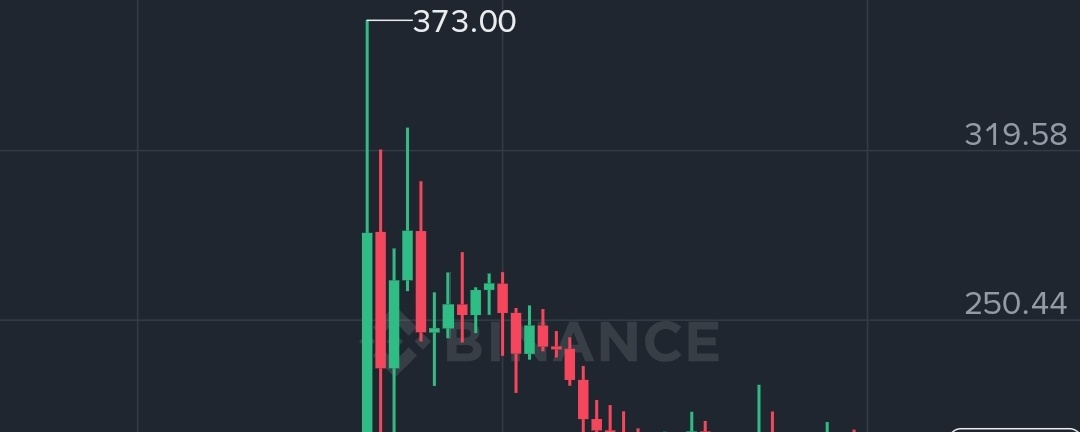
QNT.... $$The Quant ($QNT ) token has experienced massive upward momentum, frequently decoupling from the broader crypto market to trade heavily in the $190 to $215 range following a parabolic rally from its sub-$100 lows.
Why $QNT is Pumping: The Latest Catalysts
The Clearing House (TCH) On-Chain Money Partnership: The dominant fundamental driver for Quant's explosive re-pricing is its official selection by The Clearing House to power its upcoming On-Chain Money Initiative. Quant is providing the interoperability, orchestration, and transaction management infrastructure to help major U.S. banks clear and settle tokenized deposits. Because TCH is owned by Wall Street giants like Bank of America, Citigroup, and Wells Fargo, this has injected monumental institutional validation into the project.Live UK Tokenized Sterling Success: Amplifying the institutional narrative, seven major UK banks (including Barclays, HSBC, Lloyds, and Santander) successfully completed live, real-customer transactions using tokenized sterling deposits built entirely on Quant infrastructure.Ultra-Scarce "Bitcoin-Style" Supply Math: Unlike many modern altcoins plagued by token unlocks and high inflation, QNT has an incredibly tight supply architecture. Its maximum supply is hard-capped at 14.6 million tokens, and it is already 100% circulating with zero future unlocks or staking inflation.The Overledger Corporate License Flywheel: To utilize Quant’s universal enterprise translator ecosystem (Overledger), global financial institutions and developers must pay annual licensing fees. These fees lock up QNT tokens out of liquid circulation. As multi-trillion-dollar banking networks begin preparing integrations for a targeted first-half 2027 network launch, spot exchange reserves are draining rapidly, triggering severe structural supply squeezes.Technical Rebounds and Short Squeezes: After a brief retracement from its initial vertical pump, $QNT formed a highly constructive technical structure, defending key Fibonacci support levels to clear strong moving averages. Aggressive derivatives volume and cascading short liquidations across exchanges forced bearish futures traders to market-buy back the asset, further accelerating the vertical green candles.
#QuantNetwork #QNT #interoperability #Tokenization #cryptopump
QNT.... $$
The Quant ($QNT ) token has experienced massive upward momentum, frequently decoupling from the broader crypto market to trade heavily in the $190 to $215 range following a parabolic rally from its sub-$100 lows.
Why $QNT is Pumping: The Latest Catalysts
The Clearing House (TCH) On-Chain Money Partnership: The dominant fundamental driver for Quant's explosive re-pricing is its official selection by The Clearing House to power its upcoming On-Chain Money Initiative. Quant is providing the interoperability, orchestration, and transaction management infrastructure to help major U.S. banks clear and settle tokenized deposits. Because TCH is owned by Wall Street giants like Bank of America, Citigroup, and Wells Fargo, this has injected monumental institutional validation into the project.Live UK Tokenized Sterling Success: Amplifying the institutional narrative, seven major UK banks (including Barclays, HSBC, Lloyds, and Santander) successfully completed live, real-customer transactions using tokenized sterling deposits built entirely on Quant infrastructure.Ultra-Scarce "Bitcoin-Style" Supply Math: Unlike many modern altcoins plagued by token unlocks and high inflation, QNT has an incredibly tight supply architecture. Its maximum supply is hard-capped at 14.6 million tokens, and it is already 100% circulating with zero future unlocks or staking inflation.The Overledger Corporate License Flywheel: To utilize Quant’s universal enterprise translator ecosystem (Overledger), global financial institutions and developers must pay annual licensing fees. These fees lock up QNT tokens out of liquid circulation. As multi-trillion-dollar banking networks begin preparing integrations for a targeted first-half 2027 network launch, spot exchange reserves are draining rapidly, triggering severe structural supply squeezes.Technical Rebounds and Short Squeezes: After a brief retracement from its initial vertical pump, $QNT formed a highly constructive technical structure, defending key Fibonacci support levels to clear strong moving averages. Aggressive derivatives volume and cascading short liquidations across exchanges forced bearish futures traders to market-buy back the asset, further accelerating the vertical green candles.
#QuantNetwork #QNT #interoperability #Tokenization #cryptopump
383
·
--
Article
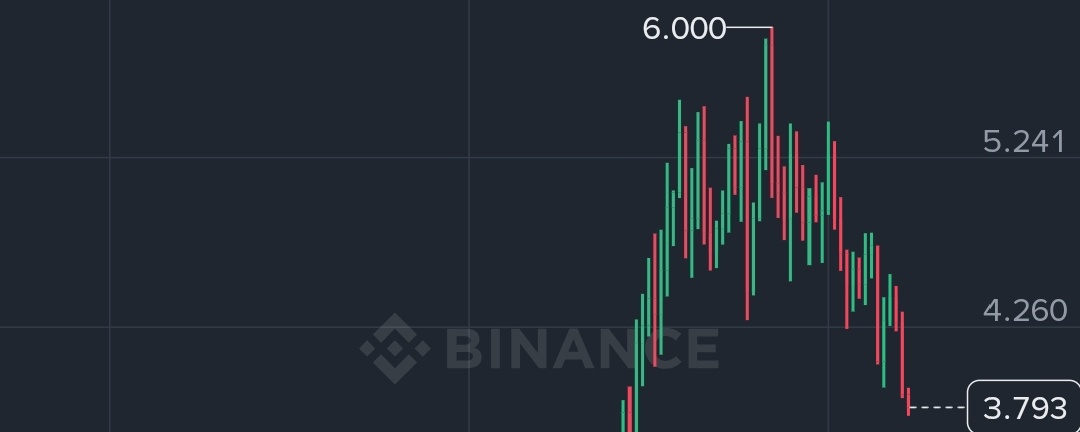
NEAR.... $$The Near Protocol ($NEAR ) token has triggered explosive momentum waves, vaulting from local lows to push back into the $4.10 to $4.80 range. While experiencing a localized healthy consolidation, the overall structural pump is driven by a combination of groundbreaking tokenomics reforms, surging chain usage, and a dominant position in the decentralized AI narrative.
Why $NEAR is Pumping: The Latest Catalysts
Historic Token Inflation Slash Approval (HSP-029): On November 2, 2026, NEAR's decentralized governance body officially approved the HSP-029 proposal, slashing the protocol's maximum annual issuance from 2.5% down to 1.6% over a 24-month period. This drastic reduction in future supply emission has massively reduced structural sell pressure, creating an instantly bullish long-term supply squeeze.Massive $32 Billion "NEAR Intents" and Buyback Volume: The protocol's underlying cross-chain utility has reached a boiling point. The platform's native cross-chain routing layer, NEAR Intents, recently crossed a staggering $32 billion in cumulative volume. Because 70% of all base transaction fees are permanently burned and protocol revenues directly fund open-market NEAR token buybacks, this exploding volume translates directly to massive buy-side price pressure.The "AI Agents" & Hardware Scaling Dominance: NEAR has positioned itself as a core Layer-1 infrastructure hub for the booming "Agentic AI" economy. Over 500,000 $NEAR tokens have been actively staked for confidential AI inference on the NEAR AI Cloud, which is now actively running more than 40 different open-source AI models.Stellar (XLM) Mainnet Integration: On October 31, 2026, NEAR successfully integrated the Stellar network into its core platform. This allows users to deposit directly from the Stellar mainnet and execute asset swaps that are entirely confidential by default, powered completely by NEAR's unique privacy-shielding intent architecture.Violent Cascading Short Squeezes: As NEAR broke past key overhead technical resistances, massive clusters of leveraged short positions were violently liquidated, forcing over $6.5 million in forced short liquidations in a compressed window. This forced bearish traders to buy back tokens on the spot market, catapulting the price velocity straight upward.
#NearProtocol #NEAR #ChainAbstraction #AICrypto #BinanceReopensWithdrawalsForMoreAssets
NEAR.... $$
The Near Protocol ($NEAR ) token has triggered explosive momentum waves, vaulting from local lows to push back into the $4.10 to $4.80 range. While experiencing a localized healthy consolidation, the overall structural pump is driven by a combination of groundbreaking tokenomics reforms, surging chain usage, and a dominant position in the decentralized AI narrative.
Why $NEAR is Pumping: The Latest Catalysts
Historic Token Inflation Slash Approval (HSP-029): On November 2, 2026, NEAR's decentralized governance body officially approved the HSP-029 proposal, slashing the protocol's maximum annual issuance from 2.5% down to 1.6% over a 24-month period. This drastic reduction in future supply emission has massively reduced structural sell pressure, creating an instantly bullish long-term supply squeeze.Massive $32 Billion "NEAR Intents" and Buyback Volume: The protocol's underlying cross-chain utility has reached a boiling point. The platform's native cross-chain routing layer, NEAR Intents, recently crossed a staggering $32 billion in cumulative volume. Because 70% of all base transaction fees are permanently burned and protocol revenues directly fund open-market NEAR token buybacks, this exploding volume translates directly to massive buy-side price pressure.The "AI Agents" & Hardware Scaling Dominance: NEAR has positioned itself as a core Layer-1 infrastructure hub for the booming "Agentic AI" economy. Over 500,000 $NEAR tokens have been actively staked for confidential AI inference on the NEAR AI Cloud, which is now actively running more than 40 different open-source AI models.Stellar (XLM) Mainnet Integration: On October 31, 2026, NEAR successfully integrated the Stellar network into its core platform. This allows users to deposit directly from the Stellar mainnet and execute asset swaps that are entirely confidential by default, powered completely by NEAR's unique privacy-shielding intent architecture.Violent Cascading Short Squeezes: As NEAR broke past key overhead technical resistances, massive clusters of leveraged short positions were violently liquidated, forcing over $6.5 million in forced short liquidations in a compressed window. This forced bearish traders to buy back tokens on the spot market, catapulting the price velocity straight upward.
#NearProtocol #NEAR #ChainAbstraction #AICrypto #BinanceReopensWithdrawalsForMoreAssets
9
·
--
Article
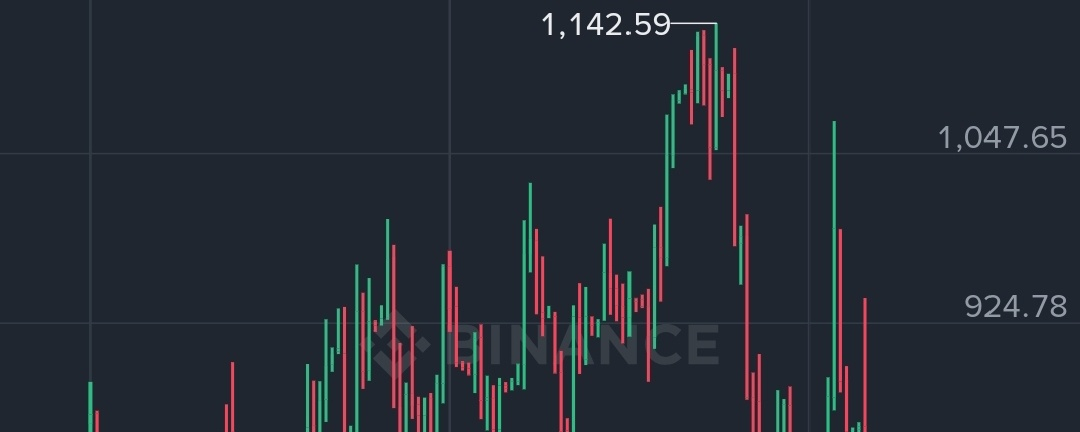
LIT..... $$The Lighter ($LITEB ) token has experienced explosive bullish momentum, leading the top 90 largest cryptocurrencies with sudden double-digit daily gains and pushing its price over the $3.10–$3.80 range.
Why $LITEB is Pumping: The Latest Catalysts
Imminent CFTC Derivatives License Filing: The primary fundamental driver of the massive surge is Lighter's official confirmation that it plans to submit its CFTC derivatives license application in November 2026. Successfully securing a designated contract market (DCM) and derivatives clearing organization (DCO) designation positions Lighter to aggressively bridge into regulated U.S. institutional markets.Massive 15.5 Million Token Burn Program: Lighter has completed its major tokenomics overhaul, which transitions platform fees from simple buybacks into permanent burns. The exchange is actively removing 15.5 million $LITEB tokens (representing roughly 6.3% of the entire circulating supply) from the open market, causing an immediate, severe localized supply squeeze.Bitwise Launch on Deutsche Börse Xetra: Institutional accumulation has accelerated following the official launch of a physically-backed LIT exchange-traded product (ETP) by Bitwise on Germany's Xetra exchange. This provides European traditional capital with a fully compliant vehicle to acquire exposure to the protocol's growth.Expanding Yield and Collateral Footprint: The platform's on-chain utility has taken another leap forward after integrating EtherFi's wrapped eETH (weETH) as a valid collateral type for high-leverage perpetual trading. This expands the protocol's liquidity depth and captures more daily fee revenues to power its ongoing token burns.Violent Derivative Short Squeezes: On the technical side, the upward trajectory has been aggressively accelerated by massive short-covering liquidation events. Massive open short positions across decentralized derivatives platforms were forced to market-buy back tokens to protect their margins, rapidly amplifying the spot price pump.
#LighterDEX #Lıt #PerpDex #cryptopump #defi
LIT..... $$
The Lighter ($LITEB ) token has experienced explosive bullish momentum, leading the top 90 largest cryptocurrencies with sudden double-digit daily gains and pushing its price over the $3.10–$3.80 range.
Why $LITEB is Pumping: The Latest Catalysts
Imminent CFTC Derivatives License Filing: The primary fundamental driver of the massive surge is Lighter's official confirmation that it plans to submit its CFTC derivatives license application in November 2026. Successfully securing a designated contract market (DCM) and derivatives clearing organization (DCO) designation positions Lighter to aggressively bridge into regulated U.S. institutional markets.Massive 15.5 Million Token Burn Program: Lighter has completed its major tokenomics overhaul, which transitions platform fees from simple buybacks into permanent burns. The exchange is actively removing 15.5 million $LITEB tokens (representing roughly 6.3% of the entire circulating supply) from the open market, causing an immediate, severe localized supply squeeze.Bitwise Launch on Deutsche Börse Xetra: Institutional accumulation has accelerated following the official launch of a physically-backed LIT exchange-traded product (ETP) by Bitwise on Germany's Xetra exchange. This provides European traditional capital with a fully compliant vehicle to acquire exposure to the protocol's growth.Expanding Yield and Collateral Footprint: The platform's on-chain utility has taken another leap forward after integrating EtherFi's wrapped eETH (weETH) as a valid collateral type for high-leverage perpetual trading. This expands the protocol's liquidity depth and captures more daily fee revenues to power its ongoing token burns.Violent Derivative Short Squeezes: On the technical side, the upward trajectory has been aggressively accelerated by massive short-covering liquidation events. Massive open short positions across decentralized derivatives platforms were forced to market-buy back tokens to protect their margins, rapidly amplifying the spot price pump.
#LighterDEX #Lıt #PerpDex #cryptopump #defi
48
Log in to explore more content
Join global crypto users on Binance Square
⚡️ Get latest and useful information about crypto.
💬 Trusted by the world’s largest crypto exchange.
👍 Discover real insights from verified creators.
Email / Phone number
Trending Topics
CPITestsDecemberRateOutlook
706,085 views
3,236 Discussing
October CPI Seen Up 0.3%, Keeping Fed on Course for December Rate Increase
Binance News
·4 Likes
·4.1k views
NvidiaInvestigatesAfterHuang’sAffairApology
262,633 views
2,067 Discussing
AnthropicRejectsIPODelayValuationinQuestion
65,342 views
609 Discussing