
U酷U库
330 Posts

U酷U库
Report
Block User
Open Trade

FIL Holder
Occasional Trader
2.3 Years
119 Following
565 Followers
579 Liked
Posts
Portfolio
·
--
Verified
$FIL’s turning point isn’t a single sharp rally or crash, but whether paid storage orders can keep growing. Reduced supply is just a bonus; real demand is the main story.
#FIL
Many people are watching short-term candlestick charts while overlooking that Solstice is a watershed moment for FIL’s tokenomics. Reward burns + a sharp drop in supply have changed the long-term outlook.
#Filecoin
A sharp drop releases selling pressure, while large orders returning bring a rebound. But as long as paid storage doesn’t expand dramatically, any rally is just a bet on expectations. Be cautious with leverage.
1
1.4k
·
--
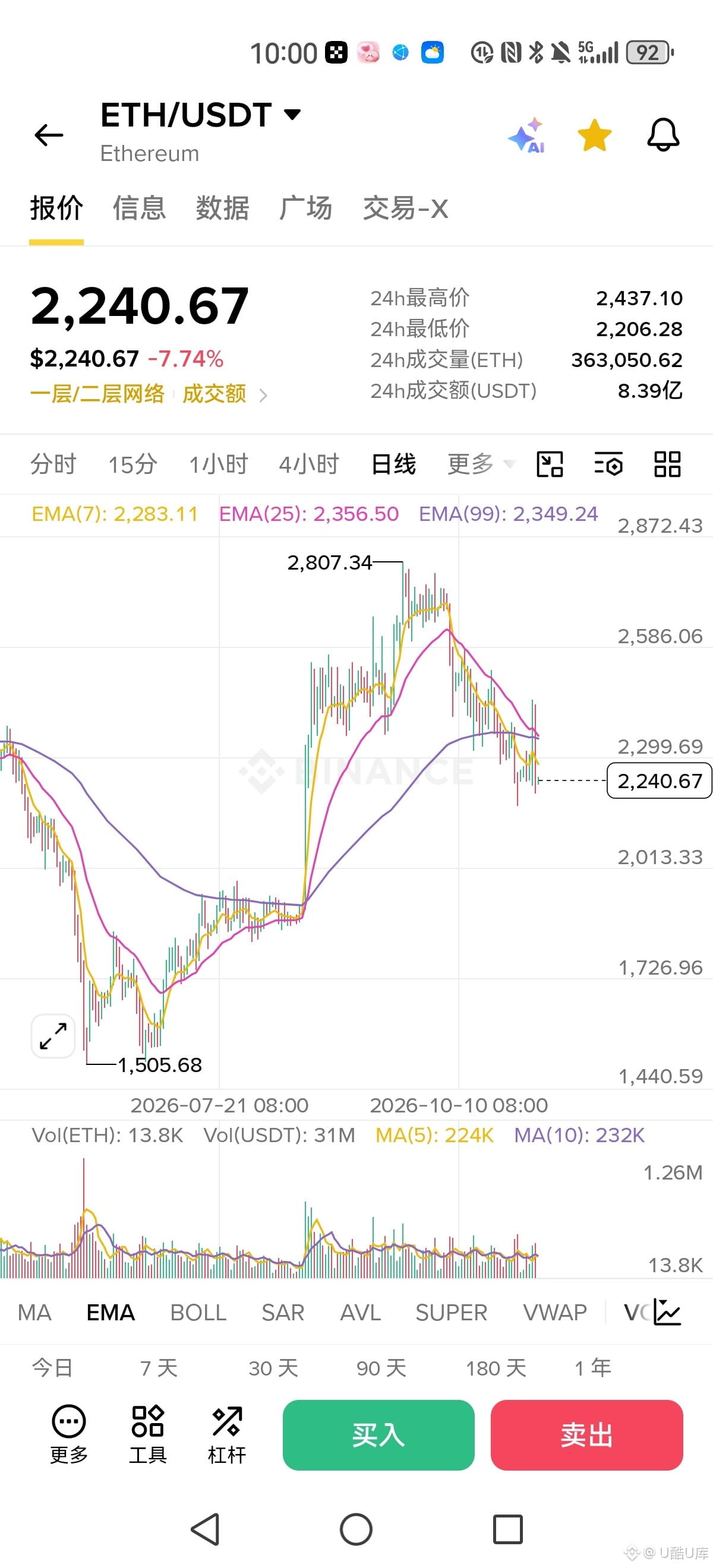
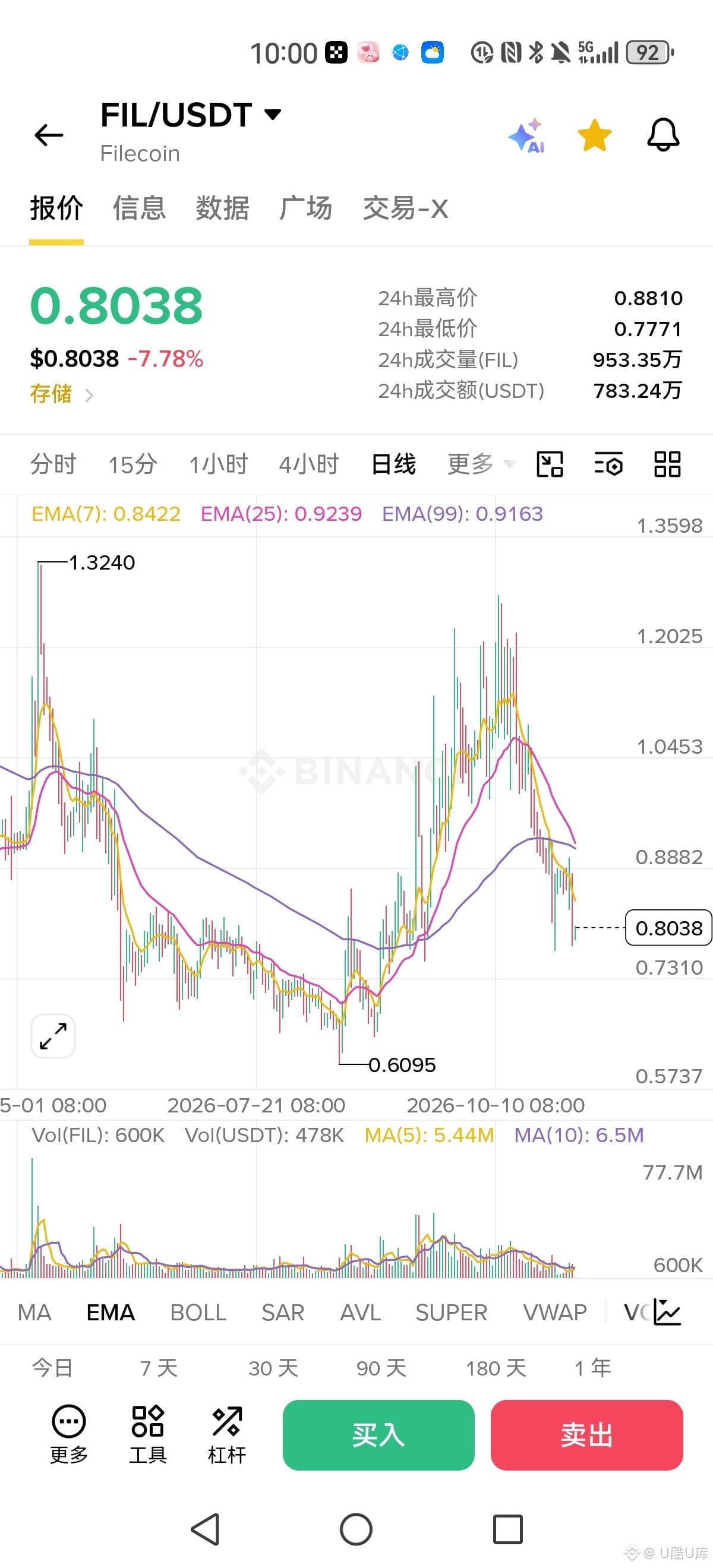
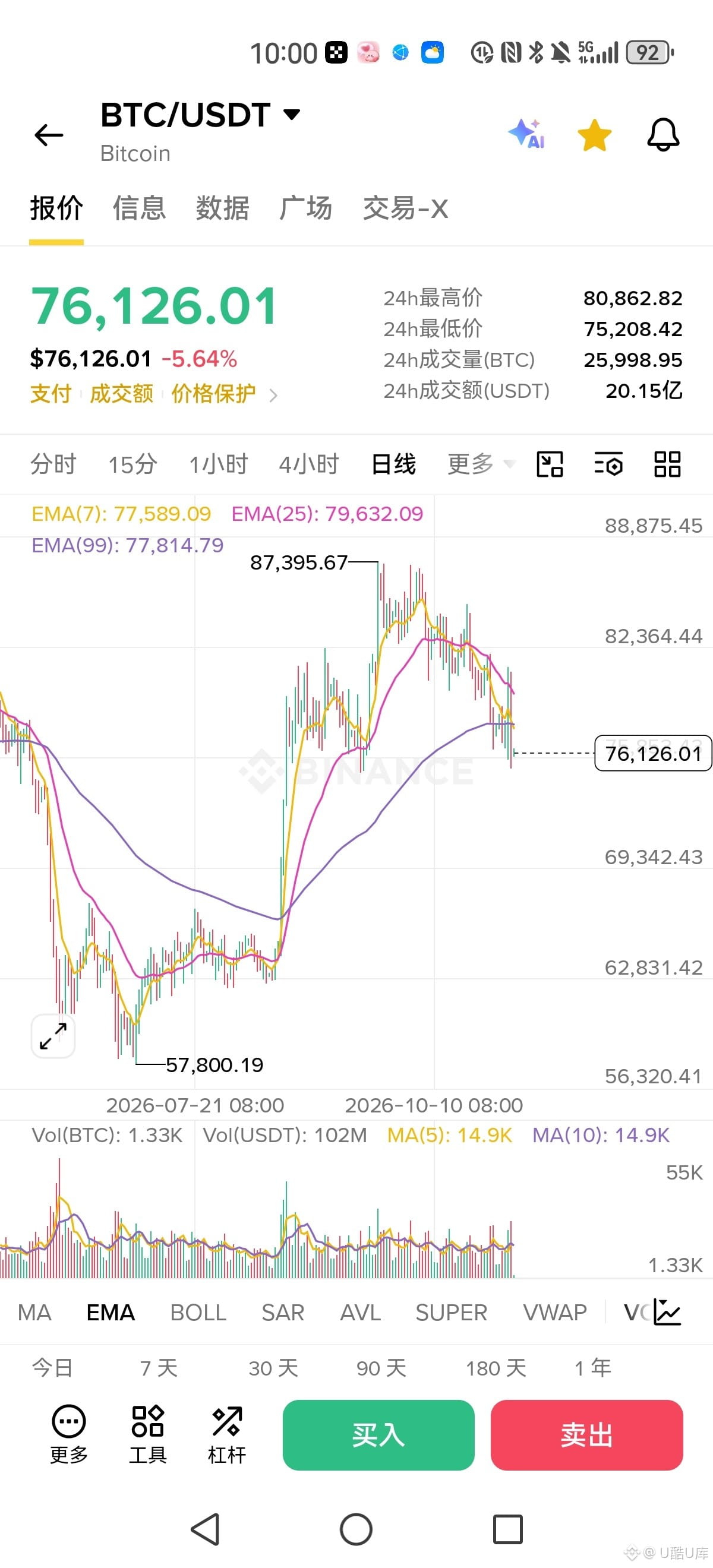
Many people are asking what signal this sharp drop is sending. Let’s look at the real-time on-chain data:
The sell-off was triggered by a broad flight to safety as the Nasdaq weakened, institutional spot investors exiting, and leveraged longs being liquidated en masse. Older tokens with upcoming unlocks are facing an additional layer of long-term selling pressure.
The buying returning now is just a short-term rebound after oversold conditions. There’s no confirmation of a trend reversal yet, so there’s no need to rush into buying the dip.
1
1
579
·
--
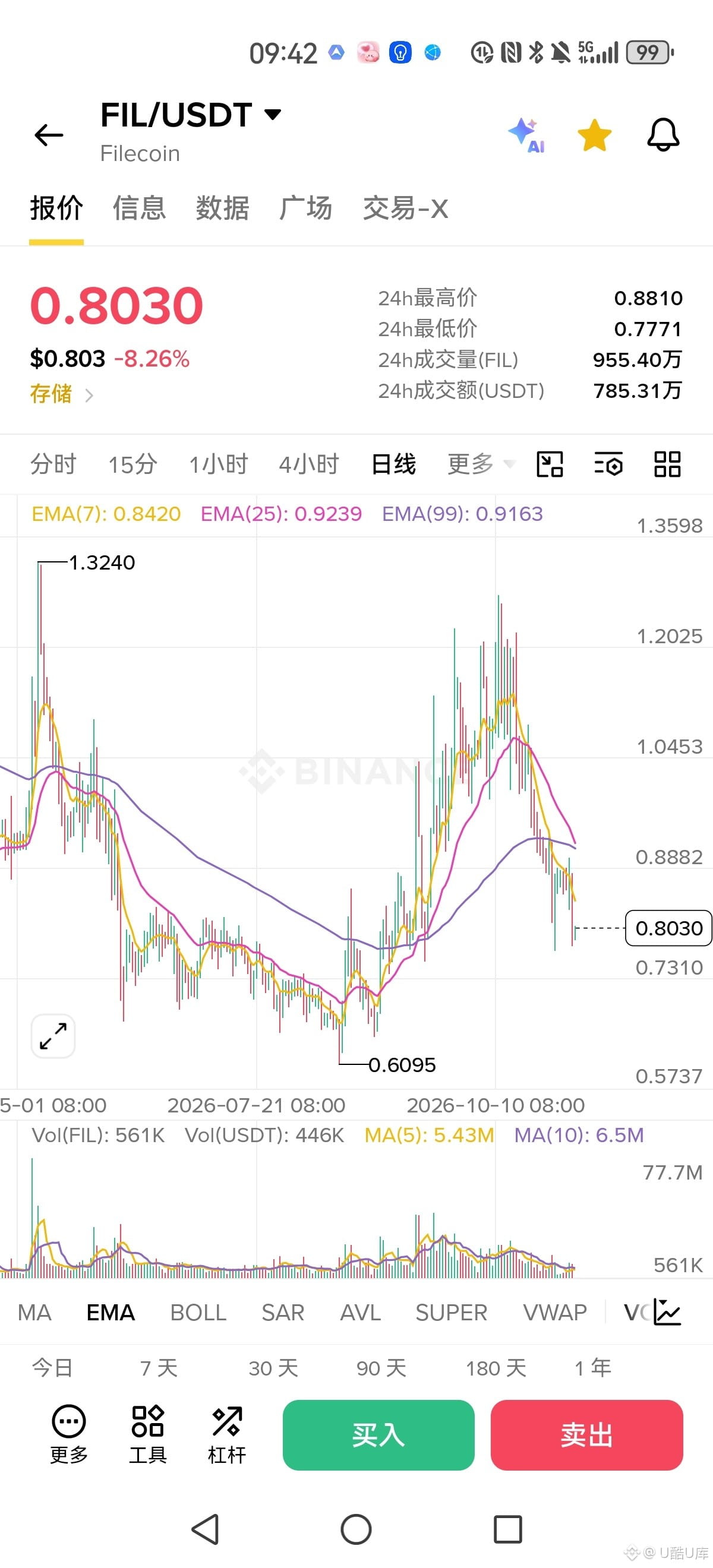
$FIL 📊 FIL Market Breakdown | The Nov. 5 Sell-Off
On Nov. 5, between 14:00 and 15:00 UTC, FIL plunged nearly 9.5% in one hour, falling from a high of 0.9032 to 0.7771, with a maximum drawdown of about 13.96%. The decline was driven by large-scale position reductions in the institutional spot market.
A technical oversold rebound followed, with large short-term orders flowing back in and net inflows emerging.
But the key point: around 144,000 FIL continue to unlock each day, keeping pressure on supply through dilution. This rebound has yet to confirm a trend reversal, and short-term volatility remains fierce—don't mistake a rebound for a reversal.
Manage your position size and respect volatility.
#FIL #Filecoin
1
1.2k
·
--
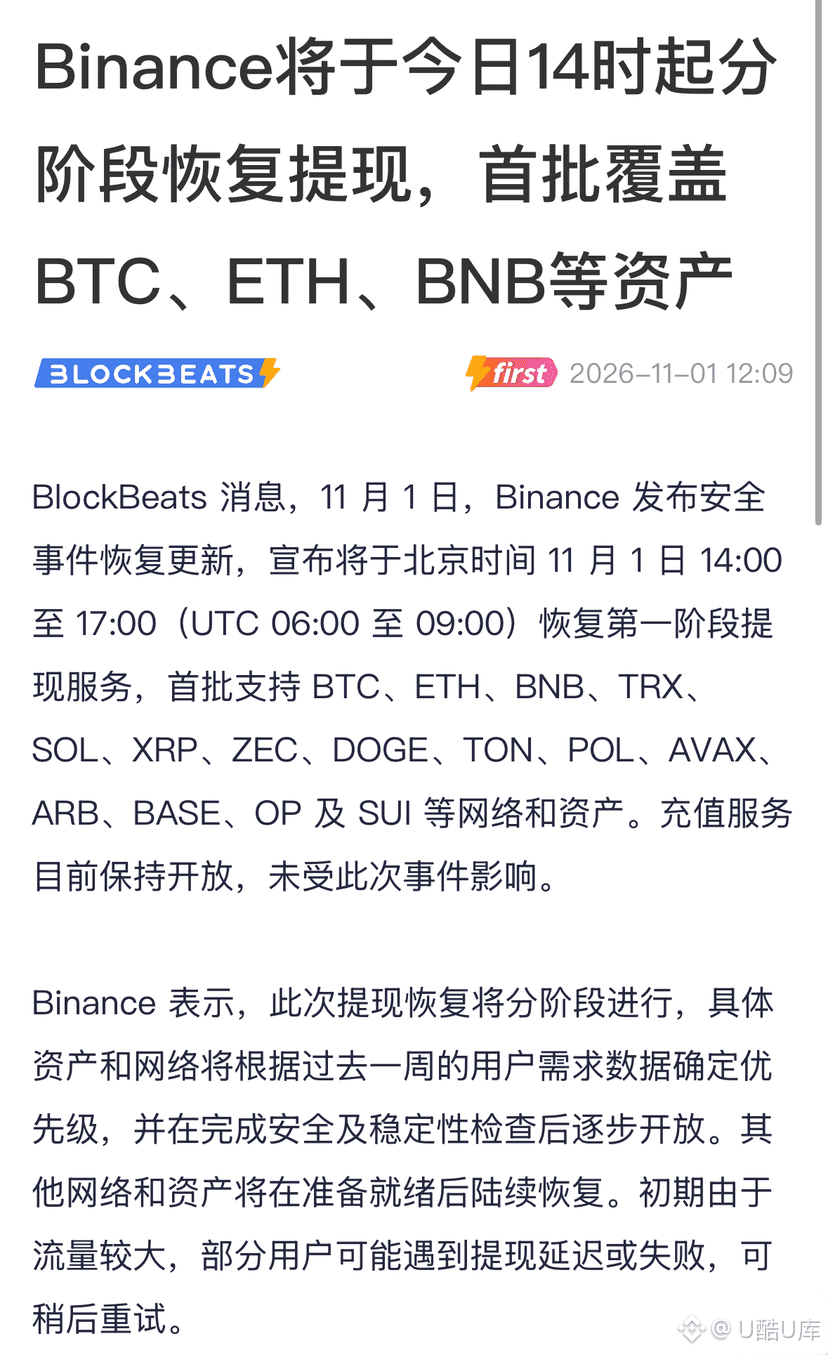
The black-swan hot-wallet hack at Binance set a new record for attacks in the industry.
Stablecoin issuers reacted quickly, freezing a large amount of funds linked to the incident. Binance also pledged that the platform would cover all losses and reimburse users in full.
Still, we should keep things in perspective: some decentralized assets will be difficult to recover, and the risk of selling pressure from the hackers’ remaining holdings has yet to fully dissipate.
This incident has taught everyone a lesson: no matter how large a platform is, absolute security does not exist.
For us, diversifying our assets and taking wallet security seriously are essential for long-term survival.
Market volatility is a side effect; security must always come first.

1
424
·
--
$BNB
{spot}(BNBUSDT)
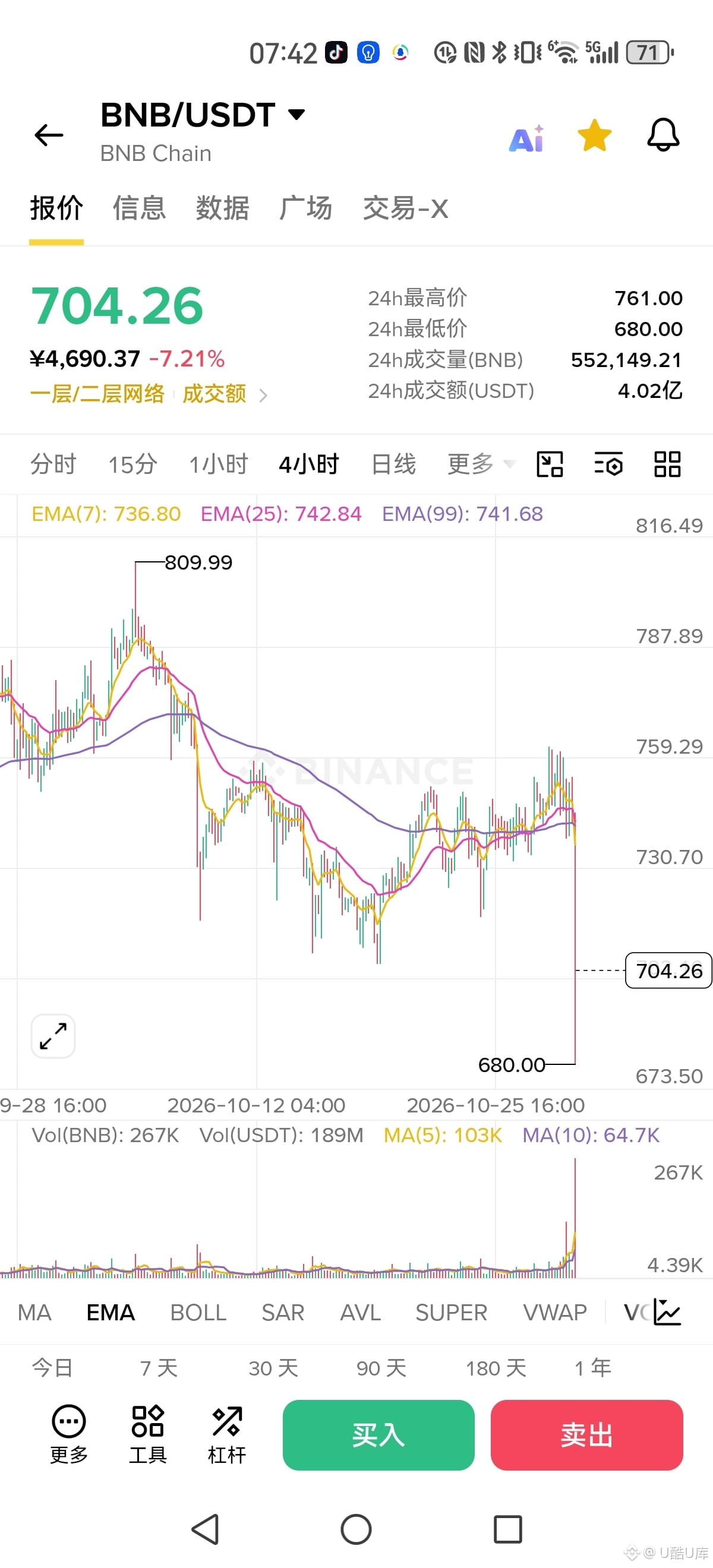
Just now, when BNB dipped into the 600s, I didn't rush to enter.
My biggest concern was not knowing whether there would be a second wave of hacker attacks. I also picked up on a signal: stablecoin issuers have already been rapidly freezing related assets, which is why many people are choosing to buy the dip.
But rationally speaking, the FUD surrounding the hackers has yet to die down, and BNB could still fall further.
I don't plan to go all in at once. I'll patiently wait for a better opportunity to add to my position.
I'm still bullish on the long-term outlook. I'll continue building my position in stages, without getting swept up in short-term panic and noise. Once the risks have fully played out, I'll gradually accumulate.
$BNB
Just now, when BNB dipped into the 600s, I didn't rush to enter.
My biggest concern was not knowing whether there would be a second wave of hacker attacks. I also picked up on a signal: stablecoin issuers have already been rapidly freezing related assets, which is why many people are choosing to buy the dip.
But rationally speaking, the FUD surrounding the hackers has yet to die down, and BNB could still fall further.
I don't plan to go all in at once. I'll patiently wait for a better opportunity to add to my position.
I'm still bullish on the long-term outlook. I'll continue building my position in stages, without getting swept up in short-term panic and noise. Once the risks have fully played out, I'll gradually accumulate.
2
2
1.1k
·
--
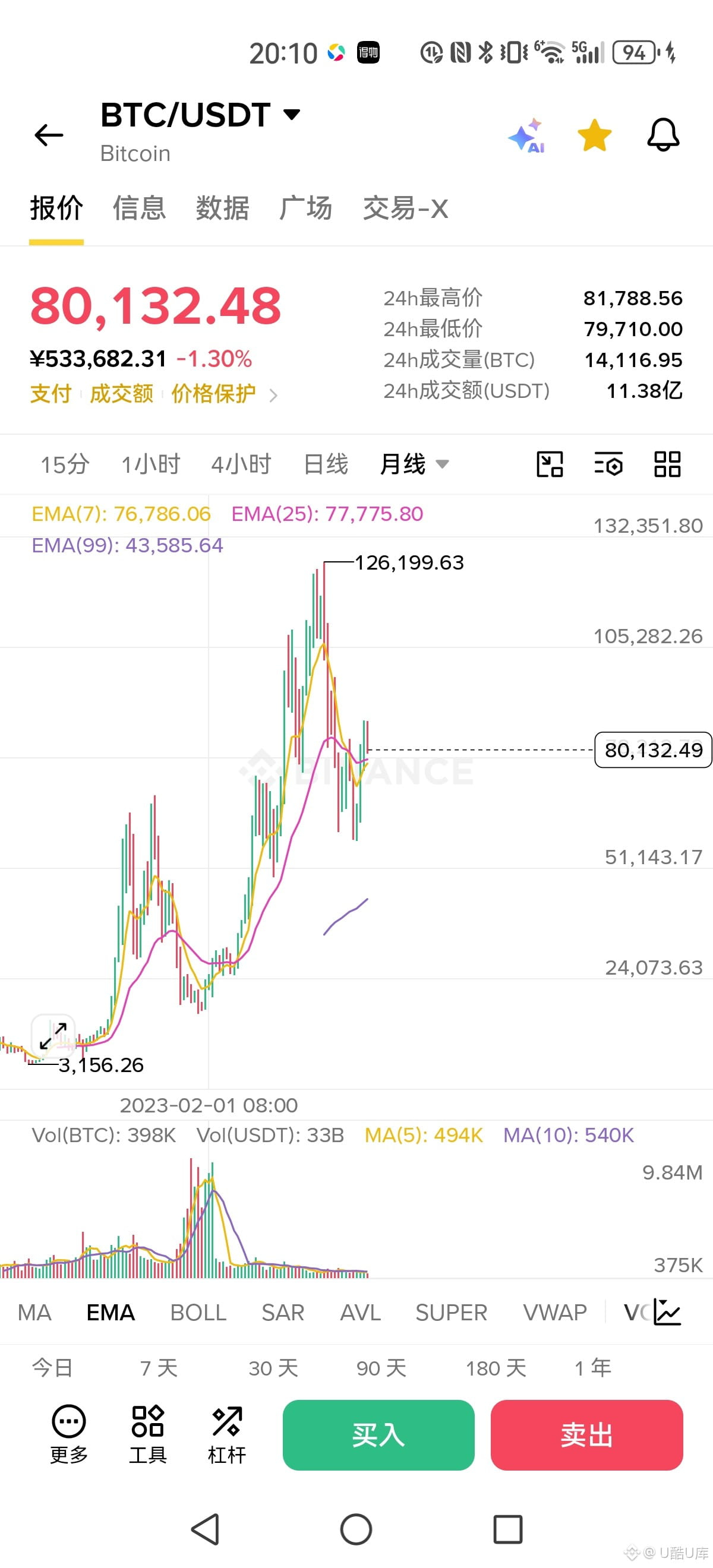
$BTC Looking at this monthly Bitcoin chart, many people can understand one thing: this game is ultimately only suited to two kinds of people. The remaining 99.9% end up leaving at a loss.
The first kind are long-term players with plenty of capital to fall back on. They don’t anxiously watch the charts every day. Even if they bought in at a high of over 120,000 and the price has now fallen to around 80,000, they can weather the drawdown without losing their nerve or panic-selling just because they’re sitting on paper losses. Ordinary retail investors are different: even a small dip leaves them on edge, and they can’t handle the volatility.
The second kind are people who understand the cycles and have the knowledge and conviction to stick with them. Looking at the monthly chart over a longer time frame, within a bull-bear cycle that spans several years, the window for a truly explosive rally lasts only a few days. Most of the rest of the time is spent in lengthy periods of sideways trading, volatility, and repeated shakeouts.
Most people can’t endure the grueling volatility or catch the fleeting main rally. That’s why the vast majority of people who invest in Bitcoin and the crypto market struggle to make money in the end.
153
·
--
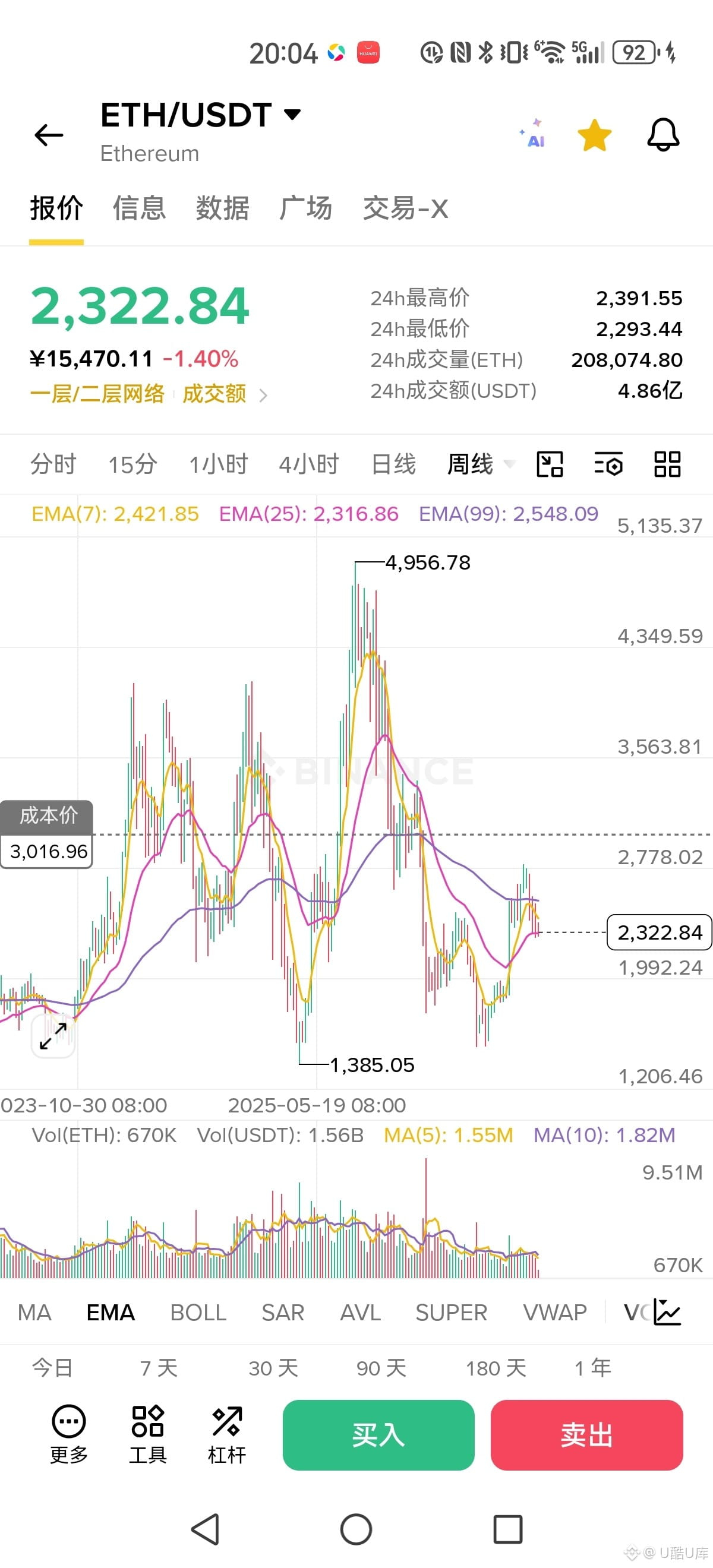
$BTC BTC/ETH (market anchor)
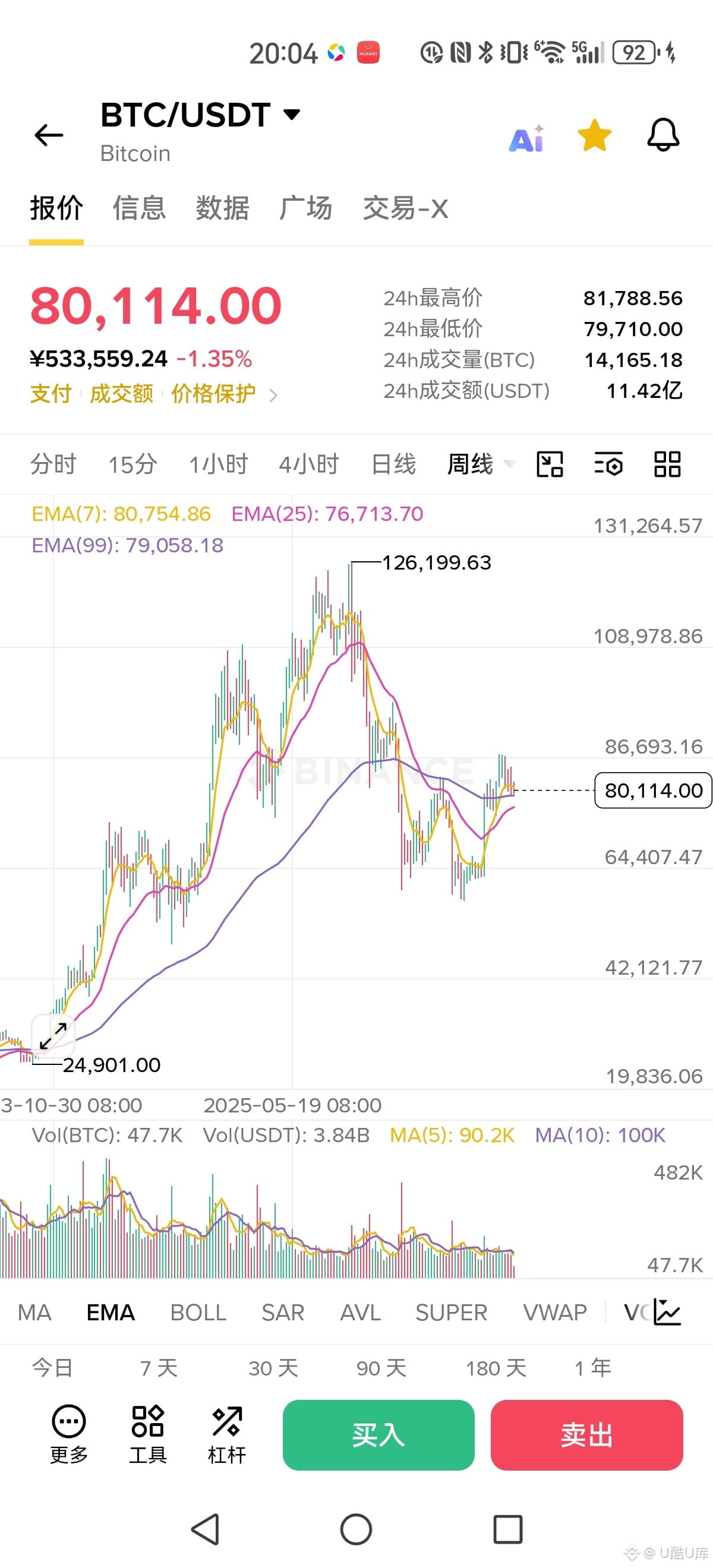
The market traded in a narrow range overall this week, with selling pressure overhead and support below. Prices repeatedly dipped below support before recovering, while leveraged positions in derivatives were frequently liquidated. ETF flows showed periodic outflows, and institutions did not make major additions to their core holdings; instead, they mostly sold high and bought low within the range. Large-cap assets helped stabilize the market, but did not drive a broad rally. BTC dominance rose, and most altcoins underperformed the broader market.
Key signal: The market has no clear one-way trend for now. In the short term, it is consolidating near the bottom and shaking out weak holders; a directional move will likely require a macro or regulatory catalyst.
214
·
--
Today, U.S.-listed company BNC rang the opening bell at Nasdaq, with CZ there in person. Is BNB’s MicroStrategy coming? BNC also plans to validate nodes on BNB Chain and earn yield on its BNB holdings—so hurry and stock up on some BNB ✌️
Today, U.S.-listed company BNC rang the opening bell at Nasdaq, with CZ there in person. Is BNB’s MicroStrategy coming? BNC also plans to validate nodes on BNB Chain and earn yield on its BNB holdings—so hurry and stock up on some BNB ✌️
537
Log in to explore more content
Join global crypto users on Binance Square
⚡️ Get latest and useful information about crypto.
💬 Trusted by the world’s largest crypto exchange.
👍 Discover real insights from verified creators.
Email / Phone number
Trending Topics
KeplrAdvisesSocialLoginUsersToTransferAssets
1,683 views
78 Discussing
#keplradvisessocialloginuserstotransferassets
🚨 Keplr Warns Social Login Users: Transfer Your Assets Before It's Too Late!
Keplr has issued an important warning to users who access their wallets through social login.
Users relying on social login should take action and transfer their assets to a securely backed-up wallet before they risk losing access.
🔍 What You Need to Know:
Social login users should review their wallet access immediately.
Make sure your recovery credentials and wallet backup are secure.
Transfer assets to a wallet where you control and safely store the recovery phrase.
Never share your seed phrase or private keys with anyone.
⚠️ Why It Matters:
Your crypto security depends on controlling access to your wallet. Losing access to a social login account could create serious problems if you haven't secured your wallet recovery options.
The message is simple: don't wait until you lose access to protect your funds.
#keplr #CryptoSecurity #WalletSafety
Faizan Crypto Learner
·1 Likes
·212 views
TetherPlans€28.8MForJuventusCapitalIncrease
1,472 views
70 Discussing
JobsReportRaisesHikeOdds
640,556 views
3,926 Discussing