
赤道以北
214 Posts

赤道以北
Report
Block User
万法,如一。
114 Following
67 Followers
105 Liked
Posts
All
Quotes
Videos
·
--
$HOT
Can you really eat your fill and take some home?
$HOT
Can you really eat your fill and take some home?
Can you really eat your fill and take some home?
2
1
571
·
--
$HOT
I kind of want to earn this funding fee, but I'm worried something might go wrong. What should I do? 😂
$HOT
I kind of want to earn this funding fee, but I'm worried something might go wrong. What should I do? 😂
I kind of want to earn this funding fee, but I'm worried something might go wrong. What should I do? 😂
2
416
·
--
$KAT
There’s nobody to play with down there. You have to go up if you want to play.
$KAT
There’s nobody to play with down there. You have to go up if you want to play.
There’s nobody to play with down there. You have to go up if you want to play.
495
·
--
$AIN
The rates are back to normal? Then, take him down!
$AIN
The rates are back to normal? Then, take him down!
The rates are back to normal? Then, take him down!
229
·
--
#HAEDALU
It’s risen by more than 0.003, so it should be fine.
But the issue now is that tomorrow is the investors’ final token unlock. And unlike the previous unlocks, this one comes after the price has risen.
The investors’ final tranche is 11.54 million tokens, and the team will unlock 8 million at the same time, together accounting for about 3.6% of the circulating supply.
The leverage limit has also been lowered, and the funding rate is currently negative.
The only explanation now is that someone is opening short positions against the uptrend, betting that the price will fall after the unlock. The more short positions there are, the more fuel there is for a short squeeze upward.
You can ride a small rally, but with the unlock tomorrow, it’s definitely a short.
#HAEDALU
It’s risen by more than 0.003, so it should be fine.
But the issue now is that tomorrow is the investors’ final token unlock. And unlike the previous unlocks, this one comes after the price has risen.
The investors’ final tranche is 11.54 million tokens, and the team will unlock 8 million at the same time, together accounting for about 3.6% of the circulating supply.
The leverage limit has also been lowered, and the funding rate is currently negative.
The only explanation now is that someone is opening short positions against the uptrend, betting that the price will fall after the unlock. The more short positions there are, the more fuel there is for a short squeeze upward.
You can ride a small rally, but with the unlock tomorrow, it’s definitely a short.
It’s risen by more than 0.003, so it should be fine.
But the issue now is that tomorrow is the investors’ final token unlock. And unlike the previous unlocks, this one comes after the price has risen.
The investors’ final tranche is 11.54 million tokens, and the team will unlock 8 million at the same time, together accounting for about 3.6% of the circulating supply.
The leverage limit has also been lowered, and the funding rate is currently negative.
The only explanation now is that someone is opening short positions against the uptrend, betting that the price will fall after the unlock. The more short positions there are, the more fuel there is for a short squeeze upward.
You can ride a small rally, but with the unlock tomorrow, it’s definitely a short.
271
·
--
$Q
You can take a small short position at 0.2333.
$Q
You can take a small short position at 0.2333.
You can take a small short position at 0.2333.
1
738
·
--
$US
It can start moving up now.
The biggest development during this period is its new exchange listing.
But the first batch, which was locked up for a year, will be unlocked in two months, on December 11.
$US
It can start moving up now.
The biggest development during this period is its new exchange listing.
But the first batch, which was locked up for a year, will be unlocked in two months, on December 11.
It can start moving up now.
The biggest development during this period is its new exchange listing.
But the first batch, which was locked up for a year, will be unlocked in two months, on December 11.
641
·
--
Bullish
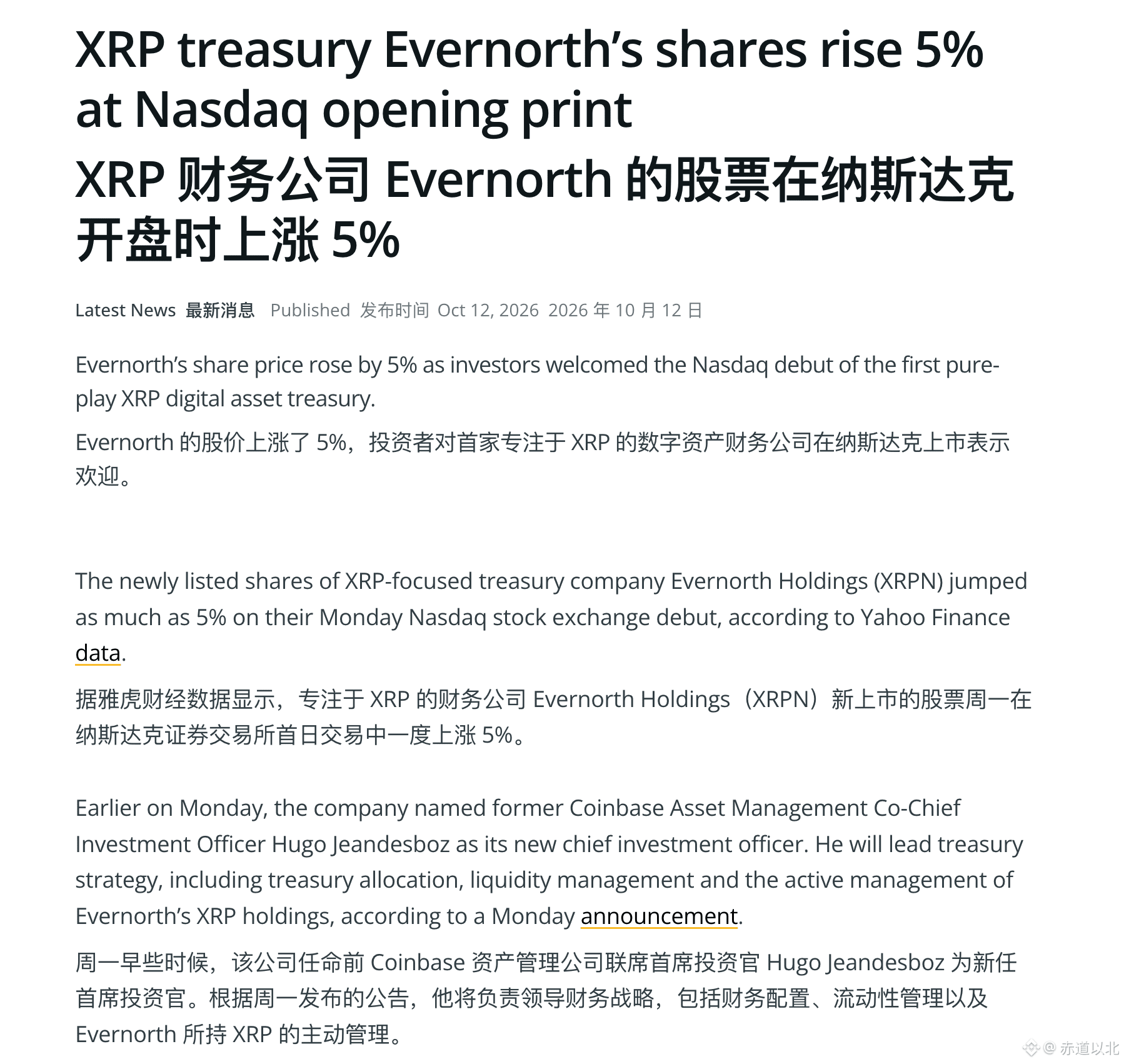
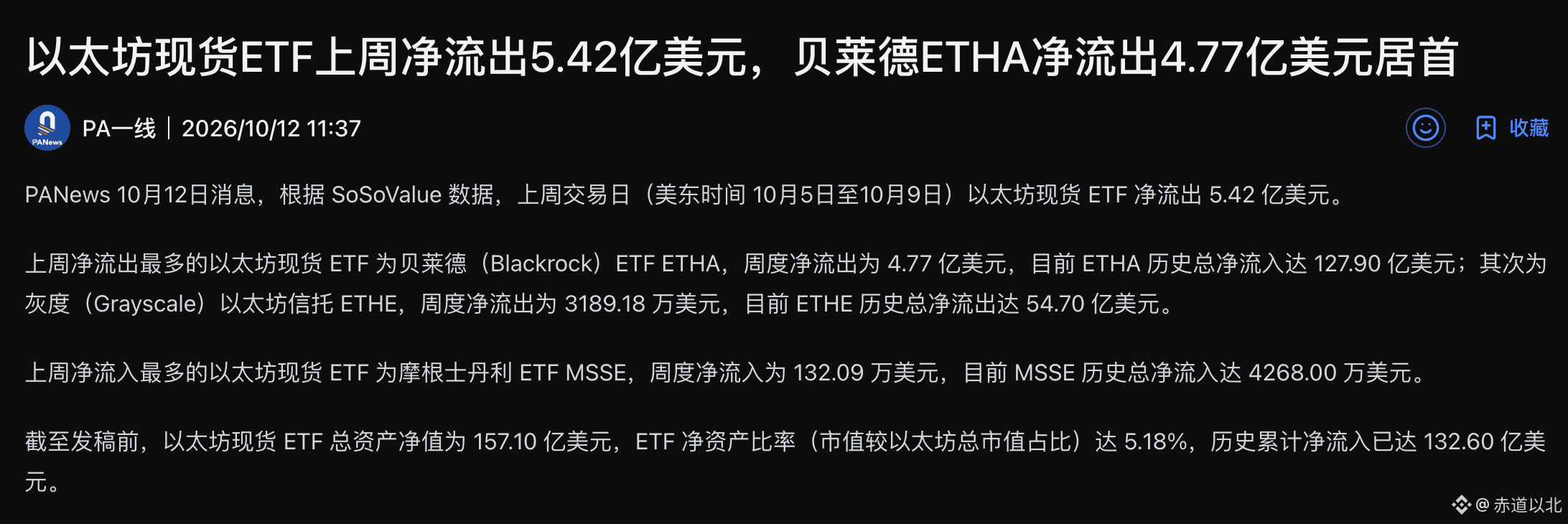
XRP has potential and could climb a bit higher.
#xrp
XRP has potential and could climb a bit higher.
#xrp
#xrp
203
·
--
Reposting this mainly as a way to learn English.
Crypto bull market outlook: Tokenization + wealth transfer + institutional entry + DApps + DAT accumulation + AI synergies = the biggest crypto bull market in history.
Six key drivers:
1. Tokenization: An institutional-grade catalyst (BlackRock, JPMorgan, etc.). Tokenizing just 10% of the world’s $200 trillion in liquid assets could create a $16 trillion market. Ethereum has a commanding lead in developer numbers.
2. Wealth transfer: More than $1.5 trillion has been passed down from Baby Boomers to Millennials and Gen X over the past three years. The inheritance in this cycle is expected to total $1.5–2 trillion.
3. Institutional FOMO: Crypto has performed best even amid tight financial conditions, accelerating institutional entry.
4. DApp growth: Decentralized applications will help drive an even bigger bull market.
5. Digital Asset Treasury companies (DATs): They absorb market supply. Ethereum DATs hold $21 billion worth of ETH, or 7% of the available supply—a scale unseen in previous bull markets.
6. AI and crypto synergies: AI agents will have digital wallets, while crypto will provide the payment and transaction infrastructure.
Reposting this mainly as a way to learn English.
Crypto bull market outlook: Tokenization + wealth transfer + institutional entry + DApps + DAT accumulation + AI synergies = the biggest crypto bull market in history.
Six key drivers:
1. Tokenization: An institutional-grade catalyst (BlackRock, JPMorgan, etc.). Tokenizing just 10% of the world’s $200 trillion in liquid assets could create a $16 trillion market. Ethereum has a commanding lead in developer numbers.
2. Wealth transfer: More than $1.5 trillion has been passed down from Baby Boomers to Millennials and Gen X over the past three years. The inheritance in this cycle is expected to total $1.5–2 trillion.
3. Institutional FOMO: Crypto has performed best even amid tight financial conditions, accelerating institutional entry.
4. DApp growth: Decentralized applications will help drive an even bigger bull market.
5. Digital Asset Treasury companies (DATs): They absorb market supply. Ethereum DATs hold $21 billion worth of ETH, or 7% of the available supply—a scale unseen in previous bull markets.
6. AI and crypto synergies: AI agents will have digital wallets, while crypto will provide the payment and transaction infrastructure.
Crypto bull market outlook: Tokenization + wealth transfer + institutional entry + DApps + DAT accumulation + AI synergies = the biggest crypto bull market in history.
Six key drivers:
1. Tokenization: An institutional-grade catalyst (BlackRock, JPMorgan, etc.). Tokenizing just 10% of the world’s $200 trillion in liquid assets could create a $16 trillion market. Ethereum has a commanding lead in developer numbers.
2. Wealth transfer: More than $1.5 trillion has been passed down from Baby Boomers to Millennials and Gen X over the past three years. The inheritance in this cycle is expected to total $1.5–2 trillion.
3. Institutional FOMO: Crypto has performed best even amid tight financial conditions, accelerating institutional entry.
4. DApp growth: Decentralized applications will help drive an even bigger bull market.
5. Digital Asset Treasury companies (DATs): They absorb market supply. Ethereum DATs hold $21 billion worth of ETH, or 7% of the available supply—a scale unseen in previous bull markets.
6. AI and crypto synergies: AI agents will have digital wallets, while crypto will provide the payment and transaction infrastructure.
90
·
--
In a nutshell: Tokenization + wealth transfer + institutional participation + DApps + DAT accumulation + AI collaboration = the biggest crypto bull market in history.
In a nutshell: Tokenization + wealth transfer + institutional participation + DApps + DAT accumulation + AI collaboration = the biggest crypto bull market in history.
95
·
--
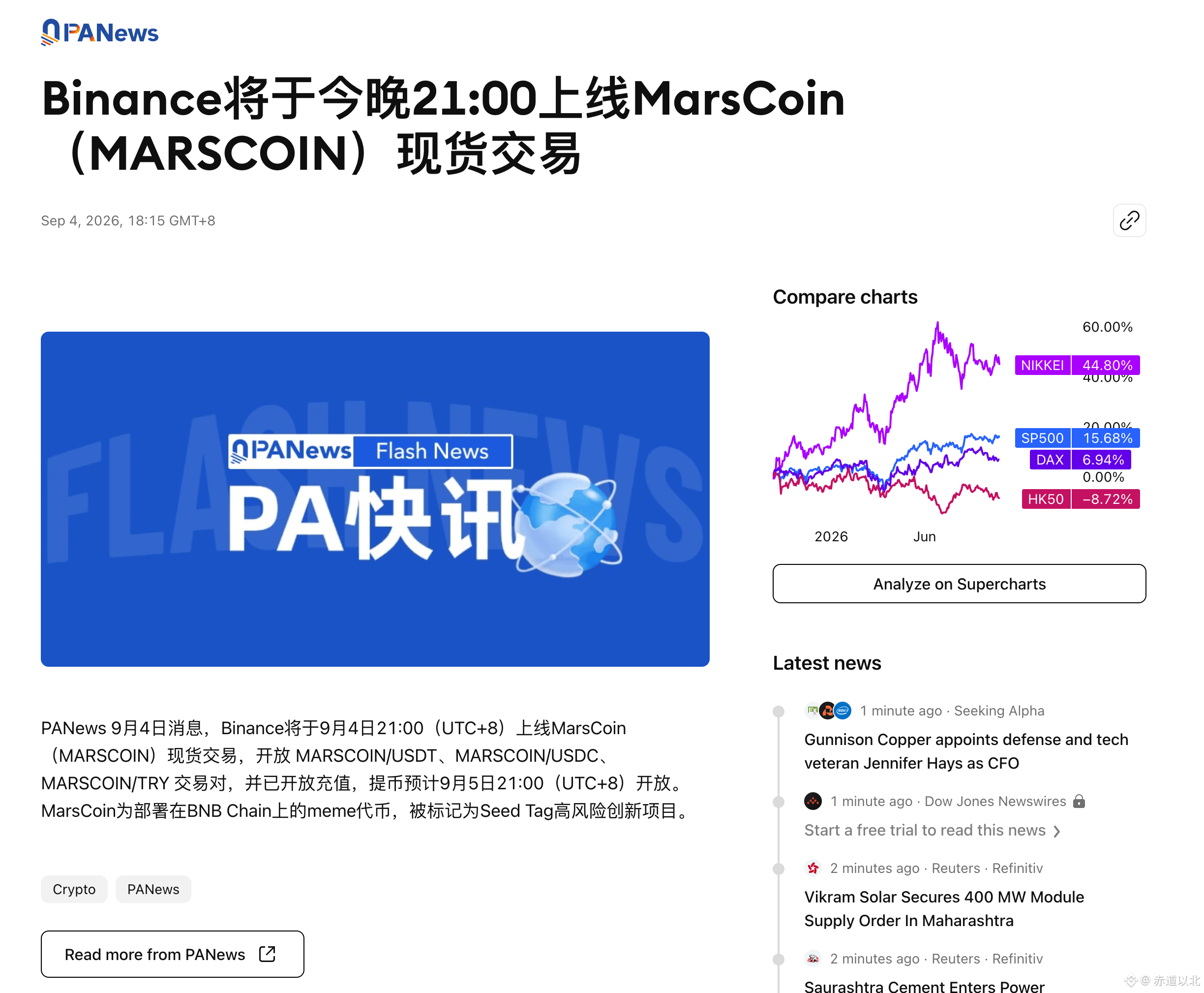
$US Recently, has it seemed like these knockoff techniques are all learned from #btw ?
$US Recently, has it seemed like these knockoff techniques are all learned from #btw ?
345
·
--
Bullish
#MARSCOİN
MARSCOINUSDT 5-minute +7.30% signal
2026-09-28 14:10:16
14:10 close 0.13712 · limit upper bound 0.15712
Favorable opportunity.
#MARSCOİN
MARSCOINUSDT 5-minute +7.30% signal
2026-09-28 14:10:16
14:10 close 0.13712 · limit upper bound 0.15712
Favorable opportunity.
MARSCOINUSDT 5-minute +7.30% signal
2026-09-28 14:10:16
14:10 close 0.13712 · limit upper bound 0.15712
Favorable opportunity.
179
·
--
#QNT
September 23–24, UK. UK Finance’s Great British Tokenised Deposit pilot has completed its first set of real customer transactions. Participating institutions include Barclays, HSBC UK, Lloyds, Monzo, Nationwide, NatWest, and Santander. The platform was built by Quant. Reuters said the pilot included two re-mortgage transactions and a point-to-point payment test. The next step is to turn the pilot into industry standards, with plans to use this kind of deposit-backed settlement to issue digital bonds in the first quarter of 2027. For now, it is only between pilot banks.
September 24, US. The Clearing House’s official announcement states it selected Quant to provide interoperability, orchestration, and transaction management for the On-Chain Money Initiative, and that it was already connected to its existing RTP and CHIPS. The Clearing House clears more than $2 trillion per day. The network is expected to open to participating institutions in the first half of 2027, but it is not live yet. The project was announced back in June 2026, backed by a group of major US banks; Quant was later chosen as the technology provider.
QNT is Quant’s token. Quant is not a public blockchain; it’s interoperability software for banks and institutions: it connects different blockchains, banking ledgers, and existing payment systems, enabling tokenised deposits to be cleared and settled across institutions.
What is it for?
The core product is Overledger, an API layer gateway. Banks or enterprises don’t need to rebuild their systems; they can use it to connect to multiple chains and existing financial systems. On June 2, 2026, the company launched Fusion Rollup on the mainnet. The company describes it as a “multi-ledger execution environment”: a single contract can simultaneously interface with assets and messages on multiple chains, with the goal that institutional cross-chain settlement no longer relies on traditional cross-chain bridges. At launch, the company said it connected to 74 networks, which is its own stated figure.
Its main current use case is tokenised deposits: a bank’s own deposits are recorded on-chain; they remain bank deposits and are still subject to existing regulation. But they can make automatic payments and settle instantly under pre-written conditions, and they are integrated with existing fiat payment systems.
#QNT
September 23–24, UK. UK Finance’s Great British Tokenised Deposit pilot has completed its first set of real customer transactions. Participating institutions include Barclays, HSBC UK, Lloyds, Monzo, Nationwide, NatWest, and Santander. The platform was built by Quant. Reuters said the pilot included two re-mortgage transactions and a point-to-point payment test. The next step is to turn the pilot into industry standards, with plans to use this kind of deposit-backed settlement to issue digital bonds in the first quarter of 2027. For now, it is only between pilot banks.
September 24, US. The Clearing House’s official announcement states it selected Quant to provide interoperability, orchestration, and transaction management for the On-Chain Money Initiative, and that it was already connected to its existing RTP and CHIPS. The Clearing House clears more than $2 trillion per day. The network is expected to open to participating institutions in the first half of 2027, but it is not live yet. The project was announced back in June 2026, backed by a group of major US banks; Quant was later chosen as the technology provider.
QNT is Quant’s token. Quant is not a public blockchain; it’s interoperability software for banks and institutions: it connects different blockchains, banking ledgers, and existing payment systems, enabling tokenised deposits to be cleared and settled across institutions.
What is it for?
The core product is Overledger, an API layer gateway. Banks or enterprises don’t need to rebuild their systems; they can use it to connect to multiple chains and existing financial systems. On June 2, 2026, the company launched Fusion Rollup on the mainnet. The company describes it as a “multi-ledger execution environment”: a single contract can simultaneously interface with assets and messages on multiple chains, with the goal that institutional cross-chain settlement no longer relies on traditional cross-chain bridges. At launch, the company said it connected to 74 networks, which is its own stated figure.
Its main current use case is tokenised deposits: a bank’s own deposits are recorded on-chain; they remain bank deposits and are still subject to existing regulation. But they can make automatic payments and settle instantly under pre-written conditions, and they are integrated with existing fiat payment systems.
September 23–24, UK. UK Finance’s Great British Tokenised Deposit pilot has completed its first set of real customer transactions. Participating institutions include Barclays, HSBC UK, Lloyds, Monzo, Nationwide, NatWest, and Santander. The platform was built by Quant. Reuters said the pilot included two re-mortgage transactions and a point-to-point payment test. The next step is to turn the pilot into industry standards, with plans to use this kind of deposit-backed settlement to issue digital bonds in the first quarter of 2027. For now, it is only between pilot banks.
September 24, US. The Clearing House’s official announcement states it selected Quant to provide interoperability, orchestration, and transaction management for the On-Chain Money Initiative, and that it was already connected to its existing RTP and CHIPS. The Clearing House clears more than $2 trillion per day. The network is expected to open to participating institutions in the first half of 2027, but it is not live yet. The project was announced back in June 2026, backed by a group of major US banks; Quant was later chosen as the technology provider.
QNT is Quant’s token. Quant is not a public blockchain; it’s interoperability software for banks and institutions: it connects different blockchains, banking ledgers, and existing payment systems, enabling tokenised deposits to be cleared and settled across institutions.
What is it for?
The core product is Overledger, an API layer gateway. Banks or enterprises don’t need to rebuild their systems; they can use it to connect to multiple chains and existing financial systems. On June 2, 2026, the company launched Fusion Rollup on the mainnet. The company describes it as a “multi-ledger execution environment”: a single contract can simultaneously interface with assets and messages on multiple chains, with the goal that institutional cross-chain settlement no longer relies on traditional cross-chain bridges. At launch, the company said it connected to 74 networks, which is its own stated figure.
Its main current use case is tokenised deposits: a bank’s own deposits are recorded on-chain; they remain bank deposits and are still subject to existing regulation. But they can make automatic payments and settle instantly under pre-written conditions, and they are integrated with existing fiat payment systems.
263
·
--
$ZEC
If it doesn’t drop, it still needs a deep pullback.
$ZEC
If it doesn’t drop, it still needs a deep pullback.
If it doesn’t drop, it still needs a deep pullback.
1
558
Log in to explore more content
Join global crypto users on Binance Square
⚡️ Get latest and useful information about crypto.
💬 Trusted by the world’s largest crypto exchange.
👍 Discover real insights from verified creators.
Email / Phone number
Trending Topics
BinanceIncidentReport
21,127 views
443 Discussing
29 October 2026 Binance Security Incident: Initial Findings and Response Update
Binance Blog
·232 Likes
·644.6k views
BinanceReopensWithdrawalsForMoreAssets
120,391 views
1,669 Discussing
BinanceHourlyDepositsExceedWithdrawals
60,547 views
758 Discussing