

ABL阿布辣2020
6.1k Posts

ABL阿布辣2020
Report
Block User
Web3區塊鏈技術推廣者,長期研究宏觀經濟學與市場週期性分析。大家一起交流討論,避免踩坑淪為韭菜。長期購買主流代幣:BTC、ETH、SOL、XRP、BNB、BCH、PAXG、XAUT!!!Never sell your Bitcoin. X:『Satan_66666q』
Open Trade

BTC Holder
Frequent Trader
4.3 Years
3.0K+ Following
26.6K+ Followers
9.7K+ Liked
Posts
Portfolio
All
Quotes
Videos
Live
PINNED
·
--
Article
Crypto World – Identity BubbleThere’s a strange phenomenon in the crypto world
With a few followers, they already claim they’re a KOL
At its core, it’s just a “coin pumper”
We call this “identity inflation.”
.
When they see the market trend, they start shouting “bull!”
Brothers! Everyone, go long for me!
When they see a black swan, they start shouting “bear!”
The bears never lose heart! Brothers, charge in!
Leverage to the max, heavy positions, go all in—never stop your losses
Add to positions on floating profit—pure instinct. Your output is all shouting!
.
You really shouldn’t just go jumping into the plaza’s livestreams
What end-of-year BNB to hit 2000, 3000
Based on what? It all relies on “consumer sentiment”
This isn’t a “KOL”—it’s called “CXL.”
Crypto World – Identity Bubble
There’s a strange phenomenon in the crypto world
With a few followers, they already claim they’re a KOL
At its core, it’s just a “coin pumper”
We call this “identity inflation.”
.
When they see the market trend, they start shouting “bull!”
Brothers! Everyone, go long for me!
When they see a black swan, they start shouting “bear!”
The bears never lose heart! Brothers, charge in!
Leverage to the max, heavy positions, go all in—never stop your losses
Add to positions on floating profit—pure instinct. Your output is all shouting!
.
You really shouldn’t just go jumping into the plaza’s livestreams
What end-of-year BNB to hit 2000, 3000
Based on what? It all relies on “consumer sentiment”
This isn’t a “KOL”—it’s called “CXL.”
With a few followers, they already claim they’re a KOL
At its core, it’s just a “coin pumper”
We call this “identity inflation.”
.
When they see the market trend, they start shouting “bull!”
Brothers! Everyone, go long for me!
When they see a black swan, they start shouting “bear!”
The bears never lose heart! Brothers, charge in!
Leverage to the max, heavy positions, go all in—never stop your losses
Add to positions on floating profit—pure instinct. Your output is all shouting!
.
You really shouldn’t just go jumping into the plaza’s livestreams
What end-of-year BNB to hit 2000, 3000
Based on what? It all relies on “consumer sentiment”
This isn’t a “KOL”—it’s called “CXL.”
258
1
11
258
PINNED
·
--
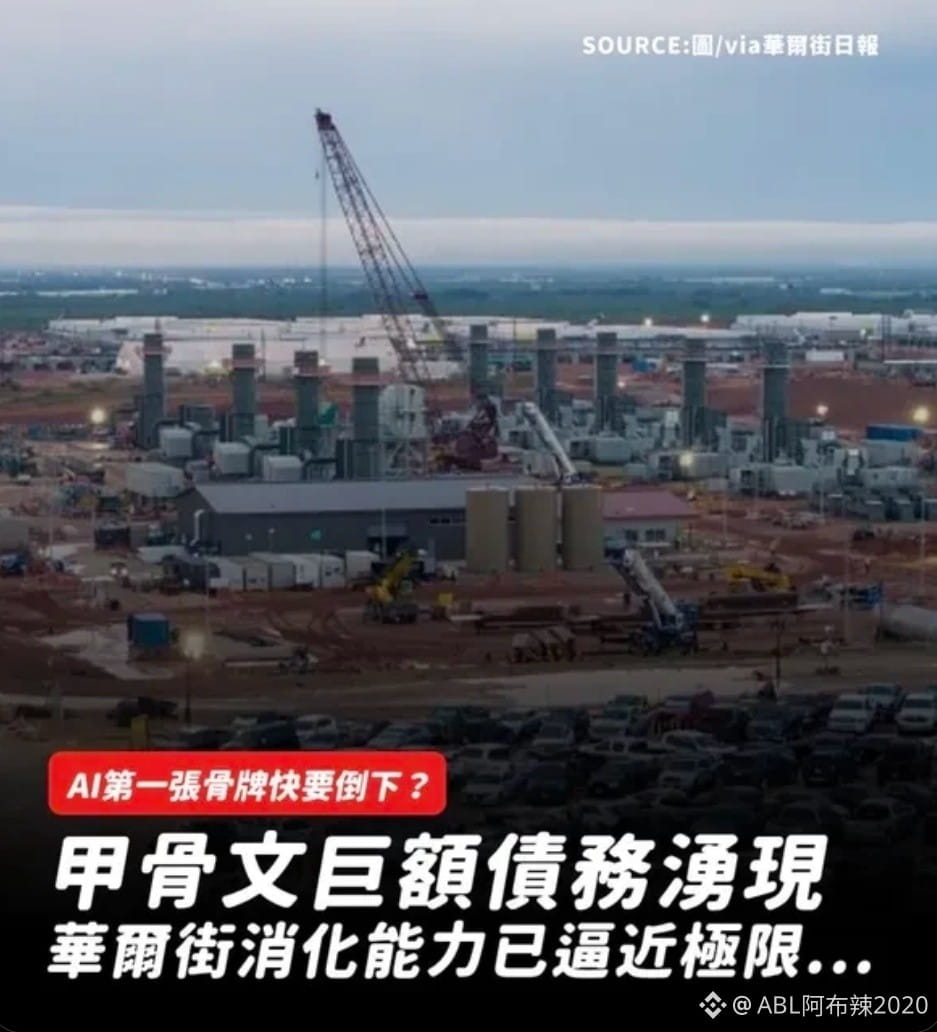
Oracle (ORCL)
Facing massive debt stress due to AI infrastructure expansion
This is a hot topic in the market for 2025-2026
Mainly stemming from the hefty partnership with OpenAI
On the books debt: As of around the end of November 2025
Unpaid bonds and other borrowings of about $108 billion
One of the largest debt loads among big tech companies
Long-term debt at the end of FY2025 is about $92.6 billion
Quickly ramping up to over $100 billion
(Some data shows long-term debt hitting $124.7 billion in Q3 FY2026)
Additional commitments: About $248 billion in future data center
Lease obligations, total financial obligations could approach $400 billion
Recent financing: Issued $18 billion in bonds in September 2025
Planning to raise another $38 billion for OpenAI-related data centers
(Projects in Texas and Wisconsin)
Overall plan for 2026 to raise $45-50 billion
(Debt + equity split evenly)
Market reaction and risks ⚠️
Wall Street digesting the pressure:
Banks (like JPMorgan) struggling to share the massive loans
Single counterparty exposure limits are being pushed to the max.
Some debt is structured as project financing
(Not directly on Oracle's balance sheet)
But still impacts credit perception
Litigation and credit concerns:
At the start of 2026, bondholders collectively sued Oracle
Accusing them of concealing subsequent
Massive financing plans during the $18 billion bond issuance, causing bond prices to drop
Credit Default Swap (CDS) costs surged at one point
Some bond spreads nearing junk bond levels
Other challenges: Data center delays, partner pullouts
(Like Blue Owl), power supply constraints,
And whether AI demand can quickly convert into revenue
Are all pain points of concern in the market.
$XAUT #沃什美联储政策前瞻
Oracle (ORCL)
Facing massive debt stress due to AI infrastructure expansion
This is a hot topic in the market for 2025-2026
Mainly stemming from the hefty partnership with OpenAI
On the books debt: As of around the end of November 2025
Unpaid bonds and other borrowings of about $108 billion
One of the largest debt loads among big tech companies
Long-term debt at the end of FY2025 is about $92.6 billion
Quickly ramping up to over $100 billion
(Some data shows long-term debt hitting $124.7 billion in Q3 FY2026)
Additional commitments: About $248 billion in future data center
Lease obligations, total financial obligations could approach $400 billion
Recent financing: Issued $18 billion in bonds in September 2025
Planning to raise another $38 billion for OpenAI-related data centers
(Projects in Texas and Wisconsin)
Overall plan for 2026 to raise $45-50 billion
(Debt + equity split evenly)
Market reaction and risks ⚠️
Wall Street digesting the pressure:
Banks (like JPMorgan) struggling to share the massive loans
Single counterparty exposure limits are being pushed to the max.
Some debt is structured as project financing
(Not directly on Oracle's balance sheet)
But still impacts credit perception
Litigation and credit concerns:
At the start of 2026, bondholders collectively sued Oracle
Accusing them of concealing subsequent
Massive financing plans during the $18 billion bond issuance, causing bond prices to drop
Credit Default Swap (CDS) costs surged at one point
Some bond spreads nearing junk bond levels
Other challenges: Data center delays, partner pullouts
(Like Blue Owl), power supply constraints,
And whether AI demand can quickly convert into revenue
Are all pain points of concern in the market.
$XAUT #沃什美联储政策前瞻
Facing massive debt stress due to AI infrastructure expansion
This is a hot topic in the market for 2025-2026
Mainly stemming from the hefty partnership with OpenAI
On the books debt: As of around the end of November 2025
Unpaid bonds and other borrowings of about $108 billion
One of the largest debt loads among big tech companies
Long-term debt at the end of FY2025 is about $92.6 billion
Quickly ramping up to over $100 billion
(Some data shows long-term debt hitting $124.7 billion in Q3 FY2026)
Additional commitments: About $248 billion in future data center
Lease obligations, total financial obligations could approach $400 billion
Recent financing: Issued $18 billion in bonds in September 2025
Planning to raise another $38 billion for OpenAI-related data centers
(Projects in Texas and Wisconsin)
Overall plan for 2026 to raise $45-50 billion
(Debt + equity split evenly)
Market reaction and risks ⚠️
Wall Street digesting the pressure:
Banks (like JPMorgan) struggling to share the massive loans
Single counterparty exposure limits are being pushed to the max.
Some debt is structured as project financing
(Not directly on Oracle's balance sheet)
But still impacts credit perception
Litigation and credit concerns:
At the start of 2026, bondholders collectively sued Oracle
Accusing them of concealing subsequent
Massive financing plans during the $18 billion bond issuance, causing bond prices to drop
Credit Default Swap (CDS) costs surged at one point
Some bond spreads nearing junk bond levels
Other challenges: Data center delays, partner pullouts
(Like Blue Owl), power supply constraints,
And whether AI demand can quickly convert into revenue
Are all pain points of concern in the market.
$XAUT #沃什美联储政策前瞻
533
2
81
1.1k
·
--
Happy Mid-Autumn Festival! Let’s watch @Square-Creator-513603536
Chat #以太坊突破2700美元
#比特币现货ETF年内转为净流入 #GrayscaleZcashETF净资产达10亿美元
$ETH $ZEC $BCH
In spring you don’t feel the dawn wake up,
And everywhere you get bitten by mosquitoes;
When night comes, there’s the sound of a slap,
And Fourth Master sleeps well.
Happy Mid-Autumn Festival! Let’s watch @Aurora清瑜
Chat #以太坊突破2700美元
#比特币现货ETF年内转为净流入 #GrayscaleZcashETF净资产达10亿美元
$ETH $ZEC $BCH
In spring you don’t feel the dawn wake up,
And everywhere you get bitten by mosquitoes;
When night comes, there’s the sound of a slap,
And Fourth Master sleeps well.
Chat #以太坊突破2700美元
#比特币现货ETF年内转为净流入 #GrayscaleZcashETF净资产达10亿美元
$ETH $ZEC $BCH
In spring you don’t feel the dawn wake up,
And everywhere you get bitten by mosquitoes;
When night comes, there’s the sound of a slap,
And Fourth Master sleeps well.


Aurora清瑜
·
--
[Replay] 🎙️ Consolidation is to reach an even higher position!
03 h 17 m 53 s · 1.7k listens
114
·
--
@Square-Creator-513603536 #AI股持续上涨还有哪些投资机会
$ETH $DOGE $SHIB #狗狗币上涨15%
Brothers! Let's listen to the Fourth Master's thoughts together~~~
With a thousand mountains, the birds are gone; on ten thousand paths, no footprints remain.
At Lady Gu's Hanshan Temple, she sings alone—Black Jack A
@Aurora清瑜 #AI股持续上涨还有哪些投资机会
$ETH $DOGE $SHIB #狗狗币上涨15%
Brothers! Let's listen to the Fourth Master's thoughts together~~~
With a thousand mountains, the birds are gone; on ten thousand paths, no footprints remain.
At Lady Gu's Hanshan Temple, she sings alone—Black Jack A
$ETH $DOGE $SHIB #狗狗币上涨15%
Brothers! Let's listen to the Fourth Master's thoughts together~~~
With a thousand mountains, the birds are gone; on ten thousand paths, no footprints remain.
At Lady Gu's Hanshan Temple, she sings alone—Black Jack A
Aurora清瑜
·
--
[Replay] 🎙️ The bull market is here! Musk's little dog! Explodes
02 h 57 m 53 s · 1.7k listens
2
198
·
--

光明社区-阿波罗
·
--
Today is LUCiC’s birthday! 🎂🎂
Two years of time, through wind and rain along the way.
How fortunate we are to have met and accompanied LUCiC.
Sailing through storms together, and staying true to one another with one heart.
With heartfelt sincerity, grateful to cherish every bit of warmth and perseverance.
Next,
we will keep working hand in hand—never forgetting our original aspiration—
forge ahead, and travel together toward boundless glory.
Two years of time, through wind and rain along the way.
How fortunate we are to have met and accompanied LUCiC.
Sailing through storms together, and staying true to one another with one heart.
With heartfelt sincerity, grateful to cherish every bit of warmth and perseverance.
Next,
we will keep working hand in hand—never forgetting our original aspiration—
forge ahead, and travel together toward boundless glory.
143
·
--
Grayscale Bitcoin Cash Trust
ETF Application for Conversion:Grayscale has submitted documents,
plans to convert the existing Bitcoin Cash Trust into a spot ETF
(to be listed on NYSE Arca, ticker BCHG).
This news has become a key near-term catalyst,
driving expectations for institutional interest.
$BCH #BCH現貨ETF
Grayscale Bitcoin Cash Trust
ETF Application for Conversion:Grayscale has submitted documents,
plans to convert the existing Bitcoin Cash Trust into a spot ETF
(to be listed on NYSE Arca, ticker BCHG).
This news has become a key near-term catalyst,
driving expectations for institutional interest.
$BCH #BCH現貨ETF
ETF Application for Conversion:Grayscale has submitted documents,
plans to convert the existing Bitcoin Cash Trust into a spot ETF
(to be listed on NYSE Arca, ticker BCHG).
This news has become a key near-term catalyst,
driving expectations for institutional interest.
$BCH #BCH現貨ETF
2
265
·
--

超人不会飞2020
·
--
[Ended] 🎙️ Day 39 of DCAing BTC with Superpower 100U
4.8k listens
125
·
--
The bull market is here—just buy without even looking and you’ll profit 🥳🥳
.
SUI (Sui token) is the native token of the Sui blockchain.
Basic Introduction
Sui is a high-performance Layer 1 blockchain developed by Mysten Labs (formerly Meta/Facebook Diem team engineers). Its mainnet officially launched on May 3, 2023. It uses the Move programming language and an “object-centric” data model. It supports parallel transaction processing and, in theory, can achieve very high TPS (transactions per second). It focuses on low-latency, low-cost applications such as gaming, NFTs, DeFi, payments, and more.
SUI Token Utility
SUI mainly serves the following functions:
- Pay Gas Fees: Used for transaction fees and storage costs.
- Staking: Through a Delegated Proof-of-Stake mechanism, holders can stake SUI with validators to participate in network security and earn rewards.
- Governance: Participate in on-chain voting and protocol upgrade decisions.
- Medium of Exchange in the Ecosystem: Used as a liquid asset within the Sui ecosystem.
In addition, Sui has a unique Storage Fund mechanism. A portion of the fees goes into this fund to provide long-term compensation for validators’ storage costs, and it also has some deflationary characteristics.
Tokenomics
Maximum supply:
- Fixed cap of 10 billion coins (10,000,000,000 SUI).
Circulating supply (as of September 2026):
- About 4.0–4.1 billion coins (around 40–41% of the total).
Approximate allocation (based on official and public information):
- Community reserve (Sui Foundation): ~50%
- Early contributors: ~20%
- Investors (private placements, etc.): ~14%
- Mysten Labs treasury: ~10%
- Community access program: ~6%
Token unlocks are released in phases (vesting). When the mainnet launched, the circulating supply was very low (about 5%). Then it is released gradually year by year to reduce early selling pressure.
Market Cap: ~ $4.1–$4.3 billion.
Fully Diluted Valuation (FDV): ~ $10–$10.5 billion.
24-hour Trading Volume:
- Roughly in the hundreds of millions to $2 billion range (high volatility).
All-Time High (ATH): ~ $5.35 (Jan 2025)
All-Time Low (ATL): ~ $0.36 (Oct 2023)
$SUI #SUI🔥
The bull market is here—just buy without even looking and you’ll profit 🥳🥳
.
SUI (Sui token) is the native token of the Sui blockchain.
Basic Introduction
Sui is a high-performance Layer 1 blockchain developed by Mysten Labs (formerly Meta/Facebook Diem team engineers). Its mainnet officially launched on May 3, 2023. It uses the Move programming language and an “object-centric” data model. It supports parallel transaction processing and, in theory, can achieve very high TPS (transactions per second). It focuses on low-latency, low-cost applications such as gaming, NFTs, DeFi, payments, and more.
SUI Token Utility
SUI mainly serves the following functions:
- Pay Gas Fees: Used for transaction fees and storage costs.
- Staking: Through a Delegated Proof-of-Stake mechanism, holders can stake SUI with validators to participate in network security and earn rewards.
- Governance: Participate in on-chain voting and protocol upgrade decisions.
- Medium of Exchange in the Ecosystem: Used as a liquid asset within the Sui ecosystem.
In addition, Sui has a unique Storage Fund mechanism. A portion of the fees goes into this fund to provide long-term compensation for validators’ storage costs, and it also has some deflationary characteristics.
Tokenomics
Maximum supply:
- Fixed cap of 10 billion coins (10,000,000,000 SUI).
Circulating supply (as of September 2026):
- About 4.0–4.1 billion coins (around 40–41% of the total).
Approximate allocation (based on official and public information):
- Community reserve (Sui Foundation): ~50%
- Early contributors: ~20%
- Investors (private placements, etc.): ~14%
- Mysten Labs treasury: ~10%
- Community access program: ~6%
Token unlocks are released in phases (vesting). When the mainnet launched, the circulating supply was very low (about 5%). Then it is released gradually year by year to reduce early selling pressure.
Market Cap: ~ $4.1–$4.3 billion.
Fully Diluted Valuation (FDV): ~ $10–$10.5 billion.
24-hour Trading Volume:
- Roughly in the hundreds of millions to $2 billion range (high volatility).
All-Time High (ATH): ~ $5.35 (Jan 2025)
All-Time Low (ATL): ~ $0.36 (Oct 2023)
$SUI #SUI🔥
.
SUI (Sui token) is the native token of the Sui blockchain.
Basic Introduction
Sui is a high-performance Layer 1 blockchain developed by Mysten Labs (formerly Meta/Facebook Diem team engineers). Its mainnet officially launched on May 3, 2023. It uses the Move programming language and an “object-centric” data model. It supports parallel transaction processing and, in theory, can achieve very high TPS (transactions per second). It focuses on low-latency, low-cost applications such as gaming, NFTs, DeFi, payments, and more.
SUI Token Utility
SUI mainly serves the following functions:
- Pay Gas Fees: Used for transaction fees and storage costs.
- Staking: Through a Delegated Proof-of-Stake mechanism, holders can stake SUI with validators to participate in network security and earn rewards.
- Governance: Participate in on-chain voting and protocol upgrade decisions.
- Medium of Exchange in the Ecosystem: Used as a liquid asset within the Sui ecosystem.
In addition, Sui has a unique Storage Fund mechanism. A portion of the fees goes into this fund to provide long-term compensation for validators’ storage costs, and it also has some deflationary characteristics.
Tokenomics
Maximum supply:
- Fixed cap of 10 billion coins (10,000,000,000 SUI).
Circulating supply (as of September 2026):
- About 4.0–4.1 billion coins (around 40–41% of the total).
Approximate allocation (based on official and public information):
- Community reserve (Sui Foundation): ~50%
- Early contributors: ~20%
- Investors (private placements, etc.): ~14%
- Mysten Labs treasury: ~10%
- Community access program: ~6%
Token unlocks are released in phases (vesting). When the mainnet launched, the circulating supply was very low (about 5%). Then it is released gradually year by year to reduce early selling pressure.
Market Cap: ~ $4.1–$4.3 billion.
Fully Diluted Valuation (FDV): ~ $10–$10.5 billion.
24-hour Trading Volume:
- Roughly in the hundreds of millions to $2 billion range (high volatility).
All-Time High (ATH): ~ $5.35 (Jan 2025)
All-Time Low (ATL): ~ $0.36 (Oct 2023)
$SUI #SUI🔥
2
452
·
--
光明社区-阿波罗
·
--
Today is LUCiC’s birthday! 🎂🎂
Two years of time, through wind and rain along the way.
How fortunate we are to have met and accompanied LUCiC.
Sailing through storms together, and staying true to one another with one heart.
With heartfelt sincerity, grateful to cherish every bit of warmth and perseverance.
Next,
we will keep working hand in hand—never forgetting our original aspiration—
forge ahead, and travel together toward boundless glory.
Two years of time, through wind and rain along the way.
How fortunate we are to have met and accompanied LUCiC.
Sailing through storms together, and staying true to one another with one heart.
With heartfelt sincerity, grateful to cherish every bit of warmth and perseverance.
Next,
we will keep working hand in hand—never forgetting our original aspiration—
forge ahead, and travel together toward boundless glory.
77
·
--
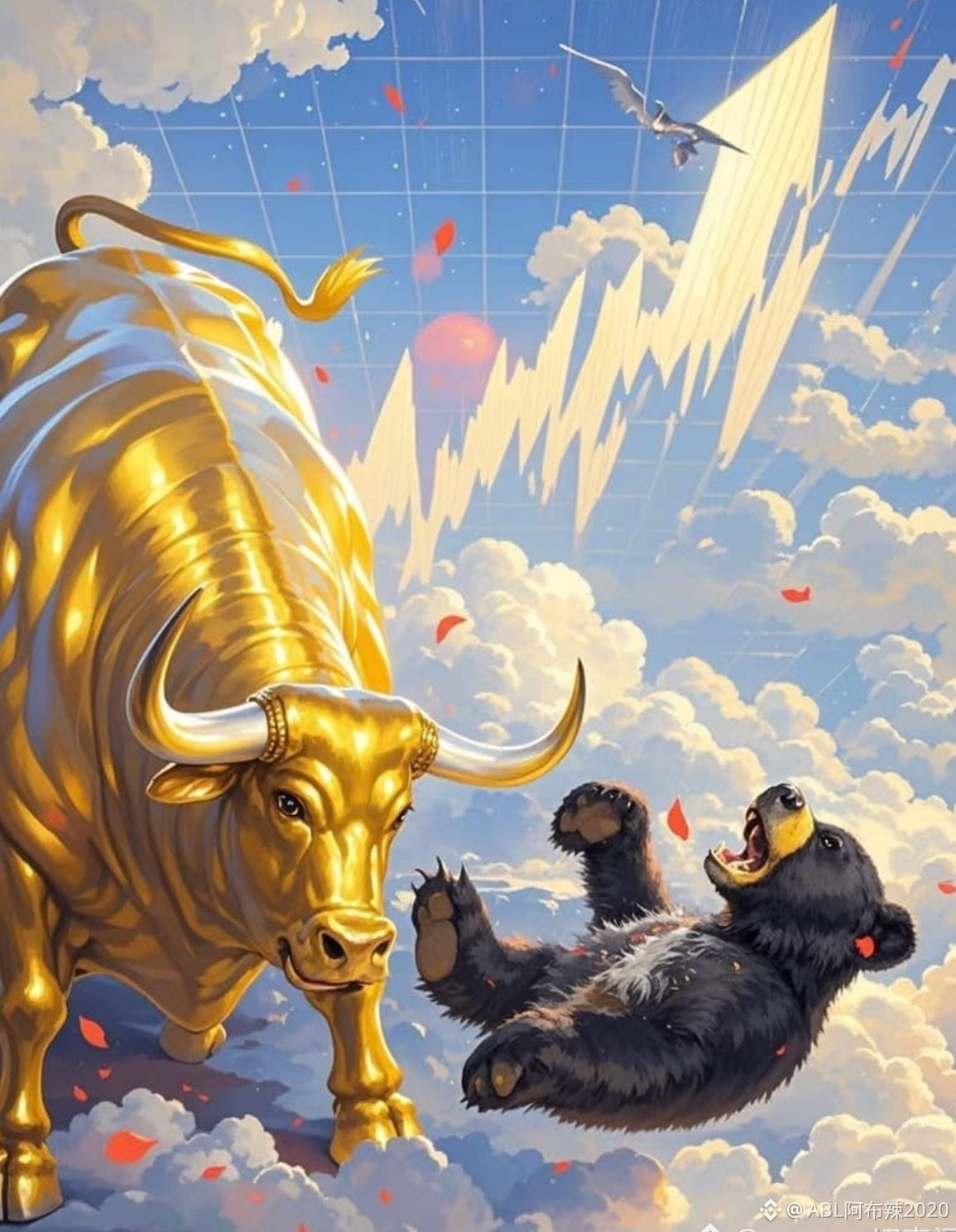
Bullish
Is shorting ZEC still reasonable right now?
With a market cap of about $24.47 billion, it’s still up roughly 26% over the past 7 days.
If I were making a trading plan, I wouldn’t treat this as the complete trade logic:
“ZEC has risen too much → short it directly now.”
I would wait for confirmation signals.
For example:
First type: $1,590–$1,600 push higher again
→ can’t break through → a clear reversal appears
This is “shorting at the resistance zone.”
Or:
Second type: break below $1,200 → the rebound can’t get back above
→ short again. This is “shorting after trend confirmation.”
Even more conservative:
A drop below $1,100 → $1,100/$1,200 turns into resistance → short
At this point, you’re not guessing the top—you’re trading a broken structure.
However, there is one very important counterargument:
Zcash itself still has recent event catalysts.
The Zcash community has recently approved a proposal to shorten block time to 25 seconds,
while keeping the original halving schedule unchanged;
the currently published NU7 timeline is October 6 for the testnet,
November 5 for the mainnet.
That means: if you short ZEC now, you’re not only shorting the technicals,
you’re also betting against a coin that still has narrative and event catalysts.$ZEC #NU7升级
Is shorting ZEC still reasonable right now?
With a market cap of about $24.47 billion, it’s still up roughly 26% over the past 7 days.
If I were making a trading plan, I wouldn’t treat this as the complete trade logic:
“ZEC has risen too much → short it directly now.”
I would wait for confirmation signals.
For example:
First type: $1,590–$1,600 push higher again
→ can’t break through → a clear reversal appears
This is “shorting at the resistance zone.”
Or:
Second type: break below $1,200 → the rebound can’t get back above
→ short again. This is “shorting after trend confirmation.”
Even more conservative:
A drop below $1,100 → $1,100/$1,200 turns into resistance → short
At this point, you’re not guessing the top—you’re trading a broken structure.
However, there is one very important counterargument:
Zcash itself still has recent event catalysts.
The Zcash community has recently approved a proposal to shorten block time to 25 seconds,
while keeping the original halving schedule unchanged;
the currently published NU7 timeline is October 6 for the testnet,
November 5 for the mainnet.
That means: if you short ZEC now, you’re not only shorting the technicals,
you’re also betting against a coin that still has narrative and event catalysts.$ZEC #NU7升级
With a market cap of about $24.47 billion, it’s still up roughly 26% over the past 7 days.
If I were making a trading plan, I wouldn’t treat this as the complete trade logic:
“ZEC has risen too much → short it directly now.”
I would wait for confirmation signals.
For example:
First type: $1,590–$1,600 push higher again
→ can’t break through → a clear reversal appears
This is “shorting at the resistance zone.”
Or:
Second type: break below $1,200 → the rebound can’t get back above
→ short again. This is “shorting after trend confirmation.”
Even more conservative:
A drop below $1,100 → $1,100/$1,200 turns into resistance → short
At this point, you’re not guessing the top—you’re trading a broken structure.
However, there is one very important counterargument:
Zcash itself still has recent event catalysts.
The Zcash community has recently approved a proposal to shorten block time to 25 seconds,
while keeping the original halving schedule unchanged;
the currently published NU7 timeline is October 6 for the testnet,
November 5 for the mainnet.
That means: if you short ZEC now, you’re not only shorting the technicals,
you’re also betting against a coin that still has narrative and event catalysts.$ZEC #NU7升级
2
2
209
·
--
🎙️ Take a look at a ray of light from Wbe3, and firmly bet on BNB
End
03 h 17 m 04 s
488
0
1
·
--

慢就是快Mike
·
--
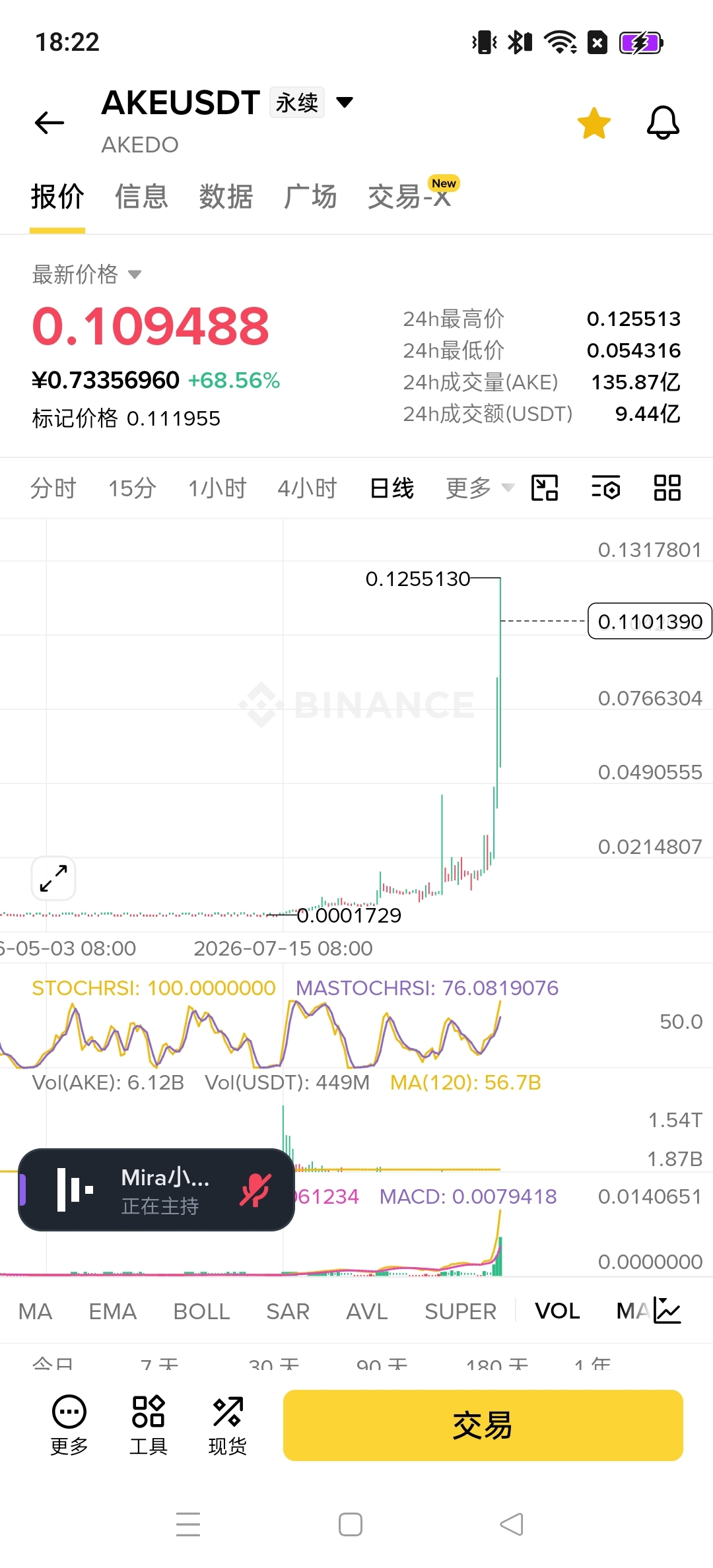
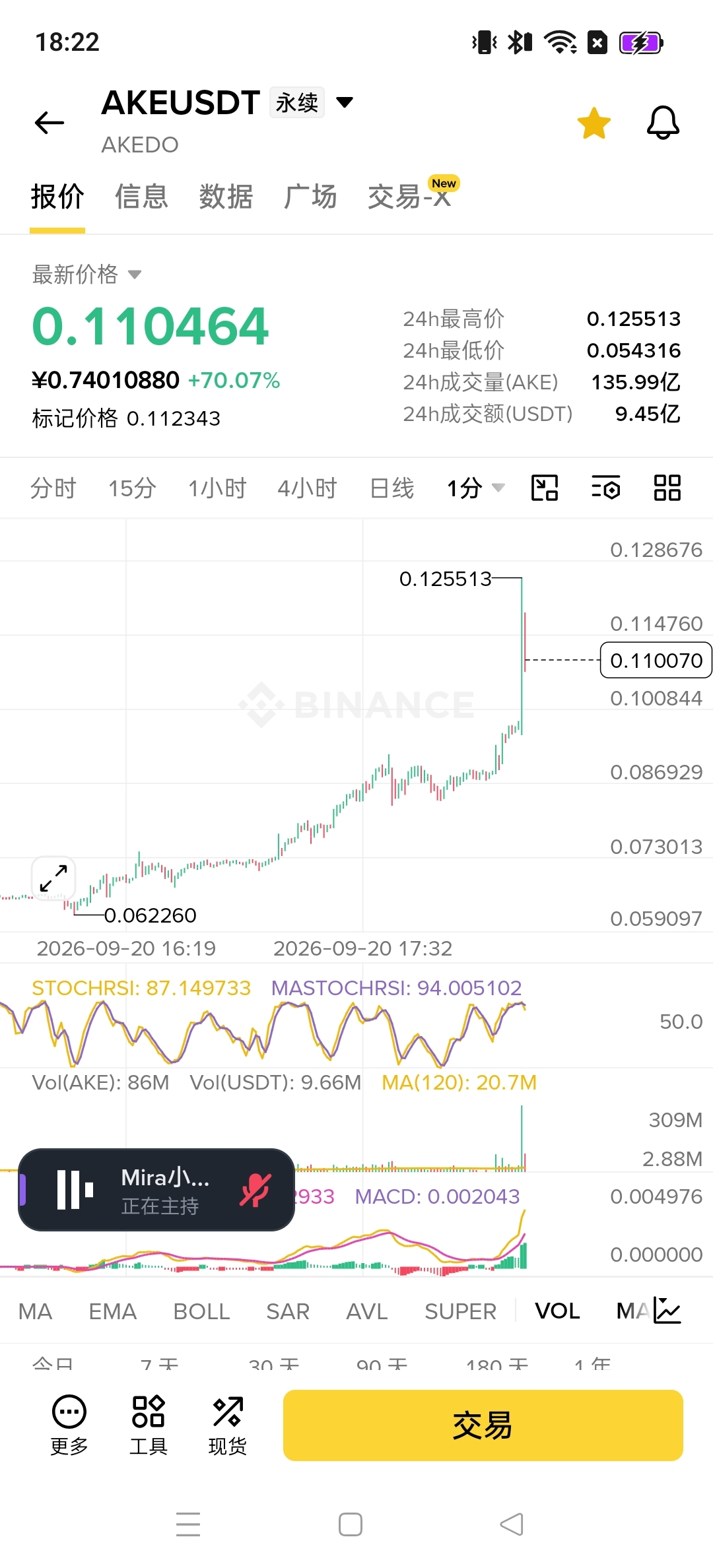
$AKE How many people are shorting!!!!
87
·
--

心月势不可挡
·
--
🔩Working Life|Screw Tightening at Work
On the road to making a living, don’t give up your passion
We’ve got to work hard—still, don’t lose the joy ✨
On the road to making a living, don’t give up your passion
We’ve got to work hard—still, don’t lose the joy ✨

60

·
--

Baoluo币商资本
·
--
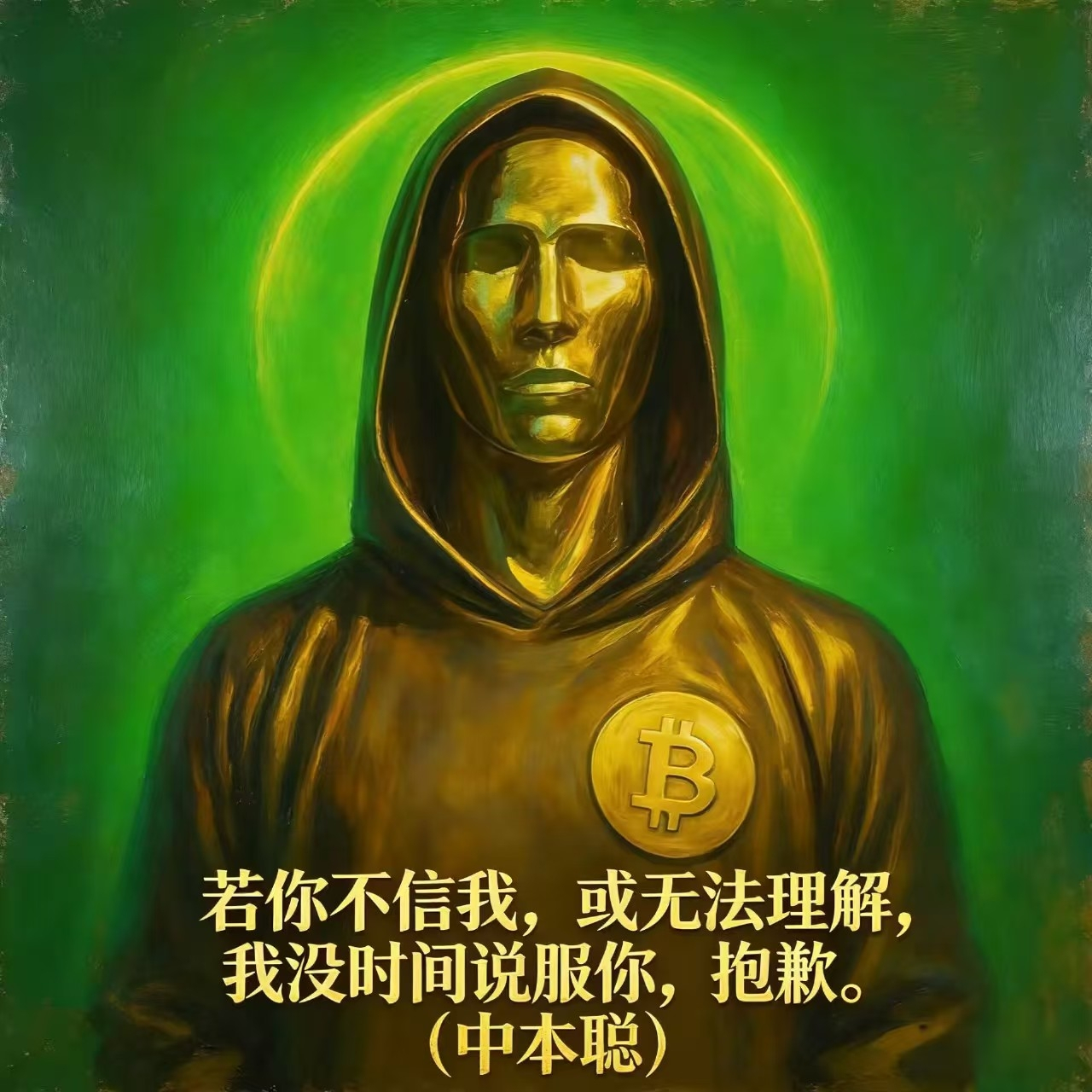
#比特币突破8万美元大关
Hikes may be about releasing non-empty information—no pressure, okay!
Gathering号, the charge号 is blowing now!
$BTC $GOOGL.US
Hikes may be about releasing non-empty information—no pressure, okay!
Gathering号, the charge号 is blowing now!
$BTC $GOOGL.US
179
·
--
zone
zone

Z O N E P R I M E
·
--
Bullish🎁 ZONE PRIME BNB SURPRISE DROP! 🎁
✨ The Red Packet is full and ready to open! ✨
👇 Simple Steps to Participate 👇
❤️ Follow ZONE PRIME
🔁 Like & Share
💬 Comment “BNB”
🔔 Stay connected and active for upcoming surprise drops!
#bnb #Crypto #ZONEPRIME #redpacket #Binance
✨ The Red Packet is full and ready to open! ✨
👇 Simple Steps to Participate 👇
❤️ Follow ZONE PRIME
🔁 Like & Share
💬 Comment “BNB”
🔔 Stay connected and active for upcoming surprise drops!
#bnb #Crypto #ZONEPRIME #redpacket #Binance

99
Log in to explore more content
Join global crypto users on Binance Square
⚡️ Get latest and useful information about crypto.
💬 Trusted by the world’s largest crypto exchange.
👍 Discover real insights from verified creators.
Email / Phone number
Trending Topics
BitwiseFilesFinalNEARSpotETFProspectus
62,915 views
1,225 Discussing
#bitwisefilesfinalnearspotetfprospectus
Can $NEAR REALLY reach $562 with an ETF approval? 🚀
The crypto market is buzzing as Bitwise files its final prospectus for a Spot NEAR ETF (Ticker: NRR on NYSE Arca)! 📊🔥
Is institutional money about to unleash the biggest pump in NEAR’s history? Analysts are throwing around mind-blowing price targets:
🎯 Intermediate Target: $155
🎯 2030 Long-Term Target: $562
💡 Let's do the math:
At $562, $NEAR would sit at roughly a $680 Billion market cap—putting it right up there with Ethereum's potential valuation. With NEAR leading the Chain Abstraction & AI crypto narrative, this might not be as crazy as it sounds!
With SEC regulations turning more crypto-friendly and Wall Street knocking on the door, are you Accumulating or Holding?
👇 Drop your realistic price prediction for $NEAR in the comments! 👇
#BitwiseFilesFinalNEARSpotETFProspectus #Altcoins #CryptoNews #ETF
Doomsday-Trader
·5 Likes
·3.5k views
BitgetHackerMoves$83MStolenXRP
27,607 views
153 Discussing
SOLSpotETFWeeklyInflow$188M
16,916 views
121 Discussing