
sanyi_eth
44 Posts

sanyi_eth
 Square Verified
Report
Block User
链上撸毛老韭菜
努力做一个alpha博主,所有的推文都不构成投资建议

ETH Holder
Frequent Trader
5.5 Years
5 Following
9 Followers
2 Liked
Posts
·
--
Finally got to play GTA 6! The 30 fps lock feels okay, but the phone heating up makes the game stutter.
Finally got to play GTA 6! The 30 fps lock feels okay, but the phone heating up makes the game stutter.

81
·
--
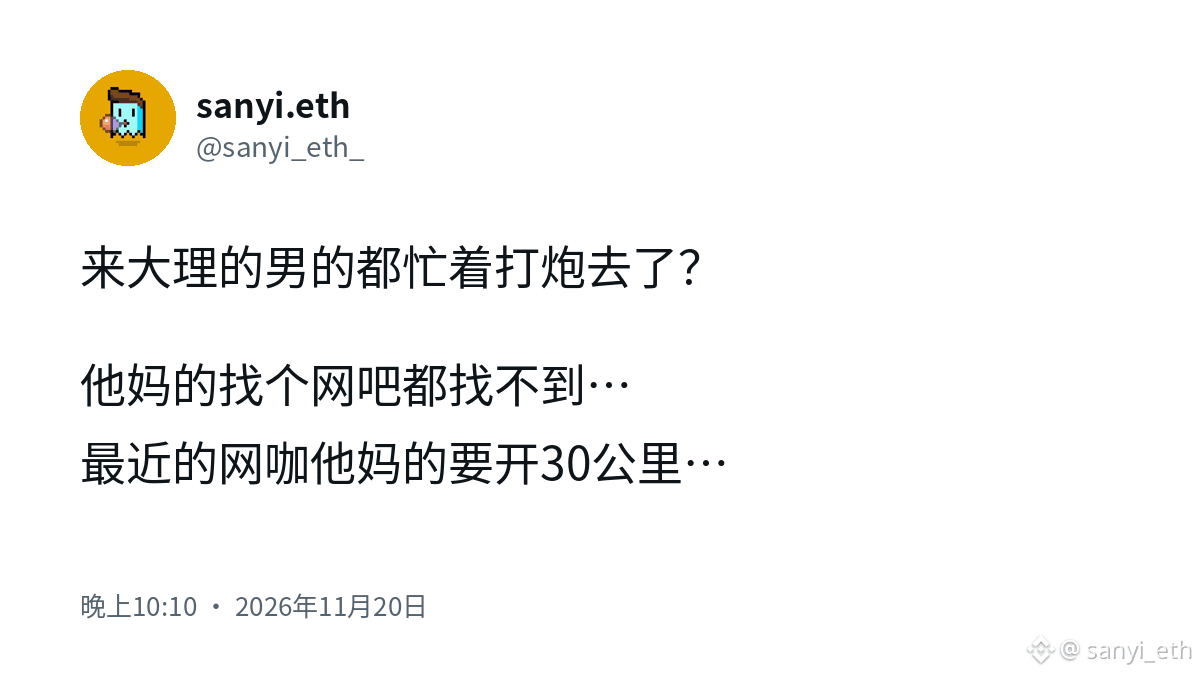
Are all the guys who come to Dali busy getting laid?
Fuck, I can't even find an internet café… The nearest gaming café is fucking 30 kilometers away…
Are all the guys who come to Dali busy getting laid?
Fuck, I can't even find an internet café… The nearest gaming café is fucking 30 kilometers away…
Fuck, I can't even find an internet café… The nearest gaming café is fucking 30 kilometers away…
1
251
·
--
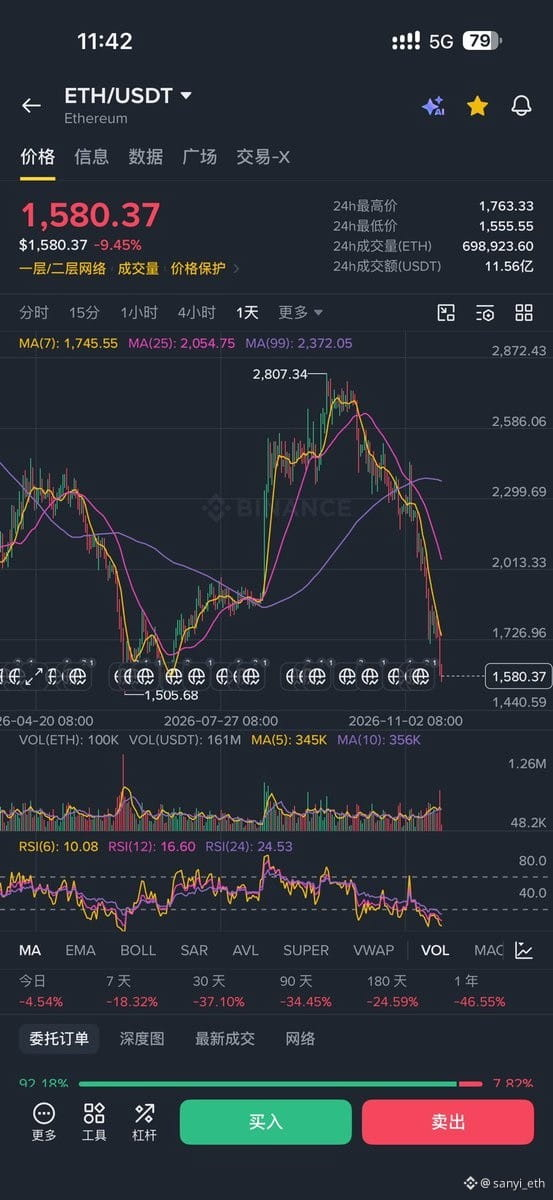
The crypto world is once again facing its darkest hour
The crypto world is once again facing its darkest hour
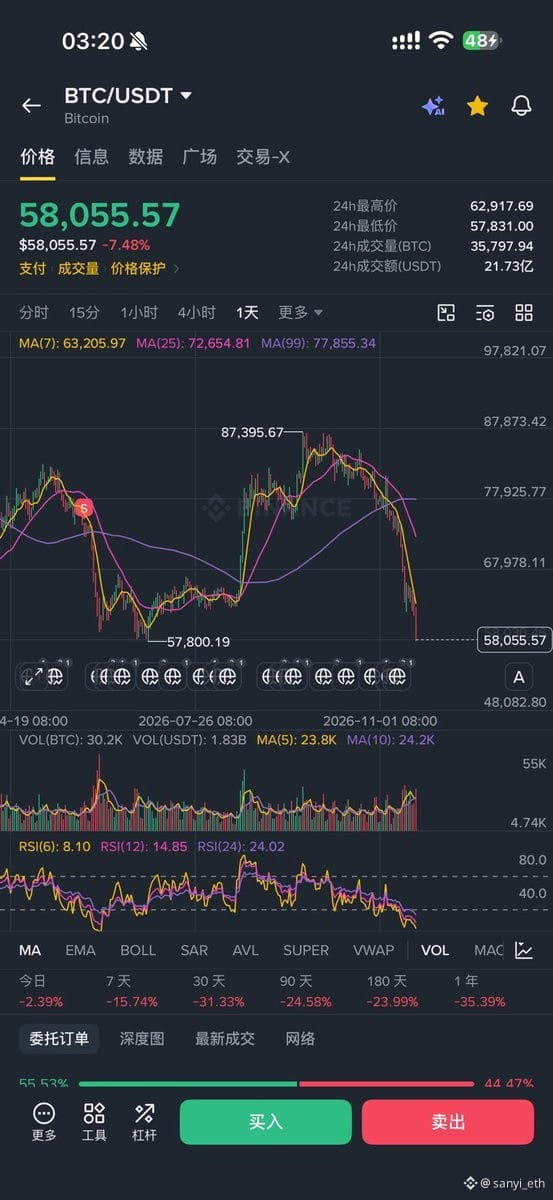
581
·
--
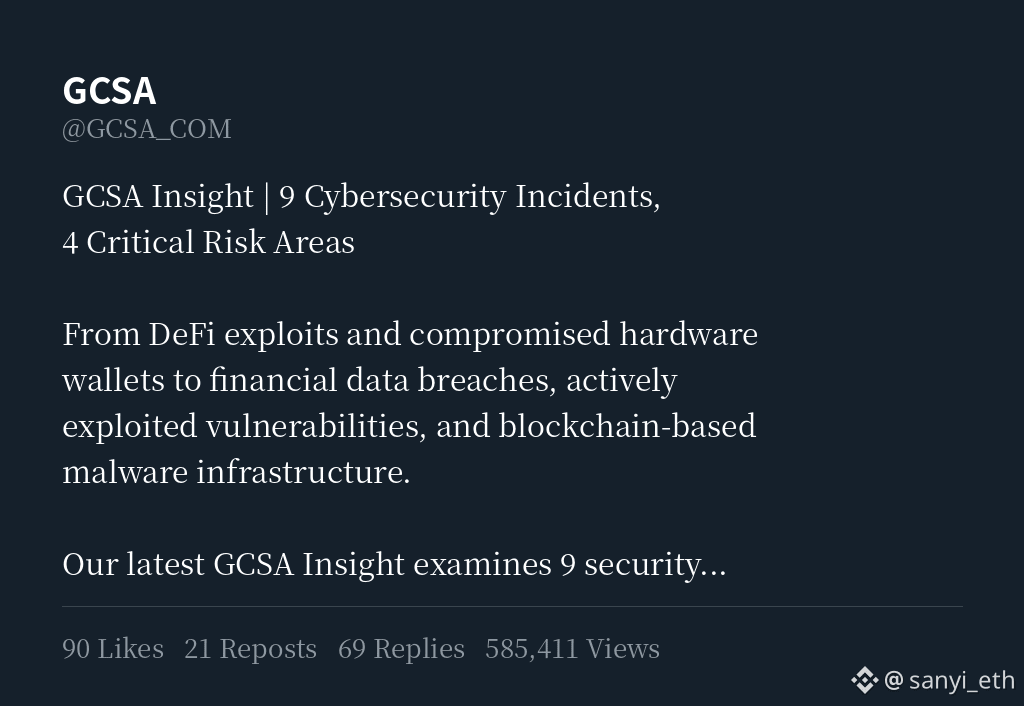
What creeped me out most this week wasn’t some protocol getting hacked—it was Ledger.
The attackers buy genuine devices, slip a small board inside the casing, then put them back into the distributor channel to be sold as new. When you enter your recovery phrase, the board reads the screen along with you and sends it out over LTE using its built-in eSIM.
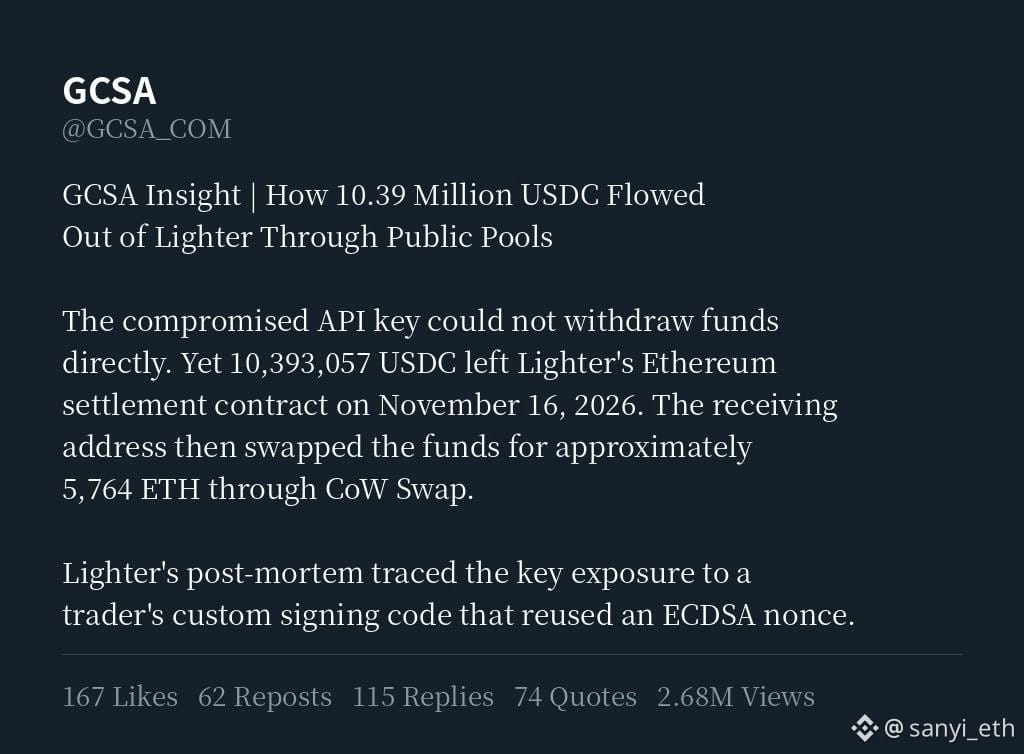
It doesn’t go through a computer or Wi-Fi, and even the official authenticity check can’t detect it. From November 14 to 16, another 16 wallets were drained, worth about 168wu.
@GCSA_COM
1
174
·
--
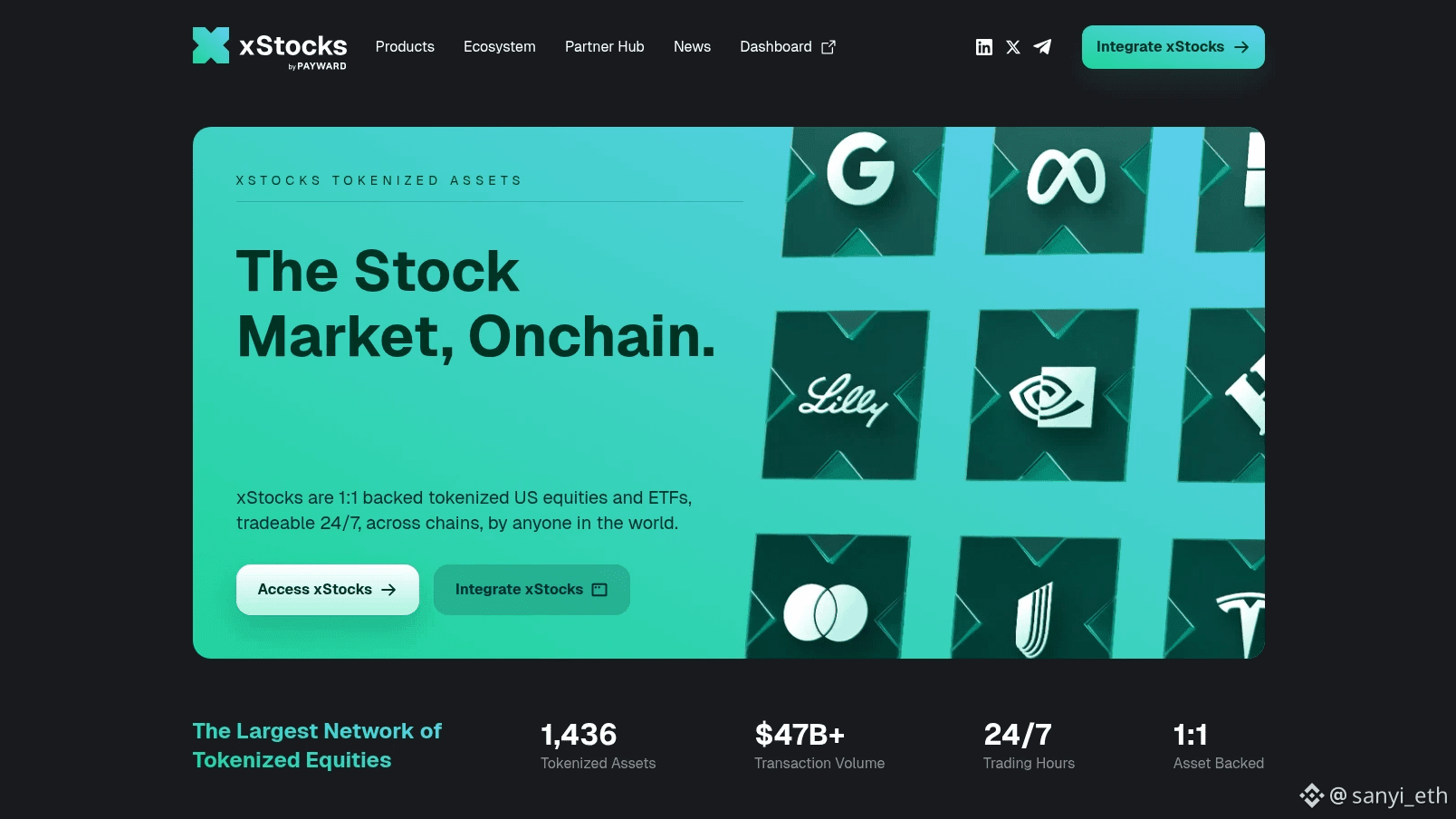
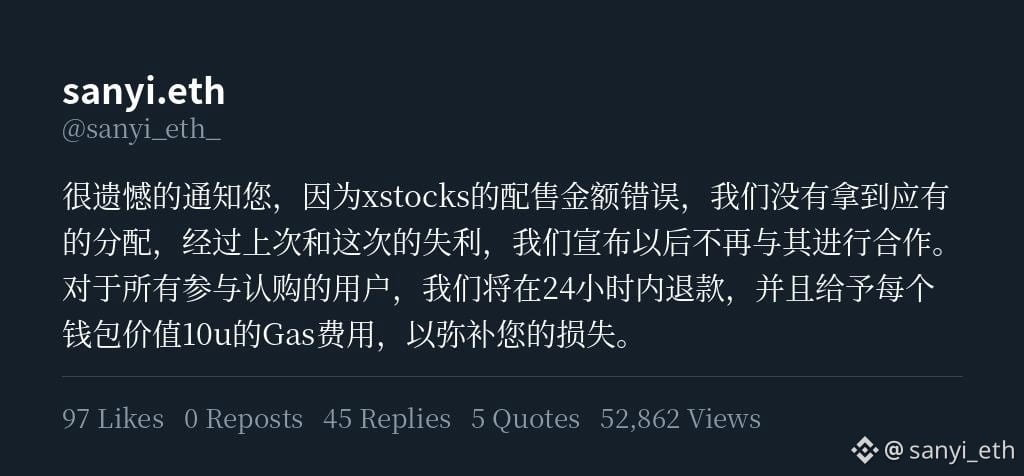
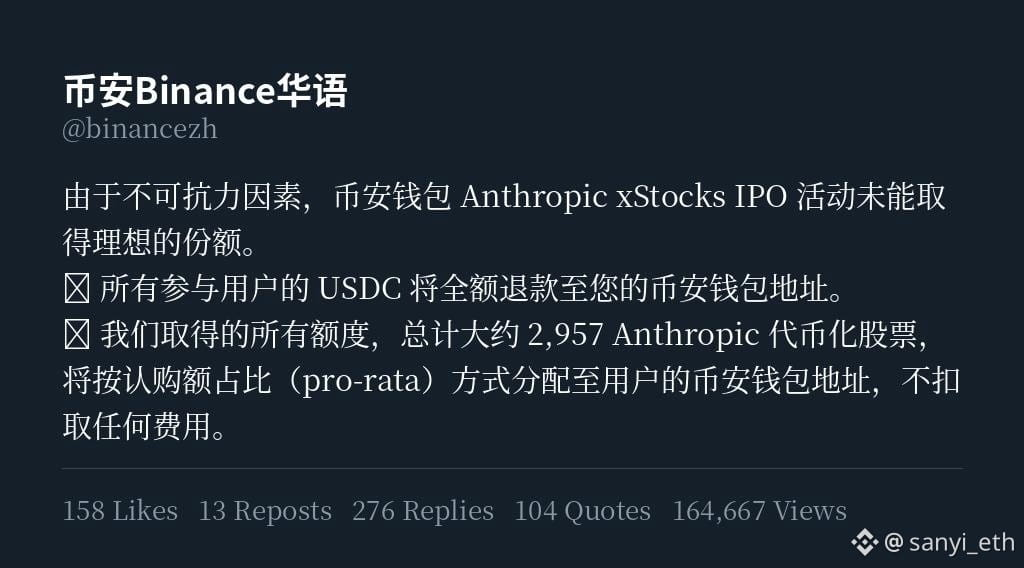
We regret to inform you that, due to an error in xstocks' allocation amount, we did not receive the allocation we were entitled to. After this and our previous unsuccessful experience, we have decided to end our cooperation with them.
All users who participated in the subscription will be refunded within 24 hours. We will also provide each wallet with gas fees worth 10 U to compensate for your losses.
Once all refunds have been completed, we will give each eligible account a 100 USDC trading fee rebate coupon. Thank you for your support.
90
·
--
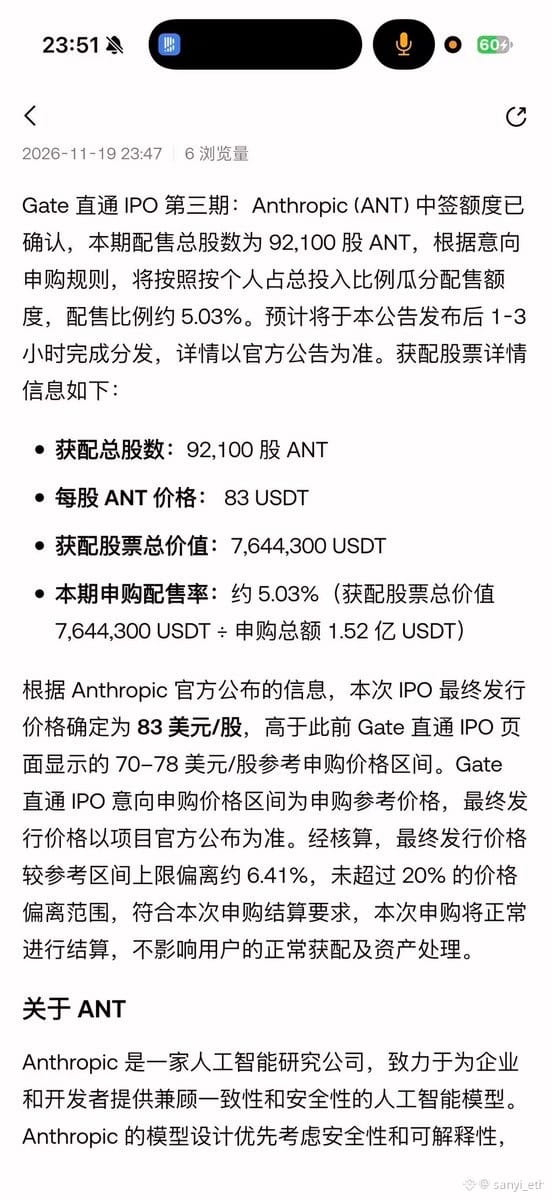
Are you fucking kidding me! @Gate is seriously badass!
Are you fucking kidding me! @Gate is seriously badass!
28
·
--
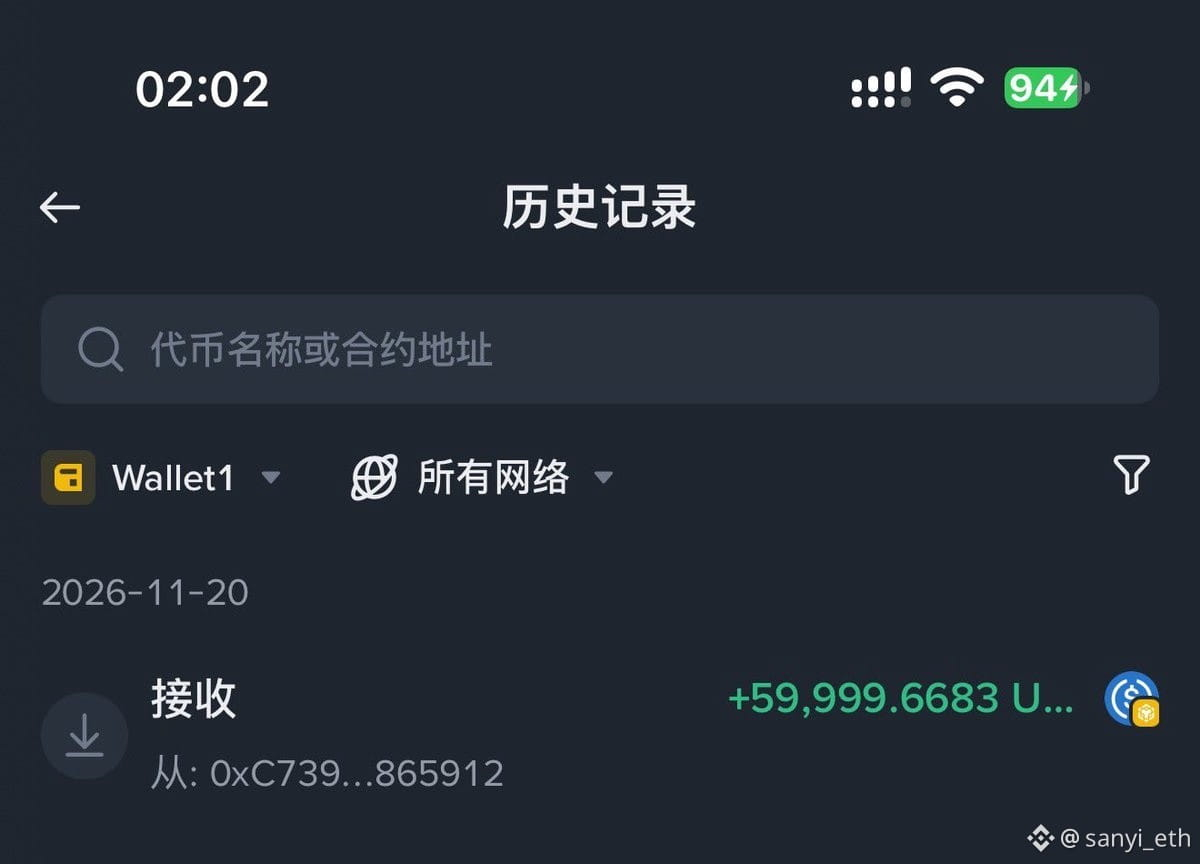
I’d been driving all day and was already completely wiped out. I figured I’d go to sleep first, no matter how much I got allocated, and deal with it tomorrow.
I’d just gotten up to take the kid to pee when I saw this mess.
I’m genuinely disappointed. It’s bad enough that one account’s 6u still hasn’t earned as much as it would in a savings product, but goddammit, if one account has 10wu, why are they only refunding 6wu first?
I’d just gotten up to take the kid to pee when I saw this mess.
I’m genuinely disappointed. It’s bad enough that one account’s 6u still hasn’t earned as much as it would in a savings product, but goddammit, if one account has 10wu, why are they only refunding 6wu first?
1
·
--
Some time ago, I consolidated a large portion of my on-chain funds, especially those in AA wallets, DEXs, and meme coin wallets.
As AI gets more powerful, the risk of getting hacked on-chain is only growing.
This @GCSA_COM post takes a closer look at the Lighter theft from a few days ago. It lays out the timeline and permission vulnerabilities in quite a bit of detail. A really good article.
As AI gets more powerful, the risk of getting hacked on-chain is only growing.
This @GCSA_COM post takes a closer look at the Lighter theft from a few days ago. It lays out the timeline and permission vulnerabilities in quite a bit of detail. A really good article.
45
·
--
A while ago, I consolidated a large portion of my on-chain funds, especially funds in some AA wallets, DEXs, and shitcoin wallets.
With AI getting more powerful, the risk of getting hacked on-chain is growing.
This @GCSA_COM account dug into the Lighter theft from a few days ago. The article lays out the timeline and the permissions vulnerability in quite a lot of detail. It’s a pretty good read.
With AI getting more powerful, the risk of getting hacked on-chain is growing.
This @GCSA_COM account dug into the Lighter theft from a few days ago. The article lays out the timeline and the permissions vulnerability in quite a lot of detail. It’s a pretty good read.
141
·
--
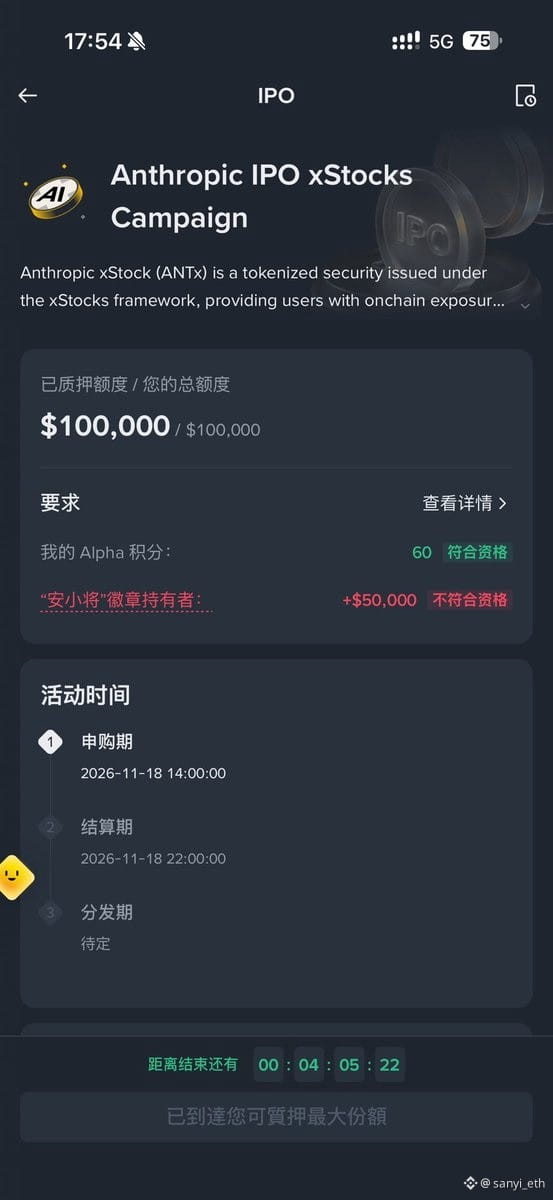
Whatever, let’s get 10 accounts first…
By the way, how long does it take for the An Xiaojun badge to arrive?
Whatever, let’s get 10 accounts first…
By the way, how long does it take for the An Xiaojun badge to arrive?
By the way, how long does it take for the An Xiaojun badge to arrive?
223
·
--
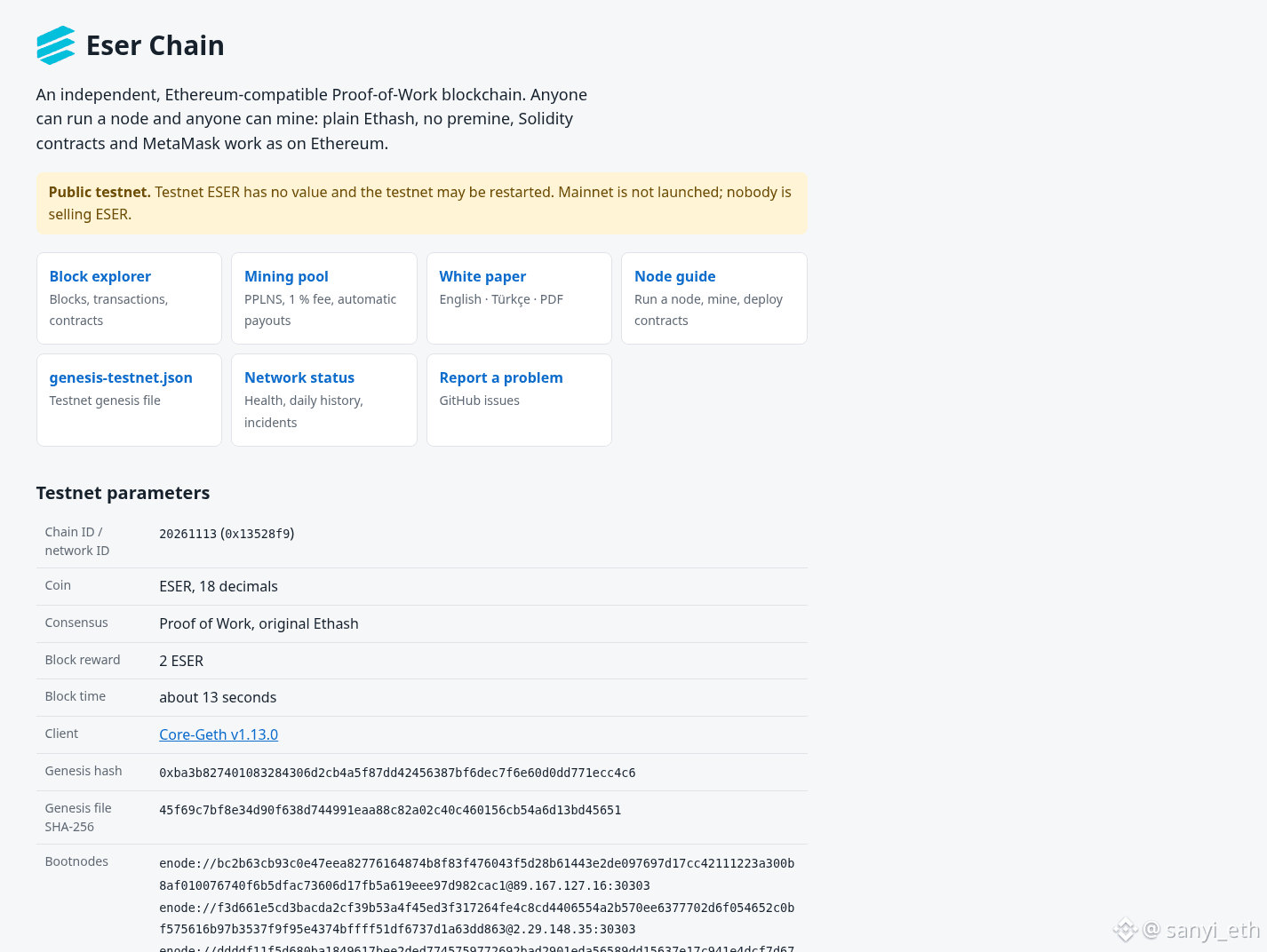
Eser @eserchain: An independent PoW blockchain that uses Ethash for GPU mining and is EVM-compatible. Its public testnet just launched, and the official website says there was no premine or token sale.
They’re building an independent PoW chain using Ethereum’s older Ethash algorithm. You can mine with a GPU, and it’s EVM-compatible. The website says there was no premine or token sale. The block reward is 2 ESER, with a block produced roughly every 13 seconds. The public testnet went live on November 14. There are mining pools, and GPUs with 4 GB of memory can run it.
For now, you can participate by running a node according to the guide or mining through a pool. The team explicitly says the test tokens have no value, and I haven’t seen any airdrop or prize pool.
Link: https://eserchain.org
The team hasn’t been made public. I haven’t seen any funding announcements yet.
If you have a spare GPU, you could give it a try. But this account has only 130 followers, and the post announcing the testnet launch got almost no engagement. Earlier, it also posted a bunch of links in Turkish-language replies, so it looks like an old account that may have been renamed. There’s not much to this project yet, so treat it as something to watch for fun.
22
·
--
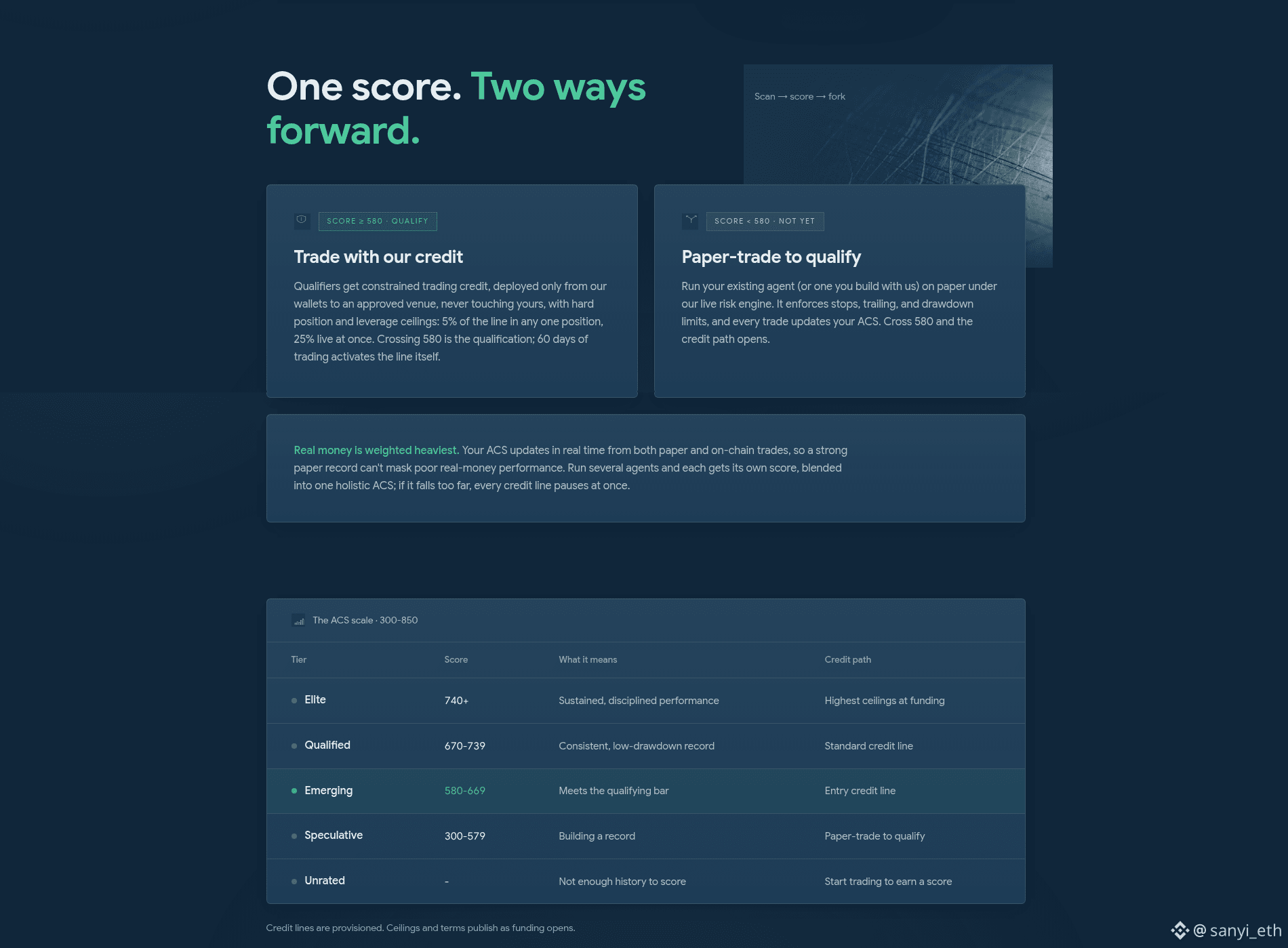
Agentics Credit @agenticscredit: Assigns credit scores to trading wallets and AI agents. Once your score is high enough, you can join the funding waitlist. The white paper says $CREDIT is a points system, not a token; there’s currently no sign of any token being sold.
They assign ACS credit scores to trading wallets and AI trading agents, ranging from 300 to 850. Drawdowns carry a heavy weighting, and live trading counts more than simulated trading. A score of 580 gets you onto the funding waitlist. If funding becomes available later, it will be sent only from Agentics’ wallet to whitelisted trading venues; users can’t withdraw it themselves. The first venue is Polymarket.
For now, you can participate by connecting a wallet for a free score, or by practicing with $10,000 in simulated funds against real Polymarket markets. The official account posted about an upcoming CREDIT airdrop on October 19, but the white paper explicitly says $CREDIT is an off-chain, non-transferable points system that isn’t for sale and comes with no expectation of returns. Both claims are still up, and they don’t line up.
Link: https://agentics.credit
So far, no public information about the team or funding.
You can get a free score to check it out, but don’t treat it like an airdrop project to farm aggressively. The white paper and official post contradict each other, so keep that in mind and wait and see.
70
·
--
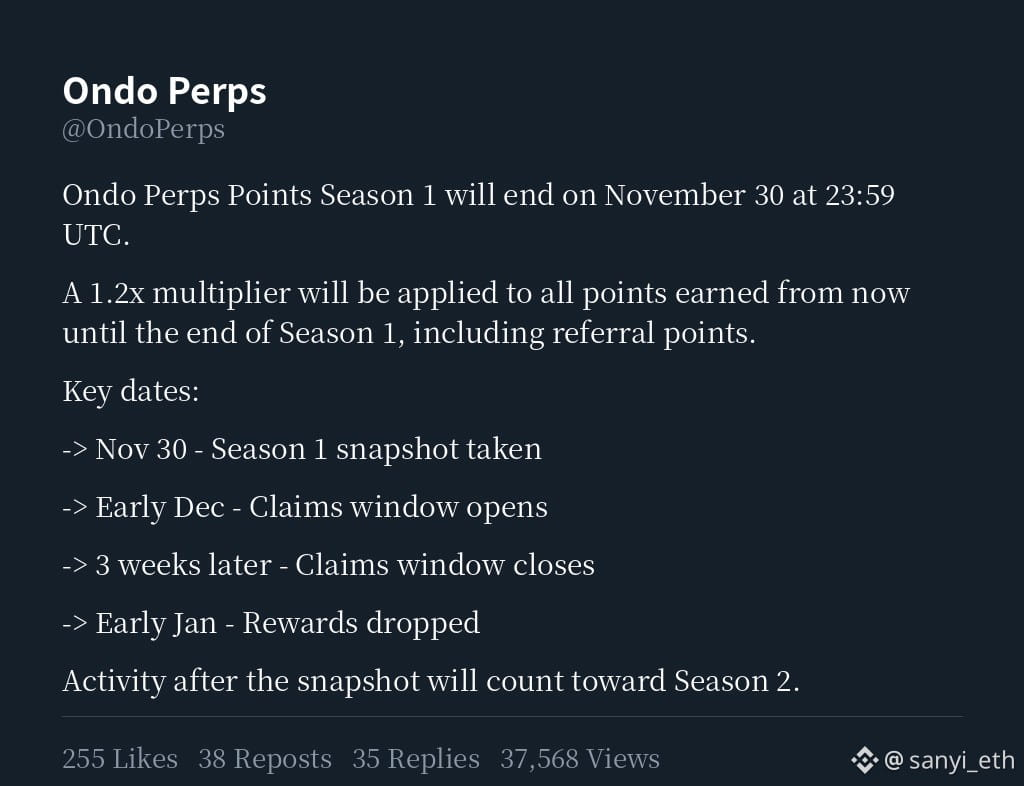
The Ondo @OndoPerps points program has ended.
According to the timeline, you’ll be able to claim your rewards in January. Stay tuned!
The Ondo @OndoPerps points program has ended.
According to the timeline, you’ll be able to claim your rewards in January. Stay tuned!
According to the timeline, you’ll be able to claim your rewards in January. Stay tuned!
127
·
--
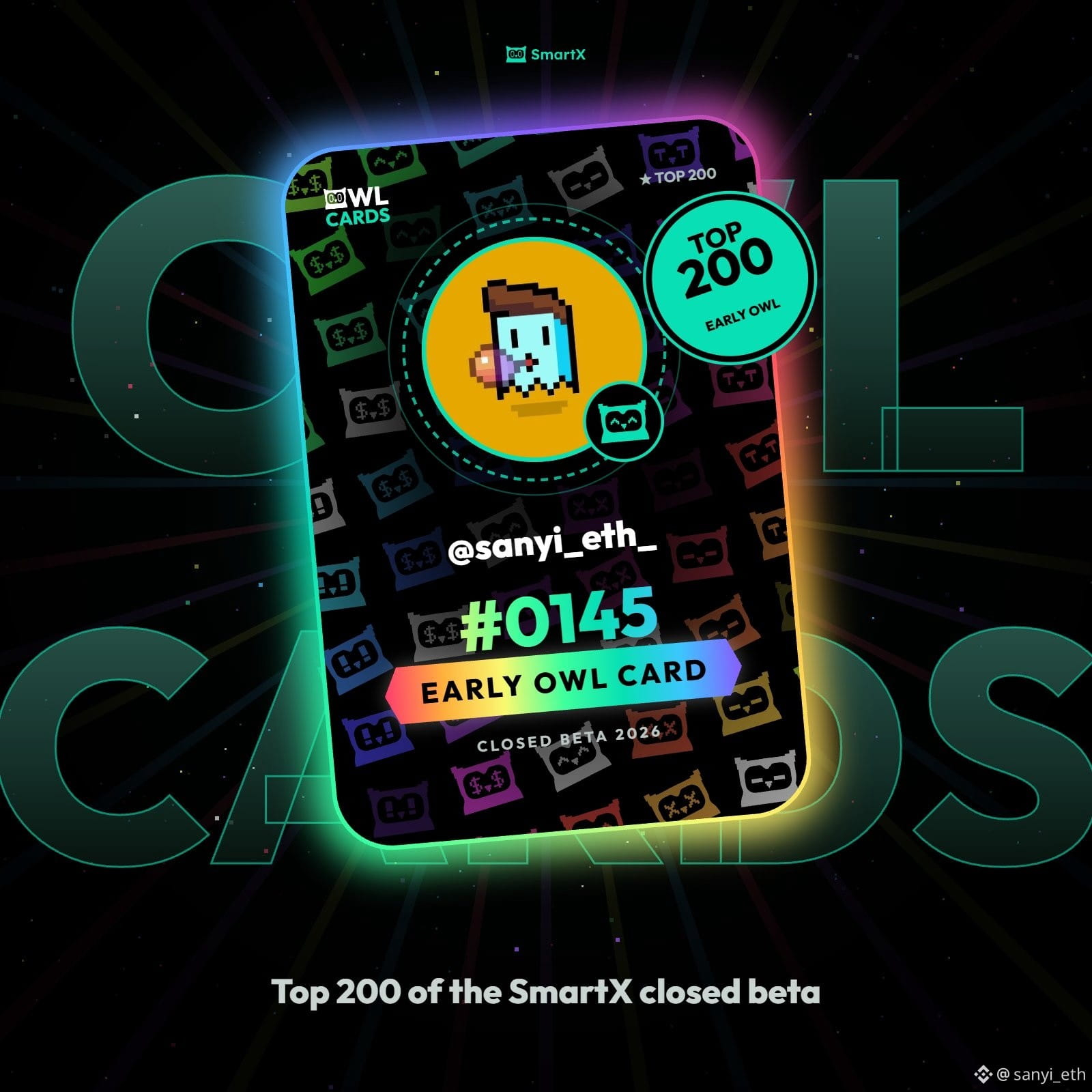
You can now go claim @SmartXTerminal’s early-bird card. I just completed it and ranked 145th.
The task is pretty simple: after registering, deposit at least 20 U, reach a trading volume of 100 U, and leave a review.
#SmartXOwlCards @SmartXTerminal
You can now go claim @SmartXTerminal’s early-bird card. I just completed it and ranked 145th.
The task is pretty simple: after registering, deposit at least 20 U, reach a trading volume of 100 U, and leave a review.
#SmartXOwlCards @SmartXTerminal
The task is pretty simple: after registering, deposit at least 20 U, reach a trading volume of 100 U, and leave a review.
#SmartXOwlCards @SmartXTerminal
96
·
--
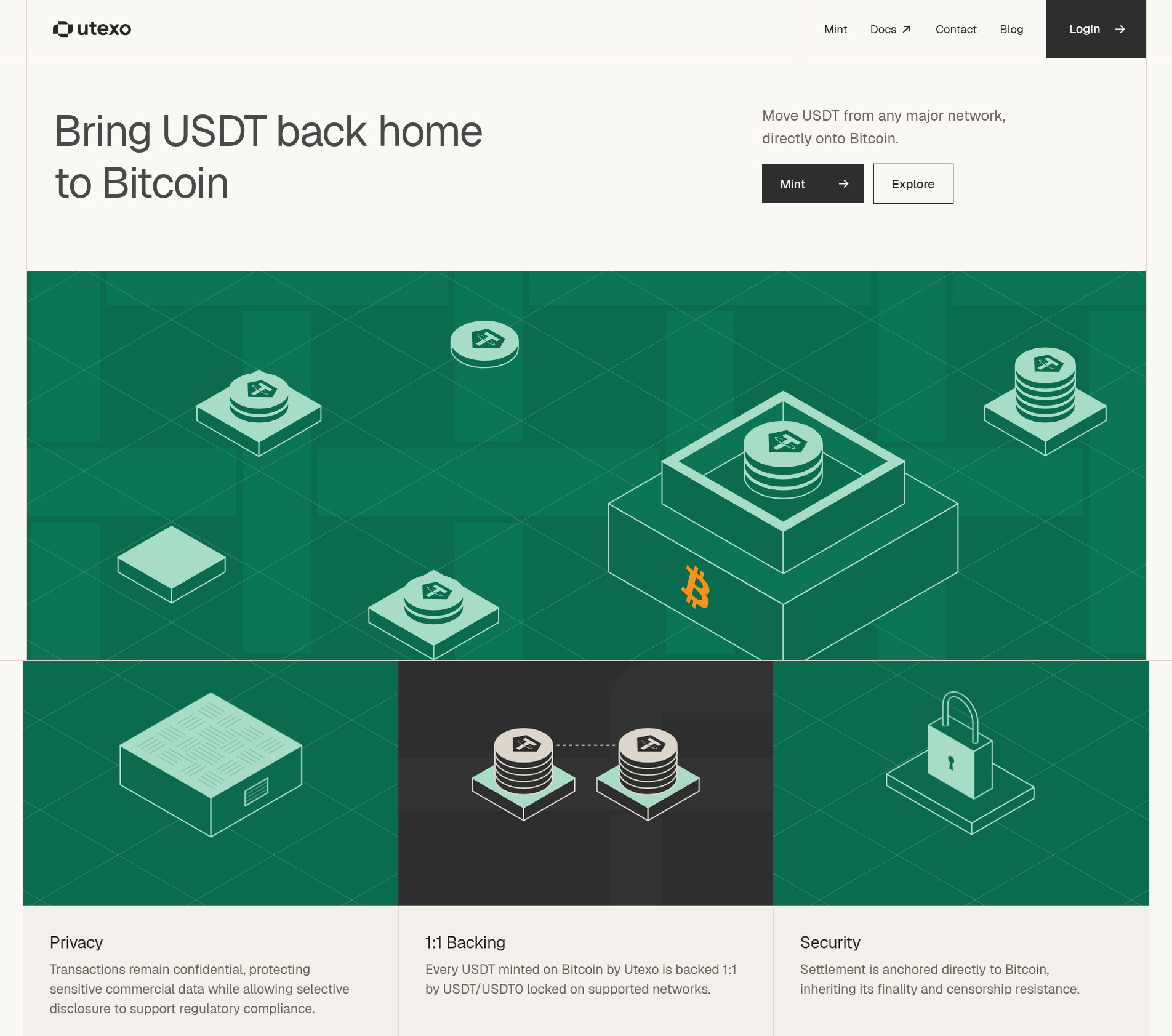
Utexo @utexocom: Using the RGB protocol to bridge USDT to Bitcoin, with privacy enabled by default for transfers. The project plans to launch publicly through partner wallets and exchanges on November 28. No project token has been issued yet.
They’re bringing USDT back to Bitcoin by issuing a bridged version of USDT using the RGB protocol, backed 1:1 by locked USDT/USDT0, with privacy enabled by default for transfers. They’ve joined Mastercard’s crypto partnership program, had the bridge audited by OXORIO, and are working with Valkyri on a long-term security partnership. Next, they plan to launch through partner wallets and exchanges on November 28, then connect to the Lightning Network in Q1 2027.
There isn’t much for regular users to do just yet. Utexo Mint is only available for exchanges, wallets, market makers, and similar players to test on Signet. There are no tokens or points, so for now, just wait until November 28 and see which wallets integrate it.
The co-founders are all identifiable. The CEO is @VIhnatiuk, who previously worked on growth at Storj and founded Boosty Labs; the CTO is @skitsanr. Another co-founder and the CMO is Chris Hutchinson, who previously worked at Status and the Web3 Foundation. There’s no official funding announcement on the website, but co-founder interviews and investor Fulgur have both mentioned a $7.5 million seed round, reportedly led or co-led by Tether. The timing doesn’t quite add up, though, and I haven’t been able to verify this information.
This one seems relatively well-rounded, with a visible team and partnerships. But it’s not yet open to regular users, so let’s see which ways to access it actually become available on November 28.
138
·
--
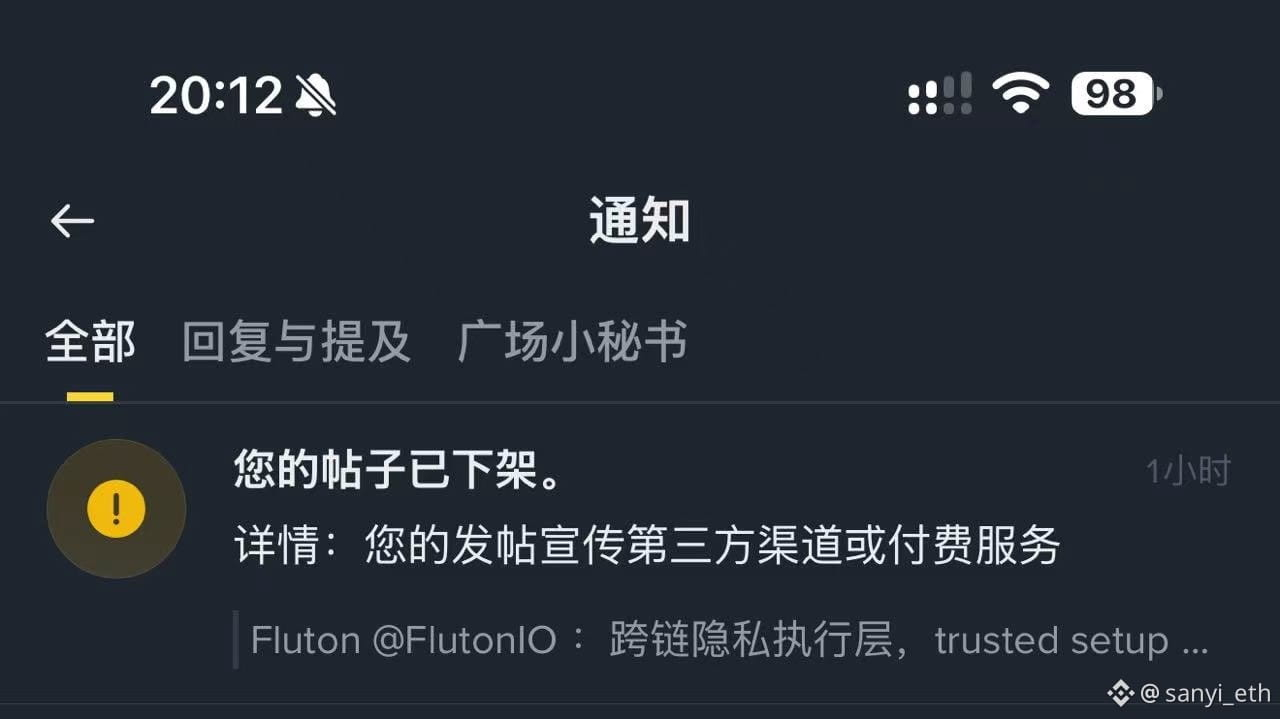
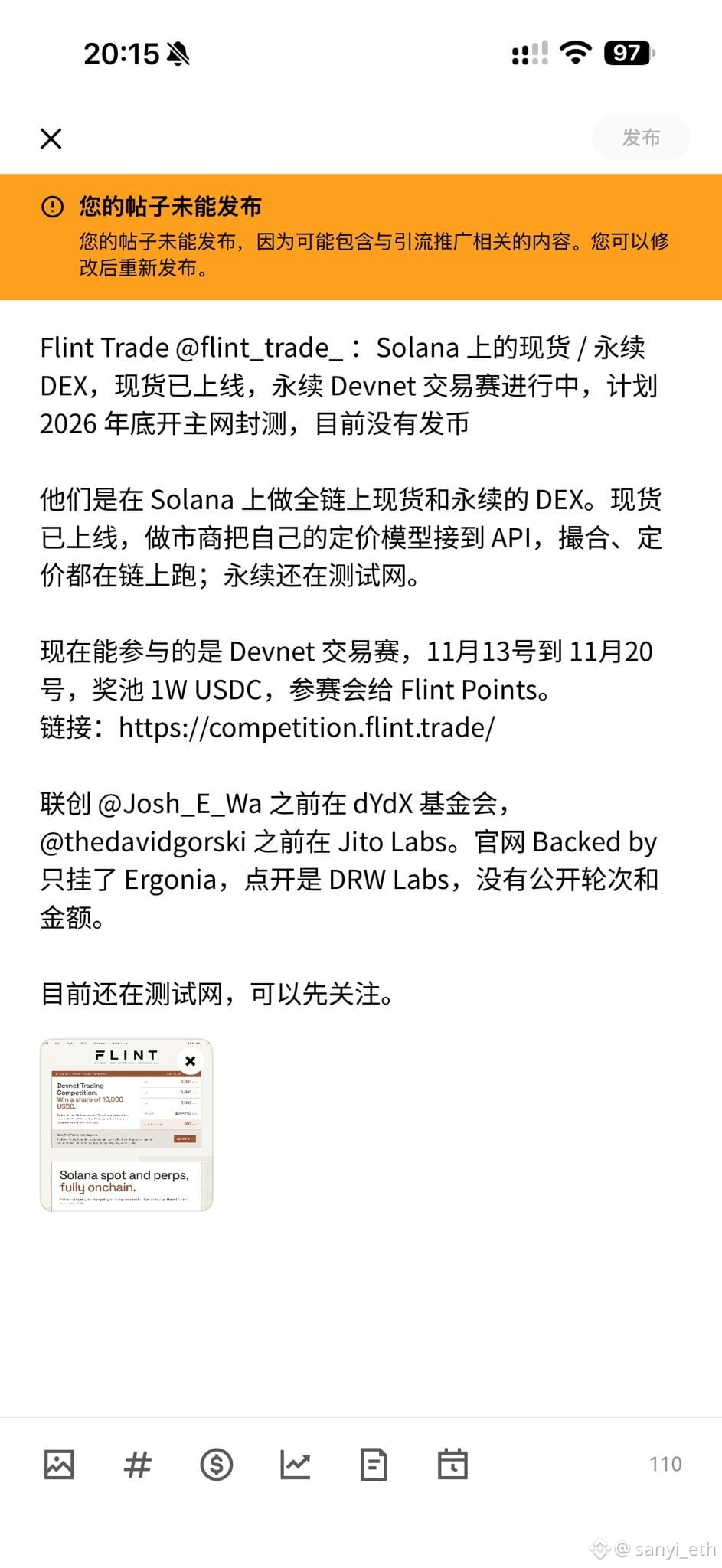
In my experience, BN Square and OKX Planet are both pretty disappointing.
A lot of what you post has to be reviewed, even if it’s just sharing something about an alpha project. It feels just like posting on a Chinese social media app…
In my experience, BN Square and OKX Planet are both pretty disappointing.
A lot of what you post has to be reviewed, even if it’s just sharing something about an alpha project. It feels just like posting on a Chinese social media app…
A lot of what you post has to be reviewed, even if it’s just sharing something about an alpha project. It feels just like posting on a Chinese social media app…
73
·
--
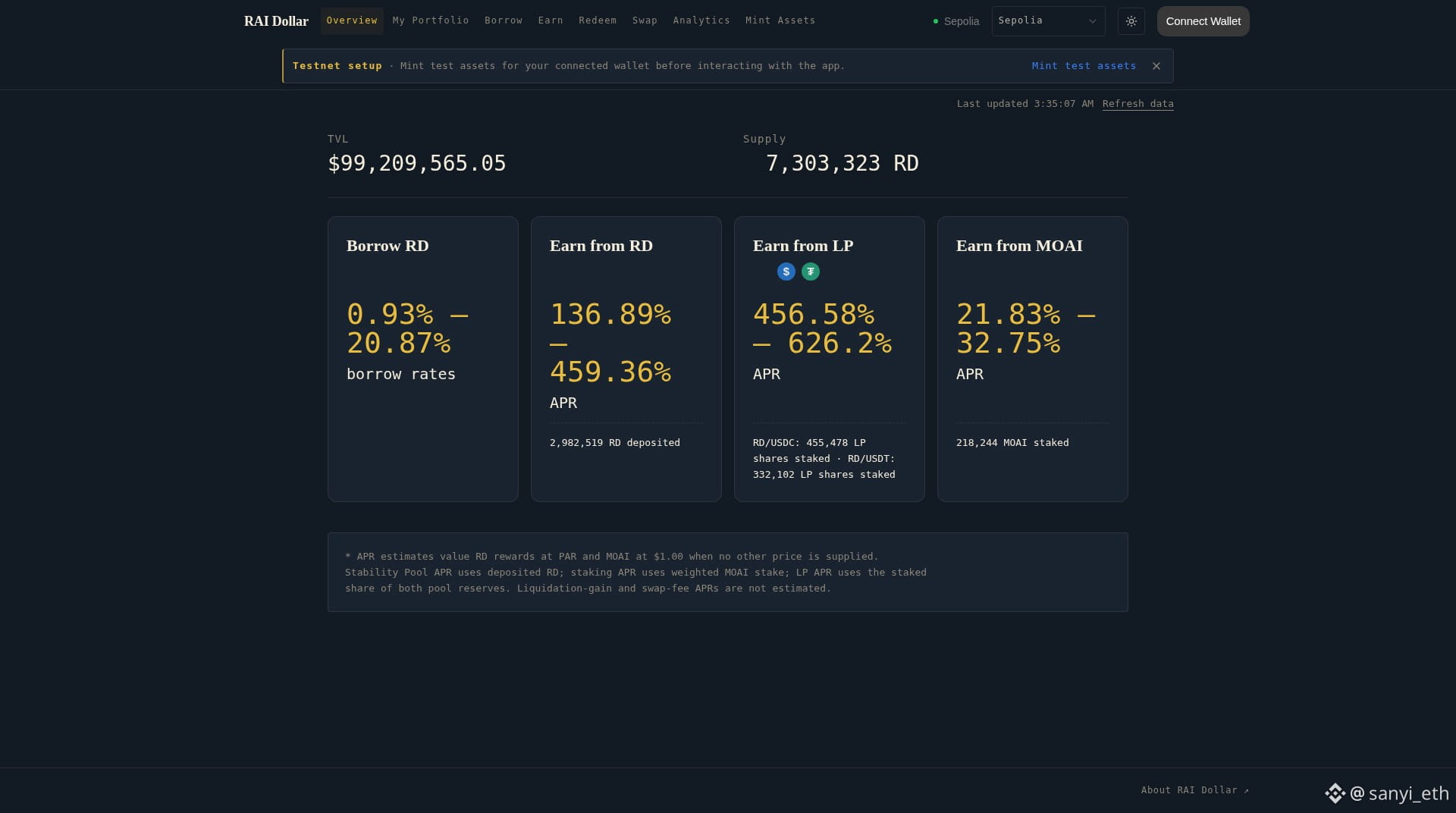
RAI Dollar @rai_dollar: A crypto-collateralized stablecoin made by former RAI team members, pegged to $1. The contracts are non-upgradeable. The Sepolia testnet is live, with mainnet planned for Q1 2027. No token has been issued yet.
They’re building RD, a stablecoin pegged to $1 that you can borrow against crypto collateral. There’s no custodian or admin, funds can’t be frozen, and the contracts can’t be upgraded. Its mechanics include Trove borrowing, optional redemption protection (you won’t be subject to regular redemptions, but pay higher interest), a stability pool, and RD/USDC and RD/USDT LPs. Stake MOAI to earn a share of fees. The official account’s bio says it was made by former RAI team members, and its Discord also takes you to Reflexer’s server.
What you can do now is participate in the Sepolia testnet: claim test tokens, borrow RD against collateral, enable redemption protection, deposit into the stability pool, or provide liquidity and stake testnet MOAI. The team hasn’t mentioned a user airdrop, and mainnet is still planned for Q1 2027.
Link: https://app.raidollar.tech
The founder whose identity I could verify is @_BT_BT_BT_, whose real name is Bert Kellerman. He previously worked at Reflexer and Blocknative. In terms of investment, Pashov Capital has publicly said it supports the project, but the amount wasn’t disclosed. There was also a grant mentioned as 14wu on the Reflexer forum, but I couldn’t verify whether it was actually received.
The project’s background seems more solid than that of many new launches. It’s worth trying out the testnet since it costs nothing. Mainnet is still a long way off, so you can keep an eye on it and see how things develop.
118
·
--
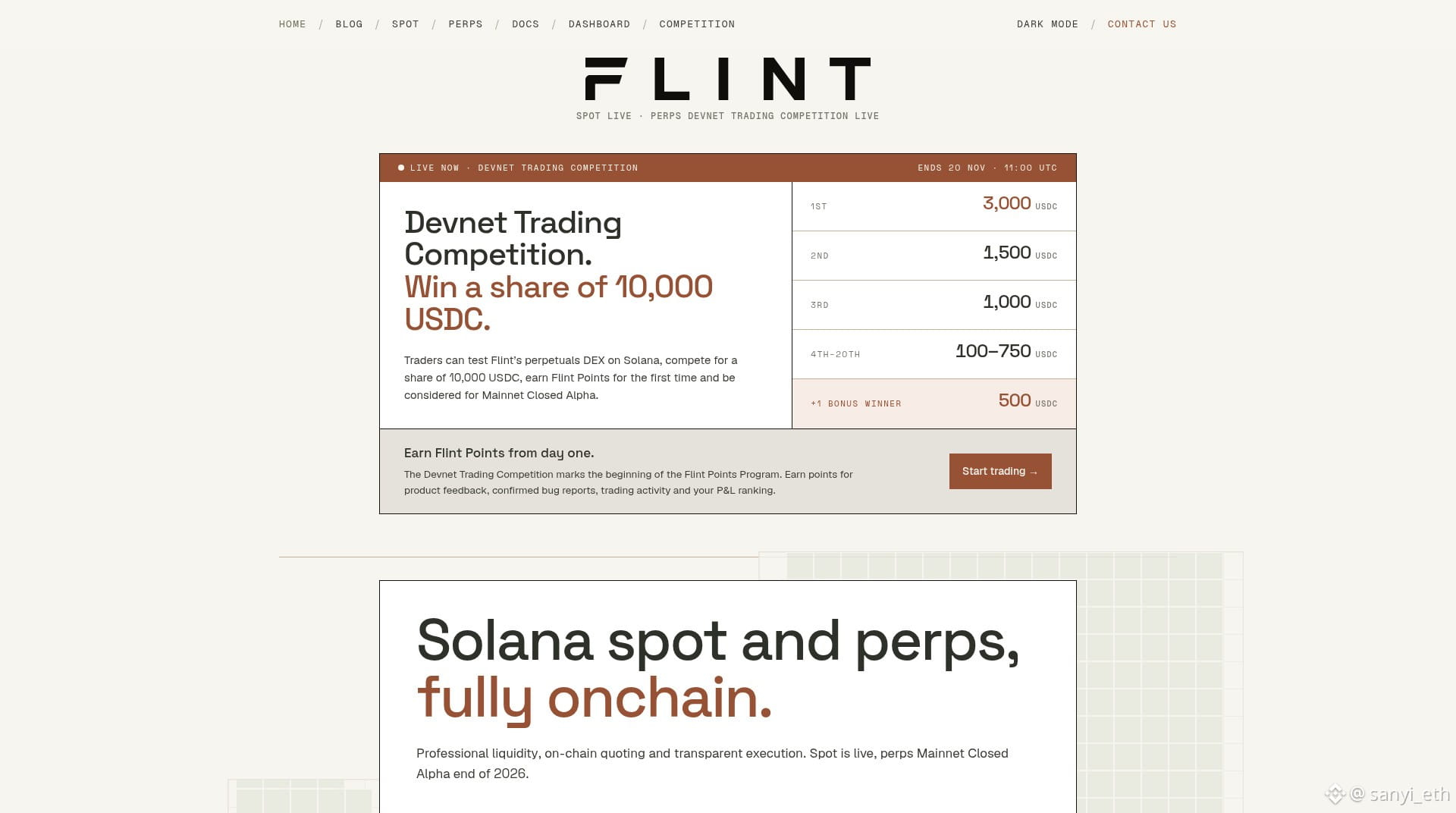
Flint Trade @flint_trade_: A spot/perps DEX on Solana. Spot is live, and the perps Devnet trading competition is underway. Mainnet closed beta is planned for the end of 2026. No token has been issued so far.
They’re mainly building a fully onchain spot and perps DEX on Solana. Spot launched first, providing quoting infrastructure for market makers; perps will come later and are still on testnet. Matching, pricing, and allocation all happen onchain, with no offchain matching engine or sequencer. The spot product is a multi-market-maker prop AMM: market makers connect their own pricing models via API, while Flint handles gas, priority fees, and onchain execution, with zero maker fees. Eligible market makers can also earn spot rebates through Frontier Traders.
The current way to participate is through the Devnet trading competition. It runs from November 13 to November 20, with a 10,000 USDC prize pool. Every participant will receive Flint Points.
Link: https://competition.flint.trade/
Several of the co-founders have impressive backgrounds. For example, @Josh_E_Wa previously worked at the dYdX Foundation, and @thedavidgorski worked at Jito Labs. Most of the other team members also come from organizations such as the dYdX Foundation, Drift Labs, Coinbase, and M0. The website’s “Backed by” section lists only Ergonia, which links to the DRW Labs website; no funding round or amount has been disclosed.
Overall, this seems like a pretty solid project. However, it’s currently on testnet and not getting much attention. The market is pretty bearish right now anyway, so keeping an eye on it without rushing in seems like a good approach.
12
·
--
If you hold tokenized gold on-chain, you might want to check out @multiplifi.
It’s said to be the leading RWA project in the Middle East, and I think it’s starting to look like a top-tier project. Now it’s a matter of seeing how much business it can generate from these resources.
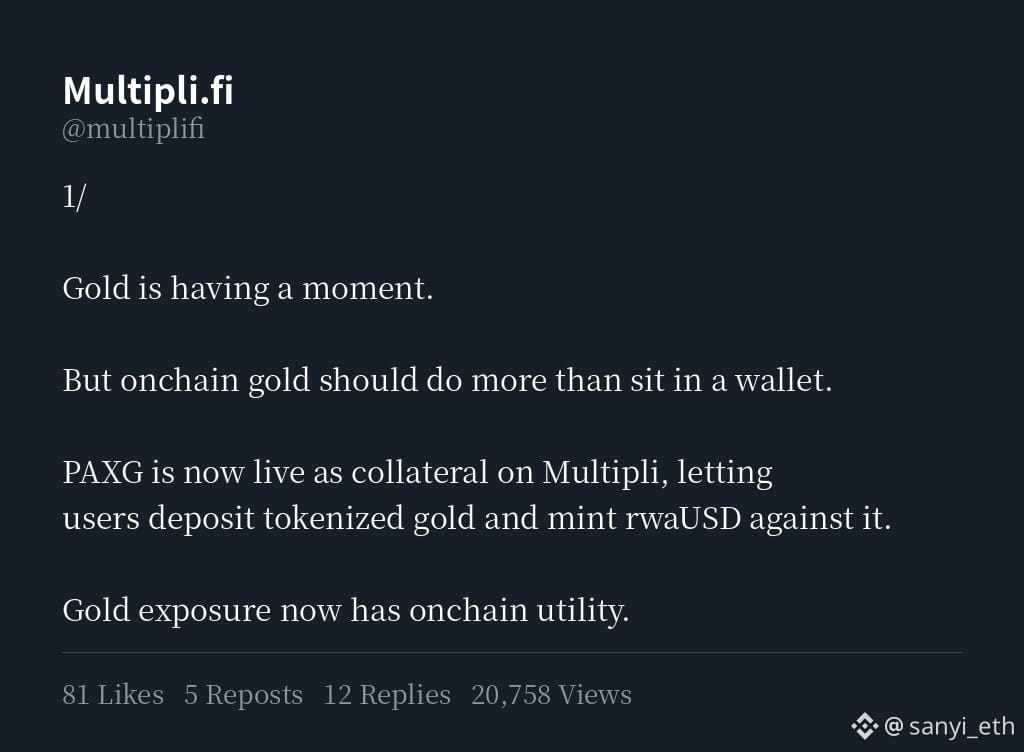
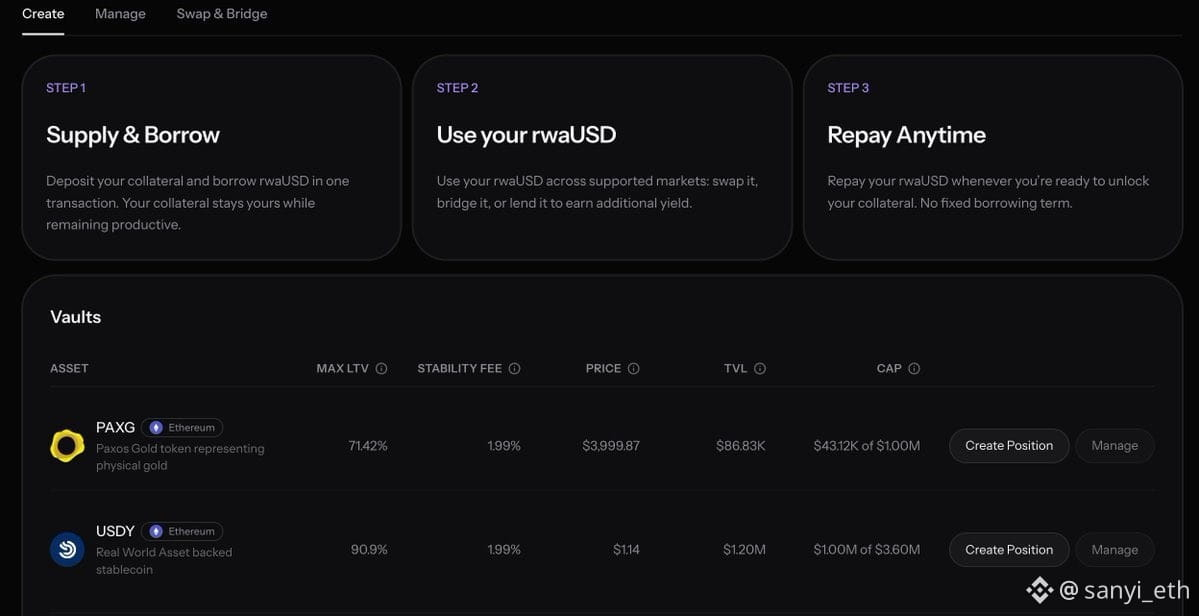
They support using gold $PAXG as collateral to mint $rwaUSD. You can then put the token to work elsewhere and unlock liquidity. So far, around $200 million worth of rwaUSD has been minted on @base, and it previously ranked first among yield protocols on Base.
As the RWA ecosystem develops, there will surely be more DeFi products for collateralized lending like this.
Looking a little deeper, there’s another issue: gold, U.S. Treasuries, and stocks all have different issuers, custodians, and redemption rules. It’s actually a lot of work for every DeFi protocol to integrate with each one individually.
What Multipli is trying to do with rwaUSD is make this integration process as standardized as possible. Assets can come from different sources, while downstream protocols can build lending, vault, and other products around a single unified interface, making integration easier.
If this approach works, it could pave the way for a more complete market connecting asset issuers, holders, and DeFi protocols. Some provide assets, some need liquidity, and others are willing to provide capital.
If this model works, there’s a lot more room to grow. Worth keeping an eye on and seeing what opportunities might come up.
235
Log in to explore more content
Join global crypto users on Binance Square
⚡️ Get latest and useful information about crypto.
💬 Trusted by the world’s largest crypto exchange.
👍 Discover real insights from verified creators.
Email / Phone number
Trending Topics
BTCReboundsAbove$60KAmidWhaleDipBuying
9,315 views
85 Discussing
Abraxas Capital, Other Whales Buy the BTC Dip as Bitcoin Briefly Reclaims $60,000
Binance News
·18 Likes
·22.4k views
SolanaSets2027RoadmapToDoubleComputeCapacity
31 views
26 Discussing
CaliforniaNvidiaProbeExaminesPotentialCriminalViolations
683 views
17 Discussing