

大撸村的小撸子
8 Posts

大撸村的小撸子
Report
Block User
Open Trade
Occasional Trader
9.1 Years
7 Following
26 Followers
17 Liked
Posts
Portfolio
All
Quotes
·
--
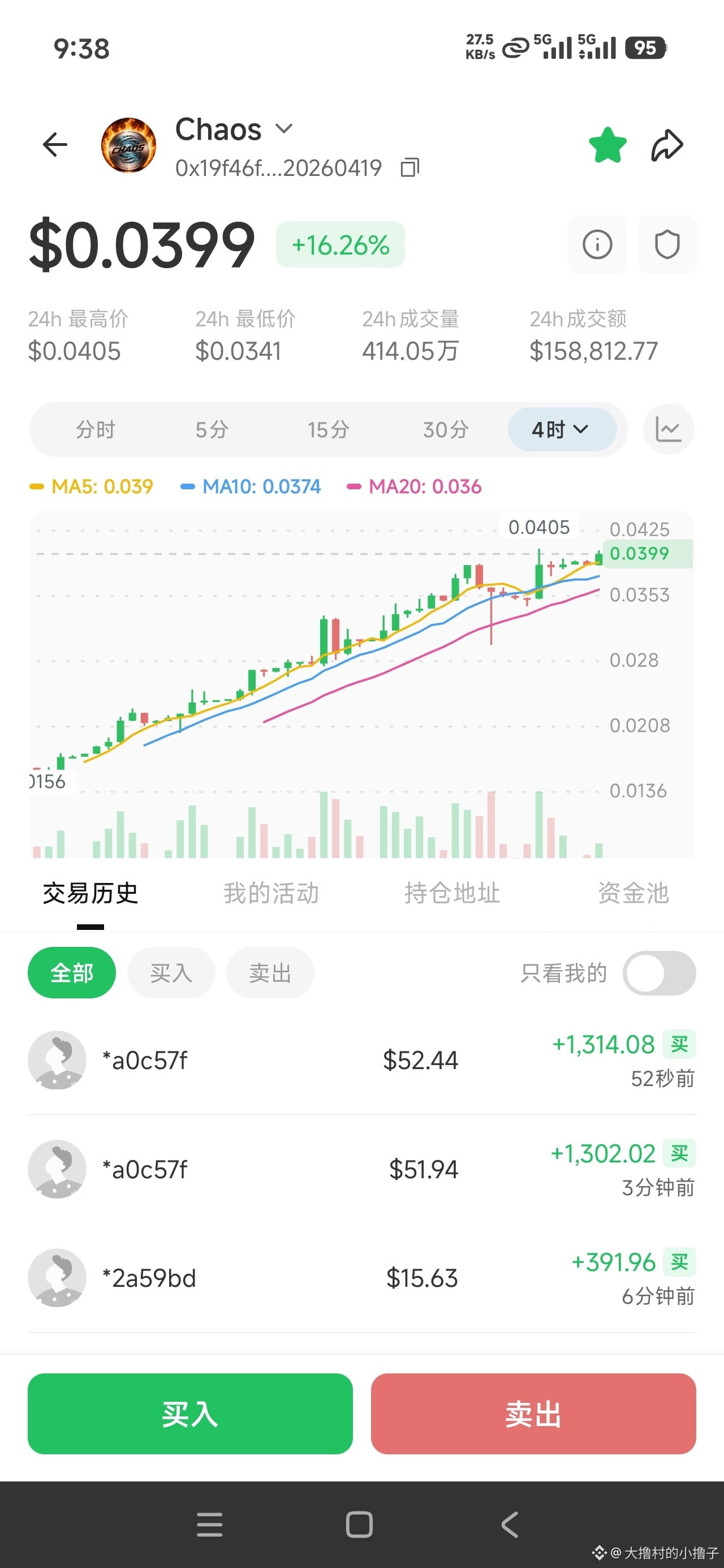
$Chaos Burning isn’t the endpoint; it’s the beginning of scarcity.
In 2026, when memes are flooding the market, most projects die from inflation—infinite minting, endless sell pressure, and massive whale dumps. But $CHAOS took a completely different path: using “burning” to rebuild the value logic.
According to community consensus, $CHAOS’s core mechanism isn’t “mining yield,” but “continuous destruction.” Every on-chain interaction, every community activity, every milestone reached—triggers a certain proportion of tokens to be sent to a black hole address. This isn’t to create short-term FOMO spikes; it’s to continuously contract the circulating supply over the long run.
Why is the burning mechanism especially important right now? Look at the current market data: the top 10 memes account for over 90% of the liquidity in this sector. The remaining thousands of projects, meanwhile, drain each other in a zero-sum game of existing holders. Without deflationary expectations, token holders are always on edge—whenever anything even slightly shifts, they rush to sell. With transparent on-chain burn records, $CHAOS gives the community a clear expectation: the total amount will only decrease, never increase.
The psychological shift this mechanism brings is quite interesting. Holders no longer simply hope someone will “come in as the next buyer.” Instead, they start calculating the “remaining supply.” When circulating volume drops to a certain threshold, even if demand stays the same, price is forced to be revalued due to scarcity.
Of course, burning isn’t a cure-all. If a project has only burning but no real use cases and no community consensus, that’s “self-inflicted deflation.” In the end, it only leaves a pile of zero-value black hole addresses.
Personally, I’m especially optimistic about this combination of “cultural narrative + deflation mechanism.” Pure culture without an economic model can easily turn into short-term speculation; pure deflation without a story won’t attract new capital. Together, $CHAOS may earn a spot in the next market cycle. For players who want to participate, my advice is: don’t just watch short-term K-line charts—watch the burn address’s growth rate and the distribution of holder addresses. Real value is hidden in those unseen black holes.
$CHAOS — Burn it all to ashes, and then you’ll see the real gold.
$Chaos Burning isn’t the endpoint; it’s the beginning of scarcity.
In 2026, when memes are flooding the market, most projects die from inflation—infinite minting, endless sell pressure, and massive whale dumps. But $CHAOS took a completely different path: using “burning” to rebuild the value logic.
According to community consensus, $CHAOS’s core mechanism isn’t “mining yield,” but “continuous destruction.” Every on-chain interaction, every community activity, every milestone reached—triggers a certain proportion of tokens to be sent to a black hole address. This isn’t to create short-term FOMO spikes; it’s to continuously contract the circulating supply over the long run.
Why is the burning mechanism especially important right now? Look at the current market data: the top 10 memes account for over 90% of the liquidity in this sector. The remaining thousands of projects, meanwhile, drain each other in a zero-sum game of existing holders. Without deflationary expectations, token holders are always on edge—whenever anything even slightly shifts, they rush to sell. With transparent on-chain burn records, $CHAOS gives the community a clear expectation: the total amount will only decrease, never increase.
The psychological shift this mechanism brings is quite interesting. Holders no longer simply hope someone will “come in as the next buyer.” Instead, they start calculating the “remaining supply.” When circulating volume drops to a certain threshold, even if demand stays the same, price is forced to be revalued due to scarcity.
Of course, burning isn’t a cure-all. If a project has only burning but no real use cases and no community consensus, that’s “self-inflicted deflation.” In the end, it only leaves a pile of zero-value black hole addresses.
Personally, I’m especially optimistic about this combination of “cultural narrative + deflation mechanism.” Pure culture without an economic model can easily turn into short-term speculation; pure deflation without a story won’t attract new capital. Together, $CHAOS may earn a spot in the next market cycle. For players who want to participate, my advice is: don’t just watch short-term K-line charts—watch the burn address’s growth rate and the distribution of holder addresses. Real value is hidden in those unseen black holes.
$CHAOS — Burn it all to ashes, and then you’ll see the real gold.
In 2026, when memes are flooding the market, most projects die from inflation—infinite minting, endless sell pressure, and massive whale dumps. But $CHAOS took a completely different path: using “burning” to rebuild the value logic.
According to community consensus, $CHAOS’s core mechanism isn’t “mining yield,” but “continuous destruction.” Every on-chain interaction, every community activity, every milestone reached—triggers a certain proportion of tokens to be sent to a black hole address. This isn’t to create short-term FOMO spikes; it’s to continuously contract the circulating supply over the long run.
Why is the burning mechanism especially important right now? Look at the current market data: the top 10 memes account for over 90% of the liquidity in this sector. The remaining thousands of projects, meanwhile, drain each other in a zero-sum game of existing holders. Without deflationary expectations, token holders are always on edge—whenever anything even slightly shifts, they rush to sell. With transparent on-chain burn records, $CHAOS gives the community a clear expectation: the total amount will only decrease, never increase.
The psychological shift this mechanism brings is quite interesting. Holders no longer simply hope someone will “come in as the next buyer.” Instead, they start calculating the “remaining supply.” When circulating volume drops to a certain threshold, even if demand stays the same, price is forced to be revalued due to scarcity.
Of course, burning isn’t a cure-all. If a project has only burning but no real use cases and no community consensus, that’s “self-inflicted deflation.” In the end, it only leaves a pile of zero-value black hole addresses.
Personally, I’m especially optimistic about this combination of “cultural narrative + deflation mechanism.” Pure culture without an economic model can easily turn into short-term speculation; pure deflation without a story won’t attract new capital. Together, $CHAOS may earn a spot in the next market cycle. For players who want to participate, my advice is: don’t just watch short-term K-line charts—watch the burn address’s growth rate and the distribution of holder addresses. Real value is hidden in those unseen black holes.
$CHAOS — Burn it all to ashes, and then you’ll see the real gold.
100
·
--
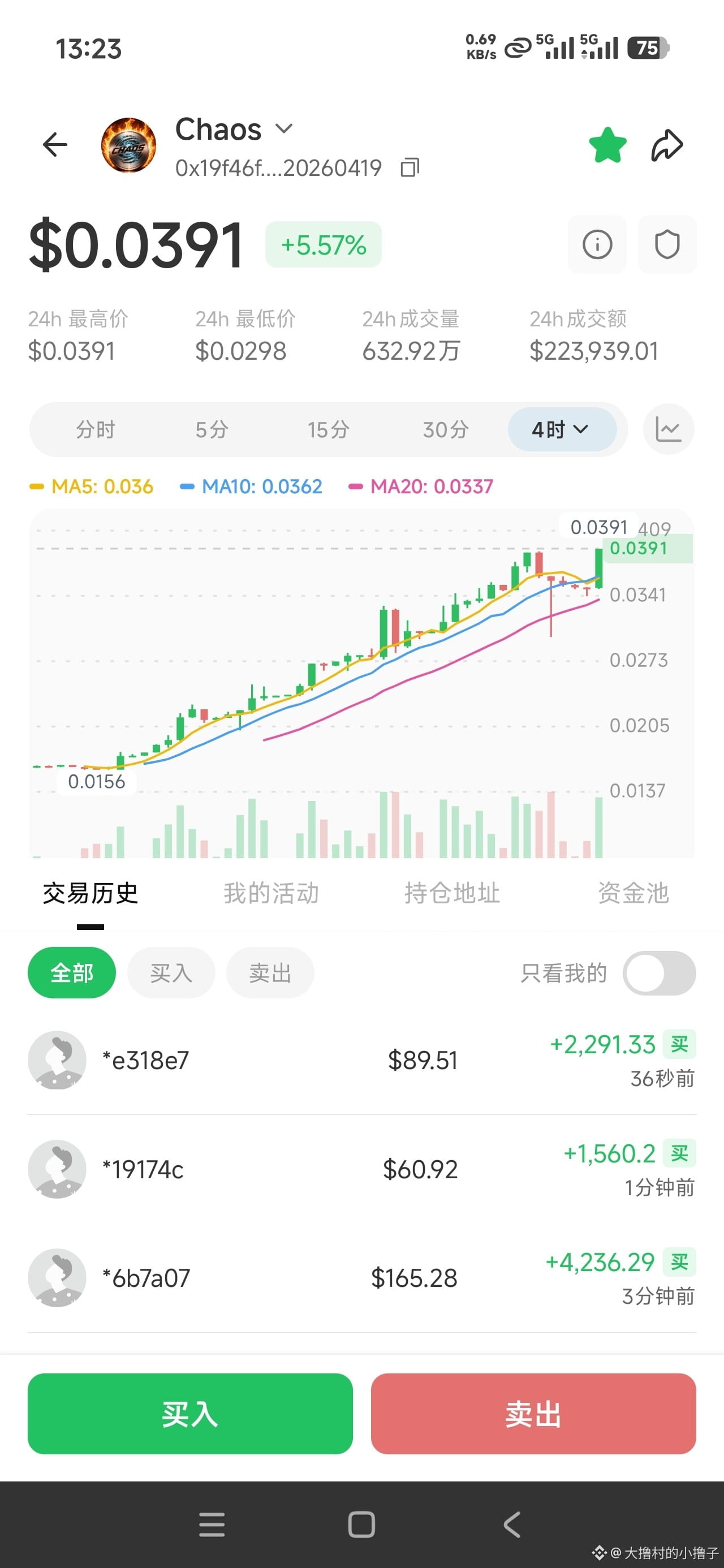
The current BSC Meme scene is really a "mess of colors that dazzles the eyes." Today we’re trading on some hype, tomorrow it's all about CZ quotes; the capital rotation is so fast it’ll make your head spin. But what truly survives the bull and bear markets isn’t just riding the trends, but the cultural symbols that resonate with the community. Just like the name #CHAOS TaiChu, it’s about burning to break out, burning just $300 to gain a permanent order qualification, which actually embodies the explosive power of breaking the norms and reshaping the rules. On the eve of this super cycle, instead of chasing highs in someone else’s story, it’s better to stick to your own beliefs amidst the chaos. Embrace TaiChu, embrace #Chaos 🤗🤗🤗
The current BSC Meme scene is really a "mess of colors that dazzles the eyes." Today we’re trading on some hype, tomorrow it's all about CZ quotes; the capital rotation is so fast it’ll make your head spin. But what truly survives the bull and bear markets isn’t just riding the trends, but the cultural symbols that resonate with the community. Just like the name #CHAOS TaiChu, it’s about burning to break out, burning just $300 to gain a permanent order qualification, which actually embodies the explosive power of breaking the norms and reshaping the rules. On the eve of this super cycle, instead of chasing highs in someone else’s story, it’s better to stick to your own beliefs amidst the chaos. Embrace TaiChu, embrace #Chaos 🤗🤗🤗
145
·
--
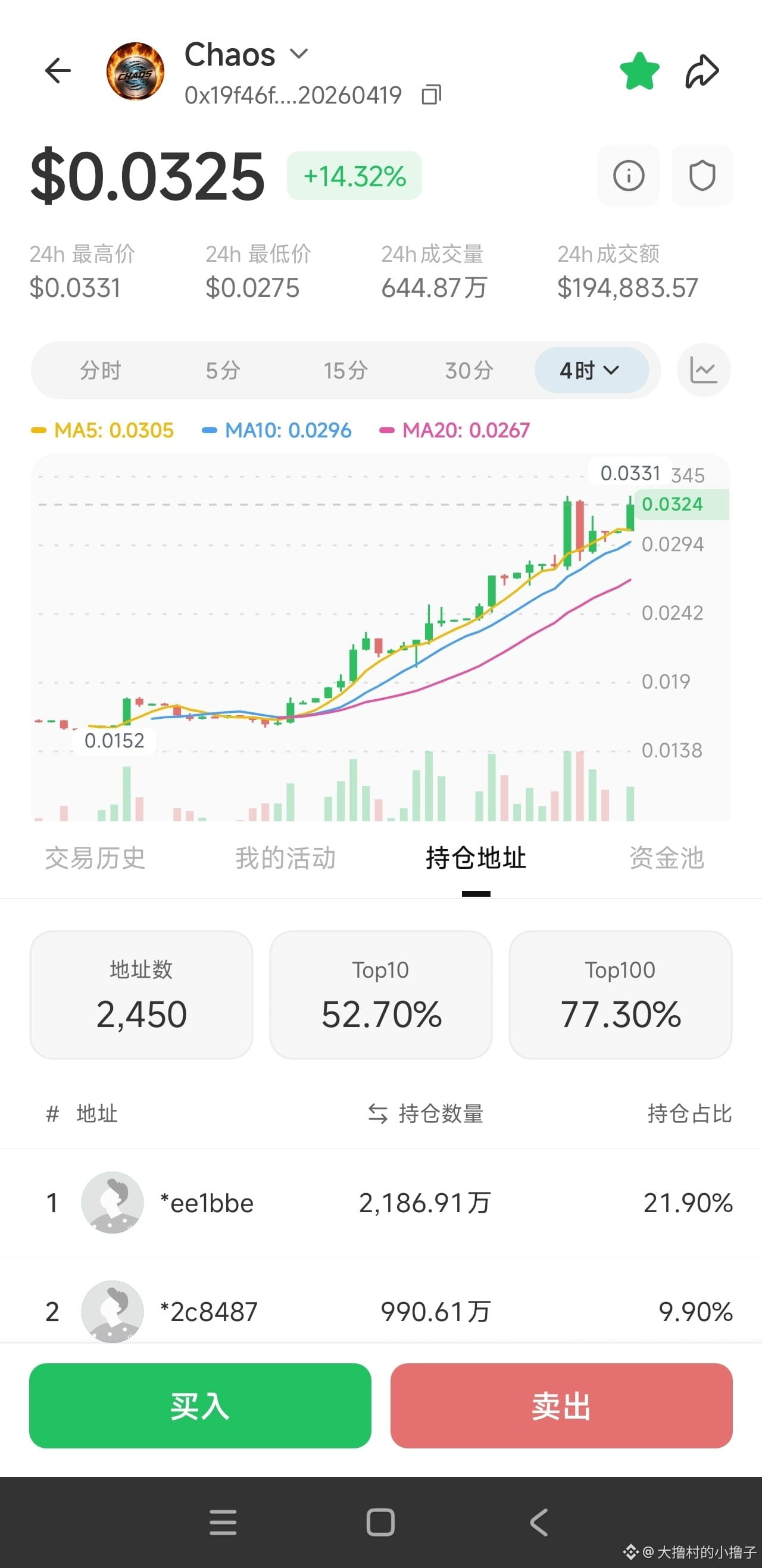
#Chaos The "eco-burn" of TaiChu Coin is the one and only key in this entire closed loop 🔥— whoever holds it can quietly unlock the code to wealth... 💰
This is not just a simple game; it's a fate-level opportunity ✨! Those who understand it have already jumped in; those who disregard it will eventually lament missing out...
Please believe: some hotspots only open their doors once in a lifetime 🚪— and TaiChu Coin is the light behind that door.
#Chaos The "eco-burn" of TaiChu Coin is the one and only key in this entire closed loop 🔥— whoever holds it can quietly unlock the code to wealth... 💰
This is not just a simple game; it's a fate-level opportunity ✨! Those who understand it have already jumped in; those who disregard it will eventually lament missing out...
Please believe: some hotspots only open their doors once in a lifetime 🚪— and TaiChu Coin is the light behind that door.
This is not just a simple game; it's a fate-level opportunity ✨! Those who understand it have already jumped in; those who disregard it will eventually lament missing out...
Please believe: some hotspots only open their doors once in a lifetime 🚪— and TaiChu Coin is the light behind that door.
6
·
--
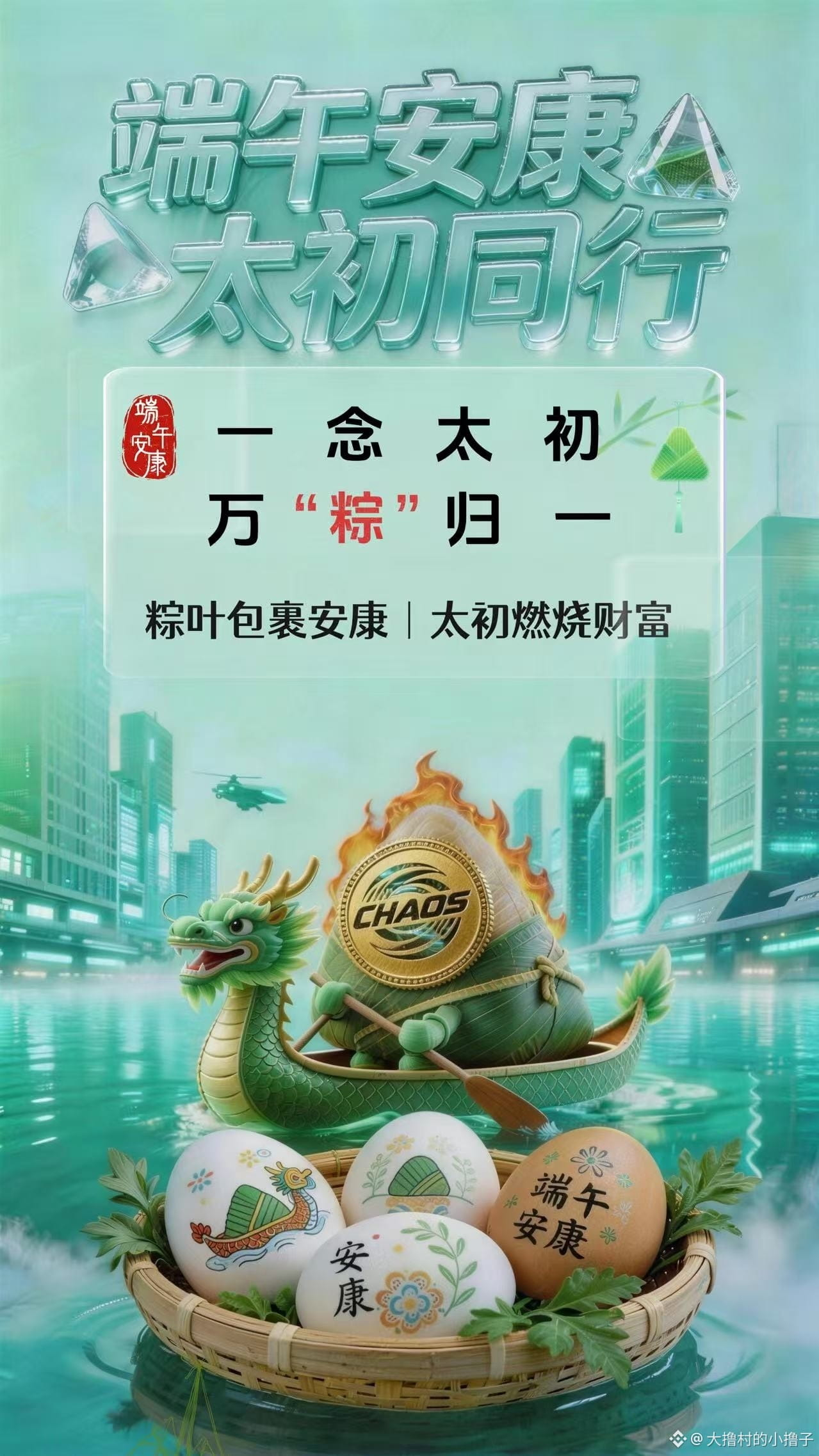
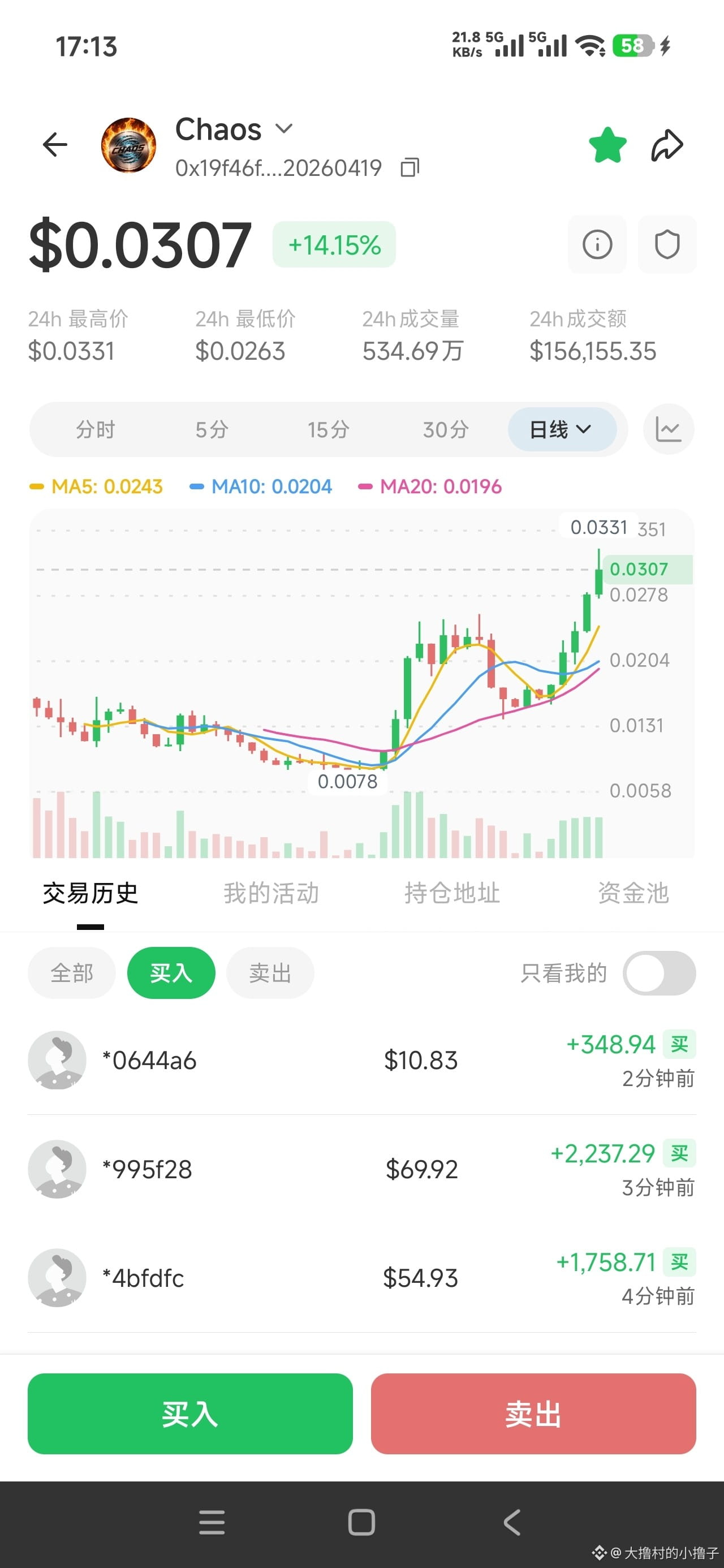
In the beginning $chaos, wishing all you crypto buddies a healthy Dragon Boat Festival! 😜😜😜
Burning - Let the coin deflate
Burning - Add liquidity to the pool
Burning - Facilitate trades
Burning - Accelerate dividends
Burning - Dilute the supply
Burning - Push the price up
Burning - Build a solid bottom
Burning - Spread out the chips
Burning - Ensure a floor and keep profits.
In the beginning $chaos, wishing all you crypto buddies a healthy Dragon Boat Festival! 😜😜😜
Burning - Let the coin deflate
Burning - Add liquidity to the pool
Burning - Facilitate trades
Burning - Accelerate dividends
Burning - Dilute the supply
Burning - Push the price up
Burning - Build a solid bottom
Burning - Spread out the chips
Burning - Ensure a floor and keep profits.
Burning - Let the coin deflate
Burning - Add liquidity to the pool
Burning - Facilitate trades
Burning - Accelerate dividends
Burning - Dilute the supply
Burning - Push the price up
Burning - Build a solid bottom
Burning - Spread out the chips
Burning - Ensure a floor and keep profits.
4
·
--
GOOD
GOOD

Renaiss Collectibles
·
--
Not just Pokémon. Not just packs.
Renaiss is building the RWA liquidity infrastructure for real-world collectibles on @BNB_Chain .
We focus on the questions most platforms skip: how physical collectibles are verified on-chain, who holds custody and how trust is enforced, and how real liquidity functions when assets exist offline.
This space is still early, and many answers remain unclear.
We're here to explore those answers, through real assets, real users, and real market behavior.
If you're curious about where real-world collectibles meet blockchain infrastructure, more to share soon.
Renaiss is building the RWA liquidity infrastructure for real-world collectibles on @BNB_Chain .
We focus on the questions most platforms skip: how physical collectibles are verified on-chain, who holds custody and how trust is enforced, and how real liquidity functions when assets exist offline.
This space is still early, and many answers remain unclear.
We're here to explore those answers, through real assets, real users, and real market behavior.
If you're curious about where real-world collectibles meet blockchain infrastructure, more to share soon.


·
--
#内容挖矿赢最高100%WCT返佣 #内容挖矿赢最高100%WCT返佣 #内容挖矿赢最高100%WCT返佣 Content Mining Win Up to 100% WCT Rebate $WCT Binance Square "Content Mining" Limited Time Benefit: Win Up to 100% Extra WCT Rebate Rewards!
#内容挖矿赢最高100%WCT返佣 #内容挖矿赢最高100%WCT返佣 #内容挖矿赢最高100%WCT返佣 Content Mining Win Up to 100% WCT Rebate $WCT Binance Square "Content Mining" Limited Time Benefit: Win Up to 100% Extra WCT Rebate Rewards!
6
304
Log in to explore more content
Join global crypto users on Binance Square
⚡️ Get latest and useful information about crypto.
💬 Trusted by the world’s largest crypto exchange.
👍 Discover real insights from verified creators.
Email / Phone number