Binance Square

Jarbij

Open Trade
High-Frequency Trader
3.8 Years
24 Following
70 Followers
223 Liked
34 Shared
Posts
Portfolio
·
--
Fell numb
Fell numb
蜡币小鑫
·
--
How is the market falling again?

Damn, are we not allowed to celebrate the New Year?

The heartless market, give me my money back, I'm done playing.

Continuing to send BTC to everyone🧧

Like and follow, and you'll get rich all the way.
·
--
Rise Rise Rise
Rise Rise Rise
蜡币小鑫
·
--
Broke 25,000 followers

As usual, BTC big 🧧 continues to be arranged

Tomorrow's target is 26,000 followers

Targeting 30,000 followers, the yellow V must be secured

Follow me to receive red envelopes, click my profile to enter the chat room
·
--
Wait for the Wind
Wait for the Wind
蜡币小鑫
·
--
The market has entered a state of adjustment and fluctuation again.

Continue to do nothing and wait for the wind to come.

If the market doesn't move, there won't be any losses.

Keep posting BTC🧧 every day to gain followers.
·
--
1
1
小龟快跑
·
--
The big red envelope is here!
·
--
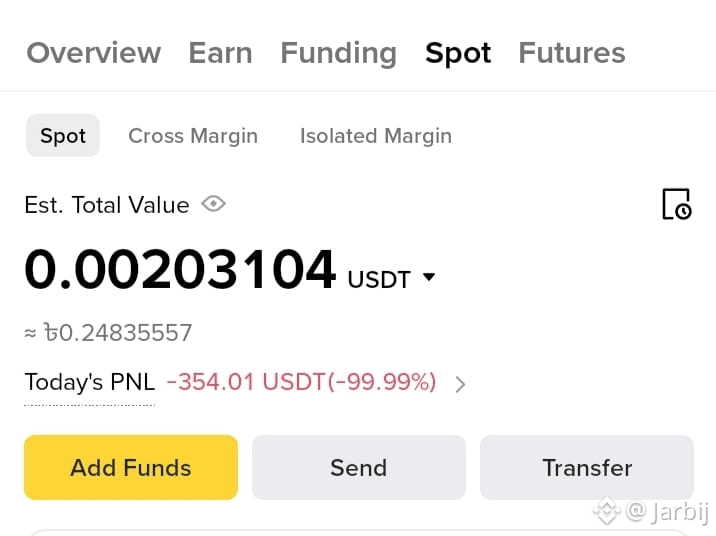
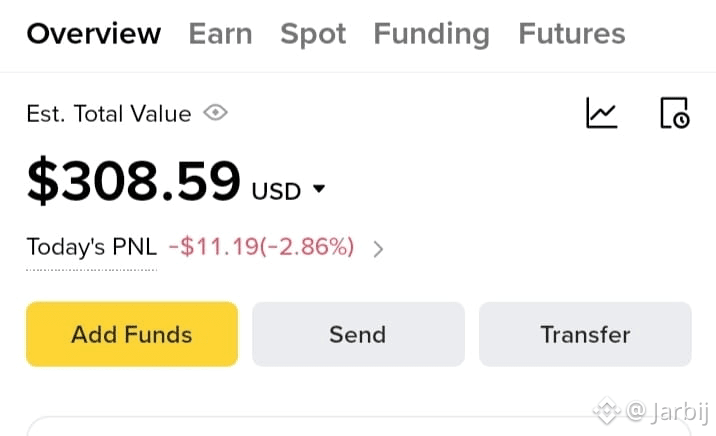
loss again
loss again
·
--
$XPL #plasma$XPL #plasma Until now, every Bitcoin Improvement Proposal (BIP) that needed cryptographic primitives had to reinvent the wheel. Each one came bundled with its own custom Python implementation of the secp256k1 elliptic curve and related algorithms, each subtly different from one another. These inconsistencies introduced quiet liabilities and made reviewing BIPs unnecessarily complicated. This problem was recently highlighted in Bitcoin Optech Newsletter #348, and it’s something at least a handful of developers in the Bitcoin development community have long felt: there should be a unified, reusable standard for cryptographic BIP reference secp256k1 code. Last week, Jonas Nick and Tim Ruffing of Blockstream research and Sebastian Falbesoner made big progress towards this. As part of their existing ChillDKG proposal, the team released secp256k1lab. A new, intentionally INSECURE Python library for prototyping, experimenting, and BIP specifications. It’s not for production use (because it’s not constant-time and therefore vulnerable to side-channel attacks), but it fills a critical gap: it offers a clean, consistent reference for secp256k1 functionality, including BIP-340-style Schnorr signatures, ECDH, and low-level field/group arithmetic. The goal is simple: make it easier and safer to write future BIPs by avoiding redundant, one-off implementations. For BIP authors, this means: less custom code, fewer spec issues, and a clearer path from prototype to proposal.

$XPL #plasma

$XPL #plasma Until now, every Bitcoin Improvement Proposal (BIP) that needed cryptographic primitives had to reinvent the wheel. Each one came bundled with its own custom Python implementation of the secp256k1 elliptic curve and related algorithms, each subtly different from one another. These inconsistencies introduced quiet liabilities and made reviewing BIPs unnecessarily complicated. This problem was recently highlighted in Bitcoin Optech Newsletter #348, and it’s something at least a handful of developers in the Bitcoin development community have long felt: there should be a unified, reusable standard for cryptographic BIP reference secp256k1 code.
Last week, Jonas Nick and Tim Ruffing of Blockstream research and Sebastian Falbesoner made big progress towards this. As part of their existing ChillDKG proposal, the team released secp256k1lab. A new, intentionally INSECURE Python library for prototyping, experimenting, and BIP specifications. It’s not for production use (because it’s not constant-time and therefore vulnerable to side-channel attacks), but it fills a critical gap: it offers a clean, consistent reference for secp256k1 functionality, including BIP-340-style Schnorr signatures, ECDH, and low-level field/group arithmetic. The goal is simple: make it easier and safer to write future BIPs by avoiding redundant, one-off implementations. For BIP authors, this means: less custom code, fewer spec issues, and a clearer path from prototype to proposal.
·
--
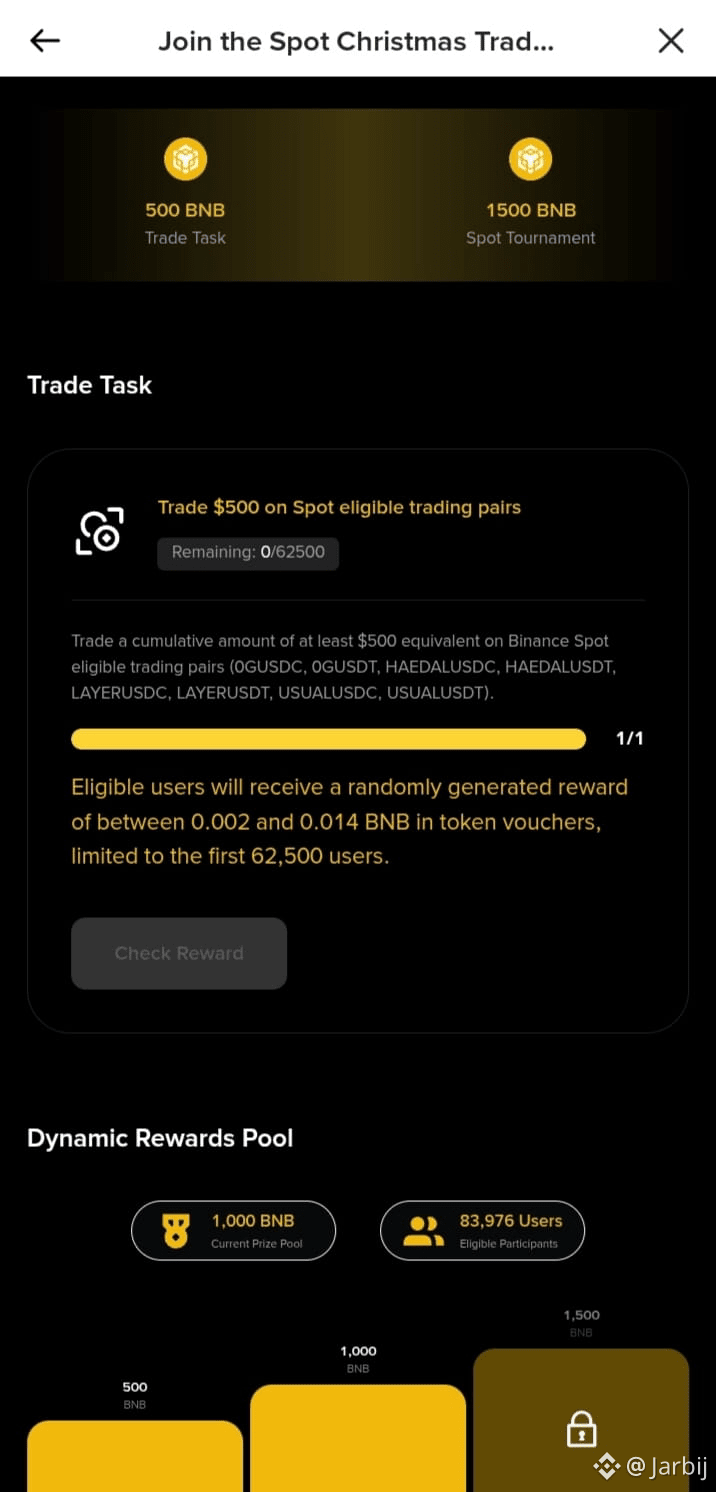
In this campaign,I am getting reward or noT,,plz coment..❤️❤️
·
--
Happy NeW year 2026____Start with a big blow🕯️🕯️
·
--
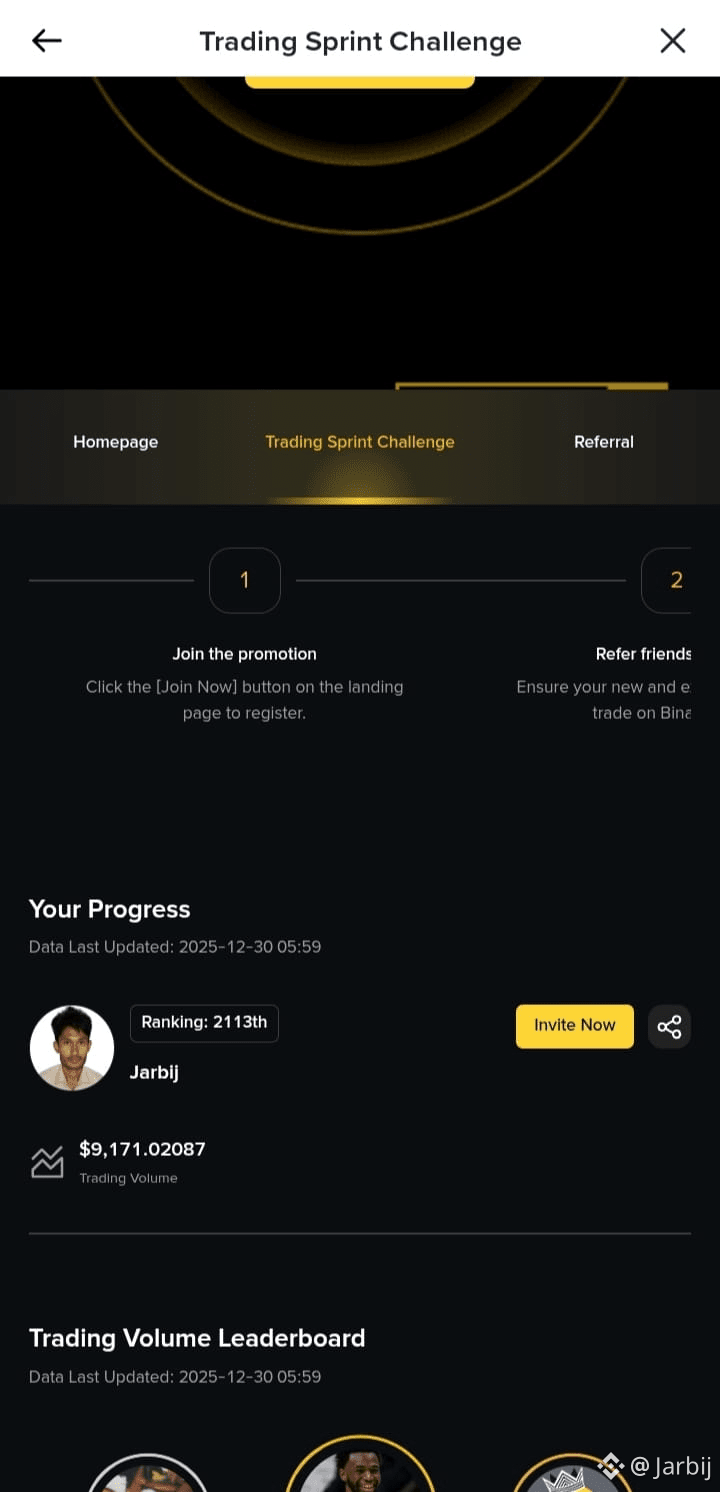
#binancetradingchlange
Recent Trades
0 trades
BNB/USD1
·
--
great
great
User-shushi
·
--
As we conclude 2025, the #2025withBinance campaign celebrates a landmark year where the global crypto community reached over 300 million users. Throughout the year, Binance facilitated a staggering $64 trillion in cumulative trading volume, proving that liquidity never sleeps. The personalized "Year in Review" reports allowed users to relive their unique milestones, from their first venture into the Web3 Wallet—which saw $546.7 billion in transactions—to mastering Binance Earn, where 14.9 million participants collected over $1.2 billion in rewards. With the GENIUS Act providing regulatory clarity and stablecoins surpassing $300 billion, 2025 solidified crypto’s role in the mainstream financial landscape. This journey reflects our collective resilience, turning raw trading data into a shared story of growth, innovation, and a decentralized future.

2025 Binance Community Milestones

Feature2025 AchievementImpactBinance Pay1.36 billion transactions$121 billion spent globallyWeb3 Wallet13.2 million active users$546.7 billion in volumeBinance Earn14.9 million users$1.2 billion in rewards collectedEducation3.2 million usersUtilized new Binance AI summaries

Would you like me to help you find the specific link to your personalized 2025 report or explain how to participate in the 5,000 USDC Binance Square giveaway?
·
--
yes sir❤️❤️
yes sir❤️❤️
User-shushi
·
--
As we conclude 2025, the #2025withBinance campaign celebrates a landmark year where the global crypto community reached over 300 million users. Throughout the year, Binance facilitated a staggering $64 trillion in cumulative trading volume, proving that liquidity never sleeps. The personalized "Year in Review" reports allowed users to relive their unique milestones, from their first venture into the Web3 Wallet—which saw $546.7 billion in transactions—to mastering Binance Earn, where 14.9 million participants collected over $1.2 billion in rewards. With the GENIUS Act providing regulatory clarity and stablecoins surpassing $300 billion, 2025 solidified crypto’s role in the mainstream financial landscape. This journey reflects our collective resilience, turning raw trading data into a shared story of growth, innovation, and a decentralized future.

2025 Binance Community Milestones

Feature2025 AchievementImpactBinance Pay1.36 billion transactions$121 billion spent globallyWeb3 Wallet13.2 million active users$546.7 billion in volumeBinance Earn14.9 million users$1.2 billion in rewards collectedEducation3.2 million usersUtilized new Binance AI summaries

Would you like me to help you find the specific link to your personalized 2025 report or explain how to participate in the 5,000 USDC Binance Square giveaway?
·
--
super❤️❤️
super❤️❤️
User-rabin
·
--
#2025withBinance
As we wrap up 2025, the #2025withBinance campaign has emerged as a powerful celebration of the global crypto community’s resilience and growth. This year marked a significant turning point, with Binance reaching over 250 million users and driving a staggering $64 trillion in cumulative trading volume. Through personalized "Year in Review" reports, users are reliving their unique milestones, from their first Web3 venture to mastering the Binance Earn ecosystem, which saw nearly 15 million participants. With the introduction of the GENIUS Act providing regulatory clarity and stablecoins surpassing $300 billion, 2025 has solidified crypto's role in the mainstream financial landscape. As we look toward 2026, the focus remains on building a transparent, user-centric future together.

2025 Binance Ecosystem Highlights

Feature2025 AchievementBinance Pay1.36 billion transactions completedWeb3 Wallet$546.7 billion in total transaction volumeCommunityOver 26 million users using crypto for daily payments

Would you like me to help you find your personalized 2025 Binance summary or explain how to join the latest rewards campaign?

Binance 2025 Year in Review

This video provides insights into the digital marketing and social trends that shaped campaigns like #2025withBinance throughout the year.

·
--
Keep it up
Keep it up
投研看剑
·
--
Let's send a red envelope to the brothers, this wave is taking off

Brother Li has completed all transactions in the account, and there are still 5000 pieces of spot left, so let's do it this way, sell high and earn forever!

The overall account for this wave is still good, 1000U has made it to 38000 dollars so far, keep it up brothers!
·
--
4
4
Max Maximalist
·
--
Bullish
#Max Education Charity Community Consensus debut data at Binance Square. Thank you to all the friends who participated in the live broadcast. $GIGGLE
{spot}(GIGGLEUSDT)
·
--
ANOTHER LOOS😢
ANOTHER LOOS😢
·
--
BIG LOSS TODY😓
BIG LOSS TODY😓
·
--
#BNBATH and $BNB Until now, every Bitcoin Improvement Proposal (BIP) that needed cryptographic primitives had to reinvent the wheel. Each one came bundled with its own custom Python implementation of the secp256k1 elliptic curve and related algorithms, each subtly different from one another. These inconsistencies introduced quiet liabilities and made reviewing BIPs unnecessarily complicated. This problem was recently highlighted in Bitcoin Optech Newsletter #348, and it’s something at least a handful of developers in the Bitcoin development community have long felt: there should be a unified, reusable standard for cryptographic BIP reference secp256k1 code. Last week, Jonas Nick and Tim Ruffing of Blockstream research and Sebastian Falbesoner made big progress towards this. As part of their existing ChillDKG proposal, the team released secp256k1lab. A new, intentionally INSECURE Python library for prototyping, experimenting, and BIP specifications. It’s not for production use (because it’s not constant-time and therefore vulnerable to side-channel attacks), but it fills a critical gap: it offers a clean, consistent reference for secp256k1 functionality, including BIP-340-style Schnorr signatures, ECDH, and low-level field/group arithmetic. The goal is simple: make it easier and safer to write future BIPs by avoiding redundant, one-off implementations. For BIP authors, this means: less custom code, fewer spec issues, and a clearer path from prototype to proposal.
#BNBATH and $BNB Until now, every Bitcoin Improvement Proposal (BIP) that needed cryptographic primitives had to reinvent the wheel. Each one came bundled with its own custom Python implementation of the secp256k1 elliptic curve and related algorithms, each subtly different from one another. These inconsistencies introduced quiet liabilities and made reviewing BIPs unnecessarily complicated. This problem was recently highlighted in Bitcoin Optech Newsletter #348, and it’s something at least a handful of developers in the Bitcoin development community have long felt: there should be a unified, reusable standard for cryptographic BIP reference secp256k1 code.
Last week, Jonas Nick and Tim Ruffing of Blockstream research and Sebastian Falbesoner made big progress towards this. As part of their existing ChillDKG proposal, the team released secp256k1lab. A new, intentionally INSECURE Python library for prototyping, experimenting, and BIP specifications. It’s not for production use (because it’s not constant-time and therefore vulnerable to side-channel attacks), but it fills a critical gap: it offers a clean, consistent reference for secp256k1 functionality, including BIP-340-style Schnorr signatures, ECDH, and low-level field/group arithmetic. The goal is simple: make it easier and safer to write future BIPs by avoiding redundant, one-off implementations. For BIP authors, this means: less custom code, fewer spec issues, and a clearer path from prototype to proposal.
·
--
#Plume $PLUME Until now, every Bitcoin Improvement Proposal (BIP) that needed cryptographic primitives had to reinvent the wheel. Each one came bundled with its own custom Python implementation of the secp256k1 elliptic curve and related algorithms, each subtly different from one another. These inconsistencies introduced quiet liabilities and made reviewing BIPs unnecessarily complicated. This problem was recently highlighted in Bitcoin Optech Newsletter #348, and it’s something at least a handful of developers in the Bitcoin development community have long felt: there should be a unified, reusable standard for cryptographic BIP reference secp256k1 code. Last week, Jonas Nick and Tim Ruffing of Blockstream research and Sebastian Falbesoner made big progress towards this. As part of their existing ChillDKG proposal, the team released secp256k1lab. A new, intentionally INSECURE Python library for prototyping, experimenting, and BIP specifications. It’s not for production use (because it’s not constant-time and therefore vulnerable to side-channel attacks), but it fills a critical gap: it offers a clean, consistent reference for secp256k1 functionality, including BIP-340-style Schnorr signatures, ECDH, and low-level field/group arithmetic. The goal is simple: make it easier and safer to write future BIPs by avoiding redundant, one-off implementations. For BIP authors, this means: less custom code, fewer spec issues, and a clearer path from prototype to proposal.
#Plume $PLUME Until now, every Bitcoin Improvement Proposal (BIP) that needed cryptographic primitives had to reinvent the wheel. Each one came bundled with its own custom Python implementation of the secp256k1 elliptic curve and related algorithms, each subtly different from one another. These inconsistencies introduced quiet liabilities and made reviewing BIPs unnecessarily complicated. This problem was recently highlighted in Bitcoin Optech Newsletter #348, and it’s something at least a handful of developers in the Bitcoin development community have long felt: there should be a unified, reusable standard for cryptographic BIP reference secp256k1 code.
Last week, Jonas Nick and Tim Ruffing of Blockstream research and Sebastian Falbesoner made big progress towards this. As part of their existing ChillDKG proposal, the team released secp256k1lab. A new, intentionally INSECURE Python library for prototyping, experimenting, and BIP specifications. It’s not for production use (because it’s not constant-time and therefore vulnerable to side-channel attacks), but it fills a critical gap: it offers a clean, consistent reference for secp256k1 functionality, including BIP-340-style Schnorr signatures, ECDH, and low-level field/group arithmetic. The goal is simple: make it easier and safer to write future BIPs by avoiding redundant, one-off implementations. For BIP authors, this means: less custom code, fewer spec issues, and a clearer path from prototype to proposal.
·
--
#Dolomite $DOLO Until now, every Bitcoin Improvement Proposal (BIP) that needed cryptographic primitives had to reinvent the wheel. Each one came bundled with its own custom Python implementation of the secp256k1 elliptic curve and related algorithms, each subtly different from one another. These inconsistencies introduced quiet liabilities and made reviewing BIPs unnecessarily complicated. This problem was recently highlighted in Bitcoin Optech Newsletter #348, and it’s something at least a handful of developers in the Bitcoin development community have long felt: there should be a unified, reusable standard for cryptographic BIP reference secp256k1 code. Last week, Jonas Nick and Tim Ruffing of Blockstream research and Sebastian Falbesoner made big progress towards this. As part of their existing ChillDKG proposal, the team released secp256k1lab. A new, intentionally INSECURE Python library for prototyping, experimenting, and BIP specifications. It’s not for production use (because it’s not constant-time and therefore vulnerable to side-channel attacks), but it fills a critical gap: it offers a clean, consistent reference for secp256k1 functionality, including BIP-340-style Schnorr signatures, ECDH, and low-level field/group arithmetic. The goal is simple: make it easier and safer to write future BIPs by avoiding redundant, one-off implementations. For BIP authors, this means: less custom code, fewer spec issues, and a clearer path from prototype to proposal.
#Dolomite $DOLO
Until now, every Bitcoin Improvement Proposal (BIP) that needed cryptographic primitives had to reinvent the wheel. Each one came bundled with its own custom Python implementation of the secp256k1 elliptic curve and related algorithms, each subtly different from one another. These inconsistencies introduced quiet liabilities and made reviewing BIPs unnecessarily complicated. This problem was recently highlighted in Bitcoin Optech Newsletter #348, and it’s something at least a handful of developers in the Bitcoin development community have long felt: there should be a unified, reusable standard for cryptographic BIP reference secp256k1 code.
Last week, Jonas Nick and Tim Ruffing of Blockstream research and Sebastian Falbesoner made big progress towards this. As part of their existing ChillDKG proposal, the team released secp256k1lab. A new, intentionally INSECURE Python library for prototyping, experimenting, and BIP specifications. It’s not for production use (because it’s not constant-time and therefore vulnerable to side-channel attacks), but it fills a critical gap: it offers a clean, consistent reference for secp256k1 functionality, including BIP-340-style Schnorr signatures, ECDH, and low-level field/group arithmetic. The goal is simple: make it easier and safer to write future BIPs by avoiding redundant, one-off implementations. For BIP authors, this means: less custom code, fewer spec issues, and a clearer path from prototype to proposal.
·
--
 #BounceBitPrime $BB Until now, every Bitcoin Improvement Proposal (BIP) that needed cryptographic primitives had to reinvent the wheel. Each one came bundled with its own custom Python implementation of the secp256k1 elliptic curve and related algorithms, each subtly different from one another. These inconsistencies introduced quiet liabilities and made reviewing BIPs unnecessarily complicated. This problem was recently highlighted in Bitcoin Optech Newsletter #348, and it’s something at least a handful of developers in the Bitcoin development community have long felt: there should be a unified, reusable standard for cryptographic BIP reference secp256k1 code. Last week, Jonas Nick and Tim Ruffing of Blockstream research and Sebastian Falbesoner made big progress towards this. As part of their existing ChillDKG proposal, the team released secp256k1lab. A new, intentionally INSECURE Python library for prototyping, experimenting, and BIP specifications. It’s not for production use (because it’s not constant-time and therefore vulnerable to side-channel attacks), but it fills a critical gap: it offers a clean, consistent reference for secp256k1 functionality, including BIP-340-style Schnorr signatures, ECDH, and low-level field/group arithmetic. The goal is simple: make it easier and safer to write future BIPs by avoiding redundant, one-off implementations. For BIP authors, this means: less custom code, fewer spec issues, and a clearer path from prototype to proposal.
 #BounceBitPrime $BB Until now, every Bitcoin Improvement Proposal (BIP) that needed cryptographic primitives had to reinvent the wheel. Each one came bundled with its own custom Python implementation of the secp256k1 elliptic curve and related algorithms, each subtly different from one another. These inconsistencies introduced quiet liabilities and made reviewing BIPs unnecessarily complicated. This problem was recently highlighted in Bitcoin Optech Newsletter #348, and it’s something at least a handful of developers in the Bitcoin development community have long felt: there should be a unified, reusable standard for cryptographic BIP reference secp256k1 code.
Last week, Jonas Nick and Tim Ruffing of Blockstream research and Sebastian Falbesoner made big progress towards this. As part of their existing ChillDKG proposal, the team released secp256k1lab. A new, intentionally INSECURE Python library for prototyping, experimenting, and BIP specifications. It’s not for production use (because it’s not constant-time and therefore vulnerable to side-channel attacks), but it fills a critical gap: it offers a clean, consistent reference for secp256k1 functionality, including BIP-340-style Schnorr signatures, ECDH, and low-level field/group arithmetic. The goal is simple: make it easier and safer to write future BIPs by avoiding redundant, one-off implementations. For BIP authors, this means: less custom code, fewer spec issues, and a clearer path from prototype to proposal.
Login to explore more contents
Explore the latest crypto news
⚡️ Be a part of the latests discussions in crypto
💬 Interact with your favorite creators
👍 Enjoy content that interests you
Email / Phone number
Sitemap
Cookie Preferences
Platform T&Cs