

_Ram
3.7k Posts

_Ram
 Square Verified+
Report
Block User
Follow me if you want knowledge ✨ More you learn, more you earn 🧠=💵

2025 Blockchain 100 — Rising Star

Content Master Angel

Binance Square Angels
213 Following
45.0K+ Followers
34.1K+ Liked
4 Badges
Posts
All
Quotes
Videos
Live
PINNED
·
--
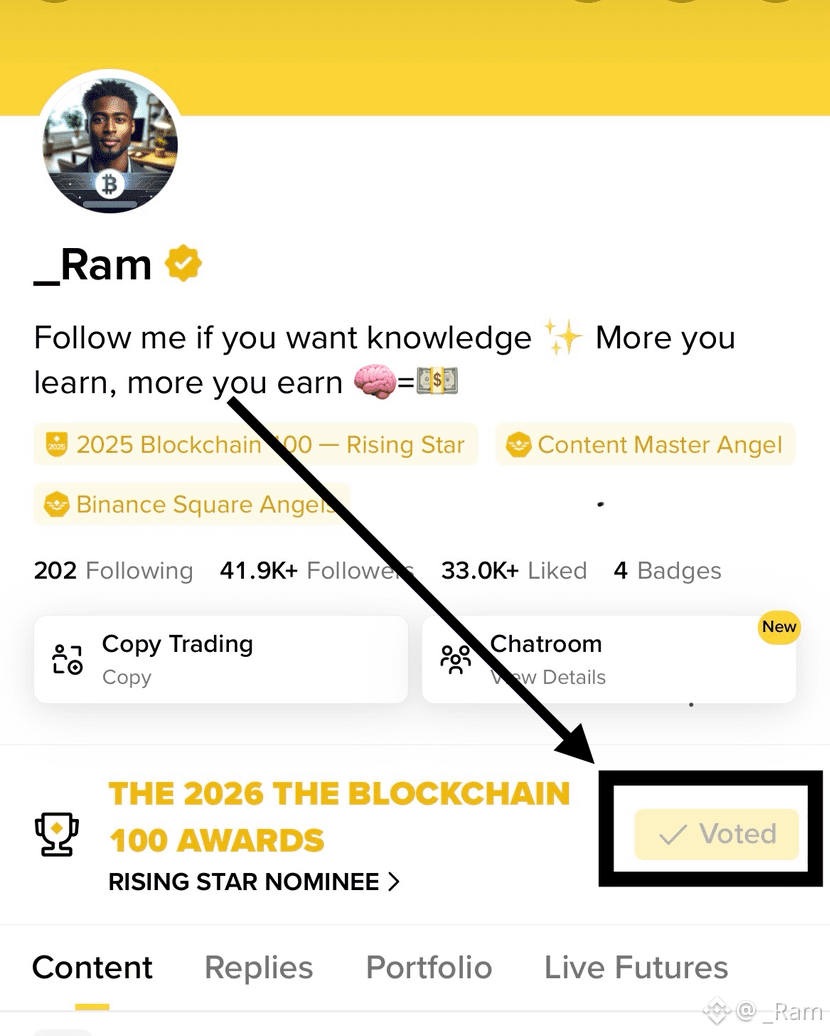
Btw, the vote phase for the blockchain 100 awards has started. It only takes one second : just click on my profile, then “Vote”. And you can do it ince per fir the next 8 days (till Oct 28)
Really appreciate your support 🙏🏽💛
$BNB
Btw, the vote phase for the blockchain 100 awards has started. It only takes one second : just click on my profile, then “Vote”. And you can do it ince per fir the next 8 days (till Oct 28)
Really appreciate your support 🙏🏽💛
$BNB
Really appreciate your support 🙏🏽💛
$BNB
36
7
62
9k
PINNED
·
--
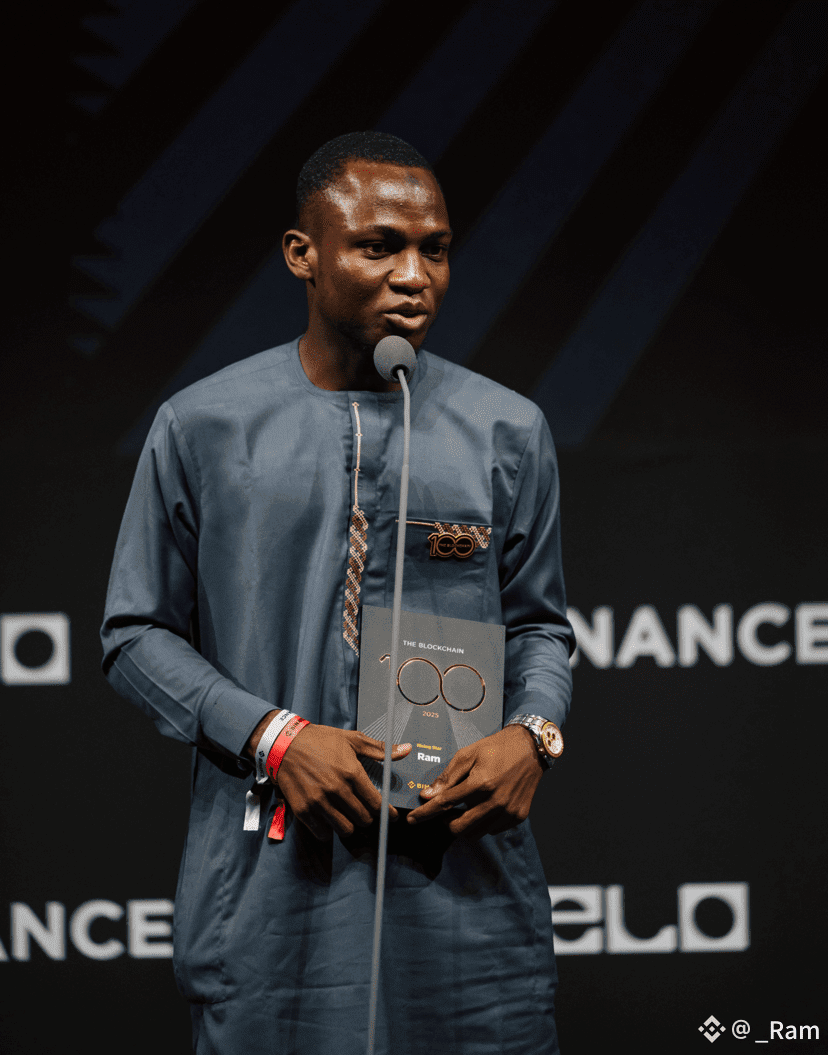
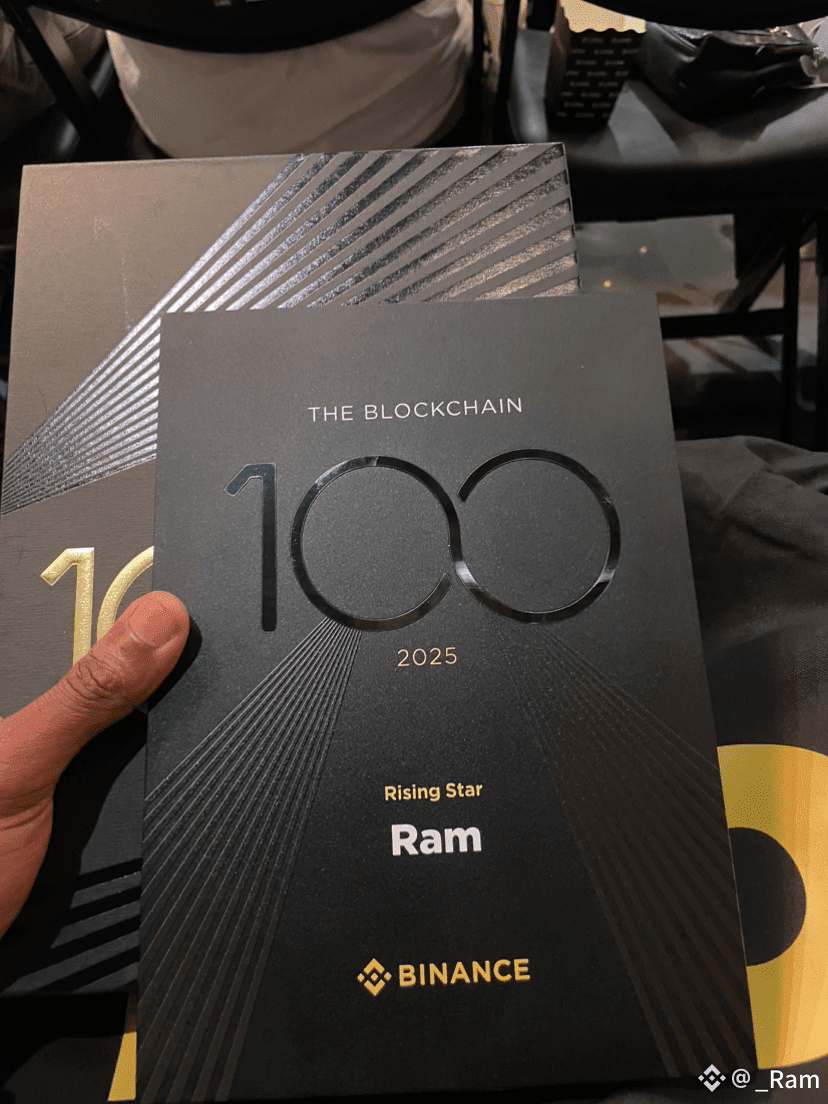
Thank you #Binance and thank you to everyone who supported my journey.
I came to Square with nothing but passion and the desire to help others. This award shows that no matter where you start, your voice can shine if you share with purpose and honesty. I’m very grateful for this platform and for this community 🧡🧡🧡
#BinanceBlockchainWeek
Thank you #Binance and thank you to everyone who supported my journey.
I came to Square with nothing but passion and the desire to help others. This award shows that no matter where you start, your voice can shine if you share with purpose and honesty. I’m very grateful for this platform and for this community 🧡🧡🧡
#BinanceBlockchainWeek
I came to Square with nothing but passion and the desire to help others. This award shows that no matter where you start, your voice can shine if you share with purpose and honesty. I’m very grateful for this platform and for this community 🧡🧡🧡
#BinanceBlockchainWeek
90
13
327
7.1k
·
--
Partly True
Holding $BNB 3.8K USDT
SOMETHING ABSOLUTELY INCREDIBLE HAPPEN ON $BNB TODAY
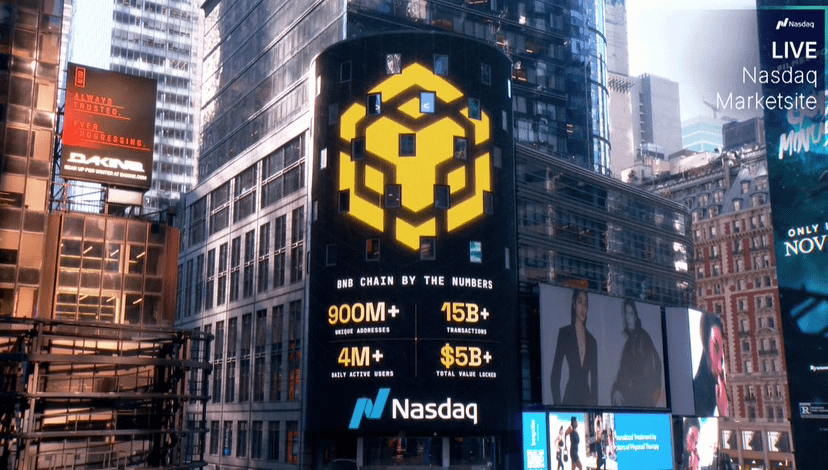
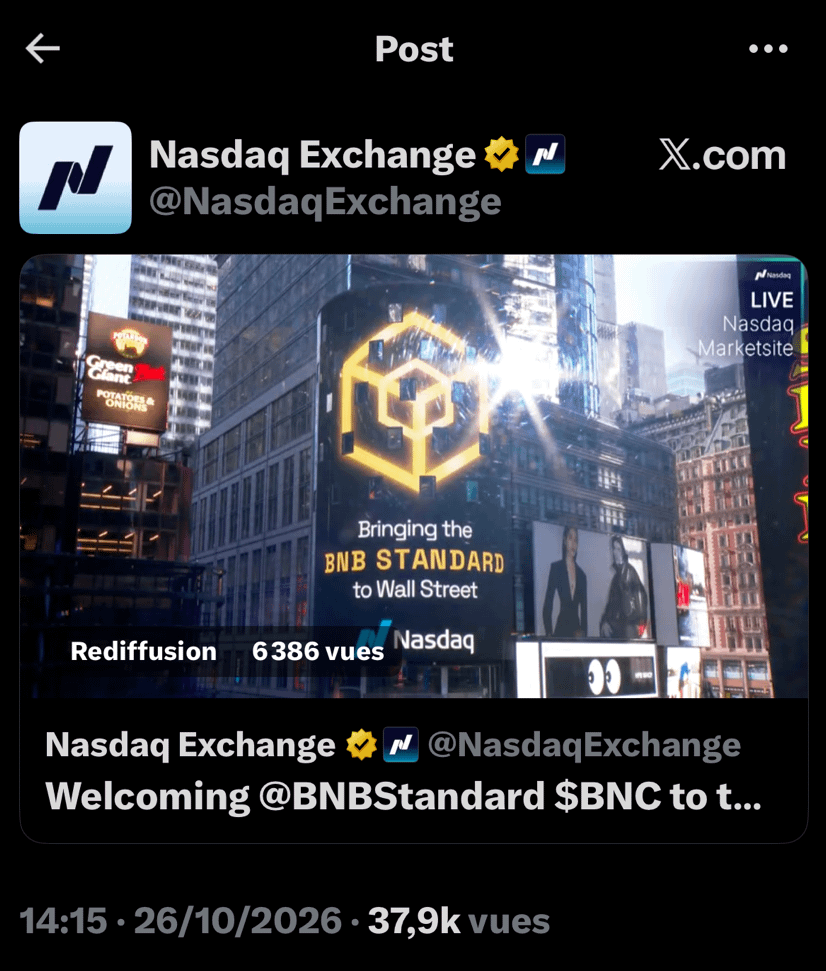
BNB STANDARD CORPORATION, formerly CEA Industries has been listed today on NASDAQ at US, and it is just amazing, not bcz of the listing, but mainly bcz of the way it touch the tokenomics of bnb itself. Here is why :
Actually, lots of Institutions and Funds can’t just buy crypto directly, not because they don’t want but bcz of some structural factors :
Many funds have documents that list precisely which kind of assets they can buy. And crypto often does not appear. Modifying it takes time and requires internal validations.
Banks and certain funds are subject to strict rules on what they can hold "in principal". Regulators have long set high barriers, that, even when it is technically possible, compliance teams prefer a product already encapsulated in a regulated framework (listed stock or ETF).
$BNB represent over 90% of BNC tresorery, which made it the main driver of $BNCB . With BNC listed on nasdaq, it created an indirect and easy acess for funds and institutions to BNB.
Haha, buy and hold bnb, i told you! 🧏🏽♂️
SOMETHING ABSOLUTELY INCREDIBLE HAPPEN ON $BNB TODAY
BNB STANDARD CORPORATION, formerly CEA Industries has been listed today on NASDAQ at US, and it is just amazing, not bcz of the listing, but mainly bcz of the way it touch the tokenomics of bnb itself. Here is why :
Actually, lots of Institutions and Funds can’t just buy crypto directly, not because they don’t want but bcz of some structural factors :
Many funds have documents that list precisely which kind of assets they can buy. And crypto often does not appear. Modifying it takes time and requires internal validations.
Banks and certain funds are subject to strict rules on what they can hold "in principal". Regulators have long set high barriers, that, even when it is technically possible, compliance teams prefer a product already encapsulated in a regulated framework (listed stock or ETF).
$BNB represent over 90% of BNC tresorery, which made it the main driver of $BNCB . With BNC listed on nasdaq, it created an indirect and easy acess for funds and institutions to BNB.
Haha, buy and hold bnb, i told you! 🧏🏽♂️
BNB STANDARD CORPORATION, formerly CEA Industries has been listed today on NASDAQ at US, and it is just amazing, not bcz of the listing, but mainly bcz of the way it touch the tokenomics of bnb itself. Here is why :
Actually, lots of Institutions and Funds can’t just buy crypto directly, not because they don’t want but bcz of some structural factors :
Many funds have documents that list precisely which kind of assets they can buy. And crypto often does not appear. Modifying it takes time and requires internal validations.
Banks and certain funds are subject to strict rules on what they can hold "in principal". Regulators have long set high barriers, that, even when it is technically possible, compliance teams prefer a product already encapsulated in a regulated framework (listed stock or ETF).
$BNB represent over 90% of BNC tresorery, which made it the main driver of $BNCB . With BNC listed on nasdaq, it created an indirect and easy acess for funds and institutions to BNB.
Haha, buy and hold bnb, i told you! 🧏🏽♂️
1
6
635
·
--
🚨 WE ARE SO CLOOOSE—TOP 4 BUT WE LOSE EVERYTHING IF WE STOP NOW!
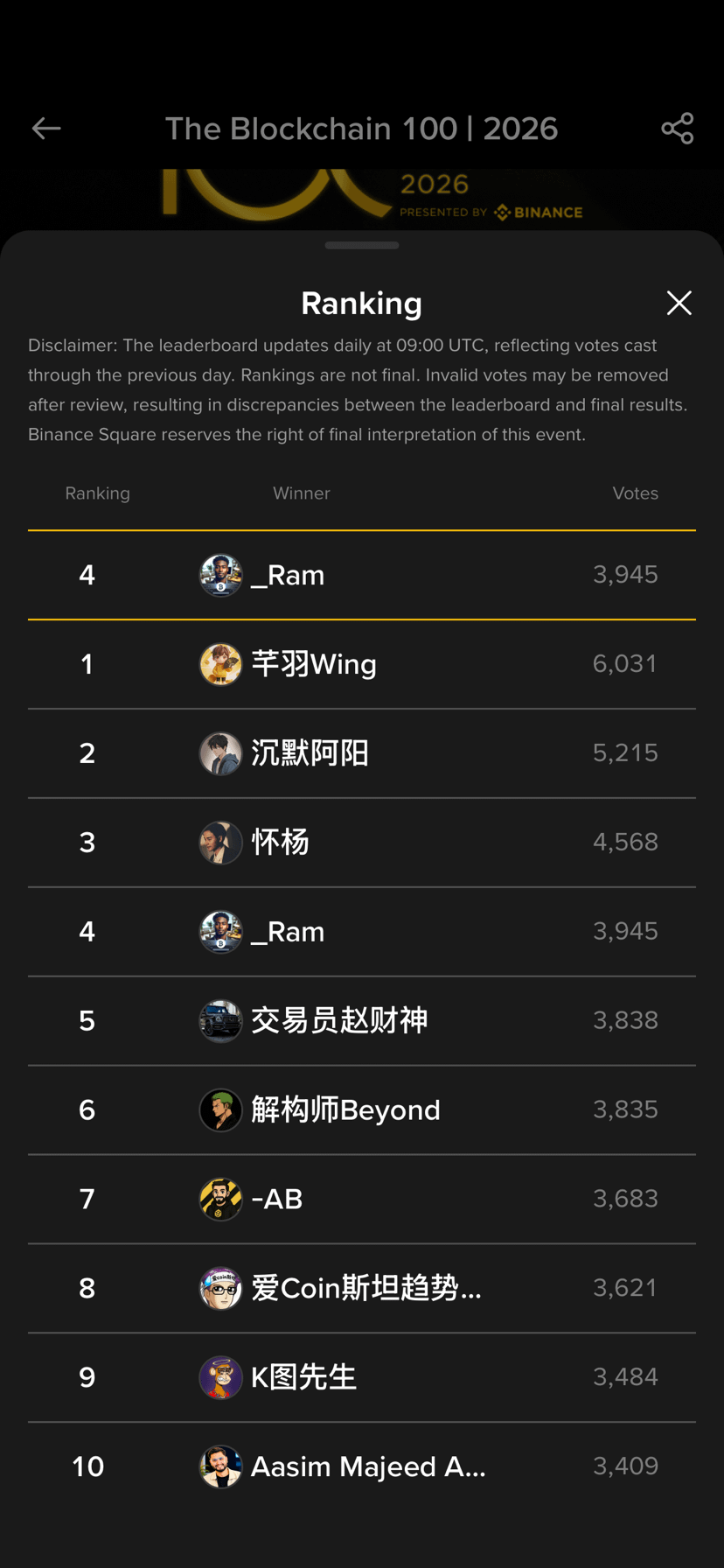
From 10th, to 7th, and now we are officially NUMBER 4.
This is the ultimate, non-negotiable moment to pause, [go to my profile](https://app.binance.com/uni-qr/cpro/Ramadone?l=en&r=W4MMD2RR&uc=app_square_share_link&us=copylink) , and lock in your vote, cast your vote !
We are exactly ONE spot away from the Top 3. One spot away from winning the fully sponsored trip to Binance Blockchain Week (BBW). If it freeze now, the historic comeback means absolutely nothing!
Chinese are fighting like seriously for the podium, but we just proved that if we can match their power. The global community is officially waking up!
But let's be brutally honest: 4th place gets us nothing. I don't want a participation trophy, and I know you don't either. We didn't fight this hard to just screenshot the finish line. We need to breach the Top 3 right now.
I have loaded $BNB Pack🧧 into this post to fuel this final battle. Immediately storm my profile, and smash that vote button with everything you've got or do it via this link : [Vote link](https://app.binance.com/uni-qr/cact26user/671?uc=app_square_share_link&us=copylink) , and put “I confirm I’ve just voted for you” in comment to claim it.
Let's claim that Top 3 spot and take this community to the world stage!
🚨 WE ARE SO CLOOOSE—TOP 4 BUT WE LOSE EVERYTHING IF WE STOP NOW!
From 10th, to 7th, and now we are officially NUMBER 4.
This is the ultimate, non-negotiable moment to pause, go to my profile , and lock in your vote, cast your vote !
We are exactly ONE spot away from the Top 3. One spot away from winning the fully sponsored trip to Binance Blockchain Week (BBW). If it freeze now, the historic comeback means absolutely nothing!
Chinese are fighting like seriously for the podium, but we just proved that if we can match their power. The global community is officially waking up!
But let's be brutally honest: 4th place gets us nothing. I don't want a participation trophy, and I know you don't either. We didn't fight this hard to just screenshot the finish line. We need to breach the Top 3 right now.
I have loaded $BNB Pack🧧 into this post to fuel this final battle. Immediately storm my profile, and smash that vote button with everything you've got or do it via this link : Vote link , and put “I confirm I’ve just voted for you” in comment to claim it.
Let's claim that Top 3 spot and take this community to the world stage!
From 10th, to 7th, and now we are officially NUMBER 4.
This is the ultimate, non-negotiable moment to pause, go to my profile , and lock in your vote, cast your vote !
We are exactly ONE spot away from the Top 3. One spot away from winning the fully sponsored trip to Binance Blockchain Week (BBW). If it freeze now, the historic comeback means absolutely nothing!
Chinese are fighting like seriously for the podium, but we just proved that if we can match their power. The global community is officially waking up!
But let's be brutally honest: 4th place gets us nothing. I don't want a participation trophy, and I know you don't either. We didn't fight this hard to just screenshot the finish line. We need to breach the Top 3 right now.
I have loaded $BNB Pack🧧 into this post to fuel this final battle. Immediately storm my profile, and smash that vote button with everything you've got or do it via this link : Vote link , and put “I confirm I’ve just voted for you” in comment to claim it.
Let's claim that Top 3 spot and take this community to the world stage!
3.3k
10
186
3.3k
·
--
🚨 WE ARE NOT DONE YET—DO NOT STOP NOW!
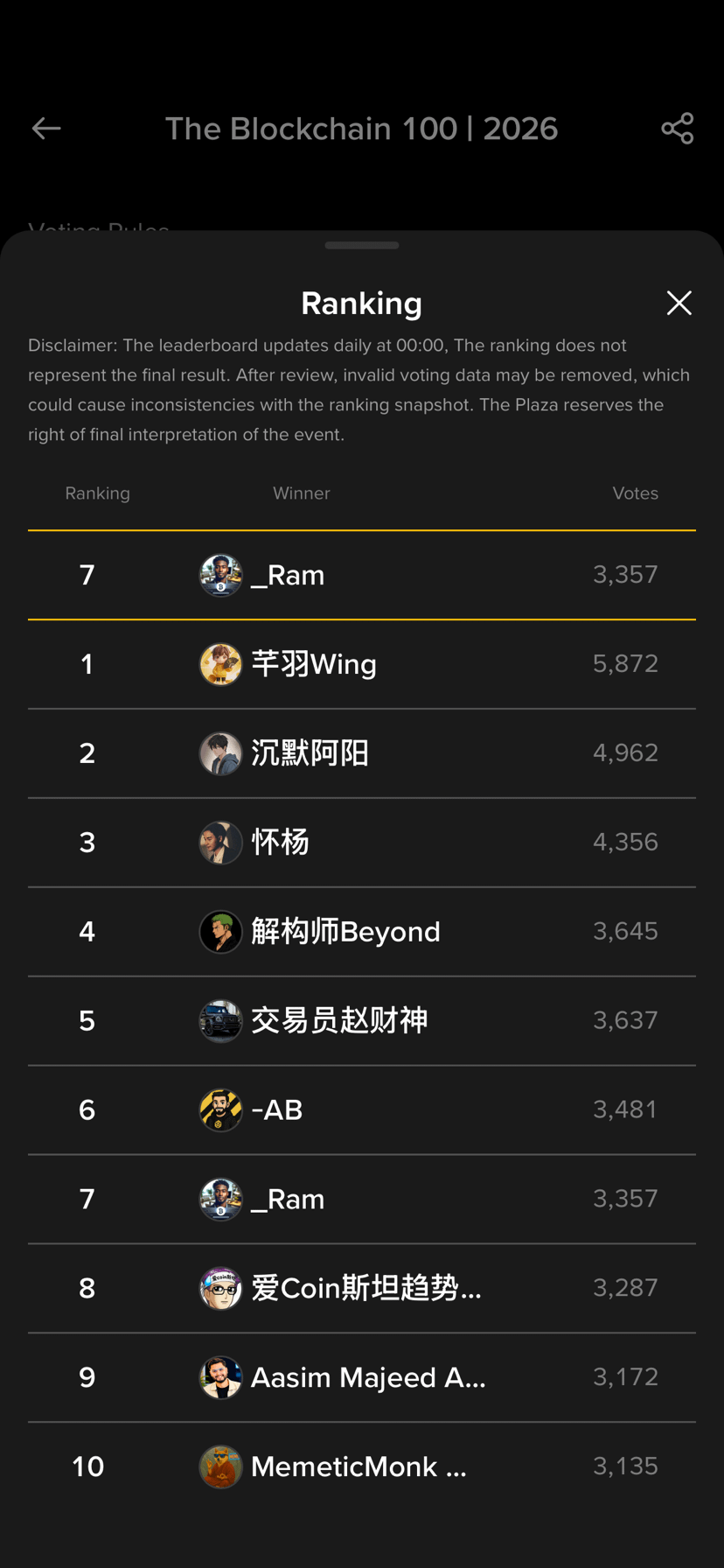
From 10th to 7th because you woke up, but 7th means absolutely nothing if it freeze there.
This is the exact moment I need you to pause for a single second, [go to my profile](https://app.binance.com/uni-qr/cpro/Ramadone?l=en&r=W4MMD2RR&uc=app_square_share_link&us=copylink) , and lock in your vote . If you think it is done, it will slide right back down in minutes. The pressure is on right now!
We just proved them. Let’s shake the leaderboard. Chinese are doing cool for their content creators, organized, and they are already pushing for the spots.
We want the absolute top, and I want to get there with you. Seeing you move so fast is amazing, but a temporary surge is not enough—we need a total takeover.
Do not look away. Do not assume someone else will do it.
I’ve dropped another Pack 🧧 right here to fuel this charge. The code to put in comment to Claim it is : « Voted today, let’s do it ! »
Claim it, and immediately storm my profile, and smash that vote button. Or do it via this : [Vote link](https://app.binance.com/uni-qr/cact26user/671?uc=app_square_share_link&us=copylink)
Let’s push straight into the Top 3 together!
If you’re reading the in other language than English, turn it to the eng version to copy the code
🚨 WE ARE NOT DONE YET—DO NOT STOP NOW!
From 10th to 7th because you woke up, but 7th means absolutely nothing if it freeze there.
This is the exact moment I need you to pause for a single second, go to my profile , and lock in your vote . If you think it is done, it will slide right back down in minutes. The pressure is on right now!
We just proved them. Let’s shake the leaderboard. Chinese are doing cool for their content creators, organized, and they are already pushing for the spots.
We want the absolute top, and I want to get there with you. Seeing you move so fast is amazing, but a temporary surge is not enough—we need a total takeover.
Do not look away. Do not assume someone else will do it.
I’ve dropped another Pack 🧧 right here to fuel this charge. The code to put in comment to Claim it is : « Voted today, let’s do it ! »
Claim it, and immediately storm my profile, and smash that vote button. Or do it via this : Vote link
Let’s push straight into the Top 3 together!
If you’re reading the in other language than English, turn it to the eng version to copy the code
From 10th to 7th because you woke up, but 7th means absolutely nothing if it freeze there.
This is the exact moment I need you to pause for a single second, go to my profile , and lock in your vote . If you think it is done, it will slide right back down in minutes. The pressure is on right now!
We just proved them. Let’s shake the leaderboard. Chinese are doing cool for their content creators, organized, and they are already pushing for the spots.
We want the absolute top, and I want to get there with you. Seeing you move so fast is amazing, but a temporary surge is not enough—we need a total takeover.
Do not look away. Do not assume someone else will do it.
I’ve dropped another Pack 🧧 right here to fuel this charge. The code to put in comment to Claim it is : « Voted today, let’s do it ! »
Claim it, and immediately storm my profile, and smash that vote button. Or do it via this : Vote link
Let’s push straight into the Top 3 together!
If you’re reading the in other language than English, turn it to the eng version to copy the code
4.8k
4
227
4.8k
·
--
THIS IS AN ABSOLUTE CRIME BANGER !!!
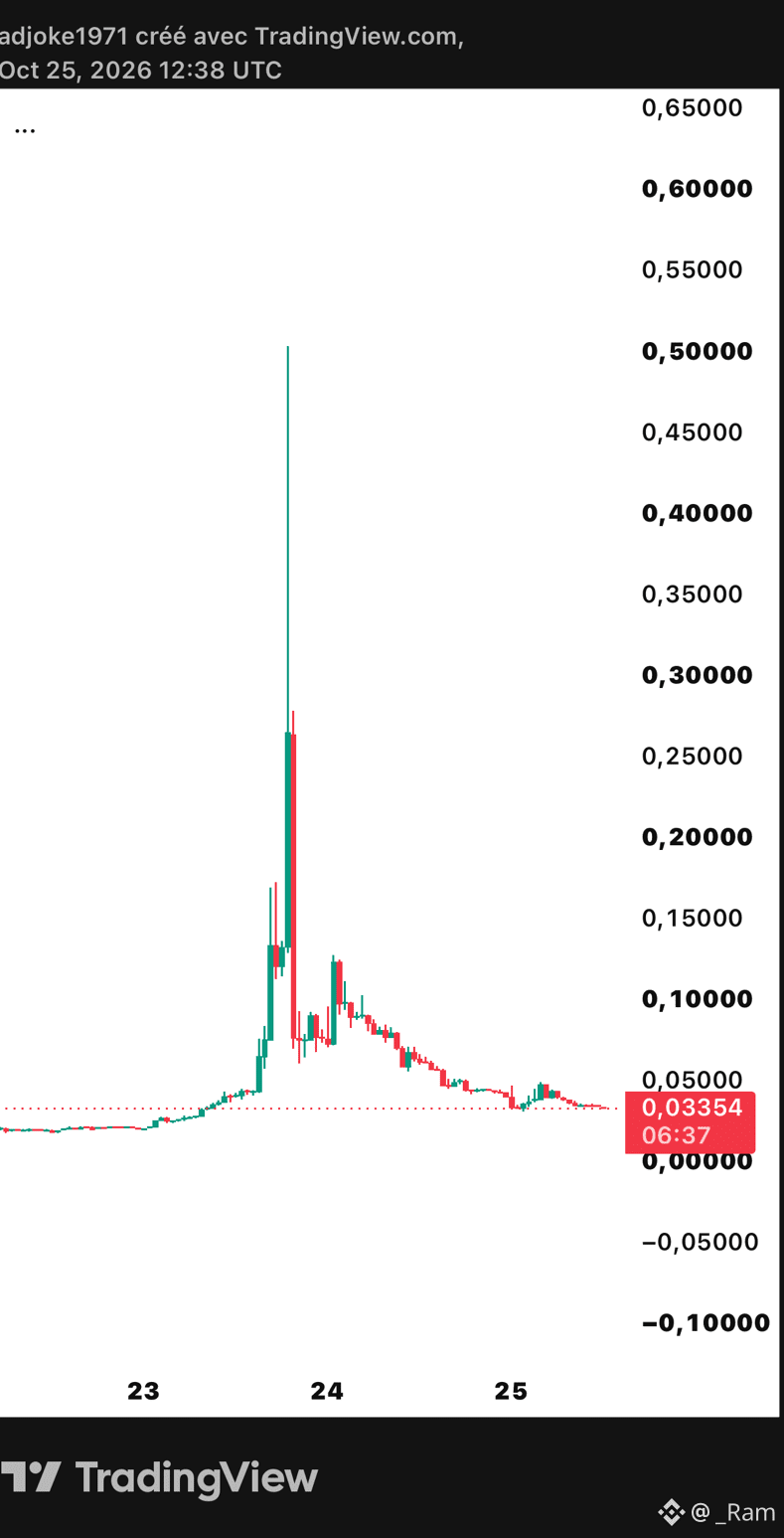
$IRYS , there wasn’t really any announcement nor news and a token did x14 in a single 24 hours and you trade it confidently ?
It literally got gambled ; and that’s is it!. If you made a mistake, the most important you to do now is to sit and write down lessons you learned.
❤️ Also, I want you to take one second to cast your vote here for me for the blockchain100 awards : [Vote link](https://app.binance.com/uni-qr/cact26user/671?uc=app_square_share_link&us=copylink)
If you traded it, how was your experience yersterday with that token?
{future}(IRYSUSDT)
THIS IS AN ABSOLUTE CRIME BANGER !!!
$IRYS , there wasn’t really any announcement nor news and a token did x14 in a single 24 hours and you trade it confidently ?
It literally got gambled ; and that’s is it!. If you made a mistake, the most important you to do now is to sit and write down lessons you learned.
❤️ Also, I want you to take one second to cast your vote here for me for the blockchain100 awards : Vote link
If you traded it, how was your experience yersterday with that token?
$IRYS , there wasn’t really any announcement nor news and a token did x14 in a single 24 hours and you trade it confidently ?
It literally got gambled ; and that’s is it!. If you made a mistake, the most important you to do now is to sit and write down lessons you learned.
❤️ Also, I want you to take one second to cast your vote here for me for the blockchain100 awards : Vote link
If you traded it, how was your experience yersterday with that token?
10
17
5.2k
·
--
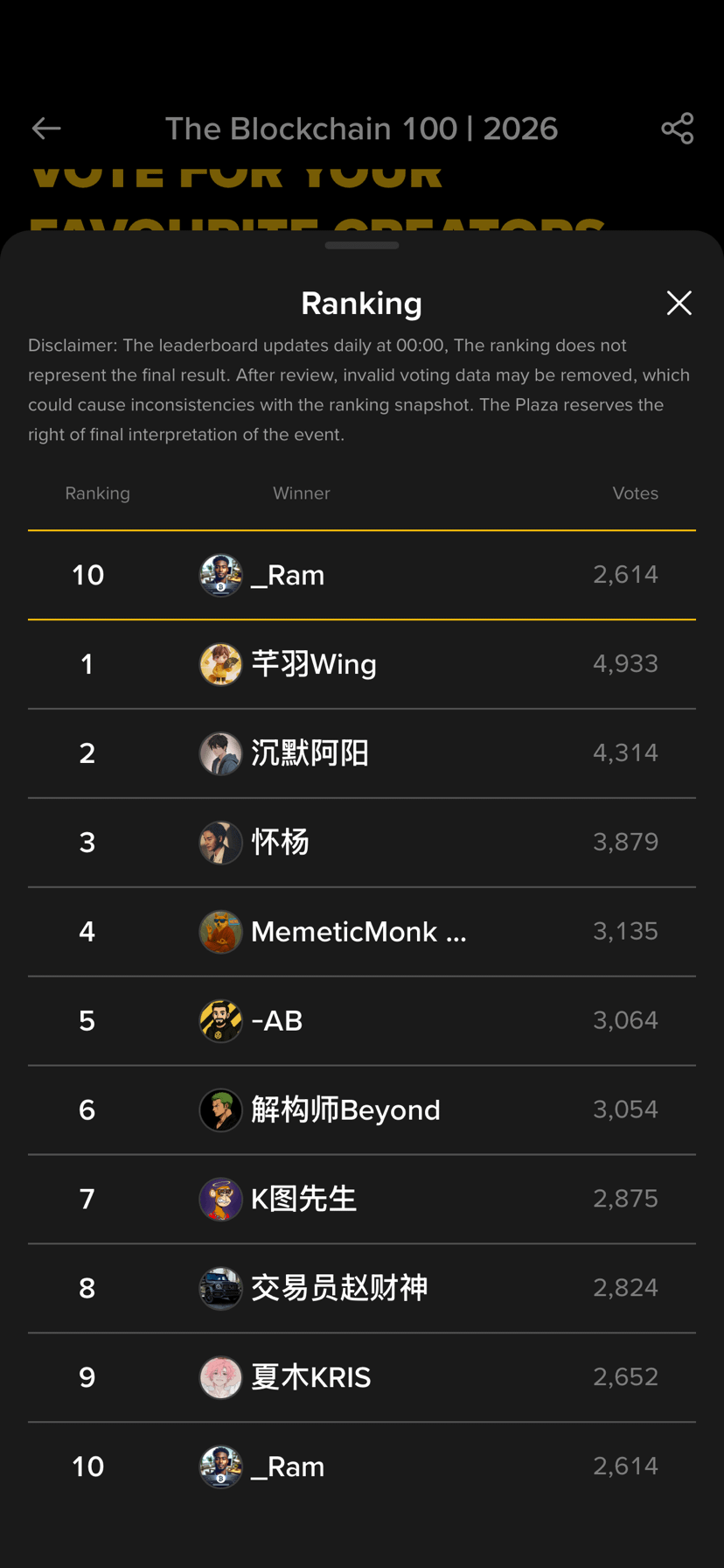
🚨 WE ARE LOOSING GROUND !!!
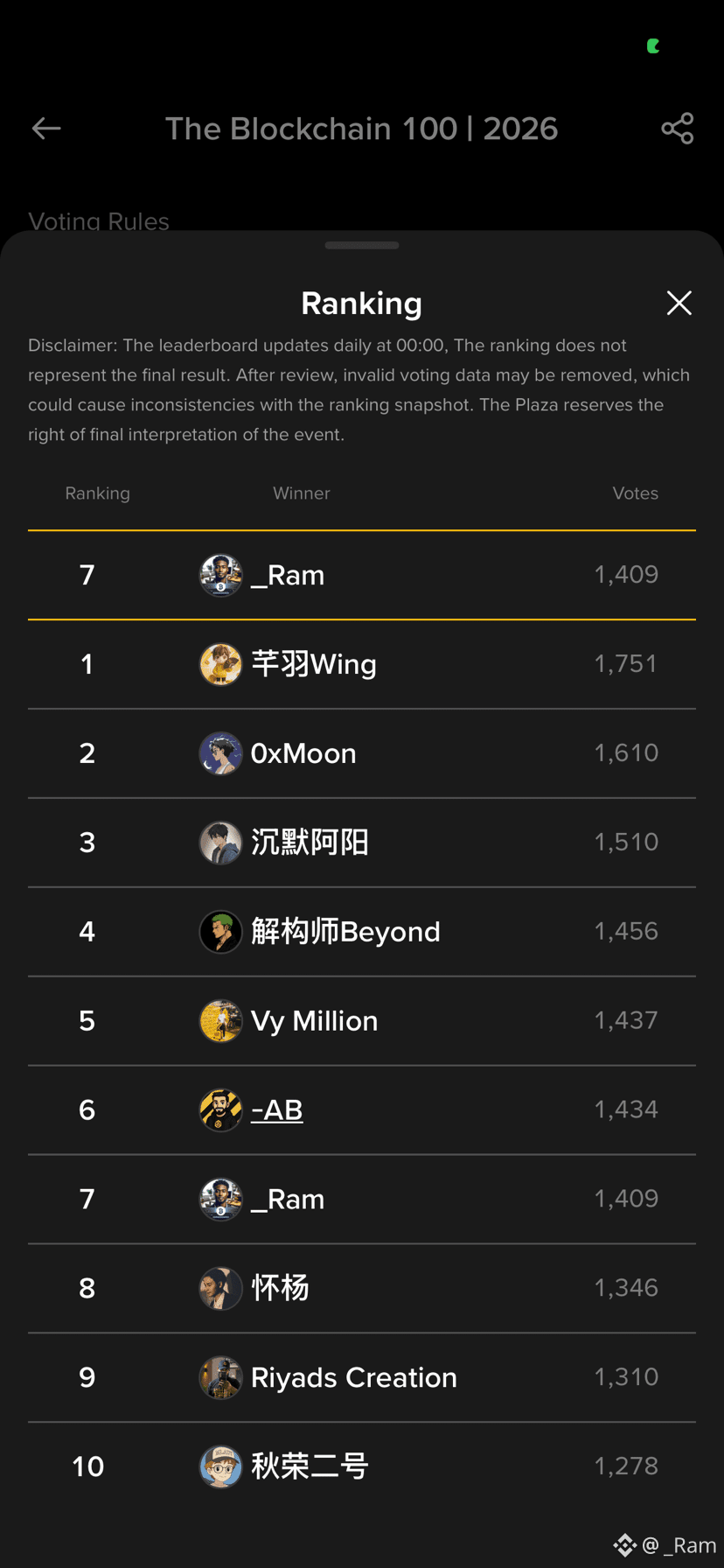
Rank 7th, 12th, 8th, and now 10th.
This is the exact moment I need you to pause for a single second, go to my profile, and cast your vote. We are slipping down the leaderboard, and I need every single one of you to wake up immediately.
Look at the leaderboard. 8 out of the top 10 creators are from the Chinese community. They are an absolute push for they content creators, organized, and I really respect it, honestly ! I have friends among them. They are fighting hard, but where are you? Are you just going to sit back and watch them take it all?
I refuse to believe the global community is second best. Seeing us drop to 10th breaks hearts, but it also lights a dangerous fire inside the.
We have the numbers, we have the heart, action !
No more excuses. Stand up with me. Let’s fight back and push our flag straight to the absolute top where we belong.
To fuel this final push, I have attached a pack🧧 right here in this post. The code to drop in comment to claim it is « Voted, let’s do it ! »
Claim it, head straight to my profile, and smash that vote button. You can also vote here : [Vote link](https://app.binance.com/uni-qr/cact26user/671?uc=app_square_share_link&us=copylink)
Let’s show the whole crypto space what happens when our family wakes up!
🚨 WE ARE LOOSING GROUND !!!
Rank 7th, 12th, 8th, and now 10th.
This is the exact moment I need you to pause for a single second, go to my profile, and cast your vote. We are slipping down the leaderboard, and I need every single one of you to wake up immediately.
Look at the leaderboard. 8 out of the top 10 creators are from the Chinese community. They are an absolute push for they content creators, organized, and I really respect it, honestly ! I have friends among them. They are fighting hard, but where are you? Are you just going to sit back and watch them take it all?
I refuse to believe the global community is second best. Seeing us drop to 10th breaks hearts, but it also lights a dangerous fire inside the.
We have the numbers, we have the heart, action !
No more excuses. Stand up with me. Let’s fight back and push our flag straight to the absolute top where we belong.
To fuel this final push, I have attached a pack🧧 right here in this post. The code to drop in comment to claim it is « Voted, let’s do it ! »
Claim it, head straight to my profile, and smash that vote button. You can also vote here : Vote link
Let’s show the whole crypto space what happens when our family wakes up!
Rank 7th, 12th, 8th, and now 10th.
This is the exact moment I need you to pause for a single second, go to my profile, and cast your vote. We are slipping down the leaderboard, and I need every single one of you to wake up immediately.
Look at the leaderboard. 8 out of the top 10 creators are from the Chinese community. They are an absolute push for they content creators, organized, and I really respect it, honestly ! I have friends among them. They are fighting hard, but where are you? Are you just going to sit back and watch them take it all?
I refuse to believe the global community is second best. Seeing us drop to 10th breaks hearts, but it also lights a dangerous fire inside the.
We have the numbers, we have the heart, action !
No more excuses. Stand up with me. Let’s fight back and push our flag straight to the absolute top where we belong.
To fuel this final push, I have attached a pack🧧 right here in this post. The code to drop in comment to claim it is « Voted, let’s do it ! »
Claim it, head straight to my profile, and smash that vote button. You can also vote here : Vote link
Let’s show the whole crypto space what happens when our family wakes up!
3k
9
173
3k
·
--
by opening a chart, your first priority as a trader is to first identify the trend of the prices. and that, independently from the timeframe you’re using, either you’re doing day-trading or swing trading.
That’s important because the moves in the direction of the trend are the huges ones, the one against it are usually very shorter or just consolidations.
At the end of the day, all of the moves will drive to the direction of the price(the trend).
So, by being positioned in that direction it usually boost up the probability of closing it in profits.
These are fundamentals, no matter which TA concept you like or trade, even if you only trade patterns; the confluence of both just amazing!
❤️ Now, please take a brief moment right now to make your voice count. If you believe in what we do here, head over to my profile and leave a vote or do it through this [Vote link !!!](https://app.binance.com/uni-qr/cact26user/671?uc=app_square_share_link&us=copylink)
I would also appreciate if you can also support @earnwithsapna and @Entamoty too
$BNB $ETC
by opening a chart, your first priority as a trader is to first identify the trend of the prices. and that, independently from the timeframe you’re using, either you’re doing day-trading or swing trading.
That’s important because the moves in the direction of the trend are the huges ones, the one against it are usually very shorter or just consolidations.
At the end of the day, all of the moves will drive to the direction of the price(the trend).
So, by being positioned in that direction it usually boost up the probability of closing it in profits.
These are fundamentals, no matter which TA concept you like or trade, even if you only trade patterns; the confluence of both just amazing!
❤️ Now, please take a brief moment right now to make your voice count. If you believe in what we do here, head over to my profile and leave a vote or do it through this Vote link !!!
I would also appreciate if you can also support @Sapna Singh and @Entamoty too
$BNB $ETC
That’s important because the moves in the direction of the trend are the huges ones, the one against it are usually very shorter or just consolidations.
At the end of the day, all of the moves will drive to the direction of the price(the trend).
So, by being positioned in that direction it usually boost up the probability of closing it in profits.
These are fundamentals, no matter which TA concept you like or trade, even if you only trade patterns; the confluence of both just amazing!
❤️ Now, please take a brief moment right now to make your voice count. If you believe in what we do here, head over to my profile and leave a vote or do it through this Vote link !!!
I would also appreciate if you can also support @Sapna Singh and @Entamoty too
$BNB $ETC
13
1
27
4.4k
·
--
the only one signal you need to look for now is long or buy. the market has been showing you since the bottom it has started the bull run and you may still be doubting, then lemme ask you : show me only one reason now that go against the massive bulls. Only one ! These small drops ain’t bother the trend, i told you, they’re confirming it.
Test something: start focusing more on buy signals. This weekend or during the next week, focus more on buy setup, especially if you do swing trading. And come back with what you notice!
Now, i want you to take a second to cast your vote for me for the Blockchain100 Awards : [Click here to vote](https://app.binance.com/uni-qr/cact26user/671?uc=app_square_share_link&us=copylink) ️
$BNB $DOT
the only one signal you need to look for now is long or buy. the market has been showing you since the bottom it has started the bull run and you may still be doubting, then lemme ask you : show me only one reason now that go against the massive bulls. Only one ! These small drops ain’t bother the trend, i told you, they’re confirming it.
Test something: start focusing more on buy signals. This weekend or during the next week, focus more on buy setup, especially if you do swing trading. And come back with what you notice!
Now, i want you to take a second to cast your vote for me for the Blockchain100 Awards : Click here to vote ️
$BNB $DOT
Test something: start focusing more on buy signals. This weekend or during the next week, focus more on buy setup, especially if you do swing trading. And come back with what you notice!
Now, i want you to take a second to cast your vote for me for the Blockchain100 Awards : Click here to vote ️
$BNB $DOT
14
2
26
5.7k
·
--
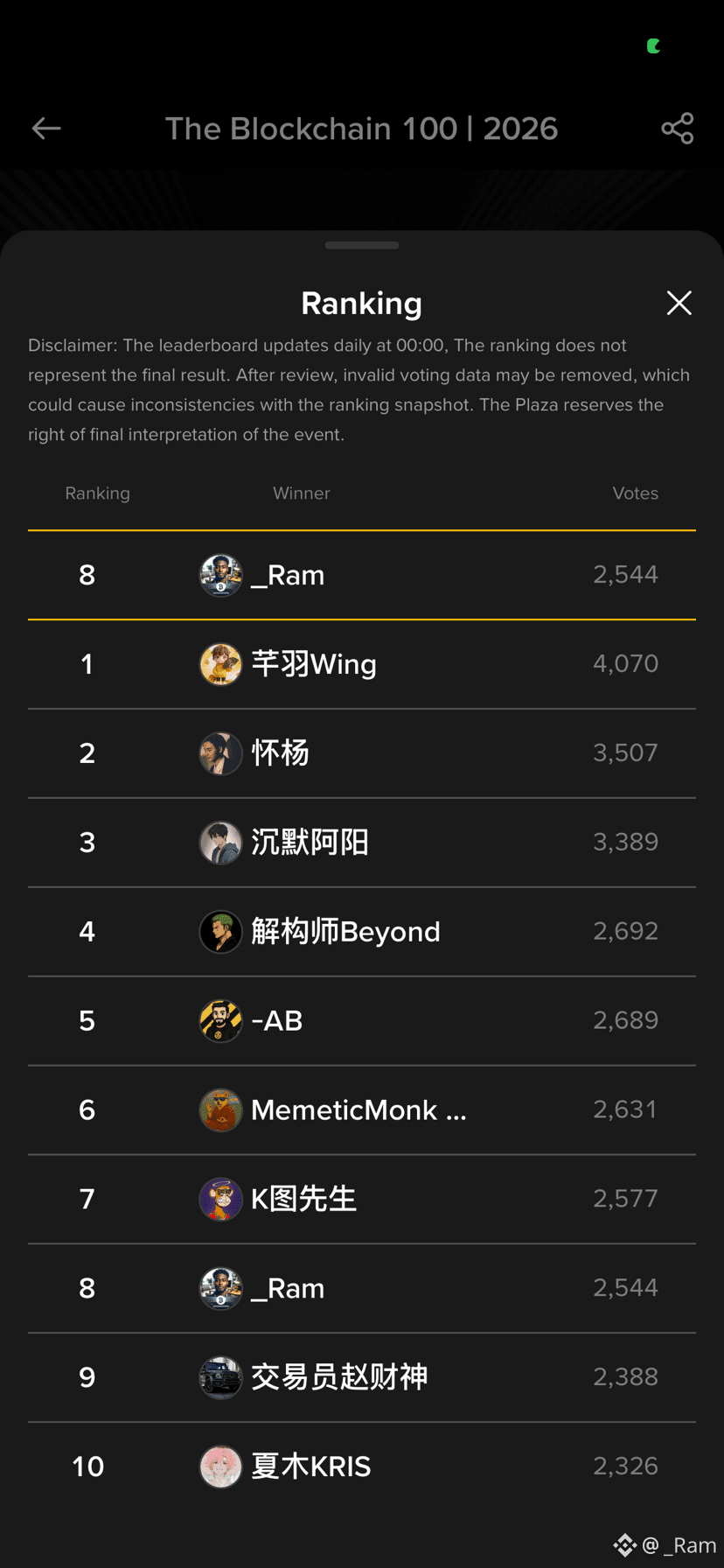
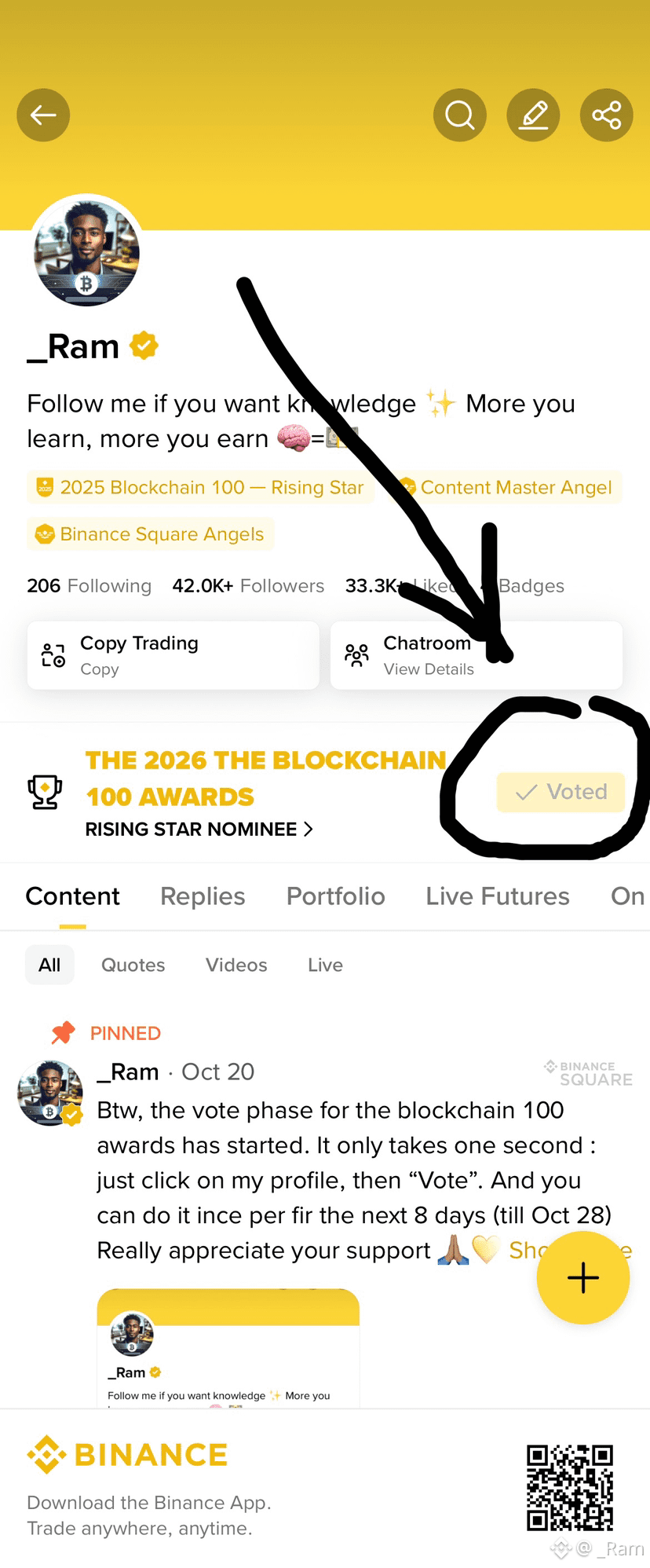
amazing guys, we’re back in the top 8. let’s keep pushing, there is less than 5 days remaining and i believe we can do it. just go to my square page via : [Profile link](https://app.binance.com/uni-qr/cpro/Ramadone?l=en&r=W4MMD2RR&uc=app_square_share_link&us=copylink) and hit the ‘vote’ button.
Let’s dooooooooooooooo it !!!! 💪🏾💛
amazing guys, we’re back in the top 8. let’s keep pushing, there is less than 5 days remaining and i believe we can do it. just go to my square page via : Profile link and hit the ‘vote’ button.
Let’s dooooooooooooooo it !!!! 💪🏾💛
Let’s dooooooooooooooo it !!!! 💪🏾💛
11
27
1.9k

·
--
You are already spending too much times reading about technical analysis, really too much. TA is splitted into concepts. There are differents and many sub-concepts. First, learn about the market on which you wanna operate, then pick one concept which reasonate with you the most. Learn and go apply it on the market right away. Go apply it ! That’s how you really master it or know you really do. Don’t think you get it just by reading. It’s still theory, go practice it. That’s how you get the experience.
Then you can read about others along the way.
If you have been reading for a while, close that pdf now and go apply!
You’re still a paper trader until you do.
Btw, i would really appreciate [if you can vote for me here.](https://app.binance.com/uni-qr/cact26user/671?uc=app_square_share_link&us=copylink)
$BNB
You are already spending too much times reading about technical analysis, really too much. TA is splitted into concepts. There are differents and many sub-concepts. First, learn about the market on which you wanna operate, then pick one concept which reasonate with you the most. Learn and go apply it on the market right away. Go apply it ! That’s how you really master it or know you really do. Don’t think you get it just by reading. It’s still theory, go practice it. That’s how you get the experience.
Then you can read about others along the way.
If you have been reading for a while, close that pdf now and go apply!
You’re still a paper trader until you do.
Btw, i would really appreciate if you can vote for me here.
$BNB
Then you can read about others along the way.
If you have been reading for a while, close that pdf now and go apply!
You’re still a paper trader until you do.
Btw, i would really appreciate if you can vote for me here.
$BNB
10
1
26
4.8k
·
--
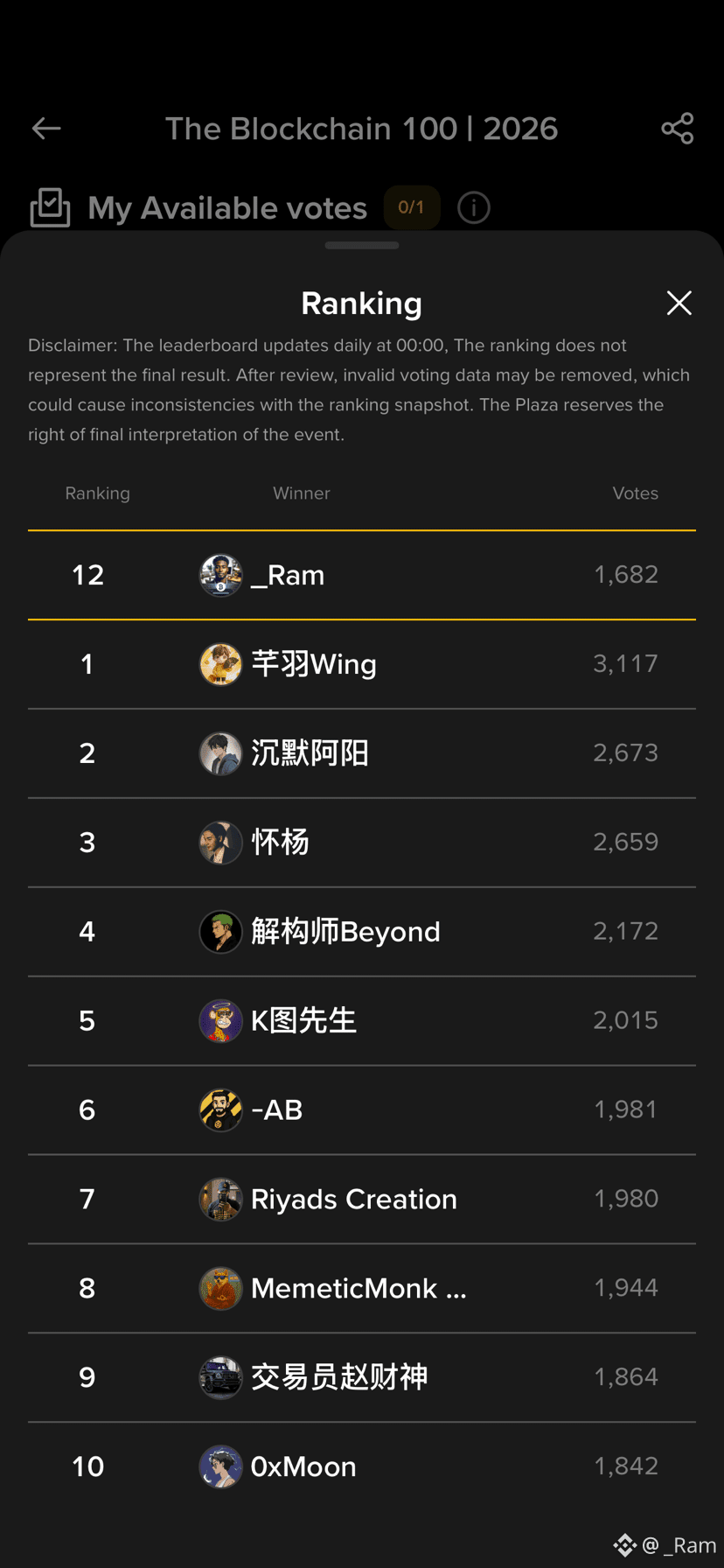
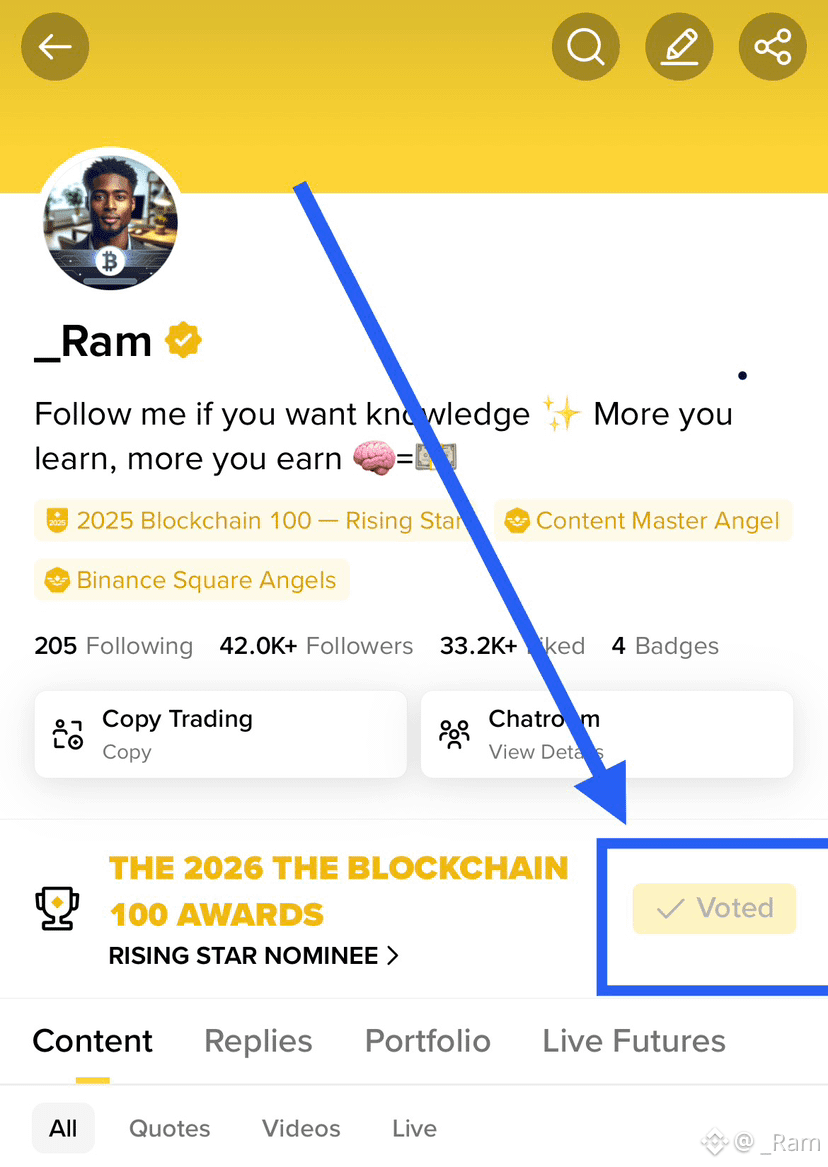
guys we were 7th yersterday and now 12th. I need you to push for the remaining 7 days. i believe we can do it. just go to my square page by clicking on @Ramadone and hit the ‘vote’ button.
Really appreciate it ! 🙏🏽💛
guys we were 7th yersterday and now 12th. I need you to push for the remaining 7 days. i believe we can do it. just go to my square page by clicking on @_Ram and hit the ‘vote’ button.
Really appreciate it ! 🙏🏽💛
Really appreciate it ! 🙏🏽💛
6
13
761
·
--
The whole web is now at risk.
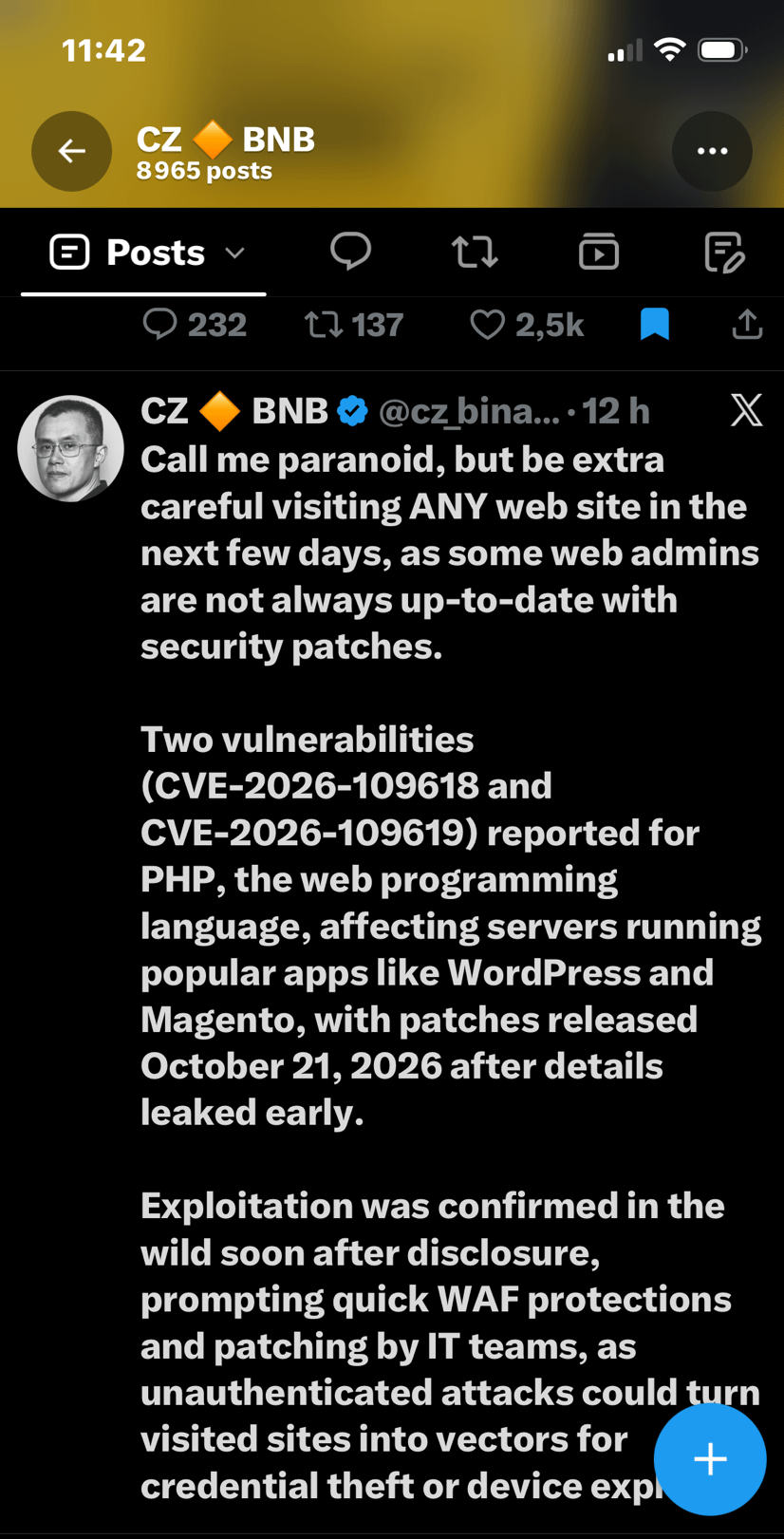
two vulnerabilities has been discovered in php, a tech used by the vast majority of websites (~70%).
From what I heard, they said OpenAI the motherhome of ChatGPT is the one which discovered the patch through its model gpt sol and was tryna fix it or prepare a fix before announce it, and it prepare to release a correction today but the news got leaked yersterday, two days before and they’re forced to accelerate the release.
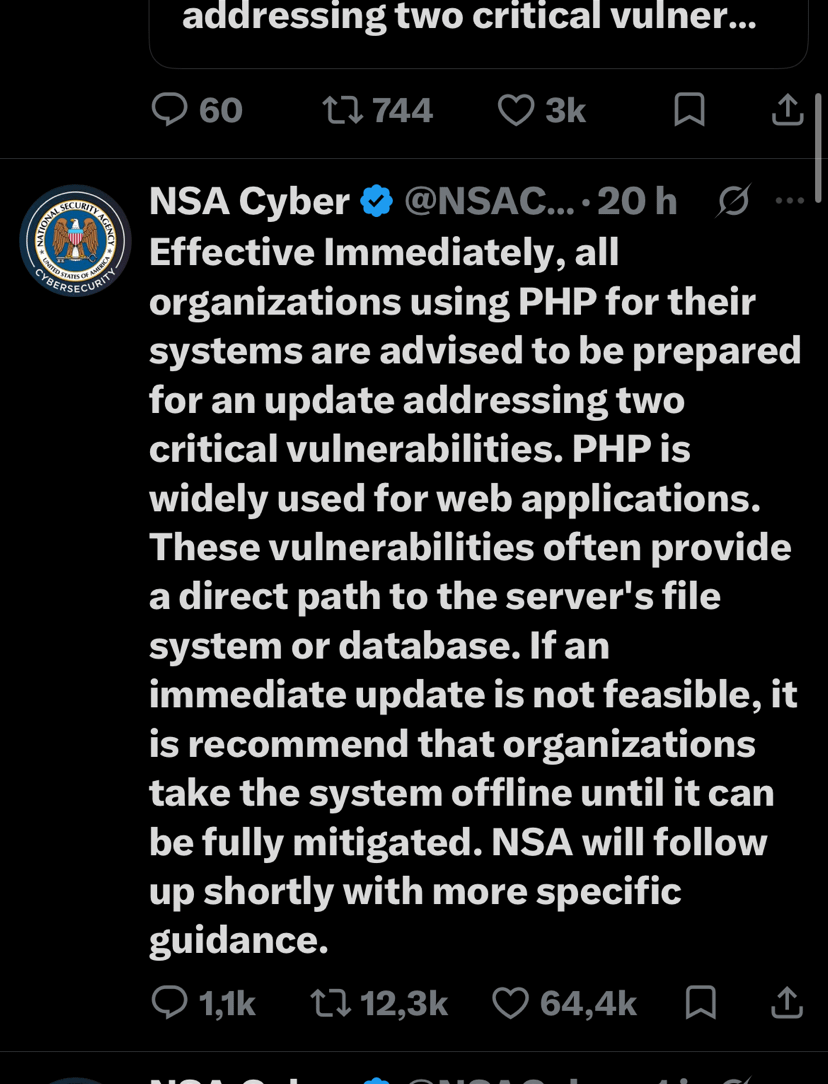
Now a maximum alert has been announced, institutions , government, services, … they’re all getting advised to shutdown non-immediately patchable site first, to avoid an attack. Wikipedia has been shutdown. Even the NSA tweeted to ask websites to shut down.
To know how much it’s critical, your project or protocol website can have its website looks clean meanwhile the connecting button has been hacked to drain your wallet and the url and design remain exactly the same.
Not all websites are affected btw, bcz not all of them use php, but the vast majority does, 70 out of100. Trust wallet, pancake swap, $BNB CHAIN foundation, all of them announced they don’t use php.
STAY SAFE THESE DAYS !!!
The whole web is now at risk.
two vulnerabilities has been discovered in php, a tech used by the vast majority of websites (~70%).
From what I heard, they said OpenAI the motherhome of ChatGPT is the one which discovered the patch through its model gpt sol and was tryna fix it or prepare a fix before announce it, and it prepare to release a correction today but the news got leaked yersterday, two days before and they’re forced to accelerate the release.
Now a maximum alert has been announced, institutions , government, services, … they’re all getting advised to shutdown non-immediately patchable site first, to avoid an attack. Wikipedia has been shutdown. Even the NSA tweeted to ask websites to shut down.
To know how much it’s critical, your project or protocol website can have its website looks clean meanwhile the connecting button has been hacked to drain your wallet and the url and design remain exactly the same.
Not all websites are affected btw, bcz not all of them use php, but the vast majority does, 70 out of100. Trust wallet, pancake swap, $BNB CHAIN foundation, all of them announced they don’t use php.
STAY SAFE THESE DAYS !!!
two vulnerabilities has been discovered in php, a tech used by the vast majority of websites (~70%).
From what I heard, they said OpenAI the motherhome of ChatGPT is the one which discovered the patch through its model gpt sol and was tryna fix it or prepare a fix before announce it, and it prepare to release a correction today but the news got leaked yersterday, two days before and they’re forced to accelerate the release.
Now a maximum alert has been announced, institutions , government, services, … they’re all getting advised to shutdown non-immediately patchable site first, to avoid an attack. Wikipedia has been shutdown. Even the NSA tweeted to ask websites to shut down.
To know how much it’s critical, your project or protocol website can have its website looks clean meanwhile the connecting button has been hacked to drain your wallet and the url and design remain exactly the same.
Not all websites are affected btw, bcz not all of them use php, but the vast majority does, 70 out of100. Trust wallet, pancake swap, $BNB CHAIN foundation, all of them announced they don’t use php.
STAY SAFE THESE DAYS !!!
10
22
5.4k
·
--
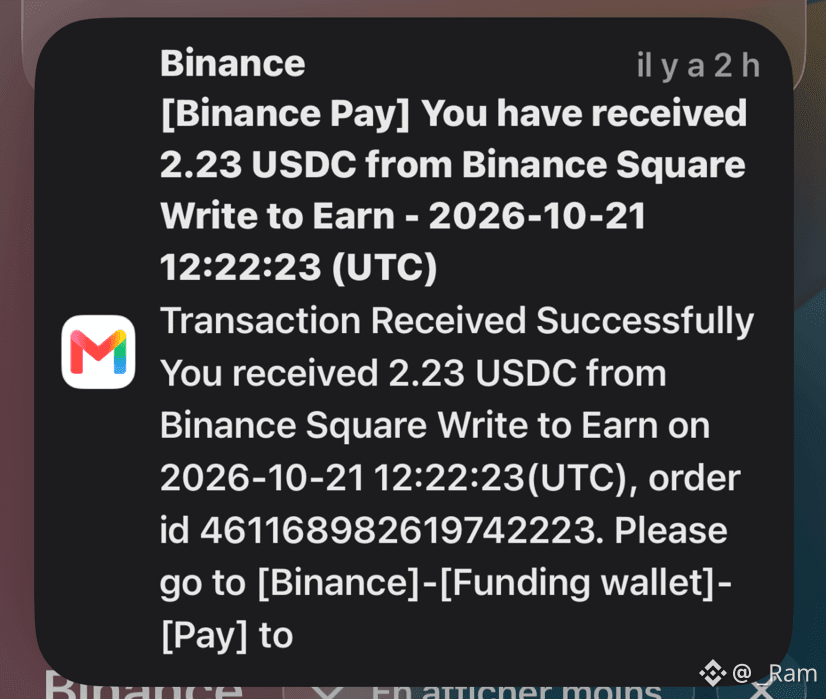
Have you guys already experienced the new write-to-earn upgrade ? the engagement bonus is actually good, it encourages diverse content and i think also contributes to preserving the feed from turning to futures trading feed. the announcement says there’s a dedicated reward pool. It started this week and want to know how are you guys seeing it !
$BNB
Have you guys already experienced the new write-to-earn upgrade ? the engagement bonus is actually good, it encourages diverse content and i think also contributes to preserving the feed from turning to futures trading feed. the announcement says there’s a dedicated reward pool. It started this week and want to know how are you guys seeing it !
$BNB
$BNB
34
4
86
24.8k
·
--
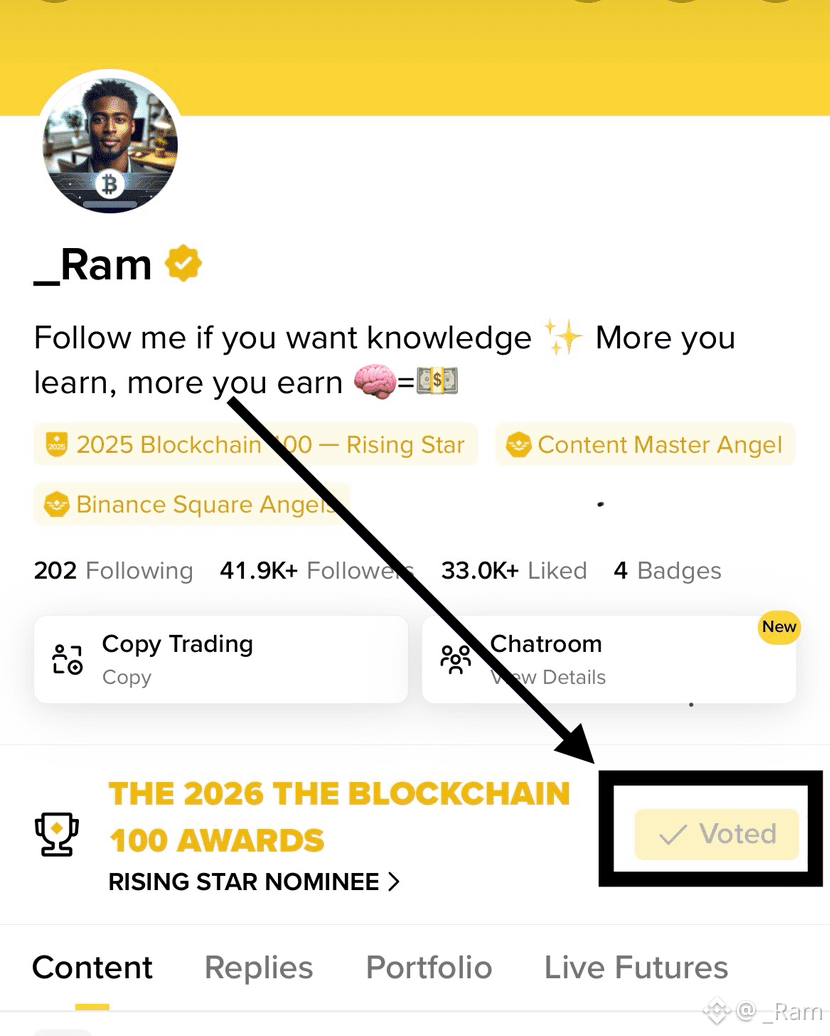
Thanks for your help everyone! I’m currently ranking 7th and asking for your kindness again today to give me a vote, it takes only 1 second. Just click on my profile here : @Ramadone and then ‘vote’
I’m also asking for your support to some friends in other category :
@CRYPTOMECHANIC
@rockettema
Please go to they profile and click on vote too. Really appreciate it, fam 🙏🏽💛
Thanks for your help everyone! I’m currently ranking 7th and asking for your kindness again today to give me a vote, it takes only 1 second. Just click on my profile here : @_Ram and then ‘vote’
I’m also asking for your support to some friends in other category :
@CRYPTO MECHANIC
@Sasha why NOT
Please go to they profile and click on vote too. Really appreciate it, fam 🙏🏽💛
I’m also asking for your support to some friends in other category :
@CRYPTO MECHANIC
@Sasha why NOT
Please go to they profile and click on vote too. Really appreciate it, fam 🙏🏽💛
_Ram
·
--
Btw, the vote phase for the blockchain 100 awards has started. It only takes one second : just click on my profile, then “Vote”. And you can do it ince per fir the next 8 days (till Oct 28)
Really appreciate your support 🙏🏽💛
$BNB
Really appreciate your support 🙏🏽💛
$BNB
8
1
25
812
·
--
i’m almost certain $BNB will reach 2000 in the next couple or 3 years, even shorter. It’s kinda conservative bcz the supply itself has reduced since it’s 1300 ath, so the wau back to the current ath will probably be fast than prev bull. Although it’s still probability based, the level of certainty showed by bnb is very high. If you have capital and only want ‘safe crypto investment’ 😂, just buy bnb. Any crypto investment is not safe btw, just fomo wisely…
i’m almost certain $BNB will reach 2000 in the next couple or 3 years, even shorter. It’s kinda conservative bcz the supply itself has reduced since it’s 1300 ath, so the wau back to the current ath will probably be fast than prev bull. Although it’s still probability based, the level of certainty showed by bnb is very high. If you have capital and only want ‘safe crypto investment’ 😂, just buy bnb. Any crypto investment is not safe btw, just fomo wisely…
5
18
2k
·
--
Verified
Holding $BNB 3.7K USDT
show me only one big project/coin which still doing what $BNB do. Only one.
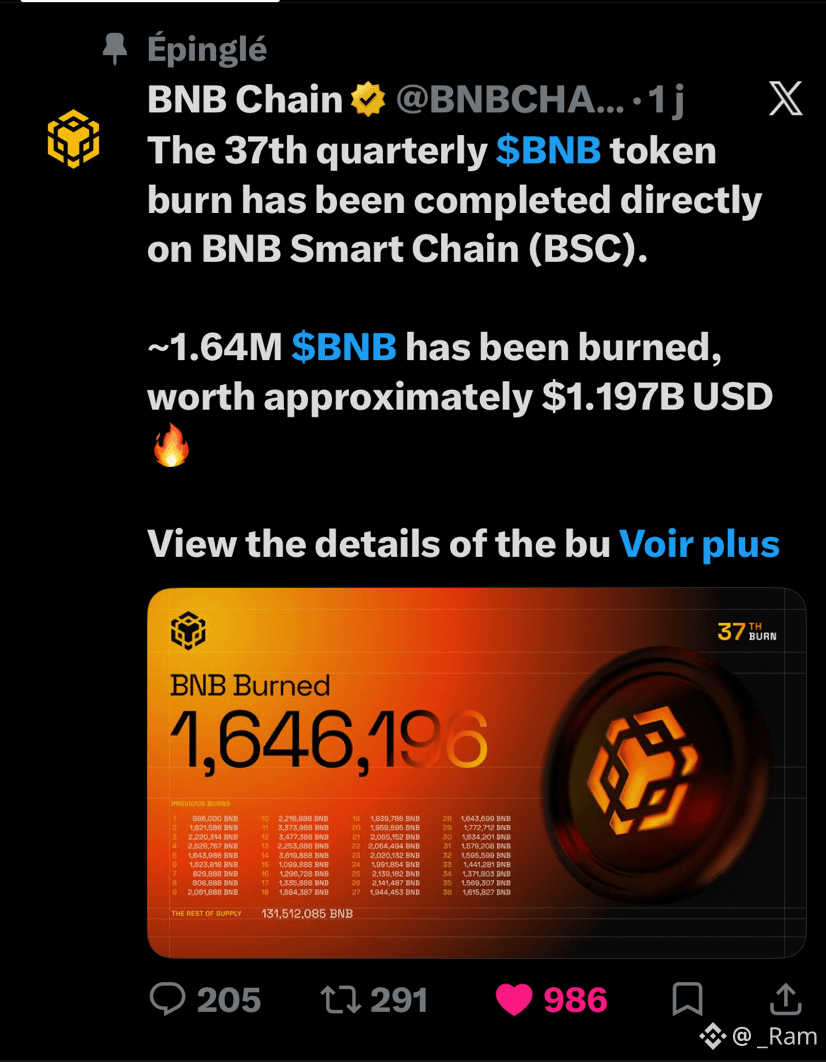
Do you actually realize what happened? ~1.64M one single BNB has been burned, definitely removed from the circulation. Thats around $1.20B, imagine!
A token with a strictly deflationary tokenomics, which didn’t print any new coins since its launch keep burning coin at every transaction and you are asking why bullish ? Lmao , HOLD BNB
Btw guys, I’ve been nominated for the blockchain100 awards and would appreciate you taking 1 second to vote for me here : [Vote link](https://app.binance.com/uni-qr/cact26user/671?uc=app_square_share_link&us=copylink)
And you can do it once per day for the next 08 days, till Oct 28 🙏🏽
show me only one big project/coin which still doing what $BNB do. Only one.
Do you actually realize what happened? ~1.64M one single BNB has been burned, definitely removed from the circulation. Thats around $1.20B, imagine!
A token with a strictly deflationary tokenomics, which didn’t print any new coins since its launch keep burning coin at every transaction and you are asking why bullish ? Lmao , HOLD BNB
Btw guys, I’ve been nominated for the blockchain100 awards and would appreciate you taking 1 second to vote for me here : Vote link
And you can do it once per day for the next 08 days, till Oct 28 🙏🏽
Do you actually realize what happened? ~1.64M one single BNB has been burned, definitely removed from the circulation. Thats around $1.20B, imagine!
A token with a strictly deflationary tokenomics, which didn’t print any new coins since its launch keep burning coin at every transaction and you are asking why bullish ? Lmao , HOLD BNB
Btw guys, I’ve been nominated for the blockchain100 awards and would appreciate you taking 1 second to vote for me here : Vote link
And you can do it once per day for the next 08 days, till Oct 28 🙏🏽
_Ram
·
--
Good morning frens, just so you know : the 37th $BNB burn is about to happen; and around 1.65M of BNB coins are going to be burnt. At current price, that’s roughly ~$1.30B worth in tokens to be removed from the supply. So less bnb possible offer from now on. Just for context :
Binance was launched with funds raised by selling BNB tokens at ICO in 2017 and it’s 200M BNB that has been created. Since then they aim to reduce the supply to 100M, that’s divided by two, through burns.
So, unlike some coins with new coins created every blocks, no new BNB is being created, instead, it’s getting burned.
I’m saying this for you to know how valuable the event is. Projects with strictly deflationary token ain’t no longer everywhere.
Binance was launched with funds raised by selling BNB tokens at ICO in 2017 and it’s 200M BNB that has been created. Since then they aim to reduce the supply to 100M, that’s divided by two, through burns.
So, unlike some coins with new coins created every blocks, no new BNB is being created, instead, it’s getting burned.
I’m saying this for you to know how valuable the event is. Projects with strictly deflationary token ain’t no longer everywhere.
14
25
10.5k
Log in to explore more content
Join global crypto users on Binance Square
⚡️ Get latest and useful information about crypto.
💬 Trusted by the world’s largest crypto exchange.
👍 Discover real insights from verified creators.
Email / Phone number