

Tcucur_Cryp
271 Posts

Tcucur_Cryp
Report
Block User
Binance Square Content Creator _ News _ Articles _ PricePredictions _ Crypto Futures Signals 🐱🤑
43 Following
55 Followers
196 Liked
Posts
All
Quotes
·
--
🚨 CITI RAISES BITCOIN TARGET TO $113,000 — IS THERE A NEW INSTITUTIONAL SIGNAL?Citigroup has raised its 12-month forecast for Bitcoin to $113,000, from the previous $82,000. Its Ethereum target was also increased to $3,028, from $2,240.
According to Citi, the change is driven by increased activity in the crypto market, macro conditions that are seen as supportive, and the return of capital flowing into crypto ETFs.
However, that figure is Citi’s projection, not a guarantee that Bitcoin or Ethereum prices will reach that level.
📊 Interestingly, this change in projections appears when institutional capital flows into the Bitcoin ETF have strengthened again.
🚨 CITI RAISES BITCOIN TARGET TO $113,000 — IS THERE A NEW INSTITUTIONAL SIGNAL?
Citigroup has raised its 12-month forecast for Bitcoin to $113,000, from the previous $82,000. Its Ethereum target was also increased to $3,028, from $2,240.
According to Citi, the change is driven by increased activity in the crypto market, macro conditions that are seen as supportive, and the return of capital flowing into crypto ETFs.
However, that figure is Citi’s projection, not a guarantee that Bitcoin or Ethereum prices will reach that level.
📊 Interestingly, this change in projections appears when institutional capital flows into the Bitcoin ETF have strengthened again.
According to Citi, the change is driven by increased activity in the crypto market, macro conditions that are seen as supportive, and the return of capital flowing into crypto ETFs.
However, that figure is Citi’s projection, not a guarantee that Bitcoin or Ethereum prices will reach that level.
📊 Interestingly, this change in projections appears when institutional capital flows into the Bitcoin ETF have strengthened again.
59
·
--
⚡ SEC SUBMITS NEW RULE FOR CRYPTO ASSET CUSTODY⚡ SEC SUBMITS NEW RULE FOR CRYPTO ASSET CUSTODY
The U.S. market regulator is taking an important step again regarding the digital asset industry.
On October 1, 2026, the SEC proposed a new rule regarding custody of crypto assets owned or managed by investment advisers and funds.
The goal is to provide a clearer framework for how crypto assets can be stored and managed in accordance with applicable federal regulations.
SEC Chair Paul Atkins said the proposal would provide a clearer compliance pathway for investment advisers and funds in managing digital assets.
⚡ SEC SUBMITS NEW RULE FOR CRYPTO ASSET CUSTODY
⚡ SEC SUBMITS NEW RULE FOR CRYPTO ASSET CUSTODY
The U.S. market regulator is taking an important step again regarding the digital asset industry.
On October 1, 2026, the SEC proposed a new rule regarding custody of crypto assets owned or managed by investment advisers and funds.
The goal is to provide a clearer framework for how crypto assets can be stored and managed in accordance with applicable federal regulations.
SEC Chair Paul Atkins said the proposal would provide a clearer compliance pathway for investment advisers and funds in managing digital assets.
The U.S. market regulator is taking an important step again regarding the digital asset industry.
On October 1, 2026, the SEC proposed a new rule regarding custody of crypto assets owned or managed by investment advisers and funds.
The goal is to provide a clearer framework for how crypto assets can be stored and managed in accordance with applicable federal regulations.
SEC Chair Paul Atkins said the proposal would provide a clearer compliance pathway for investment advisers and funds in managing digital assets.
206
·
--
🚨 $2.65 BILLION FLOWING INTO THE BITCOIN ETF — WHAT’S HAPPENING?The crypto market is once again receiving interesting signals from institutions.
Throughout September 2026, the spot Bitcoin ETF in the United States recorded net inflows of around US$2.65 billion.
This figure isn’t small.
According to SoSoValue data cited by The Block, September was the month with the second-largest inflows since October 2025.
🔥 And Bitcoin isn’t the only one getting attention.
The spot Ethereum ETF also recorded about US$832.43 million in inflows throughout September.
Meaning, even though Ethereum’s fund flows are lower than August which reached US$1.85 billion, institutional interest in crypto assets is still evident.
🚨 $2.65 BILLION FLOWING INTO THE BITCOIN ETF — WHAT’S HAPPENING?
The crypto market is once again receiving interesting signals from institutions.
Throughout September 2026, the spot Bitcoin ETF in the United States recorded net inflows of around US$2.65 billion.
This figure isn’t small.
According to SoSoValue data cited by The Block, September was the month with the second-largest inflows since October 2025.
🔥 And Bitcoin isn’t the only one getting attention.
The spot Ethereum ETF also recorded about US$832.43 million in inflows throughout September.
Meaning, even though Ethereum’s fund flows are lower than August which reached US$1.85 billion, institutional interest in crypto assets is still evident.
Throughout September 2026, the spot Bitcoin ETF in the United States recorded net inflows of around US$2.65 billion.
This figure isn’t small.
According to SoSoValue data cited by The Block, September was the month with the second-largest inflows since October 2025.
🔥 And Bitcoin isn’t the only one getting attention.
The spot Ethereum ETF also recorded about US$832.43 million in inflows throughout September.
Meaning, even though Ethereum’s fund flows are lower than August which reached US$1.85 billion, institutional interest in crypto assets is still evident.
180
·
--
THE US IS READY TO RELEASE $74 BILLION FOR DRONES — THE DRONE INDUSTRY IS IN THE SPOTLIGHTThe United States is taking a major step to accelerate the development of drones, robotics, and AI technology for military needs.
U.S. Defense Secretary Pete Hegseth announced the formation of the Autonomous Warfare Command (AutoWarCom), a new command that will focus on the development and use of autonomous systems and robotics in the U.S. military.
AutoWarCom is planned to begin operations in October 2027. This move is part of the Pentagon’s efforts to speed up the procurement and deployment of drone technology on a large scale.
THE US IS READY TO RELEASE $74 BILLION FOR DRONES — THE DRONE INDUSTRY IS IN THE SPOTLIGHT
The United States is taking a major step to accelerate the development of drones, robotics, and AI technology for military needs.
U.S. Defense Secretary Pete Hegseth announced the formation of the Autonomous Warfare Command (AutoWarCom), a new command that will focus on the development and use of autonomous systems and robotics in the U.S. military.
AutoWarCom is planned to begin operations in October 2027. This move is part of the Pentagon’s efforts to speed up the procurement and deployment of drone technology on a large scale.
U.S. Defense Secretary Pete Hegseth announced the formation of the Autonomous Warfare Command (AutoWarCom), a new command that will focus on the development and use of autonomous systems and robotics in the U.S. military.
AutoWarCom is planned to begin operations in October 2027. This move is part of the Pentagon’s efforts to speed up the procurement and deployment of drone technology on a large scale.
117
·
--

Article
🚨 DATA CENTER BOOM IN THE U.S. STARTS TO STALL — THERE’S A BIG PROBLEM BEHIND THE AI EXPLOSIONThe surge in AI and data center investment in the United States hasn’t stopped yet. However, the bigger the industry grows, the more obstacles begin to appear
⚡ The main problem: electricity.
Data centers require extremely large amounts of energy. In fact, electricity consumption in this sector is estimated to reach 17% of total U.S. electricity consumption by 2030 and could approach 20% by 2035.
But the electricity grid capacity isn’t always able to keep up with that growth.
As a result, a number of data center projects are facing:
🚨 DATA CENTER BOOM IN THE U.S. STARTS TO STALL — THERE’S A BIG PROBLEM BEHIND THE AI EXPLOSION
The surge in AI and data center investment in the United States hasn’t stopped yet. However, the bigger the industry grows, the more obstacles begin to appear
⚡ The main problem: electricity.
Data centers require extremely large amounts of energy. In fact, electricity consumption in this sector is estimated to reach 17% of total U.S. electricity consumption by 2030 and could approach 20% by 2035.
But the electricity grid capacity isn’t always able to keep up with that growth.
As a result, a number of data center projects are facing:
⚡ The main problem: electricity.
Data centers require extremely large amounts of energy. In fact, electricity consumption in this sector is estimated to reach 17% of total U.S. electricity consumption by 2030 and could approach 20% by 2035.
But the electricity grid capacity isn’t always able to keep up with that growth.
As a result, a number of data center projects are facing:
1
558
·
--
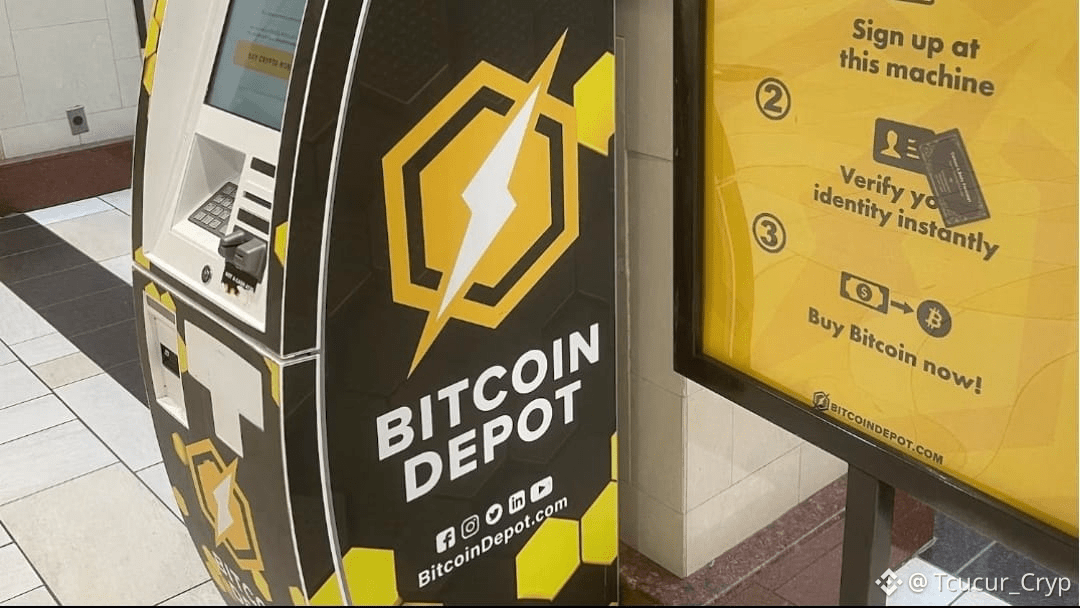
Bitcoin Depot Agrees to Pay $1.9 Million in Compensation for Victims of ATM Scam in Maine Bitcoin Depot, one of the largest crypto kiosk operators in the U.S., has reached an agreement with the state of Maine to pay $1.9 million as compensation for victims of a Bitcoin ATM scam involving third-party fraudsters between 2022 and 2025. The company does not admit any wrongdoing, but the funds will be used to reimburse consumers who were defrauded through their kiosk machines, with eligible victims able to file claims until April 1, 2026.
The agreement was announced following a two-year investigation by the Maine Bureau of Consumer Credit Protection, marking a resolution in a case where scammers exploited ATMs to defraud users. U.S. authorities stated that Bitcoin ATMs remain a primary vector for scams, with total losses exceeding $333 million in 2025, prompting stricter regulations at the state level. This agreement includes granting Bitcoin Depot a money transmitter license in Maine, although the company must comply with new requirements to prevent further abuse. The incident highlights ongoing vulnerabilities in the crypto kiosk industry, where fraudsters frequently use techniques such as impersonation or fake investment schemes to target users.
Bitcoin Depot Agrees to Pay $1.9 Million in Compensation for Victims of ATM Scam in Maine Bitcoin Depot, one of the largest crypto kiosk operators in the U.S., has reached an agreement with the state of Maine to pay $1.9 million as compensation for victims of a Bitcoin ATM scam involving third-party fraudsters between 2022 and 2025. The company does not admit any wrongdoing, but the funds will be used to reimburse consumers who were defrauded through their kiosk machines, with eligible victims able to file claims until April 1, 2026.
The agreement was announced following a two-year investigation by the Maine Bureau of Consumer Credit Protection, marking a resolution in a case where scammers exploited ATMs to defraud users. U.S. authorities stated that Bitcoin ATMs remain a primary vector for scams, with total losses exceeding $333 million in 2025, prompting stricter regulations at the state level. This agreement includes granting Bitcoin Depot a money transmitter license in Maine, although the company must comply with new requirements to prevent further abuse. The incident highlights ongoing vulnerabilities in the crypto kiosk industry, where fraudsters frequently use techniques such as impersonation or fake investment schemes to target users.
The agreement was announced following a two-year investigation by the Maine Bureau of Consumer Credit Protection, marking a resolution in a case where scammers exploited ATMs to defraud users. U.S. authorities stated that Bitcoin ATMs remain a primary vector for scams, with total losses exceeding $333 million in 2025, prompting stricter regulations at the state level. This agreement includes granting Bitcoin Depot a money transmitter license in Maine, although the company must comply with new requirements to prevent further abuse. The incident highlights ongoing vulnerabilities in the crypto kiosk industry, where fraudsters frequently use techniques such as impersonation or fake investment schemes to target users.
62
·
--
Hundreds of thousands of traders have been liquidated with total losses of US$10.9 billion or Rp181.83 trillion in the last 24 hours. A total of US$8.45 billion came from long positions, and US$1.63 billion came from short positions.
Bitcoin experienced the largest loss with liquidation amounting to US$2.49 billion after the token briefly fell to US$101,000. This was followed by Ethereum with US$2.25 billion due to a drop to US$3,900.
This occurred after United States President Donald Trump once again imposed extraordinary tariffs on China, Friday (10/10).
The collapse of Bitcoin also impacted the losses of Solana, XRP, and Dogecoin amounting to more than US$1.4 billion. This also caused all three to drop by tens of percent, with XRP currently priced at US$2.3, Solana at US$194, and Dogecoin at US$0.1794.
Despite this, the crypto market is slowly recovering from losses with Bitcoin holding at US$113,000 after briefly falling below US$105,000.
Hundreds of thousands of traders have been liquidated with total losses of US$10.9 billion or Rp181.83 trillion in the last 24 hours. A total of US$8.45 billion came from long positions, and US$1.63 billion came from short positions.
Bitcoin experienced the largest loss with liquidation amounting to US$2.49 billion after the token briefly fell to US$101,000. This was followed by Ethereum with US$2.25 billion due to a drop to US$3,900.
This occurred after United States President Donald Trump once again imposed extraordinary tariffs on China, Friday (10/10).
The collapse of Bitcoin also impacted the losses of Solana, XRP, and Dogecoin amounting to more than US$1.4 billion. This also caused all three to drop by tens of percent, with XRP currently priced at US$2.3, Solana at US$194, and Dogecoin at US$0.1794.
Despite this, the crypto market is slowly recovering from losses with Bitcoin holding at US$113,000 after briefly falling below US$105,000.
Bitcoin experienced the largest loss with liquidation amounting to US$2.49 billion after the token briefly fell to US$101,000. This was followed by Ethereum with US$2.25 billion due to a drop to US$3,900.
This occurred after United States President Donald Trump once again imposed extraordinary tariffs on China, Friday (10/10).
The collapse of Bitcoin also impacted the losses of Solana, XRP, and Dogecoin amounting to more than US$1.4 billion. This also caused all three to drop by tens of percent, with XRP currently priced at US$2.3, Solana at US$194, and Dogecoin at US$0.1794.
Despite this, the crypto market is slowly recovering from losses with Bitcoin holding at US$113,000 after briefly falling below US$105,000.

100
·
--
The action of profit-taking in the Bitcoin market is still relatively low, even though the price of the cryptocurrency briefly broke a new record above US$126,000 earlier this week.
According to a report from the on-chain analytics firm CryptoQuant, this condition indicates that the Bitcoin rally is likely to continue and that the peak price signs have not been seen in the near future.
In the last 30 days, the total realized net profit of Bitcoin holders was only 0.26 million BTC or equivalent to US$30 billion.
This figure is 50% lower than in July, which reached 0.53 million BTC, and far below the previous peaks in March and December 2024, which were US$78 billion and US$99 billion, respectively.
The low realization of profits indicates that most investors prefer to hold onto their assets rather than sell them.
CryptoQuant's Head of Research Julio Moreno explained that as long as the realized profit momentum remains positive, the trend of rising Bitcoin prices still has the potential to continue.
"Typically, a bullish market ends when holders begin to sell amid declining profit margins," he said.
CryptoQuant also noted that long-term holders are still recording profit margins of around 129%, significantly below the extreme peak of around 300% in the previous cycle.
Moreover, the movement of Bitcoin from OG wallets, which have held this asset for over a decade, remains minimal, with only about 5,000 BTC in the last month.
The action of profit-taking in the Bitcoin market is still relatively low, even though the price of the cryptocurrency briefly broke a new record above US$126,000 earlier this week.
According to a report from the on-chain analytics firm CryptoQuant, this condition indicates that the Bitcoin rally is likely to continue and that the peak price signs have not been seen in the near future.
In the last 30 days, the total realized net profit of Bitcoin holders was only 0.26 million BTC or equivalent to US$30 billion.
This figure is 50% lower than in July, which reached 0.53 million BTC, and far below the previous peaks in March and December 2024, which were US$78 billion and US$99 billion, respectively.
The low realization of profits indicates that most investors prefer to hold onto their assets rather than sell them.
CryptoQuant's Head of Research Julio Moreno explained that as long as the realized profit momentum remains positive, the trend of rising Bitcoin prices still has the potential to continue.
"Typically, a bullish market ends when holders begin to sell amid declining profit margins," he said.
CryptoQuant also noted that long-term holders are still recording profit margins of around 129%, significantly below the extreme peak of around 300% in the previous cycle.
Moreover, the movement of Bitcoin from OG wallets, which have held this asset for over a decade, remains minimal, with only about 5,000 BTC in the last month.
According to a report from the on-chain analytics firm CryptoQuant, this condition indicates that the Bitcoin rally is likely to continue and that the peak price signs have not been seen in the near future.
In the last 30 days, the total realized net profit of Bitcoin holders was only 0.26 million BTC or equivalent to US$30 billion.
This figure is 50% lower than in July, which reached 0.53 million BTC, and far below the previous peaks in March and December 2024, which were US$78 billion and US$99 billion, respectively.
The low realization of profits indicates that most investors prefer to hold onto their assets rather than sell them.
CryptoQuant's Head of Research Julio Moreno explained that as long as the realized profit momentum remains positive, the trend of rising Bitcoin prices still has the potential to continue.
"Typically, a bullish market ends when holders begin to sell amid declining profit margins," he said.
CryptoQuant also noted that long-term holders are still recording profit margins of around 129%, significantly below the extreme peak of around 300% in the previous cycle.
Moreover, the movement of Bitcoin from OG wallets, which have held this asset for over a decade, remains minimal, with only about 5,000 BTC in the last month.
26
·
--
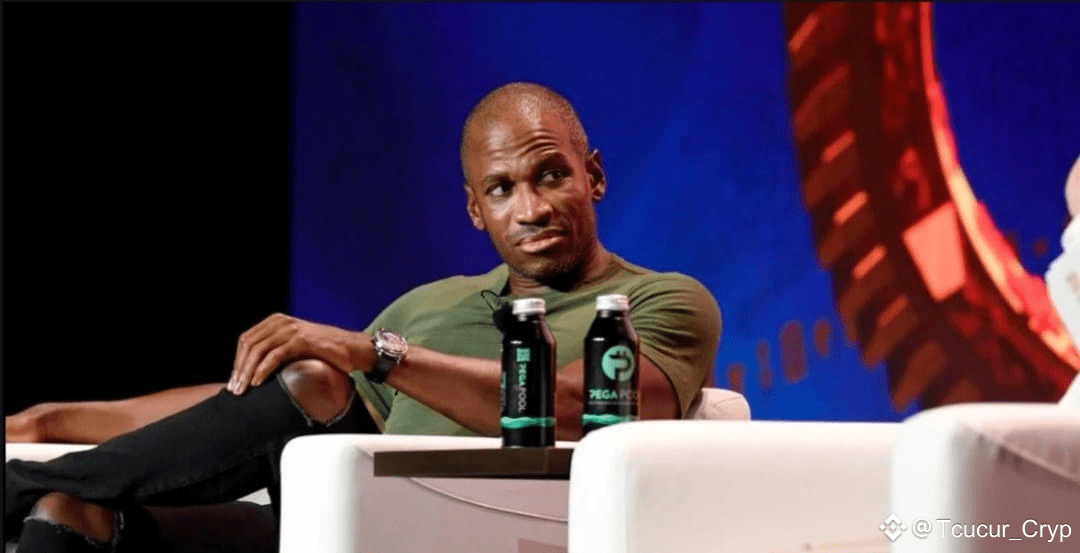
BitMEX founder Arthur Hayes stated that the Bitcoin (BTC) four-year cycle pattern is now irrelevant. He emphasized that Bitcoin's movement is no longer determined by the halving pattern, but rather by global liquidity.
“Many are trying to predict the end of this rally with old patterns, but those patterns will not apply,” he said in his personal blog on Thursday (09/10).
Hayes explained that previous cycles ended when monetary conditions were tightened, not because of the four-year time frame. According to him, the market is now influenced by the economic policies of the United States and China, both of which are oriented towards monetary easing.
Moreover, The Fed has also begun cutting interest rates even though inflation is still above target, with the possibility of two more cuts by the end of the year.
“Money will be made cheaper and more abundant, and Bitcoin will continue to rise in that direction,” Hayes revealed.
He also added that China this time will not be a hindrance as it was before. The government in Beijing is now actually trying to end deflationary pressures, rather than draining liquidity from the market.
This step, Hayes said, gives room for American monetary expansion to push Bitcoin prices without pressure from China.
BitMEX founder Arthur Hayes stated that the Bitcoin (BTC) four-year cycle pattern is now irrelevant. He emphasized that Bitcoin's movement is no longer determined by the halving pattern, but rather by global liquidity.
“Many are trying to predict the end of this rally with old patterns, but those patterns will not apply,” he said in his personal blog on Thursday (09/10).
Hayes explained that previous cycles ended when monetary conditions were tightened, not because of the four-year time frame. According to him, the market is now influenced by the economic policies of the United States and China, both of which are oriented towards monetary easing.
Moreover, The Fed has also begun cutting interest rates even though inflation is still above target, with the possibility of two more cuts by the end of the year.
“Money will be made cheaper and more abundant, and Bitcoin will continue to rise in that direction,” Hayes revealed.
He also added that China this time will not be a hindrance as it was before. The government in Beijing is now actually trying to end deflationary pressures, rather than draining liquidity from the market.
This step, Hayes said, gives room for American monetary expansion to push Bitcoin prices without pressure from China.
“Many are trying to predict the end of this rally with old patterns, but those patterns will not apply,” he said in his personal blog on Thursday (09/10).
Hayes explained that previous cycles ended when monetary conditions were tightened, not because of the four-year time frame. According to him, the market is now influenced by the economic policies of the United States and China, both of which are oriented towards monetary easing.
Moreover, The Fed has also begun cutting interest rates even though inflation is still above target, with the possibility of two more cuts by the end of the year.
“Money will be made cheaper and more abundant, and Bitcoin will continue to rise in that direction,” Hayes revealed.
He also added that China this time will not be a hindrance as it was before. The government in Beijing is now actually trying to end deflationary pressures, rather than draining liquidity from the market.
This step, Hayes said, gives room for American monetary expansion to push Bitcoin prices without pressure from China.
1
512
·
--
Zcash (ZEC) skyrocketed 35% in the last 24 hours, now priced at over US$180. Not only that, its market capitalization also surged 35% to US$2.94 billion, placing it at the 40th position as the largest crypto in the world in just a matter of days.
The price surge of Zcash was driven by the entry of large institutions and increased support from influential figures.
Grayscale, a prominent digital asset manager, has just launched a trust fund for ZEC, providing access for institutional investors and sparking speculation that a ZEC ETF could soon be filed.
This move has attracted large investors looking to diversify their portfolios beyond Bitcoin and Ethereum.
Additionally, well-known figures like Mert Mumtaz and Naval Ravikant have also promoted the privacy features of Zcash, igniting market enthusiasm.
In an increasingly stringent global context regarding financial transparency, the demand for privacy coins like ZEC has risen again, particularly due to its "shielded transactions" technology that allows users to keep their balances and transactions confidential.
Zcash (ZEC) skyrocketed 35% in the last 24 hours, now priced at over US$180. Not only that, its market capitalization also surged 35% to US$2.94 billion, placing it at the 40th position as the largest crypto in the world in just a matter of days.
The price surge of Zcash was driven by the entry of large institutions and increased support from influential figures.
Grayscale, a prominent digital asset manager, has just launched a trust fund for ZEC, providing access for institutional investors and sparking speculation that a ZEC ETF could soon be filed.
This move has attracted large investors looking to diversify their portfolios beyond Bitcoin and Ethereum.
Additionally, well-known figures like Mert Mumtaz and Naval Ravikant have also promoted the privacy features of Zcash, igniting market enthusiasm.
In an increasingly stringent global context regarding financial transparency, the demand for privacy coins like ZEC has risen again, particularly due to its "shielded transactions" technology that allows users to keep their balances and transactions confidential.
The price surge of Zcash was driven by the entry of large institutions and increased support from influential figures.
Grayscale, a prominent digital asset manager, has just launched a trust fund for ZEC, providing access for institutional investors and sparking speculation that a ZEC ETF could soon be filed.
This move has attracted large investors looking to diversify their portfolios beyond Bitcoin and Ethereum.
Additionally, well-known figures like Mert Mumtaz and Naval Ravikant have also promoted the privacy features of Zcash, igniting market enthusiasm.
In an increasingly stringent global context regarding financial transparency, the demand for privacy coins like ZEC has risen again, particularly due to its "shielded transactions" technology that allows users to keep their balances and transactions confidential.
265
·
--
After successfully predicting the surge of Bitcoin (BTC) to break a new record around US$126,000, market participants also previously forecasted the government shutdown of the United States (US) on October 1, which turned out to be accurate.
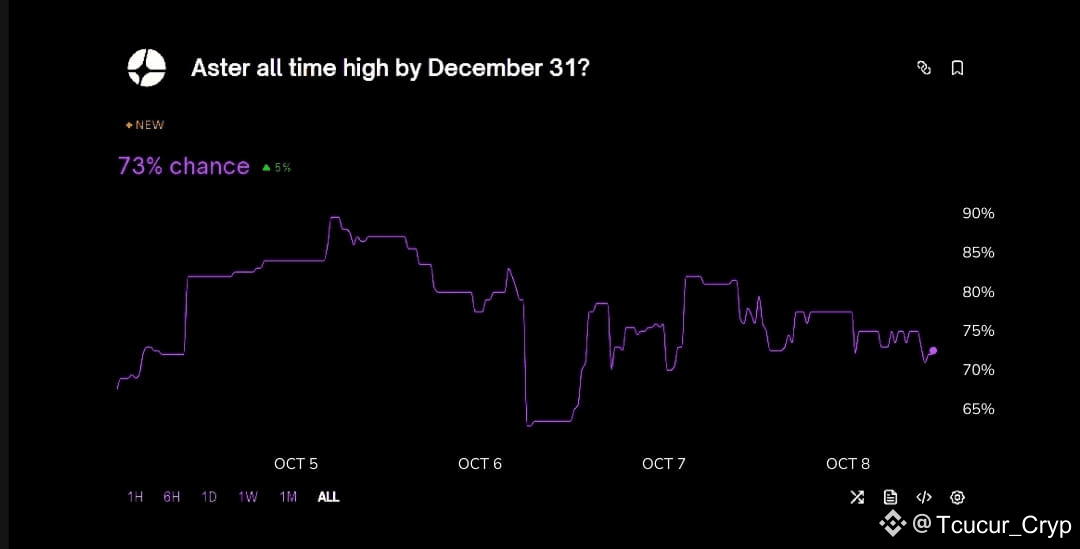
Interestingly, market participants on Polymarket are now shifting their focus to the next target, Aster (ASTER). They believe that Aster has the potential to set a new all-time high (ATH) before the end of the year, with the probability already reaching 73%.
According to data from CoinMarketCap, the current price of Aster is at US$1.95 after plummeting 19.34% from its all-time high of US$2.42. Nevertheless, market confidence remains high that the bullish trend will return soon.
This optimism is further strengthened by Binance's official launch of a new financial product for Aster. With this integration, users can now purchase ASTER using credit cards, trade it through new pairs, and participate in the Simple Earn program on the Binance platform.
After successfully predicting the surge of Bitcoin (BTC) to break a new record around US$126,000, market participants also previously forecasted the government shutdown of the United States (US) on October 1, which turned out to be accurate.
Interestingly, market participants on Polymarket are now shifting their focus to the next target, Aster (ASTER). They believe that Aster has the potential to set a new all-time high (ATH) before the end of the year, with the probability already reaching 73%.
According to data from CoinMarketCap, the current price of Aster is at US$1.95 after plummeting 19.34% from its all-time high of US$2.42. Nevertheless, market confidence remains high that the bullish trend will return soon.
This optimism is further strengthened by Binance's official launch of a new financial product for Aster. With this integration, users can now purchase ASTER using credit cards, trade it through new pairs, and participate in the Simple Earn program on the Binance platform.
Interestingly, market participants on Polymarket are now shifting their focus to the next target, Aster (ASTER). They believe that Aster has the potential to set a new all-time high (ATH) before the end of the year, with the probability already reaching 73%.
According to data from CoinMarketCap, the current price of Aster is at US$1.95 after plummeting 19.34% from its all-time high of US$2.42. Nevertheless, market confidence remains high that the bullish trend will return soon.
This optimism is further strengthened by Binance's official launch of a new financial product for Aster. With this integration, users can now purchase ASTER using credit cards, trade it through new pairs, and participate in the Simple Earn program on the Binance platform.
1
508
·
--
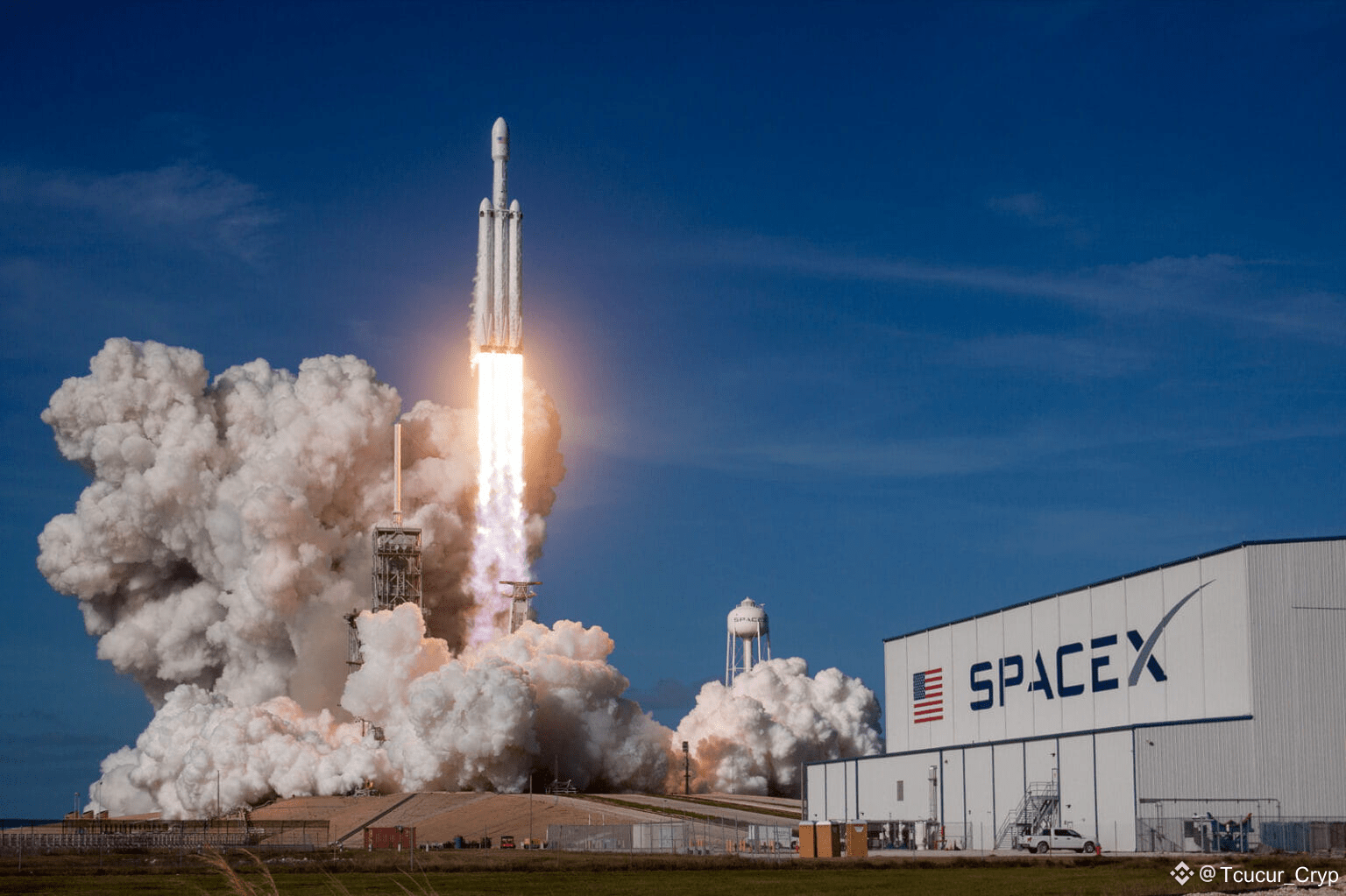
SpaceX, the space company owned by Elon Musk, reportedly still holds around 8,285 Bitcoin (BTC) with a total value that has now reached US$1.01 billion, according to Arkham Intelligence on Wednesday (08/10).
However, an interesting fact emerges from SpaceX's old ownership records. In early February 2021, the company actually held 25,724 Bitcoin, before ultimately selling 17,439 pieces or about 68% of its total assets in September 2024.
If SpaceX had chosen to retain all of its Bitcoin holdings until now, the profits it could have gained would be much larger.
This is because, with the price of Bitcoin now at around US$122,000 per coin, having skyrocketed 200% since the initial purchase, the company has the potential to rake in profits of up to US$3.1 billion or equivalent to Rp52 trillion.
Nevertheless, the decision to sell the majority of its Bitcoin in the past seems to have been a well-calculated business strategy.
Now, with the remaining holdings still valued fantastically, SpaceX remains the 4th largest private corporation that has successfully capitalized on opportunities in the digital asset market, especially Bitcoin, according to BitcoinTreasuries.
SpaceX, the space company owned by Elon Musk, reportedly still holds around 8,285 Bitcoin (BTC) with a total value that has now reached US$1.01 billion, according to Arkham Intelligence on Wednesday (08/10).
However, an interesting fact emerges from SpaceX's old ownership records. In early February 2021, the company actually held 25,724 Bitcoin, before ultimately selling 17,439 pieces or about 68% of its total assets in September 2024.
If SpaceX had chosen to retain all of its Bitcoin holdings until now, the profits it could have gained would be much larger.
This is because, with the price of Bitcoin now at around US$122,000 per coin, having skyrocketed 200% since the initial purchase, the company has the potential to rake in profits of up to US$3.1 billion or equivalent to Rp52 trillion.
Nevertheless, the decision to sell the majority of its Bitcoin in the past seems to have been a well-calculated business strategy.
Now, with the remaining holdings still valued fantastically, SpaceX remains the 4th largest private corporation that has successfully capitalized on opportunities in the digital asset market, especially Bitcoin, according to BitcoinTreasuries.
However, an interesting fact emerges from SpaceX's old ownership records. In early February 2021, the company actually held 25,724 Bitcoin, before ultimately selling 17,439 pieces or about 68% of its total assets in September 2024.
If SpaceX had chosen to retain all of its Bitcoin holdings until now, the profits it could have gained would be much larger.
This is because, with the price of Bitcoin now at around US$122,000 per coin, having skyrocketed 200% since the initial purchase, the company has the potential to rake in profits of up to US$3.1 billion or equivalent to Rp52 trillion.
Nevertheless, the decision to sell the majority of its Bitcoin in the past seems to have been a well-calculated business strategy.
Now, with the remaining holdings still valued fantastically, SpaceX remains the 4th largest private corporation that has successfully capitalized on opportunities in the digital asset market, especially Bitcoin, according to BitcoinTreasuries.
172
·
--
The memecoin sector collapsed, led by Dogecoin (DOGE) with a decrease of 8.21% to US$0.2450 in today's trading, Wednesday (08/10). In fact, the token had previously surged to a level of US$0.2698 yesterday.
This decline occurred after the crypto market collectively corrected, with Bitcoin dropping 3% from its all-time high, valued at US$121,000.
Corrections in the memecoin market also occurred with Fartcoin (FARTCOIN) down 13% to US$0.6281, Pepe (PEPE) down 7.82% to US$0.00001219, and Shiba Inu (SHIB) down 5.39% to US$0.00001209.
Meanwhile, Floki (FLOKI) experienced a smaller decline of 5.87% to US$0.0009657.
Tokens related to the President of the United States, Donald Trump, also did not escape the decline, dropping by 4.82%, now priced at US$7.53. This means that the token has fallen about 83% from its all-time high reached after Trump was inaugurated last January.
The memecoin sector collapsed, led by Dogecoin (DOGE) with a decrease of 8.21% to US$0.2450 in today's trading, Wednesday (08/10). In fact, the token had previously surged to a level of US$0.2698 yesterday.
This decline occurred after the crypto market collectively corrected, with Bitcoin dropping 3% from its all-time high, valued at US$121,000.
Corrections in the memecoin market also occurred with Fartcoin (FARTCOIN) down 13% to US$0.6281, Pepe (PEPE) down 7.82% to US$0.00001219, and Shiba Inu (SHIB) down 5.39% to US$0.00001209.
Meanwhile, Floki (FLOKI) experienced a smaller decline of 5.87% to US$0.0009657.
Tokens related to the President of the United States, Donald Trump, also did not escape the decline, dropping by 4.82%, now priced at US$7.53. This means that the token has fallen about 83% from its all-time high reached after Trump was inaugurated last January.
This decline occurred after the crypto market collectively corrected, with Bitcoin dropping 3% from its all-time high, valued at US$121,000.
Corrections in the memecoin market also occurred with Fartcoin (FARTCOIN) down 13% to US$0.6281, Pepe (PEPE) down 7.82% to US$0.00001219, and Shiba Inu (SHIB) down 5.39% to US$0.00001209.
Meanwhile, Floki (FLOKI) experienced a smaller decline of 5.87% to US$0.0009657.
Tokens related to the President of the United States, Donald Trump, also did not escape the decline, dropping by 4.82%, now priced at US$7.53. This means that the token has fallen about 83% from its all-time high reached after Trump was inaugurated last January.
247
·
--
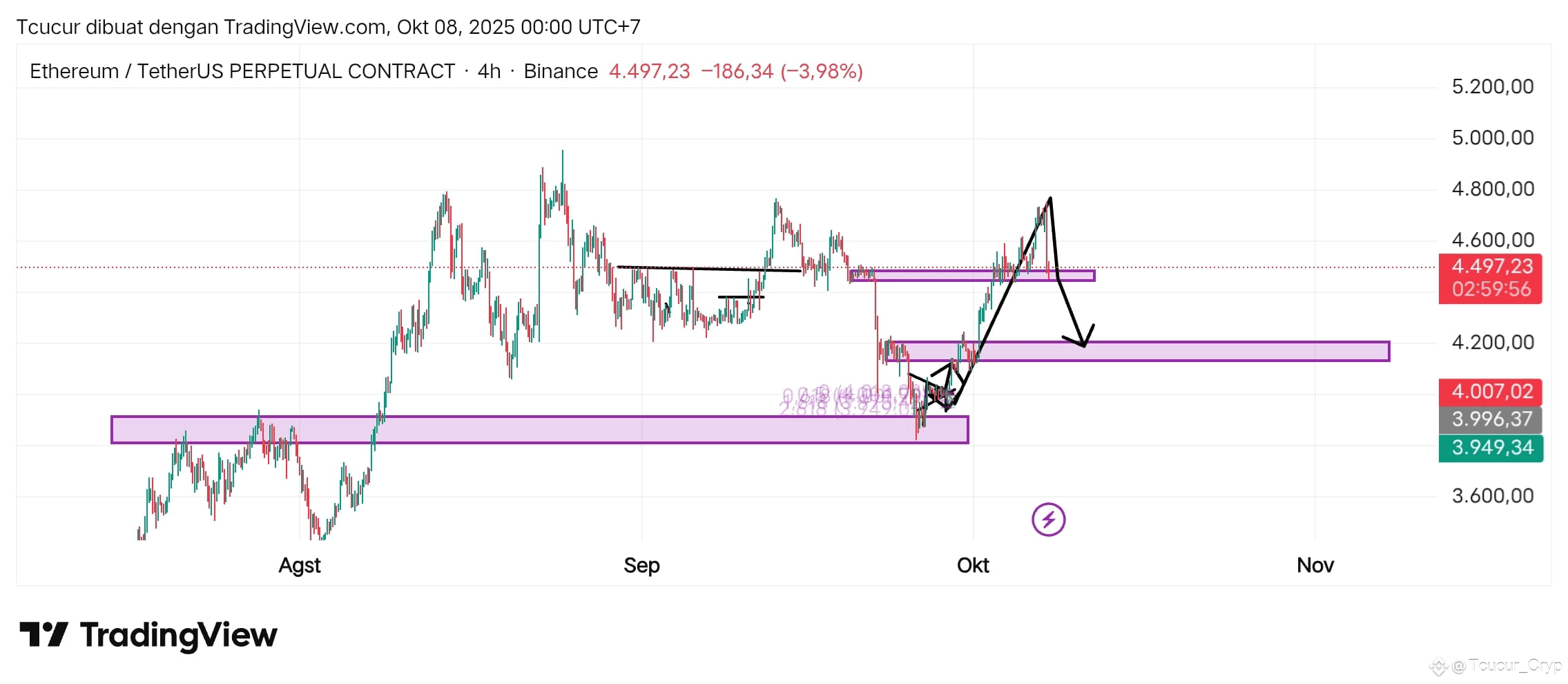
if $ETH this resistance breaks there is a possibility $ETH returns to $4200
if $ETH this resistance breaks there is a possibility $ETH returns to $4200
26
·
--
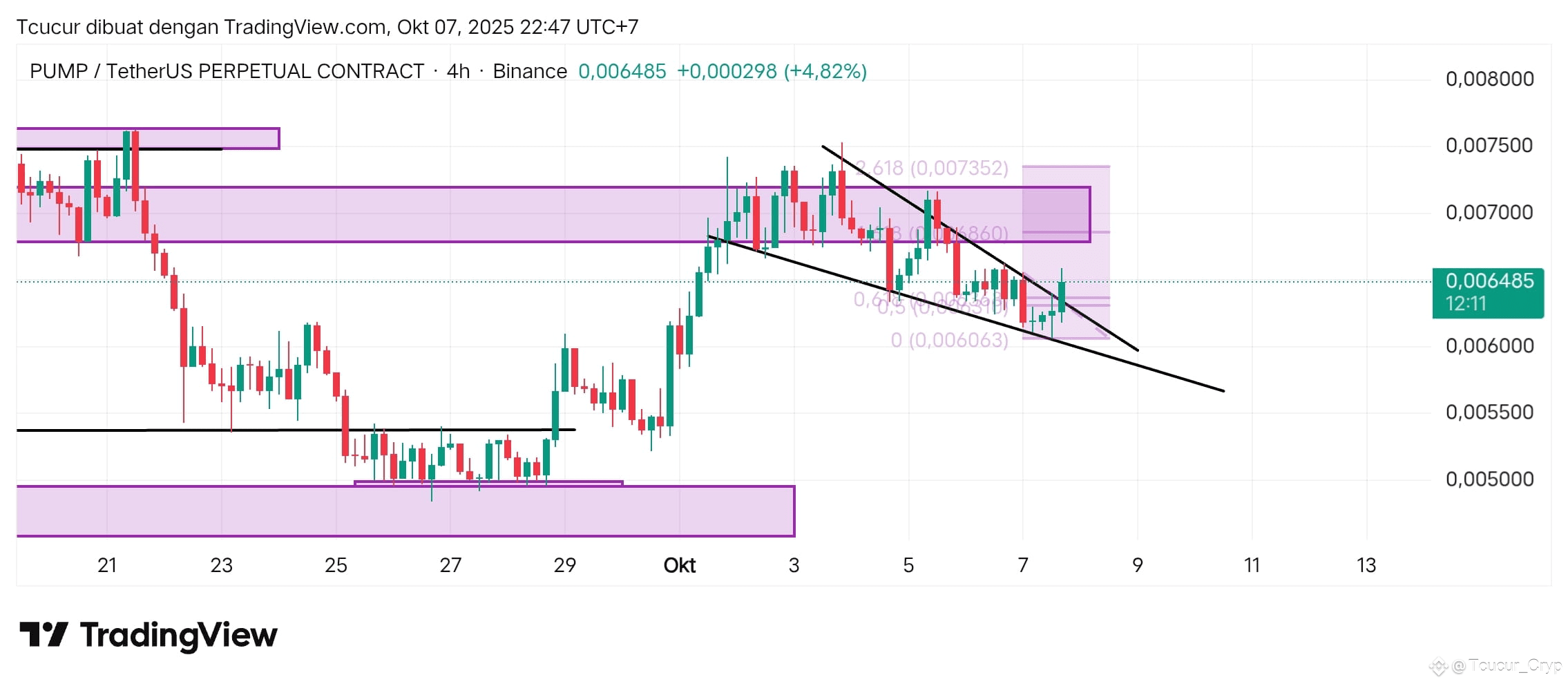
$PUMP Very Strong During Market Correction Guys 🤑🤑
$PUMP Very Strong During Market Correction Guys 🤑🤑
363
·
--
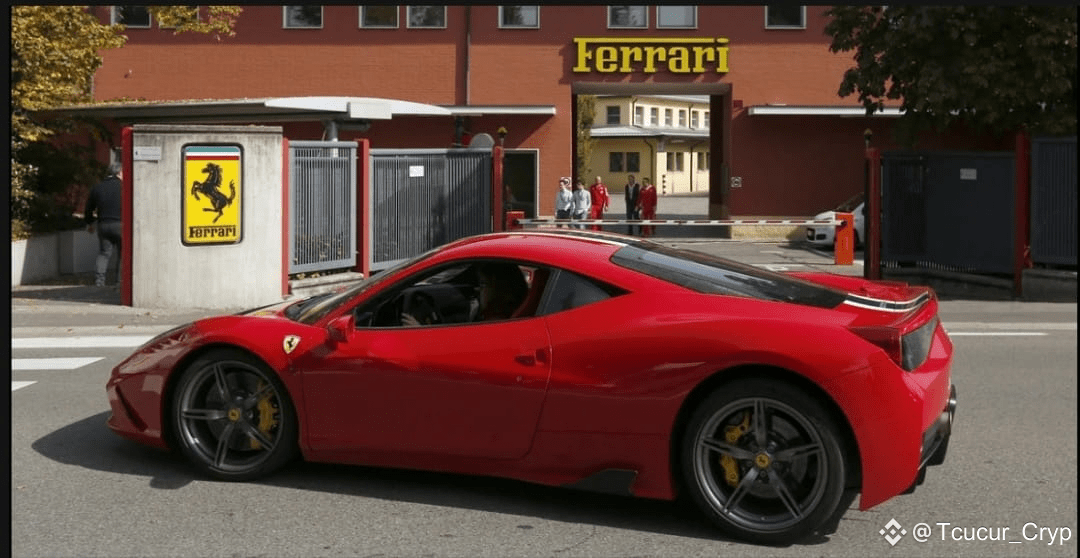
Ferrari has now officially opened the door for crypto millionaires to purchase their luxury sports cars using digital assets such as Bitcoin (BTC), Ethereum (ETH), and stablecoin USDC.
This new policy applies in the United States through a partnership with payment processing company BitPay, which will convert crypto into fiat currency for Ferrari dealers.
Ferrari's Chief Marketing and Commercial Officer Enrico Galliera stated that this move is aimed at reaching a new generation of customers whose wealth comes from digital assets.
"Some of them are young investors building wealth through crypto. This move will help us connect with buyers who were previously not traditional Ferrari customers," said Galliera, citing Reuters.
Ferrari joins a lineup of other car manufacturers accepting crypto payments, such as Lamborghini, Nissan, and BMW at several US dealerships.
Previously, Tesla also allowed car purchases with Bitcoin before halting it in 2021 due to Elon Musk's concerns about energy emissions from Bitcoin mining, although Tesla now hints at the possibility of resuming that policy in the future.
Ferrari has now officially opened the door for crypto millionaires to purchase their luxury sports cars using digital assets such as Bitcoin (BTC), Ethereum (ETH), and stablecoin USDC.
This new policy applies in the United States through a partnership with payment processing company BitPay, which will convert crypto into fiat currency for Ferrari dealers.
Ferrari's Chief Marketing and Commercial Officer Enrico Galliera stated that this move is aimed at reaching a new generation of customers whose wealth comes from digital assets.
"Some of them are young investors building wealth through crypto. This move will help us connect with buyers who were previously not traditional Ferrari customers," said Galliera, citing Reuters.
Ferrari joins a lineup of other car manufacturers accepting crypto payments, such as Lamborghini, Nissan, and BMW at several US dealerships.
Previously, Tesla also allowed car purchases with Bitcoin before halting it in 2021 due to Elon Musk's concerns about energy emissions from Bitcoin mining, although Tesla now hints at the possibility of resuming that policy in the future.
This new policy applies in the United States through a partnership with payment processing company BitPay, which will convert crypto into fiat currency for Ferrari dealers.
Ferrari's Chief Marketing and Commercial Officer Enrico Galliera stated that this move is aimed at reaching a new generation of customers whose wealth comes from digital assets.
"Some of them are young investors building wealth through crypto. This move will help us connect with buyers who were previously not traditional Ferrari customers," said Galliera, citing Reuters.
Ferrari joins a lineup of other car manufacturers accepting crypto payments, such as Lamborghini, Nissan, and BMW at several US dealerships.
Previously, Tesla also allowed car purchases with Bitcoin before halting it in 2021 due to Elon Musk's concerns about energy emissions from Bitcoin mining, although Tesla now hints at the possibility of resuming that policy in the future.
151
·
--
Binance Coin (BNB) successfully surpassed XRP and became the third largest crypto in the world on Tuesday (07/10) after soaring 27.19% in a week.
It is known that the market capitalization of the original token of the Binance crypto exchange increased by more than 5% to US$178.42 billion. This value officially surpassed the market capitalization of XRP, which fell by 0.53% to US$178.19 billion in the last 24 hours.
BNB has experienced a fantastic rally in early October, and has risen 47.16% in the last month, reaching a record high of US$1,283. On the other hand, XRP remains stagnant at US$3 despite the overall crypto market being in the green, including Bitcoin and Ethereum.
Binance Coin (BNB) successfully surpassed XRP and became the third largest crypto in the world on Tuesday (07/10) after soaring 27.19% in a week.
It is known that the market capitalization of the original token of the Binance crypto exchange increased by more than 5% to US$178.42 billion. This value officially surpassed the market capitalization of XRP, which fell by 0.53% to US$178.19 billion in the last 24 hours.
BNB has experienced a fantastic rally in early October, and has risen 47.16% in the last month, reaching a record high of US$1,283. On the other hand, XRP remains stagnant at US$3 despite the overall crypto market being in the green, including Bitcoin and Ethereum.
It is known that the market capitalization of the original token of the Binance crypto exchange increased by more than 5% to US$178.42 billion. This value officially surpassed the market capitalization of XRP, which fell by 0.53% to US$178.19 billion in the last 24 hours.
BNB has experienced a fantastic rally in early October, and has risen 47.16% in the last month, reaching a record high of US$1,283. On the other hand, XRP remains stagnant at US$3 despite the overall crypto market being in the green, including Bitcoin and Ethereum.

95
·
--
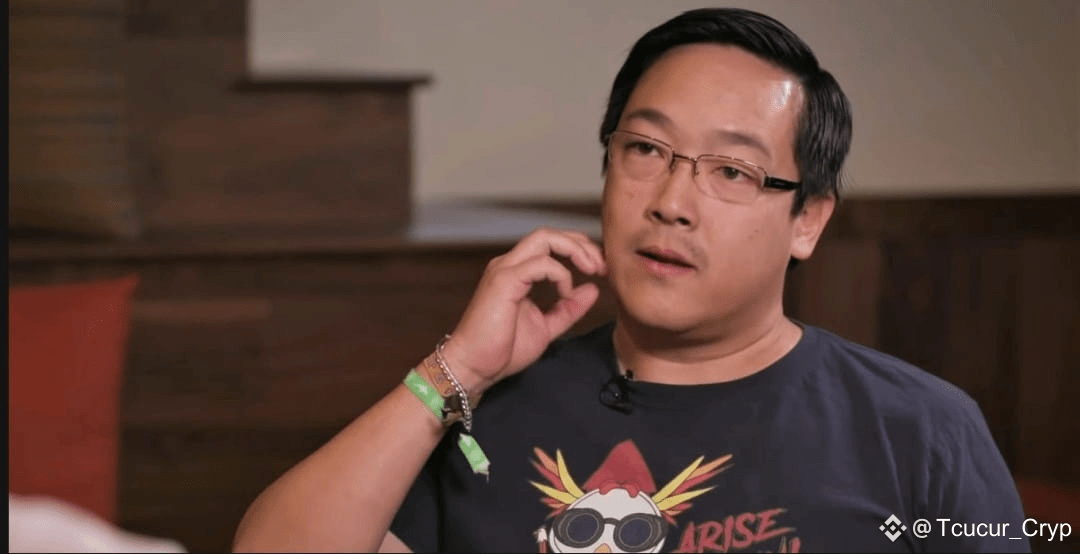
Litecoin (LTC) founder Charlie Lee surprisingly admitted that he regrets creating the cryptocurrency. In an interview, he suggested that people like him should just buy Bitcoin (BTC), hold it, and not sell it at all.
"My advice to myself is actually simple, buy Bitcoin, keep it safe, don't sell it, and don't get involved in other things in the crypto world," Lee said.
He added that being anonymous and not too involved might make his life more peaceful and the results even better. Lee also honestly admitted that creating Litecoin did not make him richer.
"Creating Litecoin actually brought a lot of headaches. If only I had just bought Bitcoin and held it, the results might have been more satisfying," he added.
The statement immediately caught the attention of the crypto community. Many consider Lee's comments to be an honest reflection, as well as a reminder that sometimes the simplest strategies can be the wisest.
Litecoin (LTC) founder Charlie Lee surprisingly admitted that he regrets creating the cryptocurrency. In an interview, he suggested that people like him should just buy Bitcoin (BTC), hold it, and not sell it at all.
"My advice to myself is actually simple, buy Bitcoin, keep it safe, don't sell it, and don't get involved in other things in the crypto world," Lee said.
He added that being anonymous and not too involved might make his life more peaceful and the results even better. Lee also honestly admitted that creating Litecoin did not make him richer.
"Creating Litecoin actually brought a lot of headaches. If only I had just bought Bitcoin and held it, the results might have been more satisfying," he added.
The statement immediately caught the attention of the crypto community. Many consider Lee's comments to be an honest reflection, as well as a reminder that sometimes the simplest strategies can be the wisest.
"My advice to myself is actually simple, buy Bitcoin, keep it safe, don't sell it, and don't get involved in other things in the crypto world," Lee said.
He added that being anonymous and not too involved might make his life more peaceful and the results even better. Lee also honestly admitted that creating Litecoin did not make him richer.
"Creating Litecoin actually brought a lot of headaches. If only I had just bought Bitcoin and held it, the results might have been more satisfying," he added.
The statement immediately caught the attention of the crypto community. Many consider Lee's comments to be an honest reflection, as well as a reminder that sometimes the simplest strategies can be the wisest.
20
9
47
68k
·
--
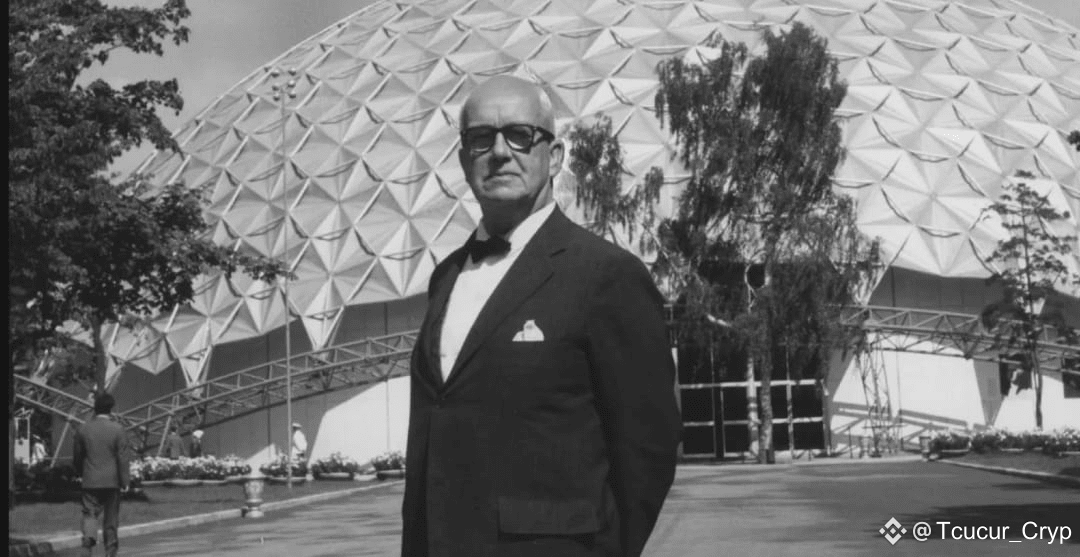
Long before Satoshi Nakamoto created Bitcoin (BTC), the visionary figure from the United States, Richard Buckminster Fuller, envisioned a new energy-based economic system since the 1960s. Although he did not literally mention Bitcoin, he predicted the emergence of digital forms of money long before the term crypto was known to the world,
"I will talk about something that will become one of the great awarenesses by the year 2000," he said in an interview in 1967.
Fuller explained about a new currency that would trigger a wealth revolution in 2018. His views on the future financial system align with the ideas of economists like Friedrich Hayek and Milton Friedman, who also predicted the emergence of digital money.
"A realistic scientific accounting system, where wealth is no longer gold like in the pirate era, but rather energy," he continued.
Fuller is also known as the 'grandfather of the future' because he always rejected outdated and inefficient old systems. For this, he emphasized the need for a new system that is fair and based on science.
On the other hand, Robert Kiyosaki, the author of the book Rich Dad Poor Dad, also assessed that Fuller predicted blockchain. In his experience meeting the inventor directly in the 1980s, Kiyosaki believes that what Fuller predicted was actually blockchain, the foundation of today's cryptocurrency.
His ideas about the digital economy are also reflected in his famous book titled Critical Path (1981). In that book, he wrote that computers would enable the electronic distribution of wealth through transparent digital games without central authority.
According to him, systems like this would move goods and services efficiently, with incentives for those who are willing to participate, similar to Bitcoin.
Long before Satoshi Nakamoto created Bitcoin (BTC), the visionary figure from the United States, Richard Buckminster Fuller, envisioned a new energy-based economic system since the 1960s. Although he did not literally mention Bitcoin, he predicted the emergence of digital forms of money long before the term crypto was known to the world,
"I will talk about something that will become one of the great awarenesses by the year 2000," he said in an interview in 1967.
Fuller explained about a new currency that would trigger a wealth revolution in 2018. His views on the future financial system align with the ideas of economists like Friedrich Hayek and Milton Friedman, who also predicted the emergence of digital money.
"A realistic scientific accounting system, where wealth is no longer gold like in the pirate era, but rather energy," he continued.
Fuller is also known as the 'grandfather of the future' because he always rejected outdated and inefficient old systems. For this, he emphasized the need for a new system that is fair and based on science.
On the other hand, Robert Kiyosaki, the author of the book Rich Dad Poor Dad, also assessed that Fuller predicted blockchain. In his experience meeting the inventor directly in the 1980s, Kiyosaki believes that what Fuller predicted was actually blockchain, the foundation of today's cryptocurrency.
His ideas about the digital economy are also reflected in his famous book titled Critical Path (1981). In that book, he wrote that computers would enable the electronic distribution of wealth through transparent digital games without central authority.
According to him, systems like this would move goods and services efficiently, with incentives for those who are willing to participate, similar to Bitcoin.
"I will talk about something that will become one of the great awarenesses by the year 2000," he said in an interview in 1967.
Fuller explained about a new currency that would trigger a wealth revolution in 2018. His views on the future financial system align with the ideas of economists like Friedrich Hayek and Milton Friedman, who also predicted the emergence of digital money.
"A realistic scientific accounting system, where wealth is no longer gold like in the pirate era, but rather energy," he continued.
Fuller is also known as the 'grandfather of the future' because he always rejected outdated and inefficient old systems. For this, he emphasized the need for a new system that is fair and based on science.
On the other hand, Robert Kiyosaki, the author of the book Rich Dad Poor Dad, also assessed that Fuller predicted blockchain. In his experience meeting the inventor directly in the 1980s, Kiyosaki believes that what Fuller predicted was actually blockchain, the foundation of today's cryptocurrency.
His ideas about the digital economy are also reflected in his famous book titled Critical Path (1981). In that book, he wrote that computers would enable the electronic distribution of wealth through transparent digital games without central authority.
According to him, systems like this would move goods and services efficiently, with incentives for those who are willing to participate, similar to Bitcoin.
1
1.4k
·
--
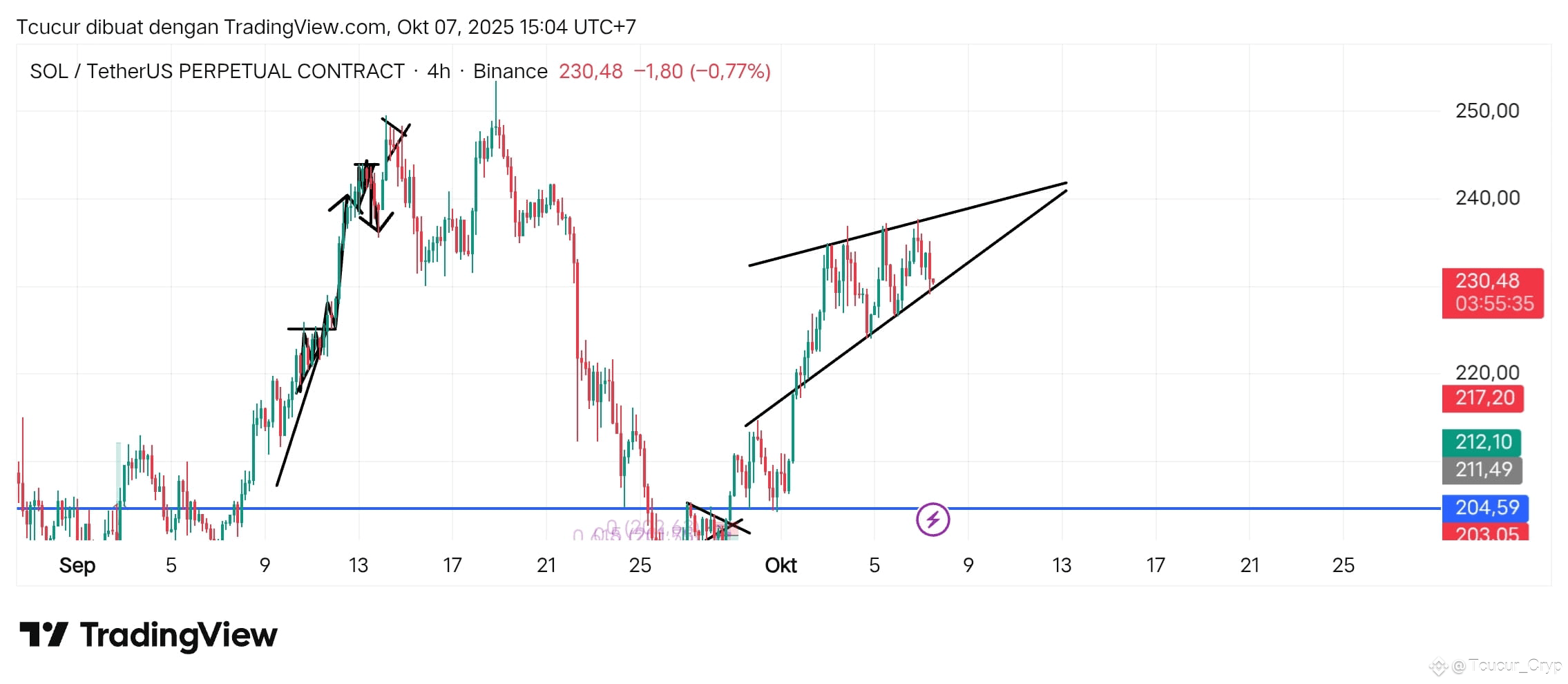
Solana is Currently Forming a Rising Wedge $SOL
{spot}(SOLUSDT)
Solana is Currently Forming a Rising Wedge $SOL
74
Log in to explore more content
Join global crypto users on Binance Square
⚡️ Get latest and useful information about crypto.
💬 Trusted by the world’s largest crypto exchange.
👍 Discover real insights from verified creators.
Email / Phone number