
The Yaga Calls
643 Posts
The Yaga Calls
Report
Block User
Twitter(X) id - '@YagaCalls' | Market strategist|Analyst | whale tracker
11 Following
560 Followers
567 Liked
Posts
All
Quotes
Videos
#Educational 📚
The world’s simplest trading strategy for you ~
Explained in this video 👇
#Educational 📚
The world’s simplest trading strategy for you ~
Explained in this video 👇
The world’s simplest trading strategy for you ~
Explained in this video 👇
36
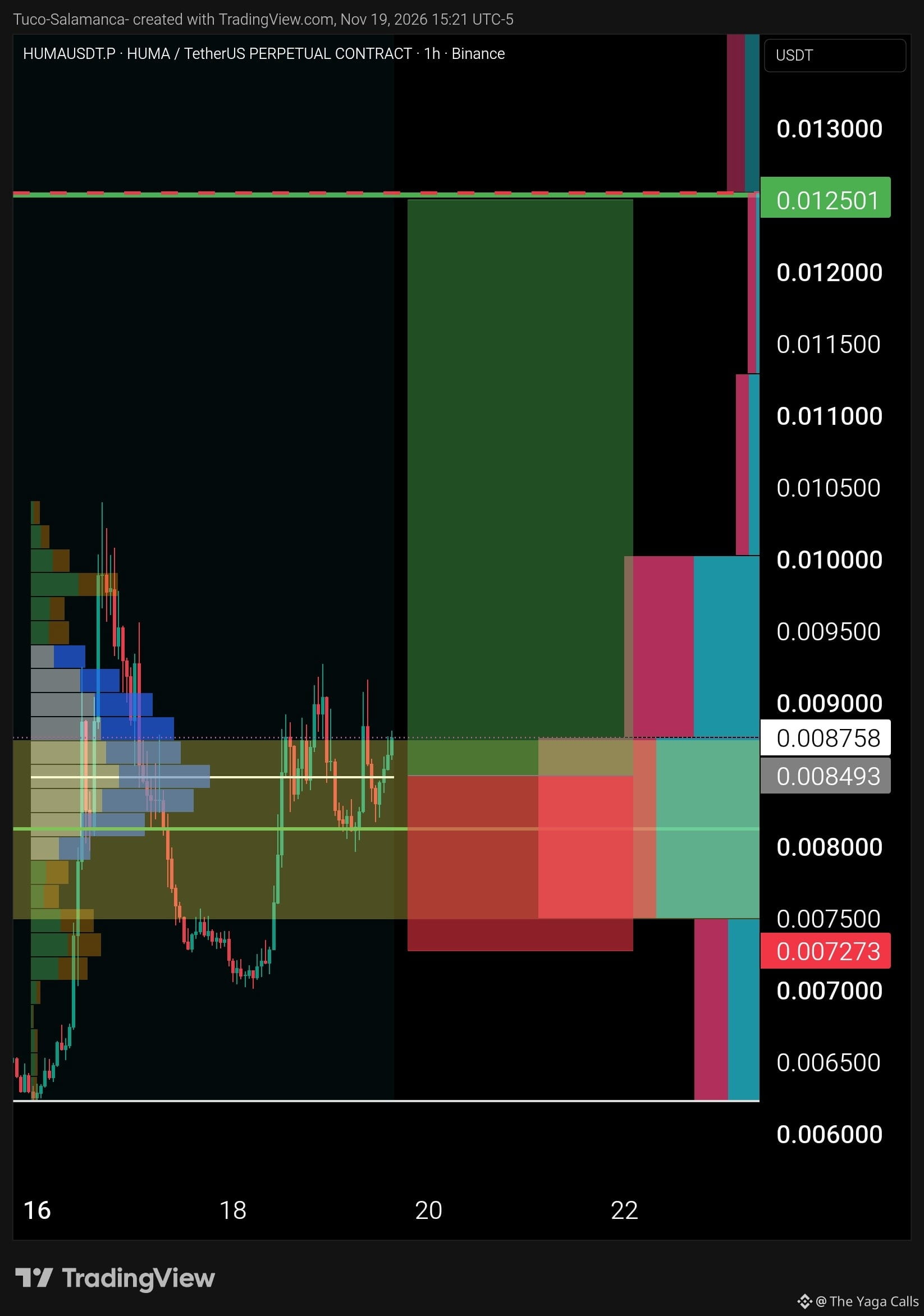
$HUMA is consolidating after the recent move.
Price is holding above the key zone. A clean push from here could open the next leg.
You watching this or already in?
{future}(HUMAUSDT)
$HUMA is consolidating after the recent move.
Price is holding above the key zone. A clean push from here could open the next leg.
You watching this or already in?
Price is holding above the key zone. A clean push from here could open the next leg.
You watching this or already in?
The Yaga Calls
·
--
Bullish$HUMA
Entry zone again 👀👀👀
Entry zone again 👀👀👀
323
·
--
Bullish
$EVAA is still printing on spot.
These kinds of moves are what most $10 mentors never deliver. They push 20x leverage for screenshots, but clean spot gains like this are rare.
You still fading it or finally paying attention?
$EVAA is still printing on spot.
These kinds of moves are what most $10 mentors never deliver. They push 20x leverage for screenshots, but clean spot gains like this are rare.
You still fading it or finally paying attention?
These kinds of moves are what most $10 mentors never deliver. They push 20x leverage for screenshots, but clean spot gains like this are rare.
You still fading it or finally paying attention?
The Yaga Calls
·
--
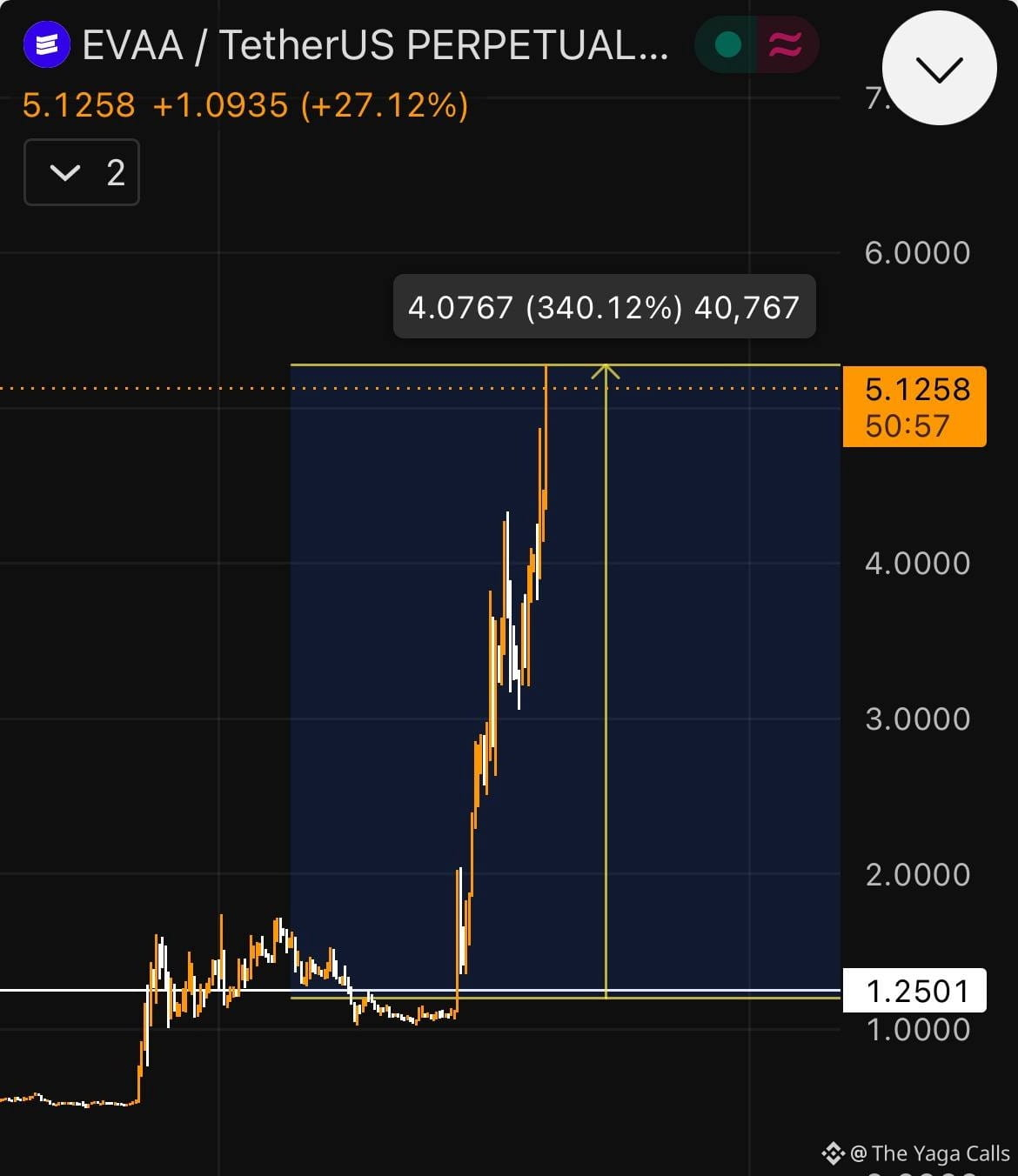
$EVAA is still on Horny Mood🥵
Price keeps running after the 292% pump and is already up big from the lows.
You still ignoring it or finally looking?
Price keeps running after the 292% pump and is already up big from the lows.
You still ignoring it or finally looking?
467
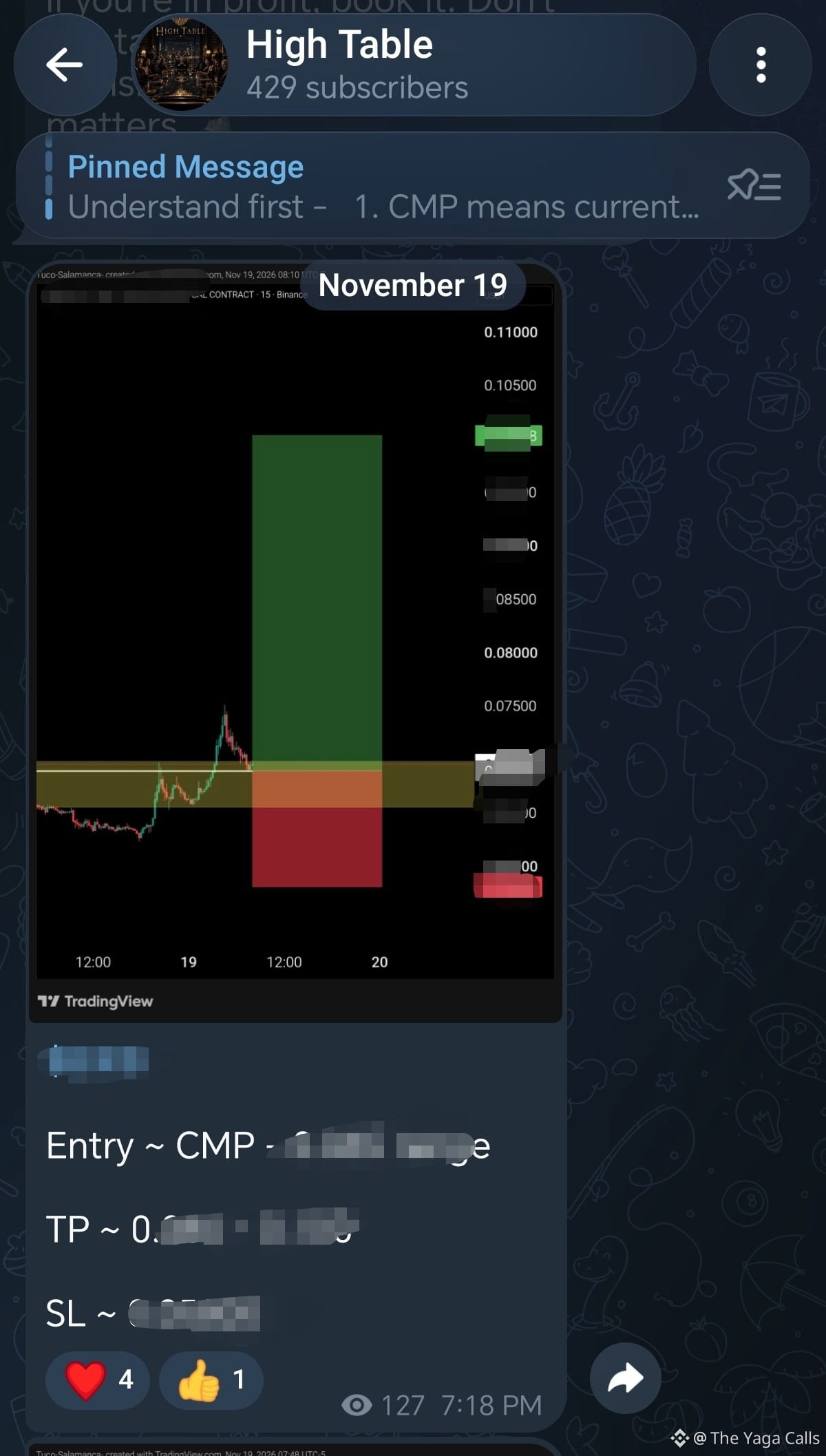
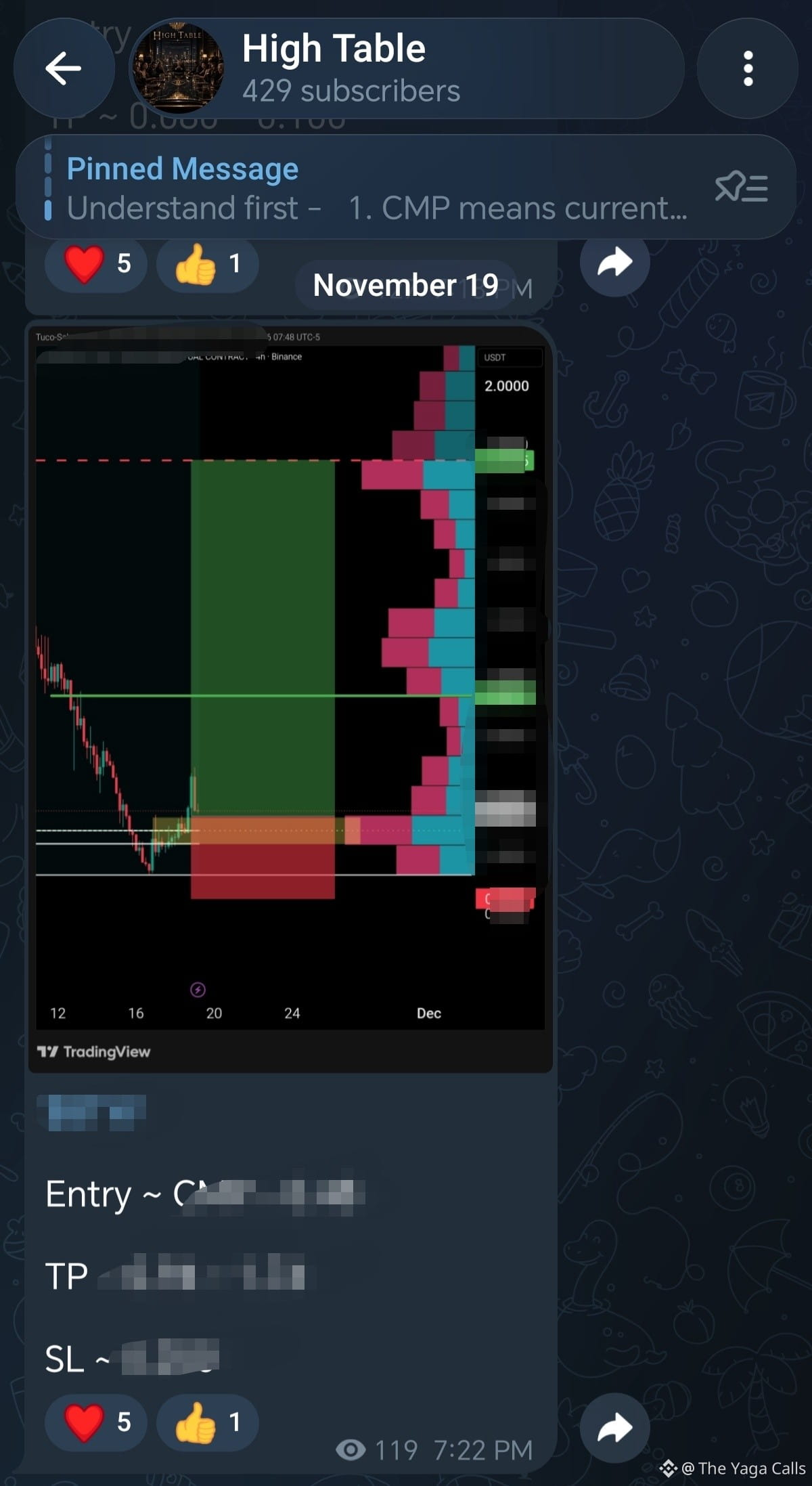
Missed $EVAA ?
Two new setups just dropped in High Table.
Both are already in play. Don’t say I didn’t warn you.
You still watching from the side or finally joining?
Missed $EVAA ?
Two new setups just dropped in High Table.
Both are already in play. Don’t say I didn’t warn you.
You still watching from the side or finally joining?
Two new setups just dropped in High Table.
Both are already in play. Don’t say I didn’t warn you.
You still watching from the side or finally joining?
251
Let's go☕☕
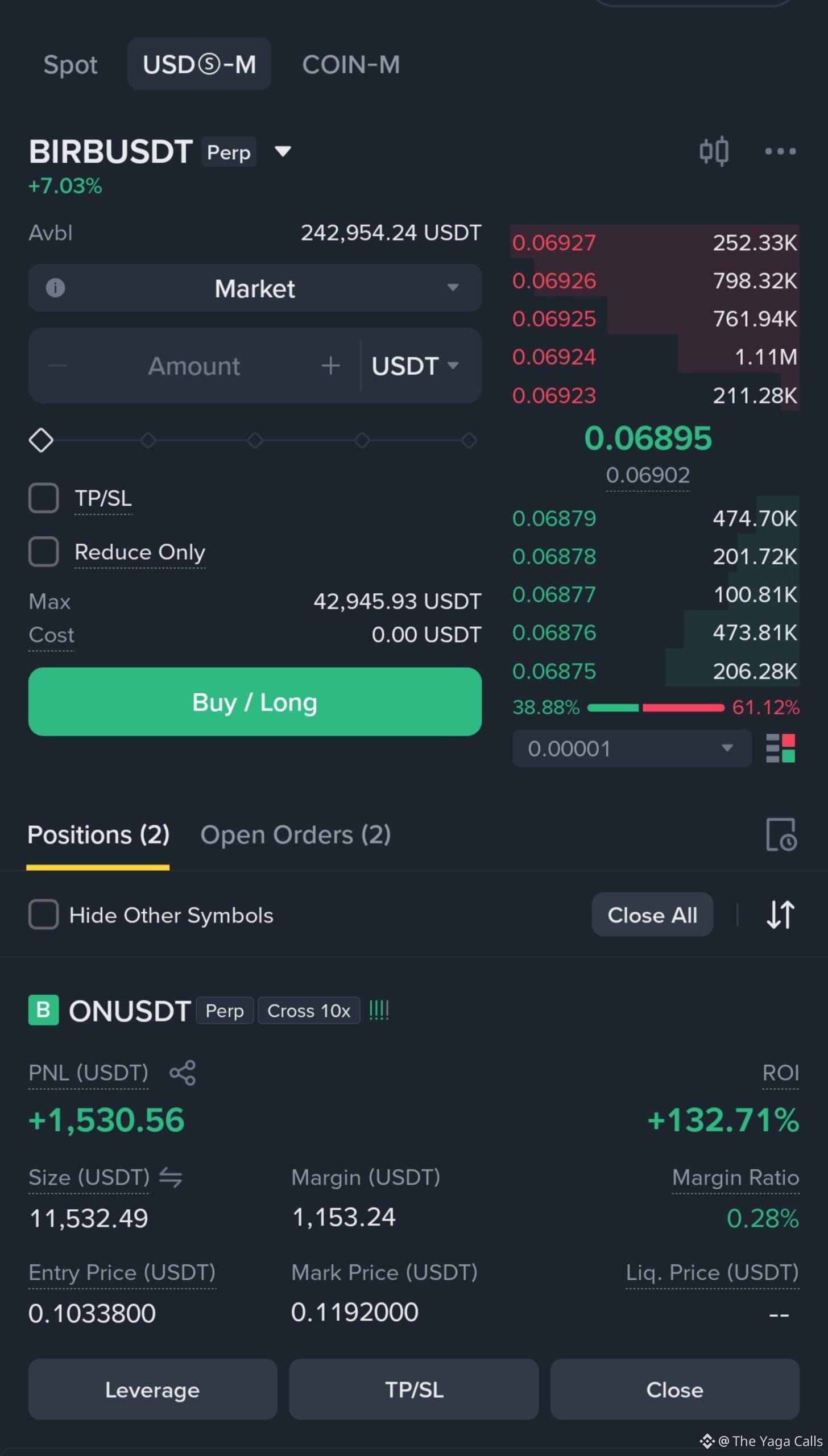
$ON is Playing 🐎
Let's go☕☕
$ON is Playing 🐎
$ON is Playing 🐎
The Yaga Calls
·
--
$ON
Slow mover, but the liquidity is good enough to print some serious gains. 🔥🔥
Patience is the key. Let liquidity do the work. 🗿
Slow mover, but the liquidity is good enough to print some serious gains. 🔥🔥
Patience is the key. Let liquidity do the work. 🗿
25
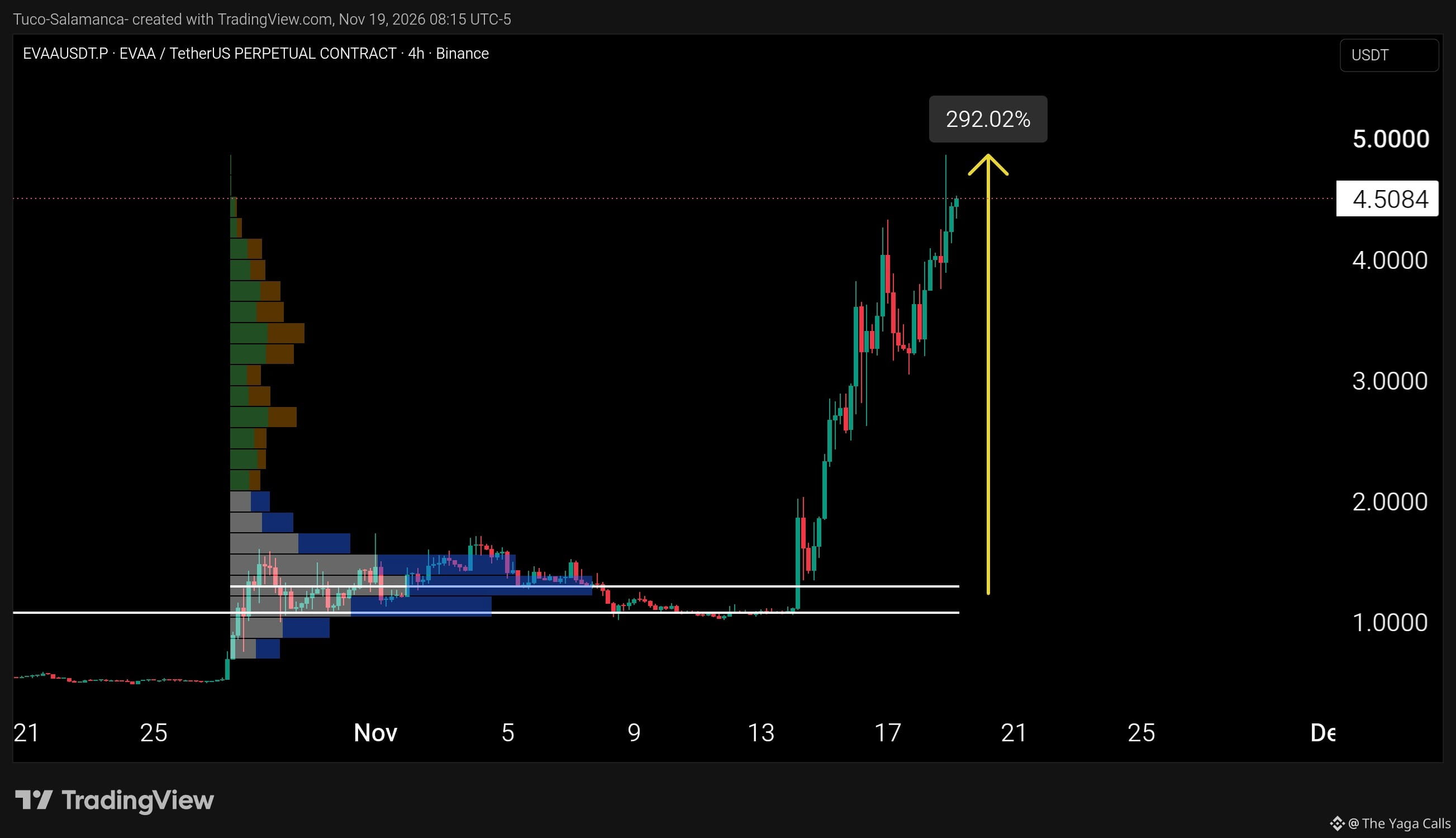
$EVAA is still on Horny Mood🥵
Price keeps running after the 292% pump and is already up big from the lows.
You still ignoring it or finally looking?
$EVAA is still on Horny Mood🥵
Price keeps running after the 292% pump and is already up big from the lows.
You still ignoring it or finally looking?
Price keeps running after the 292% pump and is already up big from the lows.
You still ignoring it or finally looking?
The Yaga Calls
·
--
$EVAA
Looking Horny 🥵
Looking Horny 🥵
1
424
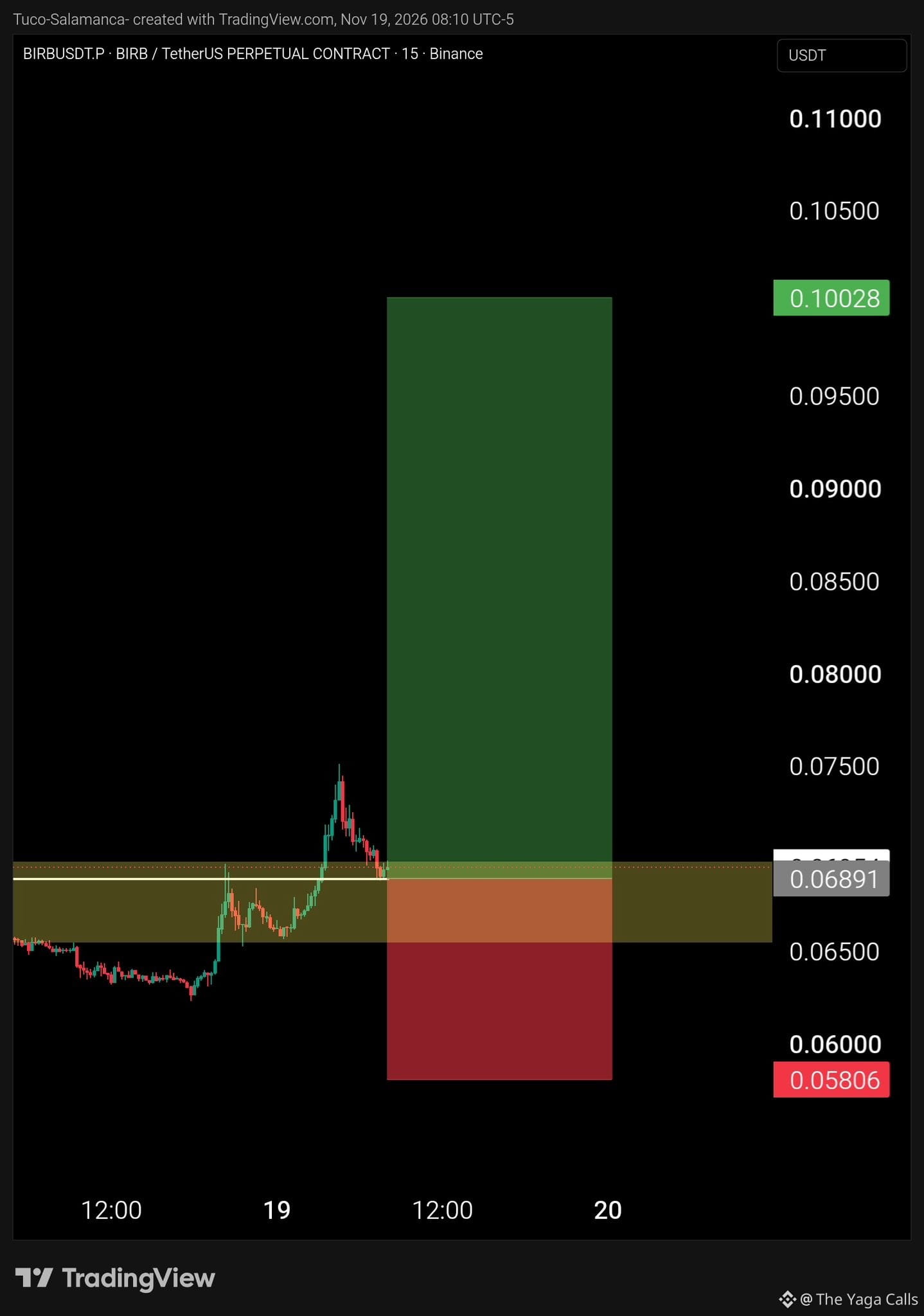
$BIRB is back testing the breakout zone.
Price has pulled back to the area it broke earlier. If buyers defend it, another push stays open.
You watching this or already in?
$BIRB is back testing the breakout zone.
Price has pulled back to the area it broke earlier. If buyers defend it, another push stays open.
You watching this or already in?
Price has pulled back to the area it broke earlier. If buyers defend it, another push stays open.
You watching this or already in?
231
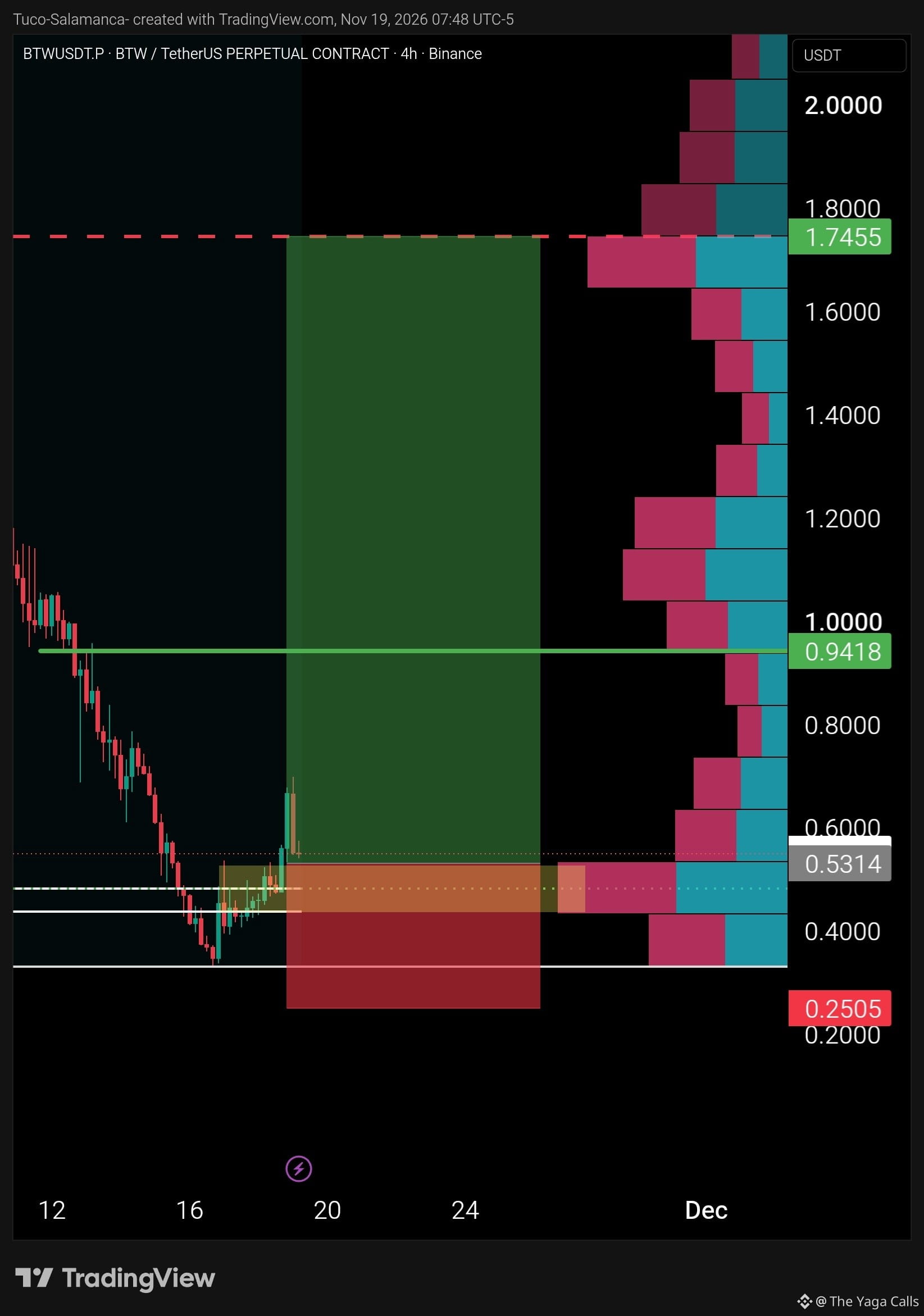
$BTW is consolidating after the recent move.
Price is holding above the key zone. A clean push from here could open the next leg.
You watching this or already in?
$BTW is consolidating after the recent move.
Price is holding above the key zone. A clean push from here could open the next leg.
You watching this or already in?
Price is holding above the key zone. A clean push from here could open the next leg.
You watching this or already in?
307
·
--
Bullish
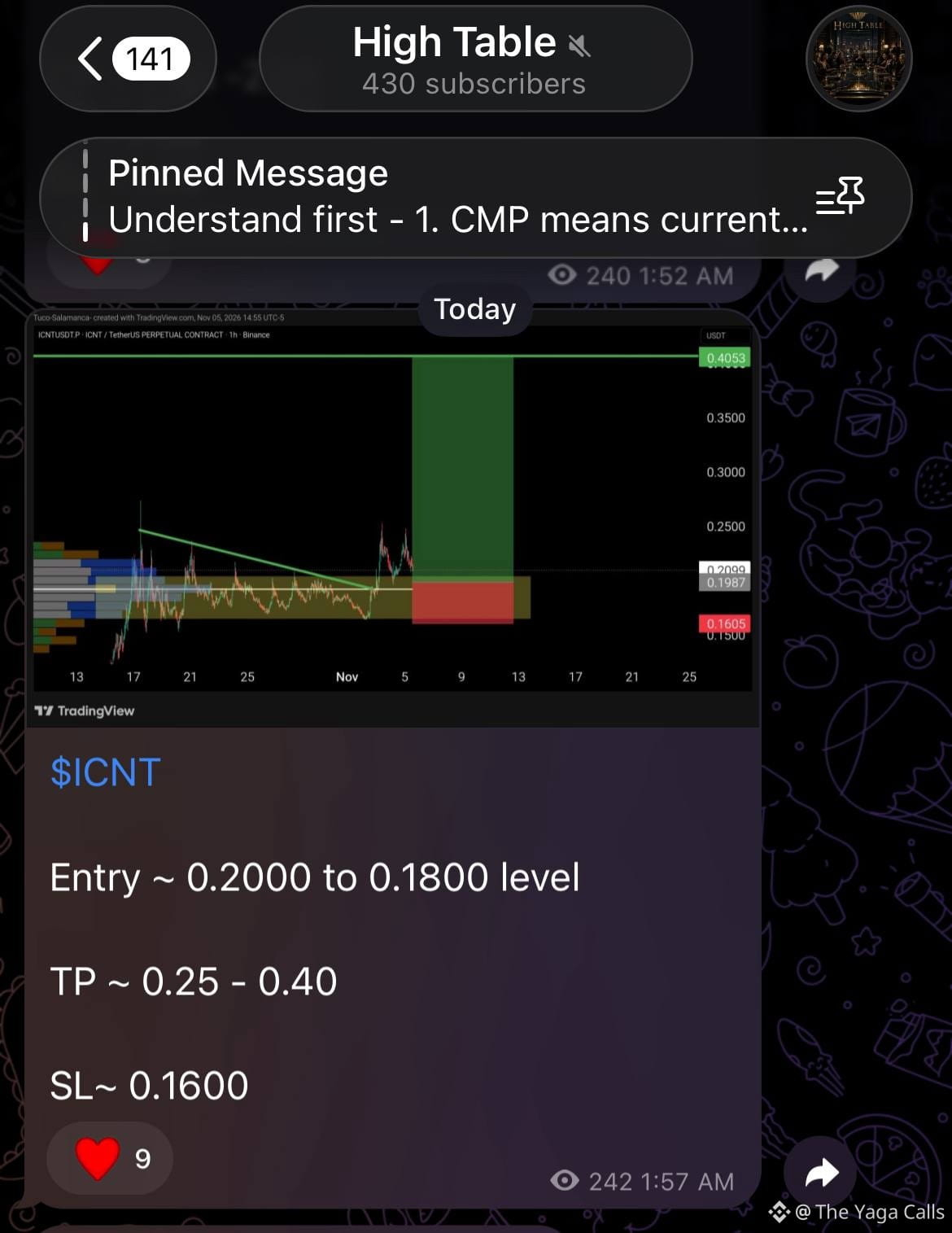
$ICNT 🐤
Beautifully crushed our second target 📌
Unfortunately, you missed ~ Cause you are not one of my High Table members 😎
$ICNT 🐤
Beautifully crushed our second target 📌
Unfortunately, you missed ~ Cause you are not one of my High Table members 😎
Beautifully crushed our second target 📌
Unfortunately, you missed ~ Cause you are not one of my High Table members 😎
The Yaga Calls
·
--
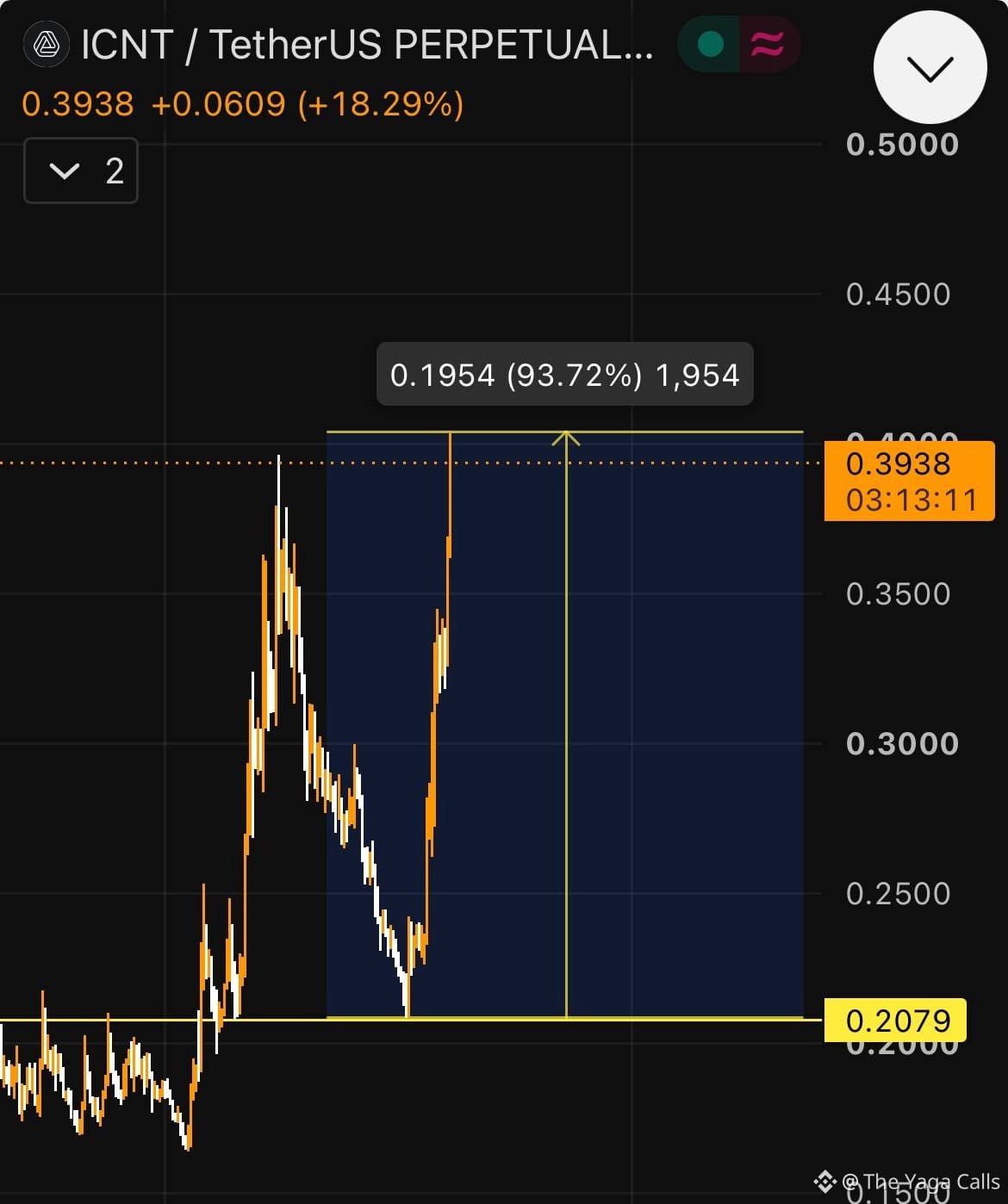
$ICNT 👑
73% on SPOT 🔥
Know who is the trend setter here
$IDOL $AKE
73% on SPOT 🔥
Know who is the trend setter here
$IDOL $AKE
217
Institutions just got a cleaner way to trade without dumping their stack.
Anchorage Digital and Kalshi Prime rolled out HODL Margining so clients can post BTC and stablecoins sitting in Anchorage’s federally chartered bank vault as margin on Kalshi’s CFTC-regulated perps and prediction markets. Assets stay locked in custody the whole time no wire, no sale, no new custodian.
It’s a tri-party setup that removes the old “sell to raise margin” friction. Custody risk and liquidation risk still sit with the client.
Is this the missing piece for more funds to put idle $BTC to work, or will most still prefer pure spot/ETF exposure?
#InstitutionalCrypto #bitcoin

125
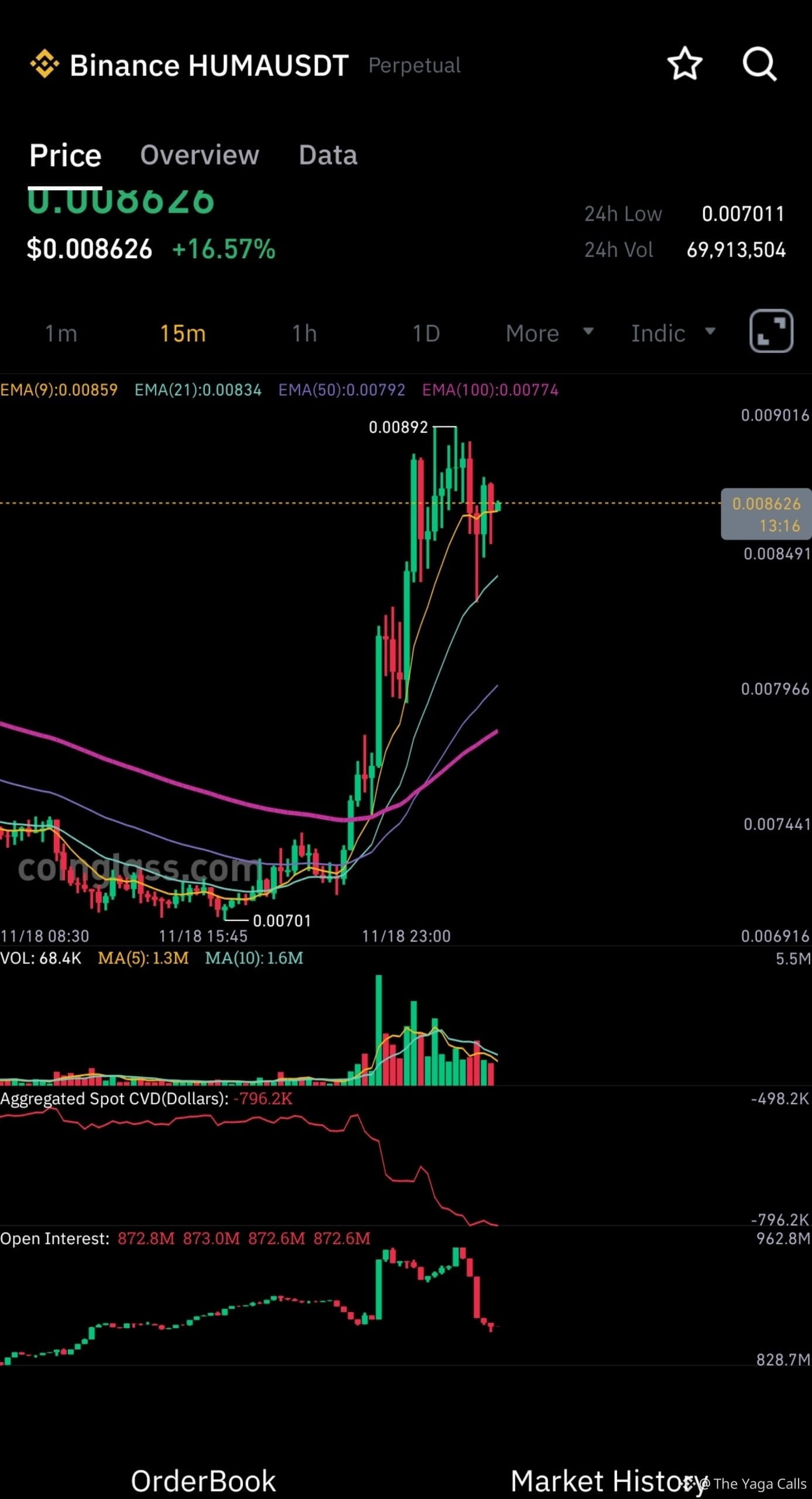
Not interested in $HUMA anymore
Volume declining
Spot selling
Oi falling
Pure manipulation+26nov unlocking event
Not interested in $HUMA anymore
Volume declining
Spot selling
Oi falling
Pure manipulation+26nov unlocking event
Volume declining
Spot selling
Oi falling
Pure manipulation+26nov unlocking event
The Yaga Calls
·
--
Bullish$HUMA
Entry zone again 👀👀👀
Entry zone again 👀👀👀
258
·
--
Bullish
$HUMA
Entry zone again 👀👀👀
{future}(HUMAUSDT)
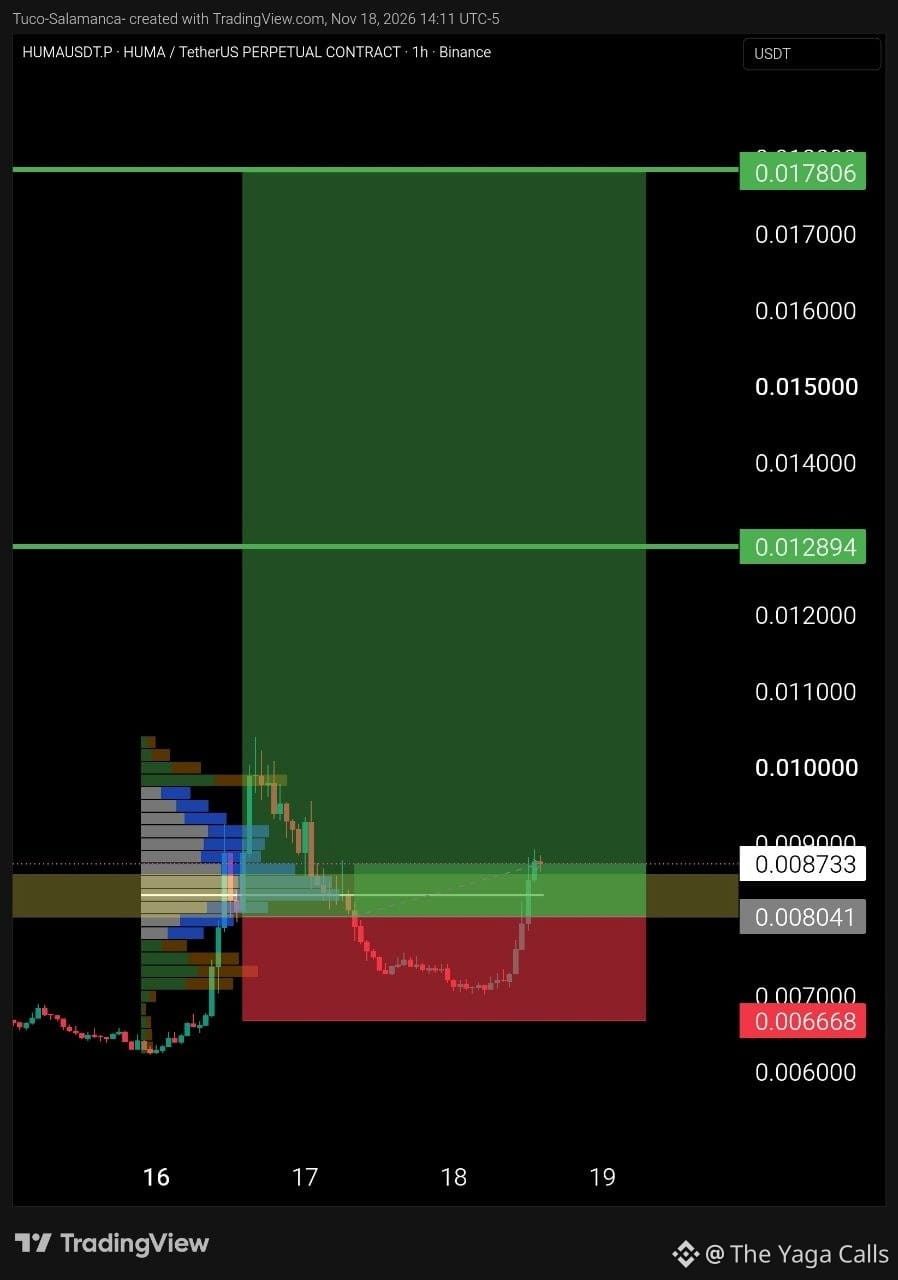
$HUMA
Entry zone again 👀👀👀
Entry zone again 👀👀👀
The Yaga Calls
·
--
$HUMA just delivered 29% on spot for High Table members.
Yesterday $JCT and $ASTER . Today $Huma. Scalp setups are playing out cleanly.
You still watching from the side?
Yesterday $JCT and $ASTER . Today $Huma. Scalp setups are playing out cleanly.
You still watching from the side?
2
342
$ON
Slow mover, but the liquidity is good enough to print some serious gains. 🔥🔥
Patience is the key. Let liquidity do the work. 🗿
{future}(ONUSDT)
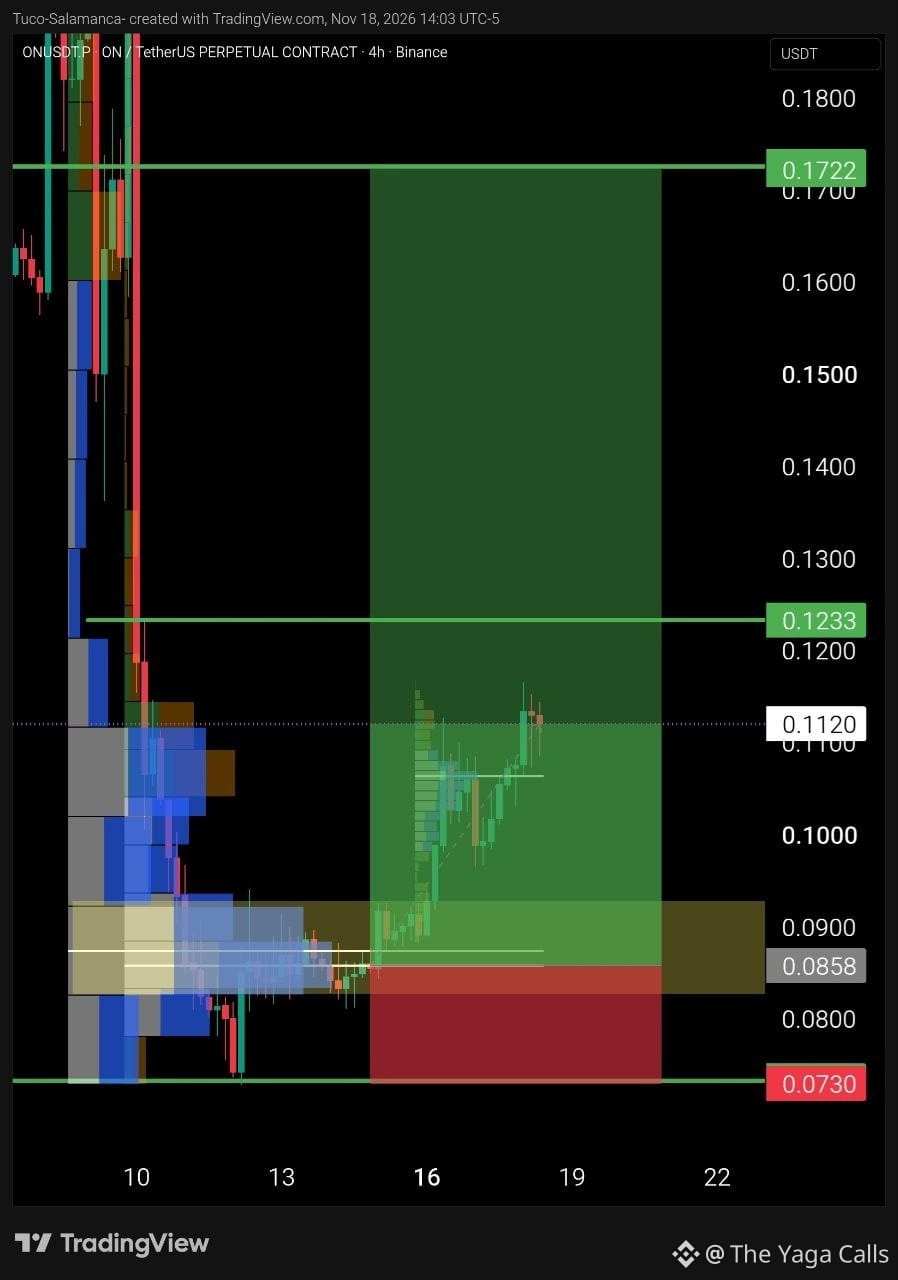
$ON
Slow mover, but the liquidity is good enough to print some serious gains. 🔥🔥
Patience is the key. Let liquidity do the work. 🗿
Slow mover, but the liquidity is good enough to print some serious gains. 🔥🔥
Patience is the key. Let liquidity do the work. 🗿
The Yaga Calls
·
--
$ON
Looking more interesting to me,,sellers are aggressive let's see if buyers can defend the 0.090 level or not,if they defend i will DCA more
Waiting for a healthy pull back ☕☕
1
1
376
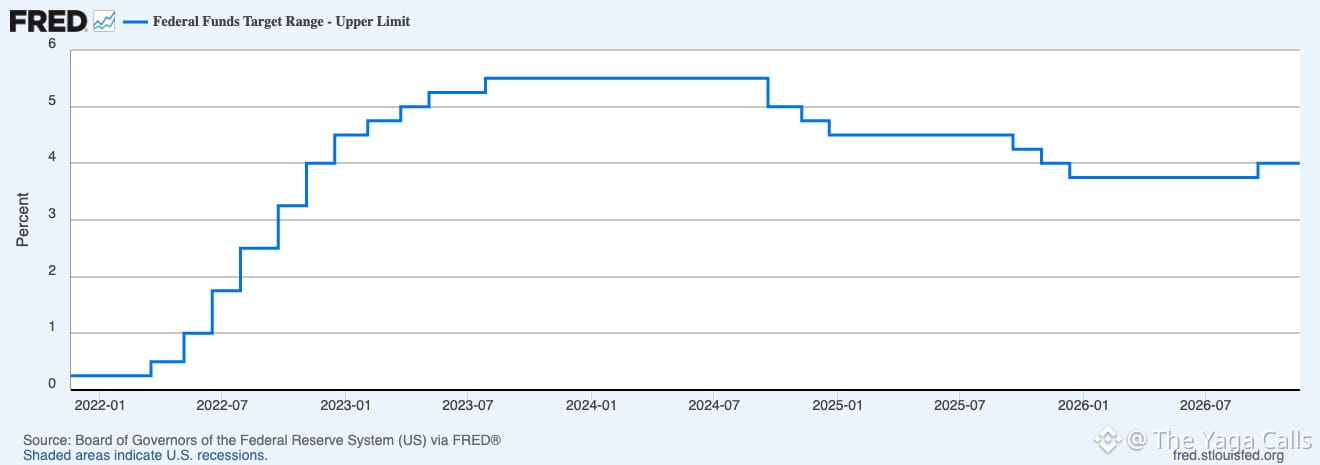
Fed Governor Christopher Waller floated a possible “shock” half-point rate hike at the December meeting, and $BTC is still digesting the pressure.
Waller told CNBC that inflation is heading in the wrong direction and spreading beyond oil-related items. He said the Fed may need to reverse the three quarter-point cuts from last year and, if it is not ready to signal a faster pace of hikes, it should consider a 50 basis point move in December to “shock people.” Markets are already pricing a high probability of at least a quarter-point hike on December 8-9, with the 2-year Treasury yield pushing higher after his comments.
$BTC is trading near $64,000, roughly 22–26% below its October high. The drop has coincided with hotter inflation data, rising rate-hike expectations, and leverage flushes. Higher rates raise the opportunity cost of holding a non-yielding asset, and a stronger dollar has added further pressure. Crypto has lagged the recent rebound in equity futures, showing that the rate path is still the dominant short-term driver.
A 50bp hike is not the base case yet, but the fact that a Fed official is openly discussing it keeps the risk of further downside alive if inflation stays sticky. History shows Bitcoin has often struggled in the month after rate hikes. The key levels to watch remain the recent lows near $62,000 and whether buyers can defend the $64,000 area into the December meeting.
Is the market already pricing the worst of the rate shock, or is there still more downside if Waller gets his way?
#bitcoin #crypto #Macro
Check my pin post for premium setups 👉
191
{future}(ONUSDT)
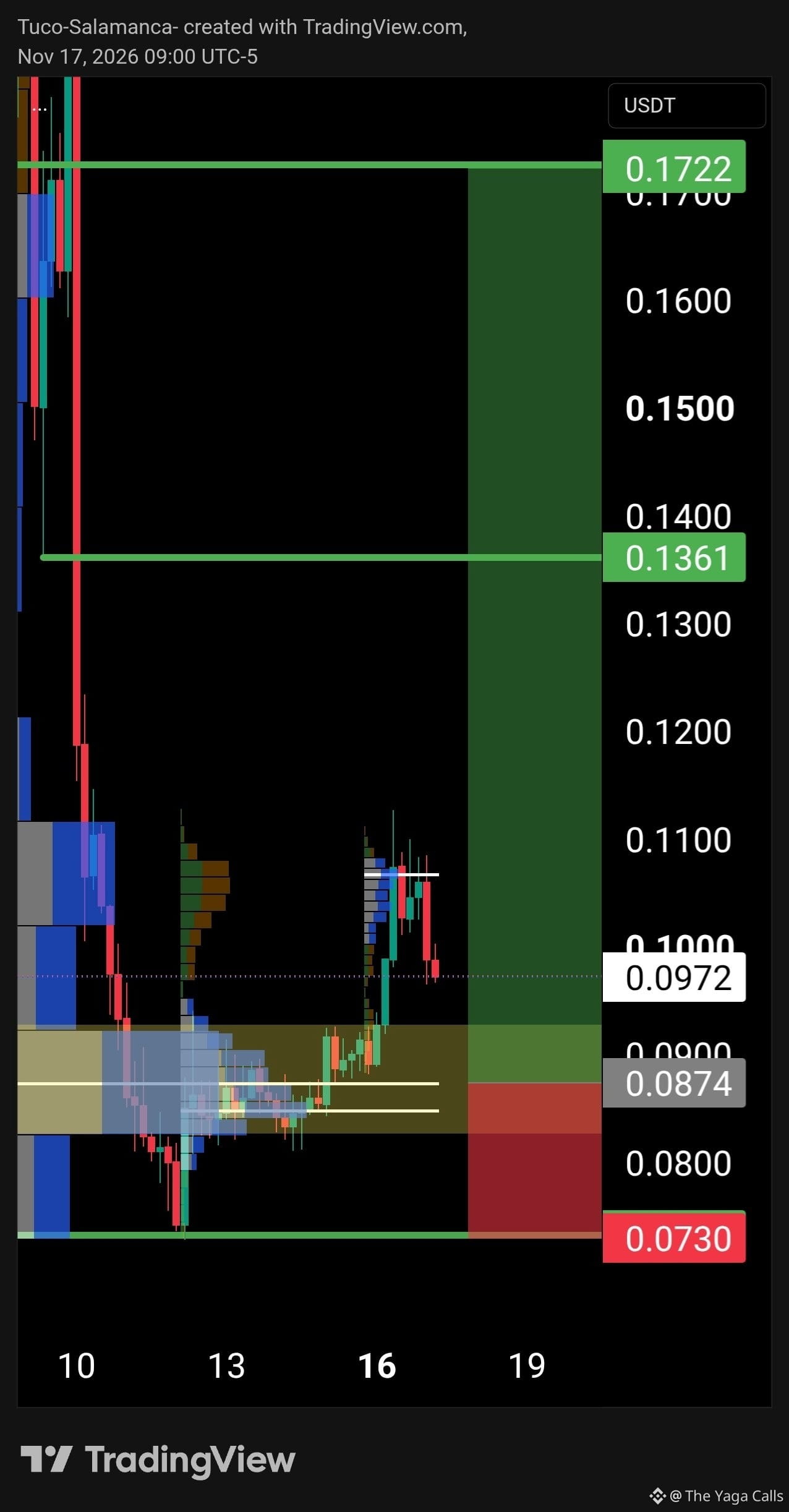
$ON
Looking more interesting to me,,sellers are aggressive let's see if buyers can defend the 0.090 level or not,if they defend i will DCA more
Waiting for a healthy pull back ☕☕
$ON
Looking more interesting to me,,sellers are aggressive let's see if buyers can defend the 0.090 level or not,if they defend i will DCA more
Waiting for a healthy pull back ☕☕
Looking more interesting to me,,sellers are aggressive let's see if buyers can defend the 0.090 level or not,if they defend i will DCA more
Waiting for a healthy pull back ☕☕
1
1
444
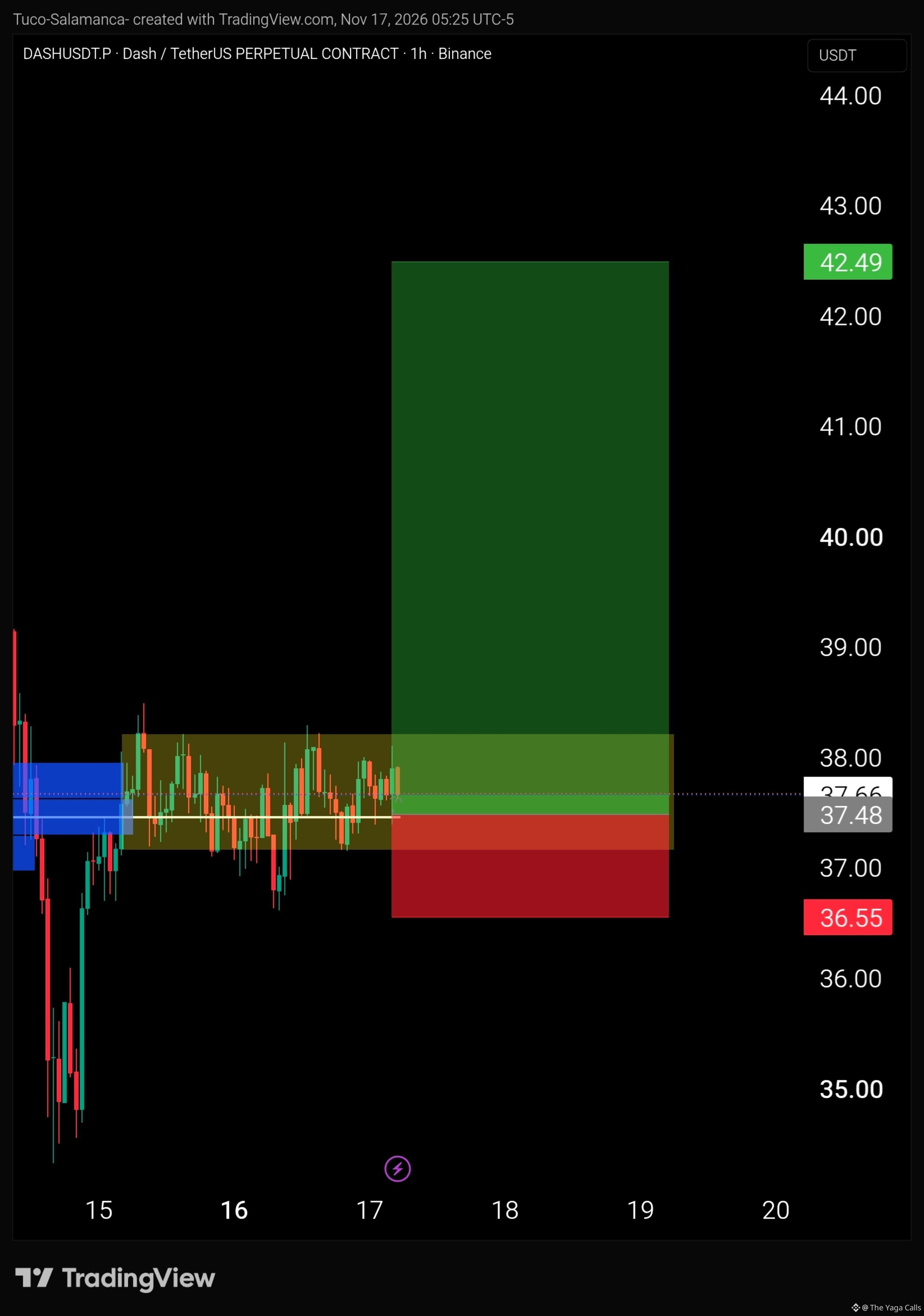
$DASH is holding up well after the recent move.
Price is consolidating near the current range. A clean push from here could open the next leg higher.
You watching this one or already in?
$DASH is holding up well after the recent move.
Price is consolidating near the current range. A clean push from here could open the next leg higher.
You watching this one or already in?
Price is consolidating near the current range. A clean push from here could open the next leg higher.
You watching this one or already in?
2
510
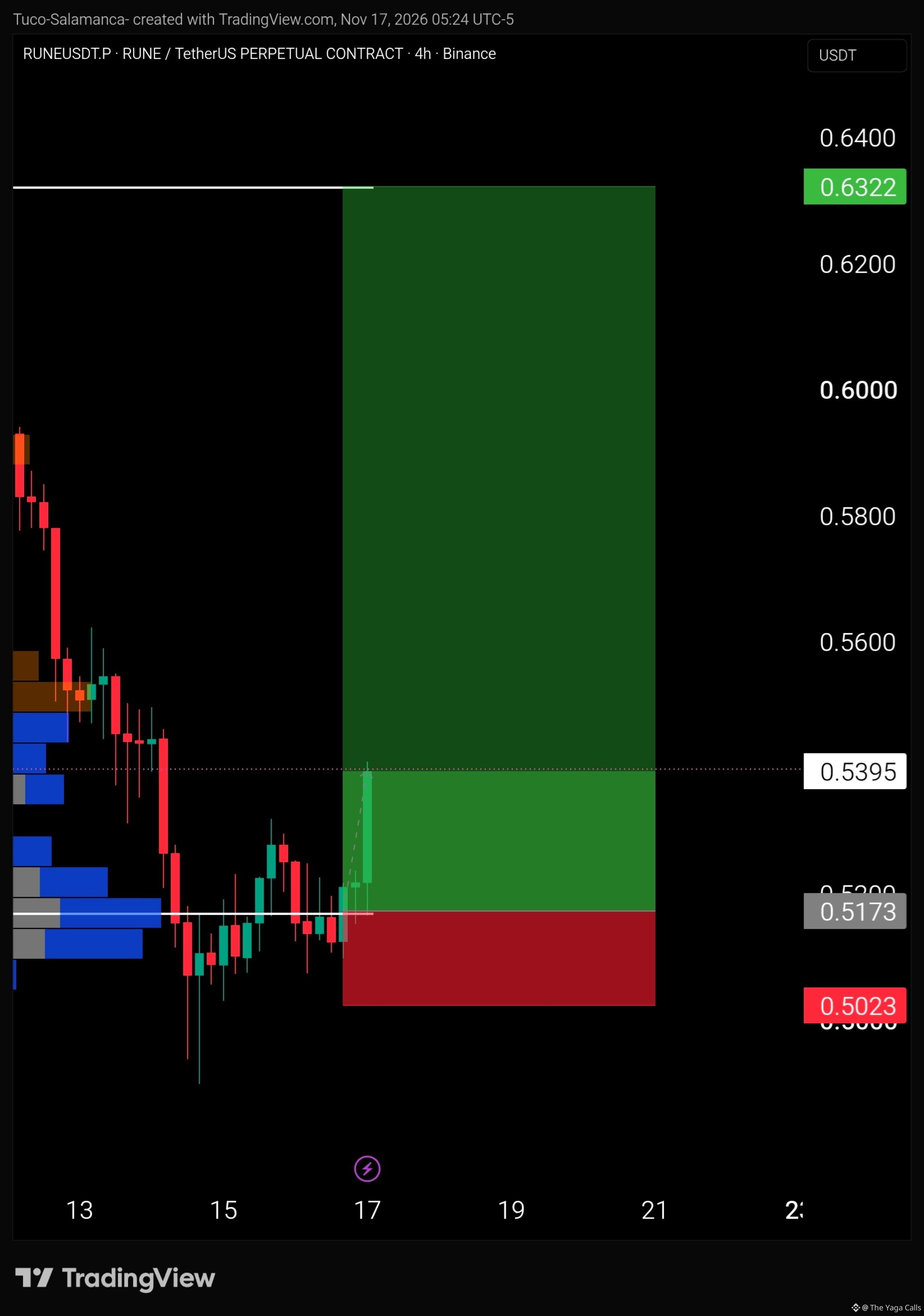
$RUNE is starting to look interesting.
Price is consolidating near a key zone. A clean push from here could open the next leg.
You watching this or still waiting?
$RUNE is starting to look interesting.
Price is consolidating near a key zone. A clean push from here could open the next leg.
You watching this or still waiting?
Price is consolidating near a key zone. A clean push from here could open the next leg.
You watching this or still waiting?
223
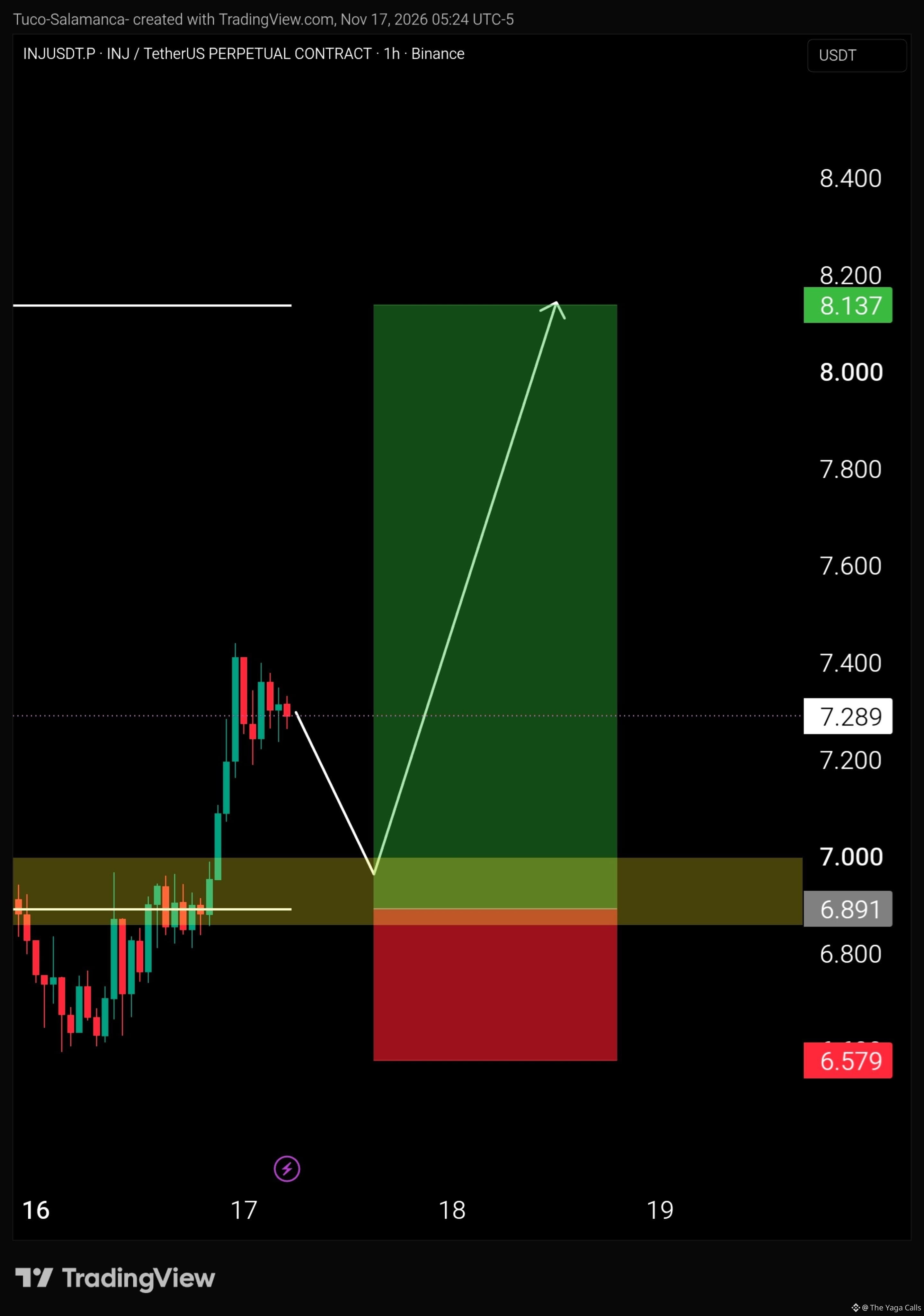
$INJ could see a bit more downside before the next move higher.
Price is approaching a key zone. If buyers step in, a bounce stays open.
You watching this or still waiting?
$INJ could see a bit more downside before the next move higher.
Price is approaching a key zone. If buyers step in, a bounce stays open.
You watching this or still waiting?
Price is approaching a key zone. If buyers step in, a bounce stays open.
You watching this or still waiting?
197
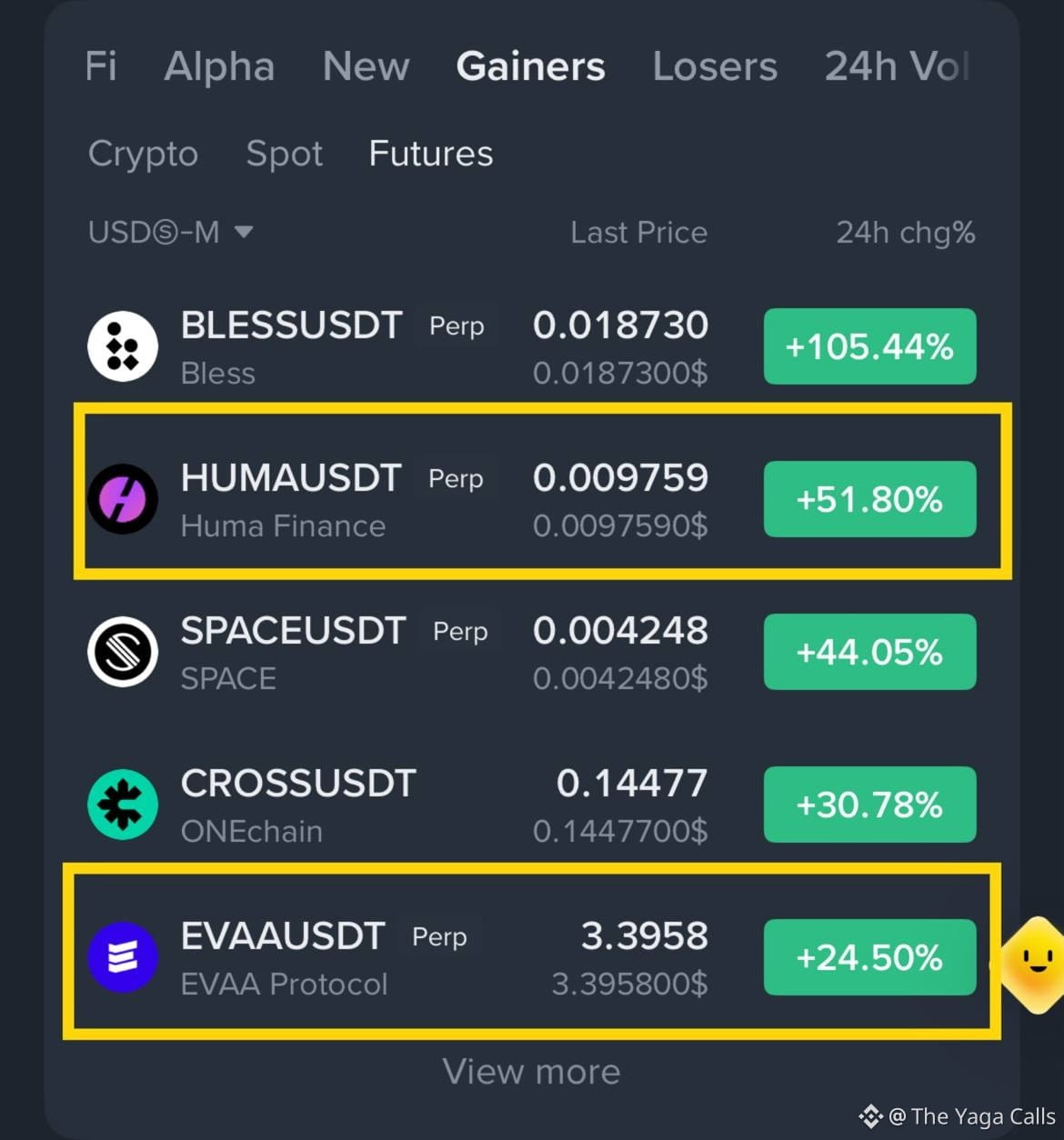
Both $HUMA & $EVAA are Top Gainers 🔥
As I previously said ~ whenever it’s about appreciation, it should be as loud as the criticism!!
Both $HUMA & $EVAA are Top Gainers 🔥
As I previously said ~ whenever it’s about appreciation, it should be as loud as the criticism!!
As I previously said ~ whenever it’s about appreciation, it should be as loud as the criticism!!
628
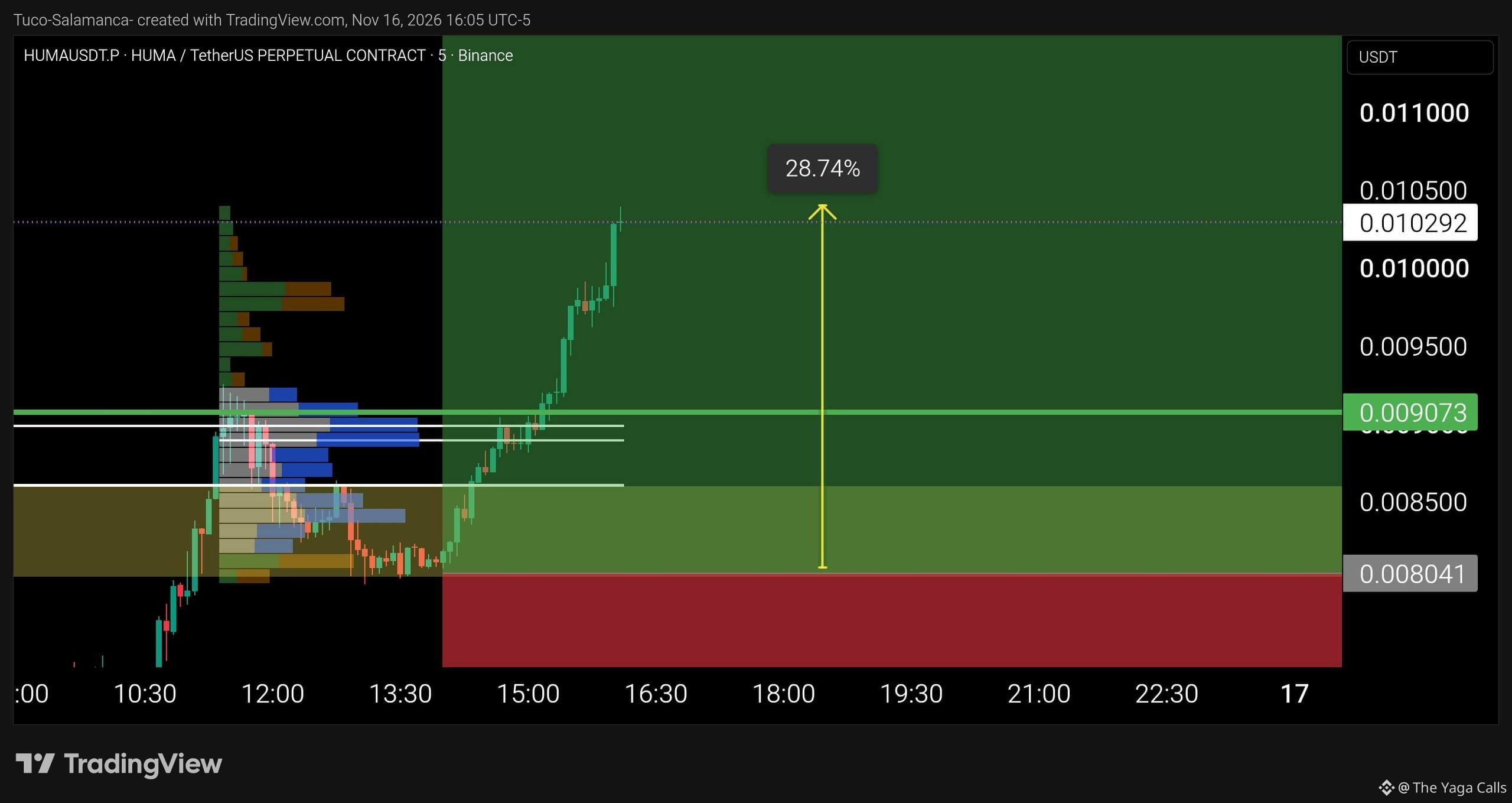
$HUMA just delivered 29% on spot for High Table members.
Yesterday $JCT and $ASTER . Today $Huma. Scalp setups are playing out cleanly.
You still watching from the side?
$HUMA just delivered 29% on spot for High Table members.
Yesterday $JCT and $ASTER . Today $Huma. Scalp setups are playing out cleanly.
You still watching from the side?
Yesterday $JCT and $ASTER . Today $Huma. Scalp setups are playing out cleanly.
You still watching from the side?
The Yaga Calls
·
--
$HUMA 👀
Momentum building!
A breakout could send this one much higher. 🚀
Momentum building!
A breakout could send this one much higher. 🚀
1
1k
Log in to explore more content
Join global crypto users on Binance Square
⚡️ Get latest and useful information about crypto.
💬 Trusted by the world’s largest crypto exchange.
👍 Discover real insights from verified creators.
Email / Phone number
Trending Topics
CanBTCReboundAfterFallingBelow60K?
240,283 views
1,045 Discussing
Bitcoin News | Bitcoin Falls Below $60,000 for the First Time Since July as IBIT Posts Record $541 Million Outflow
Binance News
·46 Likes
·87.2k views
GlobalStocksFaceLongestLosingStreakSince2023
84,212 views
807 Discussing
AnthropicPlungesTowardIPOPriceonDay2
40,172 views
409 Discussing