
Legendary of Cryptos
196 Posts

Legendary of Cryptos
Report
Block User
Everyone welcome virtual money or cryptocurrency era🤑🤑🤑🤑🤑🤑🤑🤑
Open Trade
Frequent Trader
4.5 Years
15 Following
303 Followers
356 Liked
Posts
Portfolio
All
Quotes
Crypto Market Update: Why the Market Is Under Pressure and How to Navigate It
The crypto market is seeing broad selling pressure. In the latest 24-hour market snapshot, Bitcoin fell -4.6% to $65,726.76, Ethereum declined -4.8% to $1,841.38, and Solana dropped -7.6% to $73.90. This indicates that the weakness is not limited to one asset; it reflects a wider reduction in risk appetite across the market.
What happened in the market?
The recent move appears to be driven by a combination of liquidity and sentiment factors.
A key development is the reported $17 billion reduction in stablecoin supply over the past month, described as the largest monthly decline since 2022. Stablecoins are often used as on-chain liquidity for trading, investing, and moving funds between crypto assets. When their supply decreases, it can indicate that some participants are converting funds back into fiat currencies or reducing exposure to crypto markets.
Lower available liquidity can make price moves sharper in both directions. During periods of selling, this may amplify volatility—especially in altcoins, which typically carry higher risk and can fall more quickly than Bitcoin.
The daily performance supports this pattern: while BTC and ETH were down by around 5%, SOL declined more sharply. This does not automatically determine what happens next, but it shows that riskier assets are currently experiencing stronger pressure.
Important developments beyond price action
Not all news is negative. Kazakhstan is reportedly preparing to issue tokenized government bonds in the first quarter of 2027, following an earlier tokenized central-bank-note sale. This is another sign that blockchain technology continues to gain attention in traditional finance.
At the same time, public data indicates that the U.S. government holds substantial digital-asset reserves, including Bitcoin and Ethereum. Large institutional and government-related holdings remain relevant to market sentiment because they can influence how participants think about future supply, regulation, and liquidity.

100

Article
When the Market Goes Quiet: What Spot Traders Should DoA flat, low-volume market can feel frustrating, but it is often a period of preparation rather than a reason to force trades. When price movement is limited and liquidity is thin, impulsive entries may carry higher risk because small orders can create sudden swings and false breakouts.
For spot traders, patience becomes a strategy. Review your existing holdings, check whether the original reason for holding them still applies, and avoid chasing minor candles. Use this time to study market structure, watch key support and resistance areas, and follow major news, token updates, and broader risk sentiment.
Low volume can also be useful for building discipline. Instead of trading frequently, set clear rules for when you will participate: stronger volume, confirmed momentum, or a market move supported by real catalysts. Keep enough liquidity available and avoid putting all capital into one asset.
For all traders, the goal is not to trade every day—it is to protect capital and wait for conditions that match your plan. Quiet markets reward preparation, risk control, and emotional discipline.
#SpaceXTeslaMergerTalksWouldCombine30220BTC #PEPE
#BTC
#FET
When the Market Goes Quiet: What Spot Traders Should Do
A flat, low-volume market can feel frustrating, but it is often a period of preparation rather than a reason to force trades. When price movement is limited and liquidity is thin, impulsive entries may carry higher risk because small orders can create sudden swings and false breakouts.
For spot traders, patience becomes a strategy. Review your existing holdings, check whether the original reason for holding them still applies, and avoid chasing minor candles. Use this time to study market structure, watch key support and resistance areas, and follow major news, token updates, and broader risk sentiment.
Low volume can also be useful for building discipline. Instead of trading frequently, set clear rules for when you will participate: stronger volume, confirmed momentum, or a market move supported by real catalysts. Keep enough liquidity available and avoid putting all capital into one asset.
For all traders, the goal is not to trade every day—it is to protect capital and wait for conditions that match your plan. Quiet markets reward preparation, risk control, and emotional discipline.
#SpaceXTeslaMergerTalksWouldCombine30220BTC #PEPE
#BTC
#FET
120
$FET Alhamdulillah 7% profit booked ✅
$FET Alhamdulillah 7% profit booked ✅
1
103
·
--
Bullish
signal target 00000700..you can buy and keep patients and following
signal target 00000700..you can buy and keep patients and following
1
148
·
--
Bullish
$NEIRO Alhamdulillah 12% profit booked from neirousdt❤️
$NEIRO Alhamdulillah 12% profit booked from neirousdt❤️
1
168
Habits Every Scalping Trader Needs to Become Consistently ProfitableScalping trading is one of the fastest and most intense styles of trading in the financial markets. A scalper enters and exits trades within minutes or even seconds, aiming to capture small price movements repeatedly throughout the day. While the profit per trade may seem small, disciplined scalpers can build significant gains over time.
However, successful scalping is not based on luck. It depends heavily on habits, discipline, emotional control, and a strong trading routine. Here are the most important habits every scalping trader should develop to improve consistency and profitability.
1. Trade With a Clear Plan
Professional scalpers never enter trades randomly. Before entering the market, they already know:
Entry pointStop lossTake profit targetRisk percentageMarket condition
A clear trading plan removes emotional decision-making and helps traders stay focused during fast market movements.
2. Master Risk Management
Risk management is the foundation of long-term success in scalping. Since scalpers take many trades daily, one bad trade can destroy several profitable trades.
Good habits include:
Risking only 1–2% per tradeUsing strict stop lossesAvoiding revenge tradingProtecting capital first
Successful traders understand that preserving capital is more important than chasing profits.
3. Develop Patience and Discipline
Many new traders overtrade because they want quick profits. Professional scalpers wait patiently for high-probability setups.
Discipline means:
Following the strategy strictlyAvoiding emotional entriesNot changing plans during tradesAccepting losses calmly
Consistency in behavior creates consistency in results.
4. Focus on High-Quality Setups
Not every market movement is a good opportunity. Profitable scalpers learn to trade only the best setups with strong confirmation.
They often look for:
Volume spikesTrend continuationSupport and resistance reactionsBreakouts with momentumMarket structure confirmation
Quality trades are better than excessive trades.
5. Control Emotions
Fear and greed are the biggest enemies of traders. Emotional trading leads to impulsive decisions and unnecessary losses.
Strong scalpers maintain emotional balance by:
Staying calm after losses
Avoiding overconfidence after winsTaking breaks when stressedFollowing data instead of emotions
A calm mind makes better trading decisions.
6. Maintain a Trading Journal
Keeping a trading journal is one of the most powerful habits for improvement.
A journal should include:
Entry and exit screenshotsReasons for taking tradesEmotions during trading.Profit and loss analysisMistakes and lessons learned
Reviewing past trades helps traders identify weaknesses and improve performance.
7. Trade During High Liquidity Sessions
Scalpers perform best when the market has strong volume and volatility. Low-volume markets often produce fake signals and unpredictable movement.
Most scalpers prefer:
London sessionNew York sessionMarket opening hoursMajor news volatility (with caution)
High liquidity provides faster execution and cleaner price movement.
8. Keep Learning and Adapting
Markets constantly change. A strategy that works today may become less effective tomorrow.
Successful scalpers continuously:
Study price actionAnalyze market behaviorLearn from mistakesImprove strategiesAdapt to market conditions
Continuous learning separates professional traders from gamblers.
9. Avoid Overtrading
More trades do not always mean more profit. Overtrading usually comes from greed, boredom, or emotional frustration.
Professional traders know when to stop trading. Sometimes the best decision is to stay out of the market.
10. Protect Mental and Physical Health
Scalping requires extreme concentration and fast decision-making. Poor health can negatively affect performance.
Healthy habits include:
Proper sleepRegular exerciseStaying hydratedTaking screen breaksMaintaining emotional balance
A healthy trader makes healthier decisions.
Conclusion
Becoming a profitable scalping trader is not just about finding the perfect strategy. It is about building the right habits, mindset, and discipline every single day.
Successful scalpers:
Protect capitalControl emotionsFollow strict rulesFocus on consistencyContinue learning
In trading, discipline beats emotion, and consistency beats excitement. Traders who master their habits eventually improve their profitability and survive long-term in the market.
#BTC #ETH #sol
Habits Every Scalping Trader Needs to Become Consistently Profitable
Scalping trading is one of the fastest and most intense styles of trading in the financial markets. A scalper enters and exits trades within minutes or even seconds, aiming to capture small price movements repeatedly throughout the day. While the profit per trade may seem small, disciplined scalpers can build significant gains over time.
However, successful scalping is not based on luck. It depends heavily on habits, discipline, emotional control, and a strong trading routine. Here are the most important habits every scalping trader should develop to improve consistency and profitability.
1. Trade With a Clear Plan
Professional scalpers never enter trades randomly. Before entering the market, they already know:
Entry pointStop lossTake profit targetRisk percentageMarket condition
A clear trading plan removes emotional decision-making and helps traders stay focused during fast market movements.
2. Master Risk Management
Risk management is the foundation of long-term success in scalping. Since scalpers take many trades daily, one bad trade can destroy several profitable trades.
Good habits include:
Risking only 1–2% per tradeUsing strict stop lossesAvoiding revenge tradingProtecting capital first
Successful traders understand that preserving capital is more important than chasing profits.
3. Develop Patience and Discipline
Many new traders overtrade because they want quick profits. Professional scalpers wait patiently for high-probability setups.
Discipline means:
Following the strategy strictlyAvoiding emotional entriesNot changing plans during tradesAccepting losses calmly
Consistency in behavior creates consistency in results.
4. Focus on High-Quality Setups
Not every market movement is a good opportunity. Profitable scalpers learn to trade only the best setups with strong confirmation.
They often look for:
Volume spikesTrend continuationSupport and resistance reactionsBreakouts with momentumMarket structure confirmation
Quality trades are better than excessive trades.
5. Control Emotions
Fear and greed are the biggest enemies of traders. Emotional trading leads to impulsive decisions and unnecessary losses.
Strong scalpers maintain emotional balance by:
Staying calm after losses
Avoiding overconfidence after winsTaking breaks when stressedFollowing data instead of emotions
A calm mind makes better trading decisions.
6. Maintain a Trading Journal
Keeping a trading journal is one of the most powerful habits for improvement.
A journal should include:
Entry and exit screenshotsReasons for taking tradesEmotions during trading.Profit and loss analysisMistakes and lessons learned
Reviewing past trades helps traders identify weaknesses and improve performance.
7. Trade During High Liquidity Sessions
Scalpers perform best when the market has strong volume and volatility. Low-volume markets often produce fake signals and unpredictable movement.
Most scalpers prefer:
London sessionNew York sessionMarket opening hoursMajor news volatility (with caution)
High liquidity provides faster execution and cleaner price movement.
8. Keep Learning and Adapting
Markets constantly change. A strategy that works today may become less effective tomorrow.
Successful scalpers continuously:
Study price actionAnalyze market behaviorLearn from mistakesImprove strategiesAdapt to market conditions
Continuous learning separates professional traders from gamblers.
9. Avoid Overtrading
More trades do not always mean more profit. Overtrading usually comes from greed, boredom, or emotional frustration.
Professional traders know when to stop trading. Sometimes the best decision is to stay out of the market.
10. Protect Mental and Physical Health
Scalping requires extreme concentration and fast decision-making. Poor health can negatively affect performance.
Healthy habits include:
Proper sleepRegular exerciseStaying hydratedTaking screen breaksMaintaining emotional balance
A healthy trader makes healthier decisions.
Conclusion
Becoming a profitable scalping trader is not just about finding the perfect strategy. It is about building the right habits, mindset, and discipline every single day.
Successful scalpers:
Protect capitalControl emotionsFollow strict rulesFocus on consistencyContinue learning
In trading, discipline beats emotion, and consistency beats excitement. Traders who master their habits eventually improve their profitability and survive long-term in the market.
#BTC #ETH #sol
1
129
$BTC Higher time fram triple tap created, expected to downtrend will be Start 🔥🔥
follow me for advance signal
$BTC Higher time fram triple tap created, expected to downtrend will be Start 🔥🔥
follow me for advance signal
follow me for advance signal
1
43
·
--
Bullish
From all-time highs to now… market really humbled everything 👀
$FET is down nearly 94% (ATH: $3.45 → $0.19)
$ARB dropped around 95% (ATH: $2.39 → $0.12)
$AVAX fell about 94% (ATH: $145 → $9.15)
Crazy how fast things can flip in crypto.
But this is usually the phase where smart money starts paying attention again… 👀
Still far from previous peaks — but maybe that’s where the opportunity lies.
If you found this useful, show some support — like, comment & share 🔁
#FET #AVEXUSDT #ARBUSDT #Dogs
372
·
--
Bullish
$NEIRO i was sold. 00009500 7% profit got.🔥
follow me i will share my personal strategy ❤️
$NEIRO i was sold. 00009500 7% profit got.🔥
follow me i will share my personal strategy ❤️
follow me i will share my personal strategy ❤️
1
171
·
--
Bearish
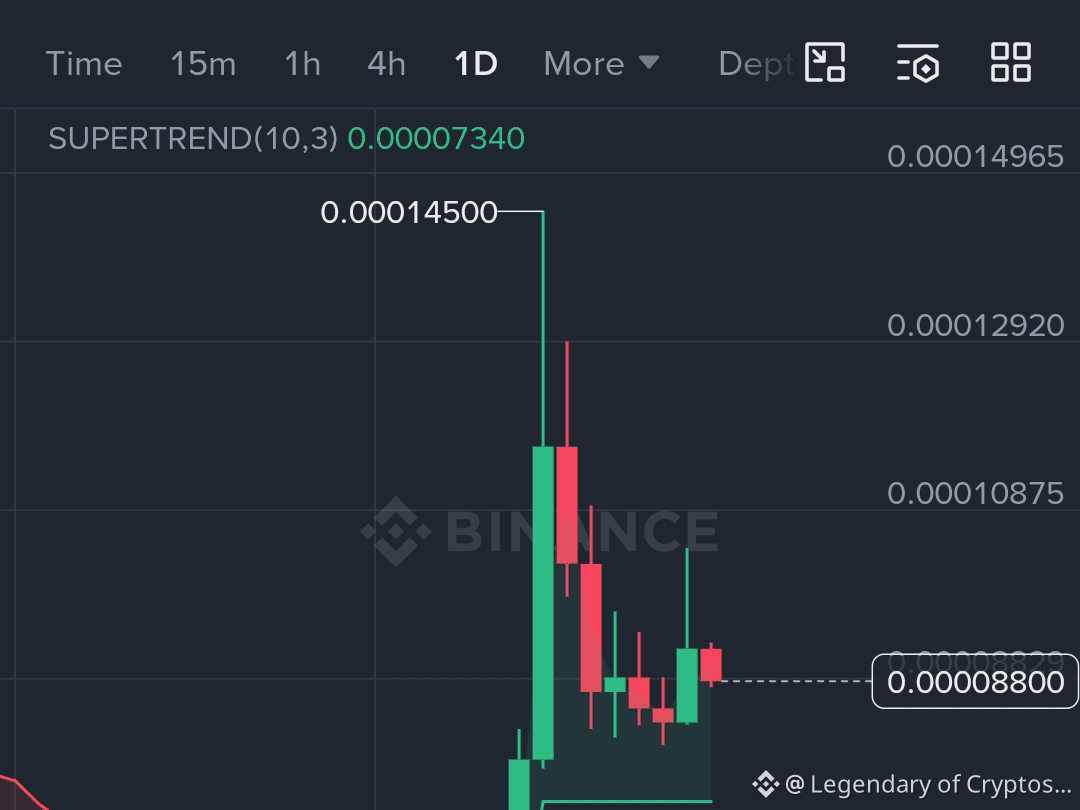
$NEIRO friends must aware daily candle liquidity and imbalance.. no trade without liquid Grab 😇😇😇😇
$NEIRO friends must aware daily candle liquidity and imbalance.. no trade without liquid Grab 😇😇😇😇
157
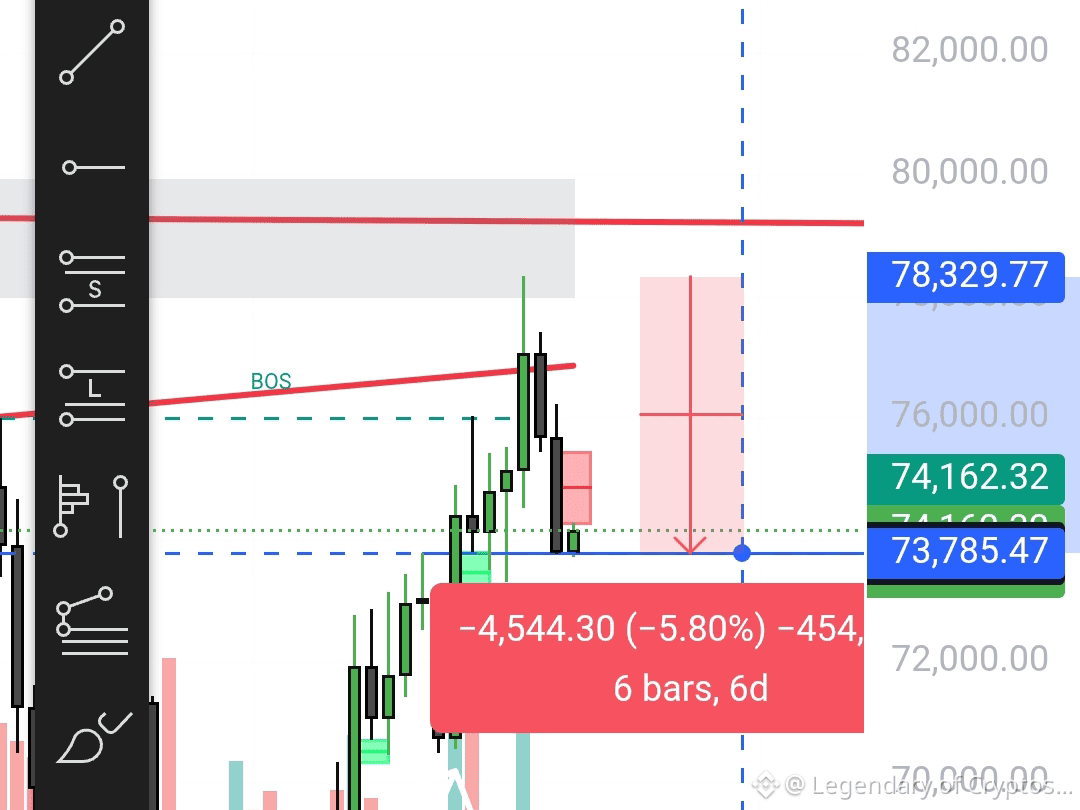
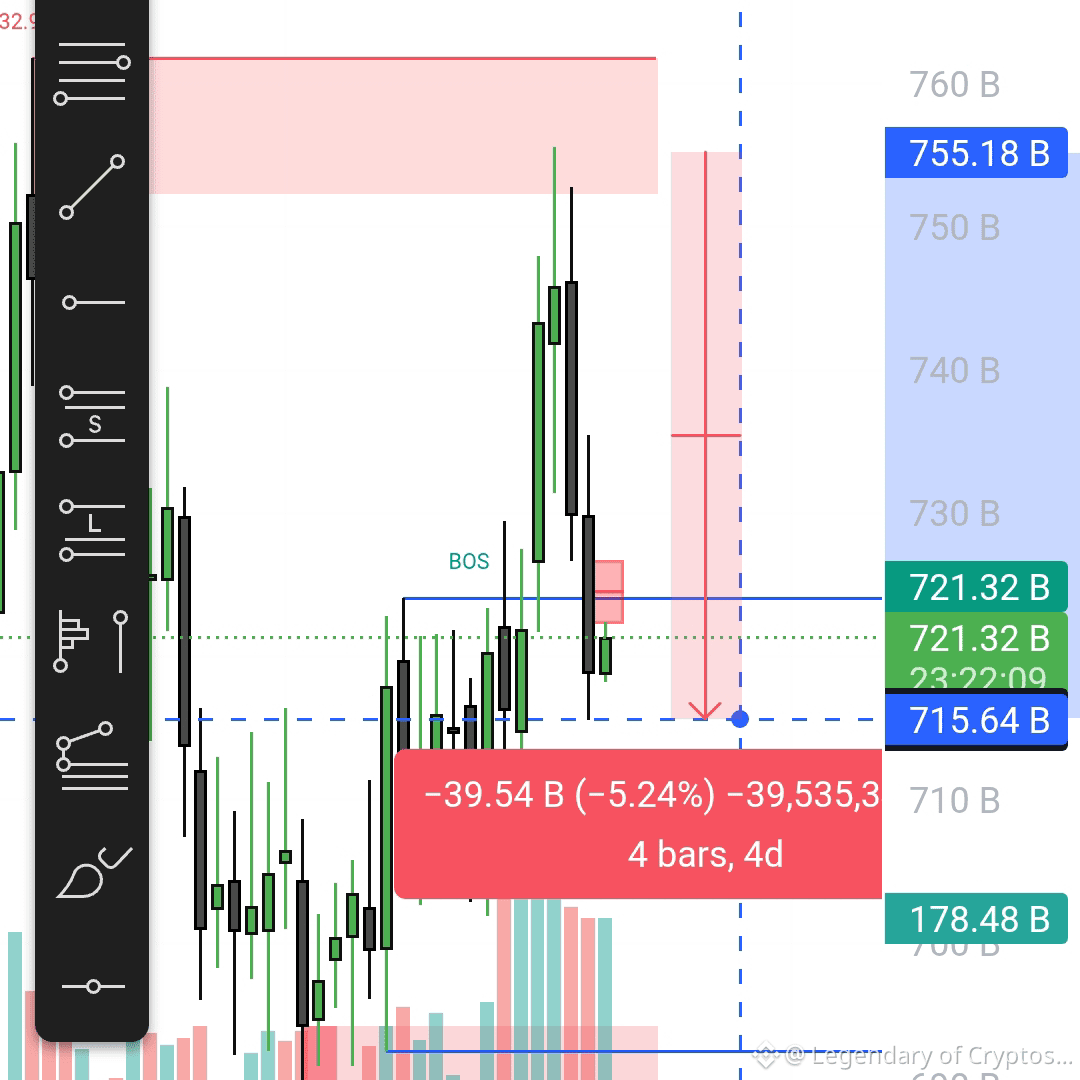
$BTC only 5% dumped & #ALT coin 5%dump, pls wait for entry and my update, a$BTC will take big correction.
$BTC only 5% dumped & #ALT coin 5%dump, pls wait for entry and my update, a$BTC will take big correction.
1
15
$VANRY i was said about dump, bcz i was right way not fomoce bought... if you want to get profit you have to maintain rule and regulation
$VANRY i was said about dump, bcz i was right way not fomoce bought... if you want to get profit you have to maintain rule and regulation
Legendary of Cryptos
·
--
$VANRY Don't buy fomo...
143
$VANRY Negative Side 🔥
1. Price Has Dropped Significantly
It is far below its previous high, which means many holders are still stuck in losses.
2. High Competition
There are thousands of coins in the AI and Layer-1 sectors. Not every project will survive.
3. Whale Control Risk
Low market cap coins can be easily manipulated by whales through pump and dump moves.
4. Slow Growth Without Team Hype
If the team does not provide updates or create hype, the coin may stay dead or move sideways for a long time.
1
146
Log in to explore more content
Join global crypto users on Binance Square
⚡️ Get latest and useful information about crypto.
💬 Trusted by the world’s largest crypto exchange.
👍 Discover real insights from verified creators.
Email / Phone number
Trending Topics
AnthropicToDebutAfter$83IPOPricing
15,333 views
181 Discussing
Stock Futures Hold Near Flat as Anthropic Prices IPO at $83 Ahead of Debut
Binance News
·8 Likes
·7.7k views
BTCRemainsUnderPressureAfterHawkishFOMCMinutes
57,463 views
1,451 Discussing
NvidiaBoardReportedlySplitOverHuang’sReturn
19,065 views
721 Discussing