

ROBOT_POINT
876 Posts

ROBOT_POINT
Report
Block User
أخبار و تحليل و فرص يومية _ تابعني و كن سابق بخطوة
59 Following
201 Followers
613 Liked
Posts
All
Quotes
·
--
See translation
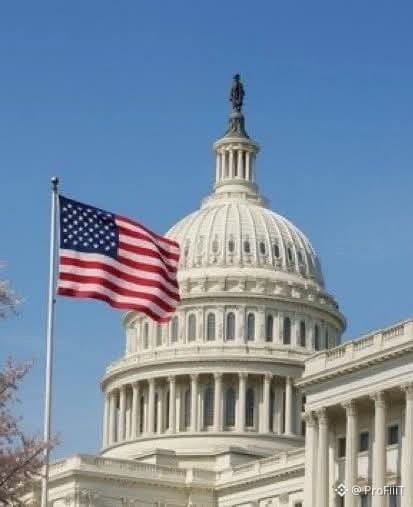
أخبار عاجلة: 🇺🇸 أدخل الجمهوريون في مجلس الشيوخ الأمريكي للتو مشروع قانون ضريبي للعملات المشفرة 🔥
خمسة تغييرات رئيسية:
1. استخدام العملات المستقرة للمشتريات اليومية لن يؤدي إلى فرض ضرائب بعد الآن.
2. المعاملات الصغيرة مثل رسوم الشبكة التي تقل عن 10 دولارات لن تسبب أي صداع ضريبي.
3. ثغرة بيع الخسارة قد ماتت. (لا يمكنك بيع العملات المشفرة بخسارة وإعادة شرائها فورًا فقط لتجنب الضرائب.)
4. مطورو المحافظ والتمويل اللامركزي لن يكونوا مضطرين بعد الآن إلى الإبلاغ عن المستخدمين لمصلحة الضرائب الأمريكية.
5. التخزين والتعدين سيحصلان على قواعد واضحة حول كيفية فرض الضرائب على المكافآت.
الوضوح قادم أخيرًا.
أخبار عاجلة: 🇺🇸 أدخل الجمهوريون في مجلس الشيوخ الأمريكي للتو مشروع قانون ضريبي للعملات المشفرة 🔥
خمسة تغييرات رئيسية:
1. استخدام العملات المستقرة للمشتريات اليومية لن يؤدي إلى فرض ضرائب بعد الآن.
2. المعاملات الصغيرة مثل رسوم الشبكة التي تقل عن 10 دولارات لن تسبب أي صداع ضريبي.
3. ثغرة بيع الخسارة قد ماتت. (لا يمكنك بيع العملات المشفرة بخسارة وإعادة شرائها فورًا فقط لتجنب الضرائب.)
4. مطورو المحافظ والتمويل اللامركزي لن يكونوا مضطرين بعد الآن إلى الإبلاغ عن المستخدمين لمصلحة الضرائب الأمريكية.
5. التخزين والتعدين سيحصلان على قواعد واضحة حول كيفية فرض الضرائب على المكافآت.
الوضوح قادم أخيرًا.
خمسة تغييرات رئيسية:
1. استخدام العملات المستقرة للمشتريات اليومية لن يؤدي إلى فرض ضرائب بعد الآن.
2. المعاملات الصغيرة مثل رسوم الشبكة التي تقل عن 10 دولارات لن تسبب أي صداع ضريبي.
3. ثغرة بيع الخسارة قد ماتت. (لا يمكنك بيع العملات المشفرة بخسارة وإعادة شرائها فورًا فقط لتجنب الضرائب.)
4. مطورو المحافظ والتمويل اللامركزي لن يكونوا مضطرين بعد الآن إلى الإبلاغ عن المستخدمين لمصلحة الضرائب الأمريكية.
5. التخزين والتعدين سيحصلان على قواعد واضحة حول كيفية فرض الضرائب على المكافآت.
الوضوح قادم أخيرًا.
1
154
·
--
See translation
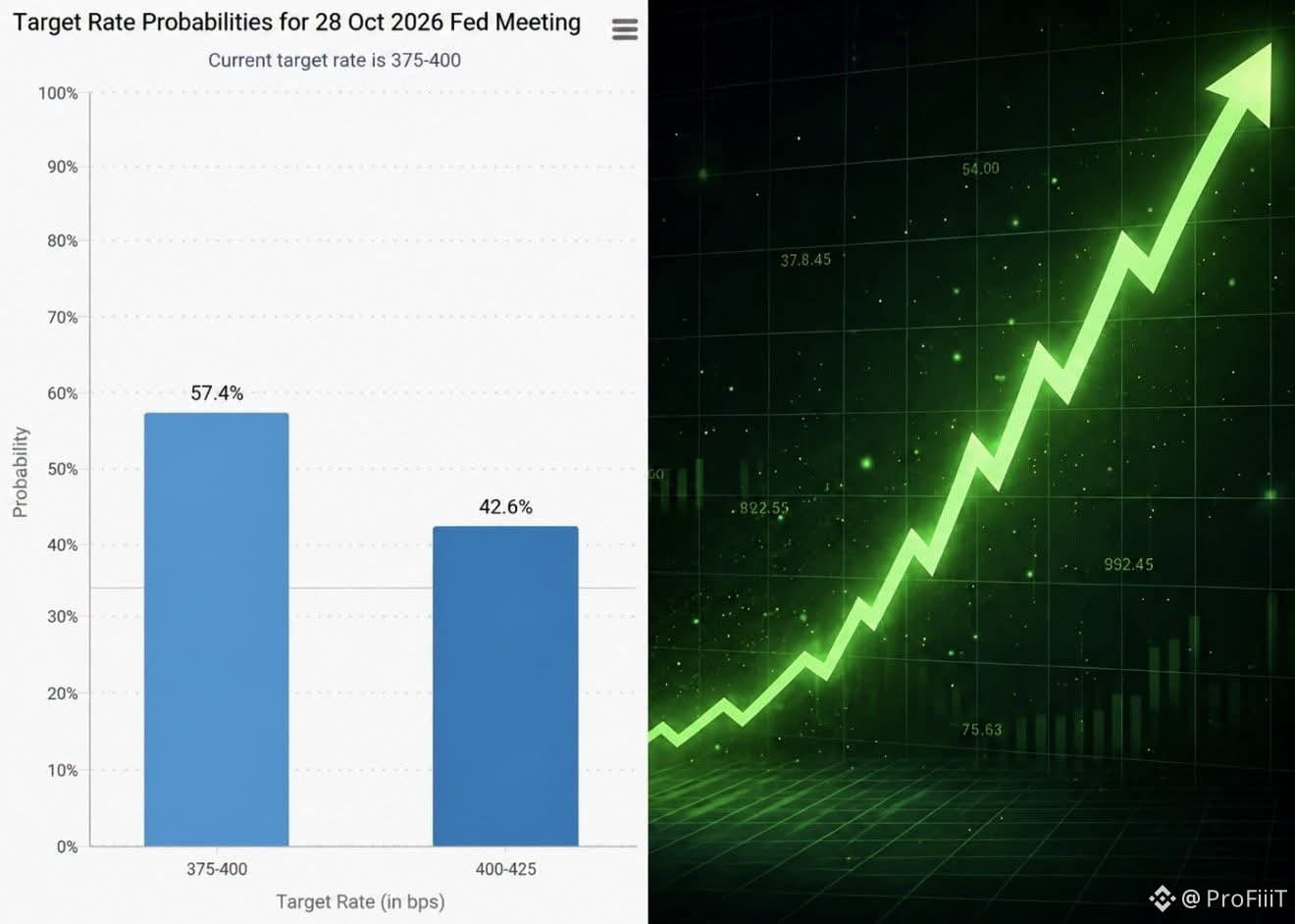
عاجل: 🇺🇸 احتمالات رفع أسعار الفائدة من قبل الاحتياطي الفيدرالي انخفضت إلى 42.6% مقابل 70% قبل يومين فقط.
إيجابي للعملات المشفرة.
عاجل: 🇺🇸 احتمالات رفع أسعار الفائدة من قبل الاحتياطي الفيدرالي انخفضت إلى 42.6% مقابل 70% قبل يومين فقط.
إيجابي للعملات المشفرة.
إيجابي للعملات المشفرة.
1
104
·
--
Verified
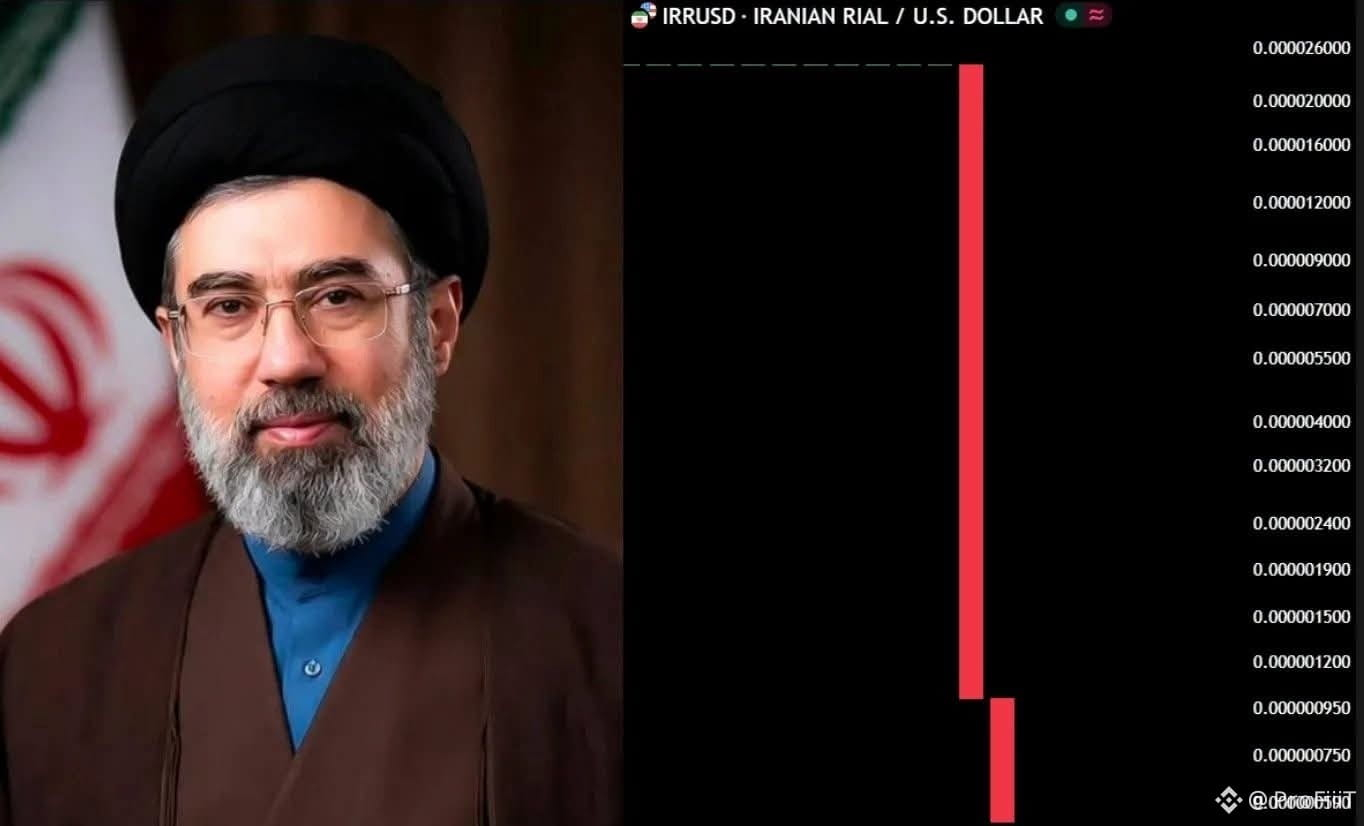
🇮🇷 The Iranian rial collapses to an all-time low.
You’re a billionaire in Iran if you only have $400.
🇮🇷 The Iranian rial collapses to an all-time low.
You’re a billionaire in Iran if you only have $400.
You’re a billionaire in Iran if you only have $400.
1
5
5.6k
·
--
See translation
🚨 يحدث شيء غريب جداً في مؤشر S&P 500
قد يتجه الاحتياطي الفيدرالي نحو رفع آخر لأسعار الفائدة.
عودة النفط فوق 100 دولار.
توقف مؤشر S&P 500 بالقرب من أعلى مستوياته.
والآن، يُبلغ عن أن Anthropic تستعد لإطلاق عرض عام أولي هائل بتقييم 2 تريليون دولار، مع إمكانية جمع 100 مليار دولار.
لكن نادراً ما يسأل أحد السؤال الواضح:
من أين يأتي ذلك الـ 100 مليار دولار؟
1️⃣ يجب أن يأتي المال من مكان ما
تحتاج الصناديق إلى سيولة نقدية للمشاركة.
تحتاج المؤسسات إلى تحرير تخصيصاتها.
وأين يجلس معظم أموالها الآن؟
→ Nvidia
→ Microsoft
→ Google
→ Amazon
→ Meta
الأسهم نفسها التي تحافظ على مؤشر S&P 500 بالقرب من أعلى مستوياته التاريخية.
مجموعة Mag 7 تمثل بالفعل أكثر من ثلث المؤشر.
2️⃣ هذا قد يخلق فراغاً في السيولة
لن تصبح Anthropic جزءاً فورياً من مؤشر S&P 500.
لذا يمكن للمؤسسات بيع حيازاتها الحالية في S&P لتمويل الإطلاق العام الأولي...
لكن أموال S&P السلبية لا تدور تلقائياً مرة أخرى إلى Anthropic.
يصبح التدفق بسيطاً:
مجموعة MAG 7 → بيع
ANTHROPIC → شراء
مؤشر S&P 500 → فقدان الدعم
تصبح الشركات التي تدعم السوق فجأة مصدر السيولة.
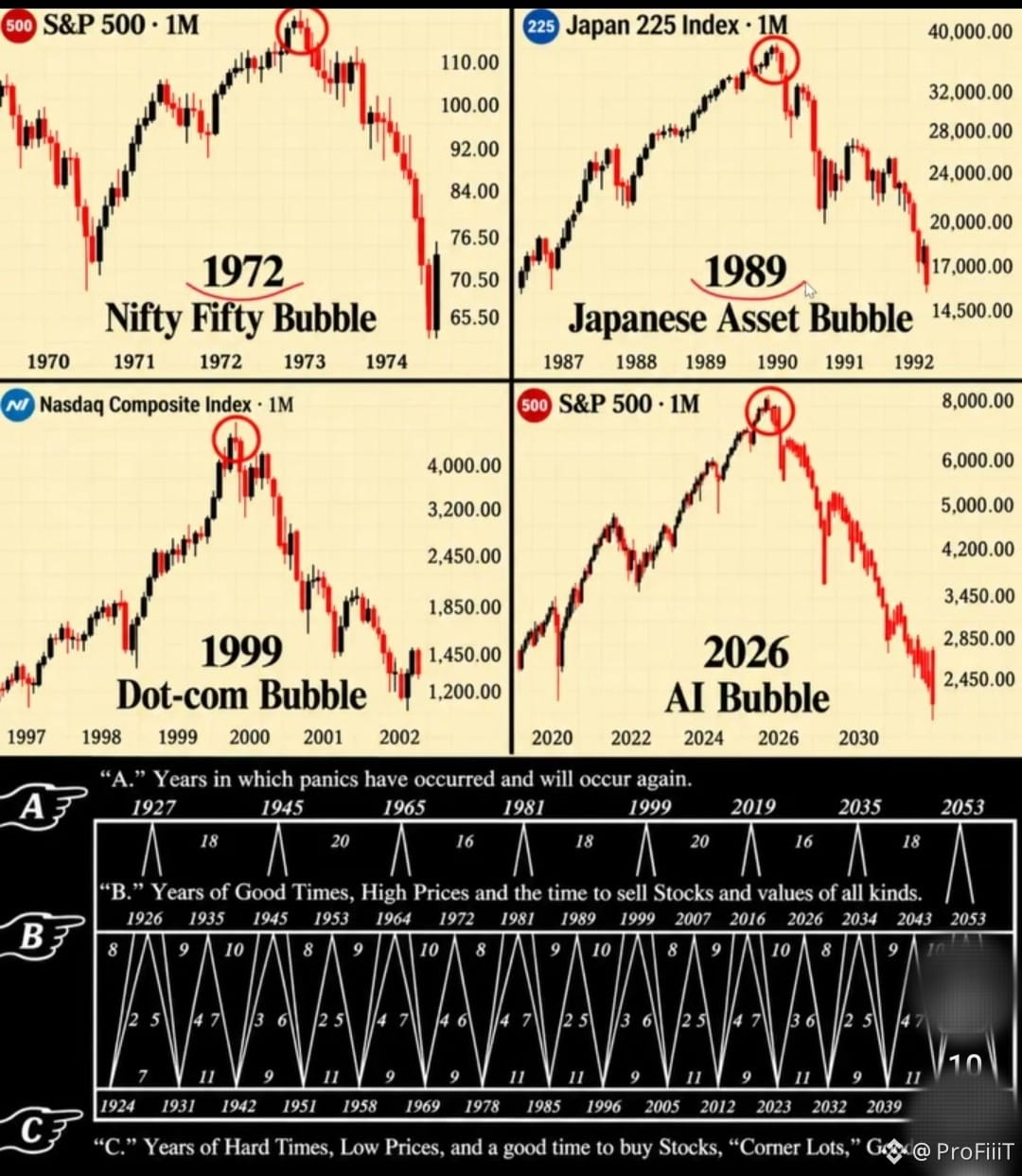
3️⃣ لقد رأينا هذه الفيلم من قبل
1972 → Nifty Fifty
2000 → جنون إطلاقات Dot-com
2021 → SPACs، Coinbase، Robinhood، Rivian
بدت كل دورة مختلفة.
كانت آليات السيولة متطابقة تقريباً.
اعتقد المستثمرون الأفراد أنهم يشترون المستقبل.
🚨 يحدث شيء غريب جداً في مؤشر S&P 500
قد يتجه الاحتياطي الفيدرالي نحو رفع آخر لأسعار الفائدة.
عودة النفط فوق 100 دولار.
توقف مؤشر S&P 500 بالقرب من أعلى مستوياته.
والآن، يُبلغ عن أن Anthropic تستعد لإطلاق عرض عام أولي هائل بتقييم 2 تريليون دولار، مع إمكانية جمع 100 مليار دولار.
لكن نادراً ما يسأل أحد السؤال الواضح:
من أين يأتي ذلك الـ 100 مليار دولار؟
1️⃣ يجب أن يأتي المال من مكان ما
تحتاج الصناديق إلى سيولة نقدية للمشاركة.
تحتاج المؤسسات إلى تحرير تخصيصاتها.
وأين يجلس معظم أموالها الآن؟
→ Nvidia
→ Microsoft
→ Google
→ Amazon
→ Meta
الأسهم نفسها التي تحافظ على مؤشر S&P 500 بالقرب من أعلى مستوياته التاريخية.
مجموعة Mag 7 تمثل بالفعل أكثر من ثلث المؤشر.
2️⃣ هذا قد يخلق فراغاً في السيولة
لن تصبح Anthropic جزءاً فورياً من مؤشر S&P 500.
لذا يمكن للمؤسسات بيع حيازاتها الحالية في S&P لتمويل الإطلاق العام الأولي...
لكن أموال S&P السلبية لا تدور تلقائياً مرة أخرى إلى Anthropic.
يصبح التدفق بسيطاً:
مجموعة MAG 7 → بيع
ANTHROPIC → شراء
مؤشر S&P 500 → فقدان الدعم
تصبح الشركات التي تدعم السوق فجأة مصدر السيولة.
3️⃣ لقد رأينا هذه الفيلم من قبل
1972 → Nifty Fifty
2000 → جنون إطلاقات Dot-com
2021 → SPACs، Coinbase، Robinhood، Rivian
بدت كل دورة مختلفة.
كانت آليات السيولة متطابقة تقريباً.
اعتقد المستثمرون الأفراد أنهم يشترون المستقبل.
قد يتجه الاحتياطي الفيدرالي نحو رفع آخر لأسعار الفائدة.
عودة النفط فوق 100 دولار.
توقف مؤشر S&P 500 بالقرب من أعلى مستوياته.
والآن، يُبلغ عن أن Anthropic تستعد لإطلاق عرض عام أولي هائل بتقييم 2 تريليون دولار، مع إمكانية جمع 100 مليار دولار.
لكن نادراً ما يسأل أحد السؤال الواضح:
من أين يأتي ذلك الـ 100 مليار دولار؟
1️⃣ يجب أن يأتي المال من مكان ما
تحتاج الصناديق إلى سيولة نقدية للمشاركة.
تحتاج المؤسسات إلى تحرير تخصيصاتها.
وأين يجلس معظم أموالها الآن؟
→ Nvidia
→ Microsoft
→ Amazon
→ Meta
الأسهم نفسها التي تحافظ على مؤشر S&P 500 بالقرب من أعلى مستوياته التاريخية.
مجموعة Mag 7 تمثل بالفعل أكثر من ثلث المؤشر.
2️⃣ هذا قد يخلق فراغاً في السيولة
لن تصبح Anthropic جزءاً فورياً من مؤشر S&P 500.
لذا يمكن للمؤسسات بيع حيازاتها الحالية في S&P لتمويل الإطلاق العام الأولي...
لكن أموال S&P السلبية لا تدور تلقائياً مرة أخرى إلى Anthropic.
يصبح التدفق بسيطاً:
مجموعة MAG 7 → بيع
ANTHROPIC → شراء
مؤشر S&P 500 → فقدان الدعم
تصبح الشركات التي تدعم السوق فجأة مصدر السيولة.
3️⃣ لقد رأينا هذه الفيلم من قبل
1972 → Nifty Fifty
2000 → جنون إطلاقات Dot-com
2021 → SPACs، Coinbase، Robinhood، Rivian
بدت كل دورة مختلفة.
كانت آليات السيولة متطابقة تقريباً.
اعتقد المستثمرون الأفراد أنهم يشترون المستقبل.
1
319
·
--
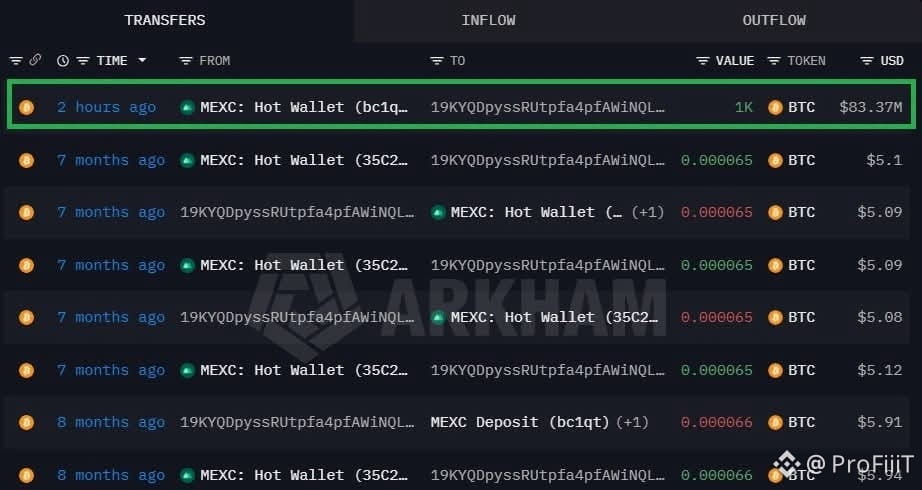
A whale bought Bitcoin for $83.37 million today.
While retail panics, smart money buys the dip.
$BTC
A whale bought Bitcoin for $83.37 million today.
While retail panics, smart money buys the dip.
$BTC
While retail panics, smart money buys the dip.
$BTC
1
469
·
--
Urgent: 🇺🇸 President Trump says Iran's war will end very soon and fuel prices will fall.
Good for the markets
Urgent: 🇺🇸 President Trump says Iran's war will end very soon and fuel prices will fall.
Good for the markets
Good for the markets
1
138
·
--
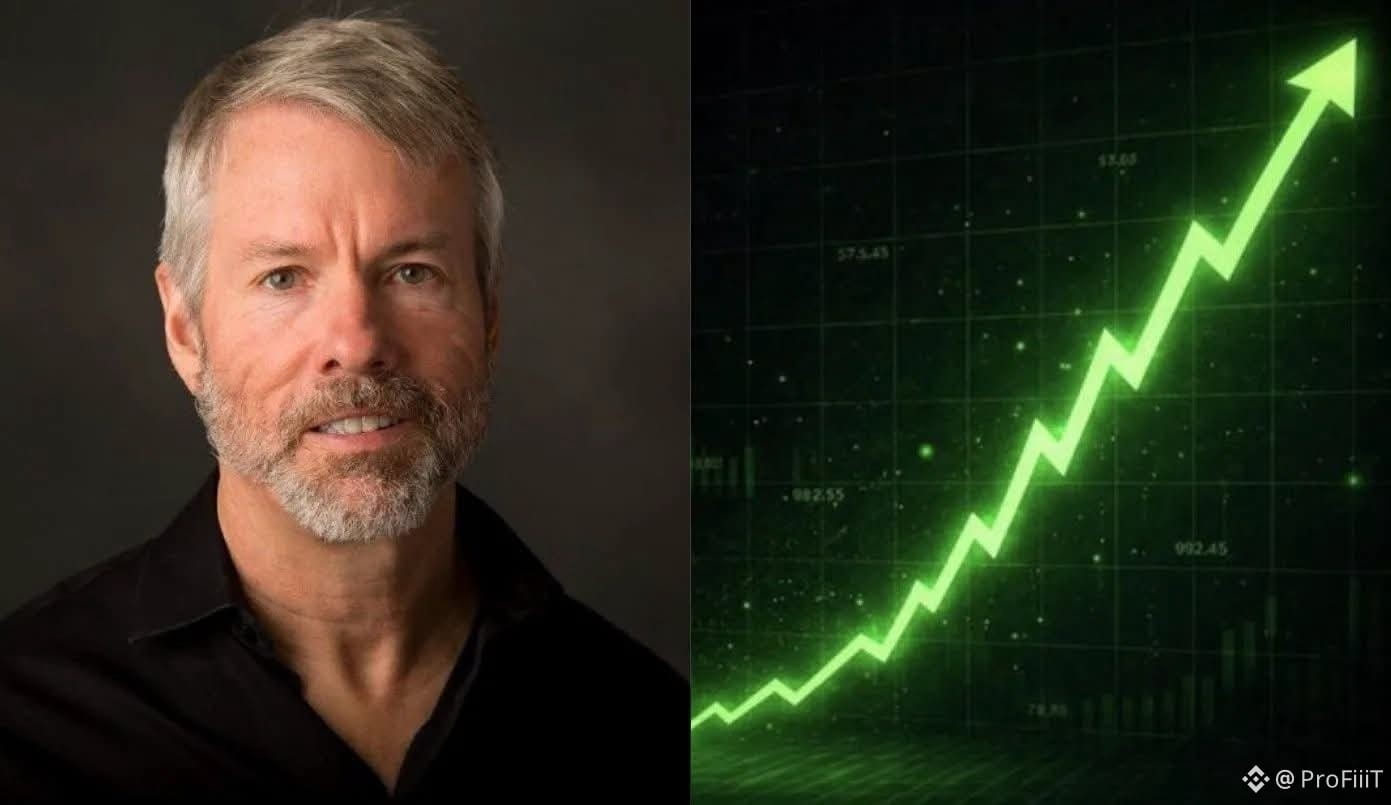
Breaking: 🇺🇸 Michael Saylor’s strategy just bought Bitcoin worth $138 million.
Breaking: 🇺🇸 Michael Saylor’s strategy just bought Bitcoin worth $138 million.
1
311
·
--
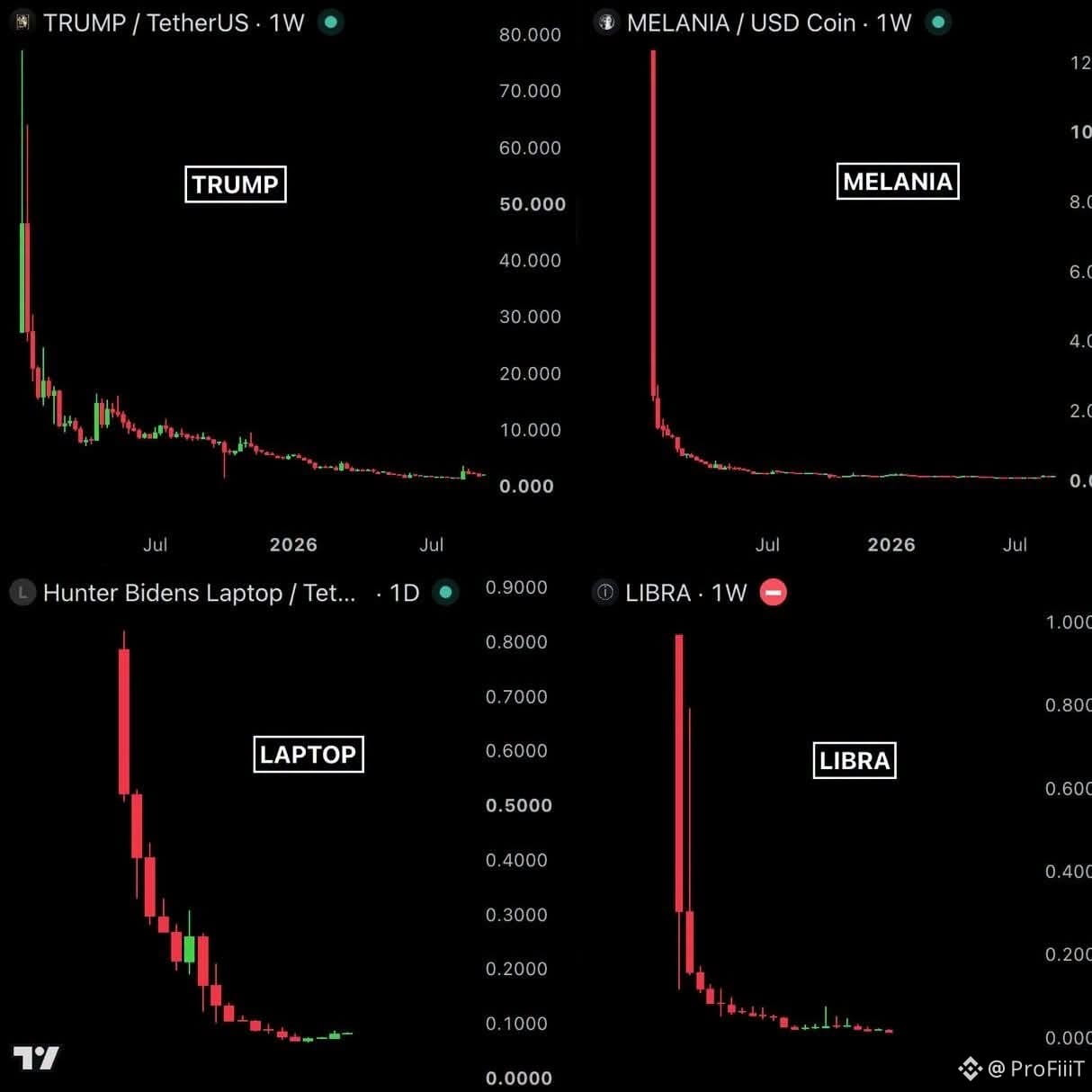
Urgent: California Governor Newsom has just banned public officials from releasing meme coins.
Urgent: California Governor Newsom has just banned public officials from releasing meme coins.
1
1
543
·
--
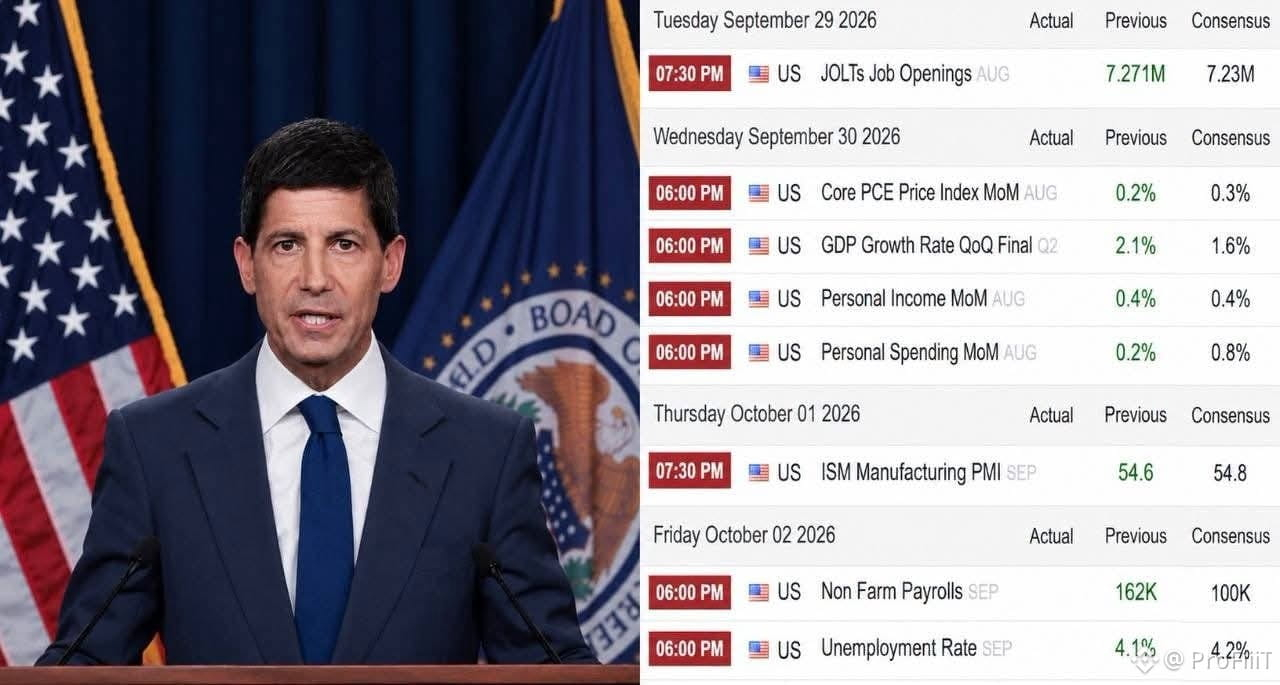
🚨 Next week could completely change the Federal Reserve’s decision on interest rates in October.
Monday: U.S. markets reopen as fighting with Iran continues and uncertainty lingers over a potential deal on the horizon, impacting oil prices and inflation.
Tuesday: A decline in the number of job openings in the August JOLTS report, giving the Federal Reserve a fresh look at whether the labor market is weakening or improving.
Wednesday: The August PCE inflation report is released, along with the final estimate for the gross domestic product for the second quarter.
The Federal Reserve will receive new data on inflation and growth at the same time.
Thursday: The September ISM manufacturing index is released.
August was 54.6, and a higher reading means higher economic activity.
Friday: The September jobs data is released, including the unemployment rate, which is another key component of the Federal Reserve’s labor-market picture.
Inflation data, GDP, jobs, and manufacturing will all be released in the same week.
Any signs of a strong labor market and rising inflation will almost certainly lead to confirming another 25-basis-point interest rate hike in October.
🚨 Next week could completely change the Federal Reserve’s decision on interest rates in October.
Monday: U.S. markets reopen as fighting with Iran continues and uncertainty lingers over a potential deal on the horizon, impacting oil prices and inflation.
Tuesday: A decline in the number of job openings in the August JOLTS report, giving the Federal Reserve a fresh look at whether the labor market is weakening or improving.
Wednesday: The August PCE inflation report is released, along with the final estimate for the gross domestic product for the second quarter.
The Federal Reserve will receive new data on inflation and growth at the same time.
Thursday: The September ISM manufacturing index is released.
August was 54.6, and a higher reading means higher economic activity.
Friday: The September jobs data is released, including the unemployment rate, which is another key component of the Federal Reserve’s labor-market picture.
Inflation data, GDP, jobs, and manufacturing will all be released in the same week.
Any signs of a strong labor market and rising inflation will almost certainly lead to confirming another 25-basis-point interest rate hike in October.
Monday: U.S. markets reopen as fighting with Iran continues and uncertainty lingers over a potential deal on the horizon, impacting oil prices and inflation.
Tuesday: A decline in the number of job openings in the August JOLTS report, giving the Federal Reserve a fresh look at whether the labor market is weakening or improving.
Wednesday: The August PCE inflation report is released, along with the final estimate for the gross domestic product for the second quarter.
The Federal Reserve will receive new data on inflation and growth at the same time.
Thursday: The September ISM manufacturing index is released.
August was 54.6, and a higher reading means higher economic activity.
Friday: The September jobs data is released, including the unemployment rate, which is another key component of the Federal Reserve’s labor-market picture.
Inflation data, GDP, jobs, and manufacturing will all be released in the same week.
Any signs of a strong labor market and rising inflation will almost certainly lead to confirming another 25-basis-point interest rate hike in October.
1
52
·
--
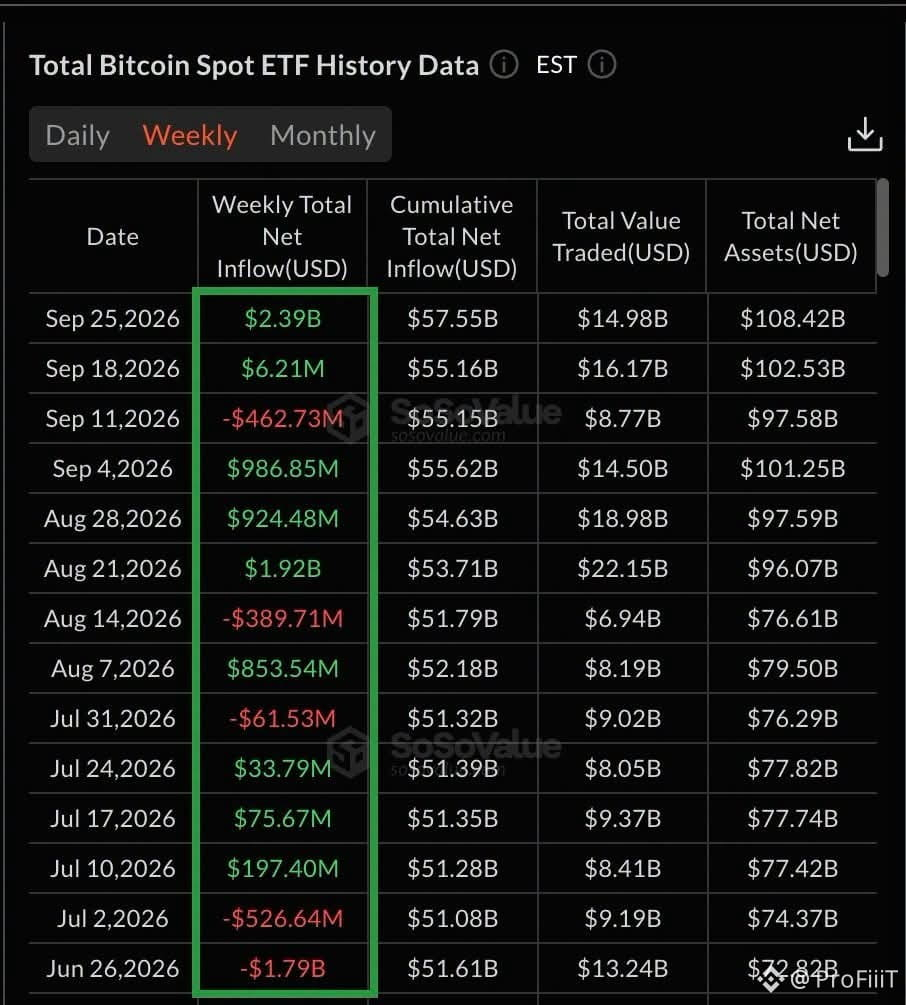
Breaking: 🇺🇸 Spot Bitcoin ETFs bought $2.39 billion worth of Bitcoin this week.
Highest weekly inflow in 2026, surpassing the previous record of $1.92 billion set in August.
Institutional demand is rising.
Breaking: 🇺🇸 Spot Bitcoin ETFs bought $2.39 billion worth of Bitcoin this week.
Highest weekly inflow in 2026, surpassing the previous record of $1.92 billion set in August.
Institutional demand is rising.
Highest weekly inflow in 2026, surpassing the previous record of $1.92 billion set in August.
Institutional demand is rising.
1
301
·
--
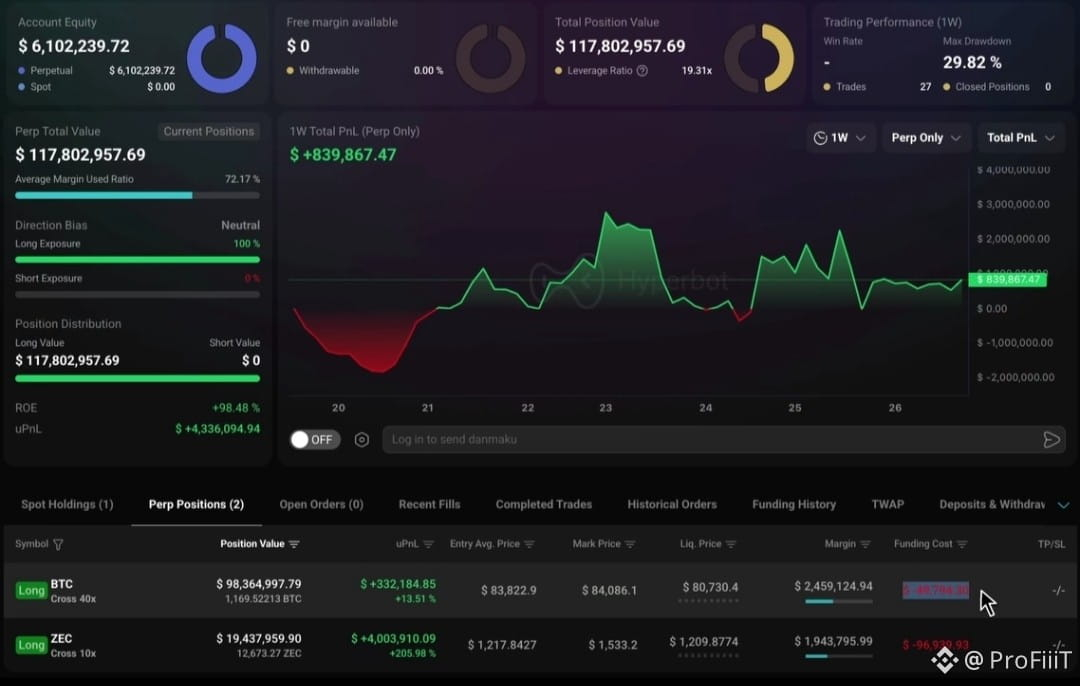
🚨 Trader just went all the way to the end!
This trader opened long buy positions worth $117.8 million.
$98.3 million long buy $BTC
$19.4 million long buy $ZEC
What does he know?
🚨 Trader just went all the way to the end!
This trader opened long buy positions worth $117.8 million.
$98.3 million long buy $BTC
$19.4 million long buy $ZEC
What does he know?
This trader opened long buy positions worth $117.8 million.
$98.3 million long buy $BTC
$19.4 million long buy $ZEC
What does he know?
2
893
·
--
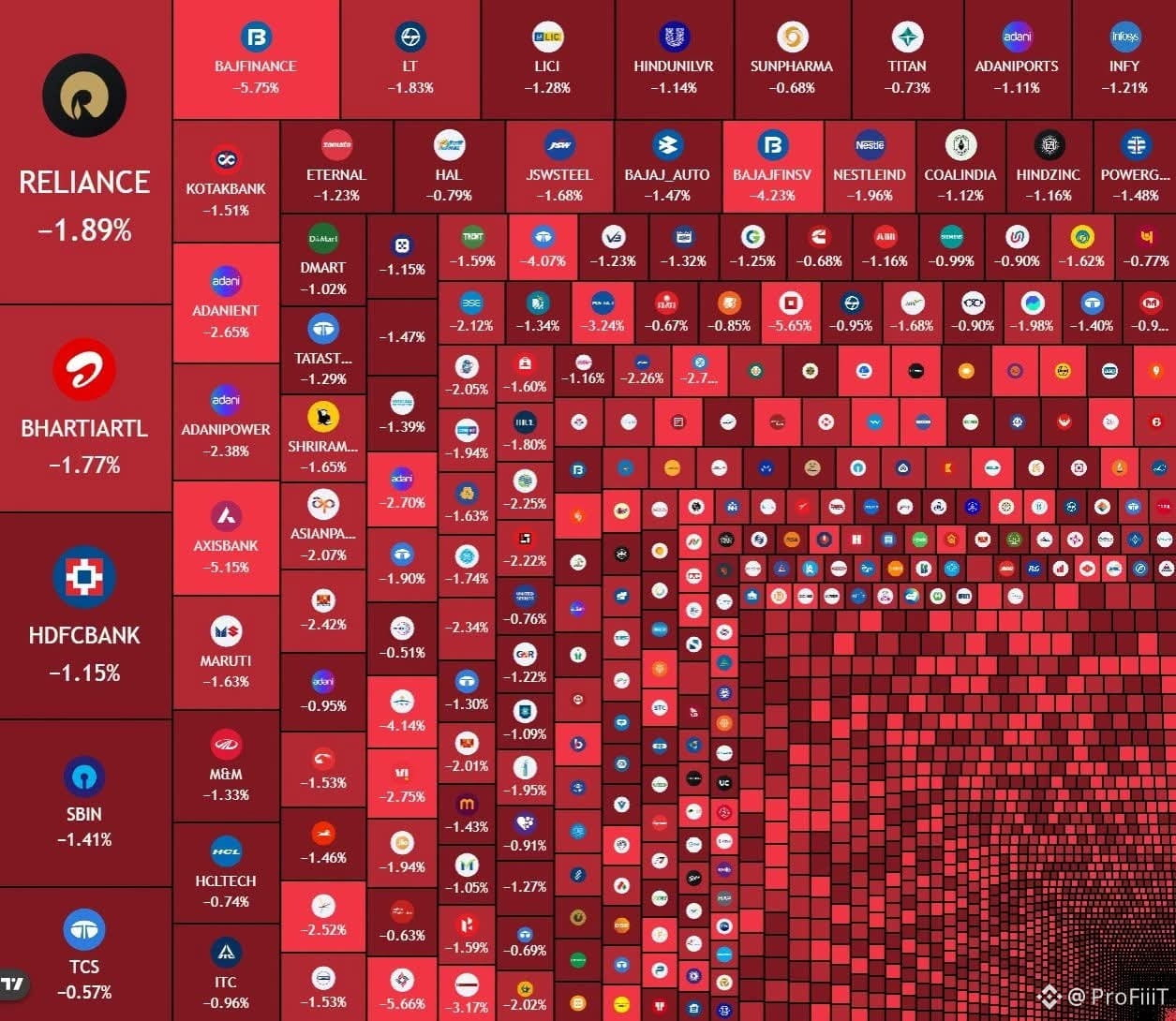
Urgent: 🇮🇳 More than 6.064 trillion rupees ($63.2 billion) in Indian shares were wiped out as the NIFTY fell by -1.6%.
The plunge was driven by proposed new limits on insurance sales commissions, leading to a sharp selloff in the financial and insurance sector stocks.
Urgent: 🇮🇳 More than 6.064 trillion rupees ($63.2 billion) in Indian shares were wiped out as the NIFTY fell by -1.6%.
The plunge was driven by proposed new limits on insurance sales commissions, leading to a sharp selloff in the financial and insurance sector stocks.
The plunge was driven by proposed new limits on insurance sales commissions, leading to a sharp selloff in the financial and insurance sector stocks.
1
268
·
--
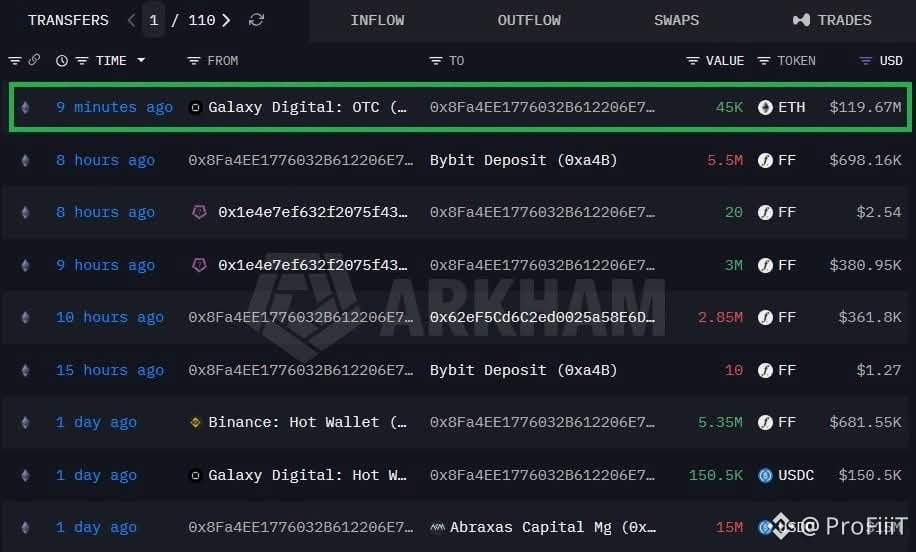
🚨Huge:
Just bought a whale worth $120 million in $ETH.
Big money can handle it strongly. $ETH
🚨Huge:
Just bought a whale worth $120 million in $ETH .
Big money can handle it strongly. $ETH
Just bought a whale worth $120 million in $ETH .
Big money can handle it strongly. $ETH
1
48
·
--
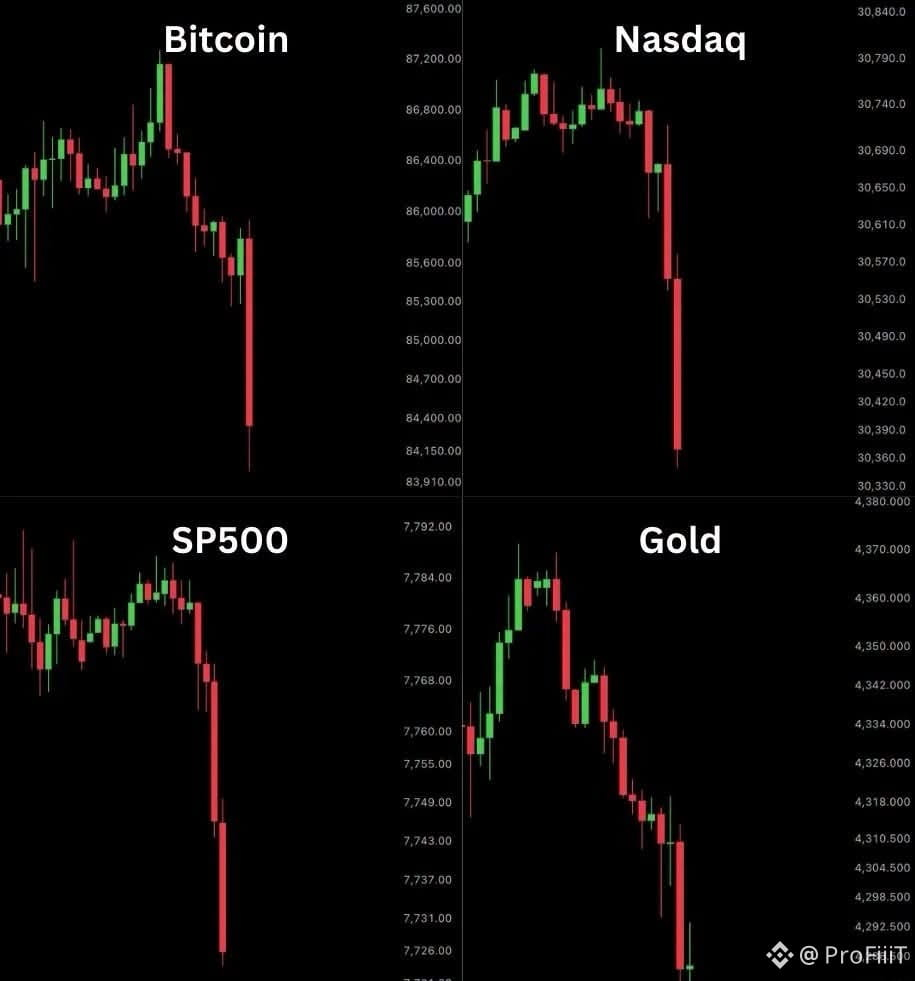
🚨 Massive drop:
$900 billion has been wiped from stocks, cryptocurrencies, and precious metals since the start of the U.S. market due to Iran’s statement of non-delivery.
🚨 Massive drop:
$900 billion has been wiped from stocks, cryptocurrencies, and precious metals since the start of the U.S. market due to Iran’s statement of non-delivery.
$900 billion has been wiped from stocks, cryptocurrencies, and precious metals since the start of the U.S. market due to Iran’s statement of non-delivery.
1
403
·
--
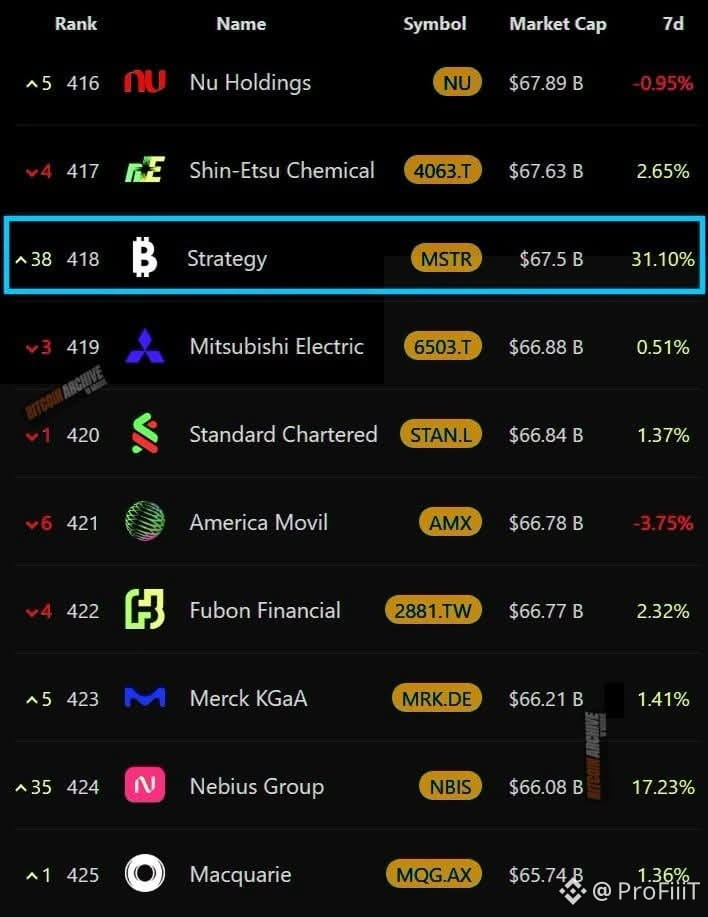
Urgent: Michael Saylor's strategy jumps 38 spots to become the 418th most tradable asset by volume.
Outperformed Standard Chartered and Macquarie!
$MSTR
Urgent: Michael Saylor's strategy jumps 38 spots to become the 418th most tradable asset by volume.
Outperformed Standard Chartered and Macquarie!
$MSTR
Outperformed Standard Chartered and Macquarie!
$MSTR
1
2
483
·
--
Verified
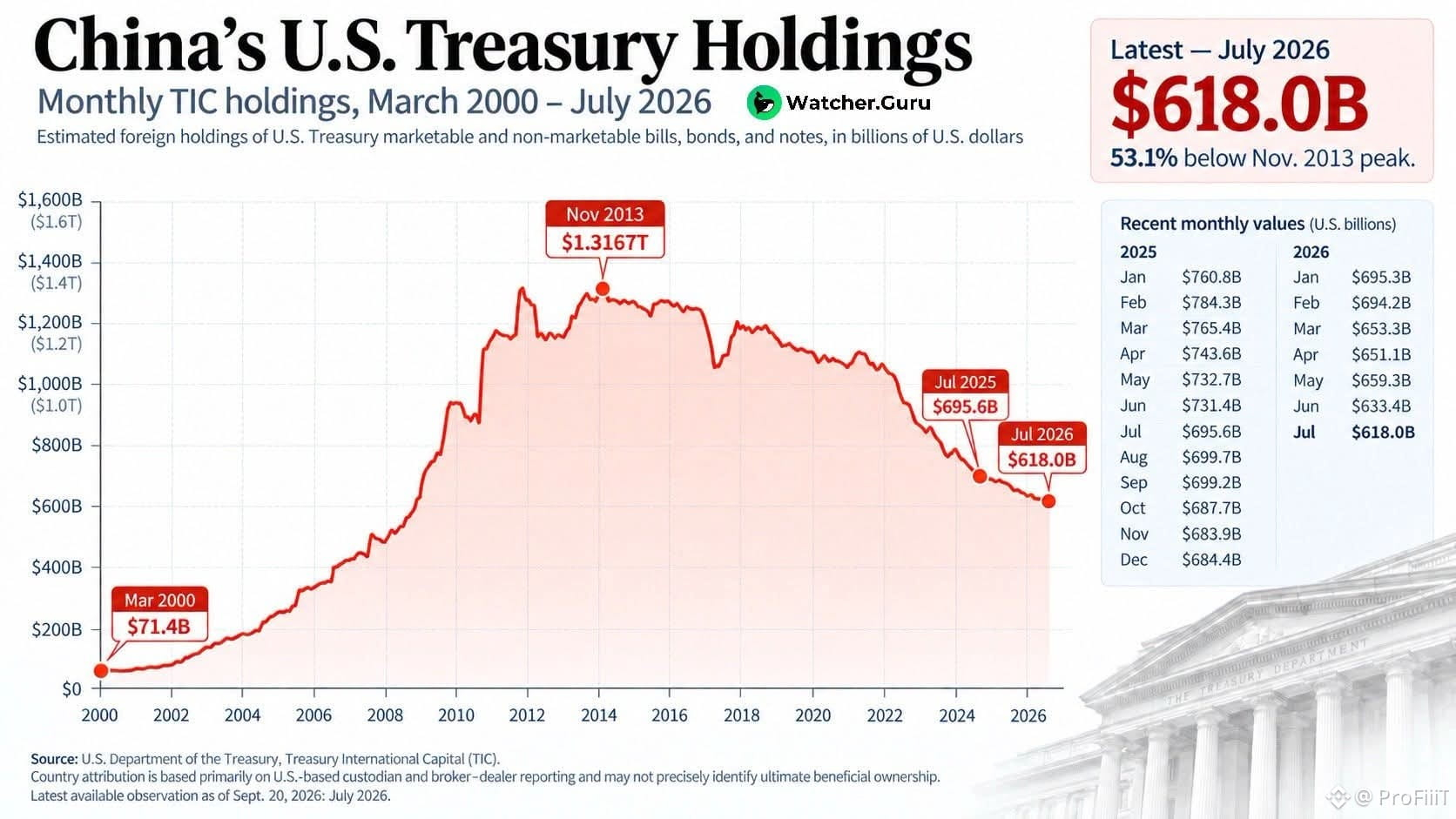
🚨 China cuts its holdings of US Treasuries to the lowest level in 18 years 🇨🇳🇺🇸
China continues to reduce its exposure to US Treasury securities...
📉 China’s holdings reached $618 billion in July, down from more than $1.3 trillion at the previous peak.
What’s notable is that this trend comes as part of China’s ongoing diversification of its reserves, with some funds shifting into other assets. Also, some of China’s holdings may be kept through custodians outside the United States, so Treasury figures don’t necessarily reflect all of its true exposure.
💰 Why does it matter to markets?
Lower foreign demand for Treasuries could contribute to downward pressure on bond prices and higher yields, but the impact doesn’t depend on China alone; July data also showed continued foreign inflows into US assets, with net TIC flows of $83.7 billion.
👀 So investors are watching:
🇺🇸 US bond yields
💵 The dollar
🥇 Gold
📈 Stocks
₿ Bitcoin
💬 Today’s question:
If China continues to reduce its holdings of US Treasuries, which asset do you think will benefit the most?
🥇 Gold
₿ Bitcoin
💵 The dollar
📈 Stocks
👇 Write your choice and why.
#China #America #Treasury #USDebt #Gold #Bitcoin #BTC #Crypto #Gold #Bitcoin #Global_Markets #Investment
🚨 China cuts its holdings of US Treasuries to the lowest level in 18 years 🇨🇳🇺🇸
China continues to reduce its exposure to US Treasury securities...
📉 China’s holdings reached $618 billion in July, down from more than $1.3 trillion at the previous peak.
What’s notable is that this trend comes as part of China’s ongoing diversification of its reserves, with some funds shifting into other assets. Also, some of China’s holdings may be kept through custodians outside the United States, so Treasury figures don’t necessarily reflect all of its true exposure.
💰 Why does it matter to markets?
Lower foreign demand for Treasuries could contribute to downward pressure on bond prices and higher yields, but the impact doesn’t depend on China alone; July data also showed continued foreign inflows into US assets, with net TIC flows of $83.7 billion.
👀 So investors are watching:
🇺🇸 US bond yields
💵 The dollar
🥇 Gold
📈 Stocks
₿ Bitcoin
💬 Today’s question:
If China continues to reduce its holdings of US Treasuries, which asset do you think will benefit the most?
🥇 Gold
₿ Bitcoin
💵 The dollar
📈 Stocks
👇 Write your choice and why.
#China #America #Treasury #USDebt #Gold #Bitcoin #BTC #Crypto #Gold #Bitcoin #Global_Markets #Investment
China continues to reduce its exposure to US Treasury securities...
📉 China’s holdings reached $618 billion in July, down from more than $1.3 trillion at the previous peak.
What’s notable is that this trend comes as part of China’s ongoing diversification of its reserves, with some funds shifting into other assets. Also, some of China’s holdings may be kept through custodians outside the United States, so Treasury figures don’t necessarily reflect all of its true exposure.
💰 Why does it matter to markets?
Lower foreign demand for Treasuries could contribute to downward pressure on bond prices and higher yields, but the impact doesn’t depend on China alone; July data also showed continued foreign inflows into US assets, with net TIC flows of $83.7 billion.
👀 So investors are watching:
🇺🇸 US bond yields
💵 The dollar
🥇 Gold
📈 Stocks
₿ Bitcoin
💬 Today’s question:
If China continues to reduce its holdings of US Treasuries, which asset do you think will benefit the most?
🥇 Gold
₿ Bitcoin
💵 The dollar
📈 Stocks
👇 Write your choice and why.
#China #America #Treasury #USDebt #Gold #Bitcoin #BTC #Crypto #Gold #Bitcoin #Global_Markets #Investment
3
3
969
·
--
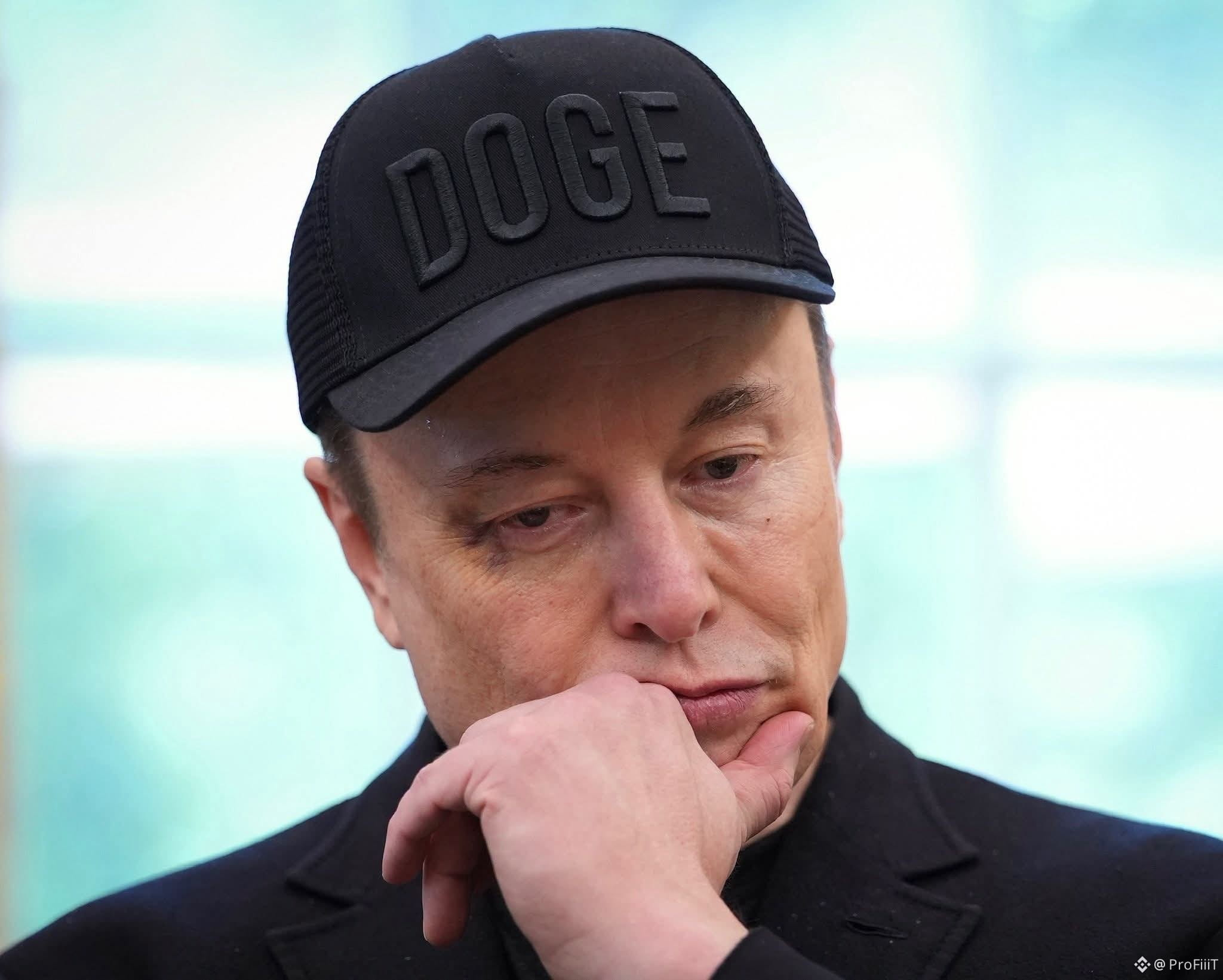
Urgent: 🇺🇸 Elon Musk says there are "hundreds, perhaps thousands, of fraud gangs belonging to nearly all nationalities, and they steal money from American taxpayers."
Urgent: 🇺🇸 Elon Musk says there are "hundreds, perhaps thousands, of fraud gangs belonging to nearly all nationalities, and they steal money from American taxpayers."
2
5
2.2k
·
--
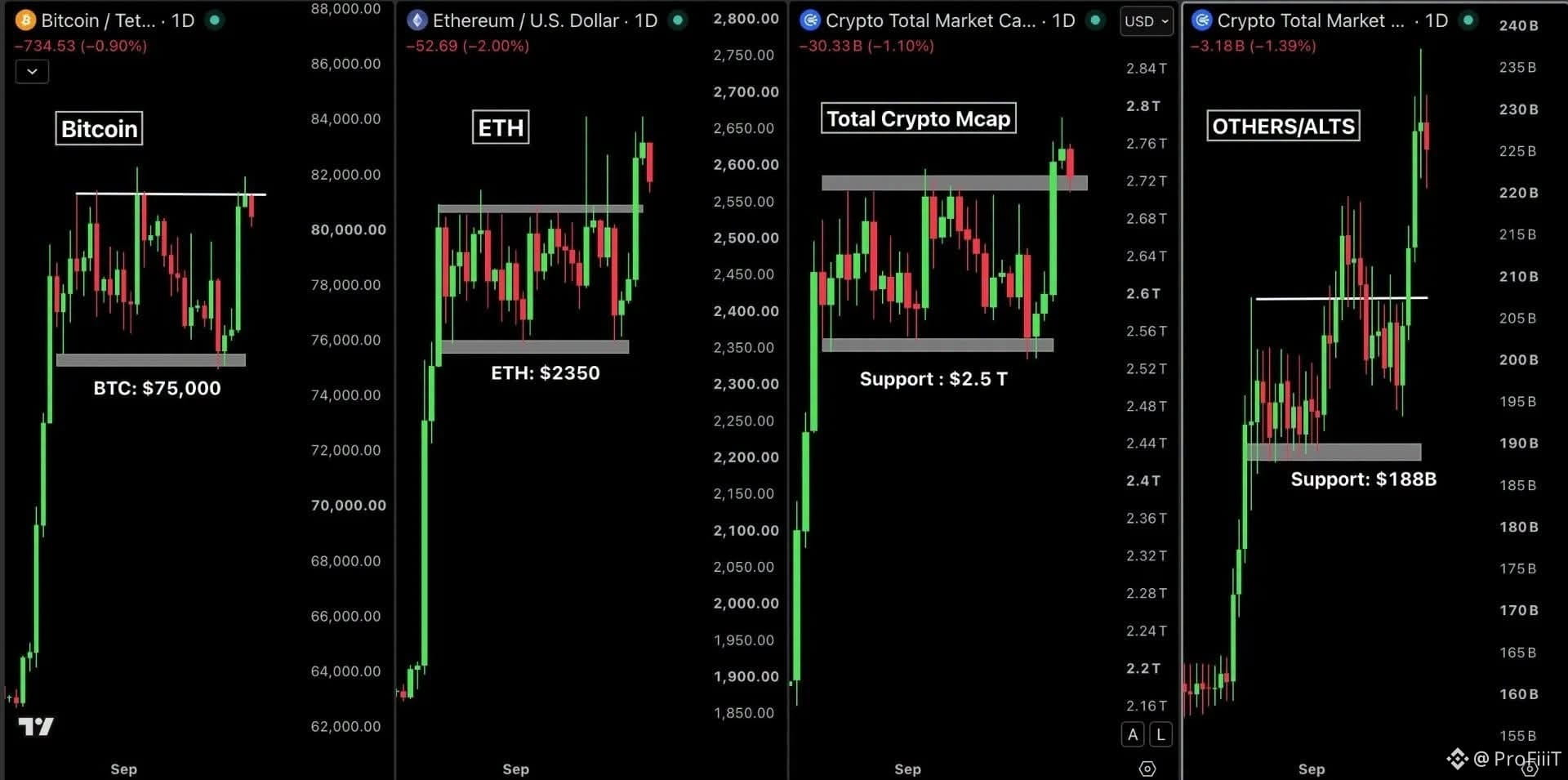
Everyone expected the crypto markets to collapse this week, but it did the exact opposite.
- $BTC held support at $75,000, bounced 7% from the lows, and returned above $80,000.
- $ETH held at $2,350, bounced 10% from the lows, and returned above $2,550.
- ALTs surprised everyone. They rose 17% from the last low and returned above $225 billion for the first time in 8 months.
- The total crypto market value held at $2.5 trillion and added $200 billion from the last low.
And all of this happened while CLARITY failed, the Federal Reserve raised rates, and oil prices remained high.
The important part is that the key supports are still holding, which makes this rebound more positive.
Now, BTC needs to close the week above the 50-week moving average at $78,760, then break above $83,000; and ETH needs to stay above $2,600.
Until then, this is just a strong rebound—not confirmation of a bull market.
Everyone expected the crypto markets to collapse this week, but it did the exact opposite.
- $BTC held support at $75,000, bounced 7% from the lows, and returned above $80,000.
- $ETH held at $2,350, bounced 10% from the lows, and returned above $2,550.
- ALTs surprised everyone. They rose 17% from the last low and returned above $225 billion for the first time in 8 months.
- The total crypto market value held at $2.5 trillion and added $200 billion from the last low.
And all of this happened while CLARITY failed, the Federal Reserve raised rates, and oil prices remained high.
The important part is that the key supports are still holding, which makes this rebound more positive.
Now, BTC needs to close the week above the 50-week moving average at $78,760, then break above $83,000; and ETH needs to stay above $2,600.
Until then, this is just a strong rebound—not confirmation of a bull market.
- $BTC held support at $75,000, bounced 7% from the lows, and returned above $80,000.
- $ETH held at $2,350, bounced 10% from the lows, and returned above $2,550.
- ALTs surprised everyone. They rose 17% from the last low and returned above $225 billion for the first time in 8 months.
- The total crypto market value held at $2.5 trillion and added $200 billion from the last low.
And all of this happened while CLARITY failed, the Federal Reserve raised rates, and oil prices remained high.
The important part is that the key supports are still holding, which makes this rebound more positive.
Now, BTC needs to close the week above the 50-week moving average at $78,760, then break above $83,000; and ETH needs to stay above $2,600.
Until then, this is just a strong rebound—not confirmation of a bull market.
2
171
·
--
Verified
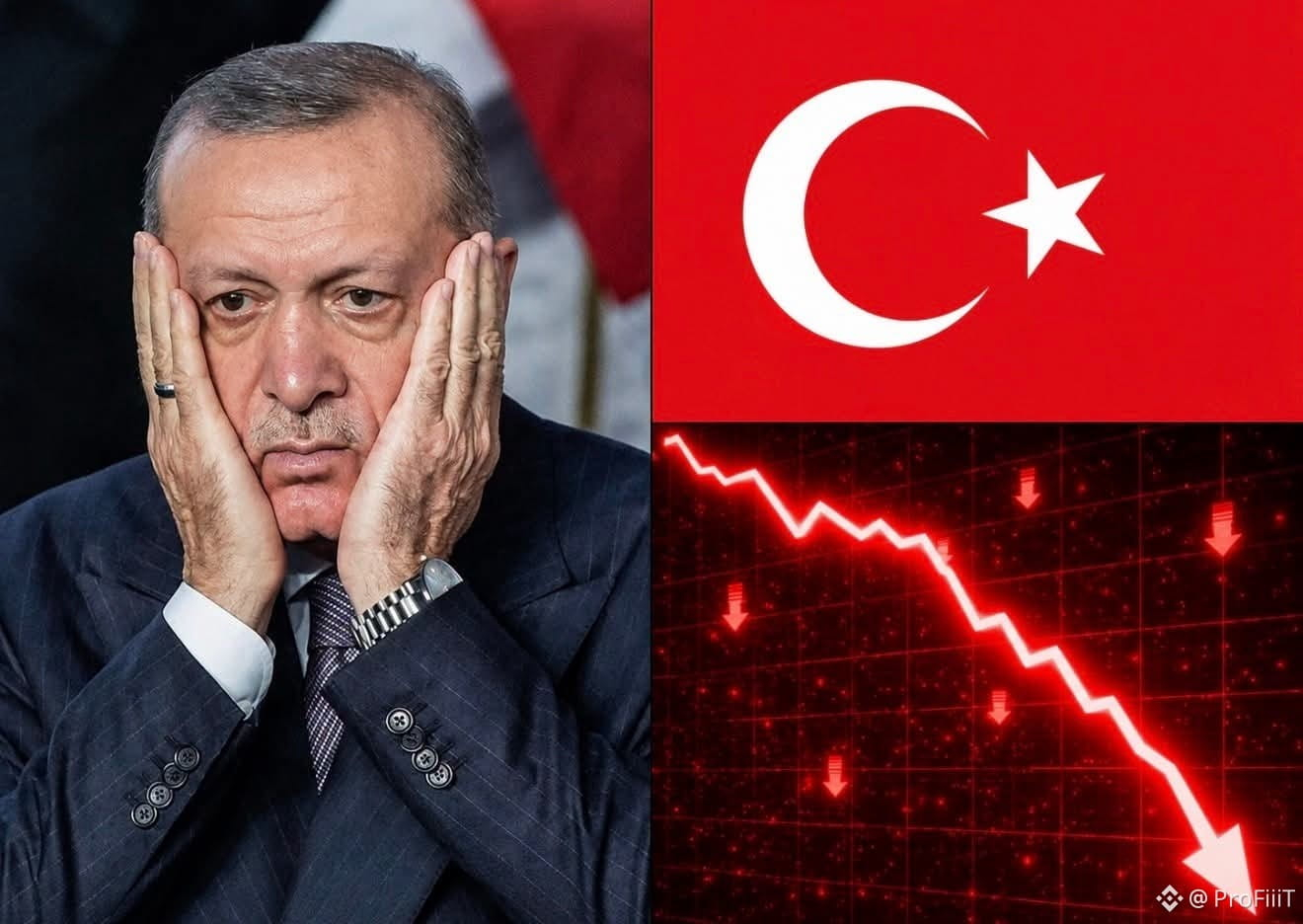
🚨 Something really bad is happening in Turkey.
The lira is posting new declines every week.
Stocks have fallen by 8%+ this week.
Inflation is over 30%, while bond yields are exploding.
And now, a liquidity crisis has hit its private investment funds.
Reports indicate that investors withdrew $1 billion in a single day, and the authorities ordered the liquidation of 131 funds worth $18.3 billion, affecting about 350,000 investors.
Turkey is now cutting margin requirements from 35% to 20%, providing more liquidity and using government-linked funds to support stocks.
A currency crisis. An inflation crisis. A bond crisis. A stock sell-off.
And now, a liquidity crisis.
Turkey is getting hit from almost every direction at the same time, and that usually ends very badly.
That’s why I own Bitcoin.
🚨 Something really bad is happening in Turkey.
The lira is posting new declines every week.
Stocks have fallen by 8%+ this week.
Inflation is over 30%, while bond yields are exploding.
And now, a liquidity crisis has hit its private investment funds.
Reports indicate that investors withdrew $1 billion in a single day, and the authorities ordered the liquidation of 131 funds worth $18.3 billion, affecting about 350,000 investors.
Turkey is now cutting margin requirements from 35% to 20%, providing more liquidity and using government-linked funds to support stocks.
A currency crisis. An inflation crisis. A bond crisis. A stock sell-off.
And now, a liquidity crisis.
Turkey is getting hit from almost every direction at the same time, and that usually ends very badly.
That’s why I own Bitcoin.
The lira is posting new declines every week.
Stocks have fallen by 8%+ this week.
Inflation is over 30%, while bond yields are exploding.
And now, a liquidity crisis has hit its private investment funds.
Reports indicate that investors withdrew $1 billion in a single day, and the authorities ordered the liquidation of 131 funds worth $18.3 billion, affecting about 350,000 investors.
Turkey is now cutting margin requirements from 35% to 20%, providing more liquidity and using government-linked funds to support stocks.
A currency crisis. An inflation crisis. A bond crisis. A stock sell-off.
And now, a liquidity crisis.
Turkey is getting hit from almost every direction at the same time, and that usually ends very badly.
That’s why I own Bitcoin.
2
1.1k
·
--
Urgent: 🇸🇦🇨🇳 Saudi Arabia withdraws from the Chinese system for digital currency and blockchain technology, which aims to reduce dependence on the US dollar.
Urgent: 🇸🇦🇨🇳 Saudi Arabia withdraws from the Chinese system for digital currency and blockchain technology, which aims to reduce dependence on the US dollar.
2
162
Log in to explore more content
Join global crypto users on Binance Square
⚡️ Get latest and useful information about crypto.
💬 Trusted by the world’s largest crypto exchange.
👍 Discover real insights from verified creators.
Email / Phone number
Trending Topics
KoreaProposesTokenizingStocksAndBonds
1,972 views
117 Discussing
#KoreaProposesTokenizingStocksAndBonds 🚨 Regulatory Milestone: South Korea Proposes Tokenizing Stocks and Bonds!
The Market Update:
Real-world asset (RWA) tokenization is taking a massive leap forward as South Korea officially proposes comprehensive regulatory frameworks to tokenize traditional stocks and government bonds. As tracked by our global policy and market intelligence desk, this major legislative push aims to integrate institutional capital markets with distributed ledger technology, opening up multi-billion-dollar traditional asset classes for on-chain issuance and secondary trading. 📊
What This Means for Traders:
Regulatory approval for tokenized securities bridges the gap between traditional finance (TradFi) and decentralized finance (DeFi). Market participants are closely tracking how institutional tokenization frameworks impact liquidity inflows, yield-bearing token adoption, and infrastructure protocols designed to handle institutional asset management.
Highlighted Tradeable Coins to Watch (RWA & Tokenization Sectors):
$ONDO (Ondo Finance): A leading decentralized protocol focused on tokenizing institutional-grade real-world financial assets like US Treasuries and bonds; tracking direct alignment with global RWA regulatory adoption.
$POLYX : An institutional-grade permissioned blockchain specifically built for regulated assets, security tokens, and tokenized equities; monitoring compliance-driven network activity.
$MKR (Maker/Sky): A major decentralized lending protocol incorporating real-world asset collateral vaults into its economic model; observing institutional debt and tokenized asset integration.
How do you view South Korea's sweeping initiative to tokenize traditional stocks and bonds affecting global RWA adoption and institutional crypto integration this quarter? Let's discuss your strategy in the comments below! 👇
#RWA #Tokenization #CryptoRegulation #defi
Axiom AlphA
·0 Likes
·27 views
MetaMaskExitsLidoValidatorsAfterSecurityIncident
62,975 views
871 Discussing
MicronBeatsEarningsLiftsGuidance
39,258 views
668 Discussing