

Porto4ever86
147 Posts

Porto4ever86
Report
Block User
Open Trade
Occasional Trader
2.6 Years
33 Following
36 Followers
42 Liked
Posts
Portfolio
All
Quotes
·
--
#CryptoCharts101
One of the most important tools that any trader must understand is the support and resistance lines. These lines are used to identify the levels where the price often bounces, either upwards or downwards.
Let's take the coin $SOL as an example. Looking at the daily chart, we notice that the price bounces several times from a strong support area at $130. Each time the price reaches this level, demand increases and the coin rises. Conversely, we find strong resistance at $160, where sellers begin to push the price down.
📈 Learning to draw these lines manually will help you make more accurate entry and exit decisions, away from randomness.
Always remember: the chart doesn't lie, but those who don't understand it... lose!
#CryptoCharts101
One of the most important tools that any trader must understand is the support and resistance lines. These lines are used to identify the levels where the price often bounces, either upwards or downwards.
Let's take the coin $SOL as an example. Looking at the daily chart, we notice that the price bounces several times from a strong support area at $130. Each time the price reaches this level, demand increases and the coin rises. Conversely, we find strong resistance at $160, where sellers begin to push the price down.
📈 Learning to draw these lines manually will help you make more accurate entry and exit decisions, away from randomness.
Always remember: the chart doesn't lie, but those who don't understand it... lose!
One of the most important tools that any trader must understand is the support and resistance lines. These lines are used to identify the levels where the price often bounces, either upwards or downwards.
Let's take the coin $SOL as an example. Looking at the daily chart, we notice that the price bounces several times from a strong support area at $130. Each time the price reaches this level, demand increases and the coin rises. Conversely, we find strong resistance at $160, where sellers begin to push the price down.
📈 Learning to draw these lines manually will help you make more accurate entry and exit decisions, away from randomness.
Always remember: the chart doesn't lie, but those who don't understand it... lose!
199
·
--
#SouthKoreaCryptoPolicy
South Korea has treated cryptocurrencies seriously; they have a clear system that protects investors and regulates the market. The main things you need to know:
- They have a new law regulating trading platforms and requiring strict conditions
- They do not accept trading without identification; all accounts must be linked to your real name
- A 20% tax on profits will be applied starting next year
- There is a tax exemption if your profits are below about two thousand dollars per year
- They have strict rules to protect people from fraud and deception
- They limit margin trading so that people do not lose money quickly
- They have special requirements for stablecoins; they do not accept just any
- They are currently working on their official digital currency linked to the central bank
Last advice: if you trade with them, use only approved platforms that have an official license to ensure your rights.
#SouthKoreaCryptoPolicy
South Korea has treated cryptocurrencies seriously; they have a clear system that protects investors and regulates the market. The main things you need to know:
- They have a new law regulating trading platforms and requiring strict conditions
- They do not accept trading without identification; all accounts must be linked to your real name
- A 20% tax on profits will be applied starting next year
- There is a tax exemption if your profits are below about two thousand dollars per year
- They have strict rules to protect people from fraud and deception
- They limit margin trading so that people do not lose money quickly
- They have special requirements for stablecoins; they do not accept just any
- They are currently working on their official digital currency linked to the central bank
Last advice: if you trade with them, use only approved platforms that have an official license to ensure your rights.
South Korea has treated cryptocurrencies seriously; they have a clear system that protects investors and regulates the market. The main things you need to know:
- They have a new law regulating trading platforms and requiring strict conditions
- They do not accept trading without identification; all accounts must be linked to your real name
- A 20% tax on profits will be applied starting next year
- There is a tax exemption if your profits are below about two thousand dollars per year
- They have strict rules to protect people from fraud and deception
- They limit margin trading so that people do not lose money quickly
- They have special requirements for stablecoins; they do not accept just any
- They are currently working on their official digital currency linked to the central bank
Last advice: if you trade with them, use only approved platforms that have an official license to ensure your rights.
206
·
--
TradingMistakes101#TradingMistakes101
When I took my first steps in trading, I remember having one thing in mind: to make money. So I sat there, meticulously watching that little bar go up and down, up and down, and thought: now is the time! When it goes down again, I will enter at that point, and when it goes up at that point, I will sell, and that’s it! I’m going to make money! Haha, what rookie mistakes are made when there is a lot of enthusiasm and little experience.
Knowing about the business
Very soon I realized that I needed to study. So I started to delve into the subject and, shortly after, I was watching courses from Binance, through the existing documentation and experts teaching online under the sponsorship of the platform. Social media also had its positive contribution, as I found a good teacher who used to give advice and lessons on how to trade, and regularly shared some of his trades so that followers could learn something in practice. In the same way, I added to my repertoire the study and analysis of publications from well-known sites for their informative trajectory in trading, cryptocurrencies, and the blockchain ecosystem in general.
TradingMistakes101
#TradingMistakes101
When I took my first steps in trading, I remember having one thing in mind: to make money. So I sat there, meticulously watching that little bar go up and down, up and down, and thought: now is the time! When it goes down again, I will enter at that point, and when it goes up at that point, I will sell, and that’s it! I’m going to make money! Haha, what rookie mistakes are made when there is a lot of enthusiasm and little experience.
Knowing about the business
Very soon I realized that I needed to study. So I started to delve into the subject and, shortly after, I was watching courses from Binance, through the existing documentation and experts teaching online under the sponsorship of the platform. Social media also had its positive contribution, as I found a good teacher who used to give advice and lessons on how to trade, and regularly shared some of his trades so that followers could learn something in practice. In the same way, I added to my repertoire the study and analysis of publications from well-known sites for their informative trajectory in trading, cryptocurrencies, and the blockchain ecosystem in general.
When I took my first steps in trading, I remember having one thing in mind: to make money. So I sat there, meticulously watching that little bar go up and down, up and down, and thought: now is the time! When it goes down again, I will enter at that point, and when it goes up at that point, I will sell, and that’s it! I’m going to make money! Haha, what rookie mistakes are made when there is a lot of enthusiasm and little experience.
Knowing about the business
Very soon I realized that I needed to study. So I started to delve into the subject and, shortly after, I was watching courses from Binance, through the existing documentation and experts teaching online under the sponsorship of the platform. Social media also had its positive contribution, as I found a good teacher who used to give advice and lessons on how to trade, and regularly shared some of his trades so that followers could learn something in practice. In the same way, I added to my repertoire the study and analysis of publications from well-known sites for their informative trajectory in trading, cryptocurrencies, and the blockchain ecosystem in general.
22
·
--
#CryptoSecurity101
How to Protect Your Cryptocurrencies?
As the world of cryptocurrencies grows, it becomes increasingly important to take steps to protect your digital investments. Here are some steps you can follow:
Use Secure Wallets: Opt for wallets known for their strong security features. Hardware wallets, which store your private keys offline, offer a higher level of security than online wallets.
Implementing 2FA: Two-Factor Authentication (2FA) adds an extra layer of security to your accounts. This means that even if your password is compromised, an attacker would still need your second factor to access your account.
Keep Software Updated: Ensure that your devices, wallets, and applications are up to date. Updates often include security enhancements that protect against newly discovered threats.
Use Secure Networks: Avoid making cryptocurrency transactions on public Wi-Fi networks. These networks can be insecure, making it easier for hackers to intercept sensitive data.
Be Cautious of Phishing Attempts: Be on the lookout for possible phishing attempts. Always double-check emails and messages, especially those that urge you to disclose sensitive information.
While there is no foolproof way to protect against all security threats in cryptocurrencies, these steps can significantly reduce your exposure to risk and help keep your investments safe.
#CryptoSecurity101
How to Protect Your Cryptocurrencies?
As the world of cryptocurrencies grows, it becomes increasingly important to take steps to protect your digital investments. Here are some steps you can follow:
Use Secure Wallets: Opt for wallets known for their strong security features. Hardware wallets, which store your private keys offline, offer a higher level of security than online wallets.
Implementing 2FA: Two-Factor Authentication (2FA) adds an extra layer of security to your accounts. This means that even if your password is compromised, an attacker would still need your second factor to access your account.
Keep Software Updated: Ensure that your devices, wallets, and applications are up to date. Updates often include security enhancements that protect against newly discovered threats.
Use Secure Networks: Avoid making cryptocurrency transactions on public Wi-Fi networks. These networks can be insecure, making it easier for hackers to intercept sensitive data.
Be Cautious of Phishing Attempts: Be on the lookout for possible phishing attempts. Always double-check emails and messages, especially those that urge you to disclose sensitive information.
While there is no foolproof way to protect against all security threats in cryptocurrencies, these steps can significantly reduce your exposure to risk and help keep your investments safe.
How to Protect Your Cryptocurrencies?
As the world of cryptocurrencies grows, it becomes increasingly important to take steps to protect your digital investments. Here are some steps you can follow:
Use Secure Wallets: Opt for wallets known for their strong security features. Hardware wallets, which store your private keys offline, offer a higher level of security than online wallets.
Implementing 2FA: Two-Factor Authentication (2FA) adds an extra layer of security to your accounts. This means that even if your password is compromised, an attacker would still need your second factor to access your account.
Keep Software Updated: Ensure that your devices, wallets, and applications are up to date. Updates often include security enhancements that protect against newly discovered threats.
Use Secure Networks: Avoid making cryptocurrency transactions on public Wi-Fi networks. These networks can be insecure, making it easier for hackers to intercept sensitive data.
Be Cautious of Phishing Attempts: Be on the lookout for possible phishing attempts. Always double-check emails and messages, especially those that urge you to disclose sensitive information.
While there is no foolproof way to protect against all security threats in cryptocurrencies, these steps can significantly reduce your exposure to risk and help keep your investments safe.
19
·
--
#CryptoFees101
These are fees charged to process transactions or perform operations on blockchain networks and exchanges.
Main types of fees:
1. Network fees
Paid to miners or validators to confirm transactions.
They vary according to the demand of the network.
Example: gas fee on Ethereum.
2. Exchange fees
Charged by centralized exchanges (like Binance, Coinbase) for buying, selling, or withdrawing cryptocurrencies.
Typically between 0.1% and 1% per transaction.
3. Withdrawal fees
A fixed or variable charge when transferring crypto from the exchange to your personal wallet.
4. Smart contract fees
Fees associated with executing smart contracts (DeFi, NFTs, DApps).
Usually paid in the native tokens of the network.
#CryptoFees101
These are fees charged to process transactions or perform operations on blockchain networks and exchanges.
Main types of fees:
1. Network fees
Paid to miners or validators to confirm transactions.
They vary according to the demand of the network.
Example: gas fee on Ethereum.
2. Exchange fees
Charged by centralized exchanges (like Binance, Coinbase) for buying, selling, or withdrawing cryptocurrencies.
Typically between 0.1% and 1% per transaction.
3. Withdrawal fees
A fixed or variable charge when transferring crypto from the exchange to your personal wallet.
4. Smart contract fees
Fees associated with executing smart contracts (DeFi, NFTs, DApps).
Usually paid in the native tokens of the network.
These are fees charged to process transactions or perform operations on blockchain networks and exchanges.
Main types of fees:
1. Network fees
Paid to miners or validators to confirm transactions.
They vary according to the demand of the network.
Example: gas fee on Ethereum.
2. Exchange fees
Charged by centralized exchanges (like Binance, Coinbase) for buying, selling, or withdrawing cryptocurrencies.
Typically between 0.1% and 1% per transaction.
3. Withdrawal fees
A fixed or variable charge when transferring crypto from the exchange to your personal wallet.
4. Smart contract fees
Fees associated with executing smart contracts (DeFi, NFTs, DApps).
Usually paid in the native tokens of the network.
10
·
--
#BigTechStablecoin refers to stablecoins that are issued by large technology companies, known as "Big Tech". These companies, such as Facebook (with Diem, formerly known as Libra) and others, are exploring the creation of their own digital currencies pegged to stable assets, such as the US dollar.
These stablecoins have the potential to offer an alternative to traditional currencies and can facilitate faster and cheaper transactions, as well as allow companies to integrate even further into the global financial system. However, they also raise questions about regulation, privacy, and financial control, as large companies already hold a lot of data about users.
The concept of BigTechStablecoin is relevant in the context of discussions about the future of digital money and the evolution of decentralized finance.
#BigTechStablecoin refers to stablecoins that are issued by large technology companies, known as "Big Tech". These companies, such as Facebook (with Diem, formerly known as Libra) and others, are exploring the creation of their own digital currencies pegged to stable assets, such as the US dollar.
These stablecoins have the potential to offer an alternative to traditional currencies and can facilitate faster and cheaper transactions, as well as allow companies to integrate even further into the global financial system. However, they also raise questions about regulation, privacy, and financial control, as large companies already hold a lot of data about users.
The concept of BigTechStablecoin is relevant in the context of discussions about the future of digital money and the evolution of decentralized finance.
These stablecoins have the potential to offer an alternative to traditional currencies and can facilitate faster and cheaper transactions, as well as allow companies to integrate even further into the global financial system. However, they also raise questions about regulation, privacy, and financial control, as large companies already hold a lot of data about users.
The concept of BigTechStablecoin is relevant in the context of discussions about the future of digital money and the evolution of decentralized finance.
21
·
--
#TradingPairs101
Understanding trading pairs is essential for any trader, especially in the world of cryptocurrencies. A trading pair represents the relationship between two currencies, such as BTC/USDT or ETH/BTC, and shows how much one is worth in relation to the other. Mastering this dynamic helps to identify arbitrage opportunities, market trends, and ideal moments to buy or sell.
#TradingPairs101
Understanding trading pairs is essential for any trader, especially in the world of cryptocurrencies. A trading pair represents the relationship between two currencies, such as BTC/USDT or ETH/BTC, and shows how much one is worth in relation to the other. Mastering this dynamic helps to identify arbitrage opportunities, market trends, and ideal moments to buy or sell.
Understanding trading pairs is essential for any trader, especially in the world of cryptocurrencies. A trading pair represents the relationship between two currencies, such as BTC/USDT or ETH/BTC, and shows how much one is worth in relation to the other. Mastering this dynamic helps to identify arbitrage opportunities, market trends, and ideal moments to buy or sell.
29
·
--
#Liquidity101
Liquidity: The Essential Fuel of the Crypto Market!
In the world of cryptocurrencies, liquidity is crucial! But why?
In summary, high liquidity means:
* Ease of Buying/Selling: You can enter and exit positions quickly, without major difficulties.
* More Stable Prices: Lower likelihood of large price swings caused by a single transaction.
* Smaller Spreads: The difference between the buying price and the selling price (bid/ask) is minimized, optimizing your transactions.
Without liquidity, the market can become a challenge: difficult to trade, with unstable prices and higher risk of losses.
Pay attention to liquidity when choosing your cryptocurrencies and platforms! It is a key indicator of a healthy and efficient market.
#Liquidity101
Liquidity: The Essential Fuel of the Crypto Market!
In the world of cryptocurrencies, liquidity is crucial! But why?
In summary, high liquidity means:
* Ease of Buying/Selling: You can enter and exit positions quickly, without major difficulties.
* More Stable Prices: Lower likelihood of large price swings caused by a single transaction.
* Smaller Spreads: The difference between the buying price and the selling price (bid/ask) is minimized, optimizing your transactions.
Without liquidity, the market can become a challenge: difficult to trade, with unstable prices and higher risk of losses.
Pay attention to liquidity when choosing your cryptocurrencies and platforms! It is a key indicator of a healthy and efficient market.
Liquidity: The Essential Fuel of the Crypto Market!
In the world of cryptocurrencies, liquidity is crucial! But why?
In summary, high liquidity means:
* Ease of Buying/Selling: You can enter and exit positions quickly, without major difficulties.
* More Stable Prices: Lower likelihood of large price swings caused by a single transaction.
* Smaller Spreads: The difference between the buying price and the selling price (bid/ask) is minimized, optimizing your transactions.
Without liquidity, the market can become a challenge: difficult to trade, with unstable prices and higher risk of losses.
Pay attention to liquidity when choosing your cryptocurrencies and platforms! It is a key indicator of a healthy and efficient market.
11
·
--
#OrderTypes101
Basic Guide to Order Types in the Market
In the world of trading (stocks, cryptocurrencies, forex, etc.), understanding the types of orders is essential for operating strategically and securely. Each type of order determines how and when your buy or sell will be executed.
🏷️ Main Types of Orders
1. Market Order
Immediate buy or sell at the best available price.
✅ Simple and quick.
⚠️ No control over the final price.
2. Limit Order
Buy or sell only at a specific price or better.
✅ Greater price control.
⚠️ May not be executed if the price does not reach the limit.
3. Stop Order (Stop Order / Stop-Loss / Stop-Buy)
Becomes a market order when a trigger price (stop price) is reached.
Used to:
Limit losses (Stop-Loss).
Capture trends (Stop-Buy).
⚠️ Execution not guaranteed at the exact price.
4. Stop-Limit
Combines Stop order with Limit.
After the trigger, generates a limit order.
✅ More control after activation.
⚠️ Risk of non-execution in volatile markets.
5. OCO Order (One Cancels the Other)
Combines two orders: if one is executed, the other is automatically canceled.
Useful for simultaneously setting:
a profit target.
a loss limit.
#OrderTypes101
Basic Guide to Order Types in the Market
In the world of trading (stocks, cryptocurrencies, forex, etc.), understanding the types of orders is essential for operating strategically and securely. Each type of order determines how and when your buy or sell will be executed.
🏷️ Main Types of Orders
1. Market Order
Immediate buy or sell at the best available price.
✅ Simple and quick.
⚠️ No control over the final price.
2. Limit Order
Buy or sell only at a specific price or better.
✅ Greater price control.
⚠️ May not be executed if the price does not reach the limit.
3. Stop Order (Stop Order / Stop-Loss / Stop-Buy)
Becomes a market order when a trigger price (stop price) is reached.
Used to:
Limit losses (Stop-Loss).
Capture trends (Stop-Buy).
⚠️ Execution not guaranteed at the exact price.
4. Stop-Limit
Combines Stop order with Limit.
After the trigger, generates a limit order.
✅ More control after activation.
⚠️ Risk of non-execution in volatile markets.
5. OCO Order (One Cancels the Other)
Combines two orders: if one is executed, the other is automatically canceled.
Useful for simultaneously setting:
a profit target.
a loss limit.
Basic Guide to Order Types in the Market
In the world of trading (stocks, cryptocurrencies, forex, etc.), understanding the types of orders is essential for operating strategically and securely. Each type of order determines how and when your buy or sell will be executed.
🏷️ Main Types of Orders
1. Market Order
Immediate buy or sell at the best available price.
✅ Simple and quick.
⚠️ No control over the final price.
2. Limit Order
Buy or sell only at a specific price or better.
✅ Greater price control.
⚠️ May not be executed if the price does not reach the limit.
3. Stop Order (Stop Order / Stop-Loss / Stop-Buy)
Becomes a market order when a trigger price (stop price) is reached.
Used to:
Limit losses (Stop-Loss).
Capture trends (Stop-Buy).
⚠️ Execution not guaranteed at the exact price.
4. Stop-Limit
Combines Stop order with Limit.
After the trigger, generates a limit order.
✅ More control after activation.
⚠️ Risk of non-execution in volatile markets.
5. OCO Order (One Cancels the Other)
Combines two orders: if one is executed, the other is automatically canceled.
Useful for simultaneously setting:
a profit target.
a loss limit.
19
·
--
#CEXvsDEX101
Here is an explanation of the terms:
CEX = Centralized Exchange → Centralized Broker
DEX = Decentralized Exchange → Decentralized Broker
101 = Common expression in English that means “introduction” or “basic explanation” about a subject.
Therefore, CEXvsDEX101 means an introduction or basic guide comparing centralized and decentralized brokers.
#CEXvsDEX101
Here is an explanation of the terms:
CEX = Centralized Exchange → Centralized Broker
DEX = Decentralized Exchange → Decentralized Broker
101 = Common expression in English that means “introduction” or “basic explanation” about a subject.
Therefore, CEXvsDEX101 means an introduction or basic guide comparing centralized and decentralized brokers.
Here is an explanation of the terms:
CEX = Centralized Exchange → Centralized Broker
DEX = Decentralized Exchange → Decentralized Broker
101 = Common expression in English that means “introduction” or “basic explanation” about a subject.
Therefore, CEXvsDEX101 means an introduction or basic guide comparing centralized and decentralized brokers.
10
·
--
#TradingTypes101
The main types of trading are:
1. Day Trading: Buying and selling on the same day to achieve quick profits.
2. Swing Trading: Trades that extend from days to weeks, depending on price movement.
3. Position Trading: Long-term trades that last for months or years.
4. Scalping: Very quick trades to achieve small repeated profits.
5. Algorithmic Trading: Based on robots and software to execute trades.
6. Copy Trading: Automatically copying the trades of professional traders.
#TradingTypes101
The main types of trading are:
1. Day Trading: Buying and selling on the same day to achieve quick profits.
2. Swing Trading: Trades that extend from days to weeks, depending on price movement.
3. Position Trading: Long-term trades that last for months or years.
4. Scalping: Very quick trades to achieve small repeated profits.
5. Algorithmic Trading: Based on robots and software to execute trades.
6. Copy Trading: Automatically copying the trades of professional traders.
The main types of trading are:
1. Day Trading: Buying and selling on the same day to achieve quick profits.
2. Swing Trading: Trades that extend from days to weeks, depending on price movement.
3. Position Trading: Long-term trades that last for months or years.
4. Scalping: Very quick trades to achieve small repeated profits.
5. Algorithmic Trading: Based on robots and software to execute trades.
6. Copy Trading: Automatically copying the trades of professional traders.
40
·
--
3452839
3452839
X Sam 001
·
--
Not fools Just Genius can tell me‼️‼️‼️ Just 5 seconds ....
What are numbers❓❓🤔🤔🤔
What are numbers❓❓🤔🤔🤔

·
--
12
12


Jens_
·
--
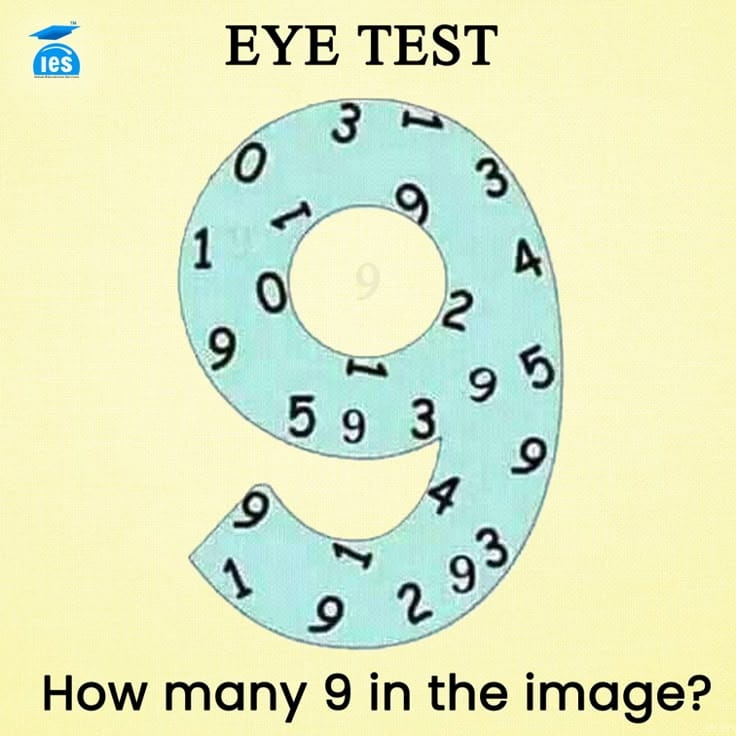
Test your Eyes:
How many "9" in the image?
#AppleCryptoUpdate
#DigitalAssetBill
#BinanceHODLerSTO
How many "9" in the image?
#AppleCryptoUpdate
#DigitalAssetBill
#BinanceHODLerSTO


·
--
Binance announced the listing of 7 spot trading pairs including API3/USDC as new investment options.
The trading is scheduled to start at 17:00 (KST) on the 3rd.
This listing is expected to provide investors with opportunities for portfolio diversification through various trading pairs.
$USDC
Binance announced the listing of 7 spot trading pairs including API3/USDC as new investment options.
The trading is scheduled to start at 17:00 (KST) on the 3rd.
This listing is expected to provide investors with opportunities for portfolio diversification through various trading pairs.
$USDC
The trading is scheduled to start at 17:00 (KST) on the 3rd.
This listing is expected to provide investors with opportunities for portfolio diversification through various trading pairs.
$USDC
375
·
--
#BSCMemeCoins
BSC Meme Coins are meme cryptocurrencies launched on the Binance Smart Chain (BSC), known for their high volatility and explosive growth potential. Inspired by popular internet memes, they usually have low transaction fees and fast execution times, making them accessible to small investors.
Famous examples include Baby Doge Coin, Floki Inu, and CateCoin, which have gained prominence through active communities and viral campaigns. Despite the hype, these coins are highly speculative and can present elevated risks due to a lack of real utility.
#BSCMemeCoins
BSC Meme Coins are meme cryptocurrencies launched on the Binance Smart Chain (BSC), known for their high volatility and explosive growth potential. Inspired by popular internet memes, they usually have low transaction fees and fast execution times, making them accessible to small investors.
Famous examples include Baby Doge Coin, Floki Inu, and CateCoin, which have gained prominence through active communities and viral campaigns. Despite the hype, these coins are highly speculative and can present elevated risks due to a lack of real utility.
BSC Meme Coins are meme cryptocurrencies launched on the Binance Smart Chain (BSC), known for their high volatility and explosive growth potential. Inspired by popular internet memes, they usually have low transaction fees and fast execution times, making them accessible to small investors.
Famous examples include Baby Doge Coin, Floki Inu, and CateCoin, which have gained prominence through active communities and viral campaigns. Despite the hype, these coins are highly speculative and can present elevated risks due to a lack of real utility.
17
·
--
#CircleIPO
Circle, issuer of the stablecoin $USDC, has officially filed for an initial public offering (IPO) in the US. This move signals a growing mainstream acceptance of stablecoins and could mark a significant milestone in the integration of the crypto industry with traditional finance.
#CircleIPO
Circle, issuer of the stablecoin $USDC, has officially filed for an initial public offering (IPO) in the US. This move signals a growing mainstream acceptance of stablecoins and could mark a significant milestone in the integration of the crypto industry with traditional finance.
Circle, issuer of the stablecoin $USDC, has officially filed for an initial public offering (IPO) in the US. This move signals a growing mainstream acceptance of stablecoins and could mark a significant milestone in the integration of the crypto industry with traditional finance.
10
·
--
Two of President Trump’s sons announced on Monday that they were investing in a new Bitcoin mining venture, an expansion of the family’s business interests in the crypto industry.
Eric Trump and Donald Trump Jr. said they would join forces with the Bitcoin mining company Hut 8 to create a firm called American Bitcoin. Bitcoin mining is a lucrative branch of the crypto industry, in which large companies run energy-guzzling machines that help process Bitcoin transactions.
$BTC
Two of President Trump’s sons announced on Monday that they were investing in a new Bitcoin mining venture, an expansion of the family’s business interests in the crypto industry.
Eric Trump and Donald Trump Jr. said they would join forces with the Bitcoin mining company Hut 8 to create a firm called American Bitcoin. Bitcoin mining is a lucrative branch of the crypto industry, in which large companies run energy-guzzling machines that help process Bitcoin transactions.
$BTC
Eric Trump and Donald Trump Jr. said they would join forces with the Bitcoin mining company Hut 8 to create a firm called American Bitcoin. Bitcoin mining is a lucrative branch of the crypto industry, in which large companies run energy-guzzling machines that help process Bitcoin transactions.
$BTC
1
Log in to explore more content
Join global crypto users on Binance Square
⚡️ Get latest and useful information about crypto.
💬 Trusted by the world’s largest crypto exchange.
👍 Discover real insights from verified creators.
Email / Phone number
Trending Topics
USRussiaUkraineTalksReportedlyIncludeLukoilOilDeal
0 views
16 Discussing
#USRussiaUkraineTalksReportedlyIncludeLukoilOilDeal
⚡ U.S.–Russia Talks Reportedly Expand Into a $Billion-Dollar Oil Deal
🇺🇸🇷🇺 Reports say discussions over Ukraine may now involve a potential deal for Lukoil’s international oil assets, including refineries, oil fields and fuel stations.
💰 The reported investor group includes U.S. investor Todd Boehly and Middle Eastern business groups, with approvals reportedly needed from both Washington and Moscow.
🛢️ Why it matters: The deal could intersect with sanctions, energy markets and Ukraine peace negotiations.
⚠️ Nothing is confirmed yet. The White House, U.S. Treasury and Lukoil had not commented in the cited reporting.
👀 Could a major oil deal become part of the wider Ukraine negotiations?
#Lukoil #OilMarkets #Ukraine #Geopolitics
CrypVexa
·1 Likes
·41 views
BitcoinParesGainsAfterRallyTo$86.5K
28,288 views
105 Discussing
CerebrasSinksNearly20%OnReportNvidiaToPowerOpenAI
52,615 views
605 Discussing