

浩宇BNB
3.2k Posts

浩宇BNB
Report
Block User
Be Polite 🙏
2.2K+ Following
10.2K+ Followers
5.6K+ Liked
Posts
All
Quotes
Live
·
--
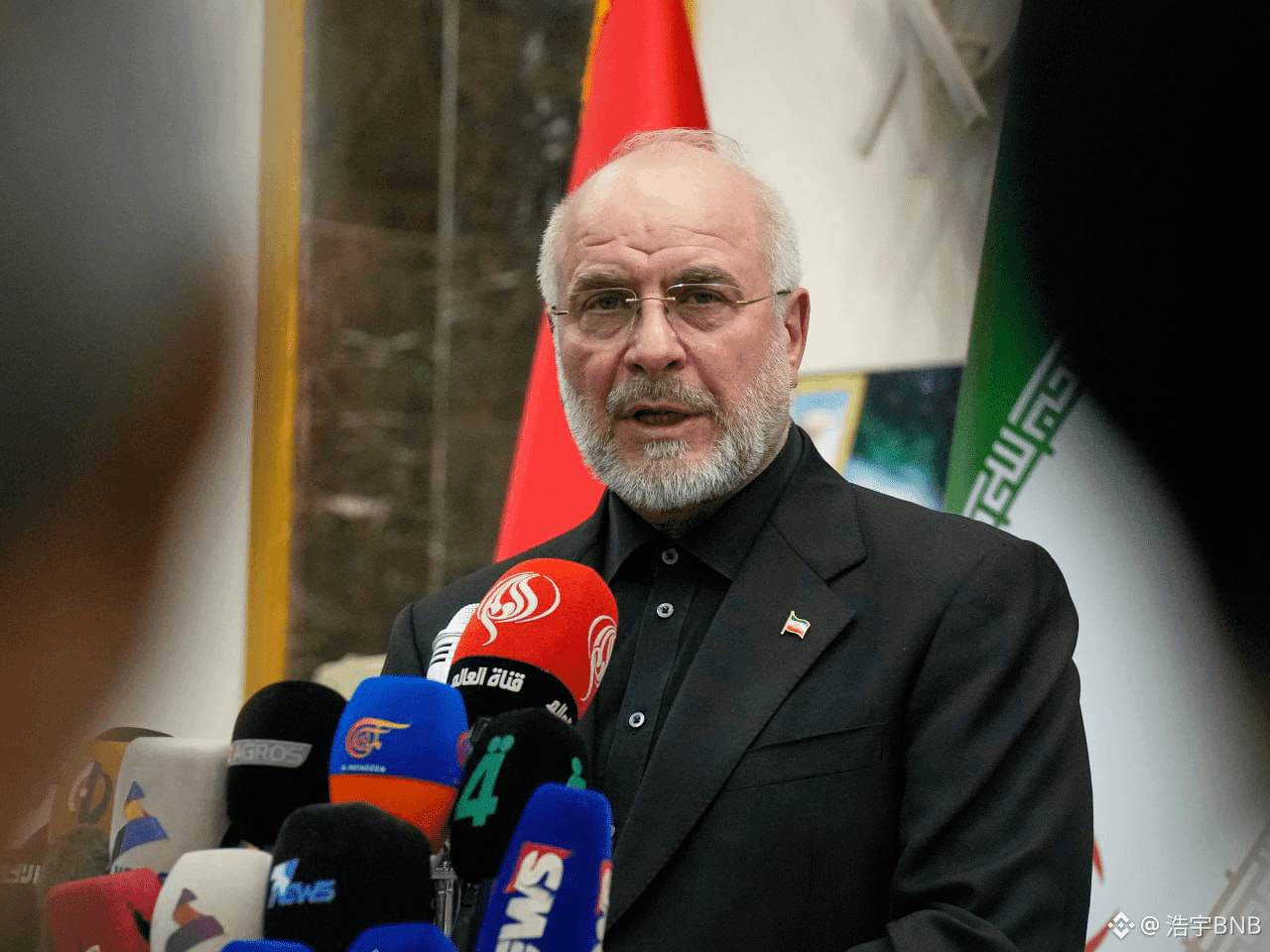
Iran just raised the stakes in the Middle East.
Tehran says the Strait of Hormuz will remain closed until the U.S. accepts seven conditions linked to the June Islamabad agreement. Iran also says its priority is restoring security in the waterway—not reopening nuclear talks.
This matters far beyond oil.
Hormuz is a critical route for global energy shipments. Keeping it restricted can pressure oil prices, increase inflation risks and hit economies that depend on Gulf energy.
The bigger issue is sequencing: Washington and Tehran reportedly disagree on who must make concessions first.
If diplomacy breaks down, markets could face another major energy shock.
Something much bigger may be developing.😎
$BTC
{spot}(BTCUSDT)
$BNB
{spot}(BNBUSDT)
$TROLL
{alpha}(CT_5015UUH9RTDiSpq6HKS6bp4NdU9PNJpXRXuiw6ShBTBhgH2)
Iran just raised the stakes in the Middle East.
Tehran says the Strait of Hormuz will remain closed until the U.S. accepts seven conditions linked to the June Islamabad agreement. Iran also says its priority is restoring security in the waterway—not reopening nuclear talks.
This matters far beyond oil.
Hormuz is a critical route for global energy shipments. Keeping it restricted can pressure oil prices, increase inflation risks and hit economies that depend on Gulf energy.
The bigger issue is sequencing: Washington and Tehran reportedly disagree on who must make concessions first.
If diplomacy breaks down, markets could face another major energy shock.
Something much bigger may be developing.😎
$BTC
$BNB
$TROLL
Tehran says the Strait of Hormuz will remain closed until the U.S. accepts seven conditions linked to the June Islamabad agreement. Iran also says its priority is restoring security in the waterway—not reopening nuclear talks.
This matters far beyond oil.
Hormuz is a critical route for global energy shipments. Keeping it restricted can pressure oil prices, increase inflation risks and hit economies that depend on Gulf energy.
The bigger issue is sequencing: Washington and Tehran reportedly disagree on who must make concessions first.
If diplomacy breaks down, markets could face another major energy shock.
Something much bigger may be developing.😎
$BTC
$BNB
$TROLL
1
106
·
--
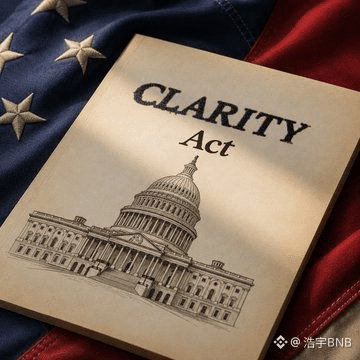
The CLARITY Act failed. Crypto didn’t.
The Senate vote was 49–50, but the market’s reaction tells a bigger story: Washington may be debating the rules while Wall Street is already building the rails.
The SEC is moving toward tokenized securities and leveraged crypto products. The CFTC is preparing broader crypto-market rules. NYSE is exploring tokenized stocks. And DTCC—sitting at the heart of U.S. market infrastructure—is preparing its own tokenization service.
That is the real inflection point.
This isn’t simply about Bitcoin anymore. It’s about putting stocks, funds, dollars and other financial assets on programmable infrastructure.
If DTCC, exchanges, banks and payment giants execute, tokenization could turn blockchain from a speculative asset class into core financial infrastructure.
CLARITY may be delayed. Wall Street’s blockchain strategy isn’t.😎
$BTC
{spot}(BTCUSDT)
$QNT
{spot}(QNTUSDT)
$NVDAB
{spot}(NVDABUSDT)
The CLARITY Act failed. Crypto didn’t.
The Senate vote was 49–50, but the market’s reaction tells a bigger story: Washington may be debating the rules while Wall Street is already building the rails.
The SEC is moving toward tokenized securities and leveraged crypto products. The CFTC is preparing broader crypto-market rules. NYSE is exploring tokenized stocks. And DTCC—sitting at the heart of U.S. market infrastructure—is preparing its own tokenization service.
That is the real inflection point.
This isn’t simply about Bitcoin anymore. It’s about putting stocks, funds, dollars and other financial assets on programmable infrastructure.
If DTCC, exchanges, banks and payment giants execute, tokenization could turn blockchain from a speculative asset class into core financial infrastructure.
CLARITY may be delayed. Wall Street’s blockchain strategy isn’t.😎
$BTC
$QNT
$NVDAB
The Senate vote was 49–50, but the market’s reaction tells a bigger story: Washington may be debating the rules while Wall Street is already building the rails.
The SEC is moving toward tokenized securities and leveraged crypto products. The CFTC is preparing broader crypto-market rules. NYSE is exploring tokenized stocks. And DTCC—sitting at the heart of U.S. market infrastructure—is preparing its own tokenization service.
That is the real inflection point.
This isn’t simply about Bitcoin anymore. It’s about putting stocks, funds, dollars and other financial assets on programmable infrastructure.
If DTCC, exchanges, banks and payment giants execute, tokenization could turn blockchain from a speculative asset class into core financial infrastructure.
CLARITY may be delayed. Wall Street’s blockchain strategy isn’t.😎
$BTC
$QNT
$NVDAB
1
539
·
--
🚨 BITDEER JUST SOLD EVERYTHING IT MINED.
Nasdaq-listed Bitdeer mined 292.3 BTC and sold the full 292.3 BTC in the week ending October 2.
That leaves its reported pure Bitcoin holdings at ZERO.
This is the part the market should watch 👀
Bitcoin miners are effectively BTC-producing businesses. When a miner sells 100% of weekly production, there is no treasury accumulation from that output.
It doesn’t automatically mean a bearish Bitcoin signal—but it shows how miners are managing BTC exposure amid changing mining economics.
292.3 BTC mined.
292.3 BTC sold.
0 BTC retained.
Miner selling pressure remains a metric worth tracking. 📊
$BTC
{spot}(BTCUSDT)
🚨 BITDEER JUST SOLD EVERYTHING IT MINED.
Nasdaq-listed Bitdeer mined 292.3 BTC and sold the full 292.3 BTC in the week ending October 2.
That leaves its reported pure Bitcoin holdings at ZERO.
This is the part the market should watch 👀
Bitcoin miners are effectively BTC-producing businesses. When a miner sells 100% of weekly production, there is no treasury accumulation from that output.
It doesn’t automatically mean a bearish Bitcoin signal—but it shows how miners are managing BTC exposure amid changing mining economics.
292.3 BTC mined.
292.3 BTC sold.
0 BTC retained.
Miner selling pressure remains a metric worth tracking. 📊
$BTC
Nasdaq-listed Bitdeer mined 292.3 BTC and sold the full 292.3 BTC in the week ending October 2.
That leaves its reported pure Bitcoin holdings at ZERO.
This is the part the market should watch 👀
Bitcoin miners are effectively BTC-producing businesses. When a miner sells 100% of weekly production, there is no treasury accumulation from that output.
It doesn’t automatically mean a bearish Bitcoin signal—but it shows how miners are managing BTC exposure amid changing mining economics.
292.3 BTC mined.
292.3 BTC sold.
0 BTC retained.
Miner selling pressure remains a metric worth tracking. 📊
$BTC
1
118
·
--
🚨 Bitcoin's next chapter might already have started!
According to CryptoQuant CEO Ki Young Ju, BTC has entered a new cycle—and there could be 3–5x upside from the cycle low.
But the real story isn’t just about price. 👇
Bitcoin’s market structure has changed. Institutional capital, ETF-driven demand, and the behavior of long-term holders are now completely different compared to the previous cycle.
Based on Ju’s thesis, even if the new cycle brings explosive upside, we may not see extreme volatility like before. In other words, diminishing returns could be the most important theme of Bitcoin’s next phase.
However, 3–5x isn’t a guaranteed target—it’s a possible cycle framework.
🔥 The only question is: will BTC repeat history this time, or will it create a new market structure?😎
$BTC
{spot}(BTCUSDT)
$HYPE
{spot}(HYPEUSDT)
🚨 Bitcoin's next chapter might already have started!
According to CryptoQuant CEO Ki Young Ju, BTC has entered a new cycle—and there could be 3–5x upside from the cycle low.
But the real story isn’t just about price. 👇
Bitcoin’s market structure has changed. Institutional capital, ETF-driven demand, and the behavior of long-term holders are now completely different compared to the previous cycle.
Based on Ju’s thesis, even if the new cycle brings explosive upside, we may not see extreme volatility like before. In other words, diminishing returns could be the most important theme of Bitcoin’s next phase.
However, 3–5x isn’t a guaranteed target—it’s a possible cycle framework.
🔥 The only question is: will BTC repeat history this time, or will it create a new market structure?😎
$BTC
$HYPE
According to CryptoQuant CEO Ki Young Ju, BTC has entered a new cycle—and there could be 3–5x upside from the cycle low.
But the real story isn’t just about price. 👇
Bitcoin’s market structure has changed. Institutional capital, ETF-driven demand, and the behavior of long-term holders are now completely different compared to the previous cycle.
Based on Ju’s thesis, even if the new cycle brings explosive upside, we may not see extreme volatility like before. In other words, diminishing returns could be the most important theme of Bitcoin’s next phase.
However, 3–5x isn’t a guaranteed target—it’s a possible cycle framework.
🔥 The only question is: will BTC repeat history this time, or will it create a new market structure?😎
$BTC
$HYPE
1
149
·
--
🚨 BREAKING: Institutional Bitcoin Demand Returns
U.S. spot Bitcoin ETFs recorded $102.67M in net inflows, with BlackRock’s IBIT leading at $195.57M.
The headline matters, but the flow composition matters more: Fidelity saw $60.73M of outflows and Grayscale’s GBTC lost $31.39M. So this isn’t simply “everyone is buying”—capital is rotating toward specific vehicles.
Still, the broader signal remains notable: September brought $2.65B of net Bitcoin ETF inflows, showing institutional demand remains active.
Watch ETF flows closely—persistent inflows can become an important liquidity driver for BTC.😎
$BTC
{spot}(BTCUSDT)
$XMR
{future}(XMRUSDT)
$XRP
{spot}(XRPUSDT)
🚨 BREAKING: Institutional Bitcoin Demand Returns
U.S. spot Bitcoin ETFs recorded $102.67M in net inflows, with BlackRock’s IBIT leading at $195.57M.
The headline matters, but the flow composition matters more: Fidelity saw $60.73M of outflows and Grayscale’s GBTC lost $31.39M. So this isn’t simply “everyone is buying”—capital is rotating toward specific vehicles.
Still, the broader signal remains notable: September brought $2.65B of net Bitcoin ETF inflows, showing institutional demand remains active.
Watch ETF flows closely—persistent inflows can become an important liquidity driver for BTC.😎
$BTC
$XMR
$XRP
U.S. spot Bitcoin ETFs recorded $102.67M in net inflows, with BlackRock’s IBIT leading at $195.57M.
The headline matters, but the flow composition matters more: Fidelity saw $60.73M of outflows and Grayscale’s GBTC lost $31.39M. So this isn’t simply “everyone is buying”—capital is rotating toward specific vehicles.
Still, the broader signal remains notable: September brought $2.65B of net Bitcoin ETF inflows, showing institutional demand remains active.
Watch ETF flows closely—persistent inflows can become an important liquidity driver for BTC.😎
$BTC
$XMR
$XRP

2
133
·
--
🚨 Bitcoin’s $100M Liquidation Shock
Crypto just experienced a sharp leverage reset, with roughly $100M liquidated—$60M from longs and $40M from shorts. BTC initially surged above $87K after September U.S. payrolls came in at just 29K vs. 90K expected, strengthening expectations for a Fed pause.
But the reversal toward $85K highlights a critical market dynamic: macro optimism alone cannot sustain price when leveraged positioning becomes crowded. BTC now faces a key battle around $85K–$87.5K, where liquidity and derivatives positioning could determine the next decisive move.😎
$BTC
{spot}(BTCUSDT)
🚨 Bitcoin’s $100M Liquidation Shock
Crypto just experienced a sharp leverage reset, with roughly $100M liquidated—$60M from longs and $40M from shorts. BTC initially surged above $87K after September U.S. payrolls came in at just 29K vs. 90K expected, strengthening expectations for a Fed pause.
But the reversal toward $85K highlights a critical market dynamic: macro optimism alone cannot sustain price when leveraged positioning becomes crowded. BTC now faces a key battle around $85K–$87.5K, where liquidity and derivatives positioning could determine the next decisive move.😎
$BTC
Crypto just experienced a sharp leverage reset, with roughly $100M liquidated—$60M from longs and $40M from shorts. BTC initially surged above $87K after September U.S. payrolls came in at just 29K vs. 90K expected, strengthening expectations for a Fed pause.
But the reversal toward $85K highlights a critical market dynamic: macro optimism alone cannot sustain price when leveraged positioning becomes crowded. BTC now faces a key battle around $85K–$87.5K, where liquidity and derivatives positioning could determine the next decisive move.😎
$BTC
1
214
·
--
dear fellows
sell all your alts & get ready to have some $BTC
{spot}(BTCUSDT)
read again ☝️
yes i mean it 😎
dear fellows
sell all your alts & get ready to have some $BTC
read again ☝️
yes i mean it 😎
sell all your alts & get ready to have some $BTC
read again ☝️
yes i mean it 😎
1
91
·
--
⚠️🇺🇸 US Military Buildup: Why Crypto Traders Should Care
Reports that the US is deploying a third aircraft carrier and additional Marines to the Middle East point to a broader escalation risk. Recent reporting confirms the US has been expanding carrier and Marine deployments amid the Iran conflict.
For crypto, the real transmission channel is oil → inflation → yields → liquidity. A sustained energy shock could delay monetary easing, strengthen the dollar and tighten global liquidity—conditions historically hostile to high-beta altcoins.
BTC may face volatility, while leveraged alts carry greater liquidation risk. Watch crude, DXY, Treasury yields, BTC dominance and funding rates.😎
$BTC
{spot}(BTCUSDT)
$QNT
{spot}(QNTUSDT)
$XMR
{future}(XMRUSDT)
⚠️🇺🇸 US Military Buildup: Why Crypto Traders Should Care
Reports that the US is deploying a third aircraft carrier and additional Marines to the Middle East point to a broader escalation risk. Recent reporting confirms the US has been expanding carrier and Marine deployments amid the Iran conflict.
For crypto, the real transmission channel is oil → inflation → yields → liquidity. A sustained energy shock could delay monetary easing, strengthen the dollar and tighten global liquidity—conditions historically hostile to high-beta altcoins.
BTC may face volatility, while leveraged alts carry greater liquidation risk. Watch crude, DXY, Treasury yields, BTC dominance and funding rates.😎
$BTC
$QNT
$XMR
Reports that the US is deploying a third aircraft carrier and additional Marines to the Middle East point to a broader escalation risk. Recent reporting confirms the US has been expanding carrier and Marine deployments amid the Iran conflict.
For crypto, the real transmission channel is oil → inflation → yields → liquidity. A sustained energy shock could delay monetary easing, strengthen the dollar and tighten global liquidity—conditions historically hostile to high-beta altcoins.
BTC may face volatility, while leveraged alts carry greater liquidation risk. Watch crude, DXY, Treasury yields, BTC dominance and funding rates.😎
$BTC
$QNT
$XMR

4
1.5k
·
--
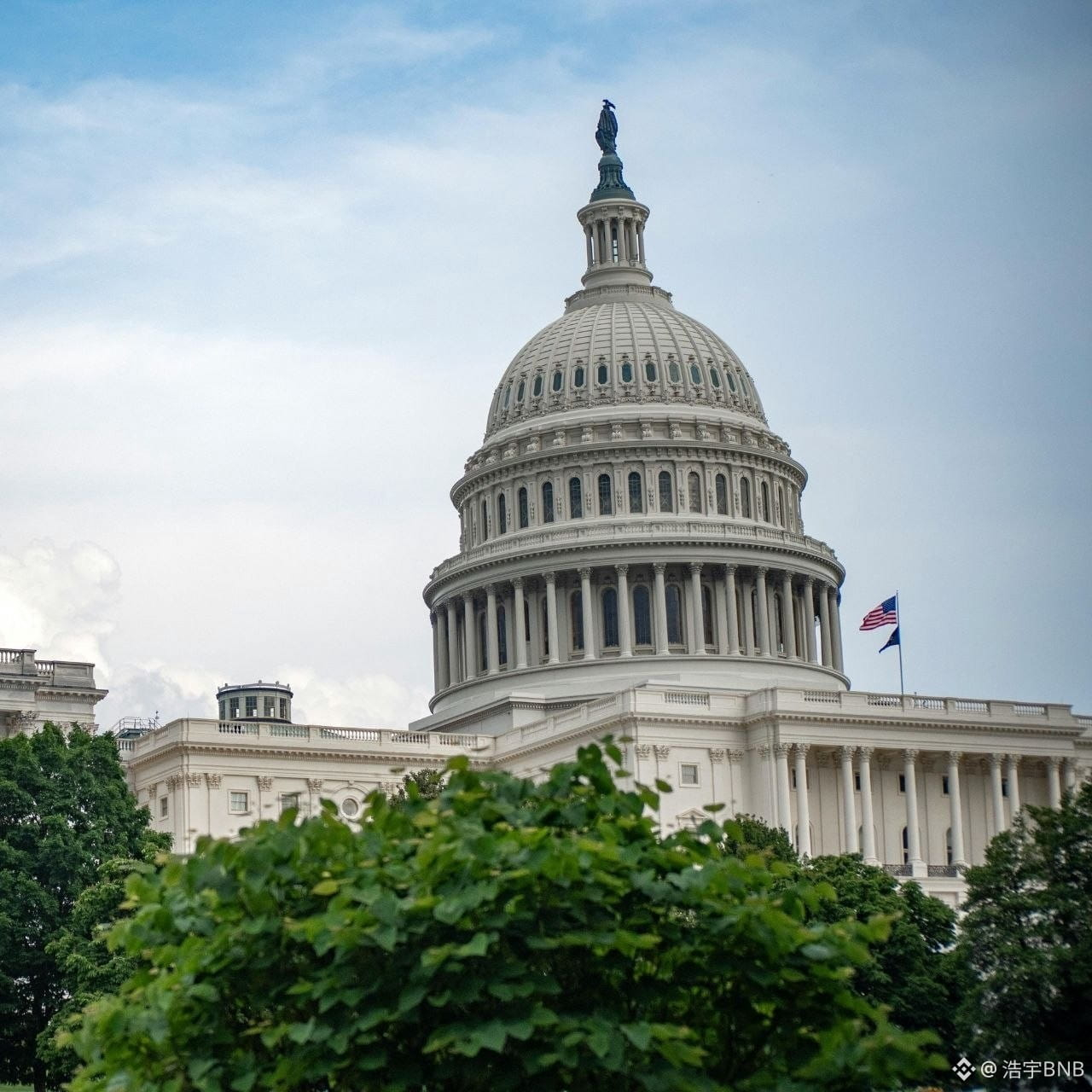
🚨 CLARITY Act failed in Congress. But crypto regulation didn’t stop.
SEC Chair Paul Atkins says the agency is moving forward anyway—working to provide clarity on how companies can raise capital onchain.
That is a bigger deal than it sounds.
If the SEC creates workable pathways for tokenized fundraising, startups could potentially access capital markets without waiting years for Congress to rewrite the rules.
The real battleground is shifting: legislation vs. regulatory execution.
Congress can create durable law. The SEC can move faster within its existing authority.
For crypto, this means one thing: the road to onchain capital markets is still moving.
CLARITY stalled.
The onchain capital experiment didn’t.😎
$QNT
{spot}(QNTUSDT)
$LINK
{spot}(LINKUSDT)
$ETH
{spot}(ETHUSDT)
🚨 CLARITY Act failed in Congress. But crypto regulation didn’t stop.
SEC Chair Paul Atkins says the agency is moving forward anyway—working to provide clarity on how companies can raise capital onchain.
That is a bigger deal than it sounds.
If the SEC creates workable pathways for tokenized fundraising, startups could potentially access capital markets without waiting years for Congress to rewrite the rules.
The real battleground is shifting: legislation vs. regulatory execution.
Congress can create durable law. The SEC can move faster within its existing authority.
For crypto, this means one thing: the road to onchain capital markets is still moving.
CLARITY stalled.
The onchain capital experiment didn’t.😎
$QNT
$LINK
$ETH
SEC Chair Paul Atkins says the agency is moving forward anyway—working to provide clarity on how companies can raise capital onchain.
That is a bigger deal than it sounds.
If the SEC creates workable pathways for tokenized fundraising, startups could potentially access capital markets without waiting years for Congress to rewrite the rules.
The real battleground is shifting: legislation vs. regulatory execution.
Congress can create durable law. The SEC can move faster within its existing authority.
For crypto, this means one thing: the road to onchain capital markets is still moving.
CLARITY stalled.
The onchain capital experiment didn’t.😎
$QNT
$LINK
$ETH

1
392
·
--
I used to think, “I opened the chart, saw the setup—done, I’ll just trade and that’s it!” 😅
Then after taking one or two “genius” entries, I realized—when you trade without a plan, it’s not the market you’re trading… it’s your own emotions! 😂
Now my minimum setup:
• Trading plan — where to enter, where to exit, and how to know when the trade is going wrong
• Risk management — how much loss you’re allowed to take on a single trade
• Checklist — review everything once before taking an entry
• Trading journal — take screenshots and write down why you took the trade
• News — only as much as needed so you don’t get caught in FOMO and make random trades 😎
If you have to keep just one thing, leaving everything else—what would you keep? 👇
$BTC
$QNT
$XMR
I used to think, “I opened the chart, saw the setup—done, I’ll just trade and that’s it!” 😅
Then after taking one or two “genius” entries, I realized—when you trade without a plan, it’s not the market you’re trading… it’s your own emotions! 😂
Now my minimum setup:
• Trading plan — where to enter, where to exit, and how to know when the trade is going wrong
• Risk management — how much loss you’re allowed to take on a single trade
• Checklist — review everything once before taking an entry
• Trading journal — take screenshots and write down why you took the trade
• News — only as much as needed so you don’t get caught in FOMO and make random trades 😎
If you have to keep just one thing, leaving everything else—what would you keep? 👇
$BTC
$QNT
$XMR
Then after taking one or two “genius” entries, I realized—when you trade without a plan, it’s not the market you’re trading… it’s your own emotions! 😂
Now my minimum setup:
• Trading plan — where to enter, where to exit, and how to know when the trade is going wrong
• Risk management — how much loss you’re allowed to take on a single trade
• Checklist — review everything once before taking an entry
• Trading journal — take screenshots and write down why you took the trade
• News — only as much as needed so you don’t get caught in FOMO and make random trades 😎
If you have to keep just one thing, leaving everything else—what would you keep? 👇
$BTC
$QNT
$XMR
2
457
·
--
🚀 UPTOBER IS COMING IN 2 DAYS!
October has historically been one of Bitcoin’s stronger months, an average October gain of roughly 23% since 2013.
But seasonality alone doesn’t create a bull run. The real catalysts are liquidity, ETF flows, macro policy, leverage and demand. In October 2024, BTC rallied strongly and briefly approached $73.5K amid substantial ETF inflows.
If liquidity expands and BTC reclaims key resistance with volume, the road toward $150K becomes an increasingly important market narrative.
History gives the setup. Liquidity decides the move. ✨✈️
$BTC
{spot}(BTCUSDT)
$QNT
{spot}(QNTUSDT)
$XRP
{spot}(XRPUSDT)
🚀 UPTOBER IS COMING IN 2 DAYS!
October has historically been one of Bitcoin’s stronger months, an average October gain of roughly 23% since 2013.
But seasonality alone doesn’t create a bull run. The real catalysts are liquidity, ETF flows, macro policy, leverage and demand. In October 2024, BTC rallied strongly and briefly approached $73.5K amid substantial ETF inflows.
If liquidity expands and BTC reclaims key resistance with volume, the road toward $150K becomes an increasingly important market narrative.
History gives the setup. Liquidity decides the move. ✨✈️
$BTC
$QNT
$XRP
October has historically been one of Bitcoin’s stronger months, an average October gain of roughly 23% since 2013.
But seasonality alone doesn’t create a bull run. The real catalysts are liquidity, ETF flows, macro policy, leverage and demand. In October 2024, BTC rallied strongly and briefly approached $73.5K amid substantial ETF inflows.
If liquidity expands and BTC reclaims key resistance with volume, the road toward $150K becomes an increasingly important market narrative.
History gives the setup. Liquidity decides the move. ✨✈️
$BTC
$QNT
$XRP
1
649
·
--
Bitcoin is entering a critical decision zone. After rejecting the $87K area, BTC is consolidating near $83K–$85K, while the broader structure remains constructive.
For me, this is not the place to blindly max-long. The market needs confirmation. A clean breakout above $87K with strong volume could signal continuation and open the path toward higher resistance zones. Conversely, losing $83K would weaken the short-term structure and make a downside setup more relevant.
My approach is simple: prepare for both scenarios. One short setup, one long setup, with predefined invalidation and risk. Until price chooses direction, trading the range can offer better risk control than chasing candles.😎
$BTC
{spot}(BTCUSDT)
Bitcoin is entering a critical decision zone. After rejecting the $87K area, BTC is consolidating near $83K–$85K, while the broader structure remains constructive.
For me, this is not the place to blindly max-long. The market needs confirmation. A clean breakout above $87K with strong volume could signal continuation and open the path toward higher resistance zones. Conversely, losing $83K would weaken the short-term structure and make a downside setup more relevant.
My approach is simple: prepare for both scenarios. One short setup, one long setup, with predefined invalidation and risk. Until price chooses direction, trading the range can offer better risk control than chasing candles.😎
$BTC
For me, this is not the place to blindly max-long. The market needs confirmation. A clean breakout above $87K with strong volume could signal continuation and open the path toward higher resistance zones. Conversely, losing $83K would weaken the short-term structure and make a downside setup more relevant.
My approach is simple: prepare for both scenarios. One short setup, one long setup, with predefined invalidation and risk. Until price chooses direction, trading the range can offer better risk control than chasing candles.😎
$BTC
247
1
16
247
·
--
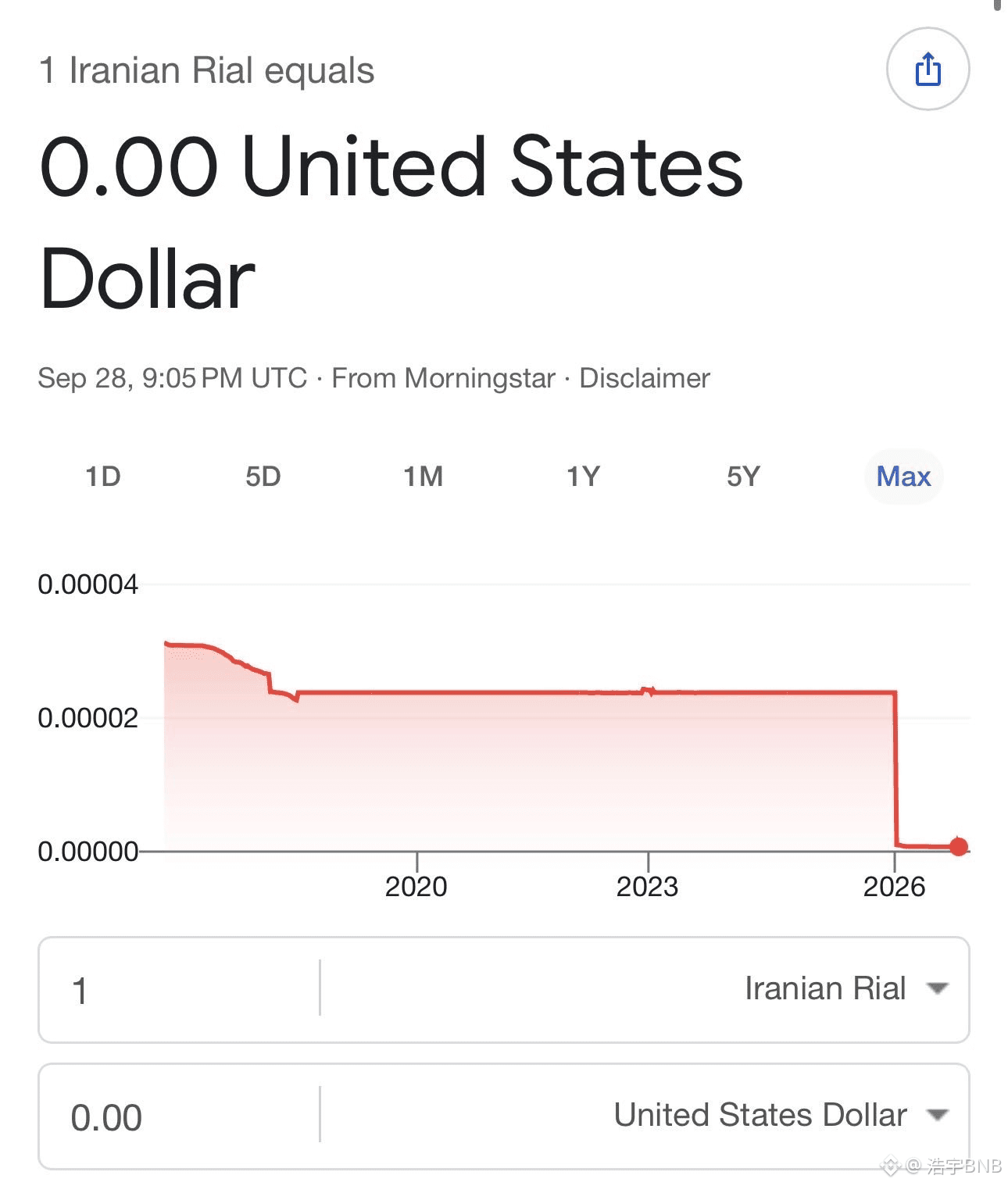
🇮🇷 Iran’s Rial Crisis Is Becoming a Crypto Story
Iran’s rial has fallen to a fresh record low, with the free-market dollar rate surpassing 2.5 million rials amid intensifying sanctions and economic pressure.
The crypto connection is significant—but more nuanced than “rial collapse = Bitcoin bullish.”
A U.S. Senate investigation found that 84% of 846 sanctioned Iran-linked crypto wallets had transacted in USDT, highlighting how dollar-backed stablecoins can function as alternative financial rails when conventional banking access is restricted.
Tether says it has helped freeze nearly $550 million in Iran-linked USDT during 2026, demonstrating the opposite side of stablecoin adoption: blockchain liquidity remains subject to issuer controls and sanctions enforcement.
The bigger takeaway for crypto markets is clear: currency instability can increase demand for digital dollar exposure, while simultaneously increasing regulatory and counterparty risks across the stablecoin ecosystem.😎
$BTC
{spot}(BTCUSDT)
$ETH
{spot}(ETHUSDT)
$ONT
{spot}(ONTUSDT)
🇮🇷 Iran’s Rial Crisis Is Becoming a Crypto Story
Iran’s rial has fallen to a fresh record low, with the free-market dollar rate surpassing 2.5 million rials amid intensifying sanctions and economic pressure.
The crypto connection is significant—but more nuanced than “rial collapse = Bitcoin bullish.”
A U.S. Senate investigation found that 84% of 846 sanctioned Iran-linked crypto wallets had transacted in USDT, highlighting how dollar-backed stablecoins can function as alternative financial rails when conventional banking access is restricted.
Tether says it has helped freeze nearly $550 million in Iran-linked USDT during 2026, demonstrating the opposite side of stablecoin adoption: blockchain liquidity remains subject to issuer controls and sanctions enforcement.
The bigger takeaway for crypto markets is clear: currency instability can increase demand for digital dollar exposure, while simultaneously increasing regulatory and counterparty risks across the stablecoin ecosystem.😎
$BTC
$ETH
$ONT
Iran’s rial has fallen to a fresh record low, with the free-market dollar rate surpassing 2.5 million rials amid intensifying sanctions and economic pressure.
The crypto connection is significant—but more nuanced than “rial collapse = Bitcoin bullish.”
A U.S. Senate investigation found that 84% of 846 sanctioned Iran-linked crypto wallets had transacted in USDT, highlighting how dollar-backed stablecoins can function as alternative financial rails when conventional banking access is restricted.
Tether says it has helped freeze nearly $550 million in Iran-linked USDT during 2026, demonstrating the opposite side of stablecoin adoption: blockchain liquidity remains subject to issuer controls and sanctions enforcement.
The bigger takeaway for crypto markets is clear: currency instability can increase demand for digital dollar exposure, while simultaneously increasing regulatory and counterparty risks across the stablecoin ecosystem.😎
$BTC
$ETH
$ONT
213
·
--
🚨 Ethereum just made cross-chain infrastructure significantly faster.
Chainlink CCIP 2.0 is integrating Ethereum’s Fast Confirmation Rule (FCR), developed with Ethlabs, allowing CCIP to act on strong block confirmations in seconds instead of waiting for Ethereum’s full finality.
The difference is massive: a confirmation depth of two blocks can mean roughly 12–24 seconds, compared with around 13 minutes for full finality.
But speed isn’t replacing security.
CCIP keeps full finality as the default, while Faster-Than-Finality enables faster settlement where the risk profile allows it.
This is bigger than a speed upgrade—it creates a more flexible architecture for scalable, institutional cross-chain finance.⚡
$ETH
{spot}(ETHUSDT)
$LINK
{spot}(LINKUSDT)
🚨 Ethereum just made cross-chain infrastructure significantly faster.
Chainlink CCIP 2.0 is integrating Ethereum’s Fast Confirmation Rule (FCR), developed with Ethlabs, allowing CCIP to act on strong block confirmations in seconds instead of waiting for Ethereum’s full finality.
The difference is massive: a confirmation depth of two blocks can mean roughly 12–24 seconds, compared with around 13 minutes for full finality.
But speed isn’t replacing security.
CCIP keeps full finality as the default, while Faster-Than-Finality enables faster settlement where the risk profile allows it.
This is bigger than a speed upgrade—it creates a more flexible architecture for scalable, institutional cross-chain finance.⚡
$ETH
$LINK
Chainlink CCIP 2.0 is integrating Ethereum’s Fast Confirmation Rule (FCR), developed with Ethlabs, allowing CCIP to act on strong block confirmations in seconds instead of waiting for Ethereum’s full finality.
The difference is massive: a confirmation depth of two blocks can mean roughly 12–24 seconds, compared with around 13 minutes for full finality.
But speed isn’t replacing security.
CCIP keeps full finality as the default, while Faster-Than-Finality enables faster settlement where the risk profile allows it.
This is bigger than a speed upgrade—it creates a more flexible architecture for scalable, institutional cross-chain finance.⚡
$ETH
$LINK

1
1
172
·
--
Solana Is Tightening the Clock ⚡
Solana’s move toward 250ms slots is more than a headline about speed—it tests how efficiently the network can operate under real-world load. Cutting slot time from 400ms toward 250ms means validators have less time to produce, propagate and process each slot, raising the performance bar significantly.
The key insight: faster slots don’t automatically mean higher TPS. They primarily improve responsiveness and latency. The bigger catalyst is Alpenglow, which targets dramatically faster finality.
That’s why the potential 200ms step deserves caution: reliability matters more than milliseconds. In high-throughput blockchains, sustainable speed—not theoretical speed—is the real competitive advantage.This is exactly 90 words and keeps the tone analytical rather than promotional.😎
$SOL
{spot}(SOLUSDT)
Solana Is Tightening the Clock ⚡
Solana’s move toward 250ms slots is more than a headline about speed—it tests how efficiently the network can operate under real-world load. Cutting slot time from 400ms toward 250ms means validators have less time to produce, propagate and process each slot, raising the performance bar significantly.
The key insight: faster slots don’t automatically mean higher TPS. They primarily improve responsiveness and latency. The bigger catalyst is Alpenglow, which targets dramatically faster finality.
That’s why the potential 200ms step deserves caution: reliability matters more than milliseconds. In high-throughput blockchains, sustainable speed—not theoretical speed—is the real competitive advantage.This is exactly 90 words and keeps the tone analytical rather than promotional.😎
$SOL
Solana’s move toward 250ms slots is more than a headline about speed—it tests how efficiently the network can operate under real-world load. Cutting slot time from 400ms toward 250ms means validators have less time to produce, propagate and process each slot, raising the performance bar significantly.
The key insight: faster slots don’t automatically mean higher TPS. They primarily improve responsiveness and latency. The bigger catalyst is Alpenglow, which targets dramatically faster finality.
That’s why the potential 200ms step deserves caution: reliability matters more than milliseconds. In high-throughput blockchains, sustainable speed—not theoretical speed—is the real competitive advantage.This is exactly 90 words and keeps the tone analytical rather than promotional.😎
$SOL
2
240
·
--
Michael Saylor’s Strategy just made another massive Bitcoin bet.
The company bought 1,666 BTC for roughly $138 million, pushing its Bitcoin treasury to an astonishing 847,666 BTC.
This isn’t simply another corporate purchase. Strategy is effectively turning Bitcoin into a core treasury asset—and every acquisition increases its exposure to BTC’s long-term price movements.
At an average cost near $75,400 per Bitcoin, Strategy is sitting on substantial unrealized gains at recent market prices.
The bigger story? Strategy continues accumulating despite Bitcoin’s volatility, reinforcing Saylor’s conviction that scarce digital assets belong on corporate balance sheets.
One company. Nearly 848K BTC.
The institutional Bitcoin experiment is getting bigger.😎
$BTC
{spot}(BTCUSDT)
Michael Saylor’s Strategy just made another massive Bitcoin bet.
The company bought 1,666 BTC for roughly $138 million, pushing its Bitcoin treasury to an astonishing 847,666 BTC.
This isn’t simply another corporate purchase. Strategy is effectively turning Bitcoin into a core treasury asset—and every acquisition increases its exposure to BTC’s long-term price movements.
At an average cost near $75,400 per Bitcoin, Strategy is sitting on substantial unrealized gains at recent market prices.
The bigger story? Strategy continues accumulating despite Bitcoin’s volatility, reinforcing Saylor’s conviction that scarce digital assets belong on corporate balance sheets.
One company. Nearly 848K BTC.
The institutional Bitcoin experiment is getting bigger.😎
$BTC
The company bought 1,666 BTC for roughly $138 million, pushing its Bitcoin treasury to an astonishing 847,666 BTC.
This isn’t simply another corporate purchase. Strategy is effectively turning Bitcoin into a core treasury asset—and every acquisition increases its exposure to BTC’s long-term price movements.
At an average cost near $75,400 per Bitcoin, Strategy is sitting on substantial unrealized gains at recent market prices.
The bigger story? Strategy continues accumulating despite Bitcoin’s volatility, reinforcing Saylor’s conviction that scarce digital assets belong on corporate balance sheets.
One company. Nearly 848K BTC.
The institutional Bitcoin experiment is getting bigger.😎
$BTC
174
1
8
174
·
--
🚨 Arbitrum’s Transaction Market Just Changed
Arbitrum One has launched Priority Gas Auctions (PGA) alongside Fast Feed, fundamentally changing how execution priority and transaction information are monetized.
PGA replaces Timeboost with per-transaction bidding: users compete through priority fees, with rapid 125ms bidding rounds inside 250ms blocks. An anti-starvation mechanism is designed to prevent low-tip transactions from being indefinitely pushed back.
Fast Feed tackles a different edge: information latency. Subscribers receive sequenced transaction data before it reaches the standard feed, but crucially, ordering is already determined—subscribers cannot alter it.
The bigger thesis? Arbitrum is turning execution priority + information speed into explicit markets, potentially creating new revenue channels while reshaping competition among sophisticated DeFi participants.😎
$ARB
{spot}(ARBUSDT)
🚨 Arbitrum’s Transaction Market Just Changed
Arbitrum One has launched Priority Gas Auctions (PGA) alongside Fast Feed, fundamentally changing how execution priority and transaction information are monetized.
PGA replaces Timeboost with per-transaction bidding: users compete through priority fees, with rapid 125ms bidding rounds inside 250ms blocks. An anti-starvation mechanism is designed to prevent low-tip transactions from being indefinitely pushed back.
Fast Feed tackles a different edge: information latency. Subscribers receive sequenced transaction data before it reaches the standard feed, but crucially, ordering is already determined—subscribers cannot alter it.
The bigger thesis? Arbitrum is turning execution priority + information speed into explicit markets, potentially creating new revenue channels while reshaping competition among sophisticated DeFi participants.😎
$ARB
Arbitrum One has launched Priority Gas Auctions (PGA) alongside Fast Feed, fundamentally changing how execution priority and transaction information are monetized.
PGA replaces Timeboost with per-transaction bidding: users compete through priority fees, with rapid 125ms bidding rounds inside 250ms blocks. An anti-starvation mechanism is designed to prevent low-tip transactions from being indefinitely pushed back.
Fast Feed tackles a different edge: information latency. Subscribers receive sequenced transaction data before it reaches the standard feed, but crucially, ordering is already determined—subscribers cannot alter it.
The bigger thesis? Arbitrum is turning execution priority + information speed into explicit markets, potentially creating new revenue channels while reshaping competition among sophisticated DeFi participants.😎
$ARB

1
273
·
--
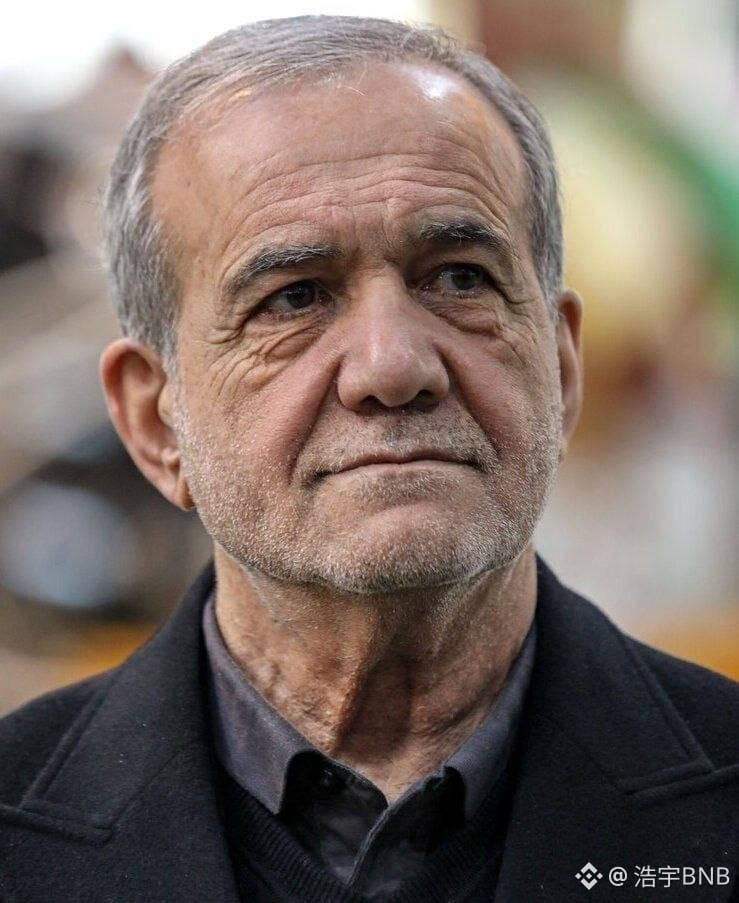
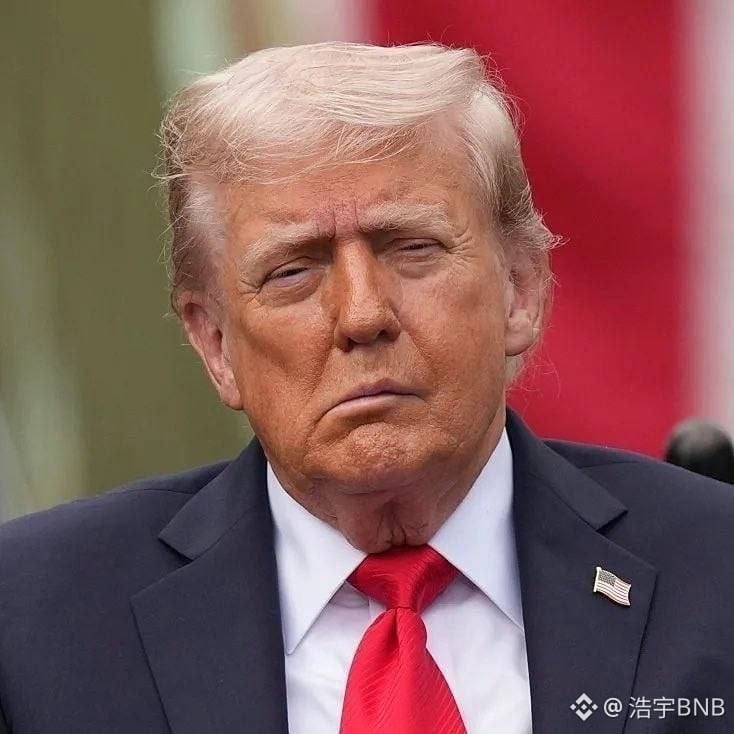
🇮🇷🇺🇸 Iran-US distrust is becoming a market variable, not merely a diplomatic headline. President Masoud Pezeshkian says repeated breakdowns during negotiations have created an “atmosphere of distrust,” even while Tehran says it remains open to an agreement under conditions. Recent tensions around the Strait of Hormuz add an economic layer: disruption threatens oil supply, shipping costs, inflation expectations, and risk appetite. For crypto markets, this matters because geopolitical stress can strengthen demand for liquidity and safe-haven assets while pressuring risk-sensitive Bitcoin and altcoins through higher energy costs and tighter financial conditions. Traders should watch oil, the dollar, Treasury yields, and Hormuz developments alongside BTC volatility.😎
$BTC
{spot}(BTCUSDT)
$ETH
{spot}(ETHUSDT)
$XRP
{spot}(XRPUSDT)
🇮🇷🇺🇸 Iran-US distrust is becoming a market variable, not merely a diplomatic headline. President Masoud Pezeshkian says repeated breakdowns during negotiations have created an “atmosphere of distrust,” even while Tehran says it remains open to an agreement under conditions. Recent tensions around the Strait of Hormuz add an economic layer: disruption threatens oil supply, shipping costs, inflation expectations, and risk appetite. For crypto markets, this matters because geopolitical stress can strengthen demand for liquidity and safe-haven assets while pressuring risk-sensitive Bitcoin and altcoins through higher energy costs and tighter financial conditions. Traders should watch oil, the dollar, Treasury yields, and Hormuz developments alongside BTC volatility.😎
$BTC
$ETH
$XRP
$BTC
$ETH
$XRP
2
266
Log in to explore more content
Join global crypto users on Binance Square
⚡️ Get latest and useful information about crypto.
💬 Trusted by the world’s largest crypto exchange.
👍 Discover real insights from verified creators.
Email / Phone number
Trending Topics
BNBSurpasses$790
7,474 views
69 Discussing
$BNB strategic long plan -> FOCUS NOW
BNB has created 2 strong lows after taking out internal liquidity
I'm expecting a move towards swing high $815-$830 and looking for a long on a retest of the green box
#BNBSurpasses$790 #bnb
Ghost Writer
·3 Likes
·3.3k views
ZamaRises15.99%ToIntradayHigh$0.09
2,244 views
63 Discussing
BitcoinSpotETFsDraw$6.34BInflowsInQ3
2,904 views
52 Discussing