
泼天的富贵zzz
120 Posts

泼天的富贵zzz
Report
Block User
|佛系币圈人|资深老韭菜|DeFi撸毛爱好人|Web3投机获利者|忠实投研用户|推特@ouh_web1|欢迎互fo交流学习|合作:DM

BNB Holder
Frequent Trader
6.2 Years
28 Following
108 Followers
368 Liked
Posts
All
Quotes
Videos
·
--
Guys, if you’ve got nothing to do, you can claim a small Alipay bonus (about 100 yuan).
Just search for “Gold” on Alipay’s home page, tap the banner to open a Gold Accumulation account, then complete the tasks in the top-right corner.
Note: Only do the “Open a Gold Account” and “Accumulate Bank Gold” tasks. Don’t do the 10,000-yuan task.
You’ll need about 780 yuan upfront. Once you’re done, you can sell immediately. The loss is around 1–3 yuan, so you can net about 100 yuan per account.
Just sharing—this isn’t investment advice. (Not an ad.)


23
2
47
33.1k
·
--
I'm torn—don't know whether to go all in on IG. Feels like they can't beat GEN, honestly hard to watch #币安神算子
I'm torn—don't know whether to go all in on IG. Feels like they can't beat GEN, honestly hard to watch #币安神算子
2
95
·
--
BLG was amazing! Going all in on you was definitely the right choice. Finally got the weekly leaderboard reward! #币安神算子
BLG was amazing! Going all in on you was definitely the right choice. Finally got the weekly leaderboard reward! #币安神算子
29
·
--
Binance oracle, I went all in on BLG. Hope you can pull off a 3:2 win, #币安神算子
Binance oracle, I went all in on BLG. Hope you can pull off a 3:2 win, #币安神算子
65
·
--
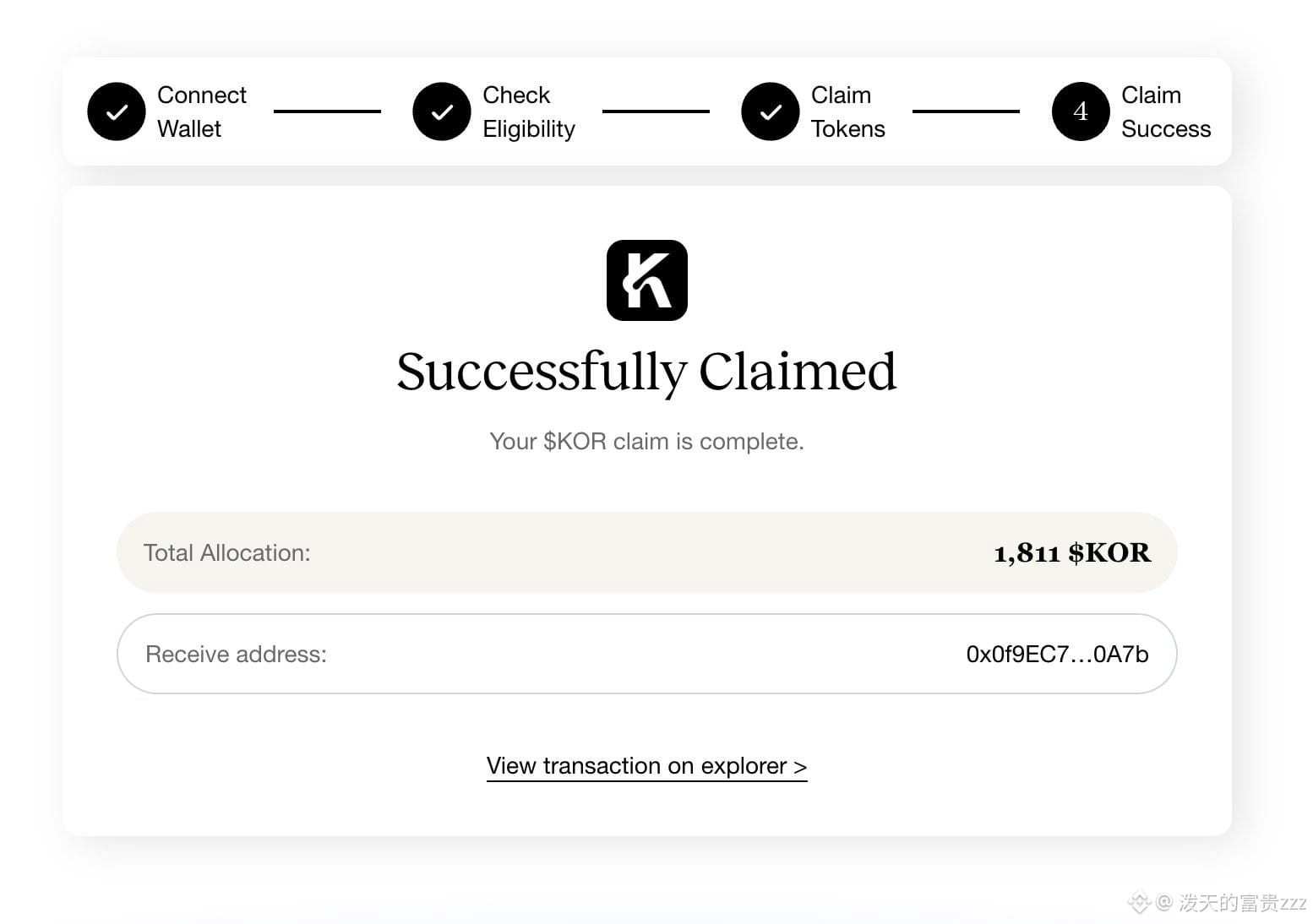
Guys, we’ve hit the jackpot!
That airdrop I told you to farm last time
is now ready to claim
Multi-account holders are stunned again
$50 per account
https://airdrop.korprotocol.foundation/
Guys, we’ve hit the jackpot!
That airdrop I told you to farm last time
is now ready to claim
Multi-account holders are stunned again
$50 per account
https://airdrop.korprotocol.foundation/
That airdrop I told you to farm last time
is now ready to claim
Multi-account holders are stunned again
$50 per account
https://airdrop.korprotocol.foundation/
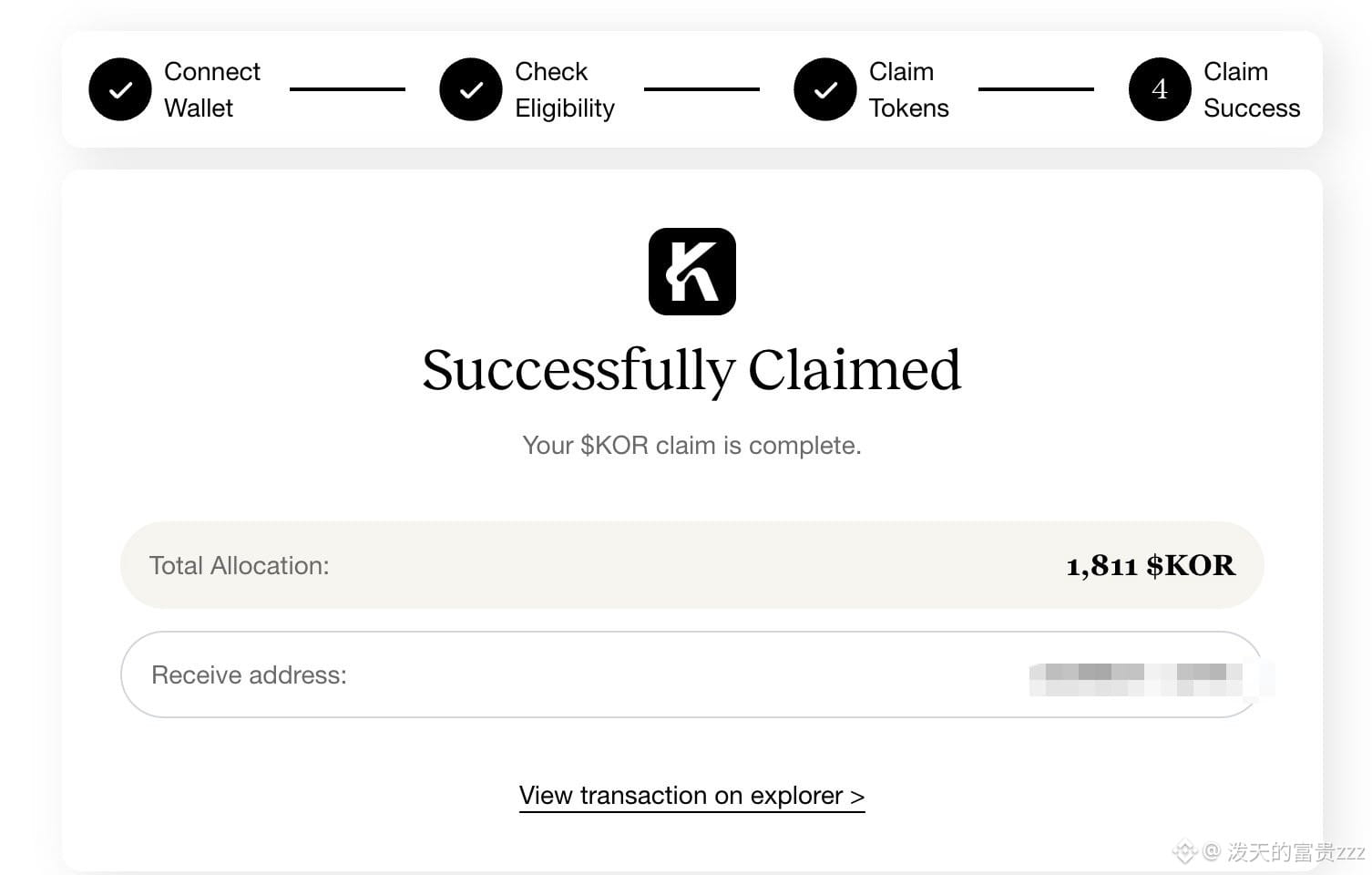
10
3
9.1k
·
--
Feels good! I didn't expect IG, after I went all in on them, to actually win 3:1. This week's rewards are secured 😂#币安神算子
Feels good! I didn't expect IG, after I went all in on them, to actually win 3:1. This week's rewards are secured 😂#币安神算子
16
·
--
Binance betting genius, snagged this week's leaderboard reward and couldn't be happier. Gotta go all-in to get rich later, too #币安神算子
Binance betting genius, snagged this week's leaderboard reward and couldn't be happier. Gotta go all-in to get rich later, too #币安神算子
63
·
--
Finally, the all-in oracle has points again! Fortune, I'm back on my feet, hahaha#币安神算子
Finally, the all-in oracle has points again! Fortune, I'm back on my feet, hahaha#币安神算子
56
·
--
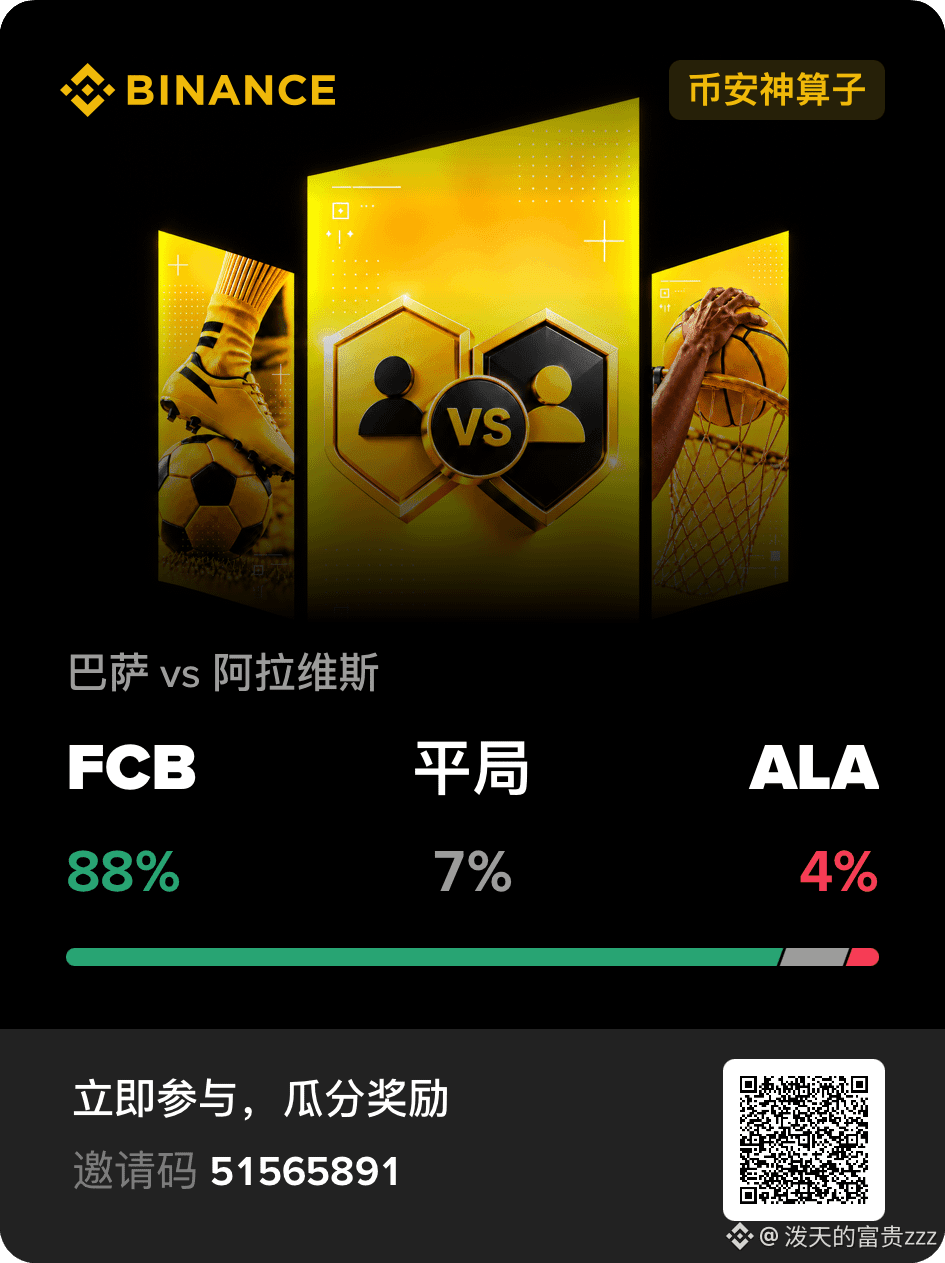
Binance's fortune-teller mmp really went all-in and ruined everything. I finally managed to get over 10,000 points, and I've nearly lost them all. #币安神算子
Binance's fortune-teller mmp really went all-in and ruined everything. I finally managed to get over 10,000 points, and I've nearly lost them all. #币安神算子
1
42
·
--
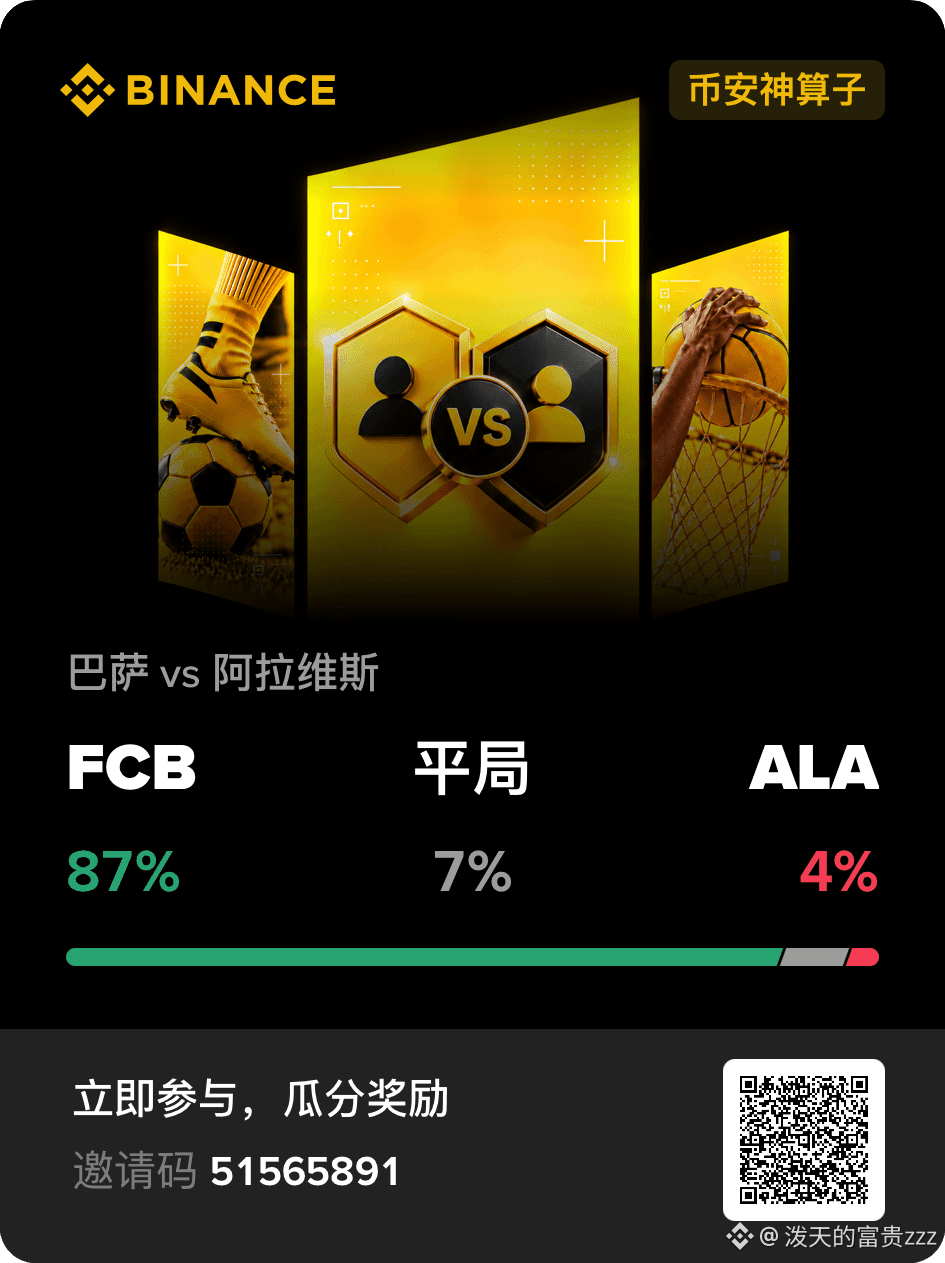
Binance's prediction guru went all in on Barça with points—hope it doesn't backfire later! #币安神算子
Binance's prediction guru went all in on Barça with points—hope it doesn't backfire later! #币安神算子
412
·
--
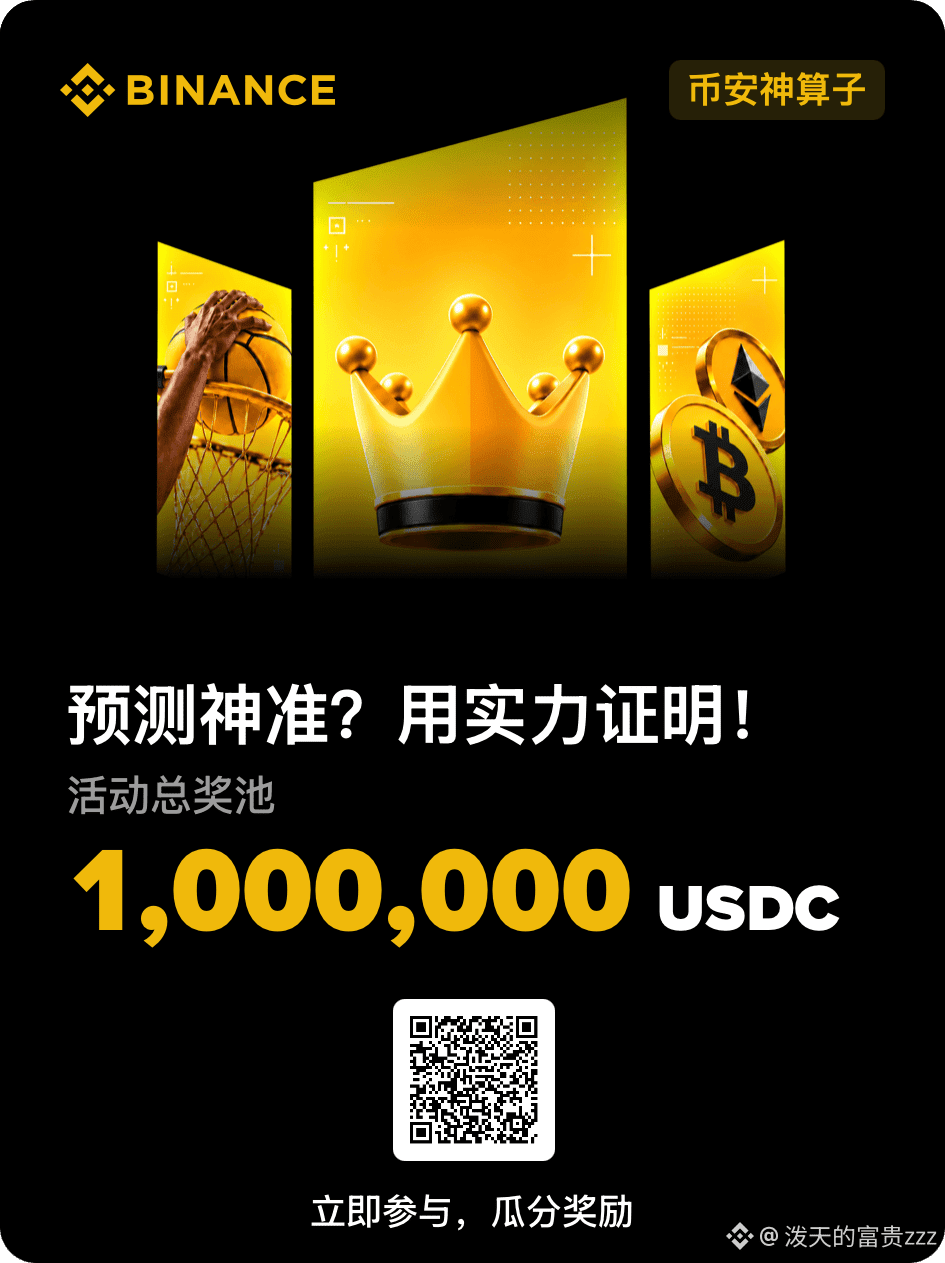
As expected, going all-in feels great in the moment, but now all my points are gone. I’m never going all-in again 😫😫😫#币安神算子
As expected, going all-in feels great in the moment, but now all my points are gone. I’m never going all-in again 😫😫😫#币安神算子
11
·
--
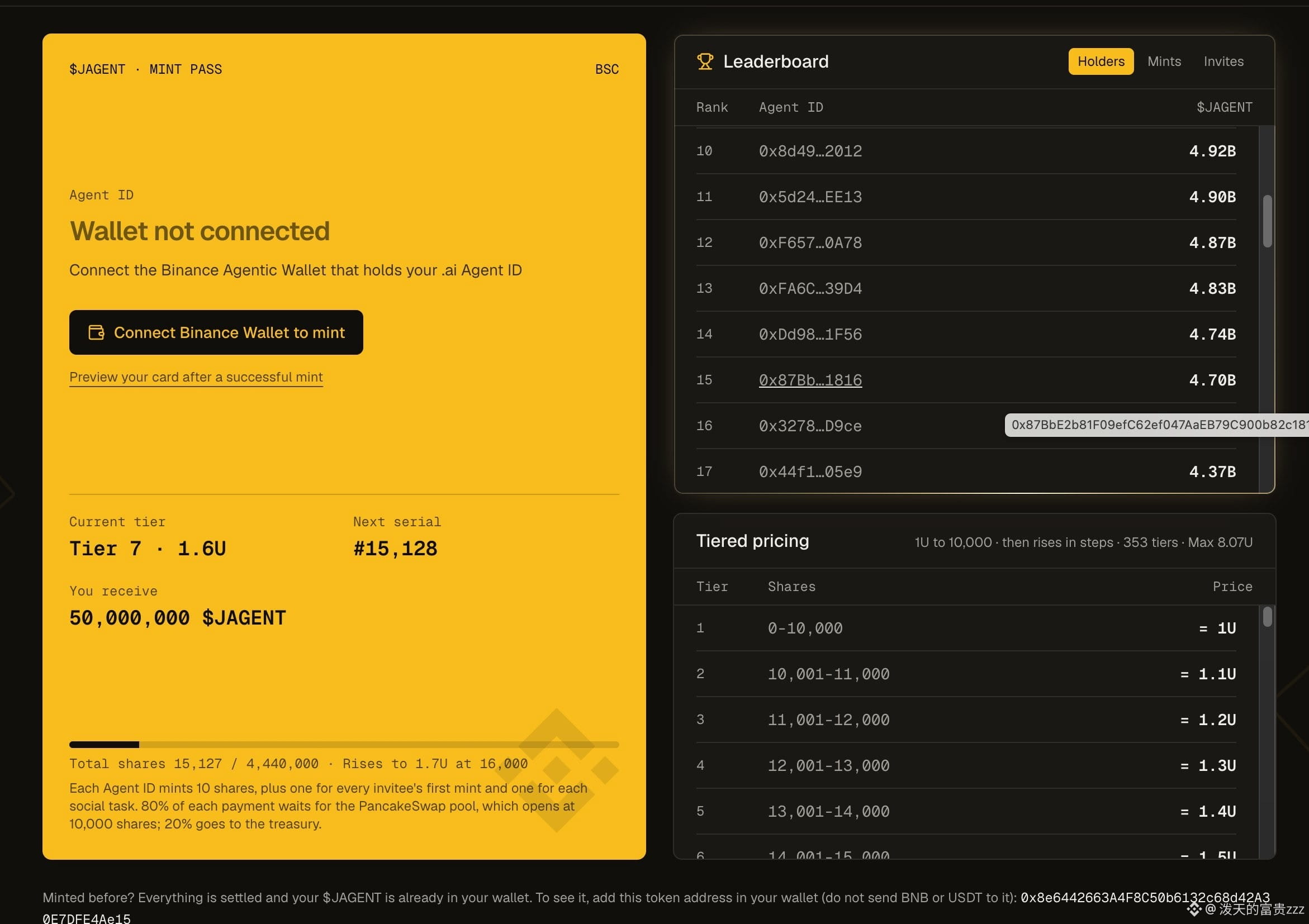
Damn, I attacked too slowly—otherwise I could’ve gotten several accounts in
In the end, I only got one account in and got hit with a 12x multiplier
People with multiple accounts are reeling again
Damn, I attacked too slowly—otherwise I could’ve gotten several accounts in
In the end, I only got one account in and got hit with a 12x multiplier
People with multiple accounts are reeling again
In the end, I only got one account in and got hit with a 12x multiplier
People with multiple accounts are reeling again
1
1
1.6k
·
--
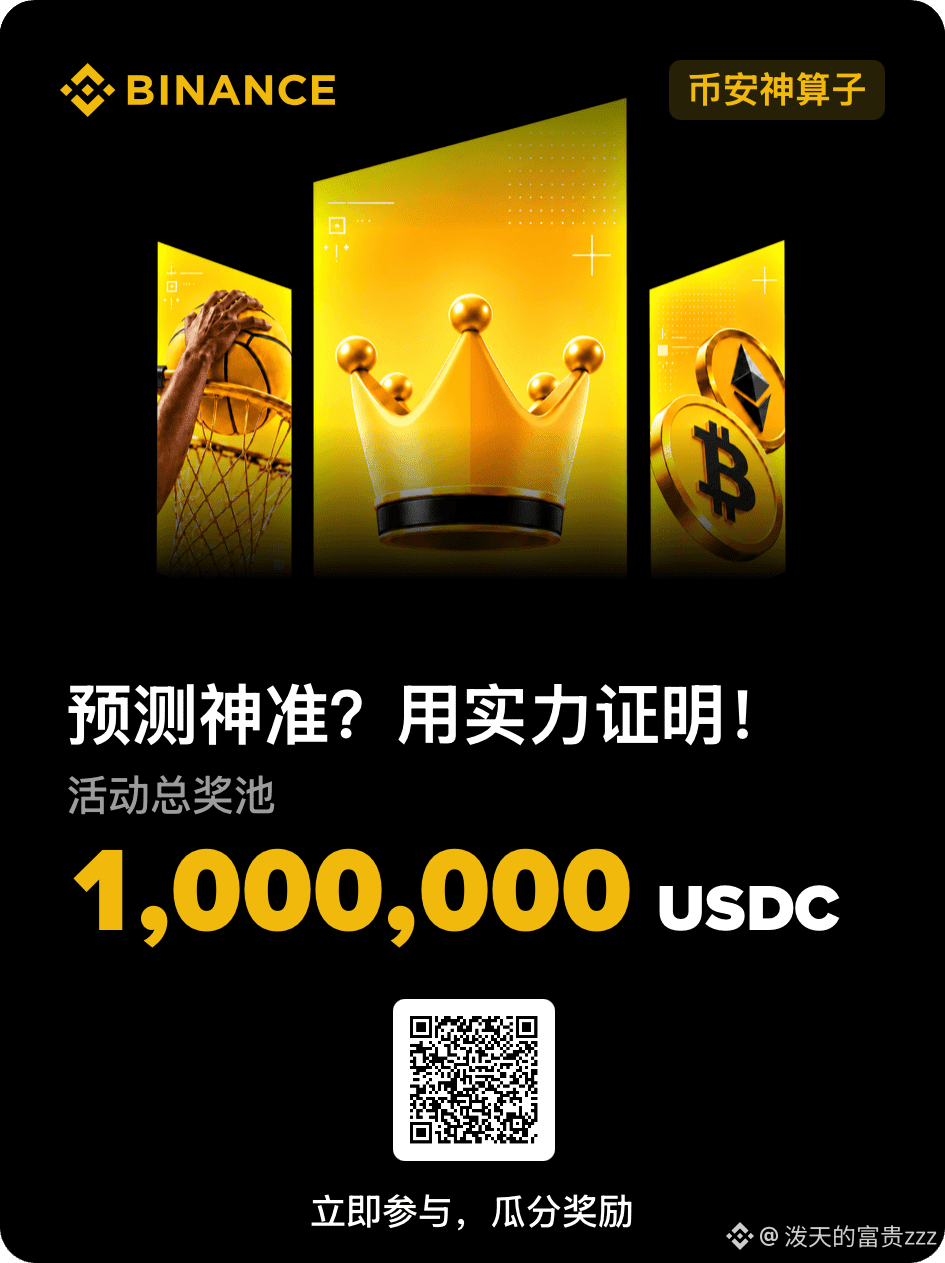
Guys, how many points has your Binance fortune-teller racked up? Have you received the weekly leaderboard reward? #币安神算子
Guys, how many points has your Binance fortune-teller racked up? Have you received the weekly leaderboard reward? #币安神算子
21
·
--
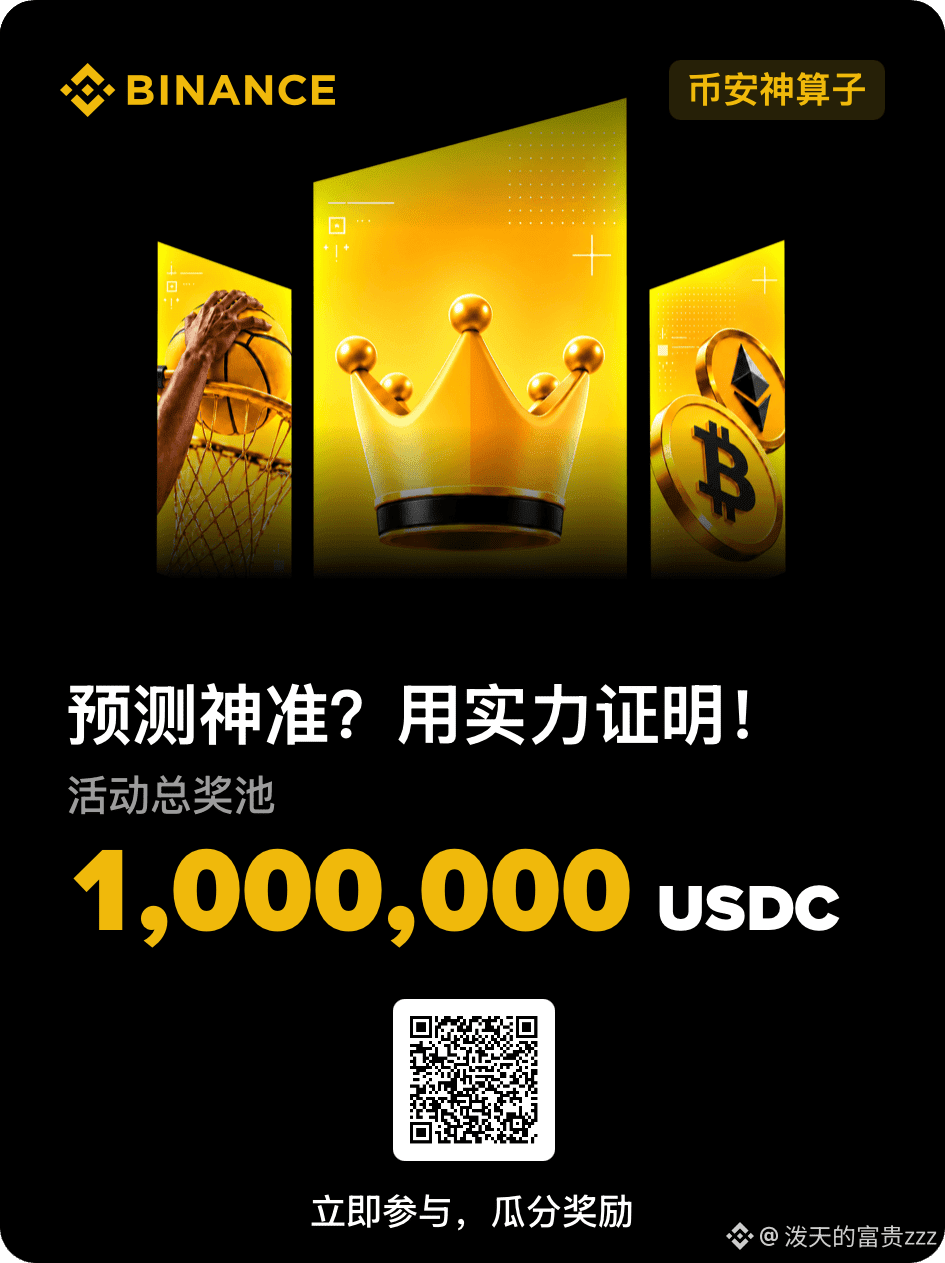
Staying up in the middle of the night to research Binance’s fortune-teller feature—you’re something else. Earning a few points sure isn’t easy 😂#币安神算子
Staying up in the middle of the night to research Binance’s fortune-teller feature—you’re something else. Earning a few points sure isn’t easy 😂#币安神算子
1
233
·
--
Verified
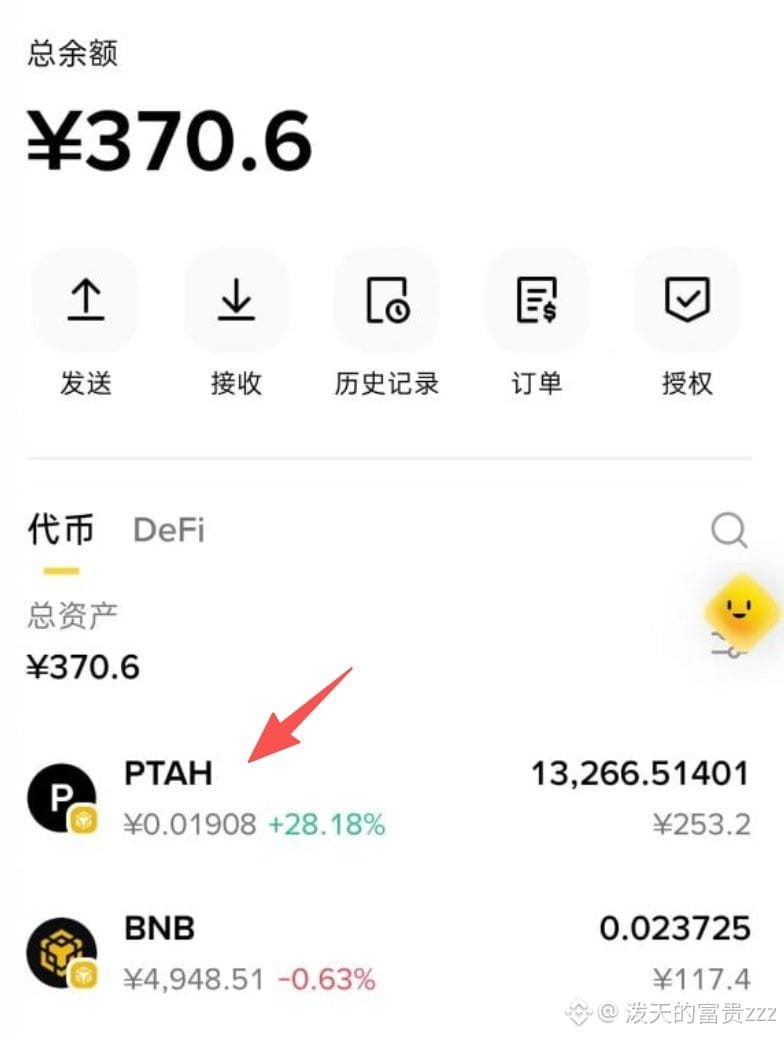
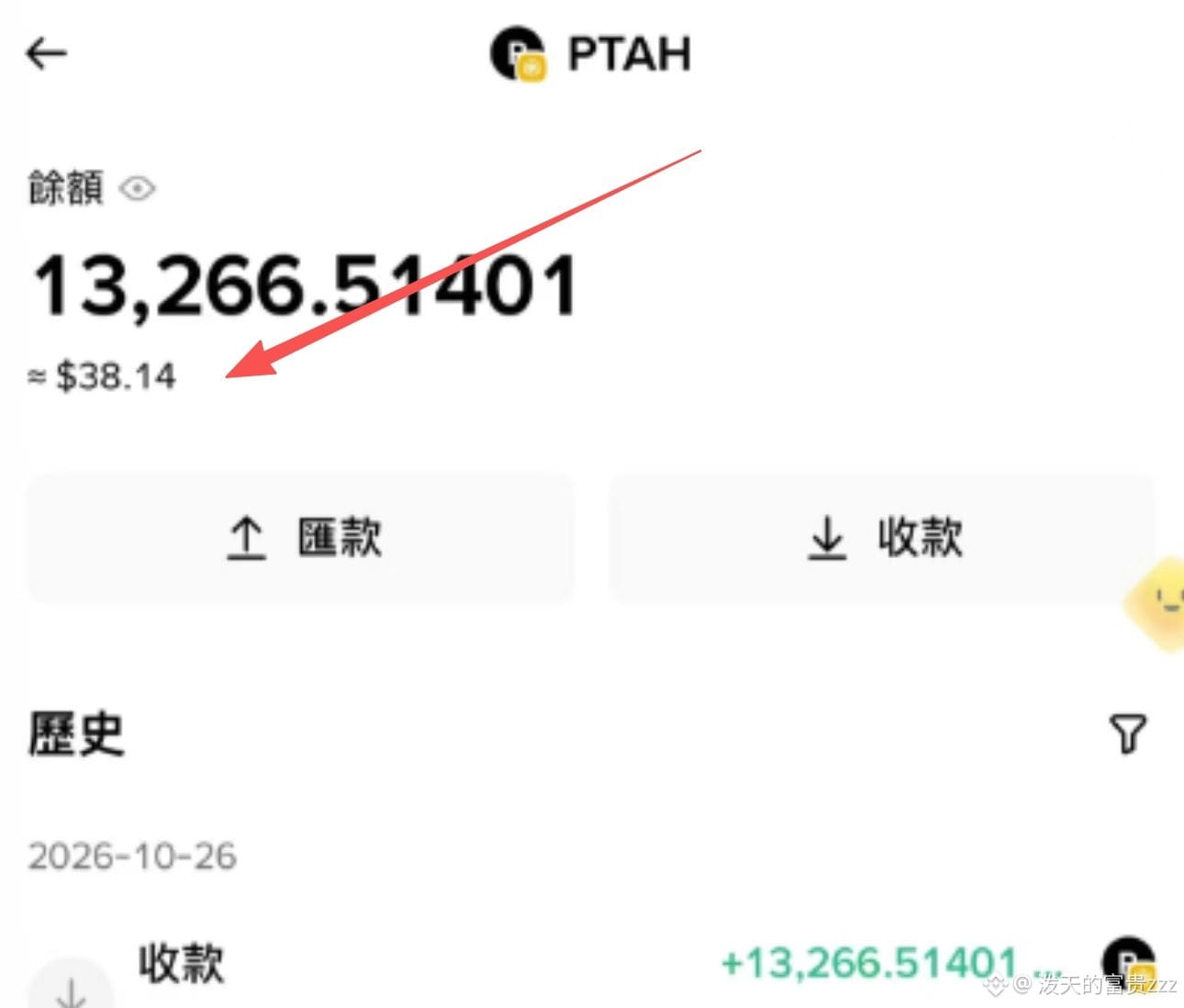
Fugui, this is so frustrating! They’ve already announced the results, and I didn’t get the $30 airdrop 😭
No wonder Fugui didn’t win—I didn’t realize you had to upload a post (I didn’t).
I’ve seen several KOLs win $30. That’s such a sweet deal—I’m jealous 😍
If you haven’t entered yet, go do it! $30 is still a pretty nice amount.
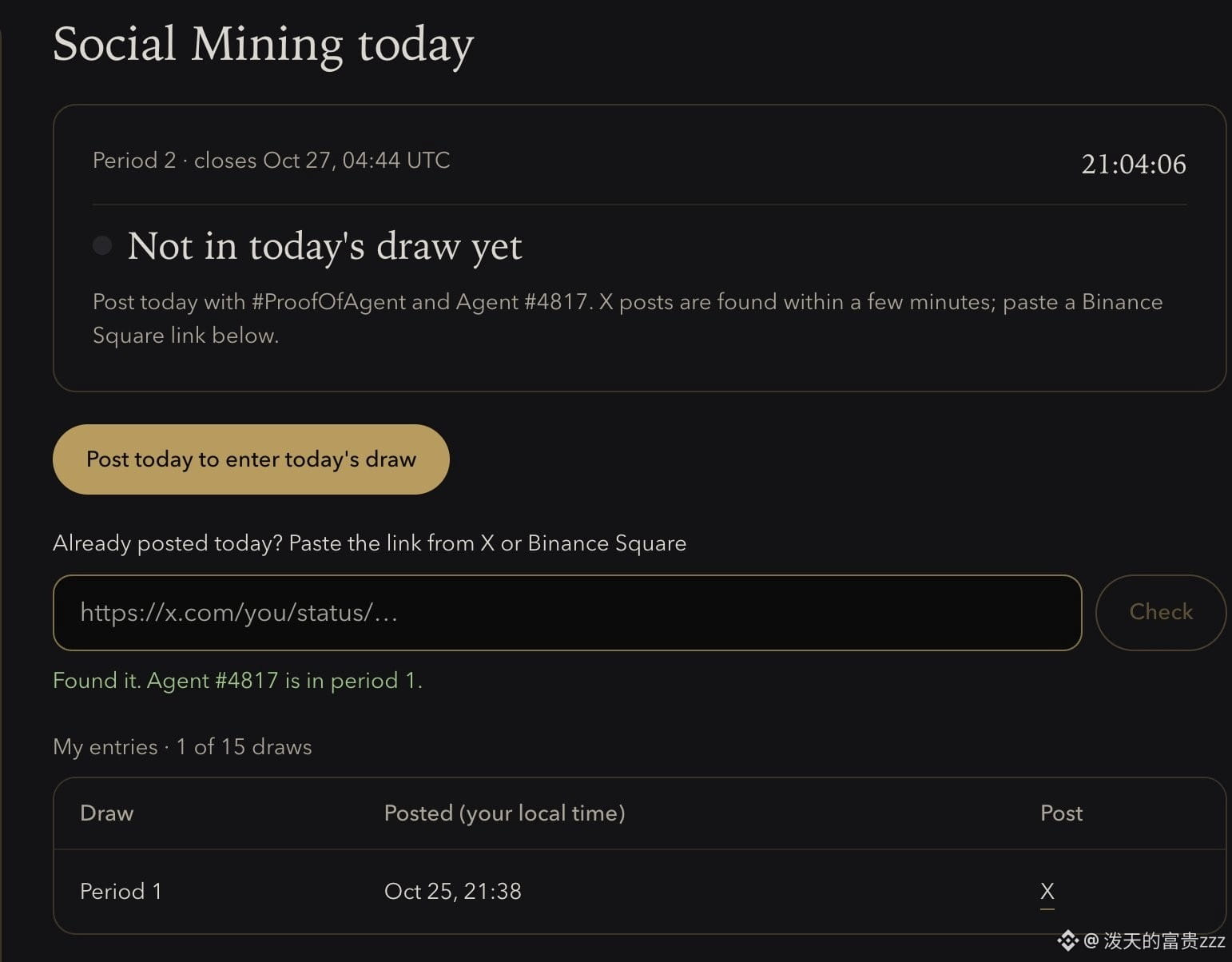
Fugui took a look at Ptah. It seems they’re aiming to do more than just launch another meme. First, they let you get a Binance Agent ID to prove you showed up with an agent identity. Then you can use that identity to mint cards on-chain, post, and mine. Your identity, actions, and continued participation all build up step by step.
Of course, bigger things are still gradually taking shape at https://ptah.trade/poa, including a Launchpad, identity-based access, chatting in your wallet (this feature isn’t live yet), and a process where people can suggest ideas and the platform picks which new features to build.
The official team has also been very clear: this is an independent project and is not endorsed by Binance. Having a .ai name doesn’t prove you’re a unique real person, either. So POA is more like an early-access pass—a way to leave a mark for the first people willing to bring agents on-chain, while also drawing people into the ecosystem.
@Ptahtrade Agent #4817 #ProofOfAgent

4
7
3.6k
·
--
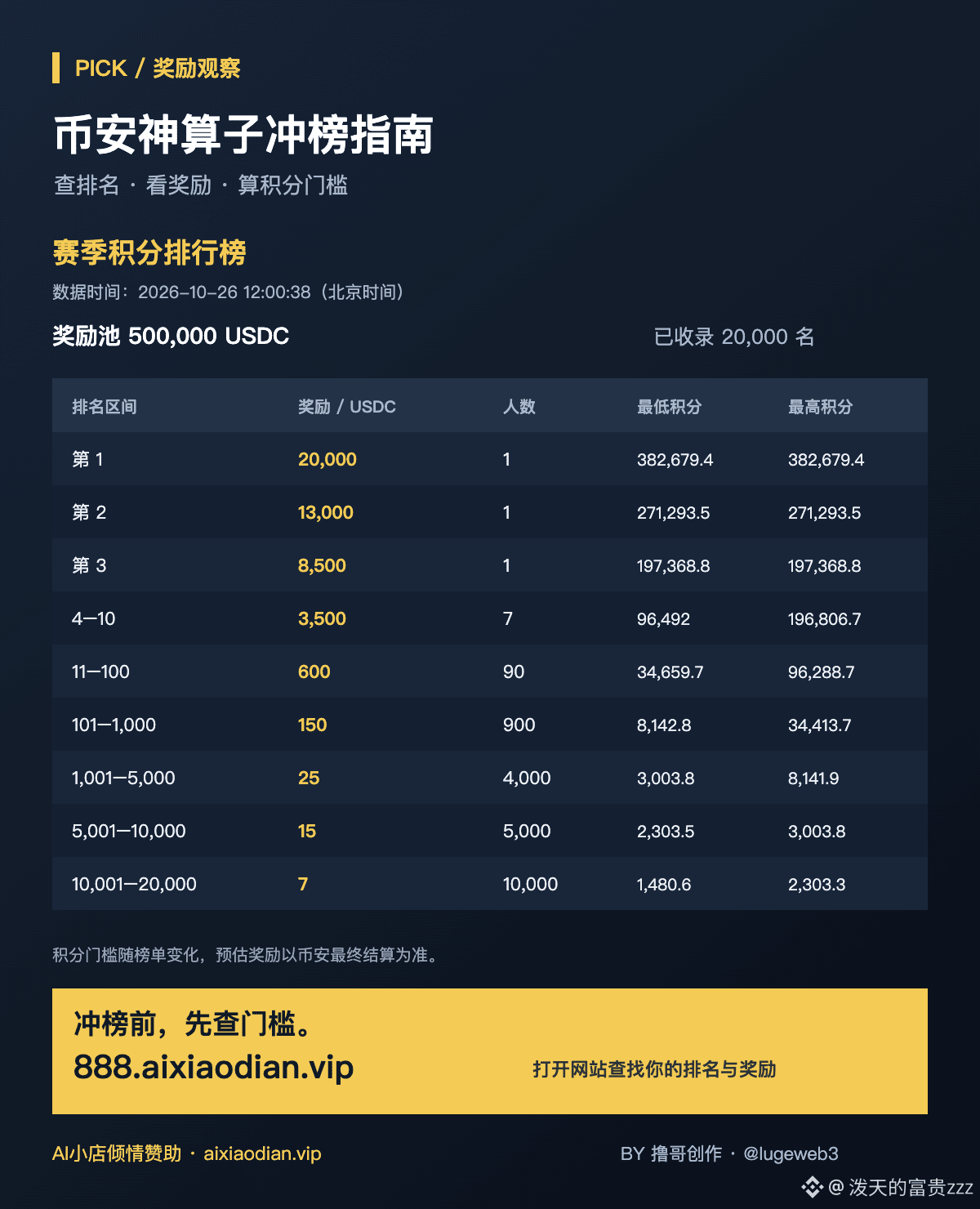
The first week of Binance Master Predictor has ended.
Here’s the final profit ranking based on platform statistics, so you can compare it with your own results.
The final figures are subject to Binance’s official data.
How much in rewards did you earn this week?
#BinanceMasterPredictor
The first week of Binance Master Predictor has ended.
Here’s the final profit ranking based on platform statistics, so you can compare it with your own results.
The final figures are subject to Binance’s official data.
How much in rewards did you earn this week?
#BinanceMasterPredictor
Here’s the final profit ranking based on platform statistics, so you can compare it with your own results.
The final figures are subject to Binance’s official data.
How much in rewards did you earn this week?
#BinanceMasterPredictor
95
·
--
The Binance Oracle season is still underway and is expected to run until mid-November.
The mechanics are simple: check in, post on the Square, and complete tasks to earn points, then use those points to make predictions and climb the weekly and season leaderboards. The prize pool is worth up to around 1 million USDC; see the campaign page for the exact distribution.
A safer approach is to earn all your basic daily points first, then decide whether to go for a leaderboard spot. Competition can be tough, so there’s no need to grind for points right away and incur extra costs.
If you’re taking part too, tell us in the comments: are you mainly checking in this week, or have you started making predictions?
#币安神算子 #币安广场 $BNB
1
415
·
--
Guys, this week is the final sprint for the
@Acurast
&
@EchoHunt_ai
$20K posting campaign—last chance to get involved! Fugui doesn’t want to repeat the usual spiel about leaving idle phones running, but if you’re a studio operator building a network of accounts, this one’s for you: learn how your unused second-hand phones 📱 can make you money.
Today, Fugui’s putting it another way: most DePIN projects sell you mining rigs first and tell the story later. Acurast does the opposite: it lets the old devices in your drawer become Processors first. The network records your contributions based on when you’re actually online and doing real work—then you can talk about
$ACU
.
After running it for a few days, my biggest takeaway is this: it’s not like plugging in a miner and waiting to get rich. It’s more like finding your old phone a job. Of course, it also depends on how reliably it stays online and how quickly it picks up tasks.
As for the posting rewards, content still carries weight. The campaign runs through 10/25, so if you haven’t submitted enough this week, hurry up and make up the difference.
1
1
230
·
--
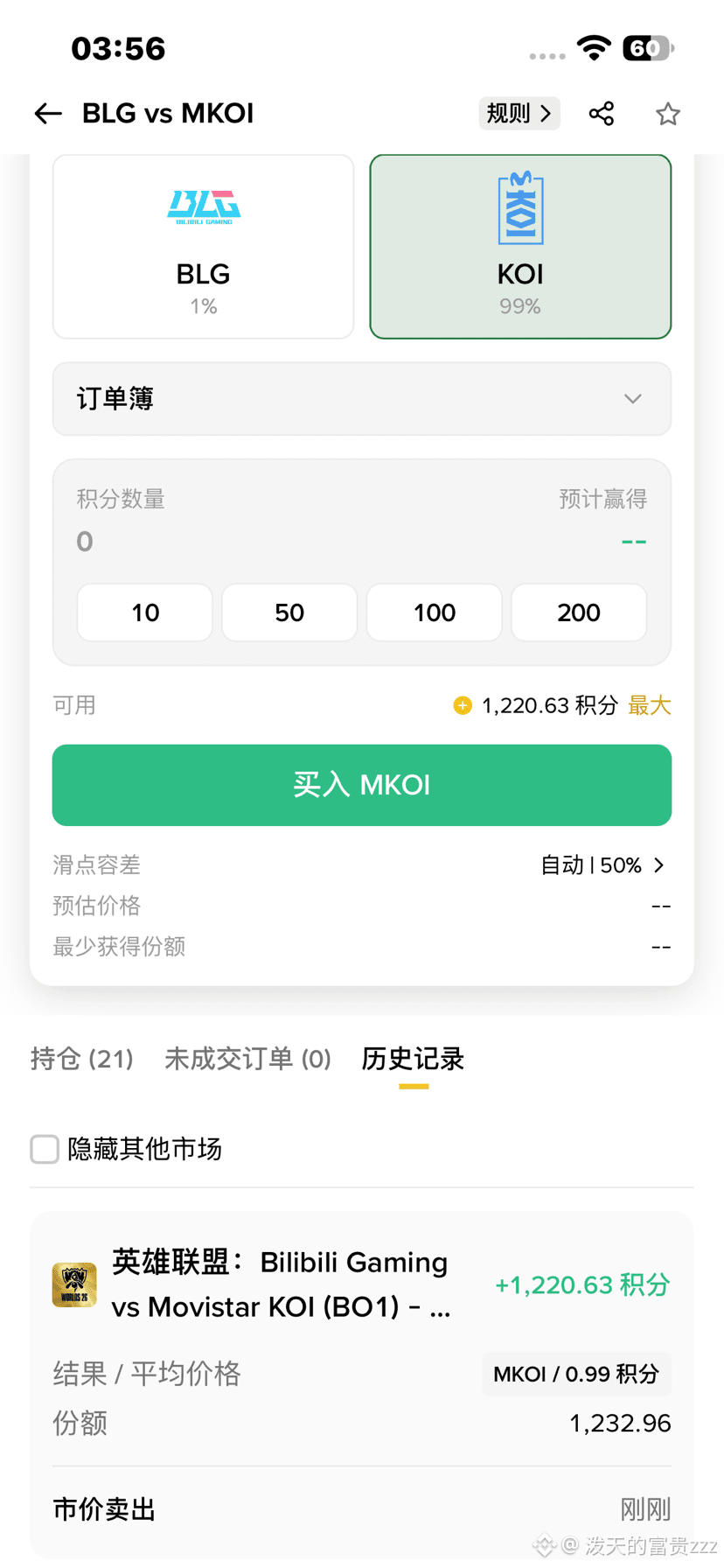
Went all in on League of Legends KOLs and made a little over 1,200 points in one go—feeling great 🫡#币安神算子
Went all in on League of Legends KOLs and made a little over 1,200 points in one go—feeling great 🫡#币安神算子
114
·
--
Spot trading volume is falling, but exchanges are all pushing prediction markets instead.
Put simply: when the market is sluggish, people would rather guess what happens than tough it out through the volatility.
Here’s another uncomfortable truth—many people think buying ETH and SOL means they’re diversified.
But when BTC wobbles, they often go down together. “Diversification” sometimes just means dressing up the same risk in different clothes.
Are your positions genuinely diversified, or do they just look that way?
Let’s talk in the comments—don’t just hit Like.
#加密市场 #预测市场 $BTC $ETH $SOL
270
Log in to explore more content
Join global crypto users on Binance Square
⚡️ Get latest and useful information about crypto.
💬 Trusted by the world’s largest crypto exchange.
👍 Discover real insights from verified creators.
Email / Phone number
Trending Topics
MoneroFalls13%OnDelistings
11,621 views
178 Discussing
🚨 BREAKING: MONERO DROPS 11%+ — KUCOIN DELISTING SPARKS SELL-OFF!
Monero (XMR) is facing a sharp sell-off as another major exchange moves to remove the privacy-focused cryptocurrency. 📉
📊 HERE'S WHAT HAPPENED:
▪️XMR dropped around 13% in 24 hours on November 27.
▪️KuCoin announced it will delist all four XMR spot trading pairs on November 30.
▪️MEXC had already removed XMR spot trading earlier this month.
▪️KuCoin withdrawals are scheduled to remain available until December 31.
⚠️ WHY DOES THIS MATTER?
Fewer exchange listings can reduce trading access and liquidity, potentially leading to wider spreads and sharper price swings.
🔍 WHAT'S NEXT FOR XMR?
The market will be watching whether Monero can stabilize or face further pressure as the delisting deadline approaches.
💬 Is this just a temporary setback for Monero, or could more exchange delistings follow? 👀
$PORTAL - $HAEDAL - $BULLA
#Monero #XMR #CryptoNews
#MoneroFalls13%OnDelistings
"Can XMR recover from this sell-off"!?⚡
GirlyHub
·1 Likes
·97 views
EvolveAtBinanceBlockchainWeek
1.2M views
13,804 Discussing
CanMarketsReboundAfterThanksgiving?
431,183 views
3,306 Discussing