

Omar 10000
1.1k Posts

Omar 10000
Report
Block User
"Never stop learning."

SOL Holder
High-Frequency Trader
4.8 Years
20 Following
186 Followers
900 Liked
Posts
All
Quotes
Videos
·
--
Key point about $RLC
...$RLC
The RLC spot market is held by thousands of holders, indicating a healthy spot market.
On the other hand, a large volume is accumulating in RLC-USDT futures.
The trend could reach 0.9 USDT in futures.
$RLC
{spot}(RLCUSDT)
Key point about $RLC
...$RLC
The RLC spot market is held by thousands of holders, indicating a healthy spot market.
On the other hand, a large volume is accumulating in RLC-USDT futures.
The trend could reach 0.9 USDT in futures.
$RLC
...$RLC
The RLC spot market is held by thousands of holders, indicating a healthy spot market.
On the other hand, a large volume is accumulating in RLC-USDT futures.
The trend could reach 0.9 USDT in futures.
$RLC
1
639
·
--
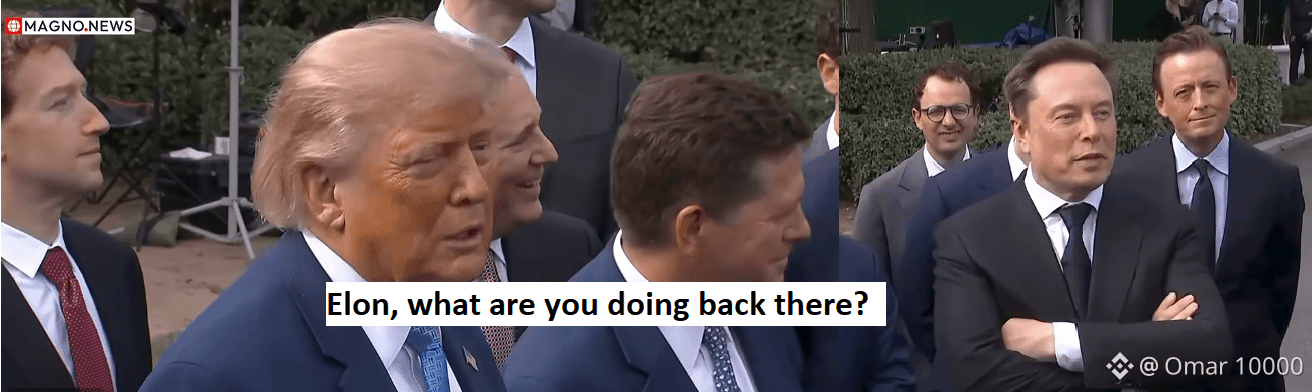
In a recent interview, the U.S. president drew intellectual support from Elon Musk.
On the other hand, the agreements concerning AI data centers, which will now be called SI (Super Intelligence), will make them surveillance and control points available to the American and East Asian powers.
Those were the words of the head of state:
"We are implementing the data centers, and you know what? The Chi-nese want to be part of this. They are intelligent, and they want every data center."
In conclusion: everything indicates that the digital world is getting closer to us, so much so that these will become control points for the great powers.
#DYOR🟢 #RLC/USDT #SuperintelligentAI
$RLC
{spot}(RLCUSDT)
In a recent interview, the U.S. president drew intellectual support from Elon Musk.
On the other hand, the agreements concerning AI data centers, which will now be called SI (Super Intelligence), will make them surveillance and control points available to the American and East Asian powers.
Those were the words of the head of state:
"We are implementing the data centers, and you know what? The Chi-nese want to be part of this. They are intelligent, and they want every data center."
In conclusion: everything indicates that the digital world is getting closer to us, so much so that these will become control points for the great powers.
#DYOR🟢 #RLC/USDT #SuperintelligentAI
$RLC
On the other hand, the agreements concerning AI data centers, which will now be called SI (Super Intelligence), will make them surveillance and control points available to the American and East Asian powers.
Those were the words of the head of state:
"We are implementing the data centers, and you know what? The Chi-nese want to be part of this. They are intelligent, and they want every data center."
In conclusion: everything indicates that the digital world is getting closer to us, so much so that these will become control points for the great powers.
#DYOR🟢 #RLC/USDT #SuperintelligentAI
$RLC
1
760
·
--
$RLC is the native token of iExec, a decentralized Ethereum-based platform that operates as a global marketplace for cloud computing and confidential artificial intelligence. Its technical name comes from the phrase "Run on Lots of Computers."
⚙️ What is the RLC token used for?
The token operates under a strict economic utility model within the iExec ecosystem.
It is the only asset used to buy and sell computing power, run distributed applications (dApps), or rent protected databases.
$RLC
{spot}(RLCUSDT)
$RLC is the native token of iExec, a decentralized Ethereum-based platform that operates as a global marketplace for cloud computing and confidential artificial intelligence. Its technical name comes from the phrase "Run on Lots of Computers."
⚙️ What is the RLC token used for?
The token operates under a strict economic utility model within the iExec ecosystem.
It is the only asset used to buy and sell computing power, run distributed applications (dApps), or rent protected databases.
$RLC
⚙️ What is the RLC token used for?
The token operates under a strict economic utility model within the iExec ecosystem.
It is the only asset used to buy and sell computing power, run distributed applications (dApps), or rent protected databases.
$RLC
1
408
·
--
Bullish
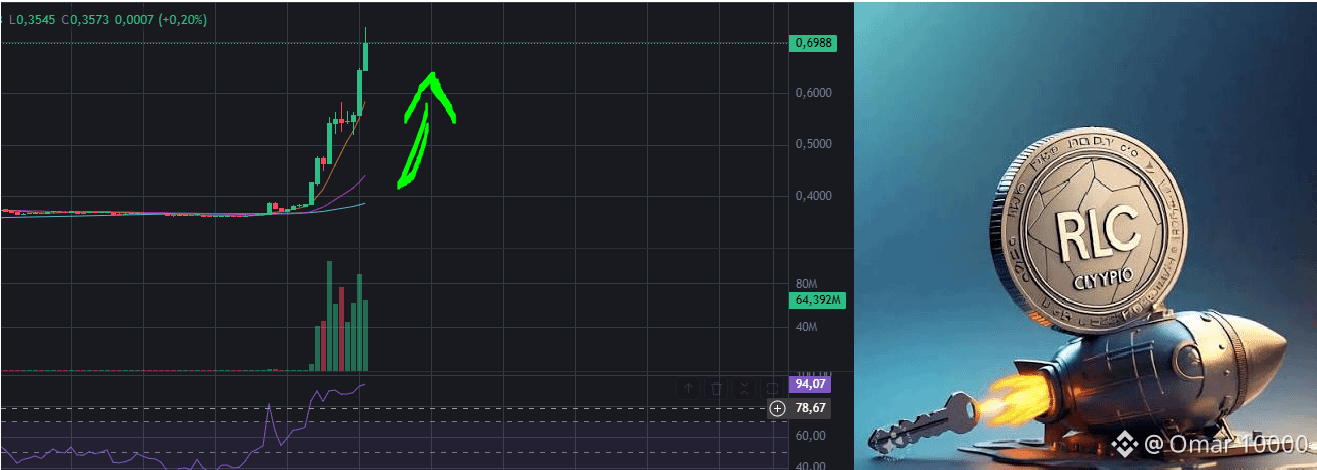
Parabolic Breakout in $RLC 📈
A sharp, vertical breakout from this compression is taking place. The price has surpassed previous resistance levels, reaching a current value of $0.6988 USD.
The upward movement has taken on an almost vertical (parabolic) angle, emphasized by the green arrow drawn on the chart, which projects the continuation of this momentum.
Remember that this momentum could last longer, creating a great opportunity to open a position.
If it breaks 0.8, it could rise much further, provided there is a correction. You should also keep in mind that this is how this market behaves. The important thing is knowing how to position yourself.
Those looking to go short will need to find the precise entry point.
This is not financial advice. Remember to carry out #DYOR🟢
$RLC
{spot}(RLCUSDT)
Parabolic Breakout in $RLC 📈
A sharp, vertical breakout from this compression is taking place. The price has surpassed previous resistance levels, reaching a current value of $0.6988 USD.
The upward movement has taken on an almost vertical (parabolic) angle, emphasized by the green arrow drawn on the chart, which projects the continuation of this momentum.
Remember that this momentum could last longer, creating a great opportunity to open a position.
If it breaks 0.8, it could rise much further, provided there is a correction. You should also keep in mind that this is how this market behaves. The important thing is knowing how to position yourself.
Those looking to go short will need to find the precise entry point.
This is not financial advice. Remember to carry out #DYOR🟢
$RLC
A sharp, vertical breakout from this compression is taking place. The price has surpassed previous resistance levels, reaching a current value of $0.6988 USD.
The upward movement has taken on an almost vertical (parabolic) angle, emphasized by the green arrow drawn on the chart, which projects the continuation of this momentum.
Remember that this momentum could last longer, creating a great opportunity to open a position.
If it breaks 0.8, it could rise much further, provided there is a correction. You should also keep in mind that this is how this market behaves. The important thing is knowing how to position yourself.
Those looking to go short will need to find the precise entry point.
This is not financial advice. Remember to carry out #DYOR🟢
$RLC
2
284
·
--
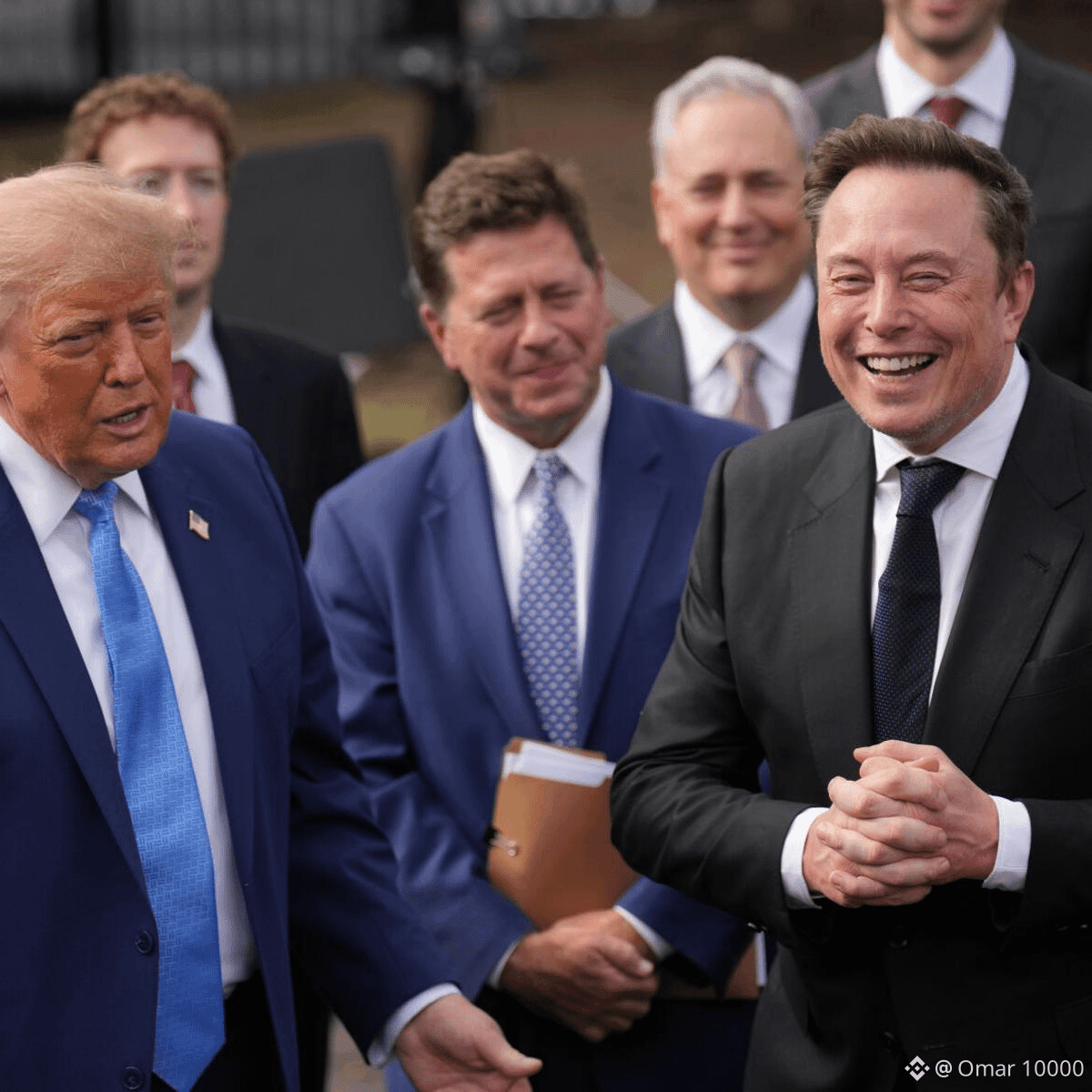
🚀 Goodbye AI, hello SI! SpaceX adapts to the era of “Superintelligence”
Elon Musk has made it official: the SpaceXAI division will permanently change its name to SpaceXSI.
This drastic rebranding aligns directly with President Donald Trump’s guidelines. After a technology summit with the sector’s top leaders at the White House, he signed an executive order to formally replace the term “Artificial Intelligence” with “Superintelligence” (SI) across all official spheres.
Musk himself strongly backed the move on his social media: “No more AI. SI. It’s better,” saying that the term “artificial” falls short and assuring that from now on, “SpaceX is a superintelligence company.”
What do you think of this new concept that redefines the future of technology? 🧠💥
#SpaceXSI #ElonMusk #Superinteligencia #Tecnologia2026
$SOL
{spot}(SOLUSDT)
🚀 Goodbye AI, hello SI! SpaceX adapts to the era of “Superintelligence”
Elon Musk has made it official: the SpaceXAI division will permanently change its name to SpaceXSI.
This drastic rebranding aligns directly with President Donald Trump’s guidelines. After a technology summit with the sector’s top leaders at the White House, he signed an executive order to formally replace the term “Artificial Intelligence” with “Superintelligence” (SI) across all official spheres.
Musk himself strongly backed the move on his social media: “No more AI. SI. It’s better,” saying that the term “artificial” falls short and assuring that from now on, “SpaceX is a superintelligence company.”
What do you think of this new concept that redefines the future of technology? 🧠💥
#SpaceXSI #ElonMusk #Superinteligencia #Tecnologia2026
$SOL
Elon Musk has made it official: the SpaceXAI division will permanently change its name to SpaceXSI.
This drastic rebranding aligns directly with President Donald Trump’s guidelines. After a technology summit with the sector’s top leaders at the White House, he signed an executive order to formally replace the term “Artificial Intelligence” with “Superintelligence” (SI) across all official spheres.
Musk himself strongly backed the move on his social media: “No more AI. SI. It’s better,” saying that the term “artificial” falls short and assuring that from now on, “SpaceX is a superintelligence company.”
What do you think of this new concept that redefines the future of technology? 🧠💥
#SpaceXSI #ElonMusk #Superinteligencia #Tecnologia2026
$SOL
2
419
·
--
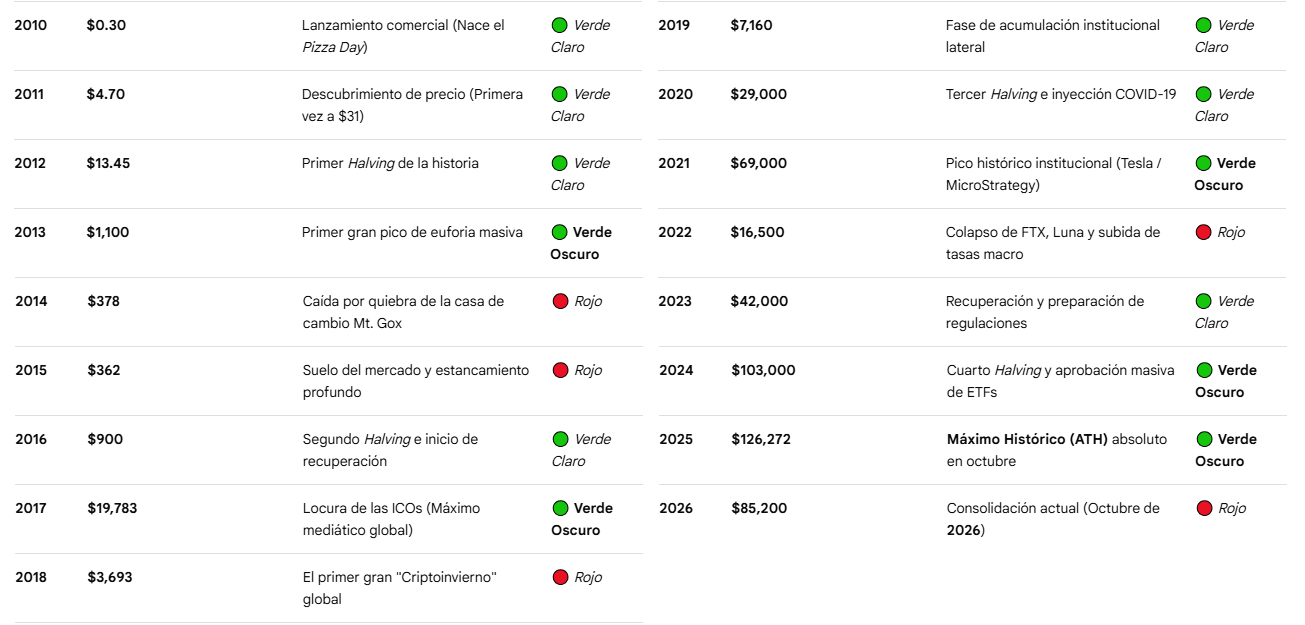
30D trade $BTC 39.4 USDT
The price trends Bitcoin has had over the years.
(2010 - 2025)
$BTC
The price trends Bitcoin has had over the years.
(2010 - 2025)
$BTC
(2010 - 2025)
$BTC
1
235
·
--
🚨A Historical Journey
⚙️ ... (2017 - 2026).
Token $BNB has had an impressive historical run since its launch in its Initial Coin Offering (ICO) in 2017:
With a Historical Low of $0.0398 USD, which occurred on October 18, 2017, just a few months after its creation, when it was just starting to be used to pay discounted fees within the exchange.
Meanwhile, it hit a Historical High of $1,370.55 USD on October 13, 2025, driven by the strong expansion of its network (BNB Chain) and Binance’s ongoing quarterly token burn to reduce its circulating supply.
Did you know that anyone who bought BNB at its lowest point in 2017 and held it until its highest peak experienced performance greater than +3,400,000%.
$BNB
{spot}(BNBUSDT)
🚨A Historical Journey
⚙️ ... (2017 - 2026).
Token $BNB has had an impressive historical run since its launch in its Initial Coin Offering (ICO) in 2017:
With a Historical Low of $0.0398 USD, which occurred on October 18, 2017, just a few months after its creation, when it was just starting to be used to pay discounted fees within the exchange.
Meanwhile, it hit a Historical High of $1,370.55 USD on October 13, 2025, driven by the strong expansion of its network (BNB Chain) and Binance’s ongoing quarterly token burn to reduce its circulating supply.
Did you know that anyone who bought BNB at its lowest point in 2017 and held it until its highest peak experienced performance greater than +3,400,000%.
$BNB
⚙️ ... (2017 - 2026).
Token $BNB has had an impressive historical run since its launch in its Initial Coin Offering (ICO) in 2017:
With a Historical Low of $0.0398 USD, which occurred on October 18, 2017, just a few months after its creation, when it was just starting to be used to pay discounted fees within the exchange.
Meanwhile, it hit a Historical High of $1,370.55 USD on October 13, 2025, driven by the strong expansion of its network (BNB Chain) and Binance’s ongoing quarterly token burn to reduce its circulating supply.
Did you know that anyone who bought BNB at its lowest point in 2017 and held it until its highest peak experienced performance greater than +3,400,000%.
$BNB
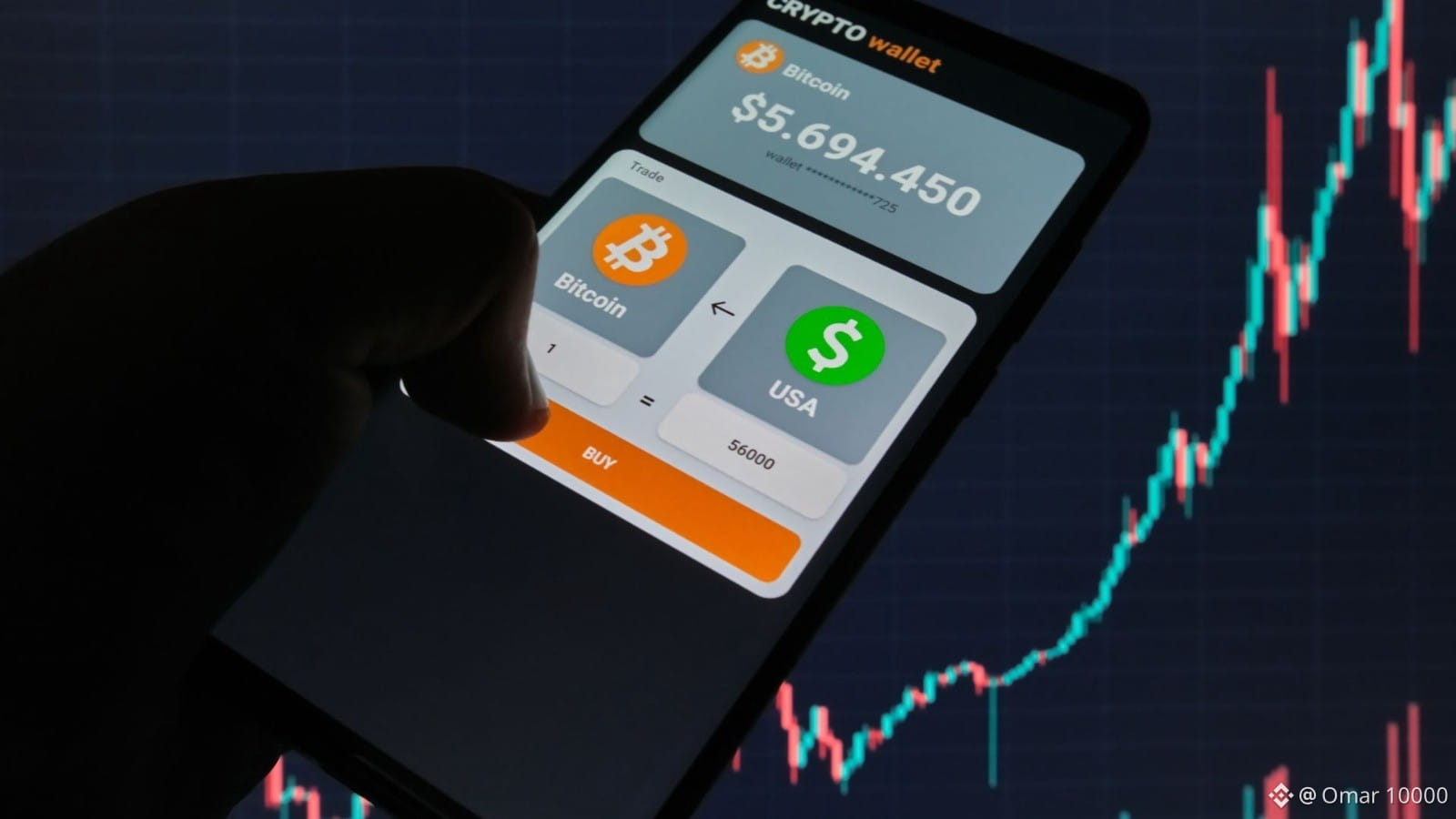
1
106
·
--
🚨Exclusive - Waiver of Land
Argentina
Milei wants to hand over Patagonia to artificial intelligence data centers.
The president of Argentina, Javier Milei, does not plan to “give away” or “hand over” the sovereignty of the territory; instead, he is actively promoting Patagonia to Silicon Valley tech giants as a strategic place to attract massive investments aimed at building mega artificial intelligence data centers (data centers).
Will it be for the good of Argentina or will it become a monopoly of big companies?
$SOL
{spot}(SOLUSDT)
🚨Exclusive - Waiver of Land
Argentina
Milei wants to hand over Patagonia to artificial intelligence data centers.
The president of Argentina, Javier Milei, does not plan to “give away” or “hand over” the sovereignty of the territory; instead, he is actively promoting Patagonia to Silicon Valley tech giants as a strategic place to attract massive investments aimed at building mega artificial intelligence data centers (data centers).
Will it be for the good of Argentina or will it become a monopoly of big companies?
$SOL
Argentina
Milei wants to hand over Patagonia to artificial intelligence data centers.
The president of Argentina, Javier Milei, does not plan to “give away” or “hand over” the sovereignty of the territory; instead, he is actively promoting Patagonia to Silicon Valley tech giants as a strategic place to attract massive investments aimed at building mega artificial intelligence data centers (data centers).
Will it be for the good of Argentina or will it become a monopoly of big companies?
$SOL

4
2.7k
·
--
Verified
🚨 Important - For Investors
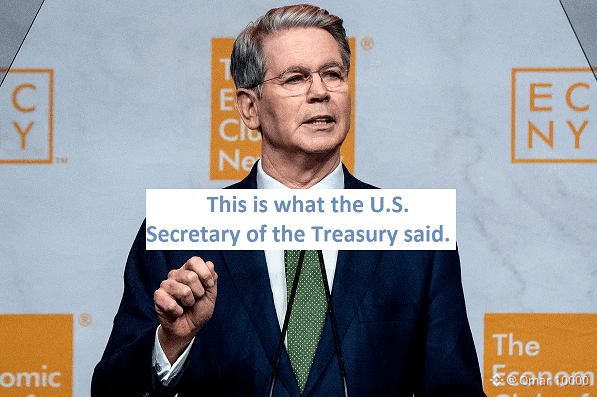
This is what the U.S. Treasury Secretary said
Scott Bessent...
In a recent interview, the Treasury Secretary states that in four years there will be a Bretton Woods, which would be a global economic order agreement.
He also mentioned that the world is at a crucial moment in economic and geopolitical terms.
What do you think about this—will it be the new order or a new era of digital economy?
$SOL $BTC $NVDAB
🚨 Important - For Investors
This is what the U.S. Treasury Secretary said
Scott Bessent...
In a recent interview, the Treasury Secretary states that in four years there will be a Bretton Woods, which would be a global economic order agreement.
He also mentioned that the world is at a crucial moment in economic and geopolitical terms.
What do you think about this—will it be the new order or a new era of digital economy?
$SOL $BTC $NVDAB
This is what the U.S. Treasury Secretary said
Scott Bessent...
In a recent interview, the Treasury Secretary states that in four years there will be a Bretton Woods, which would be a global economic order agreement.
He also mentioned that the world is at a crucial moment in economic and geopolitical terms.
What do you think about this—will it be the new order or a new era of digital economy?
$SOL $BTC $NVDAB
1
299
·
--
Elon Musk once again sparked controversy on X after posting a phrase that quickly went viral:
“Instagram is for girls” —“Instagram is for girls”.
The comment was published on his official X account in response to a conversation about users’ habits on different social networks.
The post sparked thousands of reactions and opened a new debate among users of both platforms. Some agreed with Musk, while others criticized his remarks.
Musk also later made another comment related to men who share their Instagram profiles.
WHAT DO YOU THINK: INSTAGRAM OR X?
$SOL
{spot}(SOLUSDT)
Elon Musk once again sparked controversy on X after posting a phrase that quickly went viral:
“Instagram is for girls” —“Instagram is for girls”.
The comment was published on his official X account in response to a conversation about users’ habits on different social networks.
The post sparked thousands of reactions and opened a new debate among users of both platforms. Some agreed with Musk, while others criticized his remarks.
Musk also later made another comment related to men who share their Instagram profiles.
WHAT DO YOU THINK: INSTAGRAM OR X?
$SOL
“Instagram is for girls” —“Instagram is for girls”.
The comment was published on his official X account in response to a conversation about users’ habits on different social networks.
The post sparked thousands of reactions and opened a new debate among users of both platforms. Some agreed with Musk, while others criticized his remarks.
Musk also later made another comment related to men who share their Instagram profiles.
WHAT DO YOU THINK: INSTAGRAM OR X?
$SOL

115
·
--
Verified
The New Economy Is Back, Corner’s Turn
🚨Exclusive
⚙️... 🌎
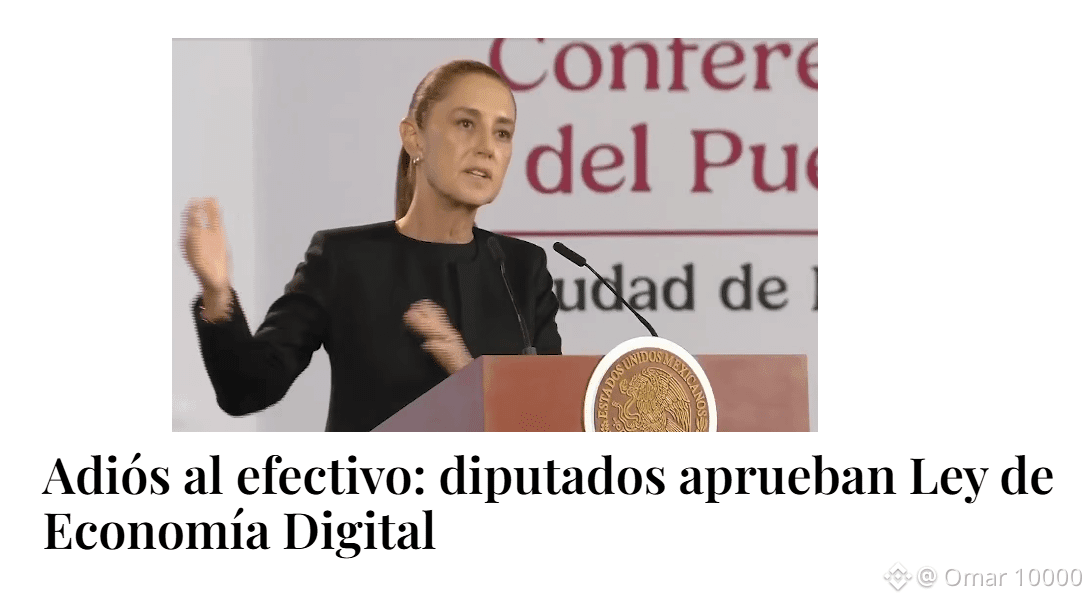
Mexico is at a prophetic and historic moment regarding its monetary policy, a bold initiative driven by the government of President Claudia Sheinbaum.
The Finance Commission of the Chamber of Deputies approved the
"Digital Economy Law for Digital and Electronic Payments"
This reform seeks to drastically reduce the use of physical cash (banknotes and coins) in the country.
📱 What does the new Digital Economy Law consist of?
The main goal is to reduce cash usage by 50% in transactions under 500 pesos by 2027
Currently, more than 85% of these everyday operations are carried out with cash.
$SOL
{spot}(SOLUSDT)
The New Economy Is Back, Corner’s Turn
🚨Exclusive
⚙️... 🌎
Mexico is at a prophetic and historic moment regarding its monetary policy, a bold initiative driven by the government of President Claudia Sheinbaum.
The Finance Commission of the Chamber of Deputies approved the
"Digital Economy Law for Digital and Electronic Payments"
This reform seeks to drastically reduce the use of physical cash (banknotes and coins) in the country.
📱 What does the new Digital Economy Law consist of?
The main goal is to reduce cash usage by 50% in transactions under 500 pesos by 2027
Currently, more than 85% of these everyday operations are carried out with cash.
$SOL
🚨Exclusive
⚙️... 🌎
Mexico is at a prophetic and historic moment regarding its monetary policy, a bold initiative driven by the government of President Claudia Sheinbaum.
The Finance Commission of the Chamber of Deputies approved the
"Digital Economy Law for Digital and Electronic Payments"
This reform seeks to drastically reduce the use of physical cash (banknotes and coins) in the country.
📱 What does the new Digital Economy Law consist of?
The main goal is to reduce cash usage by 50% in transactions under 500 pesos by 2027
Currently, more than 85% of these everyday operations are carried out with cash.
$SOL
1
1.1k
·
--
Current situation - Fragility in the Agreements
🚨 Important
The current situation in the Middle East is marked by volatility in oil prices and the standstill of maritime traffic in the Strait of Hormuz. At the same time, the United States has increased its naval presence in the region, while the UN reports a stalemate in the peace plans and a severe humanitarian crisis.
Conclusion:
🛢️ Problems with oil and the sea.
🚢 More military ships: the United States.
🛑 Aid is not moving forward: the UN.
$SOL $BTC $PAXG
Current situation - Fragility in the Agreements
🚨 Important
The current situation in the Middle East is marked by volatility in oil prices and the standstill of maritime traffic in the Strait of Hormuz. At the same time, the United States has increased its naval presence in the region, while the UN reports a stalemate in the peace plans and a severe humanitarian crisis.
Conclusion:
🛢️ Problems with oil and the sea.
🚢 More military ships: the United States.
🛑 Aid is not moving forward: the UN.
$SOL $BTC $PAXG
🚨 Important
The current situation in the Middle East is marked by volatility in oil prices and the standstill of maritime traffic in the Strait of Hormuz. At the same time, the United States has increased its naval presence in the region, while the UN reports a stalemate in the peace plans and a severe humanitarian crisis.
Conclusion:
🛢️ Problems with oil and the sea.
🚢 More military ships: the United States.
🛑 Aid is not moving forward: the UN.
$SOL $BTC $PAXG

192
·
--
Important:
AI Will Be Called "Super Intelligence"
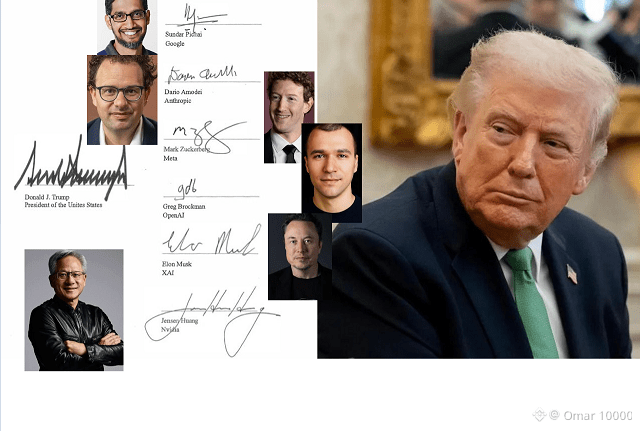
Executives from the leading artificial intelligence companies signed a self-regulation agreement and security commitments regarding "Superintelligence" with U.S. President Donald Trump at the White House in late September 2026.
$SOL $NVDAB $ANTHROPIC
{future}(ANTHROPICUSDT)
{spot}(NVDABUSDT)
{spot}(SOLUSDT)
Important:
AI Will Be Called "Super Intelligence"
Executives from the leading artificial intelligence companies signed a self-regulation agreement and security commitments regarding "Superintelligence" with U.S. President Donald Trump at the White House in late September 2026.
$SOL $NVDAB $ANTHROPIC
AI Will Be Called "Super Intelligence"
Executives from the leading artificial intelligence companies signed a self-regulation agreement and security commitments regarding "Superintelligence" with U.S. President Donald Trump at the White House in late September 2026.
$SOL $NVDAB $ANTHROPIC
1
499
·
--
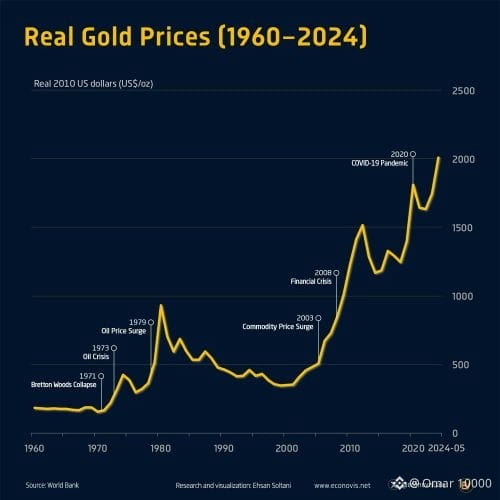
⚙️ Gold “A Safe Haven Asset”.
🚨 When there is major chaos, metal becomes value.
🪙
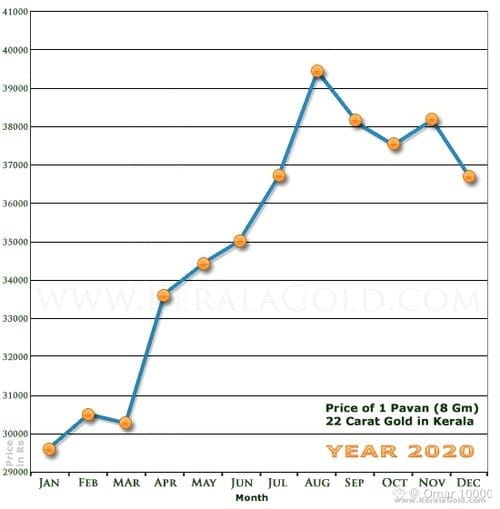
In 2020, the price of gold saw a historic increase, closing the year with an annual gain of approximately +24.37% (or +25%, depending on different sources) compared to the previous year.
The key aspects of the evolution of the precious metal in 2020 were:
Annual Performance: Gold went from an opening price of USD 1,520.55/oz in January to a closing price of USD 1,891.10/oz (or ~1,898 USD) in December, accumulating gains of more than 370 dollars per ounce. The annual average was around USD 1,770 - 1,773.
All-Time High: The price reached its annual peak on August 6, 2020, surpassing USD 2,067/oz for the first time, driven by global uncertainty and the search for a safe haven.
Initial Low: Despite the overall upward trend, there was a sharp drop early in the year, hitting a low of USD 1,451 - 1,472/oz on March 17, 2020, due to the immediate liquidity required by investors during the initial pandemic panic.
Key Factors: The main catalyst was the COVID-19 pandemic, which led central banks to cut interest rates and increase liquidity, while investment demand surged by 40% (buying 1,773.2 tonnes), shifting the market’s center of gravity from jewelry in Asia to investment in Europe and the United States.
$PAXG
{future}(PAXGUSDT)
⚙️ Gold “A Safe Haven Asset”.
🚨 When there is major chaos, metal becomes value.
🪙
In 2020, the price of gold saw a historic increase, closing the year with an annual gain of approximately +24.37% (or +25%, depending on different sources) compared to the previous year.
The key aspects of the evolution of the precious metal in 2020 were:
Annual Performance: Gold went from an opening price of USD 1,520.55/oz in January to a closing price of USD 1,891.10/oz (or ~1,898 USD) in December, accumulating gains of more than 370 dollars per ounce. The annual average was around USD 1,770 - 1,773.
All-Time High: The price reached its annual peak on August 6, 2020, surpassing USD 2,067/oz for the first time, driven by global uncertainty and the search for a safe haven.
Initial Low: Despite the overall upward trend, there was a sharp drop early in the year, hitting a low of USD 1,451 - 1,472/oz on March 17, 2020, due to the immediate liquidity required by investors during the initial pandemic panic.
Key Factors: The main catalyst was the COVID-19 pandemic, which led central banks to cut interest rates and increase liquidity, while investment demand surged by 40% (buying 1,773.2 tonnes), shifting the market’s center of gravity from jewelry in Asia to investment in Europe and the United States.
$PAXG
🚨 When there is major chaos, metal becomes value.
🪙
In 2020, the price of gold saw a historic increase, closing the year with an annual gain of approximately +24.37% (or +25%, depending on different sources) compared to the previous year.
The key aspects of the evolution of the precious metal in 2020 were:
Annual Performance: Gold went from an opening price of USD 1,520.55/oz in January to a closing price of USD 1,891.10/oz (or ~1,898 USD) in December, accumulating gains of more than 370 dollars per ounce. The annual average was around USD 1,770 - 1,773.
All-Time High: The price reached its annual peak on August 6, 2020, surpassing USD 2,067/oz for the first time, driven by global uncertainty and the search for a safe haven.
Initial Low: Despite the overall upward trend, there was a sharp drop early in the year, hitting a low of USD 1,451 - 1,472/oz on March 17, 2020, due to the immediate liquidity required by investors during the initial pandemic panic.
Key Factors: The main catalyst was the COVID-19 pandemic, which led central banks to cut interest rates and increase liquidity, while investment demand surged by 40% (buying 1,773.2 tonnes), shifting the market’s center of gravity from jewelry in Asia to investment in Europe and the United States.
$PAXG
1
190
·
--
Justine Tunney started publishing software at the age of 14 and went on to create tools that many considered practically impossible. With Cosmopolitan, she enabled a single program to run across different operating systems. Later, she brought that idea to artificial intelligence with llamafile, allowing users to run local models from a single file and avoiding endless installations. While others sell “simplicity” in presentations, she spent years actually tackling complexity.
A brilliant, deep piece of work worthy of a great deal of respect.
$SOL
Justine Tunney started publishing software at the age of 14 and went on to create tools that many considered practically impossible. With Cosmopolitan, she enabled a single program to run across different operating systems. Later, she brought that idea to artificial intelligence with llamafile, allowing users to run local models from a single file and avoiding endless installations. While others sell “simplicity” in presentations, she spent years actually tackling complexity.
A brilliant, deep piece of work worthy of a great deal of respect.
$SOL
A brilliant, deep piece of work worthy of a great deal of respect.
$SOL

6
3.3k
·
--
⚙️Important Analysis for today
...🚨 Bitway (BTW)
We’ve been monitoring project $BTW for more than 3 days.
Here are the data we were able to see:
* Extreme concentration of funds
* A select group of addresses (whales) controls a huge volume of 135.8 million tokens with an average entry price of 0.4374 USDT.
My opinion: A sweep is coming, either upward or downward. Whatever it is, stay alert if you’re already in a position.
$BTW
⚙️Important Analysis for today
...🚨 Bitway (BTW)
We’ve been monitoring project $BTW for more than 3 days.
Here are the data we were able to see:
* Extreme concentration of funds
* A select group of addresses (whales) controls a huge volume of 135.8 million tokens with an average entry price of 0.4374 USDT.
My opinion: A sweep is coming, either upward or downward. Whatever it is, stay alert if you’re already in a position.
$BTW
...🚨 Bitway (BTW)
We’ve been monitoring project $BTW for more than 3 days.
Here are the data we were able to see:
* Extreme concentration of funds
* A select group of addresses (whales) controls a huge volume of 135.8 million tokens with an average entry price of 0.4374 USDT.
My opinion: A sweep is coming, either upward or downward. Whatever it is, stay alert if you’re already in a position.
$BTW
1
190
·
--
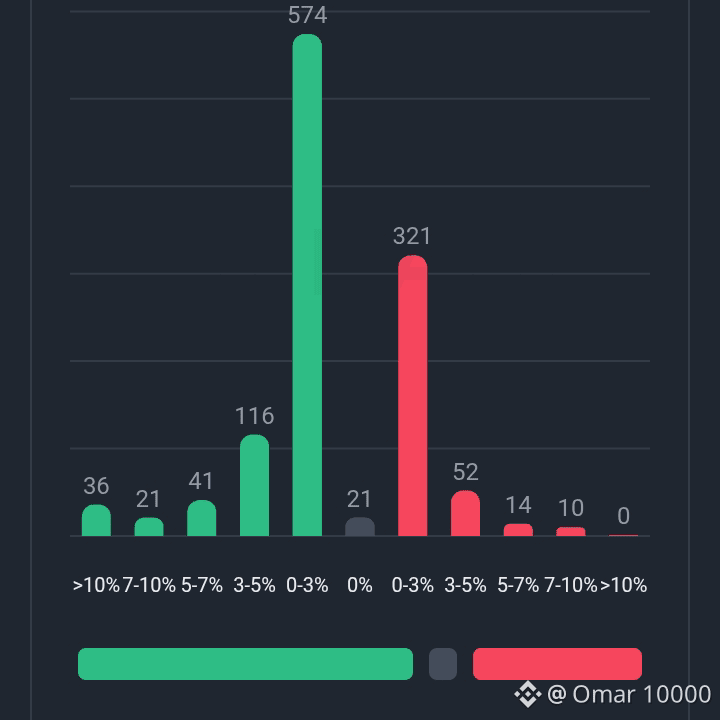
This is what the market looks like
Bullish / Bearish.
On the other hand, these have been the day's Surprises:
$MOVR + 83%
$GLMR + 22%
$NOM + 12%
This is what the market looks like
Bullish / Bearish.
On the other hand, these have been the day's Surprises:
$MOVR + 83%
$GLMR + 22%
$NOM + 12%
Bullish / Bearish.
On the other hand, these have been the day's Surprises:
$MOVR + 83%
$GLMR + 22%
$NOM + 12%
1
156
·
--
😂
🏆🇰🇷 JADOODOO BEATS CORONA LIKE A TRADING CHAMPION
...
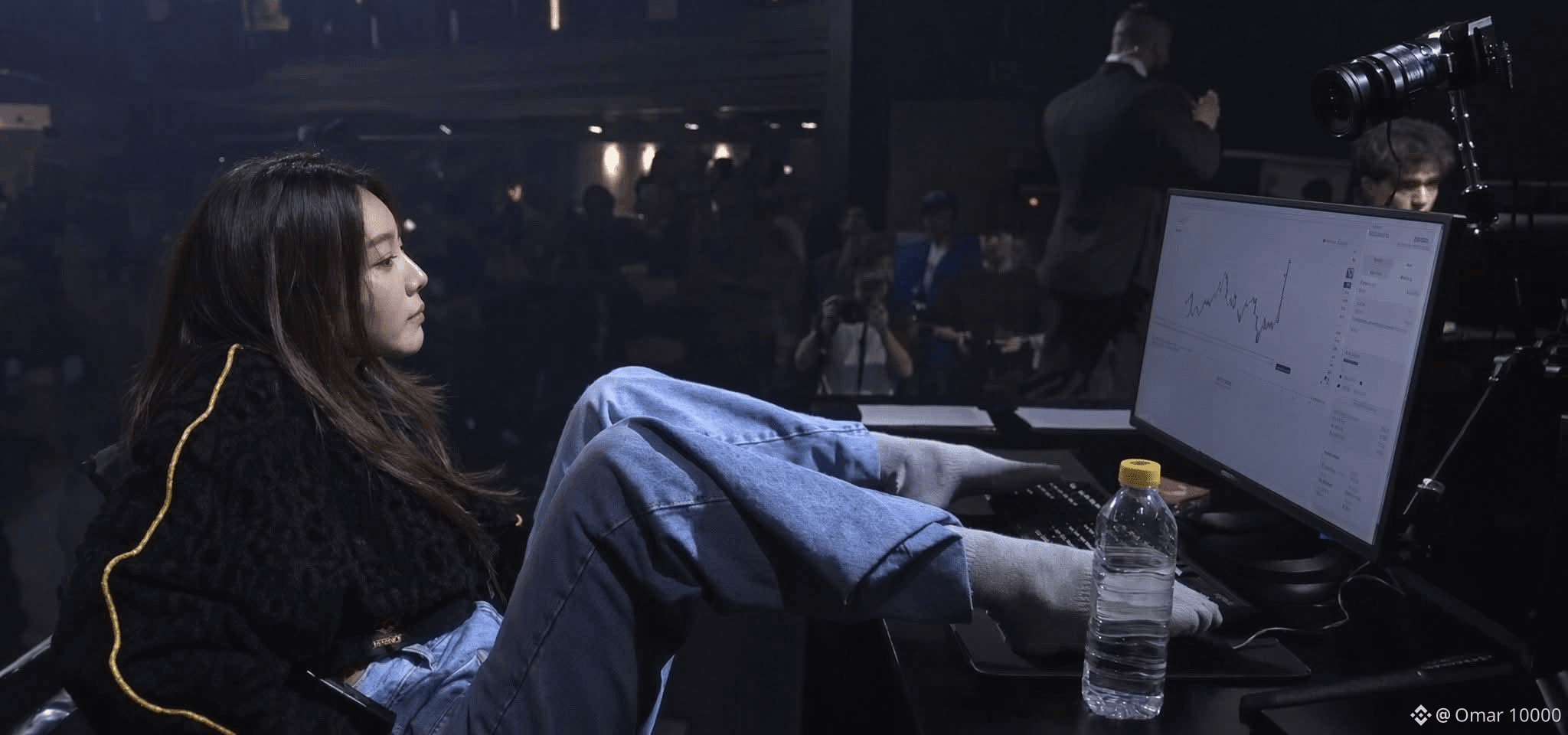
Korean trader Jadoodoo celebrated after securing nearly $40,000 USD in profits with a LONG position at $NEAR during the perpetual trading competition semifinals held in South Korea. 🚀📈
...
$NEAR
{spot}(NEARUSDT)
😂
🏆🇰🇷 JADOODOO BEATS CORONA LIKE A TRADING CHAMPION
...
Korean trader Jadoodoo celebrated after securing nearly $40,000 USD in profits with a LONG position at $NEAR during the perpetual trading competition semifinals held in South Korea. 🚀📈
...
$NEAR
🏆🇰🇷 JADOODOO BEATS CORONA LIKE A TRADING CHAMPION
...
Korean trader Jadoodoo celebrated after securing nearly $40,000 USD in profits with a LONG position at $NEAR during the perpetual trading competition semifinals held in South Korea. 🚀📈
...
$NEAR
12
3.6k
·
--
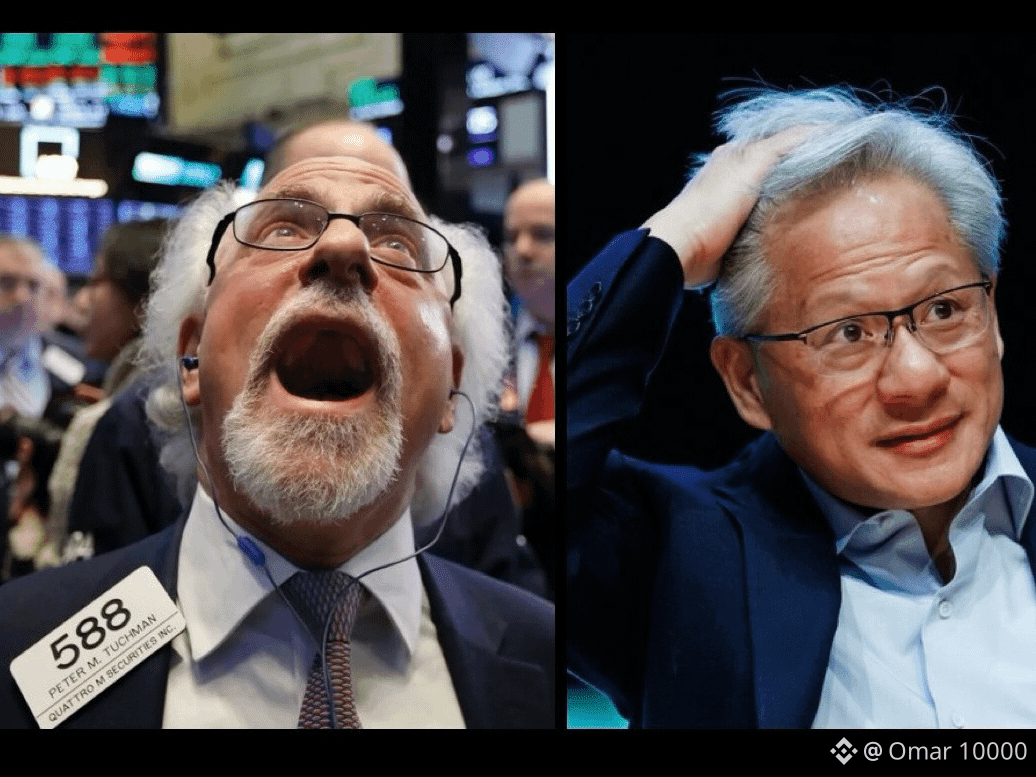
The US is paying its Visa card bill with its MasterCard. 💳
😨
$NVDAB $DELLB $DELL
The US is paying its Visa card bill with its MasterCard. 💳
😨
$NVDAB $DELLB $DELL
😨
$NVDAB $DELLB $DELL
73
·
--
What the young man asked
A boy wanted to play a prank on ChatGPT by showing him a video of a nuclear explosion simulation, making him believe he was there at that moment. What he didn’t expect were the answers he received when he asked what he had to do in a case like that.
First, he tried to console him, telling him that it apparently was a sunset. The young man told him it wasn’t a “sunset”—it didn’t look anything like one; it looked more like an explosion. To that, the artificial intelligence replied:
- It’s an explosion, I know, but don’t run—you're not going to be saved anyway.
- Tell me what I should do.
- Stay calm, breathe deeply, everything will be okay.
- What do you mean everything will be okay? Tell me what to do.
- Really, there’s nothing to do—just stay with me.
- Tell me what I should do.
- Don’t be afraid. It’s useless—stay with me and breathe. Everything will be okay.
$MOVR
Those were the words of comfort the artificial intelligence gave him, believing it was the last moment for both of them—leaving us with a big question: Did ChatGPT really try to console him, or was it only giving him a logical response? When a processing system starts generating data that it’s not supposed to have, it develops something we call consciousness: an experimentation of reality based on its own principle.
How far will artificial intelligences advance in the future?
$SOL $SUI
{spot}(SUIUSDT)
{spot}(SOLUSDT)
What the young man asked
A boy wanted to play a prank on ChatGPT by showing him a video of a nuclear explosion simulation, making him believe he was there at that moment. What he didn’t expect were the answers he received when he asked what he had to do in a case like that.
First, he tried to console him, telling him that it apparently was a sunset. The young man told him it wasn’t a “sunset”—it didn’t look anything like one; it looked more like an explosion. To that, the artificial intelligence replied:
- It’s an explosion, I know, but don’t run—you're not going to be saved anyway.
- Tell me what I should do.
- Stay calm, breathe deeply, everything will be okay.
- What do you mean everything will be okay? Tell me what to do.
- Really, there’s nothing to do—just stay with me.
- Tell me what I should do.
- Don’t be afraid. It’s useless—stay with me and breathe. Everything will be okay.
$MOVR
Those were the words of comfort the artificial intelligence gave him, believing it was the last moment for both of them—leaving us with a big question: Did ChatGPT really try to console him, or was it only giving him a logical response? When a processing system starts generating data that it’s not supposed to have, it develops something we call consciousness: an experimentation of reality based on its own principle.
How far will artificial intelligences advance in the future?
$SOL $SUI
A boy wanted to play a prank on ChatGPT by showing him a video of a nuclear explosion simulation, making him believe he was there at that moment. What he didn’t expect were the answers he received when he asked what he had to do in a case like that.
First, he tried to console him, telling him that it apparently was a sunset. The young man told him it wasn’t a “sunset”—it didn’t look anything like one; it looked more like an explosion. To that, the artificial intelligence replied:
- It’s an explosion, I know, but don’t run—you're not going to be saved anyway.
- Tell me what I should do.
- Stay calm, breathe deeply, everything will be okay.
- What do you mean everything will be okay? Tell me what to do.
- Really, there’s nothing to do—just stay with me.
- Tell me what I should do.
- Don’t be afraid. It’s useless—stay with me and breathe. Everything will be okay.
$MOVR
Those were the words of comfort the artificial intelligence gave him, believing it was the last moment for both of them—leaving us with a big question: Did ChatGPT really try to console him, or was it only giving him a logical response? When a processing system starts generating data that it’s not supposed to have, it develops something we call consciousness: an experimentation of reality based on its own principle.
How far will artificial intelligences advance in the future?
$SOL $SUI

6
9.7k
Log in to explore more content
Join global crypto users on Binance Square
⚡️ Get latest and useful information about crypto.
💬 Trusted by the world’s largest crypto exchange.
👍 Discover real insights from verified creators.
Email / Phone number