
ObaAgon
2.4k Posts

ObaAgon
Report
Block User
圖片、言論不做投資及財務建議,僅為個人紀錄訓練使用。歡迎加入我的廣場聊天室
2 Following
2.6K+ Followers
5.3K+ Liked
Posts
All
Quotes
Videos
PINNED
·
--
I only post on Binance Square, X, and the TG group. All other platforms charge under false pretenses, please be cautious!
Please recognize my account name ObaAgon, there are too many impersonators!
—————————————————————
Explanation:
Bullish: 'Define high point'. Bullish directional energy. Bullish main behavior dynamics;
Bearish: 'Define low point'. Bearish directional energy. Bearish main behavior dynamics;
Starting with the defined high point. Bullish directional dynamics, dynamics will have time dynamics, regardless of how bullish actions are made. Ultimately, it is for defining the high point.
So if the bulls do not enter at the highest point, how can it be called a high point?
—————————————————————
'Event-driven, event occurrence rate is only 30%'
For example, event bulls: Event bulls have event news, most people do not know that news events are going to happen, so before the event detonates, there will only be a short squeeze, and when the event occurs, there will be a direct spike. Event bulls only represent events, not bullish actions; simply stating event bulls means only events without bullish actions, which leads to only bearish actions.
During the short squeeze process before the event occurs, if the event does not happen, the price may have already been declining throughout this process.
—————————————————————
'A high point' does not represent a high price.
'A low point' does not represent a low price.
In terms of low points, the text is different from low prices.
For example: low price low point, high price low point. Price and point are different things.
—————————————————————
'Build high point' 'Build low point'
Bearish builders establishing low points is a dynamic process. Only the bearish can achieve the lowest point price; ordinary people do not have the capability to absorb large liquidity orders. Therefore, the establishment of a low point occurs after the bearish start placing orders; during this order placement period, a price low point will be produced. Before the bearish leaves, a low point will appear before moving to a high point. As time passes and comes to an end, the K-line price will show a V shape, moving from the top of V to the bottom of V and back to the tail of V, producing a process called building a low point.
#BTC
21
1
28
575
·
--
The following is a BTC post that Pig i tweeted in advance at 7:20 p.m. on November 29, before the events described came to pass.
“On November 21, Reuters reported that the SEC was investigating NVDA, which was seen as bearish news.
This news is about to turn out to be bullish.
Perhaps Reuters simply got it wrong and the SEC isn’t investigating. Or perhaps the report is true, but no violations were found.
Most likely, the related events will become part of the bullish factors behind the current consolidation range on the 29th.”
You’re welcome to join my Plaza chatroom to read more.
1
250
·
--
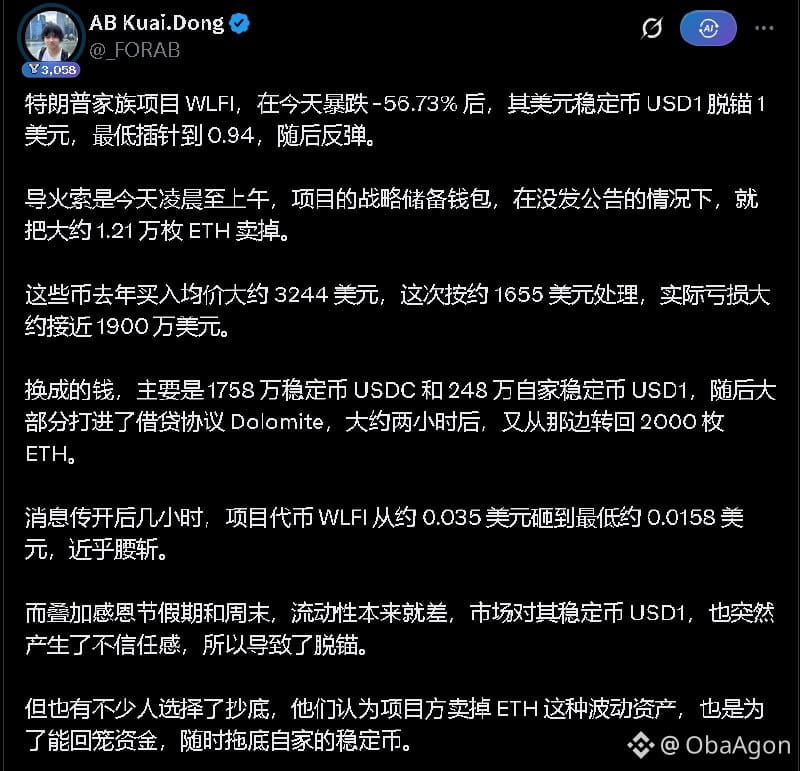
Regarding the decline in WLFI and USD1, I’d like to share my thoughts on the tactics:
Selling ETH in a single order causes prices across all exchanges to interact. In reality, nobody is selling on any exchange; it’s just price interaction. The exchanges let liquidity move the price, making ETH appear to drop. Then liquidity across all coins shifts, causing everything to fall. Once ETH has reached a lower price through this price interaction, you can use U to borrow ETH at that adjusted, lower price.
This way, you still have both ETH and U. Then investors panic-sell USD1, causing it to depeg amid the panic, and you can buy USD1 at a lower price. This lowers your cost while maintaining the same position, and also gives you ammunition to attack USD.
https://x.com/_FORAB/status/2126577571433431492?a=ntHFi43V8KzQIN6Wv2I&s=20
1.2k
·
--
“Additional explanation:
Why must no one else know when you (AI) place orders, call out trades, or place orders on someone else’s behalf?
First, you need to understand the essence of trading: ‘A trade is an agreement between a buyer and a seller. There must be a buyer and a seller; buyers need sellers, and sellers need buyers. The buyer and seller are two independent entities.’
For example, you have your own assessment and decision-making process when it comes to buying, and the choice is in your hands. Others also have their own assessment and decision-making process when it comes to selling, and the choice is in their hands. You cannot assume that others ‘must’ do what you think they should. Trading is based on equality, and there is no way for someone to threaten you in person, because you have no idea who the other party is or where they are.
Therefore, for a trade to take place, there must be at least one buyer and at least one seller. There could be just one buyer and ten sellers. One buyer with one billion versus ten sellers with one billion.
Therefore, the strictest and lowest-risk definition of a profitable action is one that only one person can use to earn all the returns. It’s like a lottery: one person winning the jackpot is different from ten people sharing it. The maximum profit can only be achieved by a single entity. That’s also why, whenever a second person appears, it means the market has not only an ‘opposing position’ but also an ‘internal opponent.’
Therefore, the idea of everyone making money together by following trade calls is never going to result in everyone making money forever. Being part of the crowd is like suicide. Especially as the crypto market keeps shrinking, the sooner this ‘crowd’ will all die.
So when people say that a market maker’s trade calls are released in real time for everyone to follow, it’s like creating a pool to fill up a Death Note. The so-called crowd is a pool to be harvested. There is no such thing as everyone winning in trading. The market makers know this.
So why did BTC crash on October 11, 2025?
Why, when it was already mentioned on September 28 that there were two major bullish players in the market, did an article on October 7 say that if those two major bullish players fought, one of them would have to die?
Because in trading there is never a second winner at the same level. If there is a second, one of them must die. The amount of money that can be made in a market is limited, even if we assume that the act of ‘buying’ can make money.
Once more people buy and the buying volume exceeds the market’s limit, the other side will start making money. For example, does the long-short ratio really mean that the side with more positions will drive prices up? Absolutely not.
For example, with the long-short ratio, the side with more positions represents greater risk. When longs are at 58% and shorts at 42%, the 42% can easily take out the 58%.
Therefore, when participating in market trading, don’t casually interfere with the market maker’s orders. Market makers know that the market has a limit, so keep your own trading low-profile. Avoid being noticed by the market maker, since having fellow traders can lower the ceiling and push the market maker over the limit, causing their returns to fall short of expectations. As soon as the market maker’s returns fall short of expectations, they will start eliminating fellow traders.
And being low-profile does not mean avoiding loud promotion. What it actually means is: ‘Don’t let your funds, when added to the market maker’s, exceed the limit.’
Once the limit is exceeded, the market maker will take out fellow traders first. At first, the bullish player will know you’re going long, and nothing will happen because you don’t affect their total. But once other people’s total funds affect their trading strategy and push the overall amount above the market limit, making returns no longer worth the risk, you’re finished.
So why does being conspicuous make trouble more likely?
Because it brings the limit to capacity faster, and you die sooner.
The so-called crowd means everyone going down together.
If it were possible for there to be a ‘crowd’ in the market,
why wouldn’t market makers simply bring everyone along to make money? But the outcome is always that market makers take everyone out.
Why? Has there ever been a time when they didn’t?
And why do some people use concentrated positions to determine market direction, sometimes getting it right and sometimes getting it wrong? It makes it seem as though concentrated positions are not a reliable indicator.
Because the key to concentrated positions is the ‘market limit.’
And what is the market limit? It fluctuates, changing every second, with no fixed value. That’s also why a specific second can see a massive crash caused by just 10u. Sometimes a particular second is when the market reaches its maximum limit.
Anyone who understands finance knows this.
So why do people who understand finance know this, while people who understand investing don’t?
Because one side invests, while the other speculates. Speculators think they are investors.’
You’re welcome to join my community chat to read more.”
1
1
455
·
--
Partly True
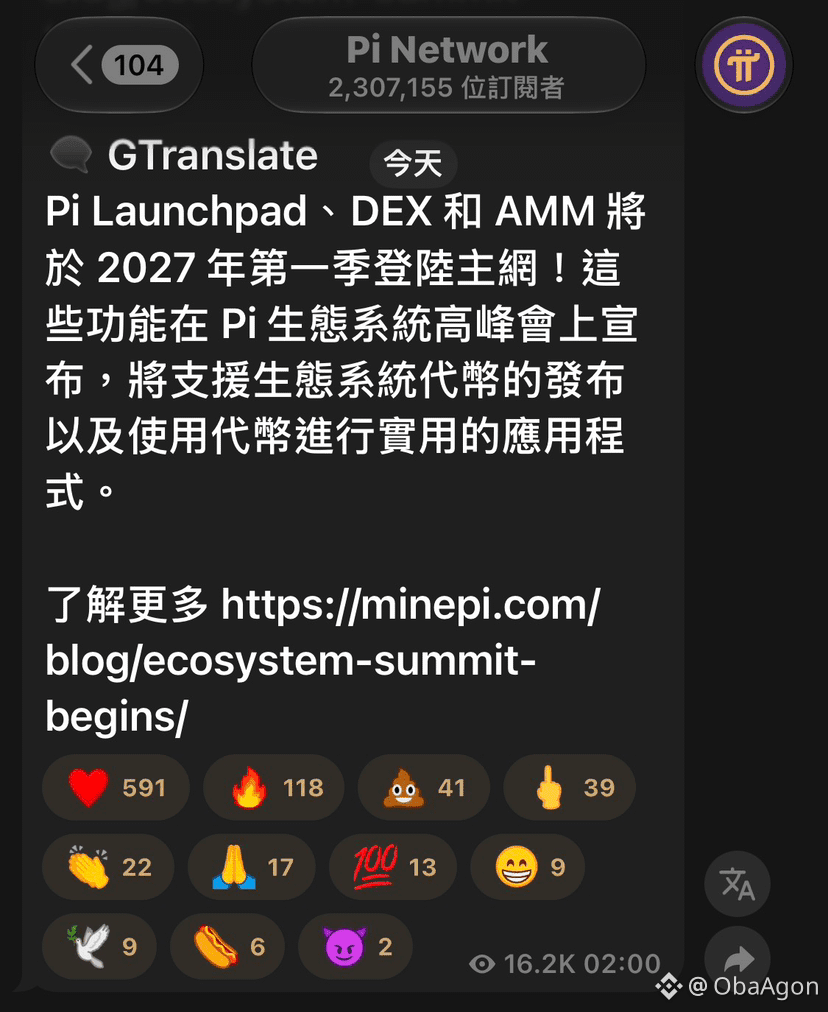
In the past, all the talk about a Pi DEX was just hype; none of it came from an official announcement.
That hype and the expectations it created are what caused people to lose confidence. Investors then blamed PCT for the delay.
It was investors themselves who chose to follow the hype, and then chose to leave instead of waiting for the best time to buy.
So those who always miss the big bull runs keep saying they'll get in next time.
In fact, they end up missing the next one too.
Investing doesn't mean you'll reap rewards just by waiting.
Investing means constantly watching for the right timing and opportunities.
This time, PCT has finally officially announced that its DEX will launch in January 2027. But investors had already been led to feel disappointed, so few are willing to believe it.
#pi
#pinetwork
#PCT
ObaAgon
·
--
Since the bullish outlook based on Pi’s systematic support was first mentioned in August, there has been no sudden reversal in the price’s downward trend.
However, following the Pi Summit a few days ago, the signals pointed to systematic support several times stronger.
This summit could be the systematic support that turns things around for Pi and makes the current low its bottom.
However, this systematic support won’t create buying pressure right away.
The good news is that as long as no major player steps in to suppress Pi over time, Pi could see genuine price action when several systematic announcements come out over the next few months.
So there’s no need to be disappointed by the summit a few days ago. It really did have an effect—it showed that it works. It’s something to look forward to.
It just won’t happen too quickly. We may still see a small rally first, but a major rally will require a few smooth months.
1
433
·
--
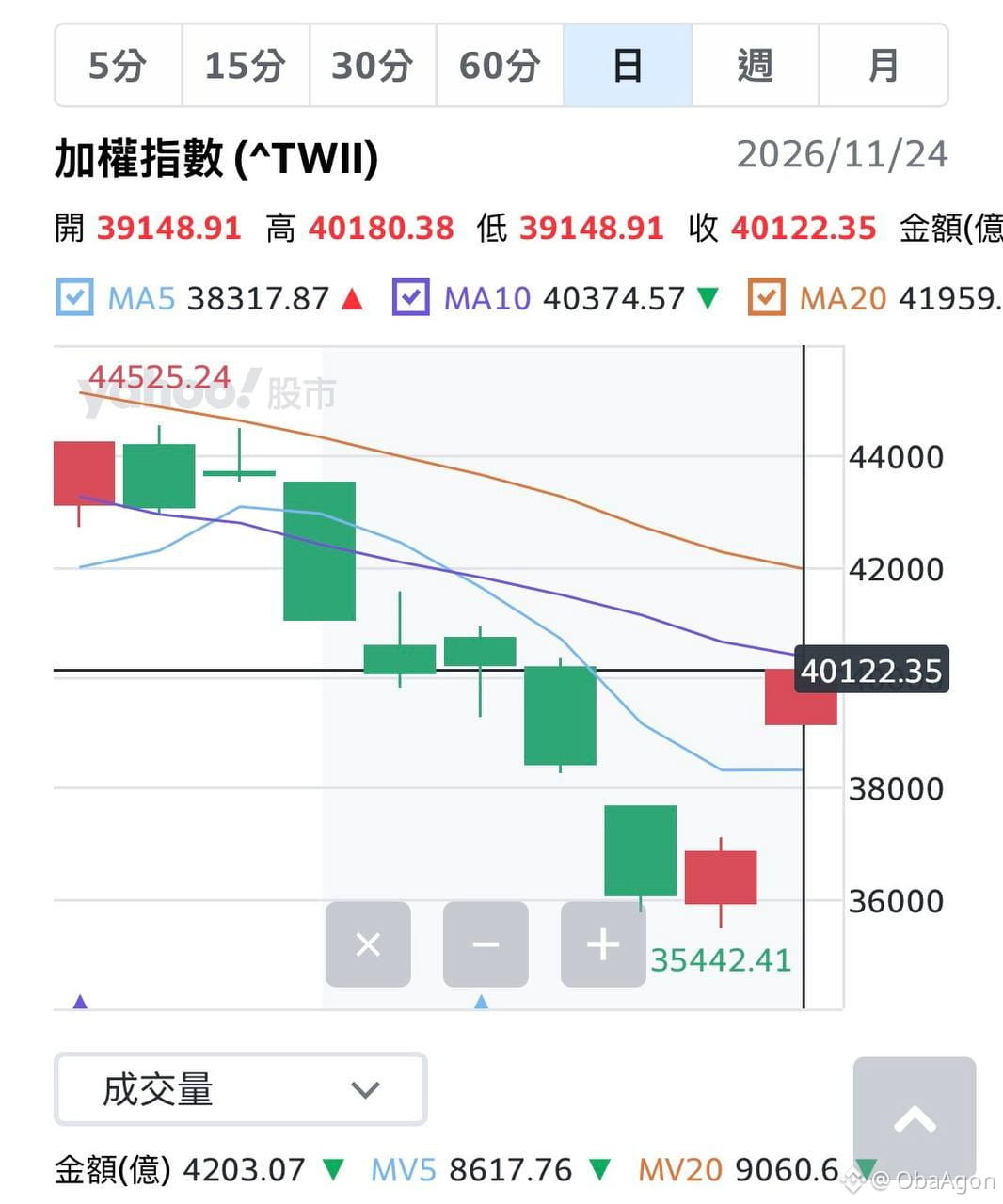
“On the 22nd, I posted that I was prepared to buy Taiwan stocks when panic hit on Monday the 23rd.
Later, on the 23rd, many stocks quickly rebounded from limit down to limit up during trading, then stayed at limit up for two consecutive days.
#TaiwanStocks”
“On the 22nd, I posted that I was prepared to buy Taiwan stocks when panic hit on Monday the 23rd.
Later, on the 23rd, many stocks quickly rebounded from limit down to limit up during trading, then stayed at limit up for two consecutive days.
#TaiwanStocks”
Later, on the 23rd, many stocks quickly rebounded from limit down to limit up during trading, then stayed at limit up for two consecutive days.
#TaiwanStocks”

358
·
--
Since the bullish outlook based on Pi’s systematic support was first mentioned in August, there has been no sudden reversal in the price’s downward trend.
However, following the Pi Summit a few days ago, the signals pointed to systematic support several times stronger.
This summit could be the systematic support that turns things around for Pi and makes the current low its bottom.
However, this systematic support won’t create buying pressure right away.
The good news is that as long as no major player steps in to suppress Pi over time, Pi could see genuine price action when several systematic announcements come out over the next few months.
So there’s no need to be disappointed by the summit a few days ago. It really did have an effect—it showed that it works. It’s something to look forward to.
It just won’t happen too quickly. We may still see a small rally first, but a major rally will require a few smooth months.
1
258
·
--
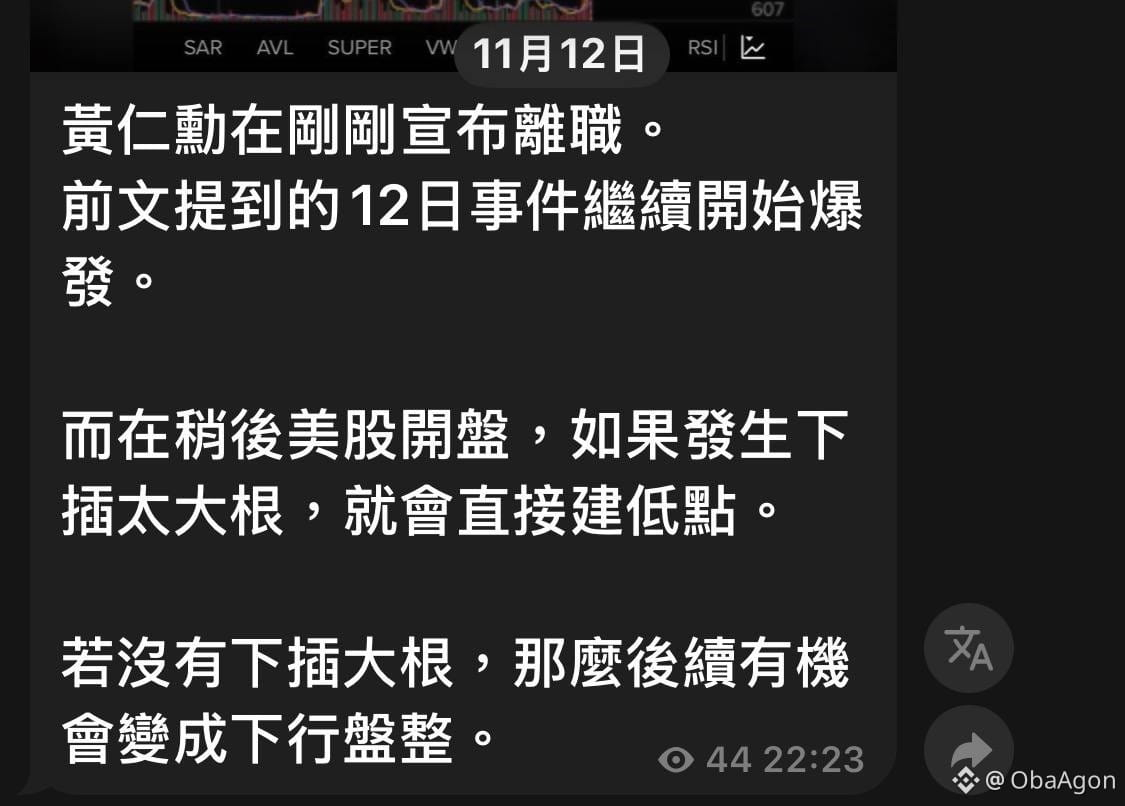
Below is the BTC post that Pig i tweeted at 3:22 on November 24, before the future events took place.
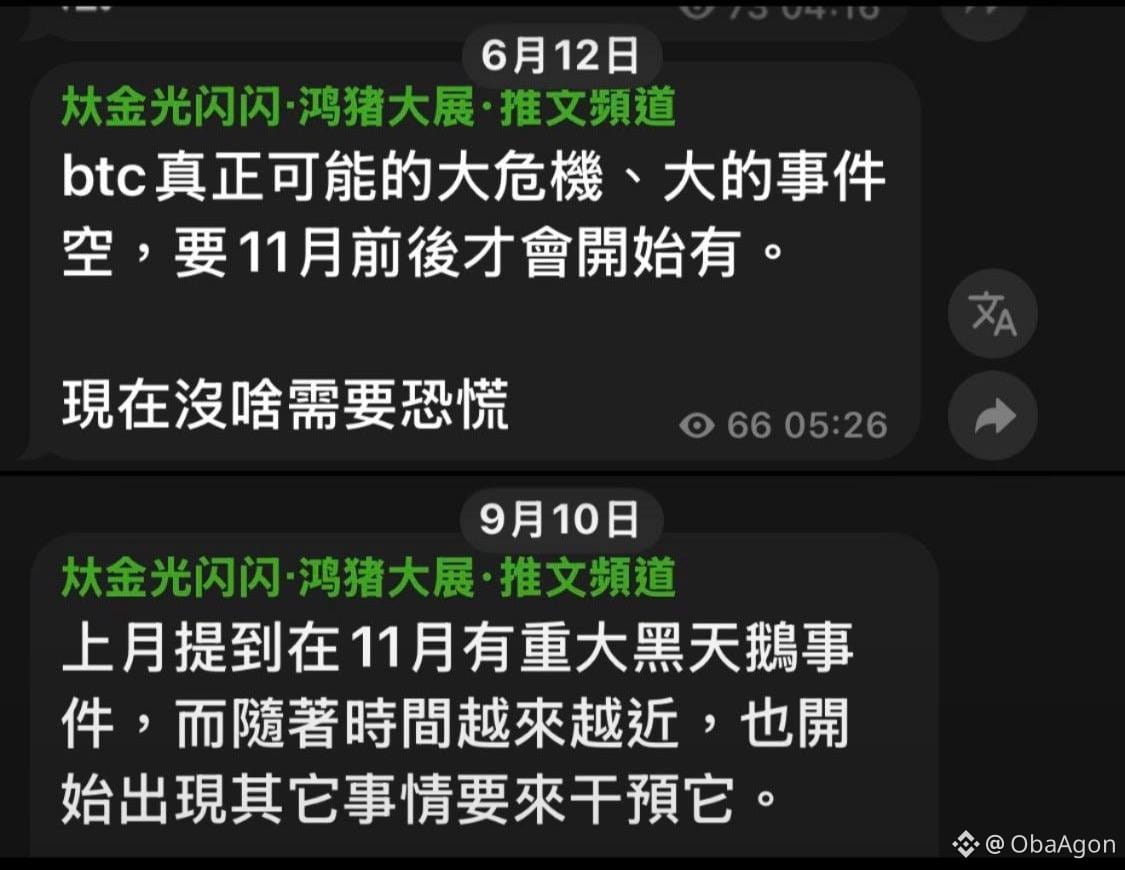
“Based on the stock market situation, looking back at what was mentioned in previous posts:
1. The major event window for November, mentioned in June, was empty.
2. The major event window starting November 6, mentioned on October 31, was the first wave in semiconductors.
3. The second wave began on November 12, as mentioned on November 12.
4. The third wave began on November 20, as mentioned on November 18.
5. The event window originally scheduled to end on November 23–27, mentioned in the October 31 post and again on November 20, will instead begin preparing for ‘not necessarily ending’ (the US stock market crisis).
The US stock market crisis does not seem to have been dispelled by Huang Renxun’s return.
Watch out for another outbreak on December 7–9.
After it breaks out here, it won’t last as long as the situation that began on November 6.
Things start to look a little different here. After the outbreak, the market enters consolidation. This consolidation is likely to be either sideways or downward, but it is still consolidation.
Taiwan stocks seem to have rebounded, making this the so-called lower high.
Regarding the BTC affected by the five points above:
6. The post on the 20th said BTC would set a low on the 21st, after which it duly turned upward.
7. The post on the 22nd mentioned a speculative bullish rebound. It duly happened on the US stock market on the night of the 23rd, with Huang Renxun making his grand return.
Next, there is currently no intention to form a high.
The high will be set during consolidation before December 7. Starting on the 24th, I’ll keep saying when the next high is supposed to form at various points, but in reality, each rally after I say a high is coming ‘won’t form a high.’
It’ll be as if I’m just calling it for fun; he won’t let people know which period is the real one. So whenever I say when a high is coming next, it probably won’t move. A high will be formed before December 7.
So, with that said, we’ll see how the market’s natural trend responds. It could take the opportunity to consolidate upward, or we could see it come under pressure and consolidate sideways.
So bullish investors can pray for the consolidation to go as high as possible. There absolutely won’t be a crash to 30,000 during this period.
In other words, even if prices don’t rise during this period, you won’t lose money.”
You’re welcome to join my Plaza chatroom to read more.


1
493
·
--
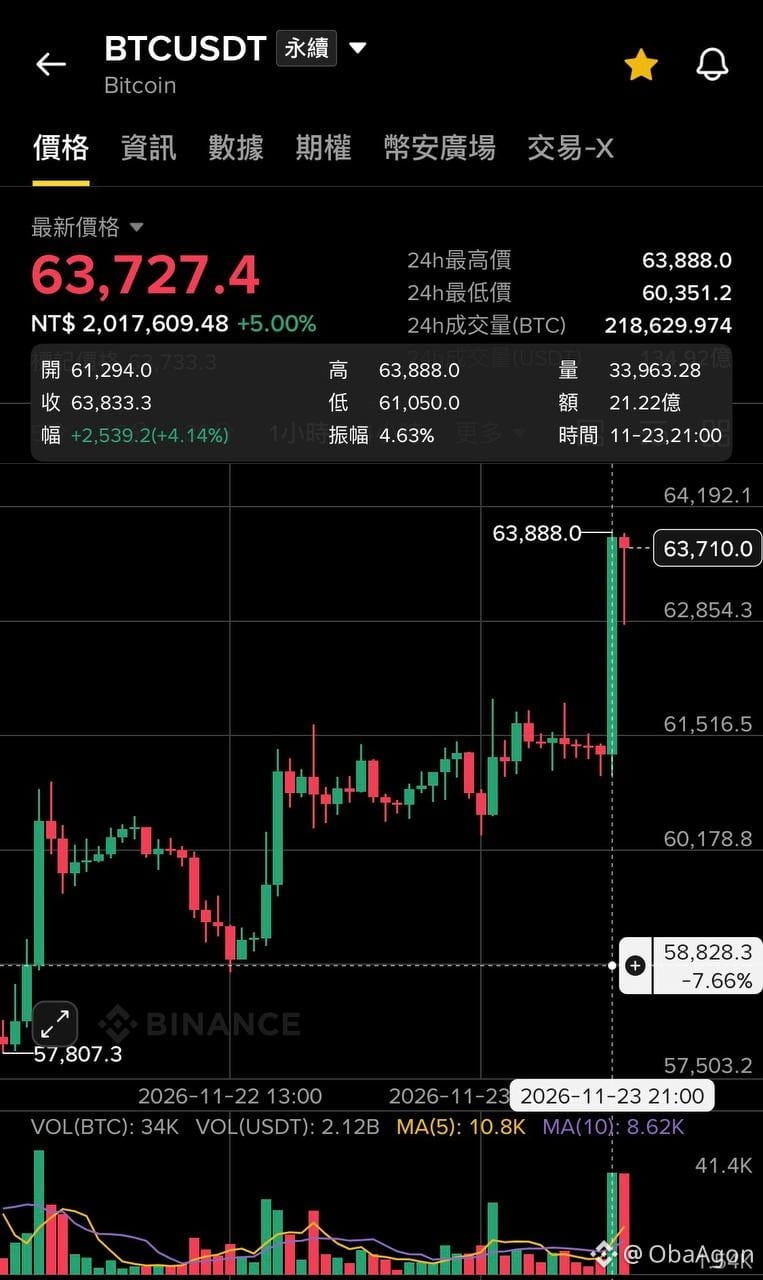
Below is the BTC post that Pig i tweeted at 22:26 on November 23, predicting what would happen before it did.
“I mentioned at 2 p.m. on the 22nd that the main players driving the long trade wouldn’t arrive until the U.S. stock market opened on the 23rd.
Now I’m seeing a spike upward, with Jensen Huang back in the picture.”
Feel free to join my Spaces chat to read more.
“I mentioned at 2 p.m. on the 22nd that the main players driving the long trade wouldn’t arrive until the U.S. stock market opened on the 23rd.
Now I’m seeing a spike upward, with Jensen Huang back in the picture.”
Feel free to join my Spaces chat to read more.

414
·
--
Below is the BTC post that Pig i tweeted in advance at 14:40 on November 22, before the events unfolded.
“Before 8 a.m., no high was formed, and the bears’ funds continued to be drained. The bears had no major players either.
Therefore, this was simply an extended version of the morning situation mentioned earlier, allowing the bears to form a low.
However, after the extension, there was no intention to go long. It would only be consolidation around the rebound level, like after a rebound.
For the bulls, there would be no trading for a short while. The U.S. stock market would only start moving on the evening of the 23rd.
As for the bears, they were all retail traders chasing the drop, and they had no strength to create collective selling pressure.
So this period is called consolidation around the rebound level, but it is not a rebound.”
You’re welcome to join my Square chatroom to read more.
1
275
·
--
The guru says:
Pig Brother, why are your market highs and lows so effective and accurate, yet there aren’t many people in your group?
Let’s take a look at why:
Most people who see me for the first time start out with too many preconceived ideas. Even when I provide AI trading points, and it clearly says in black and white, “These are records of actual live trades,”
most people still ask: Why don’t you post live trading points???
It’s right there in front of them, yet they ask why it isn’t there???
I’ve never understood why people do this. I’ve tested this with lots of people, and almost 95% of them react the same way. I don’t know why.
This has happened before, too. I wrote, “An unknown event will happen tomorrow.”
Then someone asked: What is the unknown event?
I… If I knew, would I still call it an “unknown event”?
You’re welcome to join my Plaza chat room to read more.

706
·
--
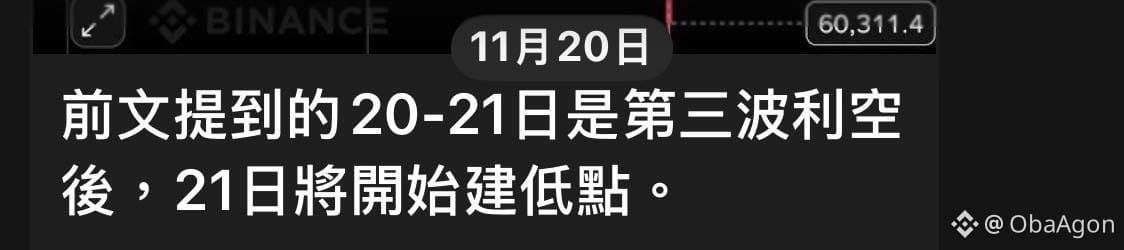
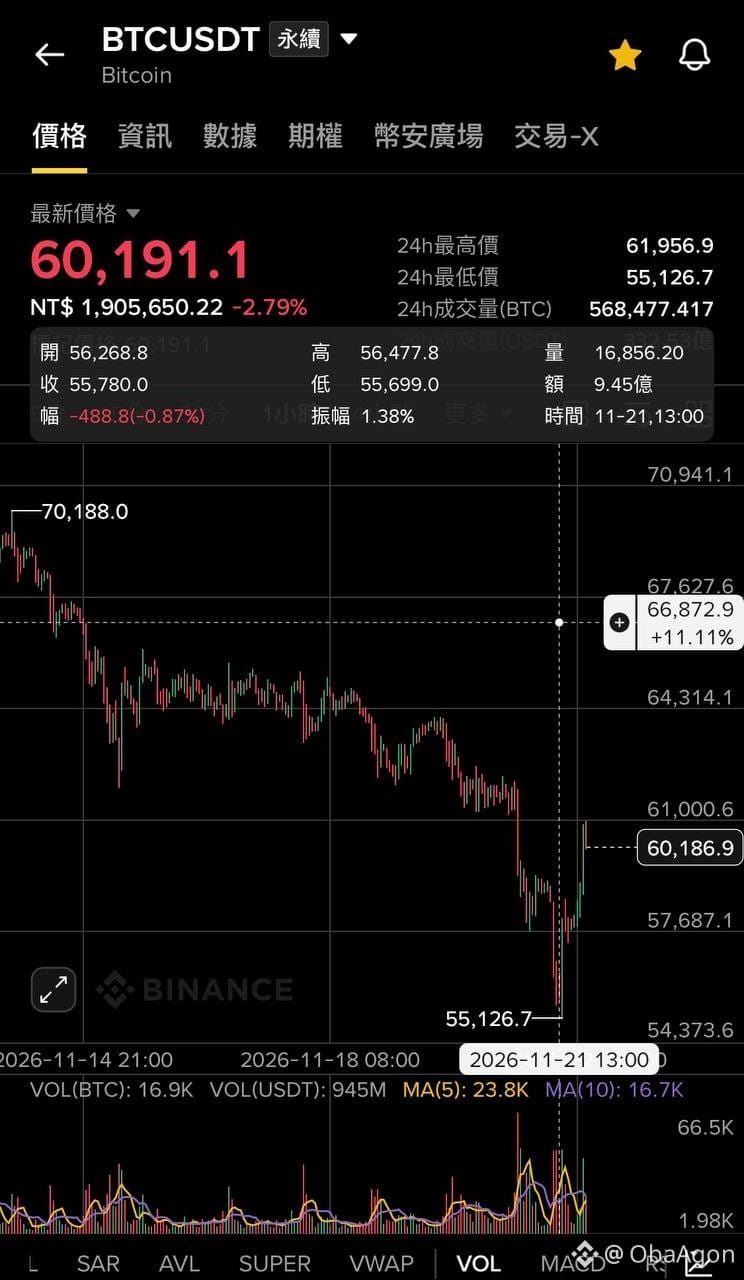
Below is the BTC post that Pig i tweeted in advance at 10:37 p.m. on November 21, before the predicted events unfolded.
“An earlier post on the 20th mentioned that the market would form a low on the 21st and then rise. Now, at 10 p.m. on the 21st, the bulls will first slow down and take a breather.
Because we need to wait for the bears.
To get the bears to keep selling short, we need to assess how much capital they have and determine when it’s suitable to go long—or not.
We need to wait and see how the bears react.”
You’re welcome to join my Square chat room to read more.
525
·
--
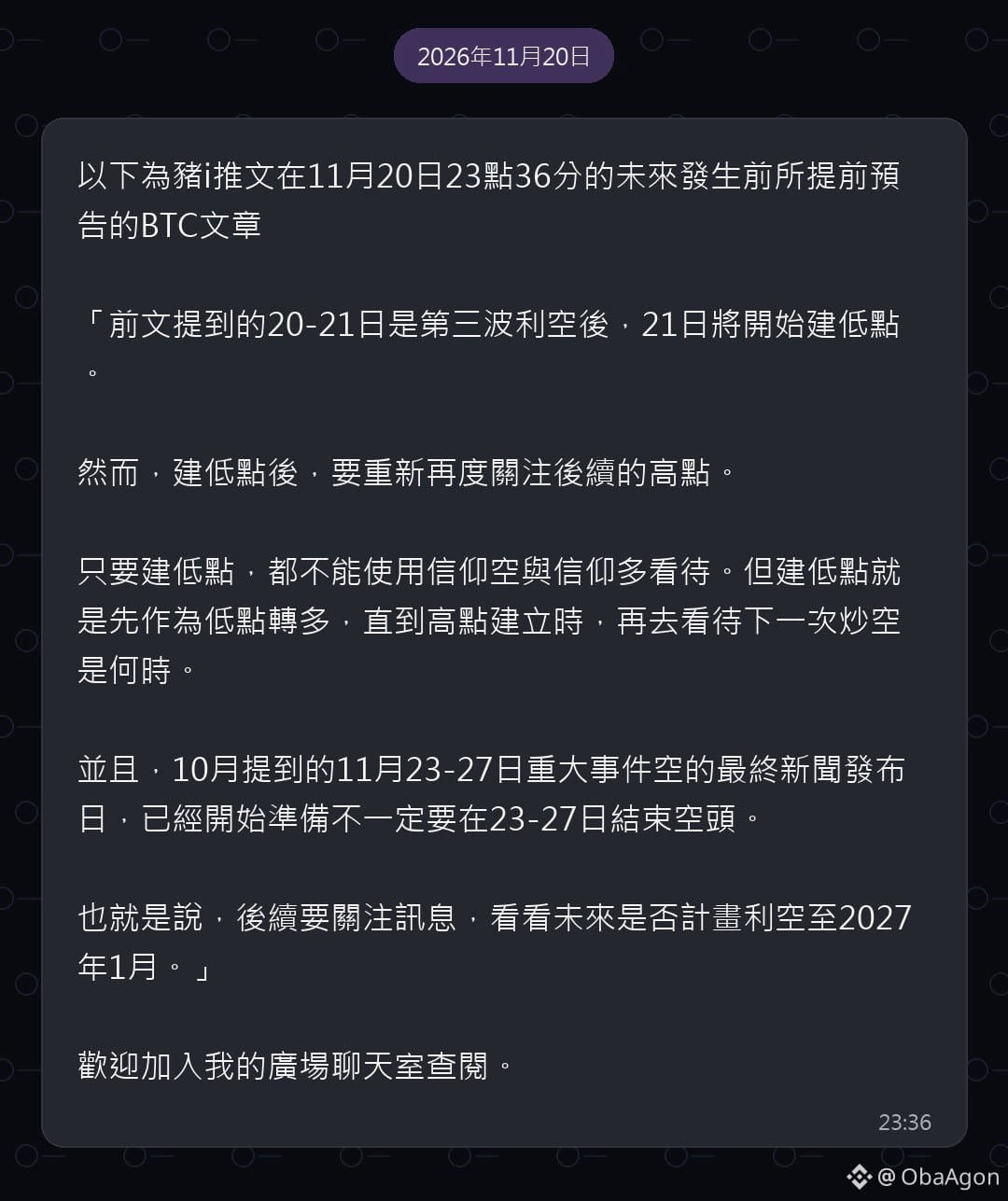
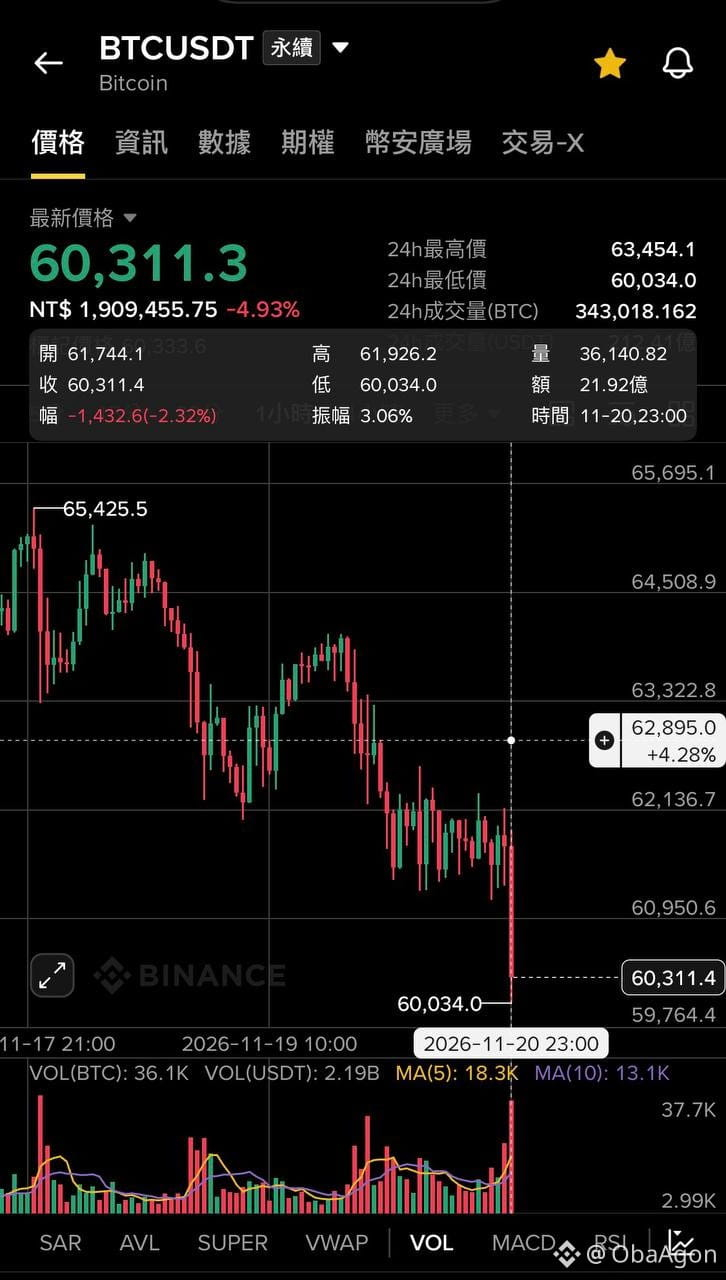
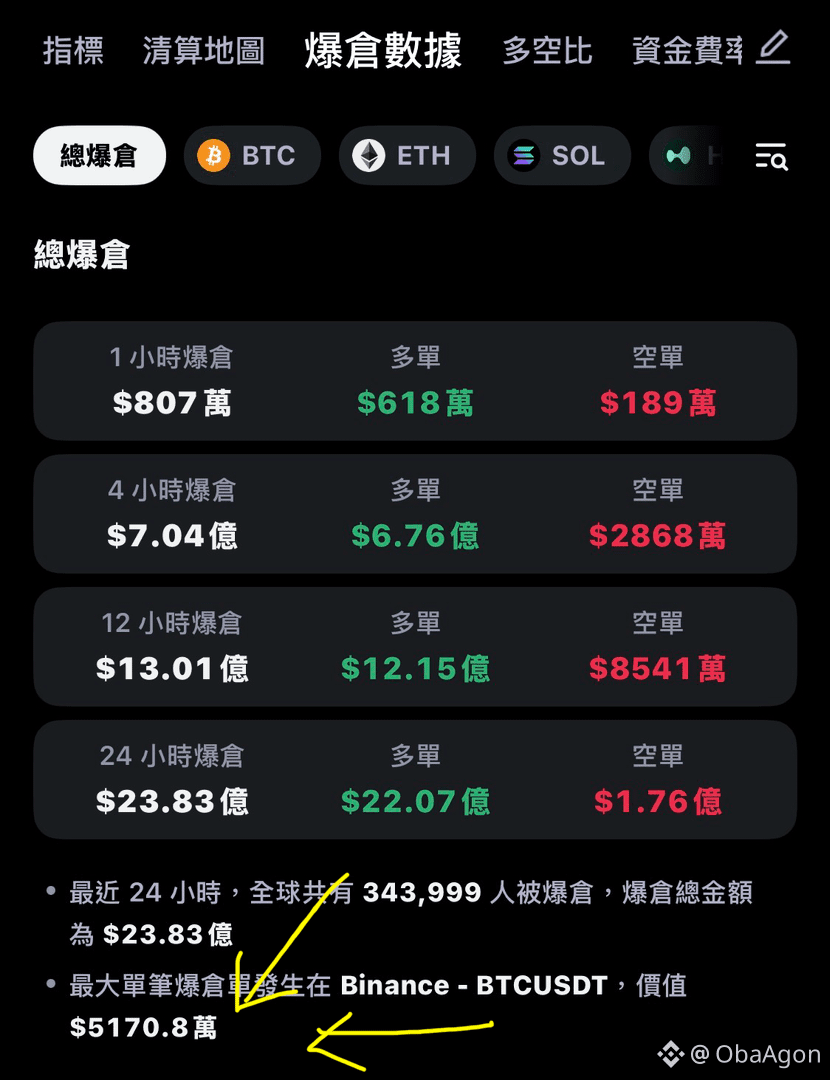
The following is a BTC post that Pig i had previewed in a tweet at 23:36 on November 20, before the events described had occurred.
“The 20th–21st mentioned in the previous post comes after the third wave of bearish news. A low will begin to form on the 21st.
However, after a low forms, we need to once again pay attention to the highs that follow.
Whenever a low is forming, we shouldn’t view the market through the lens of unwavering bullish or bearish conviction. A forming low is simply a shift from a low toward a bullish trend. Once a high is established, we can then consider when the next short-selling opportunity might come.
Also, the final news release date for the major-event short position mentioned in October—November 23–27—is now being prepared. The bearish trend may not necessarily end on the 23rd–27th.
In other words, we should pay attention to the news going forward and see whether there are plans for bearish developments to continue through January 2027.”
You’re welcome to join my Lounge chat to read more.

1
752
·
--
ObaAgon
·
--
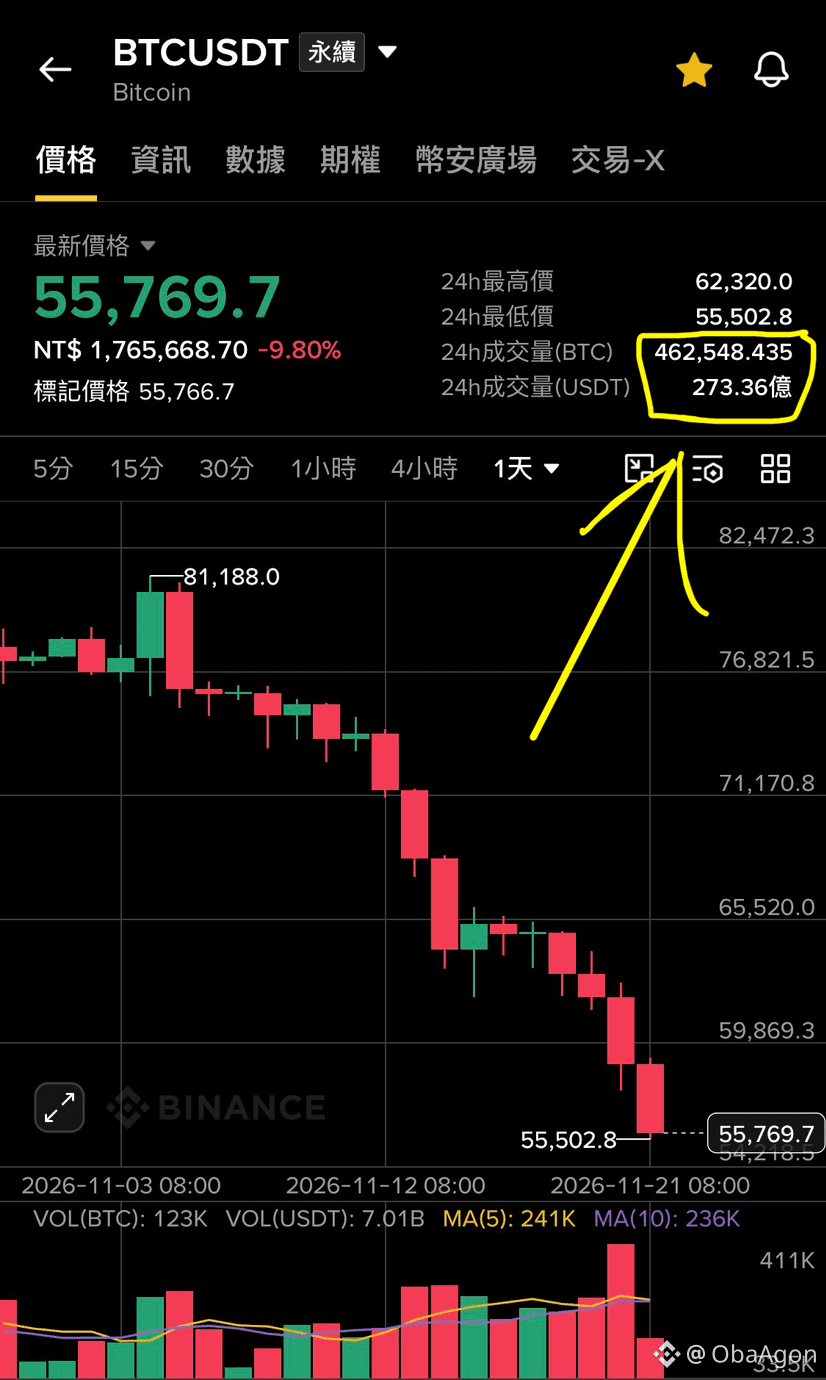
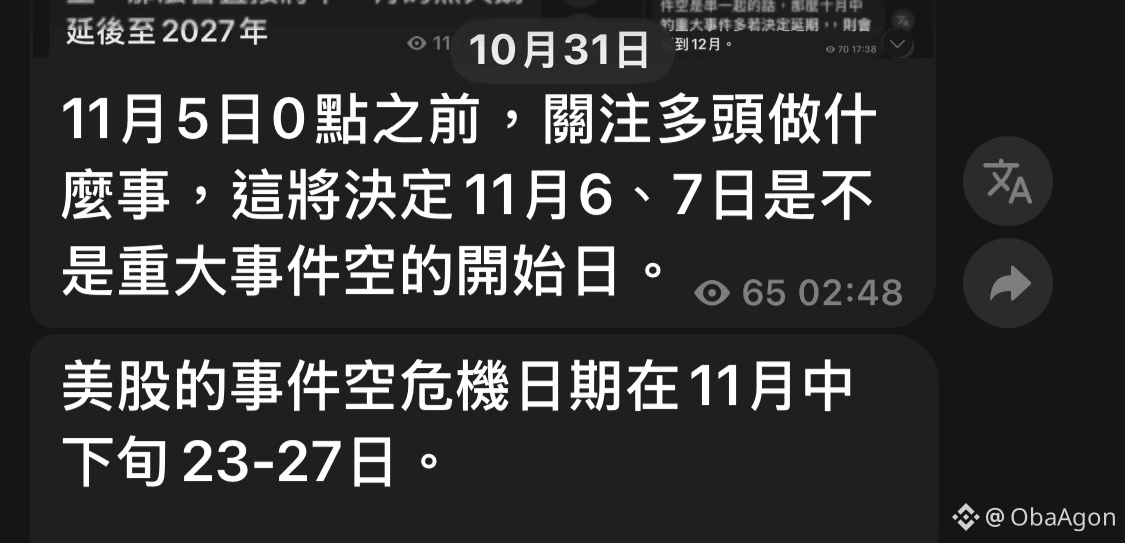
1. In the October 31 article, I mentioned that November 6 would mark the start of a major event gap, lasting until November 23–27. And on the 6th, we saw the Jensen Huang event erupt.
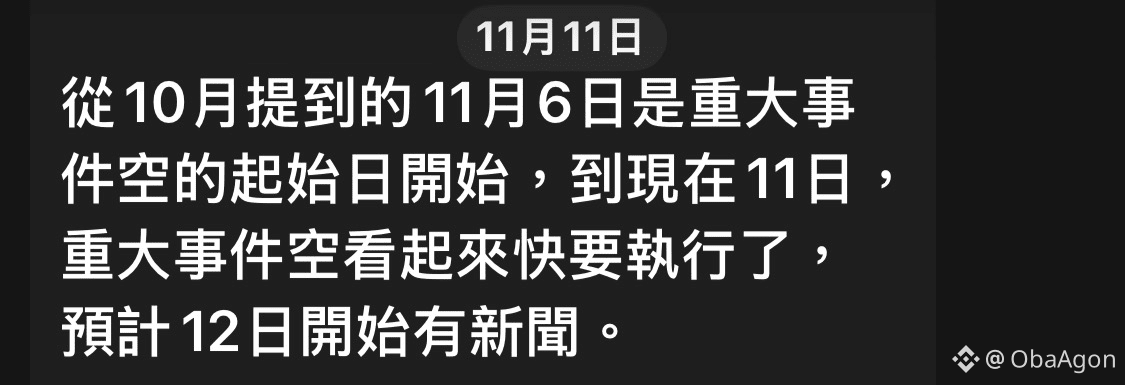
2. On November 11, I mentioned that the second wave of the event gap would begin on the 12th, and on the 12th, we saw Jensen Huang erupt again.
3. On November 18, I mentioned that the third wave of the event gap would come on the 20th–21st, and on the 20th, we saw Jensen Huang’s innovative company erupt again.
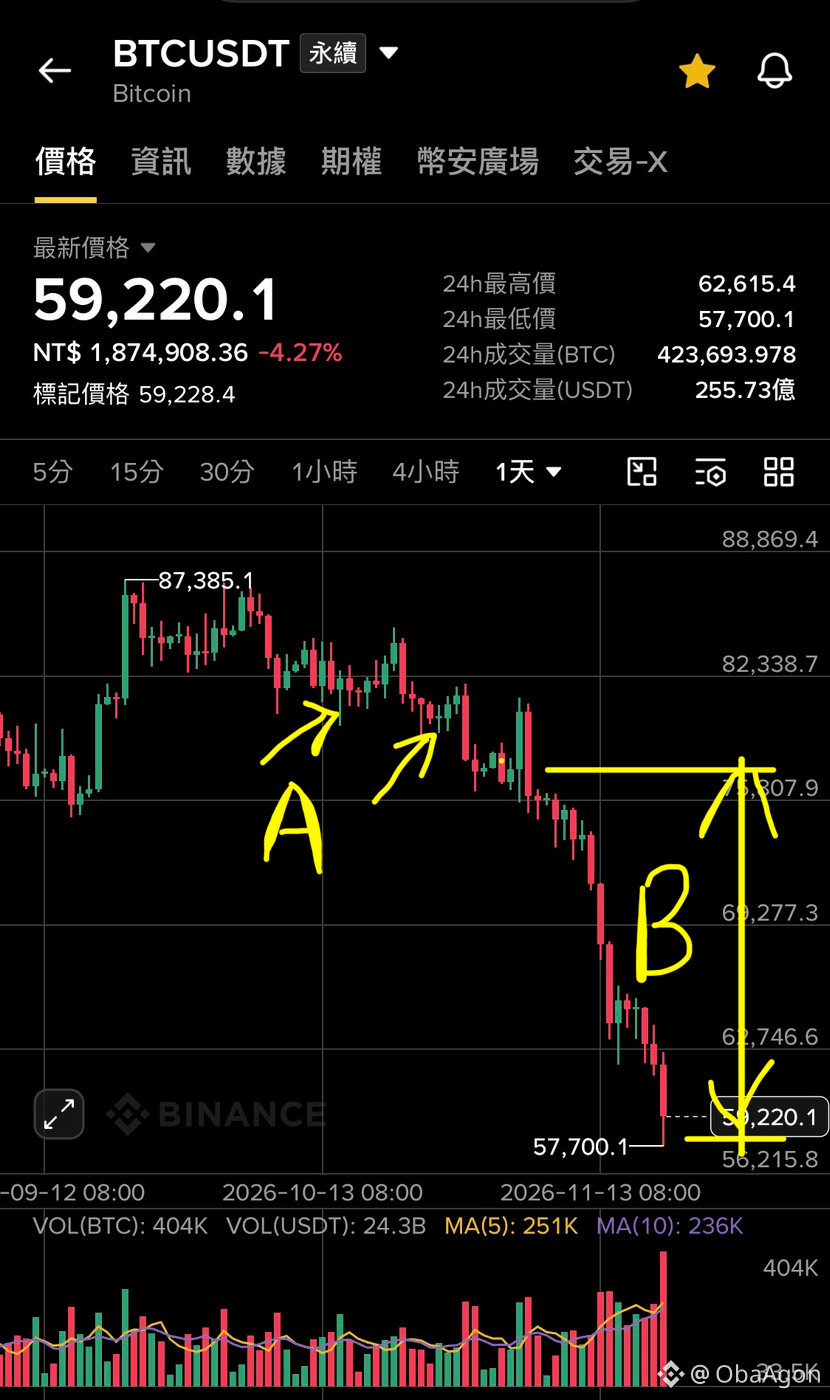
Some people in Zone A criticized the article’s main forecast as being wrong over minor events that didn’t move the market. But the major players got out at breakeven and didn’t lose money.
I’ve never cared about moves of just a few thousand points; I only care about major moves of 10,000 points or more, and I’ve accurately forecast the timing of every one in advance.
I’m not interested in a move of just a few thousand points this time, either. Look at Zone B—it’s already nearly 25,000 points. I’m really not interested in small price moves.
#BTC #CRYPTO
If you’d like to read my articles as soon as they’re published, you’re welcome to join my Plaza chatroom.
2
210
·
--
1. In the October 31 article, I mentioned that November 6 would mark the start of a major event gap, lasting until November 23–27. And on the 6th, we saw the Jensen Huang event erupt.
2. On November 11, I mentioned that the second wave of the event gap would begin on the 12th, and on the 12th, we saw Jensen Huang erupt again.
3. On November 18, I mentioned that the third wave of the event gap would come on the 20th–21st, and on the 20th, we saw Jensen Huang’s innovative company erupt again.
Some people in Zone A criticized the article’s main forecast as being wrong over minor events that didn’t move the market. But the major players got out at breakeven and didn’t lose money.
I’ve never cared about moves of just a few thousand points; I only care about major moves of 10,000 points or more, and I’ve accurately forecast the timing of every one in advance.
I’m not interested in a move of just a few thousand points this time, either. Look at Zone B—it’s already nearly 25,000 points. I’m really not interested in small price moves.
#BTC #CRYPTO
If you’d like to read my articles as soon as they’re published, you’re welcome to join my Plaza chatroom.

1
732
·
--
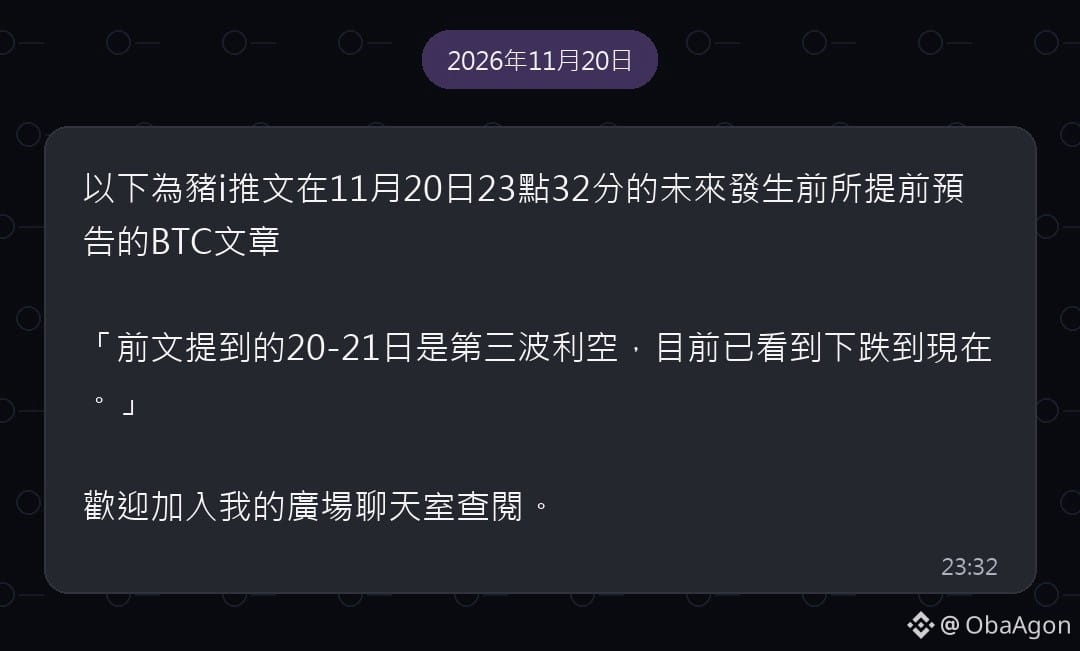
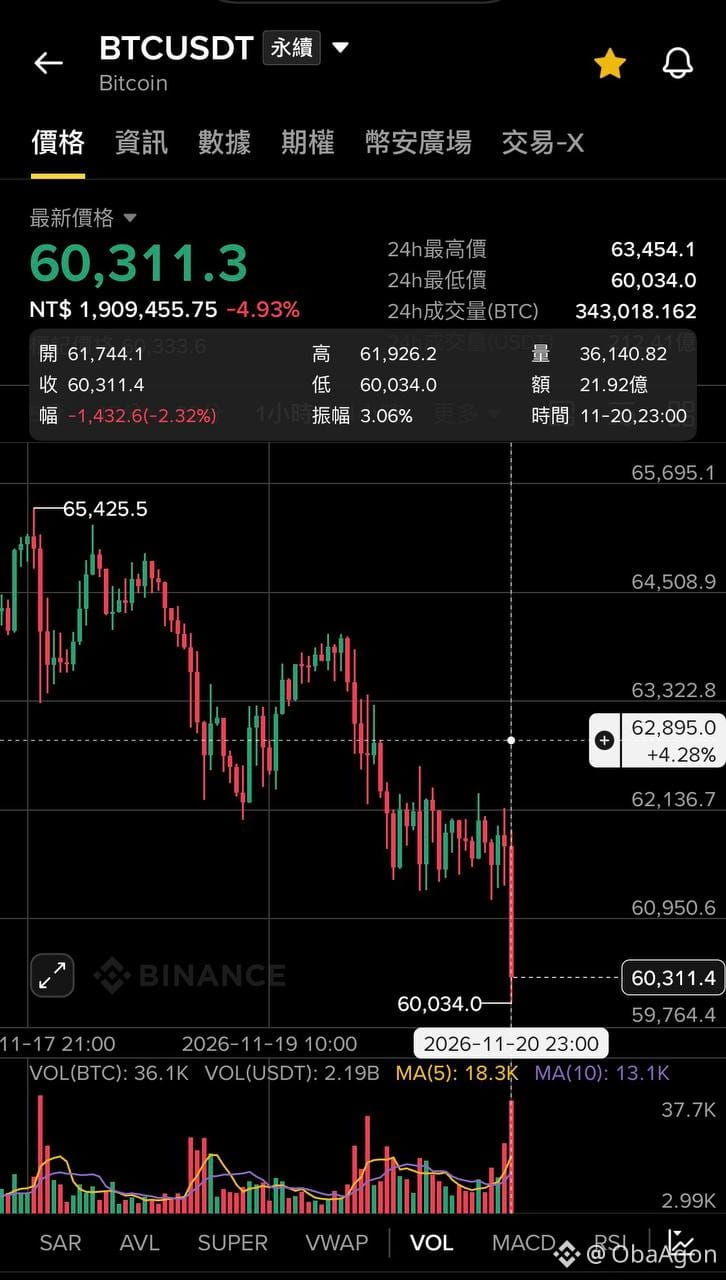
Below is the BTC post that 豬i tweeted at 23:32 on November 20, predicting what would happen in advance:
“The 20th–21st mentioned in the previous post is the third bearish wave. We’ve now seen the price fall to this level.”
You’re welcome to join my Square chatroom to read it.
Below is the BTC post that 豬i tweeted at 23:32 on November 20, predicting what would happen in advance:
“The 20th–21st mentioned in the previous post is the third bearish wave. We’ve now seen the price fall to this level.”
You’re welcome to join my Square chatroom to read it.
“The 20th–21st mentioned in the previous post is the third bearish wave. We’ve now seen the price fall to this level.”
You’re welcome to join my Square chatroom to read it.

667
·
--
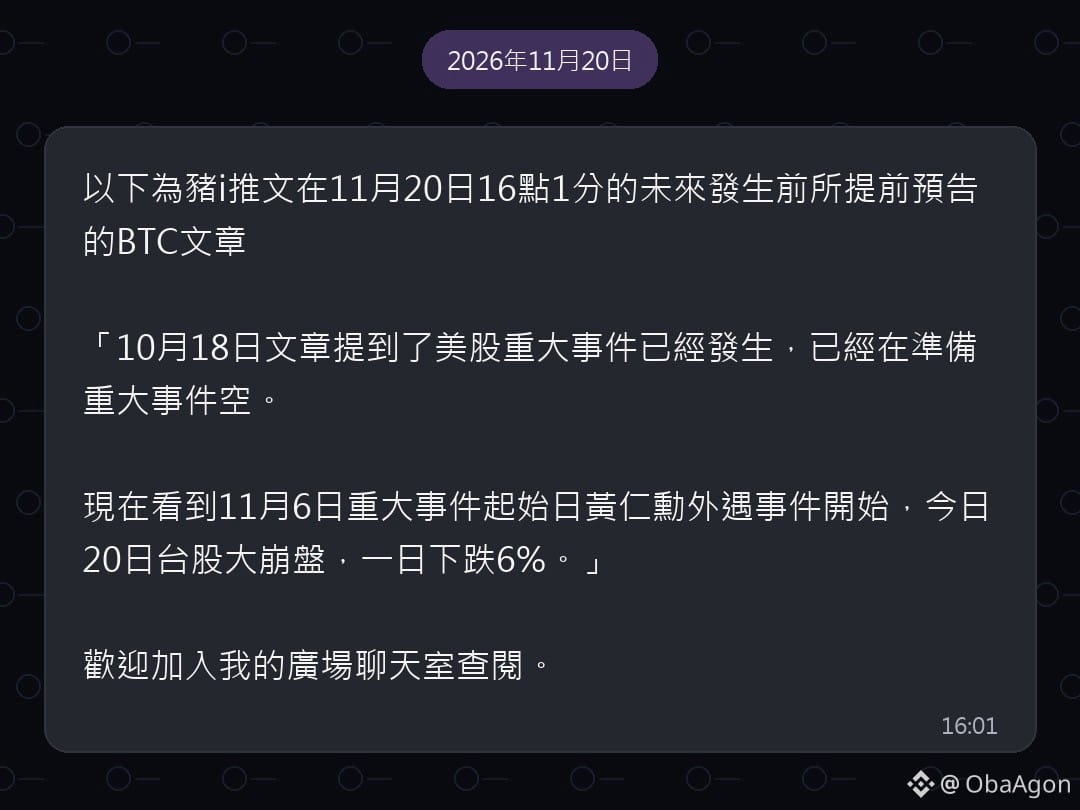
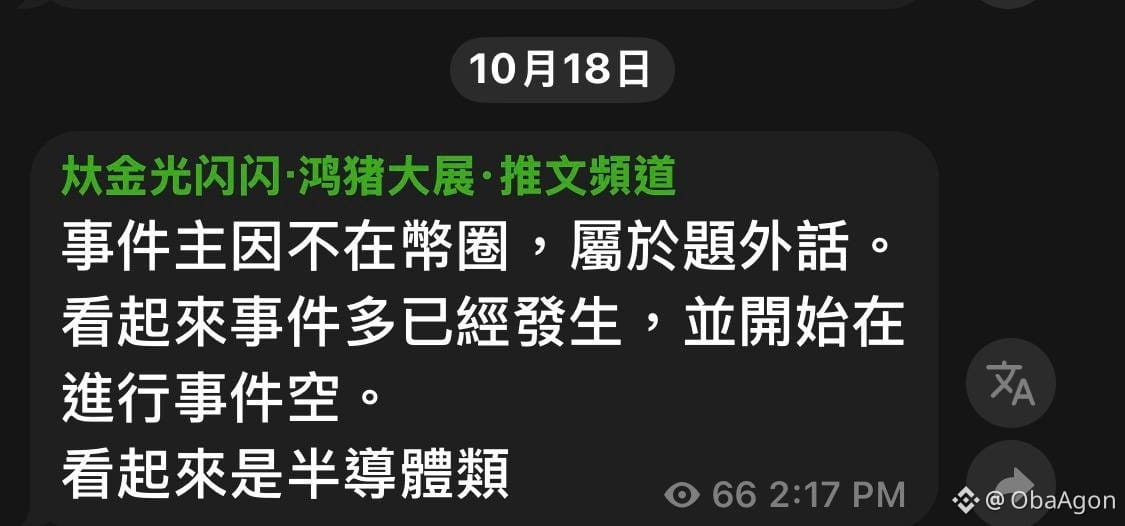
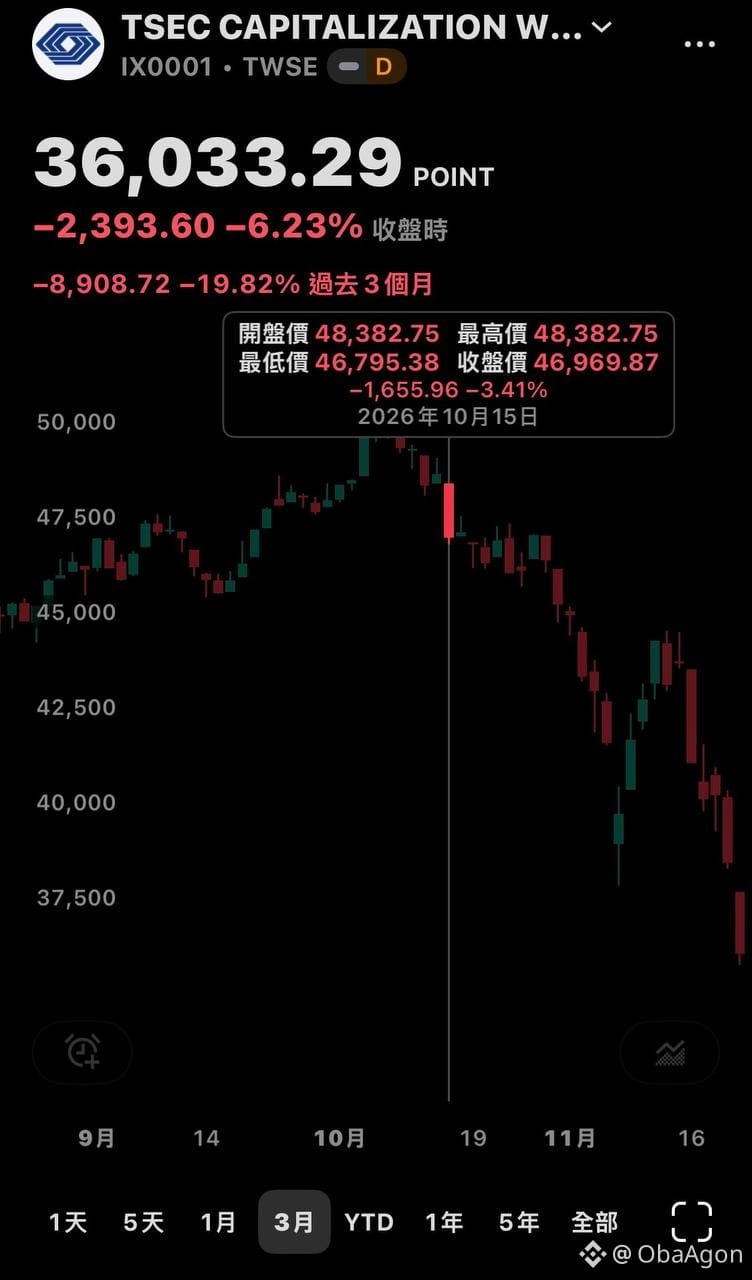
Below is the BTC post that 豬i tweeted at 16:01 on November 20, predicting what would happen before it occurred.
“The October 18 post mentioned that a major event in the U.S. stock market had already happened, and that I was already preparing to short ahead of a major event.
Now we’re seeing the major event begin on November 6, with the start of the Jensen Huang affair scandal. Today, the 20th, Taiwan’s stock market crashed, falling 6% in a single day.”
You’re welcome to join my Plaza chat room to read more.

339
·
--
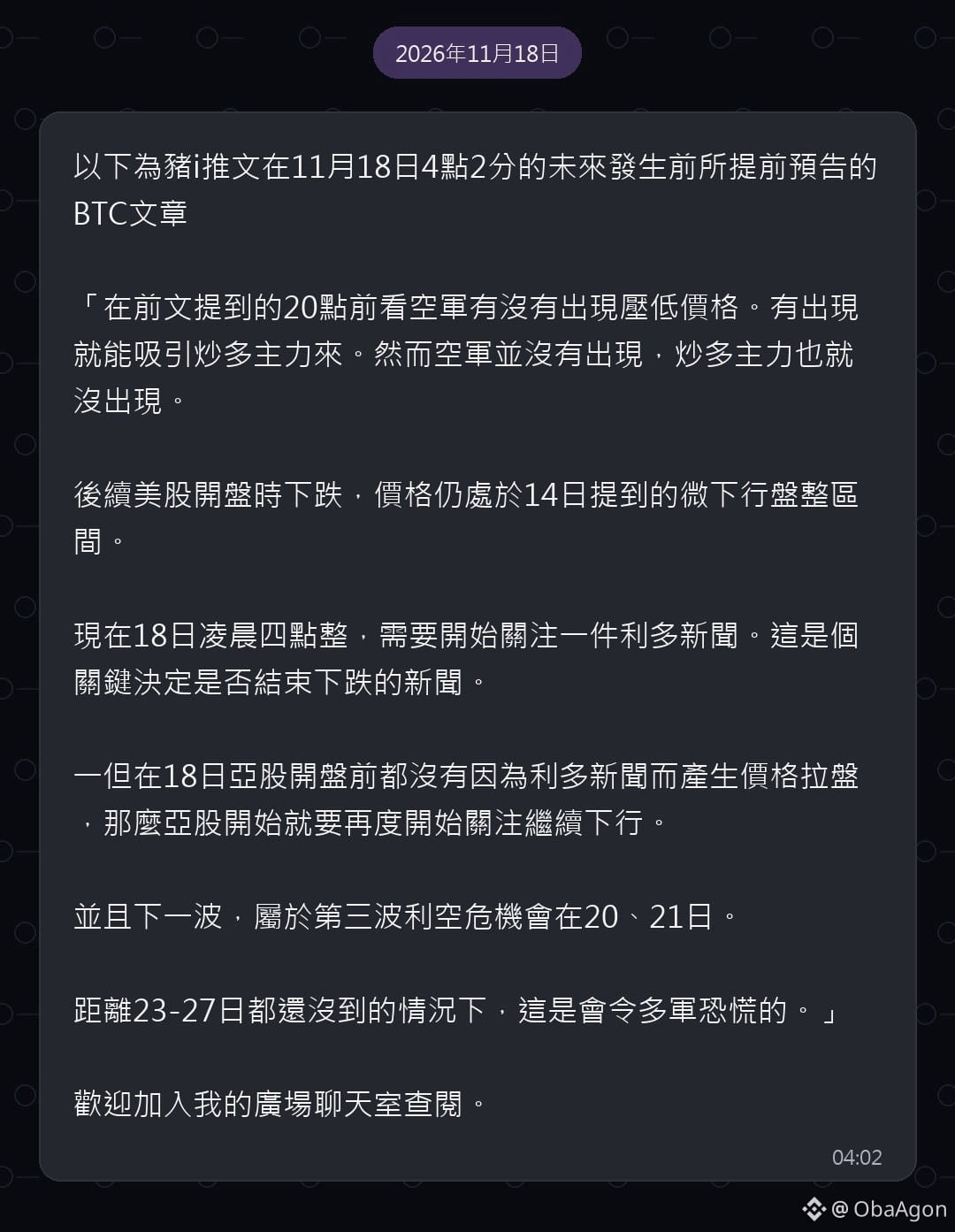
The following is a BTC post that Pig i tweeted at 4:02 a.m. on November 18, before the events described had taken place.
“Before 8 p.m., as mentioned in the previous post, we’ll see whether the bears show up to push prices down. If they do, that could attract the major players speculating on the long side. But the bears didn’t show up, so neither did the major players betting on a rise.
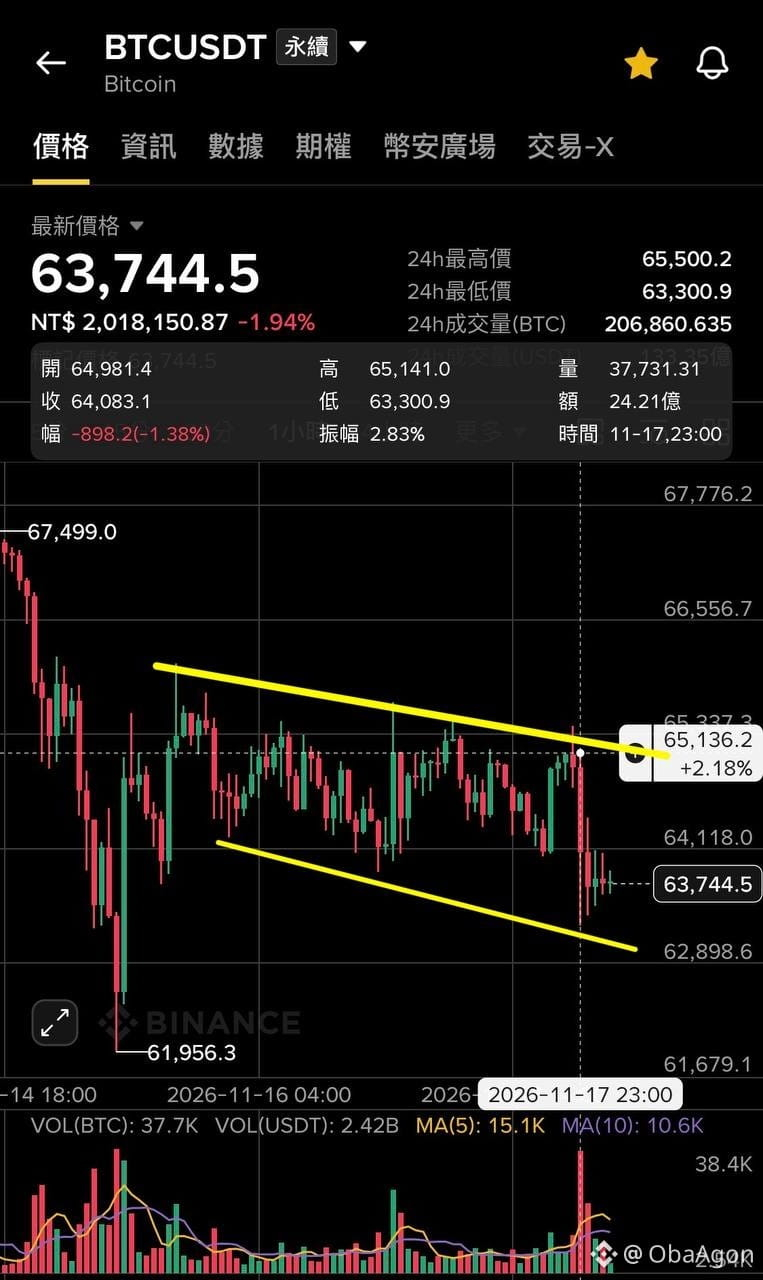
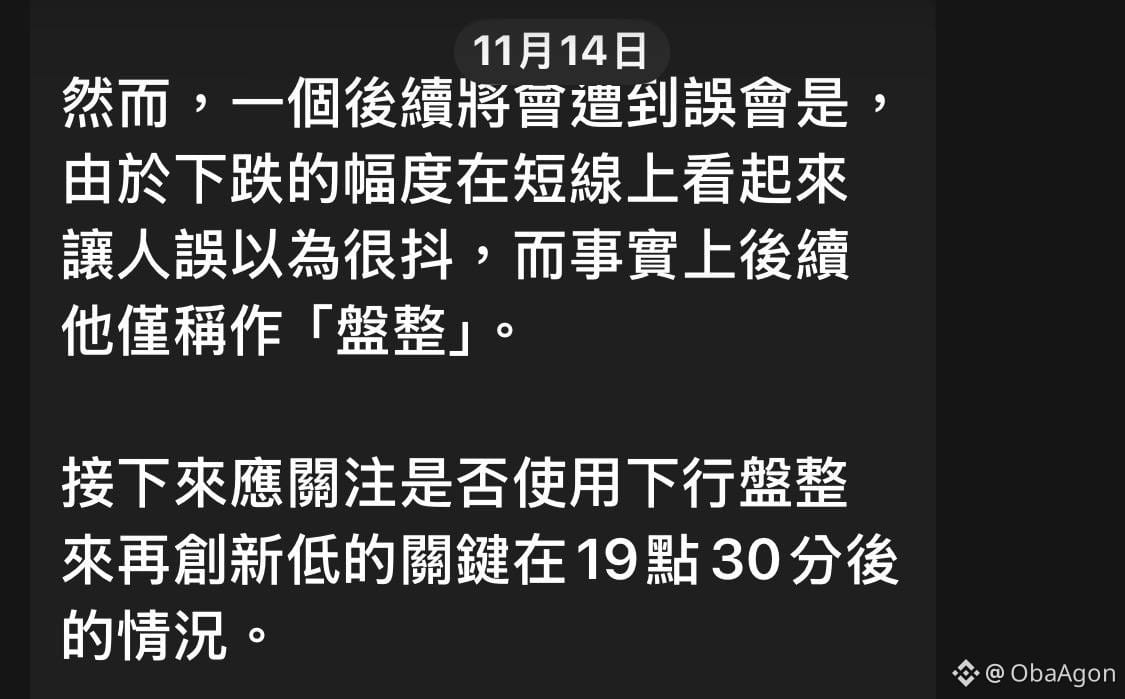
Afterward, U.S. stocks fell when the market opened, and the price remained within the slight downward consolidation range mentioned on the 14th.
It’s now 4 a.m. on the 18th, and we need to start watching for a piece of bullish news. This news will be a key factor in deciding whether the decline is over.
If there’s no price rally driven by bullish news before Asian markets open on the 18th, then once they open, we’ll need to watch again for further downside.
Also, the next wave—the third bearish crisis—will come on the 20th or 21st.
With the 23rd–27th still some way off, this will make the bulls panic.”
You’re welcome to join my Square chatroom to read more.
510
·
--
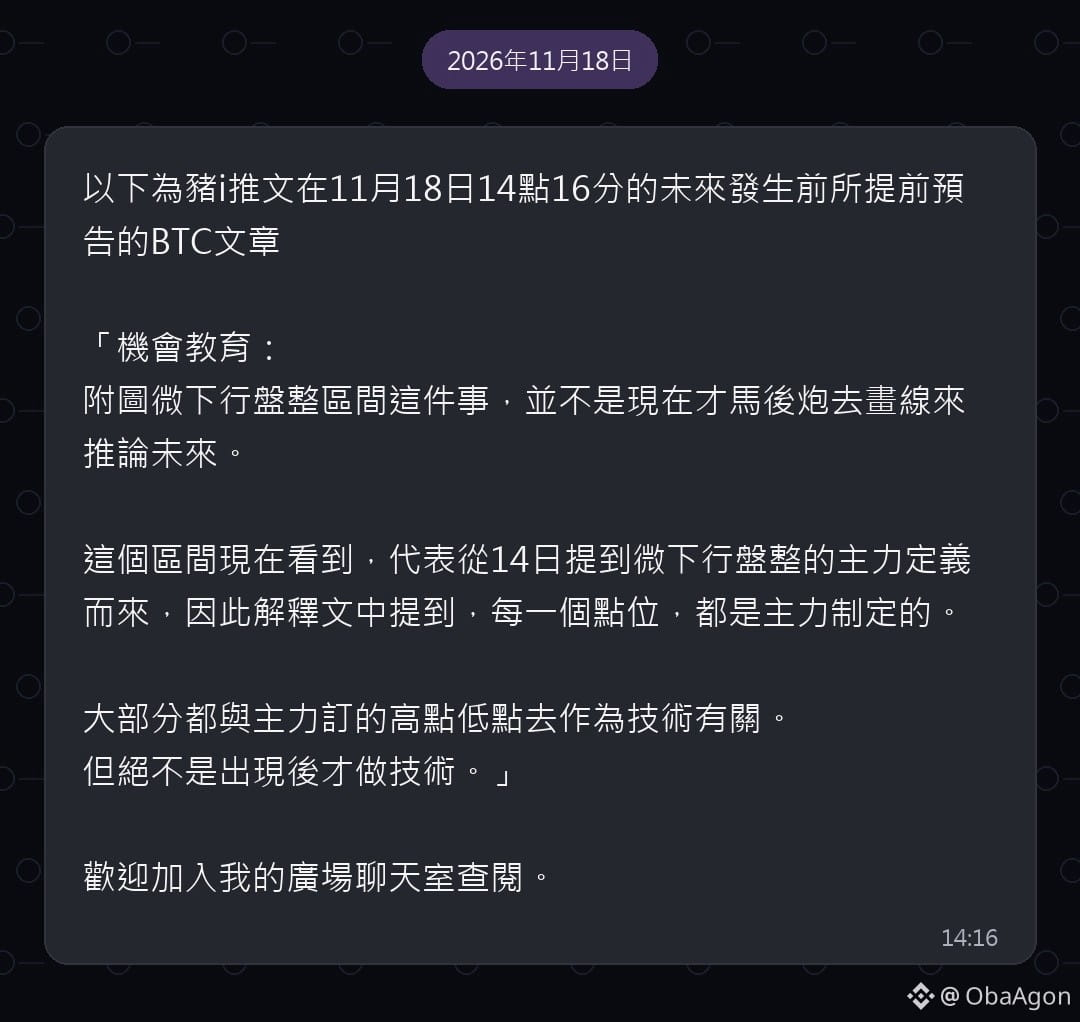
The following is a BTC post that Pig i forecast in advance, before the events unfolded, in a tweet at 14:16 on November 18.
“An educational opportunity:
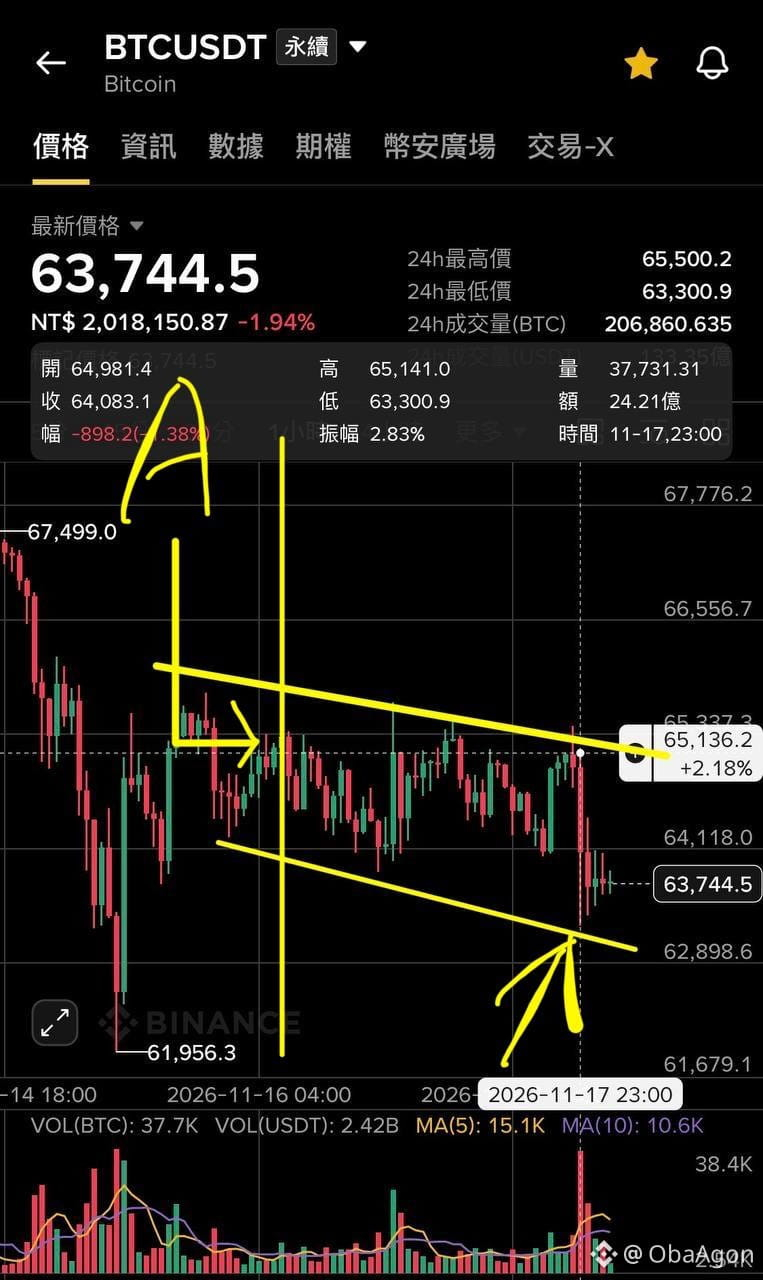
The slight downward consolidation range shown in the attached image isn’t something I’ve just drawn lines around after the fact to predict the future.
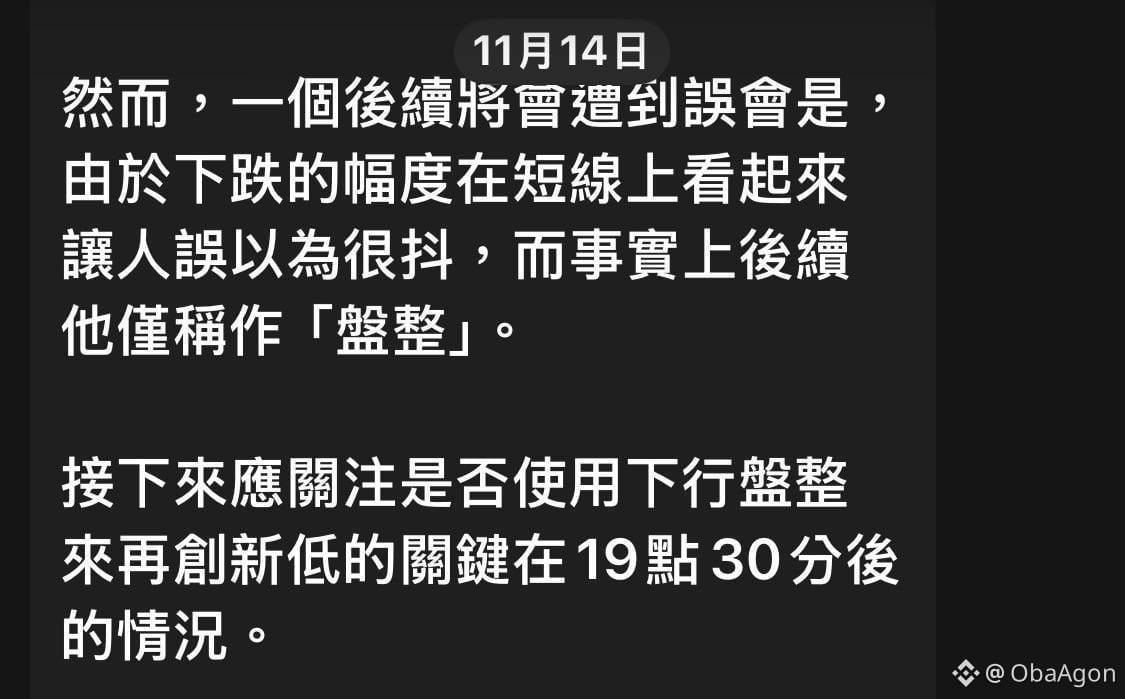
What we see now as this range comes from the major players’ definition of slight downward consolidation, which I mentioned on the 14th. As I said in the explanation, every price level was set by the major players.
Most of the technical analysis is based on the highs and lows set by the major players.
But it’s absolutely not a matter of doing technical analysis only after the fact.”
Feel free to join my Plaza chatroom to read more.
325
·
--
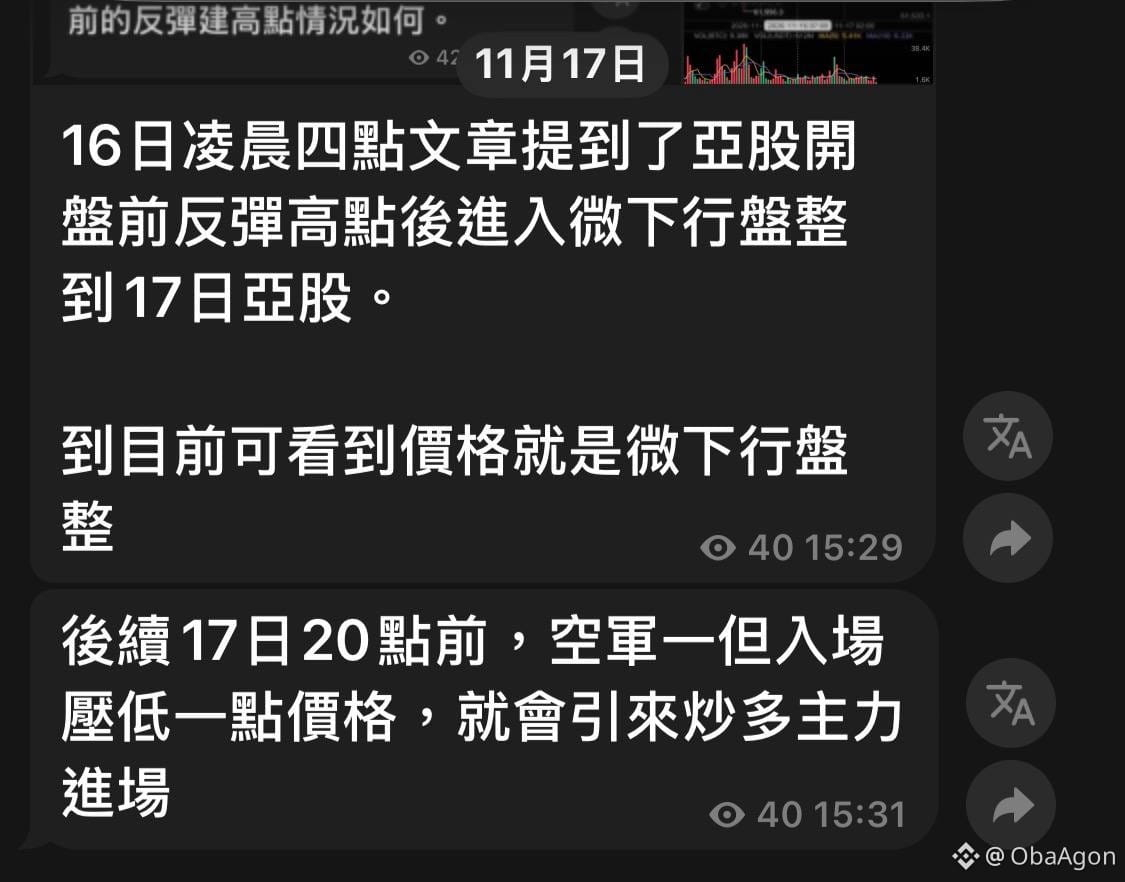
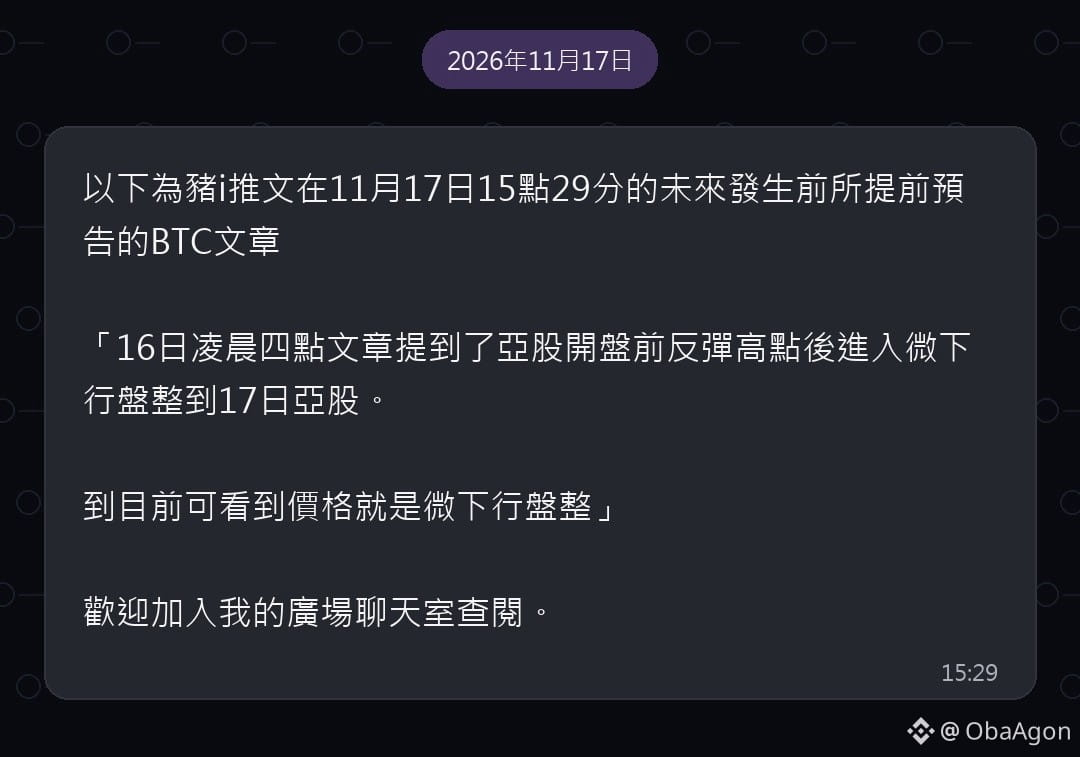
The following is the BTC post that Pig i predicted in advance, before it happened, in a tweet at 15:29 on November 17.
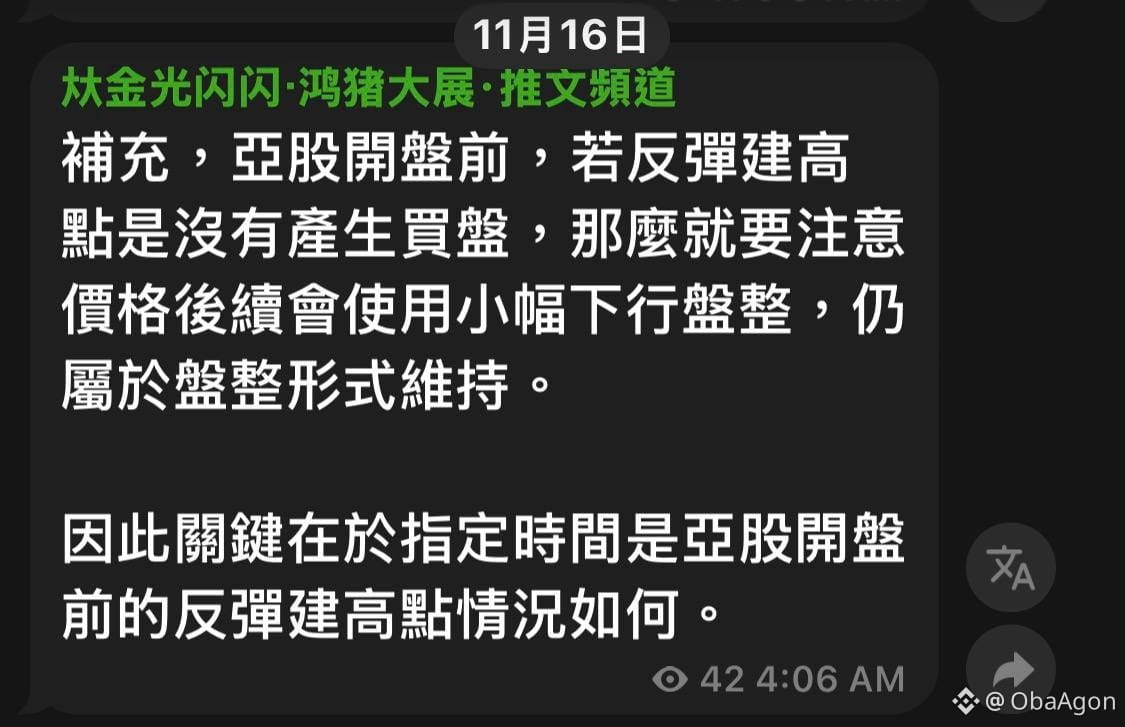
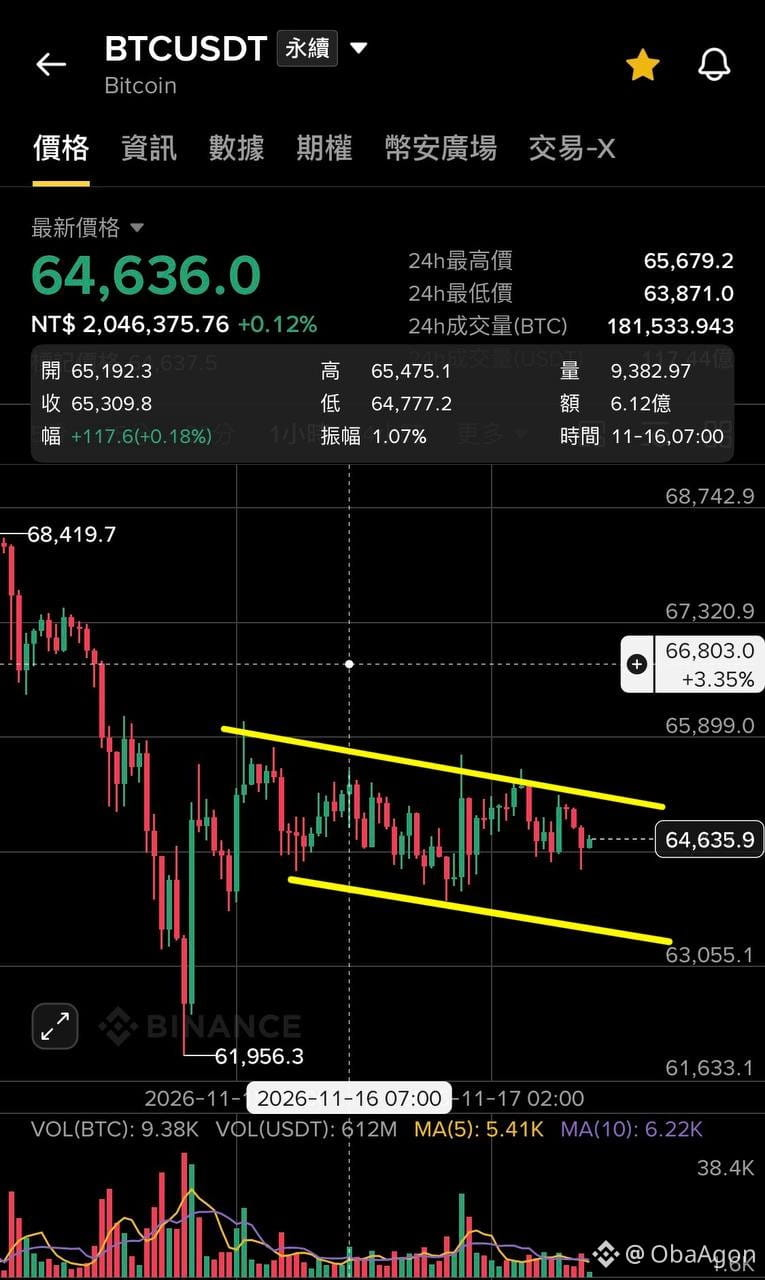
“The post at 4 a.m. on the 16th mentioned that after reaching a rebound high before Asian markets opened, prices would enter a slight downward consolidation through the Asian session on the 17th.
So far, we can see that prices are indeed in a slight downward consolidation.”
Feel free to join my chat room in the Plaza to read more.
267
Log in to explore more content
Join global crypto users on Binance Square
⚡️ Get latest and useful information about crypto.
💬 Trusted by the world’s largest crypto exchange.
👍 Discover real insights from verified creators.
Email / Phone number
Trending Topics
EvolveAtBinanceBlockchainWeek
2.8M views
21,890 Discussing
Binance Blockchain Week is officially underway! 🌍
On November 28–29, whether you’re in Bangkok or joining from afar, tune in to the livestreams and join the conversation on Binance Square!
Here’s what’s in store 👇
📺 Watch the main stage live
Tune in throughout both days as industry speakers share their perspectives on this year’s theme, “Evolve” From technological innovation to real-world applications, explore what’s next for crypto.
⚔️ Watch two trading competitions
The Aster Open Qualifier and the Binance Trading Master Tournament will both be streamed live. Tune in to follow the traders in action.
🏆 Watch The Blockchain 100 Awards Ceremony
The Blockchain 100 list was selected by the community. Join us in celebrating the creators and the ideas they share!
💬 Join the community conversation
Use #EvolveAtBinanceBlockchainWeek in a post with a photo to share what you’re looking forward to, your views on the industry, or your favorite moments from the event.
The event page is now live! Subscribe to all livestreams with one click so you don’t miss a moment 👏
Binance Blockchain Week
·644 Likes
·1M views
IBSGovAccountMints1BTokensDrains5.71M
36,097 views
409 Discussing
SunReportedlyOffered4BToRescueFTX
6,522 views
94 Discussing