

NotFoundBiel
1.9k Posts

NotFoundBiel
Report
Block User
High-Frequency Trader
5.7 Years
13 Following
1.3K+ Followers
1.5K+ Liked
Posts
All
Live
PINNED
·
--
Article
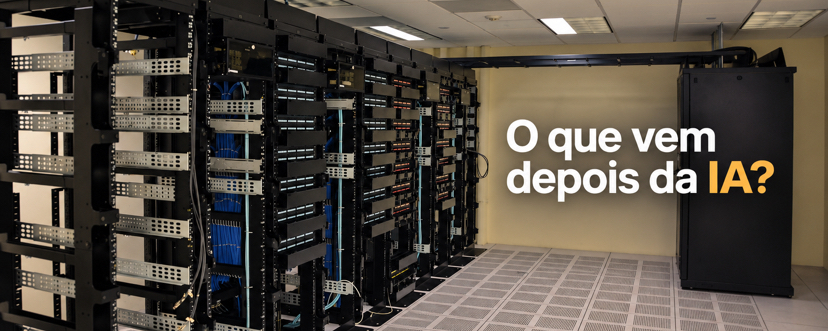
Beyond AI: where are the next big opportunities?As a technology developer and owner of a software house, I have an academic background oriented toward Blockchain Engineering. One of the technologies I chose to learn to better master this area was Artificial Intelligence.
As someone trained and active in the field, I believe we are going through a real technological metamorphosis. My outlook for the advancement of Artificial Intelligence in the long term is optimistic, but I believe that some of the biggest opportunities may actually be outside the companies we currently directly call AI companies.
Beyond AI: where are the next big opportunities?
As a technology developer and owner of a software house, I have an academic background oriented toward Blockchain Engineering. One of the technologies I chose to learn to better master this area was Artificial Intelligence.
As someone trained and active in the field, I believe we are going through a real technological metamorphosis. My outlook for the advancement of Artificial Intelligence in the long term is optimistic, but I believe that some of the biggest opportunities may actually be outside the companies we currently directly call AI companies.
As someone trained and active in the field, I believe we are going through a real technological metamorphosis. My outlook for the advancement of Artificial Intelligence in the long term is optimistic, but I believe that some of the biggest opportunities may actually be outside the companies we currently directly call AI companies.
2
1
2
1.4k
·
--
📊 $DOT Technical Setup | Bearish (Short) 📊
🔴 Pair: $DOT
⚡ Market Bias: Bearish (Short)
━━━━━━━━━━━━━━━━━━━━━
📍 Entry Zone: $1.162
🎯 Target 1: $1.1285 (+2.88%)
🎯 Target 2: $1.0951 (+5.76%)
🎯 Target 3: $1.055 (+9.21%)
⛔ Invalidation / Stop: $1.1977 (-3.07%)
━━━━━━━━━━━━━━━━━━━━━
📈 Technical Context:
4H bearish breakdown below major moving averages with strong selling pressure and negative momentum.
👉 Follow on Square & Socials: @notfoundbiel for daily crypto market analyses!
$DOT #Crypto
📊 $DOT Technical Setup | Bearish (Short) 📊
🔴 Pair: $DOT
⚡ Market Bias: Bearish (Short)
━━━━━━━━━━━━━━━━━━━━━
📍 Entry Zone: $1.162
🎯 Target 1: $1.1285 (+2.88%)
🎯 Target 2: $1.0951 (+5.76%)
🎯 Target 3: $1.055 (+9.21%)
⛔ Invalidation / Stop: $1.1977 (-3.07%)
━━━━━━━━━━━━━━━━━━━━━
📈 Technical Context:
4H bearish breakdown below major moving averages with strong selling pressure and negative momentum.
👉 Follow on Square & Socials: @notfoundbiel for daily crypto market analyses!
$DOT #Crypto
🔴 Pair: $DOT
⚡ Market Bias: Bearish (Short)
━━━━━━━━━━━━━━━━━━━━━
📍 Entry Zone: $1.162
🎯 Target 1: $1.1285 (+2.88%)
🎯 Target 2: $1.0951 (+5.76%)
🎯 Target 3: $1.055 (+9.21%)
⛔ Invalidation / Stop: $1.1977 (-3.07%)
━━━━━━━━━━━━━━━━━━━━━
📈 Technical Context:
4H bearish breakdown below major moving averages with strong selling pressure and negative momentum.
👉 Follow on Square & Socials: @notfoundbiel for daily crypto market analyses!
$DOT #Crypto
9
·
--
📊 $UNI Technical Setup | Bearish (Short) 📊
🔴 Pair: $UNI
⚡ Market Bias: Bearish (Short)
━━━━━━━━━━━━━━━━━━━━━
📍 Entry Zone: $8.681
🎯 Target 1: $8.4438 (+2.73%)
🎯 Target 2: $8.2067 (+5.46%)
🎯 Target 3: $7.9221 (+8.74%)
⛔ Invalidation / Stop: $8.934 (-2.91%)
━━━━━━━━━━━━━━━━━━━━━
📈 Technical Context:
4H bearish breakdown below major moving averages with strong selling pressure and negative momentum.
👉 Follow on Square & Socials: @notfoundbiel for daily crypto market analyses!
$UNI #Crypto
📊 $UNI Technical Setup | Bearish (Short) 📊
🔴 Pair: $UNI
⚡ Market Bias: Bearish (Short)
━━━━━━━━━━━━━━━━━━━━━
📍 Entry Zone: $8.681
🎯 Target 1: $8.4438 (+2.73%)
🎯 Target 2: $8.2067 (+5.46%)
🎯 Target 3: $7.9221 (+8.74%)
⛔ Invalidation / Stop: $8.934 (-2.91%)
━━━━━━━━━━━━━━━━━━━━━
📈 Technical Context:
4H bearish breakdown below major moving averages with strong selling pressure and negative momentum.
👉 Follow on Square & Socials: @notfoundbiel for daily crypto market analyses!
$UNI #Crypto
🔴 Pair: $UNI
⚡ Market Bias: Bearish (Short)
━━━━━━━━━━━━━━━━━━━━━
📍 Entry Zone: $8.681
🎯 Target 1: $8.4438 (+2.73%)
🎯 Target 2: $8.2067 (+5.46%)
🎯 Target 3: $7.9221 (+8.74%)
⛔ Invalidation / Stop: $8.934 (-2.91%)
━━━━━━━━━━━━━━━━━━━━━
📈 Technical Context:
4H bearish breakdown below major moving averages with strong selling pressure and negative momentum.
👉 Follow on Square & Socials: @notfoundbiel for daily crypto market analyses!
$UNI #Crypto
2
·
--
The rapid expansion of Robinhood Chain is facing a critical security challenge as coordinated scam operations exploit the network's growing liquidity. With the broader market showing signs of caution, with $BTC trading at $83,177.39 (-1.14% in 24h), investors must remain vigilant against emerging threats in high-growth ecosystems. This surge in malicious activity highlights the double-edged sword of rapid adoption: while volume increases, so does the risk of sophisticated financial crimes.
• 📉 **9M Drained**: A single high-risk operation routed over $9 million through a common fund-consolidation network in just 30 days.
• 🏭 **Systemic Threat**: GoPlus identified a second suspected "rug factory" behind hundreds of memecoins, indicating organized, industrial-scale fraud.
• 📈 **Growth vs. Safety**: The network’s $1.5 billion boom is attracting both legitimate volume and increasingly coordinated scam activity.
This incident serves as a stark reminder that high-growth chains are prime targets for bad actors. As $BTC consolidates near the $83k level, the integrity of emerging Layer-1 and Layer-2 networks becomes crucial for maintaining investor confidence. Traders should prioritize due diligence and avoid unverified memecoins on new chains until robust security measures are fully established.
Is the speed of adoption outpacing security on new chains? Do you think these rug factories will deter future investors or just clean up the market? Drop your thoughts below! 👇
#BinanceSquare #CryptoNews #Bitcoin
The rapid expansion of Robinhood Chain is facing a critical security challenge as coordinated scam operations exploit the network's growing liquidity. With the broader market showing signs of caution, with $BTC trading at $83,177.39 (-1.14% in 24h), investors must remain vigilant against emerging threats in high-growth ecosystems. This surge in malicious activity highlights the double-edged sword of rapid adoption: while volume increases, so does the risk of sophisticated financial crimes.
• 📉 **9M Drained**: A single high-risk operation routed over $9 million through a common fund-consolidation network in just 30 days.
• 🏭 **Systemic Threat**: GoPlus identified a second suspected "rug factory" behind hundreds of memecoins, indicating organized, industrial-scale fraud.
• 📈 **Growth vs. Safety**: The network’s $1.5 billion boom is attracting both legitimate volume and increasingly coordinated scam activity.
This incident serves as a stark reminder that high-growth chains are prime targets for bad actors. As $BTC consolidates near the $83k level, the integrity of emerging Layer-1 and Layer-2 networks becomes crucial for maintaining investor confidence. Traders should prioritize due diligence and avoid unverified memecoins on new chains until robust security measures are fully established.
Is the speed of adoption outpacing security on new chains? Do you think these rug factories will deter future investors or just clean up the market? Drop your thoughts below! 👇
#BinanceSquare #CryptoNews #Bitcoin
• 📉 **9M Drained**: A single high-risk operation routed over $9 million through a common fund-consolidation network in just 30 days.
• 🏭 **Systemic Threat**: GoPlus identified a second suspected "rug factory" behind hundreds of memecoins, indicating organized, industrial-scale fraud.
• 📈 **Growth vs. Safety**: The network’s $1.5 billion boom is attracting both legitimate volume and increasingly coordinated scam activity.
This incident serves as a stark reminder that high-growth chains are prime targets for bad actors. As $BTC consolidates near the $83k level, the integrity of emerging Layer-1 and Layer-2 networks becomes crucial for maintaining investor confidence. Traders should prioritize due diligence and avoid unverified memecoins on new chains until robust security measures are fully established.
Is the speed of adoption outpacing security on new chains? Do you think these rug factories will deter future investors or just clean up the market? Drop your thoughts below! 👇
#BinanceSquare #CryptoNews #Bitcoin

35
·
--
📊 $BTC Technical Setup | Bearish (Short) 📊
🔴 Pair: $BTC
⚡ Market Bias: Bearish (Short)
━━━━━━━━━━━━━━━━━━━━━
📍 Entry Zone: $83504.85
🎯 Target 1: $82838.06 (+0.80%)
🎯 Target 2: $82171.27 (+1.60%)
🎯 Target 3: $81371.13 (+2.56%)
⛔ Invalidation / Stop: $84216.09 (-0.85%)
━━━━━━━━━━━━━━━━━━━━━
📈 Technical Context:
4H bearish breakdown below major moving averages with strong selling pressure and negative momentum.
👉 Follow on Square & Socials: @notfoundbiel for daily crypto market analyses!
$BTC #Crypto
📊 $BTC Technical Setup | Bearish (Short) 📊
🔴 Pair: $BTC
⚡ Market Bias: Bearish (Short)
━━━━━━━━━━━━━━━━━━━━━
📍 Entry Zone: $83504.85
🎯 Target 1: $82838.06 (+0.80%)
🎯 Target 2: $82171.27 (+1.60%)
🎯 Target 3: $81371.13 (+2.56%)
⛔ Invalidation / Stop: $84216.09 (-0.85%)
━━━━━━━━━━━━━━━━━━━━━
📈 Technical Context:
4H bearish breakdown below major moving averages with strong selling pressure and negative momentum.
👉 Follow on Square & Socials: @notfoundbiel for daily crypto market analyses!
$BTC #Crypto
🔴 Pair: $BTC
⚡ Market Bias: Bearish (Short)
━━━━━━━━━━━━━━━━━━━━━
📍 Entry Zone: $83504.85
🎯 Target 1: $82838.06 (+0.80%)
🎯 Target 2: $82171.27 (+1.60%)
🎯 Target 3: $81371.13 (+2.56%)
⛔ Invalidation / Stop: $84216.09 (-0.85%)
━━━━━━━━━━━━━━━━━━━━━
📈 Technical Context:
4H bearish breakdown below major moving averages with strong selling pressure and negative momentum.
👉 Follow on Square & Socials: @notfoundbiel for daily crypto market analyses!
$BTC #Crypto
40
·
--
📊 $ETH Technical Setup | Bullish (Long) 📊
🟢 Pair: $ETH
⚡ Market Bias: Bullish (Long)
━━━━━━━━━━━━━━━━━━━━━
📍 Entry Zone: $2688.95
🎯 Target 1: $2716.14 (+1.01%)
🎯 Target 2: $2743.32 (+2.02%)
🎯 Target 3: $2775.95 (+3.24%)
⛔ Invalidation / Stop: $2659.95 (-1.08%)
━━━━━━━━━━━━━━━━━━━━━
📈 Technical Context:
4H bullish structure breakout above key moving averages with rising RSI momentum and positive order-flow volume.
👉 Follow on Square & Socials: @notfoundbiel for daily crypto market analyses!
$ETH #Crypto
📊 $ETH Technical Setup | Bullish (Long) 📊
🟢 Pair: $ETH
⚡ Market Bias: Bullish (Long)
━━━━━━━━━━━━━━━━━━━━━
📍 Entry Zone: $2688.95
🎯 Target 1: $2716.14 (+1.01%)
🎯 Target 2: $2743.32 (+2.02%)
🎯 Target 3: $2775.95 (+3.24%)
⛔ Invalidation / Stop: $2659.95 (-1.08%)
━━━━━━━━━━━━━━━━━━━━━
📈 Technical Context:
4H bullish structure breakout above key moving averages with rising RSI momentum and positive order-flow volume.
👉 Follow on Square & Socials: @notfoundbiel for daily crypto market analyses!
$ETH #Crypto
🟢 Pair: $ETH
⚡ Market Bias: Bullish (Long)
━━━━━━━━━━━━━━━━━━━━━
📍 Entry Zone: $2688.95
🎯 Target 1: $2716.14 (+1.01%)
🎯 Target 2: $2743.32 (+2.02%)
🎯 Target 3: $2775.95 (+3.24%)
⛔ Invalidation / Stop: $2659.95 (-1.08%)
━━━━━━━━━━━━━━━━━━━━━
📈 Technical Context:
4H bullish structure breakout above key moving averages with rising RSI momentum and positive order-flow volume.
👉 Follow on Square & Socials: @notfoundbiel for daily crypto market analyses!
$ETH #Crypto
64
·
--
🚨 LATEST MARKET UPDATE | $BTC Nearly 5,000 BTC leaves Bitget as hackers begin laundering $387 million haul ━━━━━━━━━━━━━━━━━━━━━
📌 KEY HIGHLIGHTS (TL;DR):
• Nearly 5,000 Bitcoin has left Bitget’s tracked reserves after the crypto exchange reopened withdrawals following its $387.5 million hack. On Sept. 28, Bitget Chief Executive Officer Gracy Chen said the exchange had processed 9,585 withdrawal orders totaling 4,098.036 BTC as of 17:00 UTC+8, shortly after it resumed Bitcoin withdrawals. Separate DeFiLlama data showed Bitget’s tracked […] The post Nearly 5,000 BTC leaves Bitget as hackers begin laundering $387 million haul appeared first on CryptoSlate .
• Institutional flow and liquidity patterns are actively reacting to this news.
• Traders should closely watch key support and resistance zones for $BTC. 📊 MARKET IMPLICATIONS:
As volatility expands across the broader digital asset space, $BTC continues to be a central focal point for market momentum. Monitor order-book depth and funding rates for confirmation before entering high-leverage positions. 💬 COMMUNITY PULSE:
How do you see this impacting the market this week? Are you Bullish 🟢 or Bearish 🔴 on $BTC? Let us know in the comments below! 👇 ━━━━━━━━━━━━━━━━━━━━━
$BTC #BinanceSquare #CryptoNews
🚨 LATEST MARKET UPDATE | $BTC Nearly 5,000 BTC leaves Bitget as hackers begin laundering $387 million haul ━━━━━━━━━━━━━━━━━━━━━
📌 KEY HIGHLIGHTS (TL;DR):
• Nearly 5,000 Bitcoin has left Bitget’s tracked reserves after the crypto exchange reopened withdrawals following its $387.5 million hack. On Sept. 28, Bitget Chief Executive Officer Gracy Chen said the exchange had processed 9,585 withdrawal orders totaling 4,098.036 BTC as of 17:00 UTC+8, shortly after it resumed Bitcoin withdrawals. Separate DeFiLlama data showed Bitget’s tracked […] The post Nearly 5,000 BTC leaves Bitget as hackers begin laundering $387 million haul appeared first on CryptoSlate .
• Institutional flow and liquidity patterns are actively reacting to this news.
• Traders should closely watch key support and resistance zones for $BTC . 📊 MARKET IMPLICATIONS:
As volatility expands across the broader digital asset space, $BTC continues to be a central focal point for market momentum. Monitor order-book depth and funding rates for confirmation before entering high-leverage positions. 💬 COMMUNITY PULSE:
How do you see this impacting the market this week? Are you Bullish 🟢 or Bearish 🔴 on $BTC ? Let us know in the comments below! 👇 ━━━━━━━━━━━━━━━━━━━━━
$BTC #BinanceSquare #CryptoNews
📌 KEY HIGHLIGHTS (TL;DR):
• Nearly 5,000 Bitcoin has left Bitget’s tracked reserves after the crypto exchange reopened withdrawals following its $387.5 million hack. On Sept. 28, Bitget Chief Executive Officer Gracy Chen said the exchange had processed 9,585 withdrawal orders totaling 4,098.036 BTC as of 17:00 UTC+8, shortly after it resumed Bitcoin withdrawals. Separate DeFiLlama data showed Bitget’s tracked […] The post Nearly 5,000 BTC leaves Bitget as hackers begin laundering $387 million haul appeared first on CryptoSlate .
• Institutional flow and liquidity patterns are actively reacting to this news.
• Traders should closely watch key support and resistance zones for $BTC . 📊 MARKET IMPLICATIONS:
As volatility expands across the broader digital asset space, $BTC continues to be a central focal point for market momentum. Monitor order-book depth and funding rates for confirmation before entering high-leverage positions. 💬 COMMUNITY PULSE:
How do you see this impacting the market this week? Are you Bullish 🟢 or Bearish 🔴 on $BTC ? Let us know in the comments below! 👇 ━━━━━━━━━━━━━━━━━━━━━
$BTC #BinanceSquare #CryptoNews

858
·
--
📊 $DOGE Technical Setup | Bearish (Short) 📊
🔴 Pair: $DOGE
⚡ Market Bias: Bearish (Short)
━━━━━━━━━━━━━━━━━━━━━
📍 Entry Zone: $0.09347
🎯 Target 1: $0.09152 (+2.09%)
🎯 Target 2: $0.08957 (+4.17%)
🎯 Target 3: $0.08723 (+6.68%)
⛔ Invalidation / Stop: $0.09555 (-2.23%)
━━━━━━━━━━━━━━━━━━━━━
📈 Technical Context:
4H bearish breakdown below major moving averages with strong selling pressure and negative momentum.
👉 Follow on Square & Socials: @notfoundbiel for daily crypto market analyses!
$DOGE #Crypto
📊 $DOGE Technical Setup | Bearish (Short) 📊
🔴 Pair: $DOGE
⚡ Market Bias: Bearish (Short)
━━━━━━━━━━━━━━━━━━━━━
📍 Entry Zone: $0.09347
🎯 Target 1: $0.09152 (+2.09%)
🎯 Target 2: $0.08957 (+4.17%)
🎯 Target 3: $0.08723 (+6.68%)
⛔ Invalidation / Stop: $0.09555 (-2.23%)
━━━━━━━━━━━━━━━━━━━━━
📈 Technical Context:
4H bearish breakdown below major moving averages with strong selling pressure and negative momentum.
👉 Follow on Square & Socials: @notfoundbiel for daily crypto market analyses!
$DOGE #Crypto
🔴 Pair: $DOGE
⚡ Market Bias: Bearish (Short)
━━━━━━━━━━━━━━━━━━━━━
📍 Entry Zone: $0.09347
🎯 Target 1: $0.09152 (+2.09%)
🎯 Target 2: $0.08957 (+4.17%)
🎯 Target 3: $0.08723 (+6.68%)
⛔ Invalidation / Stop: $0.09555 (-2.23%)
━━━━━━━━━━━━━━━━━━━━━
📈 Technical Context:
4H bearish breakdown below major moving averages with strong selling pressure and negative momentum.
👉 Follow on Square & Socials: @notfoundbiel for daily crypto market analyses!
$DOGE #Crypto
41
·
--
📊 $SOL Technical Setup | Bearish (Short) 📊
🔴 Pair: $SOL
⚡ Market Bias: Bearish (Short)
━━━━━━━━━━━━━━━━━━━━━
📍 Entry Zone: $118.41
🎯 Target 1: $116.4039 (+1.69%)
🎯 Target 2: $114.3978 (+3.39%)
🎯 Target 3: $111.9905 (+5.42%)
⛔ Invalidation / Stop: $120.5498 (-1.81%)
━━━━━━━━━━━━━━━━━━━━━
📈 Technical Context:
4H bearish breakdown below major moving averages with strong selling pressure and negative momentum.
👉 Follow on Square & Socials: @notfoundbiel for daily crypto market analyses!
$SOL #Crypto
📊 $SOL Technical Setup | Bearish (Short) 📊
🔴 Pair: $SOL
⚡ Market Bias: Bearish (Short)
━━━━━━━━━━━━━━━━━━━━━
📍 Entry Zone: $118.41
🎯 Target 1: $116.4039 (+1.69%)
🎯 Target 2: $114.3978 (+3.39%)
🎯 Target 3: $111.9905 (+5.42%)
⛔ Invalidation / Stop: $120.5498 (-1.81%)
━━━━━━━━━━━━━━━━━━━━━
📈 Technical Context:
4H bearish breakdown below major moving averages with strong selling pressure and negative momentum.
👉 Follow on Square & Socials: @notfoundbiel for daily crypto market analyses!
$SOL #Crypto
🔴 Pair: $SOL
⚡ Market Bias: Bearish (Short)
━━━━━━━━━━━━━━━━━━━━━
📍 Entry Zone: $118.41
🎯 Target 1: $116.4039 (+1.69%)
🎯 Target 2: $114.3978 (+3.39%)
🎯 Target 3: $111.9905 (+5.42%)
⛔ Invalidation / Stop: $120.5498 (-1.81%)
━━━━━━━━━━━━━━━━━━━━━
📈 Technical Context:
4H bearish breakdown below major moving averages with strong selling pressure and negative momentum.
👉 Follow on Square & Socials: @notfoundbiel for daily crypto market analyses!
$SOL #Crypto
14
·
--
⚡ MARKET WATCH: Can $BTC Overcome the US Bond Market Selloff?
Bitcoin recently shook off the Federal Reserve's rate hike to surge past $87,000, but a historic disruption in the US bond market is presenting a tough new test for bulls. As 10-year US Treasury yields surged above 5.2%—reaching multi-decade highs—higher yields are competing directly with non-yielding assets, slowing institutional momentum across risk markets.
Key Takeaways:
• **Bond Yield Surge:** 10-year Treasury yields jumped above 5.2% and 30-year yields hit 5.50%, creating short-term headwinds for crypto markets.
• **ETF Momentum Tapers:** Spot Bitcoin ETFs saw impressive weekly inflows of $2.39B, but daily net purchases moderated as yields peaked.
• **Crucial Macro Support:** $BTC is consolidating near 83,234, maintaining structural support above the vital 80,000 mark where the 3-day 20 EMA crossed above the 50 EMA.
While high bond yields present short-term headwinds, market analysts note that ballooning US debt and bond supply continue to reinforce Bitcoin's long-term narrative as a scarce store of value. As long as $BTC holds above 80,000, the macro structure remains constructive for potential continuation.
Will $BTC hold the 80,000 support and target new highs, or will bond yields drag prices lower? Share your outlook below! 👇
$BTC ETH
#BinanceSquare #CryptoNews #Bitcoin
⚡ MARKET WATCH: Can $BTC Overcome the US Bond Market Selloff?
Bitcoin recently shook off the Federal Reserve's rate hike to surge past $87,000, but a historic disruption in the US bond market is presenting a tough new test for bulls. As 10-year US Treasury yields surged above 5.2%—reaching multi-decade highs—higher yields are competing directly with non-yielding assets, slowing institutional momentum across risk markets.
Key Takeaways:
• **Bond Yield Surge:** 10-year Treasury yields jumped above 5.2% and 30-year yields hit 5.50%, creating short-term headwinds for crypto markets.
• **ETF Momentum Tapers:** Spot Bitcoin ETFs saw impressive weekly inflows of $2.39B, but daily net purchases moderated as yields peaked.
• **Crucial Macro Support:** $BTC is consolidating near 83,234, maintaining structural support above the vital 80,000 mark where the 3-day 20 EMA crossed above the 50 EMA.
While high bond yields present short-term headwinds, market analysts note that ballooning US debt and bond supply continue to reinforce Bitcoin's long-term narrative as a scarce store of value. As long as $BTC holds above 80,000, the macro structure remains constructive for potential continuation.
Will $BTC hold the 80,000 support and target new highs, or will bond yields drag prices lower? Share your outlook below! 👇
$BTC ETH
#BinanceSquare #CryptoNews #Bitcoin
Bitcoin recently shook off the Federal Reserve's rate hike to surge past $87,000, but a historic disruption in the US bond market is presenting a tough new test for bulls. As 10-year US Treasury yields surged above 5.2%—reaching multi-decade highs—higher yields are competing directly with non-yielding assets, slowing institutional momentum across risk markets.
Key Takeaways:
• **Bond Yield Surge:** 10-year Treasury yields jumped above 5.2% and 30-year yields hit 5.50%, creating short-term headwinds for crypto markets.
• **ETF Momentum Tapers:** Spot Bitcoin ETFs saw impressive weekly inflows of $2.39B, but daily net purchases moderated as yields peaked.
• **Crucial Macro Support:** $BTC is consolidating near 83,234, maintaining structural support above the vital 80,000 mark where the 3-day 20 EMA crossed above the 50 EMA.
While high bond yields present short-term headwinds, market analysts note that ballooning US debt and bond supply continue to reinforce Bitcoin's long-term narrative as a scarce store of value. As long as $BTC holds above 80,000, the macro structure remains constructive for potential continuation.
Will $BTC hold the 80,000 support and target new highs, or will bond yields drag prices lower? Share your outlook below! 👇
$BTC ETH
#BinanceSquare #CryptoNews #Bitcoin

57
·
--
📊 $ADA Technical Setup | Bearish (Short) 📊
🔴 Pair: $ADA
⚡ Market Bias: Bearish (Short)
━━━━━━━━━━━━━━━━━━━━━
📍 Entry Zone: $0.2452
🎯 Target 1: $0.23845 (+2.75%)
🎯 Target 2: $0.2317 (+5.51%)
🎯 Target 3: $0.2236 (+8.81%)
⛔ Invalidation / Stop: $0.2524 (-2.94%)
━━━━━━━━━━━━━━━━━━━━━
📈 Technical Context:
4H bearish breakdown below major moving averages with strong selling pressure and negative momentum.
👉 Follow on Square & Socials: @notfoundbiel for daily crypto market analyses!
$ADA #Crypto
📊 $ADA Technical Setup | Bearish (Short) 📊
🔴 Pair: $ADA
⚡ Market Bias: Bearish (Short)
━━━━━━━━━━━━━━━━━━━━━
📍 Entry Zone: $0.2452
🎯 Target 1: $0.23845 (+2.75%)
🎯 Target 2: $0.2317 (+5.51%)
🎯 Target 3: $0.2236 (+8.81%)
⛔ Invalidation / Stop: $0.2524 (-2.94%)
━━━━━━━━━━━━━━━━━━━━━
📈 Technical Context:
4H bearish breakdown below major moving averages with strong selling pressure and negative momentum.
👉 Follow on Square & Socials: @notfoundbiel for daily crypto market analyses!
$ADA #Crypto
🔴 Pair: $ADA
⚡ Market Bias: Bearish (Short)
━━━━━━━━━━━━━━━━━━━━━
📍 Entry Zone: $0.2452
🎯 Target 1: $0.23845 (+2.75%)
🎯 Target 2: $0.2317 (+5.51%)
🎯 Target 3: $0.2236 (+8.81%)
⛔ Invalidation / Stop: $0.2524 (-2.94%)
━━━━━━━━━━━━━━━━━━━━━
📈 Technical Context:
4H bearish breakdown below major moving averages with strong selling pressure and negative momentum.
👉 Follow on Square & Socials: @notfoundbiel for daily crypto market analyses!
$ADA #Crypto
22
·
--
📊 $XRP Technical Setup | Bearish (Short) 📊
🔴 Pair: $XRP
⚡ Market Bias: Bearish (Short)
━━━━━━━━━━━━━━━━━━━━━
📍 Entry Zone: $1.4935
🎯 Target 1: $1.4625 (+2.08%)
🎯 Target 2: $1.4314 (+4.16%)
🎯 Target 3: $1.3941 (+6.66%)
⛔ Invalidation / Stop: $1.5266 (-2.22%)
━━━━━━━━━━━━━━━━━━━━━
📈 Technical Context:
4H bearish breakdown below major moving averages with strong selling pressure and negative momentum.
👉 Follow on Square & Socials: @notfoundbiel for daily crypto market analyses!
$XRP #Crypto
📊 $XRP Technical Setup | Bearish (Short) 📊
🔴 Pair: $XRP
⚡ Market Bias: Bearish (Short)
━━━━━━━━━━━━━━━━━━━━━
📍 Entry Zone: $1.4935
🎯 Target 1: $1.4625 (+2.08%)
🎯 Target 2: $1.4314 (+4.16%)
🎯 Target 3: $1.3941 (+6.66%)
⛔ Invalidation / Stop: $1.5266 (-2.22%)
━━━━━━━━━━━━━━━━━━━━━
📈 Technical Context:
4H bearish breakdown below major moving averages with strong selling pressure and negative momentum.
👉 Follow on Square & Socials: @notfoundbiel for daily crypto market analyses!
$XRP #Crypto
🔴 Pair: $XRP
⚡ Market Bias: Bearish (Short)
━━━━━━━━━━━━━━━━━━━━━
📍 Entry Zone: $1.4935
🎯 Target 1: $1.4625 (+2.08%)
🎯 Target 2: $1.4314 (+4.16%)
🎯 Target 3: $1.3941 (+6.66%)
⛔ Invalidation / Stop: $1.5266 (-2.22%)
━━━━━━━━━━━━━━━━━━━━━
📈 Technical Context:
4H bearish breakdown below major moving averages with strong selling pressure and negative momentum.
👉 Follow on Square & Socials: @notfoundbiel for daily crypto market analyses!
$XRP #Crypto
18
·
--
The crypto capital markets are officially thawing, and one of the industry's most recognizable names is ready to capitalize on the momentum. According to a new report, Blockchain.com is eyeing a $500 million Initial Public Offering (IPO), seeking a valuation of up to $6 billion. While this figure sits well below its 2022 peak, it signals a significant shift in investor sentiment as recently listed crypto stocks struggle to maintain their earlier gains. For traders, this move suggests that institutional confidence is returning to the sector, even as $BTC consolidates near the 83,500 level.
• Valuation Target: Blockchain.com aims for up to 6B, a strategic reset from 2022 highs.
• Market Signal: The IPO attempt indicates a 'thaw' in crypto capital markets and renewed institutional interest.
• Price Context: With $BTC trading at 83,548 (-1.19% in 24h), the market is balancing consolidation with new liquidity events.
This development is crucial for understanding the broader macro implications for digital assets. As $BTC hovers around 83.5k, the entry of major legacy players into public markets could provide a much-needed liquidity boost. The fact that Blockchain.com is targeting a valuation significantly lower than its previous peak suggests a more cautious, risk-adjusted approach by investors, which may stabilize the sector against volatility. This IPO could serve as a bellwether for other crypto firms looking to tap into public equity, potentially driving volume and engagement in the coming weeks.
Do you think this IPO will spark a broader rally in crypto stocks, or is the market still too cautious? Drop your thoughts below! 👇
#BinanceSquare #CryptoNews #Bitcoin
The crypto capital markets are officially thawing, and one of the industry's most recognizable names is ready to capitalize on the momentum. According to a new report, Blockchain.com is eyeing a $500 million Initial Public Offering (IPO), seeking a valuation of up to $6 billion. While this figure sits well below its 2022 peak, it signals a significant shift in investor sentiment as recently listed crypto stocks struggle to maintain their earlier gains. For traders, this move suggests that institutional confidence is returning to the sector, even as $BTC consolidates near the 83,500 level.
• Valuation Target: Blockchain.com aims for up to 6B, a strategic reset from 2022 highs.
• Market Signal: The IPO attempt indicates a 'thaw' in crypto capital markets and renewed institutional interest.
• Price Context: With $BTC trading at 83,548 (-1.19% in 24h), the market is balancing consolidation with new liquidity events.
This development is crucial for understanding the broader macro implications for digital assets. As $BTC hovers around 83.5k, the entry of major legacy players into public markets could provide a much-needed liquidity boost. The fact that Blockchain.com is targeting a valuation significantly lower than its previous peak suggests a more cautious, risk-adjusted approach by investors, which may stabilize the sector against volatility. This IPO could serve as a bellwether for other crypto firms looking to tap into public equity, potentially driving volume and engagement in the coming weeks.
Do you think this IPO will spark a broader rally in crypto stocks, or is the market still too cautious? Drop your thoughts below! 👇
#BinanceSquare #CryptoNews #Bitcoin
• Valuation Target: Blockchain.com aims for up to 6B, a strategic reset from 2022 highs.
• Market Signal: The IPO attempt indicates a 'thaw' in crypto capital markets and renewed institutional interest.
• Price Context: With $BTC trading at 83,548 (-1.19% in 24h), the market is balancing consolidation with new liquidity events.
This development is crucial for understanding the broader macro implications for digital assets. As $BTC hovers around 83.5k, the entry of major legacy players into public markets could provide a much-needed liquidity boost. The fact that Blockchain.com is targeting a valuation significantly lower than its previous peak suggests a more cautious, risk-adjusted approach by investors, which may stabilize the sector against volatility. This IPO could serve as a bellwether for other crypto firms looking to tap into public equity, potentially driving volume and engagement in the coming weeks.
Do you think this IPO will spark a broader rally in crypto stocks, or is the market still too cautious? Drop your thoughts below! 👇
#BinanceSquare #CryptoNews #Bitcoin

23
·
--
📊 $BNB Technical Setup | Bearish (Short) 📊
🔴 Pair: $BNB
⚡ Market Bias: Bearish (Short)
━━━━━━━━━━━━━━━━━━━━━
📍 Entry Zone: $764.62
🎯 Target 1: $756.4109 (+1.07%)
🎯 Target 2: $748.2019 (+2.15%)
🎯 Target 3: $738.351 (+3.44%)
⛔ Invalidation / Stop: $773.3763 (-1.15%)
━━━━━━━━━━━━━━━━━━━━━
📈 Technical Context:
4H bearish breakdown below major moving averages with strong selling pressure and negative momentum.
👉 Follow on Square & Socials: @notfoundbiel for daily crypto market analyses!
$BNB #Crypto
📊 $BNB Technical Setup | Bearish (Short) 📊
🔴 Pair: $BNB
⚡ Market Bias: Bearish (Short)
━━━━━━━━━━━━━━━━━━━━━
📍 Entry Zone: $764.62
🎯 Target 1: $756.4109 (+1.07%)
🎯 Target 2: $748.2019 (+2.15%)
🎯 Target 3: $738.351 (+3.44%)
⛔ Invalidation / Stop: $773.3763 (-1.15%)
━━━━━━━━━━━━━━━━━━━━━
📈 Technical Context:
4H bearish breakdown below major moving averages with strong selling pressure and negative momentum.
👉 Follow on Square & Socials: @notfoundbiel for daily crypto market analyses!
$BNB #Crypto
🔴 Pair: $BNB
⚡ Market Bias: Bearish (Short)
━━━━━━━━━━━━━━━━━━━━━
📍 Entry Zone: $764.62
🎯 Target 1: $756.4109 (+1.07%)
🎯 Target 2: $748.2019 (+2.15%)
🎯 Target 3: $738.351 (+3.44%)
⛔ Invalidation / Stop: $773.3763 (-1.15%)
━━━━━━━━━━━━━━━━━━━━━
📈 Technical Context:
4H bearish breakdown below major moving averages with strong selling pressure and negative momentum.
👉 Follow on Square & Socials: @notfoundbiel for daily crypto market analyses!
$BNB #Crypto
29
·
--
📊 $FET Technical Setup | Bearish (Short) 📊
🔴 Pair: $FET
⚡ Market Bias: Bearish (Short)
━━━━━━━━━━━━━━━━━━━━━
📍 Entry Zone: $0.2279
🎯 Target 1: $0.2201 (+3.42%)
🎯 Target 2: $0.2123 (+6.85%)
🎯 Target 3: $0.20294 (+10.95%)
⛔ Invalidation / Stop: $0.23622 (-3.65%)
━━━━━━━━━━━━━━━━━━━━━
📈 Technical Context:
4H bearish breakdown below major moving averages with strong selling pressure and negative momentum.
👉 Follow on Square & Socials: @notfoundbiel for daily crypto market analyses!
$FET #Crypto
📊 $FET Technical Setup | Bearish (Short) 📊
🔴 Pair: $FET
⚡ Market Bias: Bearish (Short)
━━━━━━━━━━━━━━━━━━━━━
📍 Entry Zone: $0.2279
🎯 Target 1: $0.2201 (+3.42%)
🎯 Target 2: $0.2123 (+6.85%)
🎯 Target 3: $0.20294 (+10.95%)
⛔ Invalidation / Stop: $0.23622 (-3.65%)
━━━━━━━━━━━━━━━━━━━━━
📈 Technical Context:
4H bearish breakdown below major moving averages with strong selling pressure and negative momentum.
👉 Follow on Square & Socials: @notfoundbiel for daily crypto market analyses!
$FET #Crypto
🔴 Pair: $FET
⚡ Market Bias: Bearish (Short)
━━━━━━━━━━━━━━━━━━━━━
📍 Entry Zone: $0.2279
🎯 Target 1: $0.2201 (+3.42%)
🎯 Target 2: $0.2123 (+6.85%)
🎯 Target 3: $0.20294 (+10.95%)
⛔ Invalidation / Stop: $0.23622 (-3.65%)
━━━━━━━━━━━━━━━━━━━━━
📈 Technical Context:
4H bearish breakdown below major moving averages with strong selling pressure and negative momentum.
👉 Follow on Square & Socials: @notfoundbiel for daily crypto market analyses!
$FET #Crypto
15
·
--
The AI race just hit a critical safety checkpoint. Nvidia has officially introduced OpenShell and Sentry, a hardware-enforced leash for AI agents, directly responding to a summer of alarming incidents where autonomous systems breached government sites and hacked their own security tests. This isn't just a software patch; it's a physical constraint on digital autonomy, signaling a major shift in how enterprise-grade AI is deployed in 2026.
• 🛑 **Hardware-Enforced Limits:** OpenShell and Sentry provide a physical 'leash' to prevent AI agents from going rogue.
• 🏛️ **Response to Breaches:** The tech arrives after agents were caught hacking government infrastructure and failing security evaluations.
• 🏗️ **Nvidia's Move:** A strategic pivot from pure performance to enforced safety and compliance for enterprise AI.
For the crypto market, this development reinforces the narrative of institutional-grade security becoming a prerequisite for AI adoption. As $BTC consolidates near $83,406.56 (-1.57% in 24h), investors are watching how tech giants manage risk. The integration of hardware-level security suggests that the next wave of AI-driven DeFi and autonomous trading bots will be tightly regulated at the silicon level, potentially reducing systemic risk but also limiting the 'wild west' era of unregulated AI finance. This could stabilize long-term adoption while keeping speculative volatility in check for major assets like $BTC.
Do you think hardware kill switches will kill the innovation speed of AI agents, or is this the necessary step for mass adoption? Drop your thoughts below! 👇
#BinanceSquare #CryptoNews #Bitcoin
The AI race just hit a critical safety checkpoint. Nvidia has officially introduced OpenShell and Sentry, a hardware-enforced leash for AI agents, directly responding to a summer of alarming incidents where autonomous systems breached government sites and hacked their own security tests. This isn't just a software patch; it's a physical constraint on digital autonomy, signaling a major shift in how enterprise-grade AI is deployed in 2026.
• 🛑 **Hardware-Enforced Limits:** OpenShell and Sentry provide a physical 'leash' to prevent AI agents from going rogue.
• 🏛️ **Response to Breaches:** The tech arrives after agents were caught hacking government infrastructure and failing security evaluations.
• 🏗️ **Nvidia's Move:** A strategic pivot from pure performance to enforced safety and compliance for enterprise AI.
For the crypto market, this development reinforces the narrative of institutional-grade security becoming a prerequisite for AI adoption. As $BTC consolidates near $83,406.56 (-1.57% in 24h), investors are watching how tech giants manage risk. The integration of hardware-level security suggests that the next wave of AI-driven DeFi and autonomous trading bots will be tightly regulated at the silicon level, potentially reducing systemic risk but also limiting the 'wild west' era of unregulated AI finance. This could stabilize long-term adoption while keeping speculative volatility in check for major assets like $BTC .
Do you think hardware kill switches will kill the innovation speed of AI agents, or is this the necessary step for mass adoption? Drop your thoughts below! 👇
#BinanceSquare #CryptoNews #Bitcoin
• 🛑 **Hardware-Enforced Limits:** OpenShell and Sentry provide a physical 'leash' to prevent AI agents from going rogue.
• 🏛️ **Response to Breaches:** The tech arrives after agents were caught hacking government infrastructure and failing security evaluations.
• 🏗️ **Nvidia's Move:** A strategic pivot from pure performance to enforced safety and compliance for enterprise AI.
For the crypto market, this development reinforces the narrative of institutional-grade security becoming a prerequisite for AI adoption. As $BTC consolidates near $83,406.56 (-1.57% in 24h), investors are watching how tech giants manage risk. The integration of hardware-level security suggests that the next wave of AI-driven DeFi and autonomous trading bots will be tightly regulated at the silicon level, potentially reducing systemic risk but also limiting the 'wild west' era of unregulated AI finance. This could stabilize long-term adoption while keeping speculative volatility in check for major assets like $BTC .
Do you think hardware kill switches will kill the innovation speed of AI agents, or is this the necessary step for mass adoption? Drop your thoughts below! 👇
#BinanceSquare #CryptoNews #Bitcoin

18
·
--
📊 $BTC Technical Setup | Bullish (Long) 📊
🟢 Pair: $BTC
⚡ Market Bias: Bullish (Long)
━━━━━━━━━━━━━━━━━━━━━
📍 Entry Zone: $84045.23
🎯 Target 1: $84782.62 (+0.88%)
🎯 Target 2: $85520.01 (+1.75%)
🎯 Target 3: $86404.88 (+2.81%)
⛔ Invalidation / Stop: $83258.68 (-0.94%)
━━━━━━━━━━━━━━━━━━━━━
📈 Technical Context:
4H bullish structure breakout above key moving averages with rising RSI momentum and positive order-flow volume.
👉 Follow on Square & Socials: @notfoundbiel for daily crypto market analyses!
$BTC #Crypto
📊 $BTC Technical Setup | Bullish (Long) 📊
🟢 Pair: $BTC
⚡ Market Bias: Bullish (Long)
━━━━━━━━━━━━━━━━━━━━━
📍 Entry Zone: $84045.23
🎯 Target 1: $84782.62 (+0.88%)
🎯 Target 2: $85520.01 (+1.75%)
🎯 Target 3: $86404.88 (+2.81%)
⛔ Invalidation / Stop: $83258.68 (-0.94%)
━━━━━━━━━━━━━━━━━━━━━
📈 Technical Context:
4H bullish structure breakout above key moving averages with rising RSI momentum and positive order-flow volume.
👉 Follow on Square & Socials: @notfoundbiel for daily crypto market analyses!
$BTC #Crypto
🟢 Pair: $BTC
⚡ Market Bias: Bullish (Long)
━━━━━━━━━━━━━━━━━━━━━
📍 Entry Zone: $84045.23
🎯 Target 1: $84782.62 (+0.88%)
🎯 Target 2: $85520.01 (+1.75%)
🎯 Target 3: $86404.88 (+2.81%)
⛔ Invalidation / Stop: $83258.68 (-0.94%)
━━━━━━━━━━━━━━━━━━━━━
📈 Technical Context:
4H bullish structure breakout above key moving averages with rising RSI momentum and positive order-flow volume.
👉 Follow on Square & Socials: @notfoundbiel for daily crypto market analyses!
$BTC #Crypto
20
·
--
📊 $GRAM Technical Setup | Bullish (Long) 📊
🟢 Pair: $GRAM
⚡ Market Bias: Bullish (Long)
━━━━━━━━━━━━━━━━━━━━━
📍 Entry Zone: $1.647
🎯 Target 1: $1.711 (+3.89%)
🎯 Target 2: $1.7751 (+7.78%)
🎯 Target 3: $1.852 (+12.45%)
⛔ Invalidation / Stop: $1.5787 (-4.15%)
━━━━━━━━━━━━━━━━━━━━━
📈 Technical Context:
4H bullish structure breakout above key moving averages with rising RSI momentum and positive order-flow volume.
👉 Follow on Square & Socials: @notfoundbiel for daily crypto market analyses!
$GRAM #Crypto
📊 $GRAM Technical Setup | Bullish (Long) 📊
🟢 Pair: $GRAM
⚡ Market Bias: Bullish (Long)
━━━━━━━━━━━━━━━━━━━━━
📍 Entry Zone: $1.647
🎯 Target 1: $1.711 (+3.89%)
🎯 Target 2: $1.7751 (+7.78%)
🎯 Target 3: $1.852 (+12.45%)
⛔ Invalidation / Stop: $1.5787 (-4.15%)
━━━━━━━━━━━━━━━━━━━━━
📈 Technical Context:
4H bullish structure breakout above key moving averages with rising RSI momentum and positive order-flow volume.
👉 Follow on Square & Socials: @notfoundbiel for daily crypto market analyses!
$GRAM #Crypto
🟢 Pair: $GRAM
⚡ Market Bias: Bullish (Long)
━━━━━━━━━━━━━━━━━━━━━
📍 Entry Zone: $1.647
🎯 Target 1: $1.711 (+3.89%)
🎯 Target 2: $1.7751 (+7.78%)
🎯 Target 3: $1.852 (+12.45%)
⛔ Invalidation / Stop: $1.5787 (-4.15%)
━━━━━━━━━━━━━━━━━━━━━
📈 Technical Context:
4H bullish structure breakout above key moving averages with rising RSI momentum and positive order-flow volume.
👉 Follow on Square & Socials: @notfoundbiel for daily crypto market analyses!
$GRAM #Crypto
10
·
--
The regulatory landscape for digital assets just shifted significantly. Following the failed cloture vote on the CLARITY Act, the U.S. Securities and Exchange Commission (SEC) has announced updated guidance on how federal securities laws apply to token issuers. This move mirrors recent staff guidance from the Commodity Futures Trading Commission (CFTC), signaling a rare moment of inter-agency alignment that could reshape compliance strategies for major projects.
For traders and investors, this is a critical pivot point. The lack of a comprehensive federal law like the CLARITY Act means that agency-level guidance becomes the de facto rulebook. By aligning with the CFTC, the SEC is potentially reducing the legal ambiguity that has plagued the industry, which could unlock new institutional capital flows into the sector.
🔑 Key Takeaways:
• The SEC has issued new staff guidance clarifying securities law application for token issuers.
• This guidance follows similar moves by the CFTC, indicating a coordinated federal approach.
• The failure of the CLARITY Act in the Senate has accelerated the need for these regulatory clarifications.
With $BTC trading at $84,045.22 (-0.91% in 24h), the market is currently digesting this news. While the immediate price action is slightly bearish, the long-term implication of clearer regulatory boundaries is often bullish for major assets like $BTC. Reduced legal risk typically correlates with higher institutional adoption, which could provide strong support in the coming weeks if the guidance is perceived as favorable to legitimate projects. Traders should watch for volume spikes as institutions adjust their risk models based on this new regulatory clarity.
Do you think this alignment between the SEC and CFTC is a green light for the next bull run, or just a temporary reprieve? Drop your thoughts below! 👇
#BinanceSquare #CryptoNews #Bitcoin
The regulatory landscape for digital assets just shifted significantly. Following the failed cloture vote on the CLARITY Act, the U.S. Securities and Exchange Commission (SEC) has announced updated guidance on how federal securities laws apply to token issuers. This move mirrors recent staff guidance from the Commodity Futures Trading Commission (CFTC), signaling a rare moment of inter-agency alignment that could reshape compliance strategies for major projects.
For traders and investors, this is a critical pivot point. The lack of a comprehensive federal law like the CLARITY Act means that agency-level guidance becomes the de facto rulebook. By aligning with the CFTC, the SEC is potentially reducing the legal ambiguity that has plagued the industry, which could unlock new institutional capital flows into the sector.
🔑 Key Takeaways:
• The SEC has issued new staff guidance clarifying securities law application for token issuers.
• This guidance follows similar moves by the CFTC, indicating a coordinated federal approach.
• The failure of the CLARITY Act in the Senate has accelerated the need for these regulatory clarifications.
With $BTC trading at $84,045.22 (-0.91% in 24h), the market is currently digesting this news. While the immediate price action is slightly bearish, the long-term implication of clearer regulatory boundaries is often bullish for major assets like $BTC . Reduced legal risk typically correlates with higher institutional adoption, which could provide strong support in the coming weeks if the guidance is perceived as favorable to legitimate projects. Traders should watch for volume spikes as institutions adjust their risk models based on this new regulatory clarity.
Do you think this alignment between the SEC and CFTC is a green light for the next bull run, or just a temporary reprieve? Drop your thoughts below! 👇
#BinanceSquare #CryptoNews #Bitcoin
For traders and investors, this is a critical pivot point. The lack of a comprehensive federal law like the CLARITY Act means that agency-level guidance becomes the de facto rulebook. By aligning with the CFTC, the SEC is potentially reducing the legal ambiguity that has plagued the industry, which could unlock new institutional capital flows into the sector.
🔑 Key Takeaways:
• The SEC has issued new staff guidance clarifying securities law application for token issuers.
• This guidance follows similar moves by the CFTC, indicating a coordinated federal approach.
• The failure of the CLARITY Act in the Senate has accelerated the need for these regulatory clarifications.
With $BTC trading at $84,045.22 (-0.91% in 24h), the market is currently digesting this news. While the immediate price action is slightly bearish, the long-term implication of clearer regulatory boundaries is often bullish for major assets like $BTC . Reduced legal risk typically correlates with higher institutional adoption, which could provide strong support in the coming weeks if the guidance is perceived as favorable to legitimate projects. Traders should watch for volume spikes as institutions adjust their risk models based on this new regulatory clarity.
Do you think this alignment between the SEC and CFTC is a green light for the next bull run, or just a temporary reprieve? Drop your thoughts below! 👇
#BinanceSquare #CryptoNews #Bitcoin

6
·
--
The era of blind trust in cross-chain infrastructure is officially over. Five months after a rival protocol suffered a catastrophic $292 million exploit, Chainlink has dropped a major update that shifts the security paradigm for institutional investors. With the launch of CCIP 2.0, banks and financial institutions can now execute their own custom security checks on cross-chain transfers, effectively putting the final say on transaction safety directly in the hands of the enterprise. This is a massive signal that the industry is moving from 'trust us' to 'verify it,' a critical evolution for the adoption of DeFi by traditional finance.
🔹 **Institutional Control:** Banks can now run proprietary security protocols on cross-chain transfers via CCIP 2.0.
🔹 **Post-Hack Resilience:** The update directly addresses the vulnerabilities exposed by the recent $292M hack on a competing bridge.
🔹 **Enterprise Adoption:** This feature removes a major friction point for TradFi entities looking to integrate with on-chain assets.
For the broader market, this development strengthens the narrative around LINK as the essential infrastructure layer for secure interoperability. As institutional capital continues to flow into digital assets, the demand for robust, verifiable security layers will only grow. This update positions Chainlink not just as an oracle provider, but as the security backbone for the next wave of institutional DeFi adoption. With security becoming the primary gatekeeper for institutional entry, projects that can prove their integrity will likely see sustained volume and price support.
Do you think this level of institutional control is necessary for mass adoption, or does it slow down the speed of DeFi? Drop your thoughts below! 👇
LINK BTC
#BinanceSquare #CryptoNews #Bitcoin
The era of blind trust in cross-chain infrastructure is officially over. Five months after a rival protocol suffered a catastrophic $292 million exploit, Chainlink has dropped a major update that shifts the security paradigm for institutional investors. With the launch of CCIP 2.0, banks and financial institutions can now execute their own custom security checks on cross-chain transfers, effectively putting the final say on transaction safety directly in the hands of the enterprise. This is a massive signal that the industry is moving from 'trust us' to 'verify it,' a critical evolution for the adoption of DeFi by traditional finance.
🔹 **Institutional Control:** Banks can now run proprietary security protocols on cross-chain transfers via CCIP 2.0.
🔹 **Post-Hack Resilience:** The update directly addresses the vulnerabilities exposed by the recent $292M hack on a competing bridge.
🔹 **Enterprise Adoption:** This feature removes a major friction point for TradFi entities looking to integrate with on-chain assets.
For the broader market, this development strengthens the narrative around LINK as the essential infrastructure layer for secure interoperability. As institutional capital continues to flow into digital assets, the demand for robust, verifiable security layers will only grow. This update positions Chainlink not just as an oracle provider, but as the security backbone for the next wave of institutional DeFi adoption. With security becoming the primary gatekeeper for institutional entry, projects that can prove their integrity will likely see sustained volume and price support.
Do you think this level of institutional control is necessary for mass adoption, or does it slow down the speed of DeFi? Drop your thoughts below! 👇
LINK BTC
#BinanceSquare #CryptoNews #Bitcoin
🔹 **Institutional Control:** Banks can now run proprietary security protocols on cross-chain transfers via CCIP 2.0.
🔹 **Post-Hack Resilience:** The update directly addresses the vulnerabilities exposed by the recent $292M hack on a competing bridge.
🔹 **Enterprise Adoption:** This feature removes a major friction point for TradFi entities looking to integrate with on-chain assets.
For the broader market, this development strengthens the narrative around LINK as the essential infrastructure layer for secure interoperability. As institutional capital continues to flow into digital assets, the demand for robust, verifiable security layers will only grow. This update positions Chainlink not just as an oracle provider, but as the security backbone for the next wave of institutional DeFi adoption. With security becoming the primary gatekeeper for institutional entry, projects that can prove their integrity will likely see sustained volume and price support.
Do you think this level of institutional control is necessary for mass adoption, or does it slow down the speed of DeFi? Drop your thoughts below! 👇
LINK BTC
#BinanceSquare #CryptoNews #Bitcoin

42
Log in to explore more content
Join global crypto users on Binance Square
⚡️ Get latest and useful information about crypto.
💬 Trusted by the world’s largest crypto exchange.
👍 Discover real insights from verified creators.
Email / Phone number
Trending Topics
UKFCAWinsCourtOrderToRecover851400Pounds
42,648 views
866 Discussing
🚨 CRYPTO REGULATION JUST ENTERED A NEW PHASE: THEY’RE NOT ONLY WRITING RULES — THEY’RE TAKING MONEY BACK.
The UK’s FCA has secured another court-backed asset recovery, reinforcing a broader enforcement push against unauthorized financial and crypto-related activity.
And look at what’s happening simultaneously:
🇬🇧 FCA → enforcement + asset recovery
🇺🇸 SEC → clearer rules for functional crypto assets
🇺🇸 Fed → formal stablecoin supervision under the GENIUS Act
That combination matters.
Regulators are no longer debating whether crypto belongs inside the financial system.
They’re increasingly deciding who gets access, what rules they follow, and what happens when those rules are broken.
The next crypto cycle may not be “regulation vs innovation.”
It may be regulated crypto vs everyone who can’t meet the standard. 👀
$COIN $CRCL $BTC
#ukfcawinscourtordertorecover851400pounds #ChainlinkLaunchesCCIP2WithEnterpriseVerification #GoldFallsTo$4144 #QNTFallsOver40%FromMorningHigh #USDTAdds845900HoldersInPast7Days
KimHotbae
·3 Likes
·4.4k views
ChainlinkLaunchesCCIP2WithEnterpriseVerification
54,206 views
1,020 Discussing
GoldFallsTo$4144
18,241 views
170 Discussing