
HuyenPTN
1.4k Posts

HuyenPTN
Open Trade

BNB Holder
Frequent Trader
8.8 Years
82 Following
1.1K+ Followers
553 Liked
Posts
Portfolio
All
Quotes
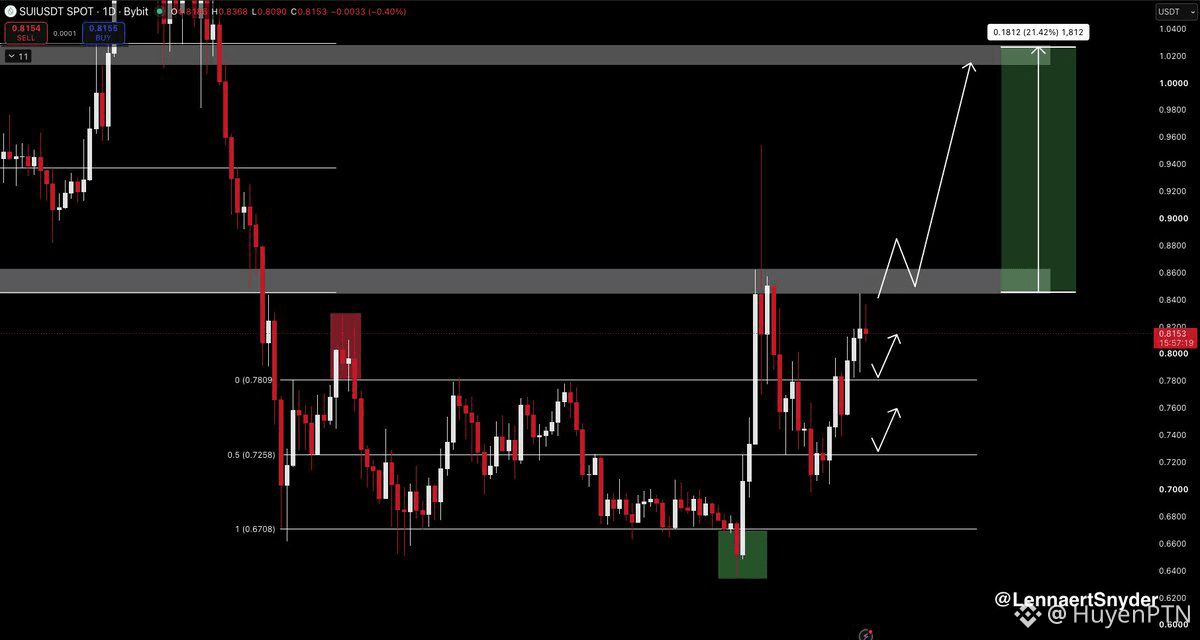
$SUI is showing strength against Bitcoin.
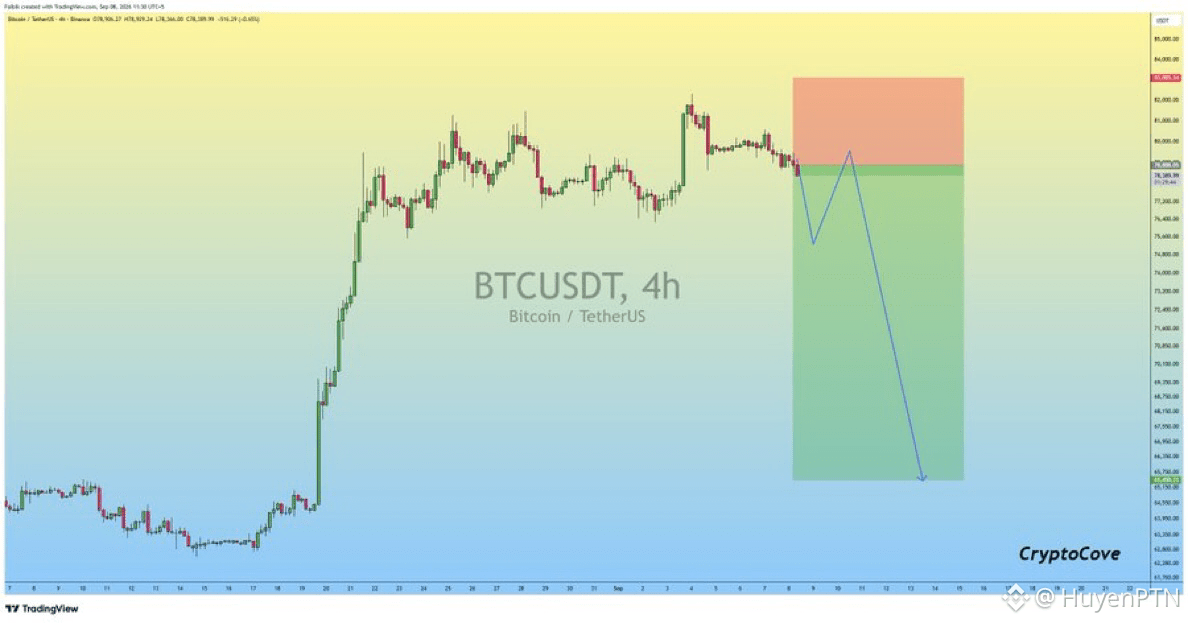
As BTC is rejecting after testing 82.2K, SUI is consolidating above the 0.78 range-high for three days.
The momentum on altcoins has my attention for a few weeks now, and its getting more interesting by the day.
Price tested the 0.85 previous range-low again, and I'm closely watching for a potential reclaim.
That range-low is from the previous HTF range, and if we get acceptance above it, we're looking at a potential 21.5% move.
We already caught some nice range-trades on SUI as the levels get respected really well.
If we test lower first, I'm trading it level for level, with the 0.78 VAH/range-high retest first in line. $SUI
Dyor
As BTC is rejecting after testing 82.2K, SUI is consolidating above the 0.78 range-high for three days.
The momentum on altcoins has my attention for a few weeks now, and its getting more interesting by the day.
Price tested the 0.85 previous range-low again, and I'm closely watching for a potential reclaim.
That range-low is from the previous HTF range, and if we get acceptance above it, we're looking at a potential 21.5% move.
We already caught some nice range-trades on SUI as the levels get respected really well.
If we test lower first, I'm trading it level for level, with the 0.78 VAH/range-high retest first in line. $SUI
Dyor
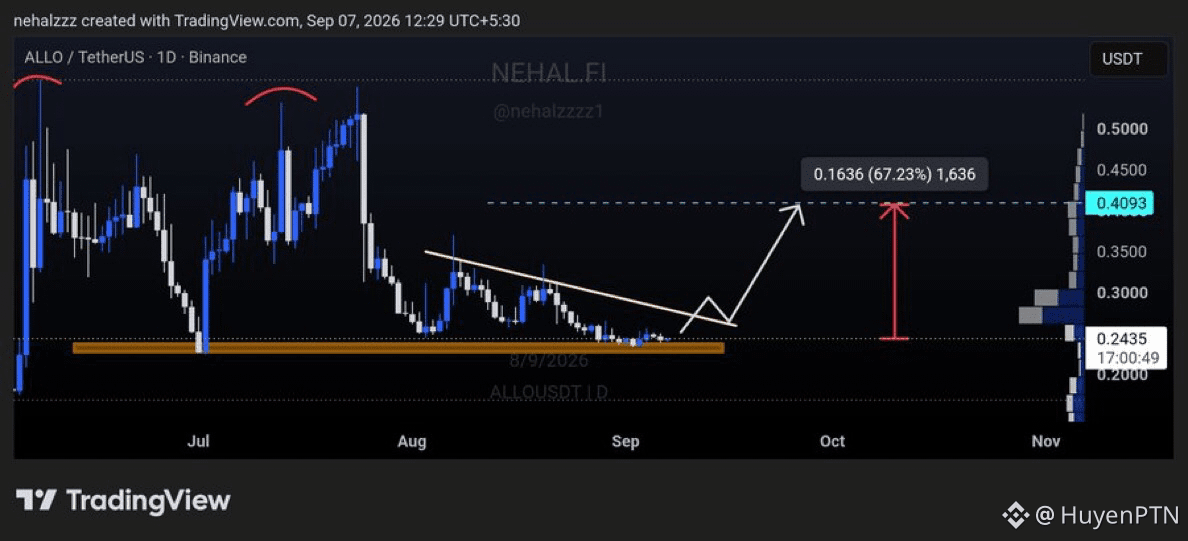
$ALLO is sitting on a major support zone 👀
Price has been compressing around $0.24, while the downtrend is starting to flatten.
A breakout above the descending trendline could open the way toward $0.30 → $0.41, potentially +67% from here. 🚀
$0.24 is the level to watch. $ALLO
Price has been compressing around $0.24, while the downtrend is starting to flatten.
A breakout above the descending trendline could open the way toward $0.30 → $0.41, potentially +67% from here. 🚀
$0.24 is the level to watch. $ALLO
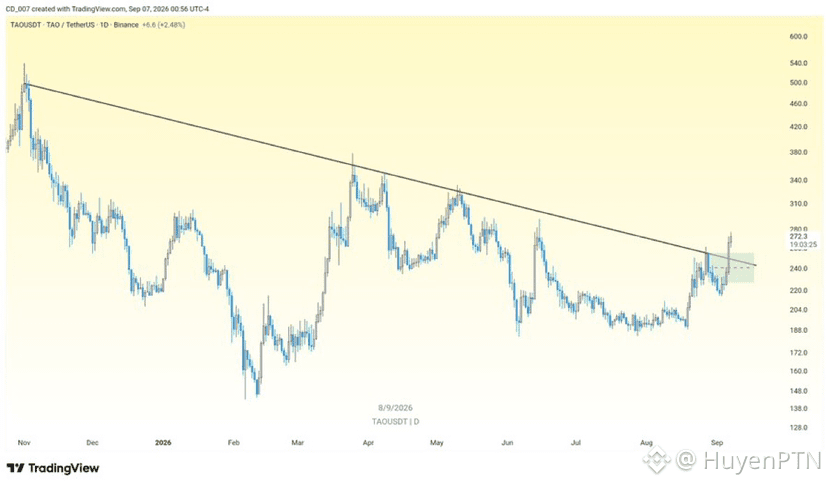
$TAO breakout confirmed. 🚀🌕
If you missed the spot buy at 225 try some between 254-240 with a SL of 214 $TAO
DYOR
If you missed the spot buy at 225 try some between 254-240 with a SL of 214 $TAO
DYOR
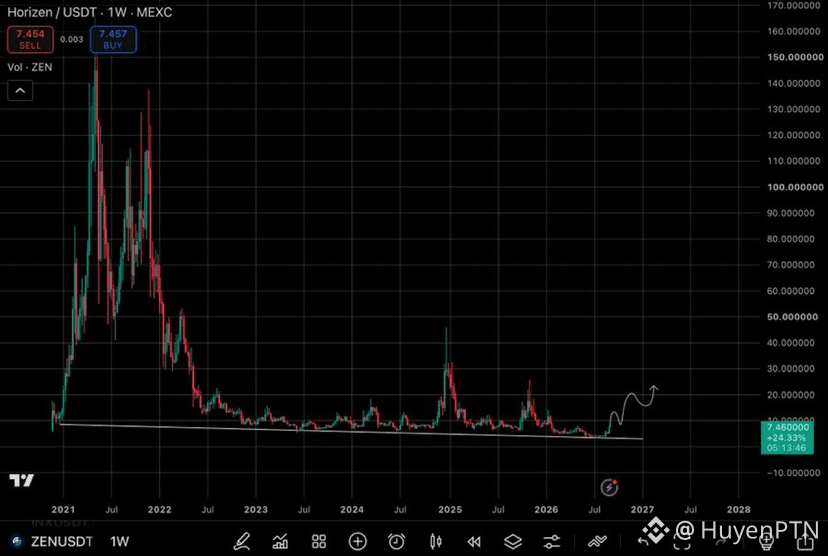
$ZEN One of the Best Looking Chart out There in Weekly TF 💎
It’s sitting on The Same Trendline from Which it Previously Runs Nicely Many Times.
If the Momentum Kicks in, My next Target will Be Above $15 📈 $ZEN
It’s sitting on The Same Trendline from Which it Previously Runs Nicely Many Times.
If the Momentum Kicks in, My next Target will Be Above $15 📈 $ZEN
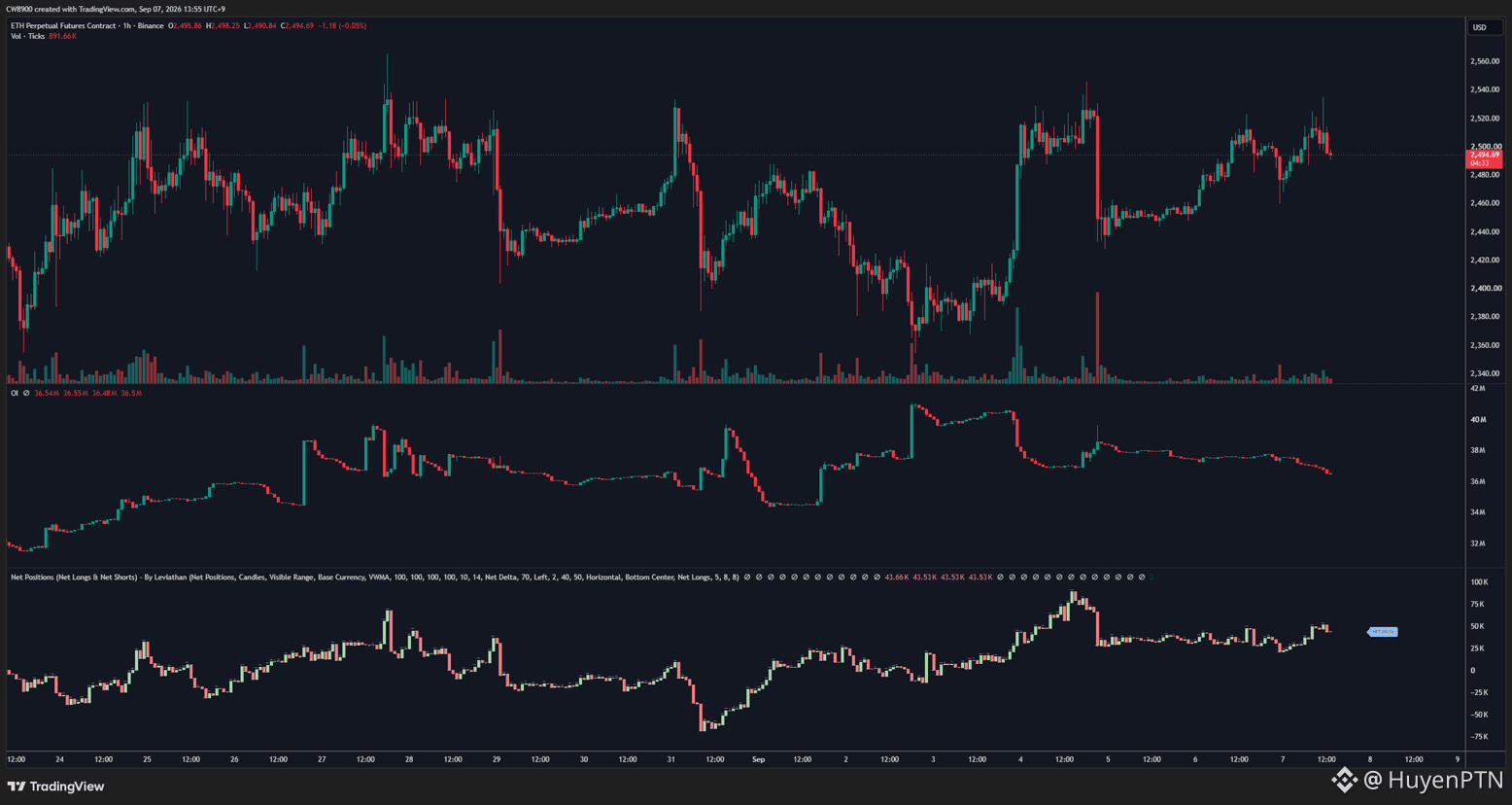
The OI of $ETH is decreasing, and the net position delta is increasing.
Short covering is occurring. Bearish investors are giving up. $ETH
DYOR
Short covering is occurring. Bearish investors are giving up. $ETH
DYOR
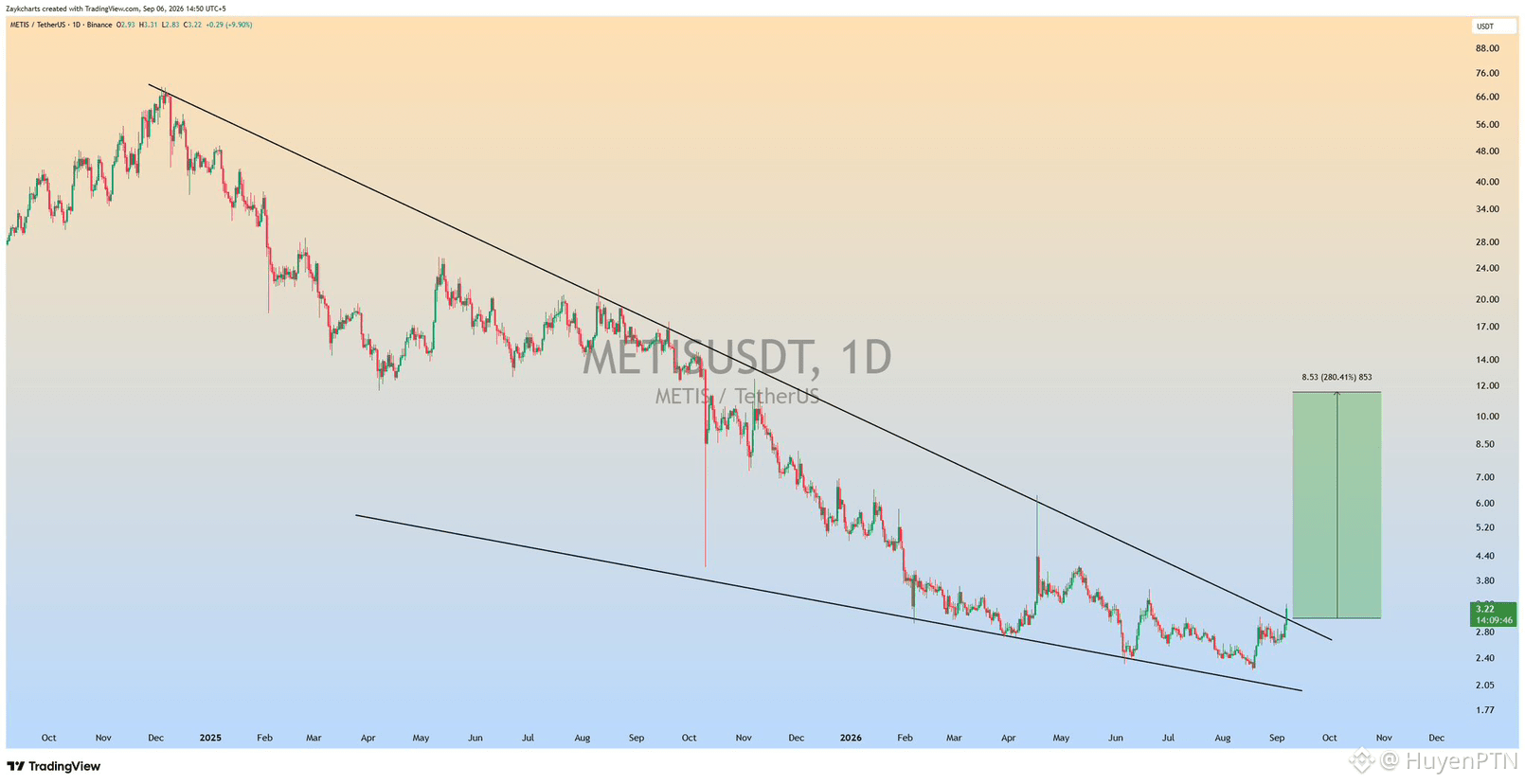
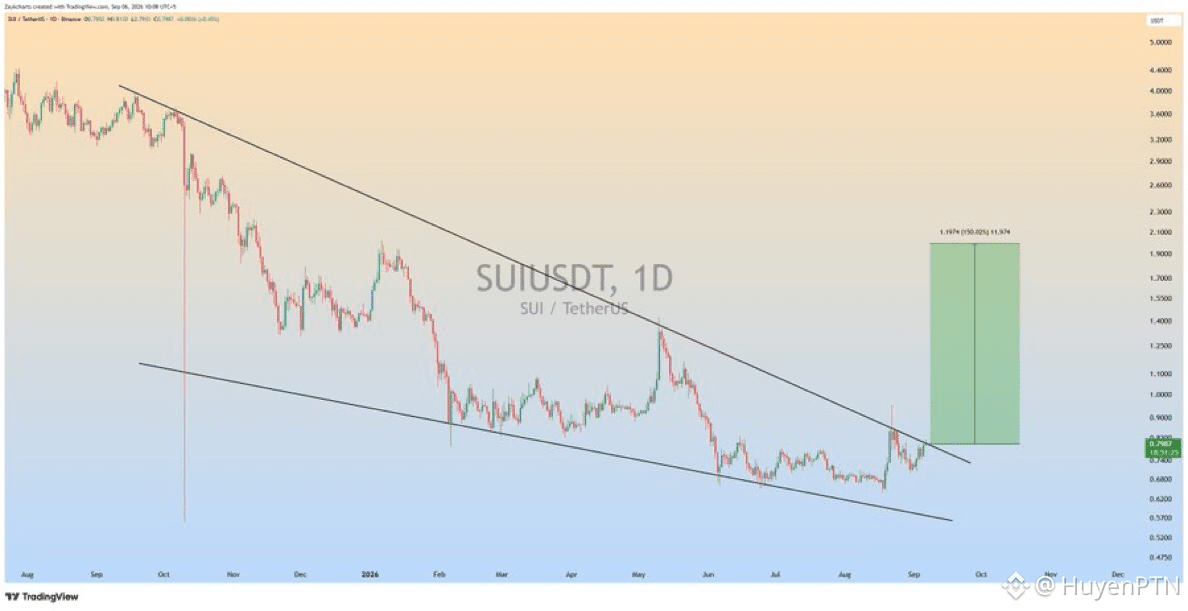
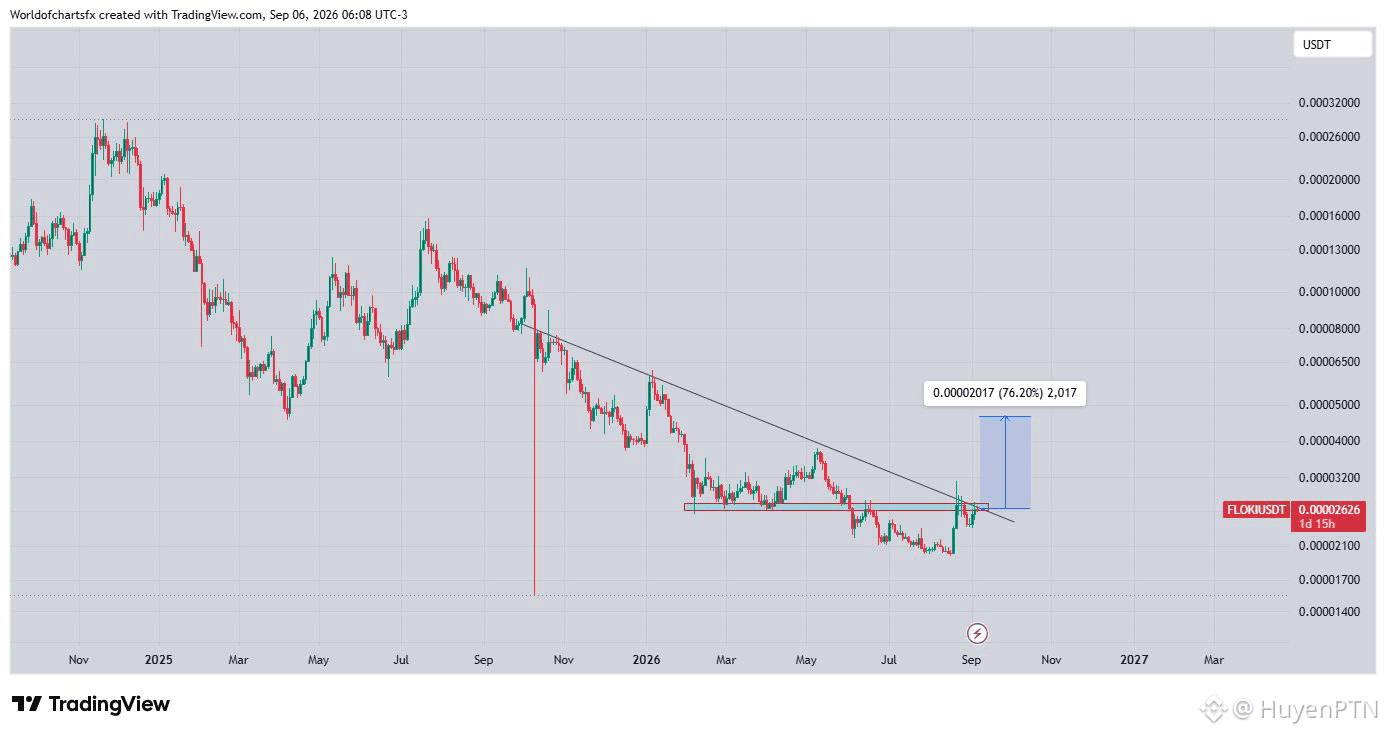
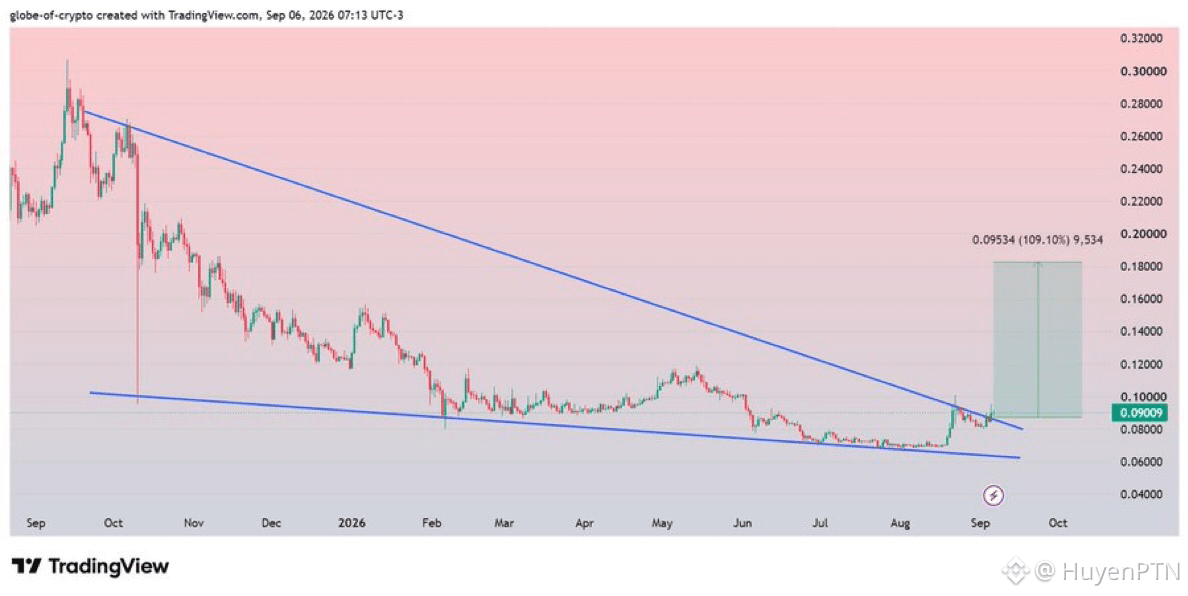
Broken Falling Wedge.
Successful retest could trigger a solid bullish wave during coming days✍️ $DOGE
Successful retest could trigger a solid bullish wave during coming days✍️ $DOGE
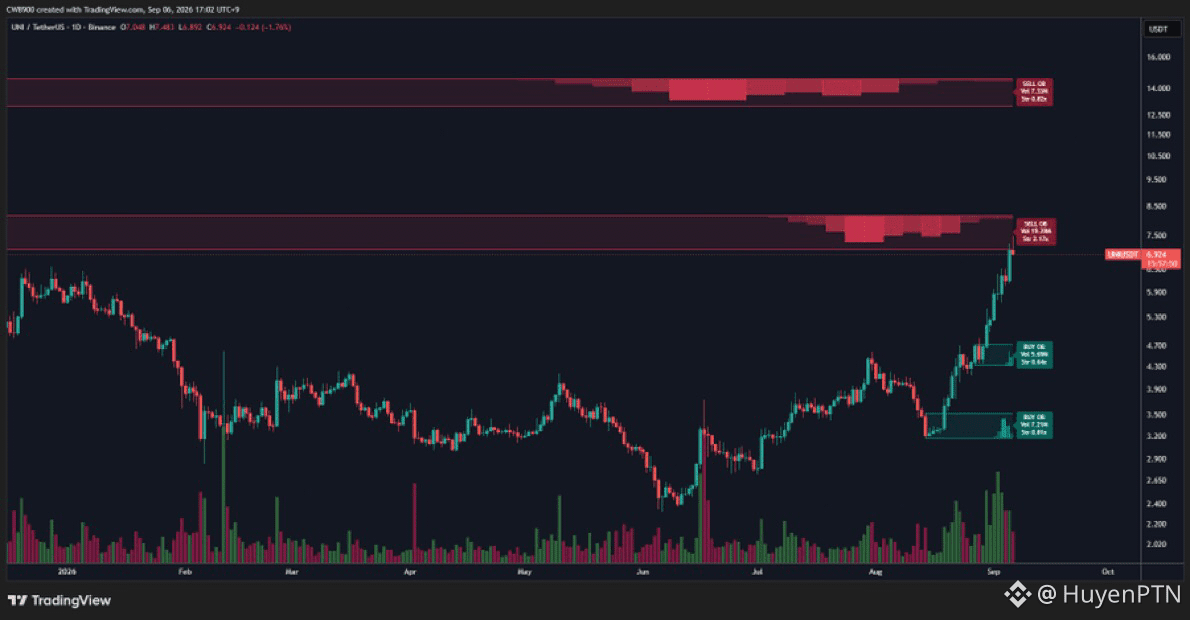
$UNI has reached a sell wall.
The rally continues depends on whether it breaks through this sell wall.
If it fails to break through the sell wall, it will undergo a short-term correction. $UNI DYOR
The rally continues depends on whether it breaks through this sell wall.
If it fails to break through the sell wall, it will undergo a short-term correction. $UNI DYOR
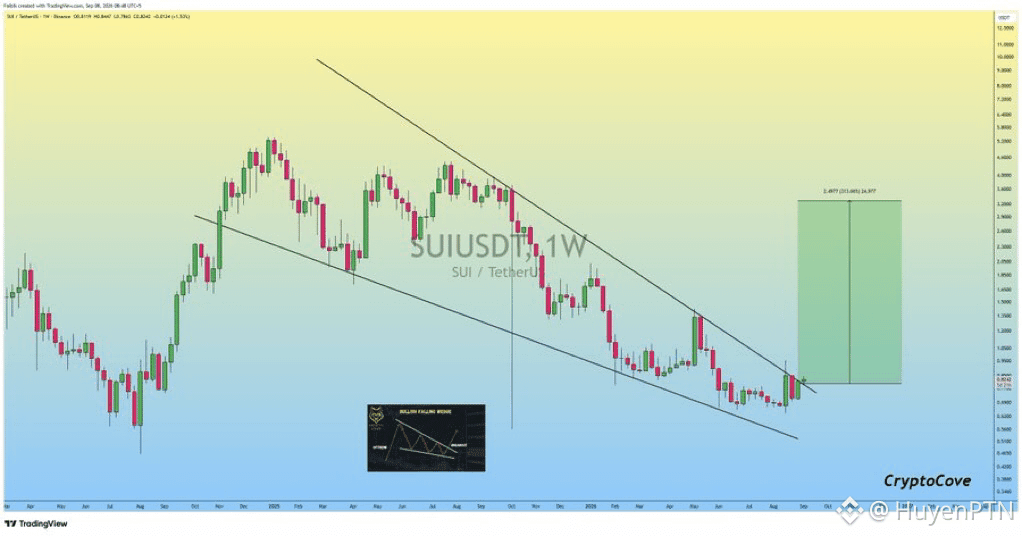
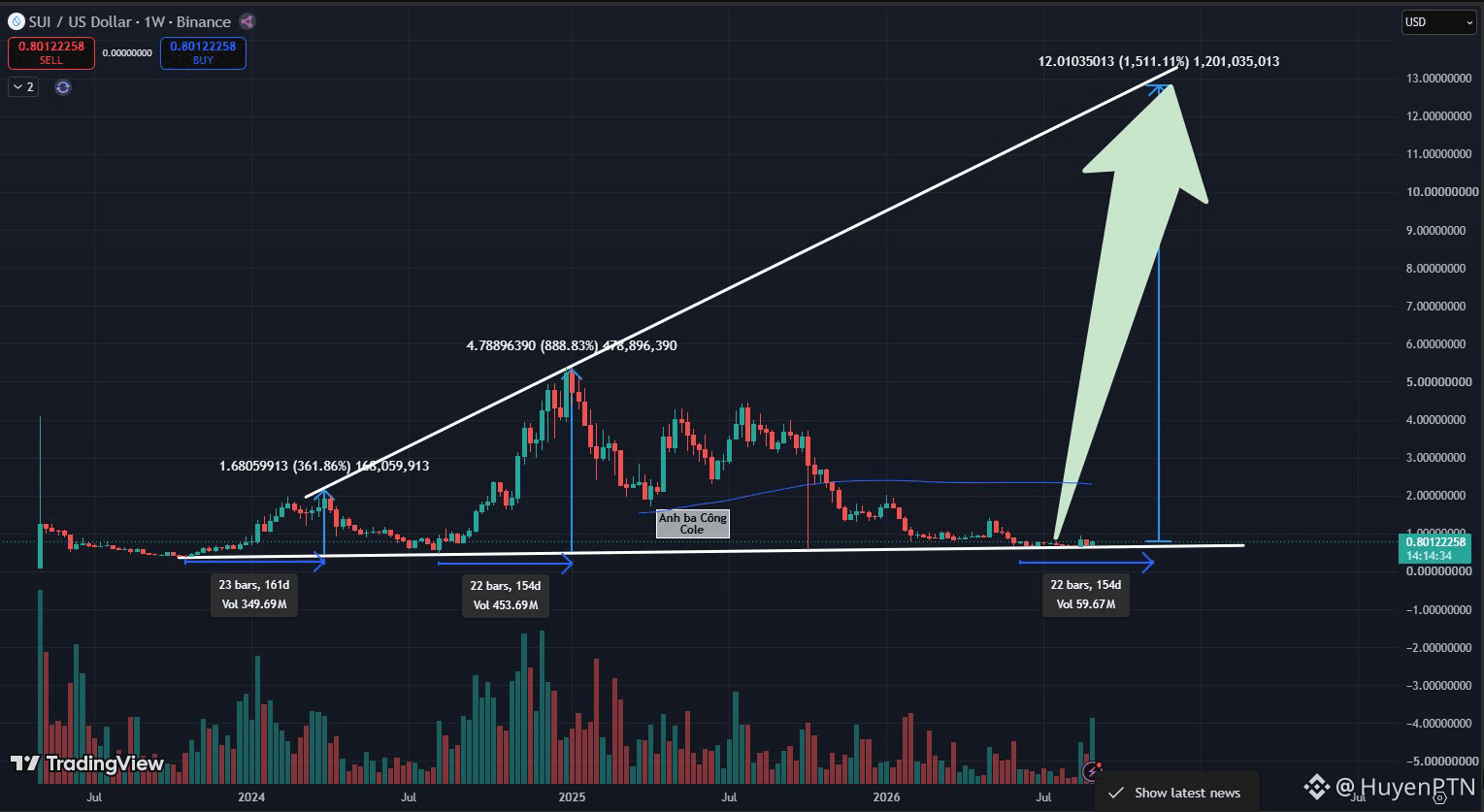
SUI: Volume Expansion Confirms Macro Broadening Triangle Floor – Cyclical Bull Wave Targeting $10–$14 Peak
Dyor
$SUI
Dyor
$SUI
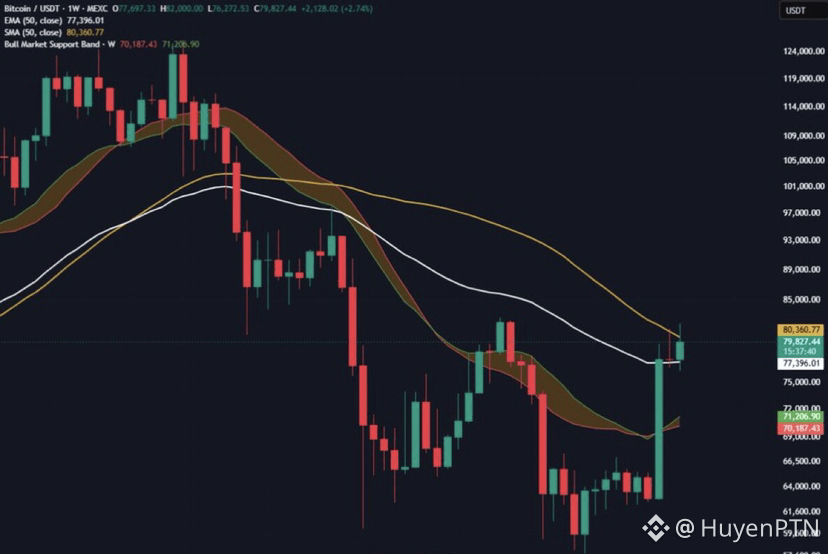
$BTC is hovering around the $80,000 level.
Weekly close is the most important, as Bitcoin is very close to the 50W MA.
A weekly close above this would make a strong case for Bitcoin's bottom.
Dyor
$BTC
Weekly close is the most important, as Bitcoin is very close to the 50W MA.
A weekly close above this would make a strong case for Bitcoin's bottom.
Dyor
$BTC
Verified
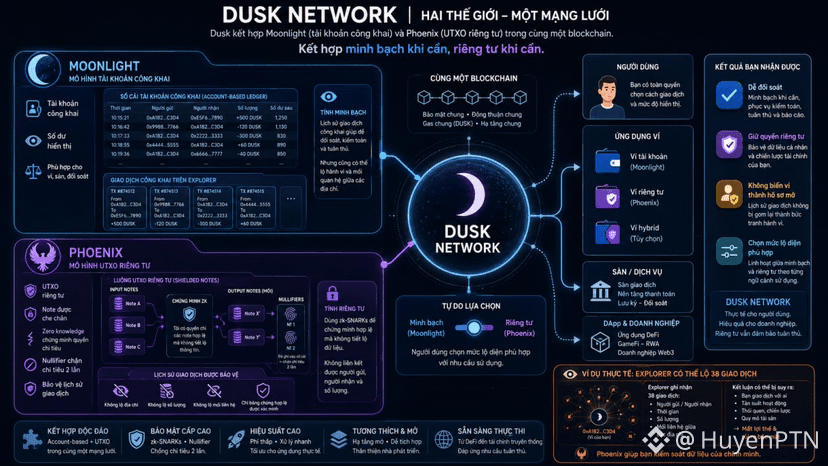
After a few weeks of testing dApps and hunting for airdrops, the explorer screen sometimes looks like an unauthorized copy of a statement nobody asked to see. I once reopened a sub-address and saw 38 transactions—enough to trace when funds were deposited, when they were withdrawn, which exchange was used, and how capital was allocated, almost like a habit.
I also noticed a detail that’s easy to mix up about Dusk Network, Moonlight, and Phoenix: they aren’t two labels for the same money-transfer approach. Moonlight is a public-account model, where balances, nonces, senders, recipients, and amounts all line up with the wallet, exchange, and application that need to reconcile.
Phoenix answers the opposite way—transactions are still valid, but the wallet history doesn’t have to be kept as an open dossier. In Dusk Network, Phoenix uses a private UTXO system; assets are shielded in notes; zero-knowledge proofs verify spending authority; and a nullifier prevents double-spending without revealing the original note.
The key point is that these two models don’t cancel each other out—they accurately mimic real-world financial behavior. Users want to be public when they need the system to trust them, but sometimes three basic pieces of information—who sent, who received, and how much—are already too much. That’s why Dusk Network isn’t only about privacy; it also tries to package “optionality” in visibility into the infrastructure.
Counter to that, a dual design can confuse newcomers, especially when they have to understand when to go through Moonlight and when to use Phoenix. I’m still left with the question: will Dusk Network make the interface clear enough for users to choose privacy before they get scrutinized, or will they only remember it after 38 transactions have spoken for them.
#dusk $DUSK @Dusk
I also noticed a detail that’s easy to mix up about Dusk Network, Moonlight, and Phoenix: they aren’t two labels for the same money-transfer approach. Moonlight is a public-account model, where balances, nonces, senders, recipients, and amounts all line up with the wallet, exchange, and application that need to reconcile.
Phoenix answers the opposite way—transactions are still valid, but the wallet history doesn’t have to be kept as an open dossier. In Dusk Network, Phoenix uses a private UTXO system; assets are shielded in notes; zero-knowledge proofs verify spending authority; and a nullifier prevents double-spending without revealing the original note.
The key point is that these two models don’t cancel each other out—they accurately mimic real-world financial behavior. Users want to be public when they need the system to trust them, but sometimes three basic pieces of information—who sent, who received, and how much—are already too much. That’s why Dusk Network isn’t only about privacy; it also tries to package “optionality” in visibility into the infrastructure.
Counter to that, a dual design can confuse newcomers, especially when they have to understand when to go through Moonlight and when to use Phoenix. I’m still left with the question: will Dusk Network make the interface clear enough for users to choose privacy before they get scrutinized, or will they only remember it after 38 transactions have spoken for them.
#dusk $DUSK @Dusk
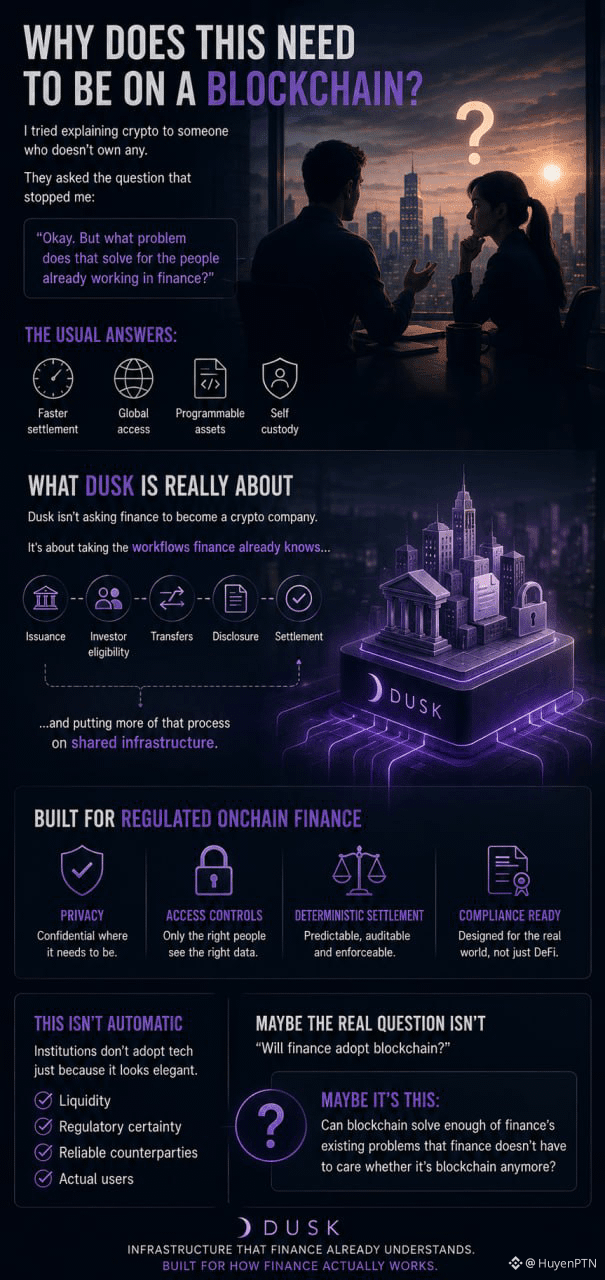
I tried explaining crypto to someone who doesn't own any yesterday.
It went badly.
Not because they disagreed with me.
They just asked:
“Why does any of this need to be on a blockchain?”
I started giving the usual answers.
Faster settlement.
Global access.
Programmable assets.
Self-custody.
They looked at me for a second and said:
“Okay. But what problem does that solve for the people already working in finance?”
I didn't have a good answer.
At least not immediately.
That question actually made me think about Dusk differently.
Dusk isn't really asking a bank to become a crypto company.
The idea is closer to taking the workflows financial institutions already understand — issuance, investor eligibility, transfers, disclosure and settlement — and putting more of that process on shared infrastructure.
That's a much less exciting pitch.
And maybe that's exactly why I like it.
If you have to convince an institution to completely change how it thinks about financial markets before it can use your blockchain, you've already created a huge problem for yourself.
But if the institution can keep thinking about securities, investors and settlement while the blockchain quietly handles part of the infrastructure underneath...
That's different.
Dusk's current positioning is very clearly around regulated onchain finance, with privacy, access controls and deterministic settlement built into the infrastructure rather than added as an afterthought.
I'm still skeptical.
Putting financial workflows on-chain doesn't automatically make them better.
And institutions don't adopt technology just because the architecture looks elegant.
They need liquidity.
Regulatory certainty.
Reliable counterparties.
Actual users.
So maybe the question isn't:
“Will finance adopt blockchain?”
Maybe that's backwards.
Maybe the better question is:
Can blockchain solve enough of finance's existing problems that finance doesn't have to care whether it's blockchain anymore?
That was the question I couldn't answer yesterday.
I'm still thinking about it.
#dusk $DUSK @Dusk
It went badly.
Not because they disagreed with me.
They just asked:
“Why does any of this need to be on a blockchain?”
I started giving the usual answers.
Faster settlement.
Global access.
Programmable assets.
Self-custody.
They looked at me for a second and said:
“Okay. But what problem does that solve for the people already working in finance?”
I didn't have a good answer.
At least not immediately.
That question actually made me think about Dusk differently.
Dusk isn't really asking a bank to become a crypto company.
The idea is closer to taking the workflows financial institutions already understand — issuance, investor eligibility, transfers, disclosure and settlement — and putting more of that process on shared infrastructure.
That's a much less exciting pitch.
And maybe that's exactly why I like it.
If you have to convince an institution to completely change how it thinks about financial markets before it can use your blockchain, you've already created a huge problem for yourself.
But if the institution can keep thinking about securities, investors and settlement while the blockchain quietly handles part of the infrastructure underneath...
That's different.
Dusk's current positioning is very clearly around regulated onchain finance, with privacy, access controls and deterministic settlement built into the infrastructure rather than added as an afterthought.
I'm still skeptical.
Putting financial workflows on-chain doesn't automatically make them better.
And institutions don't adopt technology just because the architecture looks elegant.
They need liquidity.
Regulatory certainty.
Reliable counterparties.
Actual users.
So maybe the question isn't:
“Will finance adopt blockchain?”
Maybe that's backwards.
Maybe the better question is:
Can blockchain solve enough of finance's existing problems that finance doesn't have to care whether it's blockchain anymore?
That was the question I couldn't answer yesterday.
I'm still thinking about it.
#dusk $DUSK @Dusk
I used to think a good blockchain should do everything.
Smart contracts?
Sure.
Privacy?
Add it.
EVM?
Obviously.
Custom execution?
Why not.
The longer the feature list, the more impressive the project looked to me.
I've changed my mind about that.
Looking at Dusk, what caught my attention wasn't another feature.
It was the decision not to force everything through the same execution environment.
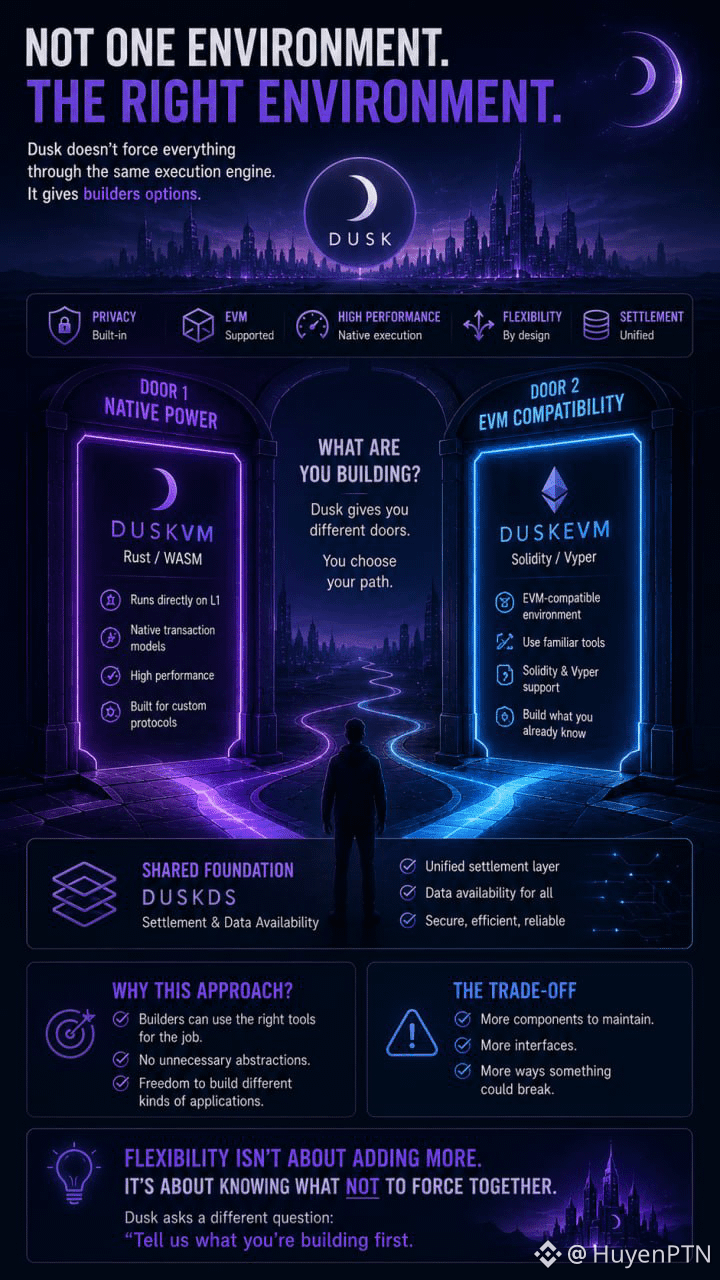
Dusk has DuskVM for Rust/WASM contracts that run directly on the L1, while DuskEVM provides Solidity and Vyper execution through an EVM-compatible environment. The two paths use DuskDS underneath for settlement and data availability. (docs.dusk.network)
At first I thought:
Why make things this complicated?
Wouldn't one environment be easier?
Then I started thinking about the opposite.
Maybe forcing every application into one environment is the complicated choice.
A developer building a normal Solidity application probably doesn't want to learn an entirely different stack.
Someone building a protocol that needs direct access to Dusk's native transaction models probably doesn't want EVM abstractions getting in the way either.
So Dusk basically gives them different doors.
That doesn't automatically make the architecture better.
More components also mean more things to maintain.
More interfaces.
More assumptions.
More ways for something to break.
But I like the reasoning behind it.
Instead of saying:
“Here is our one blockchain environment. Everyone use it.”
Dusk seems to be saying:
“Tell us what you're building first.”
That's a subtle difference.
And maybe I'm overthinking it.
But after seeing so many chains trying to become everything to everyone, I find Dusk's willingness to keep different execution paths surprisingly refreshing.
Sometimes flexibility isn't about adding more features.
Sometimes it's about knowing which features not to force together.
#dusk $DUSK @Dusk
Smart contracts?
Sure.
Privacy?
Add it.
EVM?
Obviously.
Custom execution?
Why not.
The longer the feature list, the more impressive the project looked to me.
I've changed my mind about that.
Looking at Dusk, what caught my attention wasn't another feature.
It was the decision not to force everything through the same execution environment.
Dusk has DuskVM for Rust/WASM contracts that run directly on the L1, while DuskEVM provides Solidity and Vyper execution through an EVM-compatible environment. The two paths use DuskDS underneath for settlement and data availability. (docs.dusk.network)
At first I thought:
Why make things this complicated?
Wouldn't one environment be easier?
Then I started thinking about the opposite.
Maybe forcing every application into one environment is the complicated choice.
A developer building a normal Solidity application probably doesn't want to learn an entirely different stack.
Someone building a protocol that needs direct access to Dusk's native transaction models probably doesn't want EVM abstractions getting in the way either.
So Dusk basically gives them different doors.
That doesn't automatically make the architecture better.
More components also mean more things to maintain.
More interfaces.
More assumptions.
More ways for something to break.
But I like the reasoning behind it.
Instead of saying:
“Here is our one blockchain environment. Everyone use it.”
Dusk seems to be saying:
“Tell us what you're building first.”
That's a subtle difference.
And maybe I'm overthinking it.
But after seeing so many chains trying to become everything to everyone, I find Dusk's willingness to keep different execution paths surprisingly refreshing.
Sometimes flexibility isn't about adding more features.
Sometimes it's about knowing which features not to force together.
#dusk $DUSK @Dusk
I learned a long time ago not to give every app more permission than it needs.
It usually starts innocently.
“Connect wallet.”
Then:
“Sign this.”
Then another pop-up appears and I'm already wondering what exactly I just approved.
I've become much more suspicious of signing prompts because of that.
So I was curious about something in Dusk that I hadn't paid much attention to before: the separation between simply interacting with an account and actually authorizing an action.
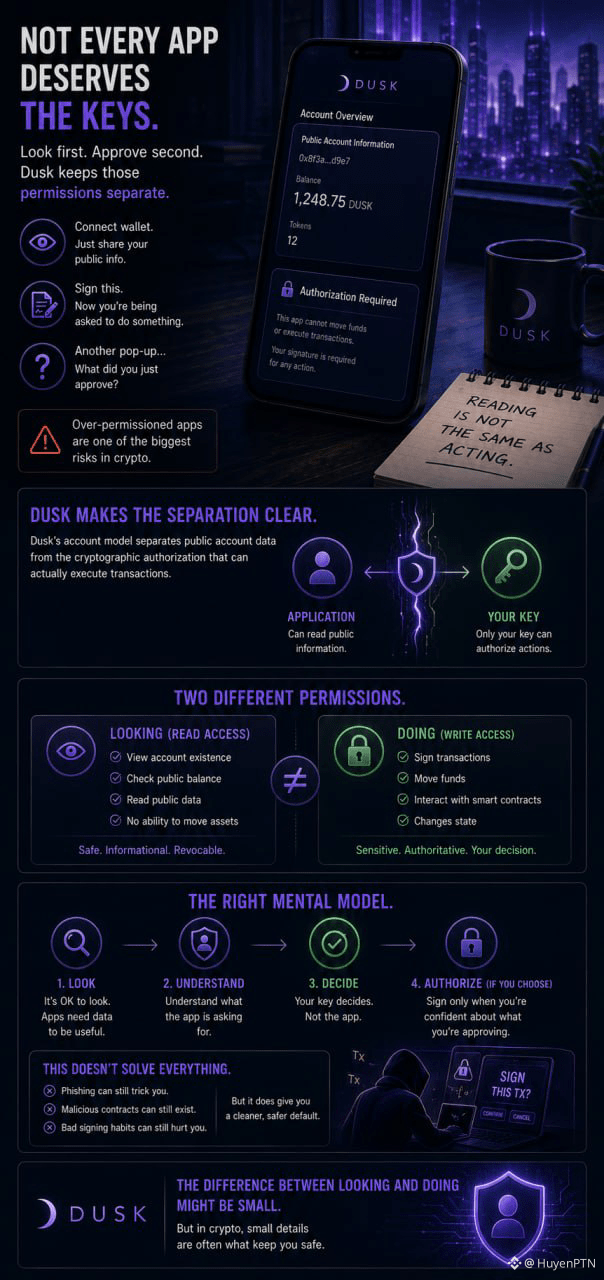
Dusk's account model distinguishes between public account information and the cryptographic authorization needed to execute transactions. Applications can query account information without automatically gaining the ability to spend or move assets.
That sounds obvious.
But crypto has a funny way of making obvious things feel complicated.
A website should be able to know that an account exists.
It should be able to check a balance if the information is public.
That doesn't mean it should be able to sign something on my behalf.
Those are different permissions.
And I think Dusk gets something important right here.
The blockchain shouldn't have to trust the application just because I opened it.
The application can ask.
My key decides.
That separation doesn't eliminate phishing, malicious contracts or bad signing habits. Nothing does.
But it creates a cleaner mental model for me.
“Reading my account” and “acting as my account” shouldn't feel like the same permission.
Maybe that's a small detail.
I've started thinking small details matter a lot in crypto.
Because when something goes wrong, it is usually not the fancy cryptography that confuses the user.
It's the little button they clicked without really understanding what it meant.
And that's the part of Dusk I find myself appreciating more.
Not another feature.
Just a clearer line between looking and doing.
#dusk $DUSK @Dusk
It usually starts innocently.
“Connect wallet.”
Then:
“Sign this.”
Then another pop-up appears and I'm already wondering what exactly I just approved.
I've become much more suspicious of signing prompts because of that.
So I was curious about something in Dusk that I hadn't paid much attention to before: the separation between simply interacting with an account and actually authorizing an action.
Dusk's account model distinguishes between public account information and the cryptographic authorization needed to execute transactions. Applications can query account information without automatically gaining the ability to spend or move assets.
That sounds obvious.
But crypto has a funny way of making obvious things feel complicated.
A website should be able to know that an account exists.
It should be able to check a balance if the information is public.
That doesn't mean it should be able to sign something on my behalf.
Those are different permissions.
And I think Dusk gets something important right here.
The blockchain shouldn't have to trust the application just because I opened it.
The application can ask.
My key decides.
That separation doesn't eliminate phishing, malicious contracts or bad signing habits. Nothing does.
But it creates a cleaner mental model for me.
“Reading my account” and “acting as my account” shouldn't feel like the same permission.
Maybe that's a small detail.
I've started thinking small details matter a lot in crypto.
Because when something goes wrong, it is usually not the fancy cryptography that confuses the user.
It's the little button they clicked without really understanding what it meant.
And that's the part of Dusk I find myself appreciating more.
Not another feature.
Just a clearer line between looking and doing.
#dusk $DUSK @Dusk
Log in to explore more content