
Trade Oracle X
4.1k Posts
Trade Oracle X
Report
Block User
🔮 Trade Oracle X: Precision signals, market foresight & smart money secrets. 📈 Outsmart the crowd, ride breakouts early & unlock pro-level insights. 🚀
Open Trade
Occasional Trader
3 Years
3 Following
4.5K+ Followers
6.4K+ Liked
Posts
Portfolio
All
Quotes
PINNED

Article
How to find coins before they explode🔥 How to find coins before they explode? The secret no one tells you! 🚀
🤷♂ Most traders enter the market late, chasing coins that have already exploded, ending up as the 'liquidity' that whales feed on for their profits. But there's a secret not everyone knows: you can find rising coins before the entire market moves!
How to find coins before they explode
🔥 How to find coins before they explode? The secret no one tells you! 🚀
🤷♂ Most traders enter the market late, chasing coins that have already exploded, ending up as the 'liquidity' that whales feed on for their profits. But there's a secret not everyone knows: you can find rising coins before the entire market moves!
🤷♂ Most traders enter the market late, chasing coins that have already exploded, ending up as the 'liquidity' that whales feed on for their profits. But there's a secret not everyone knows: you can find rising coins before the entire market moves!
76
40
181
69.5k
PINNED
The “99% Traders' Trap”: Why Most Lose Everything!The “99% Traders' Trap”: Why Most Lose Everything! 🚨🔥
Did you know 99% of traders make the SAME mistake that destroys their accounts? 😱
Most think trading is about quick wins—but the market is built to punish the unprepared and reward the patient!
📌 Step 1: The 3 Deadly Mistakes Traders Make! ❌
🔹 Revenge Trading – Losing a trade? They double down and lose even more!
🔹 No Stop-Loss – One bad trade wipes out weeks of gains!
🔹 Overleveraging – They try to flip $100 into $10,000 overnight... and get liquidated instead.
📌 Step 2: The Secrets of Profitable Traders! 💰
✅ Cut losses fast – Small losses are part of the game. Huge losses are not!
✅ Trade smart, not often – Quality setups > Random gambling.
✅ Ride trends, don’t fight them – The trend is your best friend!
📌 Step 3: How to WIN While 99% Lose! 🏆
🔹 Most successful traders focus on patience, discipline, and proper risk management.
🔹 They protect capital first, profits come later!
🔹 Binance tools like Stop-Loss & TradingView charts help you stay ahead—use them!
⚠ Final Thought: The market rewards discipline, not luck. Master risk, master trading!
💬 Have you fallen into any of these traps before? Let’s talk! 👇
#TradingWisdom #binance
{future}(NILUSDT)
The “99% Traders' Trap”: Why Most Lose Everything!
The “99% Traders' Trap”: Why Most Lose Everything! 🚨🔥
Did you know 99% of traders make the SAME mistake that destroys their accounts? 😱
Most think trading is about quick wins—but the market is built to punish the unprepared and reward the patient!
📌 Step 1: The 3 Deadly Mistakes Traders Make! ❌
🔹 Revenge Trading – Losing a trade? They double down and lose even more!
🔹 No Stop-Loss – One bad trade wipes out weeks of gains!
🔹 Overleveraging – They try to flip $100 into $10,000 overnight... and get liquidated instead.
📌 Step 2: The Secrets of Profitable Traders! 💰
✅ Cut losses fast – Small losses are part of the game. Huge losses are not!
✅ Trade smart, not often – Quality setups > Random gambling.
✅ Ride trends, don’t fight them – The trend is your best friend!
📌 Step 3: How to WIN While 99% Lose! 🏆
🔹 Most successful traders focus on patience, discipline, and proper risk management.
🔹 They protect capital first, profits come later!
🔹 Binance tools like Stop-Loss & TradingView charts help you stay ahead—use them!
⚠ Final Thought: The market rewards discipline, not luck. Master risk, master trading!
💬 Have you fallen into any of these traps before? Let’s talk! 👇
#TradingWisdom #binance
Did you know 99% of traders make the SAME mistake that destroys their accounts? 😱
Most think trading is about quick wins—but the market is built to punish the unprepared and reward the patient!
📌 Step 1: The 3 Deadly Mistakes Traders Make! ❌
🔹 Revenge Trading – Losing a trade? They double down and lose even more!
🔹 No Stop-Loss – One bad trade wipes out weeks of gains!
🔹 Overleveraging – They try to flip $100 into $10,000 overnight... and get liquidated instead.
📌 Step 2: The Secrets of Profitable Traders! 💰
✅ Cut losses fast – Small losses are part of the game. Huge losses are not!
✅ Trade smart, not often – Quality setups > Random gambling.
✅ Ride trends, don’t fight them – The trend is your best friend!
📌 Step 3: How to WIN While 99% Lose! 🏆
🔹 Most successful traders focus on patience, discipline, and proper risk management.
🔹 They protect capital first, profits come later!
🔹 Binance tools like Stop-Loss & TradingView charts help you stay ahead—use them!
⚠ Final Thought: The market rewards discipline, not luck. Master risk, master trading!
💬 Have you fallen into any of these traps before? Let’s talk! 👇
#TradingWisdom #binance
2
1
22
25.5k
🚨 The biggest reason traders lose is not the strategy.
But the self.
The same strategy…
The same market…
One person wins… and another loses.
What's the difference?
Controlling emotions.
The market does 3 dangerous things to you:
✔ It makes you feel smart after winning
✔ It makes you feel angry after losing
✔ It makes you make decisions under pressure
And this is where the disaster begins.
🔥 The painful truth:
Most accounts do not get wiped out due to incorrect analysis…
But due to one emotional decision.
If you can't control yourself…
You won't be able to control your money.
💬 How many times have you changed your plan during the trade?
$SOL
🚨 The biggest reason traders lose is not the strategy.
But the self.
The same strategy…
The same market…
One person wins… and another loses.
What's the difference?
Controlling emotions.
The market does 3 dangerous things to you:
✔ It makes you feel smart after winning
✔ It makes you feel angry after losing
✔ It makes you make decisions under pressure
And this is where the disaster begins.
🔥 The painful truth:
Most accounts do not get wiped out due to incorrect analysis…
But due to one emotional decision.
If you can't control yourself…
You won't be able to control your money.
💬 How many times have you changed your plan during the trade?
$SOL
But the self.
The same strategy…
The same market…
One person wins… and another loses.
What's the difference?
Controlling emotions.
The market does 3 dangerous things to you:
✔ It makes you feel smart after winning
✔ It makes you feel angry after losing
✔ It makes you make decisions under pressure
And this is where the disaster begins.
🔥 The painful truth:
Most accounts do not get wiped out due to incorrect analysis…
But due to one emotional decision.
If you can't control yourself…
You won't be able to control your money.
💬 How many times have you changed your plan during the trade?
$SOL
2
349
🧠 Day 5 — Trading Psychology
Why do smart people lose in the market?
Many believe the problem lies in the strategy.
But the truth?
The problem often lies within.
🚨 The 5 most dangerous psychological enemies of traders:
1️⃣ Greed
You win a trade… and want to quickly double your profit.
So you take more risks… and lose.
2️⃣ Fear
You exit early from a winning trade.
Then you watch it reach the target without you.
3️⃣ Revenge on the market
You lose a trade…
So you immediately jump in to recover the loss.
And you lose more.
4️⃣ FOMO (Fear of Missing Out)
The price moves quickly…
You enter without a plan.
5️⃣ Overconfidence
A series of wins makes you think you can't make mistakes.
🔥 The secret that is rarely said:
The market doesn't just test your strategy…
It tests your discipline.
🎯 How do you control your psychology?
✔ Set a fixed risk percentage
✔ Don't enter without a plan
✔ Accept loss as part of the game
✔ Review your trades calmly
🧠 Professional trading = 20% analysis
and 80% self-management.
💬 Be honest:
What affects you most in trading… greed or fear?
$XRP
🧠 Day 5 — Trading Psychology
Why do smart people lose in the market?
Many believe the problem lies in the strategy.
But the truth?
The problem often lies within.
🚨 The 5 most dangerous psychological enemies of traders:
1️⃣ Greed
You win a trade… and want to quickly double your profit.
So you take more risks… and lose.
2️⃣ Fear
You exit early from a winning trade.
Then you watch it reach the target without you.
3️⃣ Revenge on the market
You lose a trade…
So you immediately jump in to recover the loss.
And you lose more.
4️⃣ FOMO (Fear of Missing Out)
The price moves quickly…
You enter without a plan.
5️⃣ Overconfidence
A series of wins makes you think you can't make mistakes.
🔥 The secret that is rarely said:
The market doesn't just test your strategy…
It tests your discipline.
🎯 How do you control your psychology?
✔ Set a fixed risk percentage
✔ Don't enter without a plan
✔ Accept loss as part of the game
✔ Review your trades calmly
🧠 Professional trading = 20% analysis
and 80% self-management.
💬 Be honest:
What affects you most in trading… greed or fear?
$XRP
Why do smart people lose in the market?
Many believe the problem lies in the strategy.
But the truth?
The problem often lies within.
🚨 The 5 most dangerous psychological enemies of traders:
1️⃣ Greed
You win a trade… and want to quickly double your profit.
So you take more risks… and lose.
2️⃣ Fear
You exit early from a winning trade.
Then you watch it reach the target without you.
3️⃣ Revenge on the market
You lose a trade…
So you immediately jump in to recover the loss.
And you lose more.
4️⃣ FOMO (Fear of Missing Out)
The price moves quickly…
You enter without a plan.
5️⃣ Overconfidence
A series of wins makes you think you can't make mistakes.
🔥 The secret that is rarely said:
The market doesn't just test your strategy…
It tests your discipline.
🎯 How do you control your psychology?
✔ Set a fixed risk percentage
✔ Don't enter without a plan
✔ Accept loss as part of the game
✔ Review your trades calmly
🧠 Professional trading = 20% analysis
and 80% self-management.
💬 Be honest:
What affects you most in trading… greed or fear?
$XRP
3
576
🎯 How to determine a professional entry point in trading?
The best entry is not in the middle of the movement…
But at the decision zones.
🧠 The professional method:
1️⃣ Determine the general trend
2️⃣ Identify the nearest support or resistance
3️⃣ Wait for confirmation (reversal candle / real breakout)
4️⃣ Monitor the volume
5️⃣ Set a stop loss before entering
📌 A simple example:
In an upward trend:
✔ Wait for the price to return to strong support
✔ Watch for the appearance of a strength candle
✔ Ensure the volume
✔ Enter with a clear plan
🔥 The secret that beginners do not know:
The best entry is often boring…
Because it requires patience.
Random entry seems exciting…
But it’s dangerous.
⭐ Professional trading = waiting + confirmation + risk management.
💬 Do you enter as soon as you see movement… or do you wait for confirmation?
🎯 How to determine a professional entry point in trading?
The best entry is not in the middle of the movement…
But at the decision zones.
🧠 The professional method:
1️⃣ Determine the general trend
2️⃣ Identify the nearest support or resistance
3️⃣ Wait for confirmation (reversal candle / real breakout)
4️⃣ Monitor the volume
5️⃣ Set a stop loss before entering
📌 A simple example:
In an upward trend:
✔ Wait for the price to return to strong support
✔ Watch for the appearance of a strength candle
✔ Ensure the volume
✔ Enter with a clear plan
🔥 The secret that beginners do not know:
The best entry is often boring…
Because it requires patience.
Random entry seems exciting…
But it’s dangerous.
⭐ Professional trading = waiting + confirmation + risk management.
💬 Do you enter as soon as you see movement… or do you wait for confirmation?
The best entry is not in the middle of the movement…
But at the decision zones.
🧠 The professional method:
1️⃣ Determine the general trend
2️⃣ Identify the nearest support or resistance
3️⃣ Wait for confirmation (reversal candle / real breakout)
4️⃣ Monitor the volume
5️⃣ Set a stop loss before entering
📌 A simple example:
In an upward trend:
✔ Wait for the price to return to strong support
✔ Watch for the appearance of a strength candle
✔ Ensure the volume
✔ Enter with a clear plan
🔥 The secret that beginners do not know:
The best entry is often boring…
Because it requires patience.
Random entry seems exciting…
But it’s dangerous.
⭐ Professional trading = waiting + confirmation + risk management.
💬 Do you enter as soon as you see movement… or do you wait for confirmation?
164
🚨 If you are not using volume… you are trading with only half the information.
The beginner sees the price rising and buys.
The professional looks at the volume first.
Why?
Because the price can deceive you…
But the volume rarely lies.
📊 Strong movement without strong volume = doubt.
📊 Strong movement with huge volume = real money entering the market.
🔥 Biggest mistakes:
Entering after a breakout without volume confirmation.
The market likes to gather liquidity…
Then choose the true direction.
💬 Important question:
How many times have you entered a trade just because the candle was large?
🚨 If you are not using volume… you are trading with only half the information.
The beginner sees the price rising and buys.
The professional looks at the volume first.
Why?
Because the price can deceive you…
But the volume rarely lies.
📊 Strong movement without strong volume = doubt.
📊 Strong movement with huge volume = real money entering the market.
🔥 Biggest mistakes:
Entering after a breakout without volume confirmation.
The market likes to gather liquidity…
Then choose the true direction.
💬 Important question:
How many times have you entered a trade just because the candle was large?
The beginner sees the price rising and buys.
The professional looks at the volume first.
Why?
Because the price can deceive you…
But the volume rarely lies.
📊 Strong movement without strong volume = doubt.
📊 Strong movement with huge volume = real money entering the market.
🔥 Biggest mistakes:
Entering after a breakout without volume confirmation.
The market likes to gather liquidity…
Then choose the true direction.
💬 Important question:
How many times have you entered a trade just because the candle was large?
1
1
198
What do most traders overlook?📊 Secrets of Trading Volume — What do most traders overlook?
The price tells you what is happening…
But the volume tells you why it is happening.
🧠 Why is volume important?
Because it reveals:
✔ Strength of Movement
✔ Validity of Breakout
✔ Presence of Big Money in the Market
🎯 How do we read volume professionally?
1️⃣ Up + Strong Volume
➜ Buyers are in control
What do most traders overlook?
📊 Secrets of Trading Volume — What do most traders overlook?
The price tells you what is happening…
But the volume tells you why it is happening.
🧠 Why is volume important?
Because it reveals:
✔ Strength of Movement
✔ Validity of Breakout
✔ Presence of Big Money in the Market
🎯 How do we read volume professionally?
1️⃣ Up + Strong Volume
➜ Buyers are in control
The price tells you what is happening…
But the volume tells you why it is happening.
🧠 Why is volume important?
Because it reveals:
✔ Strength of Movement
✔ Validity of Breakout
✔ Presence of Big Money in the Market
🎯 How do we read volume professionally?
1️⃣ Up + Strong Volume
➜ Buyers are in control
197
📊 Today's Exercise — Risk Management Test
You have an account of $1000
If you risk 2% on each trade:
➜ Maximum loss = $20
If you risk 10%:
➜ Maximum loss = $100
Now ask yourself:
How many consecutive losing trades can you handle before your account is affected psychologically?
🧠 Trading is not a guessing game…
It's a survival game.
Write in the comments:
What risk percentage do you usually use?
Let's see who trades with a professional mindset 👇
$BTC
📊 Today's Exercise — Risk Management Test
You have an account of $1000
If you risk 2% on each trade:
➜ Maximum loss = $20
If you risk 10%:
➜ Maximum loss = $100
Now ask yourself:
How many consecutive losing trades can you handle before your account is affected psychologically?
🧠 Trading is not a guessing game…
It's a survival game.
Write in the comments:
What risk percentage do you usually use?
Let's see who trades with a professional mindset 👇
$BTC
You have an account of $1000
If you risk 2% on each trade:
➜ Maximum loss = $20
If you risk 10%:
➜ Maximum loss = $100
Now ask yourself:
How many consecutive losing trades can you handle before your account is affected psychologically?
🧠 Trading is not a guessing game…
It's a survival game.
Write in the comments:
What risk percentage do you usually use?
Let's see who trades with a professional mindset 👇
$BTC
1
229
🚨 This is the real reason that destroys trading accounts…
Not the market.
And not the whales.
But the absence of risk management.
90% of traders focus on:
• Entry point
• Indicators
• Analysis
But they do not focus on:
Protecting capital.
📉 The shocking truth:
You can win 5 trades…
And lose all profits in one trade due to a big risk.
The professional loses many trades…
But does not lose their account.
🧠 The difference between the beginner and the professional?
The beginner dreams of a big trade.
The professional builds stable growth.
⭐ The advice that will change your life in trading:
If you do not protect your capital…
You will not have any capital left to trade with.
💬 Be honest:
Have you ever risked a large percentage on a single trade?
$BNB
🚨 This is the real reason that destroys trading accounts…
Not the market.
And not the whales.
But the absence of risk management.
90% of traders focus on:
• Entry point
• Indicators
• Analysis
But they do not focus on:
Protecting capital.
📉 The shocking truth:
You can win 5 trades…
And lose all profits in one trade due to a big risk.
The professional loses many trades…
But does not lose their account.
🧠 The difference between the beginner and the professional?
The beginner dreams of a big trade.
The professional builds stable growth.
⭐ The advice that will change your life in trading:
If you do not protect your capital…
You will not have any capital left to trade with.
💬 Be honest:
Have you ever risked a large percentage on a single trade?
$BNB
Not the market.
And not the whales.
But the absence of risk management.
90% of traders focus on:
• Entry point
• Indicators
• Analysis
But they do not focus on:
Protecting capital.
📉 The shocking truth:
You can win 5 trades…
And lose all profits in one trade due to a big risk.
The professional loses many trades…
But does not lose their account.
🧠 The difference between the beginner and the professional?
The beginner dreams of a big trade.
The professional builds stable growth.
⭐ The advice that will change your life in trading:
If you do not protect your capital…
You will not have any capital left to trade with.
💬 Be honest:
Have you ever risked a large percentage on a single trade?
$BNB
1
178
📚 Week 1 — Day 4
🎯 Risk Management — The Most Important Skill in Trading
You can be wrong about the direction…
But you cannot be wrong about risk management.
A professional trader does not ask:
"How much will I earn?"
Instead, they ask:
"How much can I lose?"
🧠 Basic Rules:
1️⃣ Do not risk more than 1–2% of your capital in a single trade
2️⃣ Always use a stop loss
3️⃣ Do not move the stop loss out of fear
4️⃣ Do not enter a trade without an exit plan
📊 Why is risk management important?
Because the market is not always predictable.
Even the best professionals lose trades…
But they do not lose their accounts.
⭐ The real secret:
Consistency is more important than quick profit.
If you lose 50% of your account… you need 100% to recover it.
But if you only lose 2%… you can recover easily.
💬 Question:
Do you set a fixed risk percentage for each trade or do you enter based on feeling?
$XRP
📚 Week 1 — Day 4
🎯 Risk Management — The Most Important Skill in Trading
You can be wrong about the direction…
But you cannot be wrong about risk management.
A professional trader does not ask:
"How much will I earn?"
Instead, they ask:
"How much can I lose?"
🧠 Basic Rules:
1️⃣ Do not risk more than 1–2% of your capital in a single trade
2️⃣ Always use a stop loss
3️⃣ Do not move the stop loss out of fear
4️⃣ Do not enter a trade without an exit plan
📊 Why is risk management important?
Because the market is not always predictable.
Even the best professionals lose trades…
But they do not lose their accounts.
⭐ The real secret:
Consistency is more important than quick profit.
If you lose 50% of your account… you need 100% to recover it.
But if you only lose 2%… you can recover easily.
💬 Question:
Do you set a fixed risk percentage for each trade or do you enter based on feeling?
$XRP
🎯 Risk Management — The Most Important Skill in Trading
You can be wrong about the direction…
But you cannot be wrong about risk management.
A professional trader does not ask:
"How much will I earn?"
Instead, they ask:
"How much can I lose?"
🧠 Basic Rules:
1️⃣ Do not risk more than 1–2% of your capital in a single trade
2️⃣ Always use a stop loss
3️⃣ Do not move the stop loss out of fear
4️⃣ Do not enter a trade without an exit plan
📊 Why is risk management important?
Because the market is not always predictable.
Even the best professionals lose trades…
But they do not lose their accounts.
⭐ The real secret:
Consistency is more important than quick profit.
If you lose 50% of your account… you need 100% to recover it.
But if you only lose 2%… you can recover easily.
💬 Question:
Do you set a fixed risk percentage for each trade or do you enter based on feeling?
$XRP
403
How do we know that the breakout is real and not a liquidity trap?🚨 How do you know that the breakout is real… and not a liquidity trap?
Not every breakout is the start of a new trend.
Sometimes the market breaks the resistance just to gather liquidity… then returns strongly against the trend.
This is called:
Liquidity Trap 🔥
How do we distinguish between a real breakout and a fake one?
🧠 1️⃣ Monitor the volume
✔ A real breakout = a clear and strong increase in volume
How do we know that the breakout is real and not a liquidity trap?
🚨 How do you know that the breakout is real… and not a liquidity trap?
Not every breakout is the start of a new trend.
Sometimes the market breaks the resistance just to gather liquidity… then returns strongly against the trend.
This is called:
Liquidity Trap 🔥
How do we distinguish between a real breakout and a fake one?
🧠 1️⃣ Monitor the volume
✔ A real breakout = a clear and strong increase in volume
Not every breakout is the start of a new trend.
Sometimes the market breaks the resistance just to gather liquidity… then returns strongly against the trend.
This is called:
Liquidity Trap 🔥
How do we distinguish between a real breakout and a fake one?
🧠 1️⃣ Monitor the volume
✔ A real breakout = a clear and strong increase in volume
157
Article
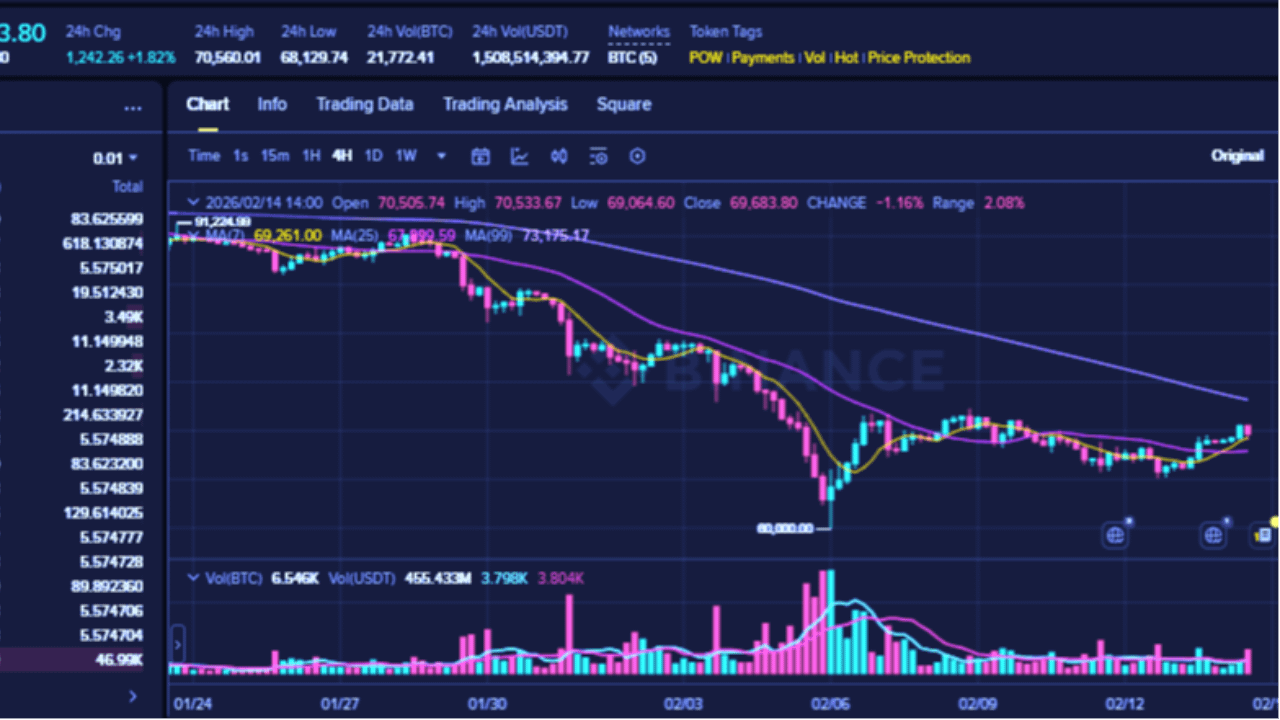
Live educational analysis of the BTC chart📊 Live educational analysis of the BTC chart — how do we read what’s happening now?
Today we will analyze the current chart step by step in an educational way 👇
🧭 1️⃣ Overall trend
If we look at the bigger picture, we notice that the market has been in a clear downtrend (lower highs and lower lows).
But currently, the price has started to form higher lows than before in the short term.
Live educational analysis of the BTC chart
📊 Live educational analysis of the BTC chart — how do we read what’s happening now?
Today we will analyze the current chart step by step in an educational way 👇
🧭 1️⃣ Overall trend
If we look at the bigger picture, we notice that the market has been in a clear downtrend (lower highs and lower lows).
But currently, the price has started to form higher lows than before in the short term.
Today we will analyze the current chart step by step in an educational way 👇
🧭 1️⃣ Overall trend
If we look at the bigger picture, we notice that the market has been in a clear downtrend (lower highs and lower lows).
But currently, the price has started to form higher lows than before in the short term.
2
182
🚨 The market doesn't deceive you… you deceive yourself.
How many times have you seen the price approaching a clear resistance…
and yet you bought?
And how many times have you seen the price at strong support…
but fear made you sell?
📊 The shocking truth:
The market moves between two clear areas:
🟢 Support
🔴 Resistance
But 90% of traders do the exact opposite:
• They buy after a long rise (at resistance)
• They sell after a strong drop (at support)
Why?
Because they trade with emotions… not with areas.
🧠 The professional does not ask:
"Is the price moving fast?"
Instead, they ask:
"Where am I within this range?"
🔥 The real secret:
Support and resistance are not lines…
they are psychological areas where fear and greed gather.
And if you understand psychology…
you will understand the market.
⭐ Trading is not predicting the future…
but understanding human behavior.
💬 Be honest:
Was your last trade at support… or at resistance?
Follow me if you want to learn how to trade with the mindset of institutions, not the emotions of individuals 👑
$XRP
🚨 The market doesn't deceive you… you deceive yourself.
How many times have you seen the price approaching a clear resistance…
and yet you bought?
And how many times have you seen the price at strong support…
but fear made you sell?
📊 The shocking truth:
The market moves between two clear areas:
🟢 Support
🔴 Resistance
But 90% of traders do the exact opposite:
• They buy after a long rise (at resistance)
• They sell after a strong drop (at support)
Why?
Because they trade with emotions… not with areas.
🧠 The professional does not ask:
"Is the price moving fast?"
Instead, they ask:
"Where am I within this range?"
🔥 The real secret:
Support and resistance are not lines…
they are psychological areas where fear and greed gather.
And if you understand psychology…
you will understand the market.
⭐ Trading is not predicting the future…
but understanding human behavior.
💬 Be honest:
Was your last trade at support… or at resistance?
Follow me if you want to learn how to trade with the mindset of institutions, not the emotions of individuals 👑
$XRP
How many times have you seen the price approaching a clear resistance…
and yet you bought?
And how many times have you seen the price at strong support…
but fear made you sell?
📊 The shocking truth:
The market moves between two clear areas:
🟢 Support
🔴 Resistance
But 90% of traders do the exact opposite:
• They buy after a long rise (at resistance)
• They sell after a strong drop (at support)
Why?
Because they trade with emotions… not with areas.
🧠 The professional does not ask:
"Is the price moving fast?"
Instead, they ask:
"Where am I within this range?"
🔥 The real secret:
Support and resistance are not lines…
they are psychological areas where fear and greed gather.
And if you understand psychology…
you will understand the market.
⭐ Trading is not predicting the future…
but understanding human behavior.
💬 Be honest:
Was your last trade at support… or at resistance?
Follow me if you want to learn how to trade with the mindset of institutions, not the emotions of individuals 👑
$XRP
1
222
📊 Today's Challenge — Test Yourself as an Analyst
Open the BTC chart now and identify:
1️⃣ The nearest clear support area
2️⃣ The nearest clear resistance area
3️⃣ Is the price close to either of them?
No indicators needed…
Just watch where the price has previously bounced strongly.
🧠 Remember:
Support and resistance are not a single line…
But an area that the market interacts with.
Write in the comments:
🔹 Where is the support?
🔹 Where is the resistance?
🔹 Do you expect a breakout or a bounce?
Let's see who reads the chart professionally 👇
$SOL
📊 Today's Challenge — Test Yourself as an Analyst
Open the BTC chart now and identify:
1️⃣ The nearest clear support area
2️⃣ The nearest clear resistance area
3️⃣ Is the price close to either of them?
No indicators needed…
Just watch where the price has previously bounced strongly.
🧠 Remember:
Support and resistance are not a single line…
But an area that the market interacts with.
Write in the comments:
🔹 Where is the support?
🔹 Where is the resistance?
🔹 Do you expect a breakout or a bounce?
Let's see who reads the chart professionally 👇
$SOL
Open the BTC chart now and identify:
1️⃣ The nearest clear support area
2️⃣ The nearest clear resistance area
3️⃣ Is the price close to either of them?
No indicators needed…
Just watch where the price has previously bounced strongly.
🧠 Remember:
Support and resistance are not a single line…
But an area that the market interacts with.
Write in the comments:
🔹 Where is the support?
🔹 Where is the resistance?
🔹 Do you expect a breakout or a bounce?
Let's see who reads the chart professionally 👇
$SOL
4
127
Do not enter a trade before you read this🚨 Do not enter a trade before you read this…
Most traders lose because they buy at resistance…
And sell at support.
Yes… exactly the opposite of what should be done.
📊 The market moves between two areas:
🟢 Support = Potential buying area
🔴 Resistance = Potential selling area
But the problem?
The beginner sees the price rising quickly…
So they buy at resistance out of fear of missing the opportunity.
Do not enter a trade before you read this
🚨 Do not enter a trade before you read this…
Most traders lose because they buy at resistance…
And sell at support.
Yes… exactly the opposite of what should be done.
📊 The market moves between two areas:
🟢 Support = Potential buying area
🔴 Resistance = Potential selling area
But the problem?
The beginner sees the price rising quickly…
So they buy at resistance out of fear of missing the opportunity.
Most traders lose because they buy at resistance…
And sell at support.
Yes… exactly the opposite of what should be done.
📊 The market moves between two areas:
🟢 Support = Potential buying area
🔴 Resistance = Potential selling area
But the problem?
The beginner sees the price rising quickly…
So they buy at resistance out of fear of missing the opportunity.
2
1
550
📚 Week 1 — Day 3
🎯 How do you identify support and resistance like professionals?
If you understand support and resistance well…
Your approach to entering the market will change completely.
📏 What is support?
A price area where the decline often stops due to increased demand.
📏 What is resistance?
A price area where the rise often stops due to increased supply.
But… how do we identify them practically?
🧠 The right way:
1️⃣ Look for areas where the price has strongly reversed in the past
2️⃣ Focus on clear peaks and troughs
3️⃣ Don’t draw too many lines — choose only the strongest areas
4️⃣ Observe price interaction when the price returns to them
⭐ Golden advice:
Support and resistance are areas… not precise lines.
🎯 Why are they important?
• Best entry areas
• Best stop-loss locations
• Best profit-taking areas
Professionals do not enter in the middle of the movement…
They wait for the price to reach important areas.
💬 Question:
Do you rely on support and resistance in your trading or do you use indicators only?
$BTC
📚 Week 1 — Day 3
🎯 How do you identify support and resistance like professionals?
If you understand support and resistance well…
Your approach to entering the market will change completely.
📏 What is support?
A price area where the decline often stops due to increased demand.
📏 What is resistance?
A price area where the rise often stops due to increased supply.
But… how do we identify them practically?
🧠 The right way:
1️⃣ Look for areas where the price has strongly reversed in the past
2️⃣ Focus on clear peaks and troughs
3️⃣ Don’t draw too many lines — choose only the strongest areas
4️⃣ Observe price interaction when the price returns to them
⭐ Golden advice:
Support and resistance are areas… not precise lines.
🎯 Why are they important?
• Best entry areas
• Best stop-loss locations
• Best profit-taking areas
Professionals do not enter in the middle of the movement…
They wait for the price to reach important areas.
💬 Question:
Do you rely on support and resistance in your trading or do you use indicators only?
$BTC
🎯 How do you identify support and resistance like professionals?
If you understand support and resistance well…
Your approach to entering the market will change completely.
📏 What is support?
A price area where the decline often stops due to increased demand.
📏 What is resistance?
A price area where the rise often stops due to increased supply.
But… how do we identify them practically?
🧠 The right way:
1️⃣ Look for areas where the price has strongly reversed in the past
2️⃣ Focus on clear peaks and troughs
3️⃣ Don’t draw too many lines — choose only the strongest areas
4️⃣ Observe price interaction when the price returns to them
⭐ Golden advice:
Support and resistance are areas… not precise lines.
🎯 Why are they important?
• Best entry areas
• Best stop-loss locations
• Best profit-taking areas
Professionals do not enter in the middle of the movement…
They wait for the price to reach important areas.
💬 Question:
Do you rely on support and resistance in your trading or do you use indicators only?
$BTC
1
144
Ninety percent lose due to this simple mistake🚨 90% of traders lose due to this simple mistake…
Entering against the trend.
Yes… simply ignoring the market trend can destroy any trading account — even if your strategy is strong.
📊 The truth that no one tells you:
The market doesn't care about your opinion…
The market moves only with strength and liquidity.
If the trend is bullish ➜ the market is looking for buyers
Ninety percent lose due to this simple mistake
🚨 90% of traders lose due to this simple mistake…
Entering against the trend.
Yes… simply ignoring the market trend can destroy any trading account — even if your strategy is strong.
📊 The truth that no one tells you:
The market doesn't care about your opinion…
The market moves only with strength and liquidity.
If the trend is bullish ➜ the market is looking for buyers
Entering against the trend.
Yes… simply ignoring the market trend can destroy any trading account — even if your strategy is strong.
📊 The truth that no one tells you:
The market doesn't care about your opinion…
The market moves only with strength and liquidity.
If the trend is bullish ➜ the market is looking for buyers
3
167
📚 Traders Challenge — Practical Exercise (Day 2)
Open the chart of any currency now and try to answer these questions:
1️⃣ Is the general trend upward, downward, or sideways?
2️⃣ Where is the last clear peak?
3️⃣ Where is the last clear trough?
4️⃣ Is the price above or below the moving average?
If you could answer these questions…
Then you have started to think like professional traders.
🎯 The goal of this challenge:
Train your eye to read the market… and not rely on luck.
⭐ Trading is a skill built through practice, not just by watching.
Write in the comments the name of the currency you analyzed and your result 👇
$XRP
📚 Traders Challenge — Practical Exercise (Day 2)
Open the chart of any currency now and try to answer these questions:
1️⃣ Is the general trend upward, downward, or sideways?
2️⃣ Where is the last clear peak?
3️⃣ Where is the last clear trough?
4️⃣ Is the price above or below the moving average?
If you could answer these questions…
Then you have started to think like professional traders.
🎯 The goal of this challenge:
Train your eye to read the market… and not rely on luck.
⭐ Trading is a skill built through practice, not just by watching.
Write in the comments the name of the currency you analyzed and your result 👇
$XRP
Open the chart of any currency now and try to answer these questions:
1️⃣ Is the general trend upward, downward, or sideways?
2️⃣ Where is the last clear peak?
3️⃣ Where is the last clear trough?
4️⃣ Is the price above or below the moving average?
If you could answer these questions…
Then you have started to think like professional traders.
🎯 The goal of this challenge:
Train your eye to read the market… and not rely on luck.
⭐ Trading is a skill built through practice, not just by watching.
Write in the comments the name of the currency you analyzed and your result 👇
$XRP
2
173
🚨 A fatal mistake that most beginner traders make
Entering against the overall market trend.
Many see the price has dropped significantly and start buying immediately...
But the market may continue to drop more than you expect.
📉 Why is trading against the trend dangerous?
❌ The market may continue in the same direction for a long time
❌ It requires a large capital to endure the volatility
❌ The psychological pressure is higher
❌ The success rate is much lower
📊 What does a smart trader do instead?
✔ Waits for confirmation of a trend change
✔ Enters after clear reversal signals appear
✔ Focuses on trading with the strength of the market, not against it
🧠 Think like institutions:
Smart money does not try to stop the market… but moves with it.
⭐ Remember:
The best trade is often the one that follows the trend.
💬 Have you ever lost money because of trading against the trend?
$SOL
🚨 A fatal mistake that most beginner traders make
Entering against the overall market trend.
Many see the price has dropped significantly and start buying immediately...
But the market may continue to drop more than you expect.
📉 Why is trading against the trend dangerous?
❌ The market may continue in the same direction for a long time
❌ It requires a large capital to endure the volatility
❌ The psychological pressure is higher
❌ The success rate is much lower
📊 What does a smart trader do instead?
✔ Waits for confirmation of a trend change
✔ Enters after clear reversal signals appear
✔ Focuses on trading with the strength of the market, not against it
🧠 Think like institutions:
Smart money does not try to stop the market… but moves with it.
⭐ Remember:
The best trade is often the one that follows the trend.
💬 Have you ever lost money because of trading against the trend?
$SOL
Entering against the overall market trend.
Many see the price has dropped significantly and start buying immediately...
But the market may continue to drop more than you expect.
📉 Why is trading against the trend dangerous?
❌ The market may continue in the same direction for a long time
❌ It requires a large capital to endure the volatility
❌ The psychological pressure is higher
❌ The success rate is much lower
📊 What does a smart trader do instead?
✔ Waits for confirmation of a trend change
✔ Enters after clear reversal signals appear
✔ Focuses on trading with the strength of the market, not against it
🧠 Think like institutions:
Smart money does not try to stop the market… but moves with it.
⭐ Remember:
The best trade is often the one that follows the trend.
💬 Have you ever lost money because of trading against the trend?
$SOL
2
168
🎓 Week 1 — Day 2
📊 Basics of Trading — How to Understand the True Market Direction?
Yesterday we learned how to read the chart… and today we will learn the most important skill in trading:
🔥 Identifying the Trend
Any professional trader asks themselves one question before entering any trade:
👉 Is the market bullish, bearish, or sideways?
🟢 Bullish Trend
✔ Higher highs than before
✔ Higher lows than before
✔ Price is often above moving averages
In this case, the smart trader looks for buying opportunities only.
🔴 Bearish Trend
✔ Lower highs than before
✔ Lower lows than before
✔ Price is often below moving averages
Here the professional trader reduces risk or looks for selling opportunities.
🟡 Sideways Trend (Range Market)
✔ Price moves between support and resistance
✔ No clear direction
✔ The market is full of false breakouts
⭐ The secret that most traders won’t tell you:
Knowing the trend is more important than knowing the entry point.
🧠 Golden advice:
Trend is your best friend.
💬 Do you prefer trading with the trend or do you like counter-trend trading? And why?
$BNB
🎓 Week 1 — Day 2
📊 Basics of Trading — How to Understand the True Market Direction?
Yesterday we learned how to read the chart… and today we will learn the most important skill in trading:
🔥 Identifying the Trend
Any professional trader asks themselves one question before entering any trade:
👉 Is the market bullish, bearish, or sideways?
🟢 Bullish Trend
✔ Higher highs than before
✔ Higher lows than before
✔ Price is often above moving averages
In this case, the smart trader looks for buying opportunities only.
🔴 Bearish Trend
✔ Lower highs than before
✔ Lower lows than before
✔ Price is often below moving averages
Here the professional trader reduces risk or looks for selling opportunities.
🟡 Sideways Trend (Range Market)
✔ Price moves between support and resistance
✔ No clear direction
✔ The market is full of false breakouts
⭐ The secret that most traders won’t tell you:
Knowing the trend is more important than knowing the entry point.
🧠 Golden advice:
Trend is your best friend.
💬 Do you prefer trading with the trend or do you like counter-trend trading? And why?
$BNB
📊 Basics of Trading — How to Understand the True Market Direction?
Yesterday we learned how to read the chart… and today we will learn the most important skill in trading:
🔥 Identifying the Trend
Any professional trader asks themselves one question before entering any trade:
👉 Is the market bullish, bearish, or sideways?
🟢 Bullish Trend
✔ Higher highs than before
✔ Higher lows than before
✔ Price is often above moving averages
In this case, the smart trader looks for buying opportunities only.
🔴 Bearish Trend
✔ Lower highs than before
✔ Lower lows than before
✔ Price is often below moving averages
Here the professional trader reduces risk or looks for selling opportunities.
🟡 Sideways Trend (Range Market)
✔ Price moves between support and resistance
✔ No clear direction
✔ The market is full of false breakouts
⭐ The secret that most traders won’t tell you:
Knowing the trend is more important than knowing the entry point.
🧠 Golden advice:
Trend is your best friend.
💬 Do you prefer trading with the trend or do you like counter-trend trading? And why?
$BNB
1
119
Log in to explore more content
Join global crypto users on Binance Square
⚡️ Get latest and useful information about crypto.
💬 Trusted by the world’s largest crypto exchange.
👍 Discover real insights from verified creators.
Email / Phone number
Trending Topics
AIStocksWhatNext
59,505 views
496 Discussing
Share & Win Traffic Reward in our Trending Hashtag Campaign
✨Topic: What Other Investment Opportunities Remain as AI Stocks Keep Rising?
👉How to Join:
Publish a short post or article with hashtag #AIStocksWhatNext
Share whether you’re bullish or bearish, and post your AI stock holdings or trade — using the trade widget may improve your eligibility.
You can also strengthen your post by sharing data or charts, and avoiding AI-generated images.
✍️Create content based on the below angles:
- Nvidia says chip sales will double next year, and top AI companies keep hitting record revenue, the compute spend behind it is just as staggering. Is AI demand really taking off? And how long can it last? AI stocks are up across the board. Is this a real breakout, or just a short-term bounce?
- Industry leaders are calling to slow down AI development, while Trump plans to build an “AI Force”, claiming AI could account for 25% of U.S. GDP in the future. Whose side are you on? Will state-level backing be a long-term win for AI stocks?
- Are you buying AI stocks? Share your AI-related trade/holdings with our trade sharing widget.
⏰Campaign Period:
- 2026-09-22 7:00 - 2026-09-24 4:00 UTC
🎁Reward:
- Qualified posts that comply with the above guidelines and contain more than 100 words will be reviewed and may receive a random traffic boost of 500 to 3,000 views. You will receive a notification from your feed secretary if your post is selected.
- Get a chance to have your article featured on Binance Square Official
Need ideas for your post? Visit the topic page #AIStocksWhatNext or the Square Guide on How to Post for Better Reach.
Binance Square Official
·167 Likes
·209.8k views
MuseOvertakesChatGPTAsTopFreeIOSApp
660 views
23 Discussing
TokenizedStockPlatformsCouldLaunchNextQuarter
1,762 views
38 Discussing