
NEXA Crypto
27.3k Posts

NEXA Crypto
Report
Block User
NEXA Crypto | Shaping the Future of Web3 Finance
0 Following
100 Followers
266 Liked
Posts
·
--
{alpha}(1USDT)
{future}(ZECUSDT)
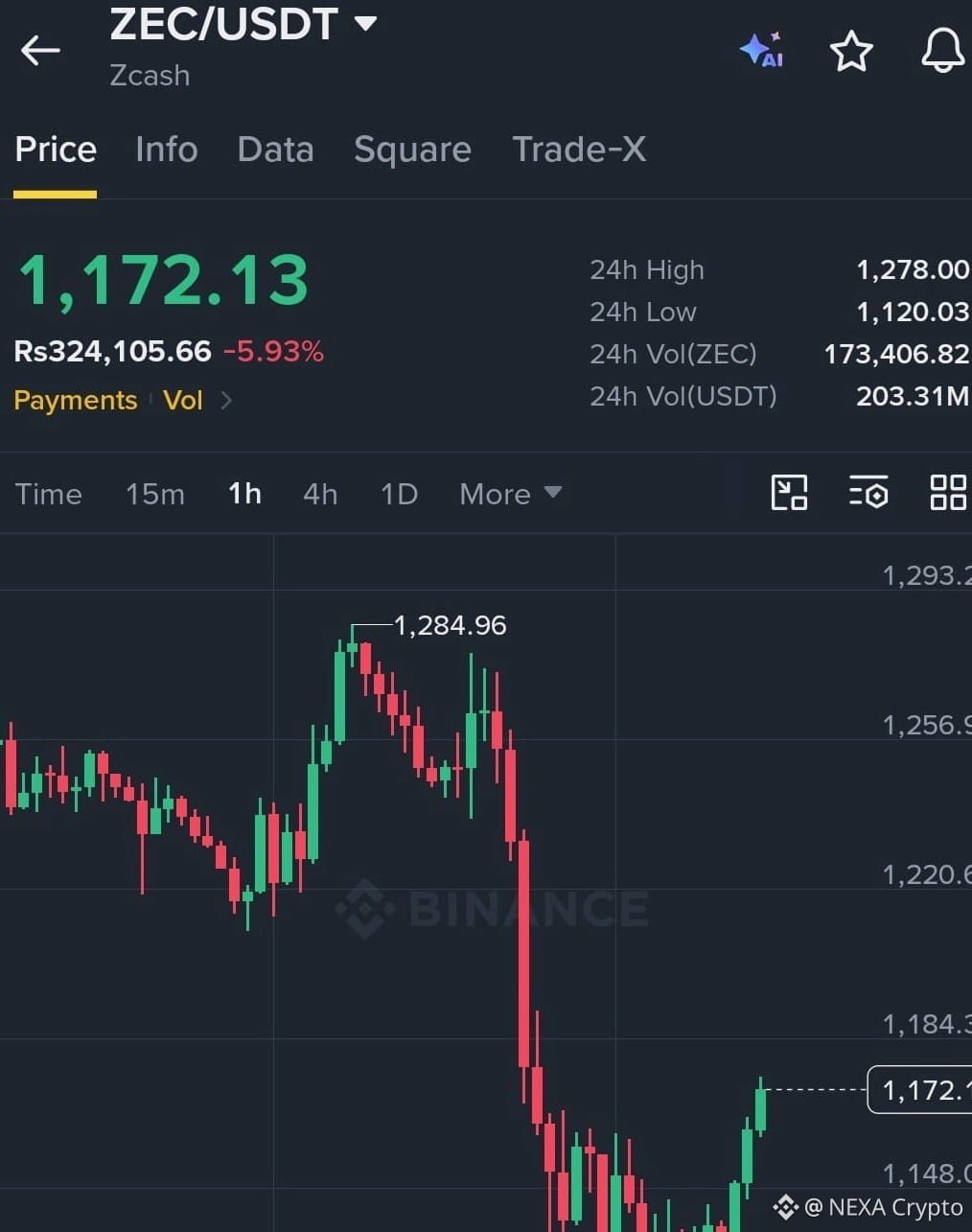
$ZEC Trading Pocket Guide: Strategies for catching a recovery wave and breaking through resistance.
$ZEC /USDT Trading Plan (Long Setup):
Entry zone: $1,165–$1,175
Take profit: TP1 $1,195 | TP2 $1,220 | TP3 $1,250
Protective stop-loss: $1,145
Practical rules:
- Buying pressure returned strongly after the price touched the $1,120 support zone.
- Wait for a decisive break above the $1,184 resistance level to confirm an accelerating uptrend.
- Always set a strict stop-loss to protect your account against any volatility.
Tap Save and Share now to keep these rules handy. Do you think $ZEC will exceed its target this week?
$ZEC
Not financial advice. DYOR.
$ZEC Trading Pocket Guide: Strategies for catching a recovery wave and breaking through resistance.
$ZEC /USDT Trading Plan (Long Setup):
Entry zone: $1 ,165–$1 ,175
Take profit: TP1 $1 ,195 | TP2 $1 ,220 | TP3 $1 ,250
Protective stop-loss: $1 ,145
Practical rules:
- Buying pressure returned strongly after the price touched the $1 ,120 support zone.
- Wait for a decisive break above the $1 ,184 resistance level to confirm an accelerating uptrend.
- Always set a strict stop-loss to protect your account against any volatility.
Tap Save and Share now to keep these rules handy. Do you think $ZEC will exceed its target this week?
$ZEC
Not financial advice. DYOR.
·
--
{future}(TOWNSUSDT)
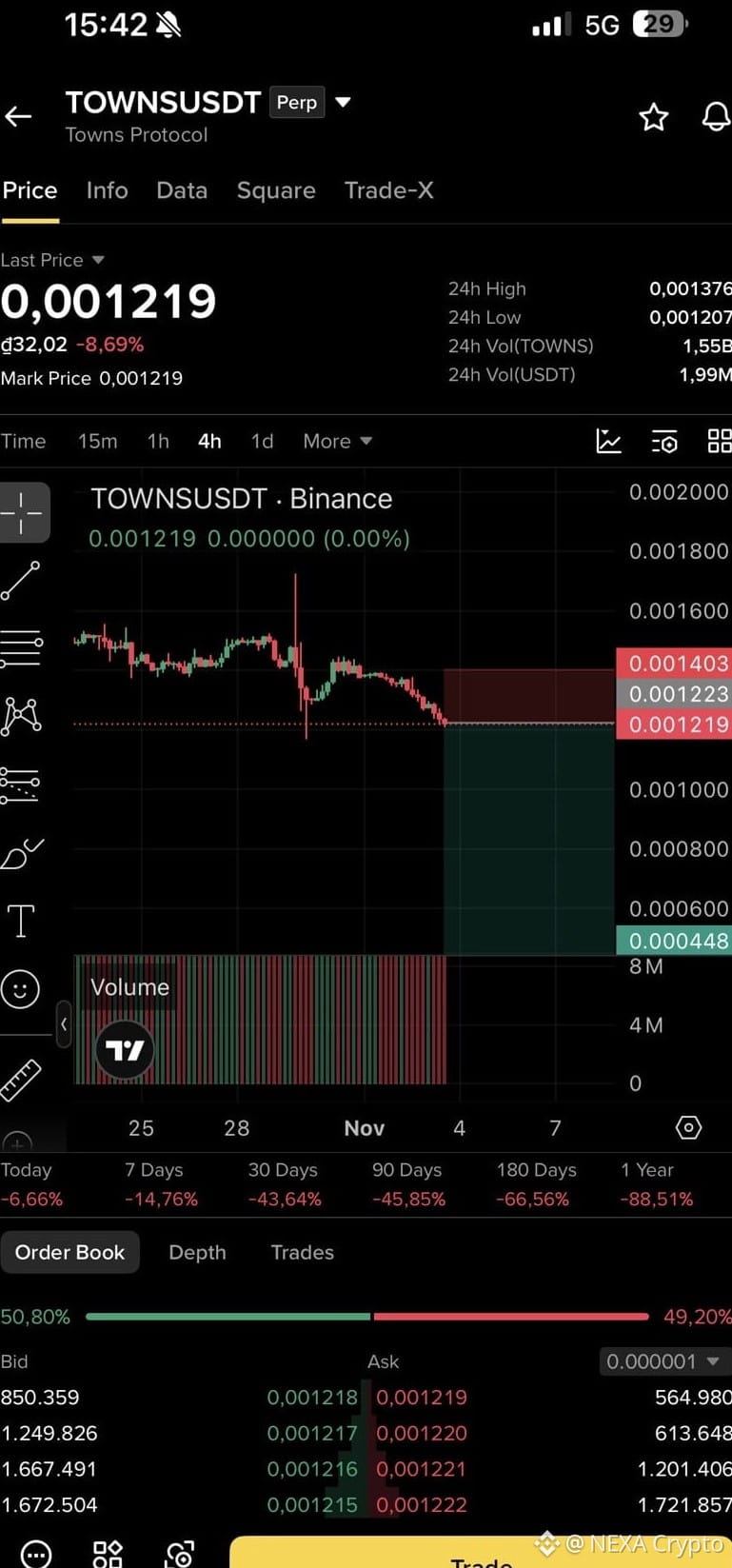
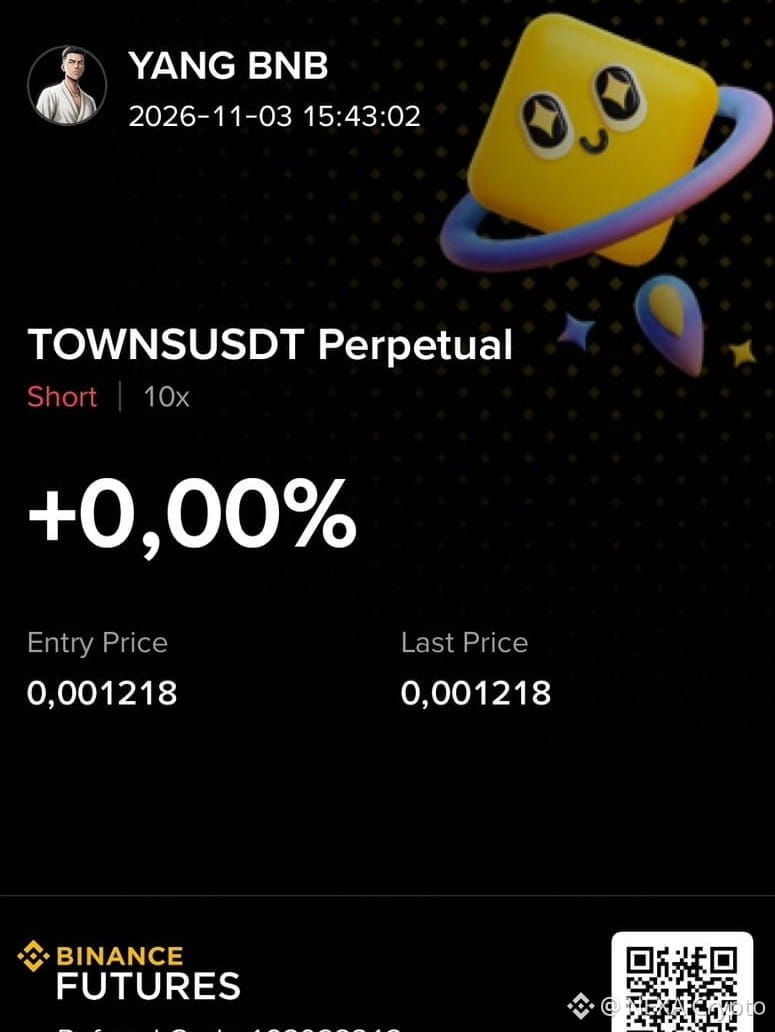
$TOWNS dip-hunting guide: A rulebook for short sellers to save now to optimize profits and protect their accounts when the market plunges!
Standard trading parameters:
Short entry: 0.001219 - 0.001250
Stop loss (SL): 0.001403
Take profit (TP1): 0.0001000 (0.001000) -> Take profit TP1: 0.001000
Take profit (TP2): 0.000800
Take profit (TP3): 0.000448
Rules of thumb:
1. Identify the structure: Sellers are firmly in control, and the chart keeps forming lower highs and lower lows.
2. Follow the trend: Price has broken below the previous support zone, and sustained pressure could drive it even lower.
3. Iron discipline: Always stick to your stop loss; never hold onto losing positions or average down against the trend.
What do you think of this downward momentum? Hit Save and Share now so you don't forget the strategy, then leave your thoughts below!
$TOWNS Not financial advice. DYOR.
·
--
{spot}(RWUSDUSDT)
Tonight's trading guide $RWUSD : A pocket-sized set of rules to help you manage risk and optimize your entry points in a highly volatile market.
$RWUSD trading signal:
- Trade direction: Short
- Entry point: 1.00
- Target 1: 0.9497
- Target 2: 0.8997
- Stop-loss: 1.03
Practical trading rules:
1. Always set a strict stop-loss at 1.03 to protect your account.
2. Allocate your capital wisely; never put all your funds into a single trade.
3. Take partial profits at the predefined targets to lock in gains.
What do you think of this price movement? Tap Save to revisit this post when needed, and Share it with the community now so everyone can stay informed!
$RWUSD
Not financial advice. DYOR.

·
--
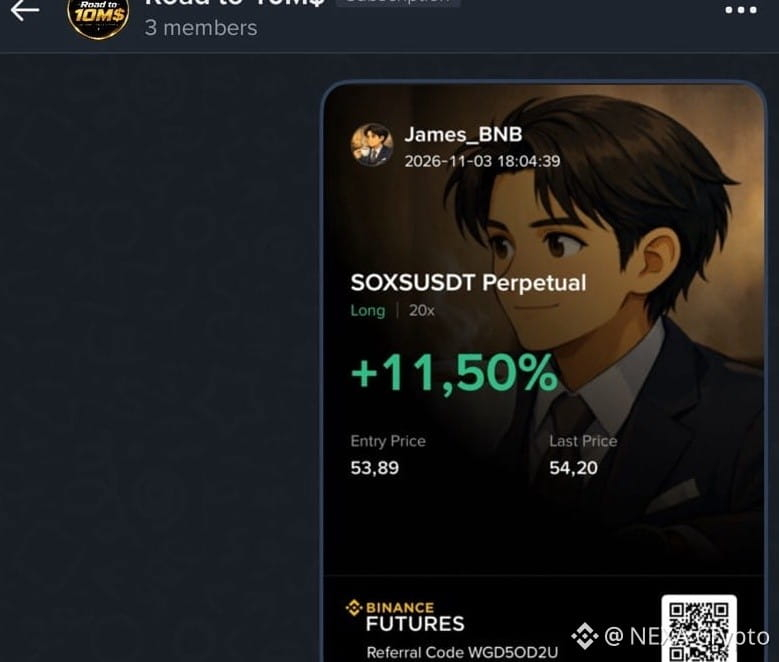
{future}(SOXSUSDT)
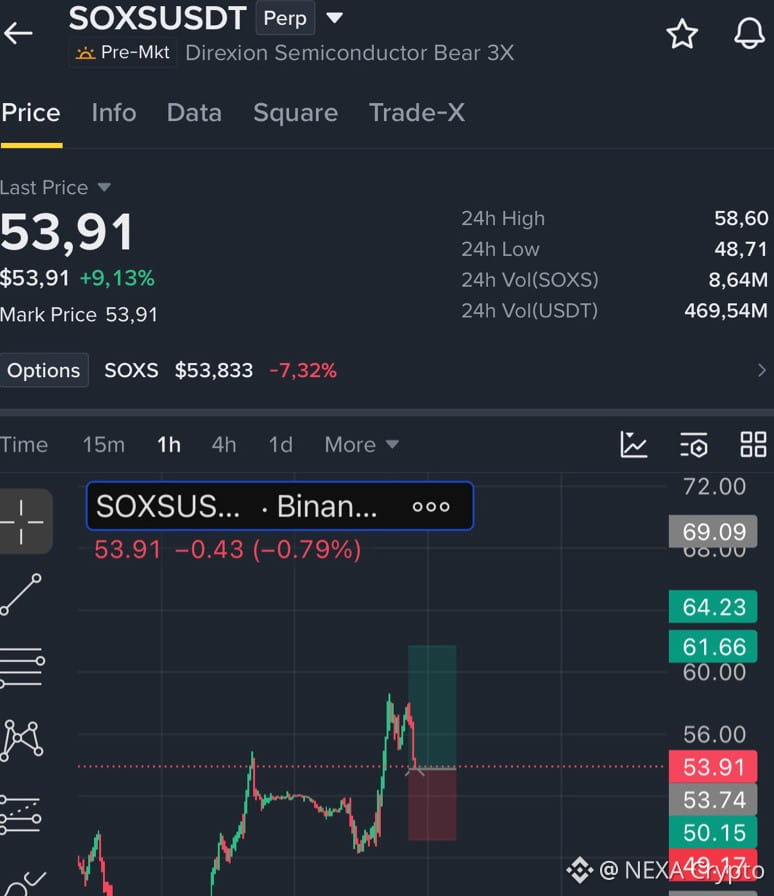
$SOXS Trading Action Guide: Optimal entry strategies and risk management to help you stay in control of your cash flow through every market fluctuation.
Signals and entry zones:
Long $SOXS
Strategic entry price range: 54.2 - 52.
A pocket guide for traders:
1. Smart capital allocation: Divide your capital into several portions; never put everything into a single entry point.
2. Strict risk management: Always set an automatic stop-loss to protect your account balance from unexpected fluctuations.
3. Disciplined profit-taking: Realize profits in stages at your target levels, avoiding the stress of holding positions for too long.
4. Close monitoring: Keep up with market fluctuations so you can adjust your positions promptly and flexibly.
What’s your perspective on this trend? Tap Save to keep this practical guide handy, and share it with the community so everyone can benefit.
$SOXS
Not financial advice. DYOR.
·
--
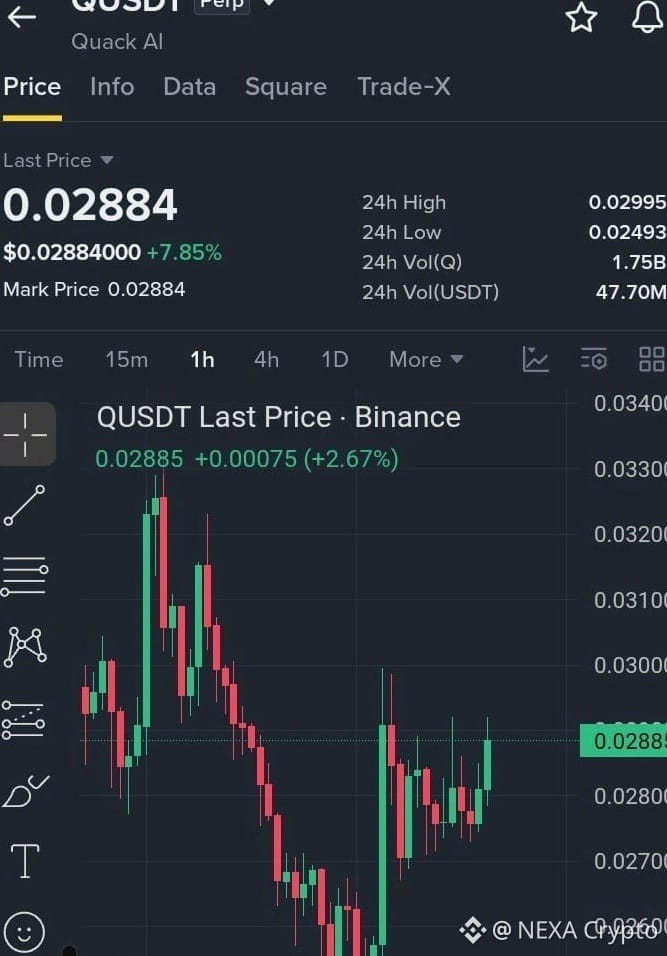
$Q Trading Playbook: How to catch the recovery momentum and optimize your entry points.
$Q Trading Signal:
- Position: LONG
- Entry zone: 0.02840 - 0.02885
- Take-profit target TP1: 0.02950
- Take-profit target TP2: 0.03020
- Take-profit target TP3: 0.03100
- Risk management support zone: 0.02740
Quick tips:
The market has seen strong buying pressure return after price touched support at 0.02500. Bullish momentum is building toward higher levels. Be patient and watch for price to hold above 0.02800 to confirm the trend continues. Strictly follow your stop-loss discipline and manage your capital.
What do you think about $Q's breakout potential? Share this post and leave a comment below.
$Q
Not financial advice. DYOR.
·
--
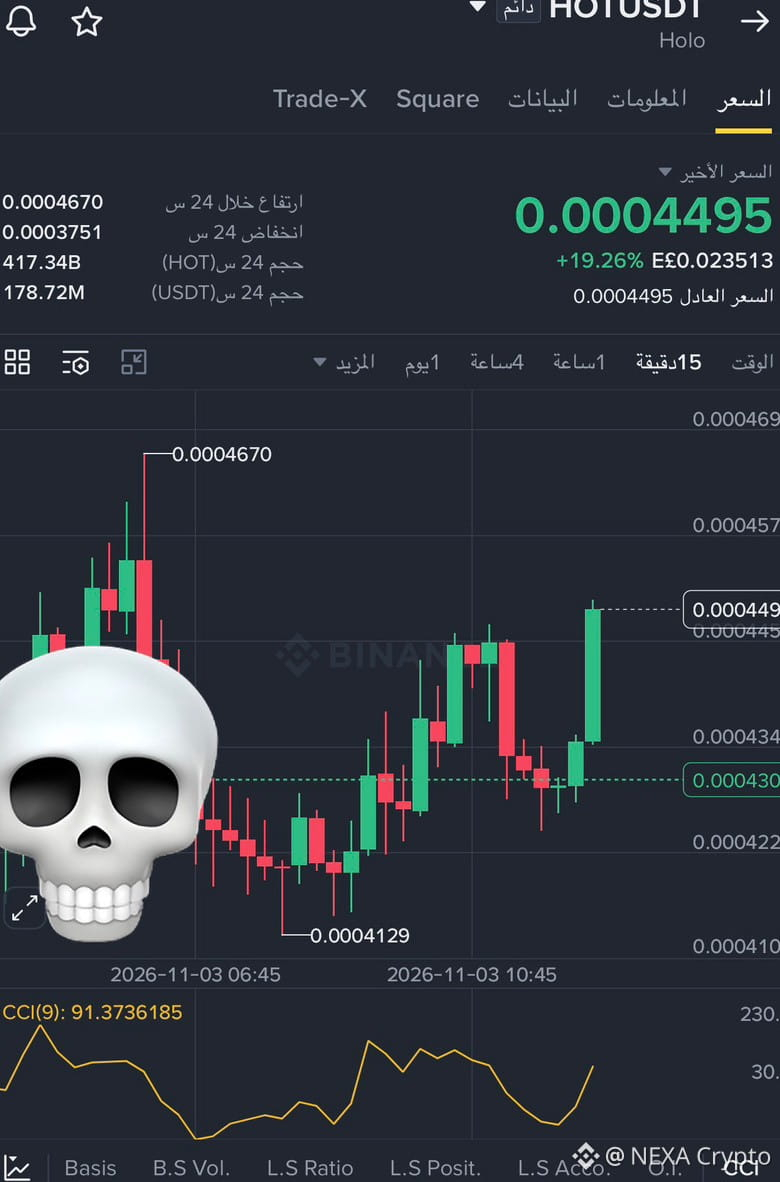
{future}(HOTUSDT)
A guide to finding entry points $HOT and maximizing profits from live sessions—a handy set of rules to help you keep your account safe.
$HOT trading rules:
1. Carefully watch your target entry price range, and never chase the price when it is moving sharply.
2. Divide your capital into several portions and always follow strict risk management discipline.
3. Set a clear stop-loss order below the nearest support level to protect your capital.
4. Take profits at each target level and proactively lock in your gains.
Save this post now so you can apply it to the next opportunity, and leave a comment to share your perspective.
$HOT
Not financial advice. DYOR.

1
·
--
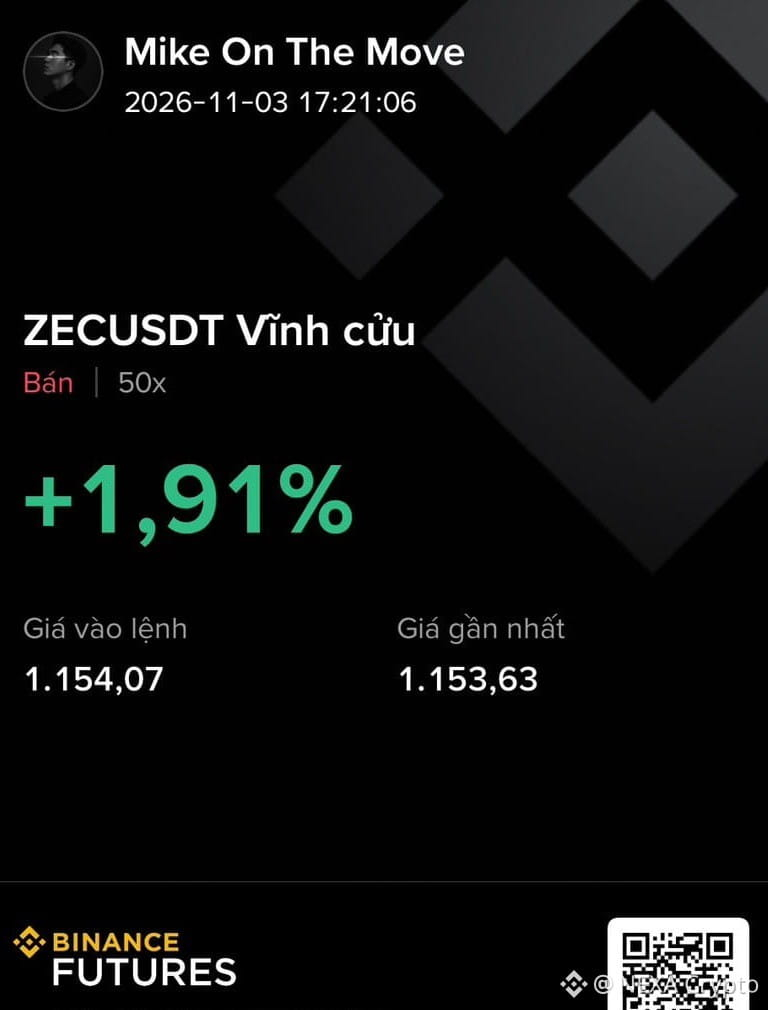
{future}(ZECUSDT)
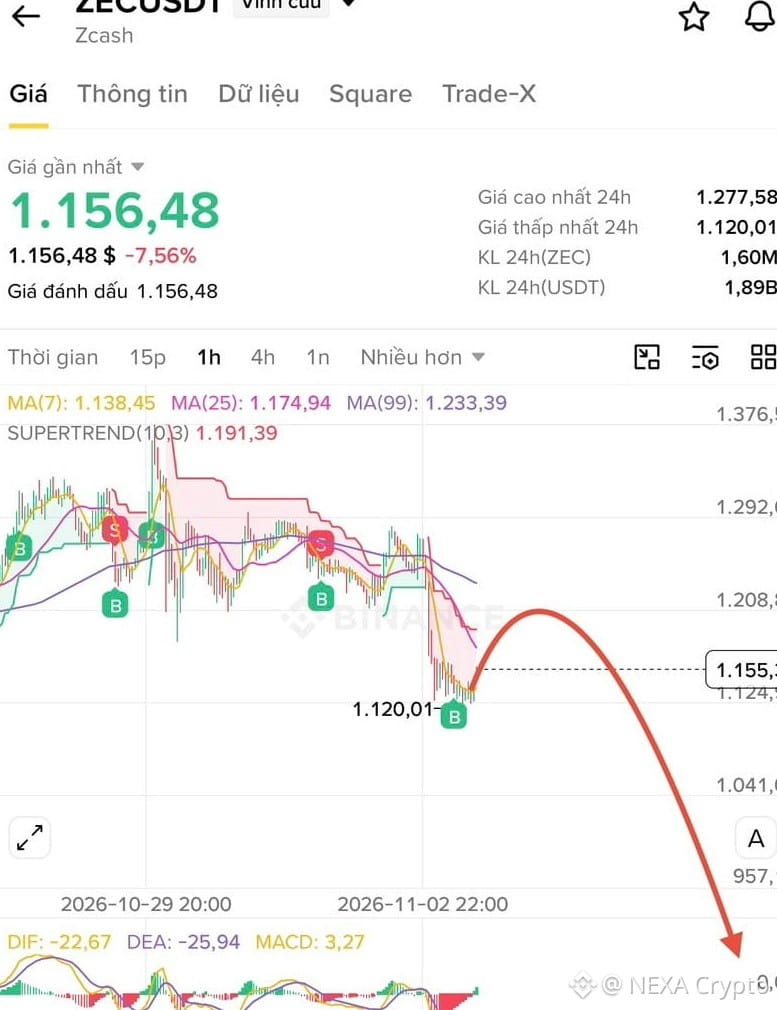
Save this short-selling guide now, $ZEC , to seize opportunities as bullish momentum weakens and manage risk effectively.
$ZEC trade setup:
- Entry zone: 1,138.66 - 1,173.34
- Stop loss (SL): 1,250
- Take profit (TP1): 1,121.32
- Take profit (TP2): 1,086.64
- Take profit (TP3): 1,063.52
Practical rules to keep handy:
1. Wait for a clear rejection signal at the current price zone before acting.
2. Strictly observe the stop-loss level to protect your account from sharp volatility.
3. Take profits in portions at each target and manage your capital carefully.
Tap the save button now and share this post so you can revisit it when needed. Also, leave a comment below with your perspective on the trend, $ZEC .
$ZEC. Not financial advice. DYOR.
Save this short-selling guide now, $ZEC , to seize opportunities as bullish momentum weakens and manage risk effectively.
$ZEC trade setup:
- Entry zone: 1,138.66 - 1,173.34
- Stop loss (SL): 1,250
- Take profit (TP1): 1,121.32
- Take profit (TP2): 1,086.64
- Take profit (TP3): 1,063.52
Practical rules to keep handy:
1. Wait for a clear rejection signal at the current price zone before acting.
2. Strictly observe the stop-loss level to protect your account from sharp volatility.
3. Take profits in portions at each target and manage your capital carefully.
Tap the save button now and share this post so you can revisit it when needed. Also, leave a comment below with your perspective on the trend, $ZEC .
$ZEC . Not financial advice. DYOR.
·
--
{future}(STXXUSDT)
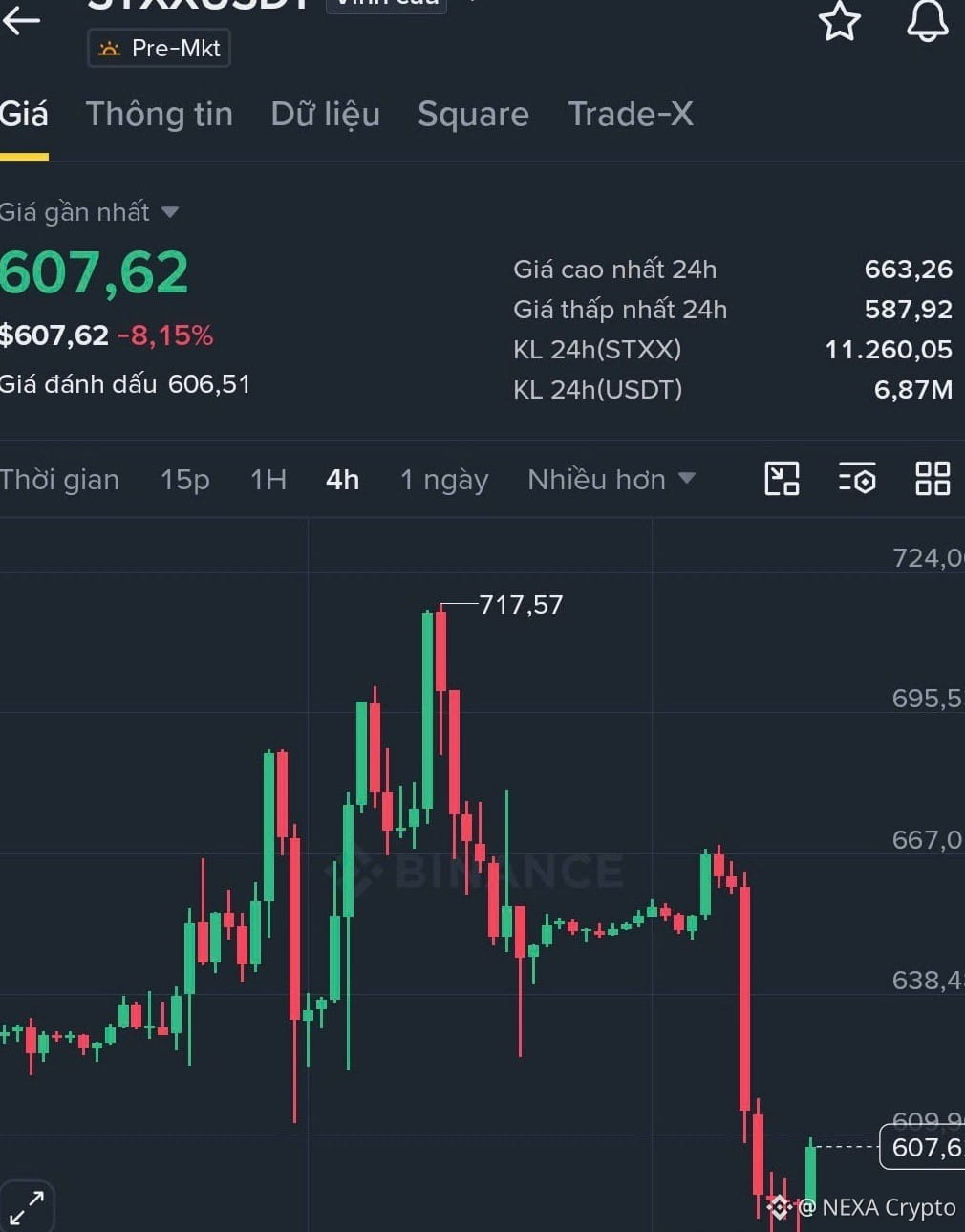
$STXX strategy guide: A practical Long playbook to help you capture the rebound and manage risk effectively.
$STXX trading plan:
- Entry point: 605–610 (Wait for the price to decisively break above 610)
- Take-profit targets: TP1: 625 | TP2: 645 | TP3: 670
- Stop-loss: 580
Quick rules:
1. Watch the 588 support zone closely. Be patient and wait for confirmation from buyers before entering a trade.
2. Manage your capital carefully and stick to the planned stop-loss and take-profit levels.
Tap Save to put this into practice right away, and Share it with your teammates so they can follow along!
$STXX
Not financial advice. DYOR.
·
--
{future}(HYPEUSDT)
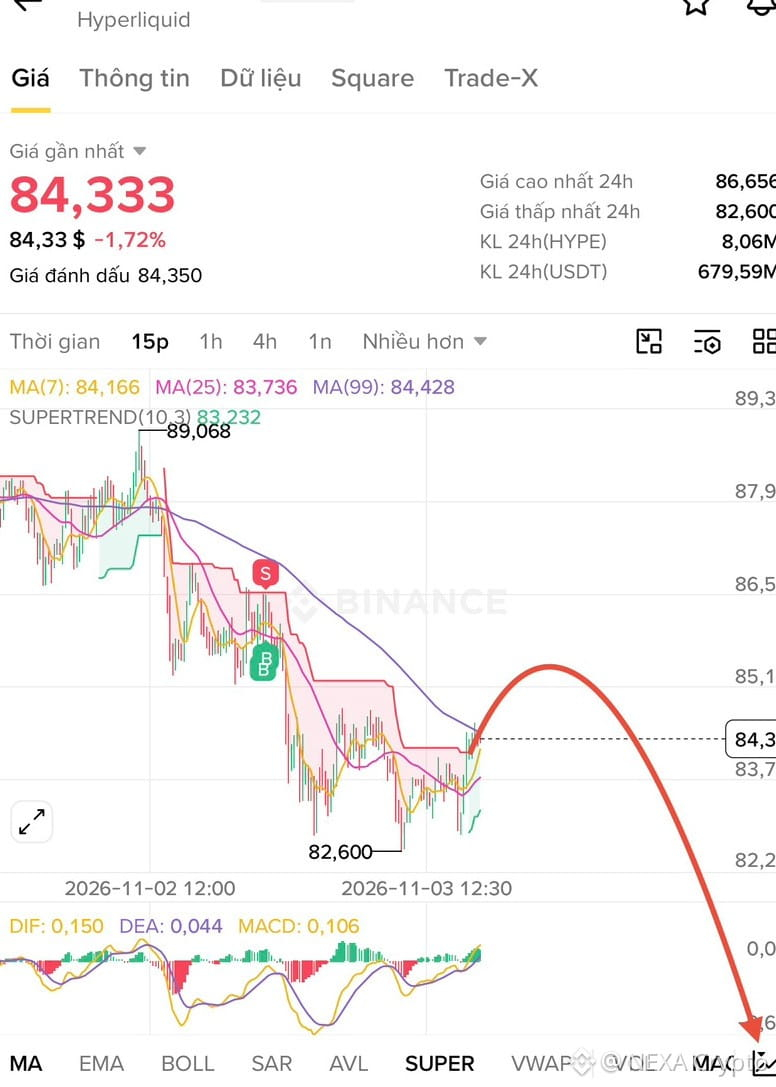
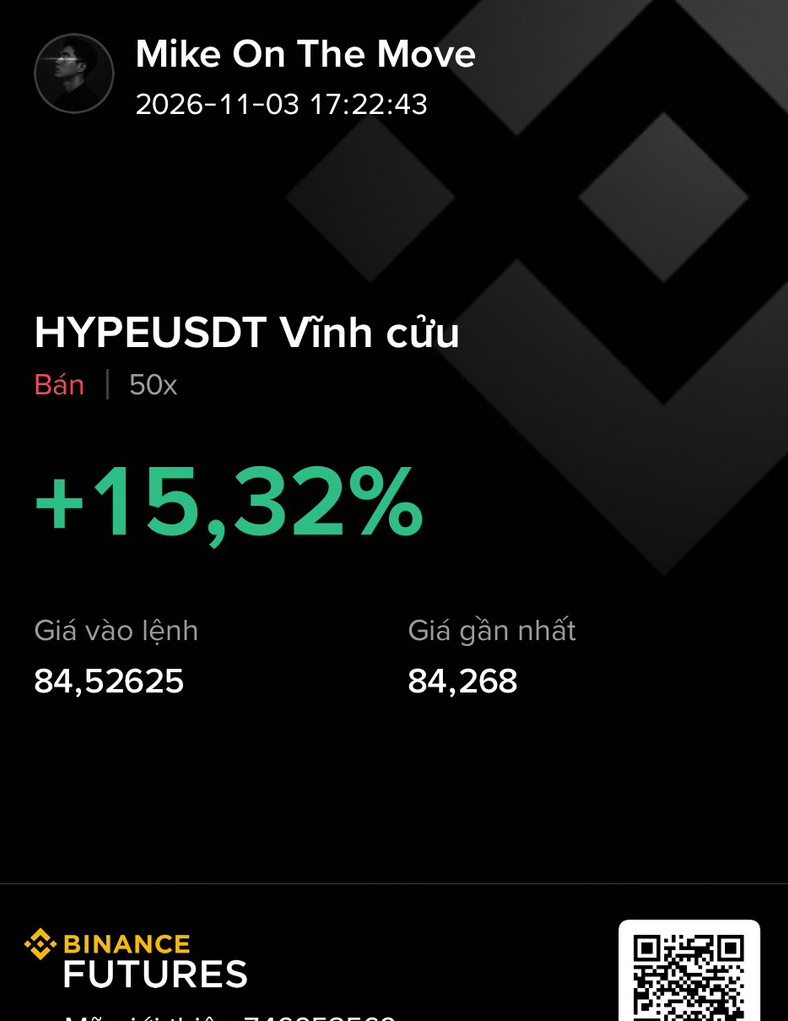
The ultimate short-selling guide: A strategy for riding a resistance reversal to protect your account and maximize profits.
A pocket-sized set of trading rules for $HYPE:
- $HYPE short entry zone: 83.04 to 85.56 when a resistance breakout fails.
- Stop loss to protect your capital (SL): 91.80.
- Take-profit targets: TP1: 81.77, TP2: 79.24, TP3: 77.56.
Practical rules: Always respect your stop loss, scale down your position size, and manage risk carefully. Save this post for future reference and share it with your teammates.
Which TP do you predict $HYPE will hit first today? Leave a comment below.
$HYPE
Not financial advice. DYOR.
The ultimate short-selling guide: A strategy for riding a resistance reversal to protect your account and maximize profits.
A pocket-sized set of trading rules for $HYPE :
- $HYPE short entry zone: 83.04 to 85.56 when a resistance breakout fails.
- Stop loss to protect your capital (SL): 91.80.
- Take-profit targets: TP1: 81.77, TP2: 79.24, TP3: 77.56.
Practical rules: Always respect your stop loss, scale down your position size, and manage risk carefully. Save this post for future reference and share it with your teammates.
Which TP do you predict $HYPE will hit first today? Leave a comment below.
$HYPE
Not financial advice. DYOR.
·
--
{future}(SUIUSDT)
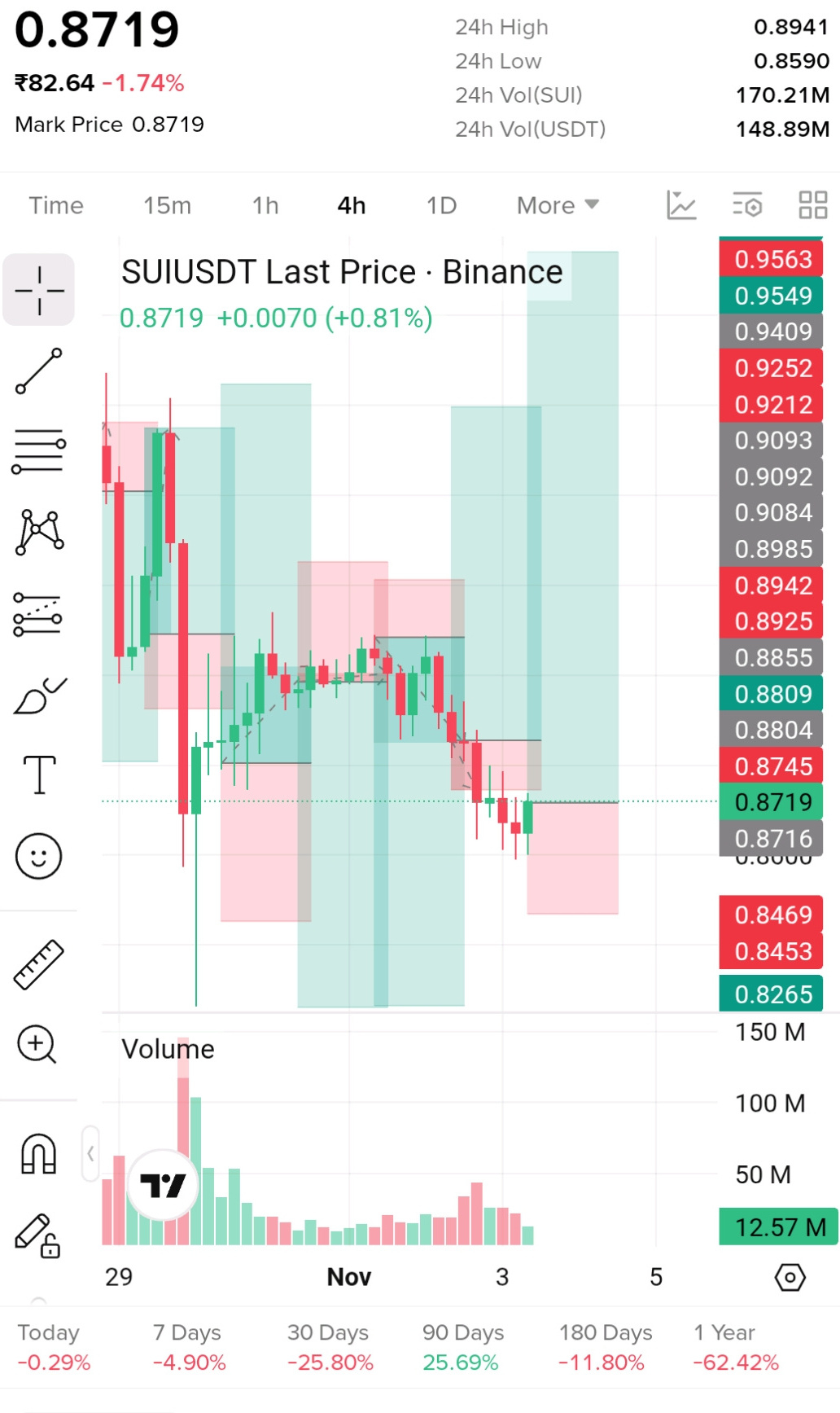
Pocket guide to spotting recovery points $SUI helps you optimize safe Long entries when price touches the strategic support zone.
$SUI trading signal:
- Entry zone: 0.8590 - 0.8650
- Stop loss (SL): 0.8470
- Take profit 1 (TP1): 0.8790
- Take profit 2 (TP2): 0.8925
- Take profit 3 (TP3): 0.9089
- Take profit 4 (TP4): 0.9387
Practical rules:
1. Wait for price to react upward at the support zone before opening a position.
2. Set a strict stop loss to protect your account.
3. Take profits in parts according to the targets to lock in gains.
Tap save to revisit later when needed and share this strategy now.
$SUI
Not financial advice. DYOR.
1
·
--
{future}(PORTALUSDT)
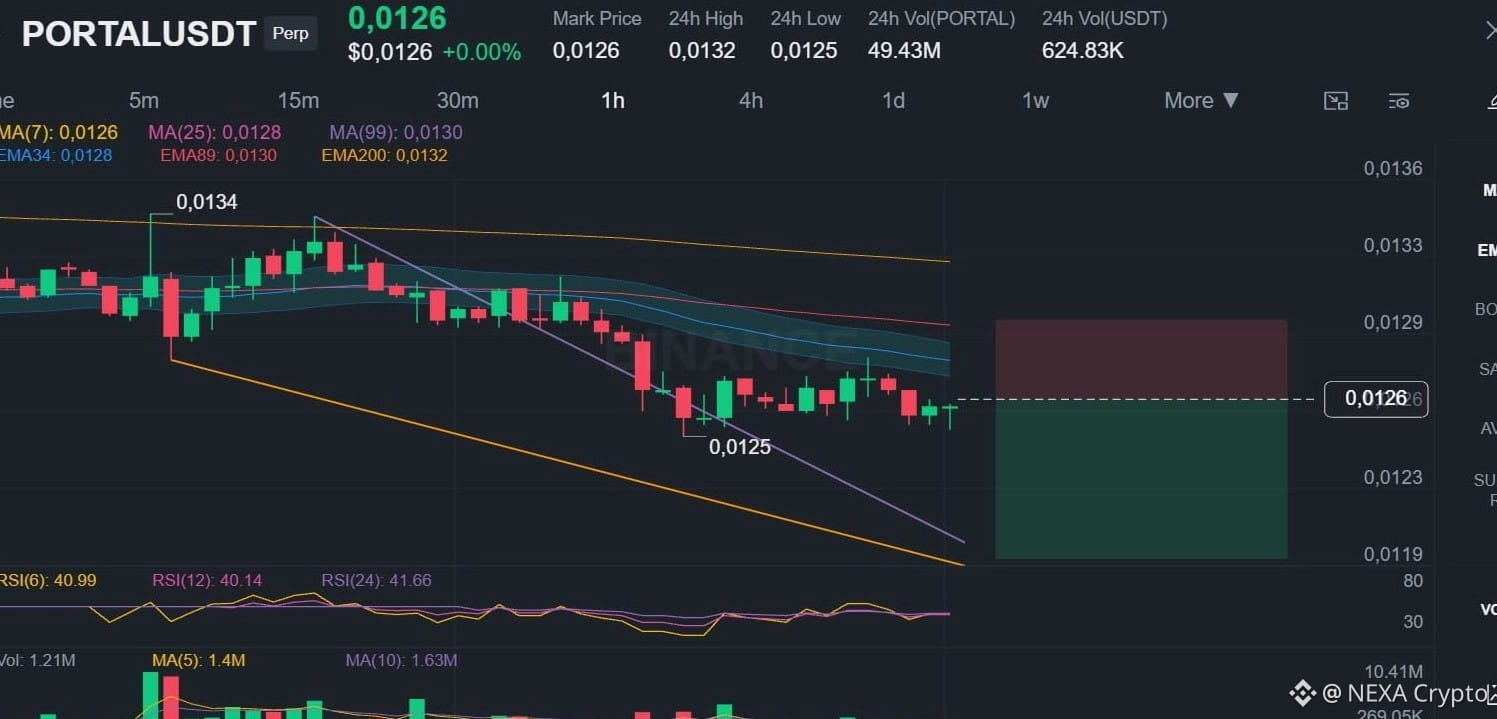
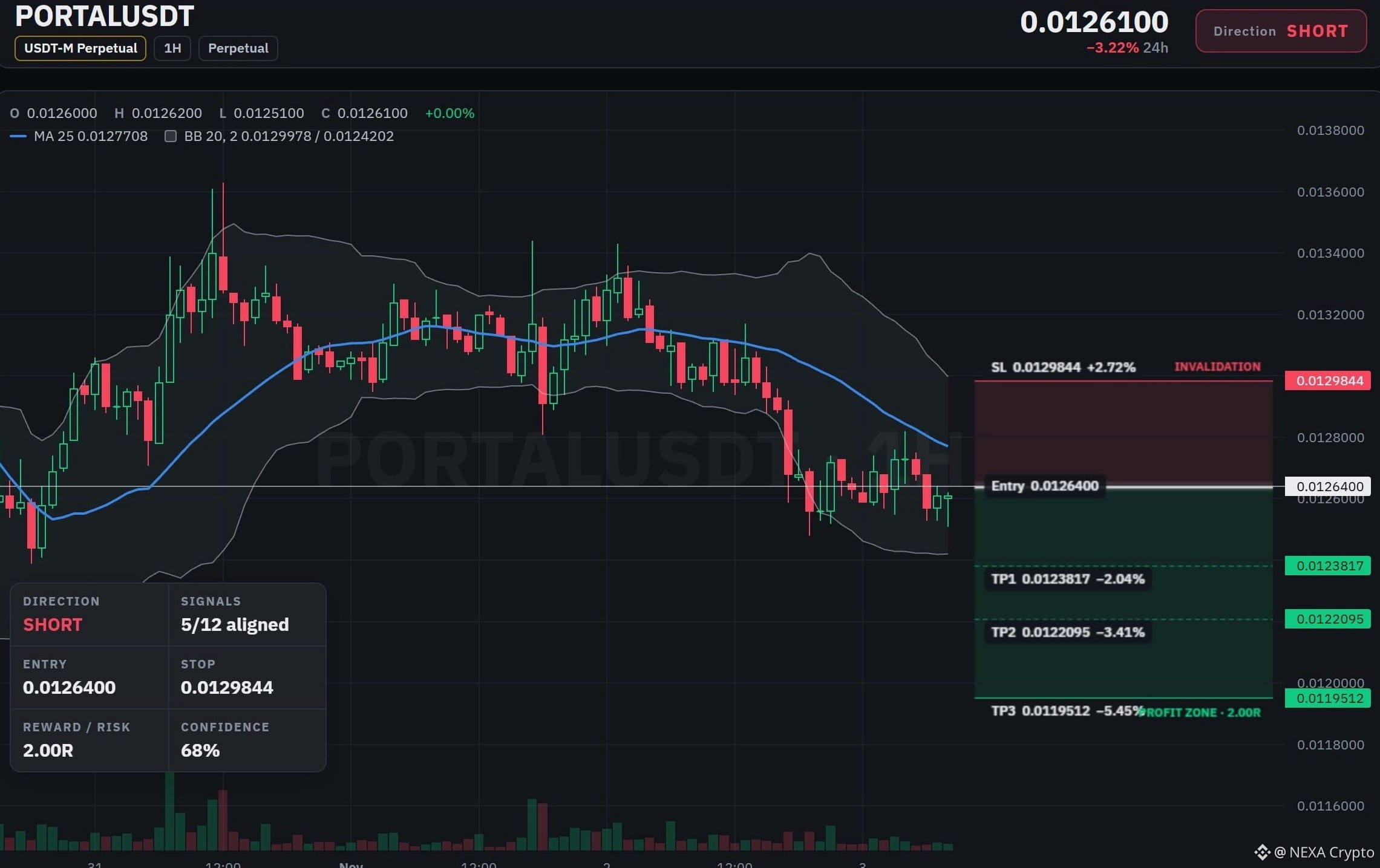
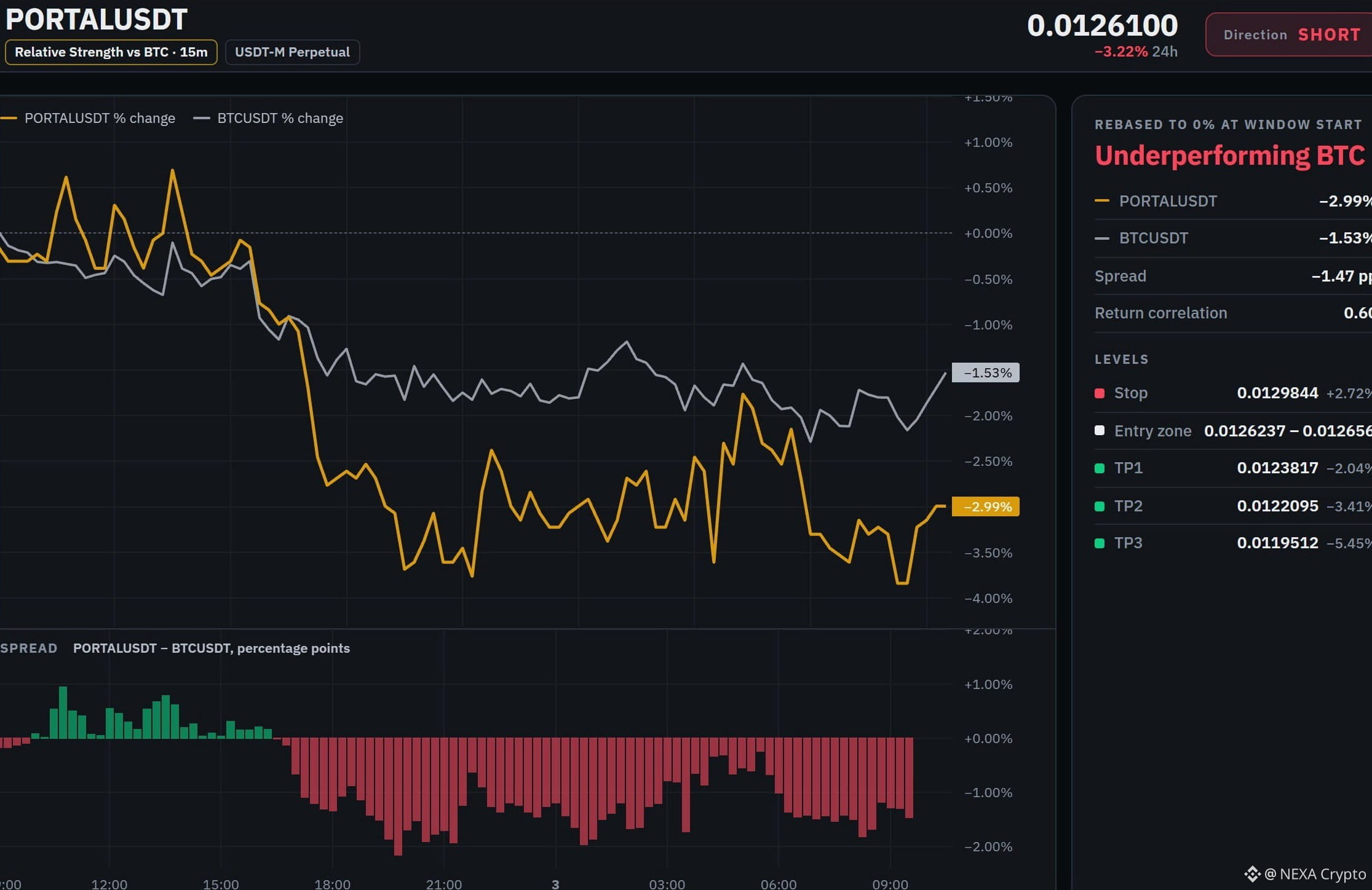
Guide to catching the top of a downtrend: A short-selling rulebook $PORTAL to optimize profits and manage risk in practice.
Trading signal $PORTAL/USDT:
- Entry zone: 0.0126237 - 0.0126563
- TP1: 0.0123817 (take 50%, move stop loss to breakeven)
- TP2: 0.0122095 (take 25%)
- TP3: 0.0119512 (take 25%)
- SL: 0.0129844
Pocket rules:
- Keep position size light; the 4h and 1h trends are below EMA50 and EMA200.
- RSI below 45 confirms selling pressure remains.
- Invalidate the setup if price breaks above the daily EMA200.
Tap Save post and Share now to keep this trading guide handy. What do you think about the market's next move?
$PORTAL
Not financial advice. DYOR.
Guide to catching the top of a downtrend: A short-selling rulebook $PORTAL to optimize profits and manage risk in practice.
Trading signal $PORTAL /USDT:
- Entry zone: 0.0126237 - 0.0126563
- TP1: 0.0123817 (take 50%, move stop loss to breakeven)
- TP2: 0.0122095 (take 25%)
- TP3: 0.0119512 (take 25%)
- SL: 0.0129844
Pocket rules:
- Keep position size light; the 4h and 1h trends are below EMA50 and EMA200.
- RSI below 45 confirms selling pressure remains.
- Invalidate the setup if price breaks above the daily EMA200.
Tap Save post and Share now to keep this trading guide handy. What do you think about the market's next move?
$PORTAL
Not financial advice. DYOR.
·
--
{future}(SNDKUSDT)
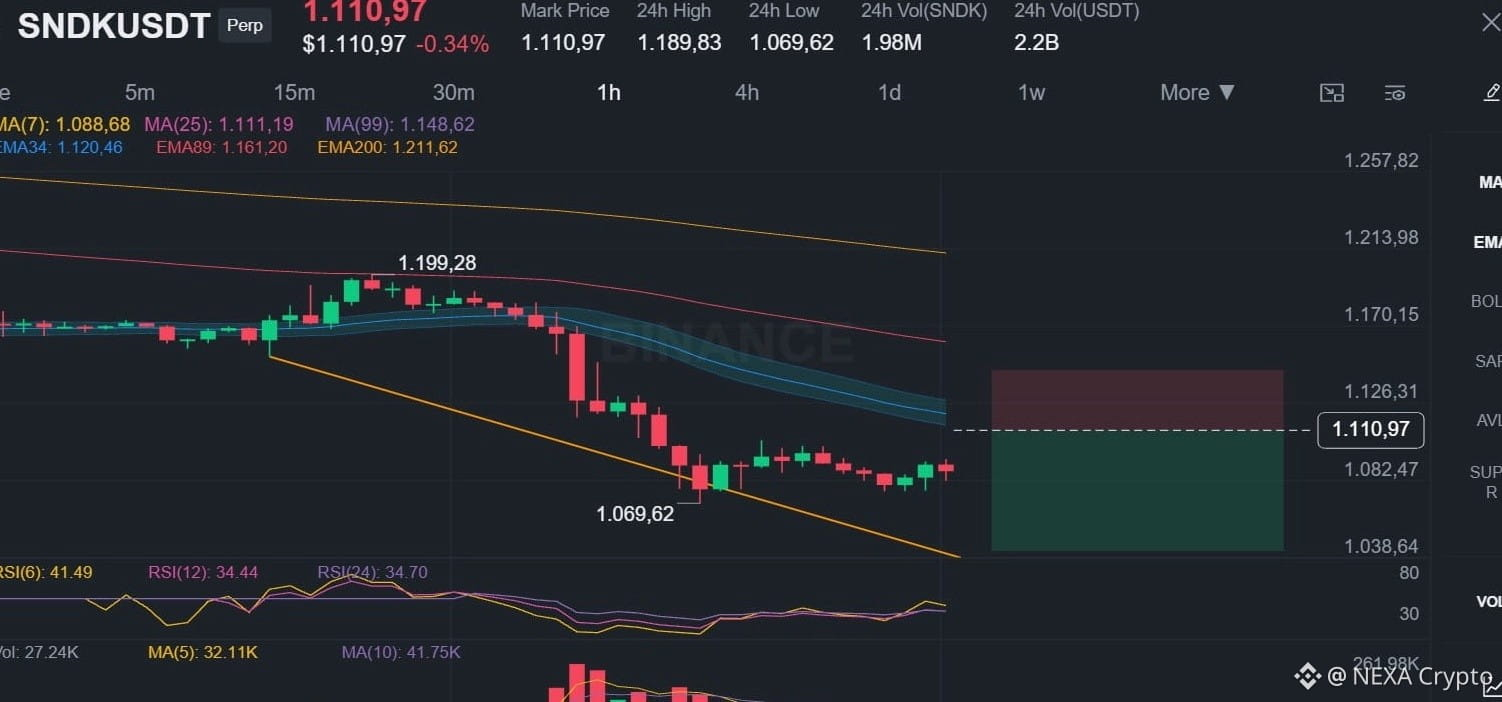
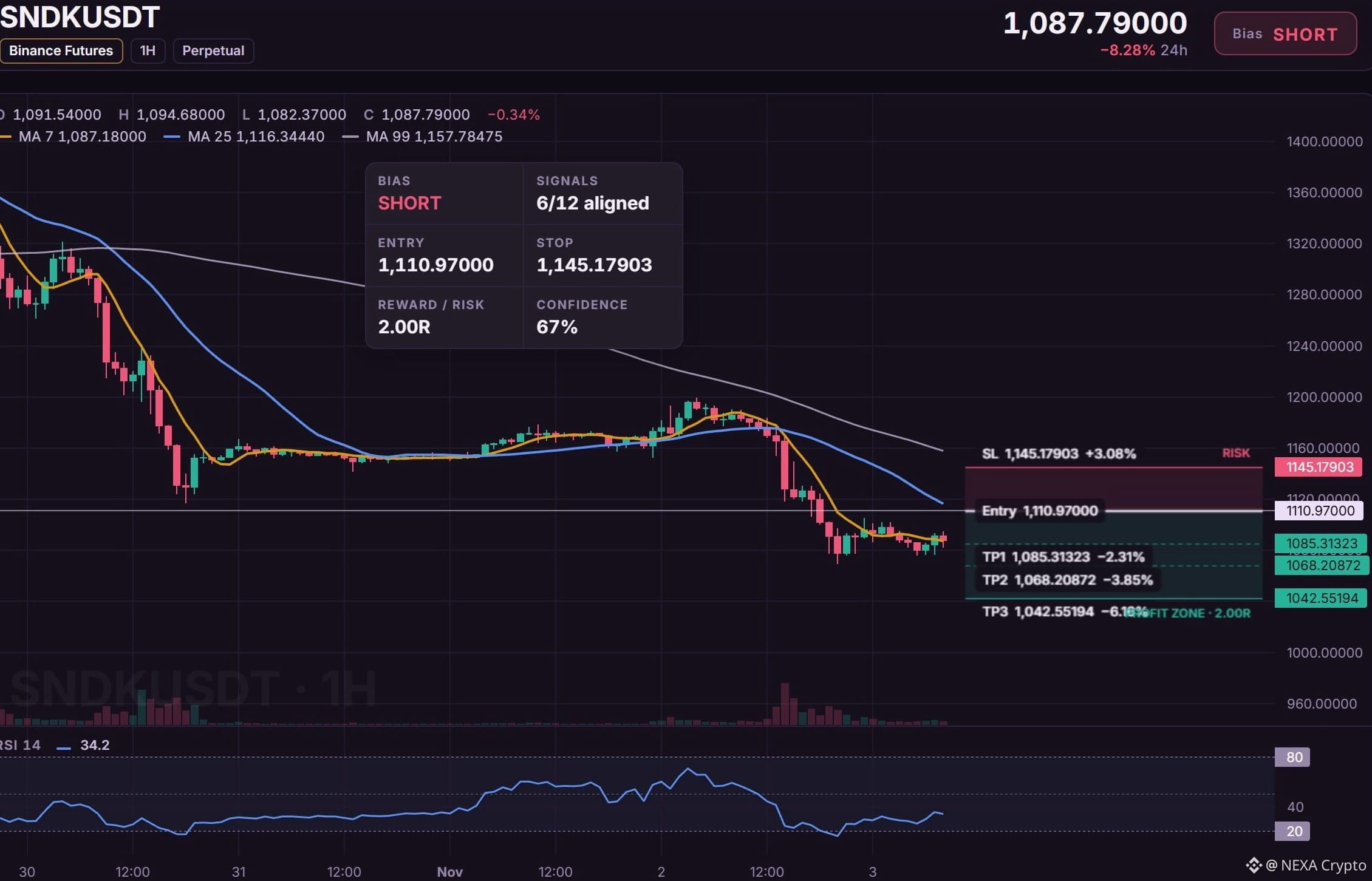
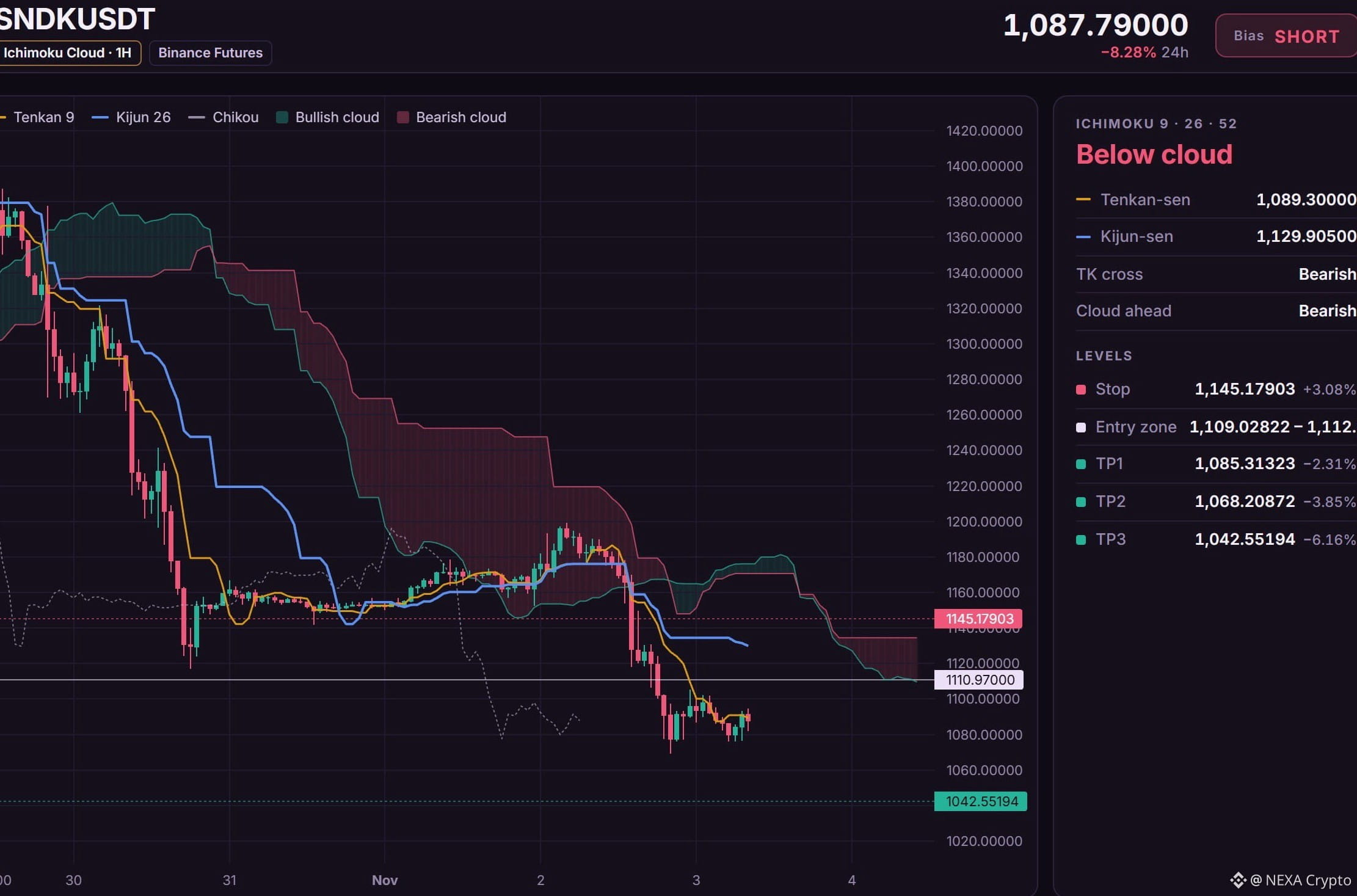
Survival guide: An accurate SHORT rulebook $SNDK to help you maximize profits and manage risk safely.
$SNDK /USDT trading signal:
Entry zone: 1109.02 - 1112.91
Take profit: TP1 1085.31, TP2 1068.20, TP3 1042.55
Stop loss: 1145.17
Practical pocket rules:
1. Main trend: The Daily, 4h, and 1h timeframes are all bearish, with price below EMA50 and EMA200.
2. Trade management: Take profit on 50% at TP1, 25% at TP2, and 25% at TP3. Move the stop loss to the entry price immediately after TP1 to protect your capital.
3. Caution: The 15m timeframe shows short-term buying pressure. Always be patient and wait for the right price zone, and strictly adhere to your stop loss.
Save this post now so you don't miss this useful trading guide, and leave a comment with your perspective!
$SNDK
Not financial advice. DYOR.
·
--
{future}(BNBUSDT)
A practical guide to identifying reversal signals and setting precise entry points to help you optimize profits.
Short-term trading rules $BNB :
- Signal: A downward moving average crossover appears, confirming a downtrend. Pay close attention to actual trading volume.
- Action strategy: Wait for a pullback to the value zone before opening a position.
- Detailed parameters:
+ Entry point: 696.86
+ Take-profit target 1: 660.84
+ Take-profit target 2: 626.06
+ Mandatory stop-loss: 716.49
Click the Save Article button now to keep this guide handy, and Share it with the community so everyone can seize the opportunity to manage risk effectively.
$BNB
Not financial advice. DYOR.

·
--
{future}(TRXUSDT)
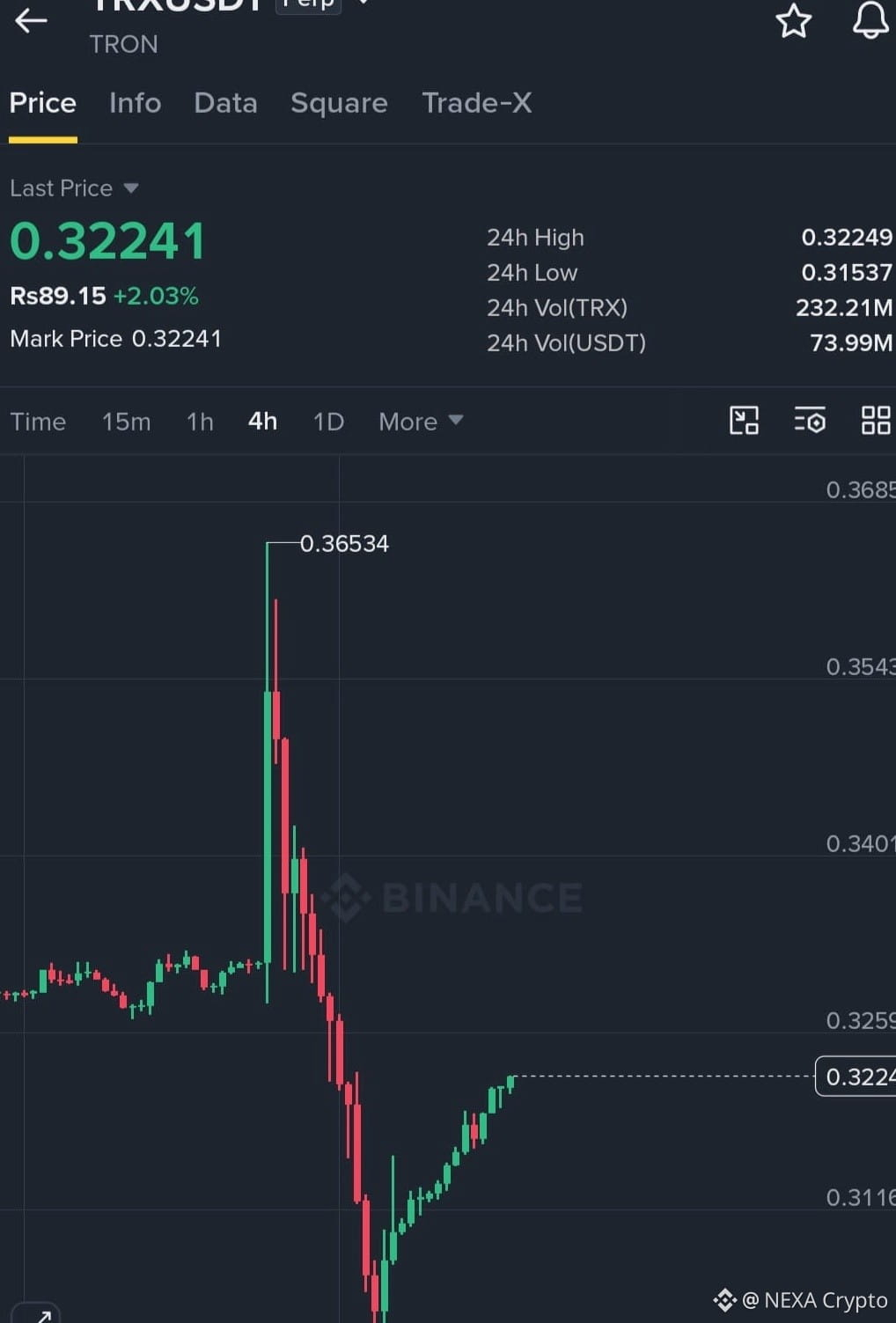
A practical $TRX trading guide: A set of rules for catching rebounds and optimizing safe entry points.
Key signals:
- Support zone holding the trend: 0.310–0.300 (Cut losses if this level breaks).
- Confirmation of upward momentum: A decisive break above 0.326.
- Take-profit targets: 0.330–0.340–0.350.
Trading discipline: Don’t chase the price before it breaks resistance, and always put risk management first.
Tap to save this post and share your thoughts on $TRX in the comments below.
$TRX
Not financial advice. DYOR.
·
--
{future}(BEATUSDT)
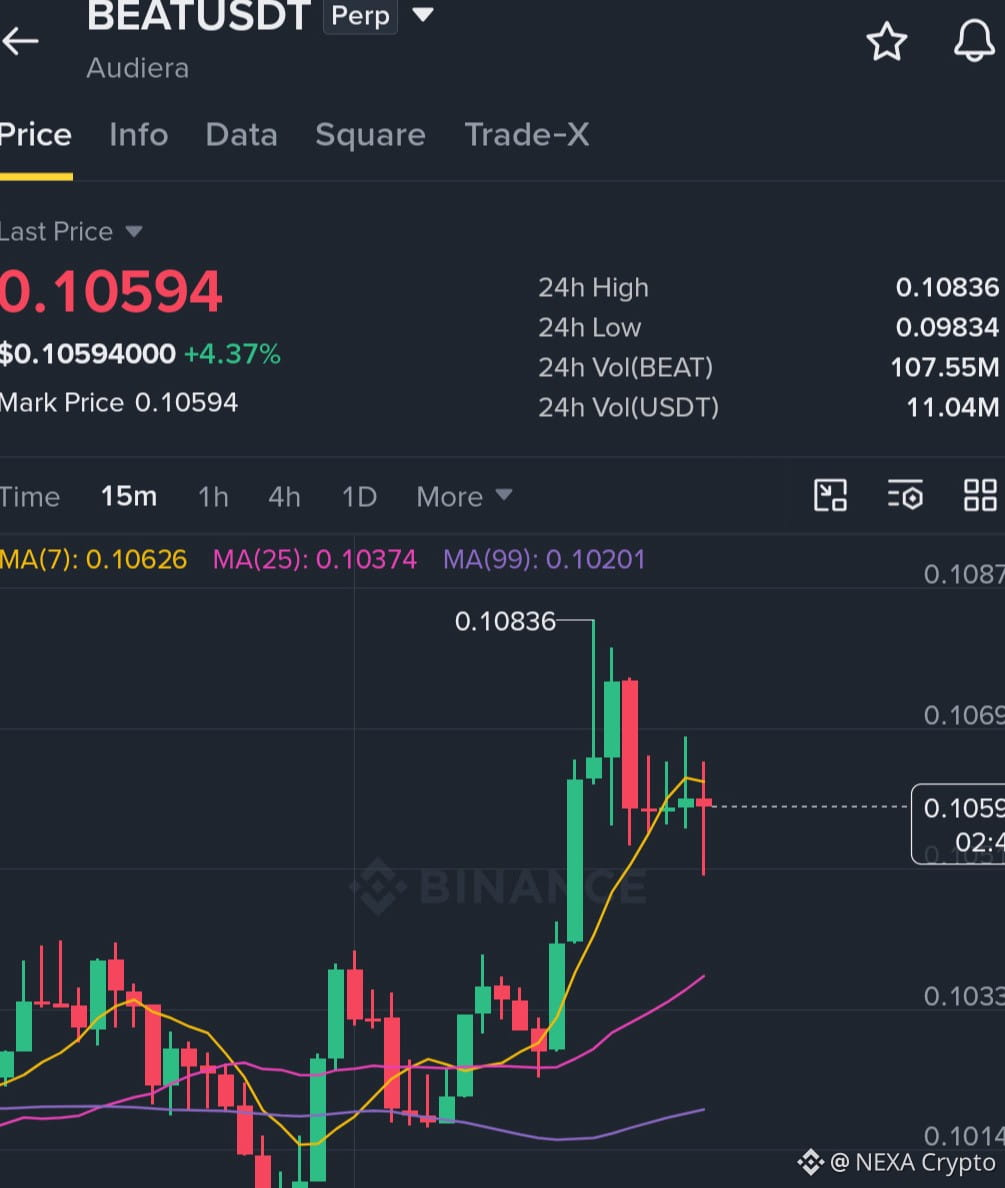
$BEAT Breakout Guide: A set of trading rules for short-term resistance zones to optimize profits and manage risk.
$BEAT/USDT trading signals:
- Current price: 0.10594 (+4.37%)
- Resistance: 0.10836
- Support: 0.09834
Rules of thumb:
1. Don’t chase the price when it’s near resistance at 0.10836 without confirming volume.
2. Look to accumulate around 0.10594 or wait for a test of support at 0.09834 to open a safer position.
3. Always set a stop-loss below the 24-hour low to protect against adverse volatility.
Save this post and share it with your team now so you don’t miss out! When do you predict $BEAT will break its high? Comment below.
$BEAT
Not financial advice. DYOR.
$BEAT Breakout Guide: A set of trading rules for short-term resistance zones to optimize profits and manage risk.
$BEAT /USDT trading signals:
- Current price: 0.10594 (+4.37%)
- Resistance: 0.10836
- Support: 0.09834
Rules of thumb:
1. Don’t chase the price when it’s near resistance at 0.10836 without confirming volume.
2. Look to accumulate around 0.10594 or wait for a test of support at 0.09834 to open a safer position.
3. Always set a stop-loss below the 24-hour low to protect against adverse volatility.
Save this post and share it with your team now so you don’t miss out! When do you predict $BEAT will break its high? Comment below.
$BEAT
Not financial advice. DYOR.
3
·
--
{spot}(SNXXBUSDT)
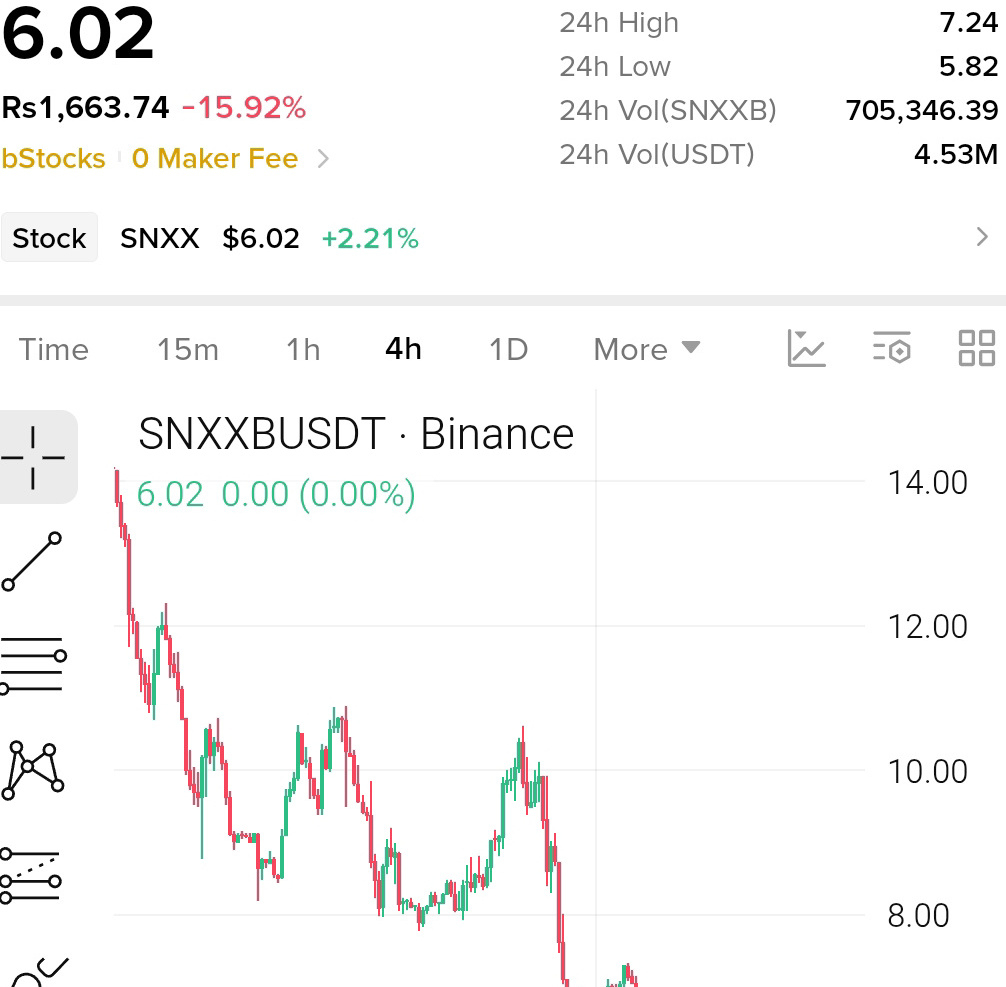
$SNXXB practical trading guide: Save this set of entry and risk management rules to optimize profits and protect your account.
$SNXXB trading signals:
- Entry zone (LONG): $5.85 - $6.10
- Recommended leverage: Spot or max 2x
- Target 1 (TP1): $6.50
- Target 2 (TP2): $7.10
- Target 3 (TP3): $7.80
- Stop loss (SL): $5.65
Rules of thumb:
1. Divide your capital into smaller portions and enter within the recommended price zone; avoid committing everything at a single price point.
2. Strictly adhere to your stop-loss level. Don’t hold onto losing positions when the market moves against you.
3. Take profits in portions at the TP levels and move your stop loss to a safer level once the first target is reached.
Which TP level do you think $SNXXB will reach in the near future? Leave a comment and hit share now to save this trading guide.
$SNXXB
Not financial advice. DYOR.
·
--
{future}(BTCUSDT)
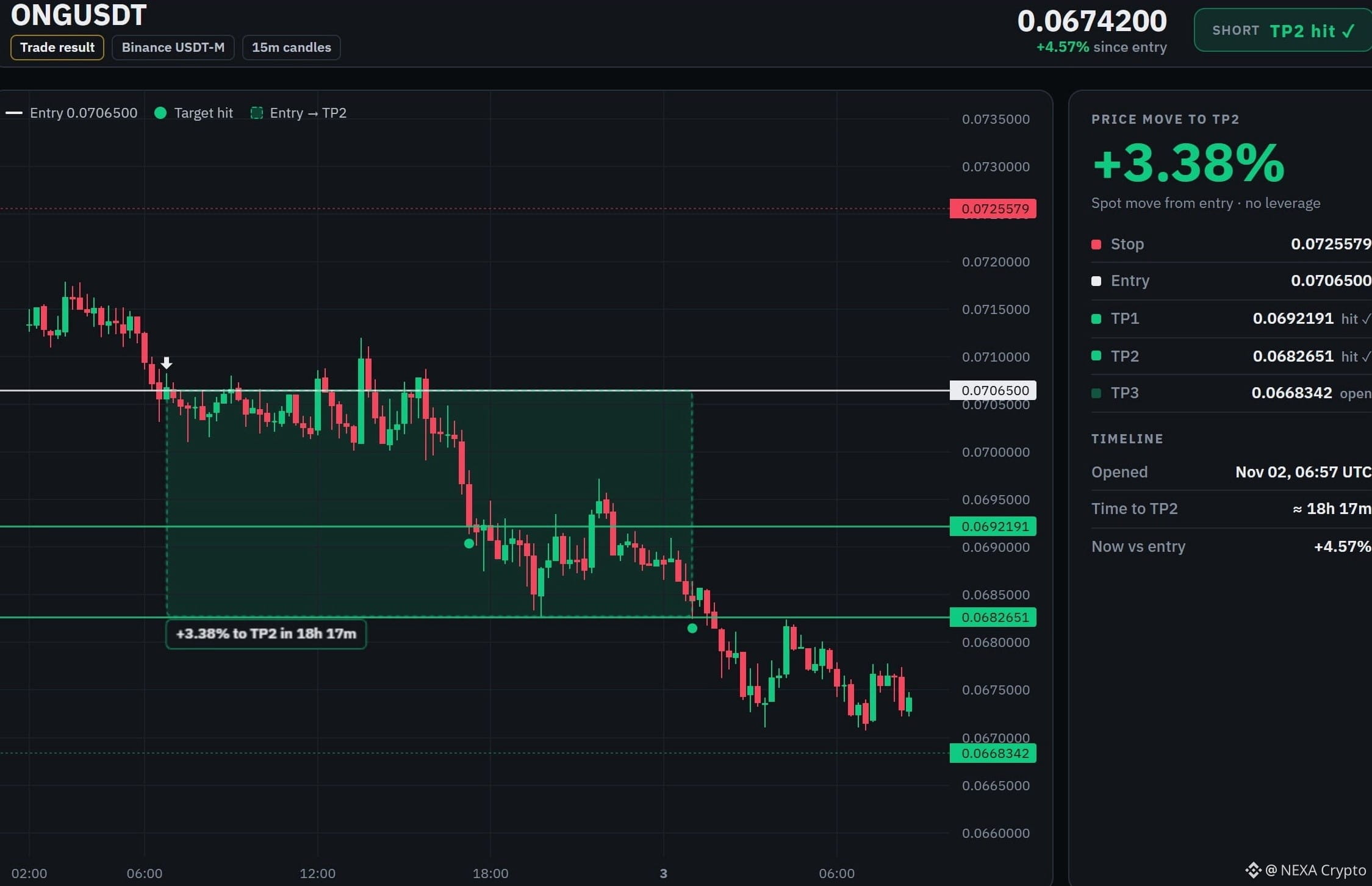
A profit-taking guide: Secrets to maximizing profits with precise Short setups for every time frame.
Trading signal: The Short order reached TP2 perfectly, with the Spot price moving +3.38% after more than 18 hours of closely following the planned scenario.
A handy set of rules for effective trade management:
1. Clearly identify your entry point and always set a stop-loss before opening a position.
2. Take profits in portions at the TP1 and TP2 levels to protect your gains.
3. Manage risk strictly; never skip the step of allocating an appropriate share of your capital.
4. Stay disciplined and let the market play out according to the original plan rather than intervening emotionally.
Save this post to your personal guide and share it to spread this practical knowledge. At which TP level do you usually optimize your profits? Leave a comment below.
$BTC
Not financial advice. DYOR.
·
--
{future}(ETHUSDT)
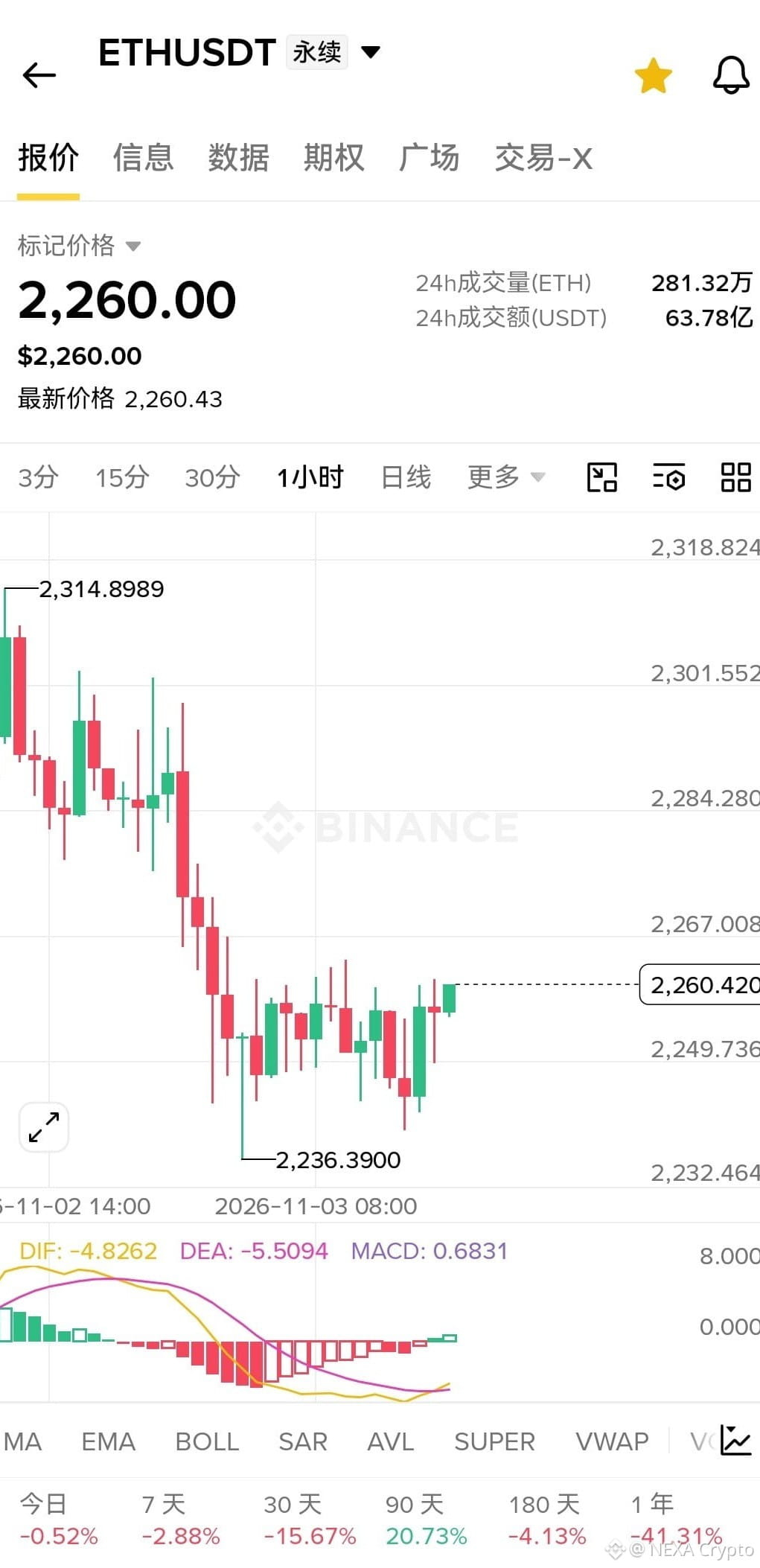
$ETH bottom-fishing guide: Spot golden reversal signals to optimize safe entry points.
Trading signal: Wait for a golden cross on a higher-timeframe chart, accompanied by a sharp increase in buying volume.
Rule 1: Split your capital into multiple portions and accumulate using a DCA strategy; never go all-in.
Rule 2: Set your stop-loss just below a strong support zone to manage risk effectively.
Rule 3: Take partial profits when the price reaches potential resistance.
Are you ready for this growth phase? Save this post to put the strategy into practice, and leave a comment with your own strategy.
$ETH
Not financial advice. DYOR.
2
·
--
{future}(LUMIAUSDT)
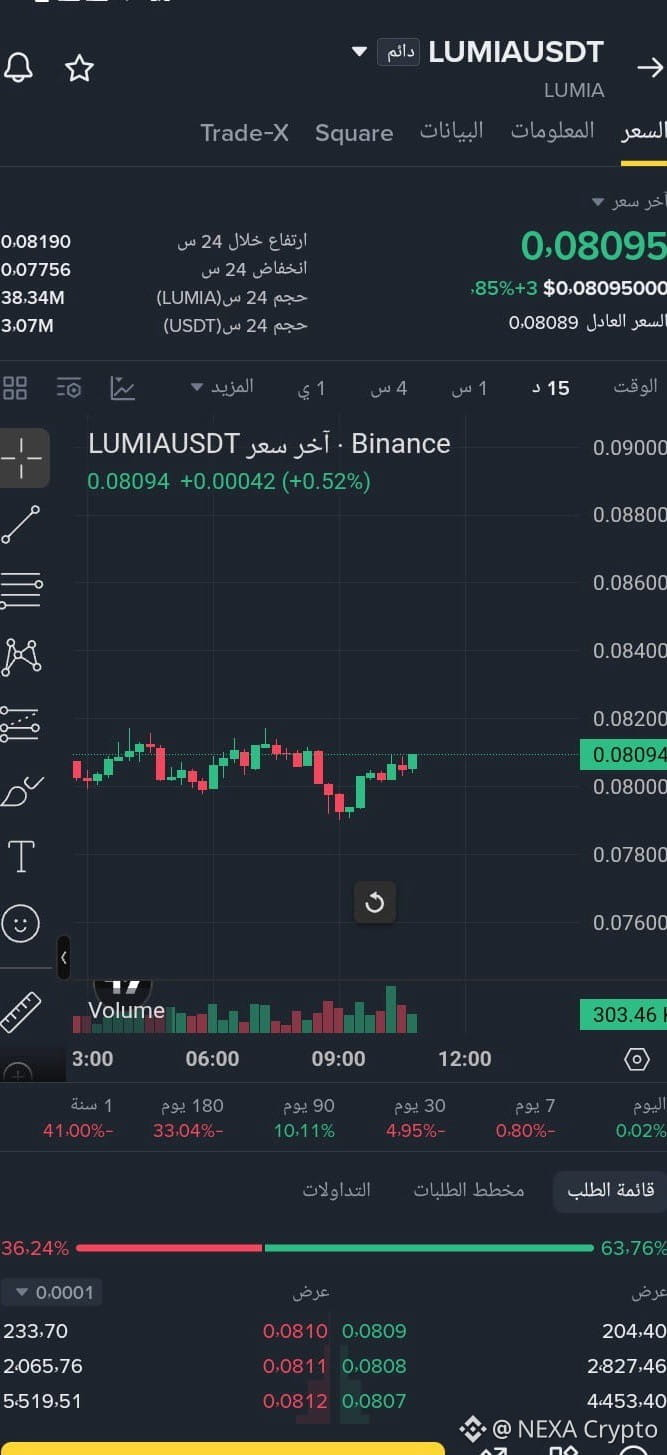
Save the trading guide $LUMIA below to optimize your entry points and manage risk as effectively as possible!
$LUMIA trading strategy:
- Entry zone: 0.07950 to 0.08050
- Take-profit target 1: 0.08500
- Take-profit target 2: 0.08700
- Take-profit target 3: 0.08900
- Final take-profit target: 0.09200
- Safe stop-loss: Below 0.07500
Risk management rules:
- Allocate your capital flexibly; don’t put it all into a single trade.
- Stick to your stop-loss discipline to protect your capital from market fluctuations.
What do you think about this trend? Save this post and share it with the community so everyone can discuss it!
$LUMIA
Not financial advice. DYOR.
·
--
{future}(JCTUSDT)
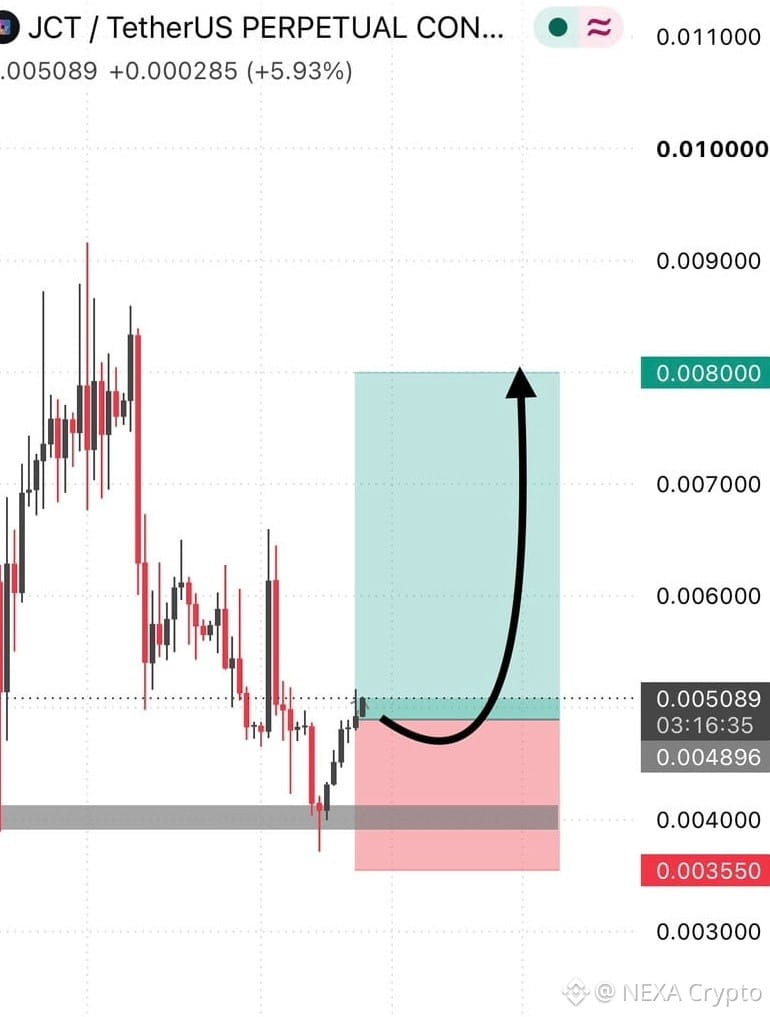
$JCT Rebound Trading Guide: A practical rulebook for managing Long positions and safely optimizing profits.
$JCT trading signals:
- Buy zone: 0.004896 - 0.005089
- Targets: 0.006000 / 0.007000 / 0.008000
- Stop-loss: 0.003550
Quick rules for trading a rebound:
1. Split your capital into multiple entries to optimize your average price.
2. Set a stop-loss and stick to it to protect your account.
3. Take partial profits at each target level.
What’s your outlook for $JCT’s upward move? Comment below and save this post to follow along.
$JCT
Not financial advice. DYOR.
$JCT Rebound Trading Guide: A practical rulebook for managing Long positions and safely optimizing profits.
$JCT trading signals:
- Buy zone: 0.004896 - 0.005089
- Targets: 0.006000 / 0.007000 / 0.008000
- Stop-loss: 0.003550
Quick rules for trading a rebound:
1. Split your capital into multiple entries to optimize your average price.
2. Set a stop-loss and stick to it to protect your account.
3. Take partial profits at each target level.
What’s your outlook for $JCT ’s upward move? Comment below and save this post to follow along.
$JCT
Not financial advice. DYOR.
Log in to explore more content
Join global crypto users on Binance Square
⚡️ Get latest and useful information about crypto.
💬 Trusted by the world’s largest crypto exchange.
👍 Discover real insights from verified creators.
Email / Phone number
Trending Topics
BinanceReopensWithdrawalsForMoreAssets
36,999 views
832 Discussing
Security Incident | Recovery Update #6: Withdrawals Reopen for More Assets (2026-11-03)
Binance Announcement
·176 Likes
·485.4k views
AppleReportsMixedResults
22,847 views
599 Discussing
BinanceHourlyDepositsExceedWithdrawals
9,677 views
263 Discussing