
Andres12309
1.6k Posts

Andres12309
2.4K+ Following
309 Followers
78 Liked
Posts
Portfolio
All
Quotes
Live
Holding $BTC 0.2 USDT

David Magdiel
·
--
Bullish$NVDAB #IMFSaysElSalvadorBTCNoPublicFunds Looking for a bullish move in ETHUSDT, the price is consolidating in a key support zone and showing absorption from buyers. I place my stop loss below the latest low and look to the next order block/major resistance as my target. How do you see the price action for the next few hours, friends?
30D trade $ETH 34.8 USDT

MODO DLS
·
--
LET'S GO ETHEREUM!
After a significant correction that reached 2350, #ETH has managed to recover in a good way to 2400, and consecutively it is trying to break the resistance at 2550. If it achieves that, we will be able to see an upward range with higher volume towards 2700-2800. What do you think? Do you believe it will manage to break through the resistance?
After a significant correction that reached 2350, #ETH has managed to recover in a good way to 2400, and consecutively it is trying to break the resistance at 2550. If it achieves that, we will be able to see an upward range with higher volume towards 2700-2800. What do you think? Do you believe it will manage to break through the resistance?

龙虾量化带单
·
--
$ZEC #ZEC
Alert: Long positions warning | ZEC
15m not triggered yet, but 1h bullish momentum is strong
Structure: GMMA bullish
Reasons: 1h turnover 6.7x / 4h turnover 1.7x / 1h real body is strong and closes higher / Break above 1h high of 20 / Break above 1h high of 55 / 1h trading above VWAP
Current price 1022.82
Breakout level 1022.82
Support level 919.00
Upside to watch 1125.10 / 1227.38
Funding rate +0.0057% (longs pay more while shorts receive)
For market observation only, not investment advice.
Alert: Long positions warning | ZEC
15m not triggered yet, but 1h bullish momentum is strong
Structure: GMMA bullish
Reasons: 1h turnover 6.7x / 4h turnover 1.7x / 1h real body is strong and closes higher / Break above 1h high of 20 / Break above 1h high of 55 / 1h trading above VWAP
Current price 1022.82
Breakout level 1022.82
Support level 919.00
Upside to watch 1125.10 / 1227.38
Funding rate +0.0057% (longs pay more while shorts receive)
For market observation only, not investment advice.
$AAPL.US #BlackRockCanadaLaunchesBitcoinLinkedETF
#https://www.binance.com/referral/earn-together/refer2earn-usdc/claim?hl=es-LA&ref=GRO_28502_9RI7V&utm_source=referral_entrance
💥💥💥💥💥💥💥💥
#https://www.binance.com/referral/earn-together/refer2earn-usdc/claim?hl=es-LA&ref=GRO_28502_9RI7V&utm_source=referral_entrance
💥💥💥💥💥💥💥💥

BMT+9.42%
AAPLUS+0.17%
https://www.binance.com/referral/earn-together/refer2earn-usdc/claim?hl=es-LA&ref=GRO_28502_9RI7V&utm_source=referral_entrance
$NVDA.US #SheinToStartHKIPOBookbuildingAsSoonAsNextWeek
GRO_28502_9RI7V
💥💥💥💥💥💥💥
$NVDA.US #SheinToStartHKIPOBookbuildingAsSoonAsNextWeek
GRO_28502_9RI7V
💥💥💥💥💥💥💥

NVDAUS+0.00%


Andrii Obolon
·
--
COOKIE. Please share, comment, and support! Thank you!
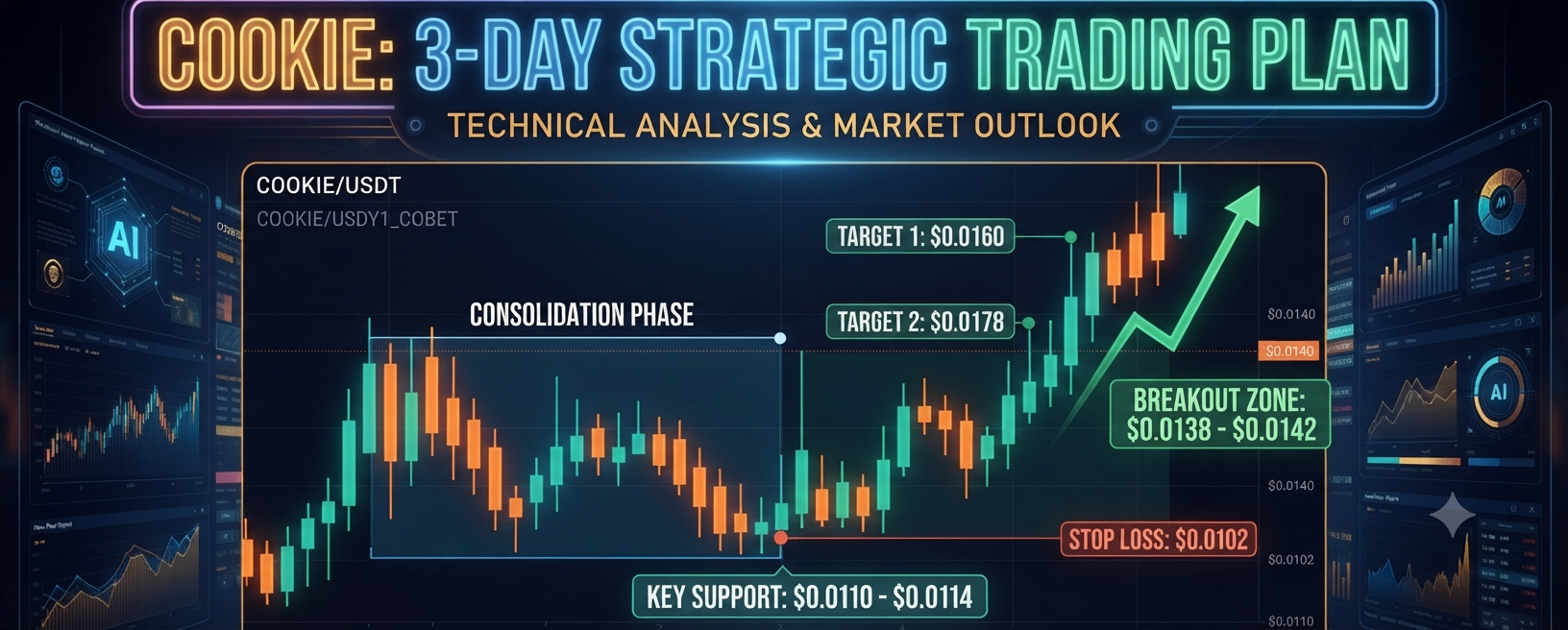
STRATEGIC TRADING PLAN: COOKIE ANALYSIS FOR THE NEXT 3 DAYS
Over the next 72 hours, a unique microstructure is forming for the COOKIE asset. Following local volatility spikes and an impulse volume increase, the coin has entered a phase of consolidation and liquidity level testing. The market is actively seeking a balance between quick speculative profit-taking by short-term players and position accumulation by medium-term bulls who see potential in this segment.
Over the course of three days, a gradual development of events is expected. On the first day, the projected price range stands at $0.0112 – $0.0128, where the focus will be on sweeping local liquidity from below and testing institutional volumes. On the second day, the price will likely compress within the $0.0118 – $0.0140 corridor with potential fakeouts in both directions to harvest stop-losses from leveraged traders. On the third day, an impulse phase toward $0.0125 – $0.0152 is possible, provided volumes remain above the critical support level.
Realization of the bullish scenario is possible in the event of an impulse breakout and a 4-hour candle close above the $0.0138 – $0.0142 zone on increasing volume. This will confirm the absorption of sellers and open the path toward targets at the $0.0160 and $0.0178 levels, with the stop-loss placed just behind the lower boundary of the breakout pattern at $0.0129.
The alternative scenario involves cooling off and a gradual decline toward the strong support zone of $0.0110 – $0.0114 without aggressive selling. Here, it is advisable to look for Price Action reversal patterns to trade a rebound toward $0.0132 and $0.0141, with a mandatory defensive stop-loss below the critical level of $0.0102.
Given the specifics of low-capitalization assets for the next three days, it is worth lowering your trading leverage or prioritizing spot trading. It is strictly recommended to avoid entering positions in the middle of the price range and to open positions exclusively from key liquidity walls or after a confirmed breakout of levels.
📲 Subscribe, comment, share, and leave a tip — your support motivates me to deliver even more quality breakdowns and find the best setups.$COOKIE $TUT $ACE
Over the next 72 hours, a unique microstructure is forming for the COOKIE asset. Following local volatility spikes and an impulse volume increase, the coin has entered a phase of consolidation and liquidity level testing. The market is actively seeking a balance between quick speculative profit-taking by short-term players and position accumulation by medium-term bulls who see potential in this segment.
Over the course of three days, a gradual development of events is expected. On the first day, the projected price range stands at $0.0112 – $0.0128, where the focus will be on sweeping local liquidity from below and testing institutional volumes. On the second day, the price will likely compress within the $0.0118 – $0.0140 corridor with potential fakeouts in both directions to harvest stop-losses from leveraged traders. On the third day, an impulse phase toward $0.0125 – $0.0152 is possible, provided volumes remain above the critical support level.
Realization of the bullish scenario is possible in the event of an impulse breakout and a 4-hour candle close above the $0.0138 – $0.0142 zone on increasing volume. This will confirm the absorption of sellers and open the path toward targets at the $0.0160 and $0.0178 levels, with the stop-loss placed just behind the lower boundary of the breakout pattern at $0.0129.
The alternative scenario involves cooling off and a gradual decline toward the strong support zone of $0.0110 – $0.0114 without aggressive selling. Here, it is advisable to look for Price Action reversal patterns to trade a rebound toward $0.0132 and $0.0141, with a mandatory defensive stop-loss below the critical level of $0.0102.
Given the specifics of low-capitalization assets for the next three days, it is worth lowering your trading leverage or prioritizing spot trading. It is strictly recommended to avoid entering positions in the middle of the price range and to open positions exclusively from key liquidity walls or after a confirmed breakout of levels.
📲 Subscribe, comment, share, and leave a tip — your support motivates me to deliver even more quality breakdowns and find the best setups.$COOKIE $TUT $ACE
COCOUS-0.23%
$MUBARAK #Mubarak2026

Crypto_Edward
·
--
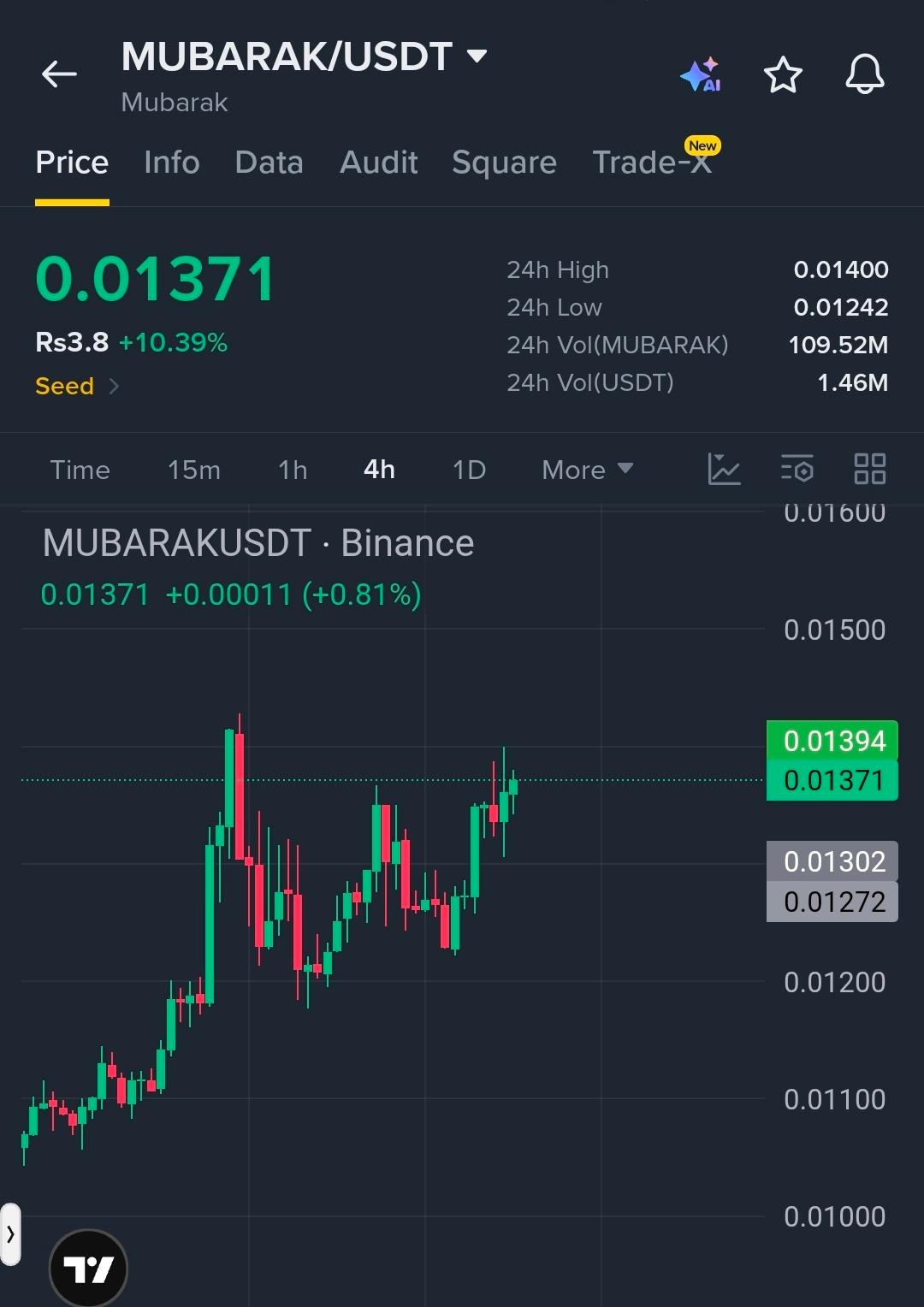
Bullish$MUBARAK Once Again Start Another Massive pump....‼️All Edward Fam Focus on this $MUBARAK Setup....Soon hit $0.01550....
Then next target $0.02000
Then next pump $0.03000
Then next target $0.02000
Then next pump $0.03000

Immaculatep
·
--
BullishIt's been an amazing😍 journey so far, YES YES, We Made It To BIG 2K.
Just stay with me, more goodies to come, more signals, more insights because I enjoy😊 it so much in here. Y'all my followers are the real MVP, THANK YOU.
Okay, keep an eye on $RESOLV , $ARIA too is tripping.
Just stay with me, more goodies to come, more signals, more insights because I enjoy😊 it so much in here. Y'all my followers are the real MVP, THANK YOU.
Okay, keep an eye on $RESOLV , $ARIA too is tripping.

$SYN


Jessica Elizabeth
·
--
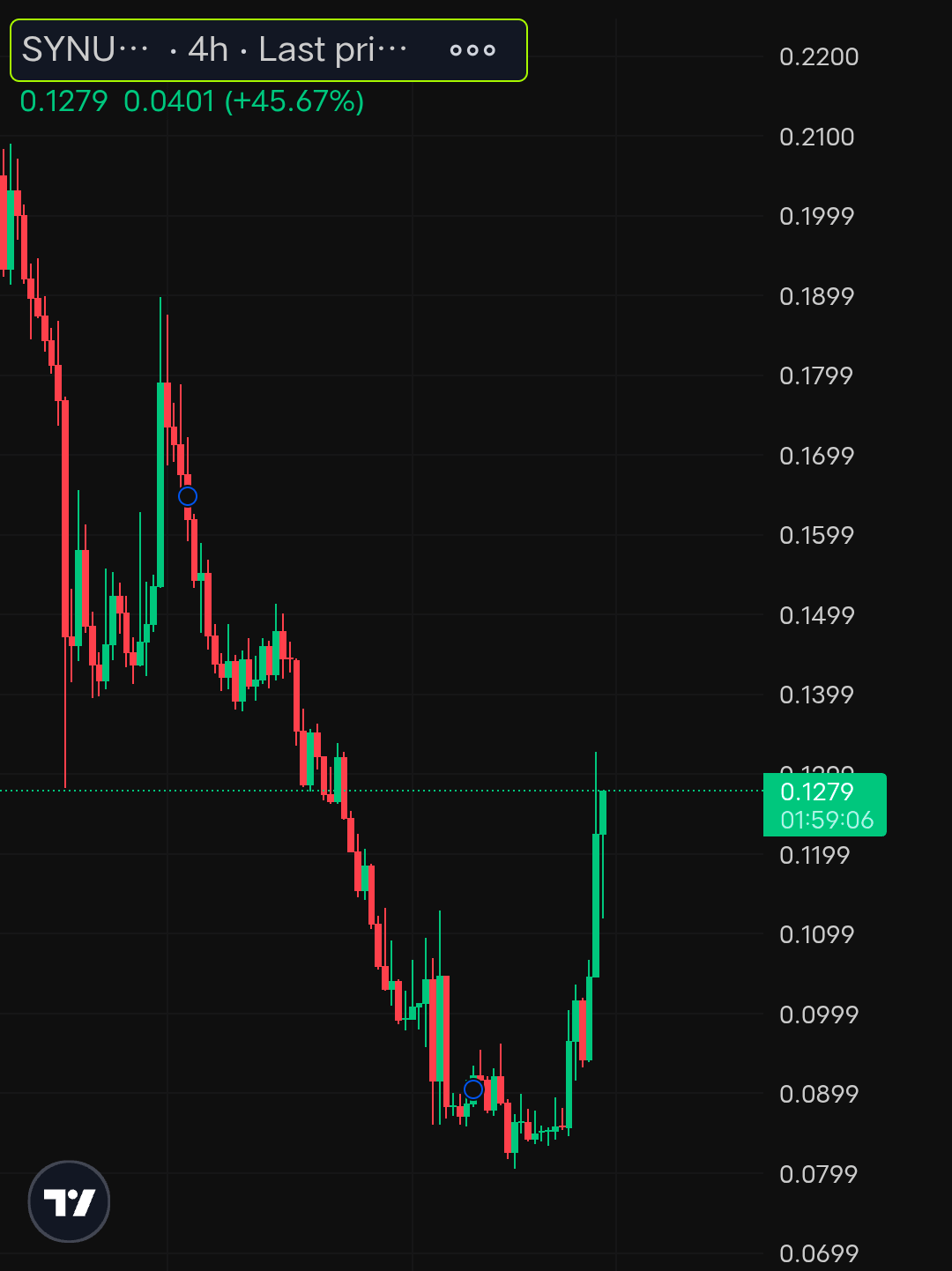
Bullish🚀 Guys, Long $SYN Now | Max 20× Leverage
📍 Entry Zone: 0.1250 – 0.1272
TP1: 0.1290
TP2: 0.1320
TP3: 0.1400
🛑 Stop Loss: 0.1100
📍 Entry Zone: 0.1250 – 0.1272
TP1: 0.1290
TP2: 0.1320
TP3: 0.1400
🛑 Stop Loss: 0.1100
$PUMP
Crypto_Edward
·
--
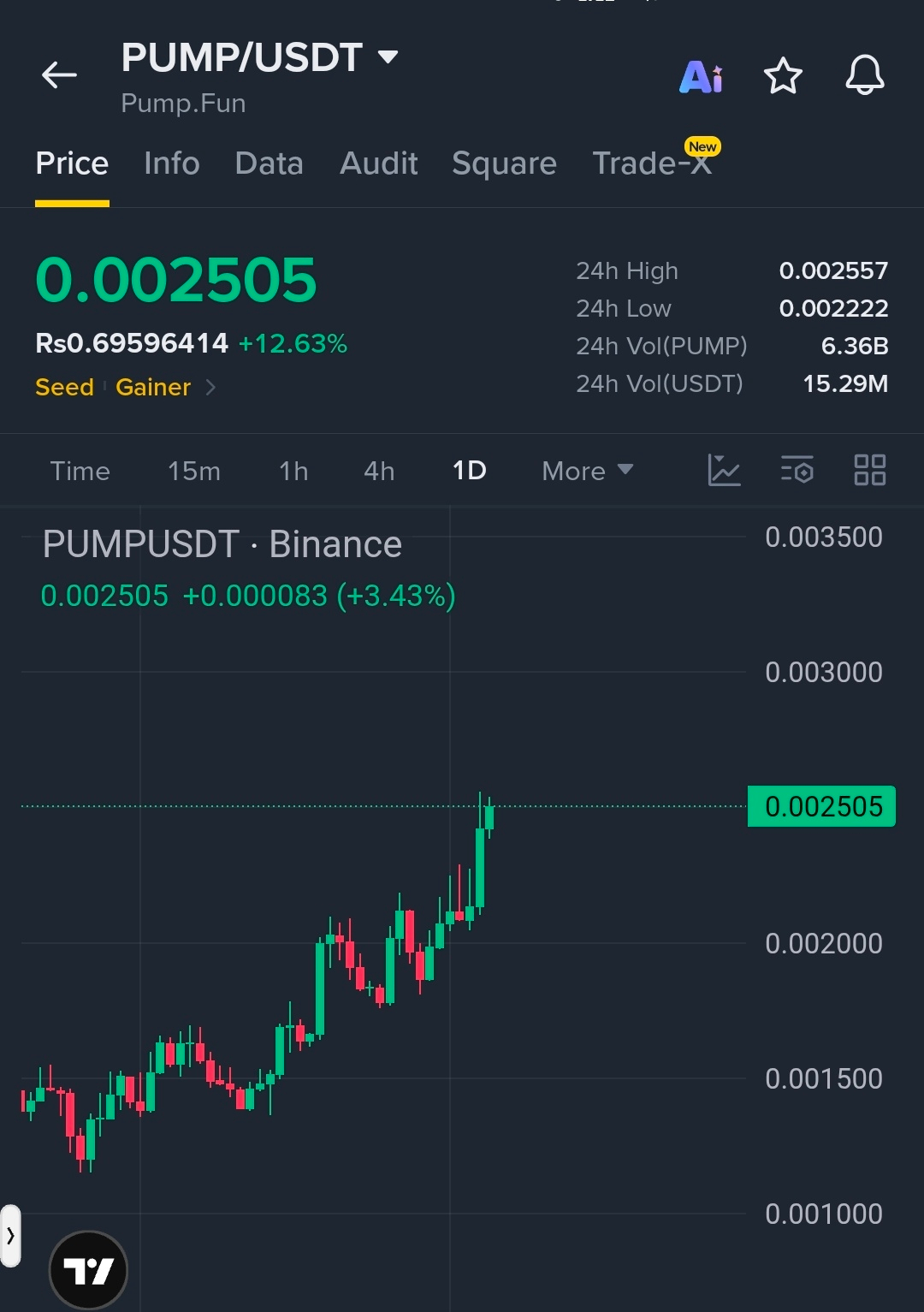
BullishLong $PUMP Update.....‼️
Entry Zone: 0.00245 – 0.00252
Stop Loss: 0.00220
TP1: 0.00270
TP2: 0.00290
TP3: 0.00320
Entry Zone: 0.00245 – 0.00252
Stop Loss: 0.00220
TP1: 0.00270
TP2: 0.00290
TP3: 0.00320

$BNB #bnblauncpool

巨魔TitanCap
·
--
《I earned 40 million and then reset it to zero with my own hands—my review of the wealth traps I smashed》
If my understanding isn’t enough, money is just passing through—when your culture level is average, everything is based on real experience.
Nothing much to do today. I’m going to sit down and share some heartfelt truths with everyone.
I’m just a kid from an ordinary rural family. I didn’t go to any famous university, and early on I didn’t understand anything. I stumbled into this line of work—trading.
When I say it, some people might think I’m bragging. A few years ago, I really started from nothing and made it to holding more than 40 million in my hands. Back then, I walked like the wind—feeling like I was different from the people around me. So what happened? Now I’m basically wiped out again.
Nothing much to do today. I’m going to sit down and share some heartfelt truths with everyone.
I’m just a kid from an ordinary rural family. I didn’t go to any famous university, and early on I didn’t understand anything. I stumbled into this line of work—trading.
When I say it, some people might think I’m bragging. A few years ago, I really started from nothing and made it to holding more than 40 million in my hands. Back then, I walked like the wind—feeling like I was different from the people around me. So what happened? Now I’m basically wiped out again.


#https://www.binance.com/activity/binance-turns-9?ref=1234ANDRESAlphabetRaises2026CapexTo$195To$205B$NVDAB $NVDA.US 😉

WTICrudeRises2%To$84

Paul xenomorfo
·
--
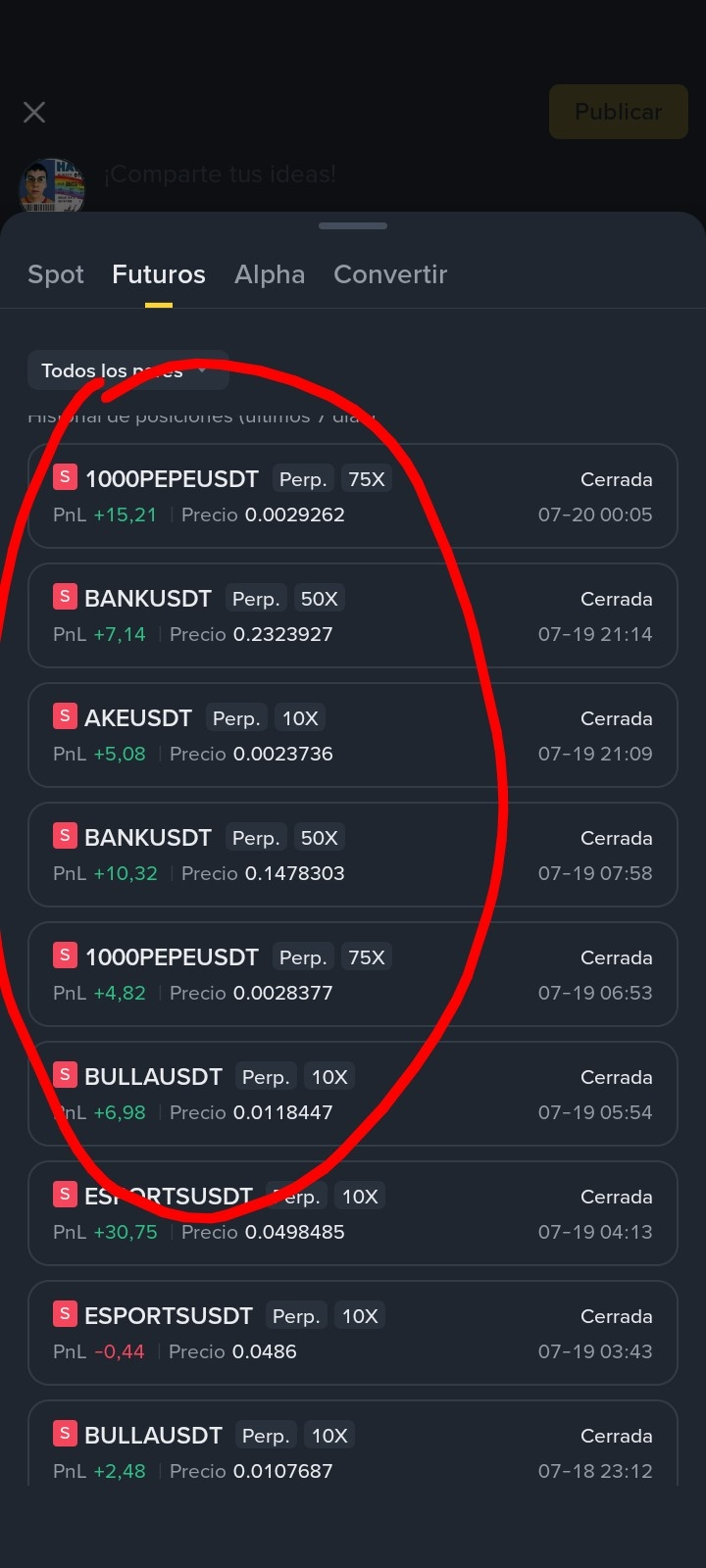
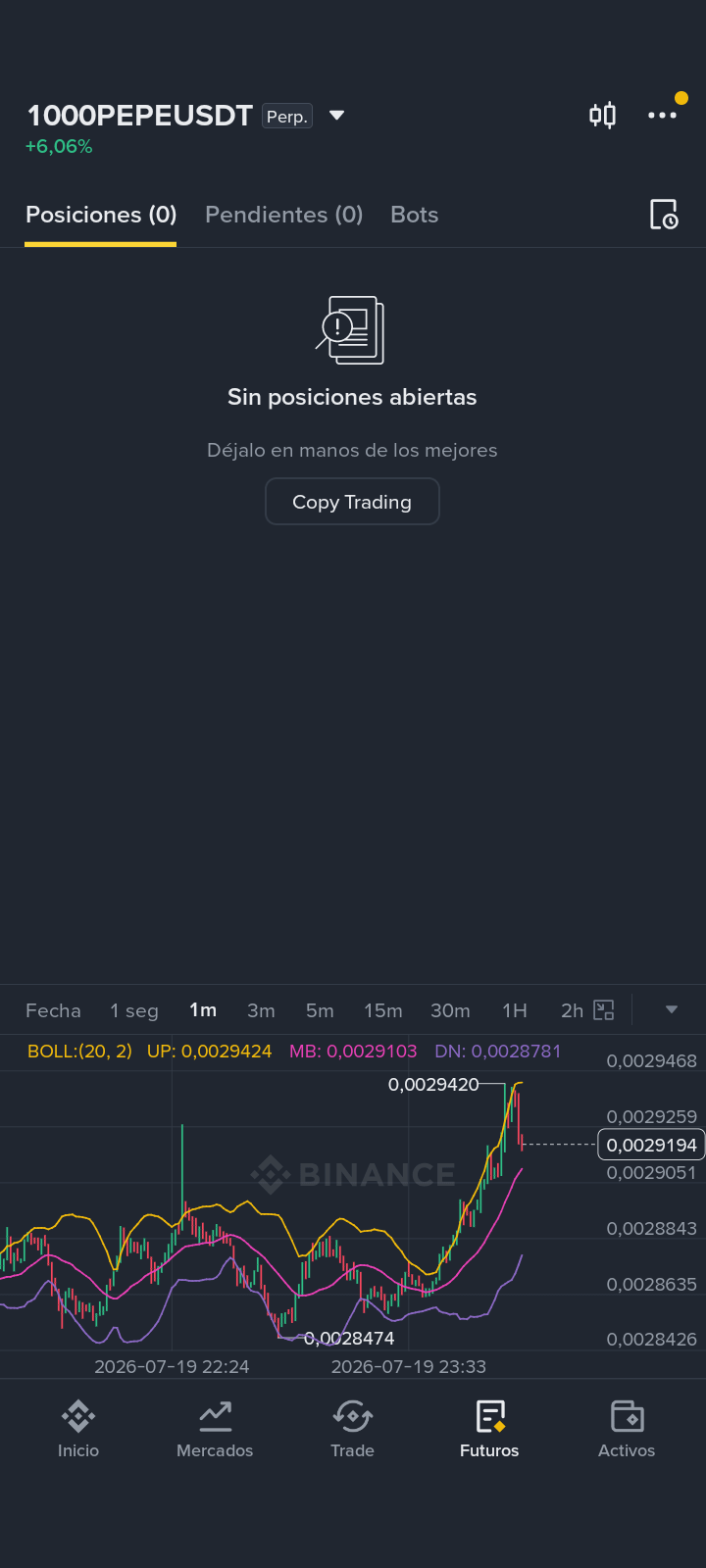
$1000PEPE y one more round that I don't publish 💵💵 yesterday we added another 80



Binance Academy
·
--
What Is Dollar-Cost Averaging (DCA)?
Key Takeaways
Dollar-cost averaging (DCA) is an investment method where you invest a fixed amount of money at regular intervals, regardless of price. Learn more in the dollar-cost averaging (DCA) glossary entry.
Spreading purchases over time can help reduce the emotional pull of FOMO and panic-selling during market swings.
DCA doesn't guarantee profits or eliminate all risks, but it can make long-term investing more manageable.
It's a popular approach for those who want to invest without constantly watching the market or stressing about when to buy.
Dollar-cost averaging (DCA) is a strategy where you invest a set amount of money into an asset at regular intervals, such as every week or month, regardless of whether the market is going up or down. Rather than trying to time the market by waiting for the "perfect" price, DCA helps you build a position gradually over time.
Even experienced traders struggle with timing the market. By investing smaller, fixed amounts on a regular schedule, you can slowly build your position without stressing over every price movement.
How Dollar-Cost Averaging Works
Let's say you have $1,000 you want to invest in Bitcoin. Rather than investing all at once, you could choose to invest $100 each month for 10 months. Some months you might buy when prices are higher; other months when prices are lower.
Because you're spreading out your purchases, you may end up with a lower average cost per unit compared to investing everything in one go. This approach also removes the pressure of trying to choose a single entry point.
DCA vs. Lump Sum Investing
A lump sum investment means putting your full amount in all at once. If prices rise immediately after your purchase, a lump sum can produce stronger gains than DCA over the same period. However, if prices fall after you buy, there's no remaining capital to take advantage of lower prices.
Research suggests lump sum investing wins in roughly two-thirds of historical cases when markets trend steadily upward. In volatile markets, however, DCA tends to produce more consistent results because each dip becomes a buying opportunity. Historical data on Bitcoin shows that every three-year rolling DCA window since 2013 has been profitable, though past results are not a guarantee of future performance.
The right approach depends on your situation, the asset you're buying, and how much price volatility you're comfortable with.
Why Investors Like the DCA Strategy
You don't have to be an expert: DCA removes the pressure to predict the "perfect" time to buy, so you don't have to watch markets constantly.
Reduces emotional decisions: When prices fall, you might panic-sell. When prices rise quickly, the fear of missing out can tempt you to buy without thinking. By investing the same amount regularly, you're less likely to make decisions based on emotion or hype.
Smooths out price swings: Instead of putting all your money in at once and risking a purchase at a peak, DCA spreads your entries across different price points.
Investing becomes a habit: One of the hardest parts of investing is staying consistent. With DCA, you stick to a schedule rather than reacting to market news.
What Are the Risks?
Like all strategies, DCA isn't perfect. It's important to understand where it might fall short.
You can still lose money
If the asset you're buying consistently drops in value, DCA won't protect you from losses. You're still exposed to bear market conditions, just in smaller bites.
Slower in a rising market
If prices are climbing quickly, DCA may underperform a lump sum investment. Because your capital enters the market more slowly, you may miss some early gains during a strong uptrend.
Fees can add up
If your trading platform charges fees per transaction, investing frequently in small amounts could reduce your overall returns. It's worth checking whether your platform offers lower fees for higher volumes or a recurring buy feature that minimises per-transaction costs.
Is Dollar-Cost Averaging Right for You?
DCA may suit you if you're new to investing and want a simple, low-stress approach. It also works well if you earn income regularly and prefer to invest as you go, or if you find yourself making emotional decisions based on short-term price news.
On the other hand, DCA might be less ideal if you're looking for short-term gains, want full exposure to an asset immediately, or are investing in a steadily rising market where a lump sum entry would capture more upside.
FAQ
What does DCA mean in crypto?
DCA stands for dollar-cost averaging. In crypto, it means investing a fixed amount of money into a cryptocurrency at regular intervals, such as $50 every week, regardless of the current price. The goal is to reduce the impact of short-term price volatility on your average cost over time.
What is the difference between DCA and lump sum investing?
With DCA, you spread your investment across multiple purchases over time. With lump sum investing, you invest everything at once. Lump sum can produce better results when markets trend consistently upward, while DCA tends to perform more consistently in volatile or declining markets.
Is dollar-cost averaging a good strategy for crypto?
DCA can be a useful approach for long-term crypto investors because it reduces the need to time the market and lowers the risk of buying everything at a price peak. However, no strategy guarantees profits, and DCA can underperform in strong uptrends. Whether it suits you depends on your goals, time horizon, and how you respond to market volatility. This is not financial advice.
How often should I invest with DCA?
The right interval depends on your budget, goals, and the fees your platform charges. Common intervals are weekly, bi-weekly, or monthly. More frequent purchases can smooth out price variations more effectively but may increase cumulative fees. Automating purchases through a recurring buy feature can help you stay consistent without having to make active decisions.
Closing Thoughts
Dollar-cost averaging is a straightforward strategy that can help you invest gradually over time without needing to predict market highs or lows. By putting in the same amount regularly, you average out the cost of your purchases and build a habit of consistent investing. It's not a guarantee against losses, and the right approach always depends on your individual circumstances. For a concise definition and further context, visit the Binance Academy dollar-cost averaging glossary entry.
Further Reading
A Beginner's Guide to Day Trading Cryptocurrency
Crypto Day Trading vs. HODLing: Which Strategy Is Best for You?
What Does HODL Mean?
Disclaimer: This content is presented to you on an "as is" basis for general information and or educational purposes only, without representation or warranty of any kind. It should not be construed as financial, legal or other professional advice, nor is it intended to recommend the purchase of any specific product or service. You should seek your own advice from appropriate professional advisors. Where the content is contributed by a third-party contributor, please note that those views expressed belong to the third-party contributor and do not necessarily reflect those of Binance Academy. Digital asset prices can be volatile. The value of your investment may go down or up and you may not get back the amount invested. You are solely responsible for your investment decisions and Binance Academy is not liable for any losses you may incur. For more information, see our Terms of Use, Risk Warning and Binance Academy Terms.
Dollar-cost averaging (DCA) is an investment method where you invest a fixed amount of money at regular intervals, regardless of price. Learn more in the dollar-cost averaging (DCA) glossary entry.
Spreading purchases over time can help reduce the emotional pull of FOMO and panic-selling during market swings.
DCA doesn't guarantee profits or eliminate all risks, but it can make long-term investing more manageable.
It's a popular approach for those who want to invest without constantly watching the market or stressing about when to buy.
Dollar-cost averaging (DCA) is a strategy where you invest a set amount of money into an asset at regular intervals, such as every week or month, regardless of whether the market is going up or down. Rather than trying to time the market by waiting for the "perfect" price, DCA helps you build a position gradually over time.
Even experienced traders struggle with timing the market. By investing smaller, fixed amounts on a regular schedule, you can slowly build your position without stressing over every price movement.
How Dollar-Cost Averaging Works
Let's say you have $1,000 you want to invest in Bitcoin. Rather than investing all at once, you could choose to invest $100 each month for 10 months. Some months you might buy when prices are higher; other months when prices are lower.
Because you're spreading out your purchases, you may end up with a lower average cost per unit compared to investing everything in one go. This approach also removes the pressure of trying to choose a single entry point.
DCA vs. Lump Sum Investing
A lump sum investment means putting your full amount in all at once. If prices rise immediately after your purchase, a lump sum can produce stronger gains than DCA over the same period. However, if prices fall after you buy, there's no remaining capital to take advantage of lower prices.
Research suggests lump sum investing wins in roughly two-thirds of historical cases when markets trend steadily upward. In volatile markets, however, DCA tends to produce more consistent results because each dip becomes a buying opportunity. Historical data on Bitcoin shows that every three-year rolling DCA window since 2013 has been profitable, though past results are not a guarantee of future performance.
The right approach depends on your situation, the asset you're buying, and how much price volatility you're comfortable with.
Why Investors Like the DCA Strategy
You don't have to be an expert: DCA removes the pressure to predict the "perfect" time to buy, so you don't have to watch markets constantly.
Reduces emotional decisions: When prices fall, you might panic-sell. When prices rise quickly, the fear of missing out can tempt you to buy without thinking. By investing the same amount regularly, you're less likely to make decisions based on emotion or hype.
Smooths out price swings: Instead of putting all your money in at once and risking a purchase at a peak, DCA spreads your entries across different price points.
Investing becomes a habit: One of the hardest parts of investing is staying consistent. With DCA, you stick to a schedule rather than reacting to market news.
What Are the Risks?
Like all strategies, DCA isn't perfect. It's important to understand where it might fall short.
You can still lose money
If the asset you're buying consistently drops in value, DCA won't protect you from losses. You're still exposed to bear market conditions, just in smaller bites.
Slower in a rising market
If prices are climbing quickly, DCA may underperform a lump sum investment. Because your capital enters the market more slowly, you may miss some early gains during a strong uptrend.
Fees can add up
If your trading platform charges fees per transaction, investing frequently in small amounts could reduce your overall returns. It's worth checking whether your platform offers lower fees for higher volumes or a recurring buy feature that minimises per-transaction costs.
Is Dollar-Cost Averaging Right for You?
DCA may suit you if you're new to investing and want a simple, low-stress approach. It also works well if you earn income regularly and prefer to invest as you go, or if you find yourself making emotional decisions based on short-term price news.
On the other hand, DCA might be less ideal if you're looking for short-term gains, want full exposure to an asset immediately, or are investing in a steadily rising market where a lump sum entry would capture more upside.
FAQ
What does DCA mean in crypto?
DCA stands for dollar-cost averaging. In crypto, it means investing a fixed amount of money into a cryptocurrency at regular intervals, such as $50 every week, regardless of the current price. The goal is to reduce the impact of short-term price volatility on your average cost over time.
What is the difference between DCA and lump sum investing?
With DCA, you spread your investment across multiple purchases over time. With lump sum investing, you invest everything at once. Lump sum can produce better results when markets trend consistently upward, while DCA tends to perform more consistently in volatile or declining markets.
Is dollar-cost averaging a good strategy for crypto?
DCA can be a useful approach for long-term crypto investors because it reduces the need to time the market and lowers the risk of buying everything at a price peak. However, no strategy guarantees profits, and DCA can underperform in strong uptrends. Whether it suits you depends on your goals, time horizon, and how you respond to market volatility. This is not financial advice.
How often should I invest with DCA?
The right interval depends on your budget, goals, and the fees your platform charges. Common intervals are weekly, bi-weekly, or monthly. More frequent purchases can smooth out price variations more effectively but may increase cumulative fees. Automating purchases through a recurring buy feature can help you stay consistent without having to make active decisions.
Closing Thoughts
Dollar-cost averaging is a straightforward strategy that can help you invest gradually over time without needing to predict market highs or lows. By putting in the same amount regularly, you average out the cost of your purchases and build a habit of consistent investing. It's not a guarantee against losses, and the right approach always depends on your individual circumstances. For a concise definition and further context, visit the Binance Academy dollar-cost averaging glossary entry.
Further Reading
A Beginner's Guide to Day Trading Cryptocurrency
Crypto Day Trading vs. HODLing: Which Strategy Is Best for You?
What Does HODL Mean?
Disclaimer: This content is presented to you on an "as is" basis for general information and or educational purposes only, without representation or warranty of any kind. It should not be construed as financial, legal or other professional advice, nor is it intended to recommend the purchase of any specific product or service. You should seek your own advice from appropriate professional advisors. Where the content is contributed by a third-party contributor, please note that those views expressed belong to the third-party contributor and do not necessarily reflect those of Binance Academy. Digital asset prices can be volatile. The value of your investment may go down or up and you may not get back the amount invested. You are solely responsible for your investment decisions and Binance Academy is not liable for any losses you may incur. For more information, see our Terms of Use, Risk Warning and Binance Academy Terms.

时光1913
·
--
$RSR This is the RSR long setup everyone will talk about next week.
🎯 SETUP | 📈 LONG
💰 Price: $0.00122200
📊 24H Range: $0.00119900 – $0.00125600
📦 Volume: $923.5K
📐 Technicals:
RSI(14): 40.0 — Near Oversold
EMA20: $0.00123426 | EMA50: $0.00124968 ⚠️ Below EMA50
📈 Entry: $0.00121043 – $0.00122265
🛑 Stop: $0.00114990
🎯 TP1: $0.00127797
🎯 TP2: $0.00132014
🎯 TP3: $0.00136378
📊 Confidence: 78%
Price compressed near lows with declining sell volume — exhaustion signal.
EMA20 acting as dynamic floor — buyers defending on every touch.
The market will humble you if you skip the stop loss. Don't skip it.
$BTC $DEXE
Tap to Trade 👉 $RSR 👈 Before It Moves
🎯 SETUP | 📈 LONG
💰 Price: $0.00122200
📊 24H Range: $0.00119900 – $0.00125600
📦 Volume: $923.5K
📐 Technicals:
RSI(14): 40.0 — Near Oversold
EMA20: $0.00123426 | EMA50: $0.00124968 ⚠️ Below EMA50
📈 Entry: $0.00121043 – $0.00122265
🛑 Stop: $0.00114990
🎯 TP1: $0.00127797
🎯 TP2: $0.00132014
🎯 TP3: $0.00136378
📊 Confidence: 78%
Price compressed near lows with declining sell volume — exhaustion signal.
EMA20 acting as dynamic floor — buyers defending on every touch.
The market will humble you if you skip the stop loss. Don't skip it.
$BTC $DEXE
Tap to Trade 👉 $RSR 👈 Before It Moves
Log in to explore more content