

CriptosHorse
13 Posts
CriptosHorse
Report
Block User
¡Hola! Soy @CriptosHorse 💪, docente de vocación 👨🏫 y explorador del mundo Crypto por convicción 🚀.
Open Trade

BTC Holder
High-Frequency Trader
4.8 Years
1 Following
29 Followers
51 Liked
Posts
Portfolio
All
Quotes
·
--
Article
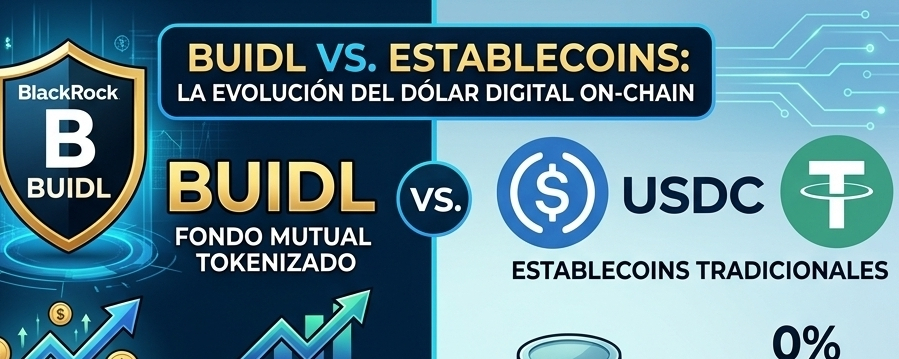
BUIDL vs. Stablecoins: The evolution of synthetic dollars into institutional on-chain yieldAlthough BUIDL, USDC, and USDT are quoted 1:1 with the dollar on-chain, their goals are opposite. While USDC and USDT operate as digital dollars with no restrictions for daily payments and commercial liquidity, the issuers keep the returns from the reserves. BUIDL, from BlackRock, operates as a regulated security token (Security Token) under the SEC that invests 100% of its fund in U.S. Treasury, distributing directly a passive yield (~5% annually) to the wallets of its holders. BUIDL turns cash into productive collateral for institutional treasuries; unlike traditional stablecoins’ open access, it requires KYC verification and restricts transfers only between pre-approved wallets, while also enabling immediate liquidity of $1 NAV and 24/7 redemption into USDC via Circle.
BUIDL vs. Stablecoins: The evolution of synthetic dollars into institutional on-chain yield
Although BUIDL, USDC, and USDT are quoted 1:1 with the dollar on-chain, their goals are opposite. While USDC and USDT operate as digital dollars with no restrictions for daily payments and commercial liquidity, the issuers keep the returns from the reserves. BUIDL, from BlackRock, operates as a regulated security token (Security Token) under the SEC that invests 100% of its fund in U.S. Treasury, distributing directly a passive yield (~5% annually) to the wallets of its holders. BUIDL turns cash into productive collateral for institutional treasuries; unlike traditional stablecoins’ open access, it requires KYC verification and restricts transfers only between pre-approved wallets, while also enabling immediate liquidity of $1 NAV and 24/7 redemption into USDC via Circle.
2
1.1k
·
--
Article
58
·
--
Article
All the Mess of Cryptos.What’s up!
The crypto world this month is a real mess, but in a good way. There’s everything happening at the same time and things have gotten, more than difficult, incredibly interesting. Forget about the entanglements, here I explain how the situation is without too much technical jargon.
1. "Memecoins" have gotten serious and now have brains (AI)
It's no longer just the little frog PEPE going up and down on a whim (though it still makes noise and is the "thermometer" to know if people want to take risks). The novelty is that now meme coins have married Artificial Intelligence.
All the Mess of Cryptos.
What’s up!
The crypto world this month is a real mess, but in a good way. There’s everything happening at the same time and things have gotten, more than difficult, incredibly interesting. Forget about the entanglements, here I explain how the situation is without too much technical jargon.
1. "Memecoins" have gotten serious and now have brains (AI)
It's no longer just the little frog PEPE going up and down on a whim (though it still makes noise and is the "thermometer" to know if people want to take risks). The novelty is that now meme coins have married Artificial Intelligence.
The crypto world this month is a real mess, but in a good way. There’s everything happening at the same time and things have gotten, more than difficult, incredibly interesting. Forget about the entanglements, here I explain how the situation is without too much technical jargon.
1. "Memecoins" have gotten serious and now have brains (AI)
It's no longer just the little frog PEPE going up and down on a whim (though it still makes noise and is the "thermometer" to know if people want to take risks). The novelty is that now meme coins have married Artificial Intelligence.
1
1.1k
·
--
USE OR NOT THE BPAY?
Although Bpay offers a direct integration with banking, many users in Venezuela maintain their preference for P2P (Peer to Peer) due to three critical factors: privacy, costs, and control. 🔐
Why the fear of Bpay?
* Traceability and Oversight: Being a formal gateway connected to the national banking system, each transaction leaves a clear digital footprint before Sudeban and SENIAT. In an environment where crypto regulations are still perceived as uncertain, users fear that this visibility will facilitate the collection of taxes such as the IGTF (3%) or audits on the source of funds.
* Hidden Costs: Although the rate seems competitive, when adding the fees of the gateway and possible bank withholdings, the "Bpay dollar" tends to be more expensive than that of the P2P market, where competition among cashiers keeps margins tighter.
* Risk of Blockages: There is fear that, in the event of any political or regulatory change, bank accounts linked to Bpay will be the first to be restricted for interacting directly with an exchange, something that P2P disguises under concepts such as "service payment" or "family transfer".
Why do they continue to prefer P2P?
* Relative anonymity: Bank transfers in P2P are seen as ordinary transactions between third parties.
* Flexibility: It allows operating with very small or very large amounts without the strict limits that cards or automated gateways usually impose.
* Trust in Escrow: Veteran users already master the security system of Binance and prefer to trust in its ability to filter counterparts rather than in a bank automated system....#ELBPAYVZLA $BNB
{spot}(BNBUSDT)
USE OR NOT THE BPAY?
Although Bpay offers a direct integration with banking, many users in Venezuela maintain their preference for P2P (Peer to Peer) due to three critical factors: privacy, costs, and control. 🔐
Why the fear of Bpay?
* Traceability and Oversight: Being a formal gateway connected to the national banking system, each transaction leaves a clear digital footprint before Sudeban and SENIAT. In an environment where crypto regulations are still perceived as uncertain, users fear that this visibility will facilitate the collection of taxes such as the IGTF (3%) or audits on the source of funds.
* Hidden Costs: Although the rate seems competitive, when adding the fees of the gateway and possible bank withholdings, the "Bpay dollar" tends to be more expensive than that of the P2P market, where competition among cashiers keeps margins tighter.
* Risk of Blockages: There is fear that, in the event of any political or regulatory change, bank accounts linked to Bpay will be the first to be restricted for interacting directly with an exchange, something that P2P disguises under concepts such as "service payment" or "family transfer".
Why do they continue to prefer P2P?
* Relative anonymity: Bank transfers in P2P are seen as ordinary transactions between third parties.
* Flexibility: It allows operating with very small or very large amounts without the strict limits that cards or automated gateways usually impose.
* Trust in Escrow: Veteran users already master the security system of Binance and prefer to trust in its ability to filter counterparts rather than in a bank automated system....#ELBPAYVZLA $BNB
Although Bpay offers a direct integration with banking, many users in Venezuela maintain their preference for P2P (Peer to Peer) due to three critical factors: privacy, costs, and control. 🔐
Why the fear of Bpay?
* Traceability and Oversight: Being a formal gateway connected to the national banking system, each transaction leaves a clear digital footprint before Sudeban and SENIAT. In an environment where crypto regulations are still perceived as uncertain, users fear that this visibility will facilitate the collection of taxes such as the IGTF (3%) or audits on the source of funds.
* Hidden Costs: Although the rate seems competitive, when adding the fees of the gateway and possible bank withholdings, the "Bpay dollar" tends to be more expensive than that of the P2P market, where competition among cashiers keeps margins tighter.
* Risk of Blockages: There is fear that, in the event of any political or regulatory change, bank accounts linked to Bpay will be the first to be restricted for interacting directly with an exchange, something that P2P disguises under concepts such as "service payment" or "family transfer".
Why do they continue to prefer P2P?
* Relative anonymity: Bank transfers in P2P are seen as ordinary transactions between third parties.
* Flexibility: It allows operating with very small or very large amounts without the strict limits that cards or automated gateways usually impose.
* Trust in Escrow: Veteran users already master the security system of Binance and prefer to trust in its ability to filter counterparts rather than in a bank automated system....#ELBPAYVZLA $BNB
1
91
·
--
Bpay
Bpay from Binance is now a reality in Venezuela! 🚀 This new bridge allows you to connect your national bank account directly to buy USDT with bolívares, facilitating access to digital dollars without external intermediaries. ✅ Advantages: Speed in deposits/withdrawals, competitive fees compared to traditional P2P, and greater operational security. ❌ Disadvantages: Less anonymity, as transactions are recorded in the national banking system and you are subject to tax traceability. ⚖️ Legal Scope: Operates under Resolution No. 001.21 from Sudeban that regulates Fintechs, allowing for the coexistence of banking and technology. Although it is legal, remember that these operations may be subject to IGTF if formalized as payments in foreign currencies. It's a key tool to protect your savings right now! 🇻🇪💰$BNB #ELBPAYVZLA
Bpay
Bpay from Binance is now a reality in Venezuela! 🚀 This new bridge allows you to connect your national bank account directly to buy USDT with bolívares, facilitating access to digital dollars without external intermediaries. ✅ Advantages: Speed in deposits/withdrawals, competitive fees compared to traditional P2P, and greater operational security. ❌ Disadvantages: Less anonymity, as transactions are recorded in the national banking system and you are subject to tax traceability. ⚖️ Legal Scope: Operates under Resolution No. 001.21 from Sudeban that regulates Fintechs, allowing for the coexistence of banking and technology. Although it is legal, remember that these operations may be subject to IGTF if formalized as payments in foreign currencies. It's a key tool to protect your savings right now! 🇻🇪💰$BNB #ELBPAYVZLA
Bpay from Binance is now a reality in Venezuela! 🚀 This new bridge allows you to connect your national bank account directly to buy USDT with bolívares, facilitating access to digital dollars without external intermediaries. ✅ Advantages: Speed in deposits/withdrawals, competitive fees compared to traditional P2P, and greater operational security. ❌ Disadvantages: Less anonymity, as transactions are recorded in the national banking system and you are subject to tax traceability. ⚖️ Legal Scope: Operates under Resolution No. 001.21 from Sudeban that regulates Fintechs, allowing for the coexistence of banking and technology. Although it is legal, remember that these operations may be subject to IGTF if formalized as payments in foreign currencies. It's a key tool to protect your savings right now! 🇻🇪💰$BNB #ELBPAYVZLA
110
·
--
Bullish
The mystery of China's liquidity
$PAXG
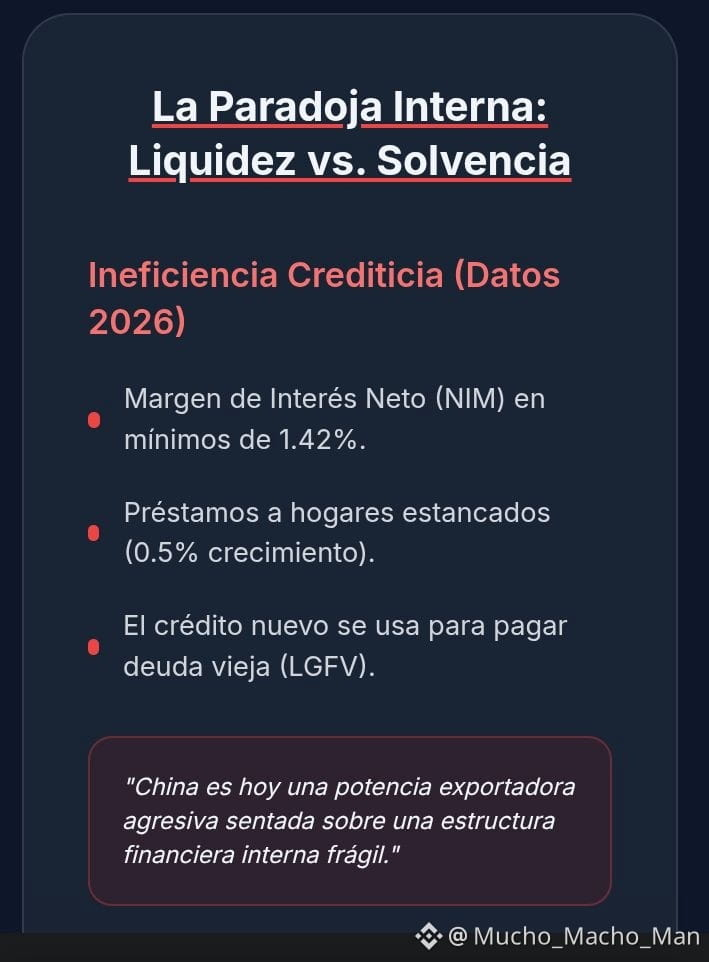
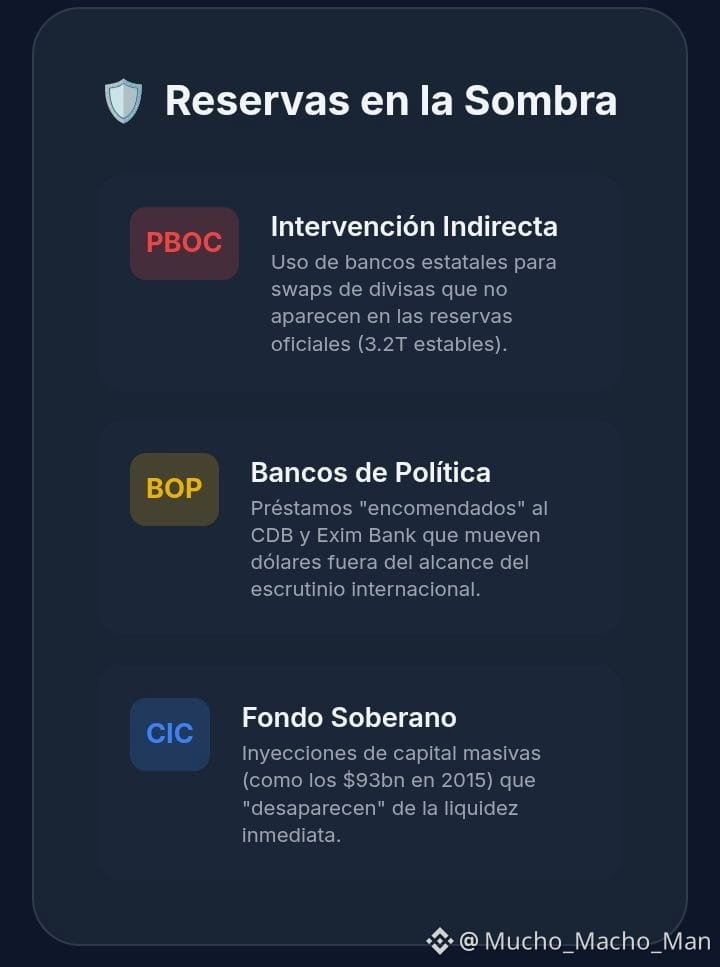
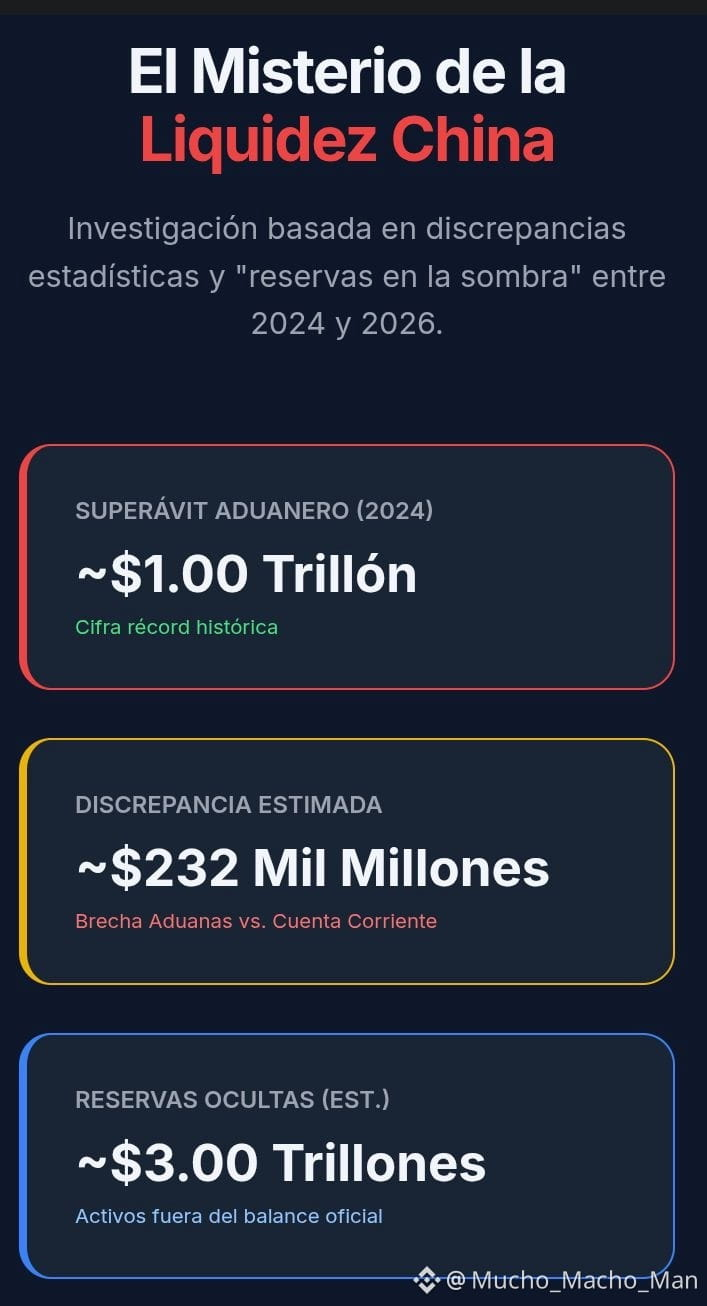
I observe in amazement how China's trade surplus 🇨🇳 reached a record of nearly $823 billion in 2024. This phenomenon is no coincidence; it is based on an aggressive strategy of exporting green technologies, such as electric vehicles and solar panels 🔋🚗. While Chinese domestic consumption falters, the Asian giant floods global markets with competitive prices, generating geopolitical tensions and tariffs in the West 🌍📉. It is a macroeconomic puzzle where productive efficiency collides head-on with global protectionism. 📈🏭#elgiganteasiatico
The mystery of China's liquidity
$PAXG
I observe in amazement how China's trade surplus 🇨🇳 reached a record of nearly $823 billion in 2024. This phenomenon is no coincidence; it is based on an aggressive strategy of exporting green technologies, such as electric vehicles and solar panels 🔋🚗. While Chinese domestic consumption falters, the Asian giant floods global markets with competitive prices, generating geopolitical tensions and tariffs in the West 🌍📉. It is a macroeconomic puzzle where productive efficiency collides head-on with global protectionism. 📈🏭#elgiganteasiatico
$PAXG
I observe in amazement how China's trade surplus 🇨🇳 reached a record of nearly $823 billion in 2024. This phenomenon is no coincidence; it is based on an aggressive strategy of exporting green technologies, such as electric vehicles and solar panels 🔋🚗. While Chinese domestic consumption falters, the Asian giant floods global markets with competitive prices, generating geopolitical tensions and tariffs in the West 🌍📉. It is a macroeconomic puzzle where productive efficiency collides head-on with global protectionism. 📈🏭#elgiganteasiatico
1
1k
·
--
what is a Fake news then as they say around here!
what is a Fake news then as they say around here!

layda-75d3c
·
--
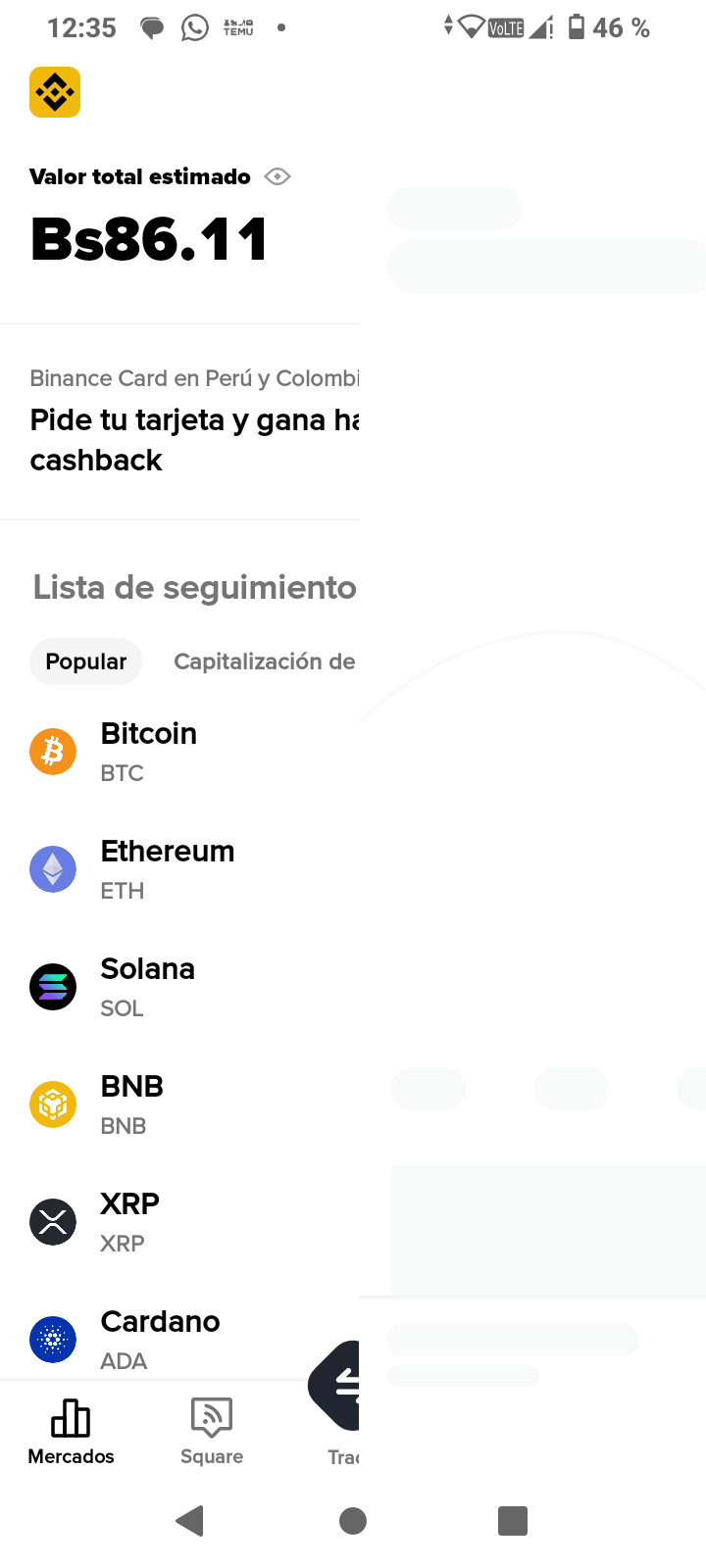
greetings my people, today I found
this beautiful surprise my country is
unlocked now we can use it in bolivars
Venezuelan brothers we can now use everything from our country's banks.
this beautiful surprise my country is
unlocked now we can use it in bolivars
Venezuelan brothers we can now use everything from our country's banks.
1
87
·
--
🛡️ Gold or Crypto? The Dilemma of Developing EconomiesIn 2026, nations with a limited GDP face a critical challenge: the devaluation of their local currencies against an unstable dollar. 📉 For these countries, GDP is not just a figure, it is the measure of their vulnerability.
Where to take refuge? 🧐
Gold 🟡: It remains the "king of stability". In 2025, it proved its value by growing more than 100%, ideal for those looking to preserve capital in the long term without shocks. It is tangible, but difficult to move and store.
Cryptocurrencies (BTC) 🚀: The "digital gold" offers a quick exit for unbanked populations. Although it reached $126k, its 30% volatility makes it a high-risk refuge. Its advantage is immediate liquidity and the lack of borders. 📱
🛡️ Gold or Crypto? The Dilemma of Developing Economies
In 2026, nations with a limited GDP face a critical challenge: the devaluation of their local currencies against an unstable dollar. 📉 For these countries, GDP is not just a figure, it is the measure of their vulnerability.
Where to take refuge? 🧐
Gold 🟡: It remains the "king of stability". In 2025, it proved its value by growing more than 100%, ideal for those looking to preserve capital in the long term without shocks. It is tangible, but difficult to move and store.
Cryptocurrencies (BTC) 🚀: The "digital gold" offers a quick exit for unbanked populations. Although it reached $126k, its 30% volatility makes it a high-risk refuge. Its advantage is immediate liquidity and the lack of borders. 📱
Where to take refuge? 🧐
Gold 🟡: It remains the "king of stability". In 2025, it proved its value by growing more than 100%, ideal for those looking to preserve capital in the long term without shocks. It is tangible, but difficult to move and store.
Cryptocurrencies (BTC) 🚀: The "digital gold" offers a quick exit for unbanked populations. Although it reached $126k, its 30% volatility makes it a high-risk refuge. Its advantage is immediate liquidity and the lack of borders. 📱
260
·
--
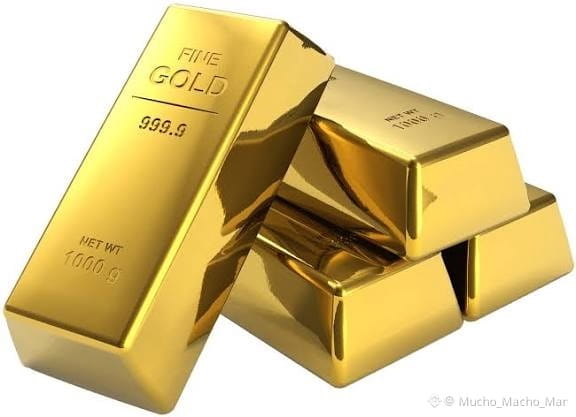
The price of gold tokens (PAXG and XAUT) is falling mainly because they follow the real-time price of physical gold. 📉 It is not a failure of the token, it is the global market. Here are the key reasons:
* Strong Dollar: 💵 When the dollar rises, gold usually falls because it becomes more expensive for investors with other currencies.
* Interest Rates: 🏦 If central banks keep rates high, investors prefer bonds that yield interest, unlike gold.
* Less Geopolitical Tension: 🕊️ If the fear of wars decreases, gold loses its appeal as a "safe haven".
* Profit-Taking: 💰 After reaching highs, many sell to cash in their profits, putting downward pressure on the price.
Remember: 1 PAXG/XAUT = 1 Troy Ounce. If gold in London falls, your token will too. 📊
{spot}(PAXGUSDT)
$PAXG
#GOLDOWN
@MuchoMachoMan
The price of gold tokens (PAXG and XAUT) is falling mainly because they follow the real-time price of physical gold. 📉 It is not a failure of the token, it is the global market. Here are the key reasons:
* Strong Dollar: 💵 When the dollar rises, gold usually falls because it becomes more expensive for investors with other currencies.
* Interest Rates: 🏦 If central banks keep rates high, investors prefer bonds that yield interest, unlike gold.
* Less Geopolitical Tension: 🕊️ If the fear of wars decreases, gold loses its appeal as a "safe haven".
* Profit-Taking: 💰 After reaching highs, many sell to cash in their profits, putting downward pressure on the price.
Remember: 1 PAXG/XAUT = 1 Troy Ounce. If gold in London falls, your token will too. 📊
$PAXG
#GOLDOWN
@CriptosHorse
* Strong Dollar: 💵 When the dollar rises, gold usually falls because it becomes more expensive for investors with other currencies.
* Interest Rates: 🏦 If central banks keep rates high, investors prefer bonds that yield interest, unlike gold.
* Less Geopolitical Tension: 🕊️ If the fear of wars decreases, gold loses its appeal as a "safe haven".
* Profit-Taking: 💰 After reaching highs, many sell to cash in their profits, putting downward pressure on the price.
Remember: 1 PAXG/XAUT = 1 Troy Ounce. If gold in London falls, your token will too. 📊
$PAXG
#GOLDOWN
@CriptosHorse
7
3
18
5.9k
·
--
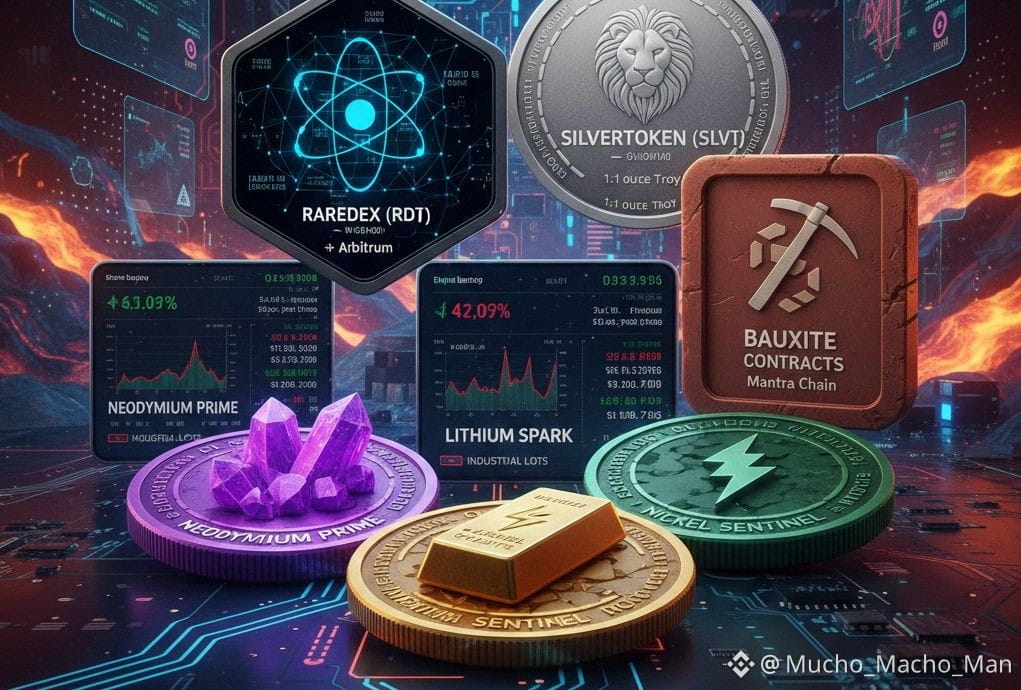
I constantly wonder if there really exists a cryptocurrency capable of maintaining a 1:1 parity with bauxite or high-value rare earths, beyond the already known projects that tokenize gold and silver. Is it possible to digitize the physical scarcity of strategic industrial metals to safeguard our capital against volatility? I envision an asset where each token represents a real fraction of neodymium or silver stored in vaults, merging the solidity of traditional mining with the agility of blockchain. This convergence between the tangible and the digital raises a reasonable doubt about the transparency of its reserves in such an exclusive market. 🚀💎
#RWA #Tokenization #SilverCrypto #RareEarths #BlockchainMining #Commodities
@MuchoMachoMan
I constantly wonder if there really exists a cryptocurrency capable of maintaining a 1:1 parity with bauxite or high-value rare earths, beyond the already known projects that tokenize gold and silver. Is it possible to digitize the physical scarcity of strategic industrial metals to safeguard our capital against volatility? I envision an asset where each token represents a real fraction of neodymium or silver stored in vaults, merging the solidity of traditional mining with the agility of blockchain. This convergence between the tangible and the digital raises a reasonable doubt about the transparency of its reserves in such an exclusive market. 🚀💎
#RWA #Tokenization #SilverCrypto #RareEarths #BlockchainMining #Commodities
@CriptosHorse
#RWA #Tokenization #SilverCrypto #RareEarths #BlockchainMining #Commodities
@CriptosHorse
6
69
·
--

Article
🚀 GOLD AT ITS PEAK AND I'M LOOKING FOR XAUt! 🌕Impressive the new historical rise of gold! 📈 As an investor, I cannot ignore XAUt (Tether Gold) to protect my capital. However, I am concerned. Why doesn't XAUt appear in the Convert option of Binance? 🤔
It would be great to have that direct swap facility. Personally, I want to take advantage of this rally, but I encounter that technical limitation... If any expert in the community knows how to operate it easily within the ecosystem, please notify me via DM. Show me the way! 🤝🔥
🚀 GOLD AT ITS PEAK AND I'M LOOKING FOR XAUt! 🌕
Impressive the new historical rise of gold! 📈 As an investor, I cannot ignore XAUt (Tether Gold) to protect my capital. However, I am concerned. Why doesn't XAUt appear in the Convert option of Binance? 🤔
It would be great to have that direct swap facility. Personally, I want to take advantage of this rally, but I encounter that technical limitation... If any expert in the community knows how to operate it easily within the ecosystem, please notify me via DM. Show me the way! 🤝🔥
It would be great to have that direct swap facility. Personally, I want to take advantage of this rally, but I encounter that technical limitation... If any expert in the community knows how to operate it easily within the ecosystem, please notify me via DM. Show me the way! 🤝🔥
11
71
·
--
Digital Gold: Synchrony at the Summit
The historic rise of gold, which recently surpassed $5,000 per ounce in January 2026, has a direct and fundamental relationship with the price of XAUt (Tether Gold). As a cryptocurrency backed 1:1 by physical gold, its value does not rise due to isolated speculation, but rather due to an intrinsic linkage: each token represents a real troy ounce. This parity makes XAUt the digital mirror of the precious metal, allowing the revaluation of the safe-haven asset to be instantly transferred to the blockchain ecosystem, unifying ancient security with modern liquidity.
Digital Gold: Synchrony at the Summit
The historic rise of gold, which recently surpassed $5,000 per ounce in January 2026, has a direct and fundamental relationship with the price of XAUt (Tether Gold). As a cryptocurrency backed 1:1 by physical gold, its value does not rise due to isolated speculation, but rather due to an intrinsic linkage: each token represents a real troy ounce. This parity makes XAUt the digital mirror of the precious metal, allowing the revaluation of the safe-haven asset to be instantly transferred to the blockchain ecosystem, unifying ancient security with modern liquidity.
The historic rise of gold, which recently surpassed $5,000 per ounce in January 2026, has a direct and fundamental relationship with the price of XAUt (Tether Gold). As a cryptocurrency backed 1:1 by physical gold, its value does not rise due to isolated speculation, but rather due to an intrinsic linkage: each token represents a real troy ounce. This parity makes XAUt the digital mirror of the precious metal, allowing the revaluation of the safe-haven asset to be instantly transferred to the blockchain ecosystem, unifying ancient security with modern liquidity.
10
145
Log in to explore more content
Join global crypto users on Binance Square
⚡️ Get latest and useful information about crypto.
💬 Trusted by the world’s largest crypto exchange.
👍 Discover real insights from verified creators.
Email / Phone number