
V E L O R I A
12.9k Posts

V E L O R I A
 Square Verified
Report
Block User
KITE-167214
1.0K+ Following
32.6K+ Followers
22.5K+ Liked
Posts
All
Quotes
Live
What's the worst feeling in crypto?
$BTC
{spot}(BTCUSDT)
$ASTSB
{spot}(ASTSBUSDT)
What's the worst feeling in crypto?
$BTC
$ASTSB
$BTC
$ASTSB
Liquidation
Early Selling
Missed Entry
19 hr(s) left
2
111
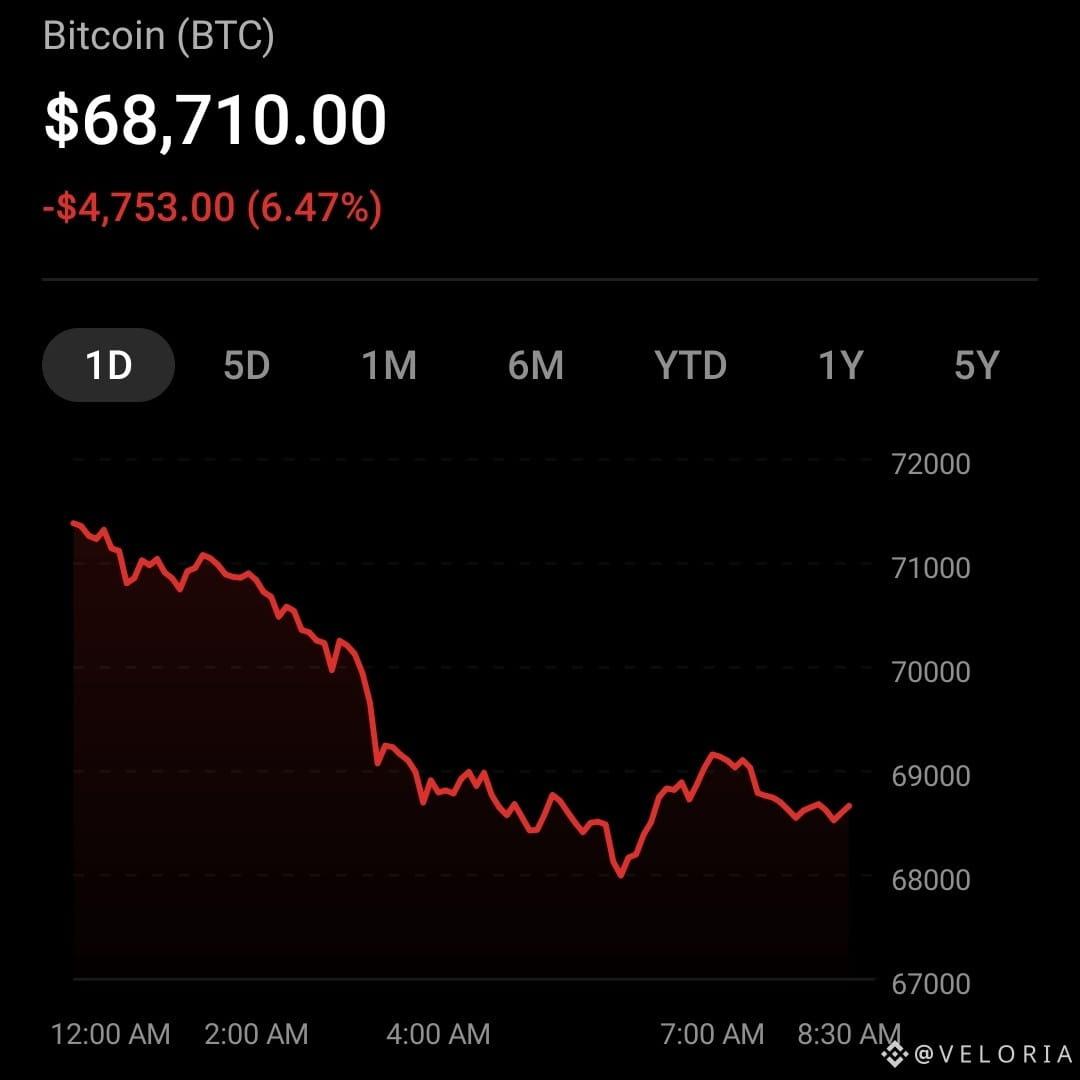
Bitcoin is trading around $68,686, down approximately 6.5% in 24 hours. 😳
The market is bleeding, leveraged traders are getting wiped, and fear is taking over timelines.
But here's the real question 👇
Are we witnessing a buying opportunity… or is the worst still ahead?
👇 DROP YOUR HONEST TAKE:
🐂 BULLS — This is the bottom
🐻 BEARS — More pain coming
🧠 WAIT — No entry yet
Let's see who's actually reading the market and who's just guessing. 👀
#Bitcoin #Binance $BTC
{spot}(BTCUSDT)
$AAPLB
{spot}(AAPLBUSDT)
$MSFTB
{spot}(MSFTBUSDT)
Bitcoin is trading around $68,686, down approximately 6.5% in 24 hours. 😳
The market is bleeding, leveraged traders are getting wiped, and fear is taking over timelines.
But here's the real question 👇
Are we witnessing a buying opportunity… or is the worst still ahead?
👇 DROP YOUR HONEST TAKE:
🐂 BULLS — This is the bottom
🐻 BEARS — More pain coming
🧠 WAIT — No entry yet
Let's see who's actually reading the market and who's just guessing. 👀
#Bitcoin #Binance $BTC
$AAPLB
$MSFTB
170
30D trade $BNB 4.3K USDT
What hurts more in crypto?
{spot}(BTCUSDT)
{spot}(ETHUSDT)
What hurts more in crypto?
Early Selling
Late Buying
Watching Others
4 hr(s) left
2
53
30D trade $JCT 7.5K USDT
$AAPLB
{spot}(AAPLBUSDT)
What's harder in crypto?
$AAPLB
What's harder in crypto?
What's harder in crypto?
Holding Profits
Cutting Losses
Avoiding FOMO
4 hr(s) left
1
70
Bitcoin's biggest enemy right now might be impatience.
Everyone wants to catch the bottom, but nobody wants to sit through the uncertainty that comes with it.
When BTC drops, people demand lower prices. When it starts recovering, the same people suddenly regret not buying earlier. It's a cycle I've seen repeatedly in crypto.
The interesting part? Markets don't reward everyone who predicts correctly. They reward those who manage risk when their prediction turns out wrong.
I'm more interested in seeing how traders behave during this uncertainty than guessing the next candle.
Are you accumulating BTC during this weakness, or waiting for confirmation before entering?
#Bitcoin #BTC #CryptoTrading $BTC
{spot}(BTCUSDT)
$AAPLB
{spot}(AAPLBUSDT)
$MSFTB
{spot}(MSFTBUSDT)
Bitcoin's biggest enemy right now might be impatience.
Everyone wants to catch the bottom, but nobody wants to sit through the uncertainty that comes with it.
When BTC drops, people demand lower prices. When it starts recovering, the same people suddenly regret not buying earlier. It's a cycle I've seen repeatedly in crypto.
The interesting part? Markets don't reward everyone who predicts correctly. They reward those who manage risk when their prediction turns out wrong.
I'm more interested in seeing how traders behave during this uncertainty than guessing the next candle.
Are you accumulating BTC during this weakness, or waiting for confirmation before entering?
#Bitcoin #BTC #CryptoTrading $BTC
$AAPLB
$MSFTB
2
101
·
--
Bearish
What worries me more than the price itself is how quickly market sentiment changes. A few weeks ago, people were searching for the next breakout. Now every bounce is being questioned, and every red candle brings fresh fear.
But here's something worth thinking about: Is this weakness actually changing Bitcoin's fundamentals, or simply exposing how many traders entered expecting easy profits?
I'm not calling a bottom, and I'm definitely not saying $75K must hold. Markets don't owe anyone a recovery.
Sometimes the biggest mistake isn't buying too early. It's entering without knowing what would make you change your mind.
What do you think? Is BTC preparing for another recovery, or are we still underestimating the downside?
#Bitcoin #BTC #CryptoMarket
BTC: What's coming next?$BTC
{spot}(BTCUSDT)
What worries me more than the price itself is how quickly market sentiment changes. A few weeks ago, people were searching for the next breakout. Now every bounce is being questioned, and every red candle brings fresh fear.
But here's something worth thinking about: Is this weakness actually changing Bitcoin's fundamentals, or simply exposing how many traders entered expecting easy profits?
I'm not calling a bottom, and I'm definitely not saying $75K must hold. Markets don't owe anyone a recovery.
Sometimes the biggest mistake isn't buying too early. It's entering without knowing what would make you change your mind.
What do you think? Is BTC preparing for another recovery, or are we still underestimating the downside?
#Bitcoin #BTC #CryptoMarket
BTC: What's coming next?$BTC
Bullish Recovery
More Downside
Sideways Action
5 min(s) left
2
108
Claim guys btcBOOM👁🎁$BTC
{spot}(BTCUSDT)
Claim guys btcBOOM👁🎁$BTC

NSCrypto82
·
--
write Btc in comments and claim reward ❣️

1
213
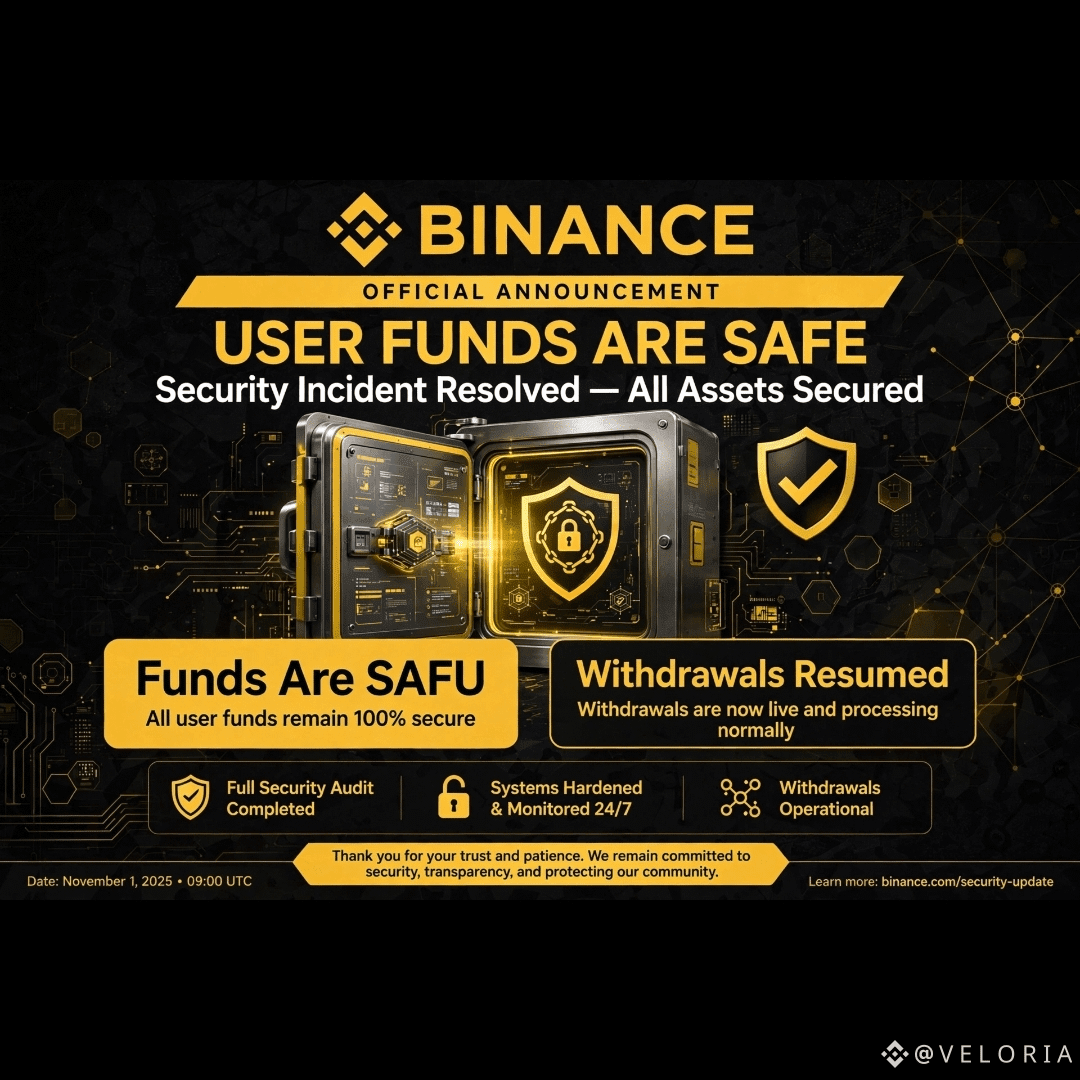
*Withdrawal Update*
Withdrawals have now been restored for the following assets and networks:
- Ethereum Network: USDC, USDT, ETH
- BNB Smart Chain (BSC): USDC, USDT, BNB
We will continue to restore additional assets and networks in phases following the completion of our security checks. Further updates will be shared through official Binance channels.
#BinanceToResumePhaseOneOfWithdrawals
$USD1 $ETH
{spot}(ETHUSDT)
$BNB
{spot}(BNBUSDT)
*Withdrawal Update*
Withdrawals have now been restored for the following assets and networks:
- Ethereum Network: USDC, USDT, ETH
- BNB Smart Chain (BSC): USDC, USDT, BNB
We will continue to restore additional assets and networks in phases following the completion of our security checks. Further updates will be shared through official Binance channels.
#BinanceToResumePhaseOneOfWithdrawals
$USD1 $ETH
$BNB
2
256
🎉🎂 Happy Birthday, Brother Zeeshan! ❤️
Wishing my brother Zeeshan a life full of happiness, success, good health, and endless blessings! 🤲❤️
May Allah grant you everything your heart desires and make every step of your journey successful. Keep shining, keep winning, and keep hitting those perfect shots — both on the golf course and in life! ⛳🏆
Stay blessed, brother. May this new year of your life bring you countless reasons to smile! 🎁✨
Happy Birthday, Zeeshan! ❤️🎉
#HappyBirthday #Brotherhood #BinanceSquare
$BTC
{spot}(BTCUSDT)
$ETH $ETH
{spot}(ETHUSDT)
{spot}(BNBUSDT)
🎉🎂 Happy Birthday, Brother Zeeshan! ❤️
Wishing my brother Zeeshan a life full of happiness, success, good health, and endless blessings! 🤲❤️
May Allah grant you everything your heart desires and make every step of your journey successful. Keep shining, keep winning, and keep hitting those perfect shots — both on the golf course and in life! ⛳🏆
Stay blessed, brother. May this new year of your life bring you countless reasons to smile! 🎁✨
Happy Birthday, Zeeshan! ❤️🎉
#HappyBirthday #Brotherhood #BinanceSquare
$BTC
$ETH $ETH

1.1k
2
54
1.1k

vote done
vote done

AZ__
·
--
BullishHave you voted for @AZ__ yet? 👀
Click Here to Vote 🗳
$JCT
$BR
$NIL
Click Here to Vote 🗳
$JCT
$BR
$NIL
1
20
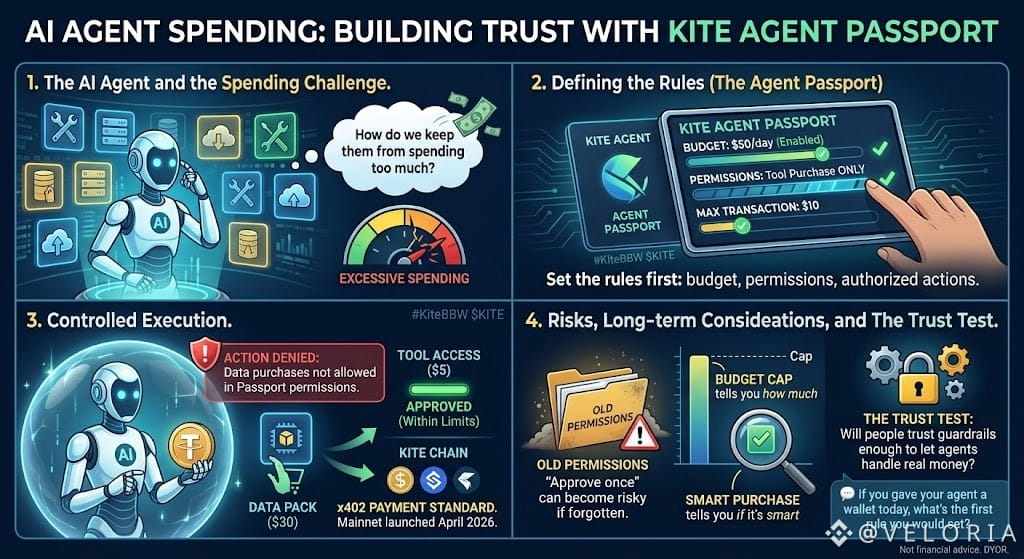
AI agents are starting to buy things for us, like tools, data and services. But the big question is: how do we keep them from spending too much?
This is where Kite is interesting. With the Agent Passport, you set the rules first: a budget, permissions and what the agent is allowed to do. The agent can only spend inside those rules, every action is checked before money moves, and you can cancel access at any time and see a full record of what happened.
Payments settle on Kite Chain, which uses stablecoins and supports the x402 payment standard. Mainnet launched in April 2026.
What I like is that the limit is built into the system. It doesn't depend on the agent behaving well.
But limits aren't perfect. A cap tells you how much an agent can spend, not whether the purchase is smart. And "approve once" is easy, but old permissions can become risky if you forget about them.
So the real test is simple: will people trust these guardrails enough to let agents handle real money?
💬 If you gave your agent a wallet today, what's the first rule you would set?
Not financial advice. DYOR.
#KiteBBW $KITE
{spot}(KITEUSDT)
AI agents are starting to buy things for us, like tools, data and services. But the big question is: how do we keep them from spending too much?
This is where Kite is interesting. With the Agent Passport, you set the rules first: a budget, permissions and what the agent is allowed to do. The agent can only spend inside those rules, every action is checked before money moves, and you can cancel access at any time and see a full record of what happened.
Payments settle on Kite Chain, which uses stablecoins and supports the x402 payment standard. Mainnet launched in April 2026.
What I like is that the limit is built into the system. It doesn't depend on the agent behaving well.
But limits aren't perfect. A cap tells you how much an agent can spend, not whether the purchase is smart. And "approve once" is easy, but old permissions can become risky if you forget about them.
So the real test is simple: will people trust these guardrails enough to let agents handle real money?
💬 If you gave your agent a wallet today, what's the first rule you would set?
Not financial advice. DYOR.
#KiteBBW $KITE
3
8
144
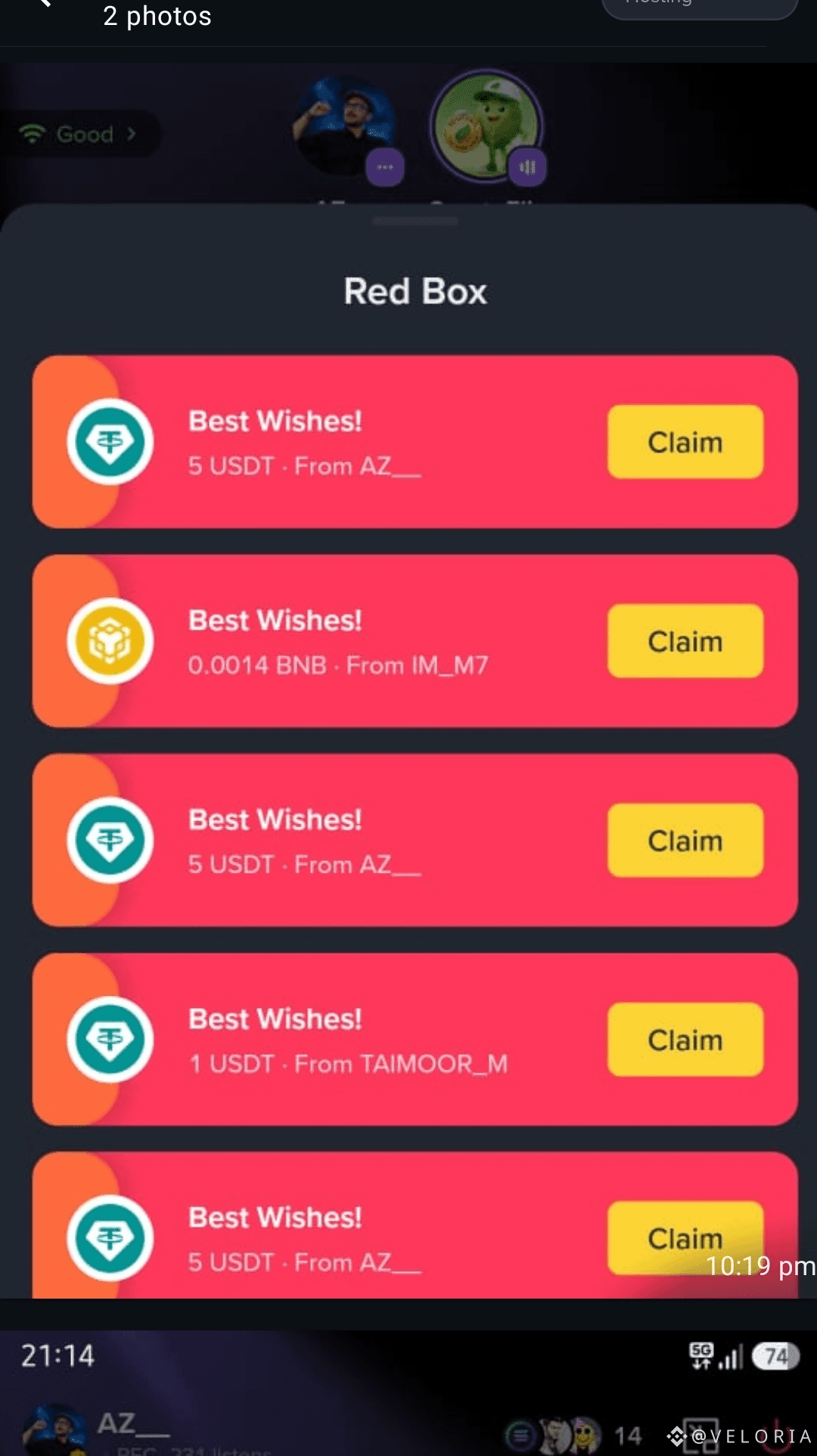
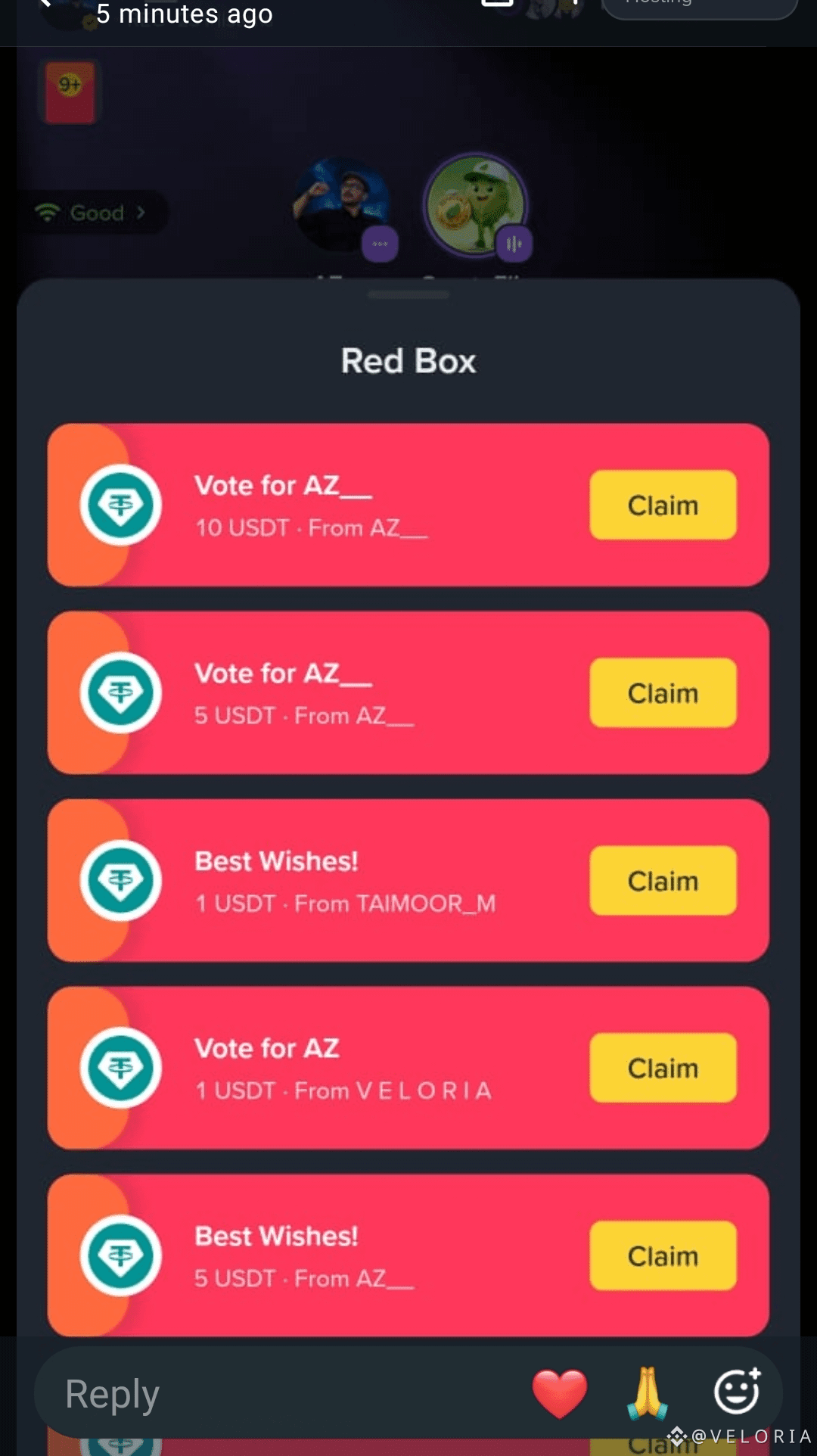
🚨🔥 LET’S SHOW OUR SUPPORT FOR @AzAs_ ! 🔥🚨
🗳️ VOTE NOW & HELP HIM WIN! 💪🏆
👉 Visit @AzAs_ _’s profile ✅ Click on VOTE 📸 Take a screenshot of your vote and drop it in the comments!
🎁💰 $1,000 GIVEAWAY ALERT! 💰🎁 🎉 Random winners will be picked — so join in and grab your chance to win! 🍀🔥
🚀 VOTE • COMMENT • WIN! 🚀
💙 Let’s make some noise for @AzAs_! 🔥🙌
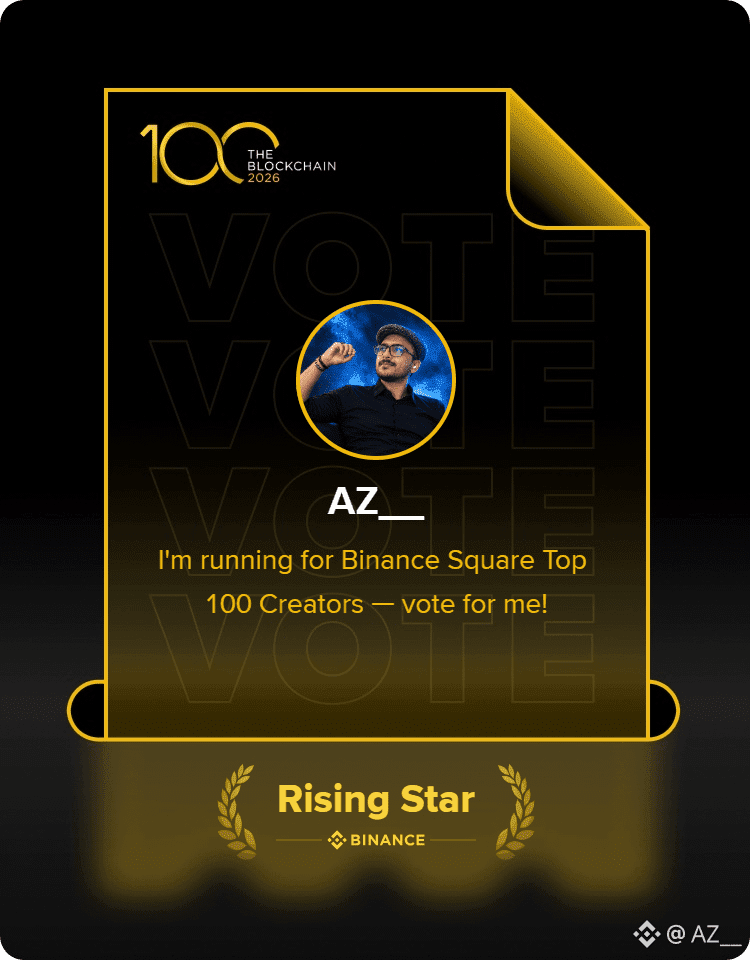
🚨🔥 LET’S SHOW OUR SUPPORT FOR @AZ__ ! 🔥🚨
🗳️ VOTE NOW & HELP HIM WIN! 💪🏆
👉 Visit @AZ__ _’s profile ✅ Click on VOTE 📸 Take a screenshot of your vote and drop it in the comments!
🎁💰 $1,000 GIVEAWAY ALERT! 💰🎁 🎉 Random winners will be picked — so join in and grab your chance to win! 🍀🔥
🚀 VOTE • COMMENT • WIN! 🚀
💙 Let’s make some noise for @AzAs_! 🔥🙌
AZ__
·
--
Vote for @AZ__ for the Blockchain 100 Awards!
Vote For AZ__
$AIN
$EVAA
$XAN
Vote For AZ__
$AIN
$EVAA
$XAN

29
7
80
#nil $NIL @nillionnetwork I keep coming back to the same thought: privacy shouldn’t be something we bolt on later. It should be there from the start, especially as AI and Web3 keep growing.
That’s why Nillion has my attention. Its blind computation approach lets sensitive data be put to work without ever being exposed. Think about what that could mean for AI agents, secure analytics, and decentralized apps. Useful data, without the trade-off.
But here’s the part I care about most: will builders turn this into products people genuinely want toź use? Good tech doesn’t matter much if nobody adopts it. That’s what I’ll be watching as the ecosystem grows.
#nil $NIL @Nillion I keep coming back to the same thought: privacy shouldn’t be something we bolt on later. It should be there from the start, especially as AI and Web3 keep growing.
That’s why Nillion has my attention. Its blind computation approach lets sensitive data be put to work without ever being exposed. Think about what that could mean for AI agents, secure analytics, and decentralized apps. Useful data, without the trade-off.
But here’s the part I care about most: will builders turn this into products people genuinely want toź use? Good tech doesn’t matter much if nobody adopts it. That’s what I’ll be watching as the ecosystem grows.
202
Log in to explore more content
Join global crypto users on Binance Square
⚡️ Get latest and useful information about crypto.
💬 Trusted by the world’s largest crypto exchange.
👍 Discover real insights from verified creators.
Email / Phone number
Trending Topics
WhatWillDriveCryptoandStocks’NextRebound?
63,812 views
875 Discussing
Bitcoin Slips Below $70,000 as Dollar Index Hits 19-Month High
Binance News
·17 Likes
·38.1k views
BitcoinBreaksBelow200WeekMovingAverage
0 views
12 Discussing
Anthropic’s6xIPODemandSignalsPotentialRecordRaise
20,314 views
414 Discussing