

CryptoWhael
520 Posts

CryptoWhael
Report
Block User
I follow market movements and uncover opportunities before everyone else, providing professional analysis of Bitcoin and major cryptocurrencies with technical a
Open Trade
Frequent Trader
2.9 Years
199 Following
2.3K+ Followers
413 Liked
Posts
Portfolio
All
Quotes
Live
·
--
Bullish
$NIL full size of margin & 5x leverage longed.
$NIL
{future}(NILUSDT)
$NIL full size of margin & 5x leverage longed.
$NIL
$NIL
1
70
·
--
Bullish
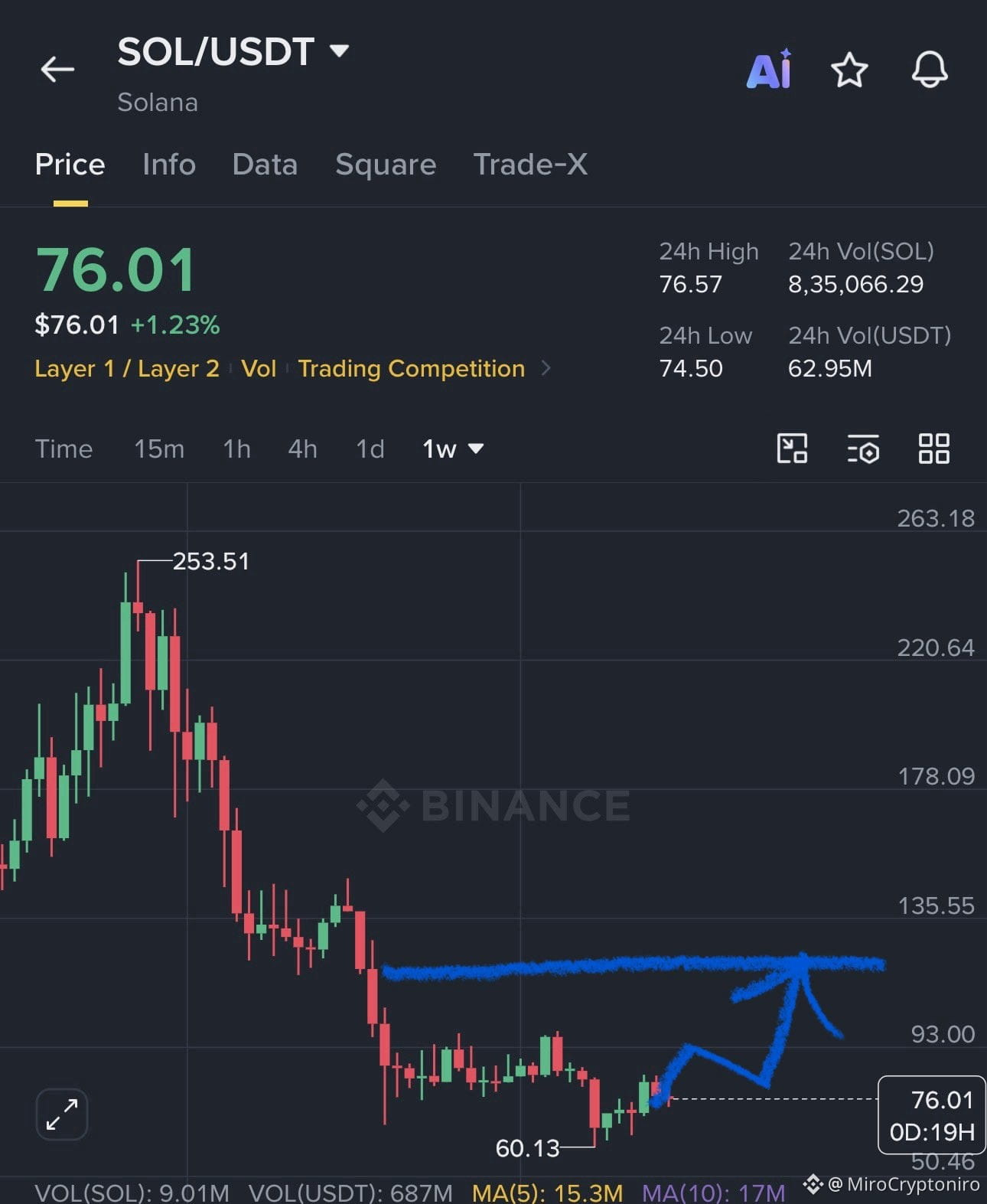
$SOL weekly chart looks good
Next short term target is 100-135$ ✅
$SOL
{future}(SOLUSDT)
long open long now
$SOL weekly chart looks good
Next short term target is 100-135$ ✅
$SOL
long open long now
Next short term target is 100-135$ ✅
$SOL
long open long now
68
·
--
Bullish
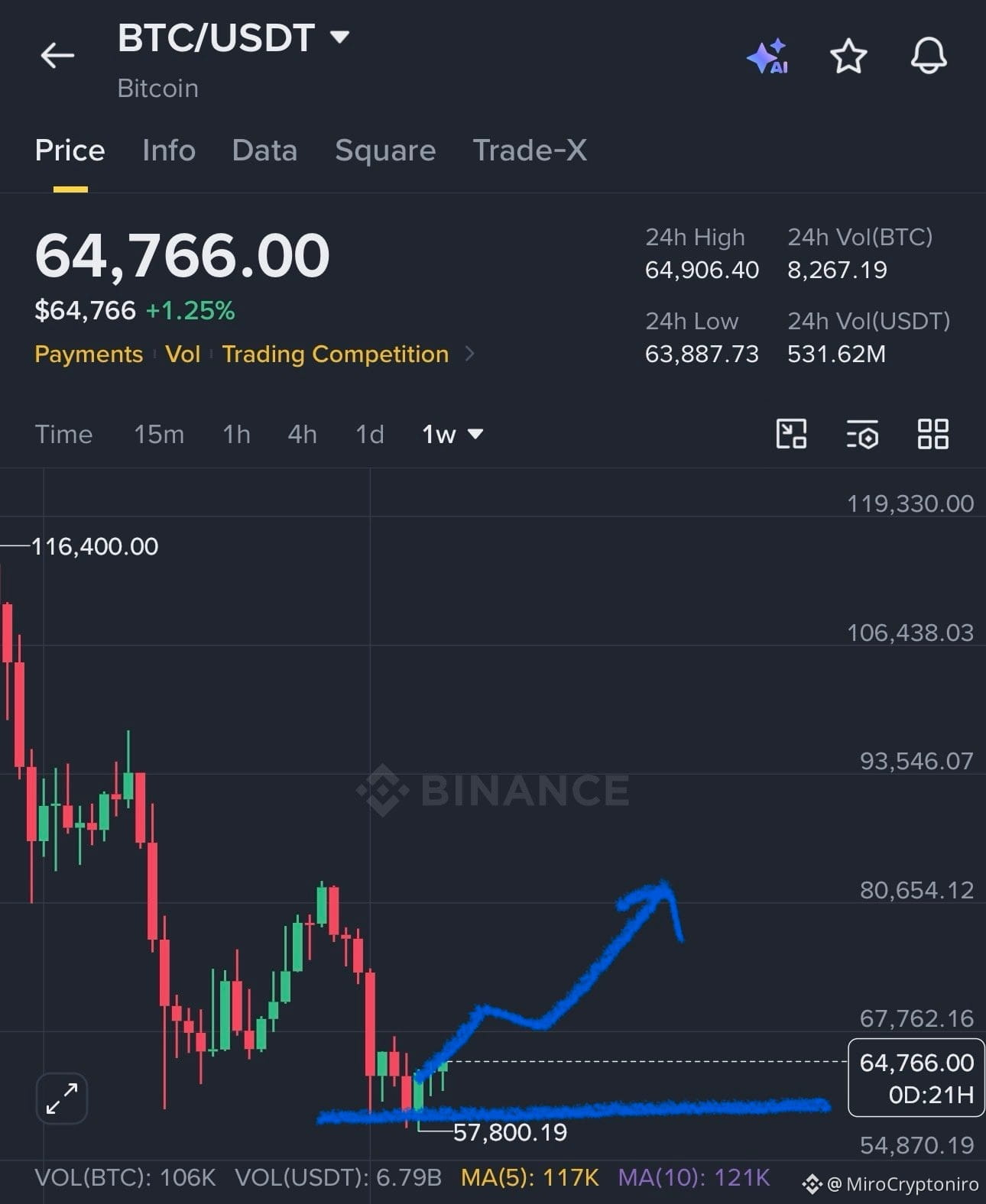
$BTC weekly chart looks good
Next short term target is 75-80K$ ✅
$BTC
{future}(BTCUSDT)
long long long 🕯
$BTC weekly chart looks good
Next short term target is 75-80K$ ✅
$BTC
long long long 🕯
Next short term target is 75-80K$ ✅
$BTC
long long long 🕯
83
·
--
Bearish
A week of loss, and back to zero. Why is my life like this?
$NIL
A week of loss, and back to zero. Why is my life like this?
$NIL
$NIL

232
·
--
Bullish
What does it mean? Have you ever heard of it—don’t take the poor man’s money
$AKE
What does it mean? Have you ever heard of it—don’t take the poor man’s money
$AKE
$AKE
1
253
·
--
Bearish
Message: 😭💔💔💔
Being fully honest with you all 🙏
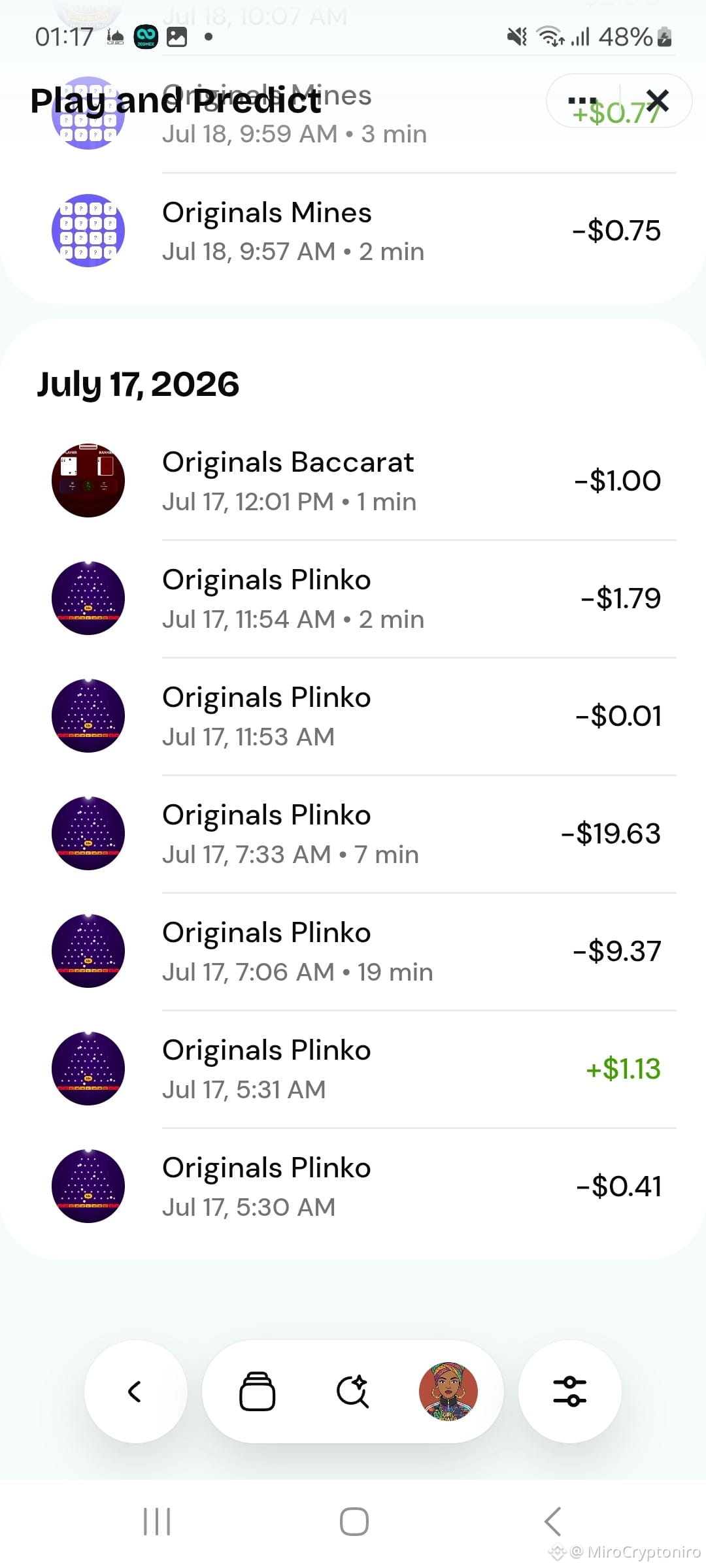
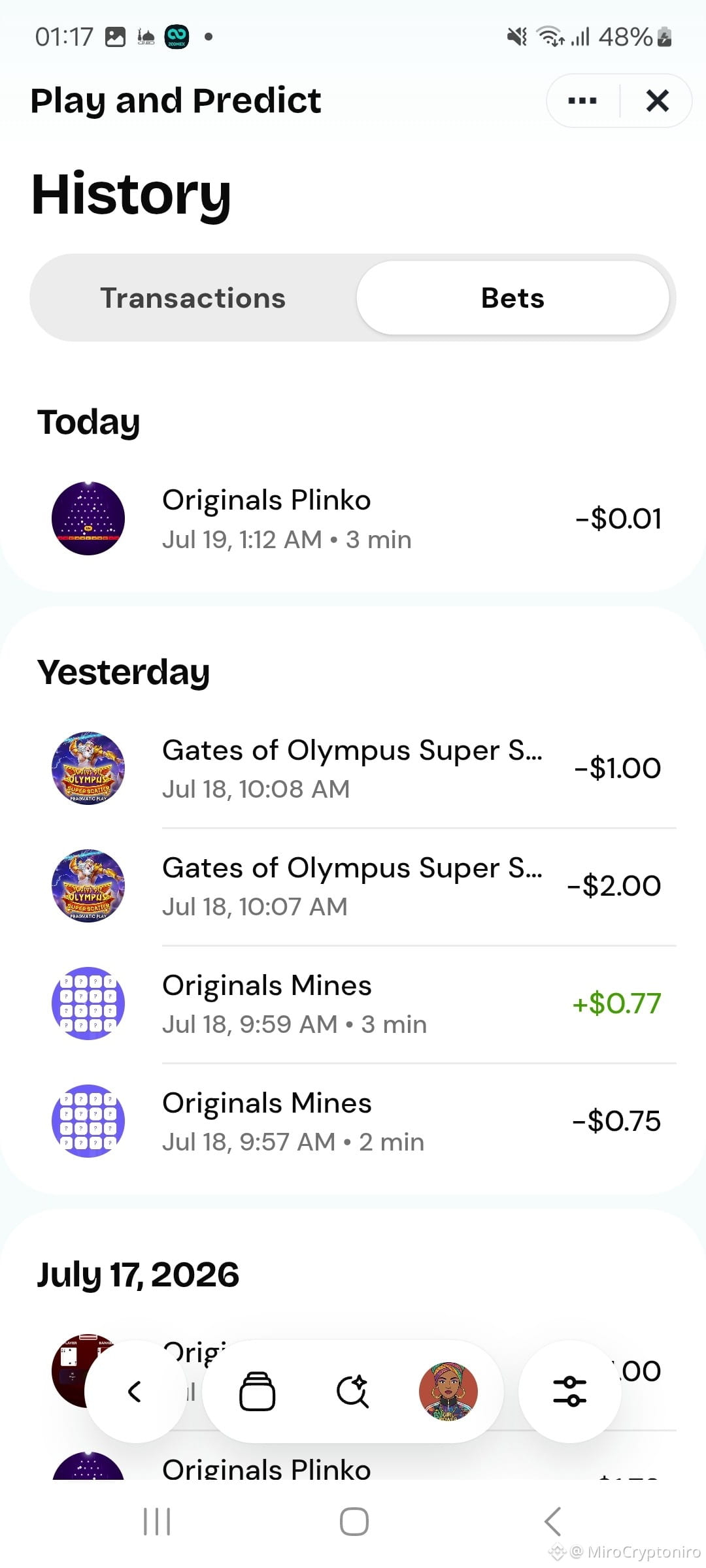
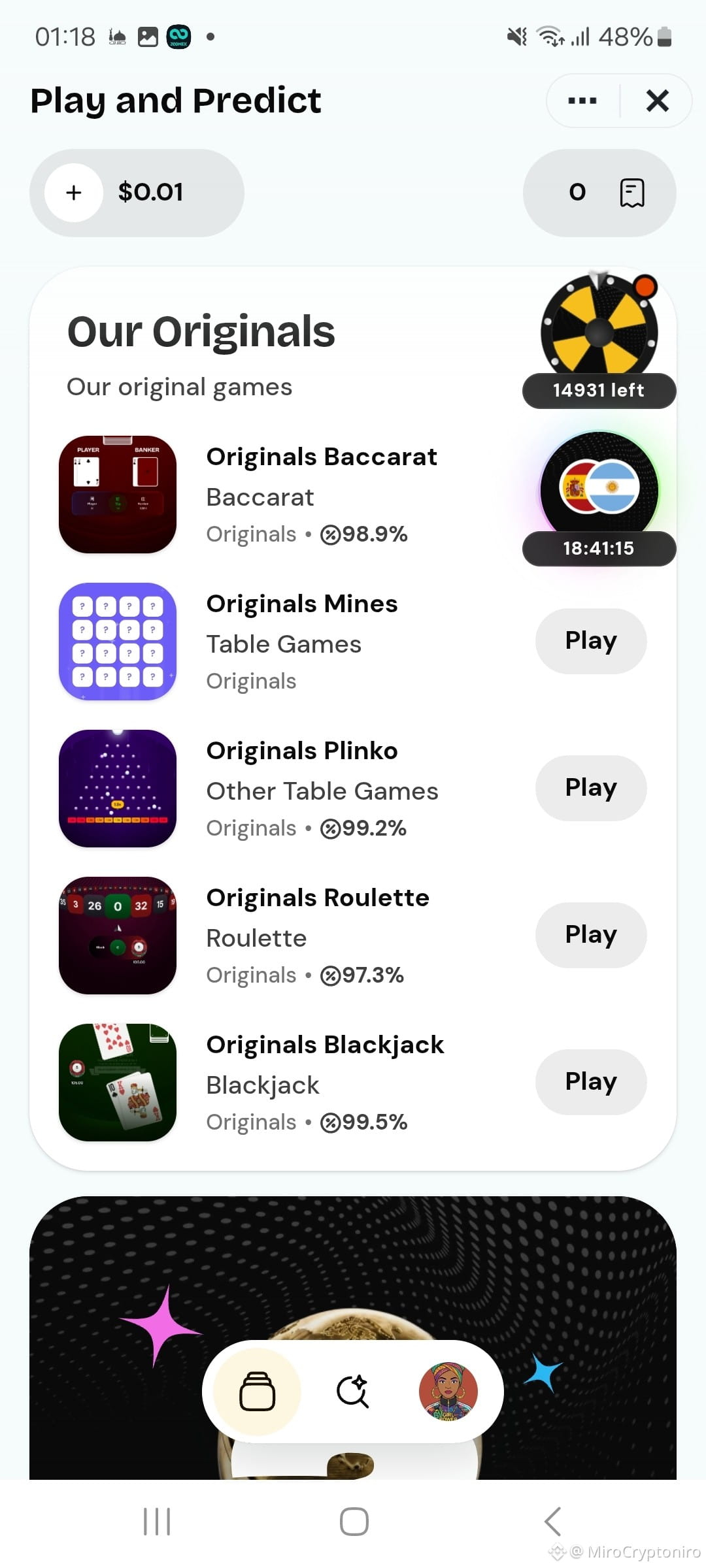
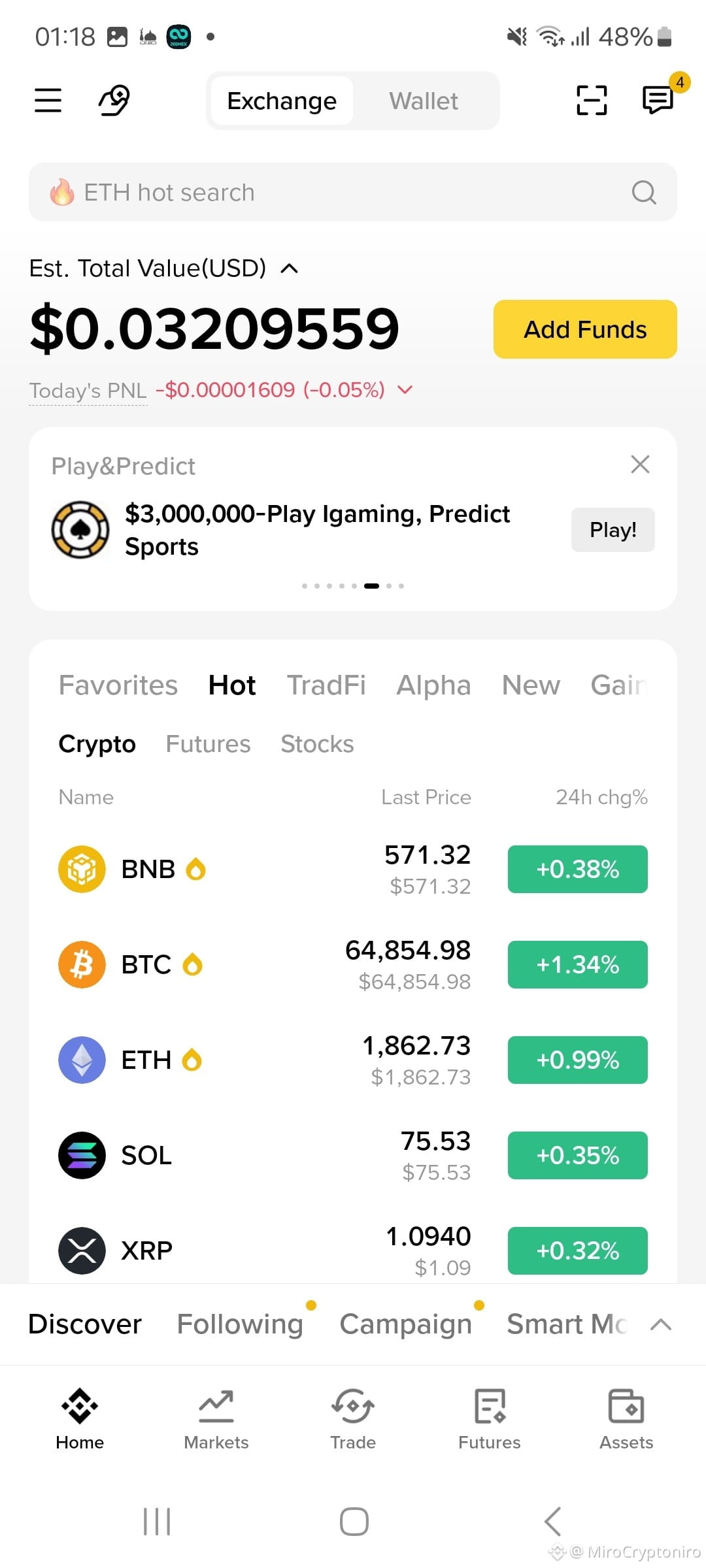
I've been testing these gambling platforms (baccarat, mines, plinko...) and I want to share my real experience: I lost way more than I won. The numbers don't lie — my balance today barely reaches a few cents, after betting much larger amounts.
My advice to you:
These games are mathematically designed in the platform's favor. Advertised "RTP" (return to player) percentages don't mean you'll win — the more you play, the higher your chance of cumulative loss.
Don't treat this money as an "investment." It's simply a bet that can disappear completely.
If you find yourself playing to chase a previous loss, that's a red flag to stop immediately.
Set a hard limit on what you're willing to lose before you start, and don't cross it no matter what.
This was an expensive lesson for me, and I hope your experience is cheaper — learned from reading this post instead of living it yourself.
Take care of your money 💛
$NVDA.US $NVDAB $AAPL.US
Message: 😭💔💔💔
Being fully honest with you all 🙏
I've been testing these gambling platforms (baccarat, mines, plinko...) and I want to share my real experience: I lost way more than I won. The numbers don't lie — my balance today barely reaches a few cents, after betting much larger amounts.
My advice to you:
These games are mathematically designed in the platform's favor. Advertised "RTP" (return to player) percentages don't mean you'll win — the more you play, the higher your chance of cumulative loss.
Don't treat this money as an "investment." It's simply a bet that can disappear completely.
If you find yourself playing to chase a previous loss, that's a red flag to stop immediately.
Set a hard limit on what you're willing to lose before you start, and don't cross it no matter what.
This was an expensive lesson for me, and I hope your experience is cheaper — learned from reading this post instead of living it yourself.
Take care of your money 💛
$NVDA.US $NVDAB $AAPL.US
Being fully honest with you all 🙏
I've been testing these gambling platforms (baccarat, mines, plinko...) and I want to share my real experience: I lost way more than I won. The numbers don't lie — my balance today barely reaches a few cents, after betting much larger amounts.
My advice to you:
These games are mathematically designed in the platform's favor. Advertised "RTP" (return to player) percentages don't mean you'll win — the more you play, the higher your chance of cumulative loss.
Don't treat this money as an "investment." It's simply a bet that can disappear completely.
If you find yourself playing to chase a previous loss, that's a red flag to stop immediately.
Set a hard limit on what you're willing to lose before you start, and don't cross it no matter what.
This was an expensive lesson for me, and I hope your experience is cheaper — learned from reading this post instead of living it yourself.
Take care of your money 💛
$NVDA.US $NVDAB $AAPL.US
133
·
--
Bullish
NVDAUS-0.19%
1
126
·
--
Bullish
Payment Giveaway 🎁
CryptoWhael Sent 500 USDT payment. Tap this link to pay.
https://s.binance.com/ldcDF2yD
Payment Giveaway 🎁
CryptoWhael Sent 500 USDT payment. Tap this link to pay.
https://s.binance.com/ldcDF2yD
CryptoWhael Sent 500 USDT payment. Tap this link to pay.
https://s.binance.com/ldcDF2yD
1
20
·
--
Bullish
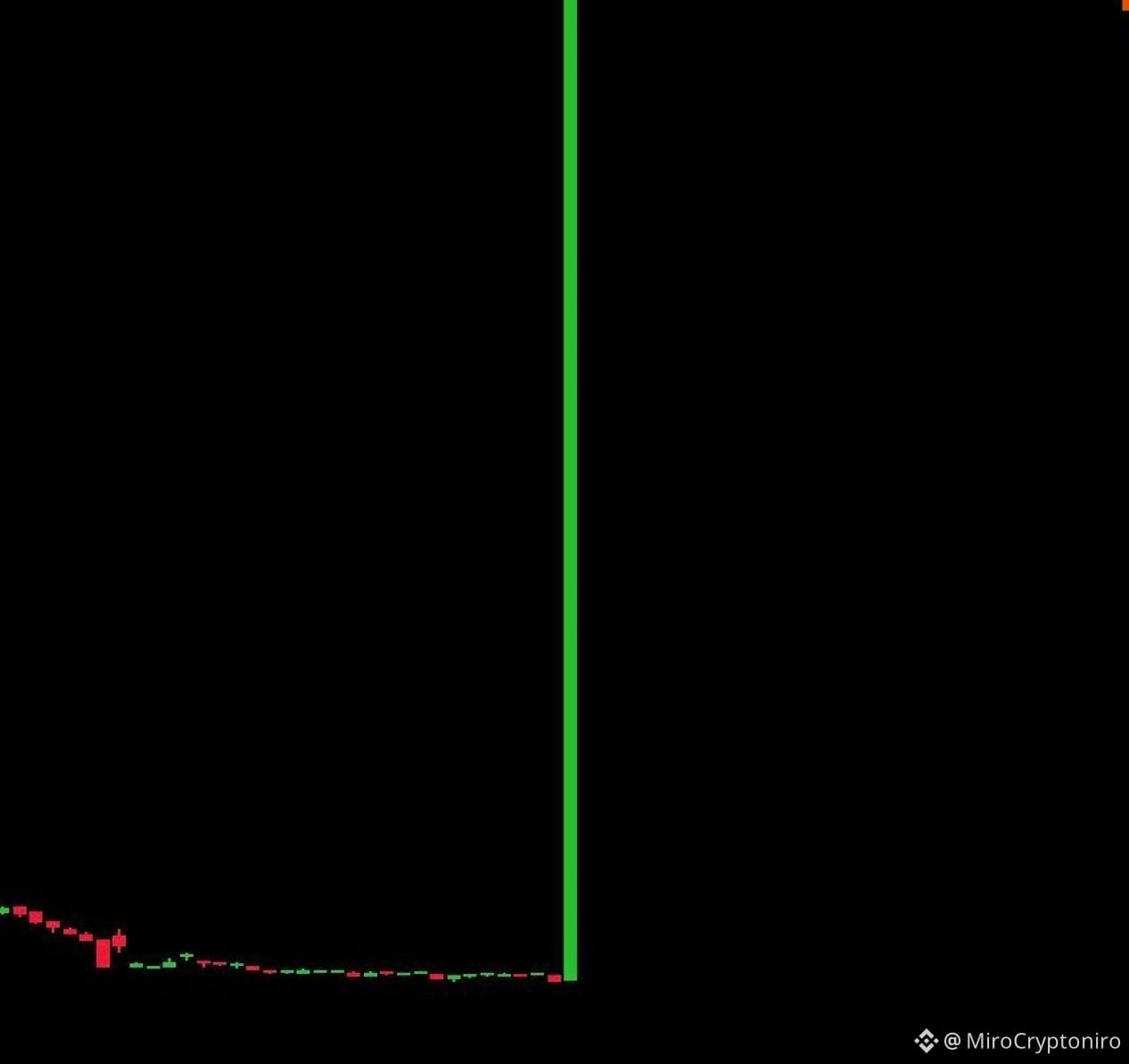
which memecoin or altcoin is going to 1000x?
drop the ticker
$CARV
{future}(CARVUSDT)
which memecoin or altcoin is going to 1000x?
drop the ticker
$CARV
drop the ticker
$CARV
75
·
--
Bullish
#BinancePickAndWin
Big clash tonight: France 🇫🇷 vs England 🏴 ⚽🔥
The more you trade, the more you win — and the more prizes you unlock! Don't miss your chance to score big while the match heats up.
Trade more. Win more. Unlock more. 🏆
#BinancePickAndWin
Big clash tonight: France 🇫🇷 vs England 🏴 ⚽🔥
The more you trade, the more you win — and the more prizes you unlock! Don't miss your chance to score big while the match heats up.
Trade more. Win more. Unlock more. 🏆
Big clash tonight: France 🇫🇷 vs England 🏴 ⚽🔥
The more you trade, the more you win — and the more prizes you unlock! Don't miss your chance to score big while the match heats up.
Trade more. Win more. Unlock more. 🏆
36
·
--
Bullish
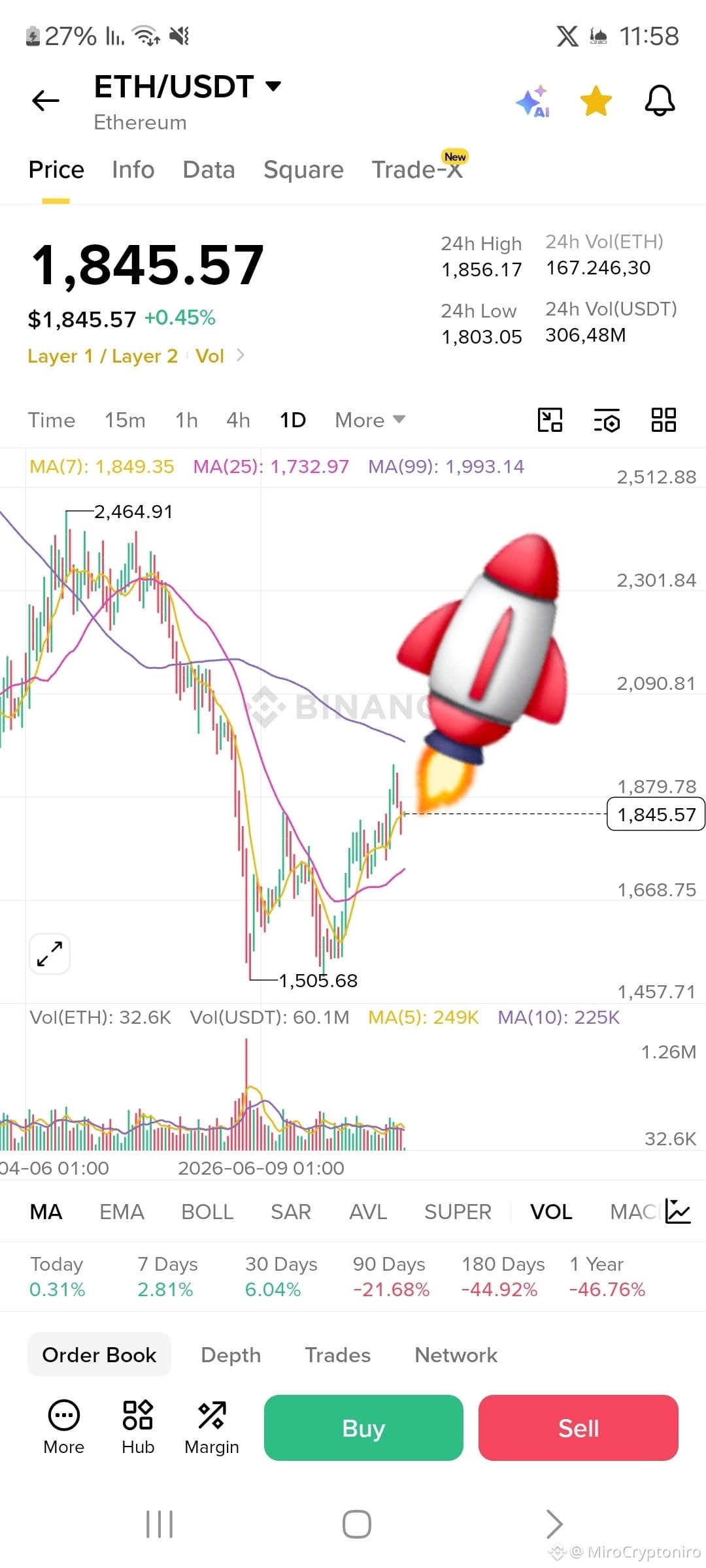
$ETH Long Setup!!! Buy the dip, ride the recovery. Bullish setup. $ETH
{future}(ETHUSDT)
🚀
Entry: $1,845 – $1,840
TP1: $1,825
TP2: $1,920
TP3: $1,970
SL: $1,810
Setup Logic:
Overall trend is showing early signs of recovery after defending the key support zone around $1,820–1,840.
Price continues to hold above support despite recent volatility, indicating buyers are stepping in on dips.
#ETH
$ETH Long Setup!!! Buy the dip, ride the recovery. Bullish setup. $ETH
🚀
Entry: $1,845 – $1,840
TP1: $1,825
TP2: $1,920
TP3: $1,970
SL: $1,810
Setup Logic:
Overall trend is showing early signs of recovery after defending the key support zone around $1,820–1,840.
Price continues to hold above support despite recent volatility, indicating buyers are stepping in on dips.
#ETH
🚀
Entry: $1,845 – $1,840
TP1: $1,825
TP2: $1,920
TP3: $1,970
SL: $1,810
Setup Logic:
Overall trend is showing early signs of recovery after defending the key support zone around $1,820–1,840.
Price continues to hold above support despite recent volatility, indicating buyers are stepping in on dips.
#ETH
63
·
--
Bullish
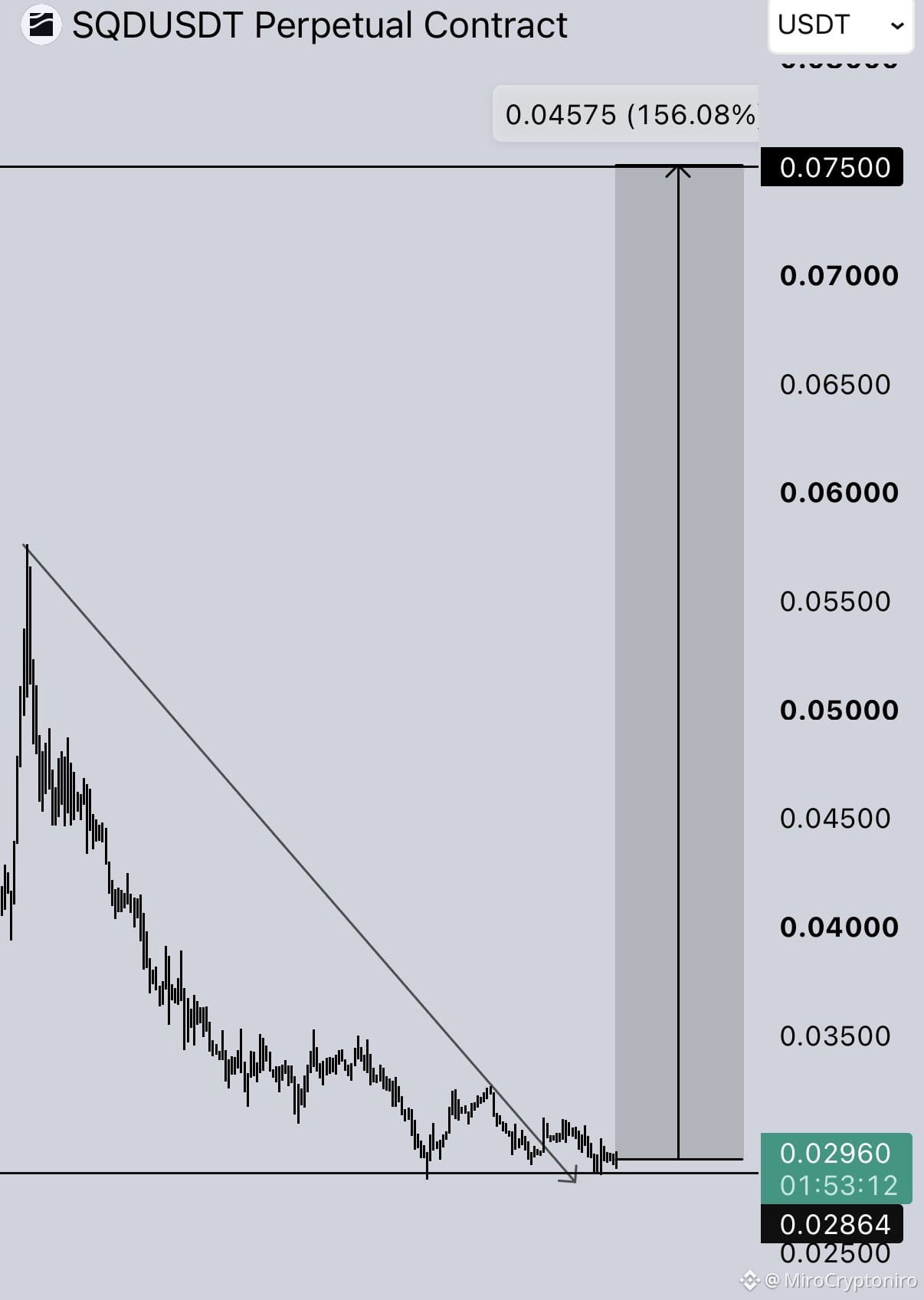
$NIL | Buy zone is here.
It will be easy long.
$NIL
{spot}(NILUSDT)
$NIL | Buy zone is here.
It will be easy long.
$NIL
It will be easy long.
$NIL
402
·
--
Bullish
$NIL 5x leverage & 50% margin longed.
$NIL
{future}(NILUSDT)
🤩😍
$NIL 5x leverage & 50% margin longed.
$NIL
🤩😍
$NIL
🤩😍
19
·
--
Bullish
Gave you $AKE .
600% pump in 5 days.
Giving you $SQD now.
$AKE
{future}(AKEUSDT)
Gave you $AKE .
600% pump in 5 days.
Giving you $SQD now.
$AKE
600% pump in 5 days.
Giving you $SQD now.
$AKE
288
·
--
Bullish
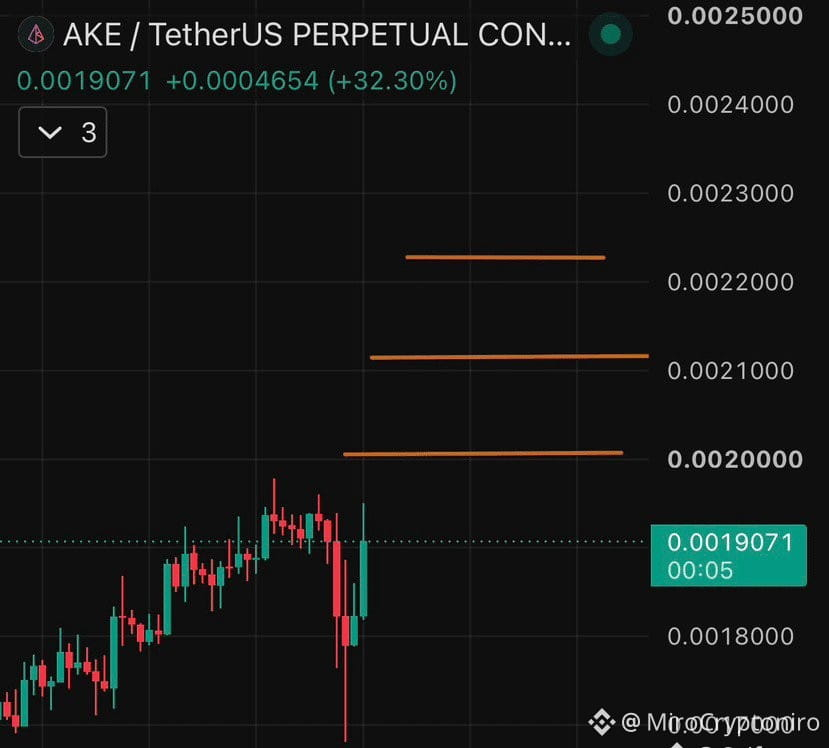
$AKE See? I Told You 3 Days Ago ☝️
Next Target ~ 0.0022 👍
After the $LAB crash, many of its whale investors appear to be moving into AKE.
As a result, AKE could potentially become the next LAB
$AKE
{future}(AKEUSDT)
$AKE See? I Told You 3 Days Ago ☝️
Next Target ~ 0.0022 👍
After the $LAB crash, many of its whale investors appear to be moving into AKE.
As a result, AKE could potentially become the next LAB
$AKE
Next Target ~ 0.0022 👍
After the $LAB crash, many of its whale investors appear to be moving into AKE.
As a result, AKE could potentially become the next LAB
$AKE
112
Log in to explore more content
Join global crypto users on Binance Square
⚡️ Get latest and useful information about crypto.
💬 Trusted by the world’s largest crypto exchange.
👍 Discover real insights from verified creators.
Email / Phone number
Trending Topics
BinancePick
3.3M views
163,694 Discussing
Join #EarningsSeason: Predict Earnings on Binance Pick, Share Your Take on Binance Square!
Binance Square Official
·418 Likes
·345.1k views
EarningsSeason
5.4M views
26,769 Discussing
StrategySkipsBitcoinPurchasesSpends$205MOnSTRCBuybacks
485 views
23 Discussing