

H A S S A A N
11.1k Posts

H A S S A A N
Report
Block User
Hold dreams, take risks.
Open Trade
Frequent Trader
2.5 Years
104 Following
19.3K+ Followers
82.7K+ Liked
Posts
Portfolio
All
Quotes
Videos
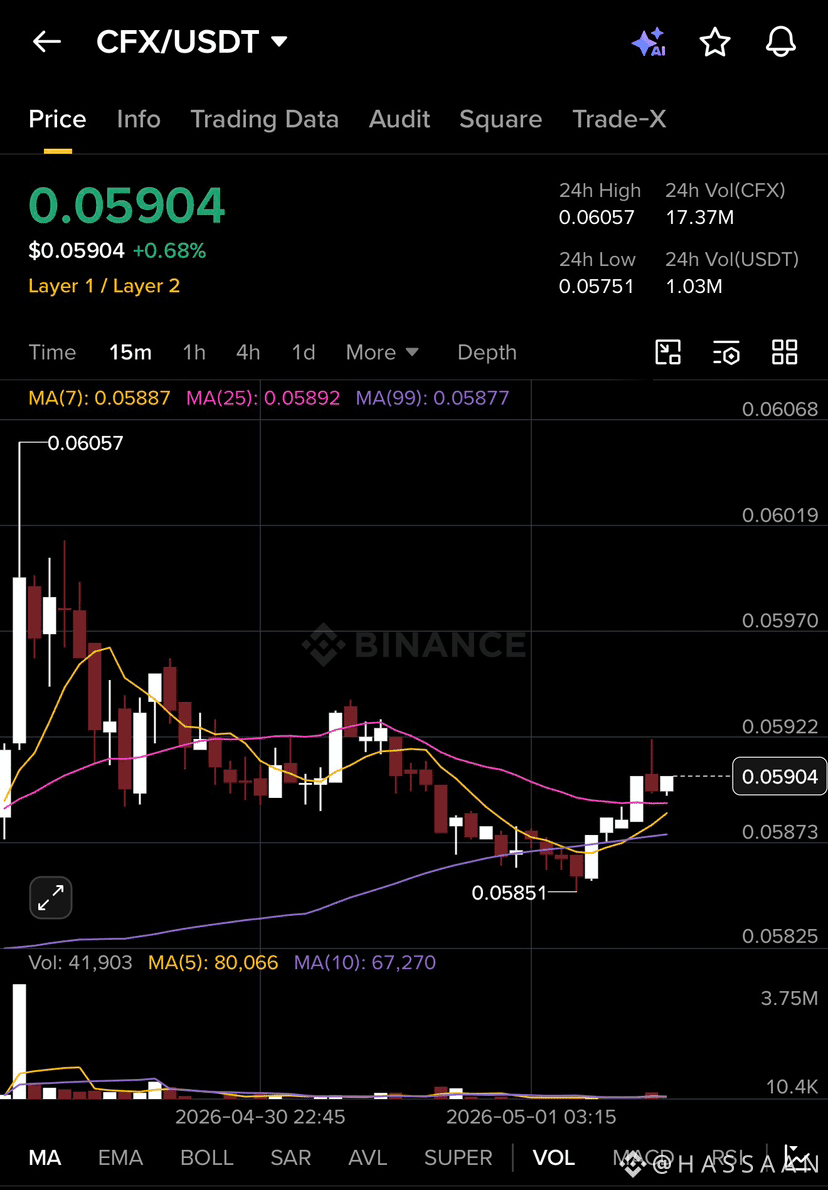
$CFX is starting to move up.
Price is moving up step by step, holding strong on dips.
More buyers are coming in as volume grows.
Feels like something bigger might be building here.
$CFX is starting to move up.
Price is moving up step by step, holding strong on dips.
More buyers are coming in as volume grows.
Feels like something bigger might be building here.
Price is moving up step by step, holding strong on dips.
More buyers are coming in as volume grows.
Feels like something bigger might be building here.
1
796
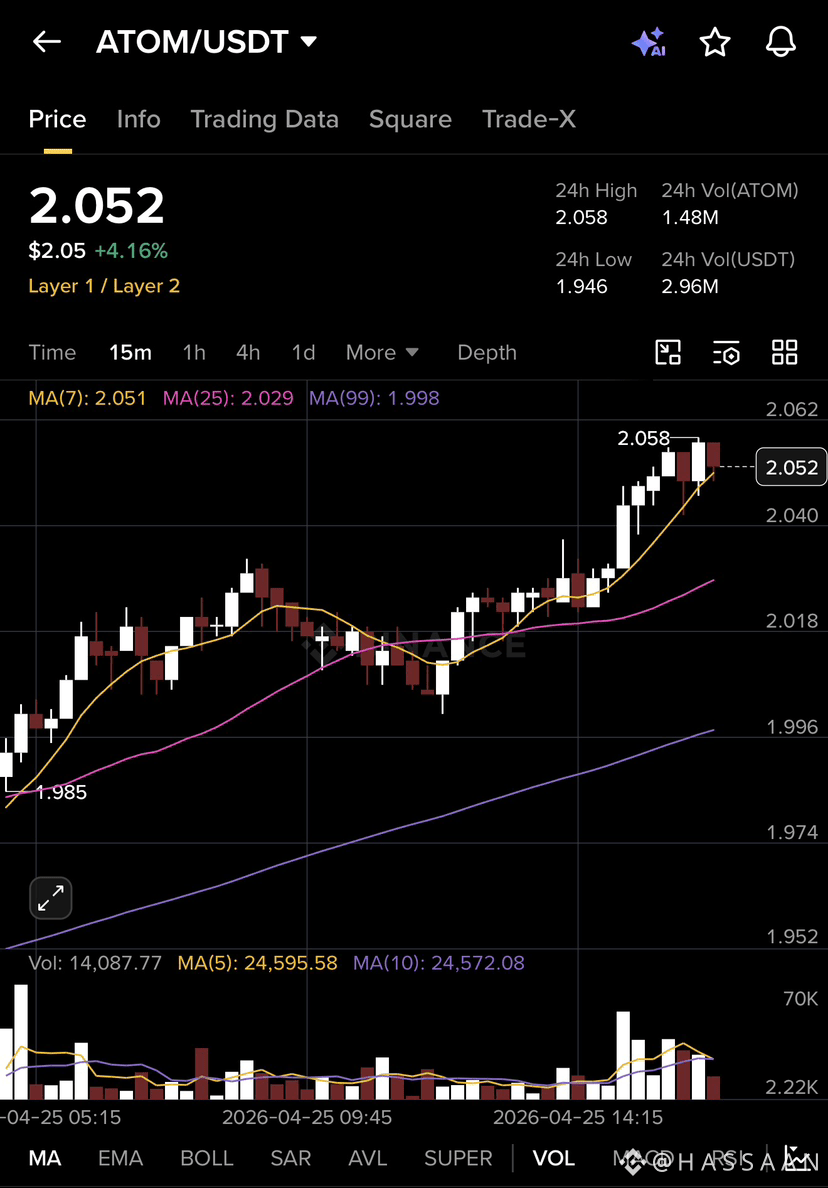
$ATOM is moving up nicely.
Price keeps climbing with steady strength.
Volume is picking up as more buyers step in.
Looks like it could keep pushing higher.
$ATOM is moving up nicely.
Price keeps climbing with steady strength.
Volume is picking up as more buyers step in.
Looks like it could keep pushing higher.
Price keeps climbing with steady strength.
Volume is picking up as more buyers step in.
Looks like it could keep pushing higher.
669
·
--
Bullish
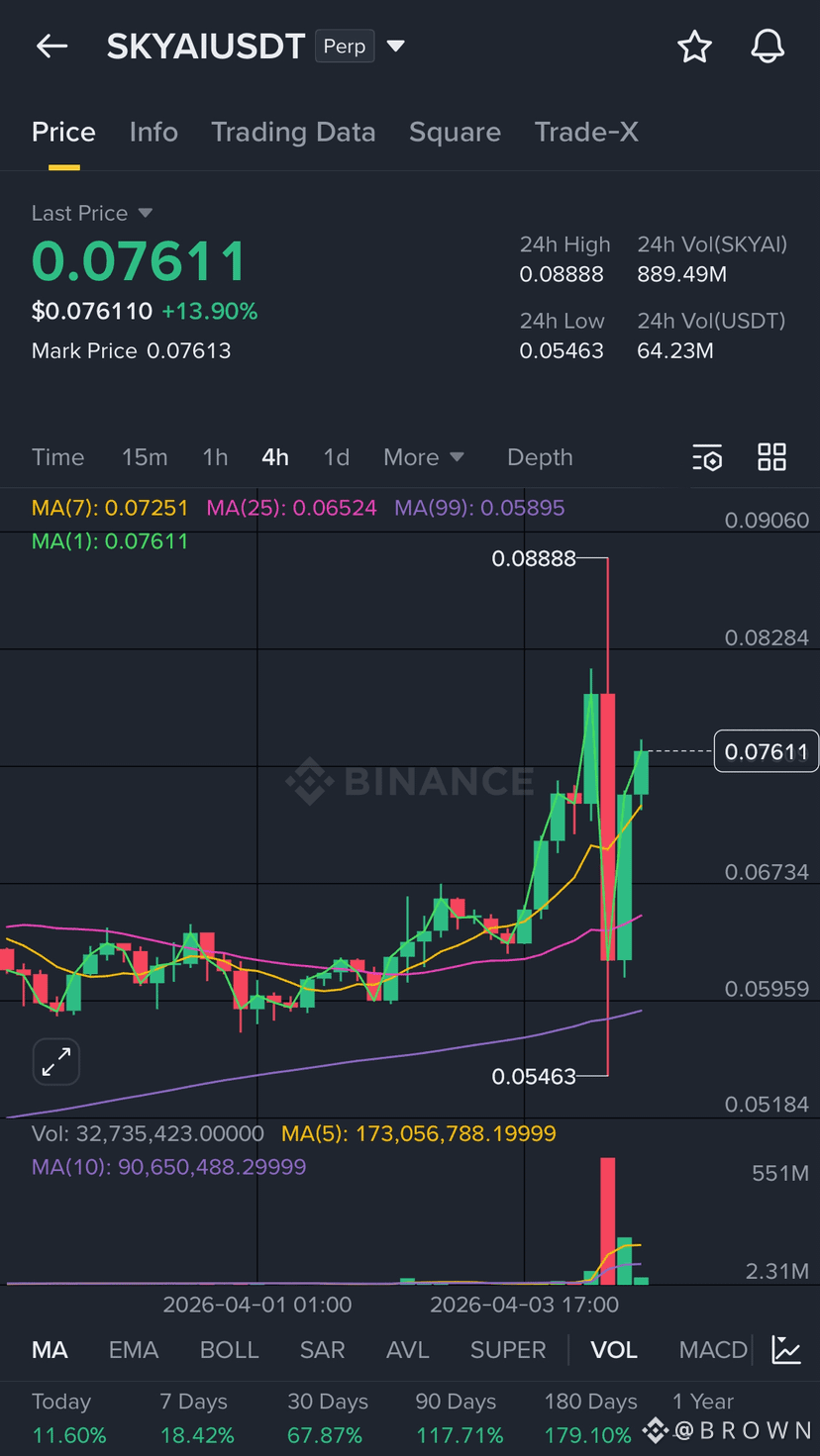
$SKYAI – Momentum fading at resistance, short setup forming
Clean rejection after the spike, long upper wick + heavy sell volume shows supply stepping in. Price struggling to reclaim highs.
Trading Plan Short $SKYAI (max 10x)
Entry: 0.0735 – 0.0780
SL: 0.082
TP: 0.0680
TP: 0.0625
TP: 0.0570
Fast move up, weak continuation, classic exhaustion. If it can’t hold above the mid-range, downside liquidity likely gets tapped next.
Trade $SKYAI here 👇
$SKYAI – Momentum fading at resistance, short setup forming
Clean rejection after the spike, long upper wick + heavy sell volume shows supply stepping in. Price struggling to reclaim highs.
Trading Plan Short $SKYAI (max 10x)
Entry: 0.0735 – 0.0780
SL: 0.082
TP: 0.0680
TP: 0.0625
TP: 0.0570
Fast move up, weak continuation, classic exhaustion. If it can’t hold above the mid-range, downside liquidity likely gets tapped next.
Trade $SKYAI here 👇
Clean rejection after the spike, long upper wick + heavy sell volume shows supply stepping in. Price struggling to reclaim highs.
Trading Plan Short $SKYAI (max 10x)
Entry: 0.0735 – 0.0780
SL: 0.082
TP: 0.0680
TP: 0.0625
TP: 0.0570
Fast move up, weak continuation, classic exhaustion. If it can’t hold above the mid-range, downside liquidity likely gets tapped next.
Trade $SKYAI here 👇
1
237
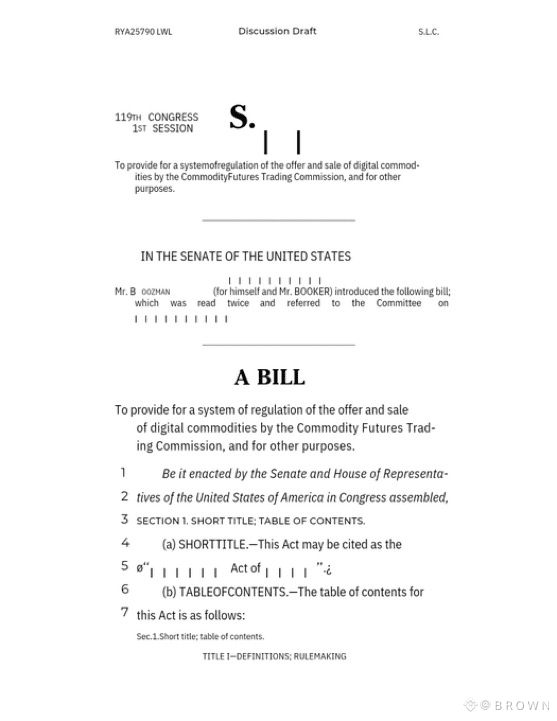
🚨 Feels like a turning point.
CLARITY Act reportedly closing in within hours.
Years of uncertainty… potentially replaced with clear rules overnight.
If this lands, it’s not just news — it’s infrastructure for the next phase.
Markets don’t wait for clarity.
They reprice the moment it arrives.
Stay ready.
🚨 Feels like a turning point.
CLARITY Act reportedly closing in within hours.
Years of uncertainty… potentially replaced with clear rules overnight.
If this lands, it’s not just news — it’s infrastructure for the next phase.
Markets don’t wait for clarity.
They reprice the moment it arrives.
Stay ready.
CLARITY Act reportedly closing in within hours.
Years of uncertainty… potentially replaced with clear rules overnight.
If this lands, it’s not just news — it’s infrastructure for the next phase.
Markets don’t wait for clarity.
They reprice the moment it arrives.
Stay ready.
1
2
365
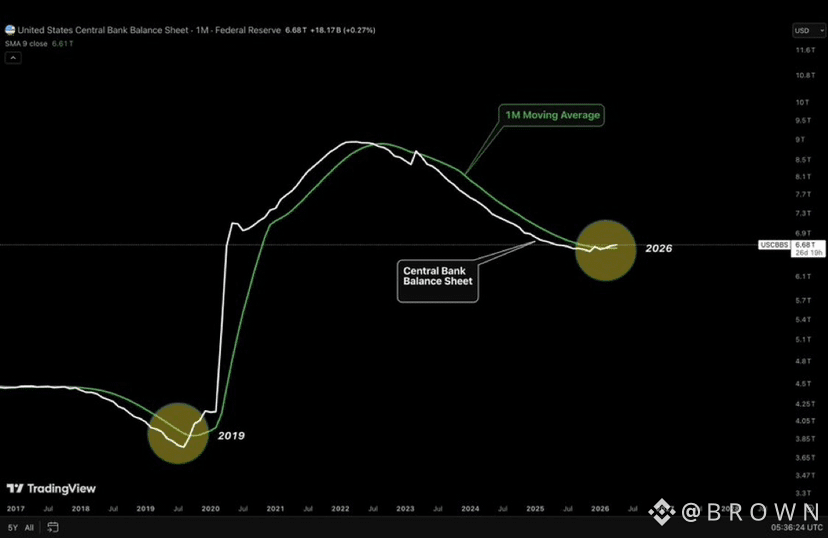
LIQUIDITY IS ABOUT TO COME BACK!!
In 2019, the Fed started expanding its balance sheet and injecting money into the system. Markets loved it.
Since QT ended in December 2025, the Fed has already injected $160 billion.
More money in the system means more reserves in banks. More reserves mean more money flowing into markets. And historically, that’s been very good for stocks and crypto.
LIQUIDITY IS ABOUT TO COME BACK!!
In 2019, the Fed started expanding its balance sheet and injecting money into the system. Markets loved it.
Since QT ended in December 2025, the Fed has already injected $160 billion.
More money in the system means more reserves in banks. More reserves mean more money flowing into markets. And historically, that’s been very good for stocks and crypto.
In 2019, the Fed started expanding its balance sheet and injecting money into the system. Markets loved it.
Since QT ended in December 2025, the Fed has already injected $160 billion.
More money in the system means more reserves in banks. More reserves mean more money flowing into markets. And historically, that’s been very good for stocks and crypto.
3
412
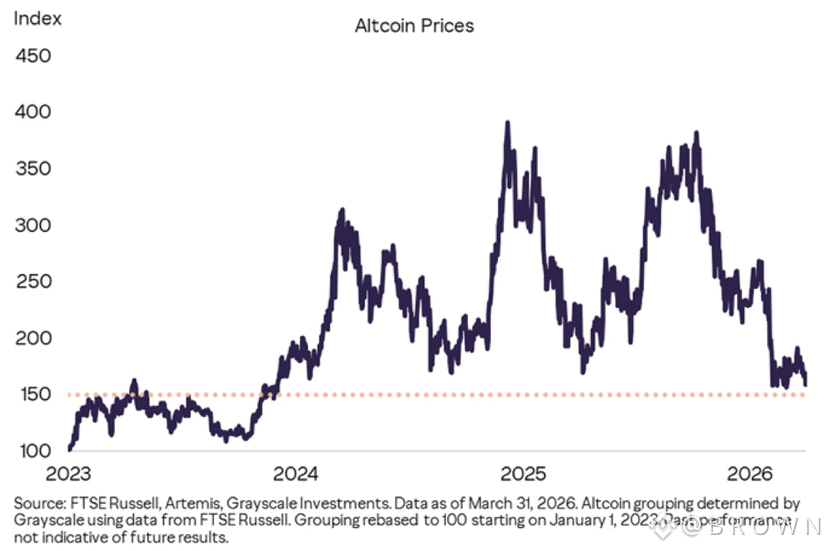
🔥 UPDATE:
Leading altcoins including $ETH, $SOL, $LINK, $SUI, and $AVAX may offer a compelling entry point as they trade near multi-year lows, according to Grayscale.
🔥 UPDATE:
Leading altcoins including $ETH, $SOL, $LINK, $SUI, and $AVAX may offer a compelling entry point as they trade near multi-year lows, according to Grayscale.
Leading altcoins including $ETH, $SOL, $LINK, $SUI, and $AVAX may offer a compelling entry point as they trade near multi-year lows, according to Grayscale.
3
438
·
--
Bullish
Stop jumping in and out of every move.
Pick a thesis you believe in, commit to it, and let it play out.
#TradingTales #TradeToWin
Stop jumping in and out of every move.
Pick a thesis you believe in, commit to it, and let it play out.
#TradingTales #TradeToWin
Pick a thesis you believe in, commit to it, and let it play out.
#TradingTales #TradeToWin

8
215
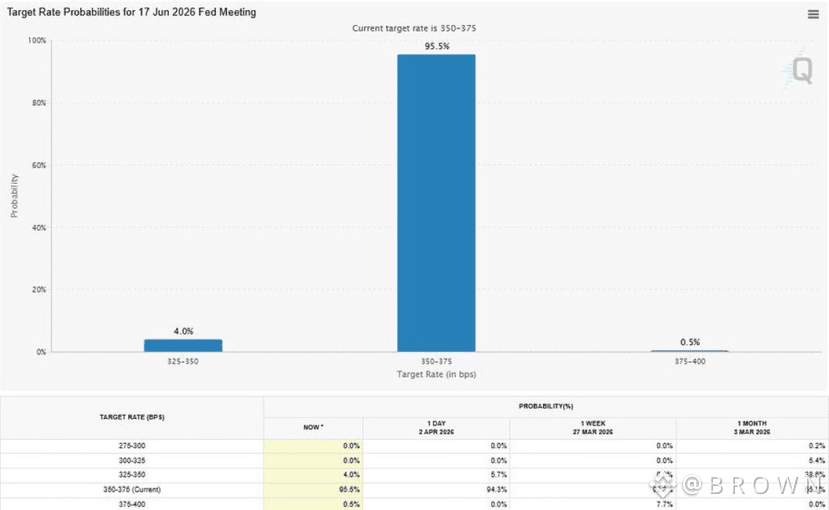
Strong Non-Farm Payrolls data just pushed Fed hold expectations even higher.
Markets are now pricing a 95.5% chance the Federal Reserve keeps rates unchanged.
Rate cuts keep getting pushed further out.
Strong Non-Farm Payrolls data just pushed Fed hold expectations even higher.
Markets are now pricing a 95.5% chance the Federal Reserve keeps rates unchanged.
Rate cuts keep getting pushed further out.
Markets are now pricing a 95.5% chance the Federal Reserve keeps rates unchanged.
Rate cuts keep getting pushed further out.
10
285
RWAs are still one of the few sectors showing real traction right now.
Tokenized assets sit around $26.7B, with U.S. Treasuries leading the flow. While most of the market slows, capital is still rotating into on-chain real-world assets.
Updated view:
→ Distributed asset value: ~$26.71B (+2.31% over 30d)
→ Represented asset value: ~$345.07B
This isn’t narrative-driven — it’s capital seeking stability and yield.
$ONDO $CFG
RWAs are still one of the few sectors showing real traction right now.
Tokenized assets sit around $26.7B, with U.S. Treasuries leading the flow. While most of the market slows, capital is still rotating into on-chain real-world assets.
Updated view:
→ Distributed asset value: ~$26.71B (+2.31% over 30d)
→ Represented asset value: ~$345.07B
This isn’t narrative-driven — it’s capital seeking stability and yield.
$ONDO $CFG
Tokenized assets sit around $26.7B, with U.S. Treasuries leading the flow. While most of the market slows, capital is still rotating into on-chain real-world assets.
Updated view:
→ Distributed asset value: ~$26.71B (+2.31% over 30d)
→ Represented asset value: ~$345.07B
This isn’t narrative-driven — it’s capital seeking stability and yield.
$ONDO $CFG
Has the season started?
33%
Or is it too early?
67%
3 votes • Voting closed
10
723

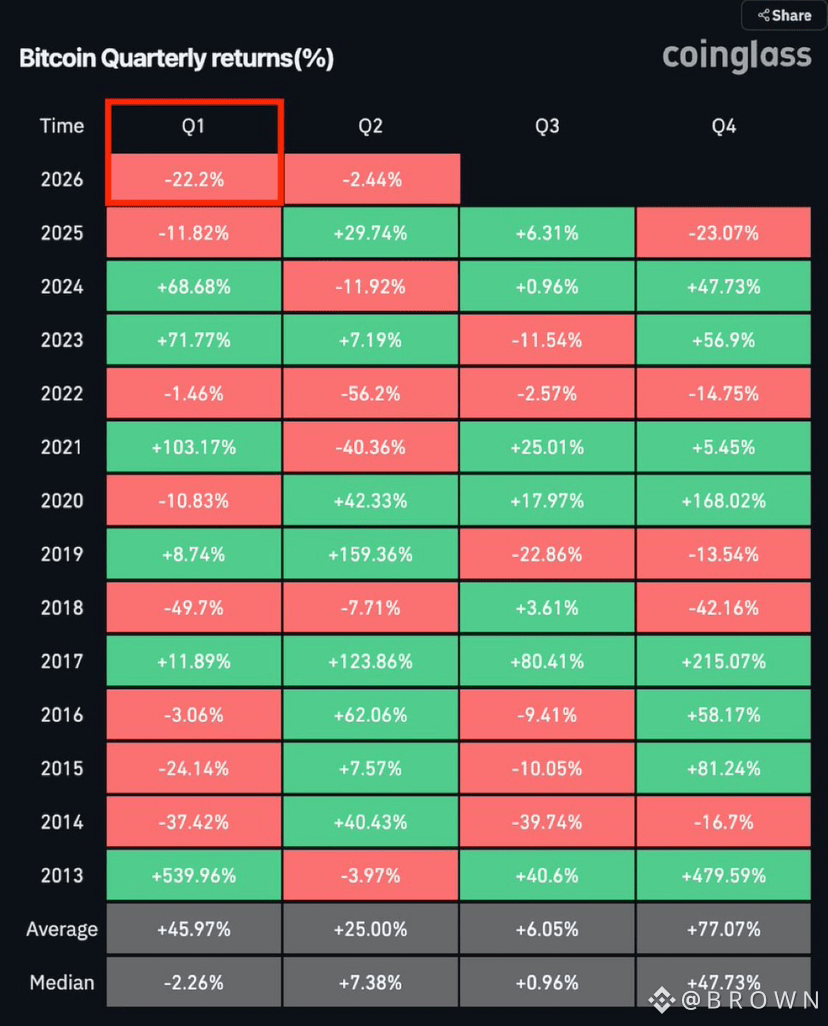
Bitcoin just wrapped up its worst Q1 in 8 years.
8 YEARS.
Bitcoin just wrapped up its worst Q1 in 8 years.
8 YEARS.
8 YEARS.
7
206
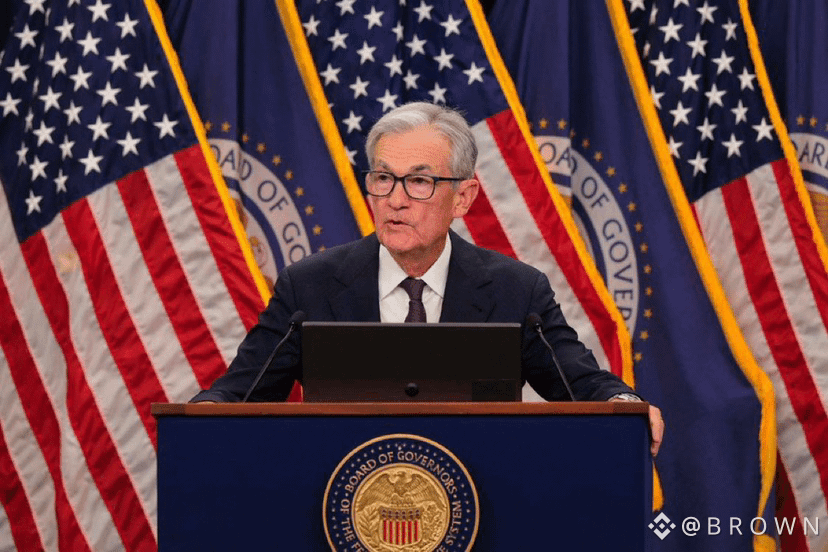
🚨BREAKING🚨
🇺🇸 US Unemployment came in at 4.3%
Expectations: 4.4%
🚨BREAKING🚨
🇺🇸 US Unemployment came in at 4.3%
Expectations: 4.4%
🇺🇸 US Unemployment came in at 4.3%
Expectations: 4.4%
10
279
·
--
Bullish
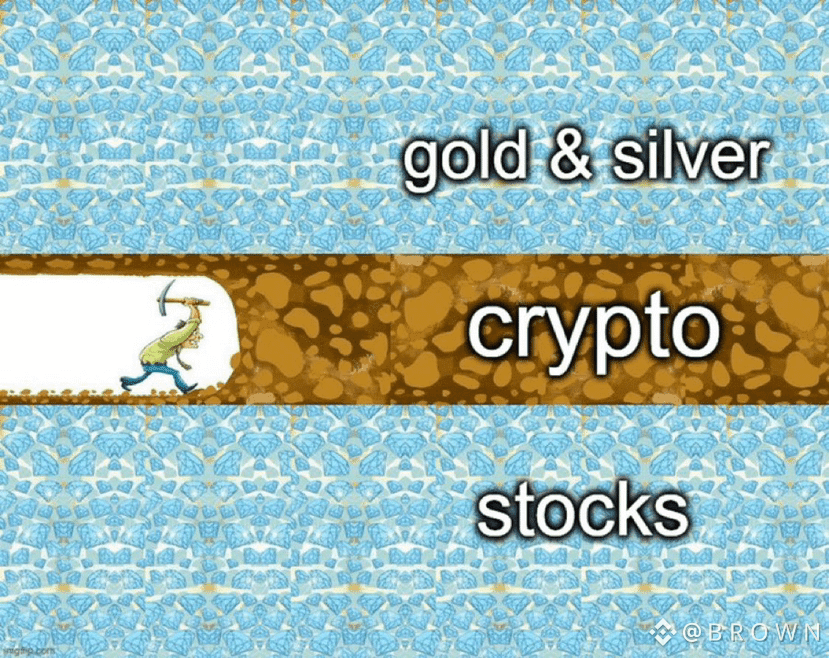
Crypto after the first pro crypto president.
Crypto after the first pro crypto president.
7
80
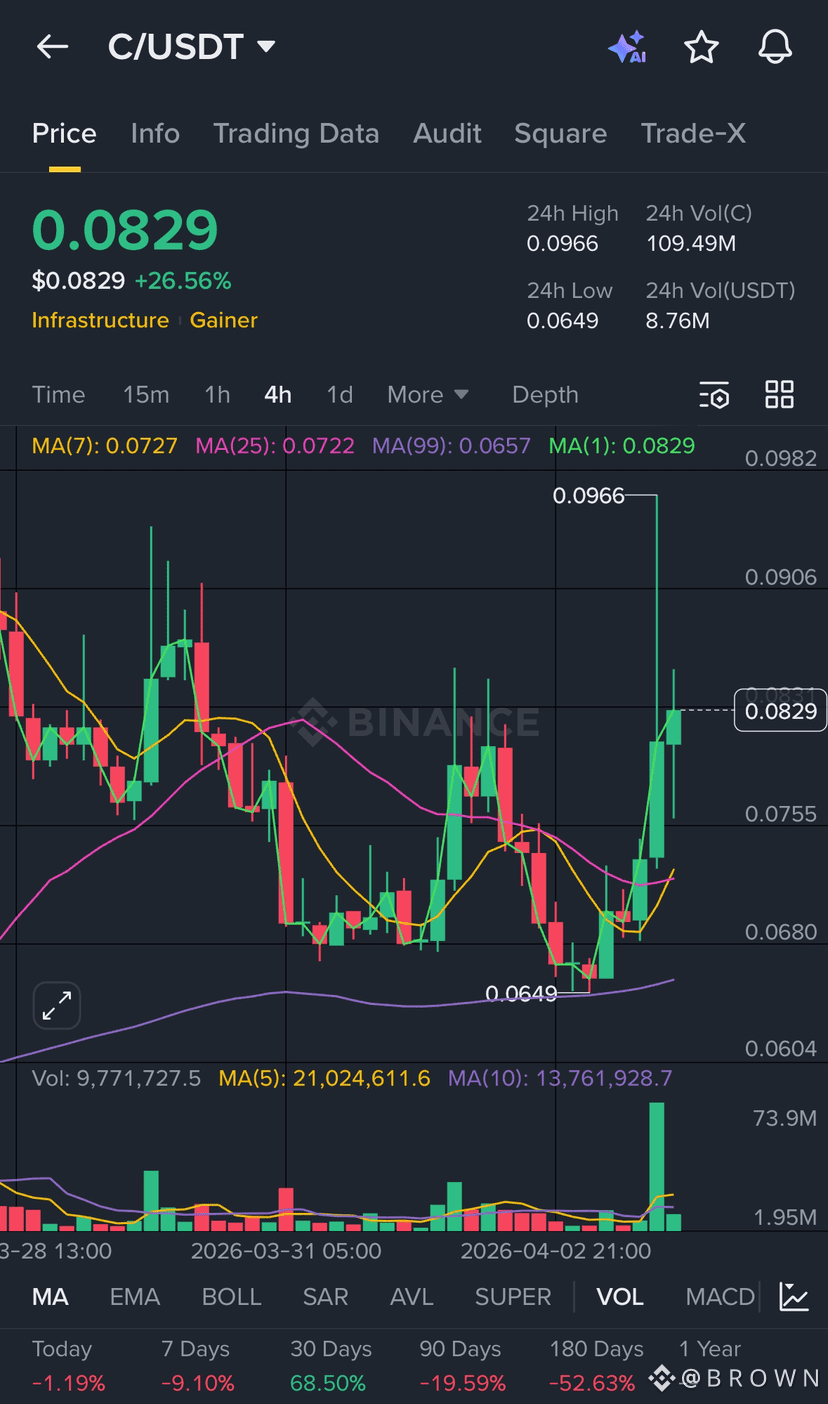
$C strong reaction off the lows and momentum picked up fast.
Clean bounce from the 0.065 zone and now pushing back into 0.08+ with volume stepping in. That move shows buyers are active again.
I’m not chasing this spike, but if it holds above support, this could build into a solid continuation.
Looks like early strength coming back!!
🤟🏻❤️🔥
{spot}(CUSDT)
$C strong reaction off the lows and momentum picked up fast.
Clean bounce from the 0.065 zone and now pushing back into 0.08+ with volume stepping in. That move shows buyers are active again.
I’m not chasing this spike, but if it holds above support, this could build into a solid continuation.
Looks like early strength coming back!!
🤟🏻❤️🔥
Clean bounce from the 0.065 zone and now pushing back into 0.08+ with volume stepping in. That move shows buyers are active again.
I’m not chasing this spike, but if it holds above support, this could build into a solid continuation.
Looks like early strength coming back!!
🤟🏻❤️🔥
7
160
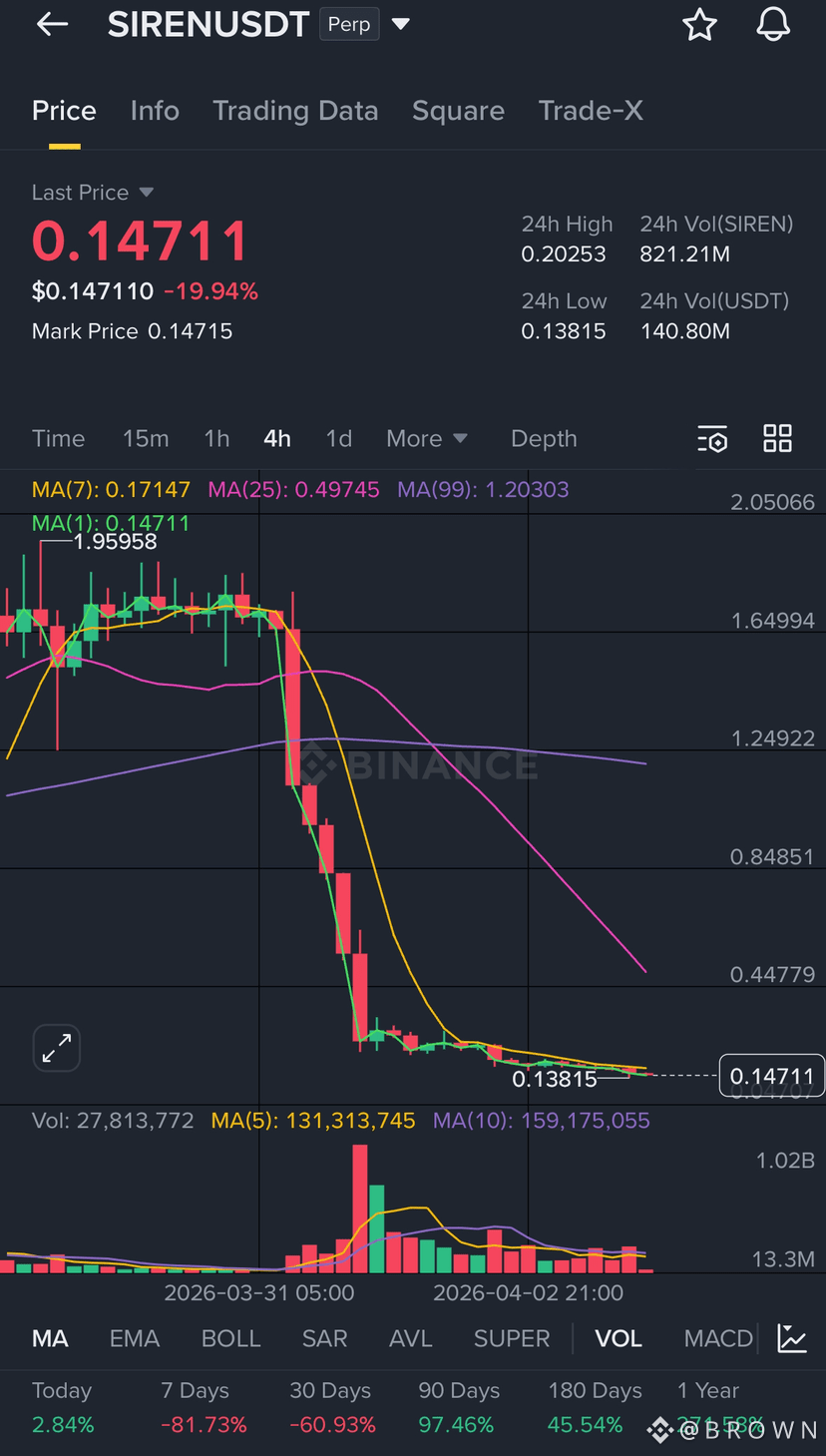
$SIREN starting to slow down after that heavy drop.
Price is stabilizing near the lows, and you can see selling pressure easing a bit. Not strong yet, but this is usually how early bases begin.
I’m not jumping in, but I’m watching closely for a shift in momentum.
If this holds and builds, we could see a decent recovery 👀
🚨🤌🏻
{future}(SIRENUSDT)
$SIREN starting to slow down after that heavy drop.
Price is stabilizing near the lows, and you can see selling pressure easing a bit. Not strong yet, but this is usually how early bases begin.
I’m not jumping in, but I’m watching closely for a shift in momentum.
If this holds and builds, we could see a decent recovery 👀
🚨🤌🏻
Price is stabilizing near the lows, and you can see selling pressure easing a bit. Not strong yet, but this is usually how early bases begin.
I’m not jumping in, but I’m watching closely for a shift in momentum.
If this holds and builds, we could see a decent recovery 👀
🚨🤌🏻
2
6
515
·
--
Bullish
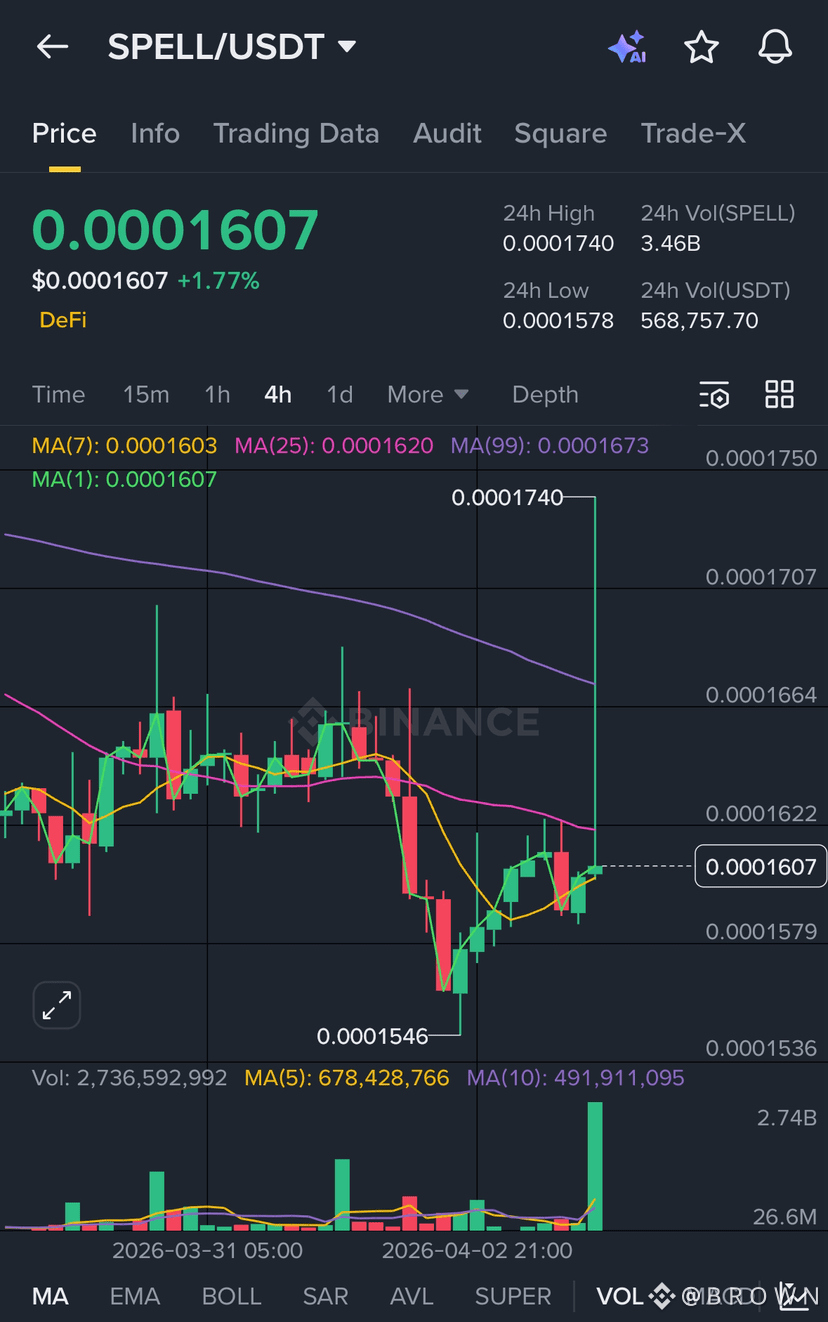
$SPELL showing signs of life after that dip, but still needs confirmation.
Nice bounce from 0.000154 area, and starting to reclaim short-term structure. Volume spike is interesting, but price still sitting under resistance.
For me, this is a wait for a clean break before getting confident.
Early signs are there, just not fully there yet
✨🧞♂️
{spot}(SPELLUSDT)
$SPELL showing signs of life after that dip, but still needs confirmation.
Nice bounce from 0.000154 area, and starting to reclaim short-term structure. Volume spike is interesting, but price still sitting under resistance.
For me, this is a wait for a clean break before getting confident.
Early signs are there, just not fully there yet
✨🧞♂️
Nice bounce from 0.000154 area, and starting to reclaim short-term structure. Volume spike is interesting, but price still sitting under resistance.
For me, this is a wait for a clean break before getting confident.
Early signs are there, just not fully there yet
✨🧞♂️
6
256
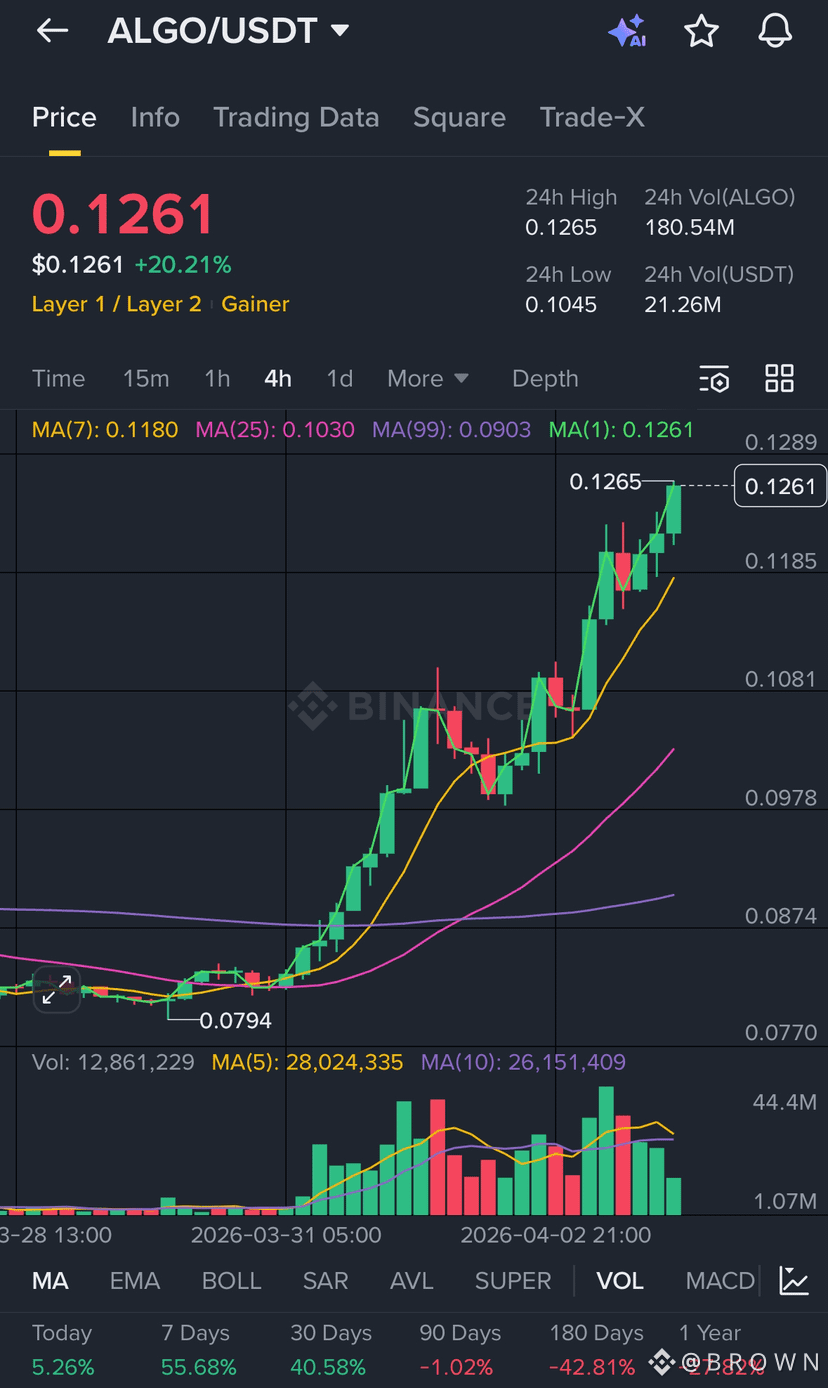
$ALGO clean trend, strong momentum and no signs of slowing yet.
Nice breakout from the 0.08 zone and now pushing into fresh highs around 0.126. Structure is solid, higher highs, higher lows, buyers fully in control.
I’m not chasing this extension, dips into support are where I’m interested.
As long as it holds, this can keep trending higher 👀
{spot}(ALGOUSDT)
$ALGO clean trend, strong momentum and no signs of slowing yet.
Nice breakout from the 0.08 zone and now pushing into fresh highs around 0.126. Structure is solid, higher highs, higher lows, buyers fully in control.
I’m not chasing this extension, dips into support are where I’m interested.
As long as it holds, this can keep trending higher 👀
Nice breakout from the 0.08 zone and now pushing into fresh highs around 0.126. Structure is solid, higher highs, higher lows, buyers fully in control.
I’m not chasing this extension, dips into support are where I’m interested.
As long as it holds, this can keep trending higher 👀
6
222
·
--
Bullish
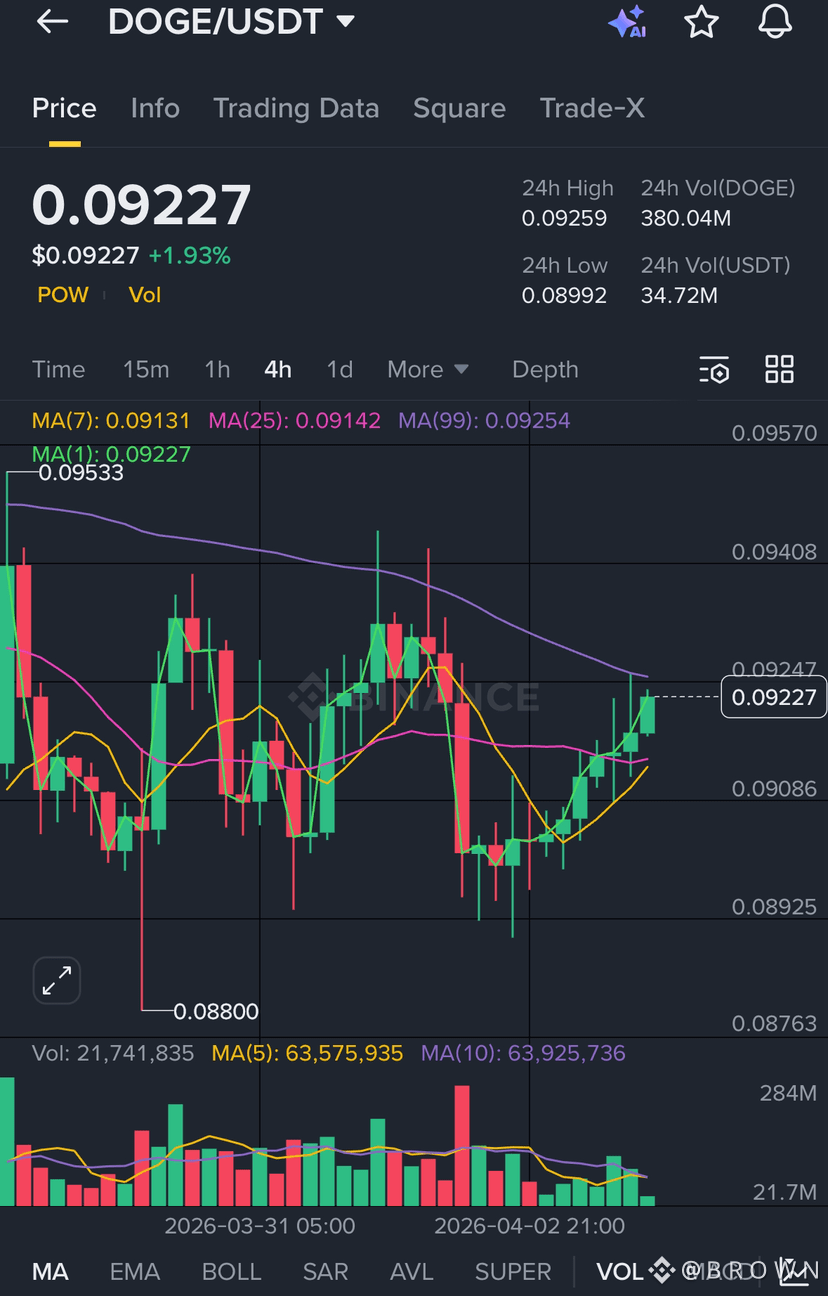
$DOGE starting to curl up here after holding that 0.088 zone nicely.
Slow grind back above 0.092, and you can see momentum building with higher lows forming. Nothing explosive yet, but structure is improving.
I’d still treat this as a range until we get a clean break above resistance.
Patience here, but it’s starting to look better 👀
🐕🐕
{spot}(DOGEUSDT)
$DOGE starting to curl up here after holding that 0.088 zone nicely.
Slow grind back above 0.092, and you can see momentum building with higher lows forming. Nothing explosive yet, but structure is improving.
I’d still treat this as a range until we get a clean break above resistance.
Patience here, but it’s starting to look better 👀
🐕🐕
Slow grind back above 0.092, and you can see momentum building with higher lows forming. Nothing explosive yet, but structure is improving.
I’d still treat this as a range until we get a clean break above resistance.
Patience here, but it’s starting to look better 👀
🐕🐕
5
178
·
--
Bearish
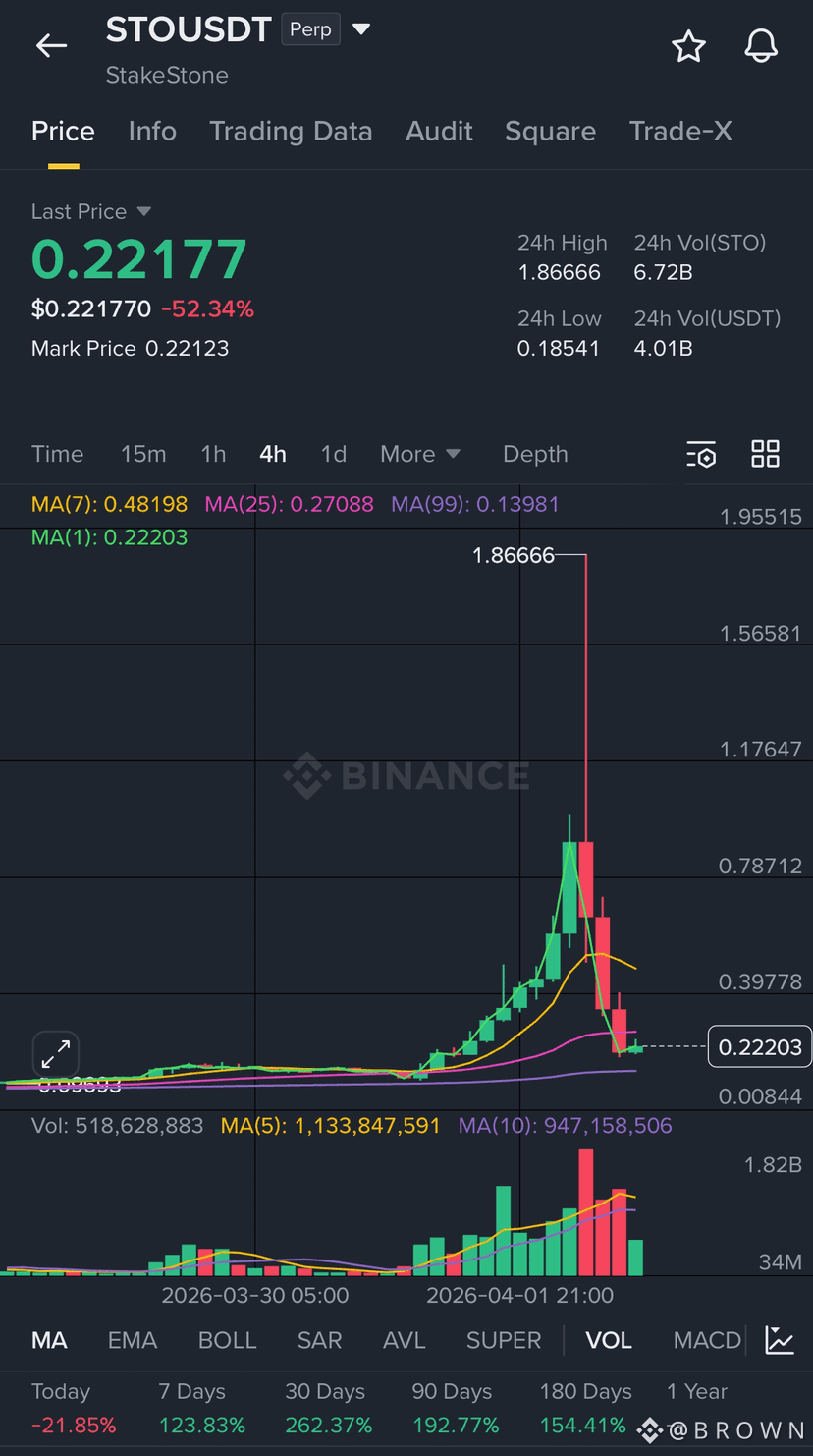
Woke up, opened the chart… and yeah, that hit different.
$STO sitting around $0.22 after that drop…
-50% move, straight down.
No time to overthink it, I’m in a loss.
But this is the real side of trading.
Fast pumps, even faster corrections.
One thing on my mind:
👉 Stay locked in.
No panic, no chasing.
That loss?
Not closing it like this.
👉 We adjust
👉 We execute
👉 We take it back properly
Today isn’t about emotions.
It’s about discipline and clean setups.
We got caught in the move,
now we move smarter. 💰
$STO
{spot}(STOUSDT)
Woke up, opened the chart… and yeah, that hit different.
$STO sitting around $0.22 after that drop…
-50% move, straight down.
No time to overthink it, I’m in a loss.
But this is the real side of trading.
Fast pumps, even faster corrections.
One thing on my mind:
👉 Stay locked in.
No panic, no chasing.
That loss?
Not closing it like this.
👉 We adjust
👉 We execute
👉 We take it back properly
Today isn’t about emotions.
It’s about discipline and clean setups.
We got caught in the move,
now we move smarter. 💰
$STO
$STO sitting around $0.22 after that drop…
-50% move, straight down.
No time to overthink it, I’m in a loss.
But this is the real side of trading.
Fast pumps, even faster corrections.
One thing on my mind:
👉 Stay locked in.
No panic, no chasing.
That loss?
Not closing it like this.
👉 We adjust
👉 We execute
👉 We take it back properly
Today isn’t about emotions.
It’s about discipline and clean setups.
We got caught in the move,
now we move smarter. 💰
$STO
2
1
14
651
·
--
Bearish
🚨 ANOTHER RED DAY IN MARKETS
Trillions wiped today in stocks & crypto.
Oil ripping hard.
All of this is following Trump’s announcement that Operation Epic Fury will continue for another 2-3 weeks.
The bottom is likely NOT in.
We should see another push to the downside for crypto.
$40,000-$50,000 would be an amazing buying opportunity if we end up there.
🚨 ANOTHER RED DAY IN MARKETS
Trillions wiped today in stocks & crypto.
Oil ripping hard.
All of this is following Trump’s announcement that Operation Epic Fury will continue for another 2-3 weeks.
The bottom is likely NOT in.
We should see another push to the downside for crypto.
$40,000-$50,000 would be an amazing buying opportunity if we end up there.
Trillions wiped today in stocks & crypto.
Oil ripping hard.
All of this is following Trump’s announcement that Operation Epic Fury will continue for another 2-3 weeks.
The bottom is likely NOT in.
We should see another push to the downside for crypto.
$40,000-$50,000 would be an amazing buying opportunity if we end up there.

1
13
1.8k
Log in to explore more content
Join global crypto users on Binance Square
⚡️ Get latest and useful information about crypto.
💬 Trusted by the world’s largest crypto exchange.
👍 Discover real insights from verified creators.
Email / Phone number
Trending Topics
BinancePick
2.6M views
140,754 Discussing
Join #EarningsSeason: Predict Earnings on Binance Pick, Share Your Take on Binance Square!
Binance Square Official
·400 Likes
·338.2k views
EarningsSeason
5M views
24,263 Discussing
FranklinTempletonFilesForTwoDividendToBitcoinETFs
427 views
50 Discussing